
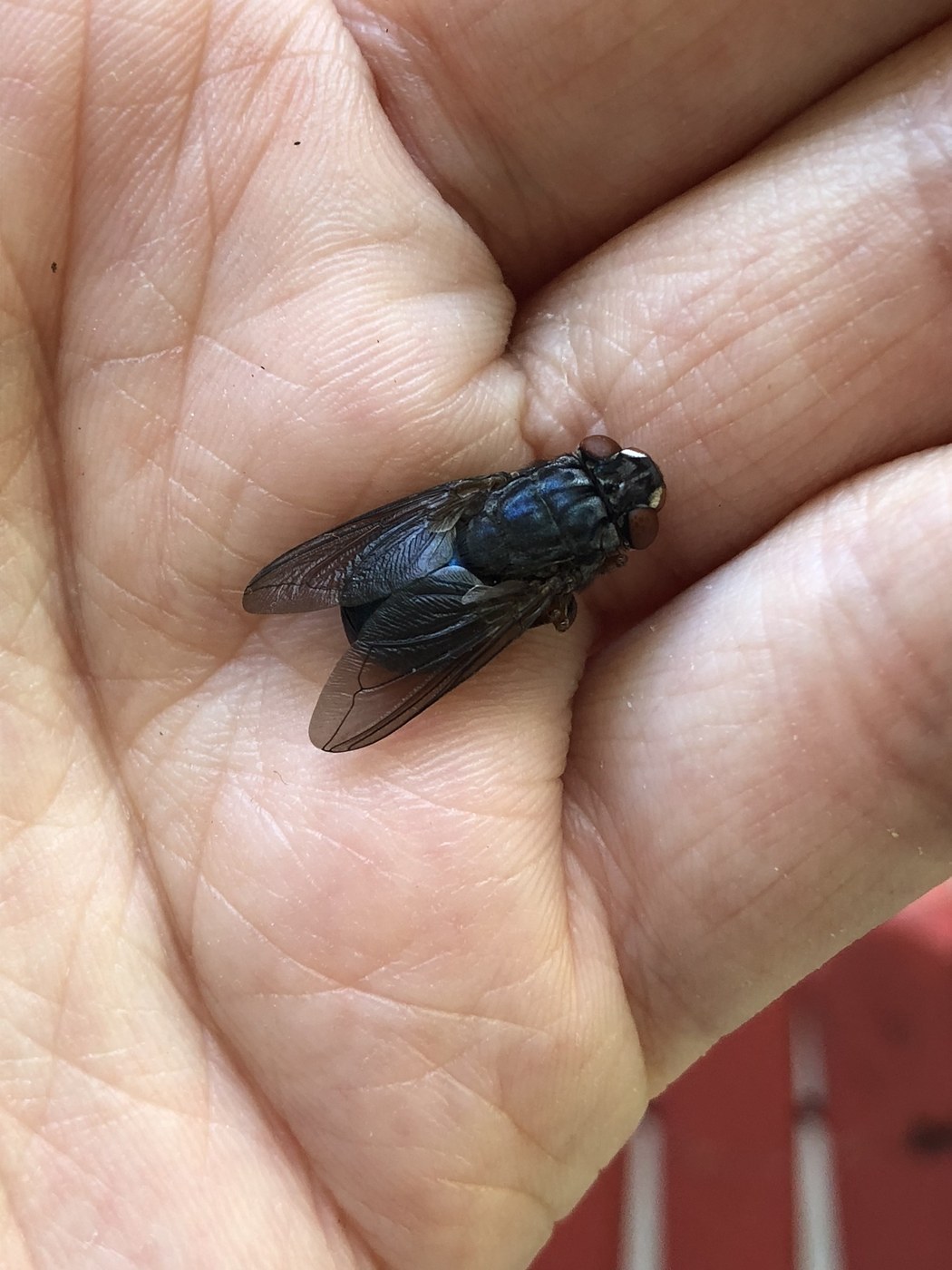
Human Bot Fly
Dermatobia hominis
A stout, dark-bodied fly from the American tropics famous for an unusual reproductive trick: it captures a blood-feeding mosquito mid-flight and glues its own eggs to the mosquito's body before releasing it to carry them to a future host. The adult itself is rarely seen, spending most of its short life in shaded forest understory.
- Size
- 12–18 mm, stout and dark blue-gray
- Habitat
- Humid lowland forests and pastures of Central and South America
- Danger
- Nuisance pest
Spotted a bug like this?
Identify any bug or insect from a photo, free.
Overview
The human bot fly, Dermatobia hominis, is a large tropical fly found from Mexico through much of South America, best known for its larval stage, which develops as a parasite in the skin of mammals. Adults are robust, dark blue-gray to black flies with a somewhat metallic sheen, and like other bot flies they do not feed once they reach adulthood, relying on fat reserves accumulated as larvae.
What sets this species apart from other bot flies is its egg-laying strategy, known as phoresy: rather than laying eggs directly on a host, the female Dermatobia captures a mosquito or other blood-feeding fly in midair, attaches a cluster of eggs to its abdomen, and releases it unharmed. When the carrier insect later lands on a warm-blooded animal to feed, the body heat triggers the bot fly eggs to hatch, and the emerging larvae drop onto the host's skin.
This species is of long-standing interest to entomologists both for its remarkable behavior and its role as a natural parasite of cattle and wild mammals across its tropical range, where it is considered a livestock pest in ranching regions.
How to Identify
- Robust, hairy-bodied fly roughly the size of a large housefly or small bumblebee, 12–18 mm long
- Coloring is dark blue-gray to black with a subtle metallic sheen and pale hairs on the thorax
- Head is small relative to the body, with reduced mouthparts typical of non-feeding adult bot flies
- Wings are clear to lightly smoky and held flat over the body at rest
- Best identified indirectly by its distinctive egg-laying behavior of attaching eggs to a captured mosquito rather than by casual sight of the adult, which is uncommon to observe
Habitat & Range
Dermatobia hominis is native to humid lowland and mid-elevation forests, forest edges, and cattle pastures from central Mexico south through most of tropical South America. Adults tend to stay in shaded, humid microhabitats near forest cover, while the mosquitoes and other insects that serve as egg carriers range more widely into open pasture and human settlement, extending the fly's effective reach. Peak activity follows warm, humid conditions typical of the wet season in its tropical range.
Behavior & Diet
Adult human bot flies do not feed and live only a short time, focused entirely on mating and reproduction. The species is unique among bot flies for its phoretic egg-laying strategy, ambushing a blood-feeding insect such as a mosquito in flight and cementing a batch of eggs to its body before letting it go. This indirect delivery system allows the bot fly to reach hosts, including cattle, deer, dogs, and other mammals, without needing to approach the host itself. Ecologically, the species functions as a natural larval parasite within tropical mammal communities and is a recognized pest of livestock in cattle-ranching areas of its range.
Life Cycle
Eggs are carried by a mosquito or other insect until that carrier lands to feed on a mammal, at which point the warmth of the host's skin triggers hatching within seconds and the tiny larvae drop onto the host and burrow in through the bite wound or a hair follicle. The larva develops under the skin for several weeks, forming a breathing pore at the skin surface, before reaching full size and exiting to fall to the ground. It then burrows into soil or leaf litter to pupate, with the pupal stage lasting several weeks before a new adult emerges to begin the cycle again.
Frequently asked questions
How does the human bot fly get its eggs onto a host?
The female attaches her eggs to a blood-feeding insect such as a mosquito while it is in flight, and the carrier later delivers the eggs to a host when it lands to feed.
Does the adult human bot fly bite?
No, adults have non-functional mouthparts and do not feed, so all direct contact with a host happens only during the larval stage.
Where in the world is this species found?
It occurs in humid lowland and mid-elevation habitats from central Mexico through most of tropical South America.
What animals does it typically use as hosts?
Cattle, deer, dogs, and a range of other wild and domestic mammals serve as hosts across its tropical range.
Human Bot Fly guides
In-depth guides for identifying, understanding, and living alongside Human Bot Fly.
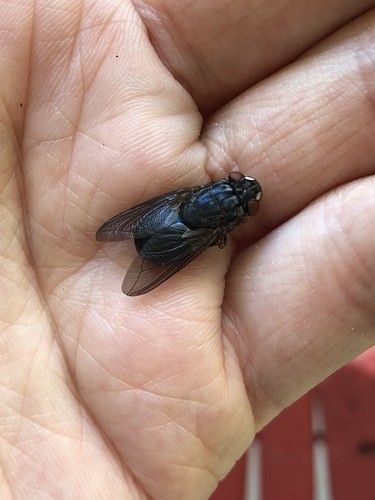
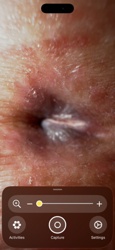
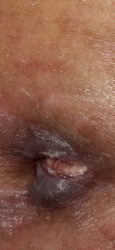
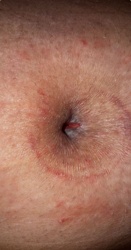
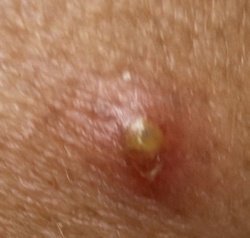
Human Bot Fly identified by the community
Real finds identified with Bug Identifier.
Other bugs you may enjoy
Aphid Midge
Gardens, greenhouses, and crops with aphids
Yellow Fever Mosquito
Urban and peri-urban areas near small artificial water containers in tropical and subtropical regions worldwide
Root Maggot
Garden and field soil around the roots of cole crops and other vegetables
Anopheles Mosquito
Clean, still or slow-moving freshwater habitats such as marshes, ponds, and rice paddies
Tachinid Fly
Gardens, meadows, and woodlands wherever host caterpillars and other insects occur
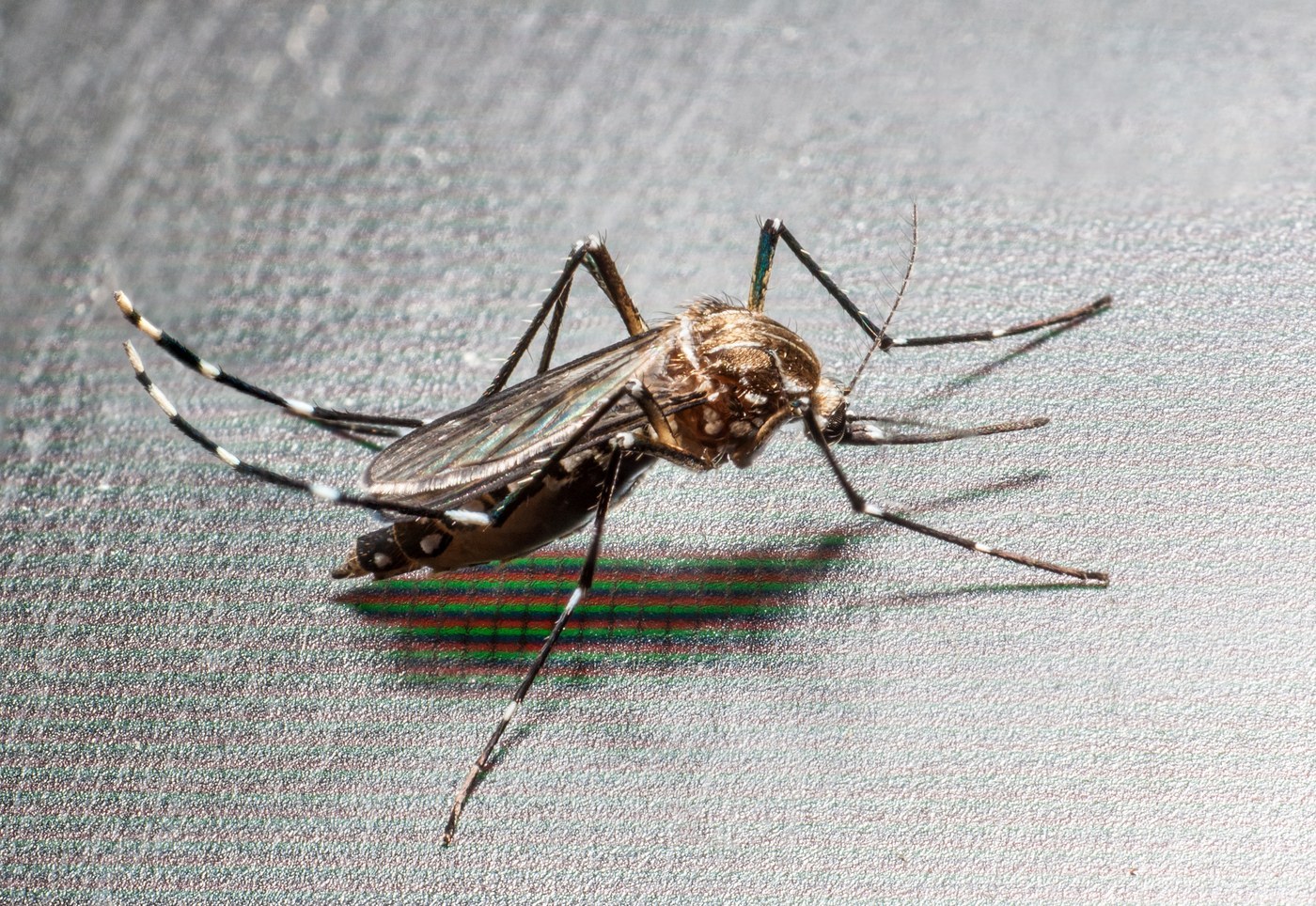
Asian Tiger Mosquito
Shaded urban and suburban areas near small water-holding containers, tires, and tree holes; native to Southeast Asia, now widespread
Tsetse Fly
Wooded savanna, riverine thickets, and forest edges across sub-Saharan Africa
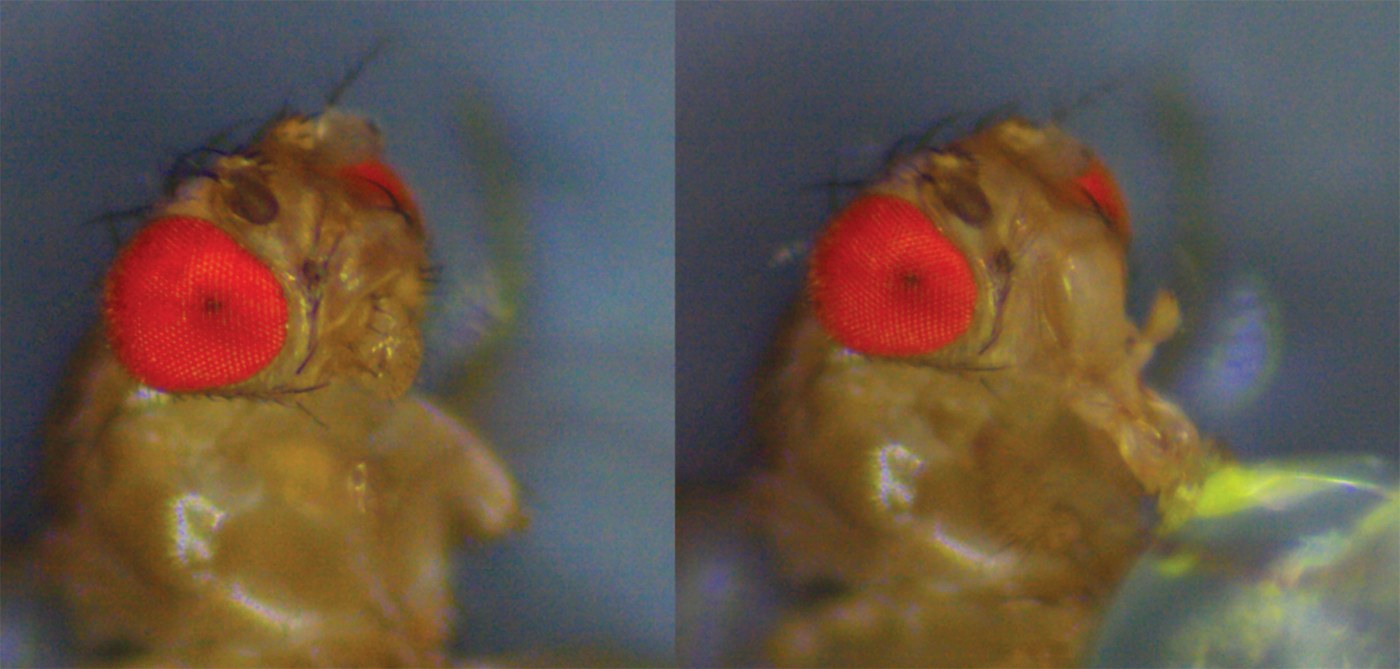
Vinegar Fly
Around overripe fruit, compost, and fermenting materials worldwide
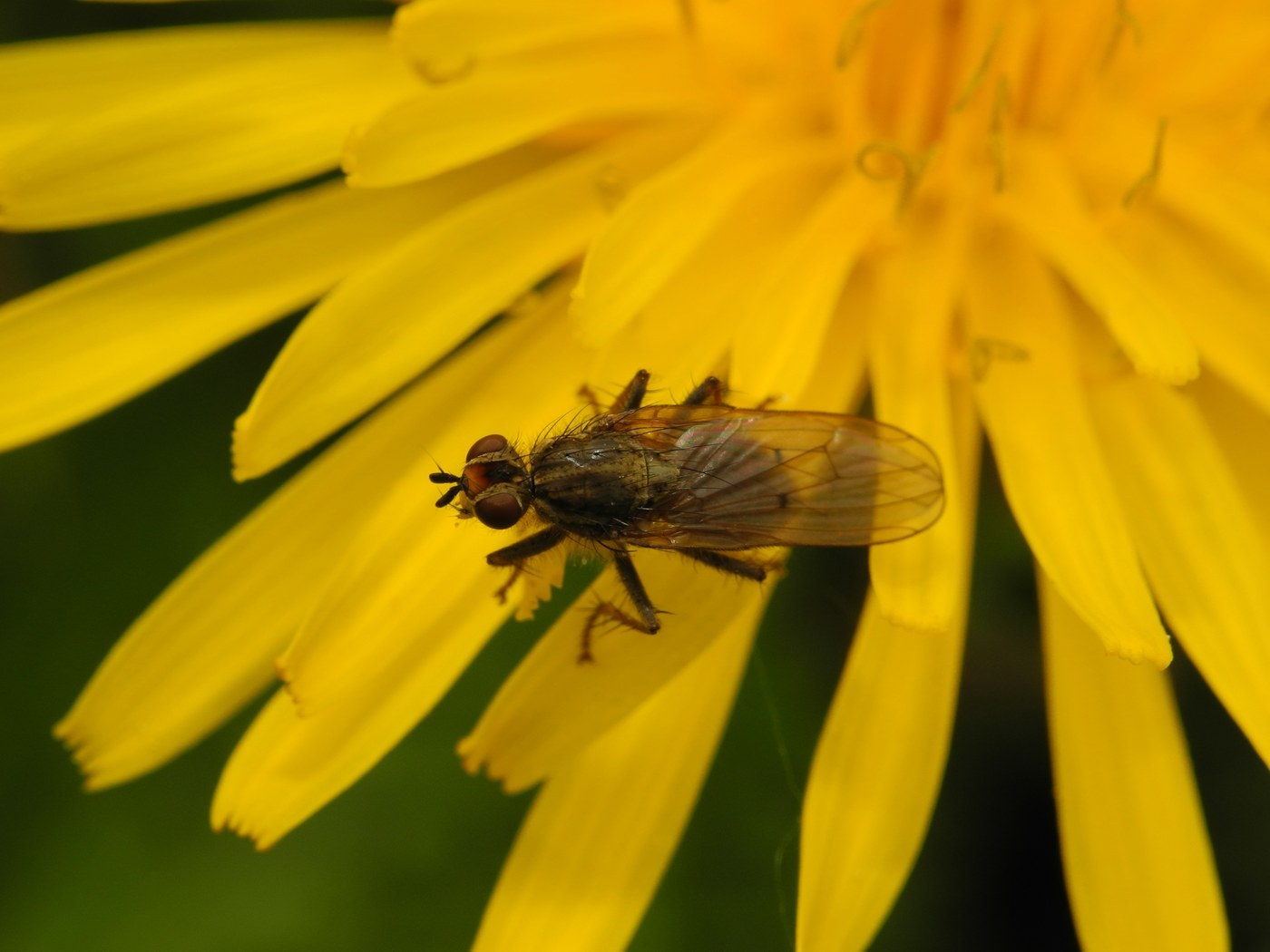
Yellow Dung Fly
Pastures and fields with fresh cattle dung
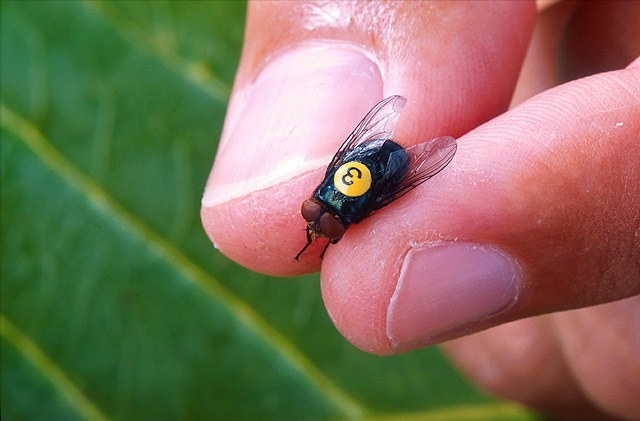
Screwworm Fly
Warm, humid lowlands of the Americas, especially near livestock and wildlife wounds
Soldier Fly
Wetland margins, decaying organic matter, and vegetation near water
Punkie
near marshes, mudflats, ponds, and other standing water