
Bug Encyclopedia
Search and identify bugs & insects — beetles, butterflies, moths, ants, bees, spiders and more — with size, habitat, danger, behavior, and how to tell them apart.
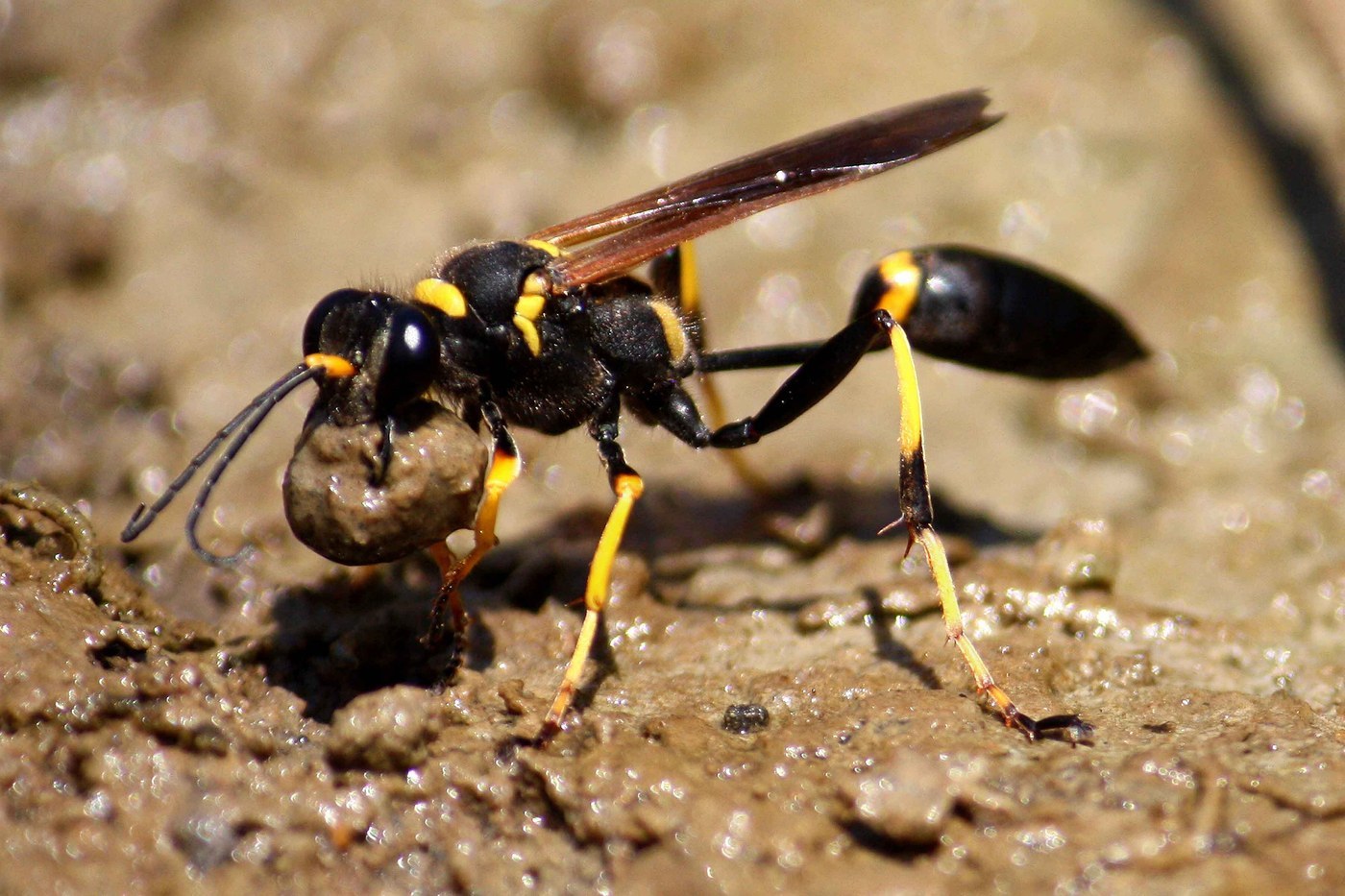
Mud Wasp
A slender, thread-waisted solitary wasp famous for plastering rows of tube-shaped mud cells under eaves and porch ceilings, each one stocked with paralyzed spiders for its larva.
wasp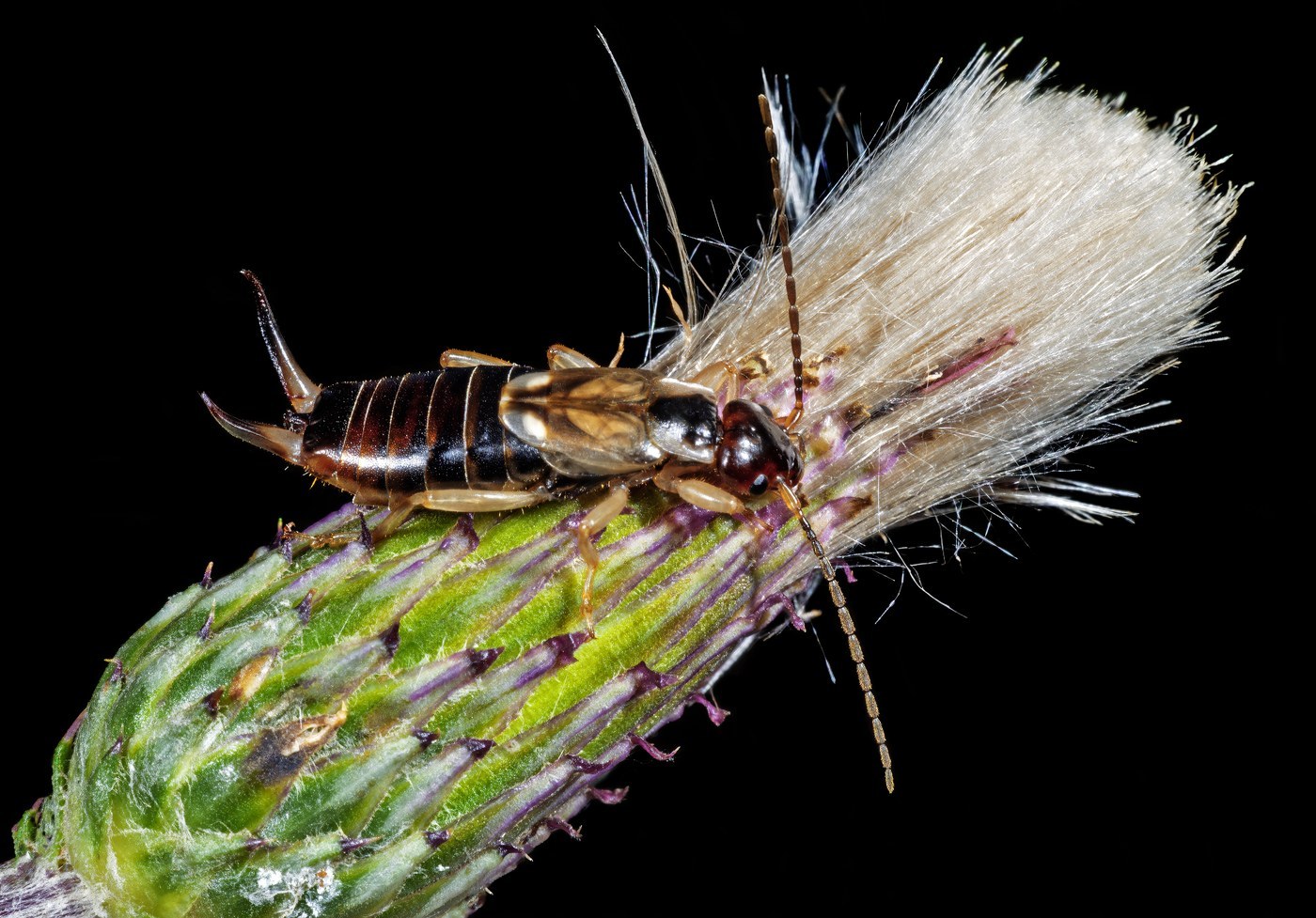
Earwig
A slender, reddish-brown insect easily identified by the pair of curved, forceps-like pincers at the tip of its abdomen, often found hiding under mulch, bark, or garden debris by day.
other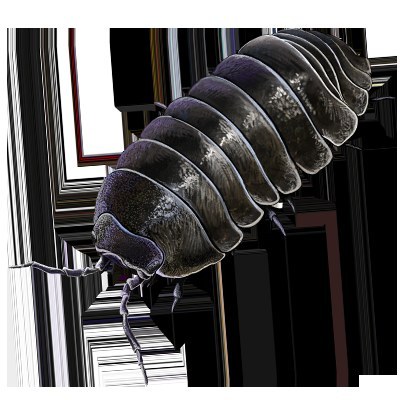
Pill Bug
A gray, segmented, armor-plated crustacean that curls into a tight ball when disturbed, commonly found under rocks, logs, and damp garden debris.
otherMud Dauber Wasp
Slender, long-waisted wasps that build distinctive nests from mud, mud daubers stock their cells with paralyzed spiders. Their tube or urn-shaped mud nests are common under eaves and bridges.
wasp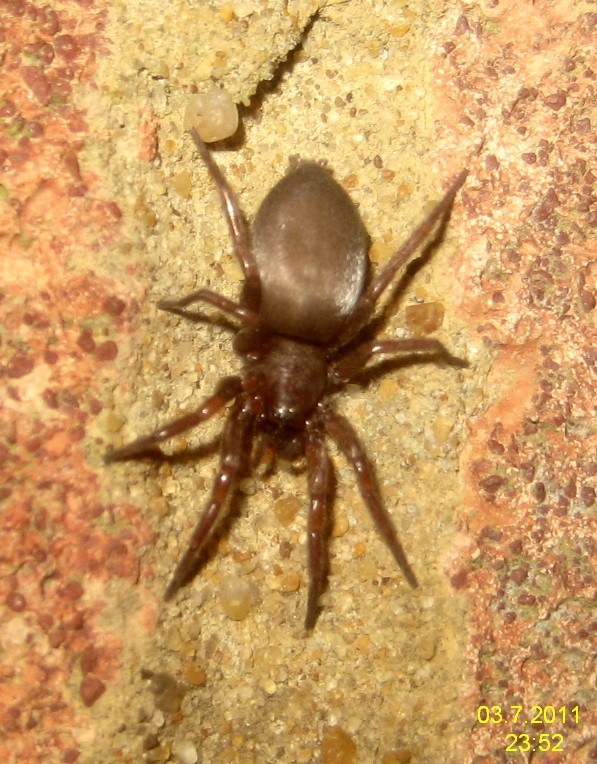
Woodlouse Spider
A reddish-brown spider with oversized forward-pointing jaws specialized for piercing the armored shells of woodlice, often found lurking under damp stones and mulch.
spiderRed Paper Wasp
A large, rusty-red paper wasp that builds open, umbrella-shaped nests under eaves and in sheltered structures, often seen hovering near its comb.
wasp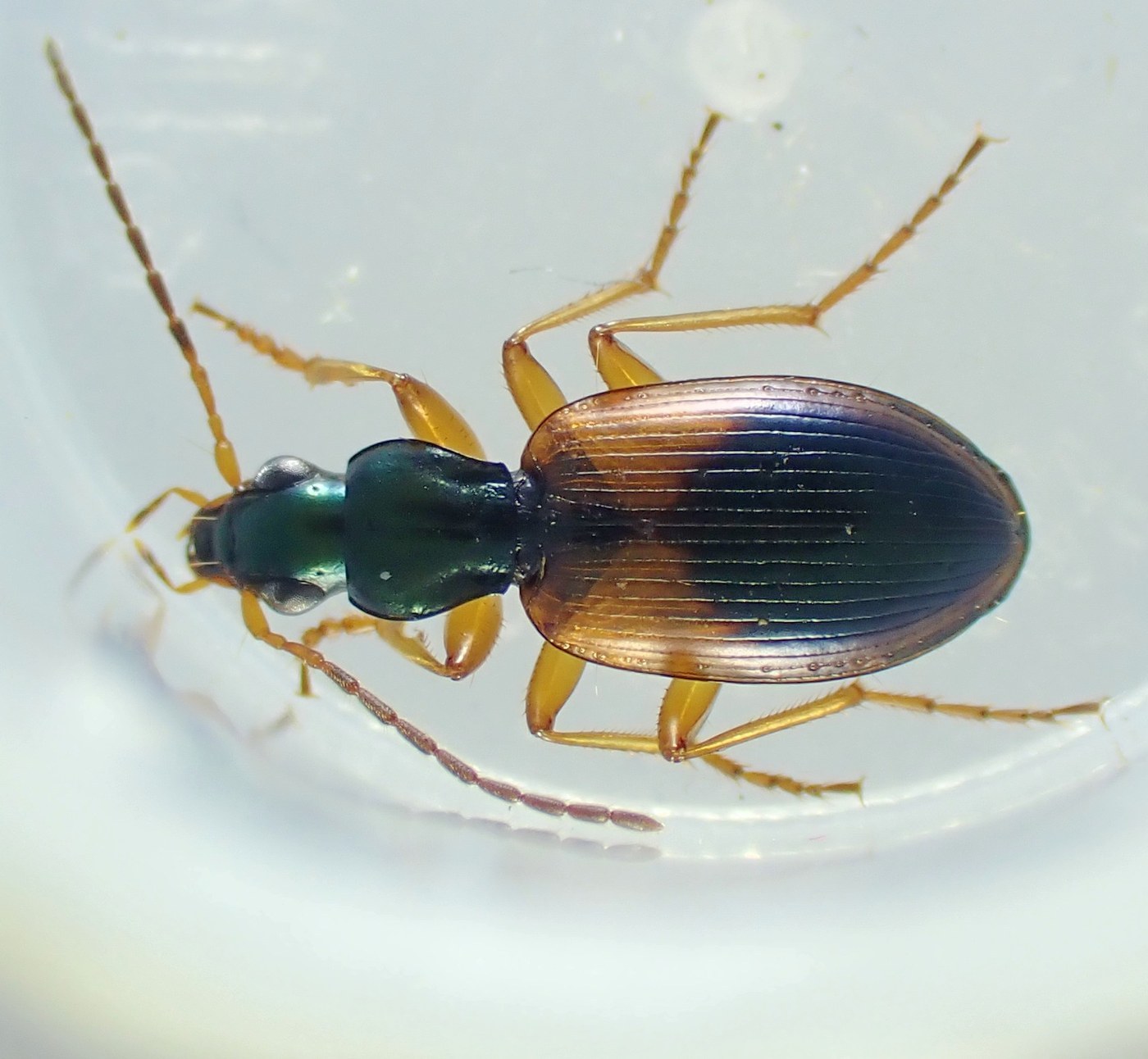
Ground Beetle
A fast-moving, shiny black or metallic beetle with long legs and prominent jaws, usually found scurrying under rocks and debris where it hunts other small invertebrates.
beetleDobsonfly Larva (Hellgrammite)
A large, fierce-looking aquatic larva with strong pinching jaws and fringed side gills, spending years hunting under stream rocks before becoming a giant winged dobsonfly.
aquatic-insect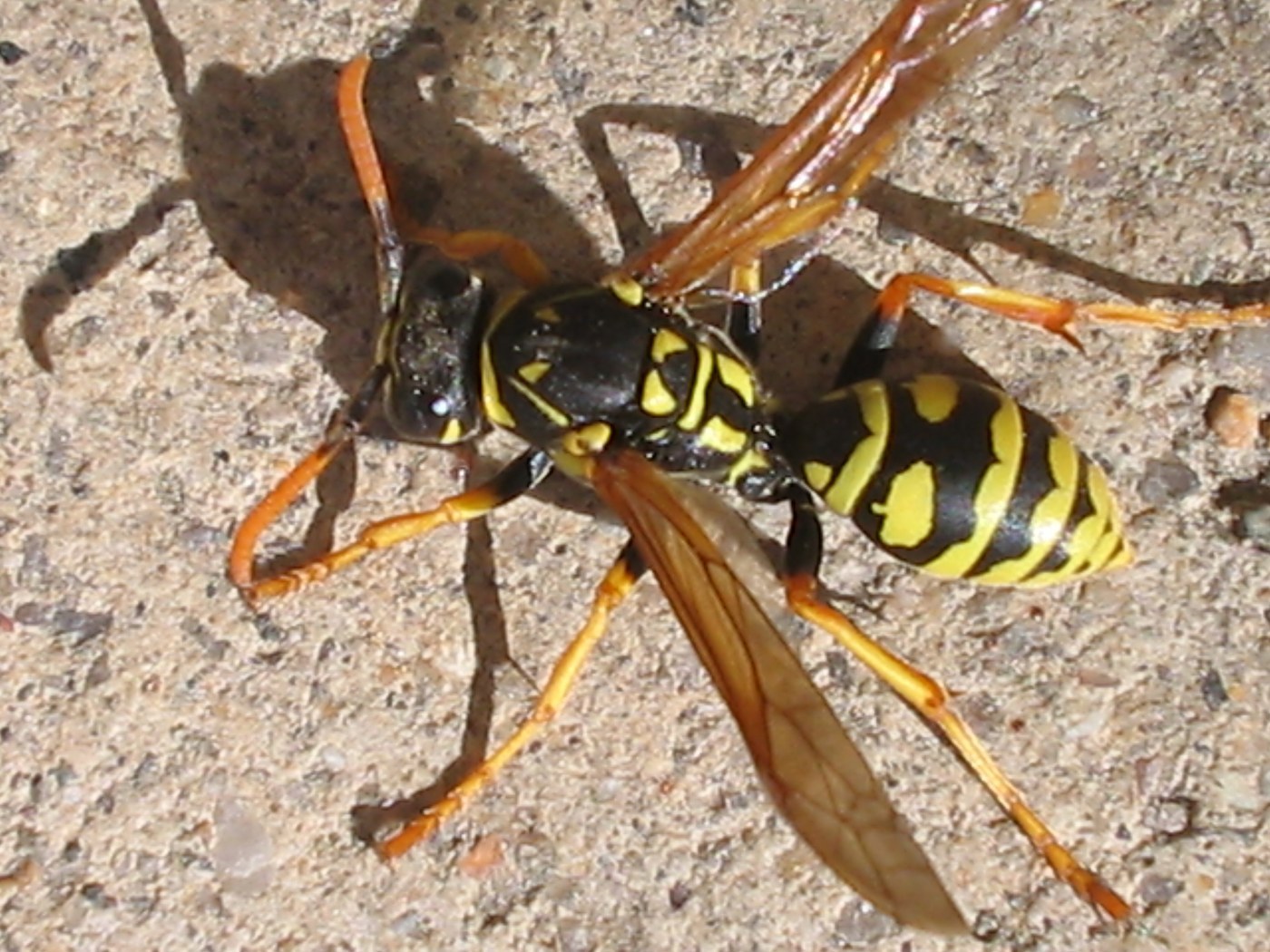
European Paper Wasp
A slender, orange-antennaed social wasp that builds small, open umbrella-shaped paper combs under eaves and ledges, now common well beyond its native European range.
wasp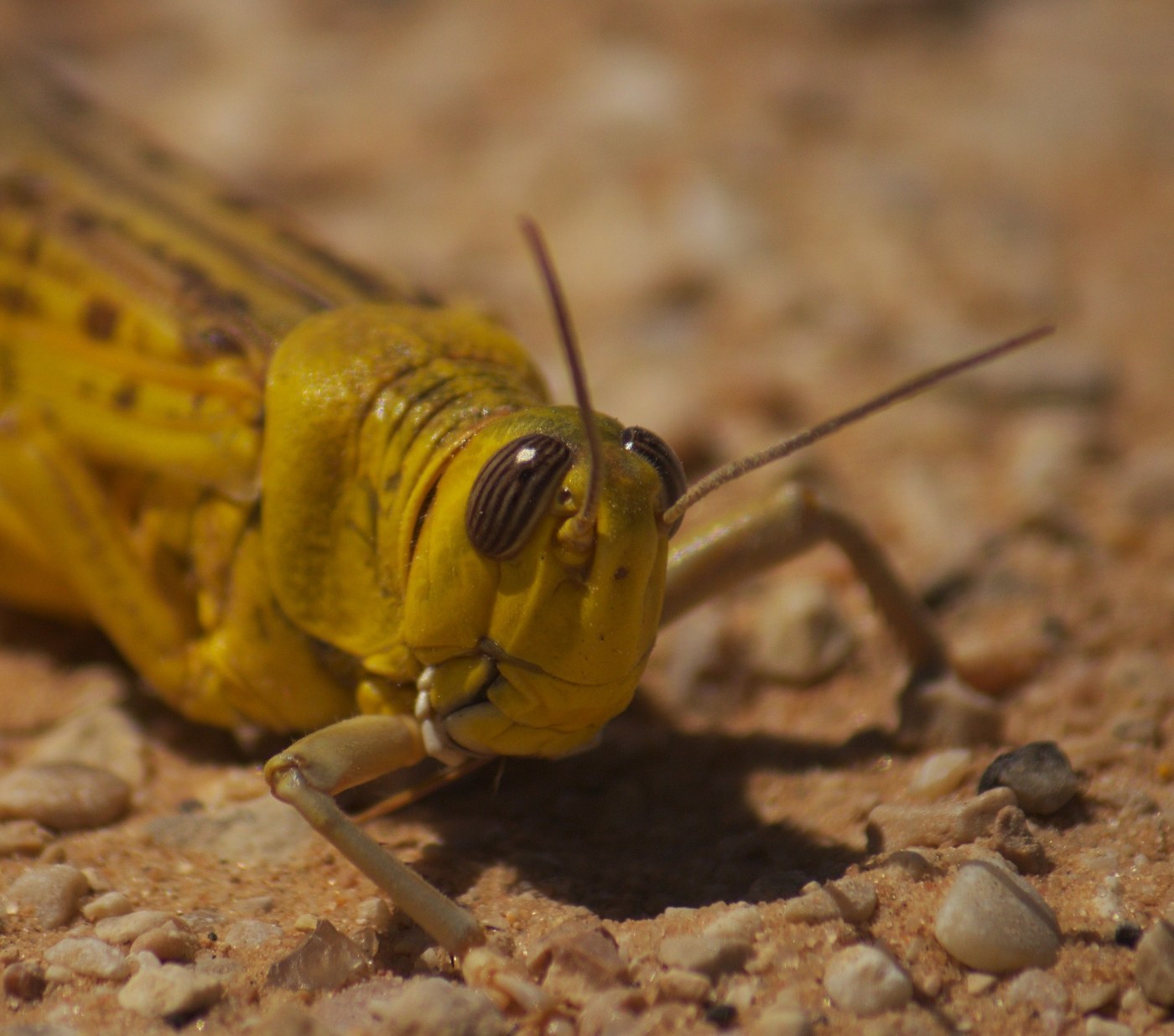
Desert Locust
A large, powerful grasshopper capable of forming some of the most extensive and historically devastating insect swarms on Earth, transforming from a solitary desert dweller into a densely packed migrating horde under the right conditions.
grasshopper-cricket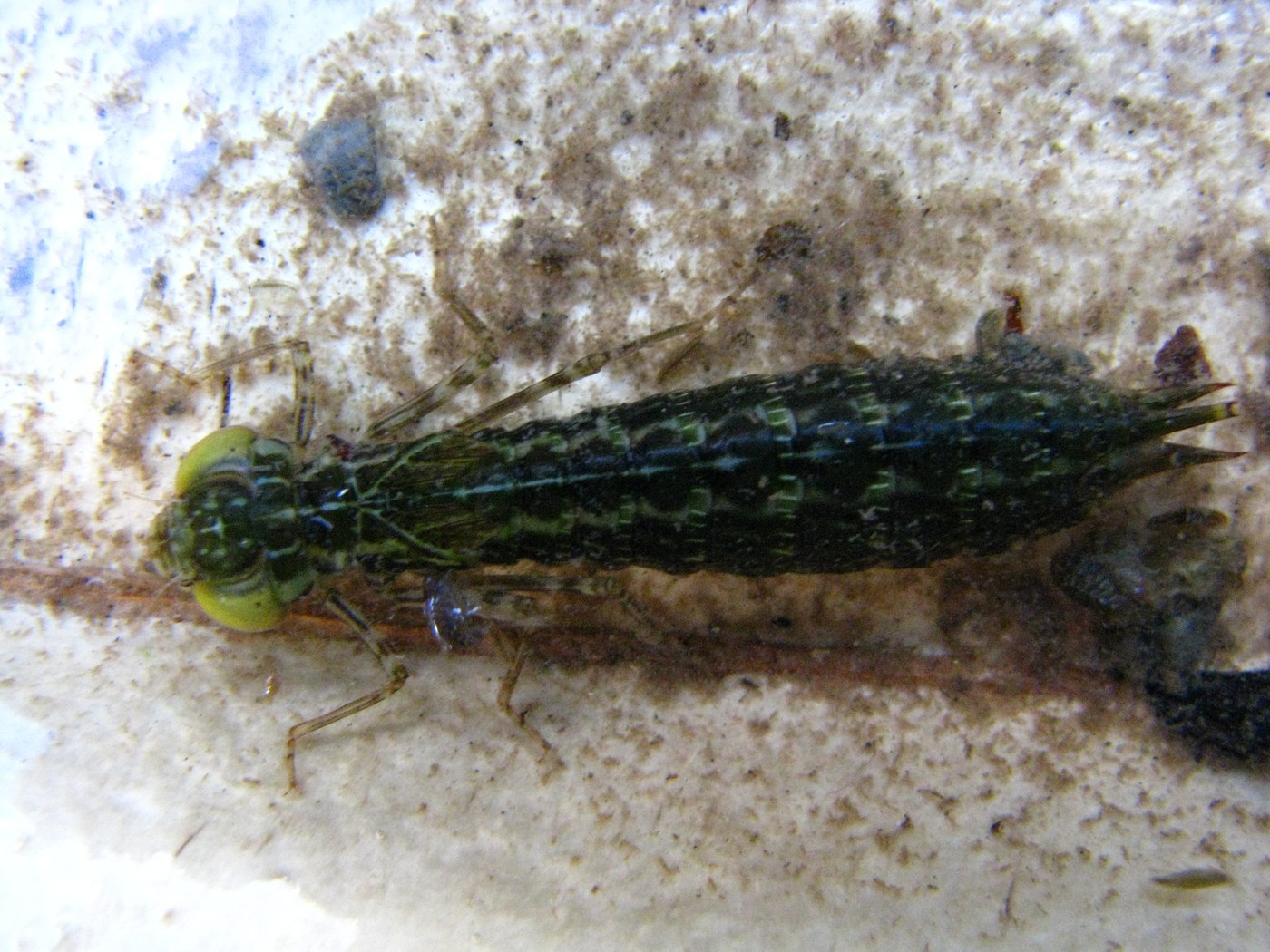
Dragonfly Nymph
A stocky, camouflaged underwater predator that spends months or years stalking prey along the pond bottom before transforming into an aerial dragonfly.
aquatic-insectMayfly Nymph
A short-lived aquatic grazer with feathery gills along its abdomen, living for months underwater before a brief, spectacular mass emergence as a winged adult.
aquatic-insect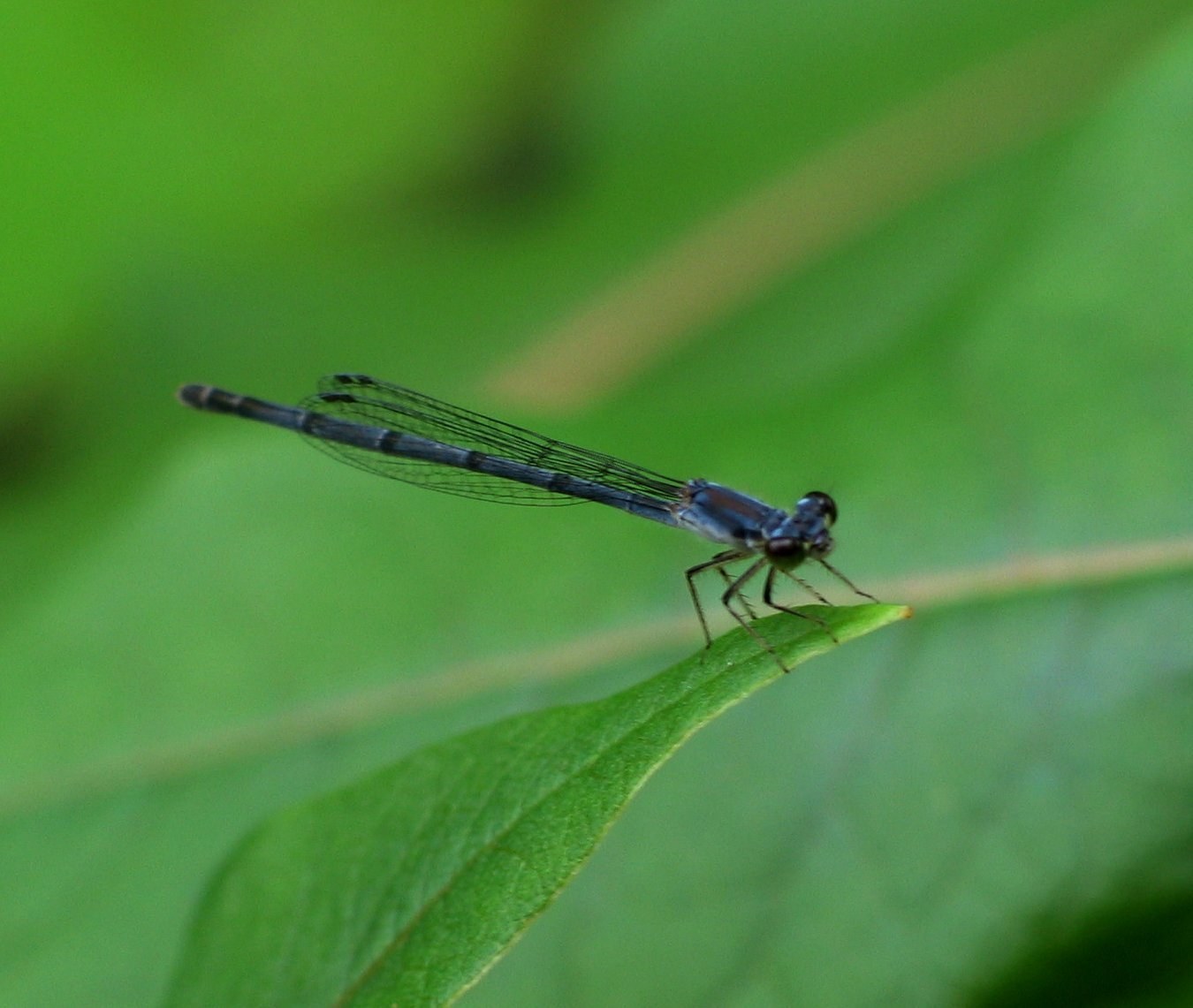
Familiar Bluet
One of the most widespread and abundant damselflies in North America, the Familiar Bluet's slender sky-blue and black body is a near-constant sight over ponds and lakes in warm months.
otherCave Spider
A long-legged orb weaver adapted to the twilight zone of caves, spinning large webs across cavern mouths and dangling its egg sacs from silk threads deep within the darkness.
spiderMarch Fly
A stout, all-black fly that emerges in sudden, dense swarms during the first warm days of spring, often dangling its long hind legs conspicuously in slow, low flight over grass. Its name comes from its habit of appearing reliably around the start of the month, sometimes on cue near a particular saint's feast day in the traditional European calendar.
fly