
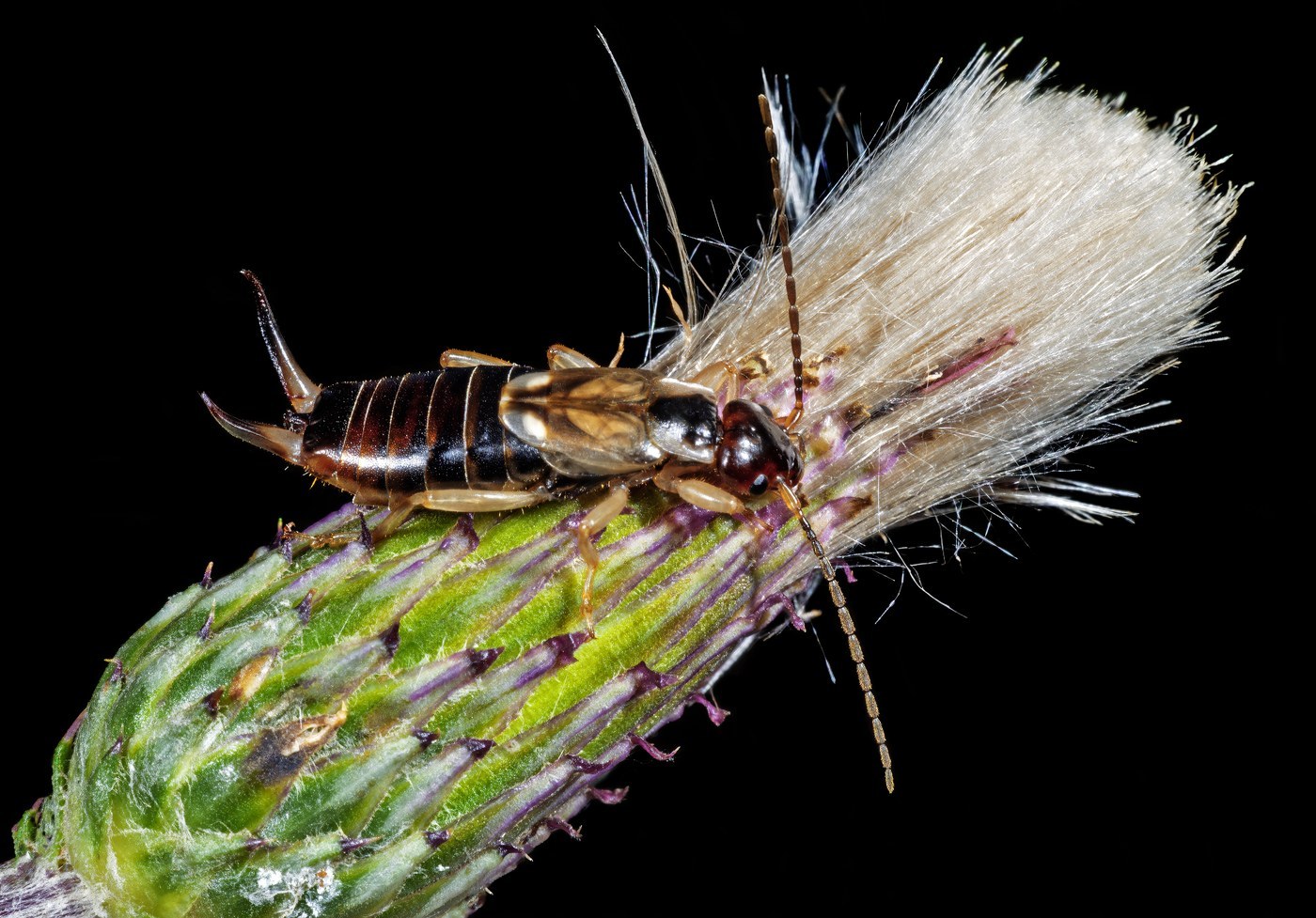
Earwig
Forficula auricularia
A slender, reddish-brown insect easily identified by the pair of curved, forceps-like pincers at the tip of its abdomen, often found hiding under mulch, bark, or garden debris by day.
- Size
- 12–15 mm
- Habitat
- Gardens, mulch, leaf litter, and damp outdoor crevices
- Danger
- Harmless
Spotted a bug like this?
Identify any bug or insect from a photo, free.
Overview
The European earwig, Forficula auricularia, belongs to the order Dermaptera, a distinctive insect group defined by the pincer-like cerci at the end of the abdomen. Native to Europe and parts of Asia, it has since spread to many temperate regions worldwide.
This insect is notable among insects for exhibiting a degree of maternal care rare in its class: females guard their eggs and newly hatched nymphs in a protected chamber. Its short, leathery forewings covering delicate hindwings, along with its signature pincers, make it one of the more instantly recognizable garden insects.
Ecologically, earwigs are omnivorous generalists that contribute to breaking down decaying plant matter while also preying on small soft-bodied insects, giving them a mixed role as both decomposer and minor predator.
How to Identify
- Elongated, flattened, reddish-brown to dark brown body.
- Prominent pair of curved, forceps-like cerci at the abdomen tip, more curved in males and straighter in females.
- Short, leathery forewings that only partially cover a fan-folded pair of membranous hindwings, rarely used for flight.
- Long, thread-like antennae and six legs built for fast scurrying.
- Lookalikes: earwigs are sometimes mistaken for rove beetles, but rove beetles lack pincers and have very short elytra covering a flexible abdomen instead.
Habitat & Range
Earwigs are found throughout temperate regions of Europe, North America, and other continents where they have become established. They favor cool, moist, dark microhabitats such as mulch, leaf litter, under bark, stones, and garden debris, becoming most active at night, especially in spring and summer.
Behavior & Diet
Earwigs are nocturnal, hiding in tight, dark crevices during the day and emerging at night to forage. Their diet is omnivorous, including decaying plant material, fungi, and small soft-bodied insects such as aphids. When threatened, an earwig may raise and display its abdominal pincers as a defensive posture, and it can pinch in defense if handled, though the cerci are primarily used for prey capture and mating displays.
Life Cycle
Earwigs undergo incomplete metamorphosis with egg, nymph, and adult stages. A female lays a cluster of eggs in an underground chamber and remains with them, cleaning and guarding the eggs and early-stage nymphs, an unusual example of parental care among insects. Nymphs resemble small wingless adults and molt several times before reaching maturity, typically producing one generation per year with adults overwintering in sheltered burrows.
Frequently asked questions
What are the pincers on an earwig used for?
The cerci function mainly as tools for prey capture, defense, and mating displays, and the insect may pinch in defense if it is handled.
Can earwigs fly?
They possess hindwings folded beneath short forewings but rarely use them, generally preferring to run or hide instead.
Why do I find earwigs under mulch and garden debris?
Earwigs are nocturnal and photophobic, seeking cool, moist, dark shelter during daylight hours.
How can I tell males from females?
Male earwigs have more strongly curved pincers, while females have straighter, less curved cerci.
Earwig guides
In-depth guides for identifying, understanding, and living alongside Earwig.
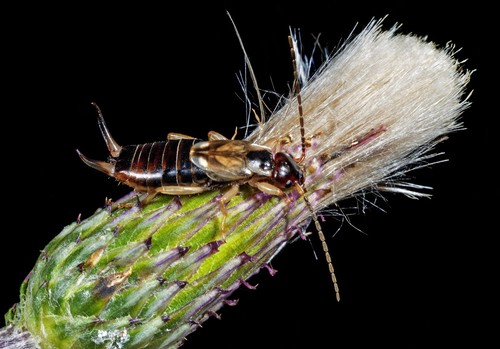
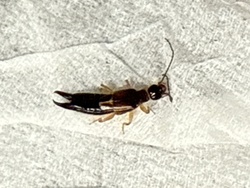
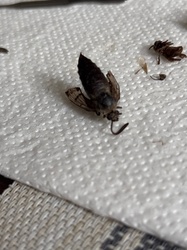
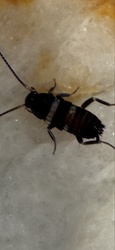
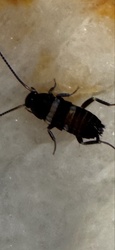
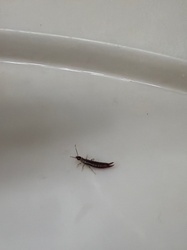
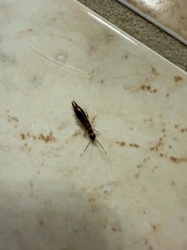
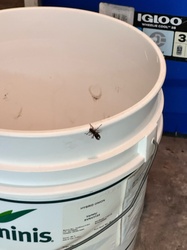
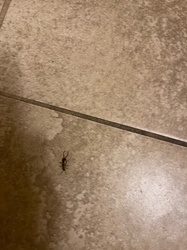
Earwig identified by the community
Real finds identified with Bug Identifier.
Other bugs you may enjoy
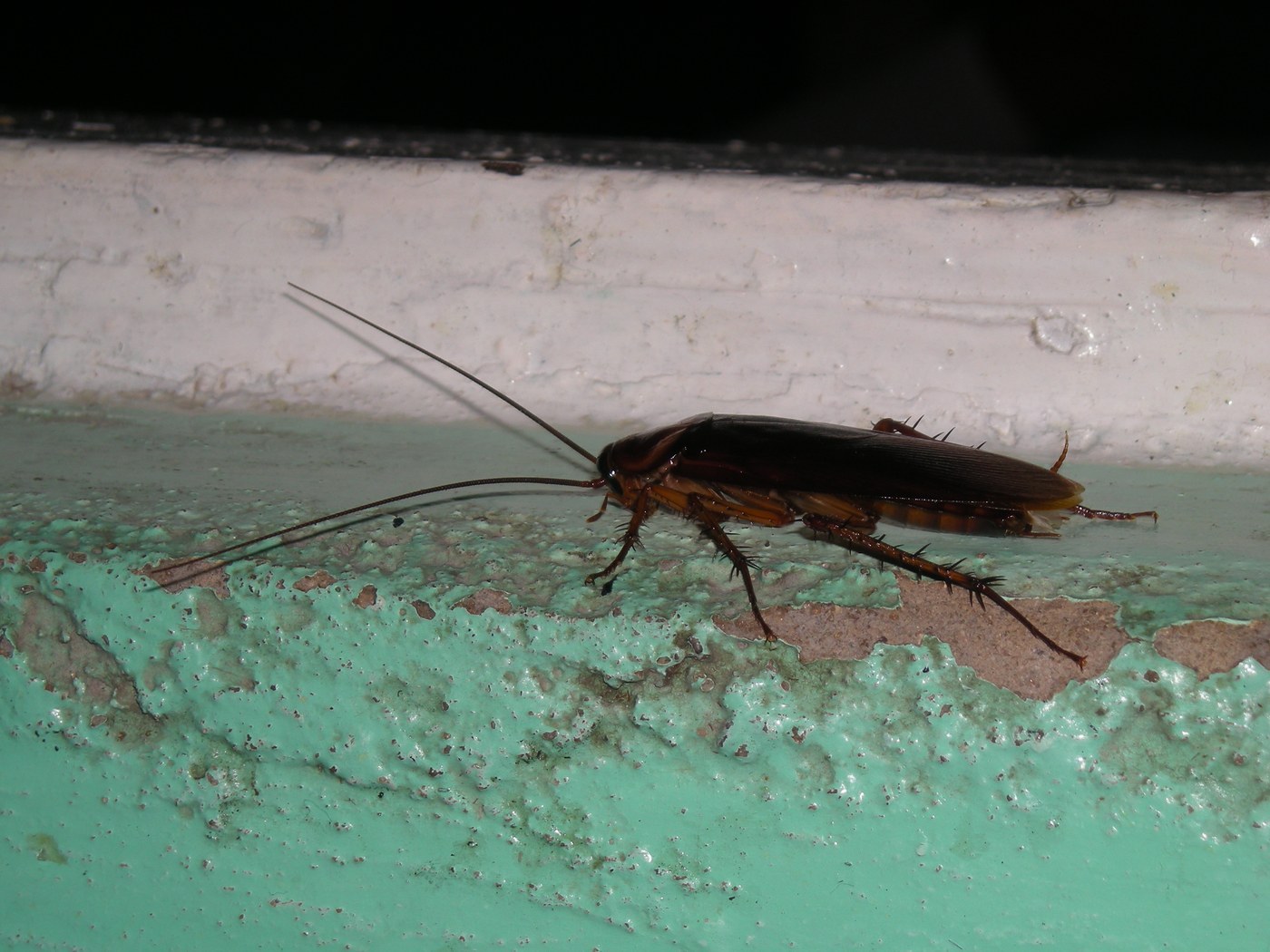
American Cockroach
Warm, humid environments such as basements, sewers, drains, and tropical outdoor settings
Thrips
Flowers, foliage, gardens, greenhouses, crop fields
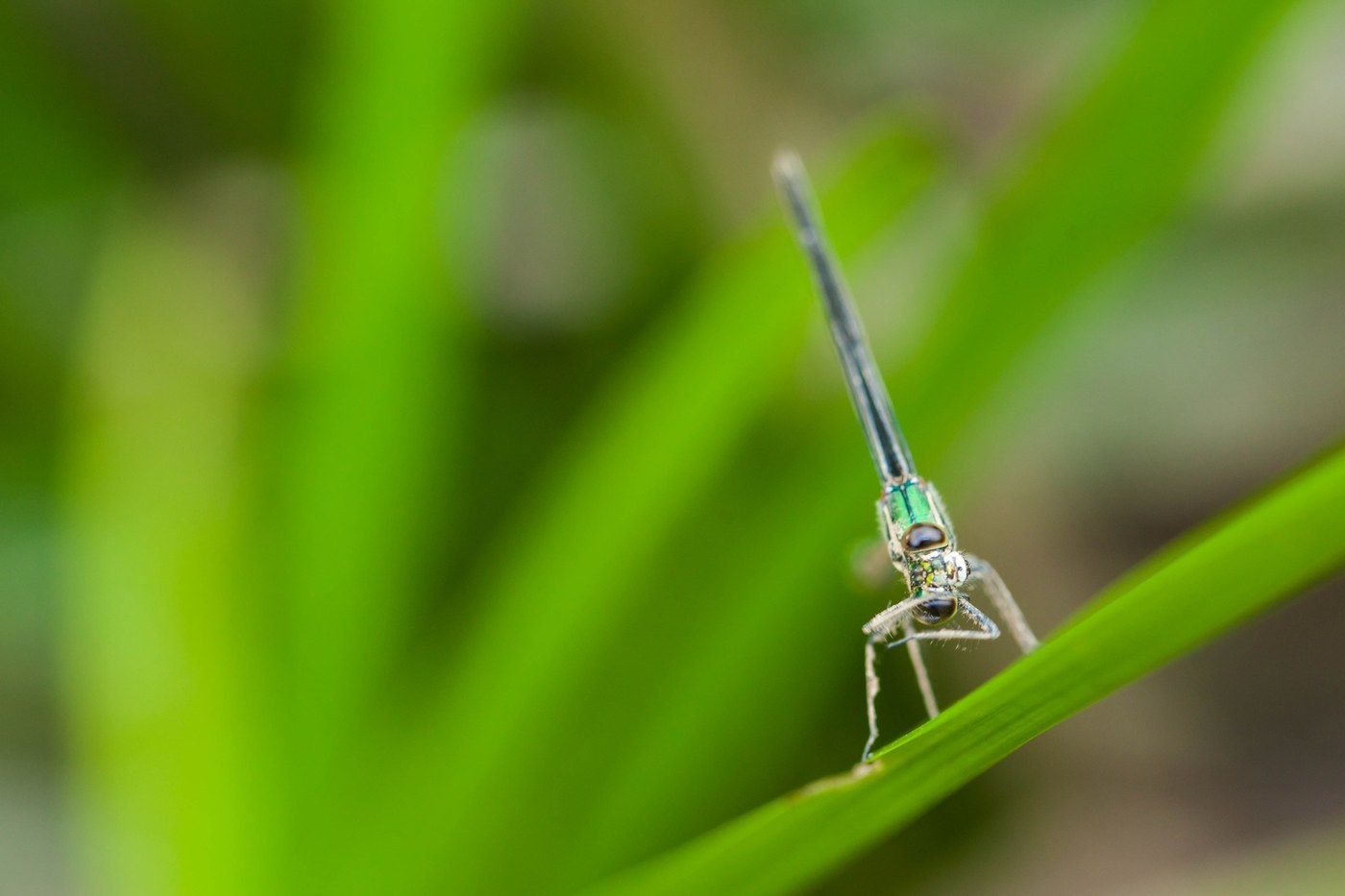
American Rubyspot
Sunny rivers and streams with moderate current
Springtail
Moist soil, leaf litter, decaying organic matter, and damp indoor areas
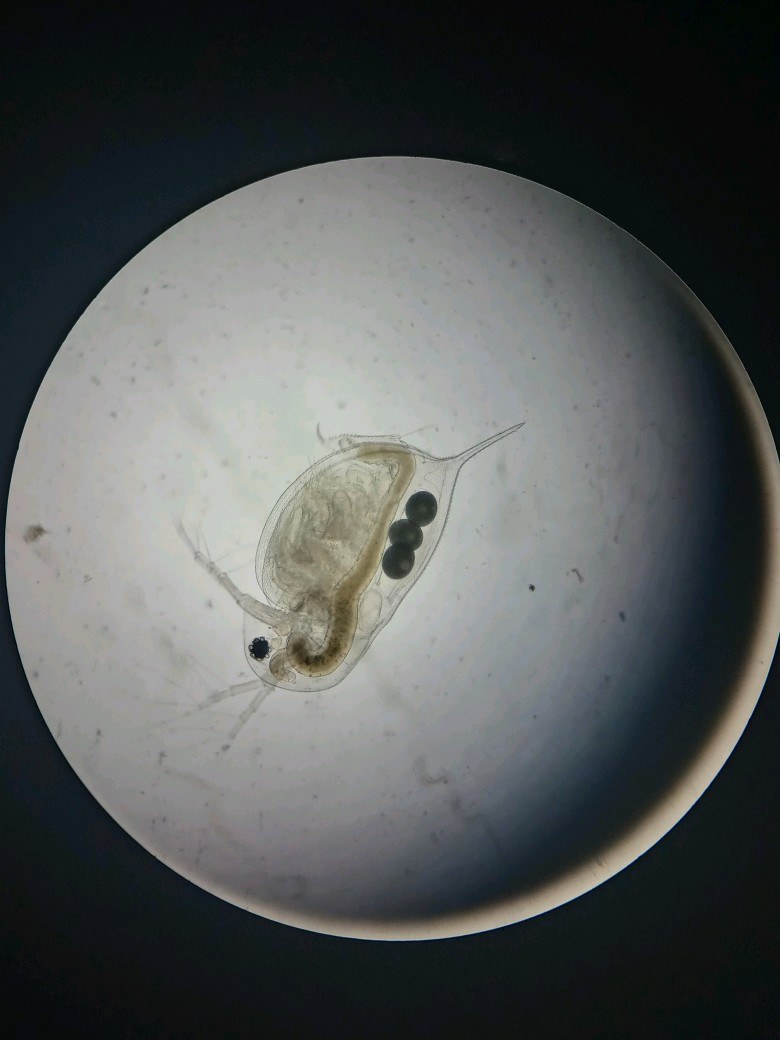
Water Flea
Ponds, lakes, and slow streams as free-floating plankton
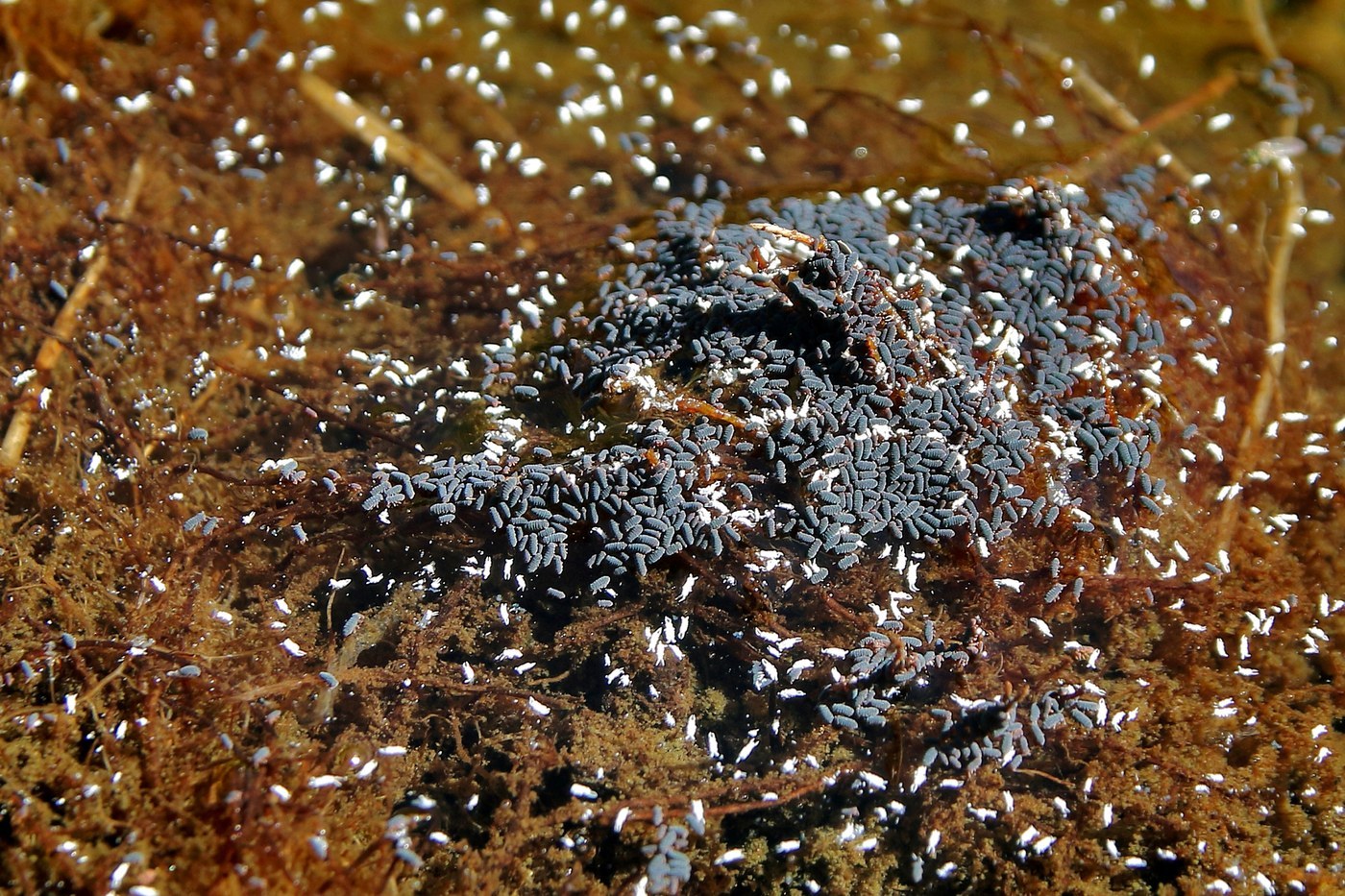
Water Springtail
Surface film of ponds, puddles, and slow ditches
Slug
Gardens, damp soil, leaf litter, greenhouses
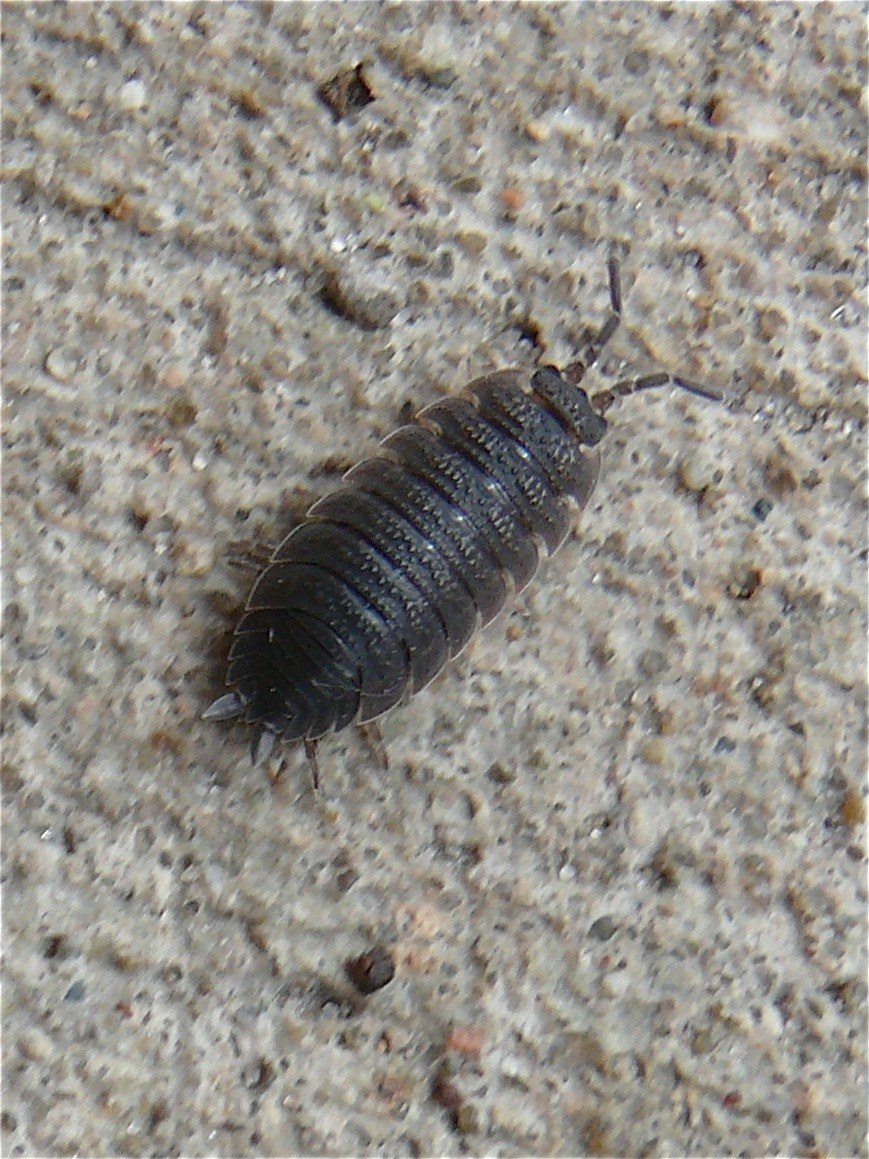
Sowbug
Leaf litter, under rocks/logs, damp garden soil, basements
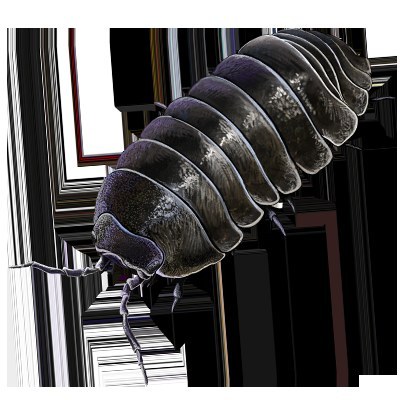
Pill Bug
Damp soil, leaf litter, under rocks and logs, garden beds
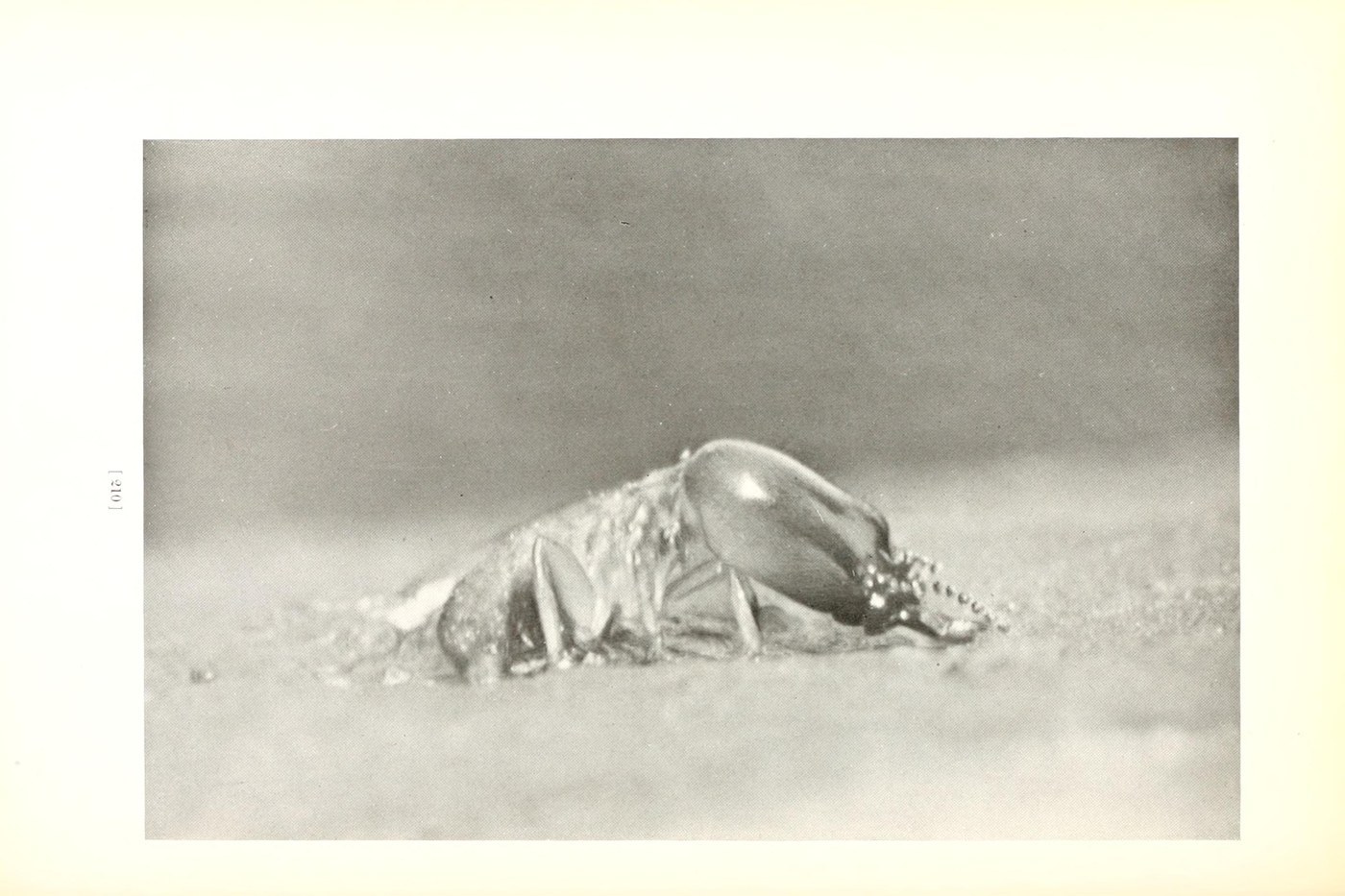
Termite
Soil, decaying wood, tree stumps, and wooden structures
Termite Swarmer
Emerges from underground or wood-nesting colonies, often near structures and moist soil
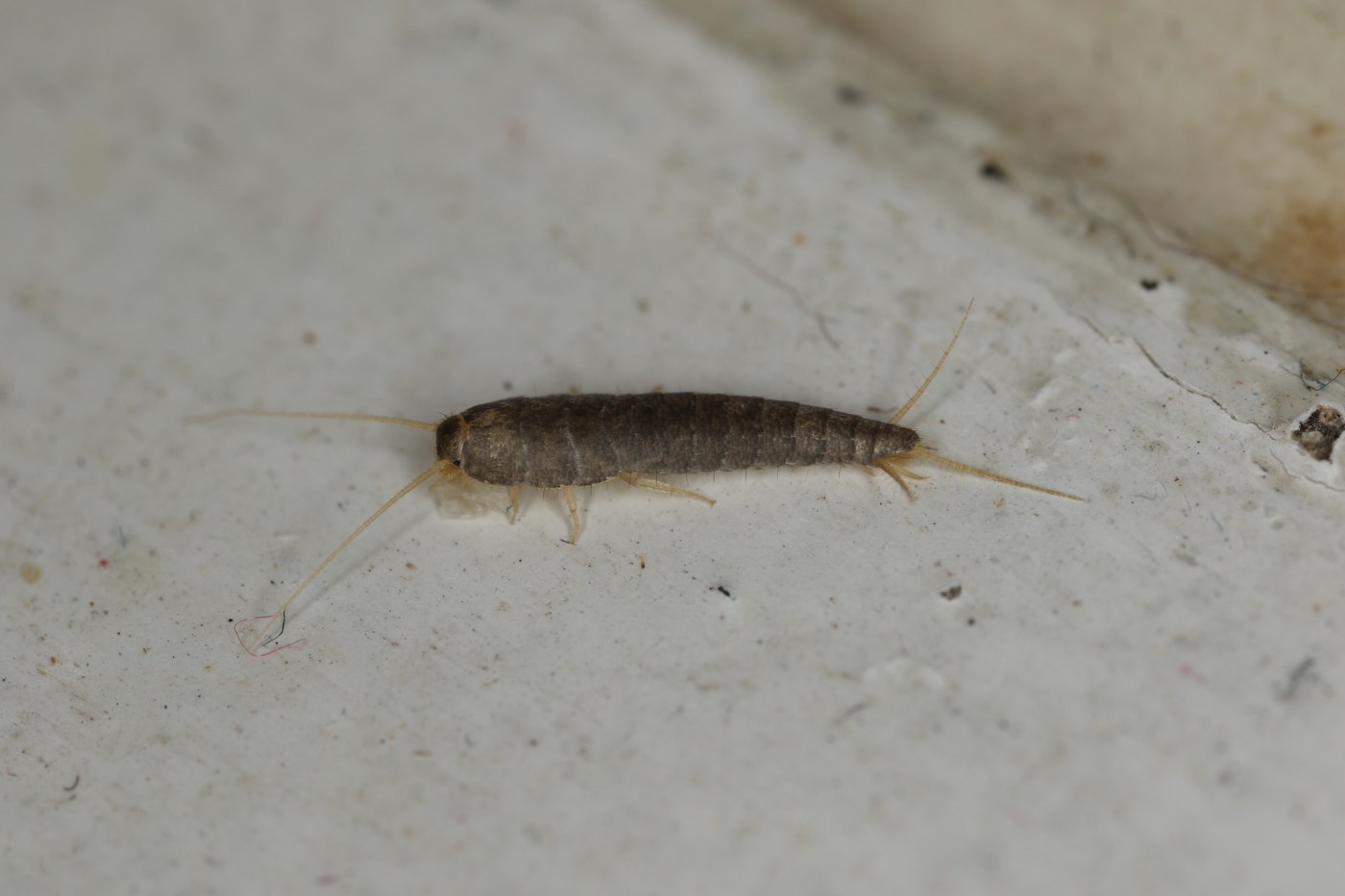
Silverfish
Damp basements, bathrooms, closets, and dark indoor crevices