
Bug Encyclopedia
Search and identify bugs & insects — beetles, butterflies, moths, ants, bees, spiders and more — with size, habitat, danger, behavior, and how to tell them apart.
Chigger
A nearly microscopic mite larva that waits in clusters on grass tips for a passing host, taking a single brief meal before dropping away unseen. Only this larval stage is parasitic; the free-living adult spends its life hunting tiny prey in the soil.
arachnidWater Mite
A brilliantly colored, ball-shaped mite that swims through freshwater ponds and streams using fringed, oar-like legs.
arachnidGall Mite
An almost worm-shaped, microscopic mite that induces plants to grow strange pouches, pockets, and felt-like patches around its feeding sites.
arachnidFollicle Mite
An elongated, microscopic mite shaped almost like a tiny worm, living deep within hair follicles and oil glands of mammal skin where it spends its entire life largely unnoticed.
arachnid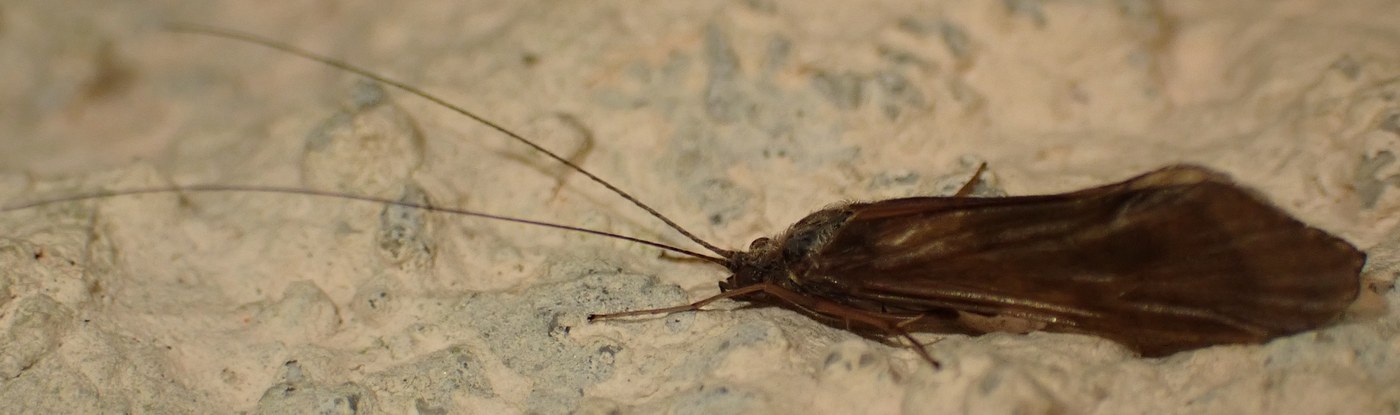
Caddisfly
A moth-like insect whose larvae are famous for constructing portable protective cases out of silk and whatever sand, twigs, or debris they can find.
aquatic-insect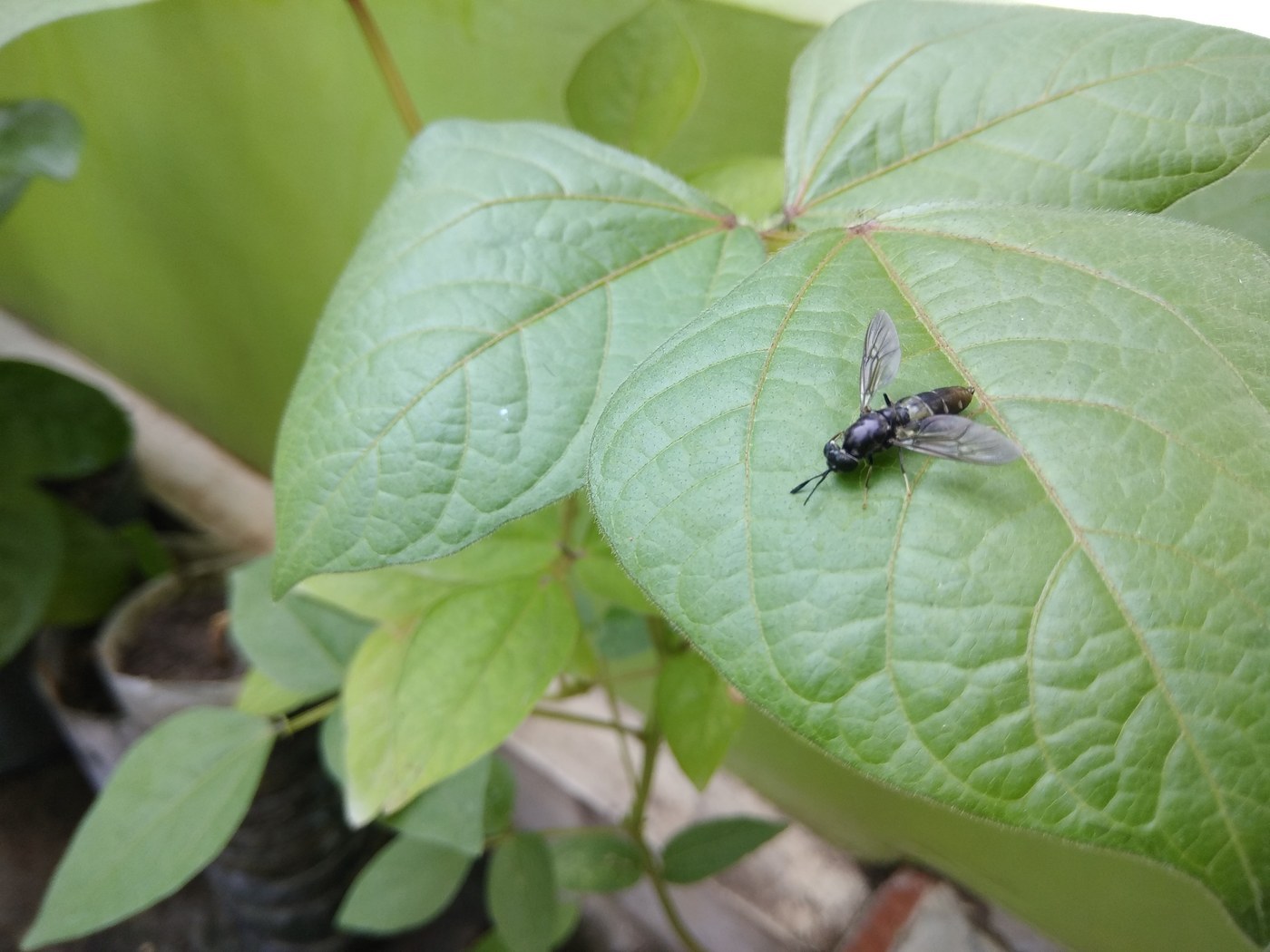
Black Soldier Fly
A sleek, dark, wasp-like fly whose larvae are voracious decomposers of decaying organic material, while the short-lived adults do not feed at all.
fly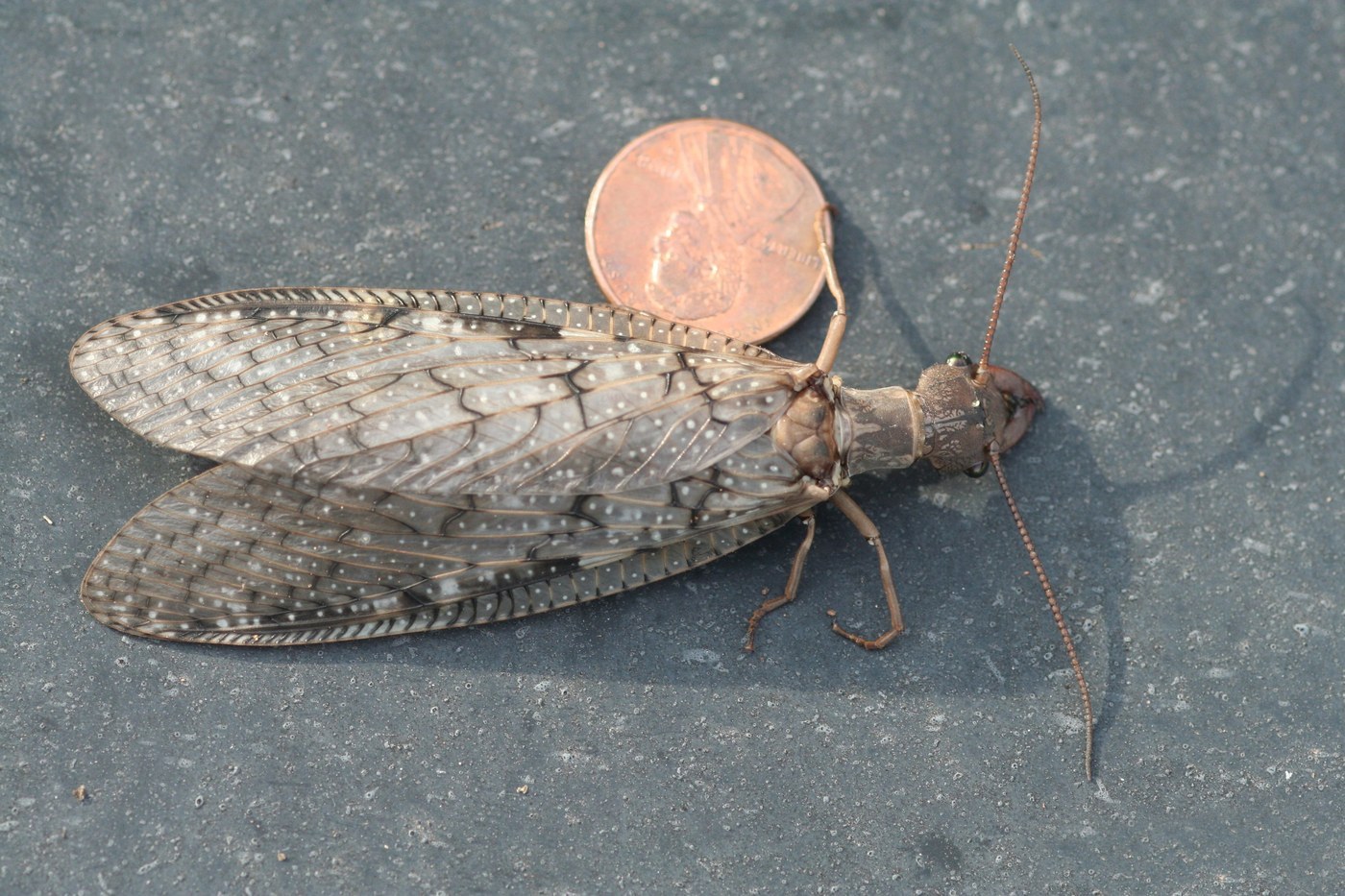
Eastern Dobsonfly
The classic dobsonfly of eastern North America, famous for the male's outsized, tusk-like jaws and for its aquatic larva, the hellgrammite, a favorite live-bait fishing lure.
aquatic-insectGlowworm Beetle
A beetle whose females remain larva-like and glowing for their entire lives, producing rows of soft greenish light along their segmented, worm-like bodies, while males develop into small, feathery-antennaed flying beetles.
beetleCrane Fly Larva
Thick-skinned and worm-like, the crane fly larva, often called a leatherjacket, burrows through wet mud and decaying vegetation at the edges of ponds and streams, breaking down plant material as it grows.
aquatic-insect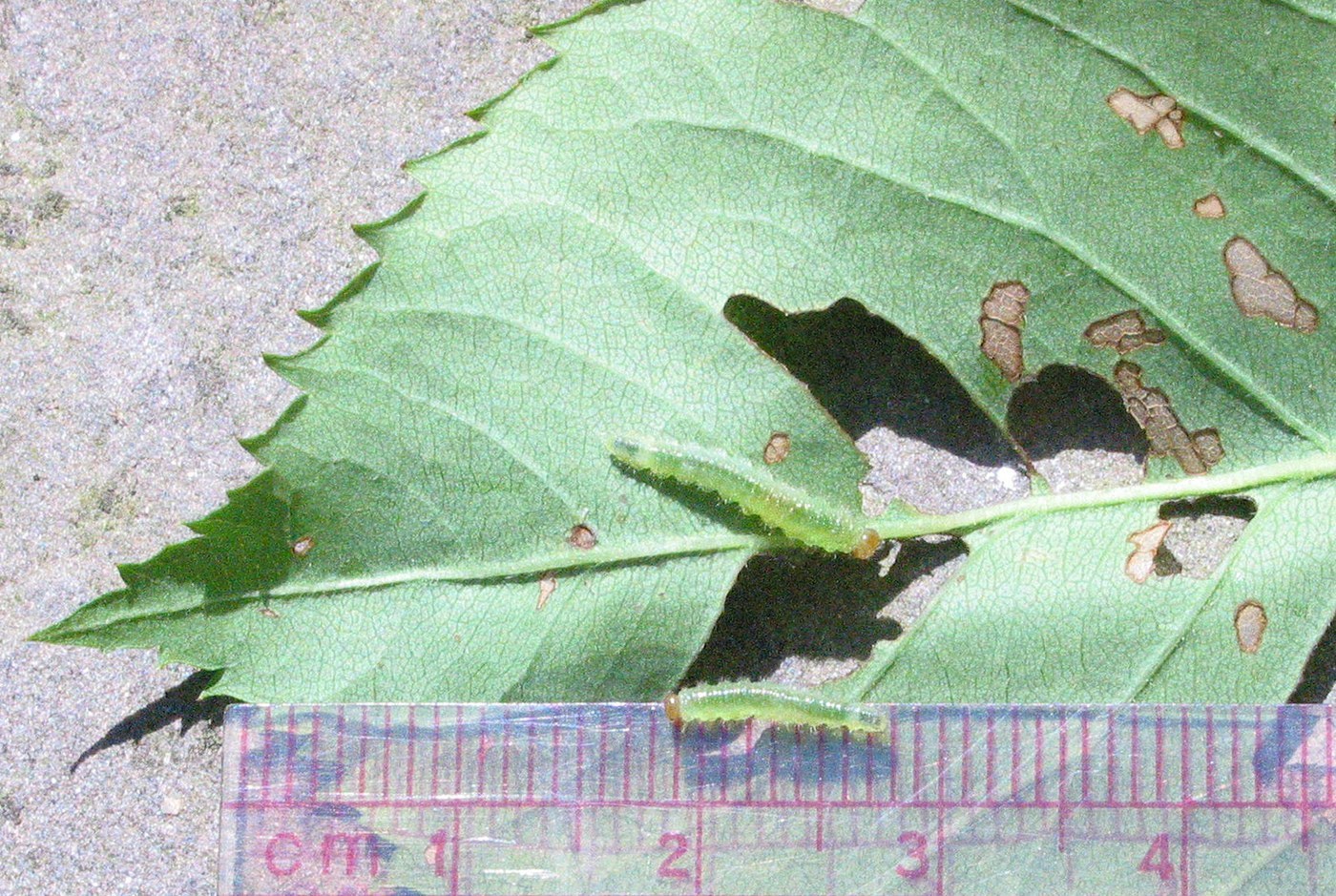
Bristly Rose Slug
Despite its caterpillar-like, slug-shaped body covered in fine bristles, this pale green larva is actually the offspring of a small sawfly and feeds on rose leaves by skeletonizing them from the underside.
caterpillar-larvaCaterpillar
The soft-bodied, segmented larval stage of butterflies and moths, recognized by its worm-like shape, multiple pairs of stubby legs, and voracious appetite for leaves.
caterpillar-larvaSawfly
A wasp relative that never stings, best known for its caterpillar-like larvae that strip leaves from roses, pines, and other garden plants in tidy rows.
waspGall Midge
A delicate, mosquito-like fly whose larvae trigger plants to grow strange, often colorful swellings called galls, each species usually tied to one particular host plant.
fly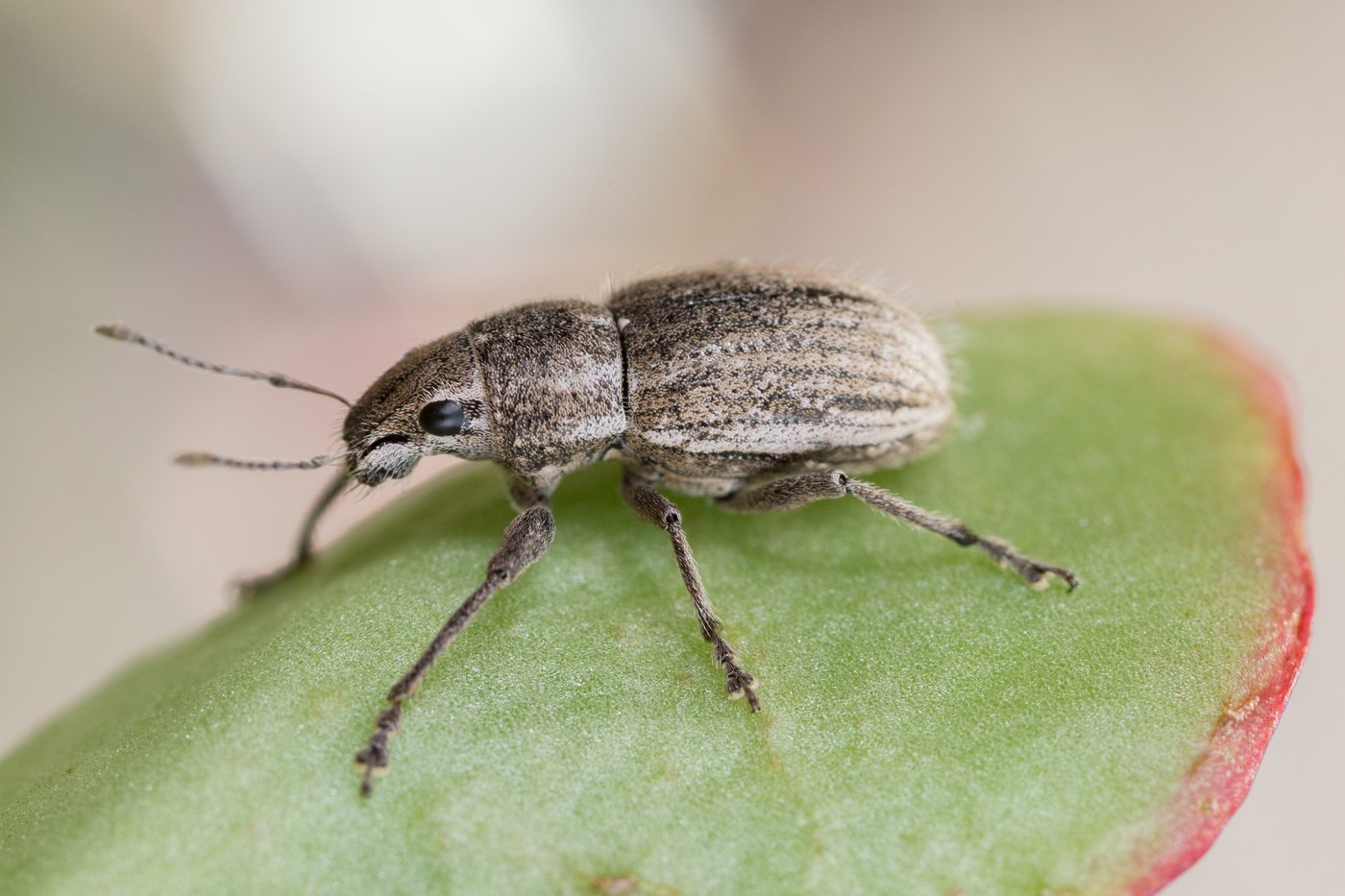
Whitefringed Beetle
A stout gray-brown weevil named for the pale, fringe-like stripe along the outer edge of its wing covers, whose root-feeding larvae are a recognized issue in pastures and row crops.
beetle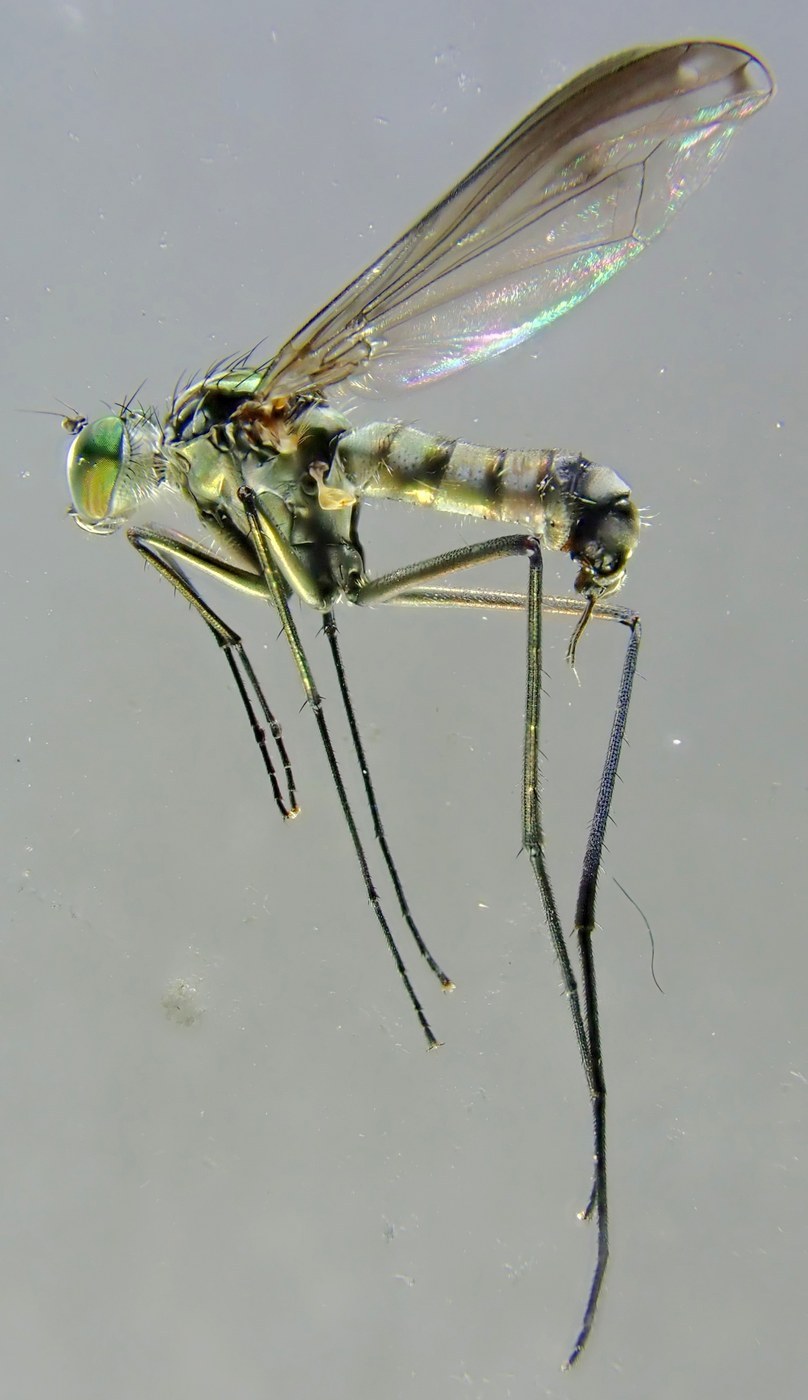
Long-Legged Fly
A jewel-bright little fly that flashes metallic green, blue, or bronze in the sunlight as it darts across leaves on comically long, stilt-like legs, pausing to perform quick territorial displays. Both adults and larvae are active hunters of even smaller insects, making this tiny fly a useful predator in gardens and wetlands alike.
fly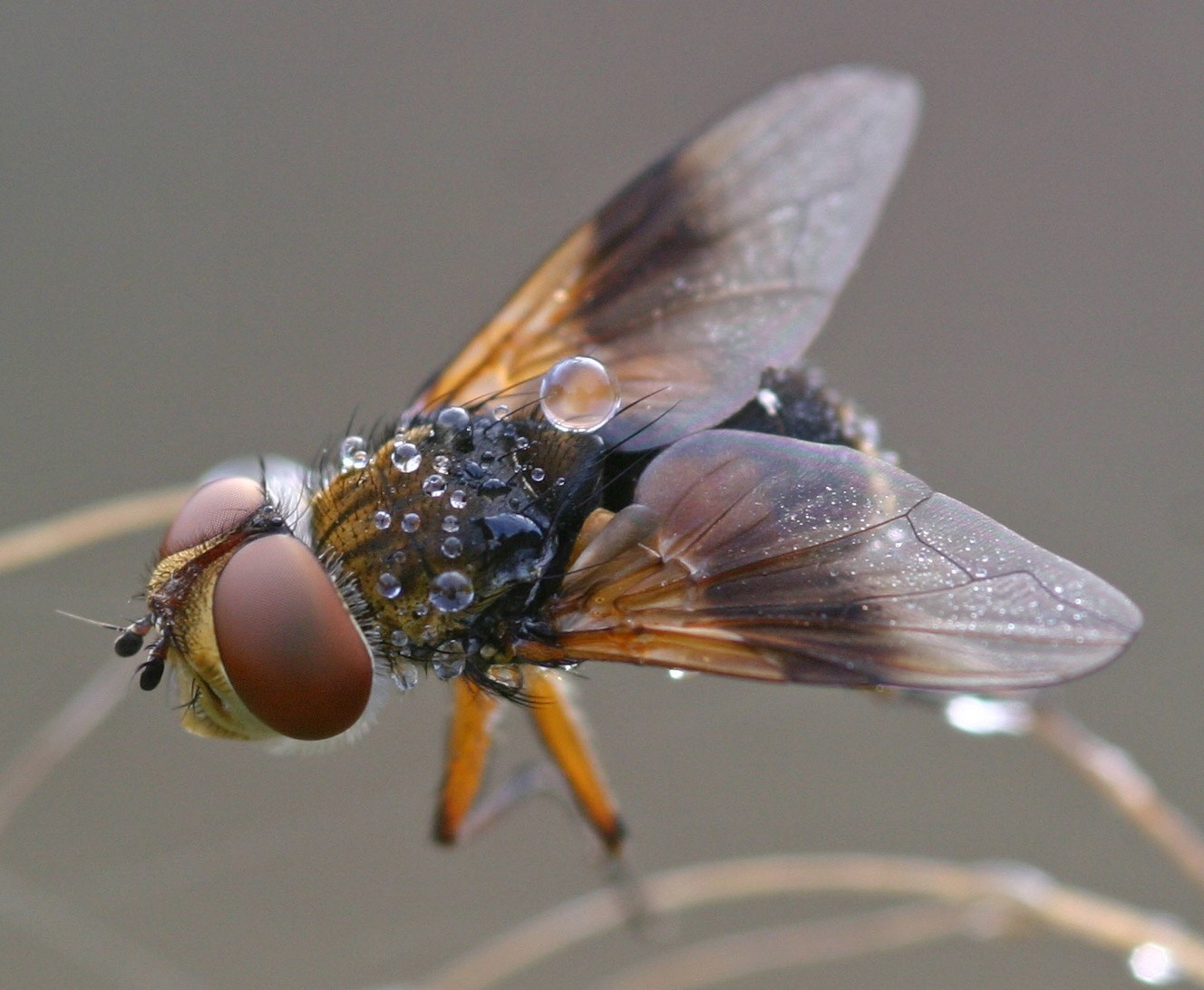
Tachinid Fly
A bristly, house-fly-like insect that looks unremarkable at a glance but hides one of the most important ecological roles among flies: its larvae develop as internal parasites of caterpillars, beetles, and other insects, quietly regulating populations across the landscape. Gardeners often welcome tachinid flies as natural allies against crop-damaging pests.
fly