
Chigger
Trombicula spp.
A nearly microscopic mite larva that waits in clusters on grass tips for a passing host, taking a single brief meal before dropping away unseen. Only this larval stage is parasitic; the free-living adult spends its life hunting tiny prey in the soil.
- Size
- Larva about 0.2–0.4 mm long, invisible without magnification
- Habitat
- Tall grass, weedy meadows, and shaded, humid forest edges
- Danger
- Bites
Spotted a bug like this?
Identify any bug or insect from a photo, free.
Overview
Chiggers are not a distinct species but the larval stage of trombiculid mites, a large family of arachnids found on every continent except Antarctica. The name is applied loosely to dozens of species in the genus Trombicula and its relatives, all of which share the same unusual life history: only the six-legged larva is parasitic, while the nymph and adult stages that follow are free-living predators unrelated in habit to the larva.
Because the larvae are so small, a chigger encounter is usually recognized only by the aftermath rather than by seeing the animal itself. They are most active in warm, humid months and are common in overgrown lawns, pastures, and berry patches, giving rise to old regional nicknames like "berry bugs" or "harvest mites."
How to Identify
- Larva is oval, six-legged (unlike the eight-legged nymph and adult), and pale yellow to orange-red
- So small it typically requires a hand lens or microscope to see individuals clearly
- Often found in loose clusters on the tips of grass blades or leaf litter, waiting to contact a host
- Free-living adults are larger (still under 1 mm), bright red, and covered in fine velvety hairs, resembling miniature red velvet mites
- Easily confused with tiny spider mites, but chigger larvae are found on vegetation tips in open habitat rather than on the underside of garden leaves
Habitat & Range
Trombiculid mites occur worldwide in temperate and tropical regions, with the greatest activity in warm, humid climates. Larvae are most abundant in tall grass, weedy fields, forest edges, and shaded, moist vegetation from late spring through early fall in temperate zones, and year-round in warmer climates. Adults and nymphs live in the same general habitats but stay within leaf litter and topsoil rather than climbing vegetation.
Behavior & Diet
Larval chiggers practice a behavior called questing: they climb to the tip of a grass blade or other low vegetation and wait with legs outstretched until a potential host brushes past. After a single brief feeding episode on skin cells, the larva drops off and molts into a nymph, never feeding on a host again. Nymphs and adults are free-living generalist predators and scavengers, feeding on small invertebrate eggs, springtails, and decaying organic matter in the soil, making them part of the decomposer food web rather than parasites.
Life Cycle
Females lay eggs in soil or leaf litter, which hatch into six-legged larvae, the only parasitic stage. After feeding once, the larva drops to the ground and molts into an eight-legged, non-feeding nymphochrysalis, then an active nymph, and finally an adult, both of which are free-living predators. Depending on climate, trombiculid mites may complete one to several generations per year, typically overwintering as nymphs or adults in protected soil and litter.
Frequently asked questions
Is a chigger an insect?
No. Chiggers are arachnids, specifically the larval stage of trombiculid mites, related to ticks and spiders rather than insects.
How can you spot chiggers before encountering them?
Because larvae are nearly invisible to the naked eye, they are rarely seen directly; look instead for their preferred habitat of tall grass, weedy edges, and shaded moist vegetation during warm months.
Do adult chiggers feed on people?
No. Only the six-legged larval stage is parasitic; free-living nymphs and adults feed on tiny soil invertebrates and organic debris.
Where in the world are chiggers found?
Trombiculid mites occur on every continent except Antarctica, with the greatest diversity and activity in warm, humid temperate and tropical regions.
Chigger guides
In-depth guides for identifying, understanding, and living alongside Chigger.
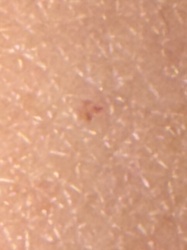
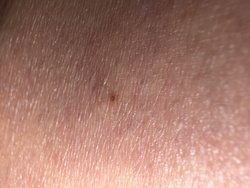
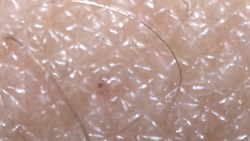
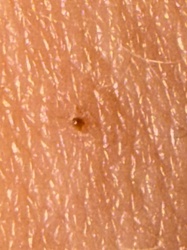
Chigger identified by the community
Real finds identified with Bug Identifier.
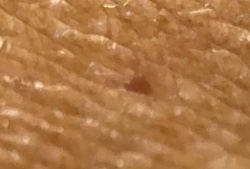
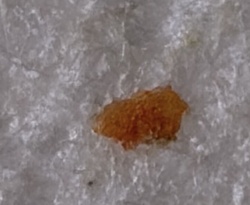
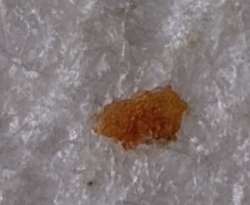
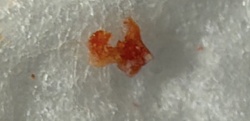
Other bugs you may enjoy
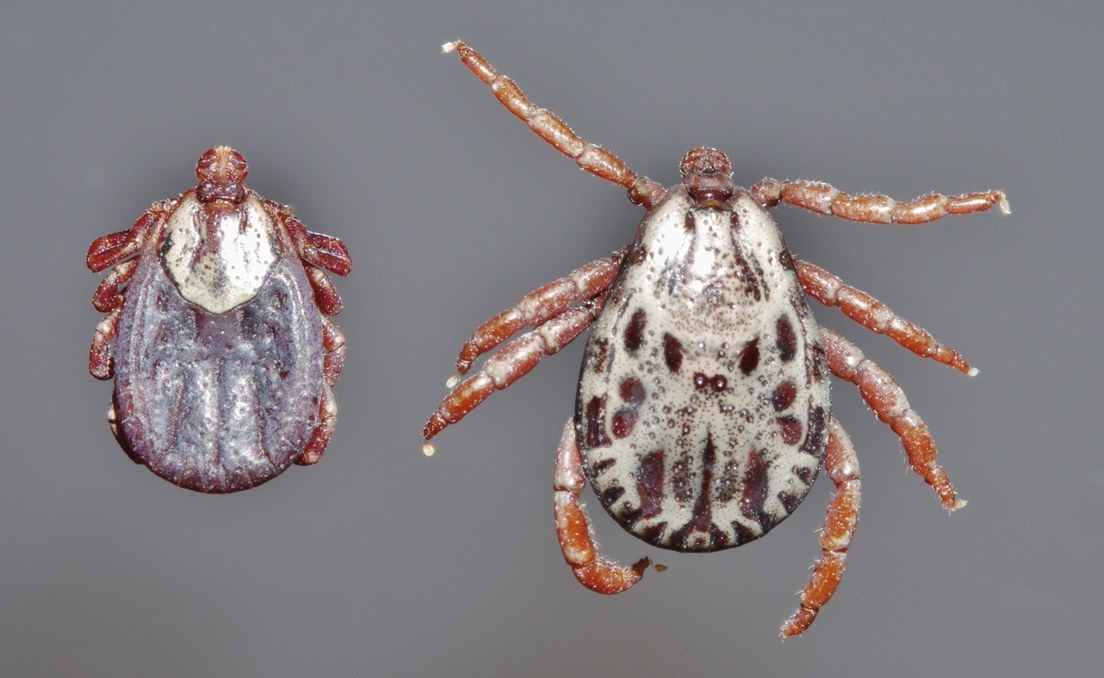
Wood Tick
Grassland, shrub-steppe, and open woodland of western North America
Yellow Scorpion
Arid scrubland, rocky slopes, and desert margins
Whip Spider
Tropical caves, rainforest leaf litter, and under bark
Water Mite
Ponds, lakes, streams, and other freshwater bodies
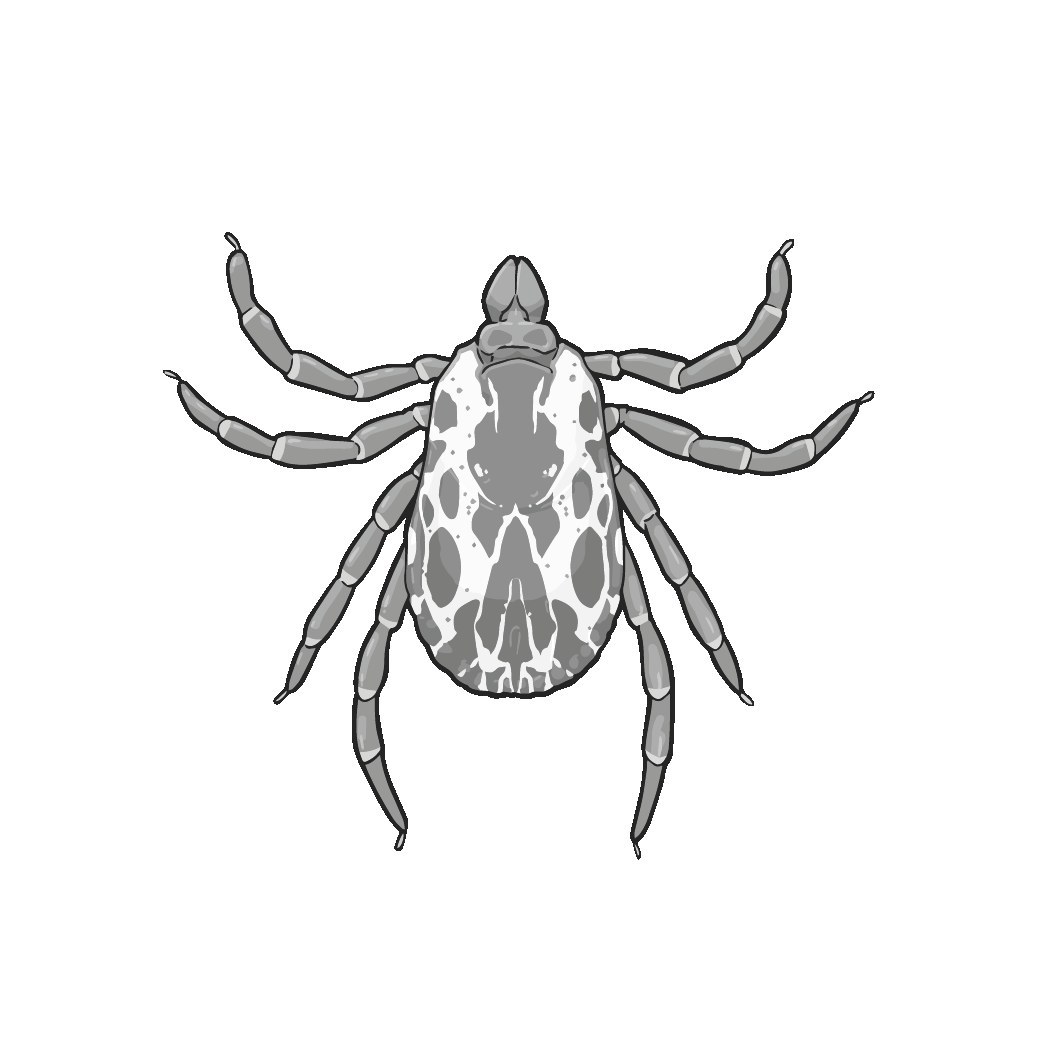
American Dog Tick
Grassy fields, trails, and low vegetation near woodlands
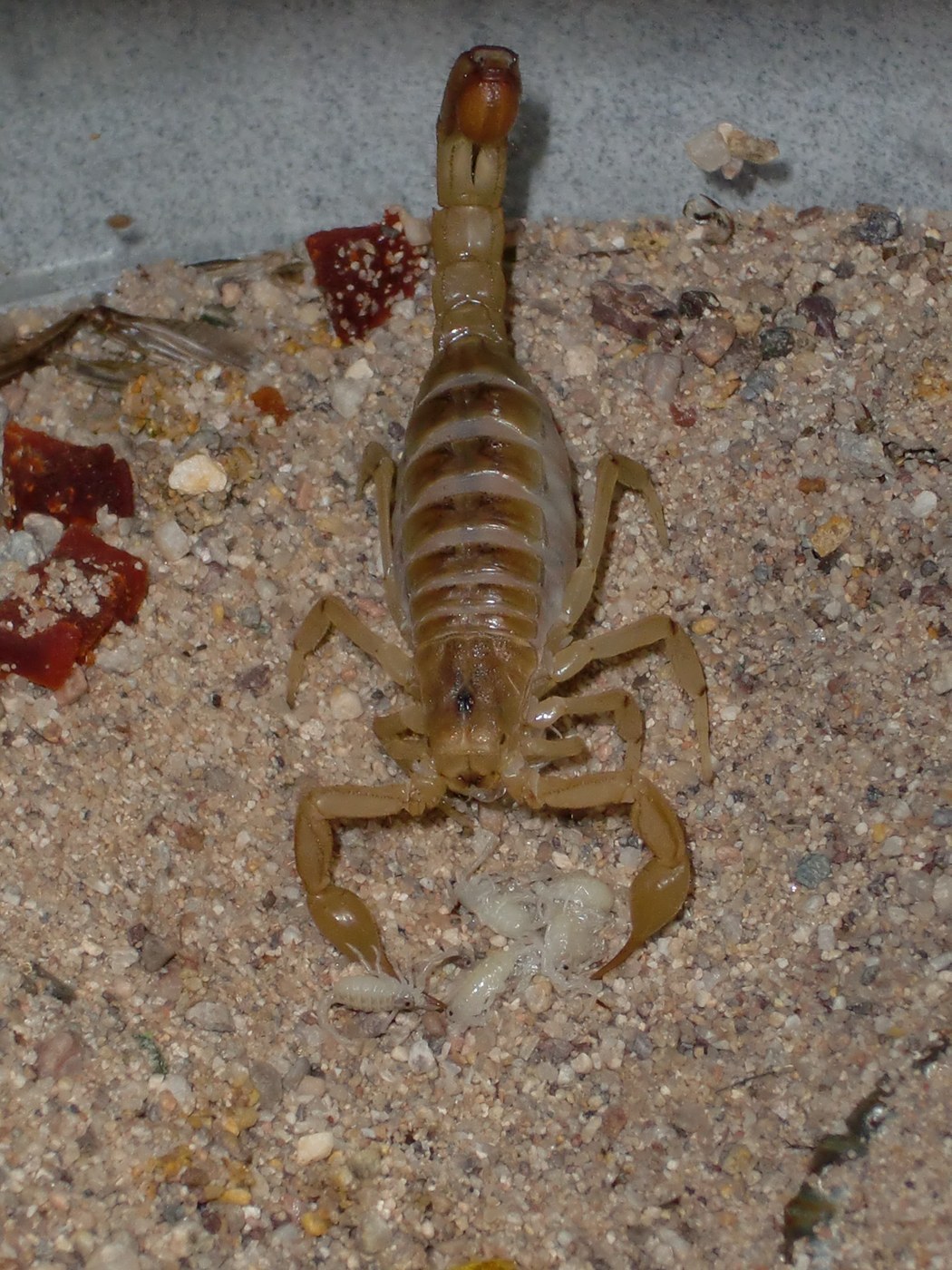
Arizona Bark Scorpion
Rocky desert terrain, tree bark, and structures in the Southwest
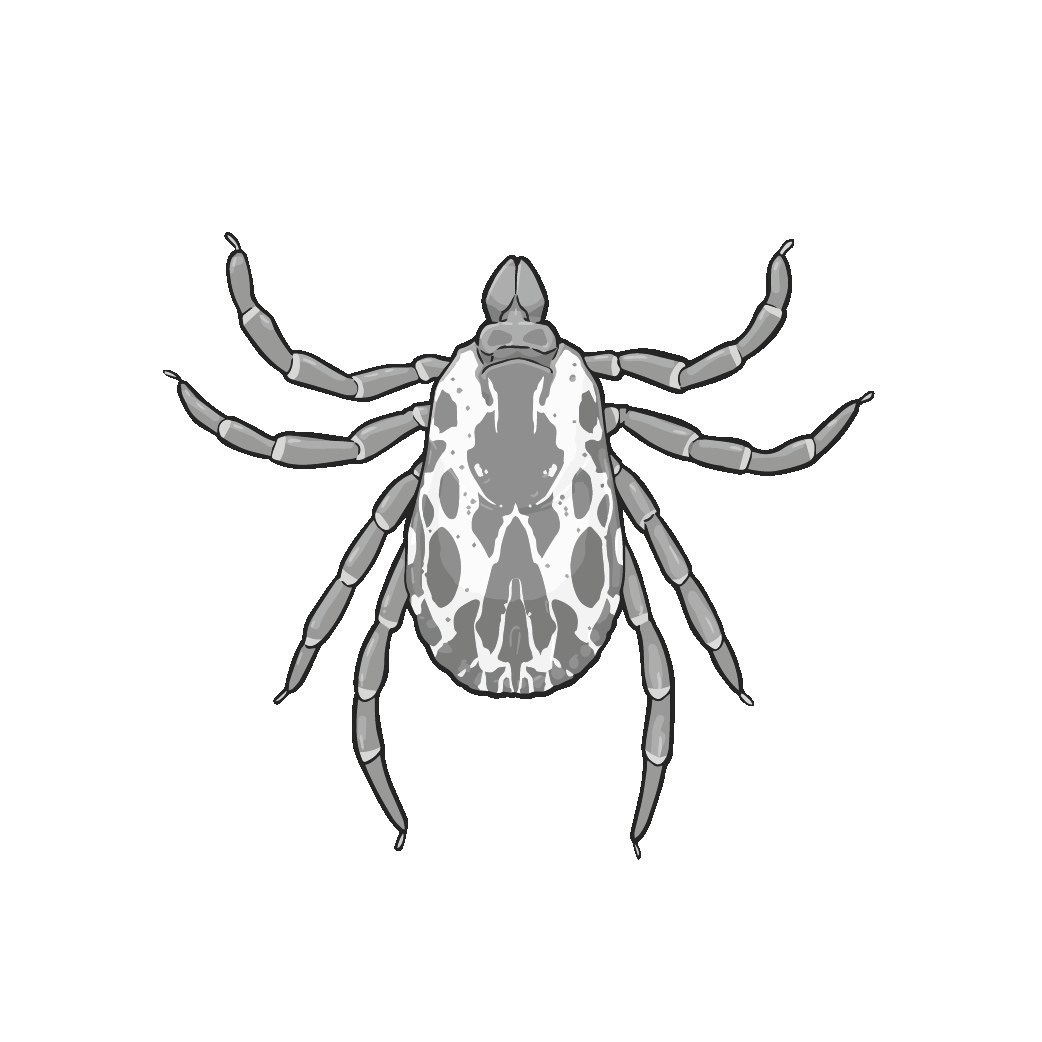
Tick
Tall grass, brush, woodland edges, and animal trails
Soil Mite
Soil, leaf litter, moss, and decaying organic matter worldwide
Rocky Mountain Wood Tick
Sagebrush shrublands, grasslands, and montane forest edges
Two-Spotted Spider Mite
Undersides of leaves on garden plants, crops, and houseplants
Spider Mite
Undersides of leaves on garden plants, houseplants, and field and orchard crops worldwide
Whip Scorpion
Tropical and subtropical caves, tree bark, and rock crevices worldwide