
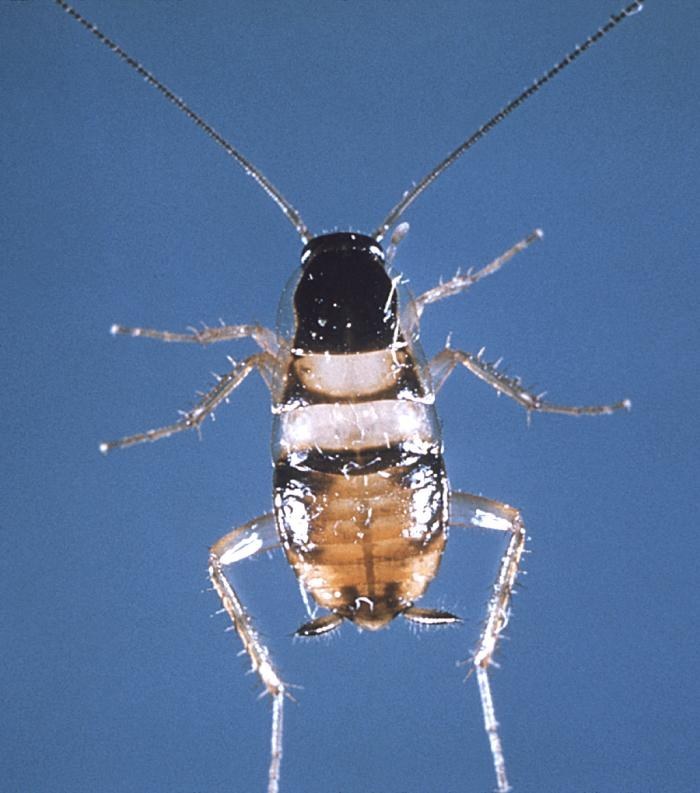
Brown-banded Cockroach
Supella longipalpa
A small, glossy tan-brown cockroach marked with two light bands across its wings, often found tucked into furniture and warm upper rooms rather than kitchens and bathrooms.
- Size
- 0.4-0.6 in (10-14 mm)
- Habitat
- Indoor structures, especially warm rooms away from water
- Danger
- Nuisance pest
Spotted a bug like this?
Identify any bug or insect from a photo, free.
Overview
The brown-banded cockroach is a small, indoor-dwelling cockroach species believed to have originated in Africa and now distributed worldwide through human commerce. It is distinguished from the more familiar German cockroach by its preference for warmer, drier locations throughout a building, including living rooms, bedrooms, and even electronics, rather than sticking close to kitchens and bathrooms.
This species is a household pest recognized by the pale, light-colored bands crossing the base and middle of its wings, which give it its common name and help separate it from similarly sized roach species found indoors.
How to Identify
- Adults are glossy light brown to reddish-brown, roughly 0.4-0.6 inch (10-14 mm) long
- Two pale tan or yellowish bands cross the wings and abdomen, though bands can be partly obscured by folded wings
- Males have wings that extend past the tip of the abdomen; females have shorter, broader wings that do not fully cover the abdomen
- Body is oval and flattened, typical of cockroaches, with long, thread-like antennae
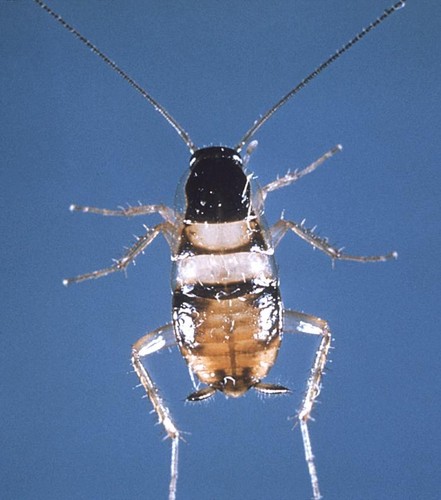
- Nymphs are wingless, darker, and show the pale banding more clearly across the abdomen than winged adults
- Distinguished from the German cockroach by its smaller size, glossier appearance, and lack of the two dark parallel stripes on the pronotum
Habitat & Range
Brown-banded cockroaches live almost exclusively indoors in structures, favoring warm, dry locations away from immediate water sources, including behind picture frames, inside furniture, near appliances and electronics, and in upper cabinets and closets throughout a building rather than being confined to kitchens or bathrooms. They occur worldwide in heated buildings and are especially persistent in warmer climates, remaining active year-round indoors regardless of outdoor season.
Behavior & Diet
This species is nocturnal and omnivorous, feeding on starchy materials, food residues, book bindings, and other organic debris found around a home. Unlike some other indoor cockroaches, it disperses widely through a structure rather than clustering near sinks, since it tolerates drier conditions well. Egg cases are often glued to hidden surfaces such as the undersides of furniture or inside closets rather than carried by the female for long, aiding its spread to new hiding spots throughout a building. As a scavenging omnivore, it participates in the general decomposition of organic household debris, though its presence indoors is regarded as a nuisance pest issue rather than a beneficial one.
Life Cycle
Females produce egg cases (oothecae) that are glued to a hidden surface rather than carried externally, each containing roughly a dozen or more eggs, which hatch after several weeks depending on temperature. Nymphs undergo a series of molts over a few months, gradually developing the banded pattern and, in later stages, wing pads before reaching the winged adult stage. Development from egg to adult typically takes several months in warm indoor conditions, and because indoor temperatures stay stable, multiple overlapping generations can occur throughout the year with no true diapause or seasonal dormancy.
Frequently asked questions
How does the brown-banded cockroach differ from the German cockroach?
It is smaller and glossier, lacks the two dark parallel stripes on the pronotum seen in German cockroaches, and shows pale cross-bands on its wings and abdomen instead.
Where in a home is this cockroach most likely to be found?
It favors warm, dry areas throughout a structure, including furniture, upper cabinets, and near electronics, rather than staying close to sinks and drains.
Are brown-banded cockroaches active during the day?
No, like most cockroaches they are primarily nocturnal and tend to hide in cracks and crevices during daylight hours.
What do brown-banded cockroaches eat?
They are omnivorous scavengers that feed on starchy food residues, organic debris, and materials such as book bindings and wallpaper paste.
Brown-banded Cockroach guides
In-depth guides for identifying, understanding, and living alongside Brown-banded Cockroach.
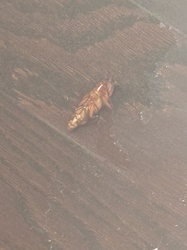
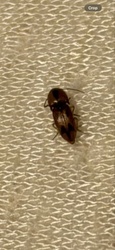
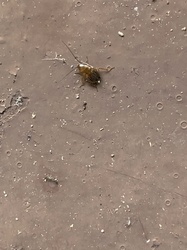
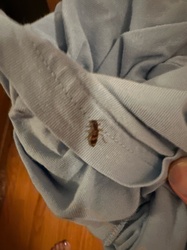
Brown-banded Cockroach identified by the community
Real finds identified with Bug Identifier.
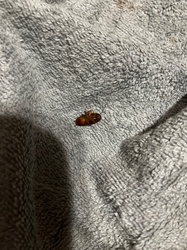
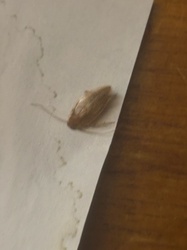
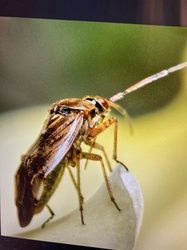

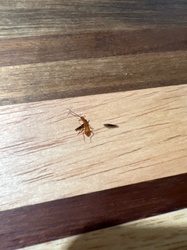
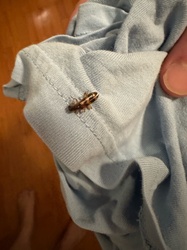
Other bugs you may enjoy
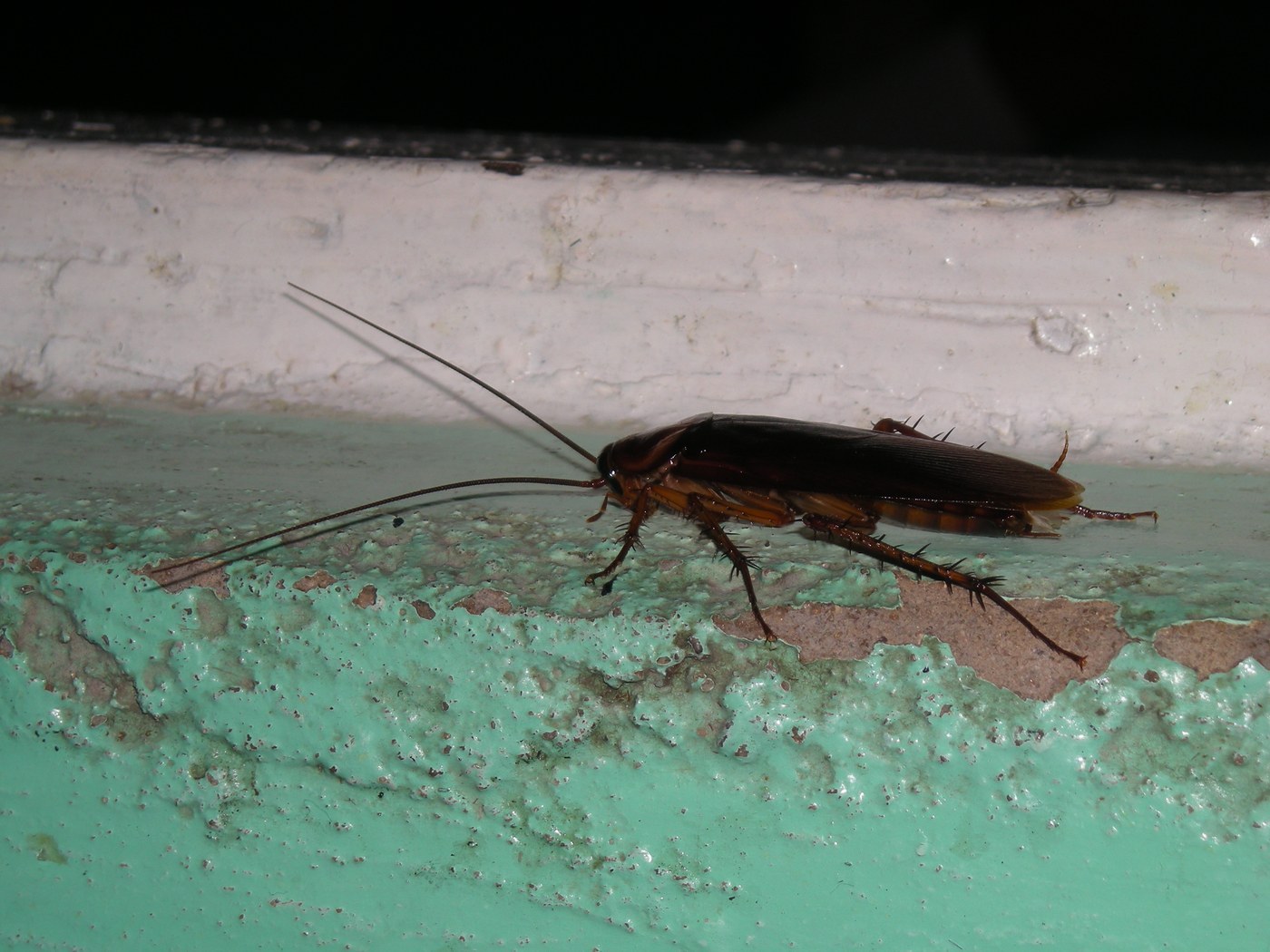
American Cockroach
Warm, humid environments such as basements, sewers, drains, and tropical outdoor settings
Thrips
Flowers, foliage, gardens, greenhouses, crop fields
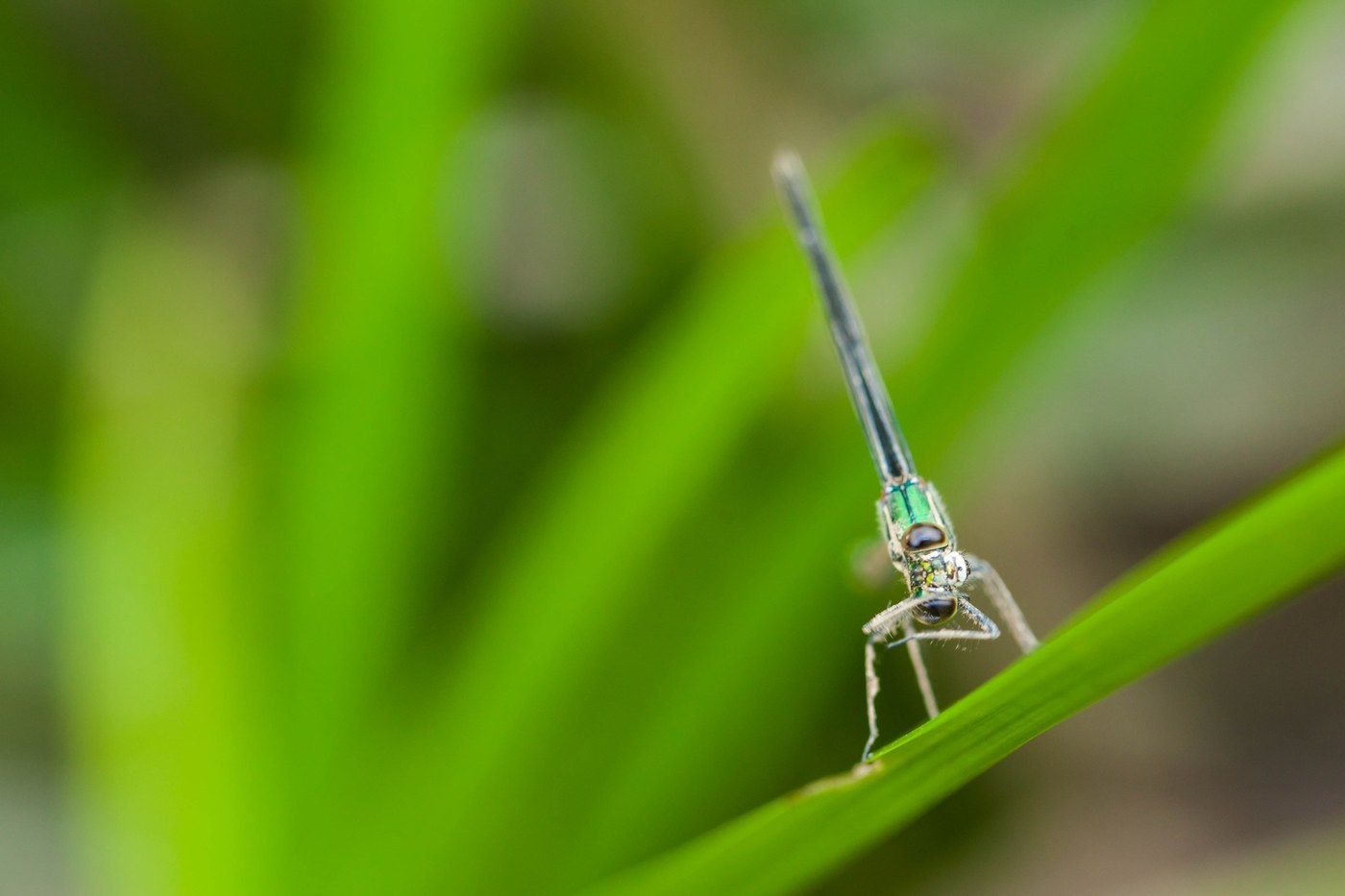
American Rubyspot
Sunny rivers and streams with moderate current
Springtail
Moist soil, leaf litter, decaying organic matter, and damp indoor areas
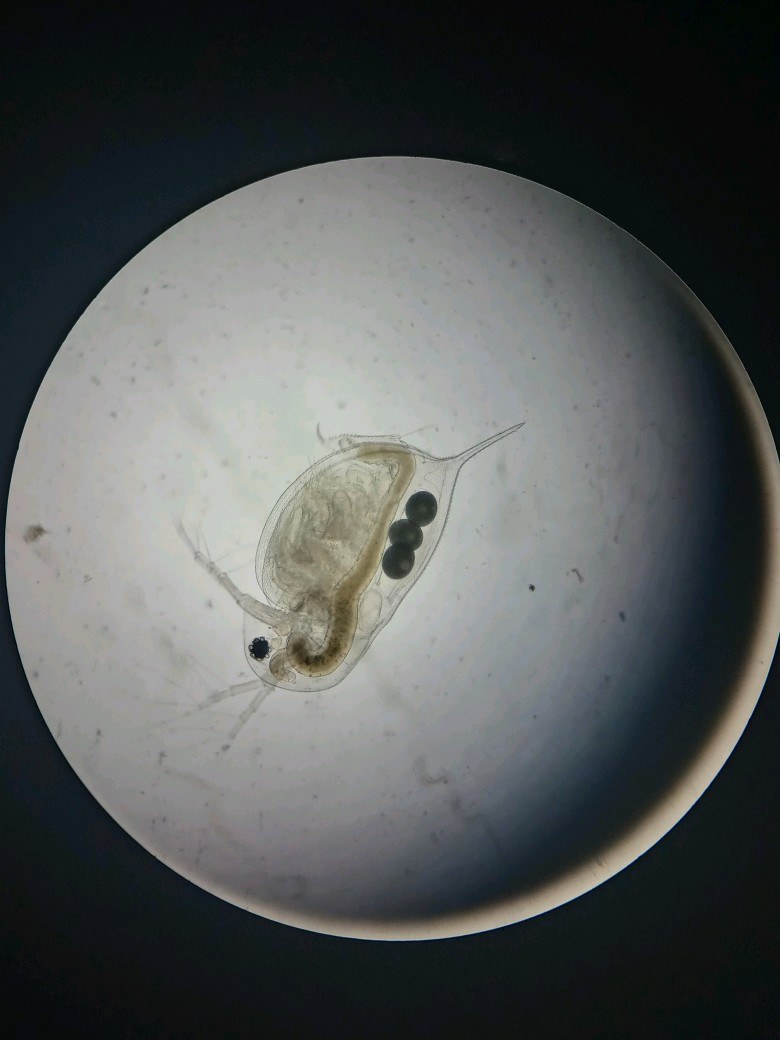
Water Flea
Ponds, lakes, and slow streams as free-floating plankton
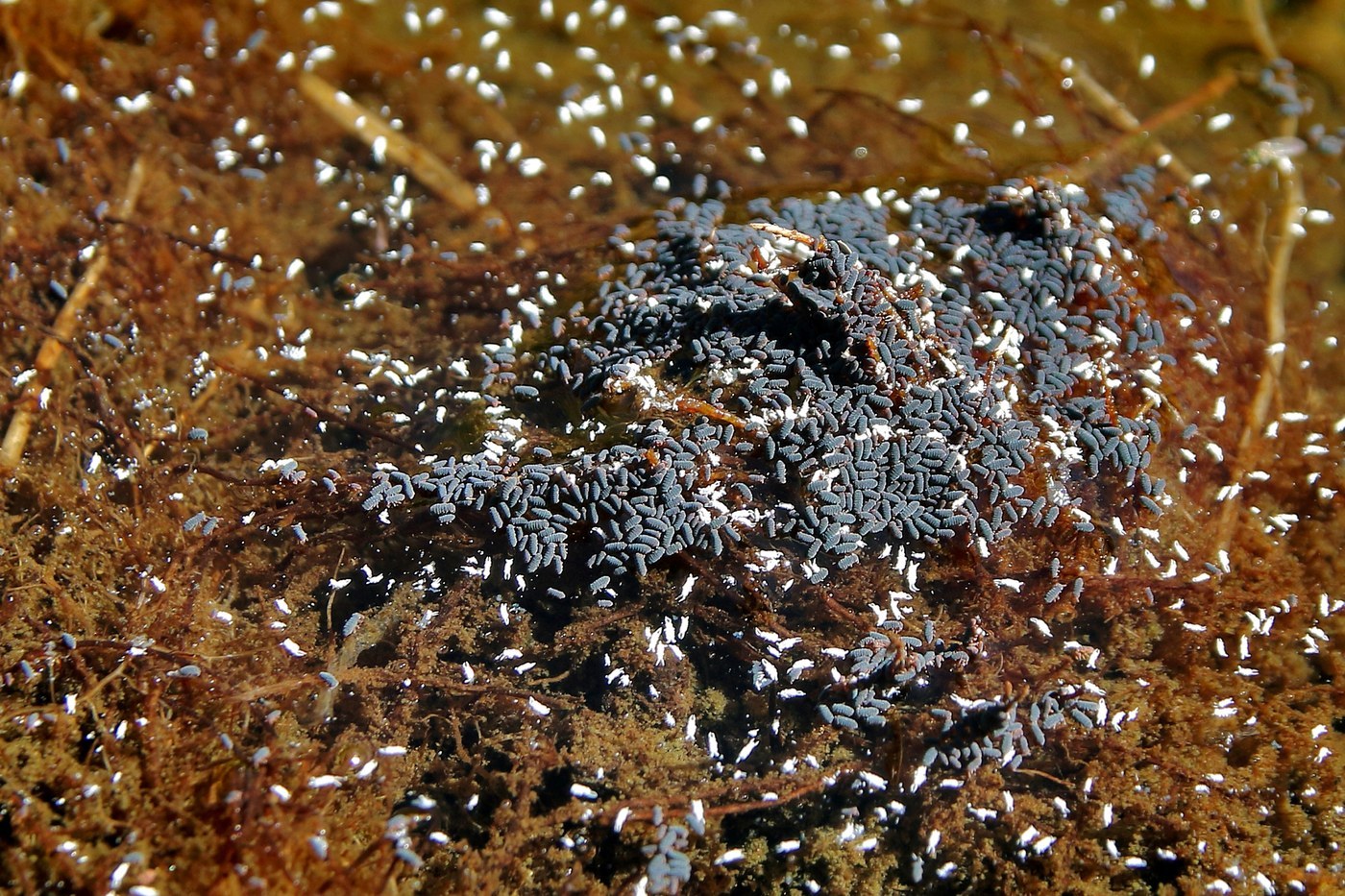
Water Springtail
Surface film of ponds, puddles, and slow ditches
Slug
Gardens, damp soil, leaf litter, greenhouses
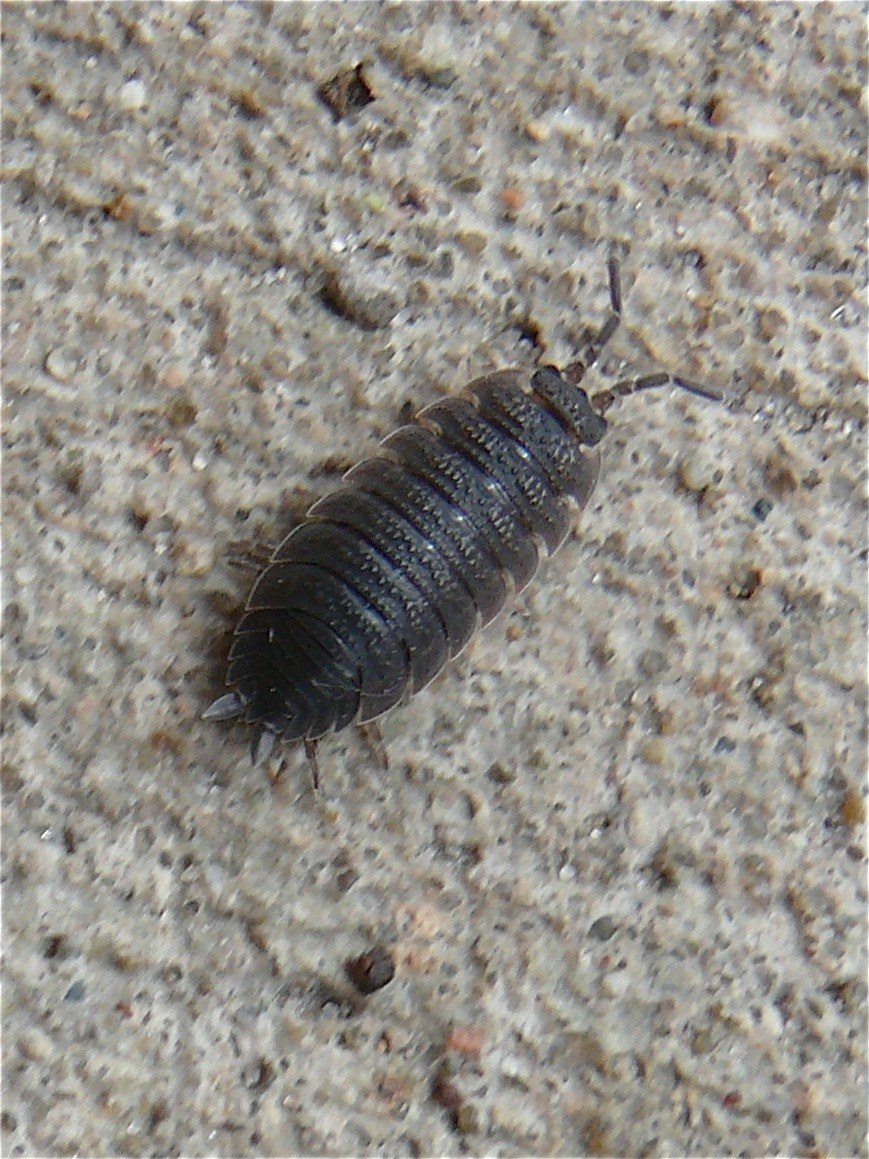
Sowbug
Leaf litter, under rocks/logs, damp garden soil, basements
Pill Bug
Damp soil, leaf litter, under rocks and logs, garden beds
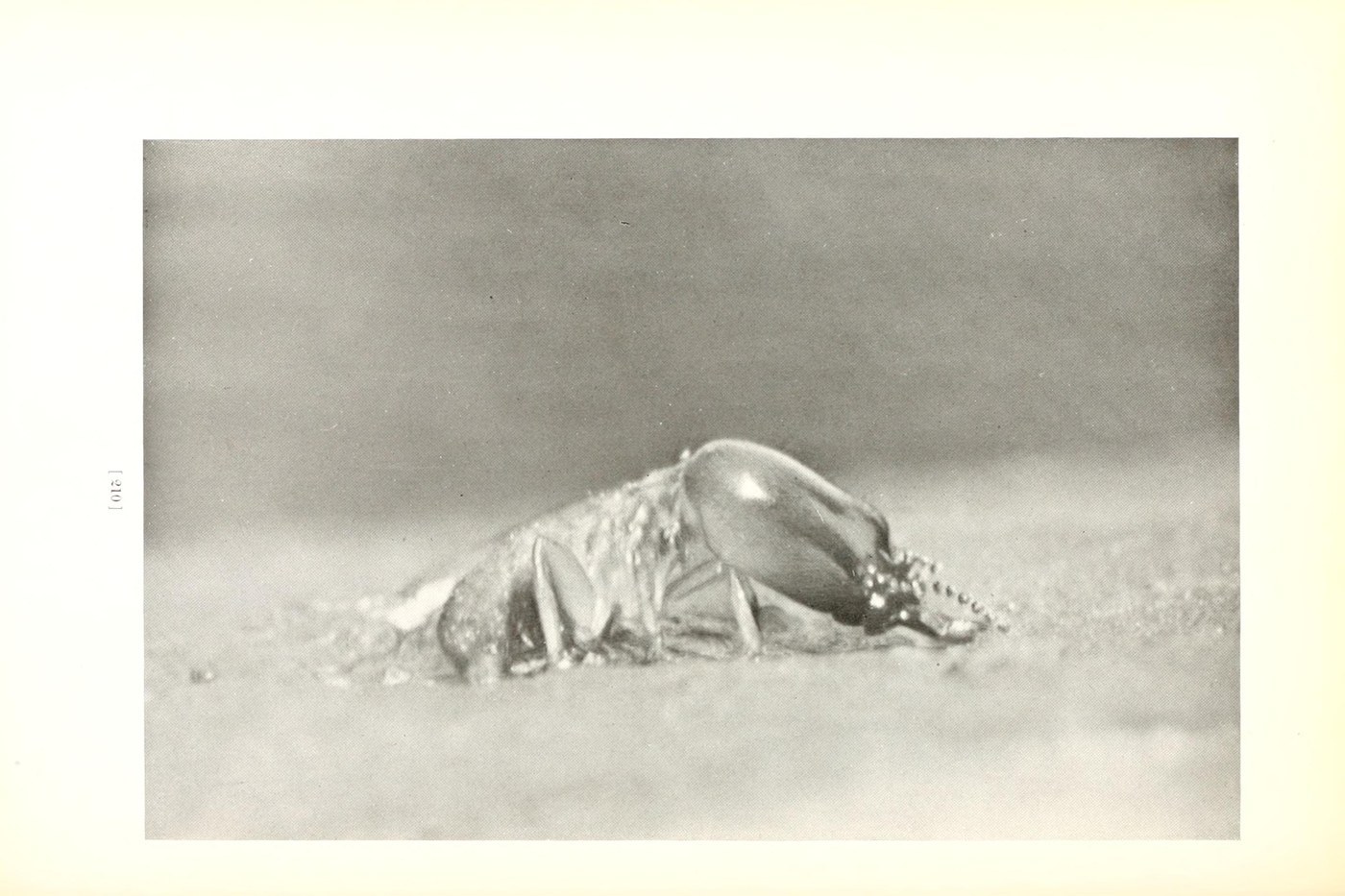
Termite
Soil, decaying wood, tree stumps, and wooden structures
Termite Swarmer
Emerges from underground or wood-nesting colonies, often near structures and moist soil
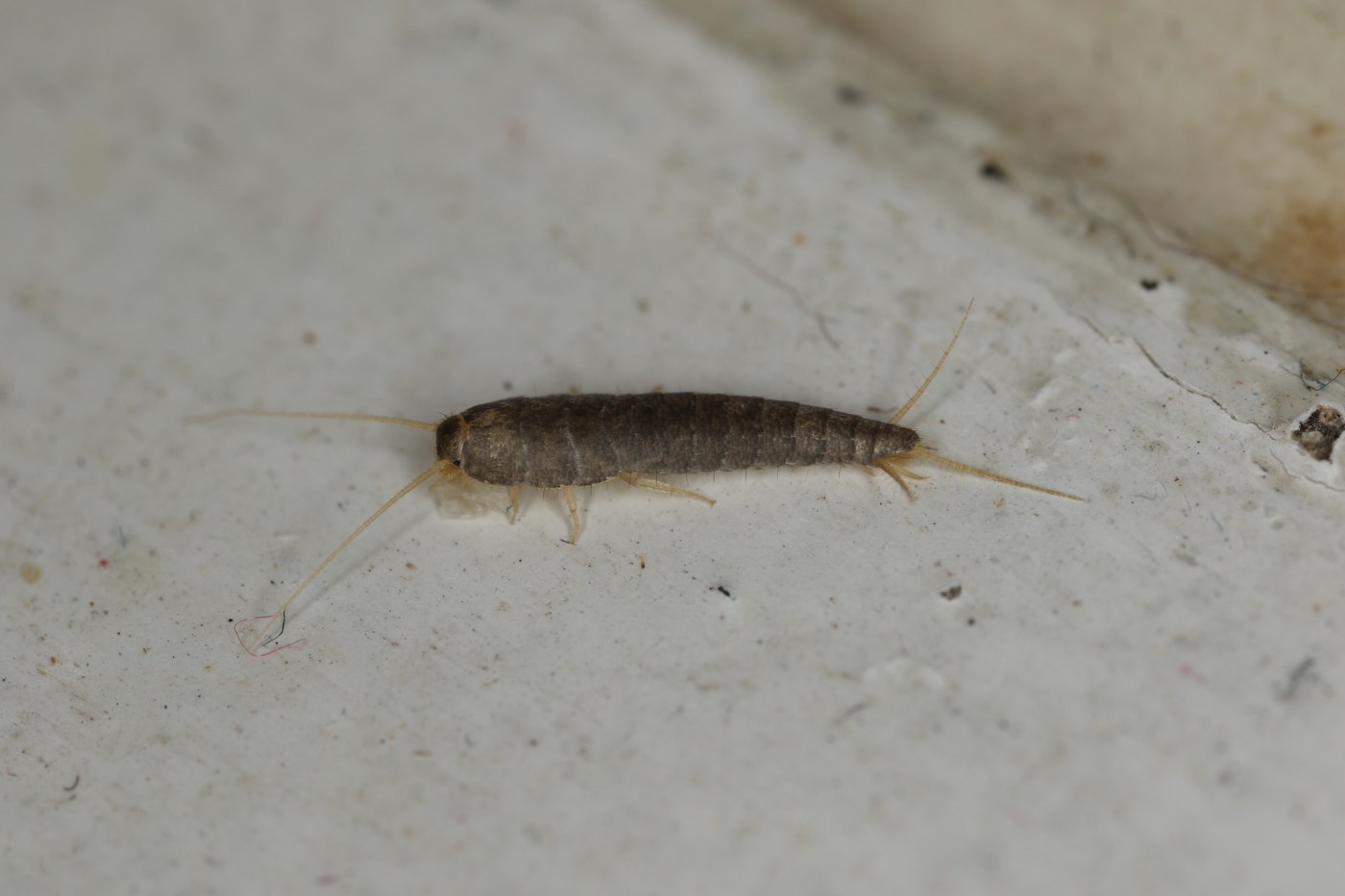
Silverfish
Damp basements, bathrooms, closets, and dark indoor crevices