
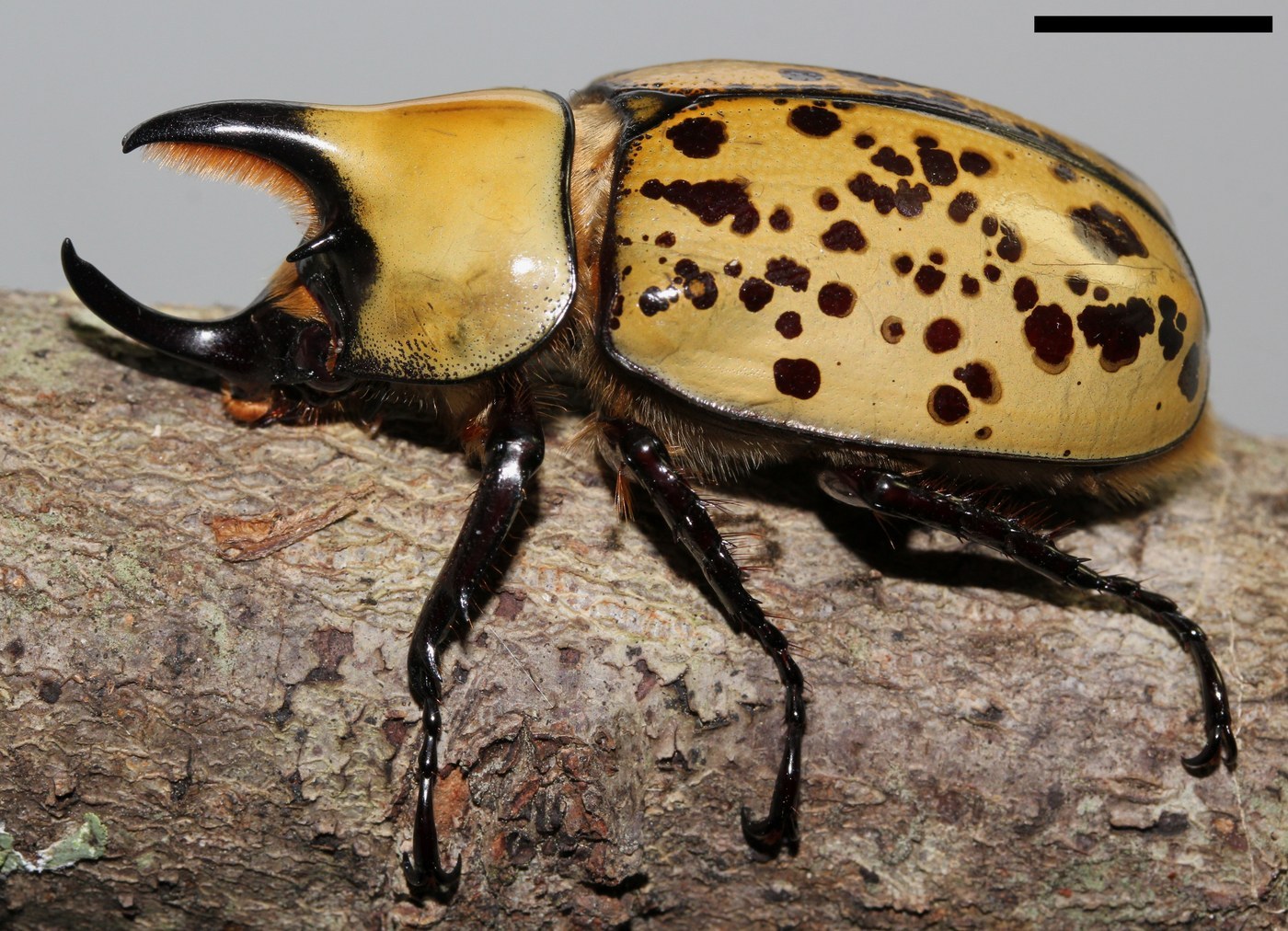
Eastern Hercules Beetle
Dynastes tityus
One of the largest beetles in North America, a massive rhinoceros beetle in which males bear an enormous forked horn used to wrestle rivals off of favored tree sap sites.
- Size
- 40–65 mm
- Habitat
- Deciduous forests of the eastern and southeastern United States
- Danger
- Harmless
Spotted a bug like this?
Identify any bug or insect from a photo, free.
Overview
The Eastern Hercules beetle is a member of the scarab beetle family (Scarabaeidae), within the rhinoceros beetle subfamily (Dynastinae). It is the largest beetle native to the eastern United States and one of the largest insects in North America overall, closely related to the even larger tropical Hercules beetles of Central and South America.
This species is notable for the dramatic size and shape difference between the sexes: males carry a long, curved thoracic horn opposed by a shorter head horn, forming a pincer-like structure, while females are hornless and somewhat smaller. Its impressive size and horn structure have long made it a favorite subject for insect enthusiasts and a memorable find for anyone encountering one in the wild.
Ecologically, its large grubs are important detritivores that develop for years inside decaying logs, contributing to the breakdown of dead wood in eastern deciduous forest ecosystems, while adults feed on tree sap and rotting fruit during their brief above-ground life.
How to Identify
- Very large, robust body 40–65 mm long, among the biggest beetles in North America.
- Males are typically olive-gray to tan with irregular black spots, often changing shade with humidity, and possess a long curved thoracic horn along with a shorter, upward-curving head horn.
- Females lack horns and are uniformly dark brown to black, with a smoother, rounder body.
- Powerful legs with strong claws for gripping bark.
- Lookalikes include other large scarabs, but the combination of enormous size, the male's opposed double-horn structure, and mottled olive coloring is highly distinctive within its range.
Habitat & Range
Found in deciduous forests across the southeastern and eastern United States, from states such as Virginia and Kentucky southward through the Gulf states, wherever mature hardwood trees provide decaying logs for larval development. Adults are active mainly at night during the summer months, often attracted to lights or found at tree sap flows, while larvae live for years within rotting logs and stumps on the forest floor.
Behavior & Diet
Males use their large opposed horns to wrestle rival males for access to favored feeding sites on sap-oozing trees, attempting to pry or flip opponents away, a behavior linked to competition for mates. Adults feed on tree sap and overripe or fermenting fruit, and are largely nocturnal, sheltering during the day in leaf litter, bark crevices, or loose soil. The much longer-lived larval stage functions as a wood-decomposing detritivore, consuming rotting logs and playing a meaningful role in forest nutrient cycling. Adults are strong, if somewhat clumsy, fliers and produce an audible hissing sound when disturbed by forcing air out through their abdominal spiracles.
Life Cycle
Development is complete metamorphosis: egg, larva, pupa, adult. Eggs are laid in decaying hardwood logs or rich surrounding soil; the large white grubs feed on decomposing wood for one to two years, growing to a substantial size before pupating within the log. Adults emerge in summer and live for only a few months, during which their sole focus is feeding and reproduction. There is no true diapause, though the long larval period effectively spans one or more winters spent dormant or slow-feeding within the log.
Frequently asked questions
Is this the largest beetle in the United States?
It is among the largest beetles native to the eastern United States and one of the biggest insects in North America overall, though a few other large scarabs rival it in size.
Why do only some individuals have horns?
Only males develop the long, opposed pair of horns used for combat; females are hornless with a smoother, rounder body.
What do the horns get used for?
Males use their horns to wrestle and pry rival males away from favored sap-feeding sites on trees, a behavior related to competition for mates.
Where do the larvae live?
The grubs develop for one to two years inside decaying hardwood logs and stumps, feeding on the rotting wood before eventually pupating there.
Eastern Hercules Beetle guides
In-depth guides for identifying, understanding, and living alongside Eastern Hercules Beetle.
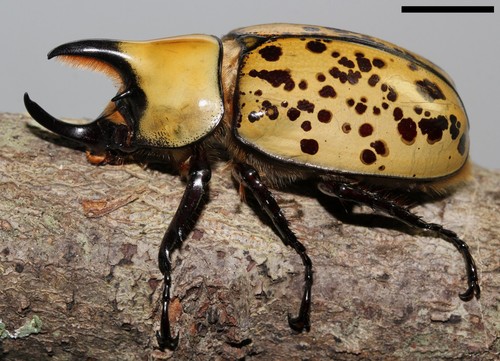
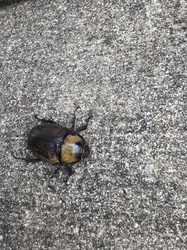
Eastern Hercules Beetle identified by the community
Real finds identified with Bug Identifier.
Other bugs you may enjoy
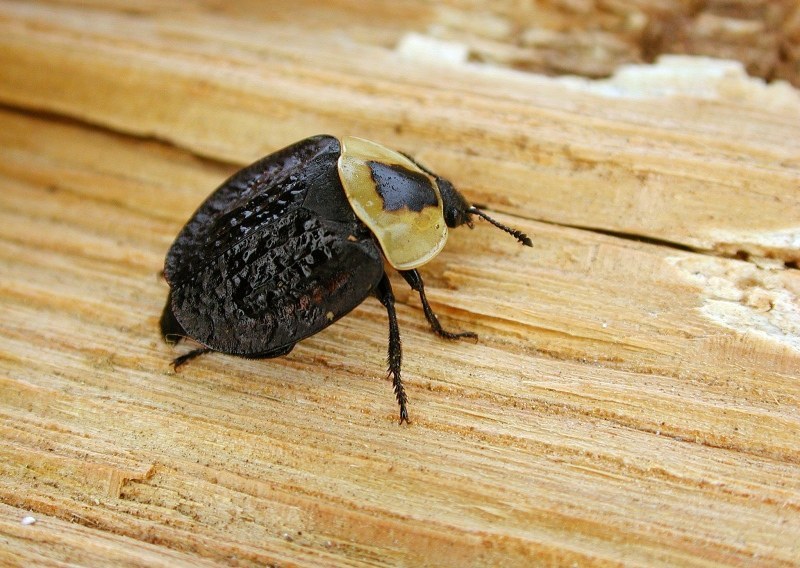
American Carrion Beetle
Forests, fields, and roadsides across North America, near decaying animal carcasses
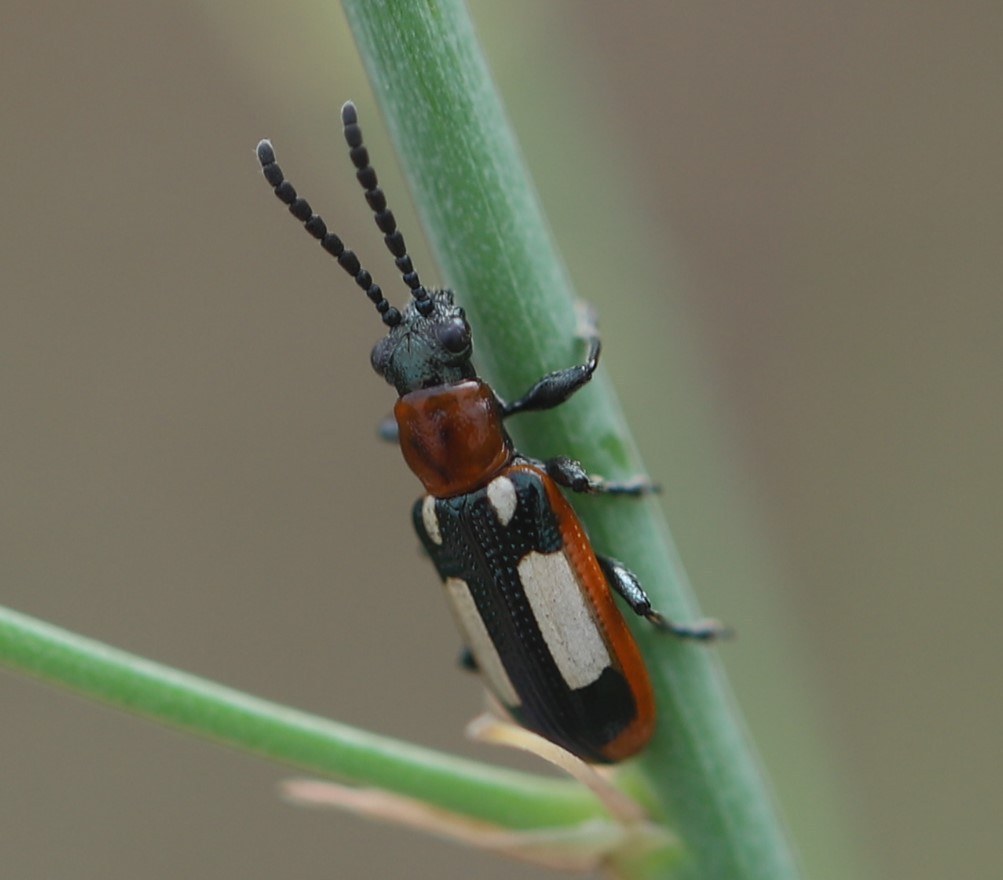
Asparagus Beetle
Asparagus patches, gardens, and farm fields
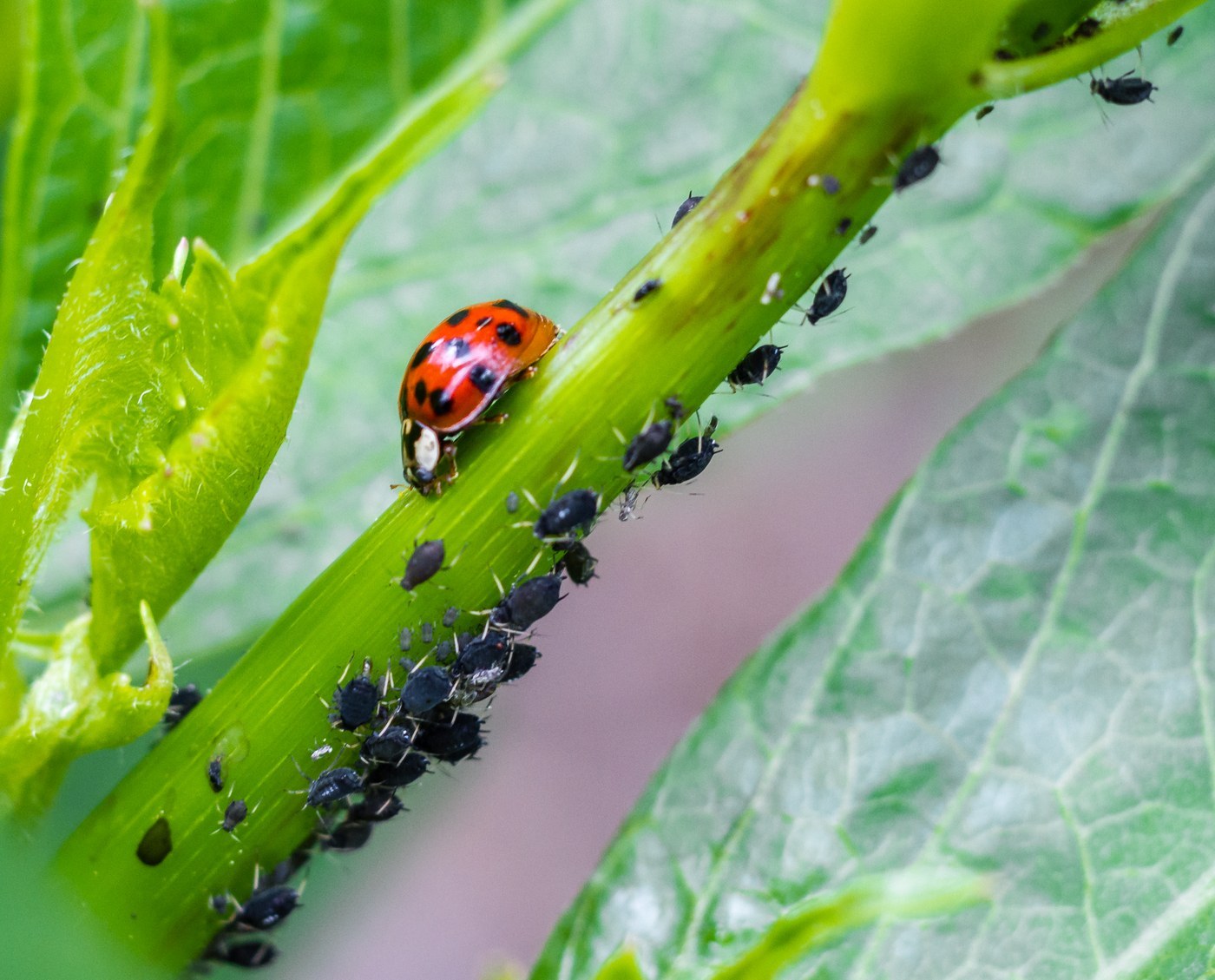
Asian Lady Beetle
Gardens, crop fields, woodlands, buildings
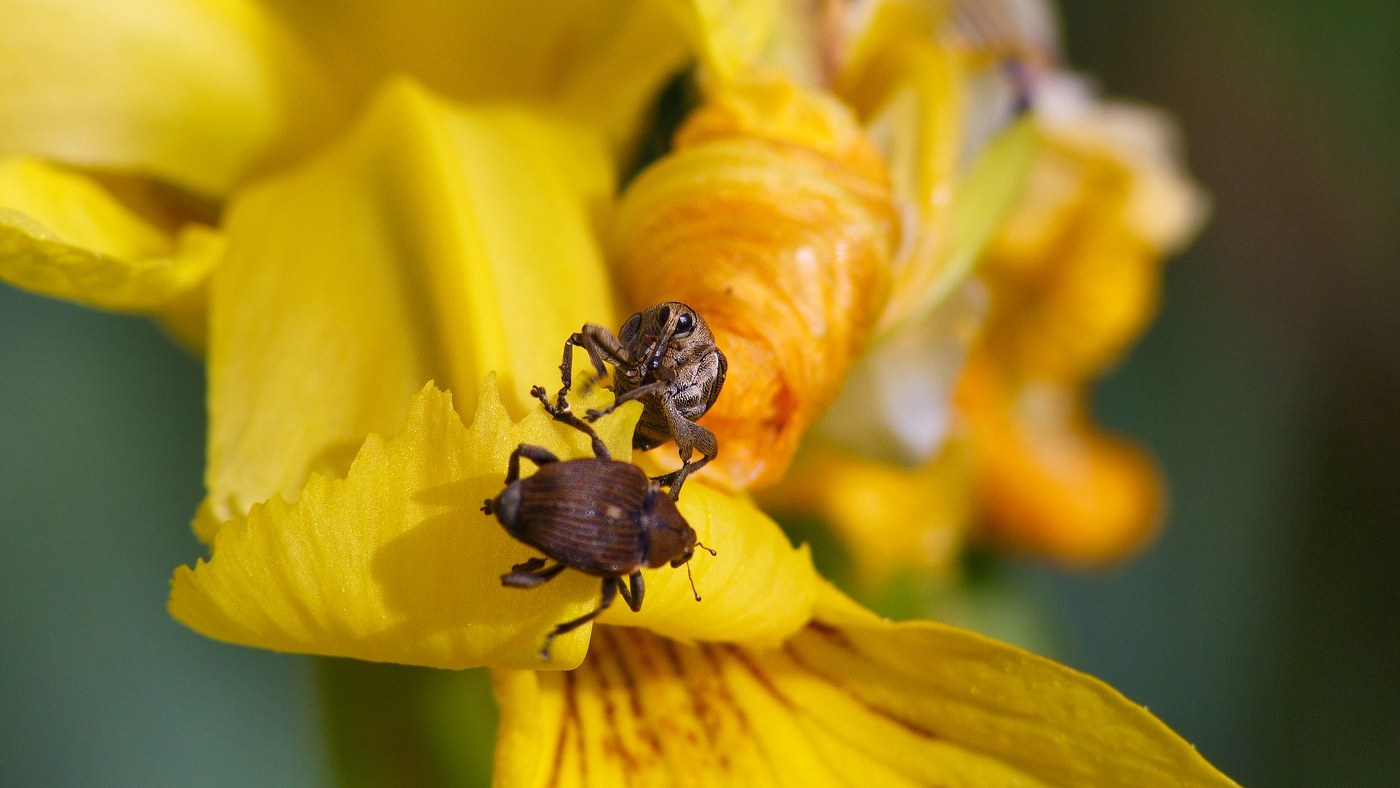
Acorn Weevil
Oak woodlands and forests, on and beneath oak trees
Wireworm
Soil of grasslands, gardens, and cultivated fields worldwide
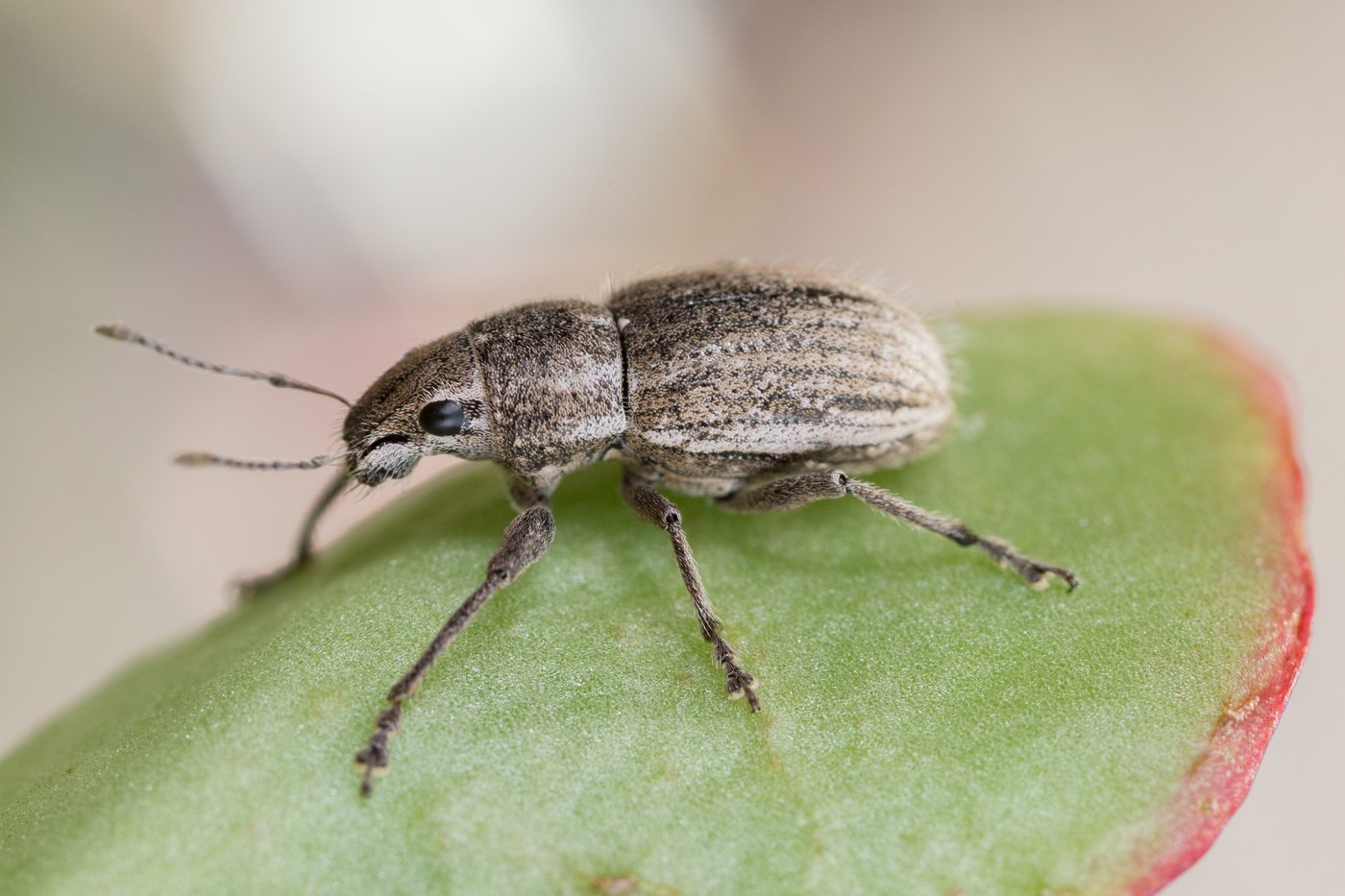
Whitefringed Beetle
Pastures, row crops, lawns, disturbed soils
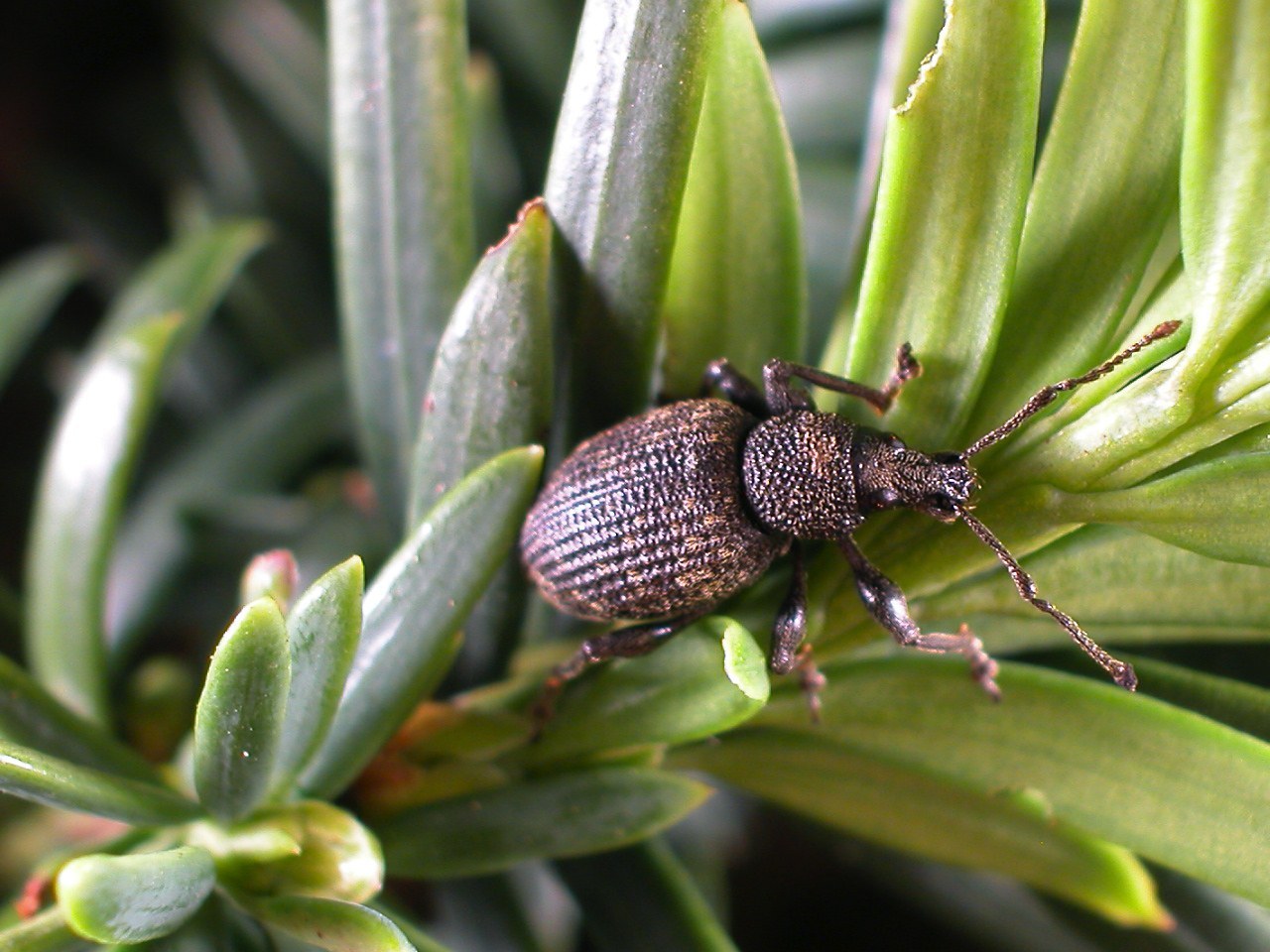
Vine Weevil
Gardens, nurseries, greenhouses, and container plantings
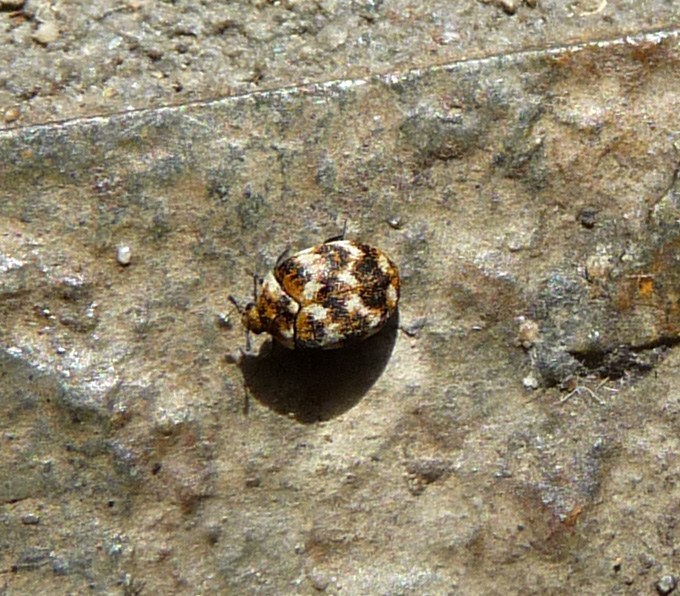
Varied Carpet Beetle
Homes, nests of birds and mammals, and flowers outdoors
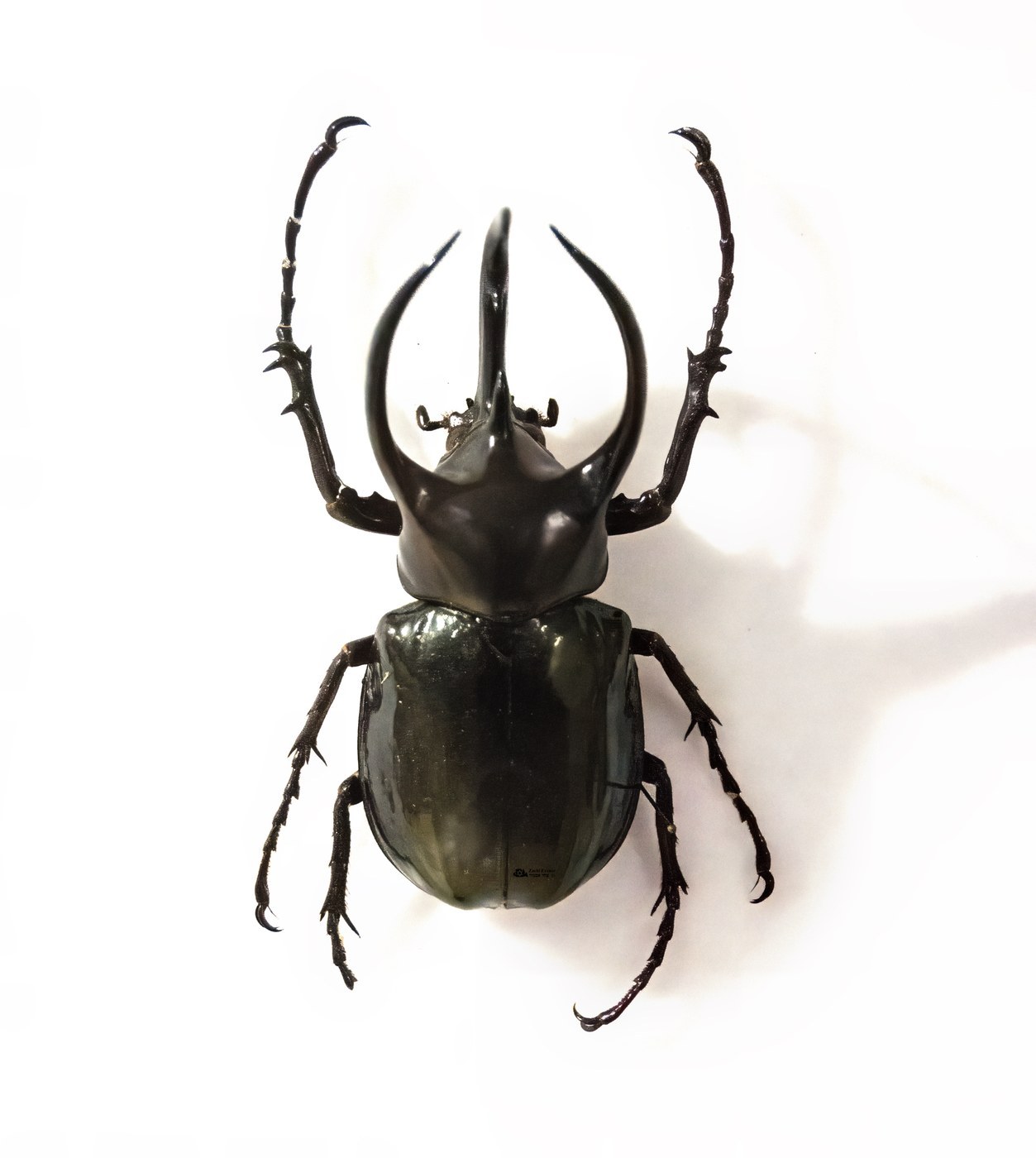
Atlas Beetle
Tropical forests of Southeast Asia
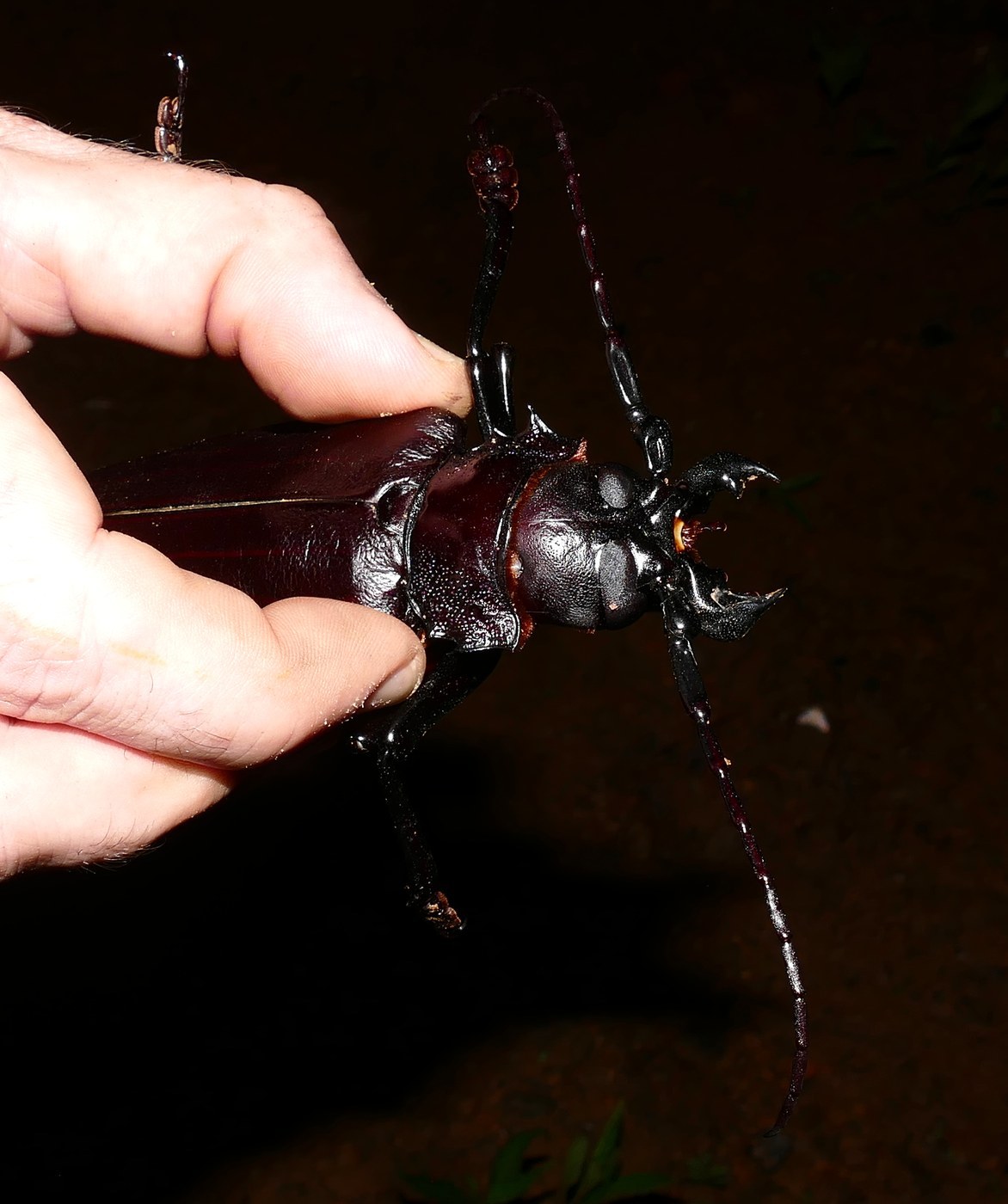
Titan Beetle
Amazon rainforest of South America
Ten-lined June Beetle
Sandy soils, pine forests, and orchards of western North America
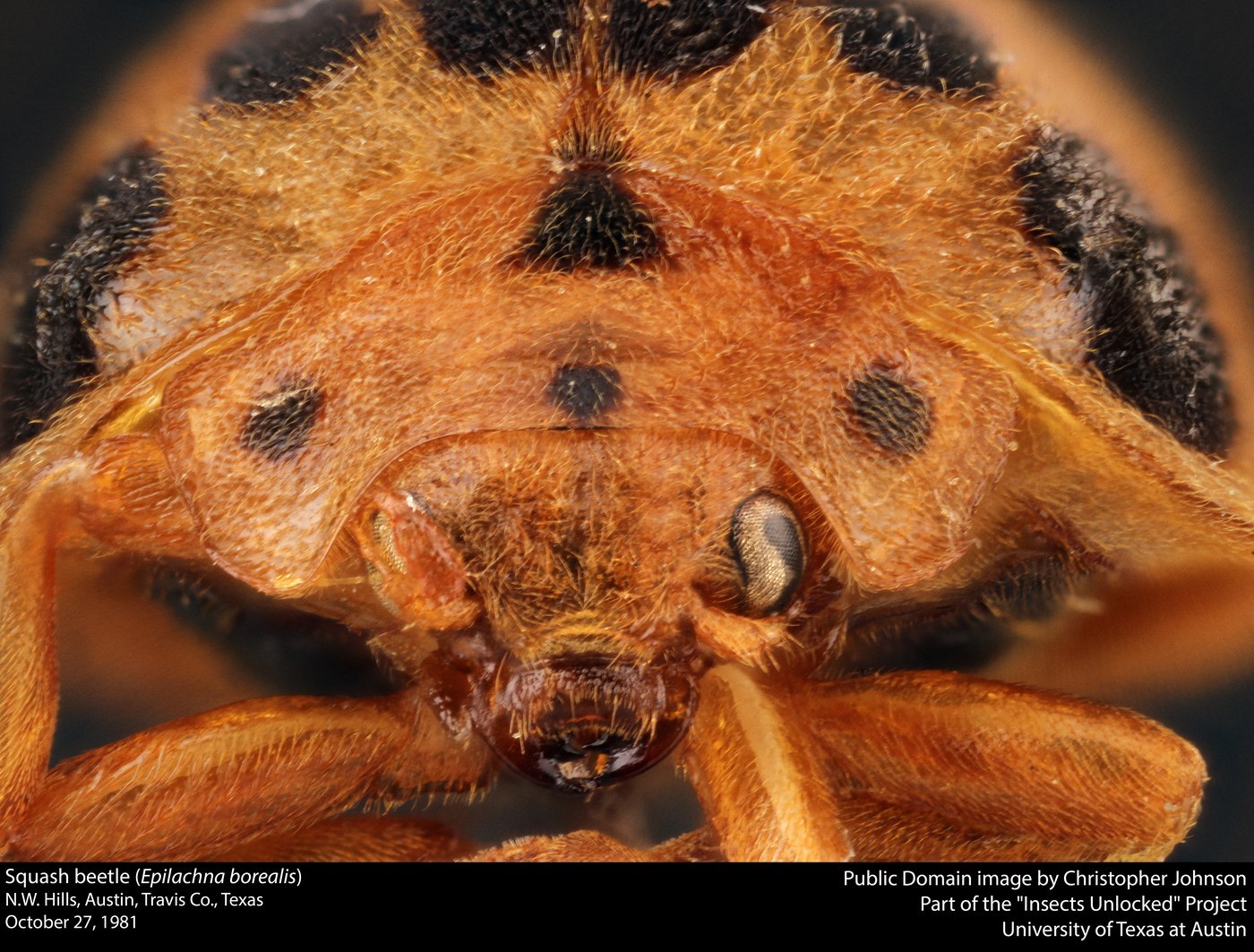
Squash Beetle
Vegetable gardens and fields growing squash, pumpkin, and other cucurbits