
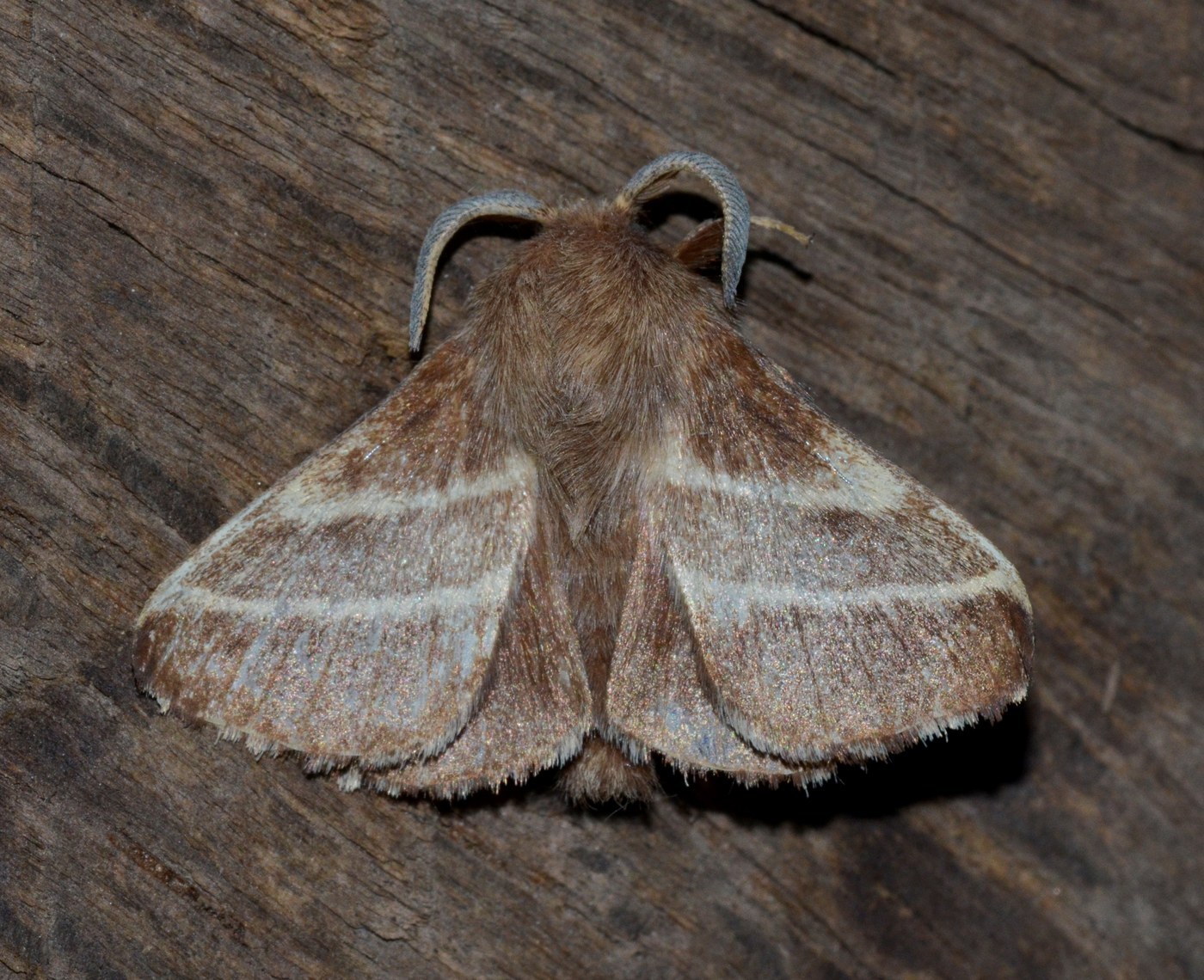
Eastern Tent Caterpillar
Malacosoma americanum
A fuzzy, blue-flecked caterpillar with a pale stripe down its back, famous for spinning large communal silk tents in the forked branches of cherry and apple trees each spring.
- Size
- up to 5 cm (2 in) long
- Habitat
- Cherry, apple, and other deciduous trees in eastern North America
- Danger
- Nuisance pest
Spotted a bug like this?
Identify any bug or insect from a photo, free.
Overview
The eastern tent caterpillar is a social moth larva best known for the conspicuous silken tents it builds communally with its siblings in the branch forks of host trees, most commonly wild cherry, apple, and crabapple. These tents serve as a shared shelter that the colony returns to between feeding bouts and expands as the caterpillars grow throughout spring.
While periodic outbreaks can lead to noticeable defoliation of host trees, the species is a native part of eastern North American forest and orchard ecosystems and rarely causes lasting harm to established trees. Its caterpillars are an important seasonal food source for cuckoos, orioles, and other birds that specialize in eating hairy caterpillars avoided by many other predators.
How to Identify
- Body covered in fine hairs, with a solid white stripe running down the center of the back
- Sides marked with a series of pale blue spots and thin yellow or brown lines
- Head is solid black
- Grows to about 5 cm at maturity
- Larvae feed and rest communally, easily identified by the dense white silk tents built in tree branch forks
- Distinguished from fall webworm by the solid white dorsal stripe and tents built in branch crotches rather than at branch tips
Habitat & Range
Native to eastern North America, found wherever wild cherry, chokecherry, apple, and related trees grow, including forest edges, hedgerows, and orchards. Caterpillars are active in spring, from shortly after leaf-out through late spring, after which they leave the host tree to pupate.
Behavior & Diet
Eastern tent caterpillars are gregarious, living communally within a silk tent that the colony builds and enlarges together, venturing out in groups to feed on host tree foliage and returning to the tent to rest and digest. They use pheromone trails laid down by scouts to coordinate group movement to and from feeding sites, a relatively sophisticated form of chemical communication among caterpillars. As a native insect, they are an important food source for many bird species and a natural, if sometimes conspicuous, part of the springtime forest and orchard ecosystem.
Life Cycle
Adult moths lay a single hardened egg mass encircling a twig in summer, and the eggs remain dormant through winter before hatching in early spring as new leaves emerge. Caterpillars pass through several instars over four to six weeks, feeding communally and expanding their tent, before wandering off individually to spin a yellowish silk cocoon in a sheltered location to pupate. Adult moths emerge roughly three weeks later in early summer, mate, and lay the next generation's overwintering egg mass, completing one generation per year.
Frequently asked questions
How do I identify an eastern tent caterpillar?
Look for a black head, a solid white stripe down the back, and rows of pale blue spots along a hairy body, along with the dense silk tents in branch forks.
Why do eastern tent caterpillars build tents?
The communal silk tent provides shelter from weather and predators for the colony between group feeding excursions.
What trees do eastern tent caterpillars prefer?
They favor wild cherry and related trees such as apple and crabapple in the rose family.
How long do eastern tent caterpillars stay in their tents?
They occupy and enlarge the tent for about four to six weeks in spring before leaving to pupate individually.
Eastern Tent Caterpillar guides
In-depth guides for identifying, understanding, and living alongside Eastern Tent Caterpillar.
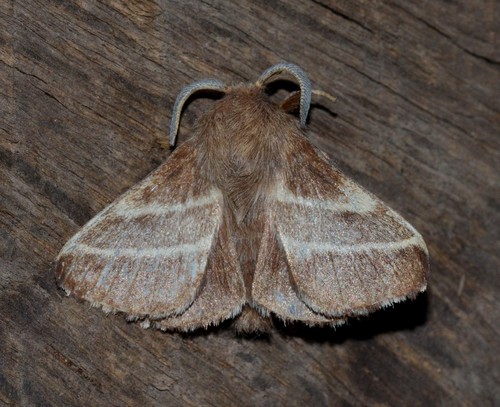
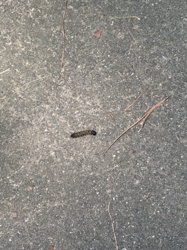
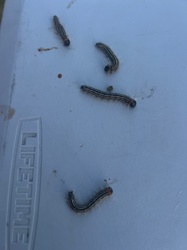
Eastern Tent Caterpillar identified by the community
Real finds identified with Bug Identifier.
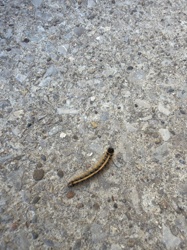
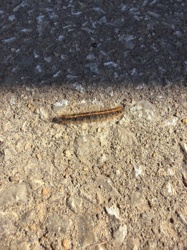
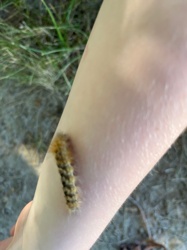
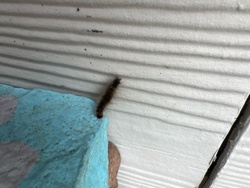
Other bugs you may enjoy
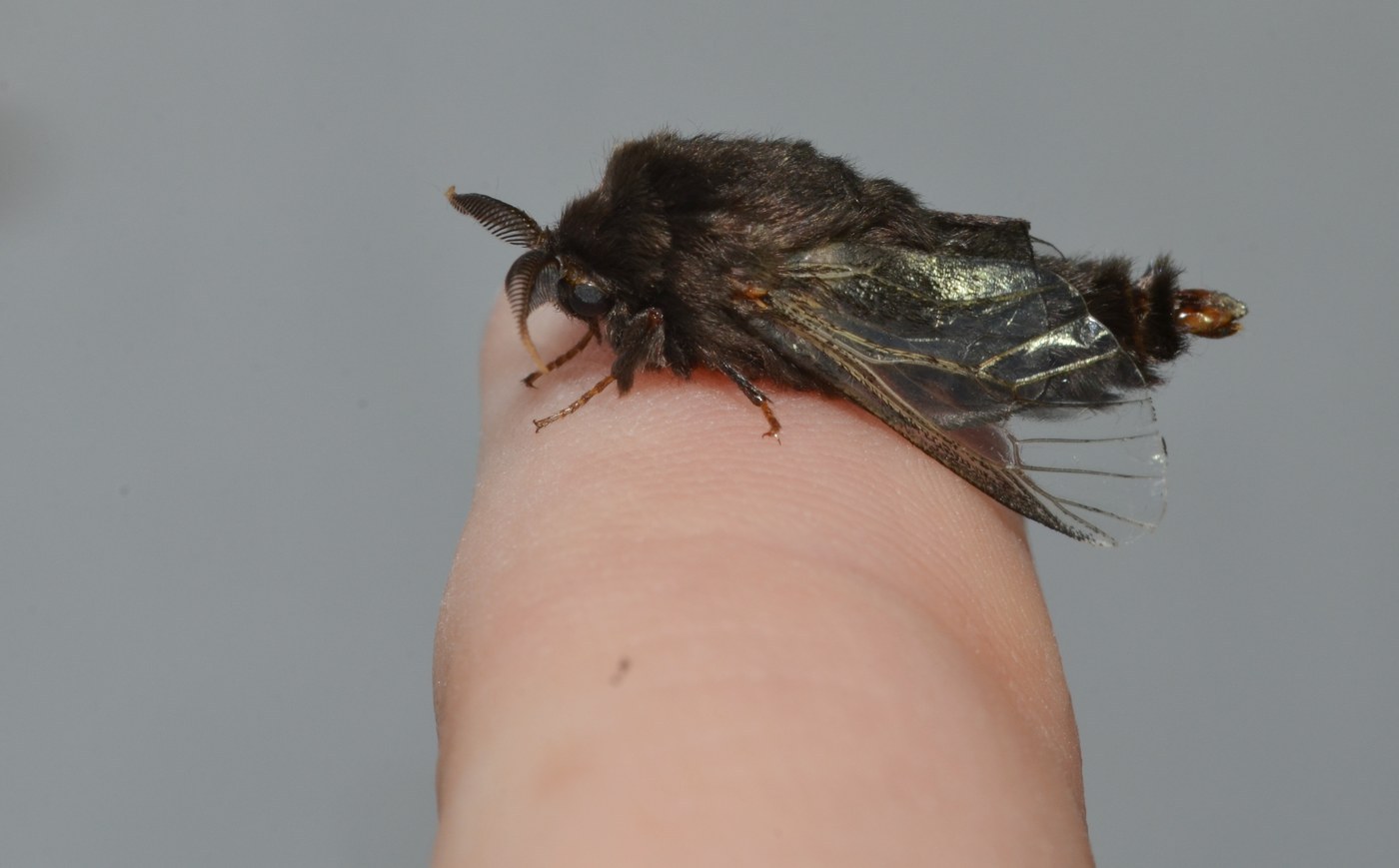
Bagworm
Trees and shrubs, especially conifers and ornamental landscaping
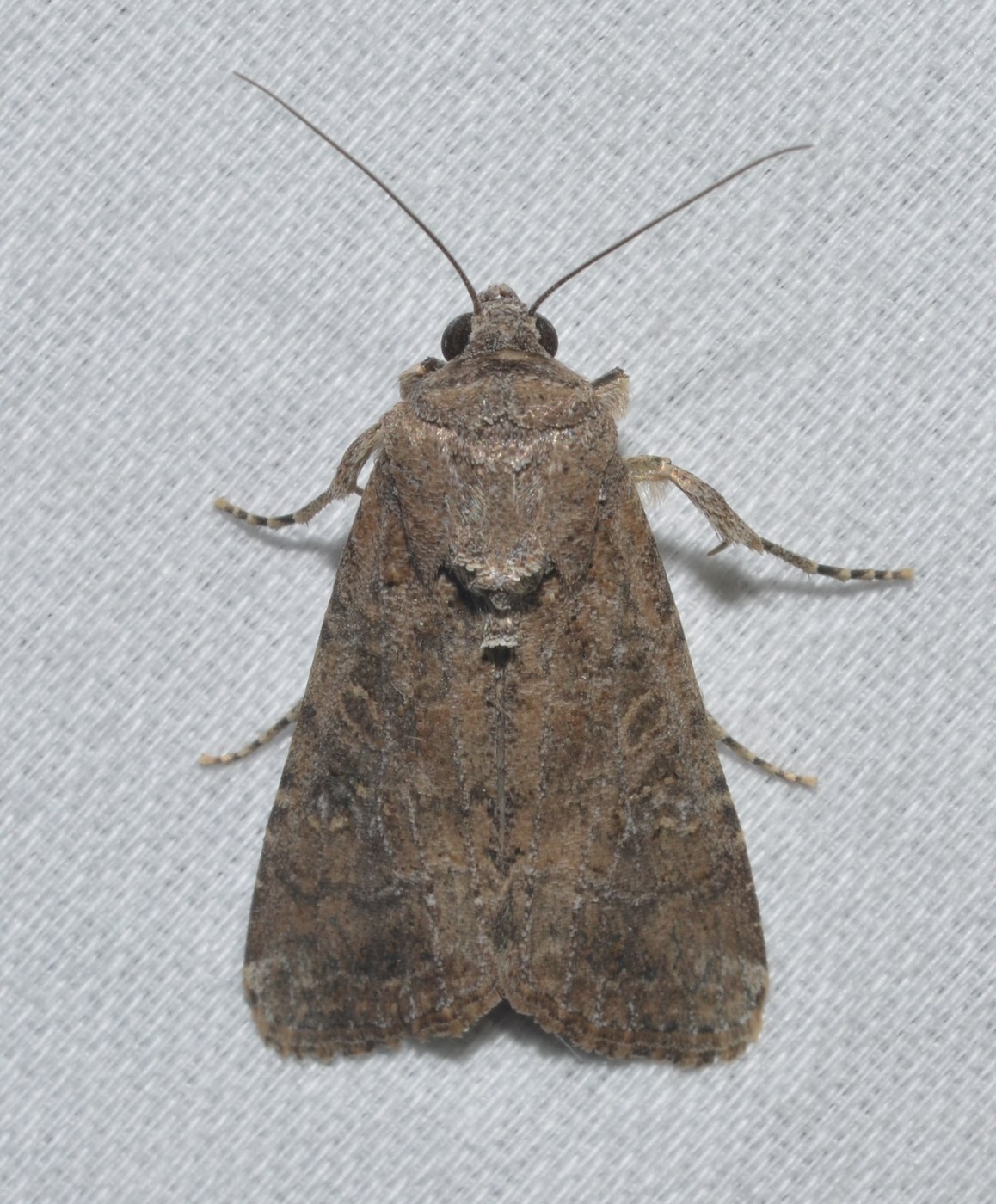
Armyworm
grasslands, pastures, and cereal crop fields
Zebra Longwing Caterpillar
Tropical and subtropical hammocks with passionflower vines
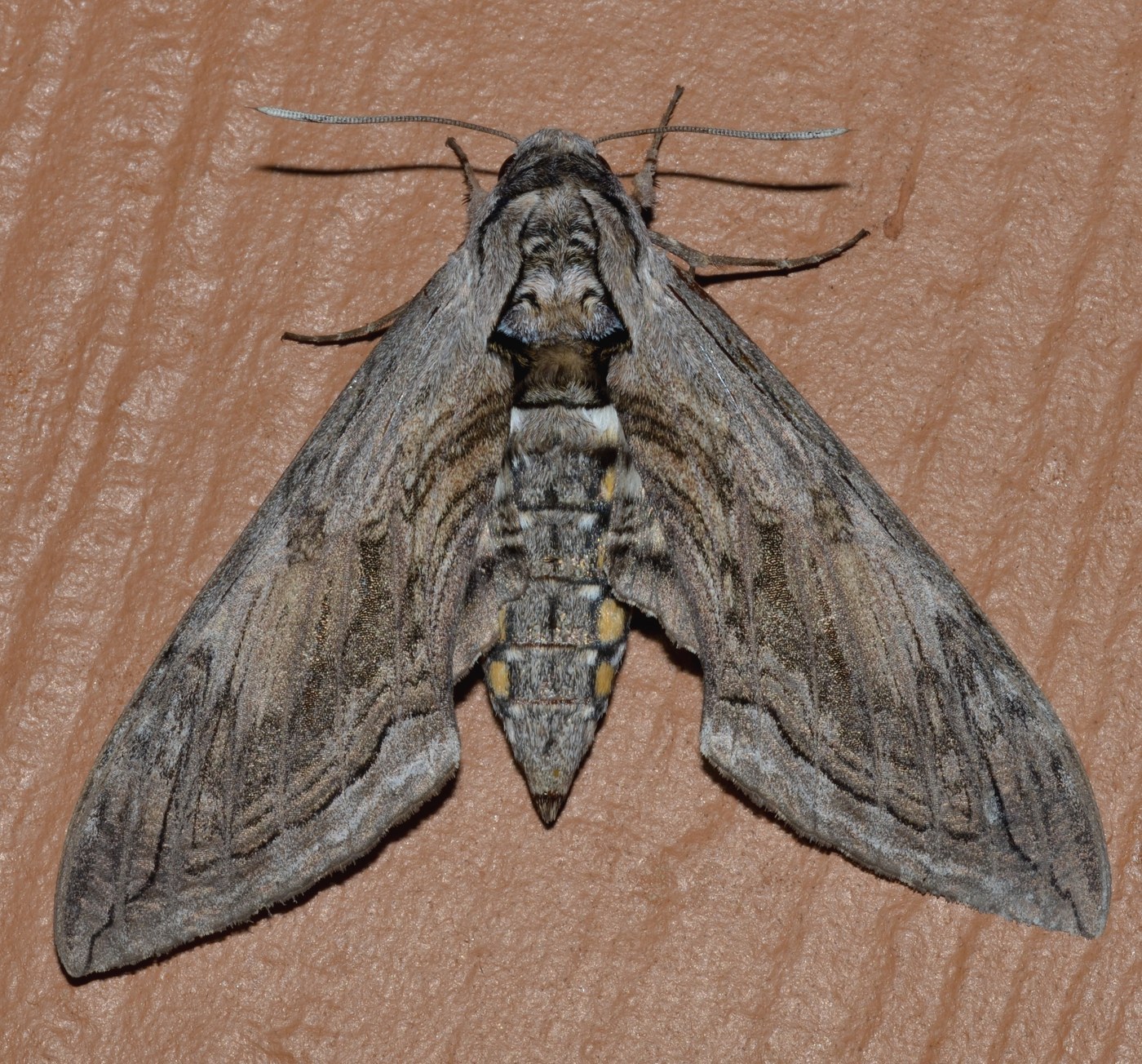
Tomato Hornworm
Gardens and fields with tomato, pepper, and other nightshade plants
Tent Caterpillar
Deciduous trees such as cherry, apple, and other rosaceous species
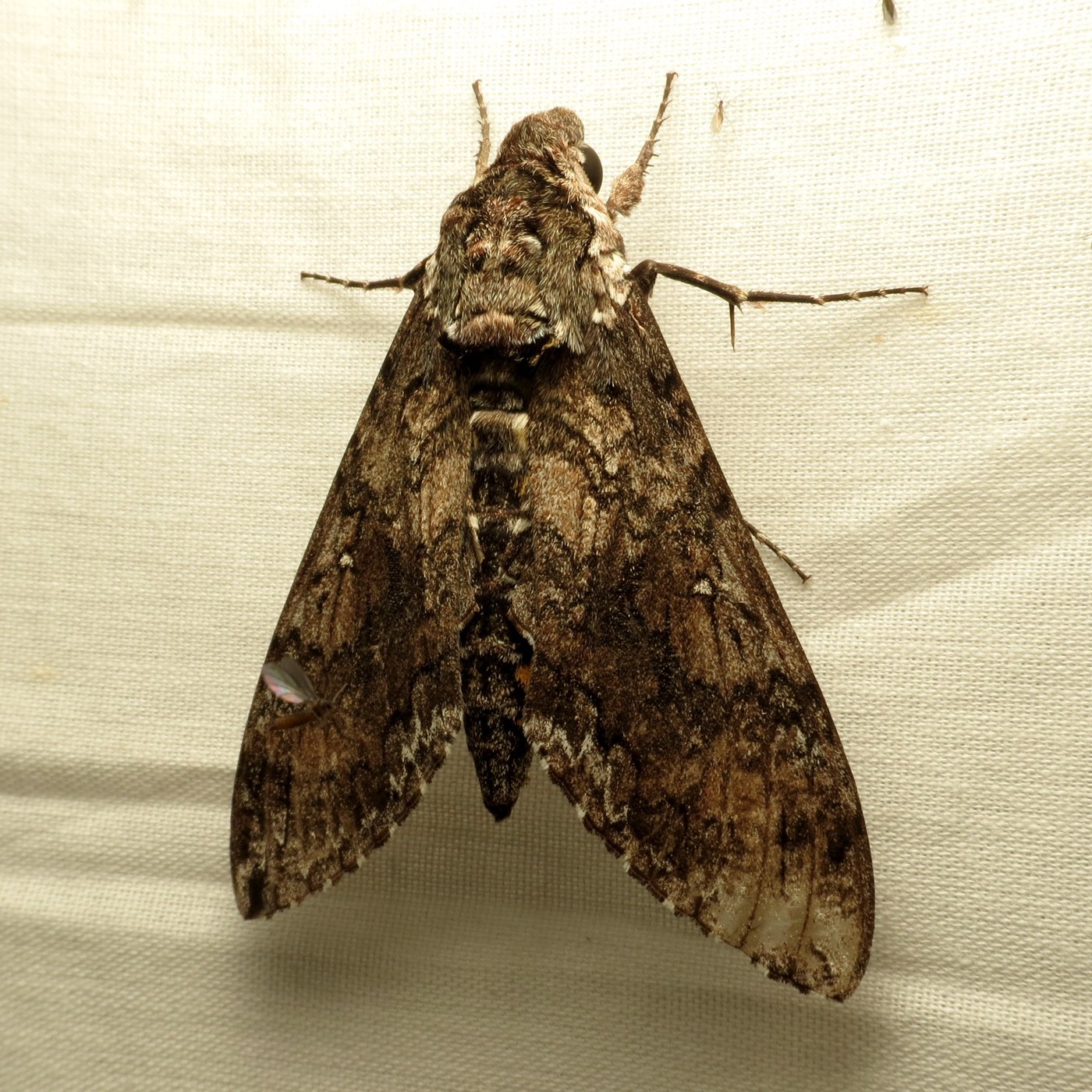
Tobacco Hornworm
tobacco, tomato, and pepper plants in gardens and fields
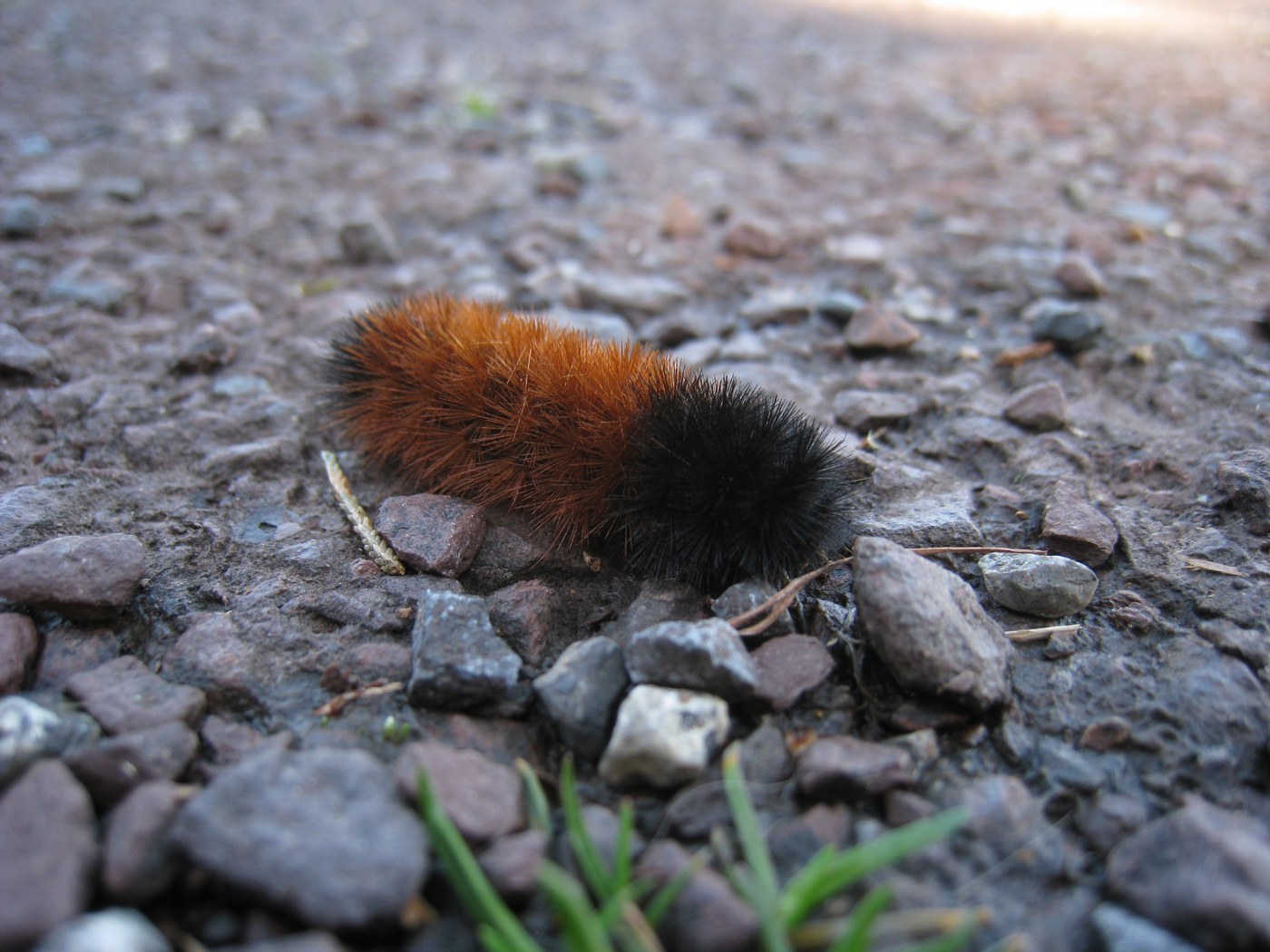
Woolly Bear Caterpillar
Gardens, meadows, roadsides, and woodland edges across North America
Sod Webworm
Turfgrass lawns, golf courses, pastures
Spiny Oak-slug Caterpillar
Deciduous forests and woodland edges with oak and other hardwoods
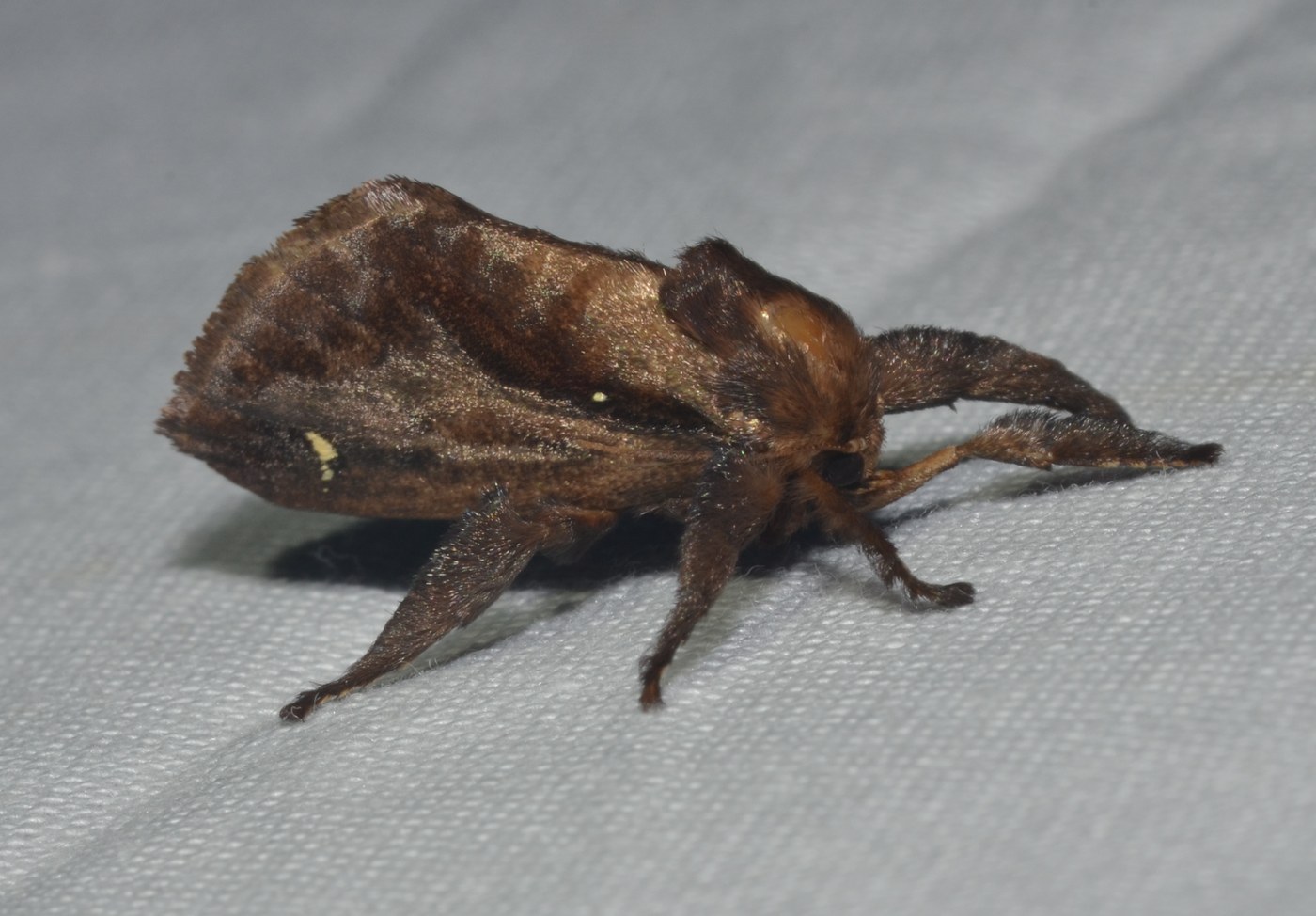
Saddleback Caterpillar
Deciduous trees and shrubs in eastern and southern North America
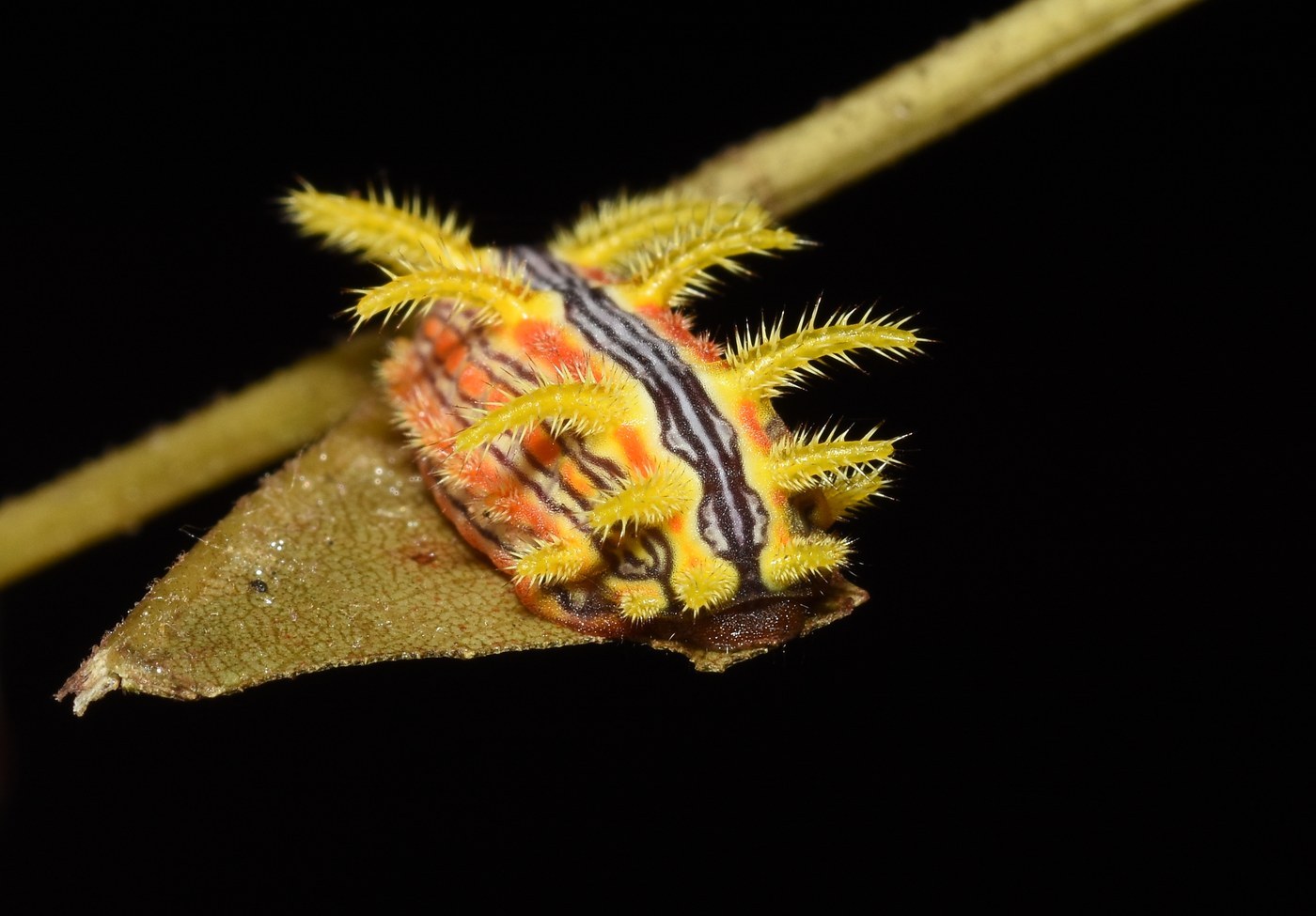
Stinging Rose Caterpillar
Gardens and woodlands with rose, dogwood, or oak
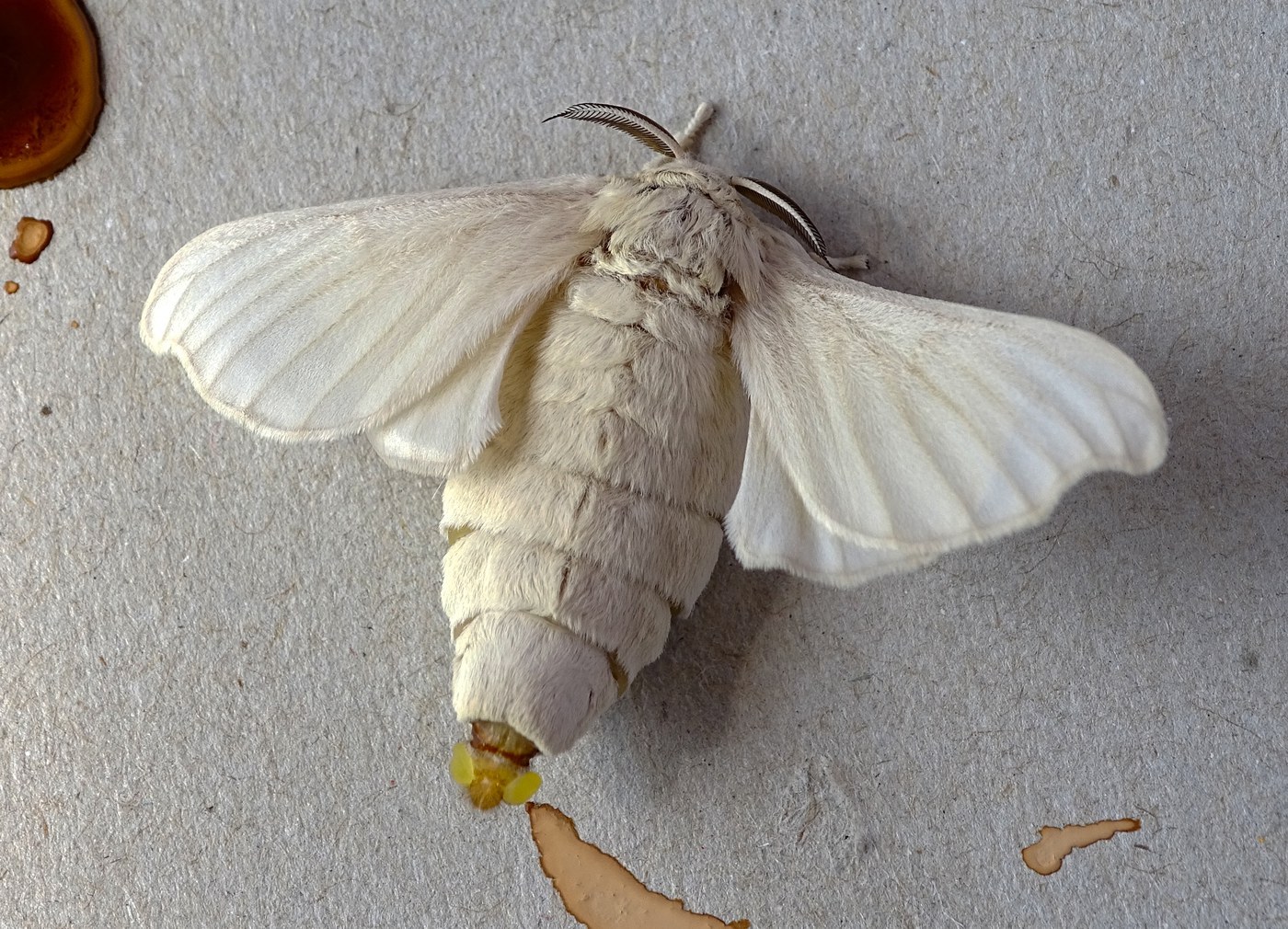
Silkworm
Reared exclusively in captivity on mulberry leaves; no independent wild population