
Field Cricket
Gryllus spp.
A stout, dark cricket whose loud, rhythmic chirping is one of the most familiar summer and fall night sounds in fields and lawns across much of the world.
- Size
- 15–25 mm
- Habitat
- fields, meadows, lawns, and grassy areas
- Danger
- Harmless
Spotted a bug like this?
Identify any bug or insect from a photo, free.
Overview
Field crickets, genus Gryllus, make up a group of closely related species found across North America, Europe, and beyond, often difficult to distinguish from one another without examining their calling songs. They are among the most recognizable insects by sound rather than sight, producing the steady, rhythmic chirp familiar from warm summer evenings and continuing into early fall.
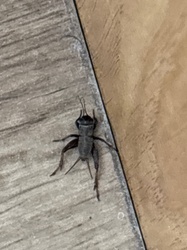
Adults have a robust, rounded body, dark brown to black in color, with long, thread-like antennae and powerful hind legs built for jumping. Males produce their song by rubbing specialized structures on their forewings together, a behavior called stridulation, primarily to attract females and to signal territory to rival males.
Field crickets are omnivorous ground-dwellers that play a role as both scavengers and prey, feeding on plant material, seeds, and small invertebrates while themselves serving as food for birds, small mammals, spiders, and other predators.
How to Identify
- Stout, rounded body, typically 15–25 mm long
- Dark brown to shiny black coloration
- Long, thin antennae often longer than the body
- Large hind legs adapted for jumping; wings folded flat over the back
- Lookalikes: house crickets are paler tan with dark banding; camel crickets lack wings and have a humped, wingless back
Habitat & Range
Field crickets are common across grasslands, meadows, lawns, agricultural field edges, and open woodland margins throughout much of North America, Europe, and Asia. They shelter by day under stones, logs, leaf litter, or in burrows, becoming active and vocal mainly from dusk through the night during warm months.
Behavior & Diet
Field crickets are omnivorous, feeding on a broad diet of grasses, seeds, seedlings, fungi, and decaying plant matter, as well as opportunistically scavenging dead insects. Males call to attract mates and defend territory using stridulation, and the pitch and rate of chirping is influenced by ambient temperature. As abundant ground-dwelling insects, they form an important food source for a wide range of birds, small mammals, amphibians, and predatory arthropods.
Life Cycle
Females use a needle-like ovipositor to insert eggs into moist soil, typically in late summer or fall. In many temperate populations eggs overwinter and hatch the following spring, while nymphs resemble small, wingless adults and grow through a series of molts over several weeks. Adults develop full wings at the final molt and the cycle typically completes one generation per year in cooler climates, with warmer regions supporting additional generations.
Frequently asked questions
Why do field crickets chirp?
Males chirp by rubbing specialized structures on their forewings together, mainly to attract females and to communicate with rival males.
Does temperature affect cricket chirping?
Yes, field crickets chirp faster in warmer temperatures and more slowly as it cools, a pattern used in some rough temperature estimates.
What do field crickets eat?
They are omnivorous, feeding on grasses, seeds, seedlings, fungi, decaying plant matter, and occasionally dead insects.
How do field crickets differ from house crickets?
Field crickets are typically darker, almost black, while house crickets are lighter tan with distinct dark bands on the head.
Field Cricket guides
In-depth guides for identifying, understanding, and living alongside Field Cricket.
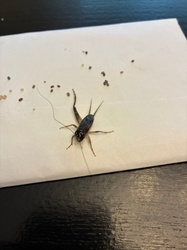
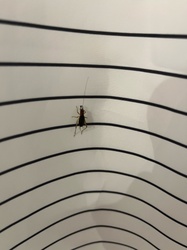
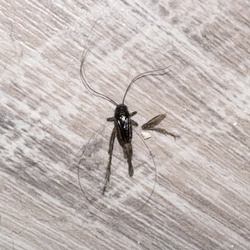
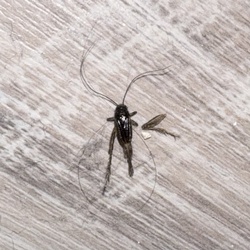
Field Cricket identified by the community
Real finds identified with Bug Identifier.

Other bugs you may enjoy
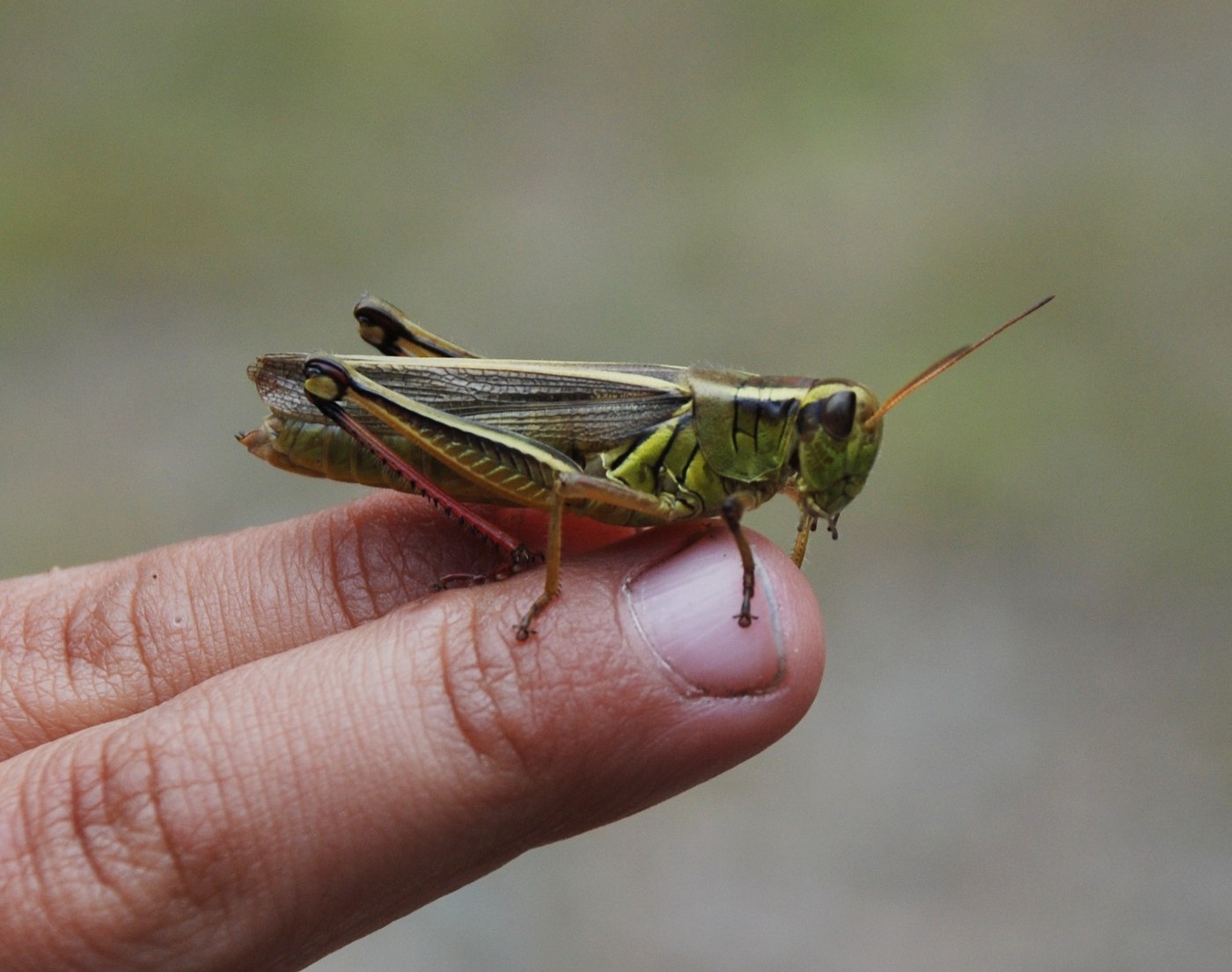
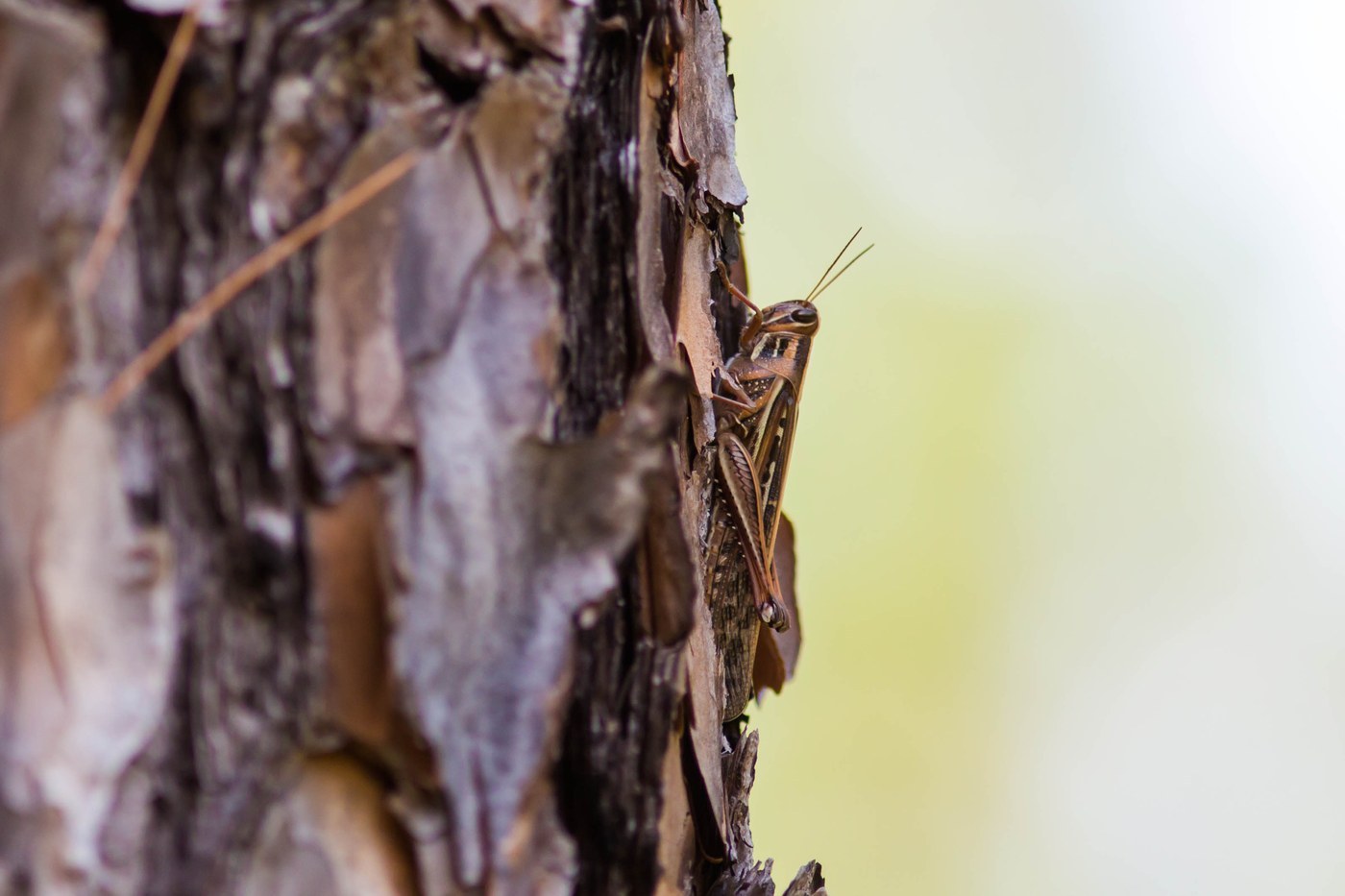
Two-striped Grasshopper
Meadows, pastures, riverbanks, and agricultural fields across North America
American Grasshopper
Woodland edges, citrus groves, gardens, and open fields across the southern and southeastern United States
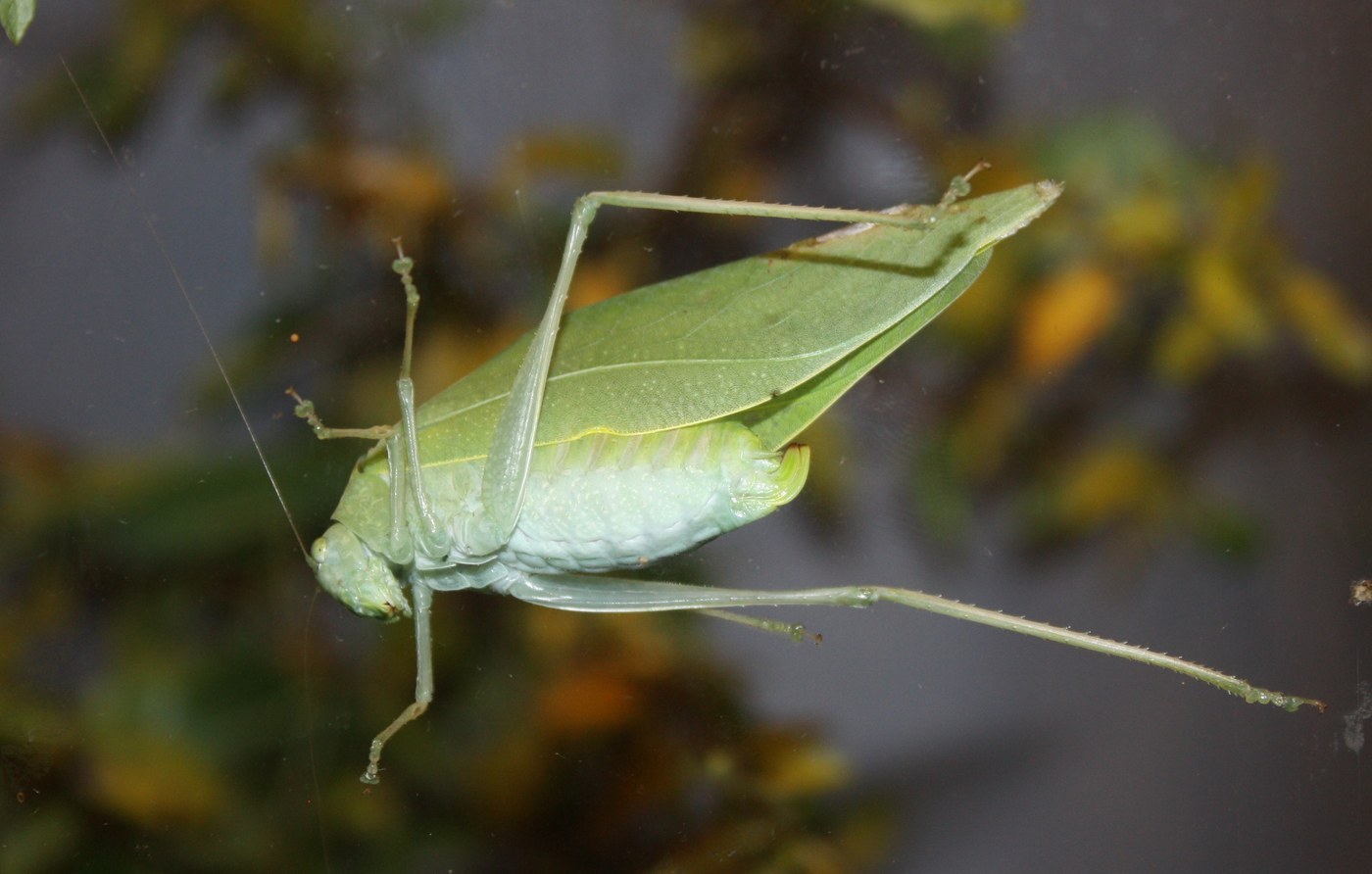
Angular-winged Katydid
deciduous trees, shrubs, and hedgerows across eastern and central North America
Spur-throated Grasshopper
grasslands, meadows, croplands, and roadsides across North America
Snowy Tree Cricket
Shrubs, trees, and tall vegetation across North America
Rocky Mountain Locust
historically open grasslands and river valleys of the Rocky Mountains and Great Plains (now believed extinct)
Spotted Camel Cricket
damp caves, crawl spaces, basements, leaf litter, and rotting logs in eastern North America
Pygmy Grasshopper
damp soil, mud, and low vegetation near ponds, streams, and marshes
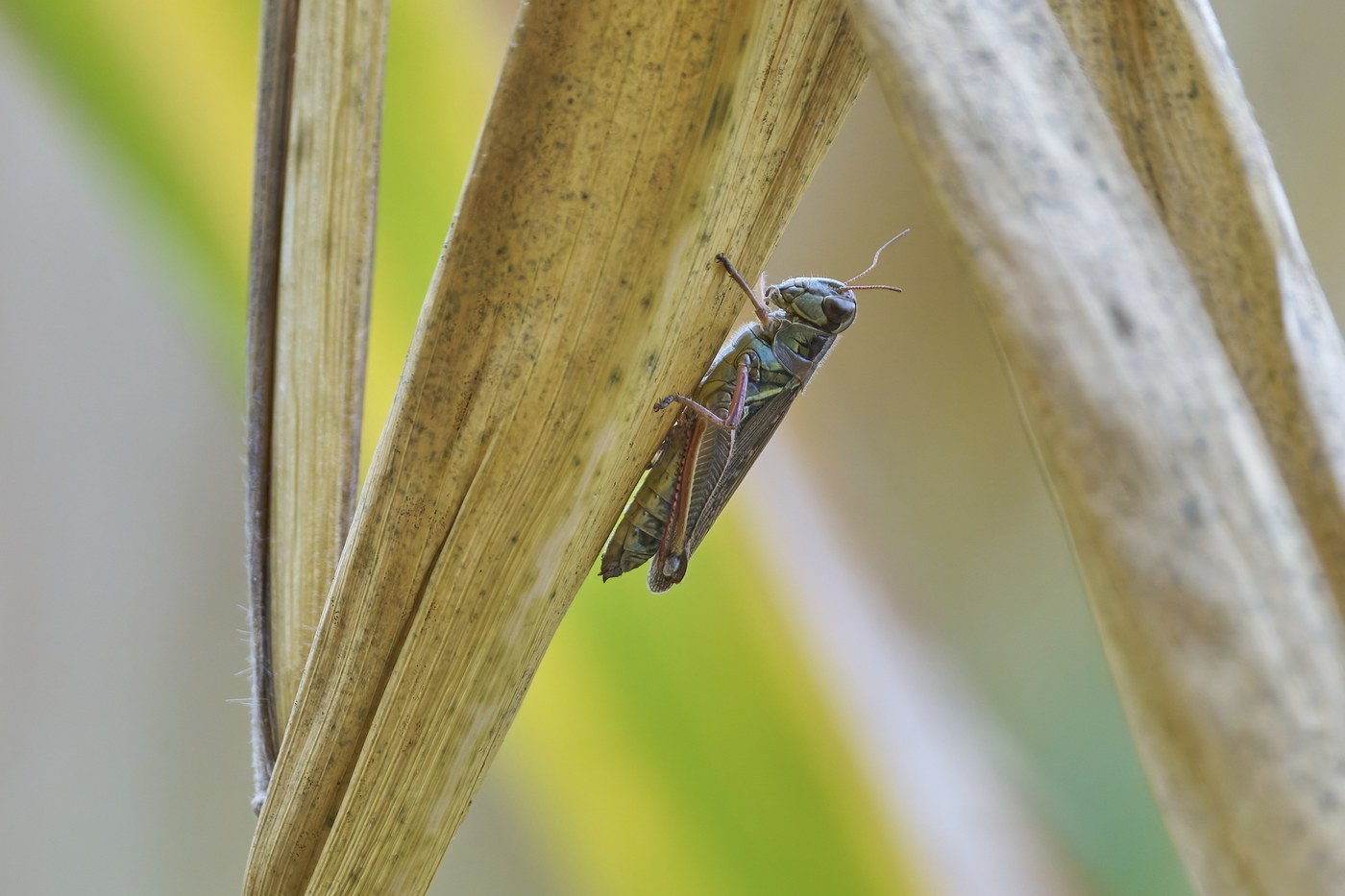
Red-legged Grasshopper
Meadows, pastures, field edges, and gardens across North America
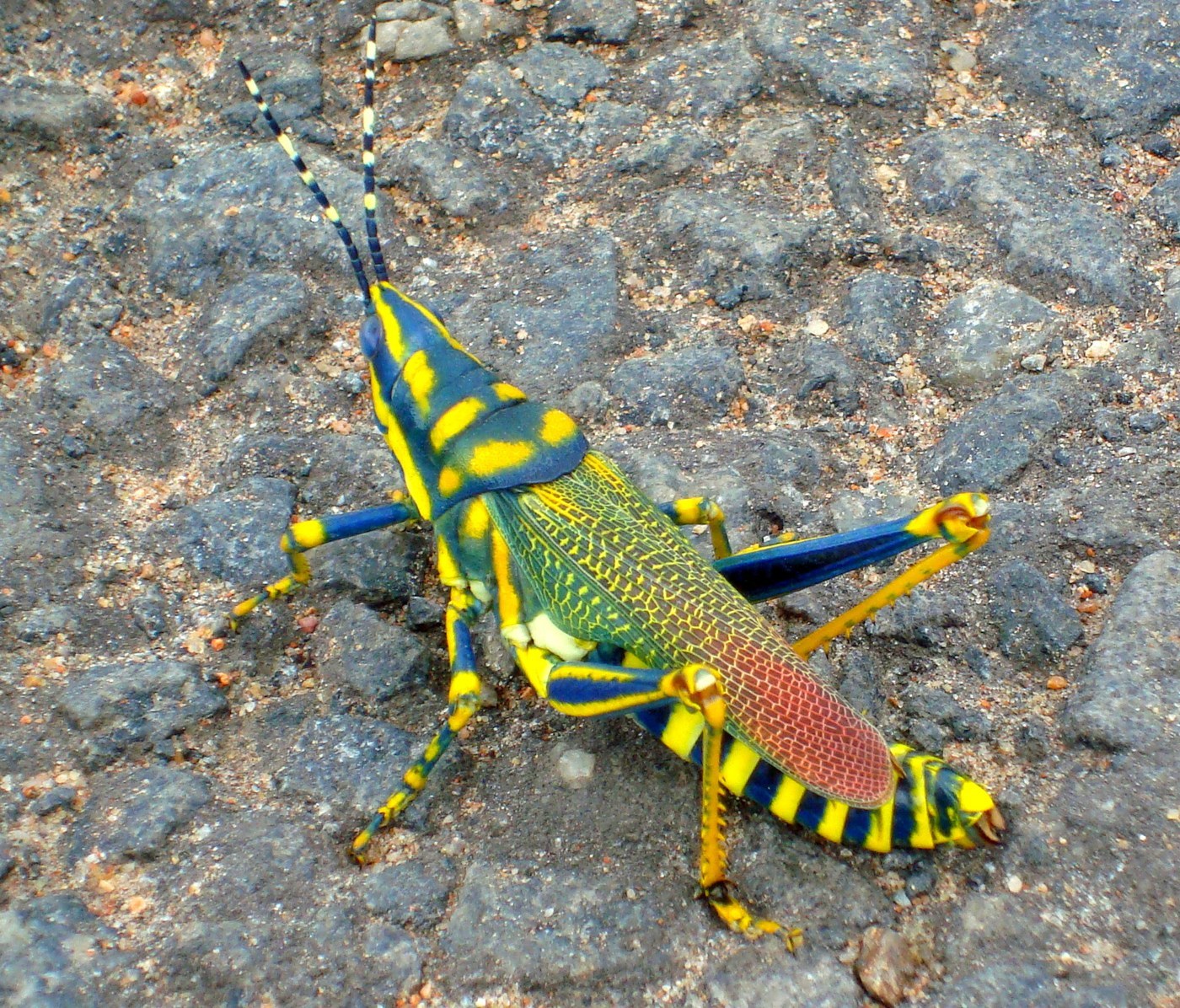
Painted Grasshopper
arid scrub, wastelands, and gardens of the Indian subcontinent, especially near milkweed plants
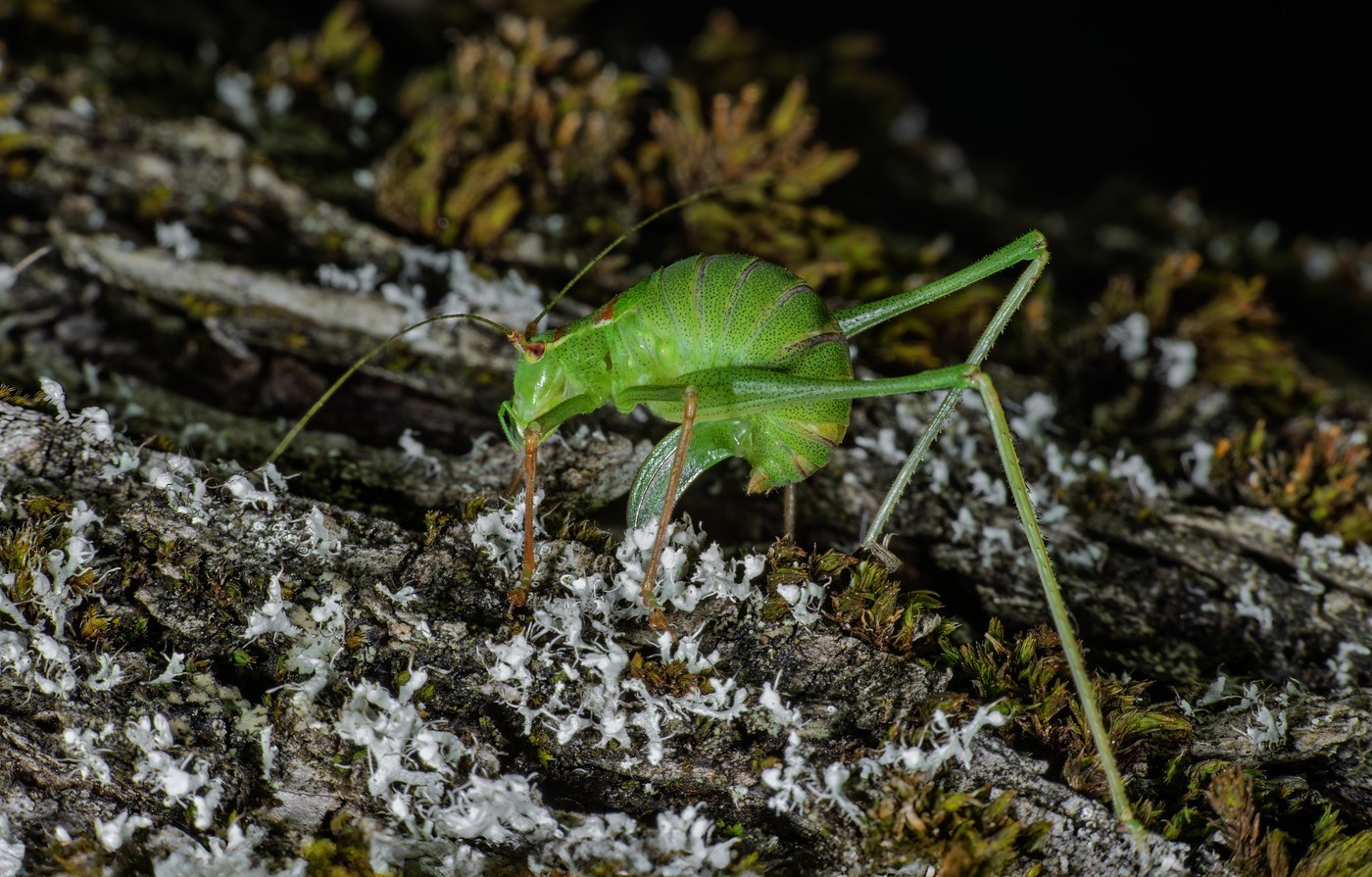
Speckled Bush Cricket
Brambles, hedgerows, nettles, and shrubby vegetation
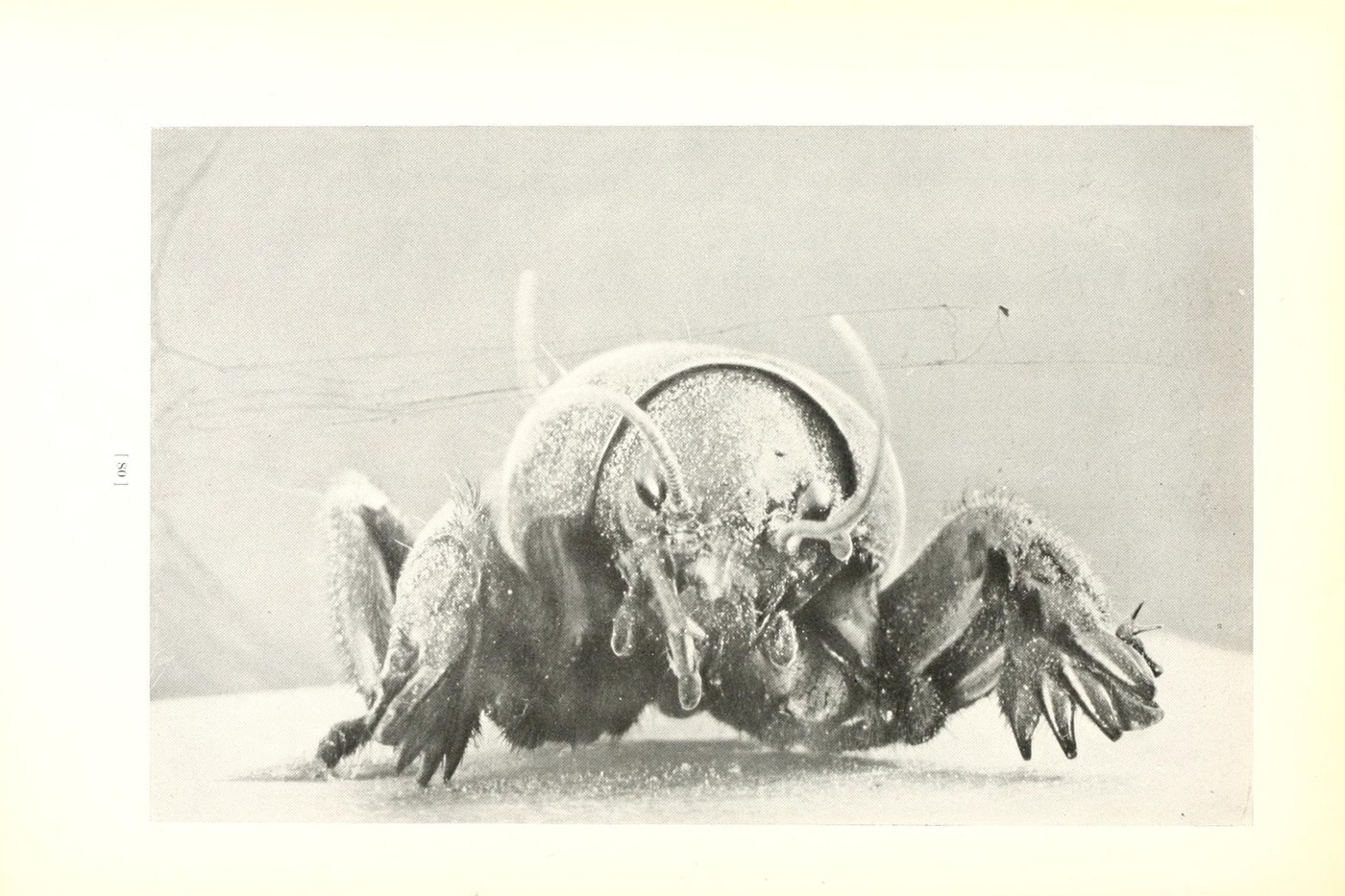
Northern Mole Cricket
wet soil, pond margins, and marshy ground across eastern and central North America