
Firefly
Photinus spp.
A soft-bodied, dusk-flying beetle famous for the bioluminescent flashes it produces from its abdomen to attract mates on warm summer evenings.
- Size
- 10–20 mm
- Habitat
- Meadows, woodland edges, and wetlands at dusk in warm months
- Danger
- Harmless
Spotted a bug like this?
Identify any bug or insect from a photo, free.
Overview
Fireflies, or lightning bugs, belong to the beetle family Lampyridae, order Coleoptera, with more than 2,000 species found worldwide. They are best known for bioluminescence, produced by a chemical reaction between the compound luciferin and the enzyme luciferase within specialized light organs.
The group is notable as one of the few insect lineages capable of producing light for communication, and their synchronized or species-specific flash patterns have made them a widely recognized symbol of warm summer evenings in temperate and tropical regions alike.
Both larvae and adults play ecological roles, with the predatory larval stage — sometimes also called a glowworm — feeding on other small invertebrates in soil and leaf litter.
How to Identify
- Elongated, soft, somewhat flattened body, unlike hard-shelled beetles
- Typically dark brown or black with orange or yellow markings on the pronotum
- A pale, light-producing organ visible on the underside of the abdomen tip
- Long antennae; leathery rather than hardened wing covers (elytra)
- Body length roughly 10–20 mm; most reliably identified by its flashing light pattern at dusk rather than by static features alone
Habitat & Range
Found on every continent except Antarctica, with greatest diversity in warm, humid regions. Common in meadows, forest edges, marshes, and areas near standing water, where larvae develop in moist soil or leaf litter. Adults are active primarily at dusk and after dark during the summer months.
Behavior & Diet
Adults use species-specific flash patterns as a mate-attraction signal, with flying males flashing and females often responding from vegetation below. Larvae are predatory, feeding on snails, slugs, earthworms, and other soft-bodied invertebrates in soil and leaf litter. Many adults feed little or not at all. Some adult females of certain species mimic the flash patterns of other firefly species to lure and prey upon their males.
Life Cycle
Complete metamorphosis. Eggs are laid in or on moist soil. Larvae — predatory and luminous — may take one to two years to develop depending on species and climate. Pupation occurs in the soil, and winged adults emerge in late spring to summer, typically living only a few weeks. Most temperate species produce one generation per year.
Frequently asked questions
Why do fireflies glow?
They produce light through a chemical reaction in specialized abdominal organs, mainly to signal and attract mates.
Are fireflies actually flies?
No, despite the common name, they are beetles in the family Lampyridae.
Do firefly larvae glow too?
Yes, many larvae are luminous and are sometimes called glowworms.
When and where are fireflies most active?
At dusk and after dark during warm months, especially near fields, woodland edges, and wetlands.
Firefly guides
In-depth guides for identifying, understanding, and living alongside Firefly.
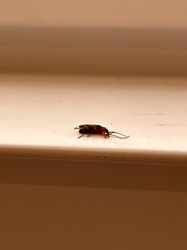
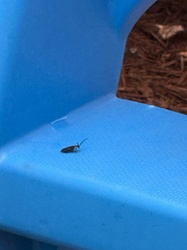
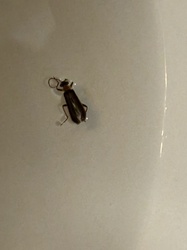
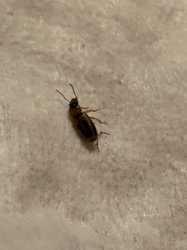
Firefly identified by the community
Real finds identified with Bug Identifier.
Other bugs you may enjoy
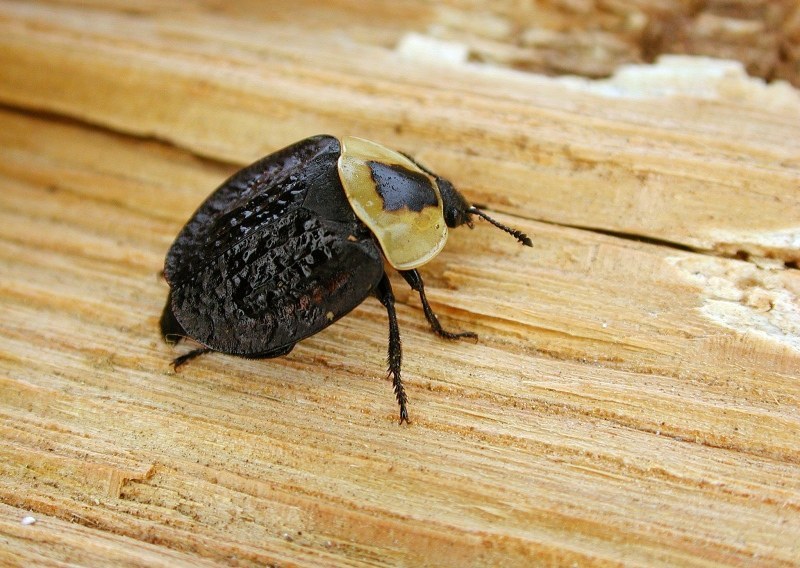
American Carrion Beetle
Forests, fields, and roadsides across North America, near decaying animal carcasses
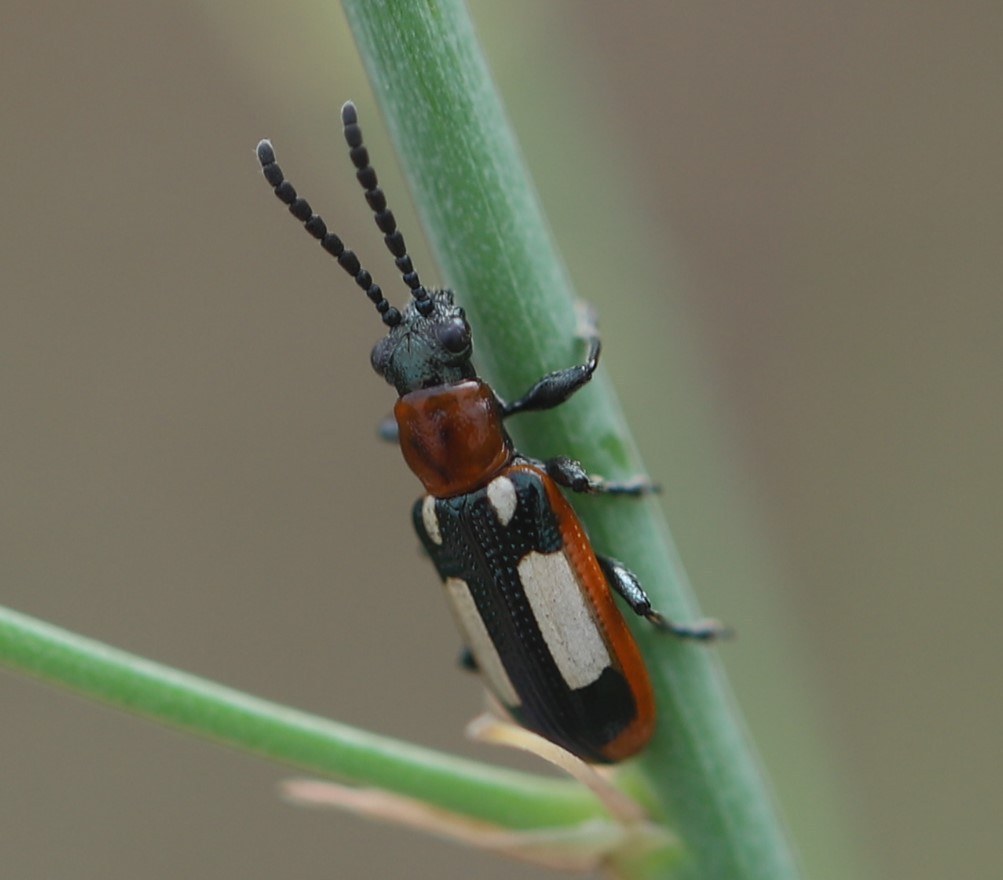
Asparagus Beetle
Asparagus patches, gardens, and farm fields
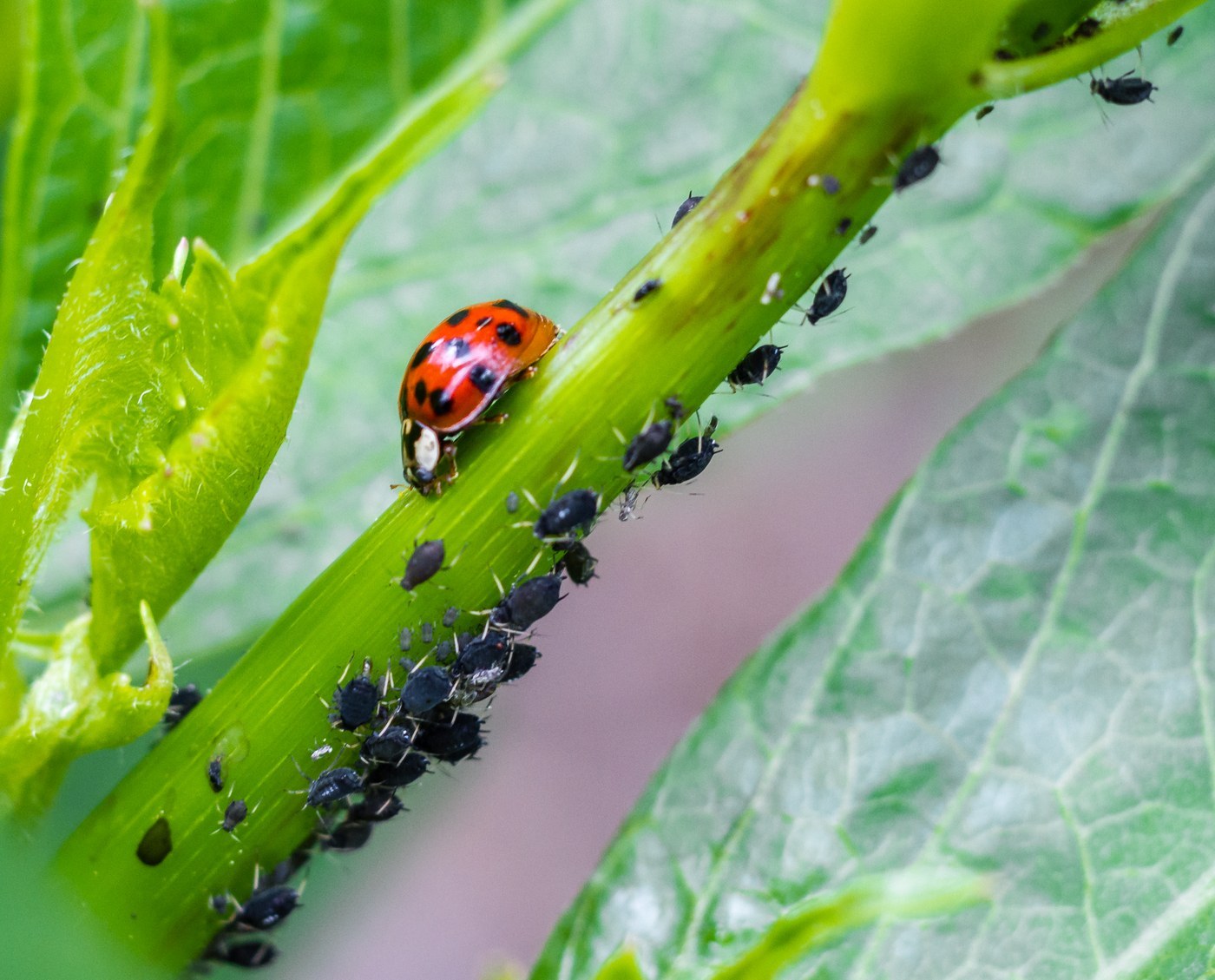
Asian Lady Beetle
Gardens, crop fields, woodlands, buildings
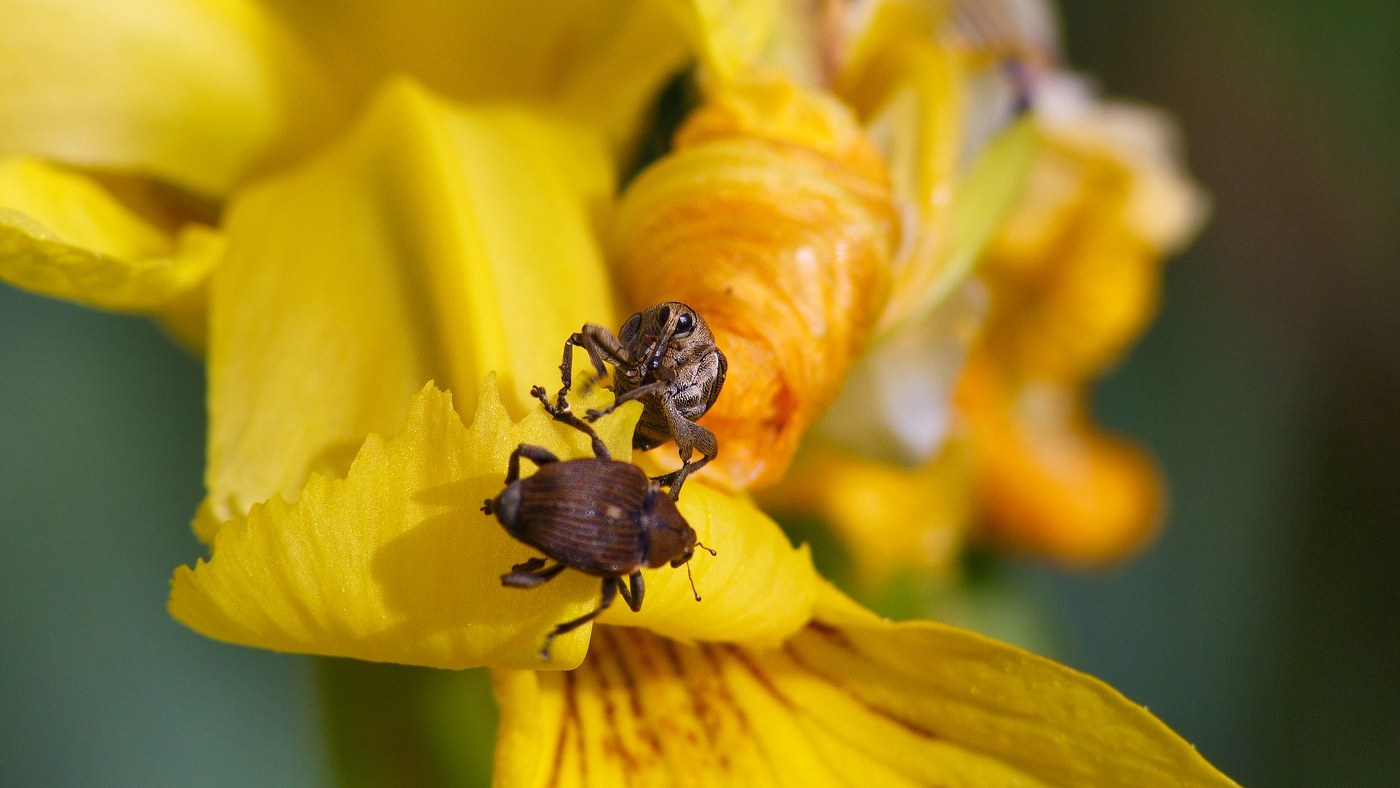
Acorn Weevil
Oak woodlands and forests, on and beneath oak trees
Wireworm
Soil of grasslands, gardens, and cultivated fields worldwide
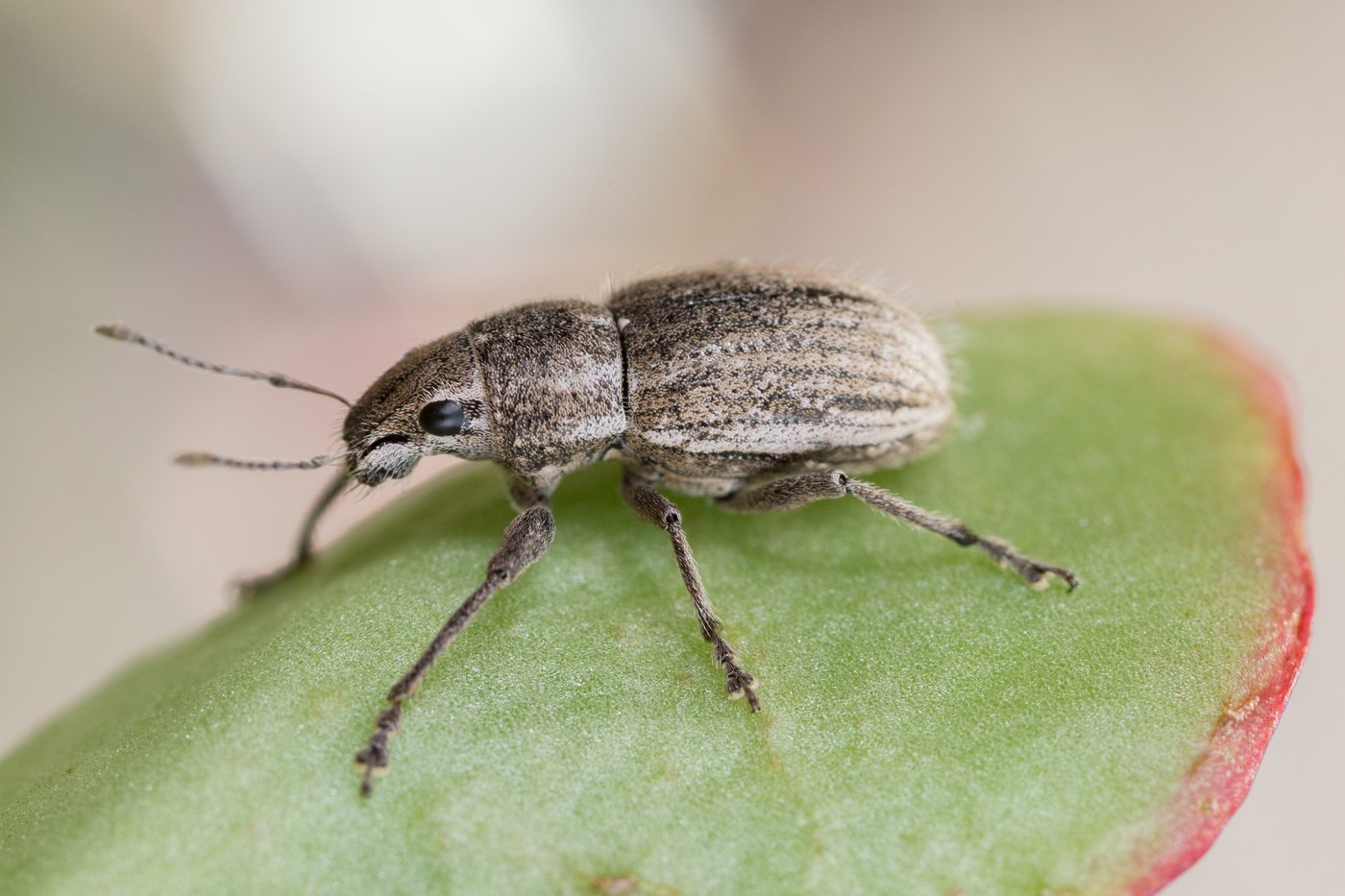
Whitefringed Beetle
Pastures, row crops, lawns, disturbed soils
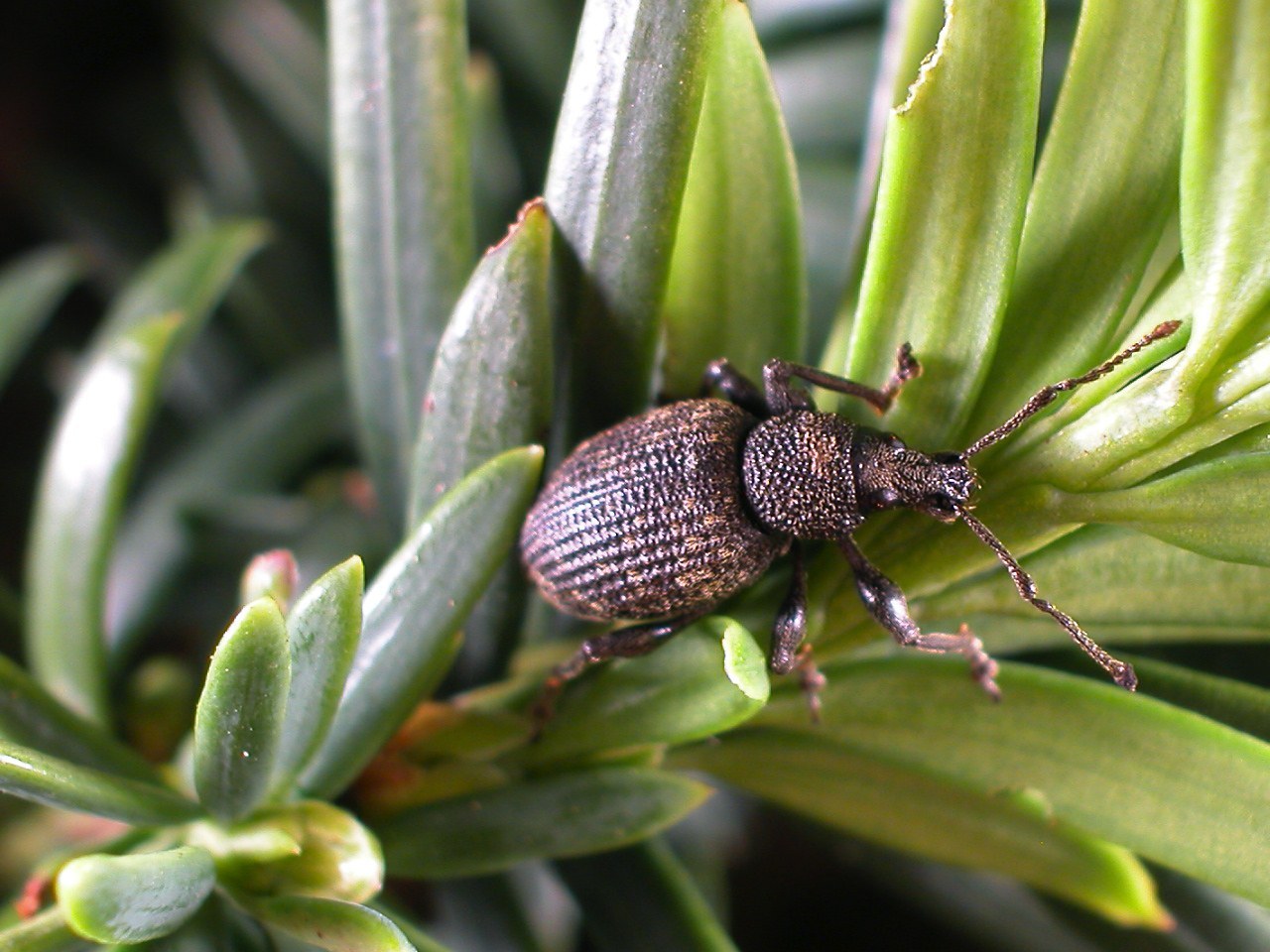
Vine Weevil
Gardens, nurseries, greenhouses, and container plantings
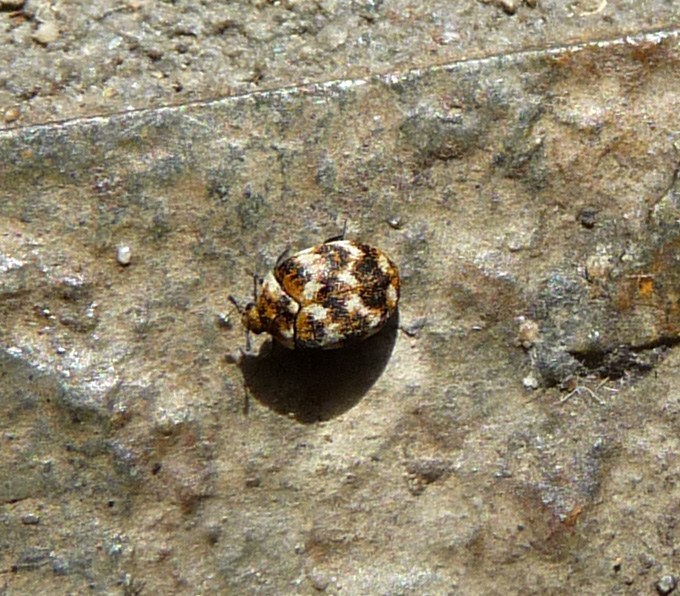
Varied Carpet Beetle
Homes, nests of birds and mammals, and flowers outdoors
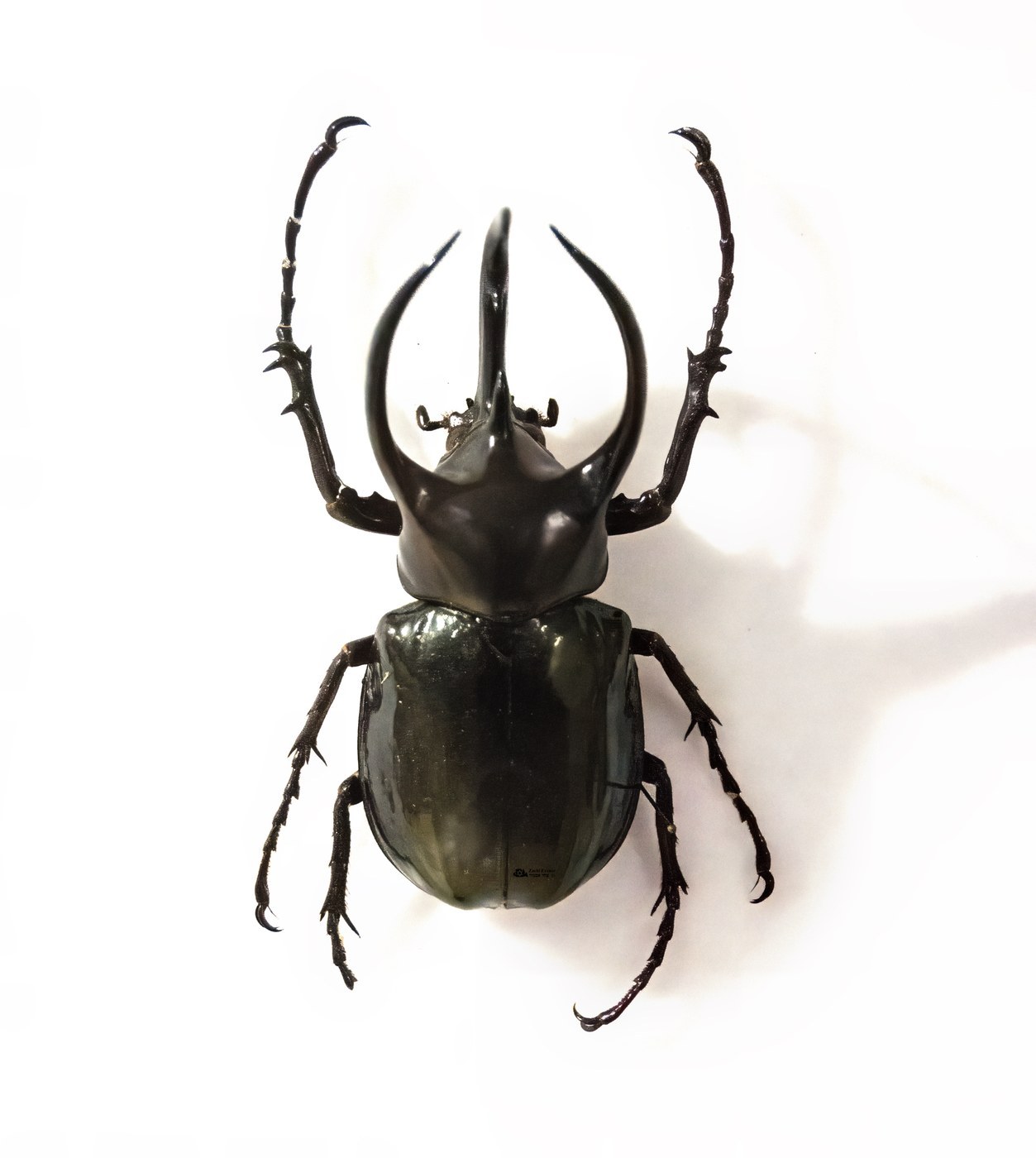
Atlas Beetle
Tropical forests of Southeast Asia
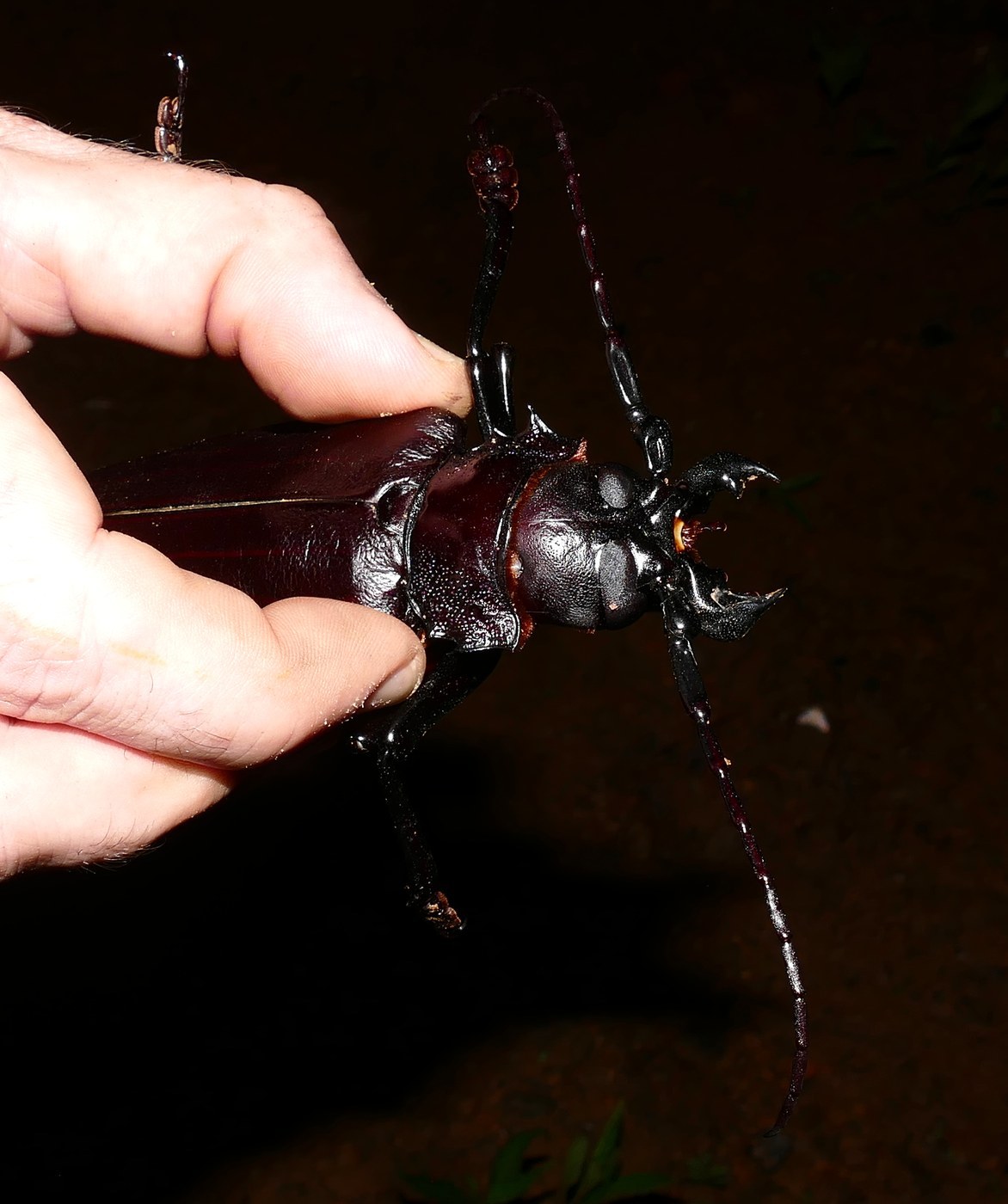
Titan Beetle
Amazon rainforest of South America
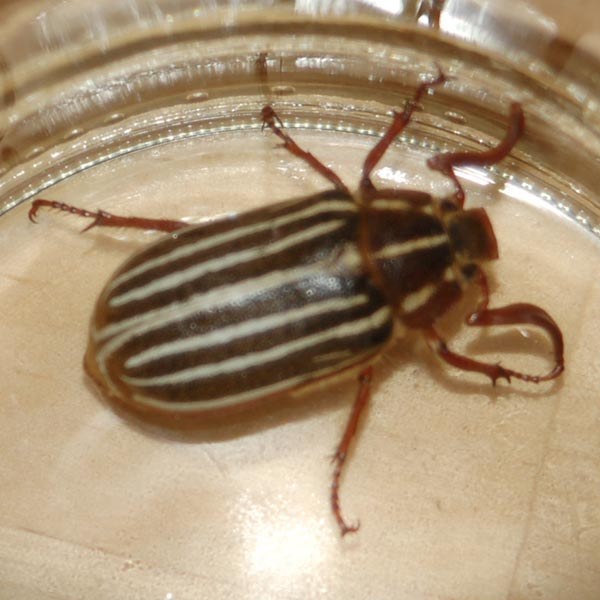
Ten-lined June Beetle
Sandy soils, pine forests, and orchards of western North America
Squash Beetle
Vegetable gardens and fields growing squash, pumpkin, and other cucurbits