
Forest Tent Caterpillar
Malacosoma disstria
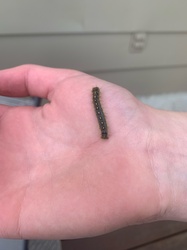
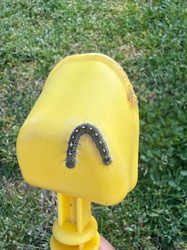
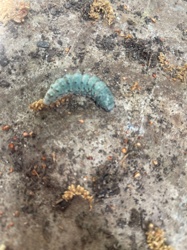
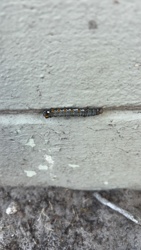
Named for the silk mats rather than tents it spins, this blue-gray caterpillar sports a row of pale keyhole- or footprint-shaped spots down its back and can appear in outbreak numbers that strip entire stands of trees bare.
- Size
- Up to 5 cm (2 in) long
- Habitat
- Deciduous forests and woodlots across North America, especially oak, aspen, and sugar maple stands
- Danger
- Nuisance pest
Spotted a bug like this?
Identify any bug or insect from a photo, free.
Overview
The forest tent caterpillar, Malacosoma disstria, is a lappet moth (family Lasiocampidae) native to North America and one of the continent's most widespread forest defoliators. Unlike its close relative the eastern tent caterpillar, it does not build an enclosed silken tent, instead resting on silk mats spun on trunks and branches.
The species is best known for periodic population outbreaks that can last several years, during which caterpillars defoliate large areas of deciduous forest, particularly stands of aspen, oak, and sugar maple. Most trees refoliate and recover the same season, though repeated years of heavy defoliation can stress trees.
Between outbreaks, populations remain at low, inconspicuous levels for years, kept in check by natural predators, parasitoids, and disease, illustrating a classic boom-and-bust population cycle common among forest Lepidoptera.
How to Identify
- Body is bluish-gray with a row of pale, keyhole- or footprint-shaped spots running down the center of the back (a key difference from the solid white stripe of the eastern tent caterpillar)
- Sides are lined with narrow blue and orange-brown stripes and sparse fine hairs
- Reaches about 5 cm (2 in) in length when mature
- Gregarious in early instars, often seen in groups along branches and trunks
- Does not build an enclosed tent; instead spins silk mats used as resting sites
Habitat & Range
Ranges across most of forested North America, from Canada south into the United States, wherever deciduous hardwoods such as aspen, oak, sugar maple, birch, and ash grow. Larvae are active in spring, coinciding with leaf-out of their host trees.
Behavior & Diet
Caterpillars hatch in early spring and feed gregariously at first, following silk trails between feeding sites and resting together on silk mats on trunks or branches during the day. As they mature they become more solitary foragers. As folivores, they can, in outbreak years, defoliate extensive areas of forest; most host trees produce a second flush of leaves later in the season and survive, though repeated defoliation over consecutive years can weaken trees. Outbreak populations are eventually reduced by natural enemies including parasitic flies and wasps, predators, and a naturally occurring virus.
Life Cycle
Eggs are laid in shiny, varnish-coated bands encircling small twigs in mid-summer and remain dormant through winter. Larvae hatch in early spring as host trees leaf out, passing through five or six instars over four to six weeks while feeding gregariously. Mature caterpillars spin pale yellow silk cocoons in curled leaves or bark crevices and pupate for one to two weeks before emerging as adult moths in early summer, which mate and lay the next generation's overwintering eggs. One generation is produced per year.
Frequently asked questions
How is the forest tent caterpillar different from the eastern tent caterpillar?
The forest tent caterpillar has a row of pale keyhole-shaped spots down its back rather than a solid white stripe, and it rests on open silk mats instead of building an enclosed tent.
Why do forest tent caterpillar populations sometimes explode in number?
Populations naturally cycle between low and outbreak levels over several years, driven by factors such as weather, food availability, and pressure from predators, parasitoids, and disease.
Do trees recover after being defoliated by forest tent caterpillars?
Most healthy deciduous trees produce a new flush of leaves later in the season and survive a single year of defoliation.
When are forest tent caterpillars active?
Larvae are active in spring, feeding as host trees leaf out, and complete their life cycle by early summer.
Forest Tent Caterpillar guides
In-depth guides for identifying, understanding, and living alongside Forest Tent Caterpillar.
Forest Tent Caterpillar identified by the community
Real finds identified with Bug Identifier.
Other bugs you may enjoy
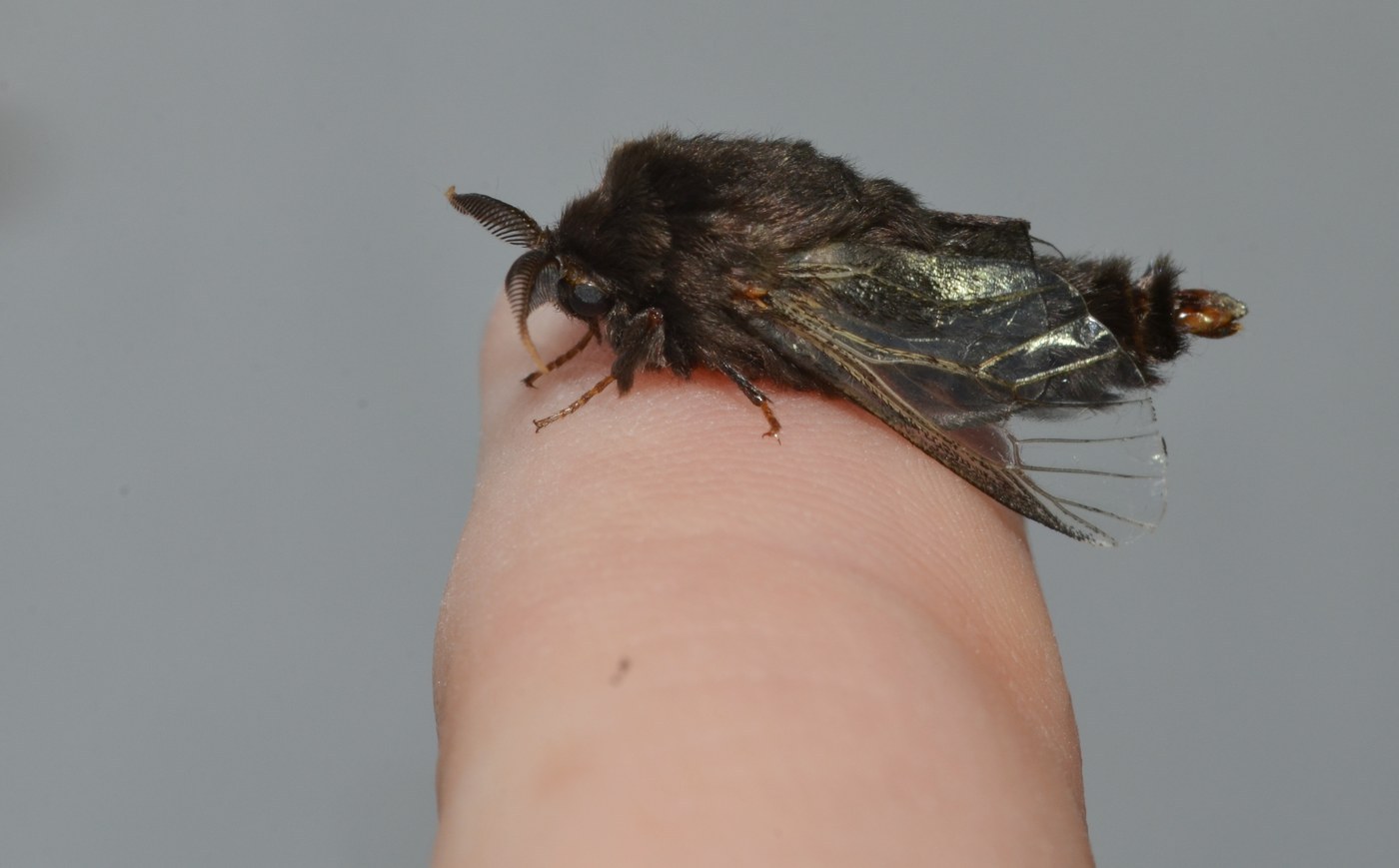
Bagworm
Trees and shrubs, especially conifers and ornamental landscaping
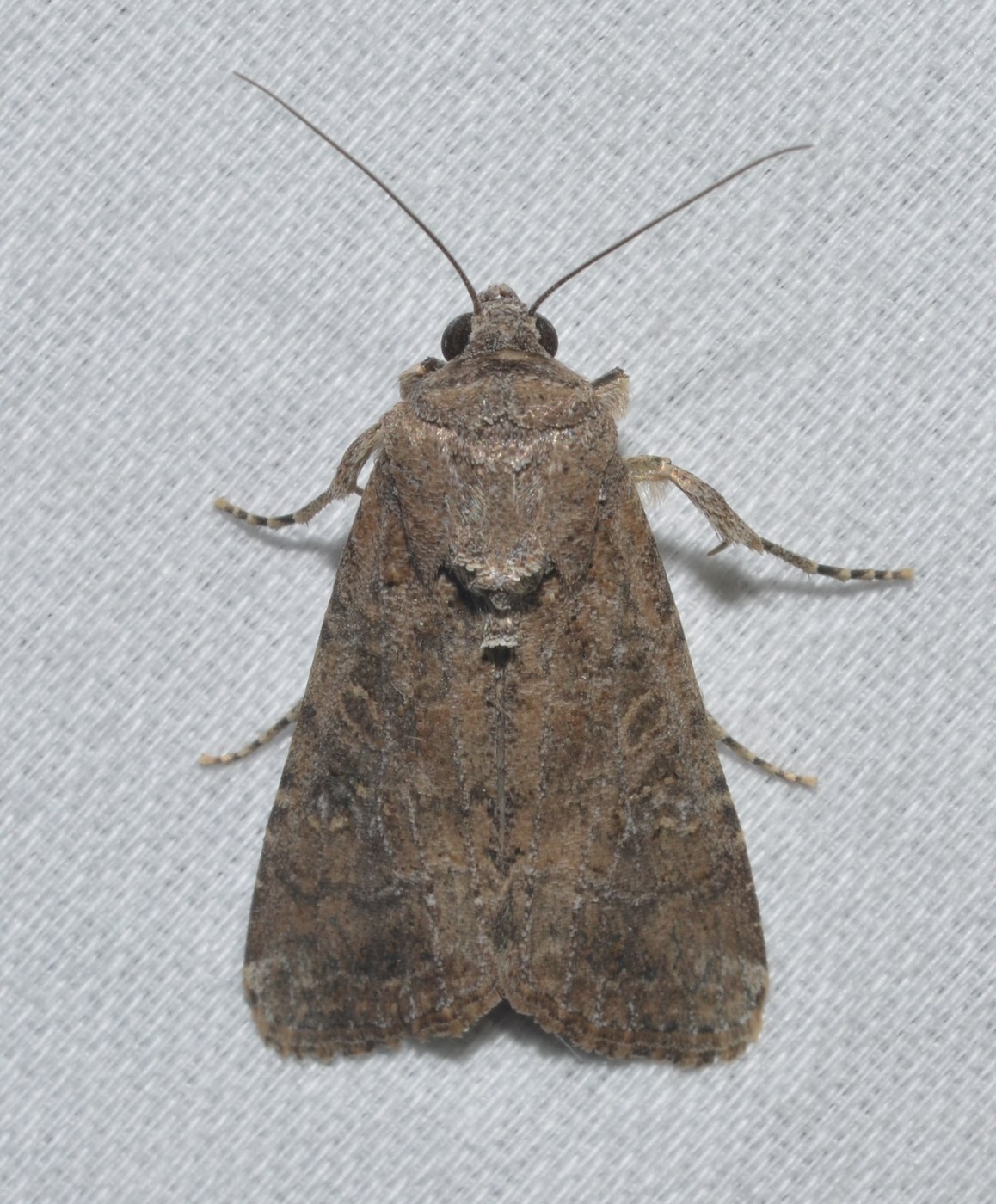
Armyworm
grasslands, pastures, and cereal crop fields
Zebra Longwing Caterpillar
Tropical and subtropical hammocks with passionflower vines
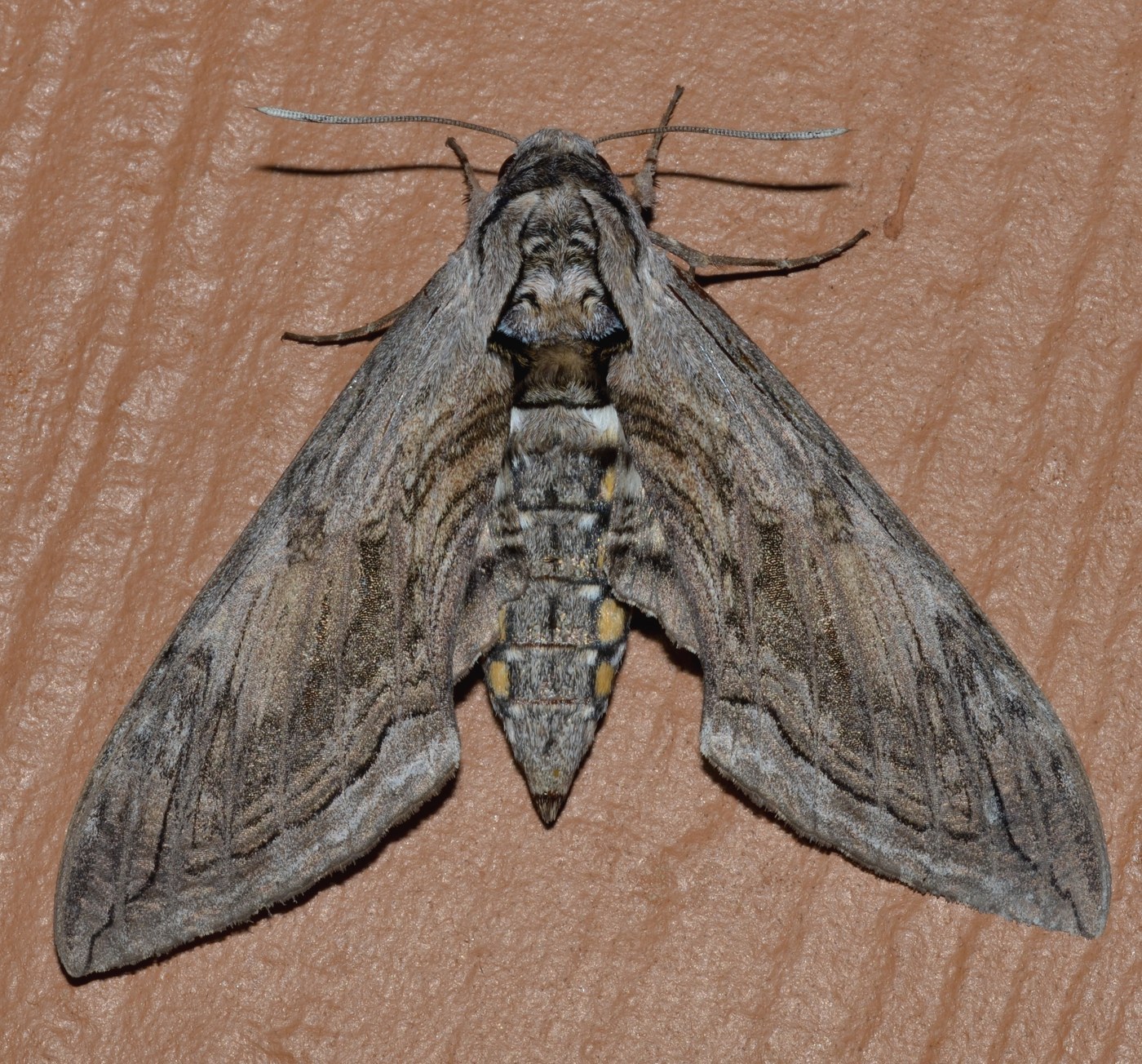
Tomato Hornworm
Gardens and fields with tomato, pepper, and other nightshade plants
Tent Caterpillar
Deciduous trees such as cherry, apple, and other rosaceous species
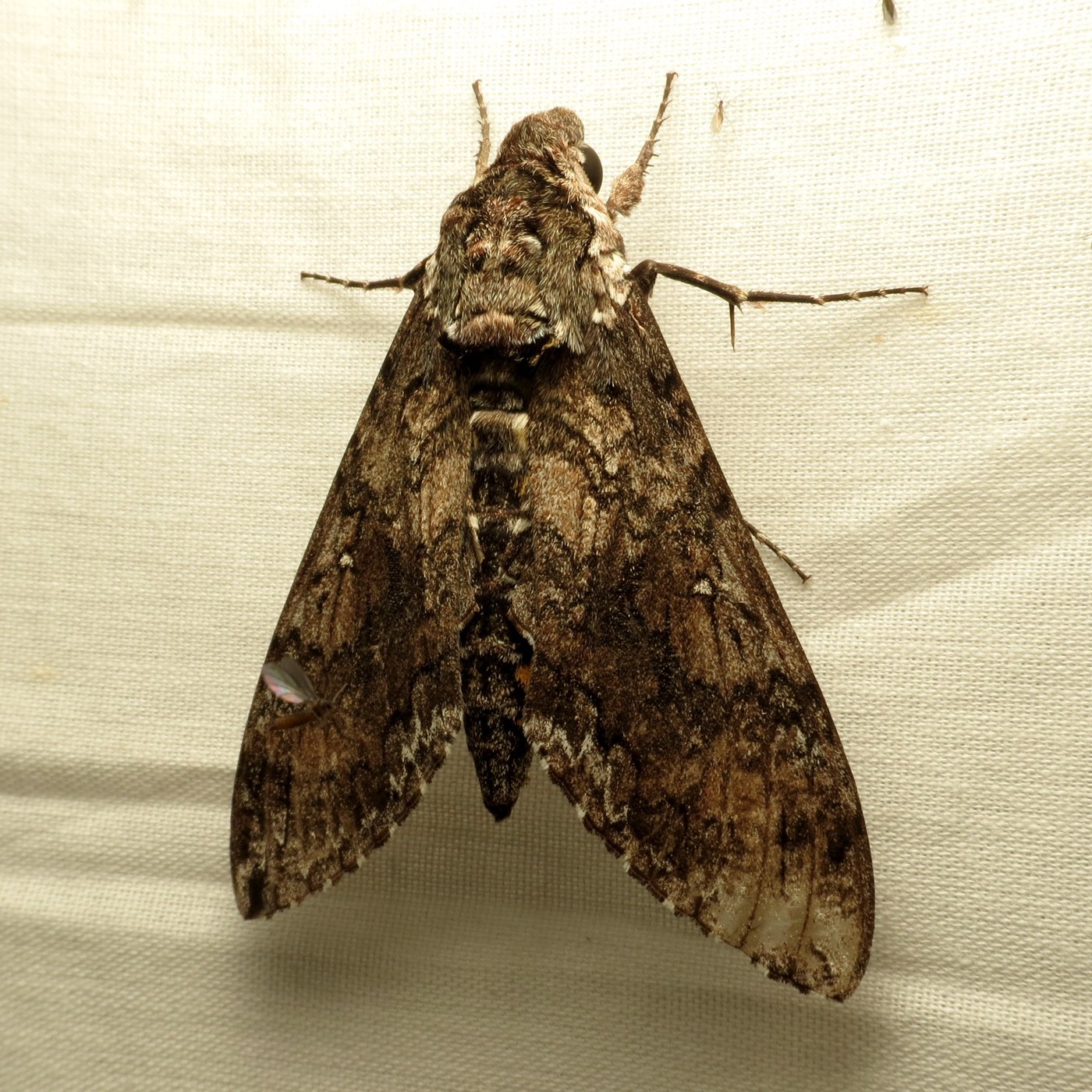
Tobacco Hornworm
tobacco, tomato, and pepper plants in gardens and fields
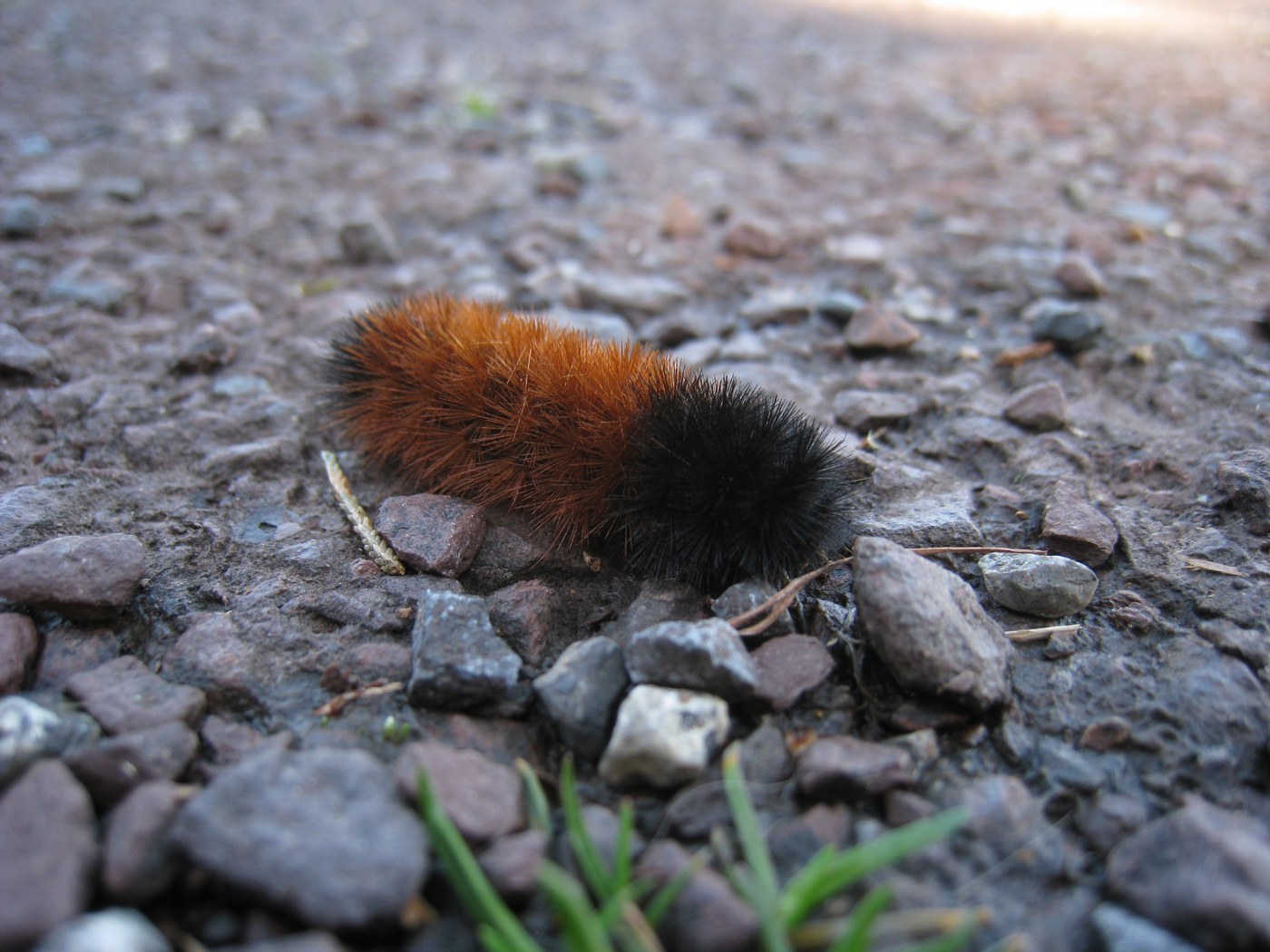
Woolly Bear Caterpillar
Gardens, meadows, roadsides, and woodland edges across North America
Sod Webworm
Turfgrass lawns, golf courses, pastures
Spiny Oak-slug Caterpillar
Deciduous forests and woodland edges with oak and other hardwoods
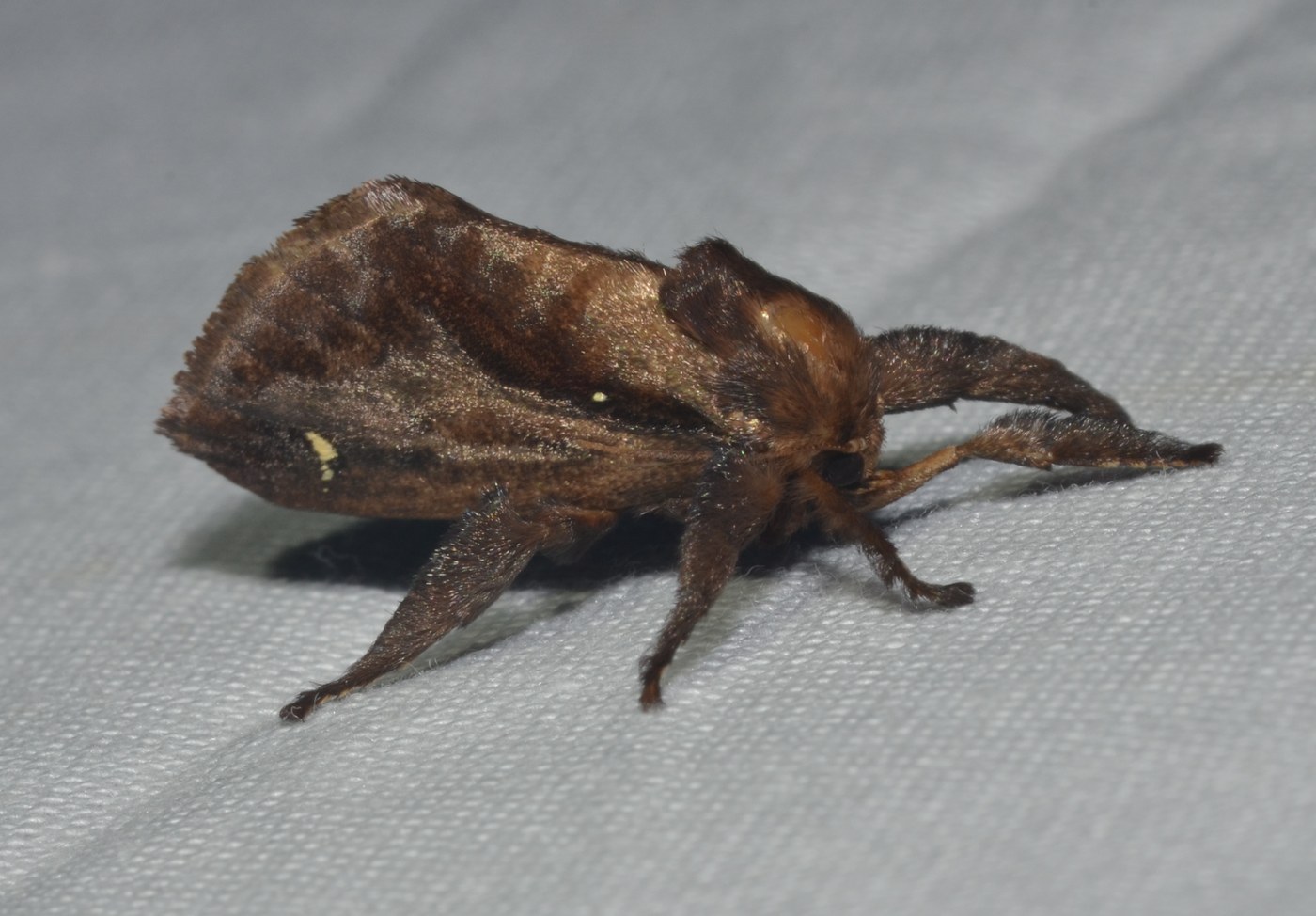
Saddleback Caterpillar
Deciduous trees and shrubs in eastern and southern North America
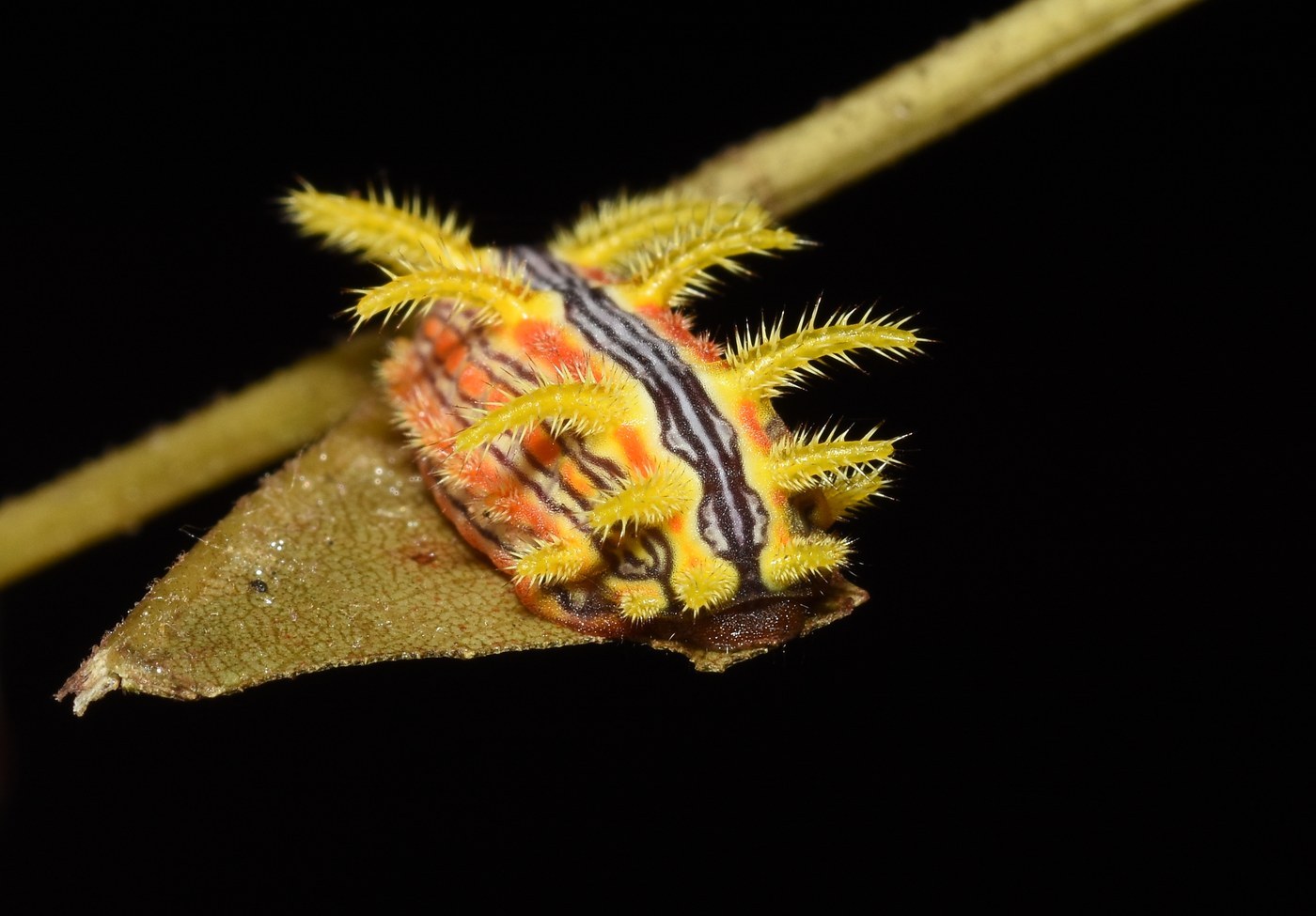
Stinging Rose Caterpillar
Gardens and woodlands with rose, dogwood, or oak
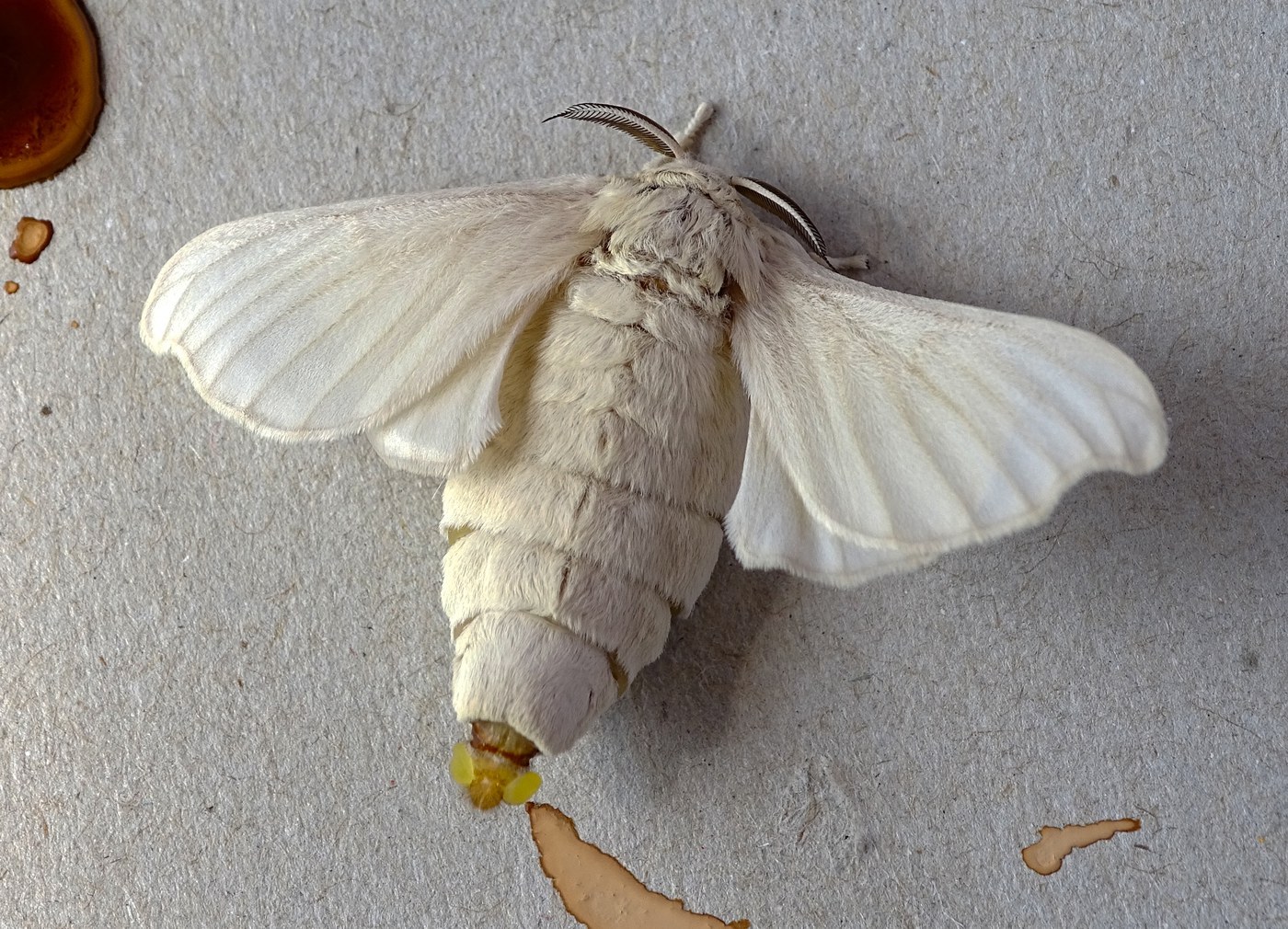
Silkworm
Reared exclusively in captivity on mulberry leaves; no independent wild population