
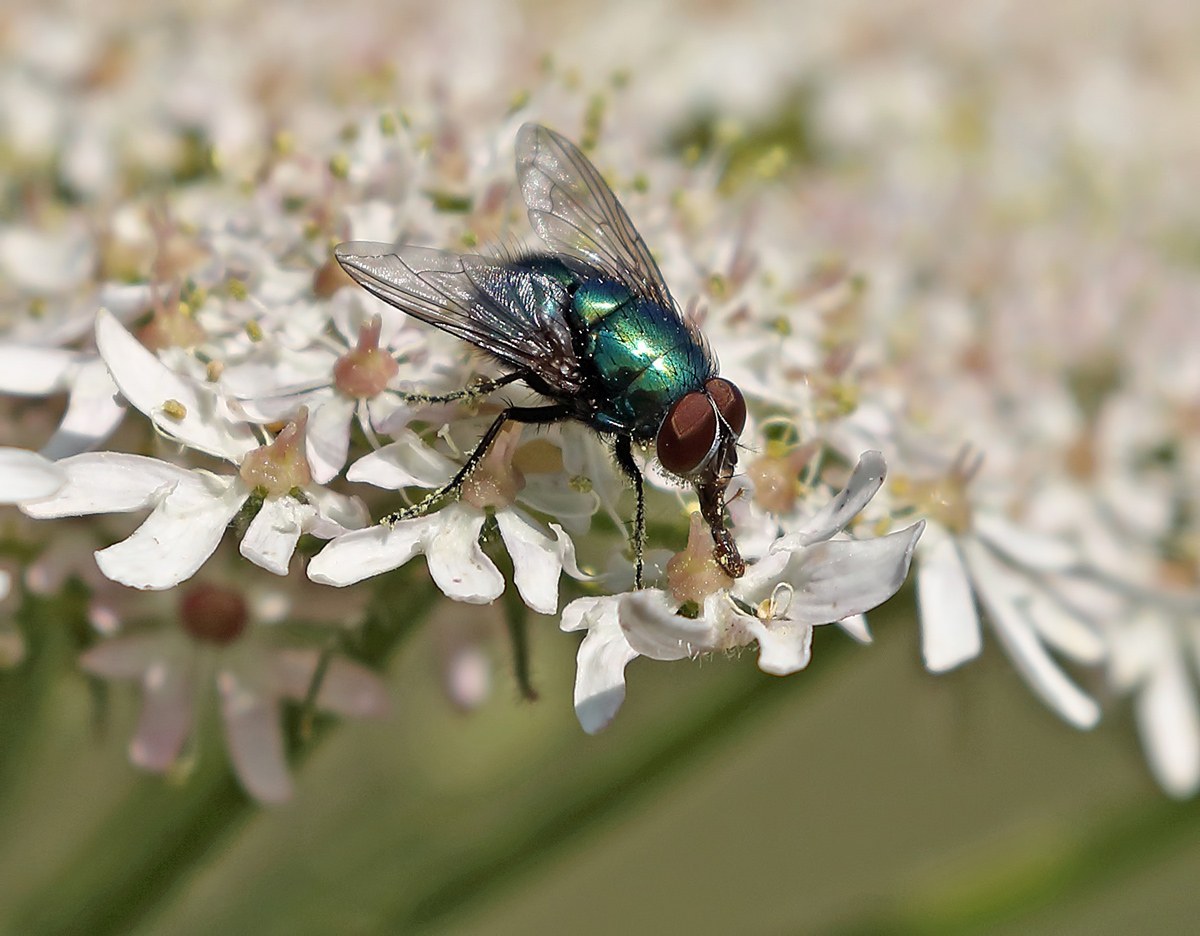
Green Bottle Fly
Lucilia sericata
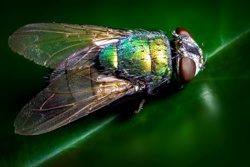
A brilliantly iridescent, metallic green fly frequently seen basking on sunny surfaces outdoors, easily recognized by its shining emerald body and quick, buzzing flight.
- Size
- 8–10 mm
- Habitat
- Outdoor areas near carrion, garbage, gardens, and decaying organic matter
- Danger
- Nuisance pest
Spotted a bug like this?
Identify any bug or insect from a photo, free.
Overview
The green bottle fly is a member of the blow fly family Calliphoridae, a group distinguished by their metallic coloring and important ecological role in decomposing dead organic matter. It is among the most familiar and widespread blow flies, recognized by its vivid, shining green body.
Like other blow flies, its larvae develop by feeding on decaying organic material, including carrion, contributing to nutrient recycling in the ecosystem. The species has also drawn scientific interest for its predictable development patterns and larval feeding behavior, which are studied in forensic entomology, though such applications fall outside the scope of general identification.
Its eye-catching metallic green coloring makes it one of the more visually striking flies commonly seen resting on sunlit surfaces, flowers, or near sources of organic decay in both rural and urban settings.
How to Identify
- Slender to moderately robust body about 8–10 mm long, with a bright, glossy metallic green sheen covering the thorax and abdomen, sometimes with coppery or bluish highlights depending on the light.
- Large reddish compound eyes and short antennae characterize the head, with a robust sponging mouthpart typical of blow flies.
- Body bears noticeable dark bristles, especially along the thorax, though less densely bristly in overall appearance than some larger blow fly species.
- Wings are clear with dark veining, held slightly away from the body at rest.
- Distinguished from the blue bottle fly by its brilliant green rather than blue metallic coloring and its somewhat smaller, more slender body.
Habitat & Range
Green bottle flies are found nearly worldwide in temperate and warm climates, occurring in both rural and urban settings, gardens, farmland, and around human dwellings.
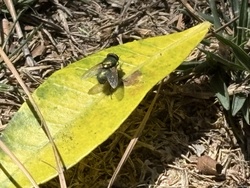
Adults are commonly seen resting on sunlit surfaces such as leaves, fences, and walls, and are frequently found near garbage, compost, carrion, or other decaying organic material that serves as a larval food and egg-laying site. They are most active during the warmer months of the year, with fewer sightings in cold weather.
Behavior & Diet
Adult green bottle flies feed on liquid and semi-liquid organic substances, including nectar and decaying matter, using their sponging mouthparts. They are fast, agile fliers and are often observed basking in sunlight on exposed surfaces between feeding bouts.
Females seek out decaying organic material or carrion to lay their eggs, which provides the necessary food source for developing larvae. As decomposers, green bottle flies play an important ecological role in breaking down dead organic matter and cycling nutrients, and they serve as prey for a variety of insectivorous animals, including birds and predatory insects.
Life Cycle
Green bottle flies undergo complete metamorphosis, developing through egg, larval (maggot), pupal, and adult stages. Females lay clusters of eggs on suitable decaying organic material, and larvae hatch quickly to begin feeding.
Larvae pass through several instars over the course of days, feeding voraciously on the available organic matter before moving to a drier location to pupate, often in soil nearby. Under warm conditions, the complete life cycle from egg to adult can take as little as one to two weeks, allowing multiple generations to occur during the warmer months, with the species overwintering in a dormant pupal stage in colder regions.
Frequently asked questions
Why is this fly such a bright, shiny green?
Its metallic green coloring comes from microscopic surface structures on the exoskeleton that reflect light, a trait shared by other blow flies in the same family.
How can I tell a green bottle fly from a blue bottle fly?
The most reliable clue is color: the green bottle fly has a brilliant metallic green body, while the blue bottle fly is metallic blue to blue-black and generally somewhat larger.
What do green bottle fly larvae feed on?
Larvae feed on decaying organic matter, including carrion, which provides the nutrients they need to develop before pupating.
Where are green bottle flies most often seen?
They are frequently spotted resting on sunlit surfaces such as leaves and fences, and near sources of organic decay like garbage or compost, especially during warm weather.
Green Bottle Fly guides
In-depth guides for identifying, understanding, and living alongside Green Bottle Fly.
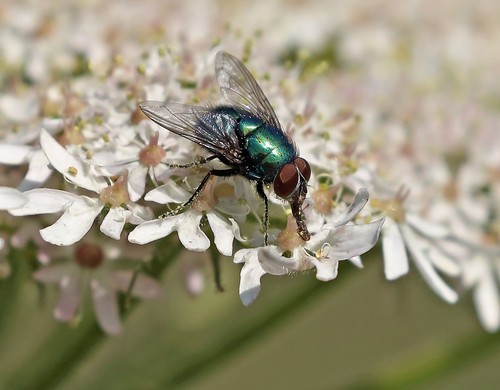
Green Bottle Fly identified by the community
Real finds identified with Bug Identifier.

Other bugs you may enjoy
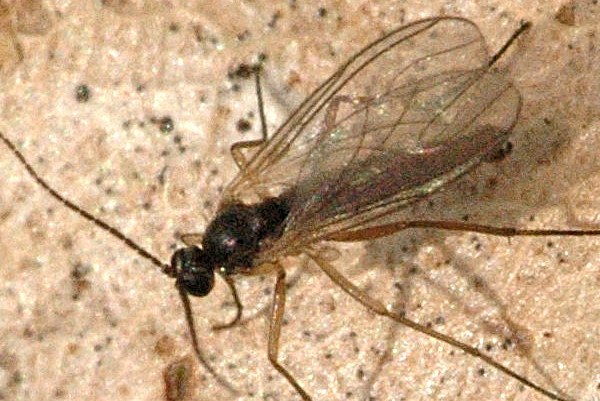
Aphid Midge
Gardens, greenhouses, and crops with aphids
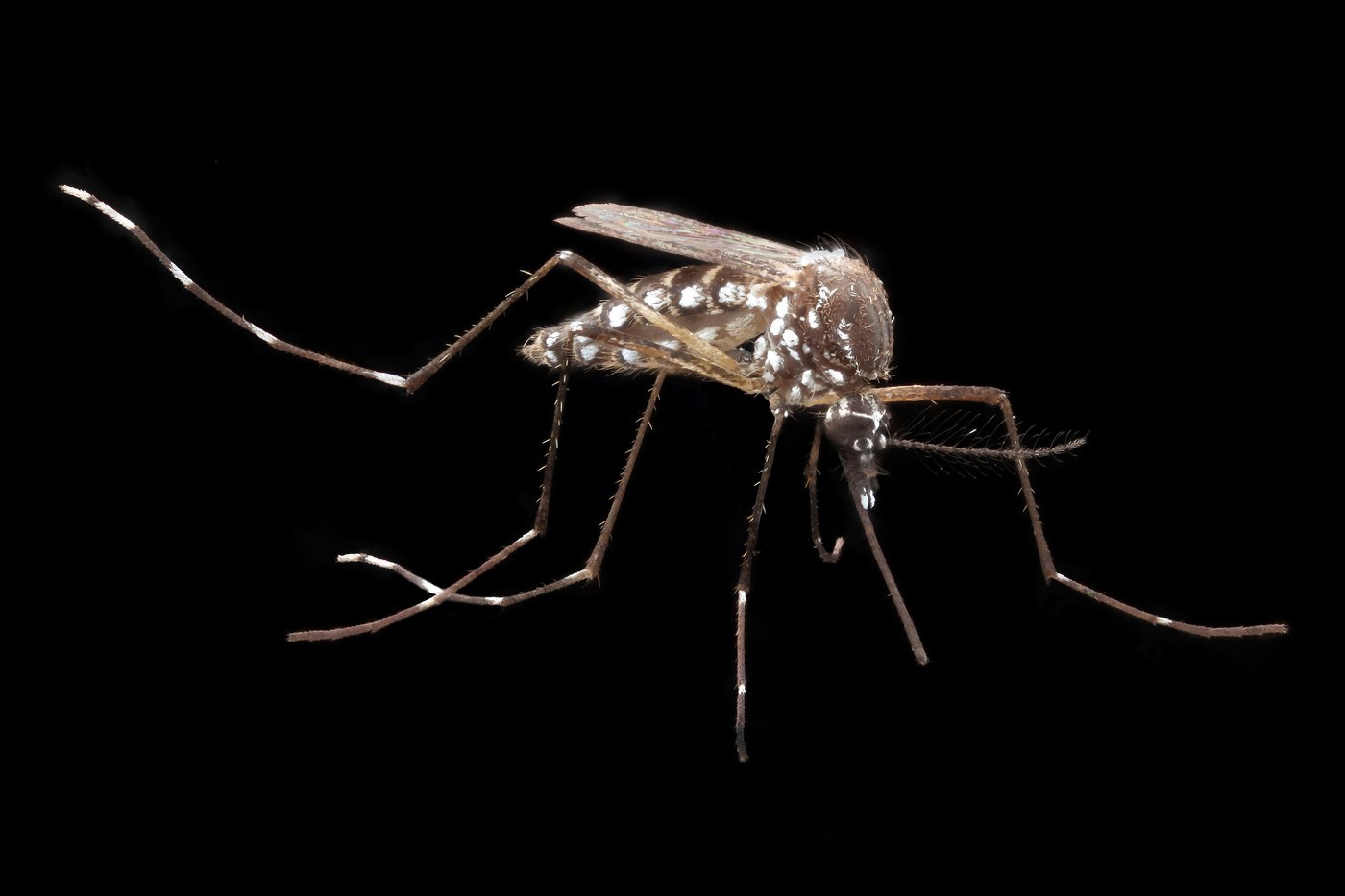
Yellow Fever Mosquito
Urban and peri-urban areas near small artificial water containers in tropical and subtropical regions worldwide
Root Maggot
Garden and field soil around the roots of cole crops and other vegetables
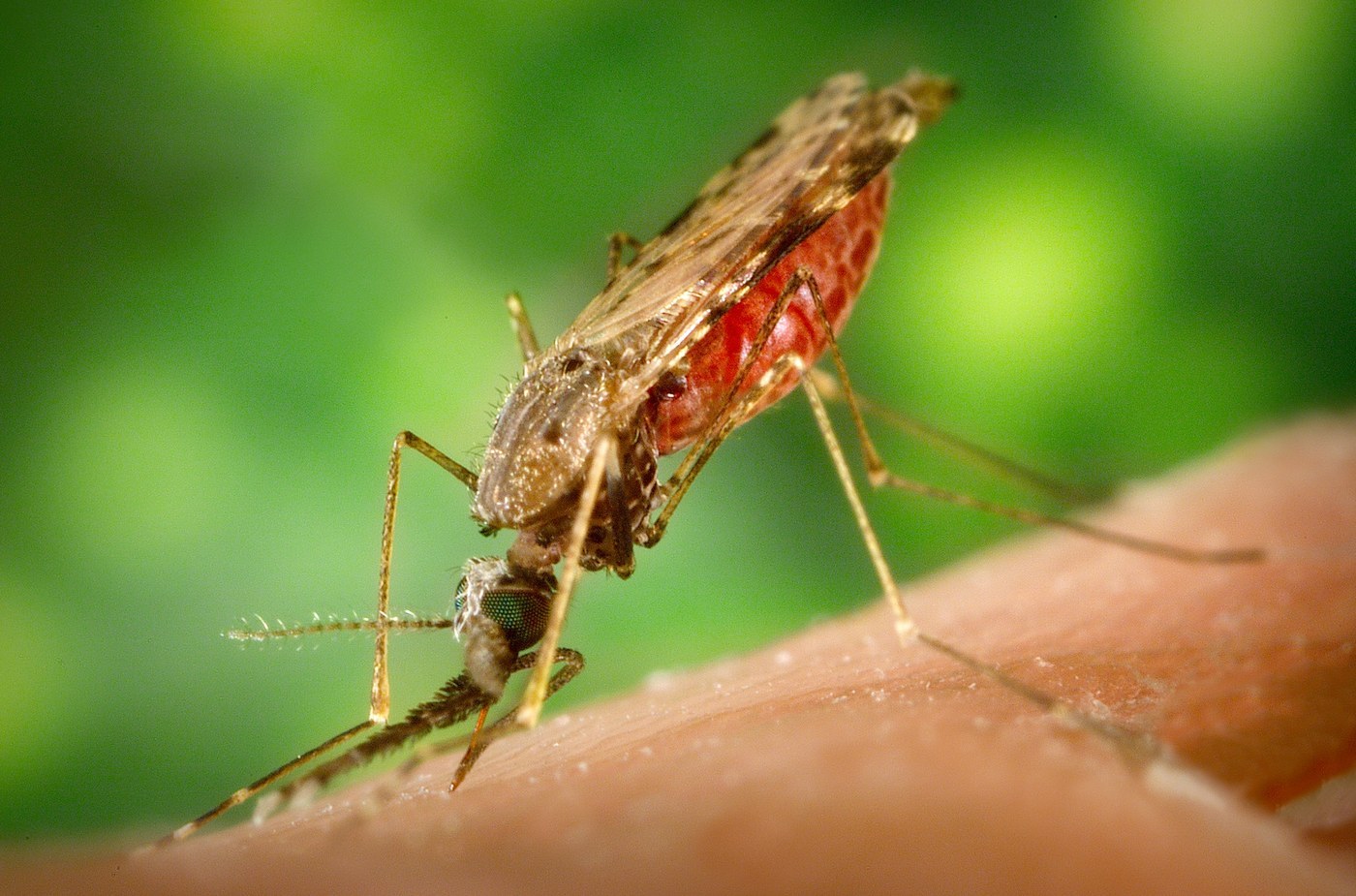
Anopheles Mosquito
Clean, still or slow-moving freshwater habitats such as marshes, ponds, and rice paddies
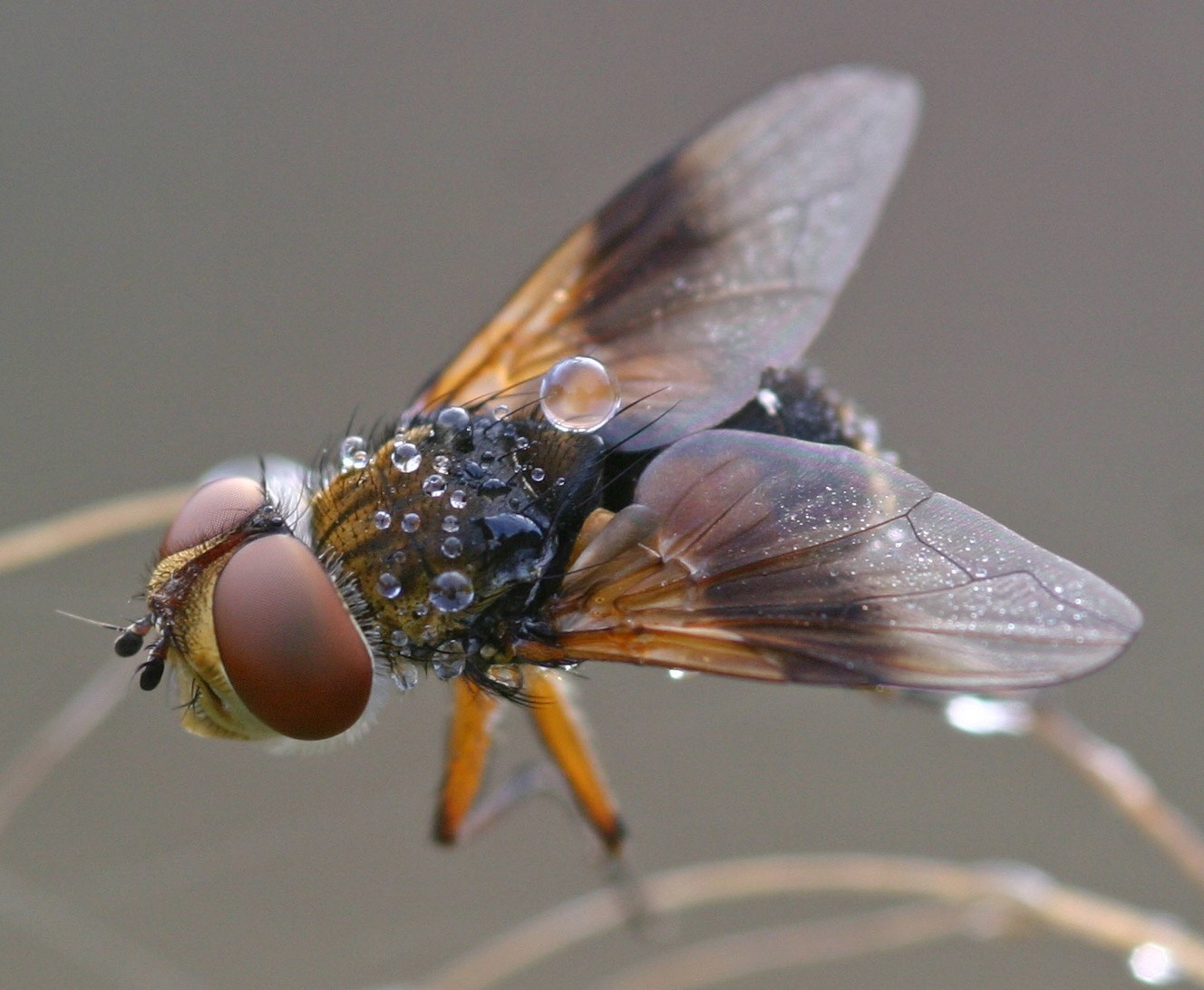
Tachinid Fly
Gardens, meadows, and woodlands wherever host caterpillars and other insects occur
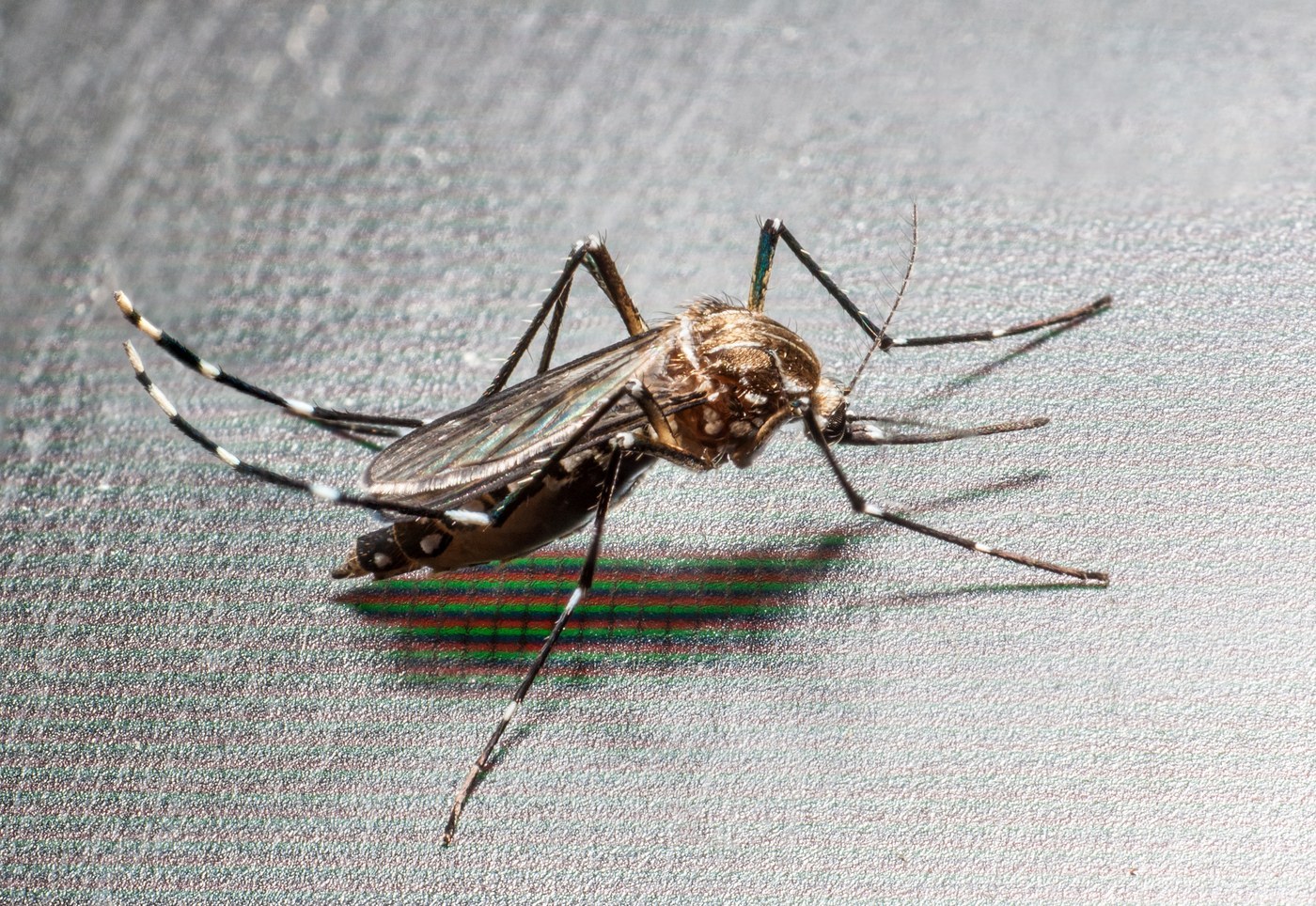
Asian Tiger Mosquito
Shaded urban and suburban areas near small water-holding containers, tires, and tree holes; native to Southeast Asia, now widespread
Tsetse Fly
Wooded savanna, riverine thickets, and forest edges across sub-Saharan Africa
Vinegar Fly
Around overripe fruit, compost, and fermenting materials worldwide
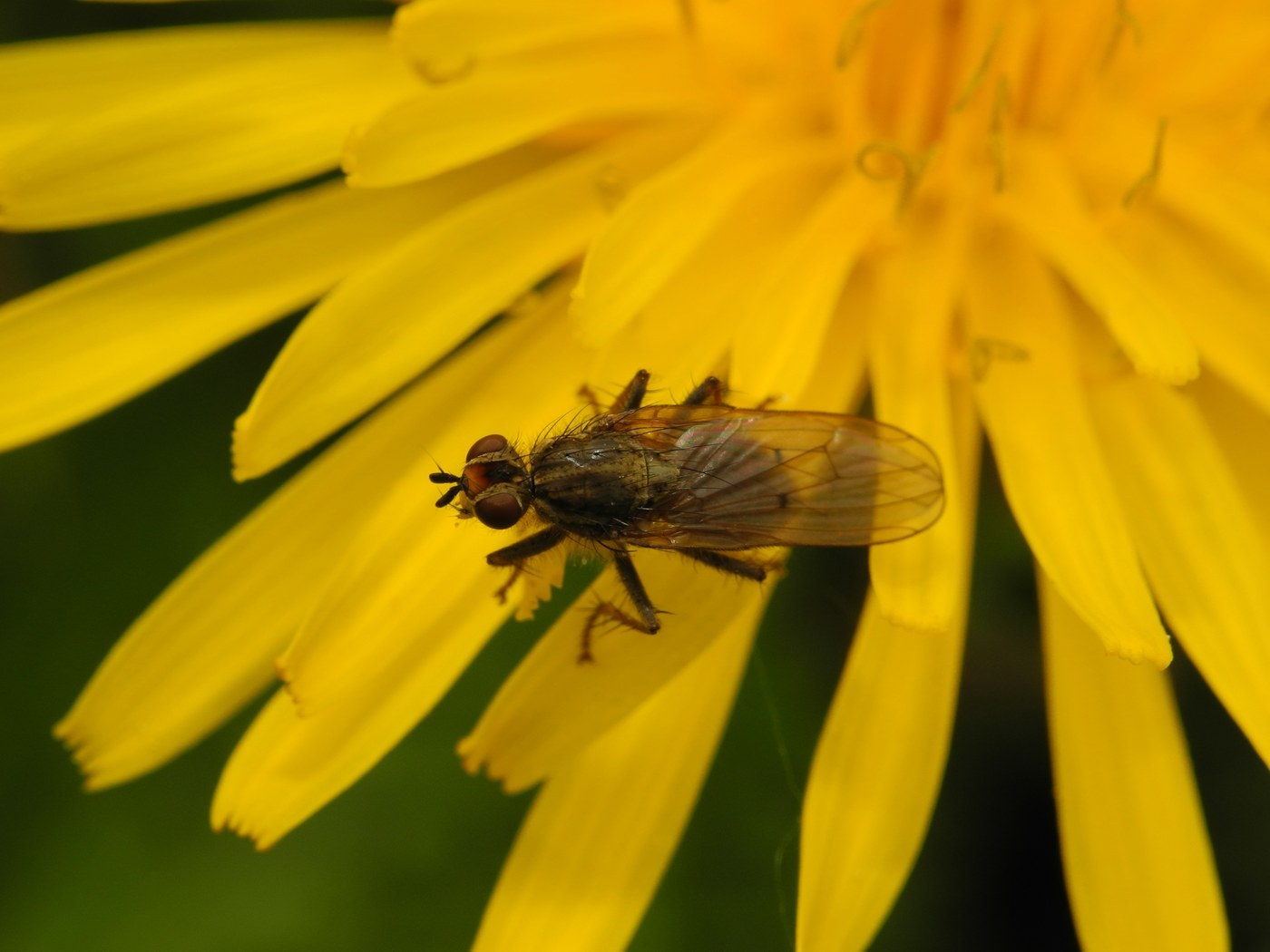
Yellow Dung Fly
Pastures and fields with fresh cattle dung
Screwworm Fly
Warm, humid lowlands of the Americas, especially near livestock and wildlife wounds
Soldier Fly
Wetland margins, decaying organic matter, and vegetation near water
Punkie
near marshes, mudflats, ponds, and other standing water