
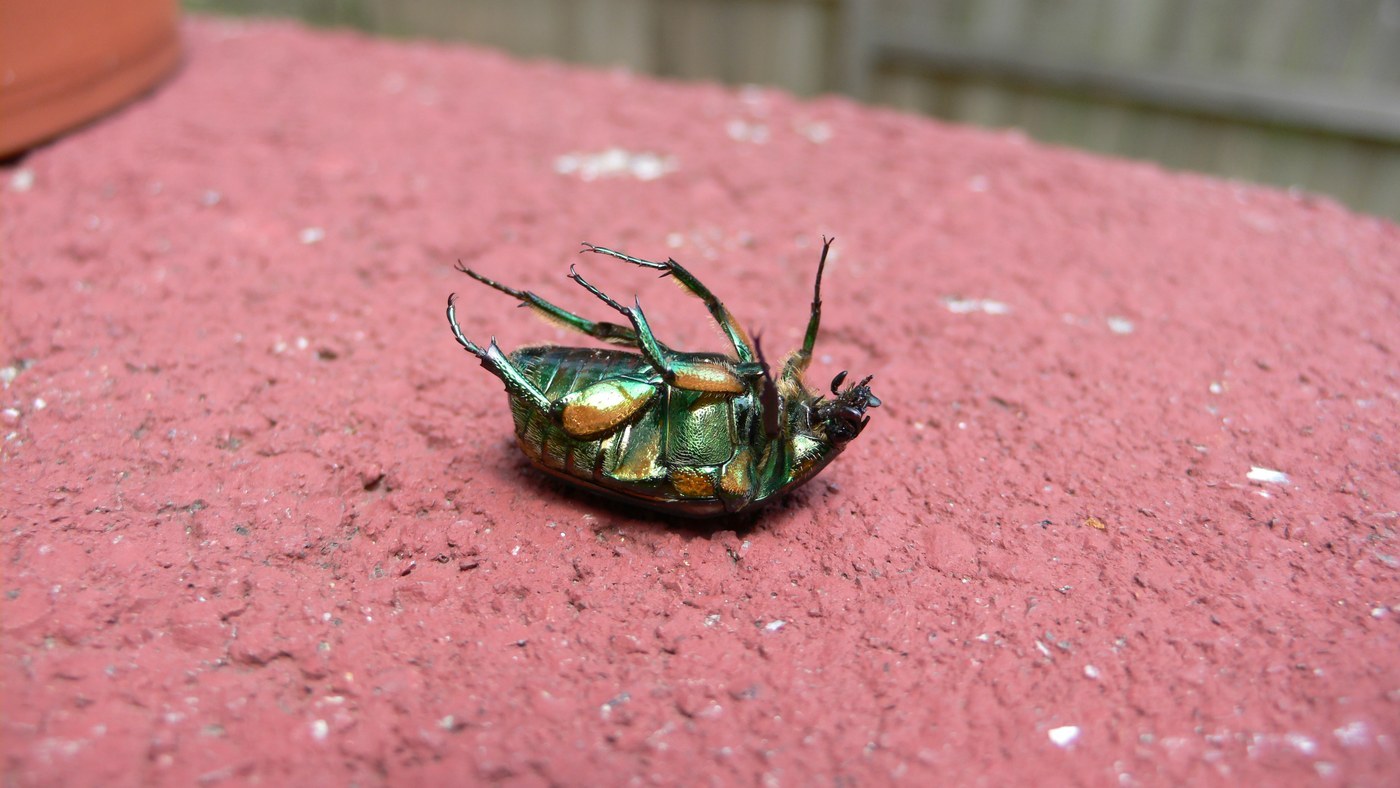
Green June Beetle
Cotinis nitida
A large, velvety green scarab beetle with bronze edges that flies with a loud buzzing drone on warm summer days, often seen around ripening fruit.
- Size
- 20–25 mm
- Habitat
- Gardens, lawns, orchards, and open fields
- Danger
- Nuisance pest
Spotted a bug like this?
Identify any bug or insect from a photo, free.
Overview
The green June beetle is a member of the scarab beetle family (Scarabaeidae), within the flower chafer subfamily (Cetoniinae). It is a large, conspicuous beetle common across much of the eastern and central United States, easily noticed for its bold coloring and loud, buzzing daytime flight.
This species is notable for being one of the few common North American scarabs that is primarily active and flying during the day rather than at night, often seen zooming low over lawns and gardens on hot summer afternoons. Its close relative, the fig eater beetle, is found in the western United States and shares very similar habits, sometimes leading to overlapping common names.
Ecologically, adult green June beetles feed on ripening and overripe fruit, while their large grubs live in the soil, feeding on organic matter and occasionally plant roots, giving the species dual significance in orchards, gardens, and turf.
How to Identify
- Large, broad-bodied beetle about 20–25 mm long.
- Velvety matte green upper body with metallic bronze to yellow-green margins along the wing covers.
- Underside often shows a bright, shiny metallic green or gold sheen.
- Stout legs with strong digging claws adapted for burrowing.
- Lookalikes include the closely related fig eater beetle of the western U.S. and various other green scarabs, but the combination of matte green upperparts, bronze edging, and loud daytime buzzing flight is characteristic.
Habitat & Range
Common throughout the eastern and central United States, particularly in areas with sandy or well-drained soils suitable for larval development, including lawns, gardens, orchards, and compost-rich areas. Adults are active during the day in mid-to-late summer, especially on hot, sunny afternoons, while larvae live below ground in soil or thick organic matter such as compost and manure piles year-round.
Behavior & Diet
Adults fly with a loud, low-pitched buzzing hum, often skimming just above lawns and garden beds in search of ripening or overripe fruit such as peaches, figs, and grapes, on which they feed. They are strong but somewhat clumsy fliers and are frequently seen in aggregations around fruit trees or compost piles during peak summer activity. The soil-dwelling larvae, sometimes called green June beetle grubs, feed on decaying organic matter and can occasionally damage turfgrass roots while burrowing, and are notable for an unusual habit of crawling on their backs across the soil surface at night. Within the ecosystem, adults contribute to fruit decomposition processes, while larvae function as soil detritivores.
Life Cycle
Development is complete metamorphosis: egg, larva, pupa, adult. Eggs are laid in rich, organic soil during summer; the large white grubs feed on decaying organic matter through fall, overwinter in a dormant state underground, then resume feeding in spring before pupating in early summer. Generally one generation is completed per year. Adults emerge in mid-summer, feed and mate for several weeks, and the cycle continues with new eggs laid before the adults die off by late summer.
Frequently asked questions
Why does it fly during the day instead of at night?
Unlike many related scarab beetles, the green June beetle is primarily diurnal, often seen buzzing loudly over lawns and gardens in bright summer sunlight.
Is it the same as the fig eater beetle?
They are closely related but distinct species; the fig eater beetle occupies the western United States while the green June beetle is found in the east and central regions, and both share similar fruit-feeding habits.
What do the grubs do underground?
The grubs feed on decaying organic matter in soil and are known for an unusual habit of crawling on their backs across the surface at night.
Why do I see them around fruit trees?
Adults are strongly attracted to ripening and overripe fruit, which serves as their primary food source during summer.
Green June Beetle guides
In-depth guides for identifying, understanding, and living alongside Green June Beetle.
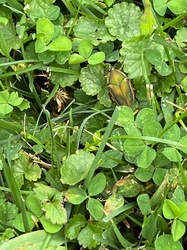
Green June Beetle identified by the community
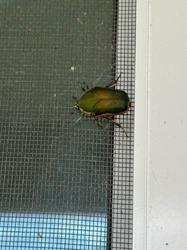
Real finds identified with Bug Identifier.



Other bugs you may enjoy
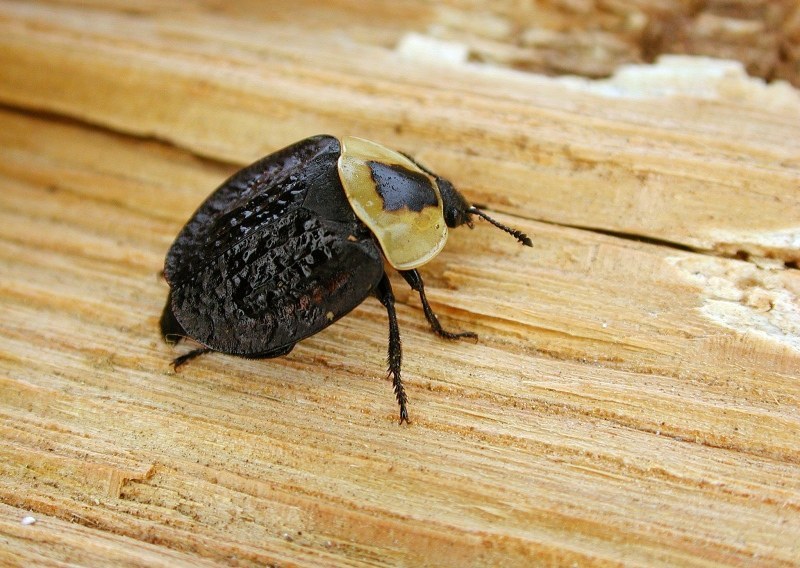
American Carrion Beetle
Forests, fields, and roadsides across North America, near decaying animal carcasses
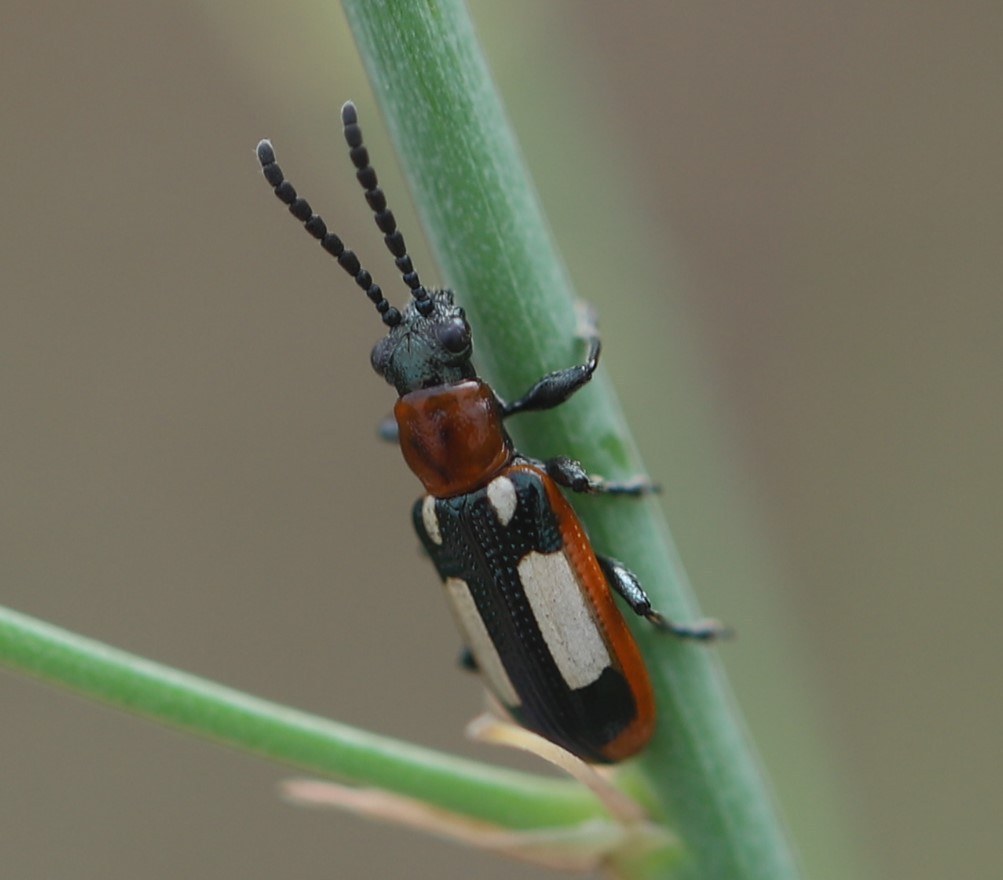
Asparagus Beetle
Asparagus patches, gardens, and farm fields
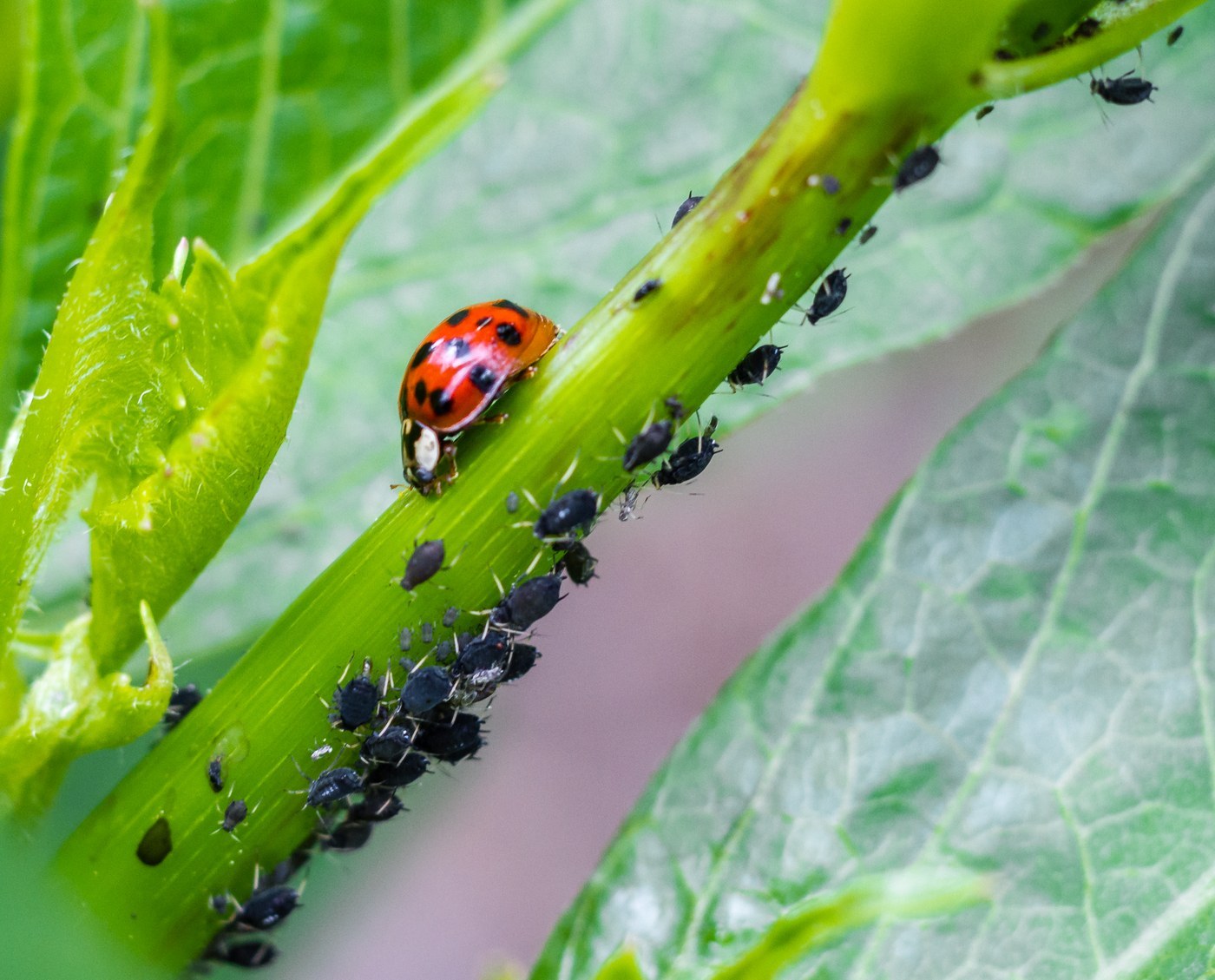
Asian Lady Beetle
Gardens, crop fields, woodlands, buildings
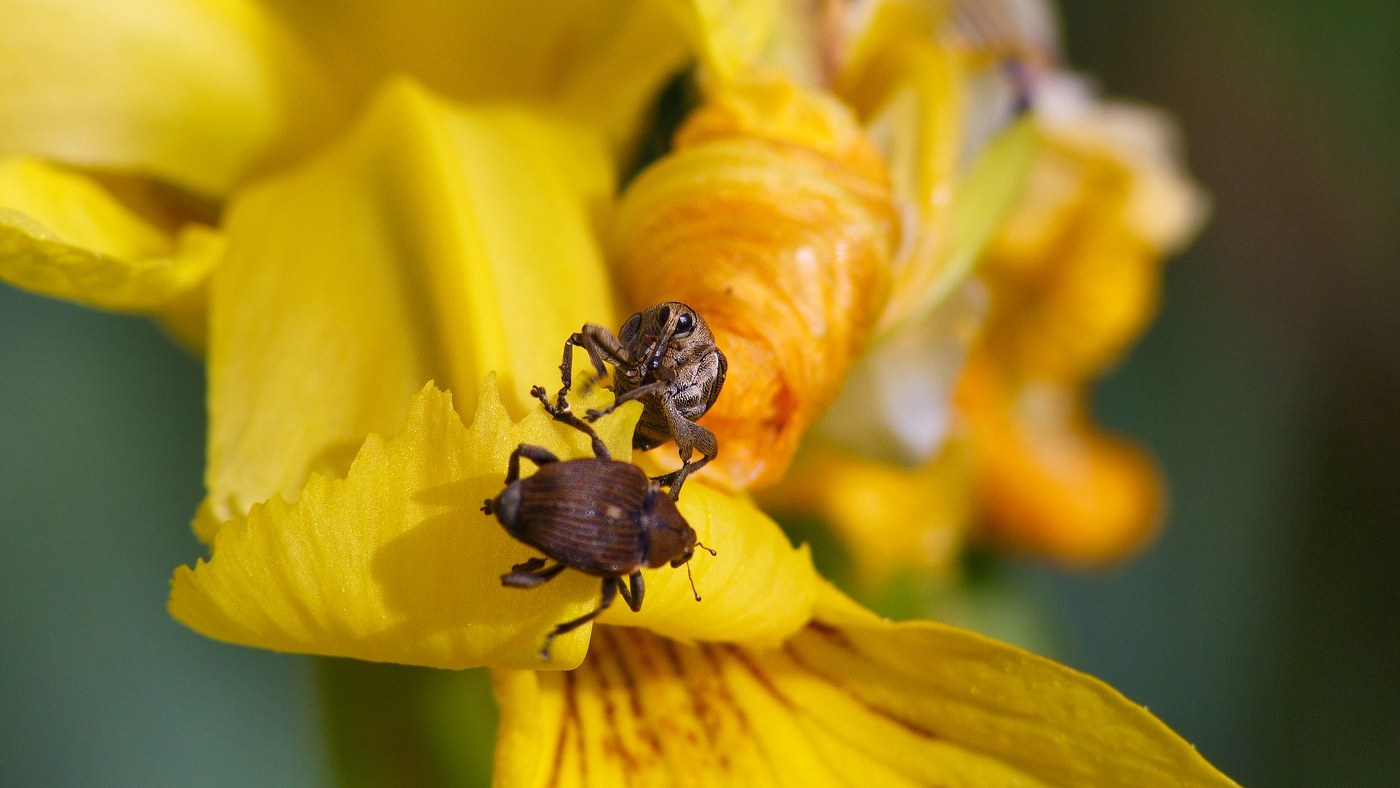
Acorn Weevil
Oak woodlands and forests, on and beneath oak trees
Wireworm
Soil of grasslands, gardens, and cultivated fields worldwide
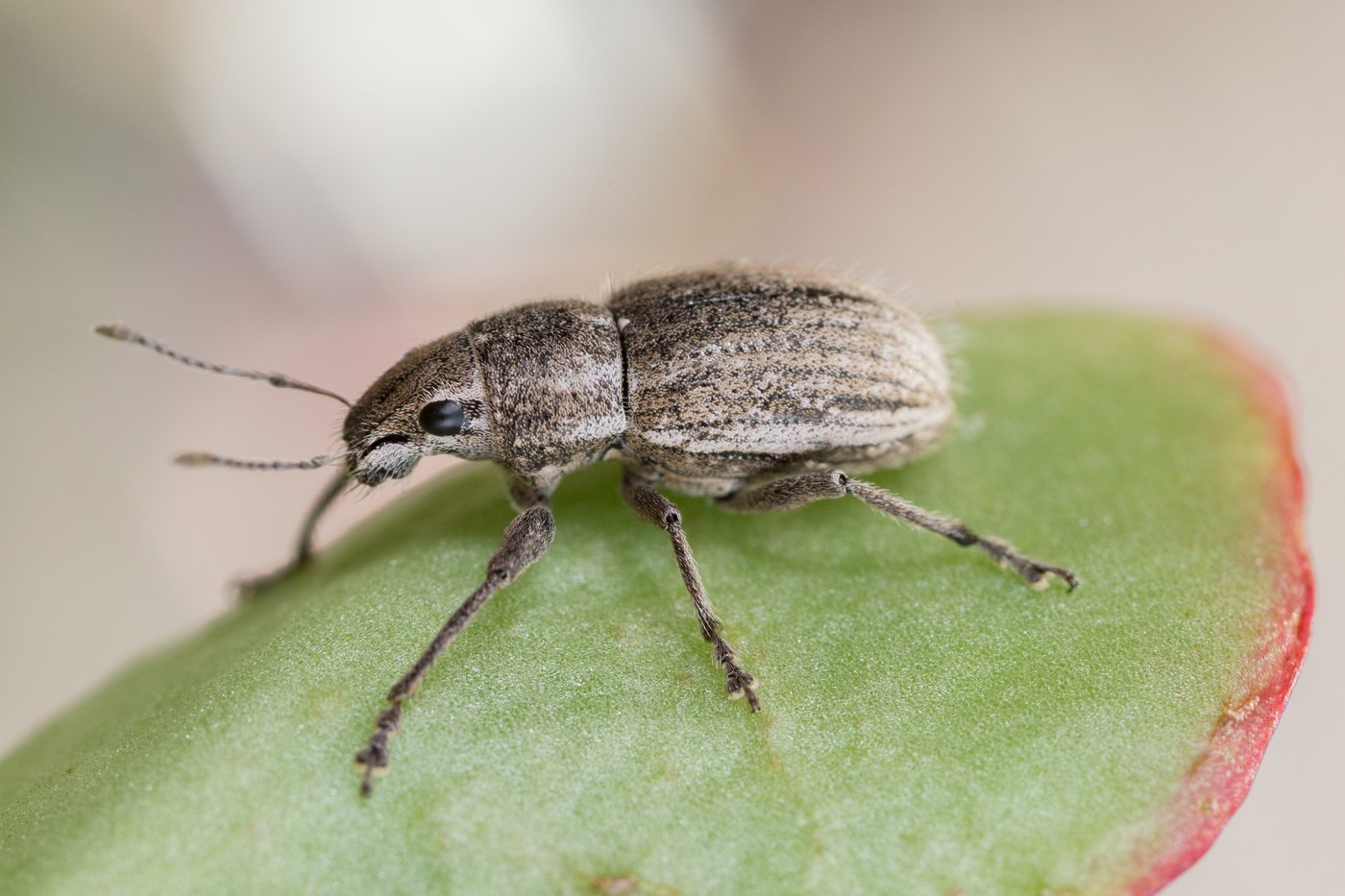
Whitefringed Beetle
Pastures, row crops, lawns, disturbed soils
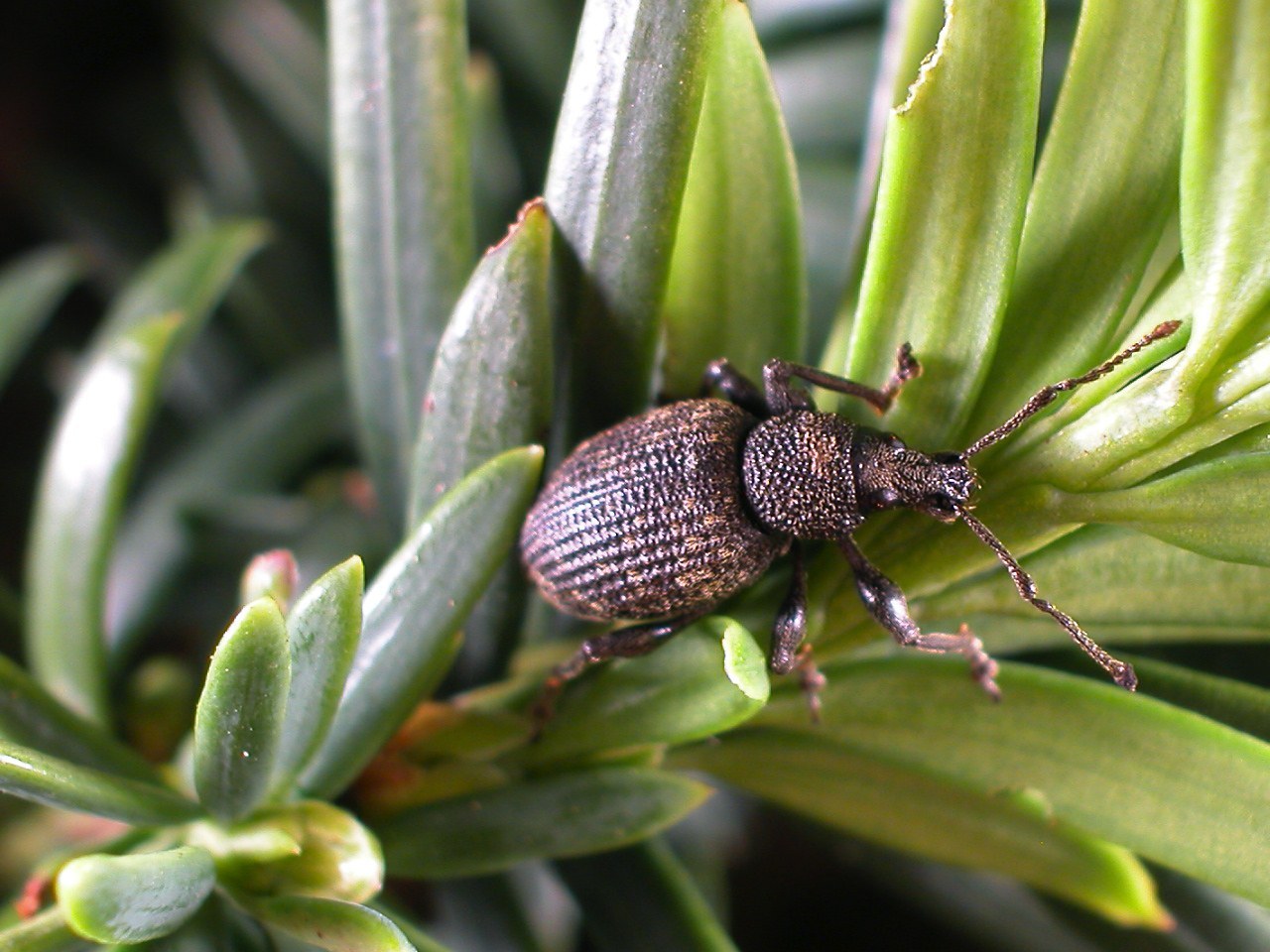
Vine Weevil
Gardens, nurseries, greenhouses, and container plantings
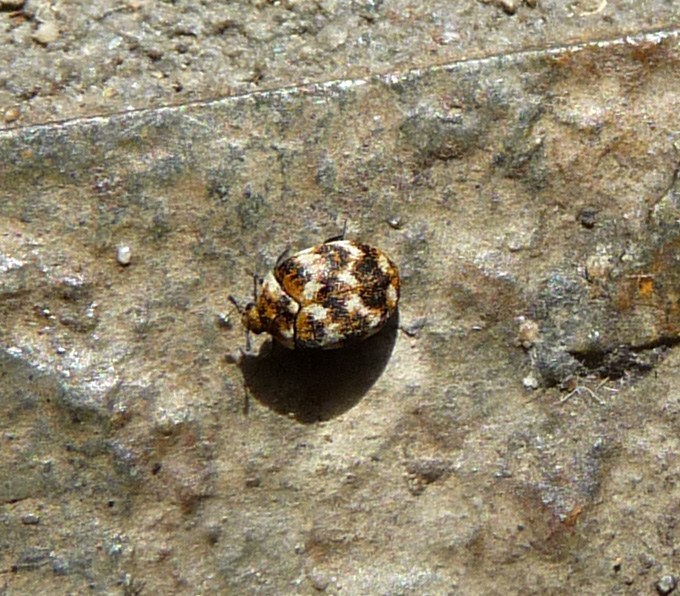
Varied Carpet Beetle
Homes, nests of birds and mammals, and flowers outdoors
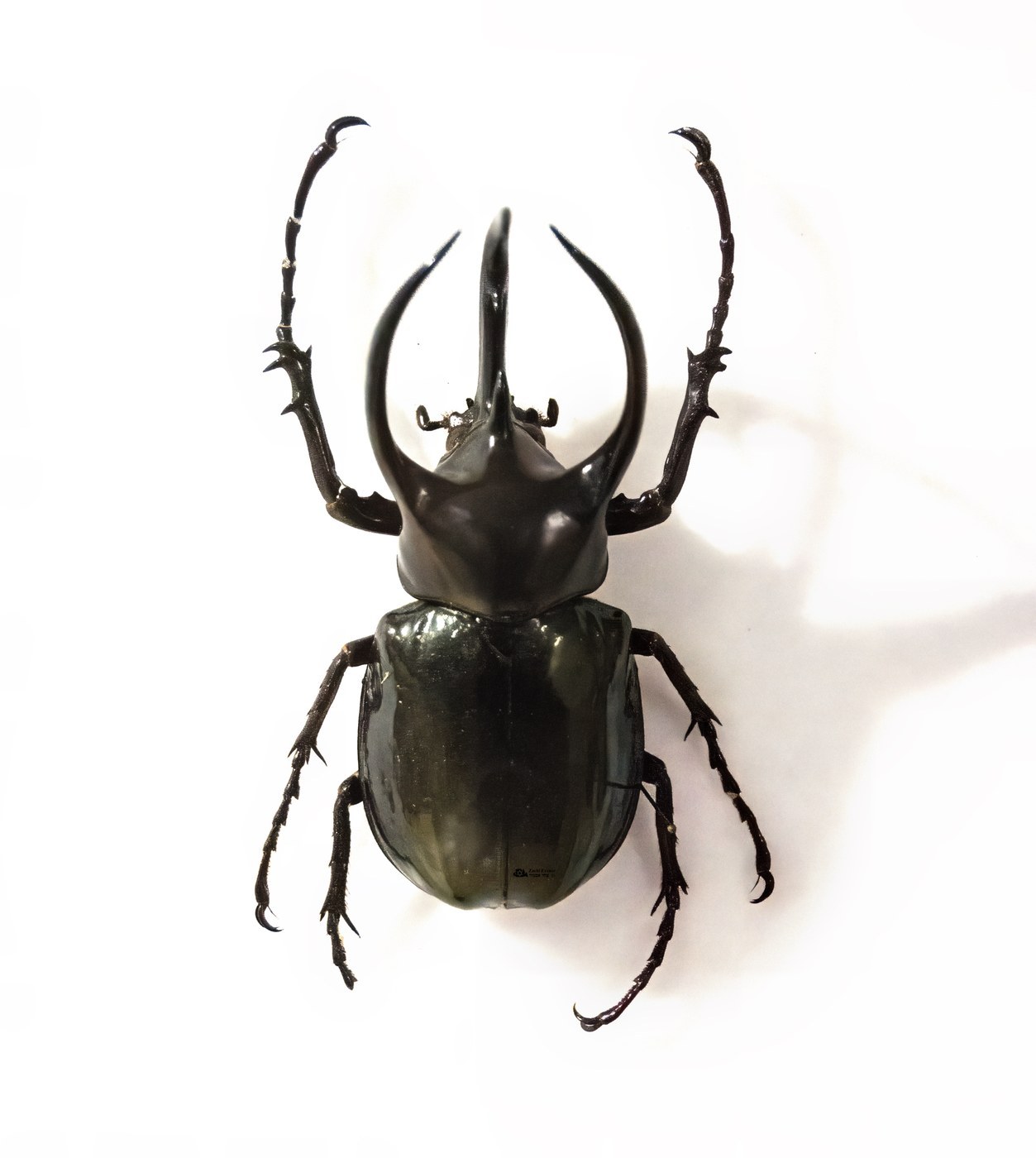
Atlas Beetle
Tropical forests of Southeast Asia
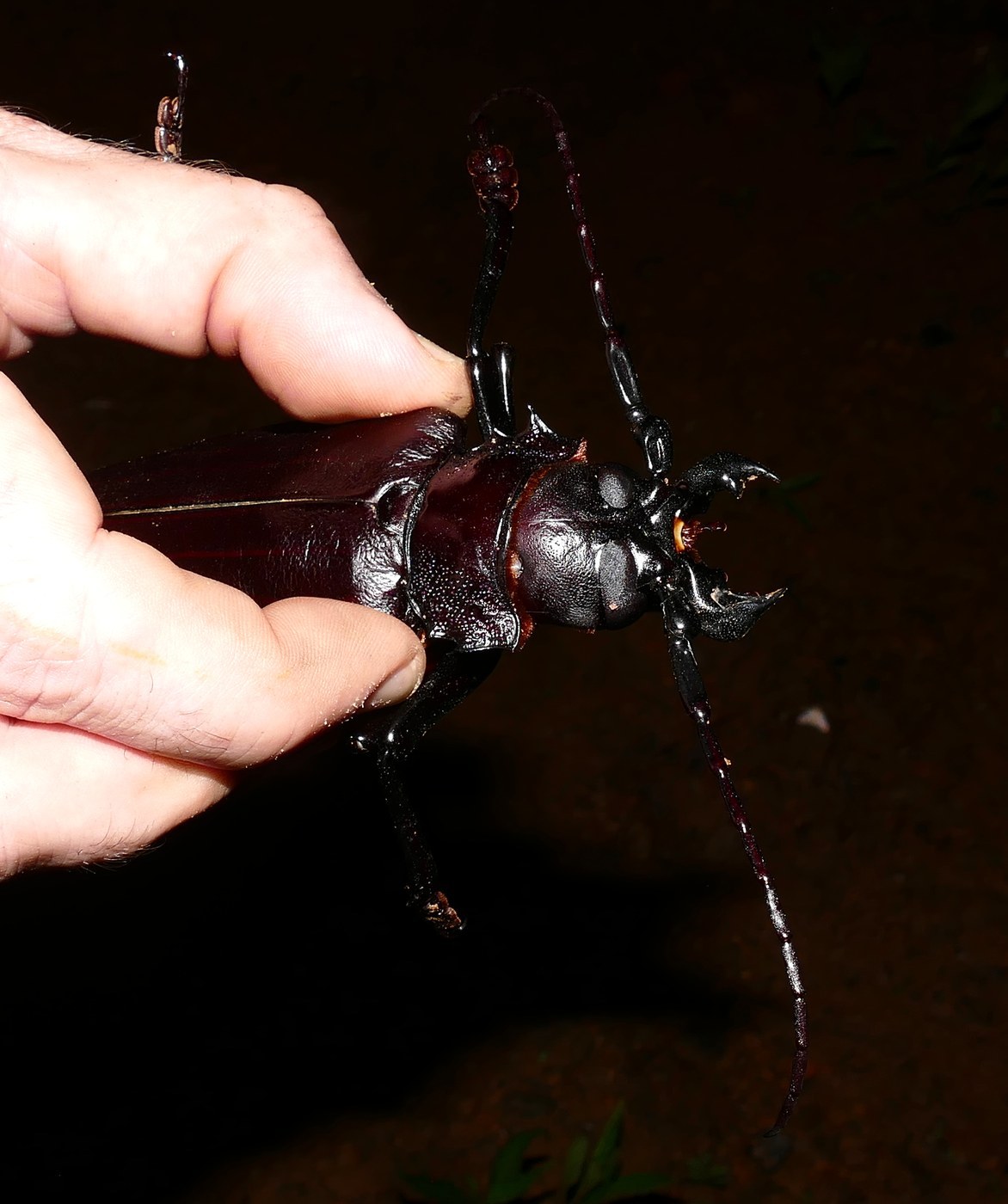
Titan Beetle
Amazon rainforest of South America
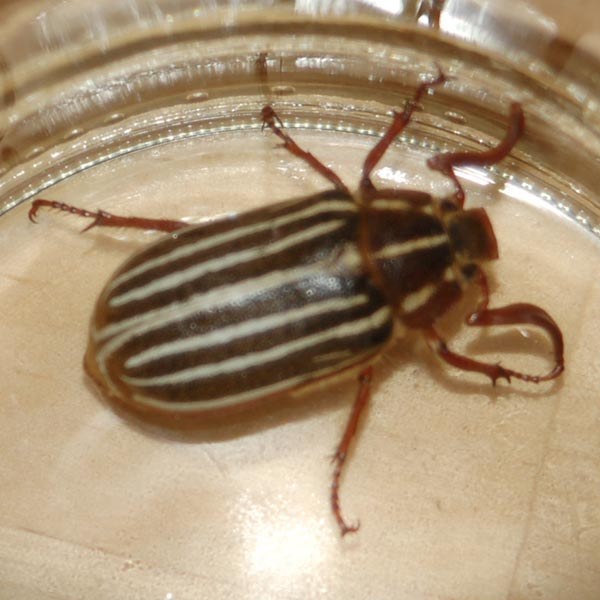
Ten-lined June Beetle
Sandy soils, pine forests, and orchards of western North America
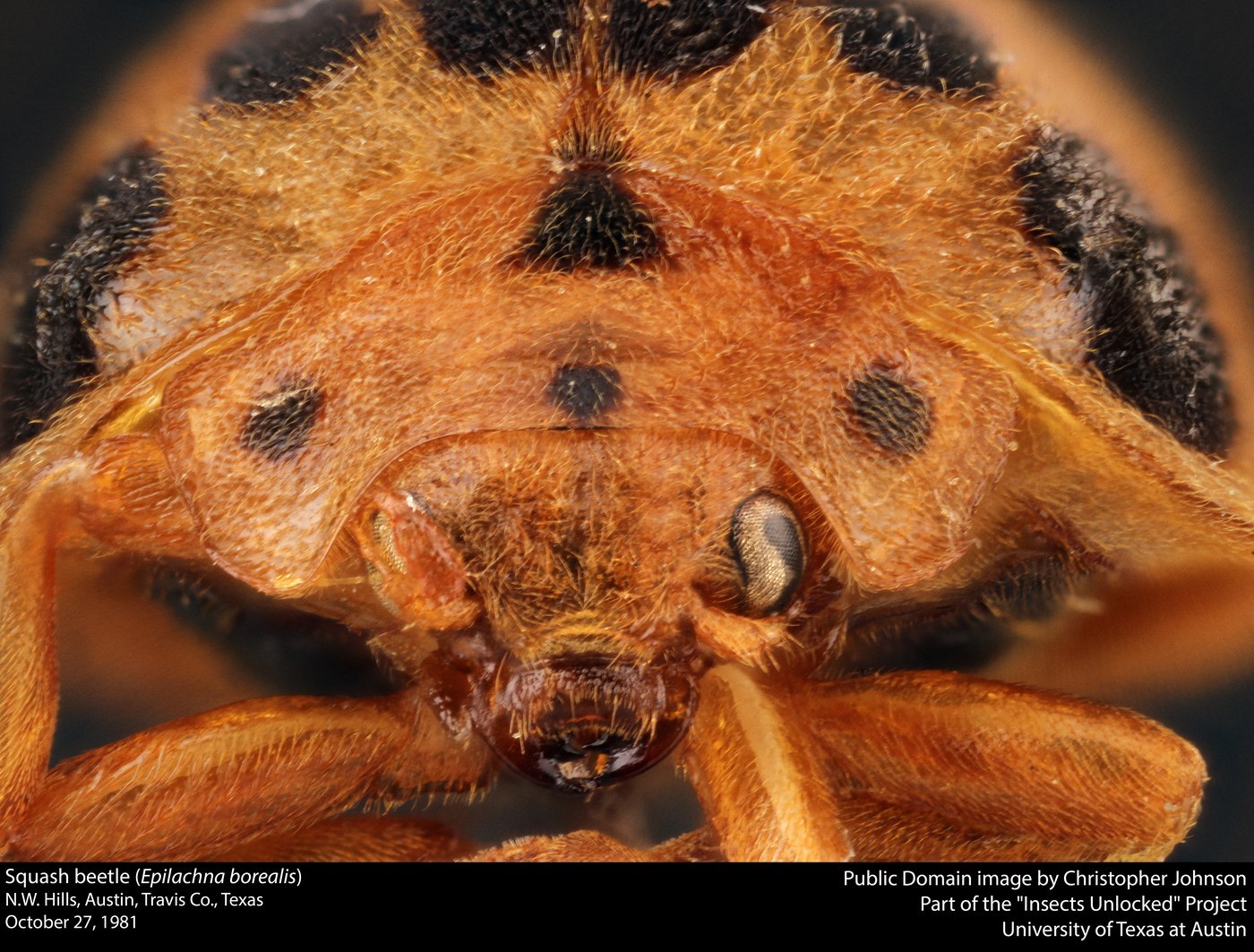
Squash Beetle
Vegetable gardens and fields growing squash, pumpkin, and other cucurbits