
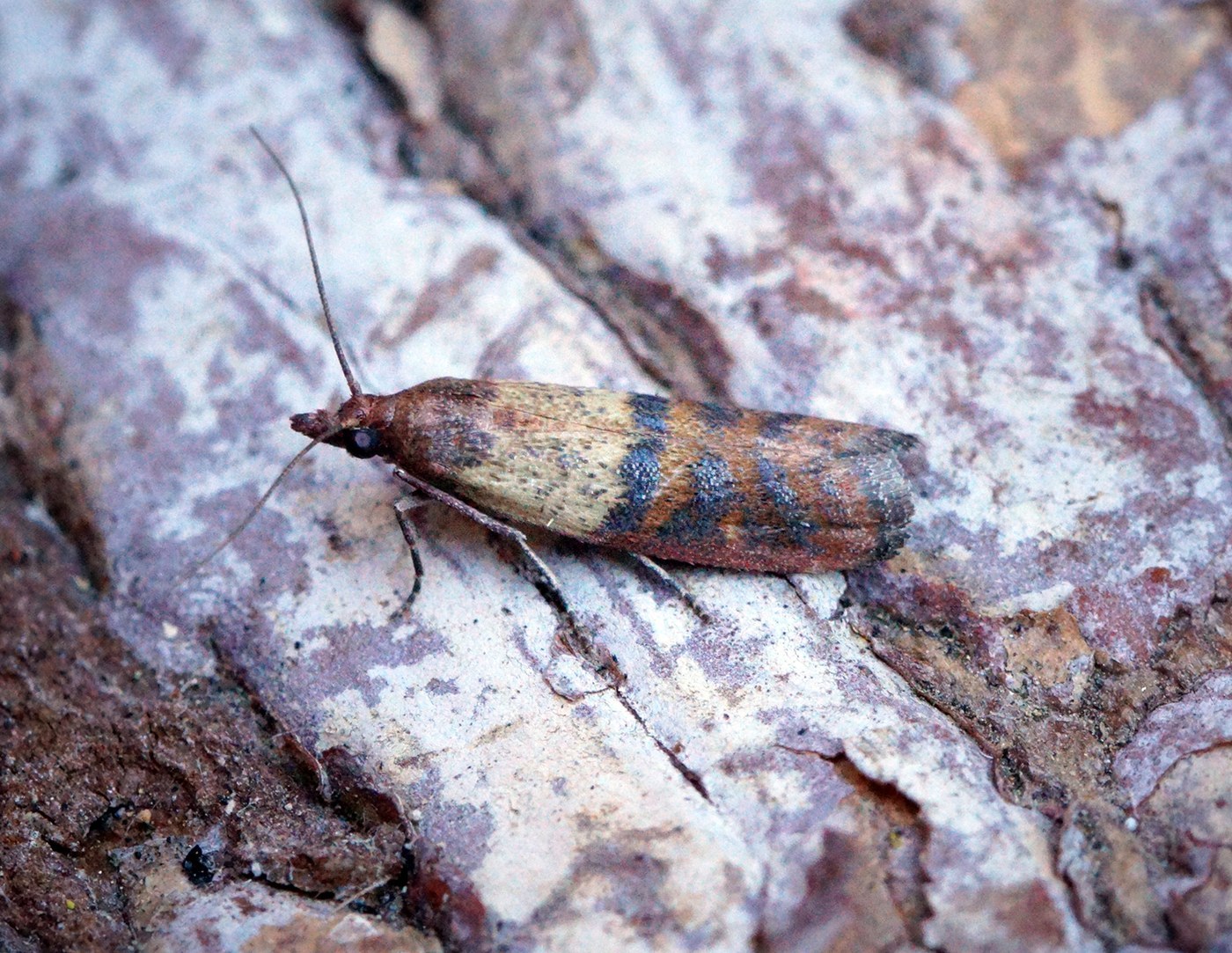
Indianmeal Moth
Plodia interpunctella
A small moth with two-toned, coppery-and-gray wings whose caterpillars spin silken webbing through stored grain, cereal, and dried fruit.
- Size
- Wingspan about 16–20 mm
- Habitat
- Stored grain and dried food products worldwide
- Danger
- Nuisance pest
Spotted a bug like this?
Identify any bug or insect from a photo, free.
Overview
The Indianmeal moth is a small, distinctively marked moth in the family Pyralidae, widely recognized as one of the most common pests of stored food products around the world. Its name comes from an old term for cornmeal, one of the many dried foods its larvae are able to develop in.
Adults are short-lived and do not feed on stored products themselves; it is the caterpillar stage that causes the webbing and contamination people typically notice in pantries, spinning silk threads through grain, cereal, nuts, and dried fruit as it feeds. This webbing behavior, combined with the moth's broad diet, has allowed the species to spread through global trade in dried goods and become established virtually everywhere such products are stored.
In the wild, moths in this family and their caterpillars serve as a food source for various predators and parasitoid insects, and larval feeding on dried plant material represents a natural decomposition process that becomes conspicuous only when it happens within stored human food.
How to Identify
- Adult wingspan approximately 16–20 mm
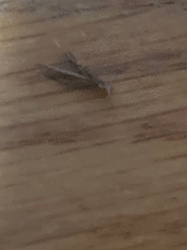
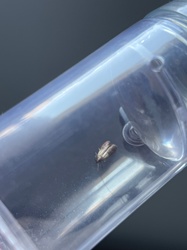
- Forewings are two-toned: pale grayish-tan near the body and a coppery-bronze to reddish-brown color over the outer two-thirds
- Hindwings are plain pale gray
- At rest, wings fold roof-like over the body, giving a slender profile
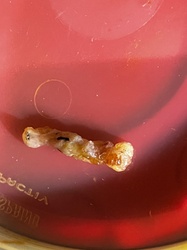
- Larvae are creamy white to pinkish caterpillars up to about 12 mm long, often seen crawling away from infested food to find a pupation site
- Lookalikes include other pantry moths, but the sharp two-tone wing pattern is distinctive to the Indianmeal moth
Habitat & Range
The Indianmeal moth is found worldwide, largely due to its association with stored and traded dry foods. It is most commonly encountered in pantries, kitchens, grain storage facilities, and food processing or retail settings. It thrives at room temperature and warmer, with activity and reproduction slowing in cold conditions, though it can persist indoors year-round in heated buildings.
Behavior & Diet
Adult moths are weak, fluttering fliers, most active at dusk, and do not feed on stored products; their short adult life is devoted mainly to mating and egg-laying. Larvae are the destructive and conspicuous life stage, feeding on a wide range of dried plant-based goods including grains, cereal, dried fruit, nuts, pet food, and spices, and spinning silk webbing as they move and feed. When ready to pupate, larvae often wander away from the food source and climb upward, sometimes ending up on ceilings or walls. As decomposers of dried plant material, Indianmeal moth larvae play a natural ecological role, though this same broad diet makes them a widely recognized pest of stored food.
Life Cycle
Females lay small eggs directly on or near suitable food material, and eggs hatch within a few days to a week. Larvae feed and grow through five to seven instars over several weeks, spinning silk webbing through the food as they go, before wandering off to find a sheltered spot to pupate. Pupation occurs inside a thin silken cocoon and typically lasts one to two weeks. In warm conditions, a full generation can be completed in as little as a month, allowing several generations per year indoors, while development slows considerably in cooler temperatures.
Frequently asked questions
What does the webbing in my food come from?
It is silk spun by Indianmeal moth caterpillars as they crawl through and feed on stored grain or dried food.
Do adult Indianmeal moths eat stored food?
No, adults do not feed on stored products; only the caterpillar stage feeds and causes webbing.
How can I identify an adult Indianmeal moth?
Look for a small moth with wings that are pale tan near the body and coppery-bronze over the outer two-thirds.
Why do the caterpillars sometimes end up on ceilings?
Mature larvae often wander away from their food source and climb upward to find a sheltered spot to spin a cocoon and pupate.
Indianmeal Moth guides
In-depth guides for identifying, understanding, and living alongside Indianmeal Moth.
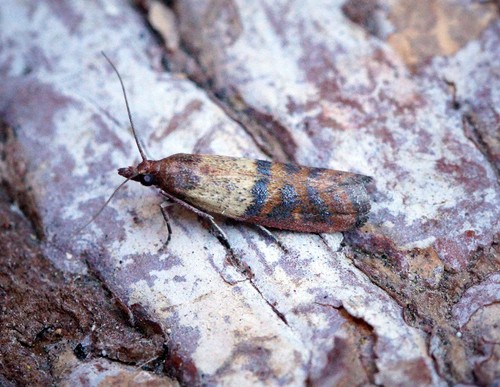
Indianmeal Moth identified by the community
Real finds identified with Bug Identifier.
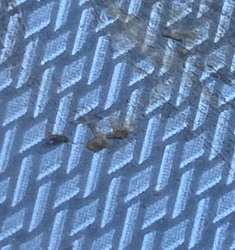

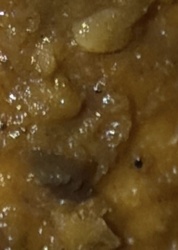
Other bugs you may enjoy
Bagworm Moth
Coniferous and deciduous trees, shrubs, hedges
Antheraea Silkmoth
Deciduous forests, woodland edges, orchards
Ailanthus Silkmoth (Cynthia Moth)
Urban parks, wastelands, and woodland edges with tree-of-heaven; native to Asia, introduced in North America and Europe
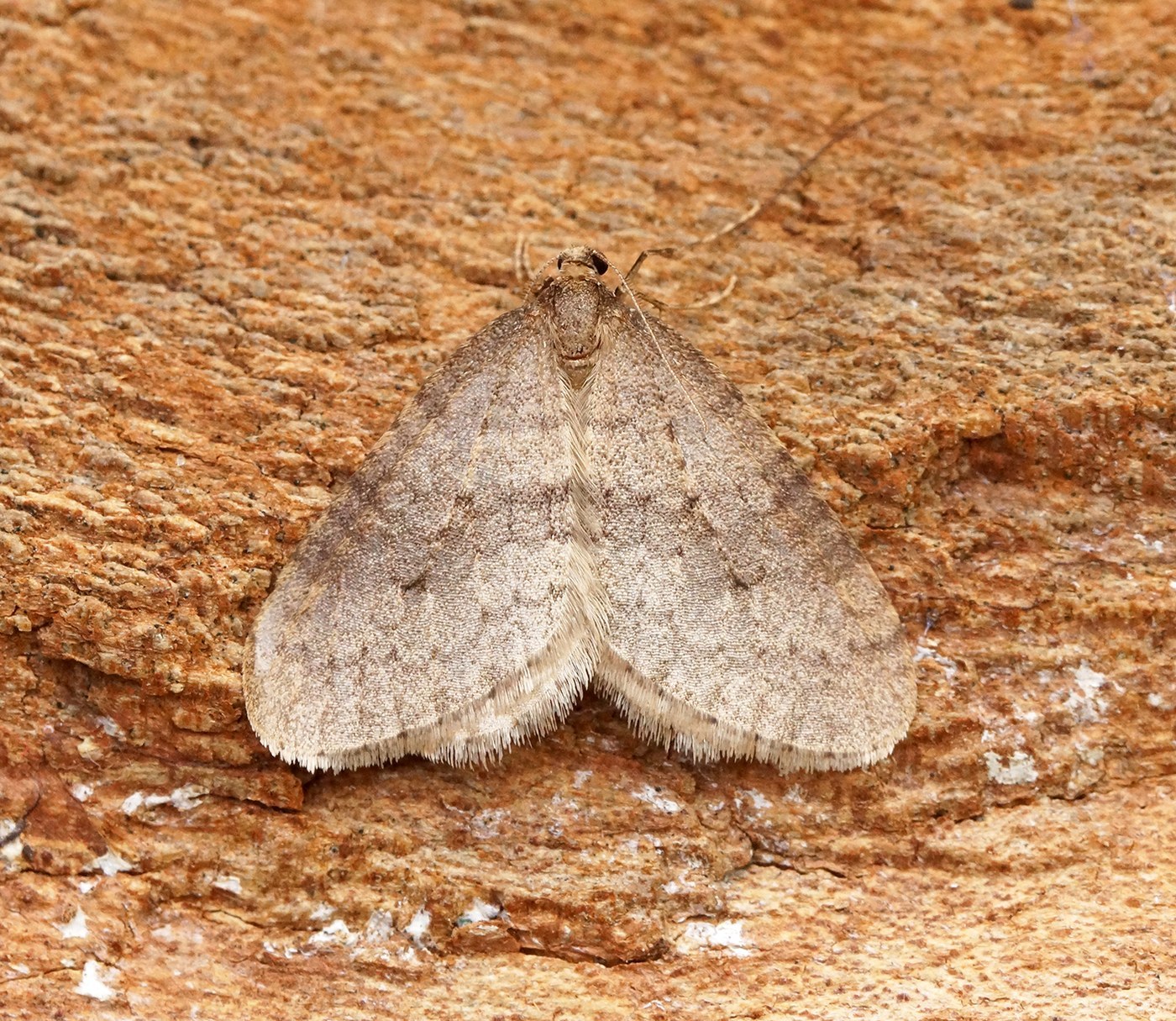
Winter Moth
Deciduous woodland, orchards, gardens, hedgerows
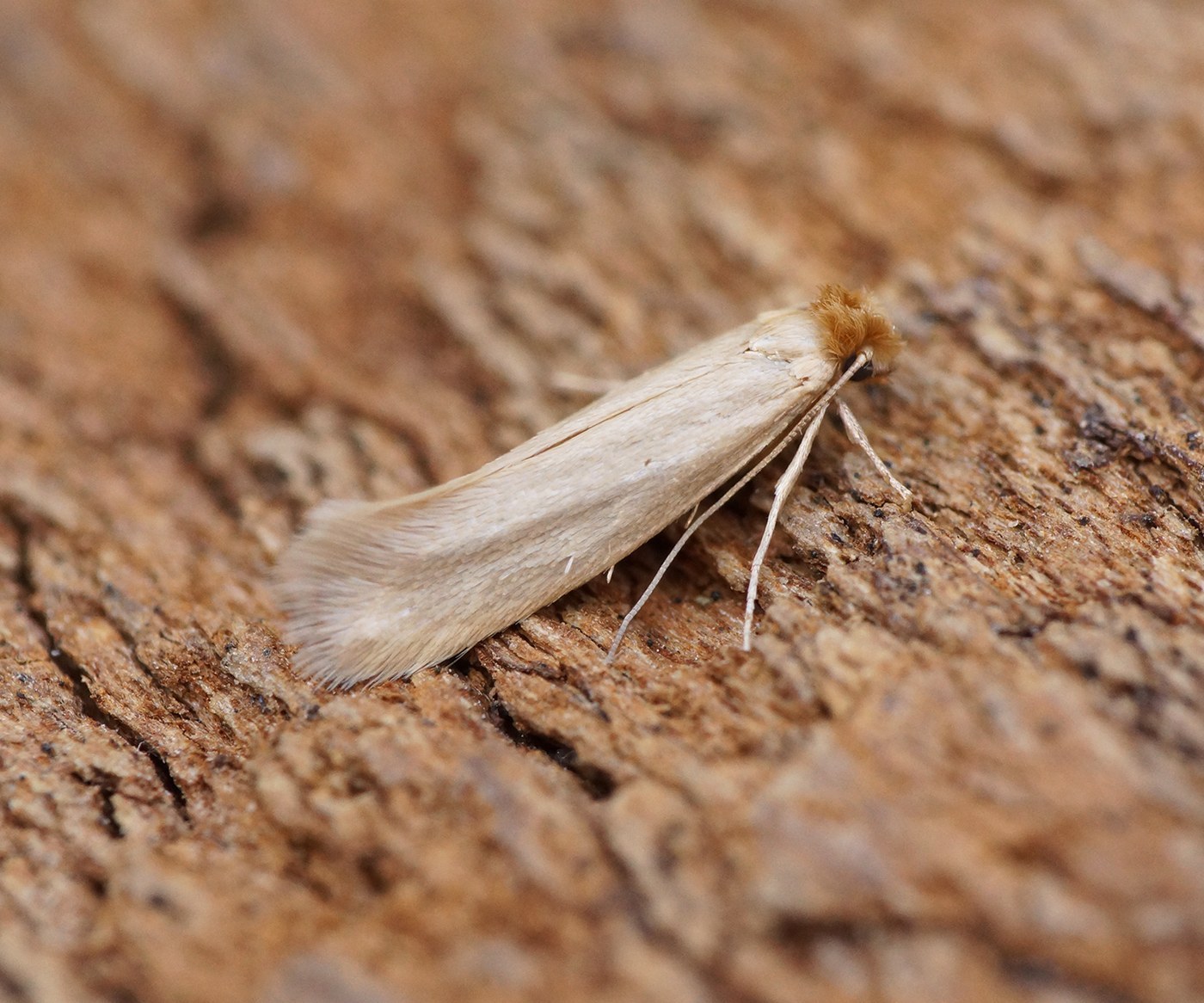
Webbing Clothes Moth
Dark closets, storage areas, and animal nests worldwide
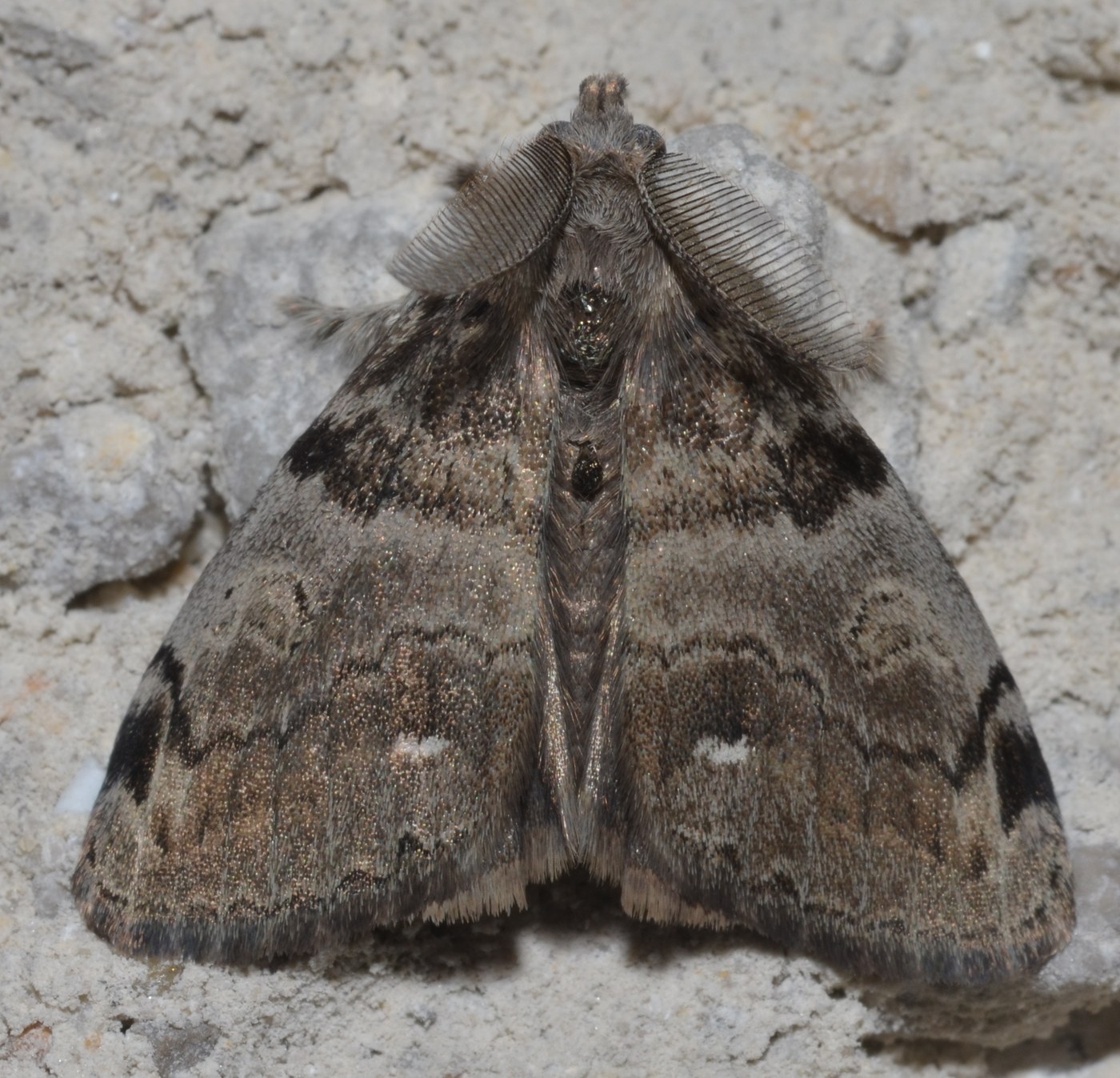
Tussock Moth
Deciduous forests, parks, gardens
Wax Moth
Beehives, apiaries, stored beeswax and comb
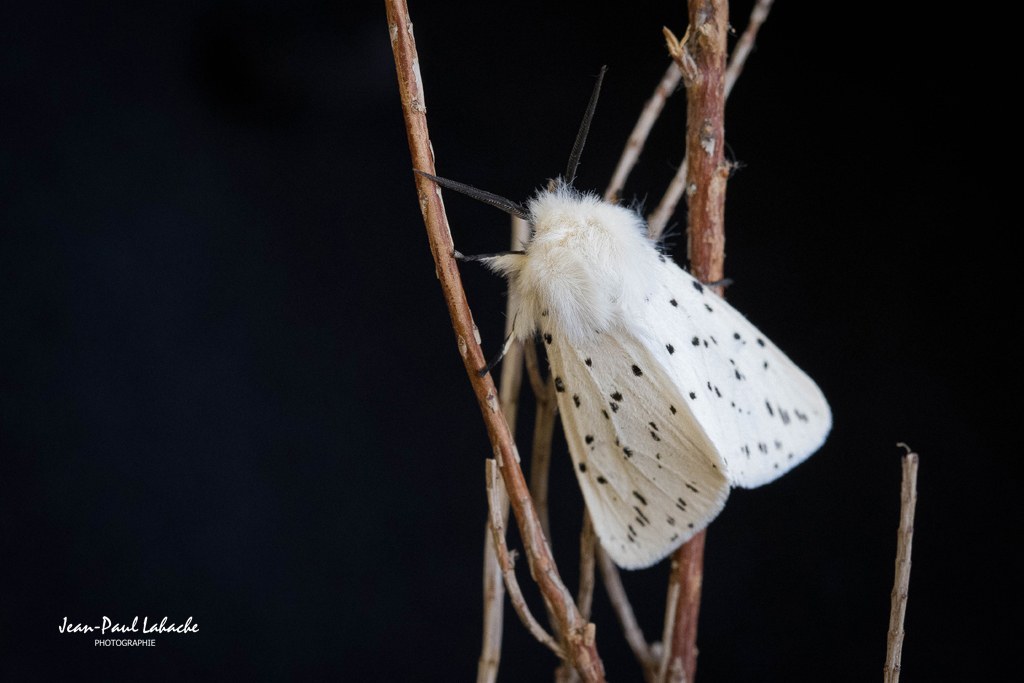
White Ermine Moth
Gardens, meadows, hedgerows
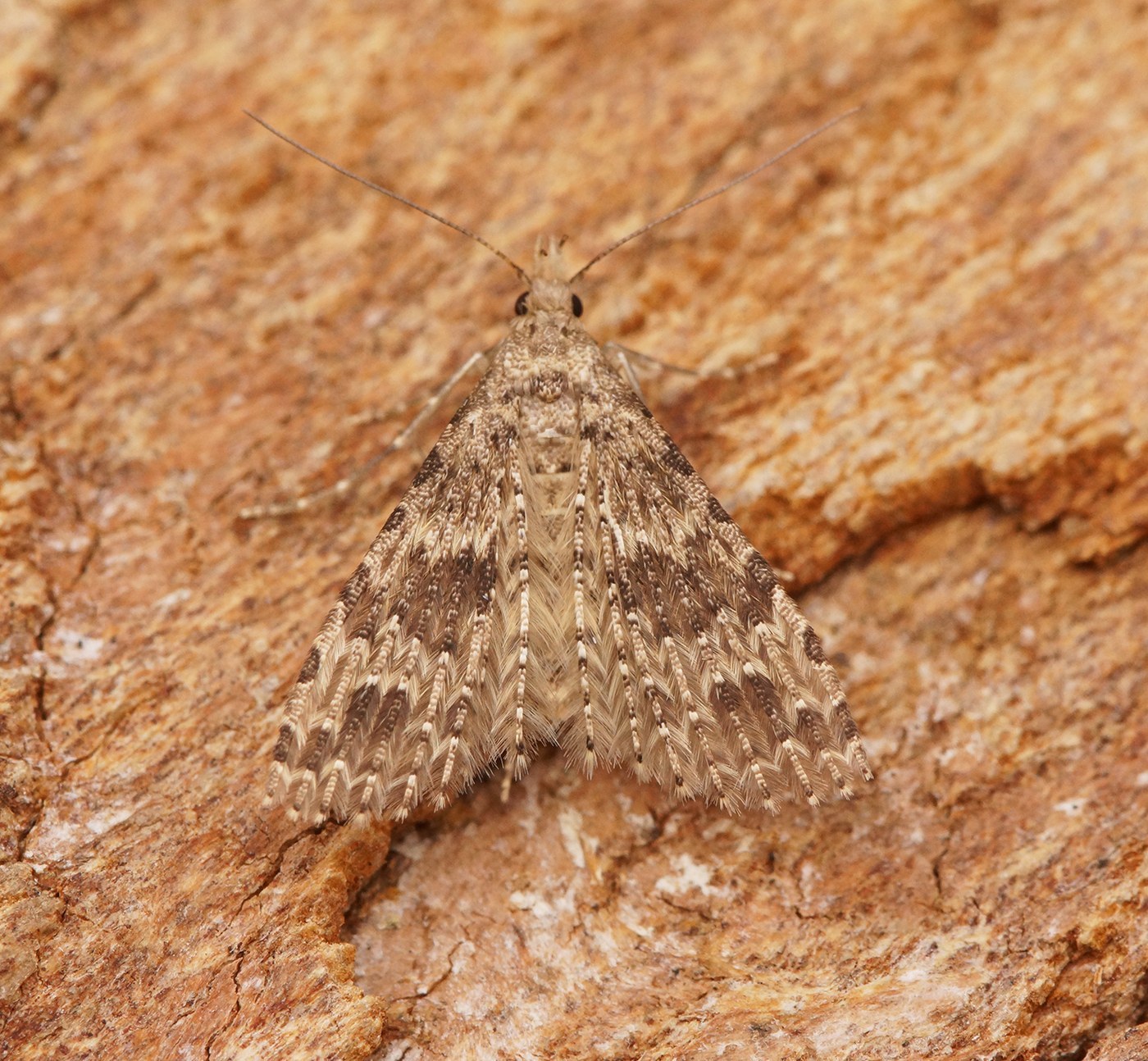
Twenty-plume Moth
Gardens, hedgerows, near honeysuckle
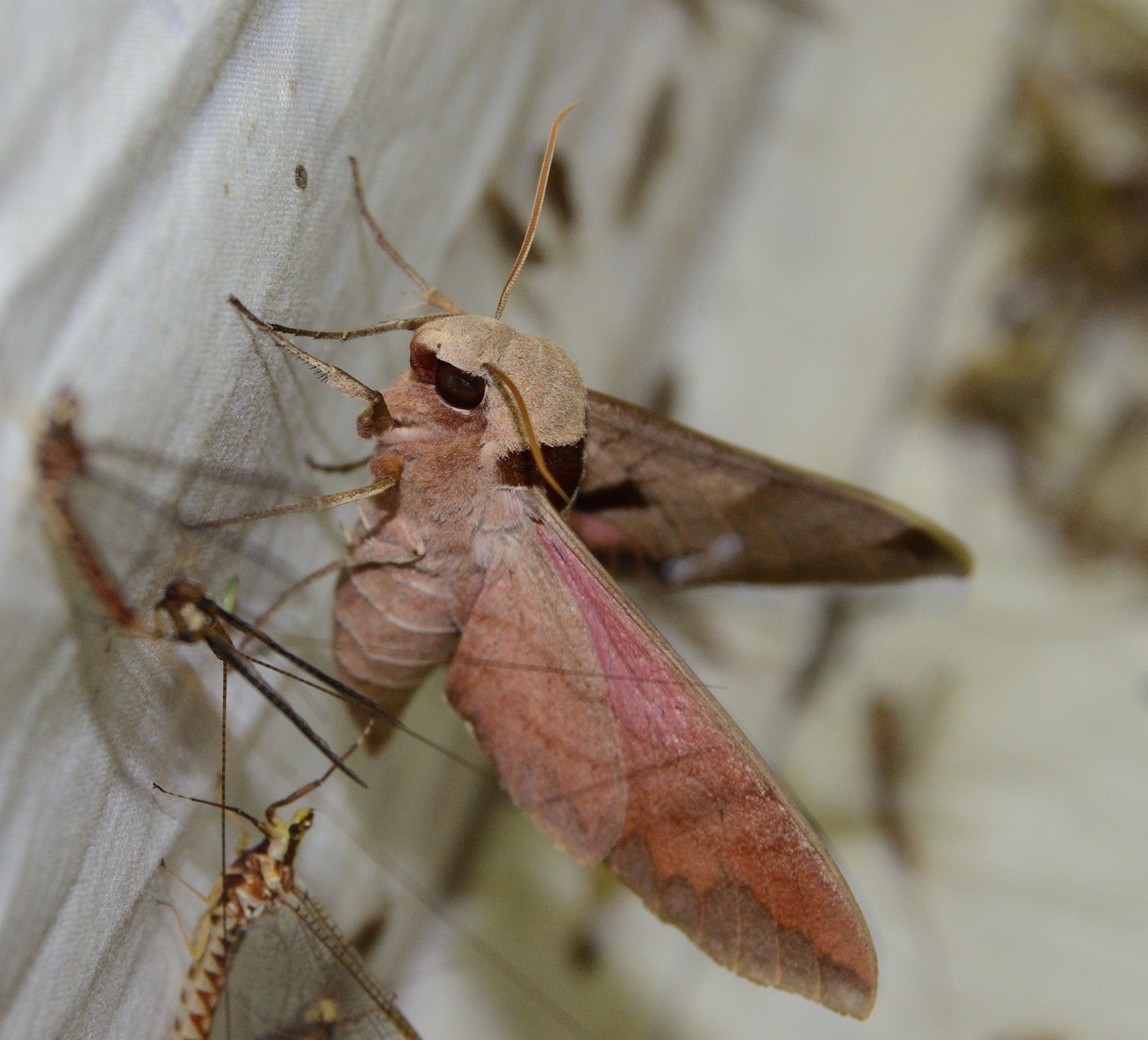
Achemon Sphinx Moth
Vineyards, woodland edges, gardens with wild grape
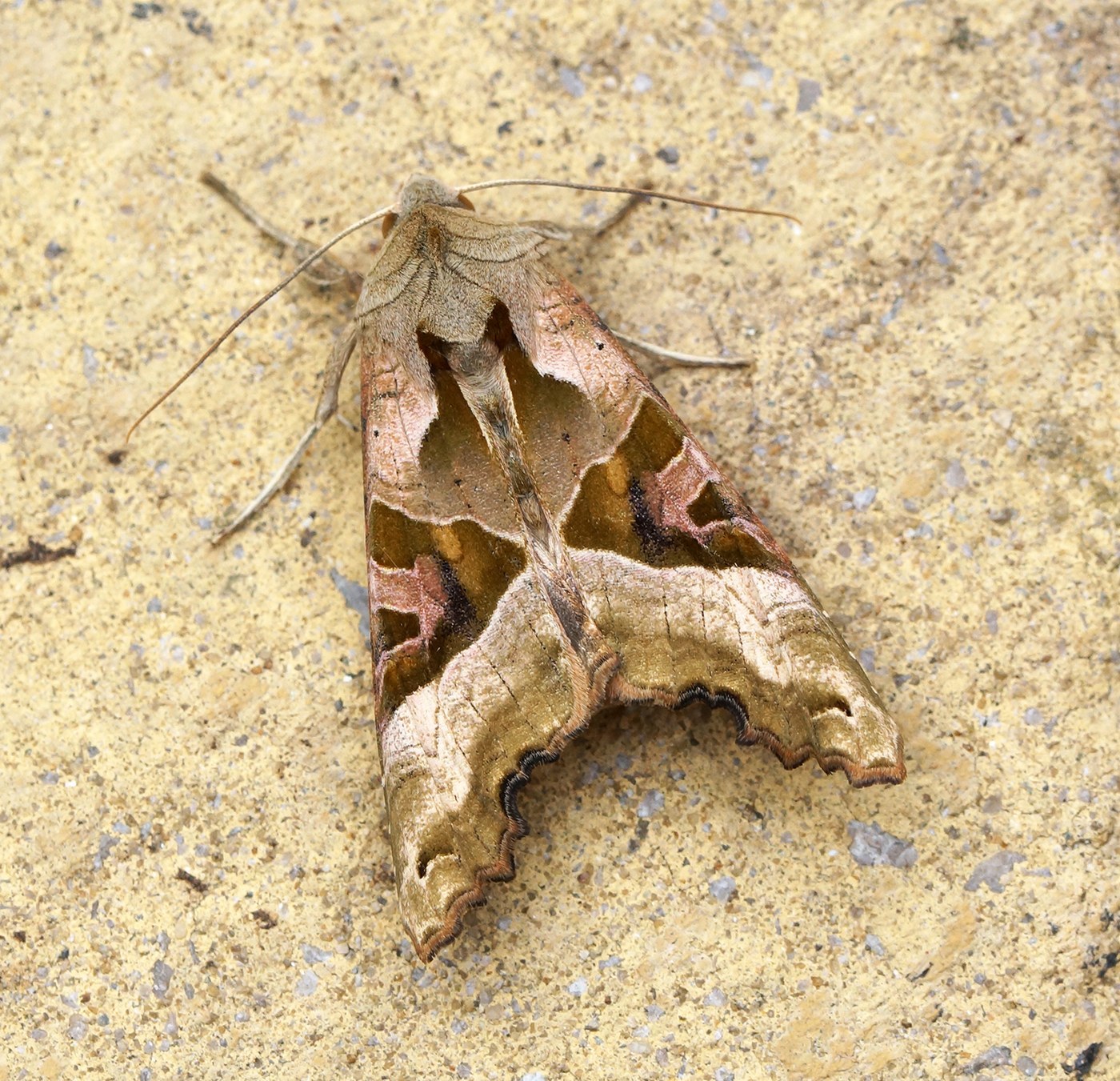
Angle Shades Moth
Gardens, hedgerows, woodland edges, urban parks
Atlas Moth
Tropical and subtropical lowland forests of Southeast Asia