
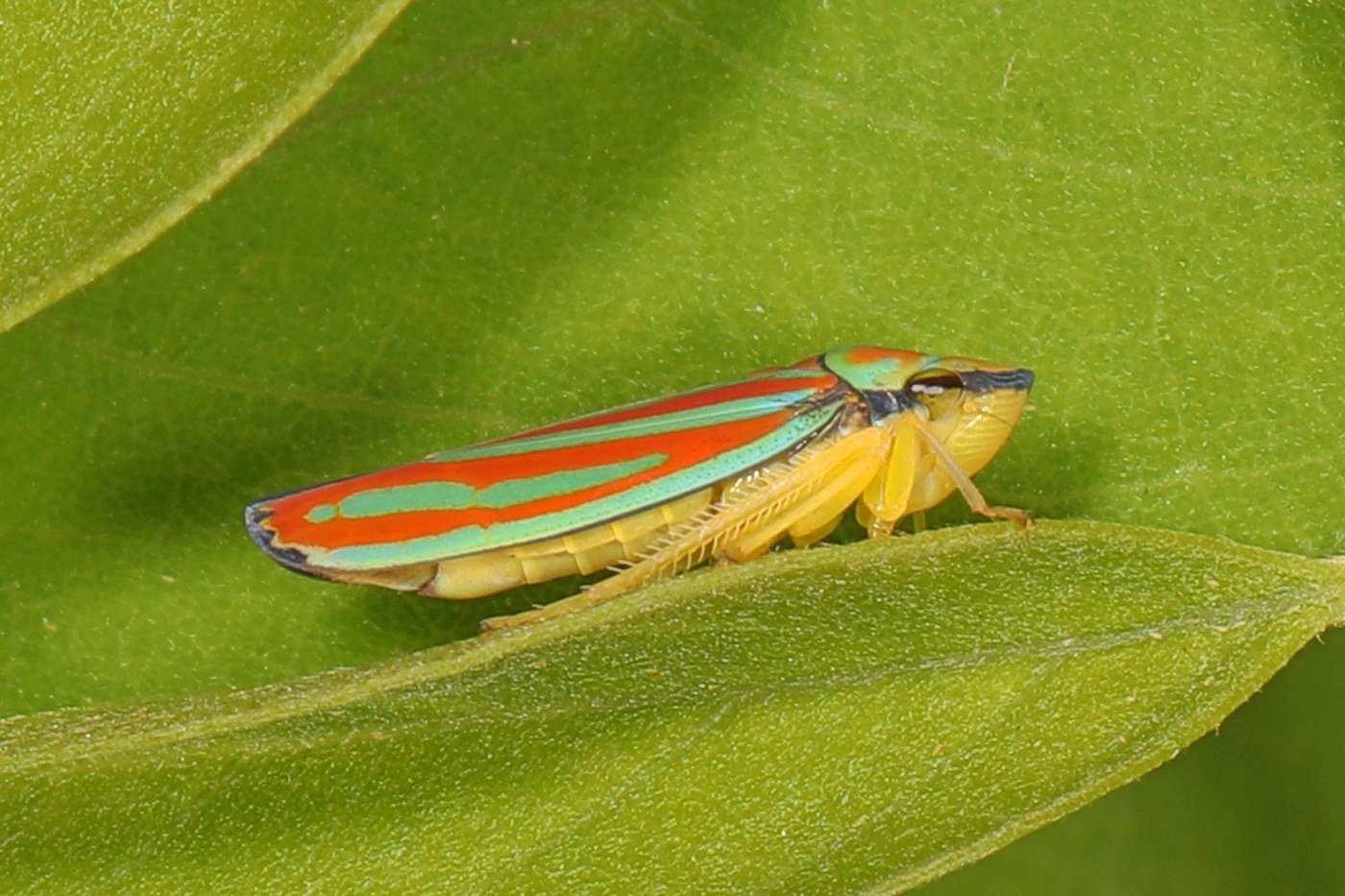
Leafhopper
Graphocephala coccinea
A small, wedge-shaped insect that darts sideways and springs away in quick hops when disturbed, often brightly striped or patterned and found clinging to the underside of leaves.
- Size
- 3–15 mm
- Habitat
- Gardens, meadows, crop fields, on host plant leaves and stems
- Danger
- Nuisance pest
Spotted a bug like this?
Identify any bug or insect from a photo, free.
Overview
Leafhoppers make up the large and diverse family Cicadellidae within the order Hemiptera, with thousands of species found worldwide on nearly every type of plant. They are close relatives of cicadas and planthoppers but are far smaller and more slender, built for quick, agile movement across leaf surfaces.
Many species display vivid coloration and patterning, from the candy-striped leafhopper's bold red-and-blue-green stripes to more subdued mottled greens and browns that help other species blend into foliage. Their name comes from their characteristic escape behavior: rather than flying immediately, leafhoppers tend to hop or scuttle sideways in short, rapid bursts when approached.
As sap-feeding insects, leafhoppers occupy an important niche as primary consumers in plant-based food webs, serving as prey for spiders, predatory insects, and birds, while also being closely studied for their role in transmitting certain plant pathogens between host plants.
How to Identify
- Small, slender, wedge-shaped body tapering toward the rear, held close to the leaf surface.
- Coloring ranges from bright, boldly striped patterns (e.g., red and turquoise in candy-striped leafhoppers) to plain green or brown, often camouflaged against foliage.
- Two pairs of wings held roof-like over the body at rest; strong hind legs adapted for jumping.
- Short, bristle-like antennae and piercing-sucking mouthparts positioned beneath the head.
- Lookalikes include planthoppers and treehoppers, but leafhoppers lack the exaggerated horn-like or leaf-like projections seen in those relatives and move with a distinctive sideways hopping gait.
Habitat & Range
Leafhoppers are found worldwide, virtually anywhere green vegetation grows, including gardens, meadows, agricultural fields, orchards, and forest understories. They are most abundant during the warmer growing season, from late spring through fall in temperate climates, and are typically found clinging to the undersides of leaves or along stems of their host plants.
Behavior & Diet
Leafhoppers feed by piercing plant tissue with needle-like mouthparts and drawing out sap, often from the vascular tissue of stems and leaves. When disturbed, they respond with quick sideways hops or short bursts of flight rather than fleeing directly, a distinctive evasive movement pattern. Ecologically, they are an important food source for spiders, lacewings, predatory bugs, and birds, and dense populations on garden or crop plants are recognized as a common plant pest due to their sap-feeding habits.
Life Cycle
Females use a blade-like ovipositor to insert eggs into plant tissue, typically along leaf veins or stems, and the nymphs that hatch resemble small, wingless versions of the adults. Nymphs undergo incomplete metamorphosis, feeding on plant sap and molting through several instars while gradually developing wing pads, until a final molt produces the fully winged adult. Multiple generations can occur per year in warm climates, and many species overwinter as eggs inserted into bark or plant tissue, or as adults sheltering in leaf litter and ground cover.
Frequently asked questions
How is a leafhopper different from a treehopper?
Leafhoppers have a smooth, wedge-shaped body, while treehoppers carry an enlarged, often bizarre horn-like or spiny projection over the thorax that leafhoppers lack.
Why do leafhoppers move sideways?
It is a characteristic escape behavior — when disturbed, they scuttle sideways and hop quickly rather than immediately taking flight.
What do leafhoppers eat?
They feed on plant sap, piercing leaves and stems with needle-like mouthparts to draw fluid from plant tissue.
Are all leafhoppers brightly colored?
No, coloring varies widely by species — some are vividly striped, while many are plain green or brown to blend in with foliage.
Leafhopper guides
In-depth guides for identifying, understanding, and living alongside Leafhopper.
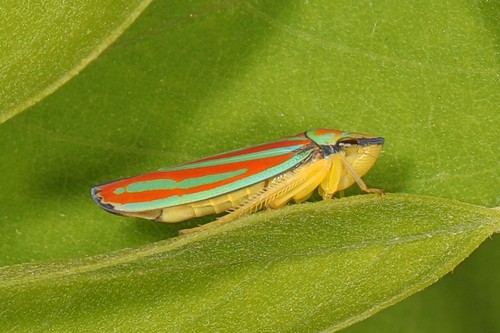
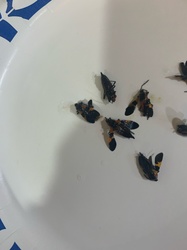
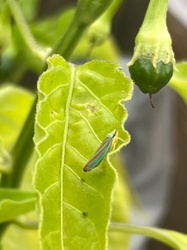
Leafhopper identified by the community
Real finds identified with Bug Identifier.

Other bugs you may enjoy
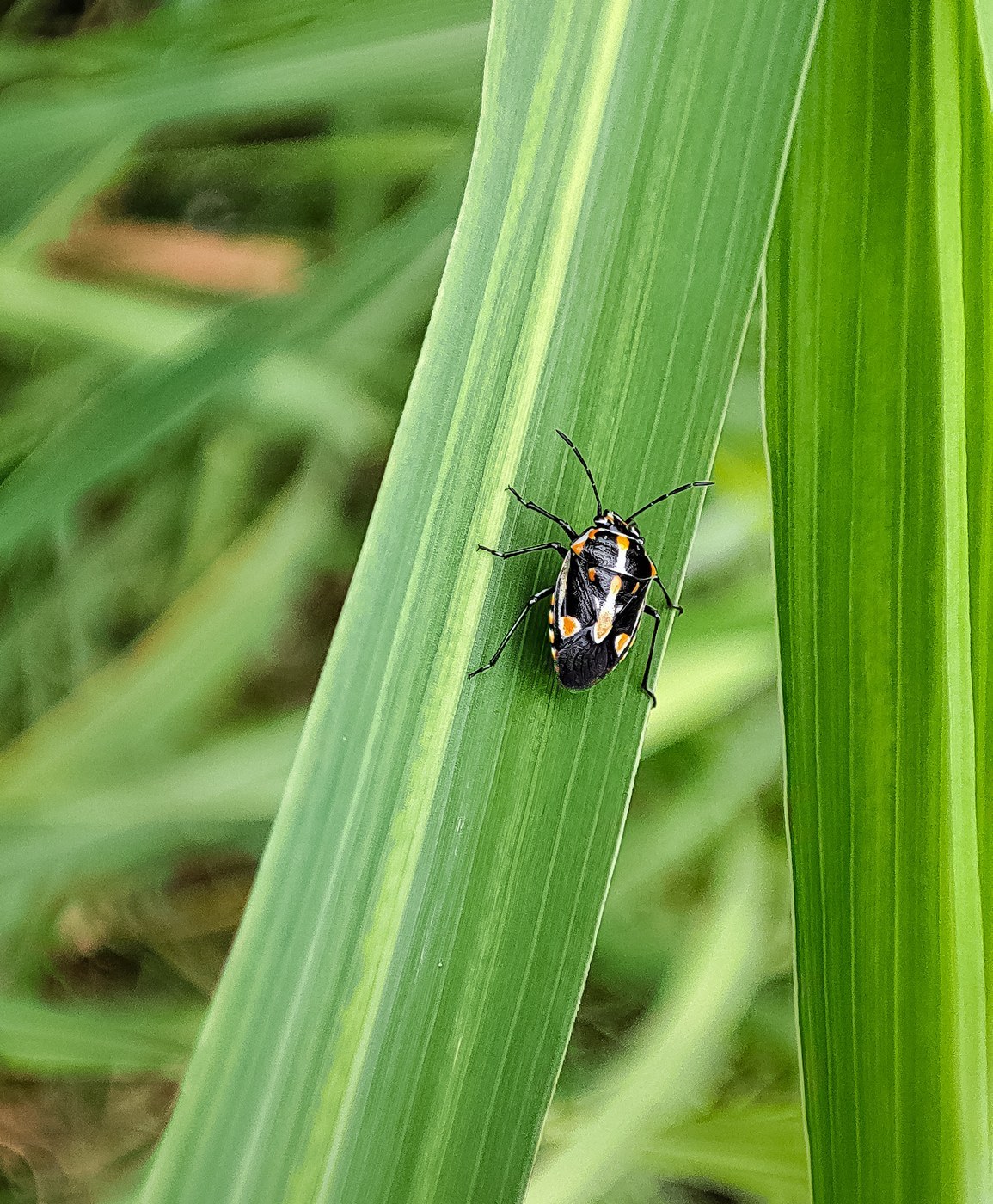
Bagrada Bug
Arid gardens, crucifer fields, desert-adjacent croplands
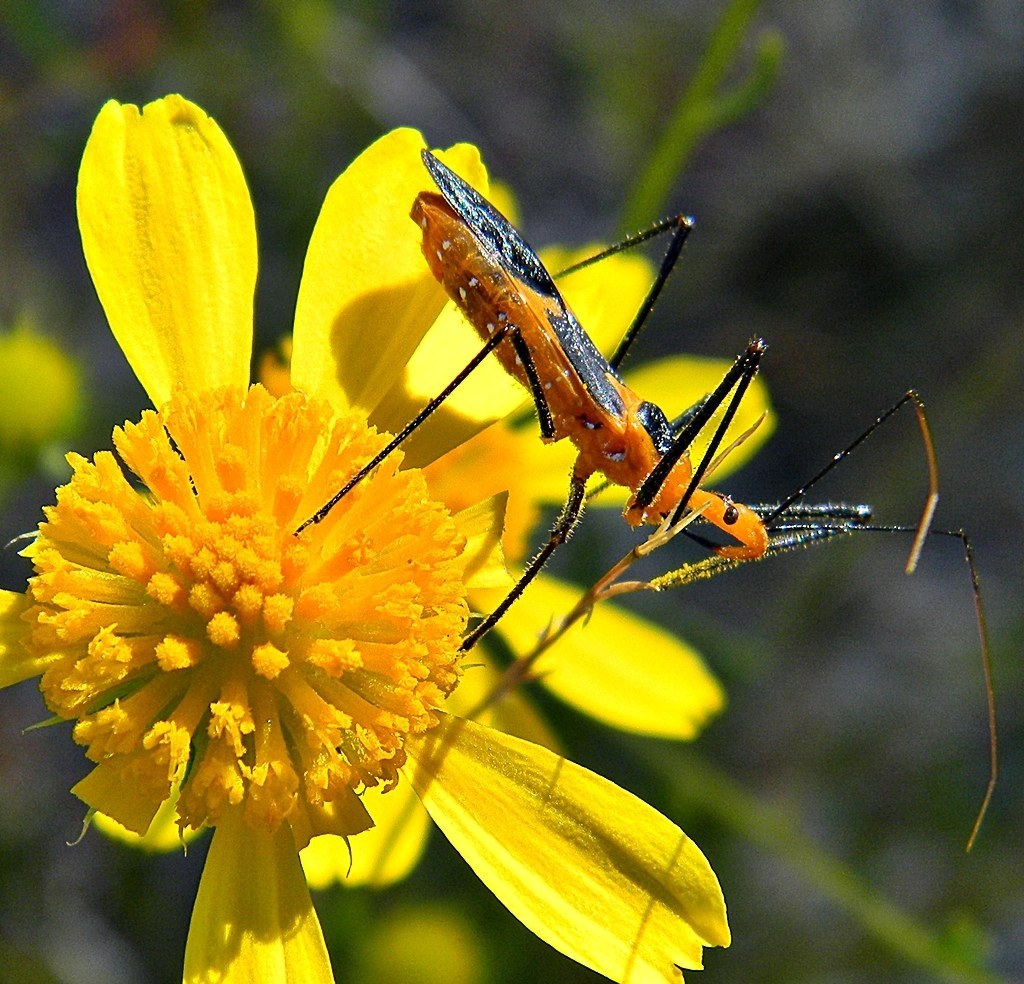
Assassin Bug
Gardens, meadows, and vegetation worldwide
Water Boatman Bug
Ponds, lakes, and slow-moving freshwater
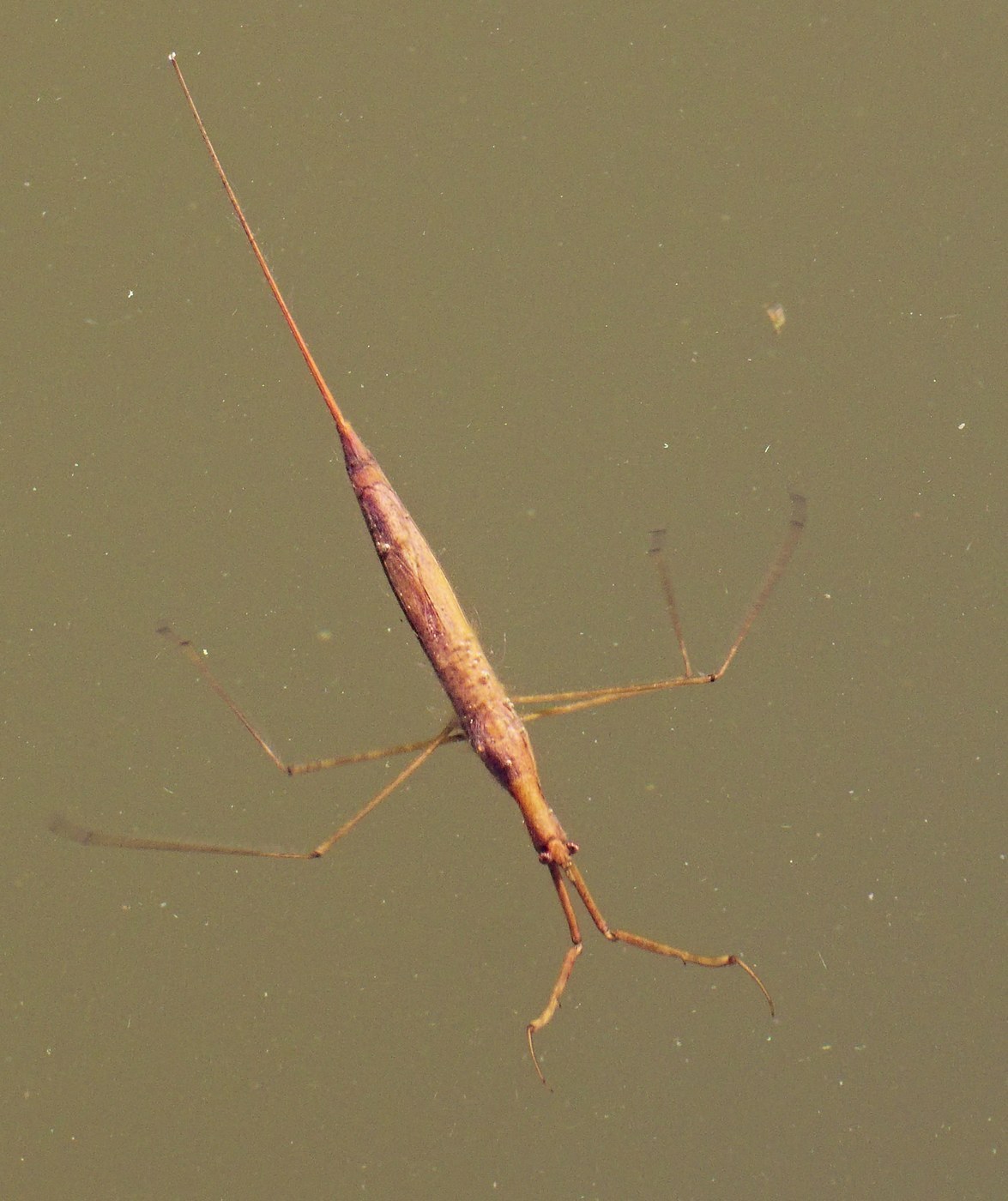
Water Stick Insect
Still and slow-moving water with dense submerged vegetation
Rough Stink Bug
Tree bark, woodlands, orchards, and shrubby vegetation
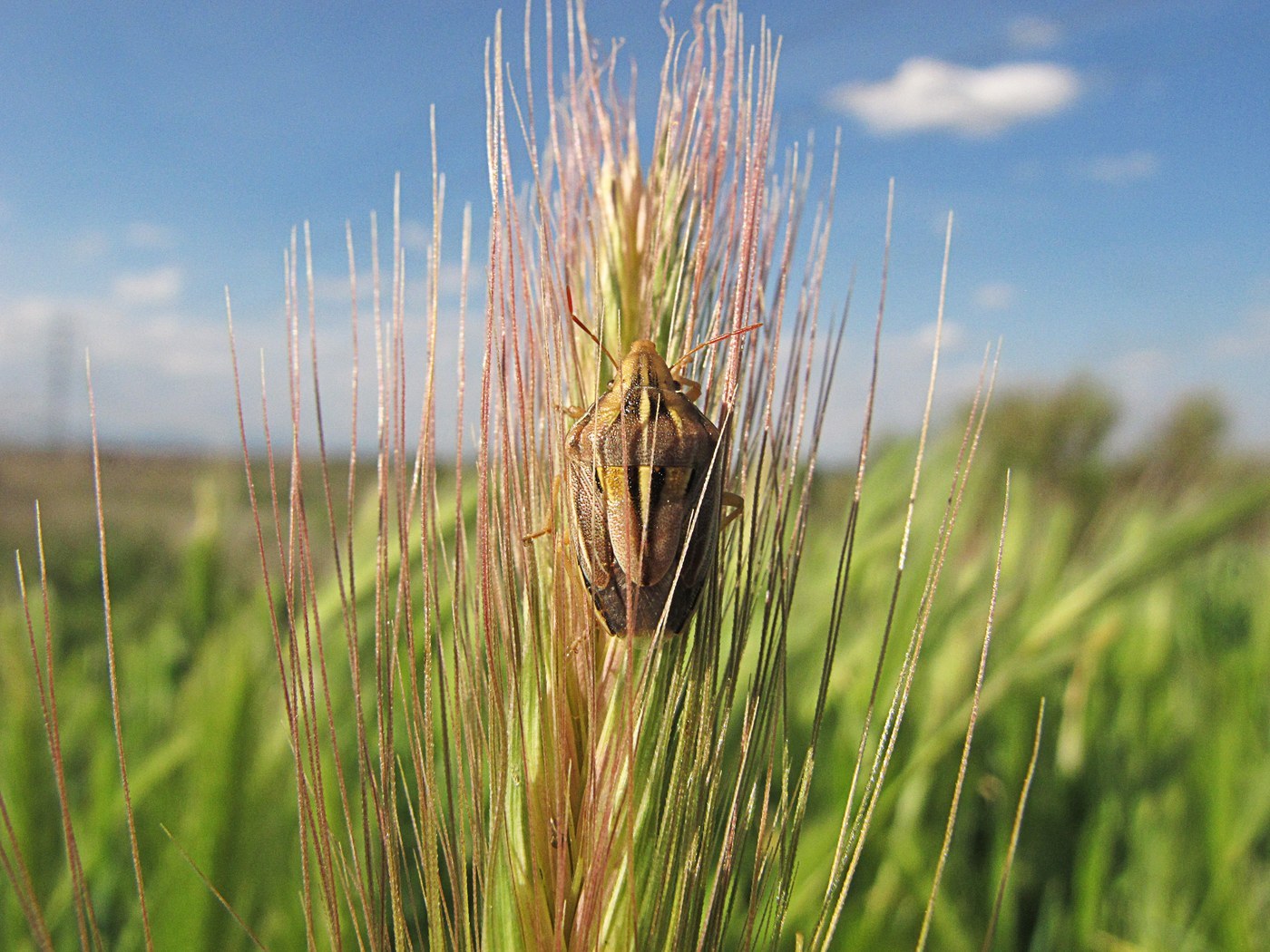
Stink Bug
Gardens, crop fields, and woodlands across temperate and subtropical regions
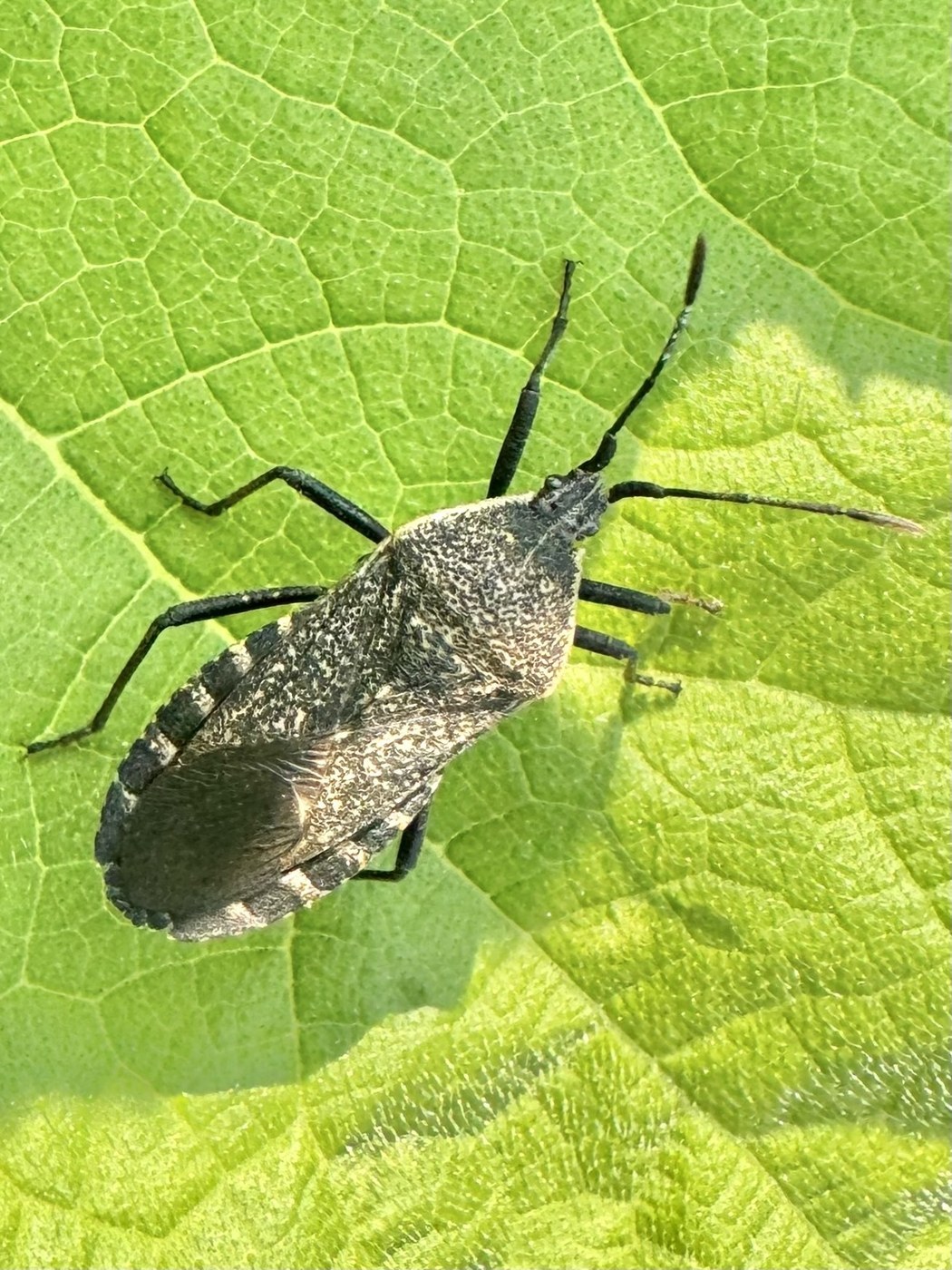
Squash Bug
Vegetable gardens and farm fields growing squash, pumpkin, and other cucurbits
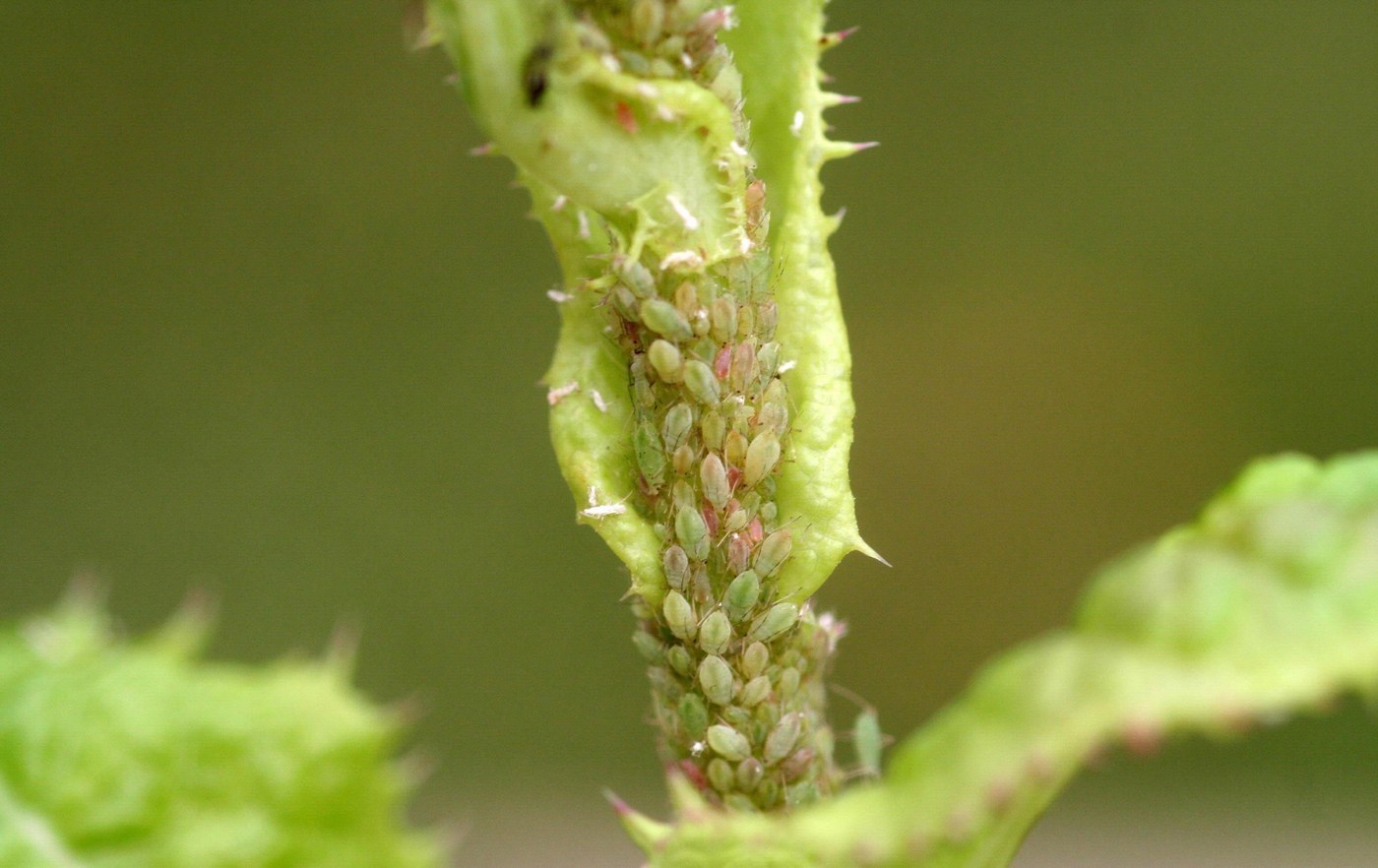
Aphid
On stems, leaves, and buds of a very wide range of host plants
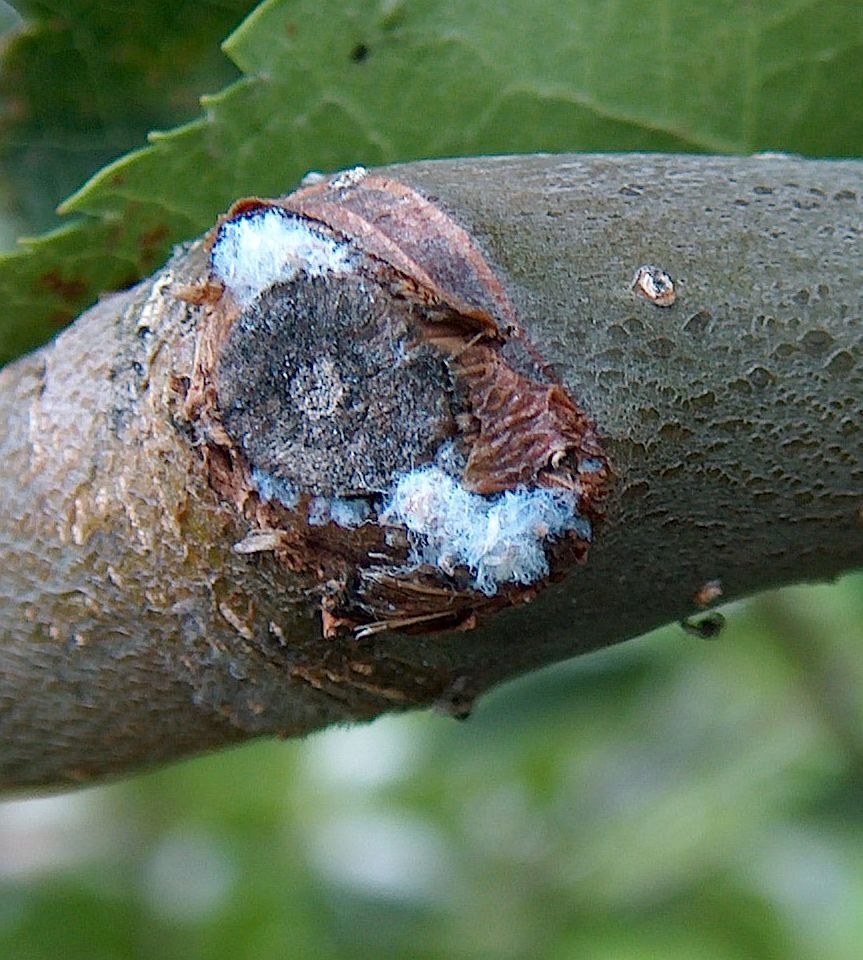
Woolly Aphid
Bark crevices, root collars, and twigs of apple, elm, and alder trees
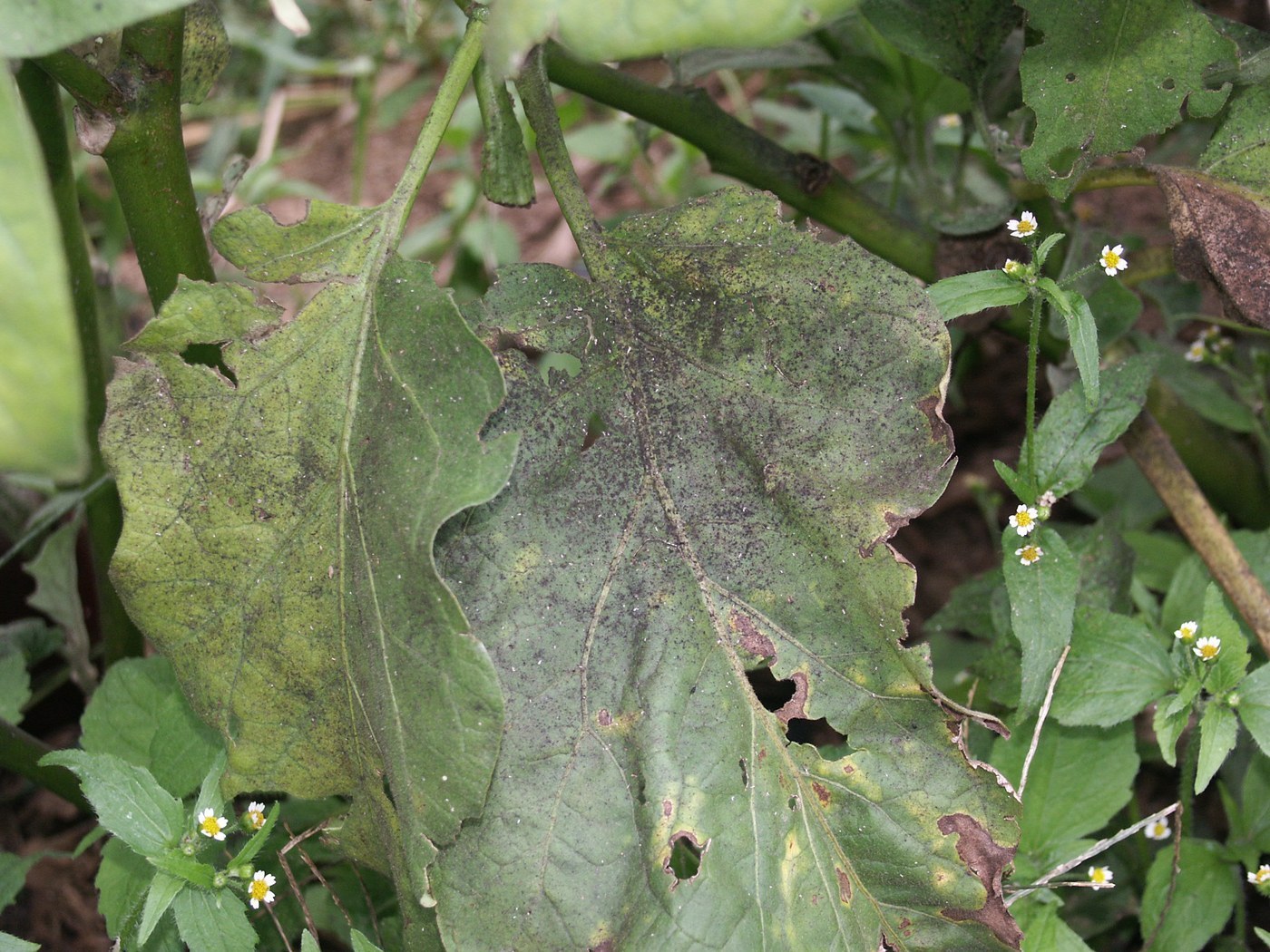
Whitefly
Greenhouses, gardens, and undersides of leaves on host plants
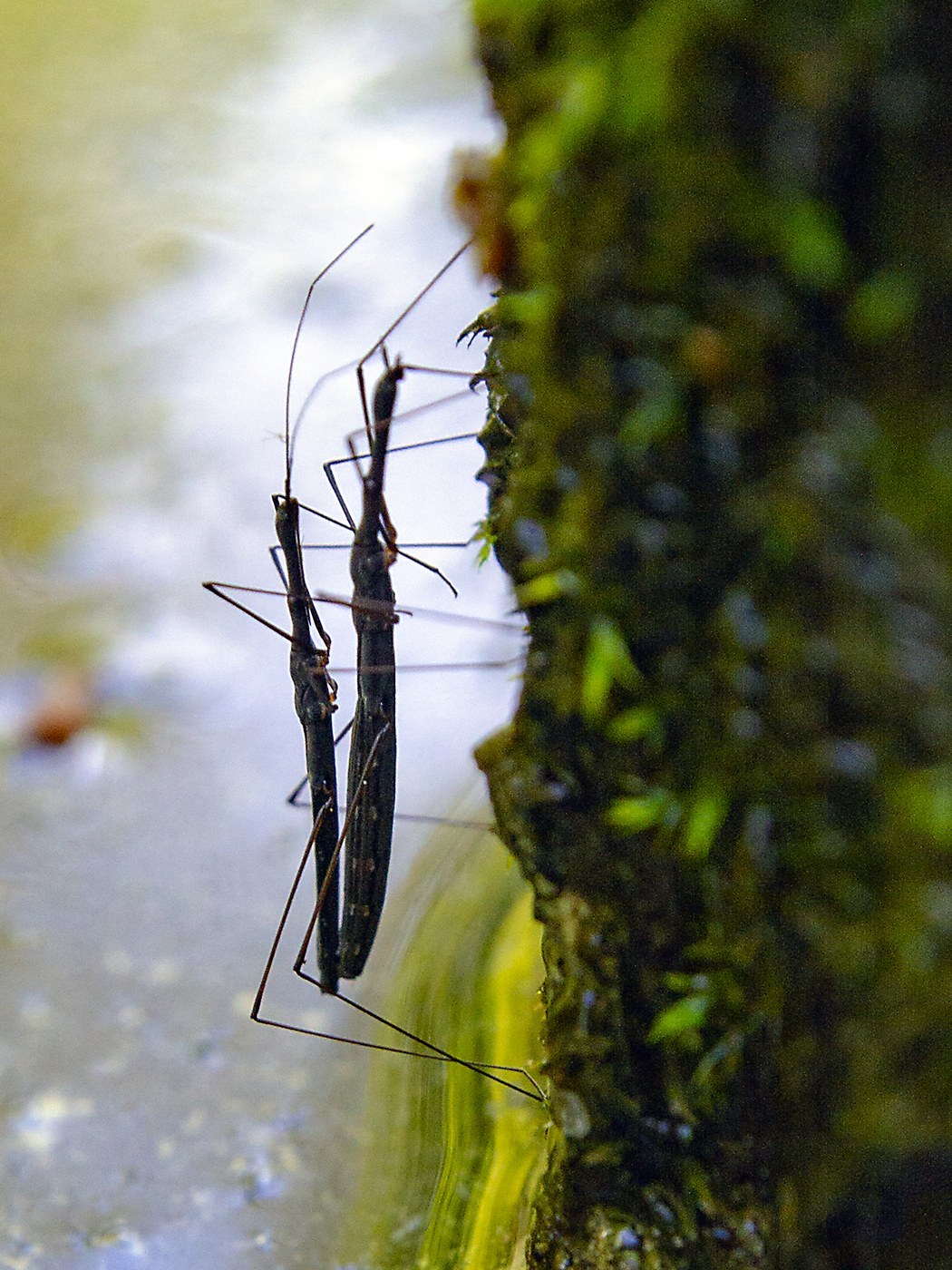
Water Measurer
Quiet edges of ponds, marshes, and slow streams
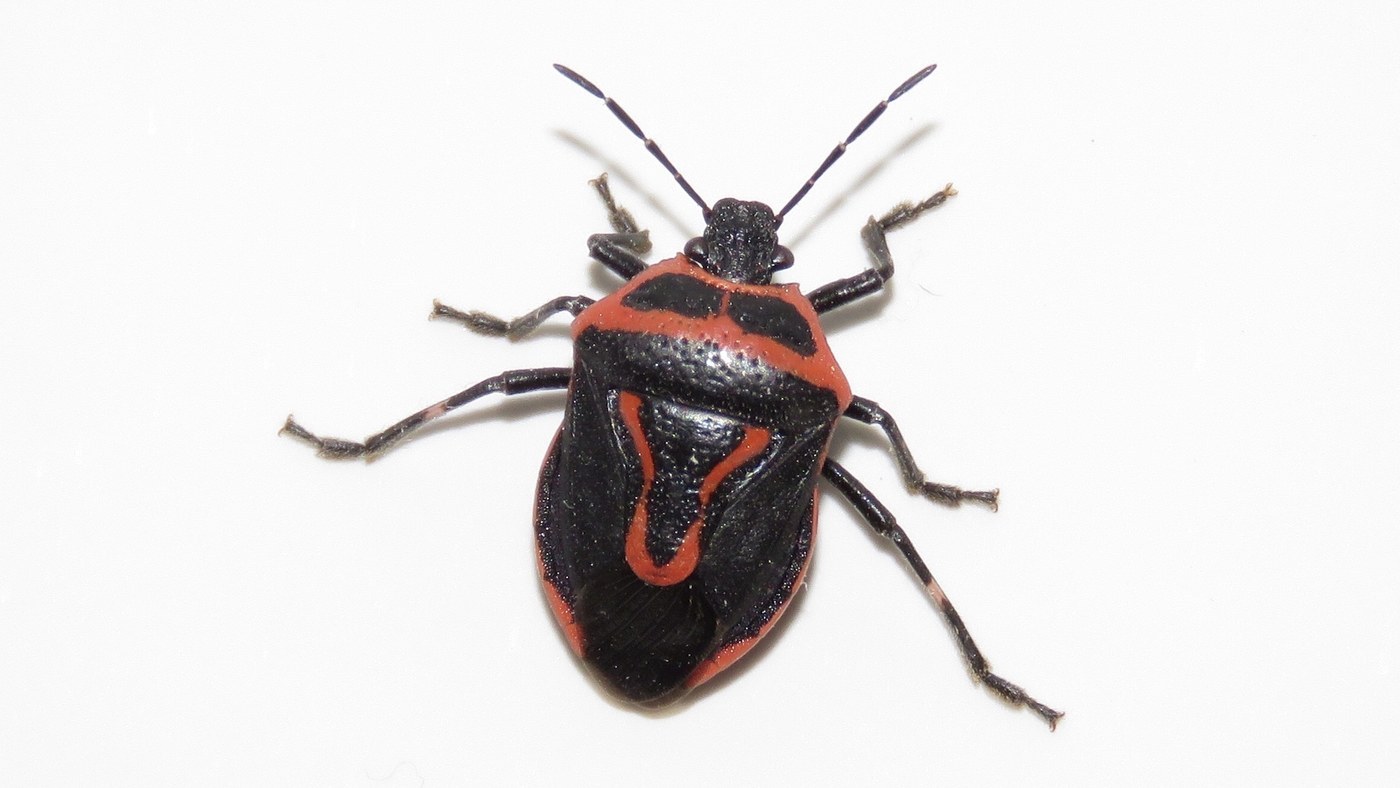
Two-Spotted Stink Bug
Gardens and fields with potato and nightshade-family plants