
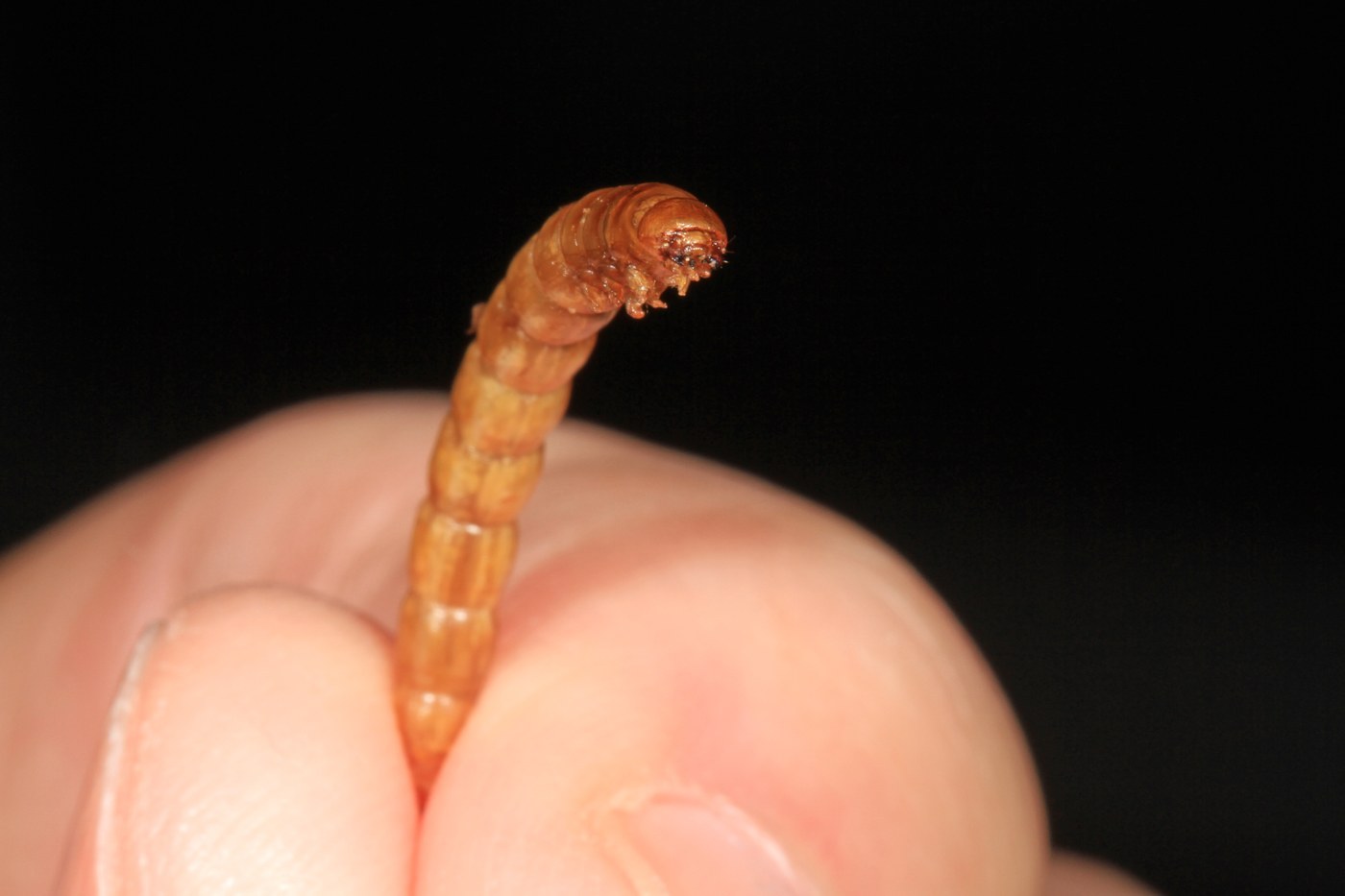
Mealworm
Tenebrio molitor
A tan, segmented larva with a shiny hard exoskeleton that tunnels through stored grain and flour before transforming into a darkling beetle.
- Size
- 20-32 mm long
- Habitat
- grain stores, flour, dark damp organic debris
- Danger
- Nuisance pest
Spotted a bug like this?
Identify any bug or insect from a photo, free.
Overview
The mealworm is the larval stage of the darkling beetle Tenebrio molitor, a species native to Europe but now found worldwide due to its long association with stored grain products. Despite the name "worm," it is a true insect larva with a segmented, armored body and six small legs near the head.
Mealworms are best known as a pantry and grain-storage pest as well as a widely cultivated feeder insect for reptiles, birds, and fish. Their hardy constitution and ability to thrive on dry cereal products make them easy to rear in captivity, which has made them one of the most commercially farmed insects on Earth.
In the wild and in storage facilities, mealworms feed on decaying plant material, grains, flour, and other starchy substances, playing a minor decomposer role while also representing an economic concern where they contaminate stored food products.
How to Identify
- Elongated, cylindrical, segmented body with a smooth, shiny, yellowish-brown to tan exoskeleton
- Six short legs clustered near the head end
- Hardened body wall gives a stiffer, more rigid feel than soft caterpillars or maggots
- Length of 20-32 mm at full growth, though younger larvae are much smaller
- Found in dry, dark places such as grain bins, flour bags, and animal feed
- Lookalikes: wireworms (click beetle larvae), which are similarly shaped but usually more slender and found in soil rather than stored grain
Habitat & Range
Mealworms thrive in dark, undisturbed places with a steady supply of dry organic material, especially stored grains, flour, cereal, bran, and pet food. They are common in granaries, mills, pantries, and animal feed storage areas across temperate regions worldwide, having spread with human grain trade. In the wild, related darkling beetle larvae can also be found under bark, in leaf litter, and in decaying wood.
Behavior & Diet
Mealworms are sluggish, burrowing feeders that spend most of their time tunneling through their food source, avoiding light and open areas. They feed on a broad range of starchy and decaying plant matter, making them efficient scavengers of grain byproducts. In captivity they are prized for their ability to convert food waste into protein efficiently, and in natural settings they contribute to the breakdown of dry organic debris.
Life Cycle
Female darkling beetles lay small white eggs in or near a food source, which hatch within one to two weeks. The larval mealworm stage is the longest part of the life cycle, lasting several months to a year depending on temperature and food availability, during which the larva molts many times as it grows. When mature, the mealworm pupates into a pale, immobile pupa for one to three weeks before emerging as an adult darkling beetle, which is shiny black to dark brown. Adults live for a few months and can produce multiple generations per year in warm, food-rich environments.
Frequently asked questions
What insect does a mealworm turn into?
A mealworm develops into an adult darkling beetle (Tenebrio molitor) after pupating.
Why do mealworms have a hard body compared to caterpillars?
As beetle larvae, mealworms have a tougher, more sclerotized exoskeleton than the soft-bodied caterpillars of moths and butterflies.
Where are mealworms most often found?
They are typically found in dark, dry storage areas containing grain, flour, cereal, or similar starchy products.
How long does the mealworm larval stage last?
It can last anywhere from a few months to about a year, depending on temperature and food supply.
Mealworm guides
In-depth guides for identifying, understanding, and living alongside Mealworm.
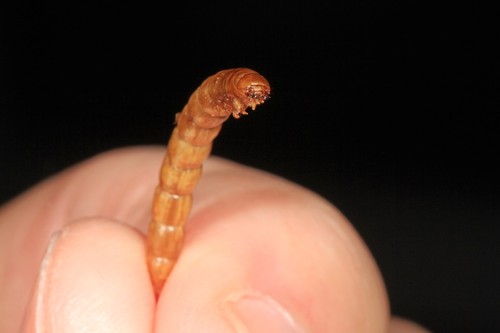
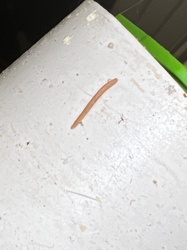
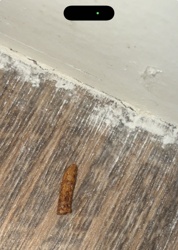
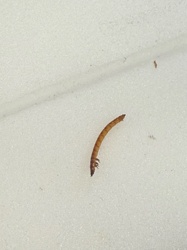
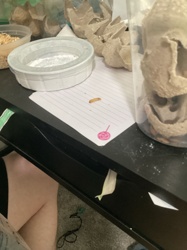
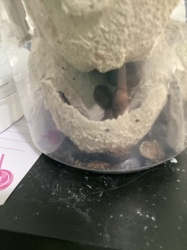
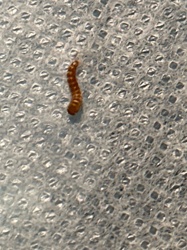
Mealworm identified by the community
Real finds identified with Bug Identifier.
Other bugs you may enjoy
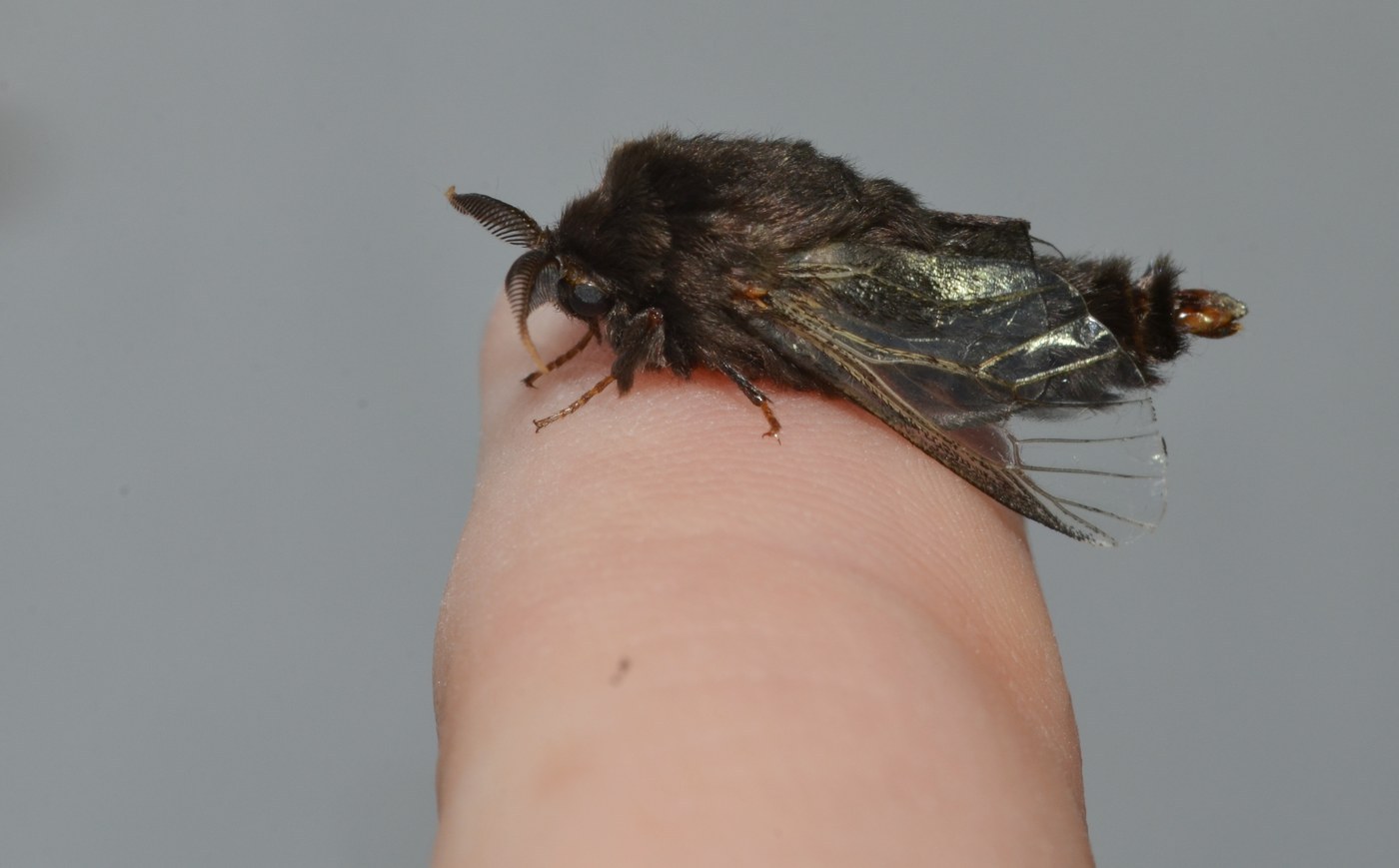
Bagworm
Trees and shrubs, especially conifers and ornamental landscaping
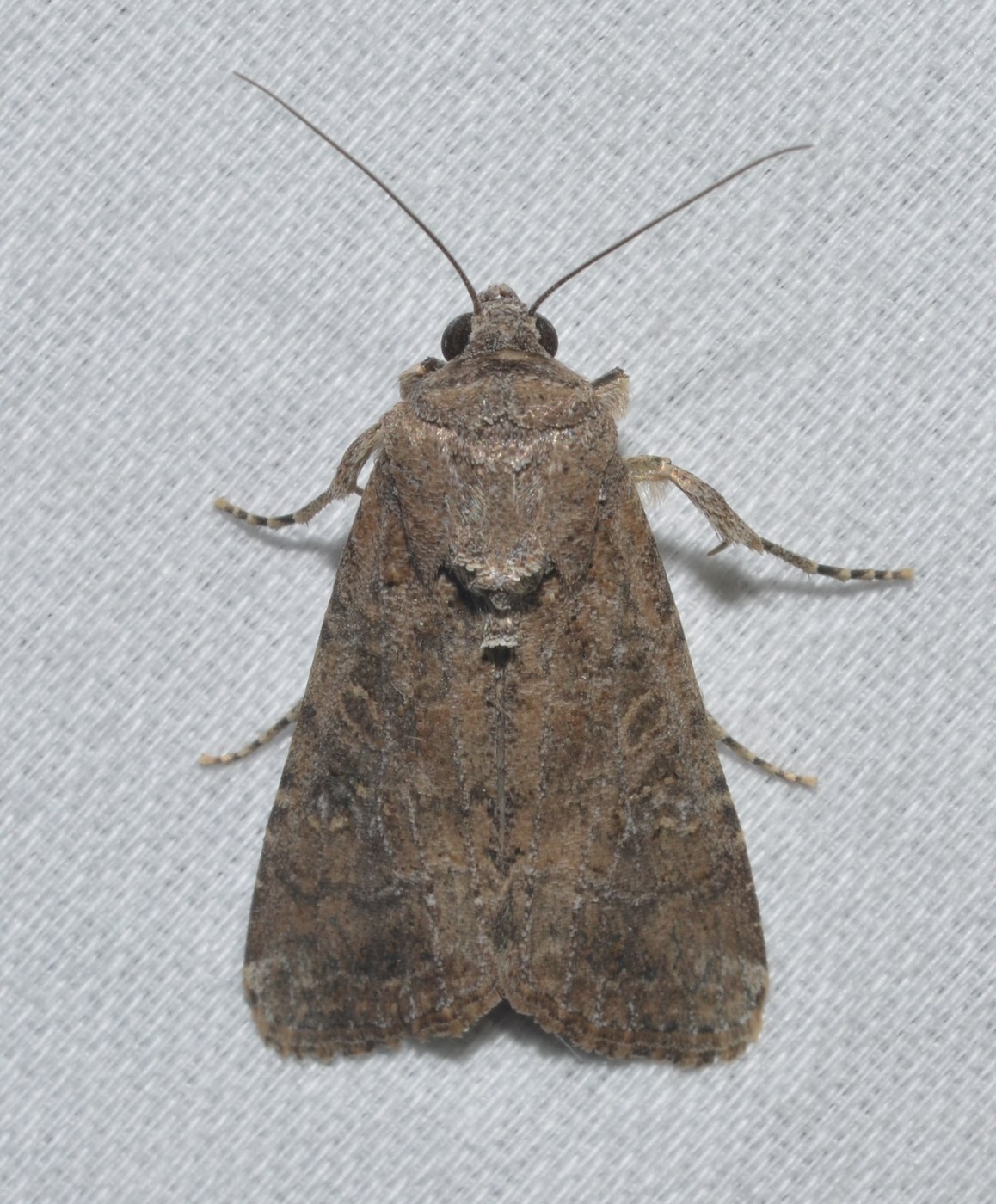
Armyworm
grasslands, pastures, and cereal crop fields
Zebra Longwing Caterpillar
Tropical and subtropical hammocks with passionflower vines
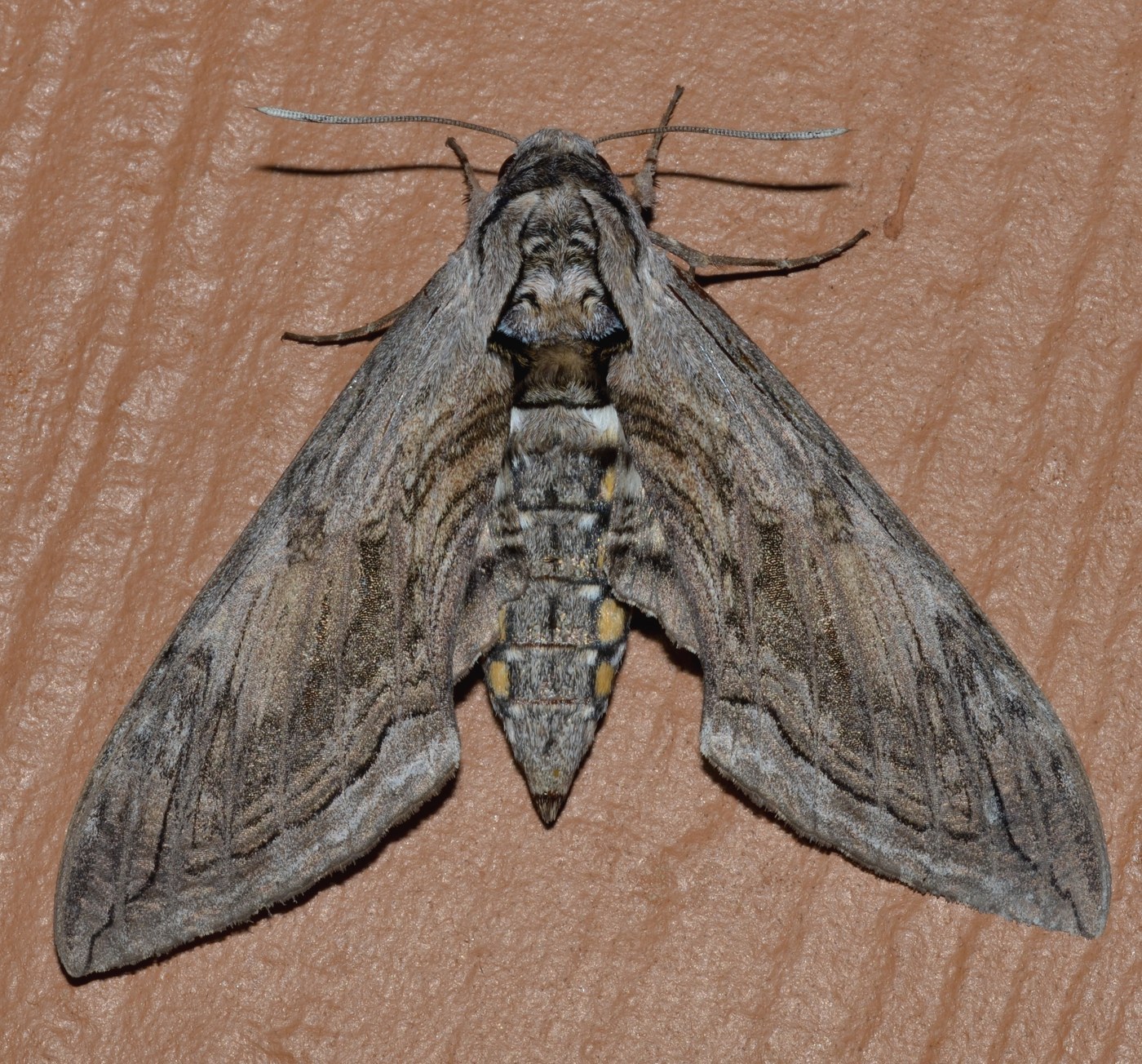
Tomato Hornworm
Gardens and fields with tomato, pepper, and other nightshade plants
Tent Caterpillar
Deciduous trees such as cherry, apple, and other rosaceous species
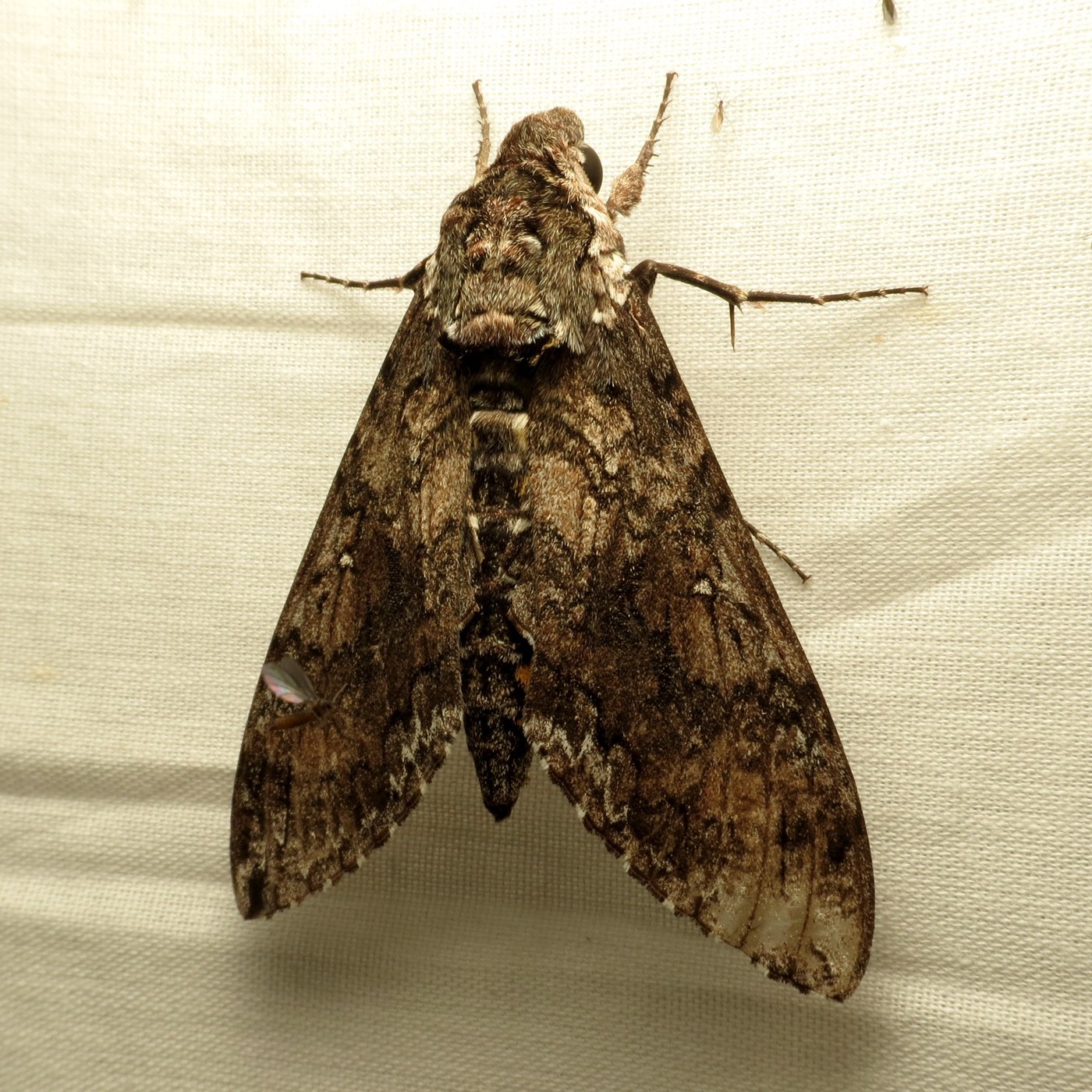
Tobacco Hornworm
tobacco, tomato, and pepper plants in gardens and fields
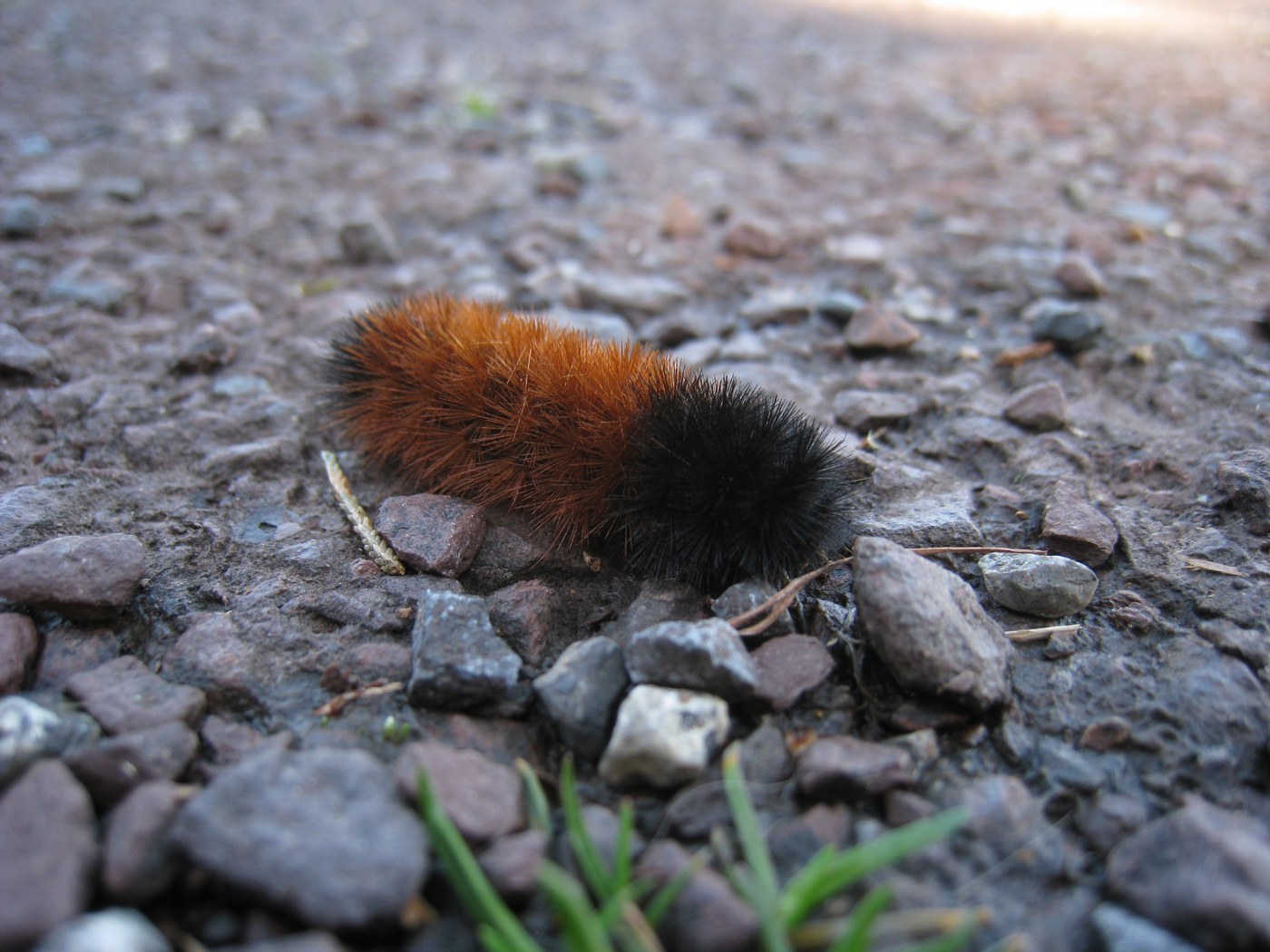
Woolly Bear Caterpillar
Gardens, meadows, roadsides, and woodland edges across North America
Sod Webworm
Turfgrass lawns, golf courses, pastures
Spiny Oak-slug Caterpillar
Deciduous forests and woodland edges with oak and other hardwoods
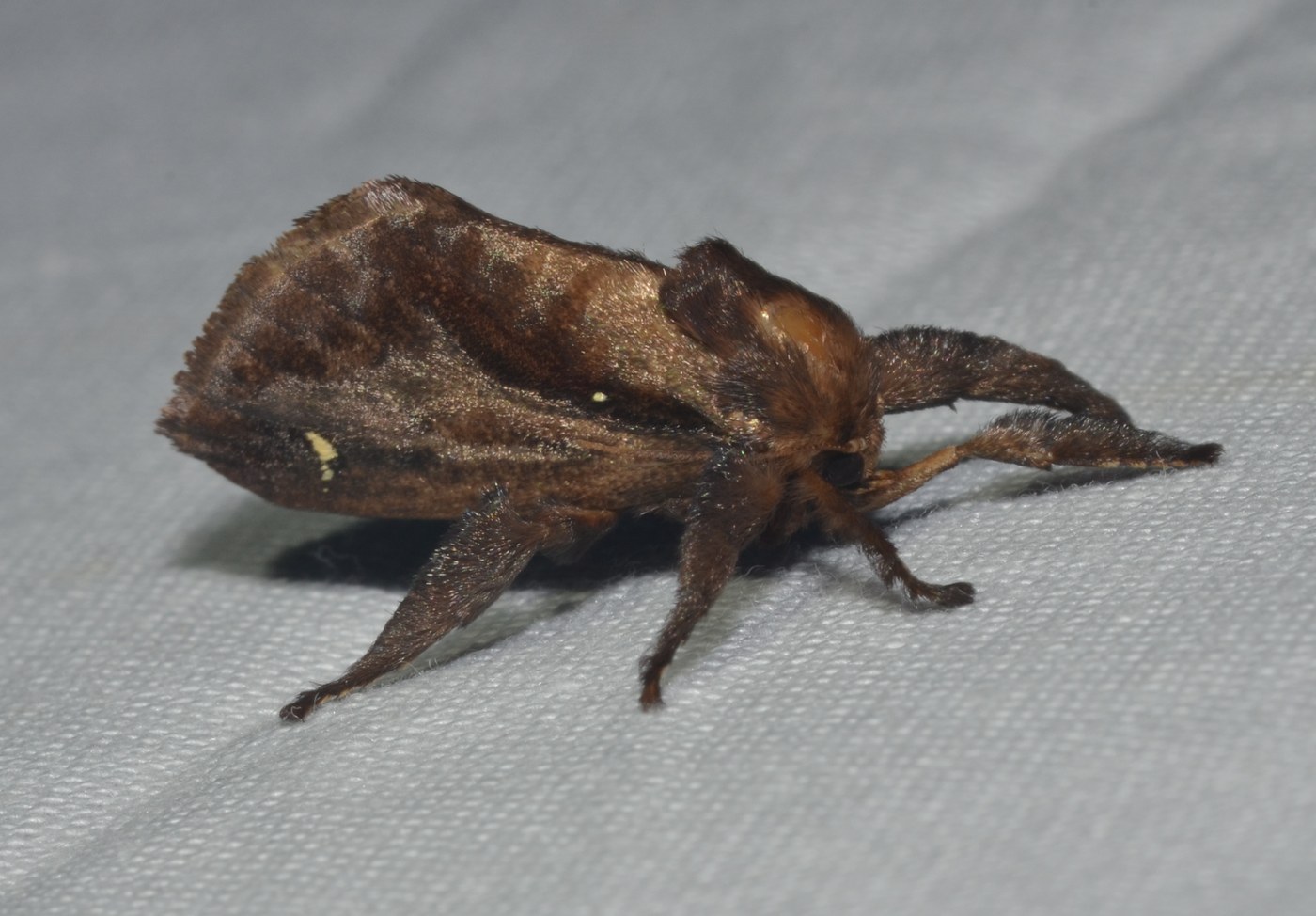
Saddleback Caterpillar
Deciduous trees and shrubs in eastern and southern North America
Stinging Rose Caterpillar
Gardens and woodlands with rose, dogwood, or oak
Silkworm
Reared exclusively in captivity on mulberry leaves; no independent wild population