
Pandora Sphinx Moth
Eumorpha pandorus
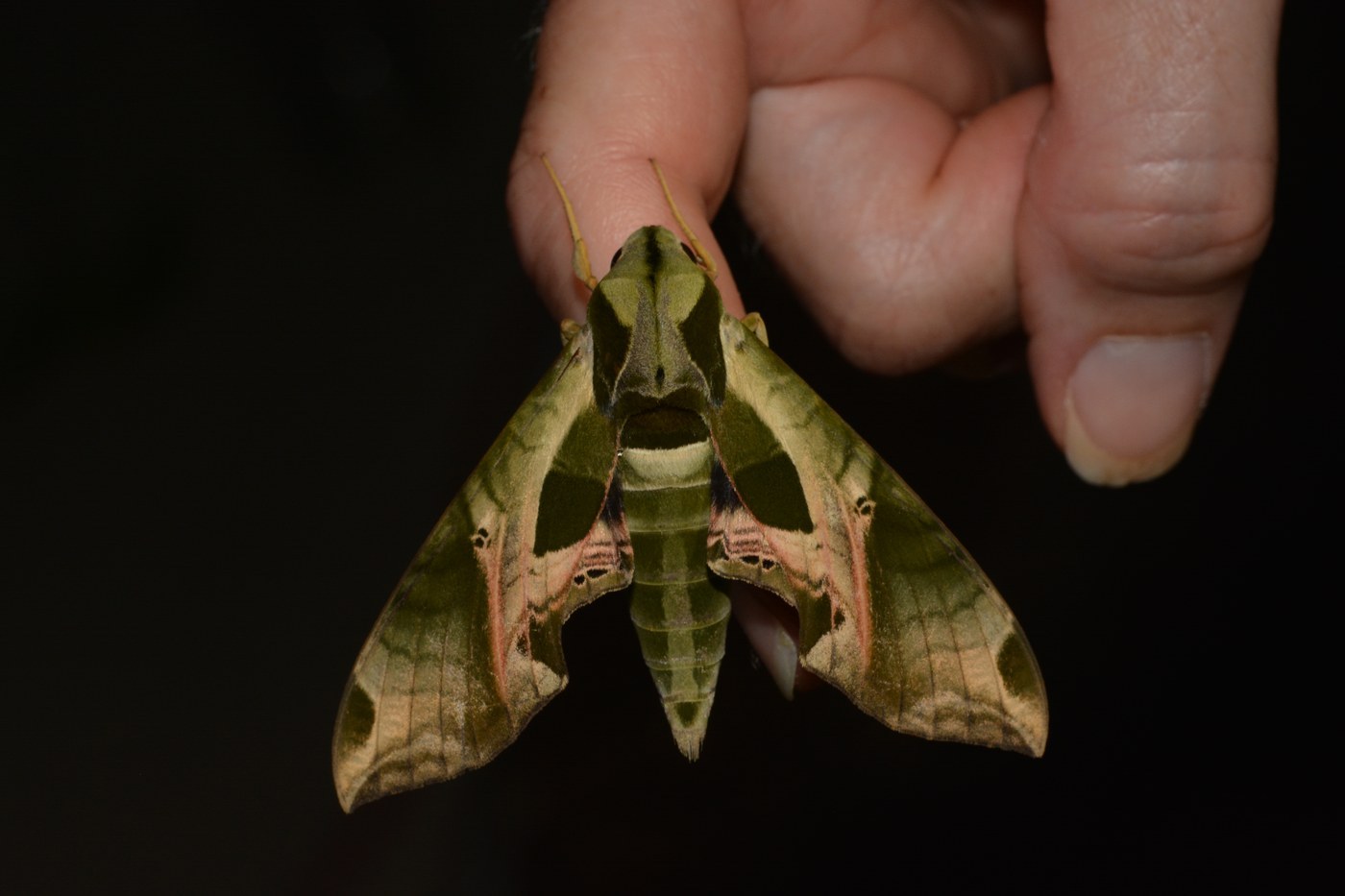
A large, richly mottled sphinx moth in shades of olive-green and dusky pink, with a streamlined body and angular wing markings that provide excellent camouflage against bark and foliage.
- Size
- 3–4.5 in wingspan
- Habitat
- Woodlands and vineyards across eastern and central North America
- Danger
- Harmless
Spotted a bug like this?
Identify any bug or insect from a photo, free.
Overview
The Pandora sphinx moth is a sizeable member of the family Sphingidae, the sphinx or hawkmoths, distinguished by the strong, direct flight and hovering feeding style typical of the family. Its subdued but intricately patterned coloration of olive-greens, browns, and dusky pink makes it one of the more camouflage-oriented sphinx moths, blending remarkably well with tree bark and dappled foliage when at rest.
The species is closely tied to grapevines and Virginia creeper as larval host plants, linking it ecologically to vineyard and woodland-edge habitats across much of eastern and central North America. As with other sphinx moths, it plays a role as an efficient nighttime pollinator of deep-throated flowers thanks to its long proboscis.
How to Identify
- Large moth with a wingspan of roughly 75–115 mm and a streamlined, tapered body typical of sphinx moths.
- Forewings are mottled in olive-green, tan, and darker brown with angular, jagged-edged patches, creating strong bark-like camouflage.
- Hindwings and portions of the body show dusky pink to rose tones, particularly visible near the wing bases and abdomen.
- Wings are held in a swept-back, delta shape at rest, close against the body.
- Distinguished from the related Achemon sphinx by its more angular, olive-toned pattern versus the Achemon's smoother pinkish-tan wings.
Habitat & Range
Found across the eastern and central United States and southern Canada, in woodlands, woodland edges, vineyards, and gardens wherever grapevine or Virginia creeper grows. Adults are active at night from late spring through summer, and are attracted to lights and to flowers with deep nectar tubes at dusk.
Behavior & Diet
Adults are strong, fast fliers that hover while feeding on nectar from deep, tubular flowers using their long proboscis, contributing to pollination of night-blooming or evening-visited plants. Caterpillars feed on the leaves of grapevine and Virginia creeper, sometimes reaching a substantial size, and display a defensive posture of retracting the head into the thorax when disturbed, giving rise to the 'sphinx' name shared across the family. The species serves as prey for birds and other predators, particularly during its slower-moving larval stage.
Life Cycle
Eggs are laid singly on the leaves of grapevine or Virginia creeper and hatch into green or brown caterpillars bearing a short posterior horn or, in later instars, a smooth button-like structure typical of this genus. Larvae feed and grow through several instars before burrowing into loose soil or leaf litter to pupate in an underground chamber. There is typically one generation per year in northern parts of its range and possibly two in warmer southern areas, with the species overwintering as a pupa underground.
Frequently asked questions
What plant is its caterpillar most often found on?
Grapevine and Virginia creeper are its primary larval host plants, so caterpillars are most often found on these vines.
How can I tell it apart from other large sphinx moths?
Its olive-green, angular, bark-like wing pattern combined with dusky pink tones near the body helps distinguish it from similar species like the Achemon sphinx.
Does it fly during the day?
It is primarily nocturnal, most active at dusk and after dark, though it may occasionally be disturbed from resting spots during the day.
How large does the caterpillar get?
It can grow quite large and stout, characteristic of sphinx moth larvae, before descending to the ground to pupate.
Pandora Sphinx Moth guides
In-depth guides for identifying, understanding, and living alongside Pandora Sphinx Moth.
Pandora Sphinx Moth identified by the community
Real finds identified with Bug Identifier.
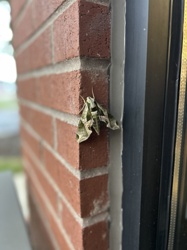
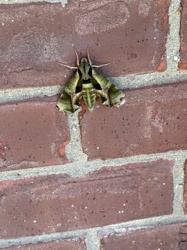
Other bugs you may enjoy
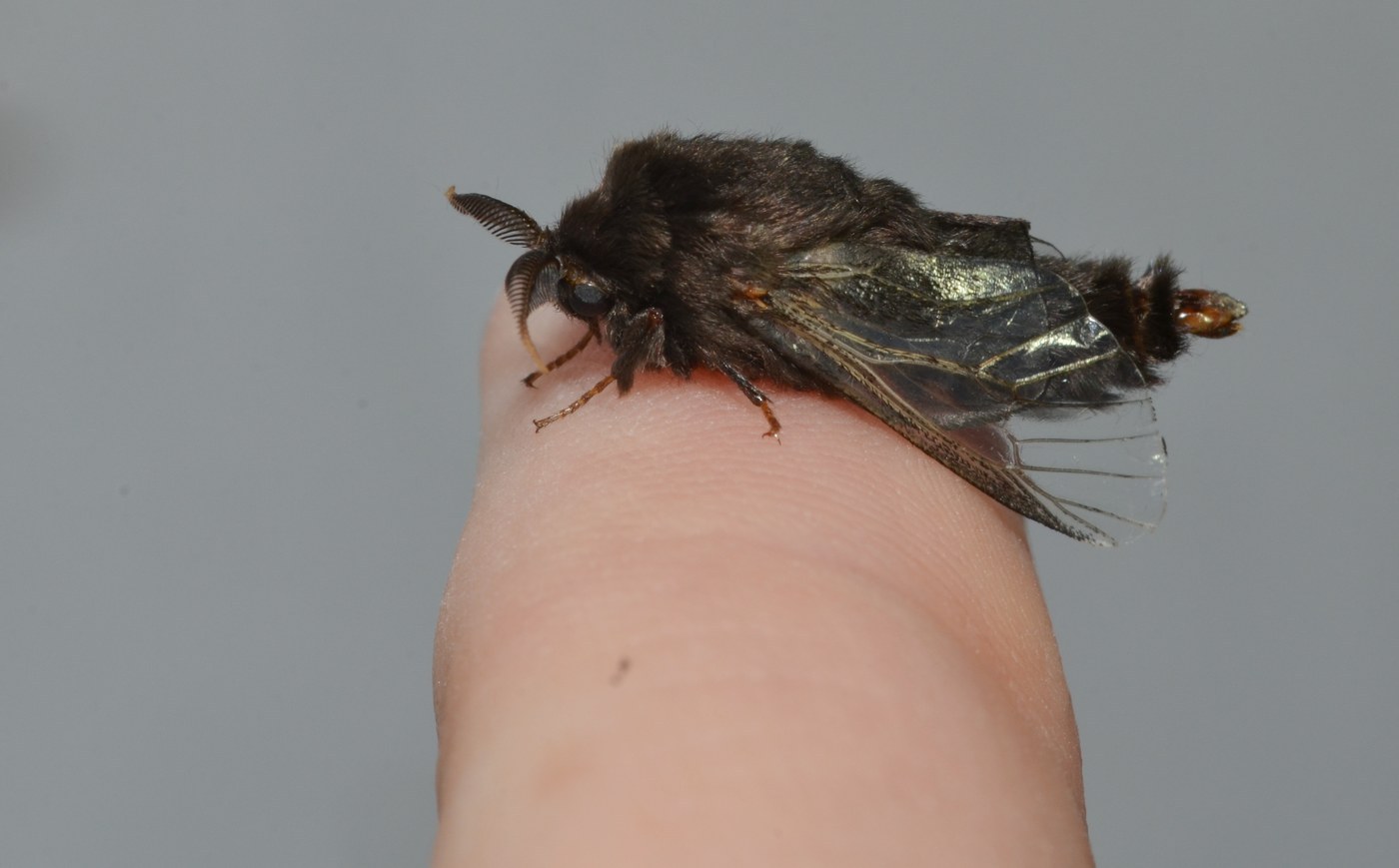
Bagworm Moth
Coniferous and deciduous trees, shrubs, hedges
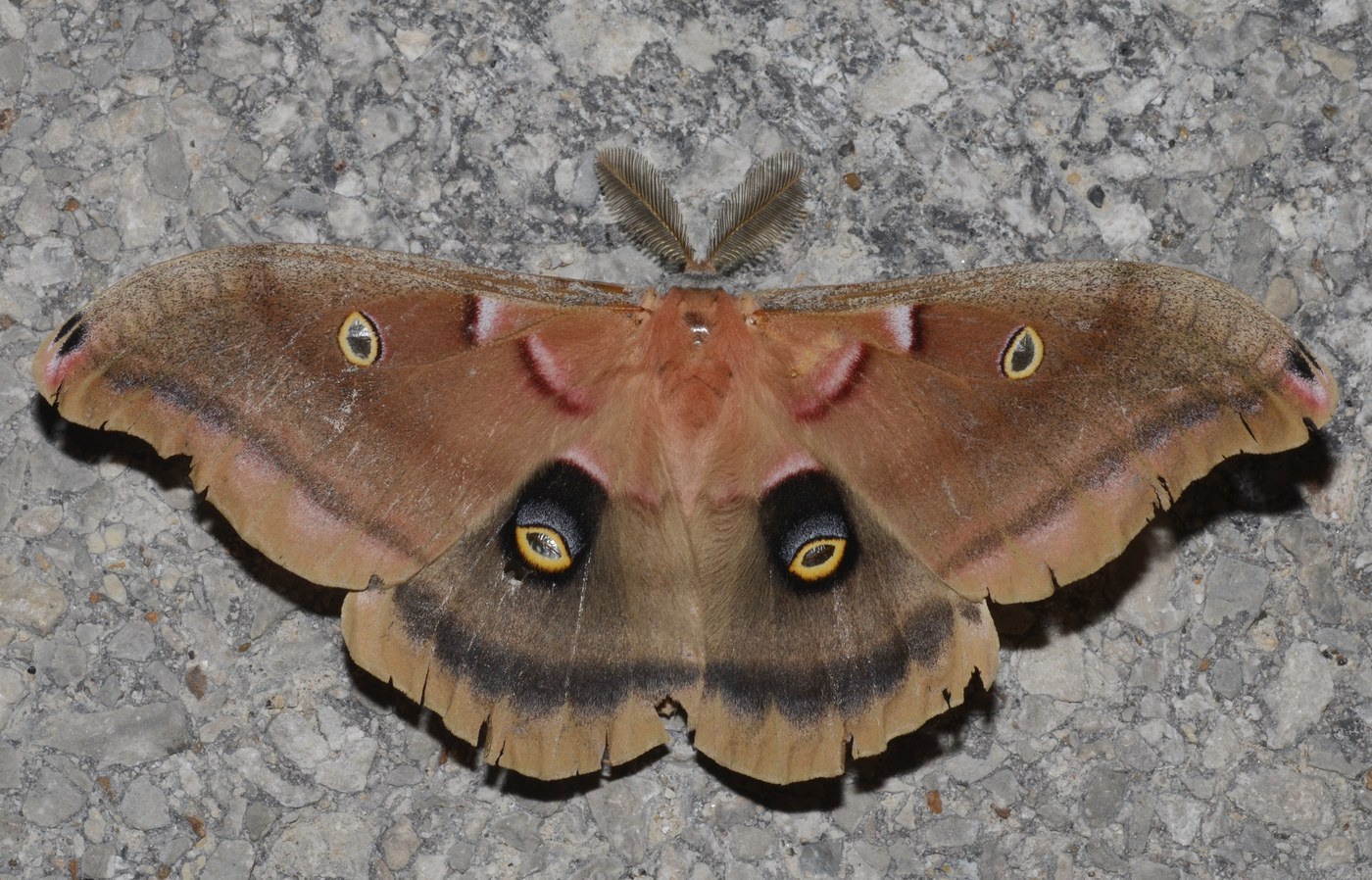
Antheraea Silkmoth
Deciduous forests, woodland edges, orchards
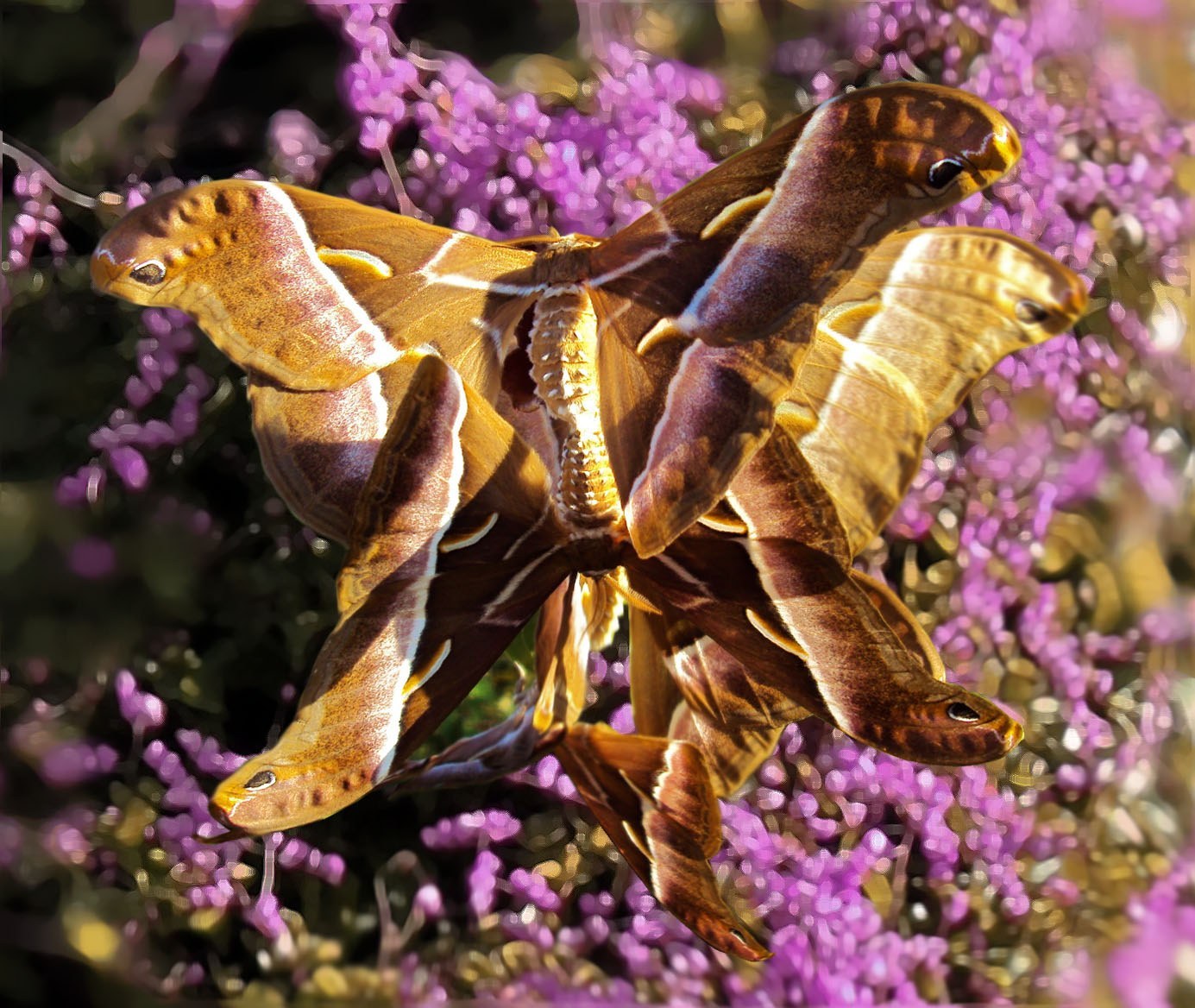
Ailanthus Silkmoth (Cynthia Moth)
Urban parks, wastelands, and woodland edges with tree-of-heaven; native to Asia, introduced in North America and Europe
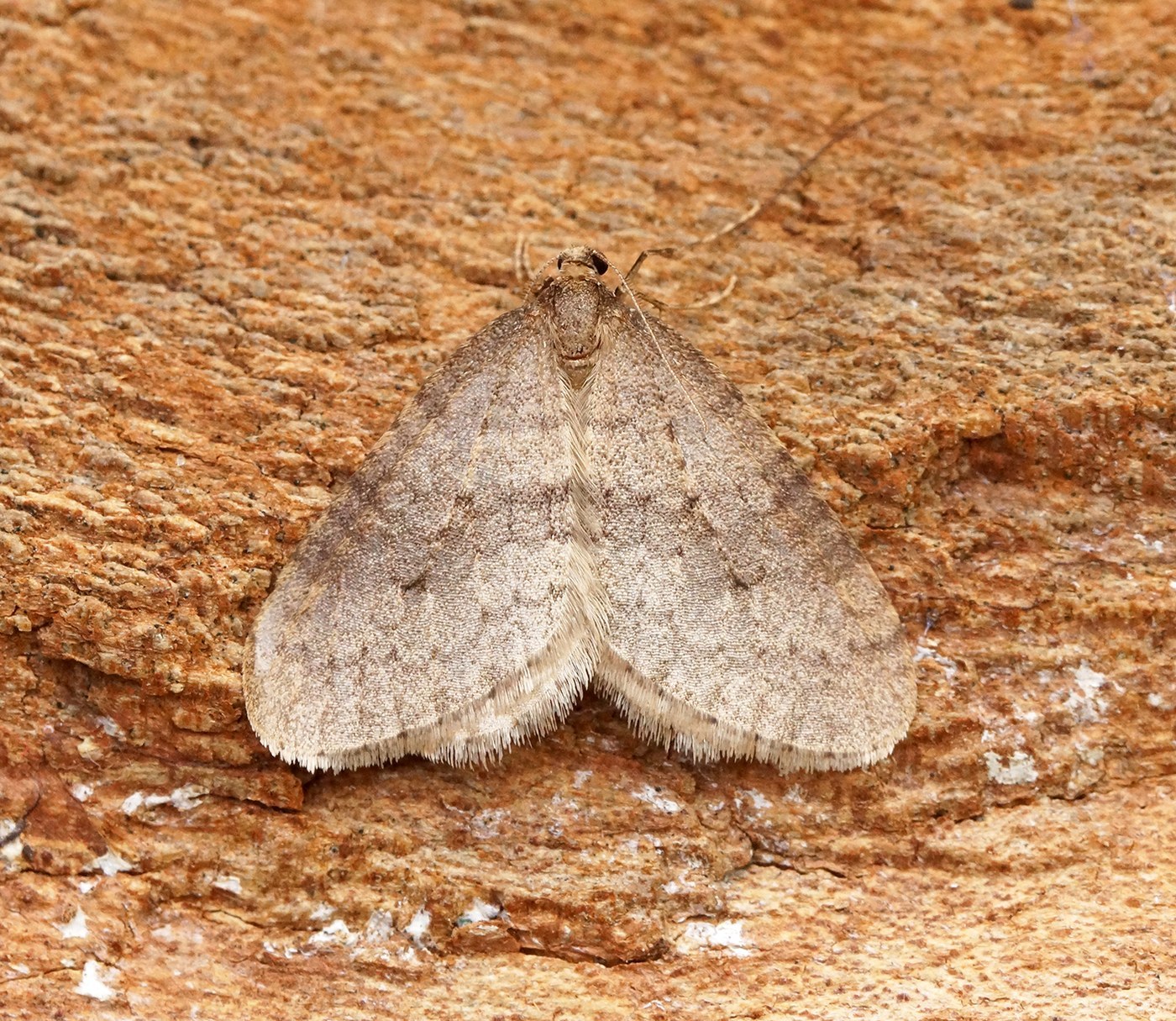
Winter Moth
Deciduous woodland, orchards, gardens, hedgerows
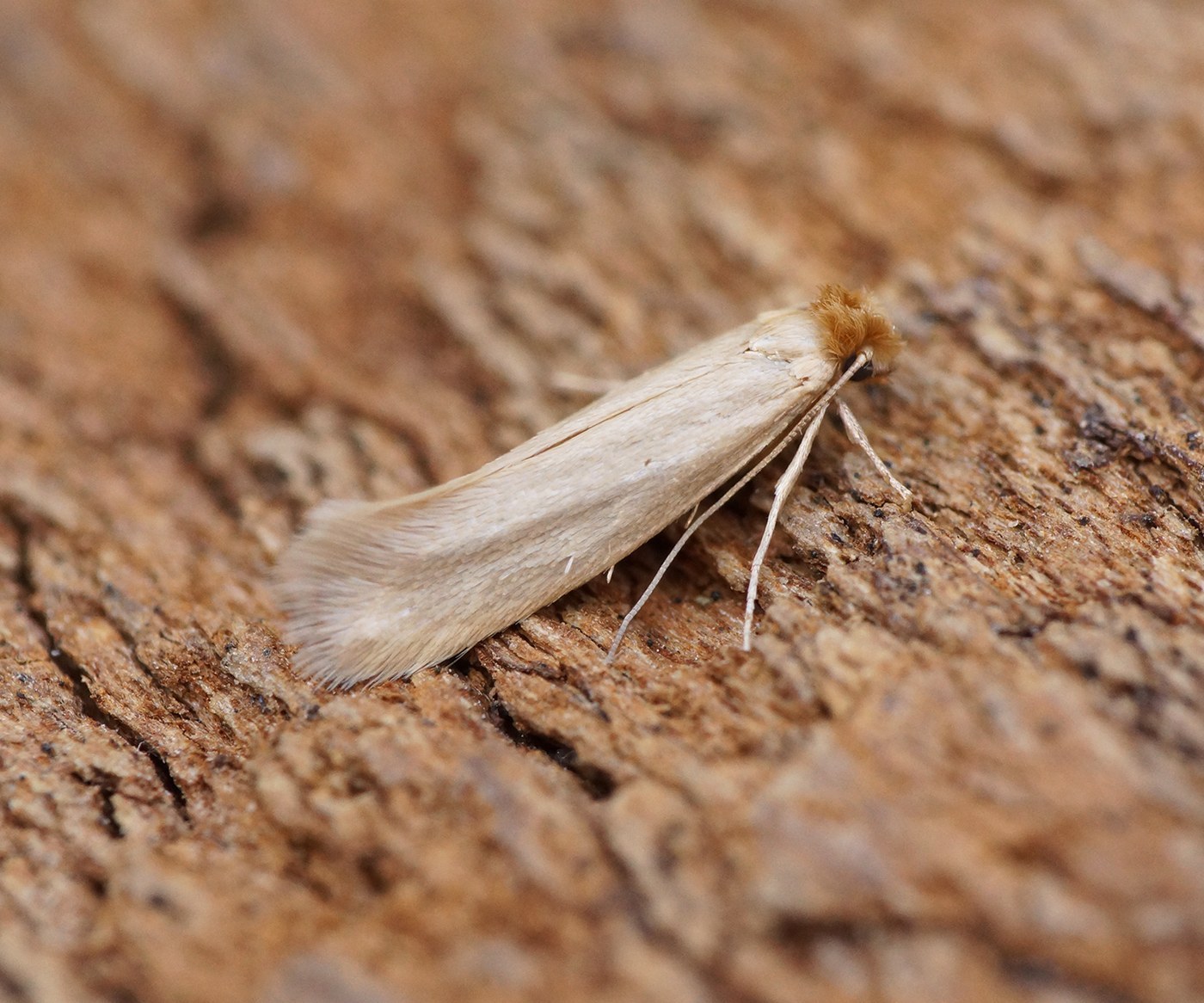
Webbing Clothes Moth
Dark closets, storage areas, and animal nests worldwide
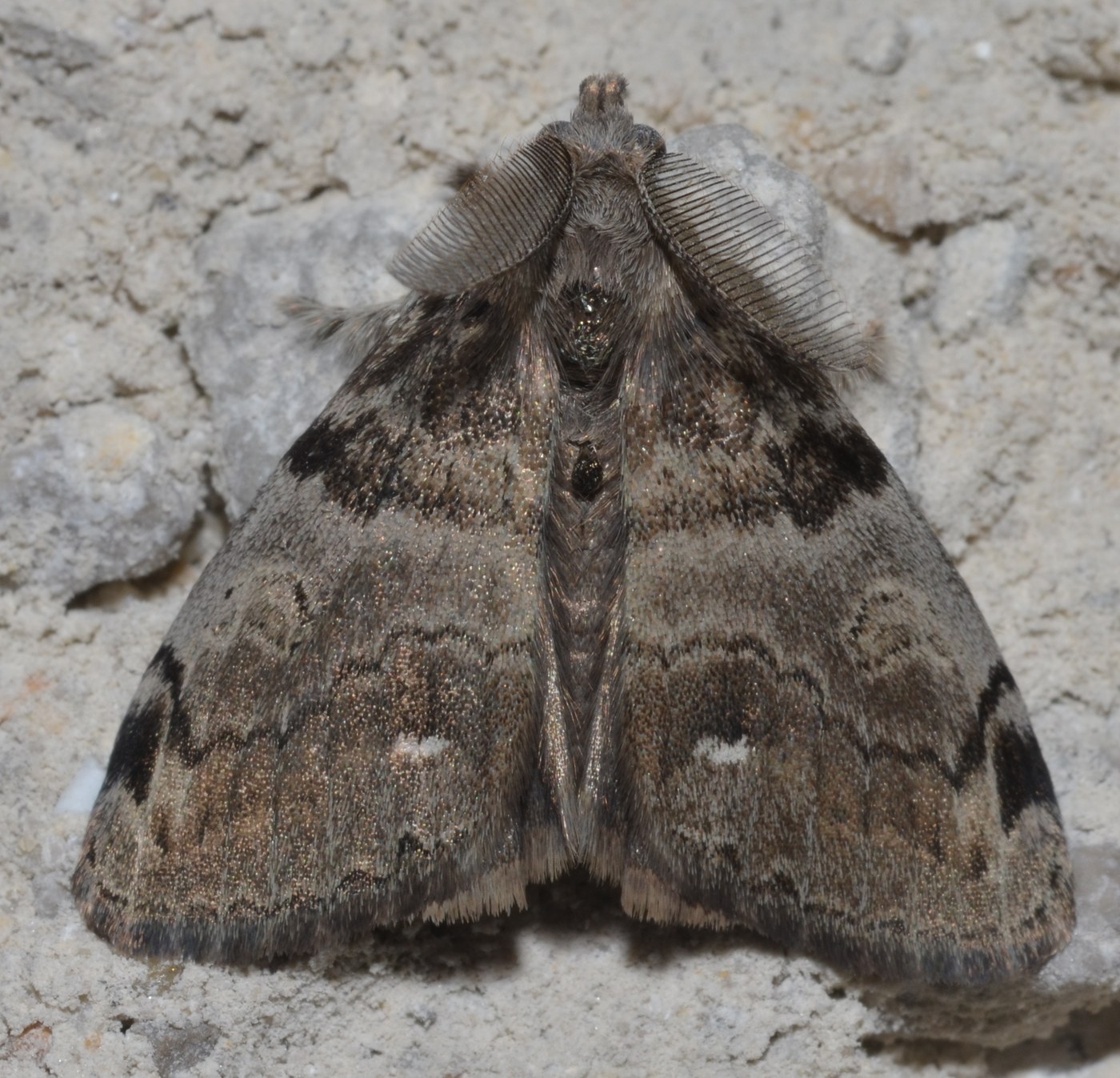
Tussock Moth
Deciduous forests, parks, gardens
Wax Moth
Beehives, apiaries, stored beeswax and comb
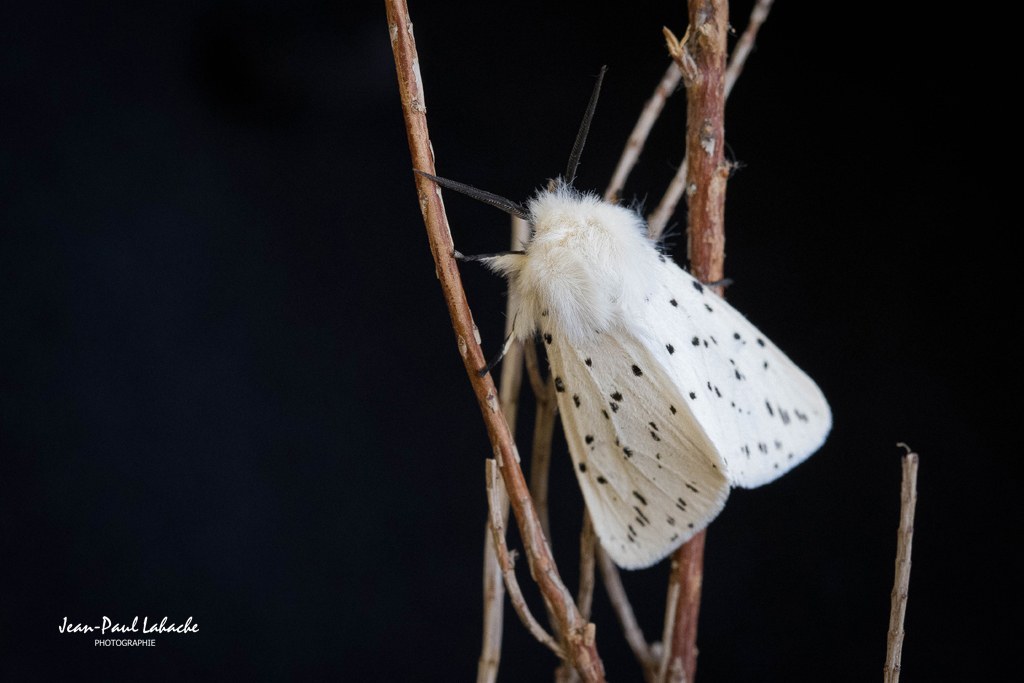
White Ermine Moth
Gardens, meadows, hedgerows
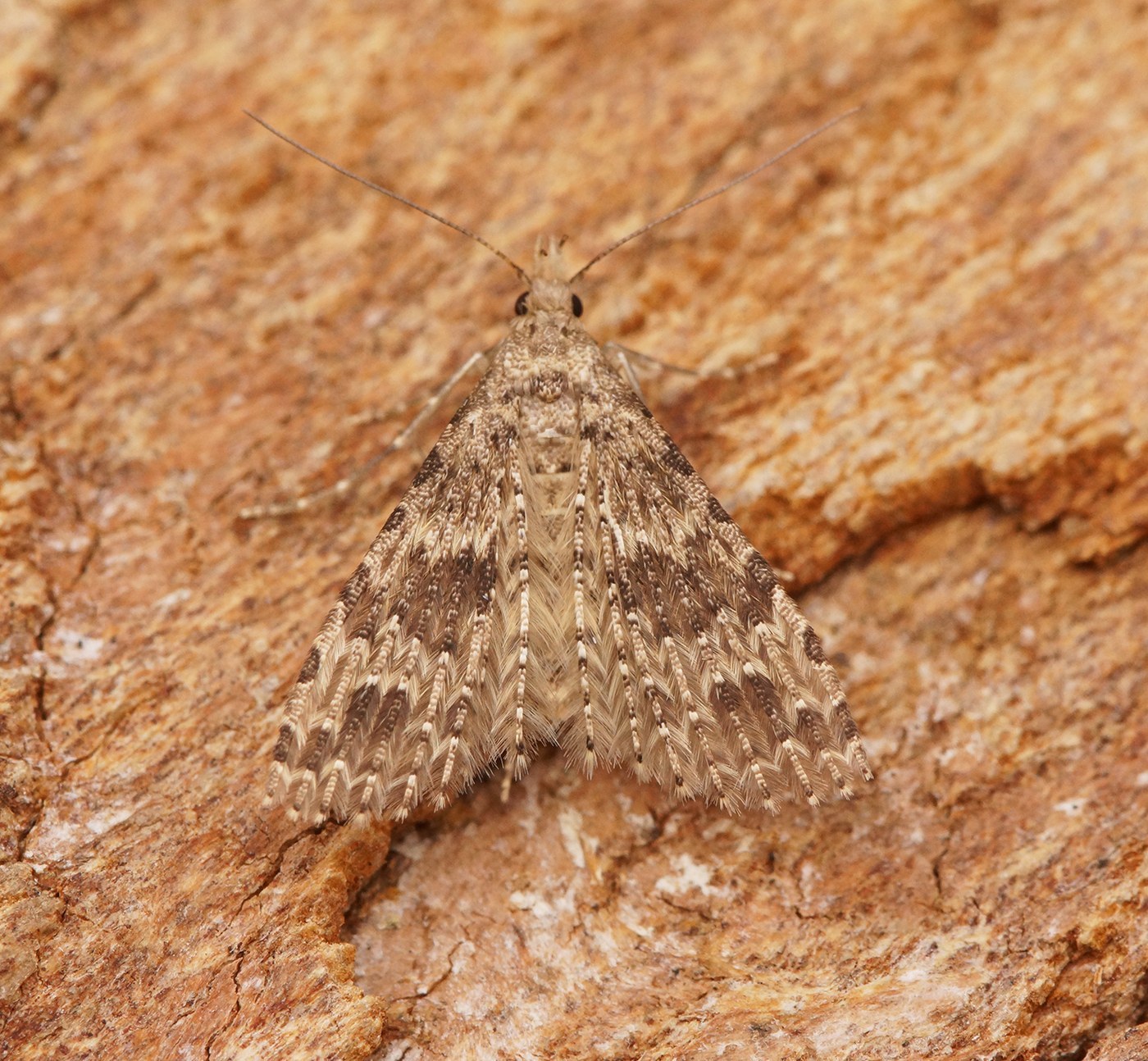
Twenty-plume Moth
Gardens, hedgerows, near honeysuckle
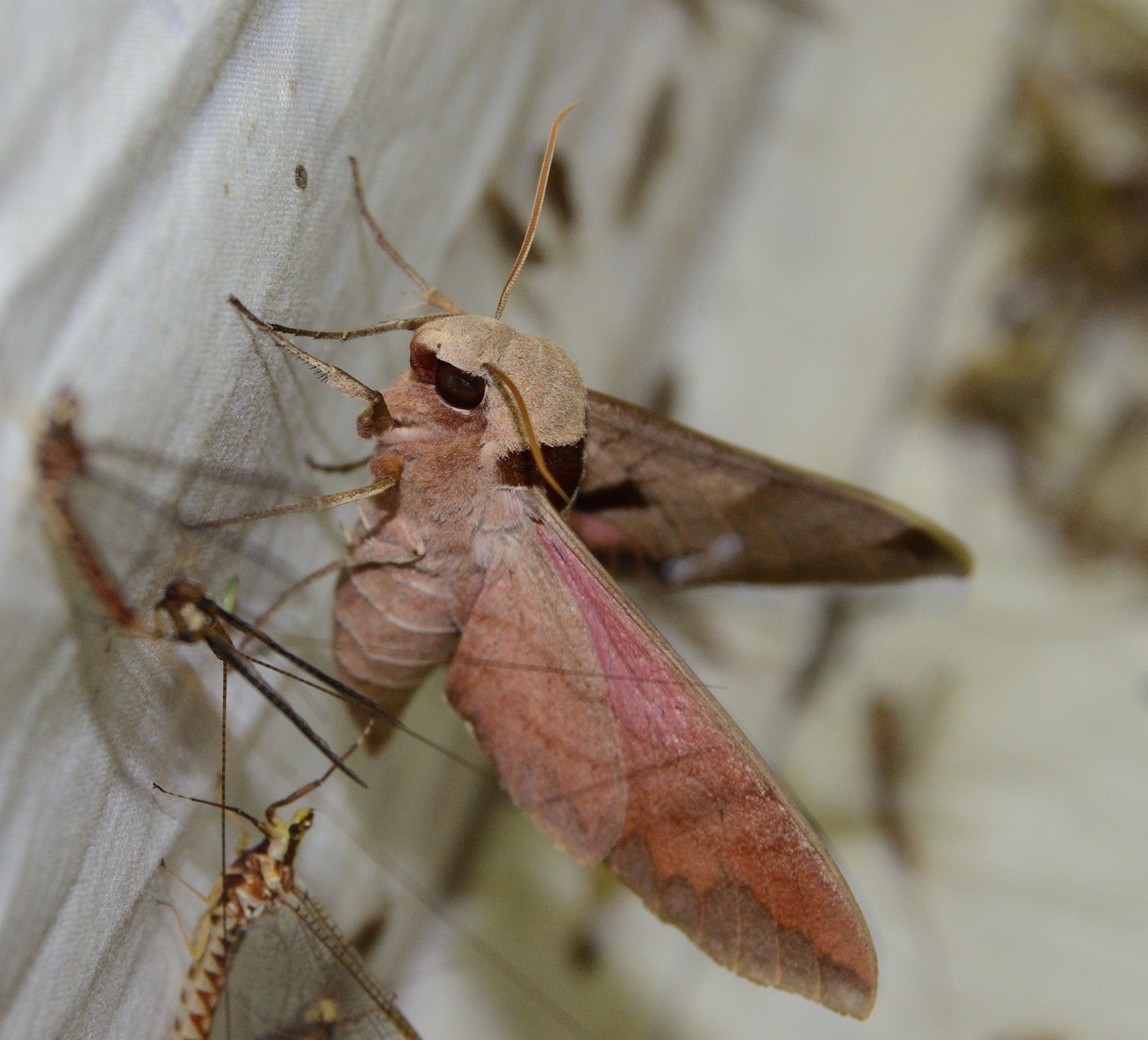
Achemon Sphinx Moth
Vineyards, woodland edges, gardens with wild grape
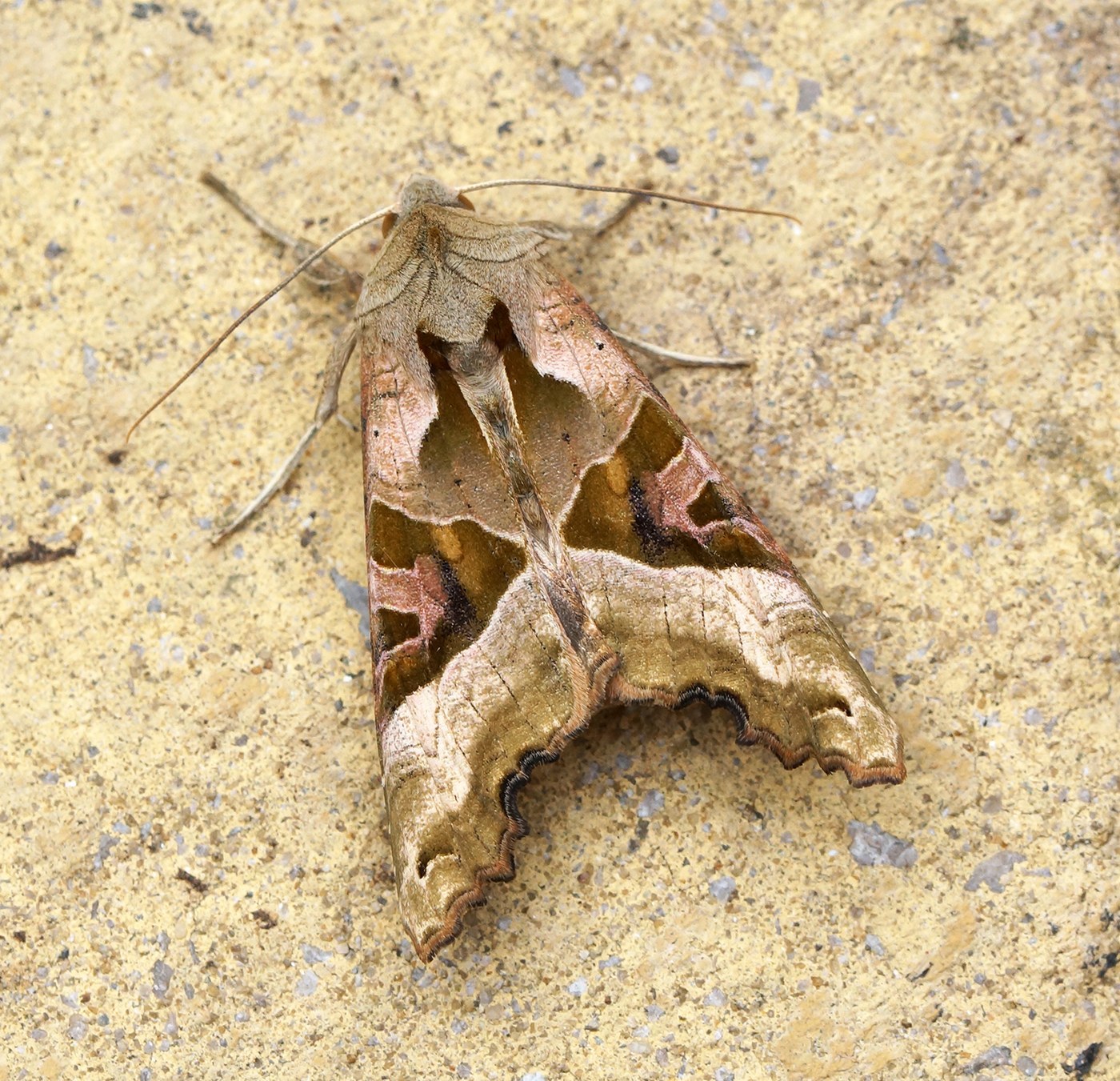
Angle Shades Moth
Gardens, hedgerows, woodland edges, urban parks
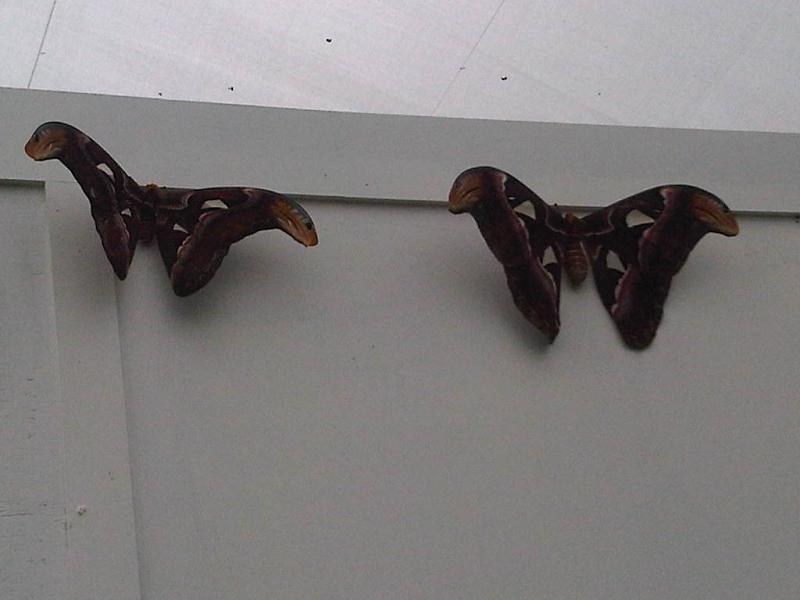
Atlas Moth
Tropical and subtropical lowland forests of Southeast Asia