
Stag Beetle
Lucanus cervus
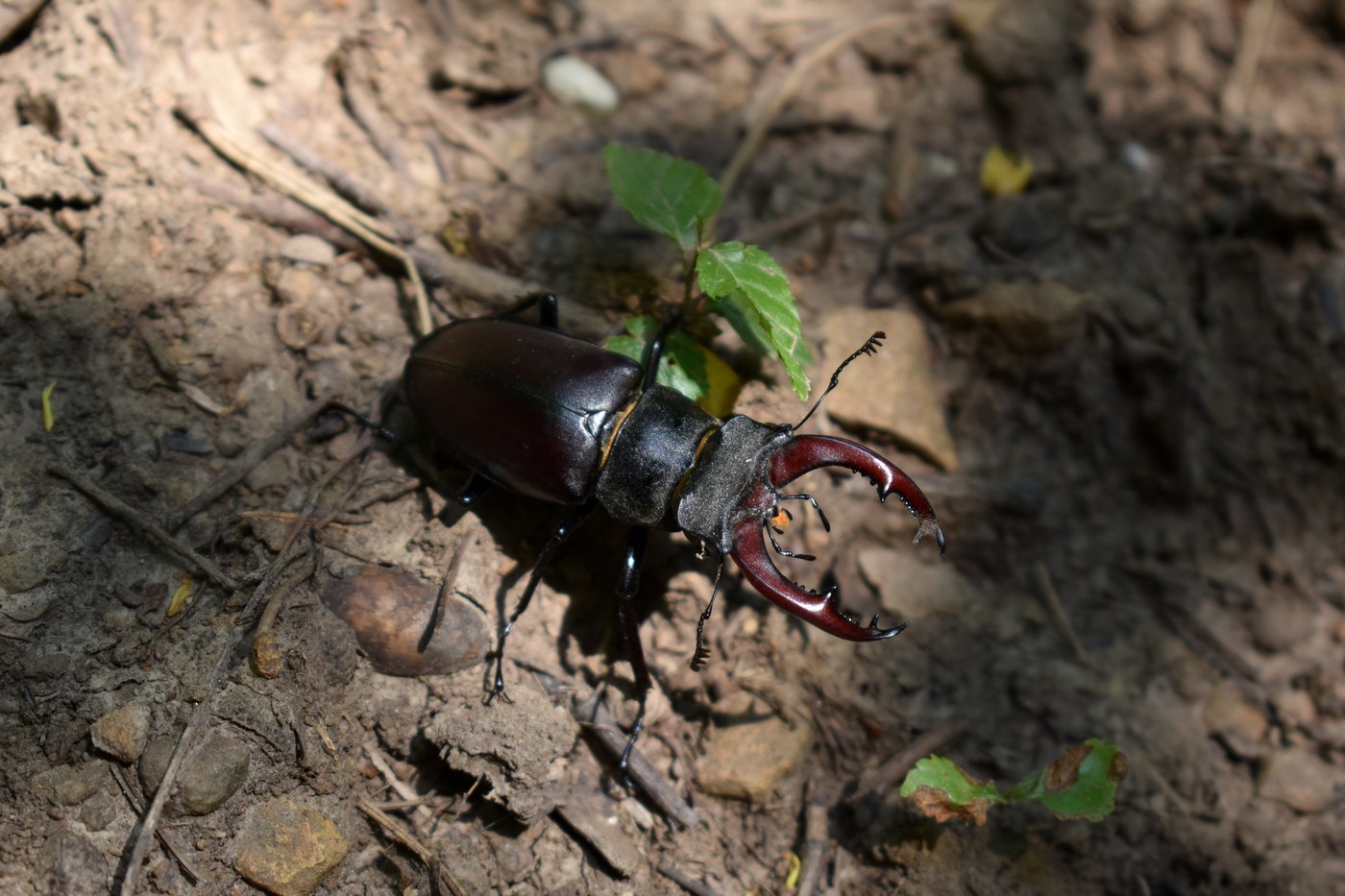
A large, glossy beetle whose males wield oversized, antler-like mandibles resembling a stag's rack of horns, used for wrestling rival males rather than for feeding.
- Size
- 25–75 mm
- Habitat
- Deciduous woodland, near decaying wood and old tree stumps
- Danger
- Bites
Spotted a bug like this?
Identify any bug or insect from a photo, free.
Overview
Stag beetles belong to the family Lucanidae and are among the most striking beetles in temperate woodlands, named for the dramatically enlarged mandibles carried by males, which fan out like the branching antlers of a stag. These impressive jaws are not used for feeding but as tools in ritualized combat between rival males competing for mates, and their size can vary considerably between individuals of the same species.
Females lack the oversized mandibles and instead have shorter, more functional jaws, making the two sexes look quite different from each other at first glance. Both sexes have a glossy, dark reddish-brown to black exoskeleton and a broad, robust body.
Stag beetles depend heavily on decaying wood throughout their long larval stage, making them an important indicator species for healthy, mature woodland habitats with abundant deadwood, and their populations have become a conservation concern in parts of their range where old trees and stumps are increasingly scarce.
How to Identify
- Large, robust beetle with a glossy black to reddish-brown exoskeleton and a broad, flattened body.
- Males display greatly enlarged, branched mandibles resembling antlers, sometimes nearly as long as the rest of the body.
- Females have much smaller, simpler pincer-like jaws and a more compact head.
- Six legs and short, elbowed antennae with a distinctive comb-like club at the tip.
- Lookalikes include rhinoceros beetles, which have a single upward horn on the head/thorax rather than enlarged jaws, and other lucanid species with smaller mandibles.
Habitat & Range
Stag beetles are found across temperate regions of Europe, Asia, and North America, favoring mature deciduous woodland, hedgerows, orchards, and parks with old trees, stumps, and buried deadwood. Adults are active mainly during warm summer evenings and at dusk, when males fly in search of mates, while the long-lived larvae remain hidden underground or inside rotting wood for years at a time.
Behavior & Diet
Adult stag beetles feed sparingly, sipping tree sap and sugary secretions from fruit or bark wounds, while much of their brief adult life is devoted to finding mates. Males use their enlarged mandibles to grapple with rival males, attempting to pry or flip one another off branches or logs in contests over territory and access to females; they can pinch defensively with these mandibles if handled. Larvae, by contrast, spend years feeding quietly underground on decaying wood, playing a major ecological role in breaking down deadwood and recycling nutrients into forest soil.
Life Cycle
Females lay eggs in soil near rotting wood or old stumps, and the larvae that hatch are large, C-shaped, cream-colored grubs that tunnel through decaying wood, feeding for several years before reaching full size — one of the longest larval periods among common beetles. Once mature, the larva constructs a pupal chamber in the soil and undergoes complete metamorphosis, emerging as a winged adult, typically in late spring or summer. Adults are comparatively short-lived, often surviving only a few weeks to months, just long enough to mate and lay the next generation of eggs.
Frequently asked questions
Why do male stag beetles have such large jaws?
The oversized mandibles are used in ritual combat between males competing for mates, not for feeding, and their size can vary widely between individuals.
How can I tell a male from a female stag beetle?
Males have greatly enlarged, antler-like mandibles, while females have much smaller, simpler pincer-like jaws and a more compact head.
How long do stag beetles live?
Most of their life, often several years, is spent as a larva feeding inside decaying wood; the winged adult stage is comparatively brief, typically lasting weeks to a few months.
Where are stag beetles typically found?
In mature deciduous woodlands, hedgerows, and parks near old trees, stumps, and buried deadwood that their larvae depend on.
Stag Beetle guides
In-depth guides for identifying, understanding, and living alongside Stag Beetle.
Stag Beetle identified by the community
Real finds identified with Bug Identifier.
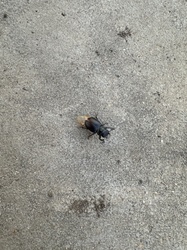
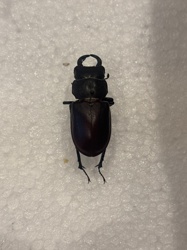
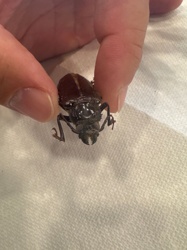
Other bugs you may enjoy
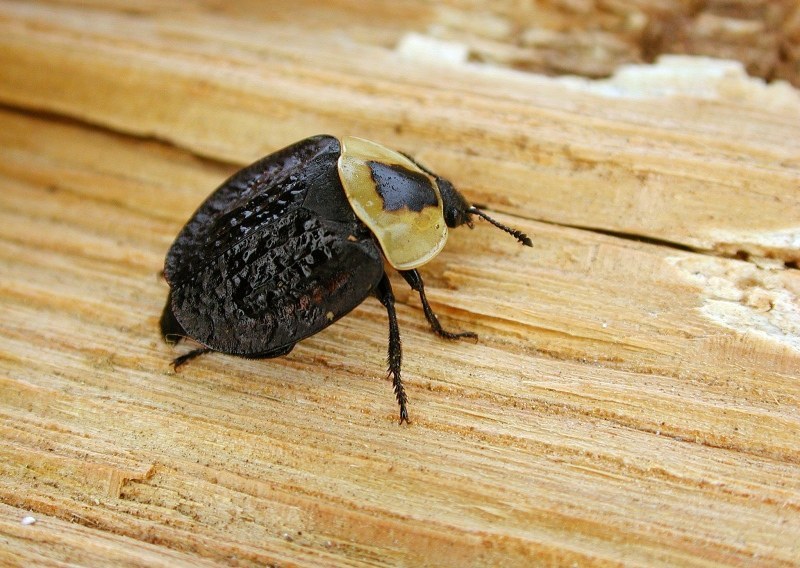
American Carrion Beetle
Forests, fields, and roadsides across North America, near decaying animal carcasses
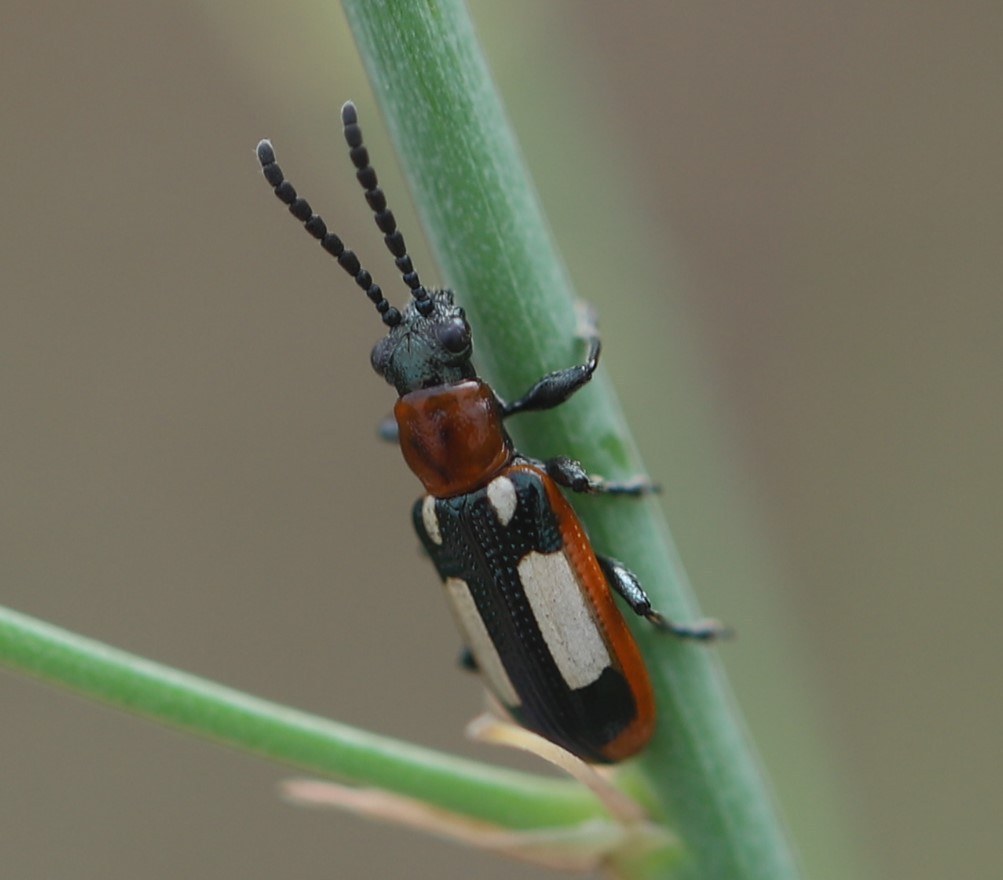
Asparagus Beetle
Asparagus patches, gardens, and farm fields
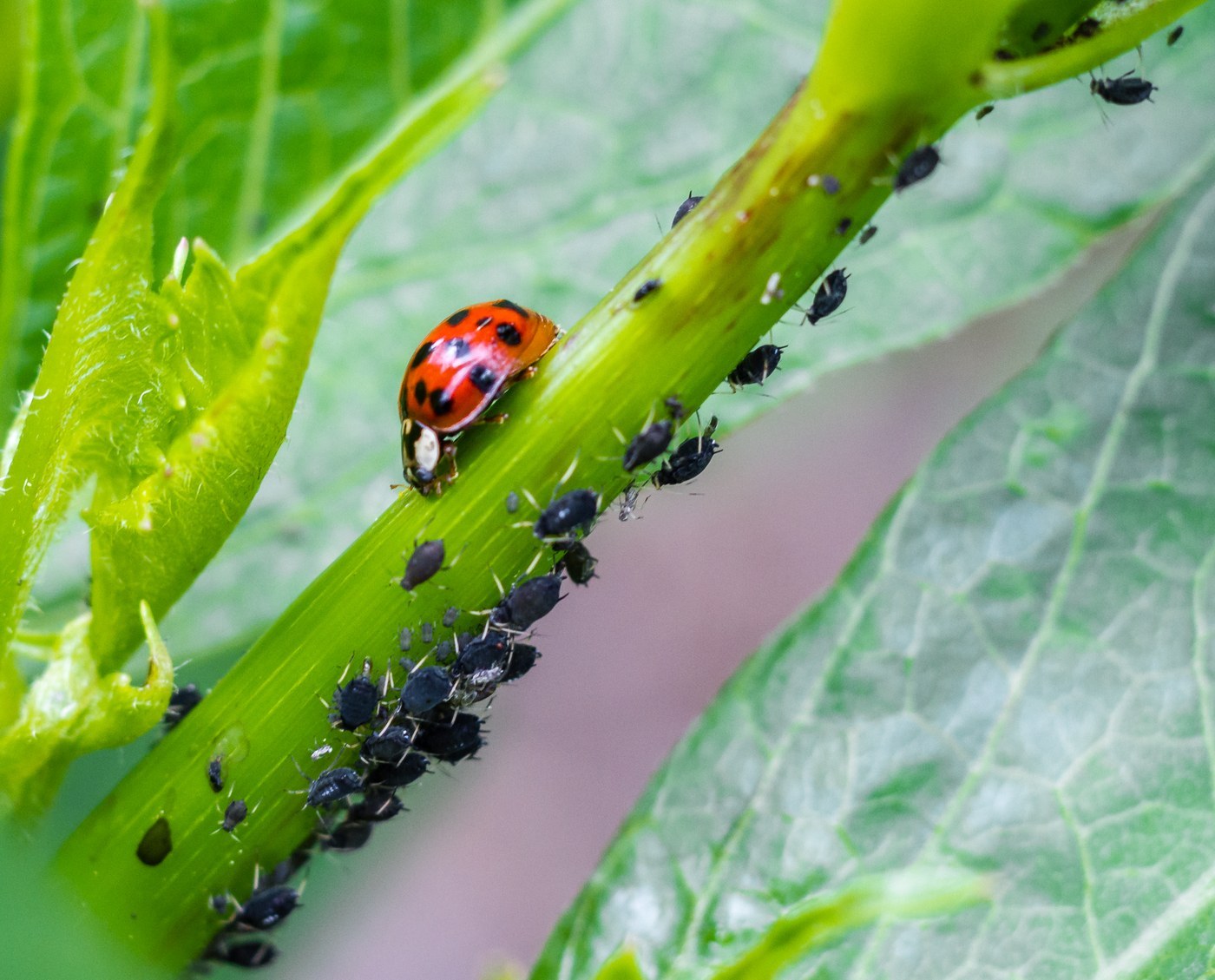
Asian Lady Beetle
Gardens, crop fields, woodlands, buildings
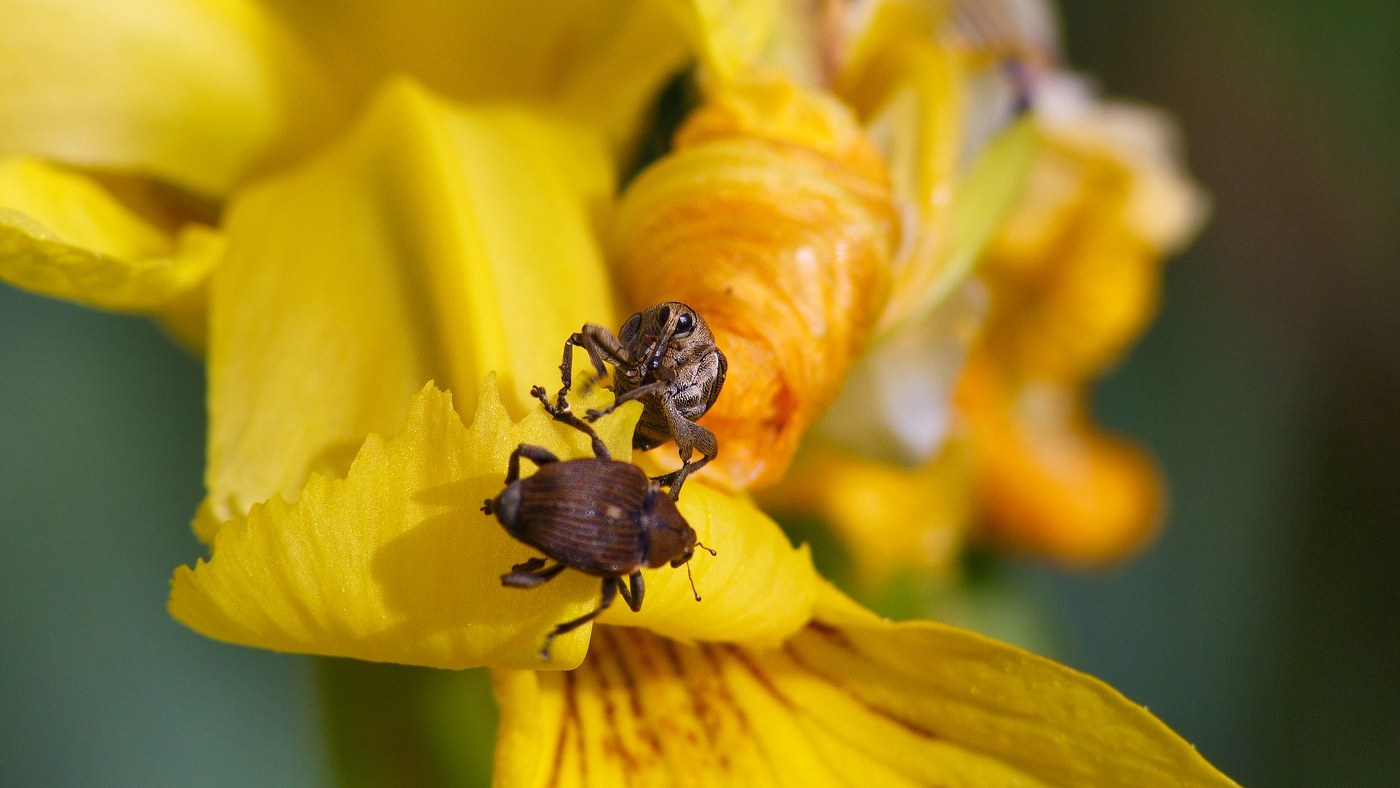
Acorn Weevil
Oak woodlands and forests, on and beneath oak trees
Wireworm
Soil of grasslands, gardens, and cultivated fields worldwide
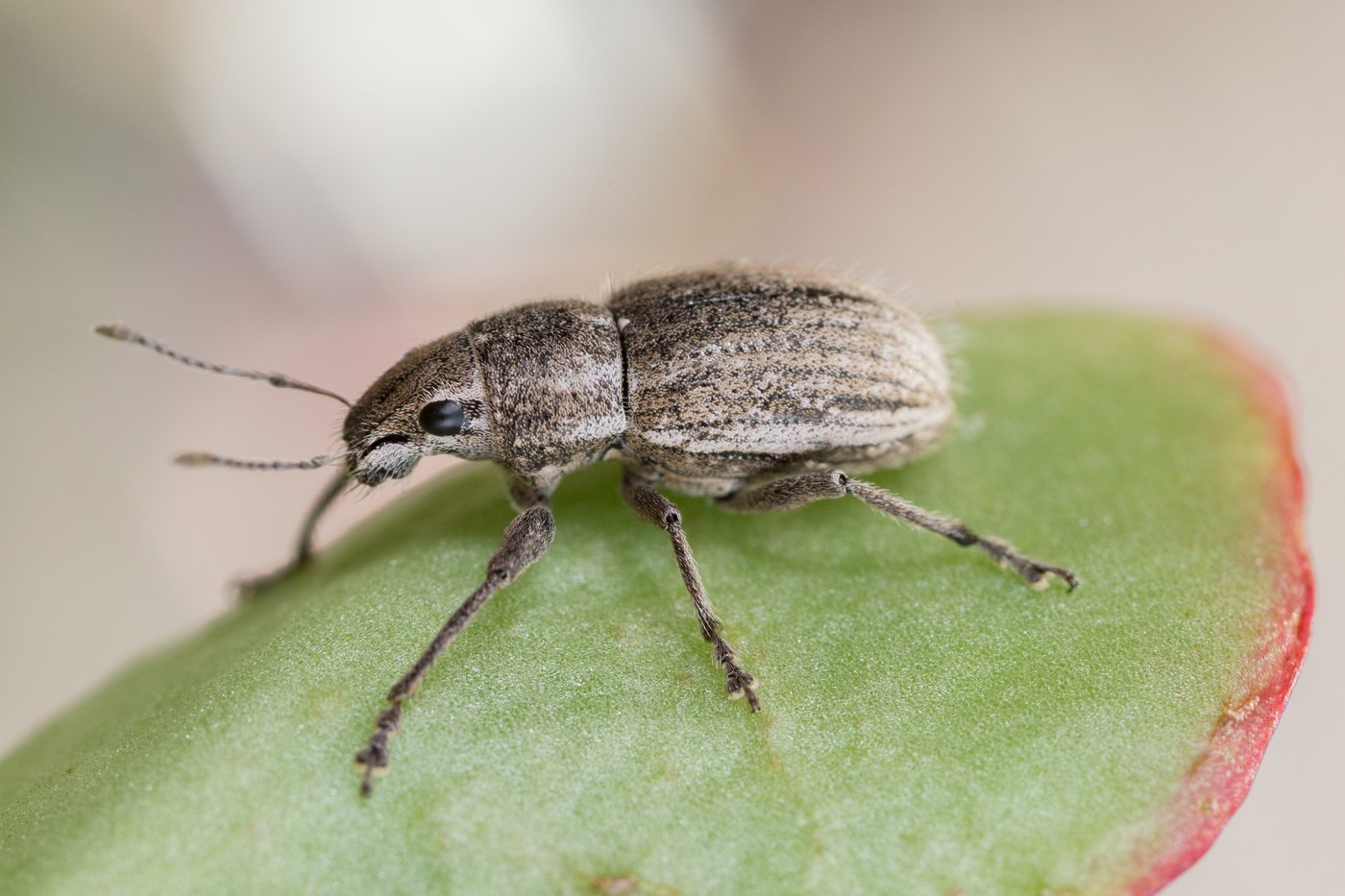
Whitefringed Beetle
Pastures, row crops, lawns, disturbed soils
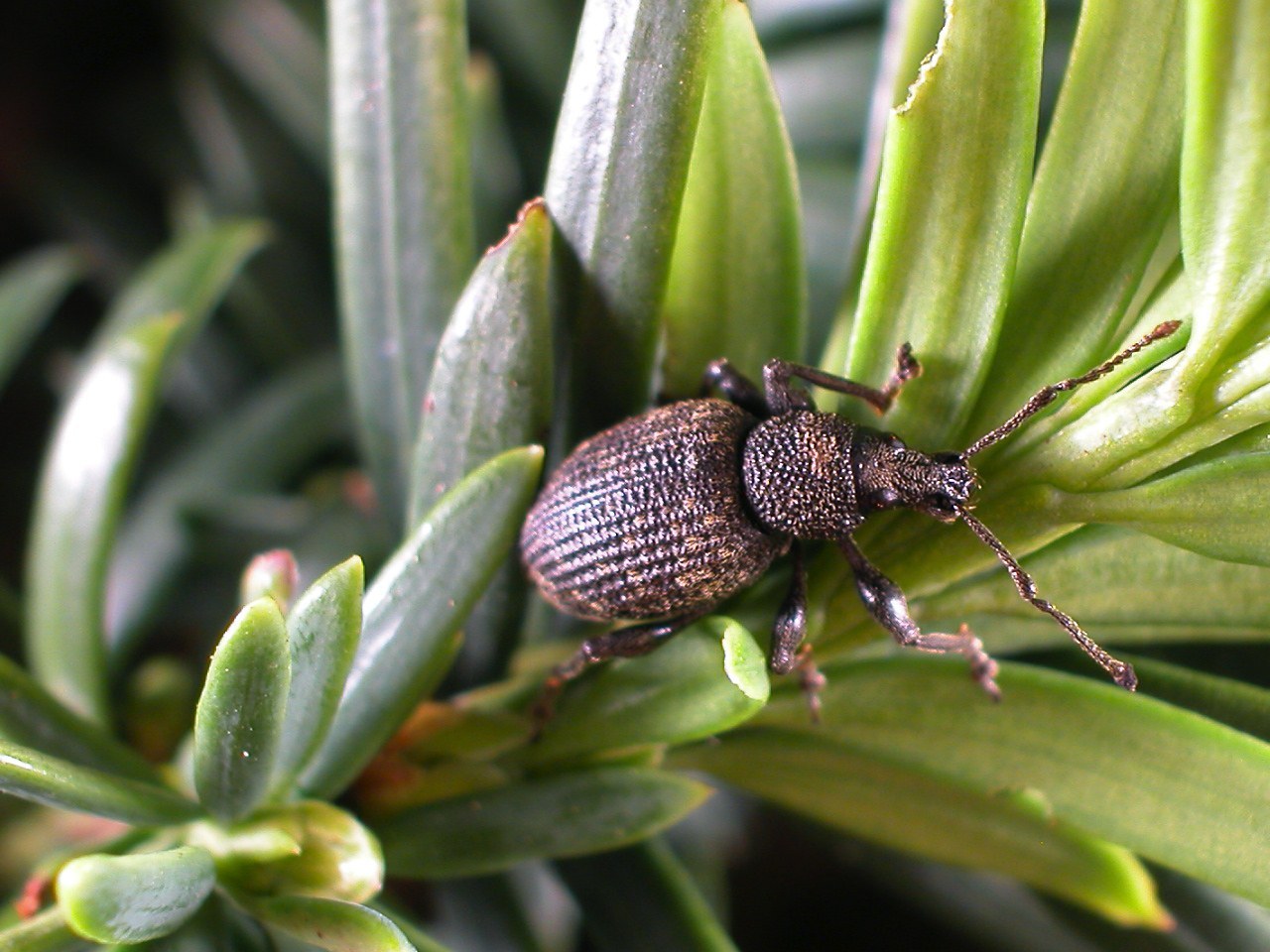
Vine Weevil
Gardens, nurseries, greenhouses, and container plantings
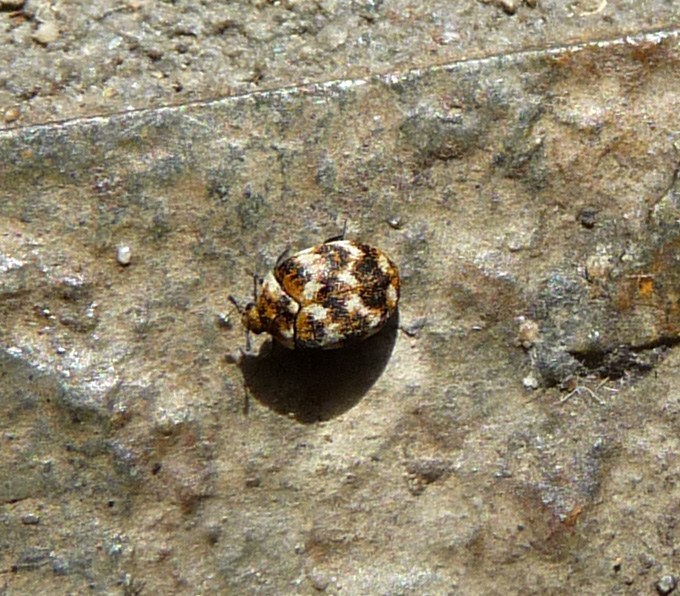
Varied Carpet Beetle
Homes, nests of birds and mammals, and flowers outdoors
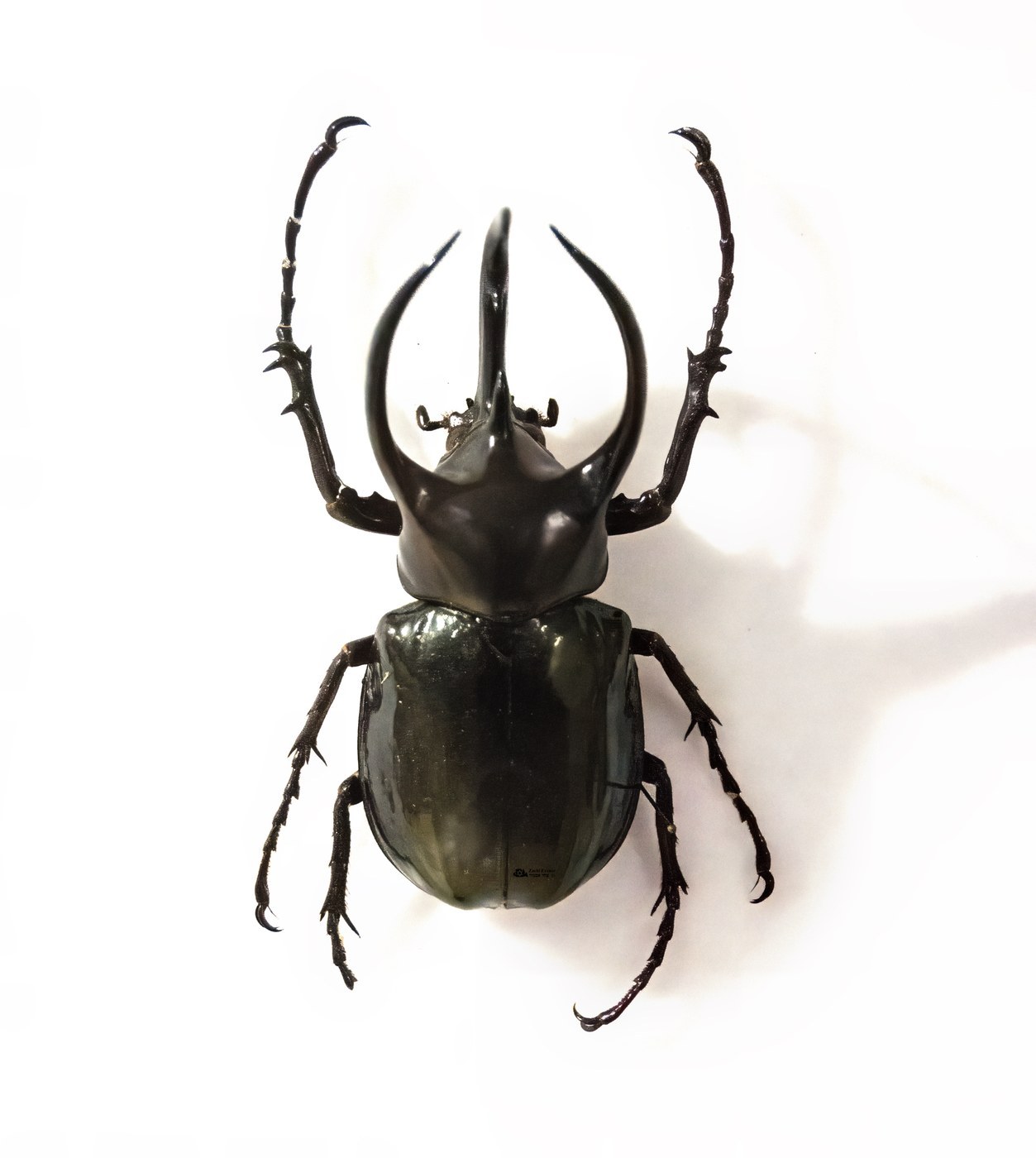
Atlas Beetle
Tropical forests of Southeast Asia
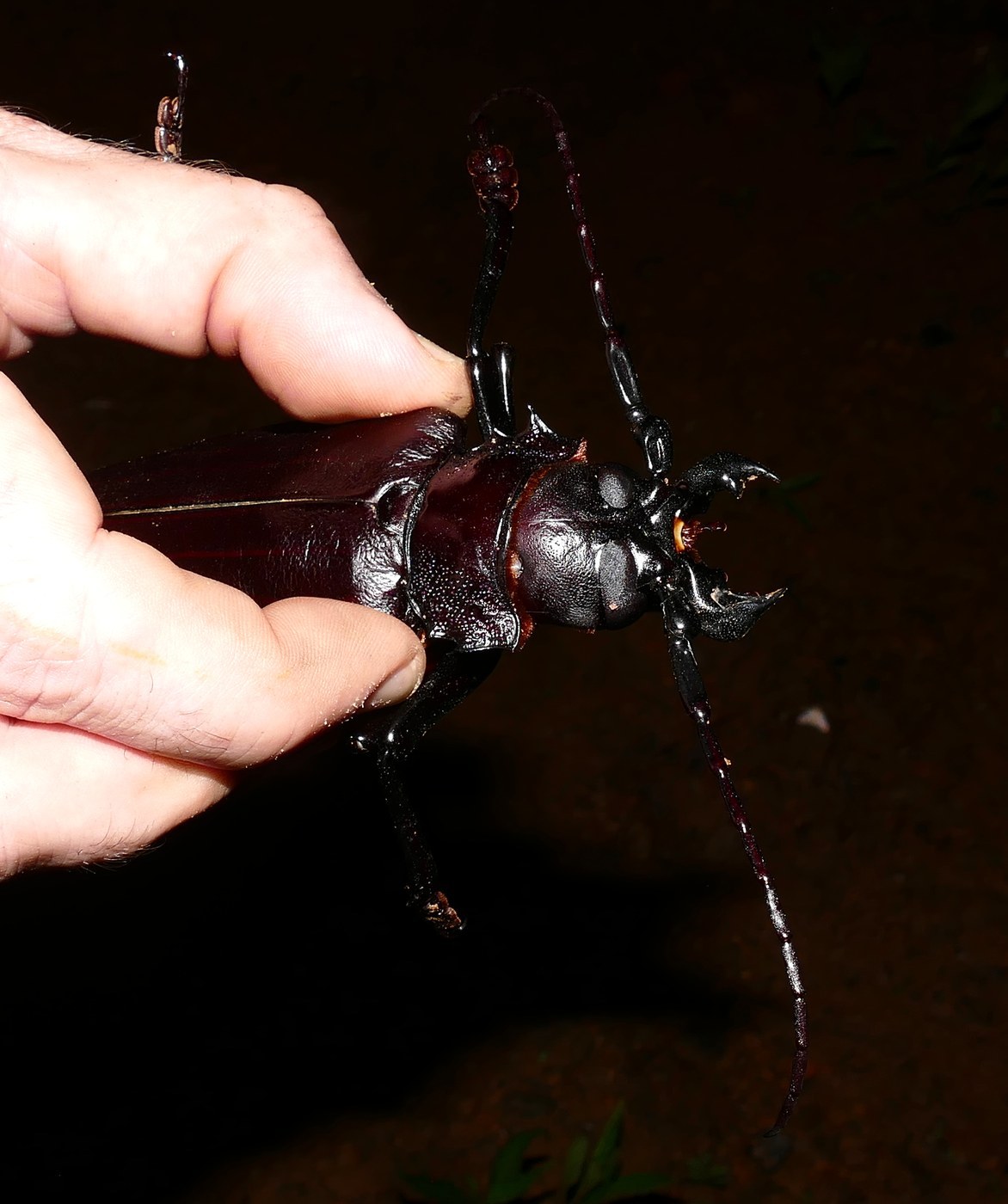
Titan Beetle
Amazon rainforest of South America
Ten-lined June Beetle
Sandy soils, pine forests, and orchards of western North America
Squash Beetle
Vegetable gardens and fields growing squash, pumpkin, and other cucurbits