
Tortoise Beetle
Cassidinae spp.
A small, flat, disc-shaped beetle whose expanded wing covers and pronotum hide its head and legs almost entirely, giving it the look of a miniature turtle shell crawling across a leaf.
- Size
- 5–11 mm
- Habitat
- Gardens, meadows, and woodland edges on morning glory, sweet potato, and related vines
- Danger
- Harmless
Spotted a bug like this?
Identify any bug or insect from a photo, free.
Overview
Tortoise beetles make up the subfamily Cassidinae within the leaf beetle family (Chrysomelidae), a group defined by a distinctive body plan in which the pronotum and elytra flare outward and downward to cover the head, legs, and antennae almost completely when viewed from above. This gives many species a rounded, shield-like or turtle-shell silhouette that is unmistakable among beetles.
The group includes hundreds of species worldwide, many displaying metallic, iridescent, or intricately patterned shells in shades of green, gold, and orange. Several species, most famously the golden tortoise beetle, can even shift their coloration in response to disturbance.
Tortoise beetle larvae are equally distinctive, carrying a fecal shield made of shed skins and excrement held aloft on a forked tail as a defense against predators and parasites, a trait shared broadly across the subfamily.
How to Identify
- Adult: 5–11 mm depending on species, body flattened and rounded to oval, with the margins of the elytra and pronotum extending outward to conceal the legs and head from above.
- Coloring varies widely by species, from plain green or brown to brilliant metallic gold, orange, or patterned combinations.
- Antennae and legs are visible only from below or the side, tucked beneath the shell-like overhang.
- Lookalikes: distinguished from ladybird beetles by their flatter, more disc-like profile and hidden head, and from other leaf beetles by the characteristic overhanging shield margin.
Habitat & Range
Found worldwide, with many North American species associated with morning glory, sweet potato, and other members of the bindweed family, as well as thistles, sunflowers, and various other host plants depending on the species. They occupy gardens, meadows, roadsides, and woodland edges, and are active from spring through fall in temperate regions.
Behavior & Diet
Adults and larvae feed on the leaves of their specific host plants, often chewing small round holes or windowpane-like patches. Larvae carry a shield of cast skins and frass above their bodies, waving it at approaching predators or parasitic wasps as a physical deterrent. Adults tend to move slowly and rely on camouflage or their hard, shield-like shell for protection rather than fleeing quickly, and some species can alter their surface coloration when disturbed.
Life Cycle
Females lay eggs, often in small clusters, on the underside of host plant leaves. Larvae hatch and begin feeding while building and carrying their fecal shield, passing through several molts over a few weeks. Pupation typically occurs attached to the host leaf, and adults emerge within one to two weeks. Depending on species and climate, tortoise beetles may produce one to several generations per year, overwintering as adults in leaf litter or plant debris.
Frequently asked questions
Why does it look like a tiny turtle?
Its pronotum and wing covers flare outward and downward, hiding the head and legs from view above, which creates the shell-like turtle silhouette.
Is the tortoise beetle a single species?
No, it refers to an entire subfamily of leaf beetles, Cassidinae, containing many species that share the same shield-shaped body plan.
What do the larvae carry on their backs?
They carry a shield made of shed skins and excrement, held up on a forked tail, used to deter predators and parasites.
What plants does it eat?
Different species specialize on different hosts, but morning glory, sweet potato, thistle, and sunflower are common food plants for various tortoise beetles.
Tortoise Beetle guides
In-depth guides for identifying, understanding, and living alongside Tortoise Beetle.
Tortoise Beetle identified by the community
Real finds identified with Bug Identifier.
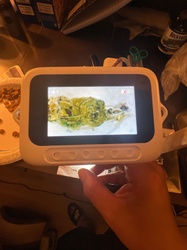
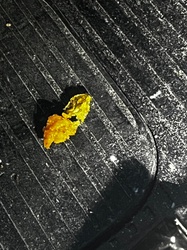



Other bugs you may enjoy
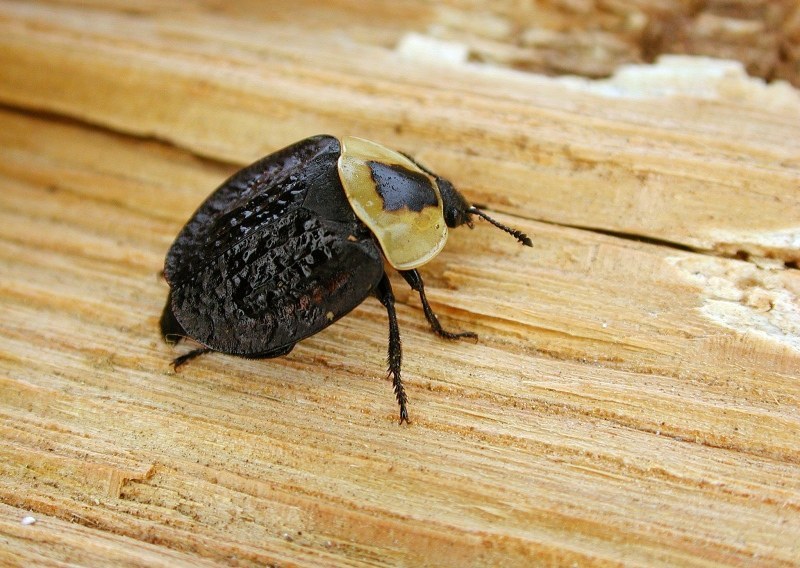
American Carrion Beetle
Forests, fields, and roadsides across North America, near decaying animal carcasses
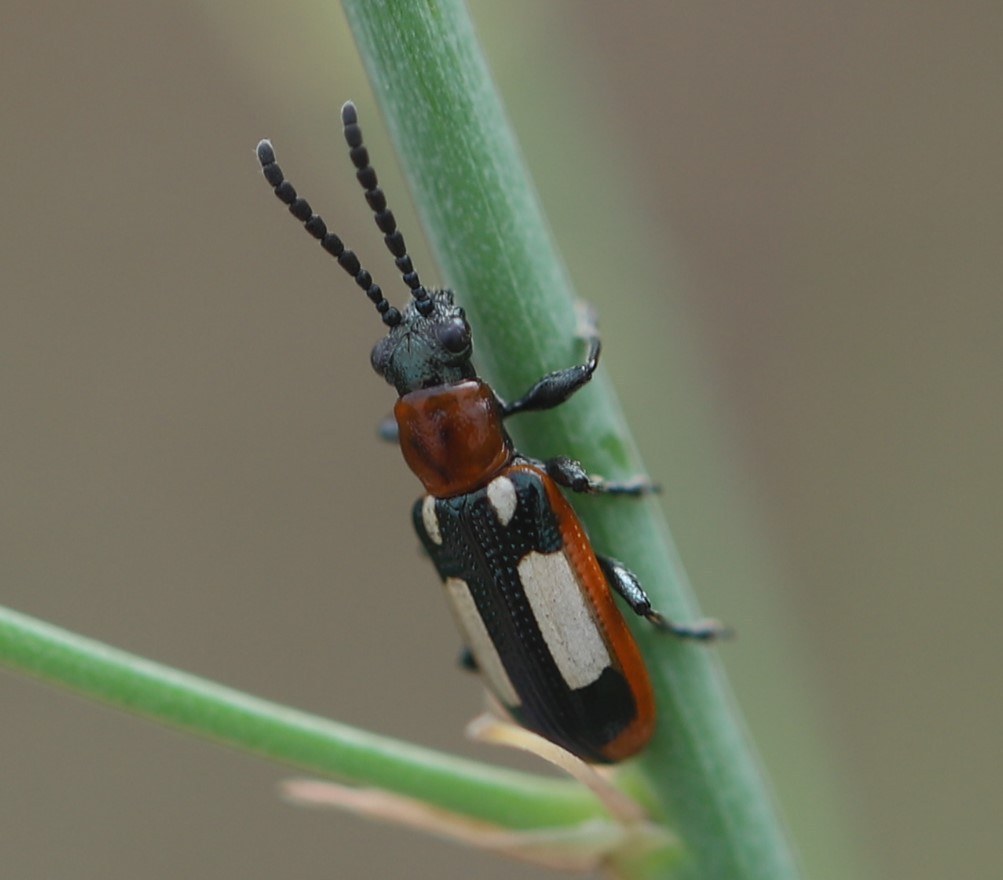
Asparagus Beetle
Asparagus patches, gardens, and farm fields
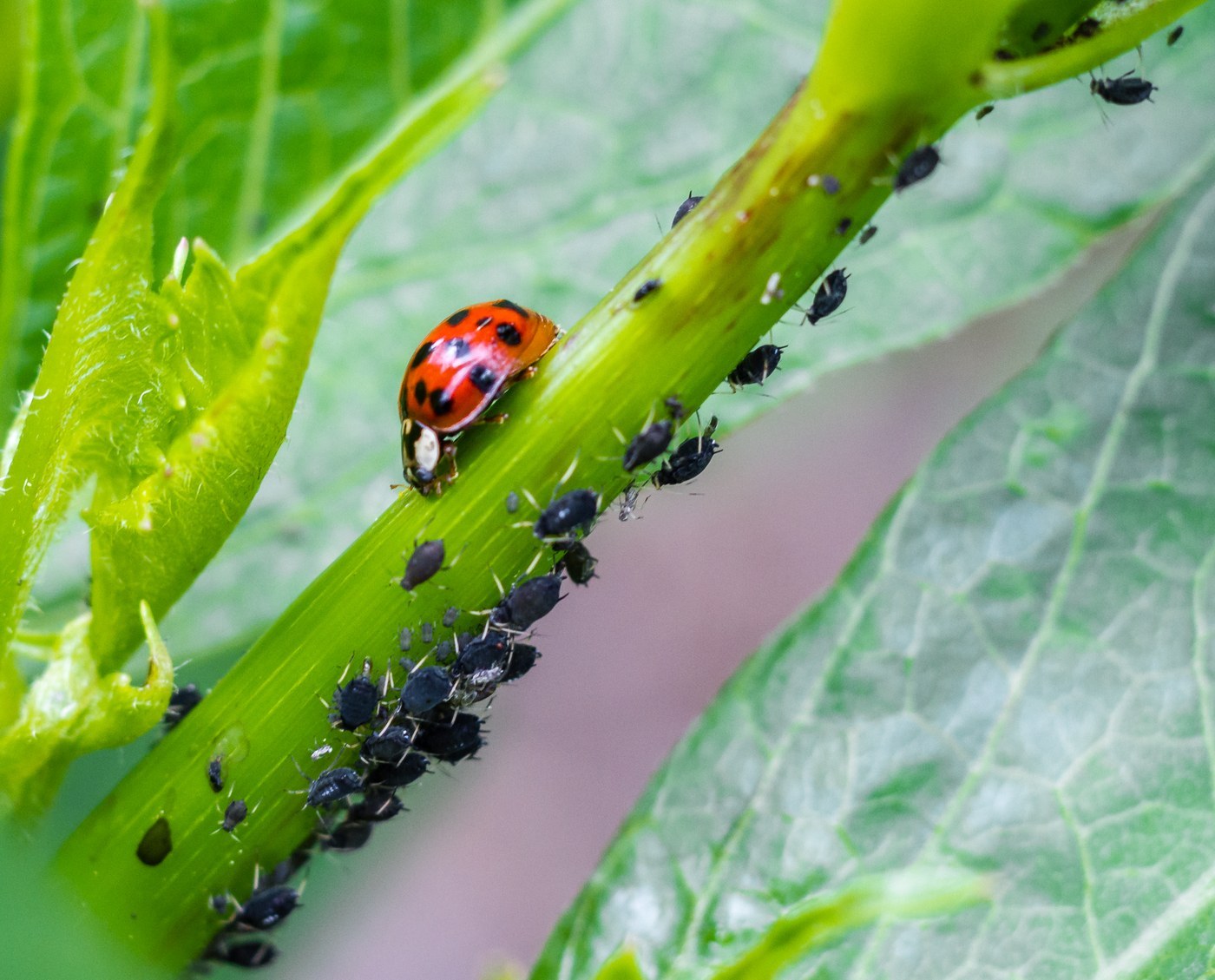
Asian Lady Beetle
Gardens, crop fields, woodlands, buildings
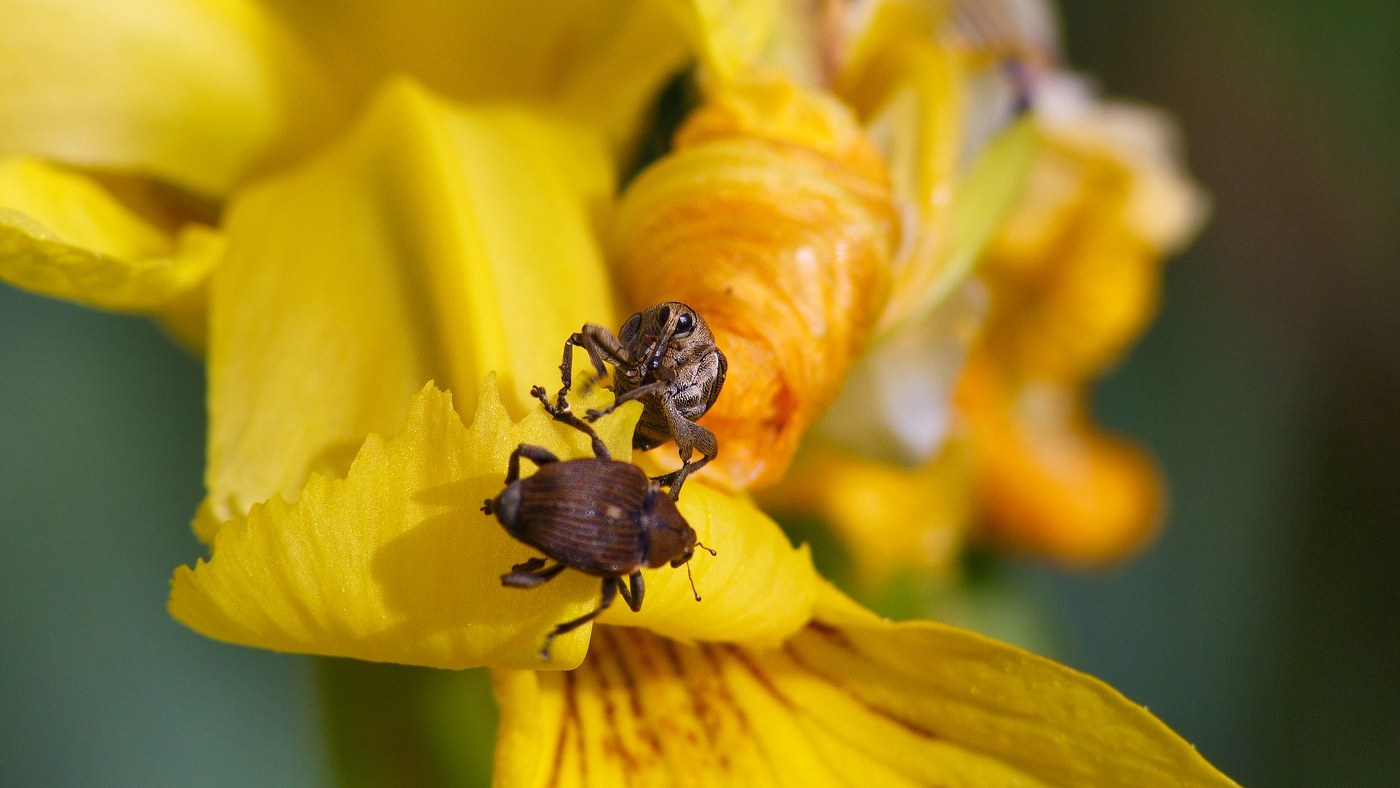
Acorn Weevil
Oak woodlands and forests, on and beneath oak trees
Wireworm
Soil of grasslands, gardens, and cultivated fields worldwide
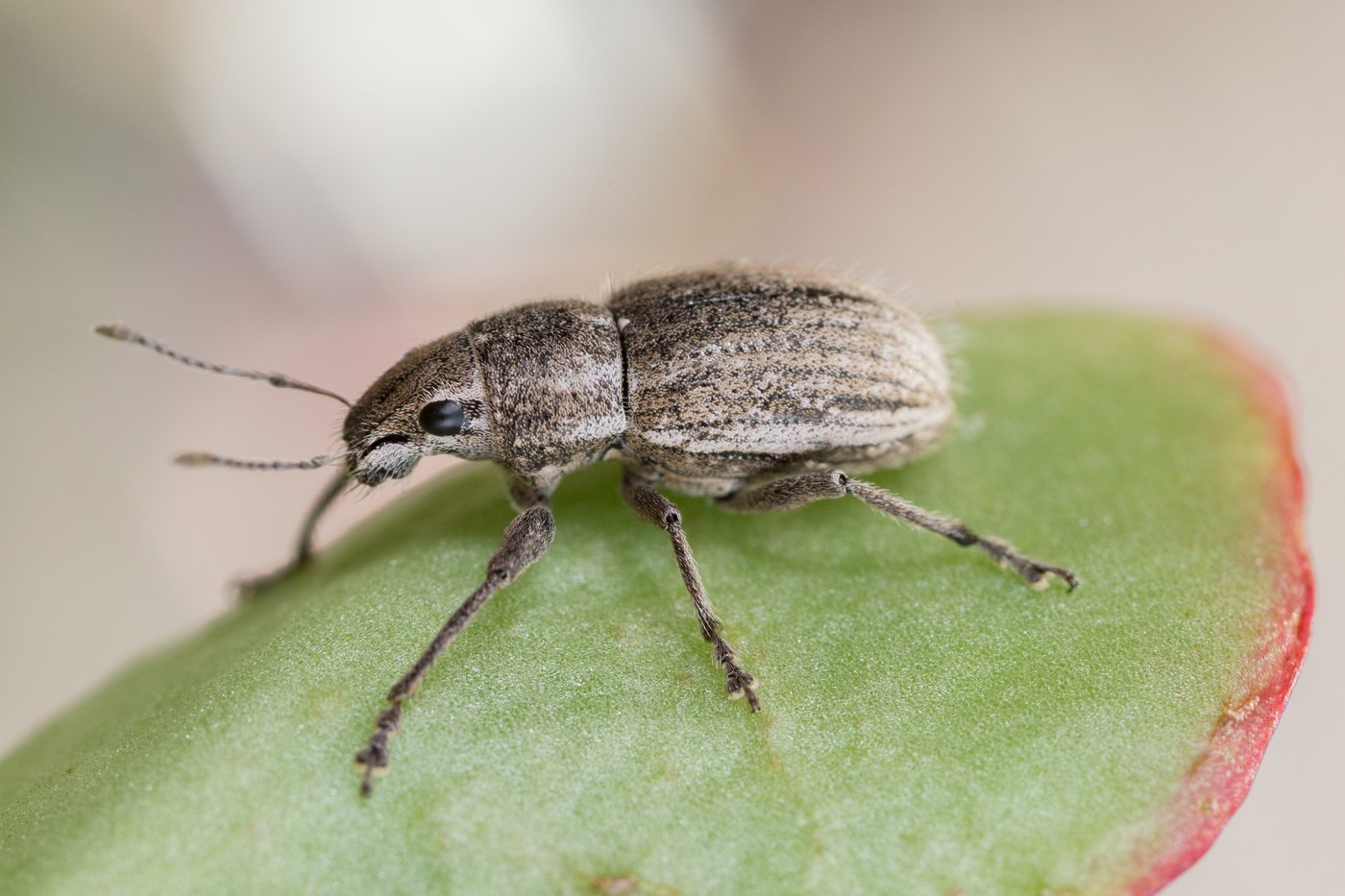
Whitefringed Beetle
Pastures, row crops, lawns, disturbed soils
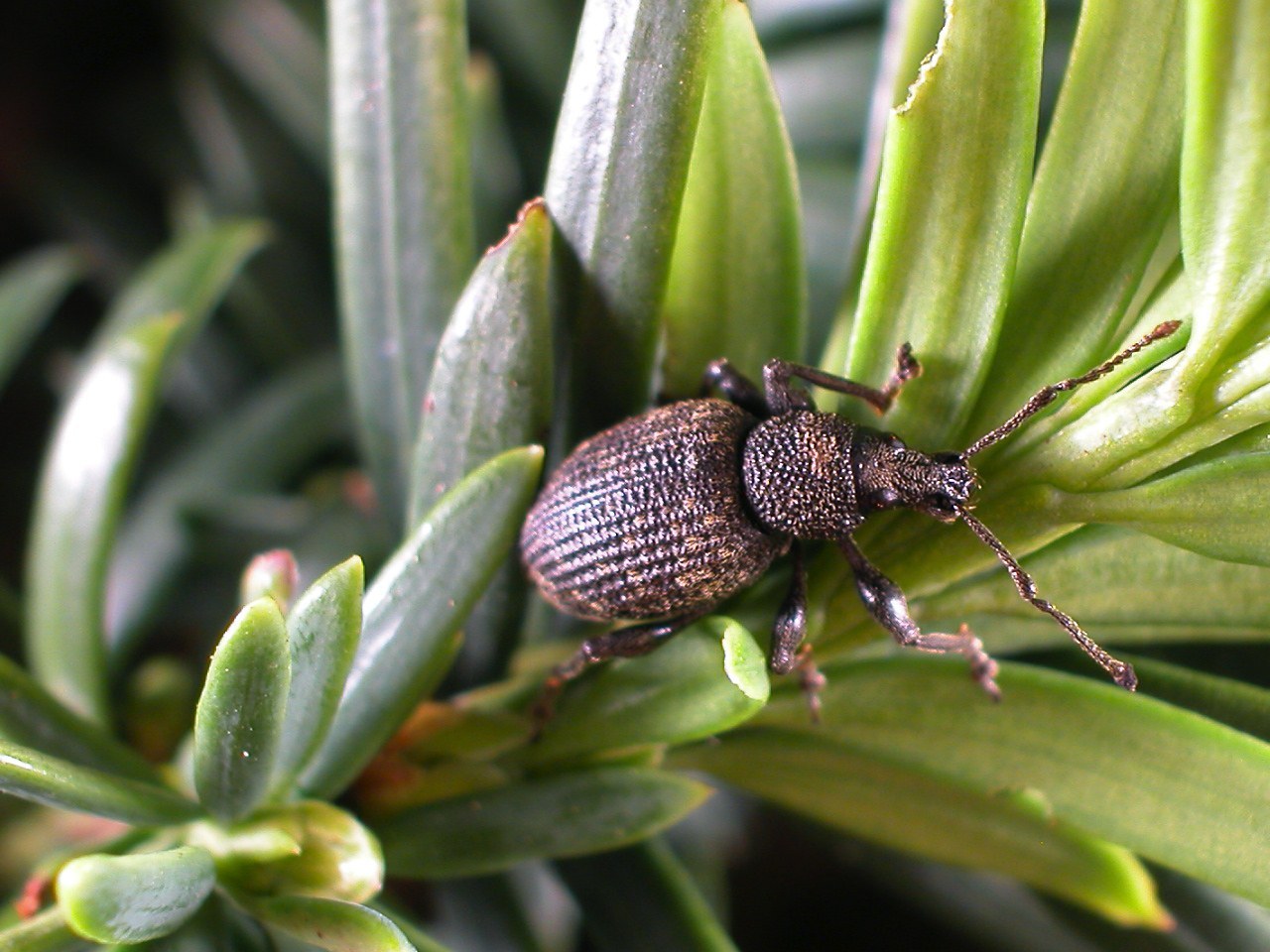
Vine Weevil
Gardens, nurseries, greenhouses, and container plantings
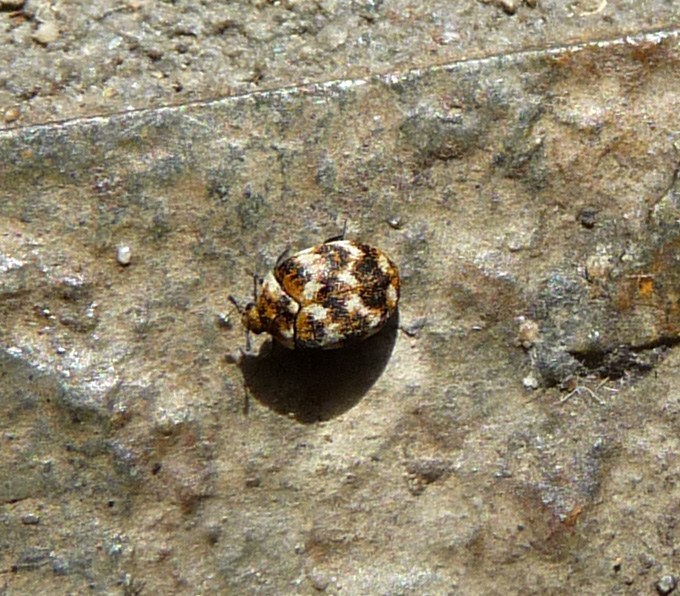
Varied Carpet Beetle
Homes, nests of birds and mammals, and flowers outdoors
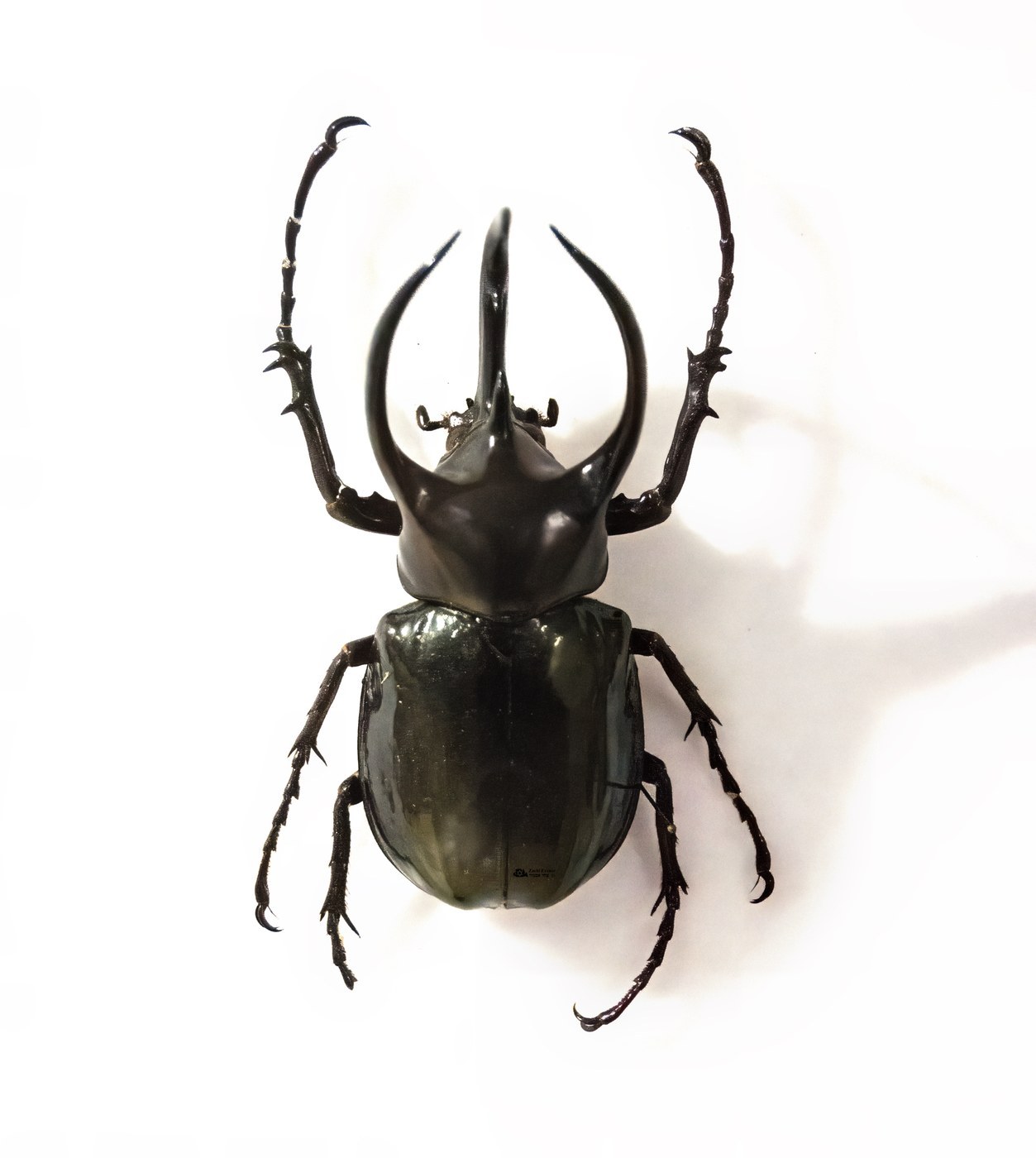
Atlas Beetle
Tropical forests of Southeast Asia
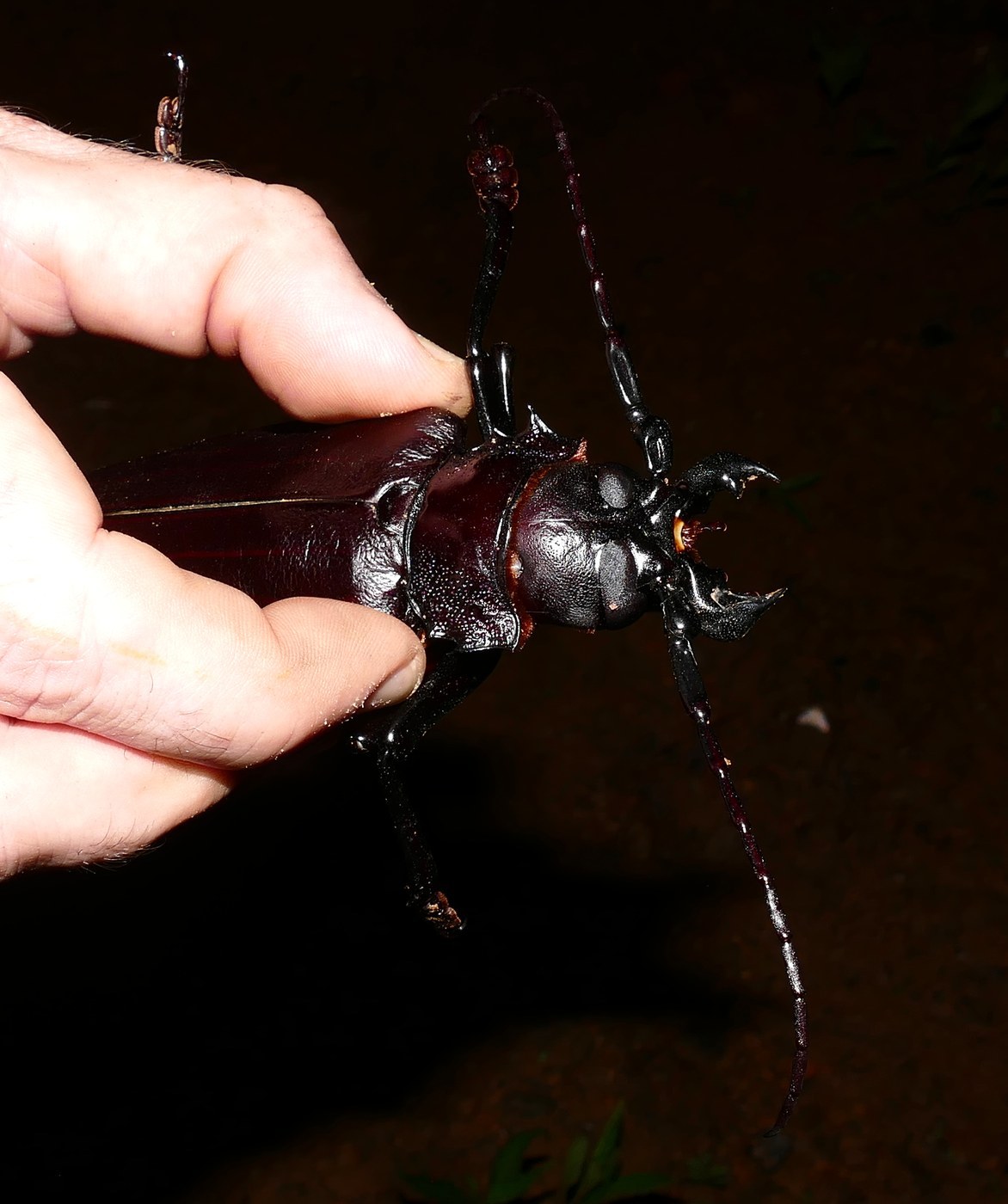
Titan Beetle
Amazon rainforest of South America
Ten-lined June Beetle
Sandy soils, pine forests, and orchards of western North America
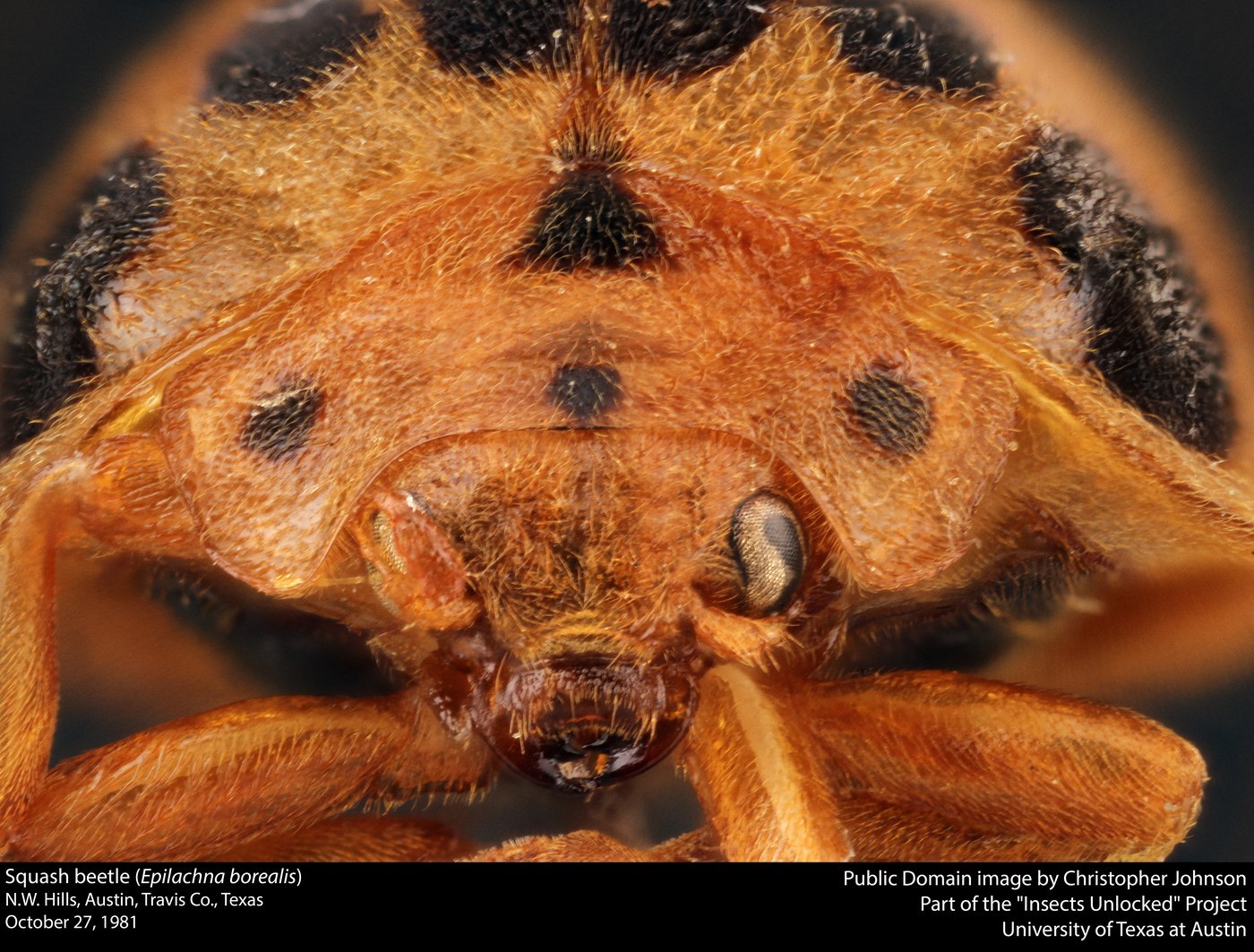
Squash Beetle
Vegetable gardens and fields growing squash, pumpkin, and other cucurbits