
Bug Encyclopedia
Search and identify bugs & insects — beetles, butterflies, moths, ants, bees, spiders and more — with size, habitat, danger, behavior, and how to tell them apart.
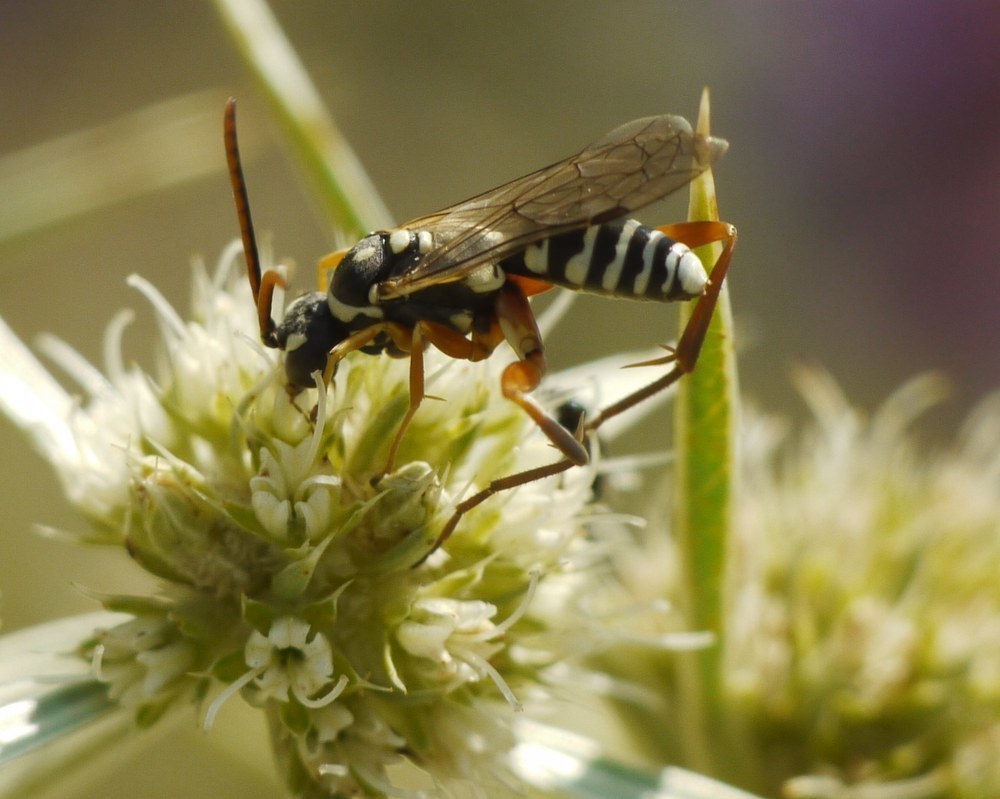
Spider Wasp
A quick, nervous-flying solitary wasp with long spiny legs and constantly flicking wings, recognized for its habit of running across open ground in short bursts while hunting spiders to paralyze and store for its young.
wasp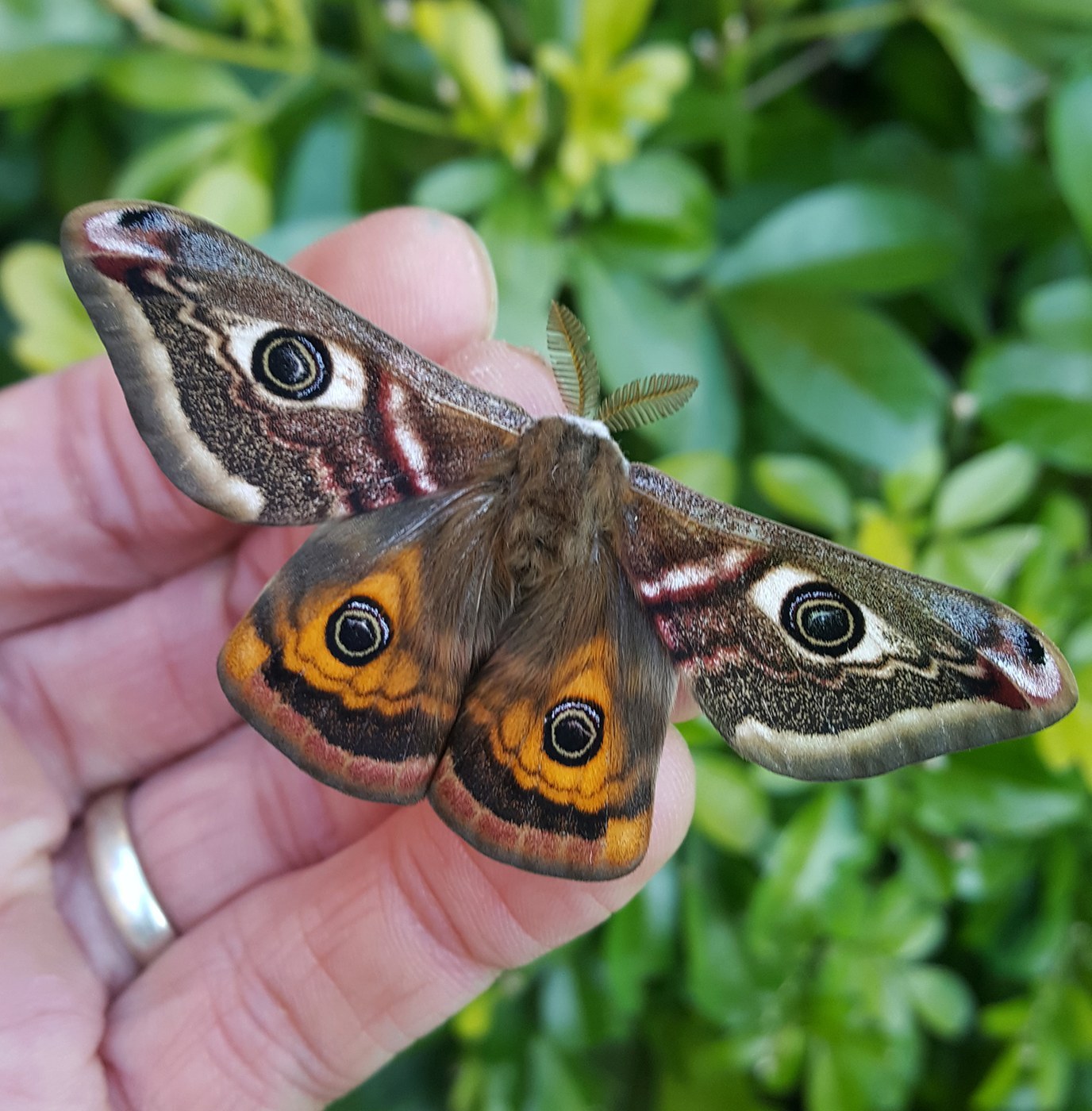
Small Emperor Moth
A striking day-flying moth with large eyespots on all four wings, gray-brown coloring in males and paler gray in the larger females, native to heathlands and open countryside across Europe.
moth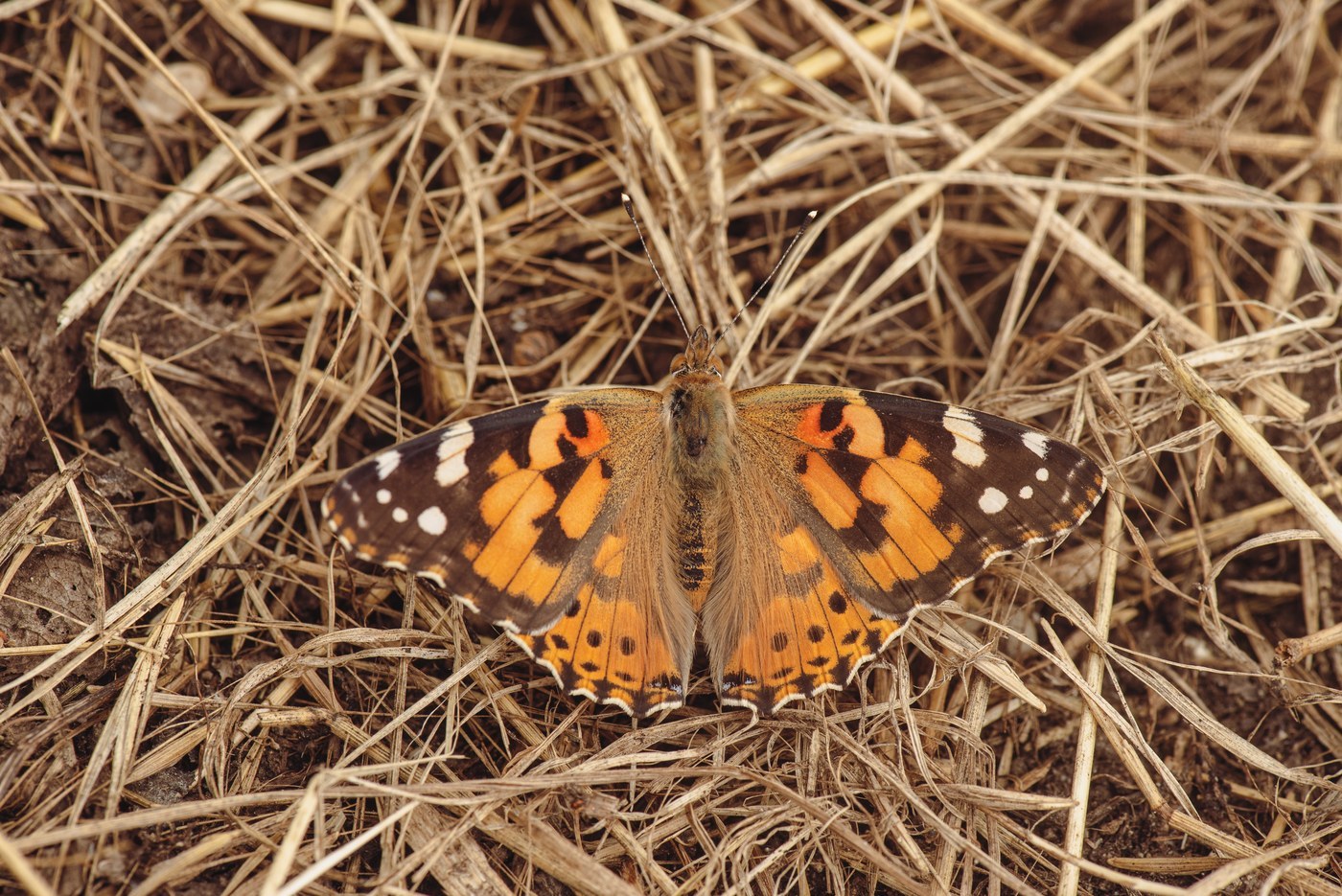
Painted Lady
One of the most widely distributed butterflies on Earth, recognized by its orange-and-black mosaic wings with white-spotted black tips and its habit of long-distance migration across continents.
butterflyLace Bug
A tiny, flattened true bug with delicately sculpted, lace-like wings resembling fine netting, the lace bug feeds in colonies on the undersides of leaves, leaving a stippled, bleached pattern on foliage.
true-bug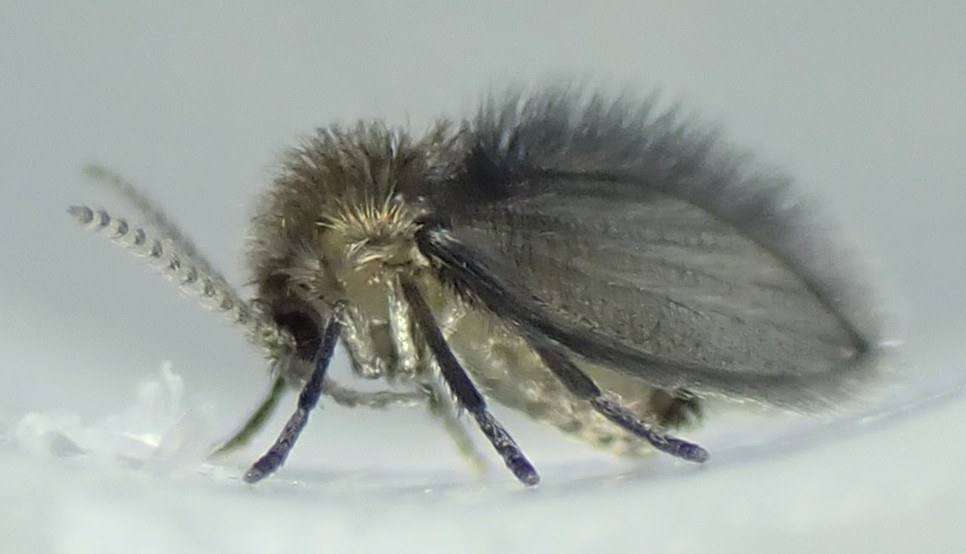
Drain Fly
A tiny, fuzzy gray-tan fly with broad, moth-like wings held tent-fashion over its body, often seen resting motionless on bathroom walls near drains.
fly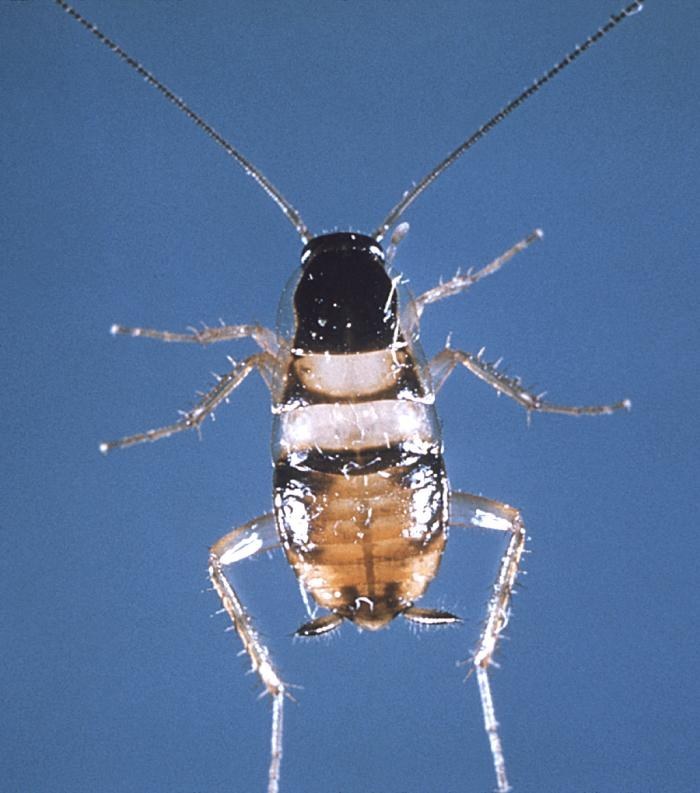
Brown-banded Cockroach
A small, glossy tan-brown cockroach marked with two light bands across its wings, often found tucked into furniture and warm upper rooms rather than kitchens and bathrooms.
other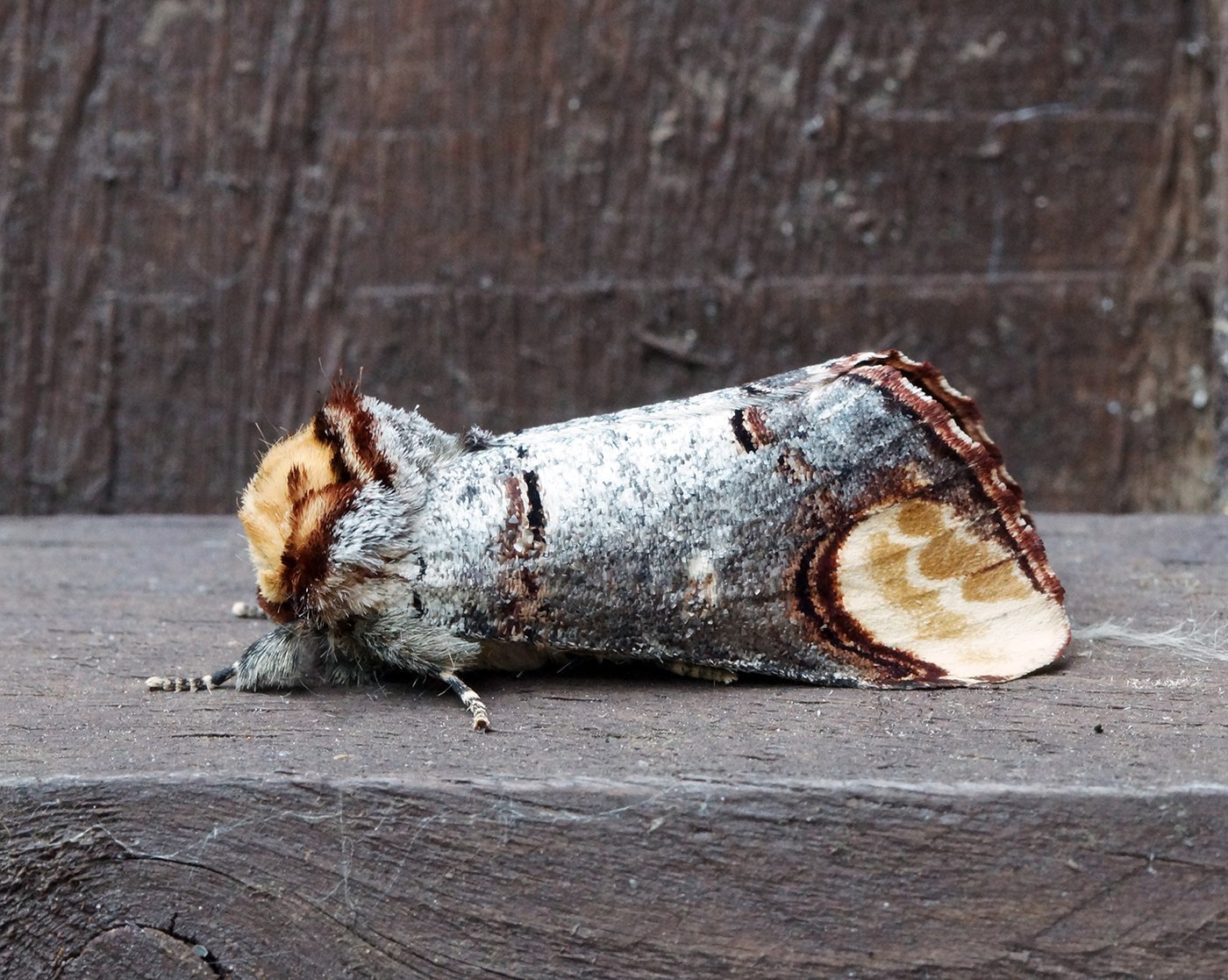
Buff-tip Moth
A moth so convincingly disguised as a broken birch twig that it is often overlooked entirely, with silvery-gray wings and pale buff patches at the tip and base that complete the illusion of snapped, weathered wood.
moth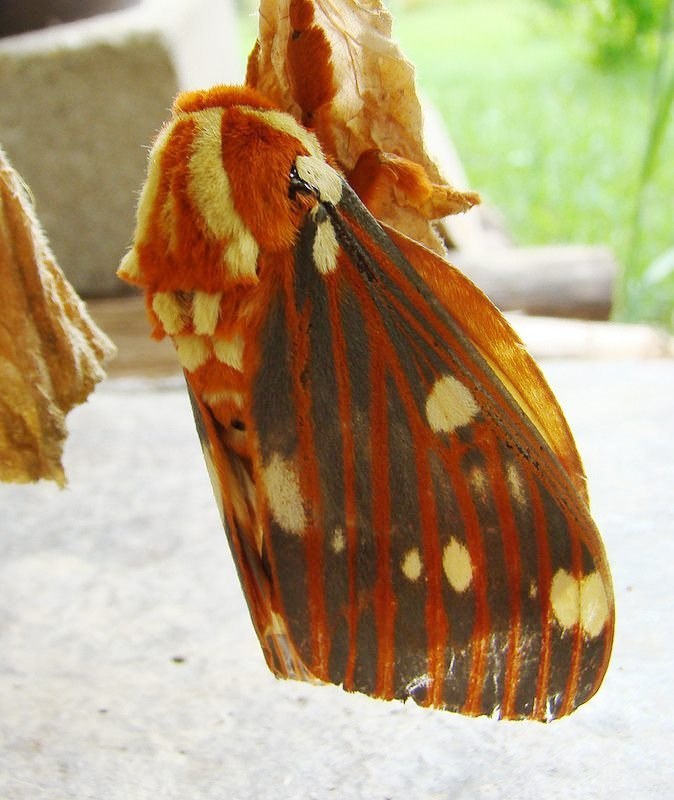
Regal Moth (Hickory Horned Devil)
One of the largest moths in North America, with orange-red and gray-veined wings on the adult, best known for its enormous, formidable-looking caterpillar, the hickory horned devil, a blue-green giant bristling with long orange spines.
moth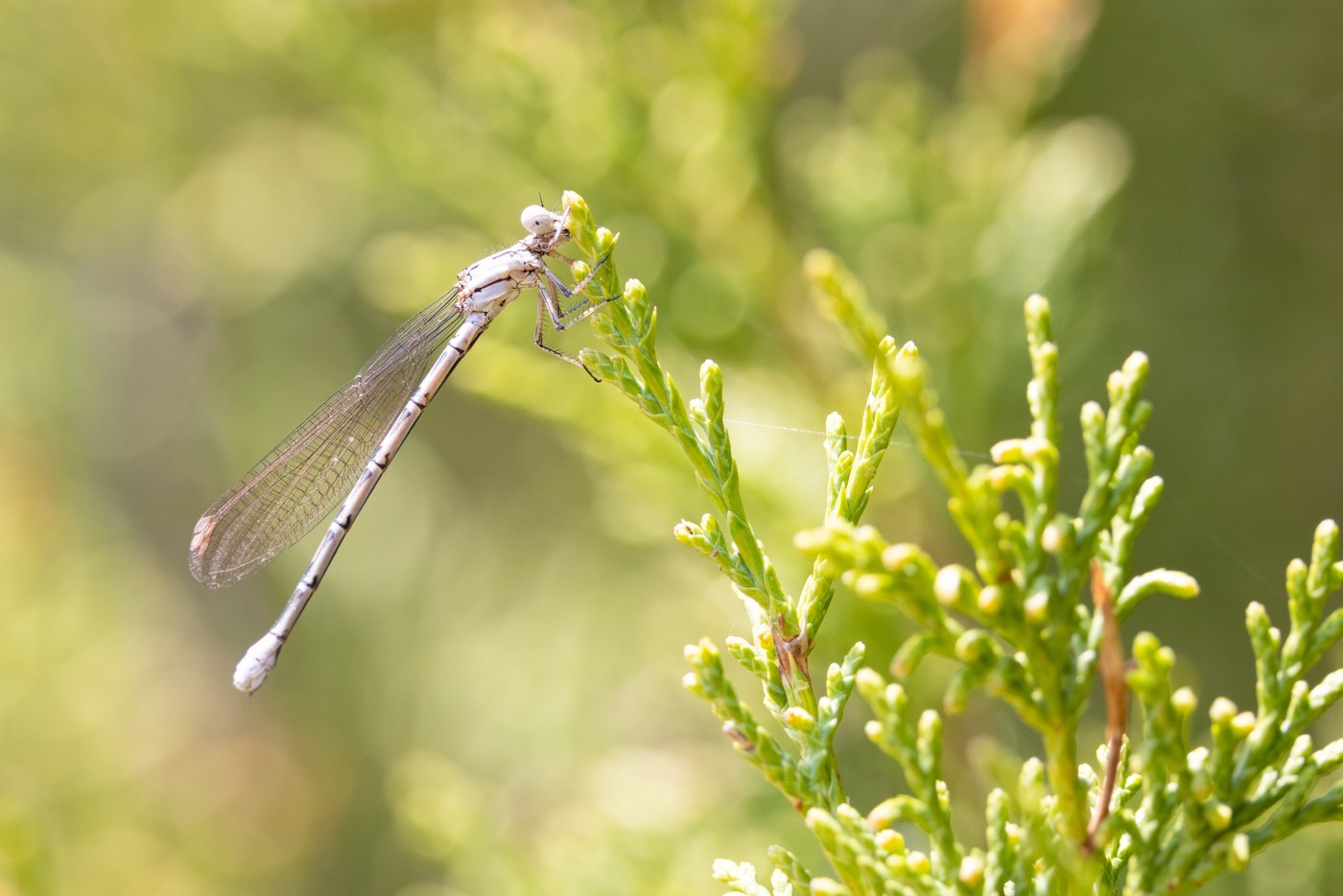
Damselfly
A slender, delicate relative of the dragonfly with widely spaced eyes and slim wings that fold together over its back at rest, often seen fluttering weakly among reeds and grasses at the water's edge.
dragonfly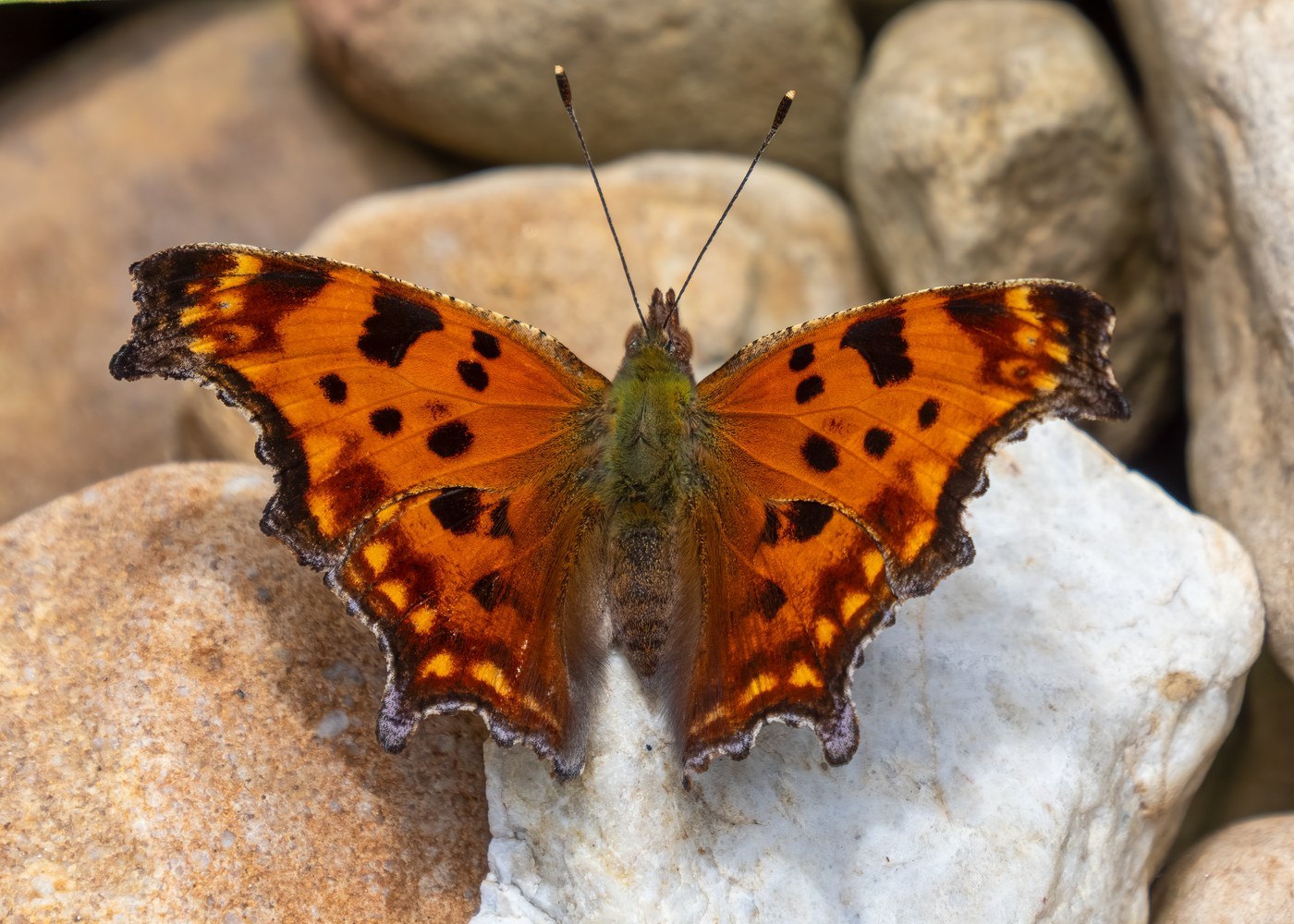
Eastern Comma
A ragged-edged orange-and-brown woodland butterfly named for the small, silvery comma-shaped mark on the underside of its hindwing, with a cryptic dead-leaf pattern that camouflages it perfectly when its wings are closed.
butterfly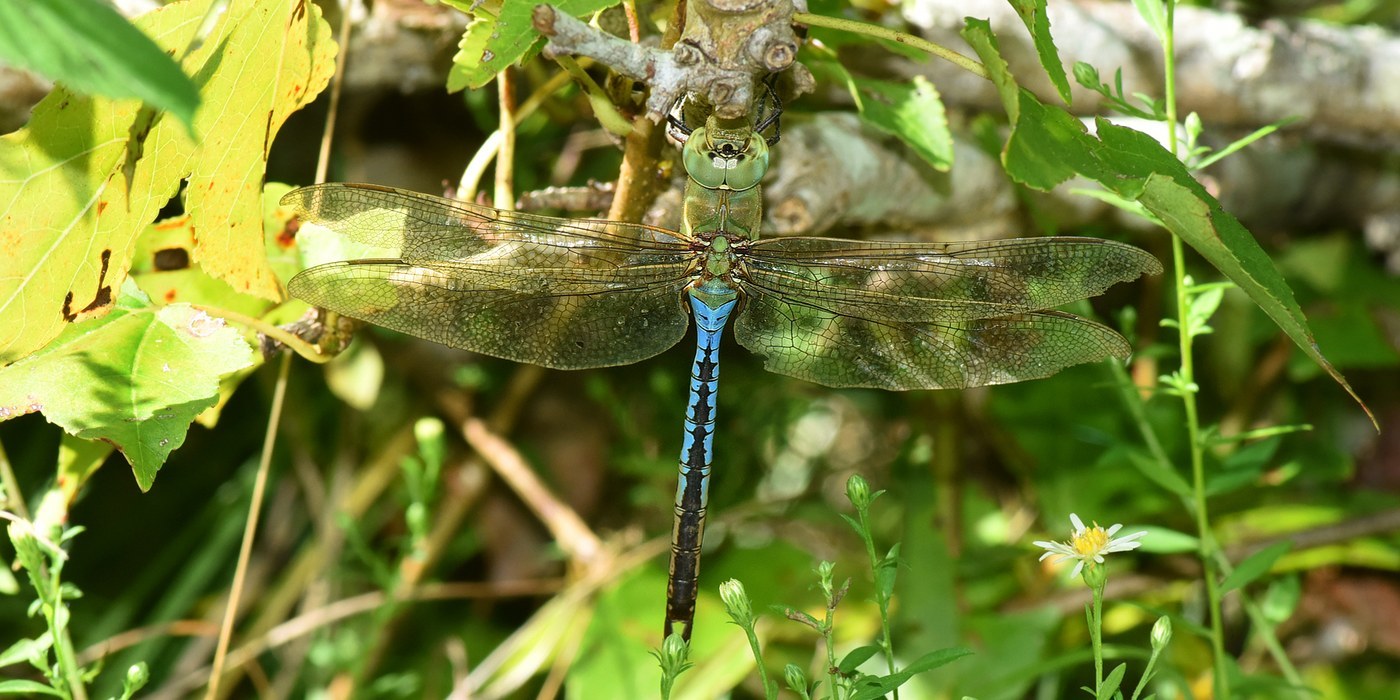
Dragonfly
A large, agile aerial predator with an elongated body, enormous compound eyes, and two pairs of strong wings held straight out to the sides at rest, often seen patrolling over water in search of prey.
dragonfly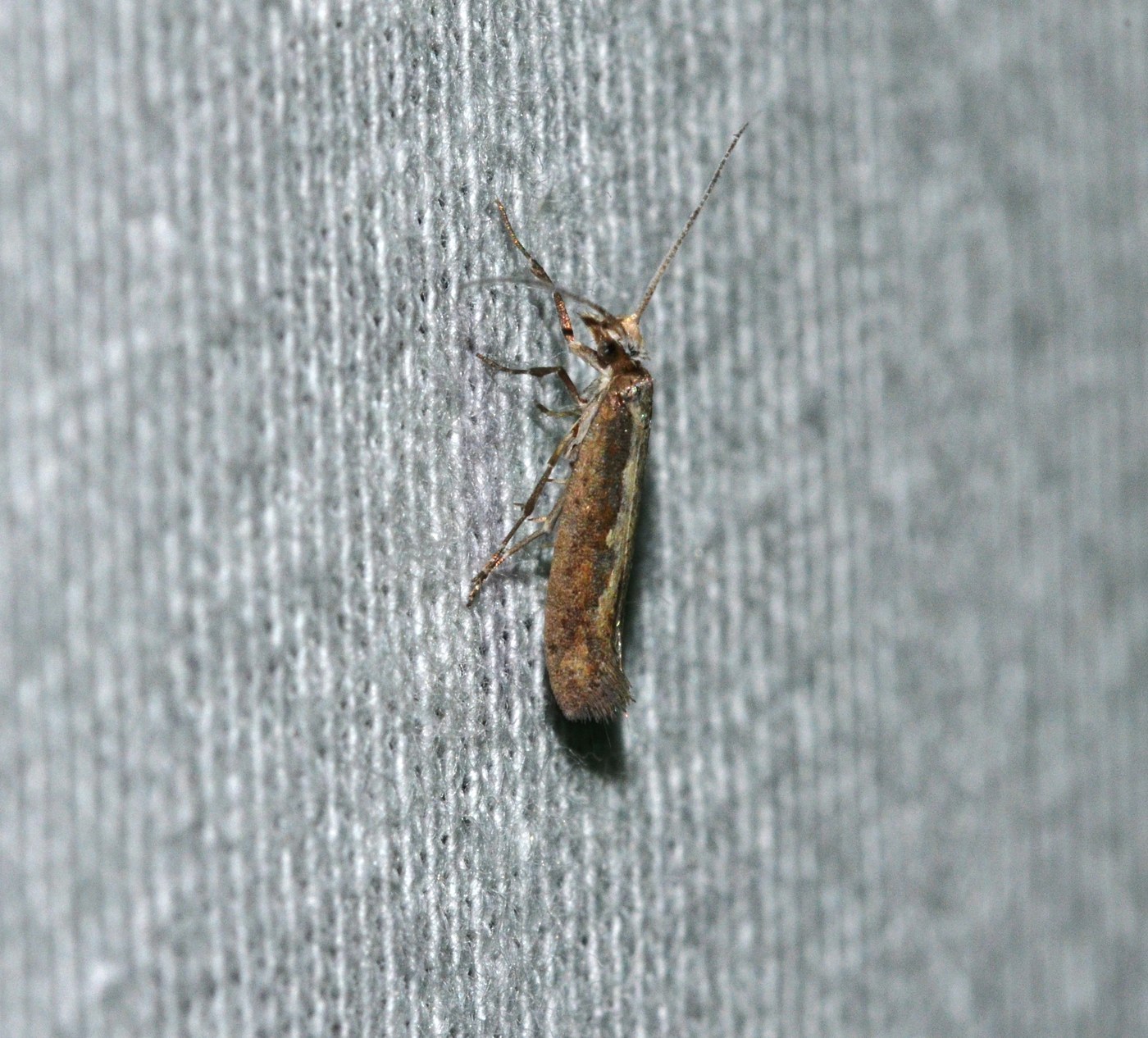
Diamondback Moth
A small, slender grey-brown moth named for the pale, diamond-shaped pattern that appears down its back when the wings are folded, best known as a widespread pest of cabbage and other brassica crops.
moth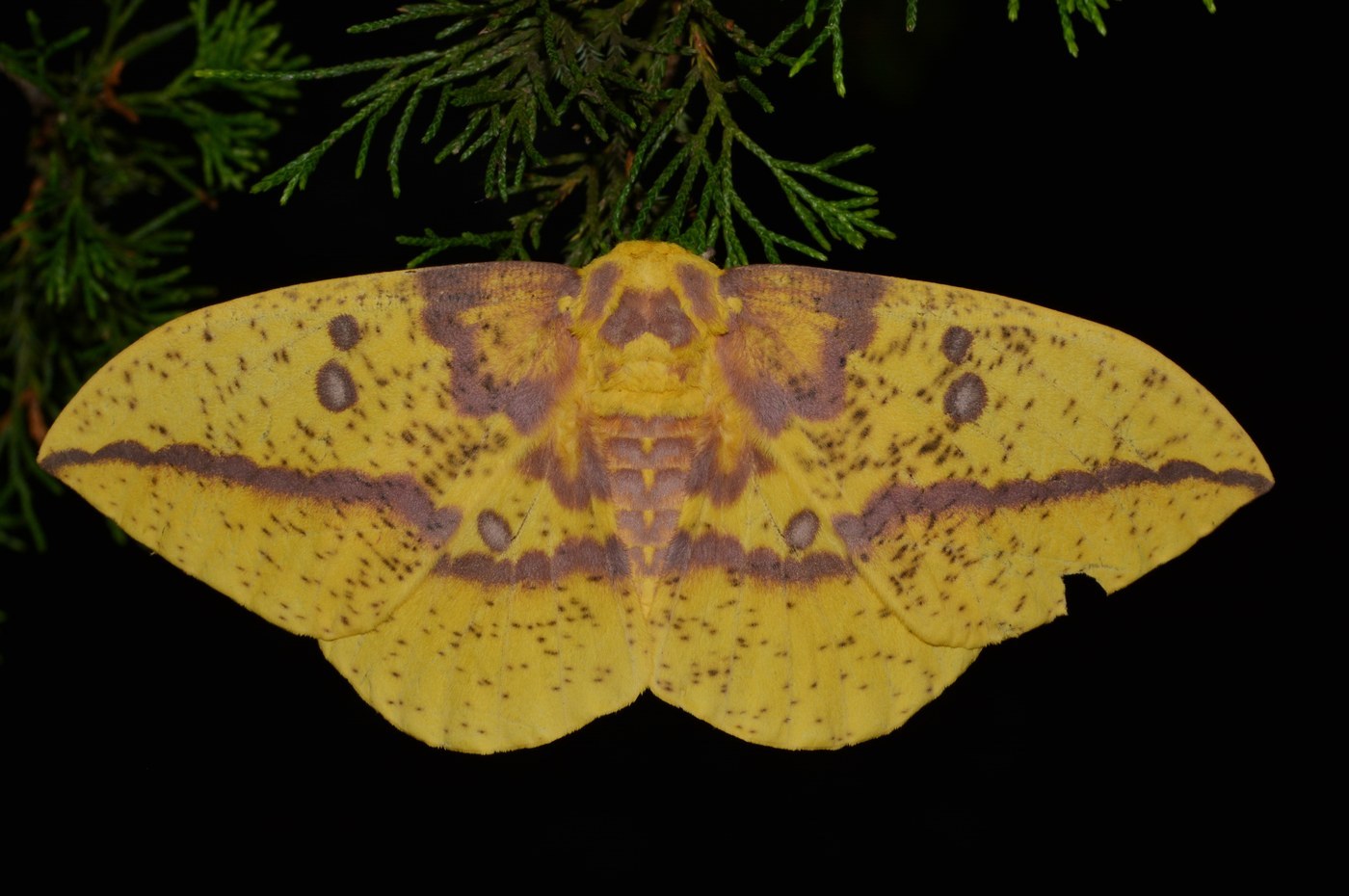
Imperial Moth
One of the largest and most variably patterned silk moths in North America, with broad yellow wings mottled in shades of purple, brown, and pink, and a caterpillar that can grow to impressive size on a wide range of forest trees.
mothBirdwing Butterfly
Among the largest butterflies on Earth, birdwings soar through rainforest canopies on angular, bird-like wings. Males dazzle with iridescent greens, golds, and blues, while the larger females wear more subdued browns.
butterflyLouse Fly
A flattened, leathery-bodied fly that clamps onto fur or feathers with stout claws and scuttles sideways like a tiny crab rather than taking flight when disturbed. Several species shed their wings for good once they settle on a permanent host, spending the rest of their lives buried in fleece or plumage.
fly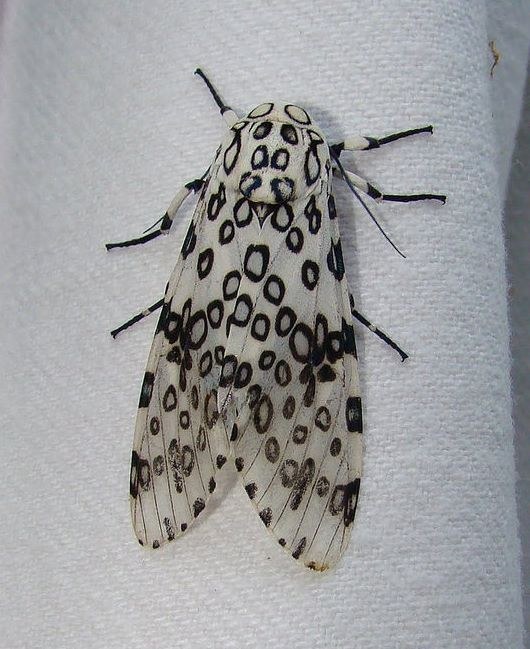
Giant Leopard Moth
A striking white moth patterned with bold, hollow black rings and dots resembling leopard spots, revealing an iridescent blue-black abdomen marked with orange when its wings part, making it one of the most eye-catching tiger moths in North America.
moth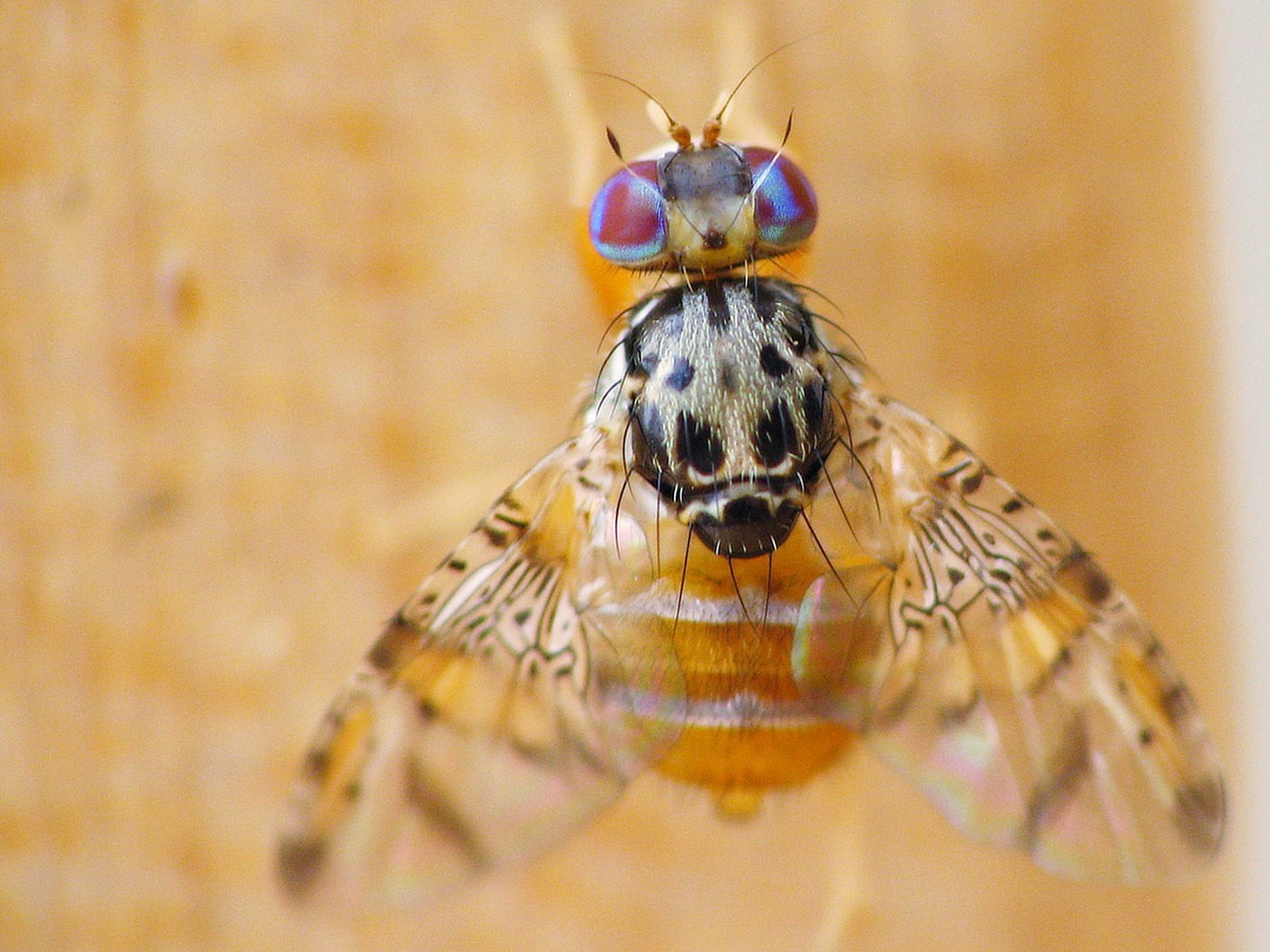
Fruit Fly (Mediterranean)
A small but strikingly patterned fly with mottled, banded wings held out to the sides in a fan and a body dotted with silvery spots, best known for larvae that tunnel through ripening fruit. Native to sub-Saharan Africa, it has spread with human trade to become one of the most widely recognized fruit-infesting insects in the world.
fly