
Booklice (Psocid)
Liposcelis spp.
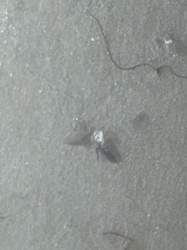
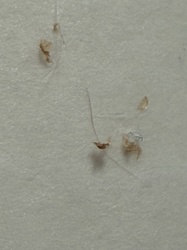
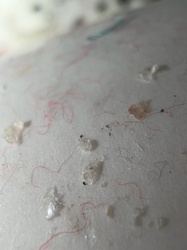
A tiny, soft-bodied, pale insect barely visible to the naked eye that grazes on mold and mildew in damp books, wallpaper, and stored goods.
- Size
- 0.04-0.08 in (1-2 mm)
- Habitat
- Damp paper, stored food, bark, and humid indoor spaces
- Danger
- Harmless
Spotted a bug like this?
Identify any bug or insect from a photo, free.
Overview
Booklice, more accurately called psocids, are minute insects in the order Psocodea (historically Psocoptera), a group that also includes outdoor bark lice found on tree trunks. Despite the common name, booklice are not true lice and do not feed on blood or parasitize animals; instead, the name reflects their frequent discovery in old books and paper products, where they graze on the microscopic mold and mildew that grow in humid conditions.
Because of their tiny size and preference for humid microhabitats, booklice often go unnoticed until they appear in large numbers on damp paper, stored food packaging, or windowsills, particularly in newly built or recently humid homes where mold growth provides an ample food source.
How to Identify
- Body soft, pale white, tan, or light brown, and very small, typically only 0.04 to 0.08 inch (1-2 mm) long
- Indoor species (Liposcelis and related genera) are usually wingless, while some outdoor bark lice species have wings held roof-like over the body
- Head appears relatively large compared to the body, with long, thread-like antennae
- Body is soft and translucent enough that internal structures may be faintly visible under magnification
- Often mistaken for tiny bed bug nymphs, but booklice are far smaller, lack the reddish coloration of blood-fed bed bugs, and move in a distinctive jerky, wandering fashion
- Typically found in clusters on damp paper, cardboard, wallpaper, or stored food products
Habitat & Range
Booklice are found worldwide in humid microhabitats, including damp books, papers, wallpaper, stored grain and cereal products, and mold-affected surfaces indoors, as well as under tree bark and among leaf litter outdoors for related bark lice species. Indoors they are especially common in newly constructed buildings where residual construction moisture supports mold growth, or in humid basements, bathrooms, and kitchens. They can be present year-round indoors wherever humidity and a mold food source persist, while outdoor bark lice populations are most visible in warm, humid months.
Behavior & Diet
Booklice feed primarily on molds, mildew, fungal spores, and other microscopic organic matter that grows in damp conditions, along with starchy residues found in glue, paper, and stored food products. They move about in small, loosely clustered groups and are highly sensitive to humidity, thriving where moisture is elevated and often disappearing quickly once an area dries out. As grazers of mold and fungal growth, booklice play a minor decomposer role, helping break down fungal material on damp surfaces, and their presence indoors is generally treated as a sign of excess humidity rather than a threat in itself.
Life Cycle
Females lay small eggs, sometimes covered with a thin protective silk webbing, in humid locations near a food source such as mold-affected paper or stored goods. Nymphs hatch resembling smaller versions of the adults and develop through gradual (incomplete) metamorphosis, molting several times before reaching maturity. Because indoor booklice species are typically wingless and development is strongly tied to humidity and temperature, generations can overlap continuously in consistently damp indoor environments, allowing populations to build up quickly when moisture and mold are abundant.
Frequently asked questions
Are booklice actual lice?
No, despite the name, booklice are not related to parasitic lice and do not feed on blood; they are psocids that graze on mold and organic debris.
Why do booklice appear in books and paper?
They are attracted to the mold, mildew, and starchy glue that can develop on paper products in humid conditions, which serves as their food source.
How can I tell booklice apart from bed bug nymphs?
Booklice are much smaller, pale and translucent rather than reddish, and move with a slow, wandering, jerky motion, quite different from the more purposeful crawling of bed bug nymphs.
Do booklice bite people?
No, they have no biting mouthparts adapted to feed on people and are not known to bite.
Booklice (Psocid) guides
In-depth guides for identifying, understanding, and living alongside Booklice (Psocid).
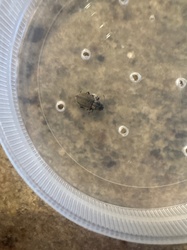
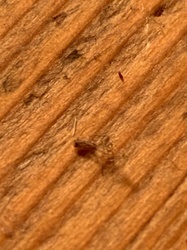
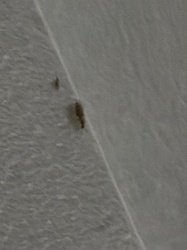
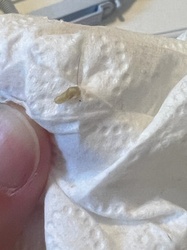
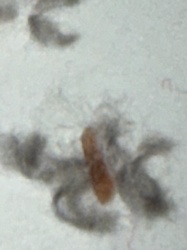
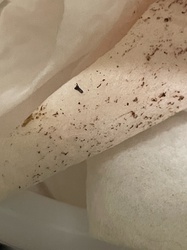
Booklice (Psocid) identified by the community
Real finds identified with Bug Identifier.
Other bugs you may enjoy
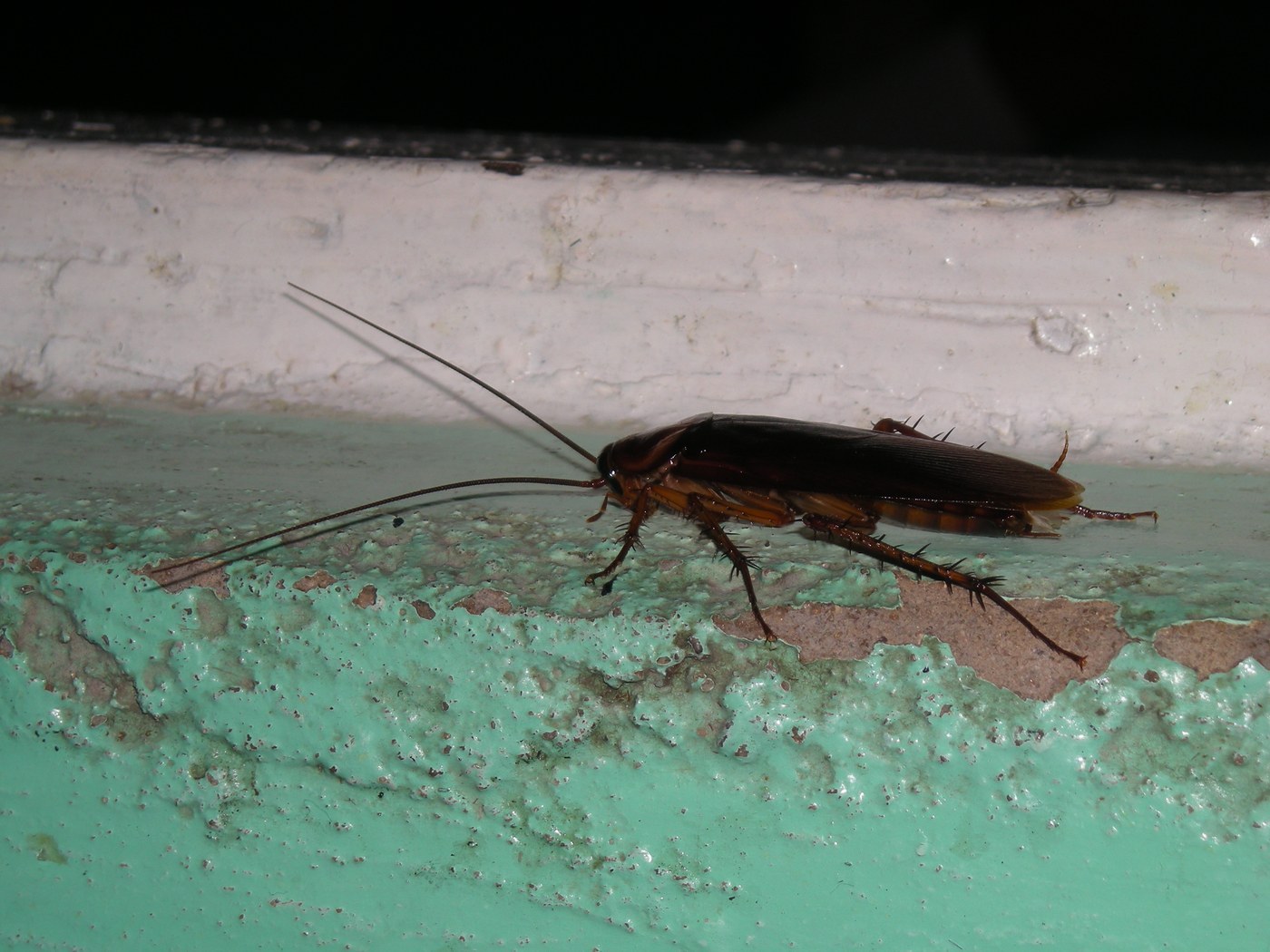
American Cockroach
Warm, humid environments such as basements, sewers, drains, and tropical outdoor settings
Thrips
Flowers, foliage, gardens, greenhouses, crop fields
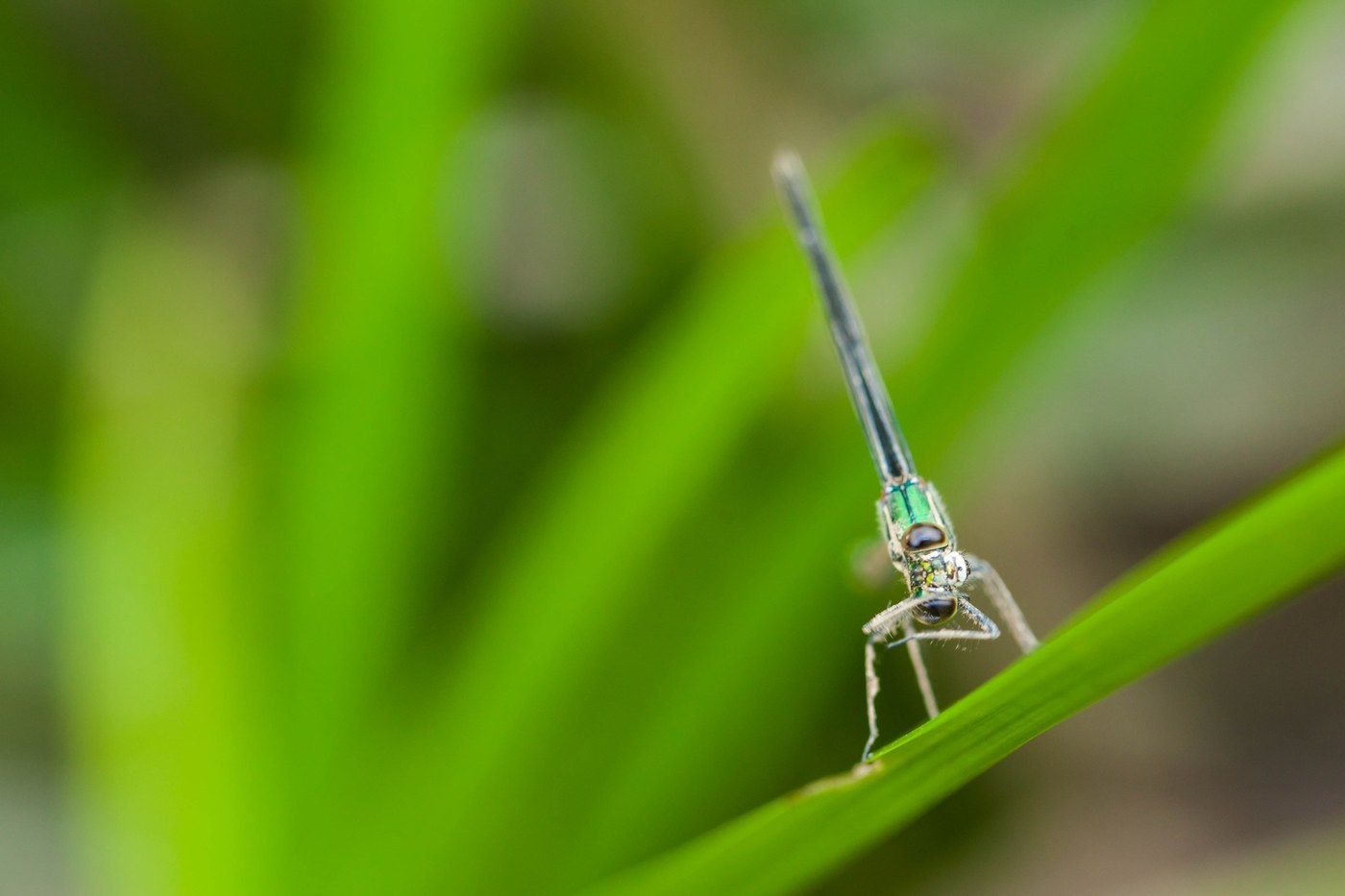
American Rubyspot
Sunny rivers and streams with moderate current
Springtail
Moist soil, leaf litter, decaying organic matter, and damp indoor areas
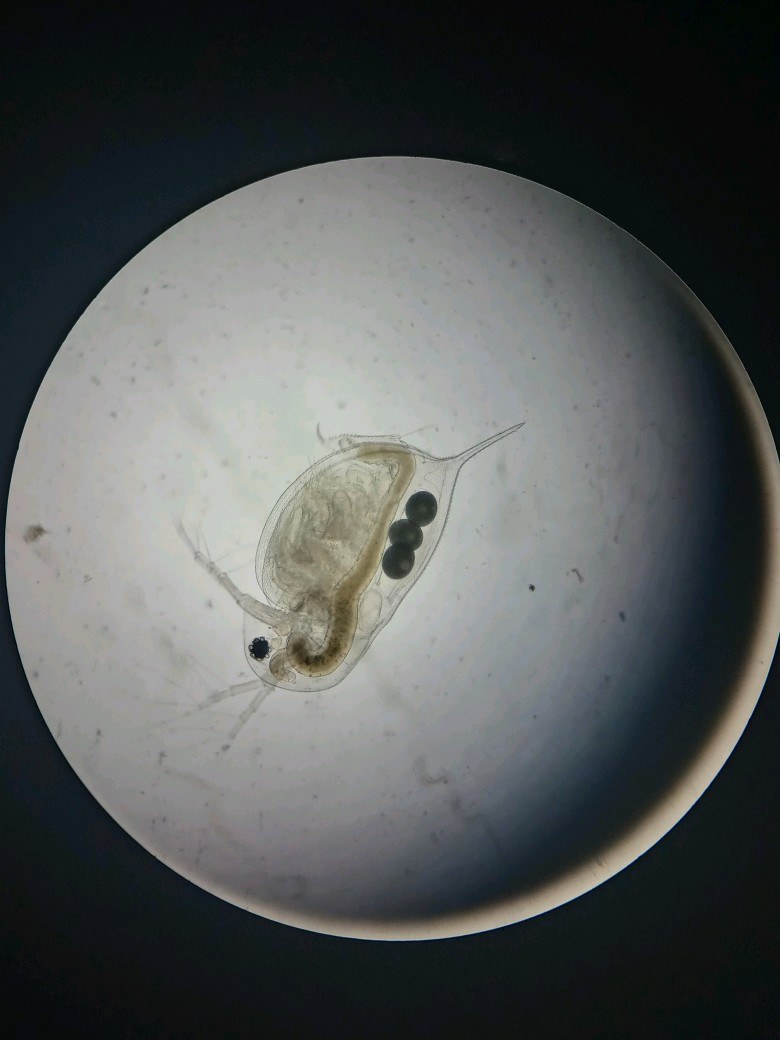
Water Flea
Ponds, lakes, and slow streams as free-floating plankton
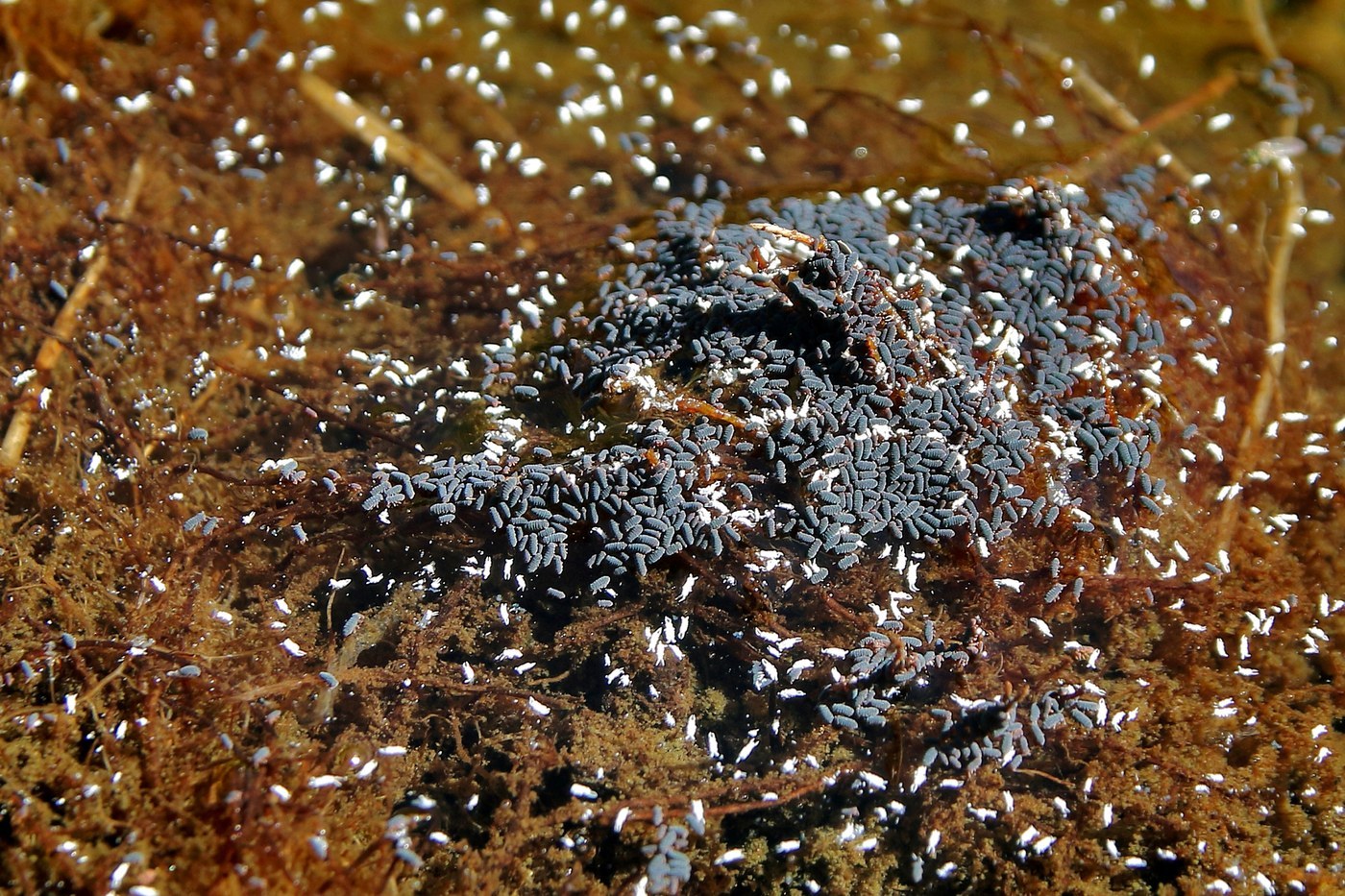
Water Springtail
Surface film of ponds, puddles, and slow ditches
Slug
Gardens, damp soil, leaf litter, greenhouses
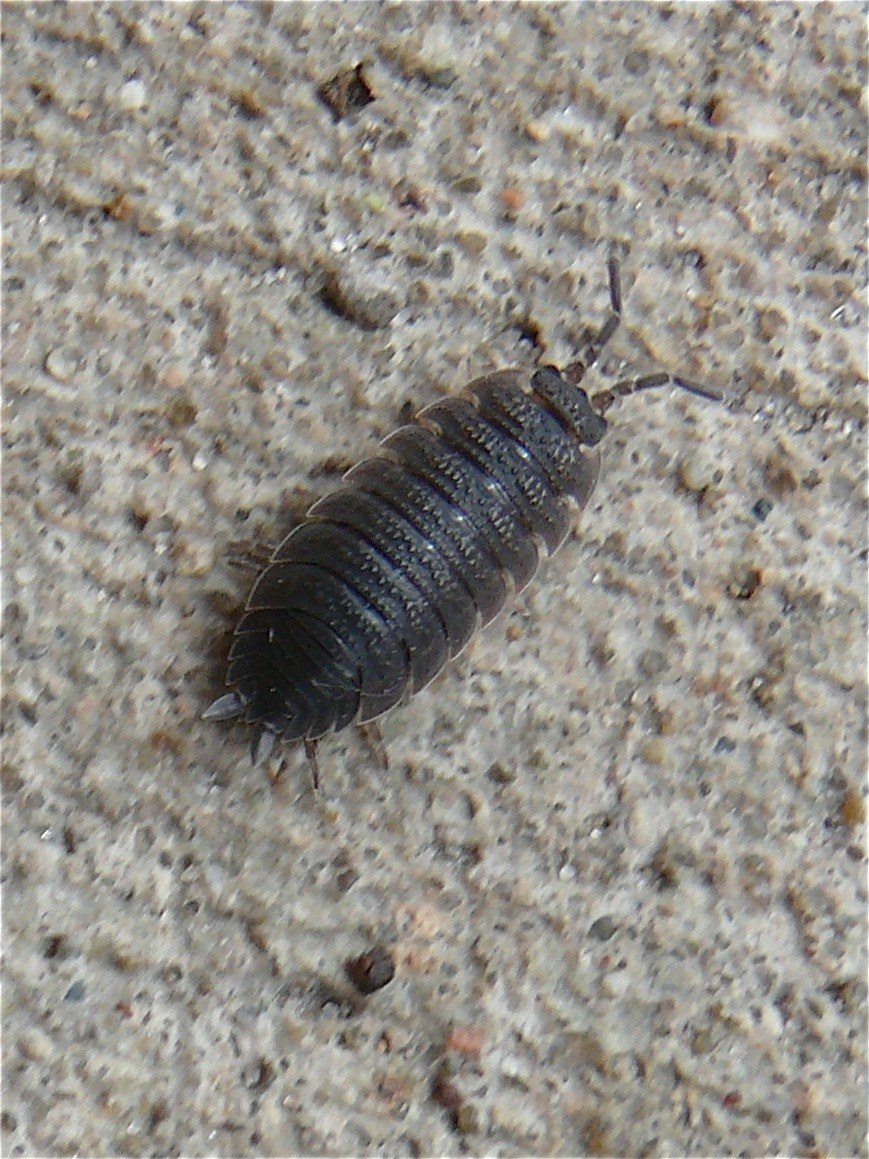
Sowbug
Leaf litter, under rocks/logs, damp garden soil, basements
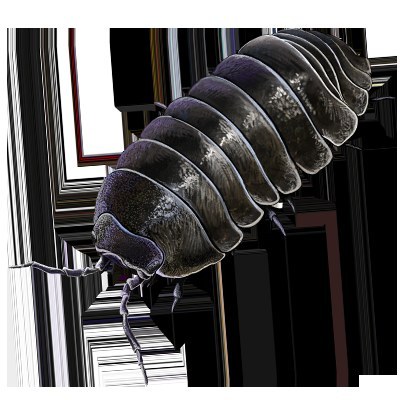
Pill Bug
Damp soil, leaf litter, under rocks and logs, garden beds
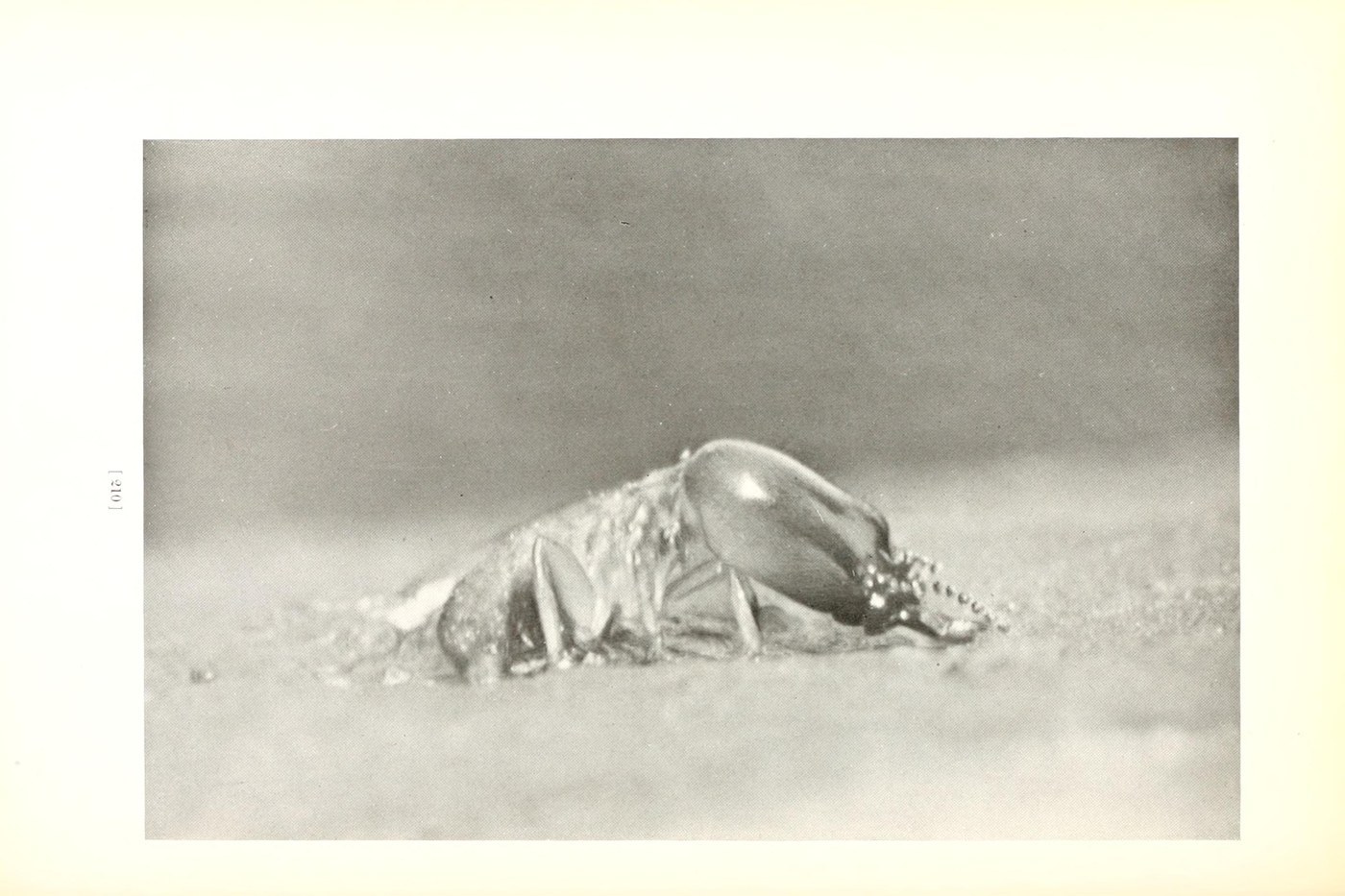
Termite
Soil, decaying wood, tree stumps, and wooden structures
Termite Swarmer
Emerges from underground or wood-nesting colonies, often near structures and moist soil
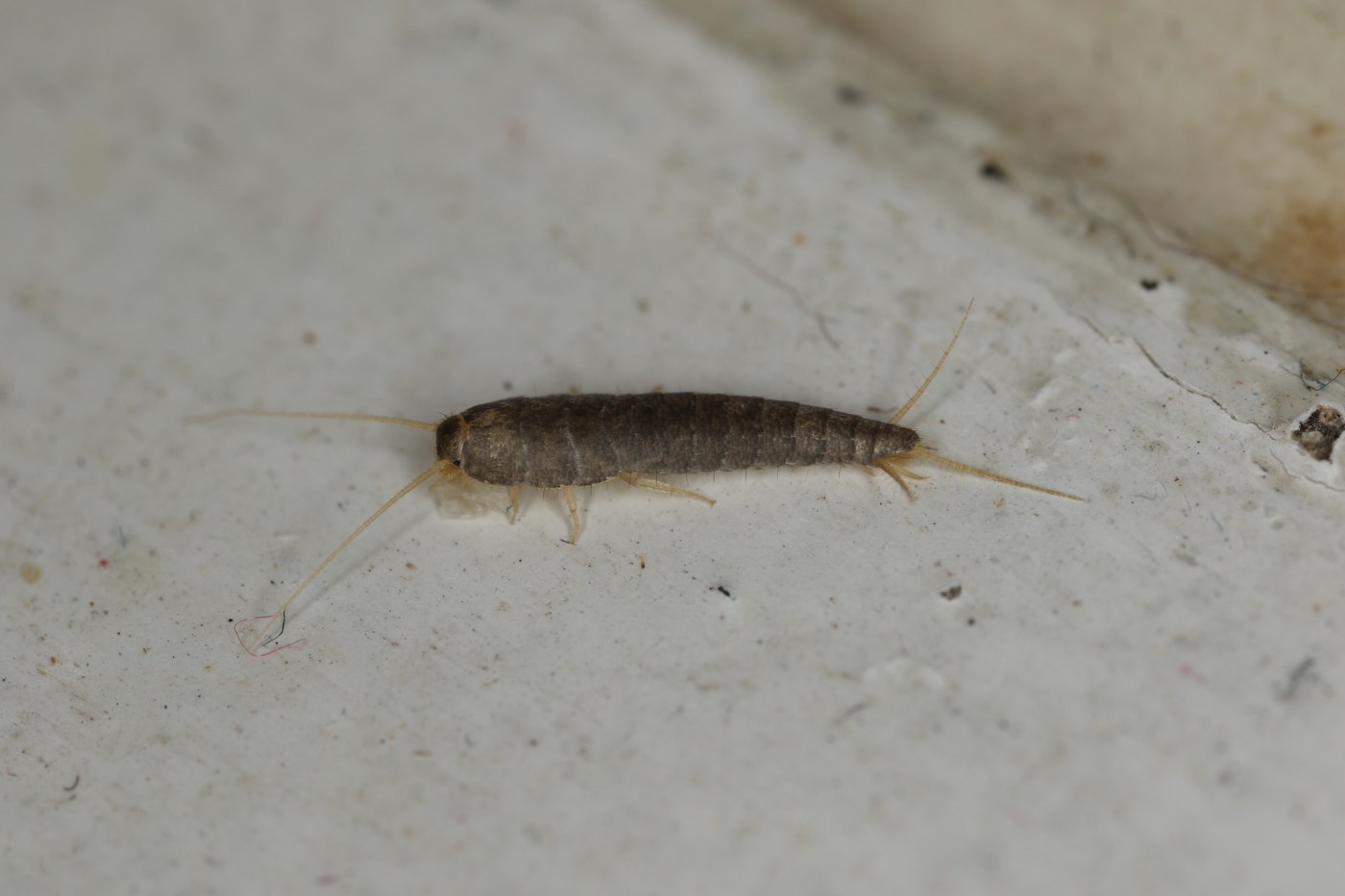
Silverfish
Damp basements, bathrooms, closets, and dark indoor crevices