
Caddisfly Larva
Trichoptera spp.
A soft-bodied aquatic larva famous for building a portable protective case from sand, gravel, or plant debris bound together with silk.
- Size
- 5-30 mm
- Habitat
- Streams, rivers, ponds, and lakes
- Danger
- Harmless
Spotted a bug like this?
Identify any bug or insect from a photo, free.
Overview
Caddisfly larvae are the aquatic immature stage of insects in the order Trichoptera, close relatives of moths and butterflies that share a similar wing-scale ancestry but live an entirely aquatic larval life. Many caddisfly species are best known for the elaborate protective cases their larvae construct from silk combined with materials such as sand grains, small pebbles, twigs, or bits of leaf and plant debris.
Not all caddisfly larvae build portable cases, however; some species instead spin fixed silk nets or retreats attached to rocks to filter food from the current, while others live freely without any case at all. Case-building species carry their home wherever they go, retreating fully inside when threatened and dragging the case along using their legs as they crawl or swim.
Caddisflies are considered important indicators of stream health, since many species require clean, well-oxygenated water and are sensitive to pollution, similar to mayflies and stoneflies.
How to Identify
- Larvae are 5-30 mm long, soft-bodied, and caterpillar-like, with a hardened head capsule and three pairs of true legs on the thorax.
- Case-building species live inside a tube constructed from sand grains, pebbles, twigs, or leaf fragments bound with silk, distinctive in shape by species (straight tube, spiral, or curved).
- Non-case-building species may be free-living or construct fixed silk retreats and capture nets on rocks instead of a portable case.
- The abdomen often bears filamentous gills along its sides in case-bearing species.
- A pair of hooked prolegs at the rear of the abdomen anchors the larva inside its case.
- Lookalikes include some aquatic moth larvae, but the combination of a portable debris case and true thoracic legs is distinctive to caddisflies.
Habitat & Range
Caddisfly larvae are found in freshwater habitats worldwide, including fast-flowing rocky streams, slow rivers, ponds, and lakes. Case-building and net-spinning species tend to favor flowing water with abundant oxygen and building material, while some free-living or case-less species tolerate slower or standing water. They are most diverse and abundant in clean, unpolluted streams, where different species occupy specific microhabitats such as riffles, pools, or leaf litter accumulations.
Behavior & Diet
Feeding strategies vary widely among caddisfly larvae: many graze on algae and organic debris, some shred and consume decaying leaf litter, others filter fine particles from the water using silk nets, and a smaller number are predators of other small invertebrates. The protective case built by many species offers camouflage and physical protection from predators while the larva feeds and moves along the stream or lake bottom. Caddisfly larvae are a significant food source for fish and other predators, and their leaf-shredding activity helps break down organic matter, contributing to nutrient cycling in freshwater ecosystems.
Life Cycle
Eggs are laid in gelatinous masses on or near water, sometimes attached to submerged rocks or vegetation. Larvae hatch and, in case-building species, begin constructing their protective case almost immediately, enlarging it as they grow through five instars. When mature, the larva seals itself inside its case (or spins a separate cocoon) and pupates underwater. The pupa eventually cuts its way free, swims or crawls to the surface, and molts into the winged adult, which resembles a small moth. Most temperate species overwinter as larvae, with adult emergence concentrated in spring through fall depending on species and region.
Frequently asked questions
Why do caddisfly larvae build cases?
The case, built from silk and materials like sand or plant debris, provides camouflage and physical protection while the larva feeds and grows.
Do all caddisfly larvae build a portable case?
No, some species instead build fixed silk nets or retreats to filter food, and others live freely without any case.
What do caddisfly larvae eat?
Diets vary by species and include algae, decaying leaf litter, filtered organic particles, and in some cases other small invertebrates.
What do adult caddisflies look like?
Adults resemble small, drab moths with hairy wings held tent-like over the body, reflecting their close evolutionary relationship to Lepidoptera.
Caddisfly Larva guides
In-depth guides for identifying, understanding, and living alongside Caddisfly Larva.
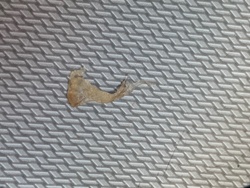
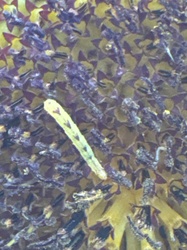
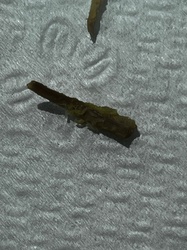
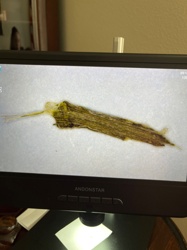
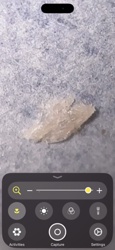
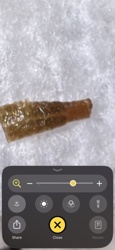
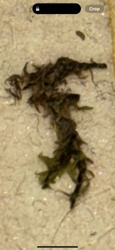
Caddisfly Larva identified by the community
Real finds identified with Bug Identifier.
Other bugs you may enjoy
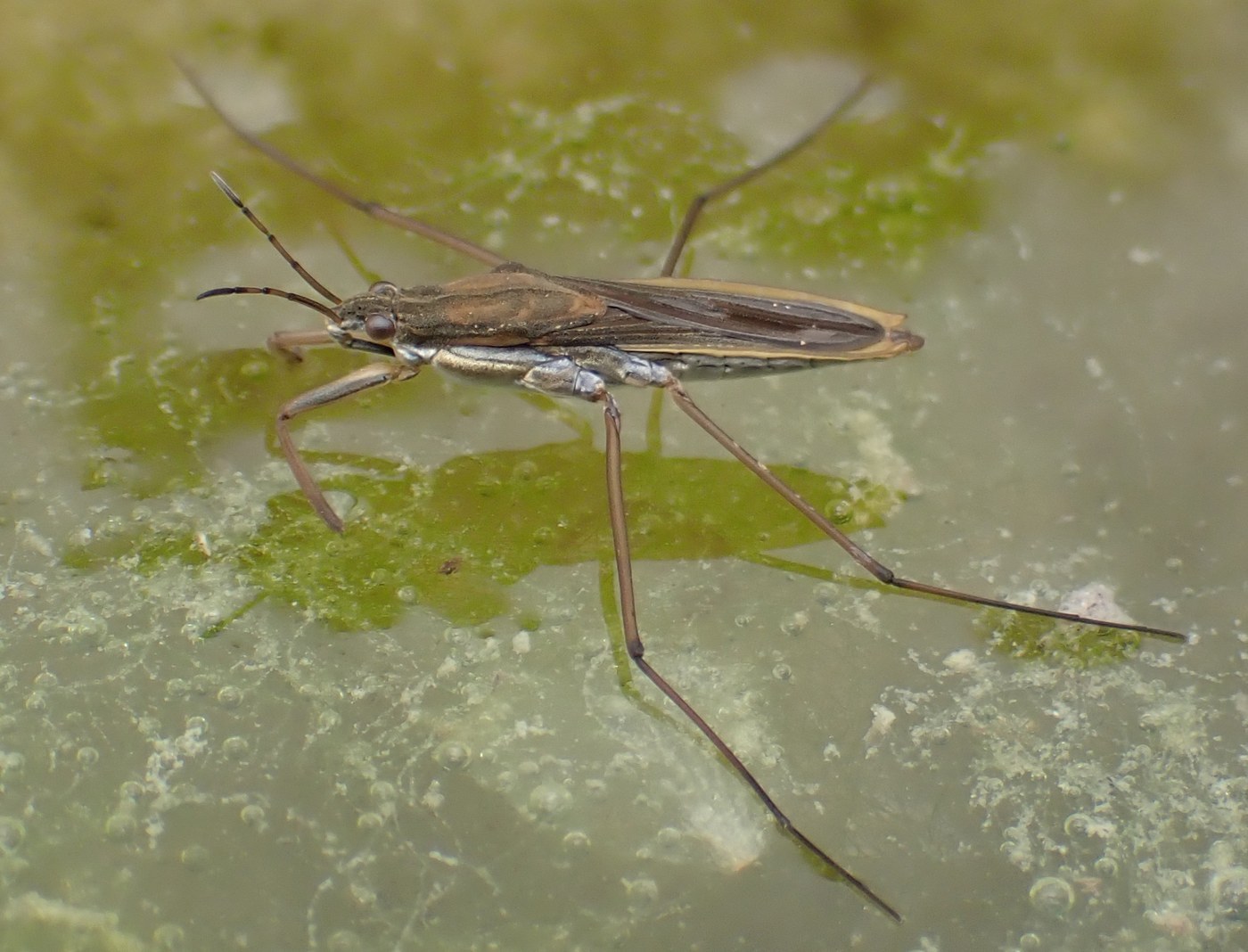
Water Strider
Still or slow-moving fresh water: ponds, lake edges, slow streams, puddles
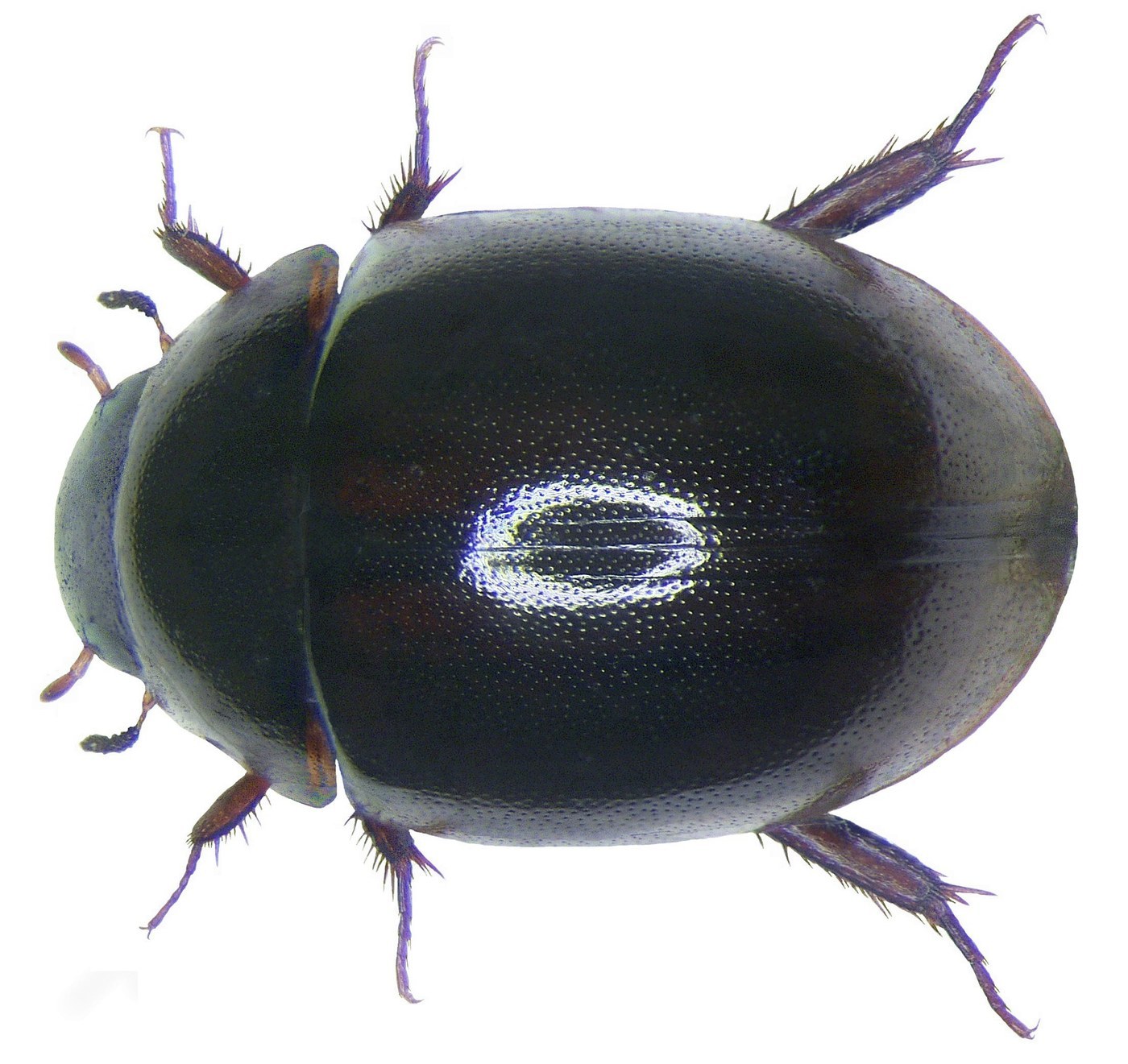
Water Beetle
Ponds, slow streams, marshes, still fresh water
Water Penny Beetle
Fast, rocky, well-oxygenated streams
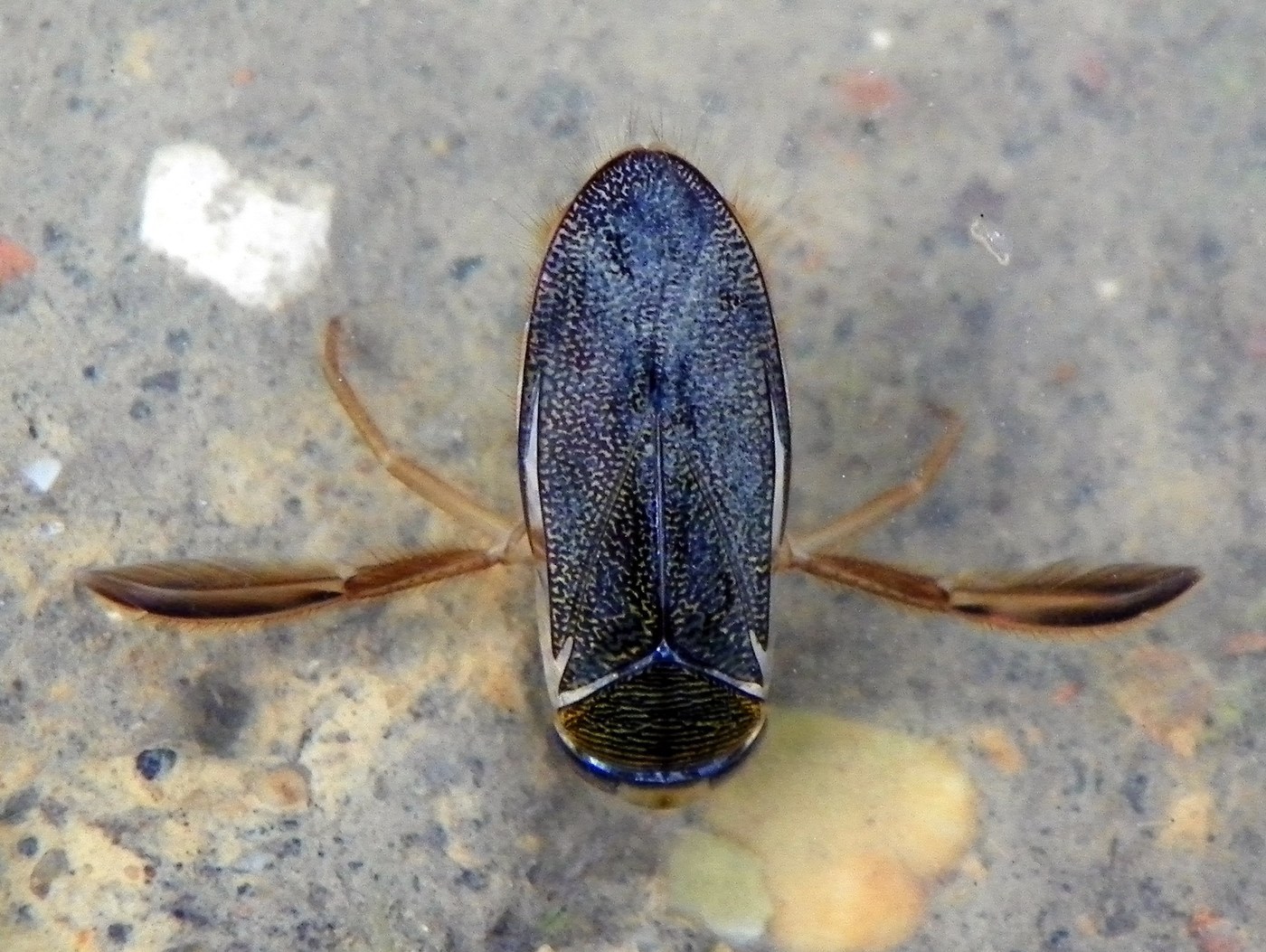
Water Boatman
Ponds, lakes, slow streams, freshwater with vegetation
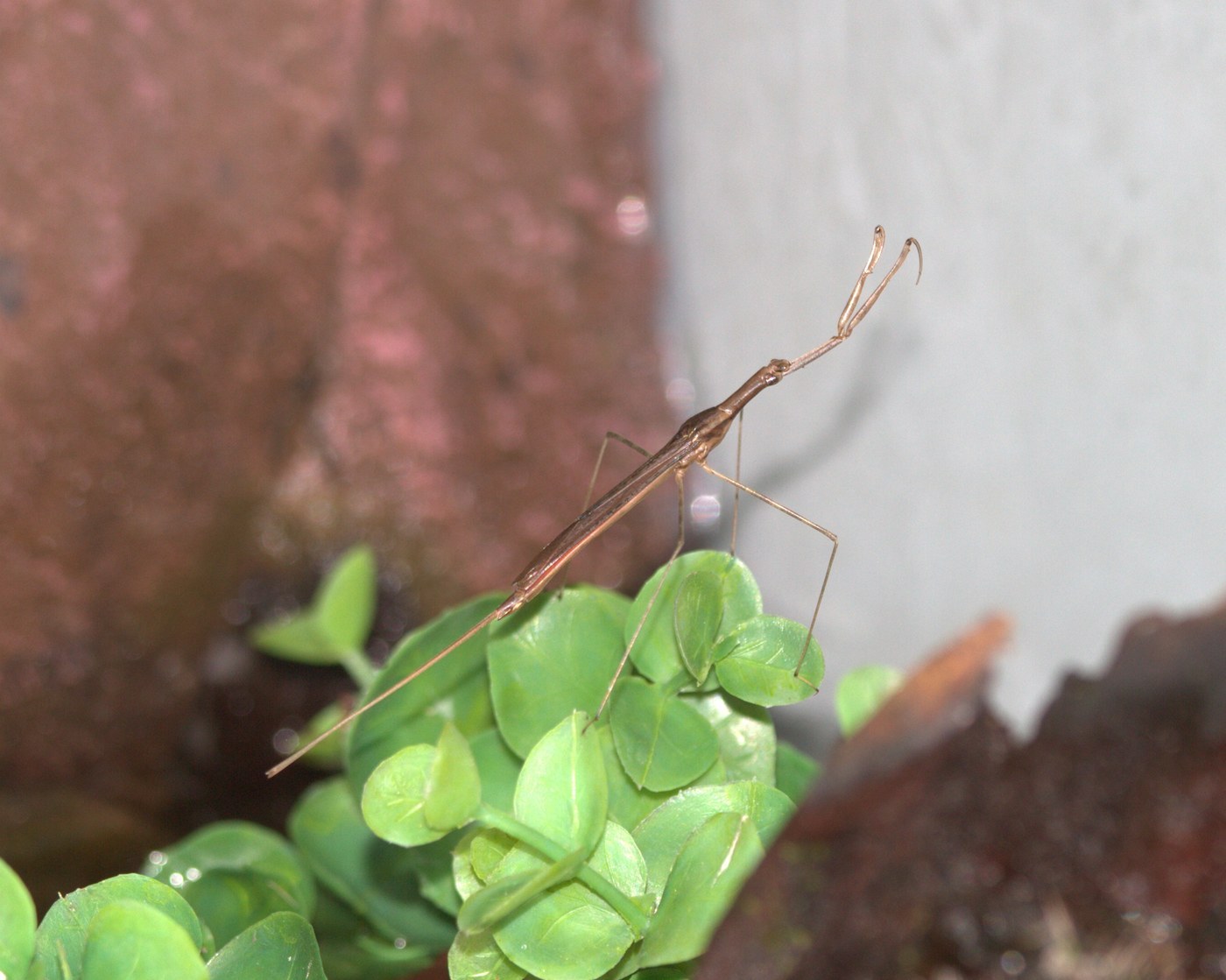
Water Scorpion
Still or slow-moving water with submerged vegetation
Stonefly
Cold, clean, well-oxygenated streams and rivers
Stonefly Nymph
Cold, fast-flowing, well-oxygenated streams
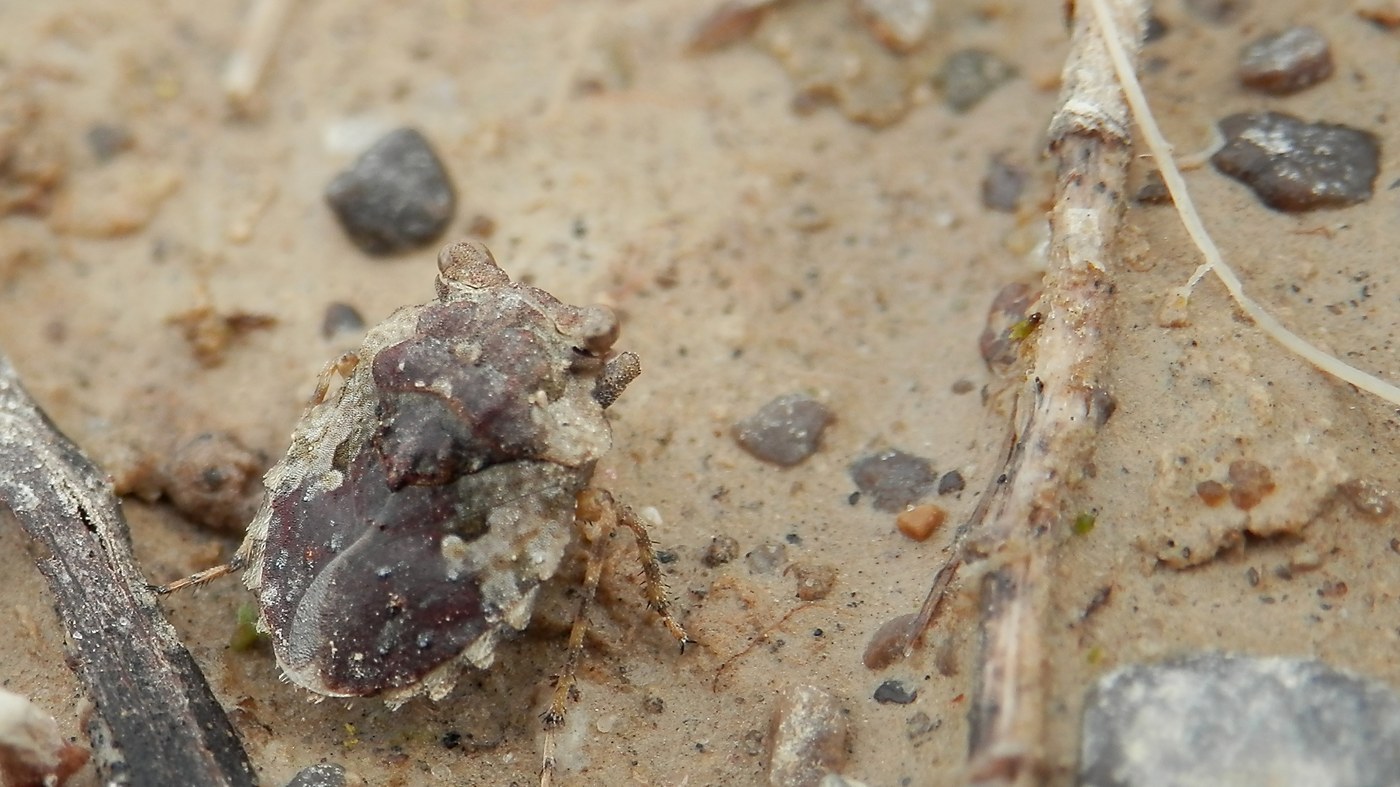
Toad Bug
Muddy or sandy shorelines of ponds, streams, and rivers
Soldier Fly Larva
Ponds, marshes, and slow streams with organic sediment
Mosquito Larva
Standing water in ponds, ditches, containers, and puddles
Whirligig Beetle
Surface of ponds, lakes, and slow streams
Rat-Tailed Maggot
Stagnant, oxygen-poor water such as manure pools, drains, and compost