
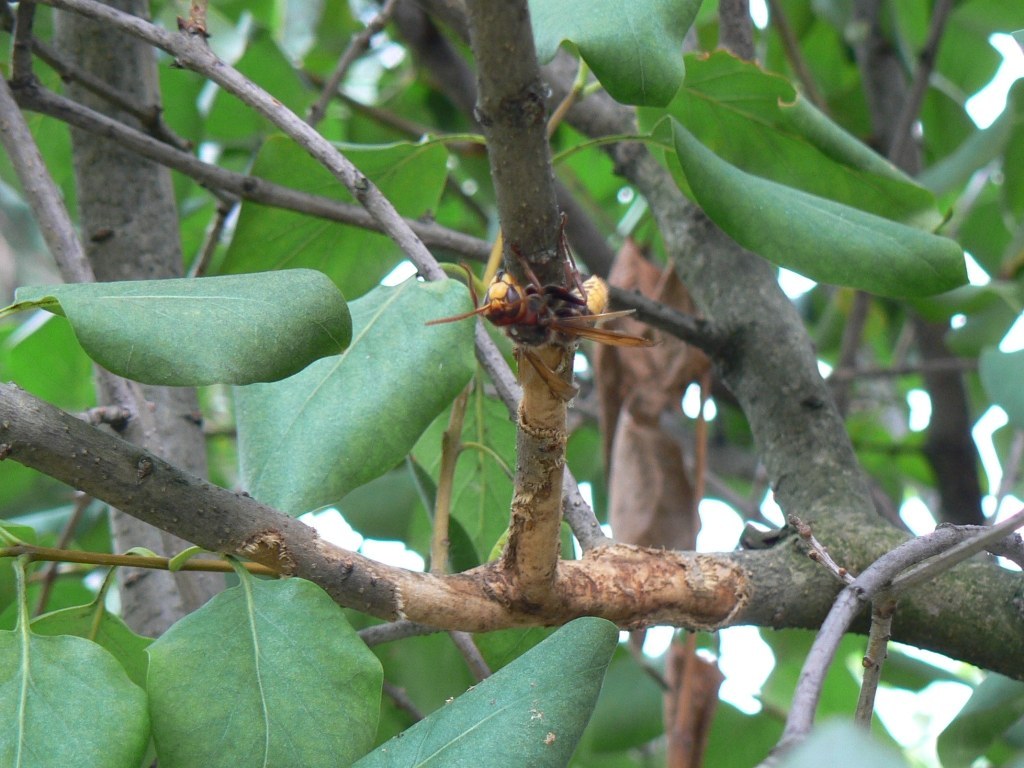
European Hornet
Vespa crabro
A large, robust wasp with a reddish-brown thorax, yellow-and-brown striped abdomen, and a distinctive habit of nesting in hollow trees, making it the largest true hornet native to Europe and introduced to eastern North America.
- Size
- 18–35 mm
- Habitat
- Hollow trees, woodland edges, barns, gardens
- Danger
- Stings
Spotted a bug like this?
Identify any bug or insect from a photo, free.
Overview
The European hornet is the largest social wasp native to Europe and is the only true hornet species (genus Vespa) established in North America, where it was introduced in the 1800s and is now widespread in the eastern United States. Like other members of the family Vespidae, it lives in social colonies built around a papery nest, though its coloring, with a notably reddish-brown thorax rather than solid black, sets it apart from smaller yellowjacket relatives.
Colonies are typically founded in enclosed cavities such as hollow trees, barns, or wall voids, giving the nest more protection from weather than the exposed paper nests built by some other wasps. European hornets are active foragers and predators, capturing a range of insect prey to feed their developing larvae, while also being drawn to sap flows and ripening fruit later in the season.
Despite its intimidating size, the European hornet is generally considered a beneficial predator within its ecosystem, helping to control populations of many plant-feeding insects, and it is known for unusual nocturnal activity, including flying and foraging after dark, which is unusual among social wasps.
How to Identify
- Notably large body size compared to yellowjackets, with a reddish-brown to chestnut thorax and head.
- Abdomen is yellow with brown or blackish markings, often appearing as irregular stripes or teardrop-shaped spots rather than crisp bands.
- Wings are amber-tinted and translucent, folded along the back at rest.
- Legs are reddish-brown, and the overall body has a stouter, more robust build than smaller wasps.
- Lookalikes include yellowjackets (much smaller, solid black-and-yellow) and other large hornets found elsewhere in the world; the combination of large size and reddish-brown thorax is distinctive within its native and introduced range.
Habitat & Range
Native to Europe and temperate Asia, and introduced to the eastern United States, where it is established from the Midwest to the East Coast. Nests are built in enclosed cavities such as hollow trees, unused barns, sheds, and wall voids, typically in wooded or semi-wooded areas near open foraging grounds. Active from spring through fall, with colonies peaking in size in late summer, and workers notable for continuing activity into evening and after dark.
Behavior & Diet
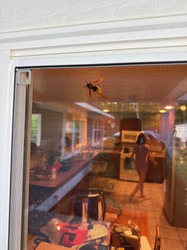
European hornets live in annual social colonies founded by a single queen each spring, similar to other vespid wasps, with workers cooperating to expand the nest and rear brood. They are active predators of a wide variety of insects, including large prey such as beetles and other wasps, which they capture and process to feed larvae, while also feeding on tree sap and ripening or damaged fruit as adults. Unlike most wasps, European hornets frequently remain active after dark, sometimes flying toward lit windows at night, and colonies defend the nest if disturbed.
Life Cycle
A mated, overwintered queen emerges in spring and builds a small initial nest, laying eggs that develop through complete metamorphosis from egg to larva to pupa to adult worker. Workers then take over foraging and nest building, allowing colonies to grow through summer, with new queens and males produced in late summer or early fall. After mating, the old colony including the founding queen dies off with cold weather, while newly mated queens overwinter individually and found new colonies the following spring.
Frequently asked questions
How is this different from a yellowjacket?
European hornets are considerably larger and have a distinctive reddish-brown thorax, compared to the smaller, solidly black-and-yellow yellowjacket.
Where do European hornets build their nests?
They typically nest in enclosed cavities such as hollow trees, barns, sheds, or wall voids, rather than building exposed paper nests.
Why is it sometimes seen flying at night?
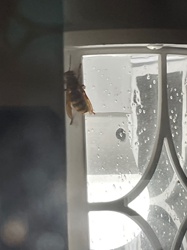
European hornets are unusual among social wasps in remaining active after dark, occasionally being attracted to lit windows.
What do European hornets eat?
Workers prey on a variety of insects to feed larvae, while adults also feed on tree sap and ripening or damaged fruit.
European Hornet guides
In-depth guides for identifying, understanding, and living alongside European Hornet.
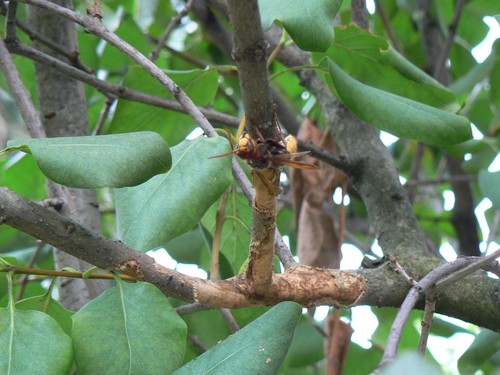
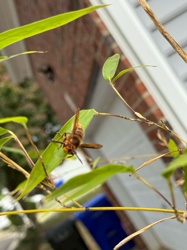
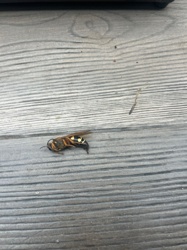
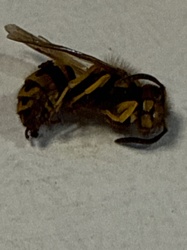
European Hornet identified by the community
Real finds identified with Bug Identifier.
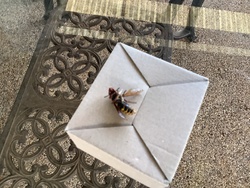
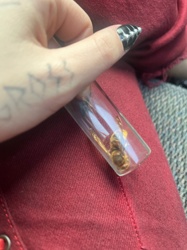
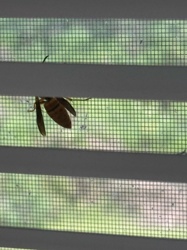
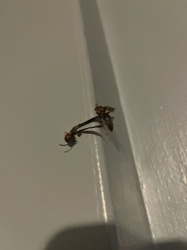
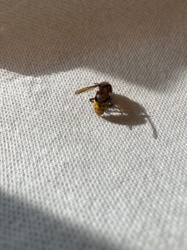
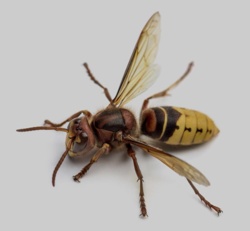
Other bugs you may enjoy
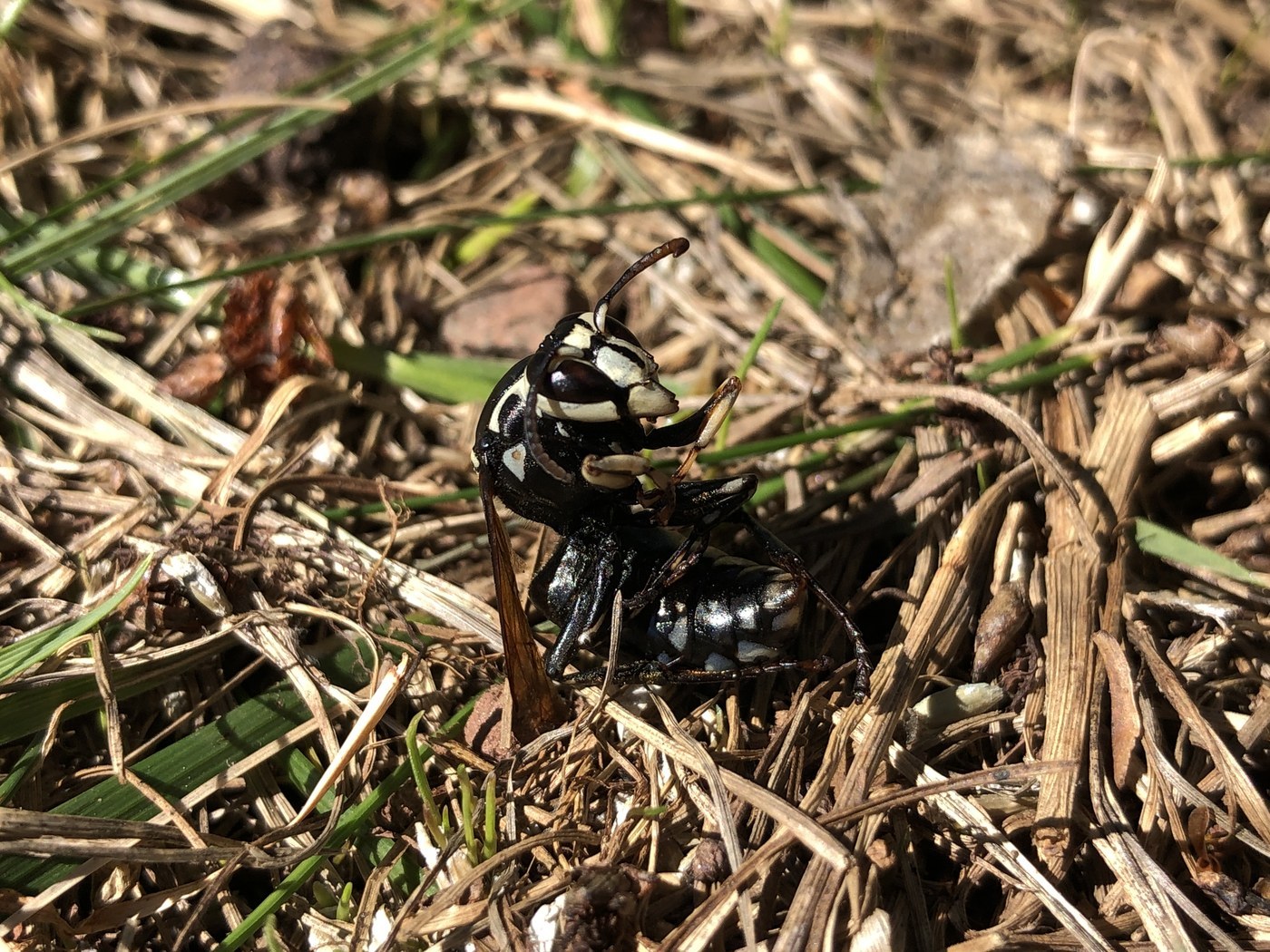
Bald-faced Hornet
Woodland edges, shrubs, and tree branches across North America
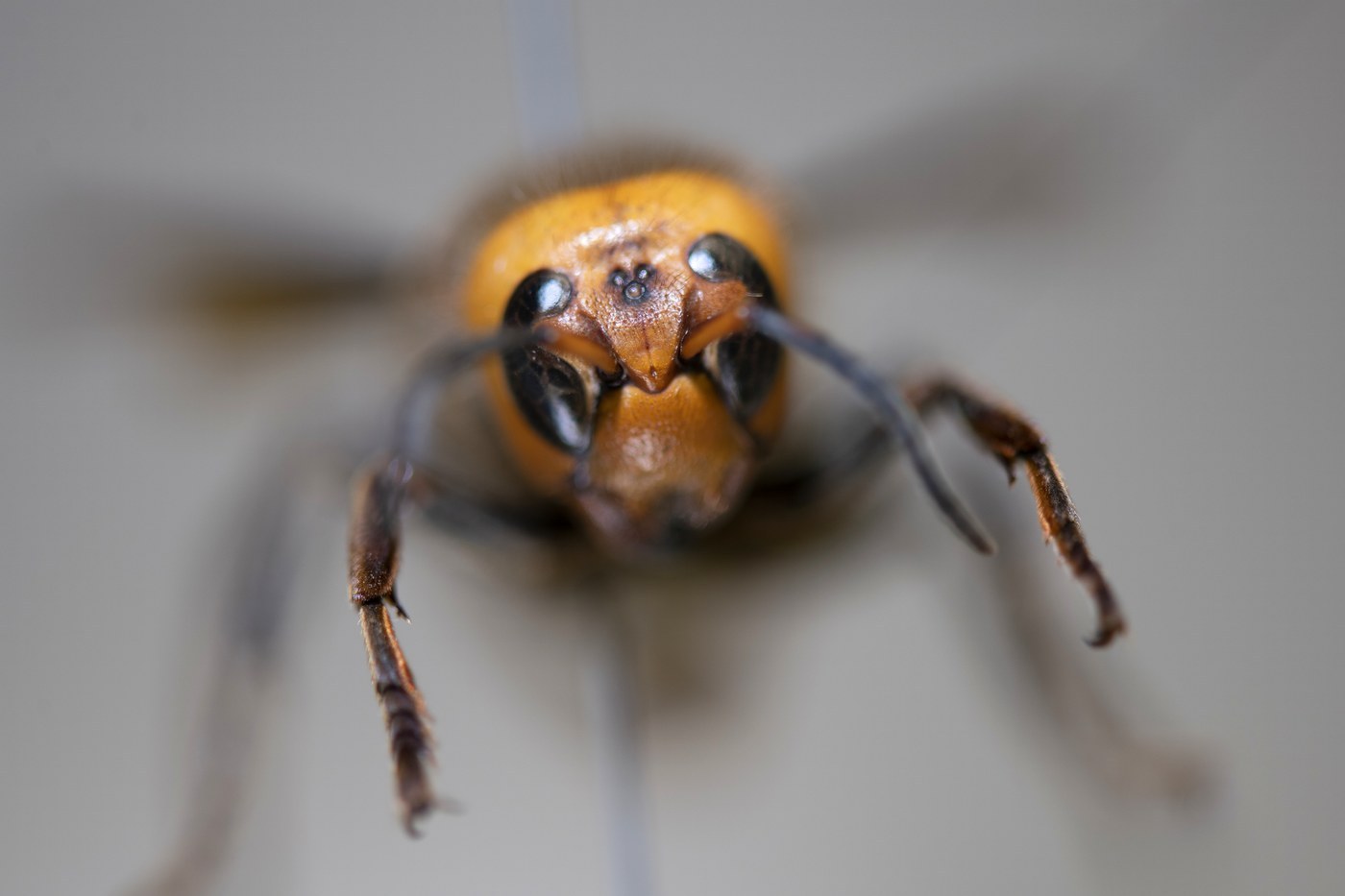
Asian Giant Hornet
Forested lowlands and mountains of East and South Asia; low tree hollows
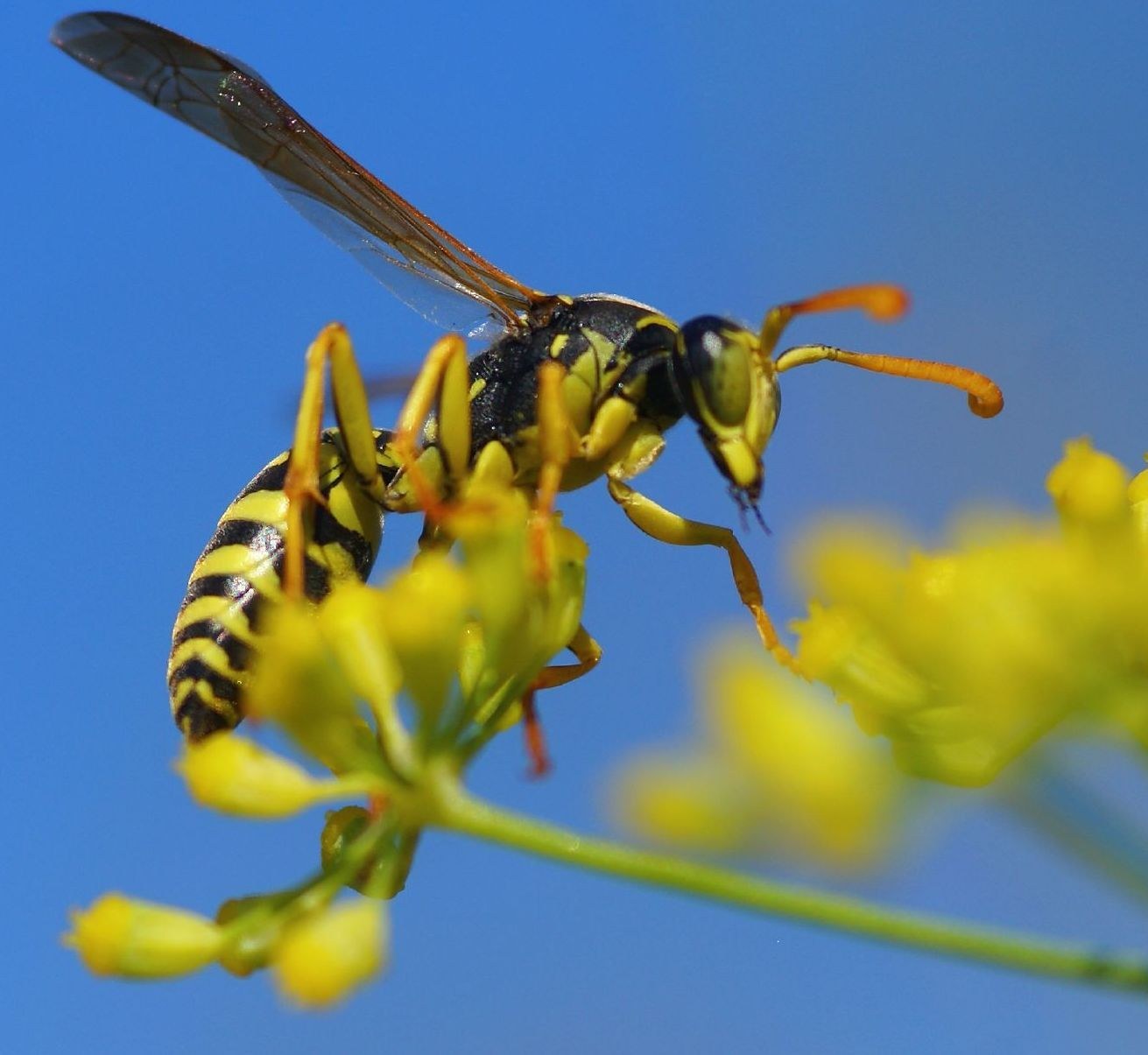
Yellowjacket
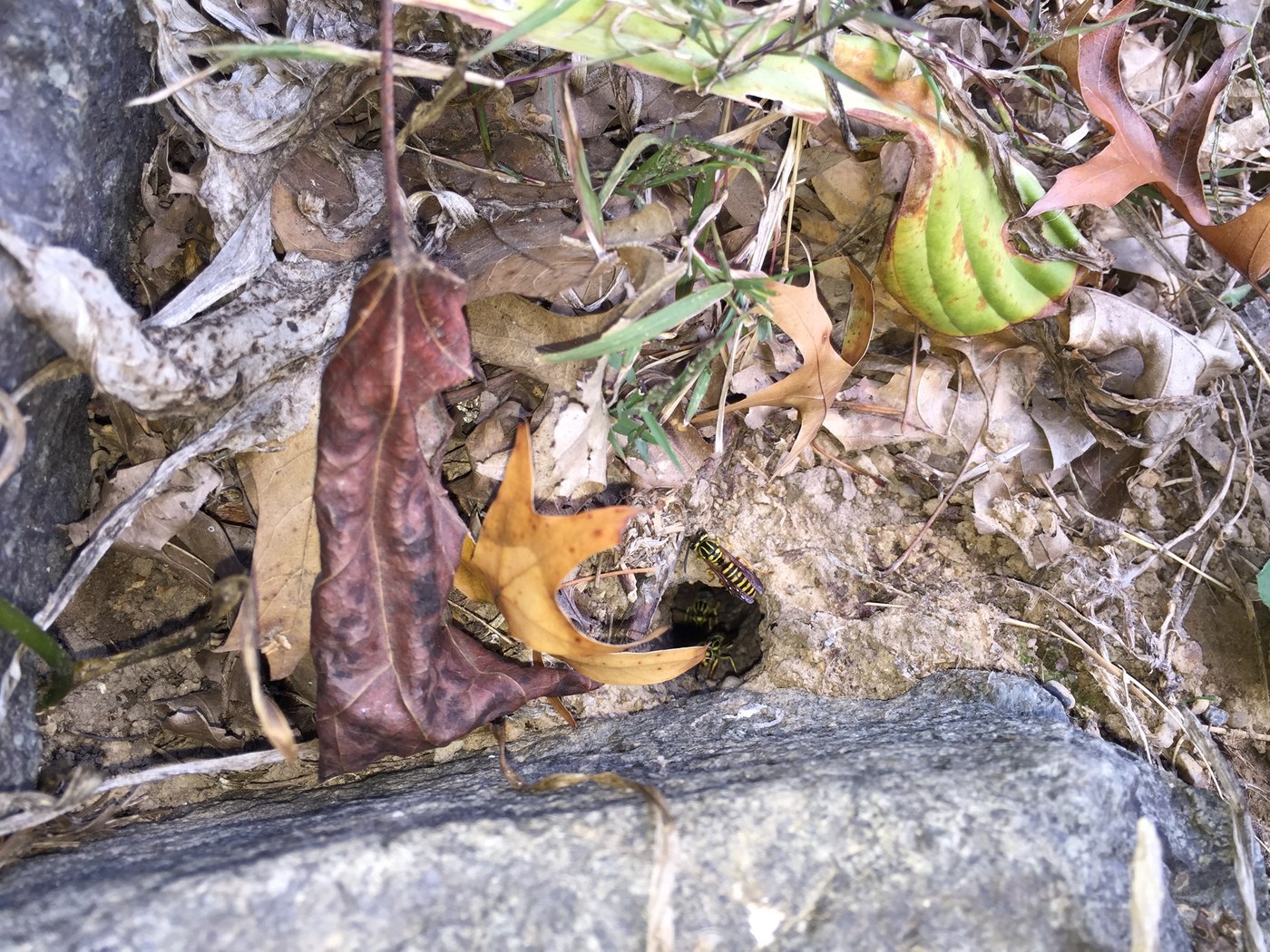
Underground nests, wall voids, gardens, picnic areas
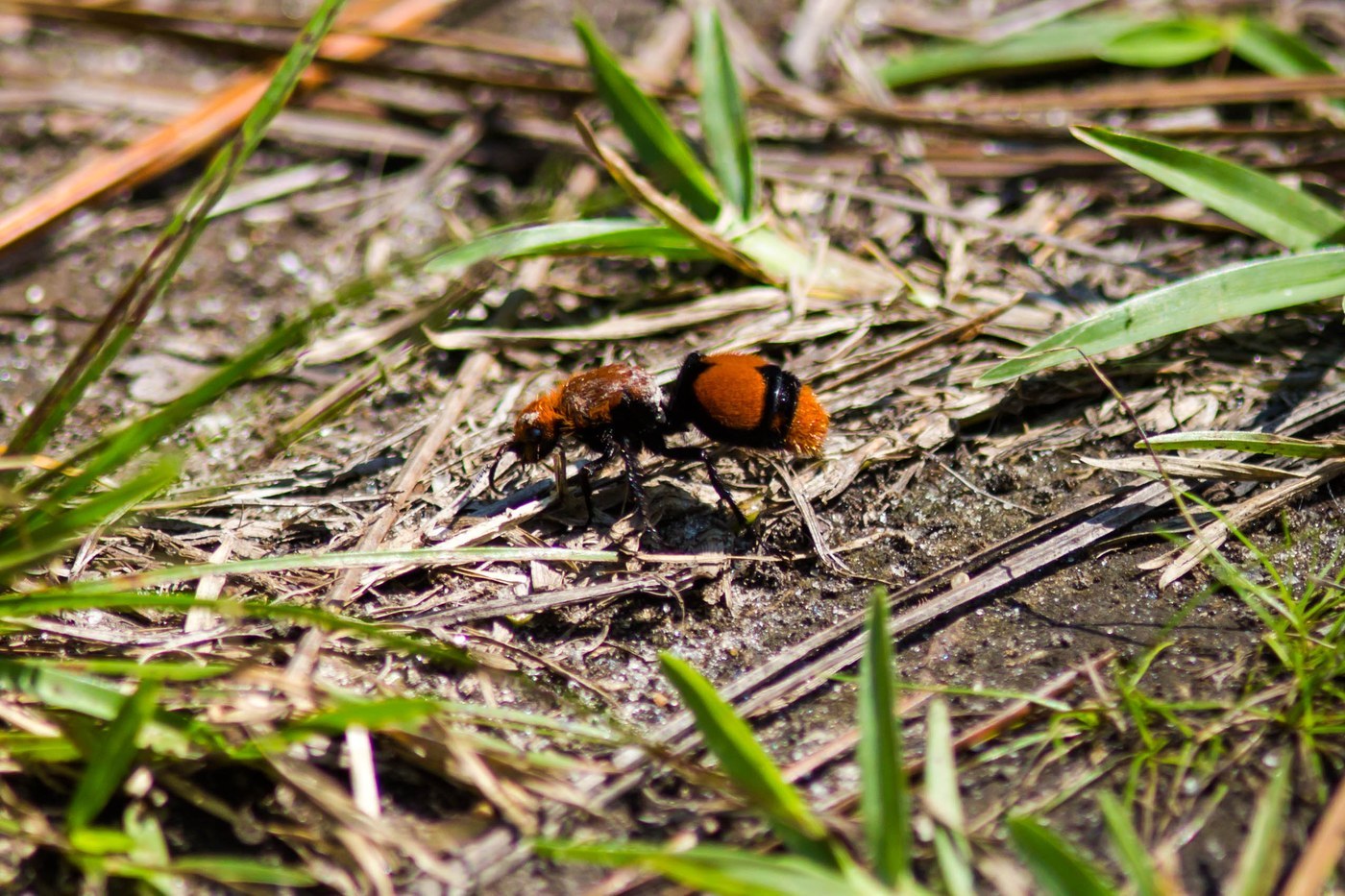
Velvet Ant
Sandy soils, open fields, dunes, roadsides in warm regions

Tarantula Hawk
Deserts, arid scrublands, and dry grasslands
Tarantula Hawk Wasp
Deserts, grasslands, and scrub of the Americas
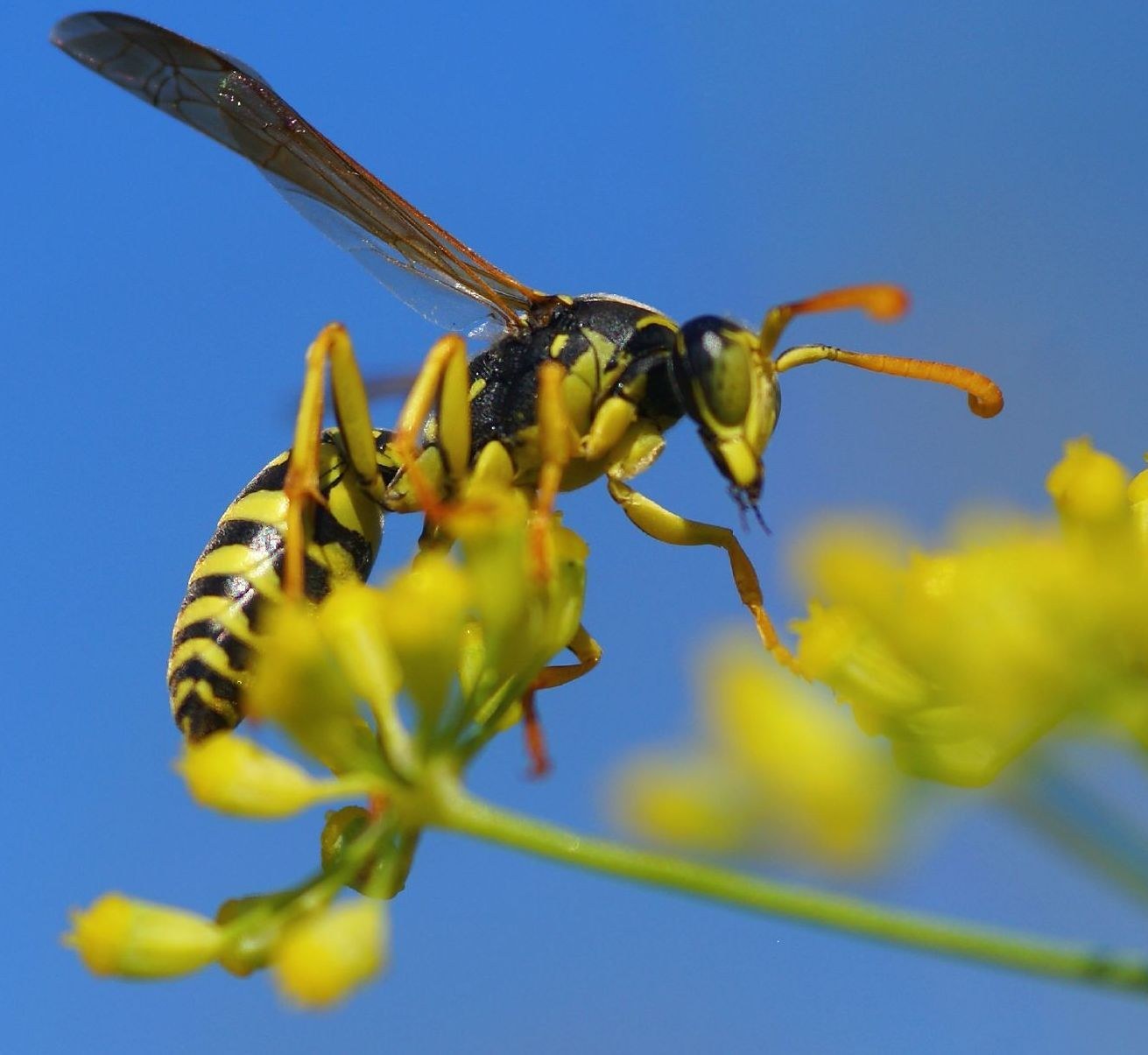
Wasp
Gardens, woodlands, eaves, and urban areas worldwide
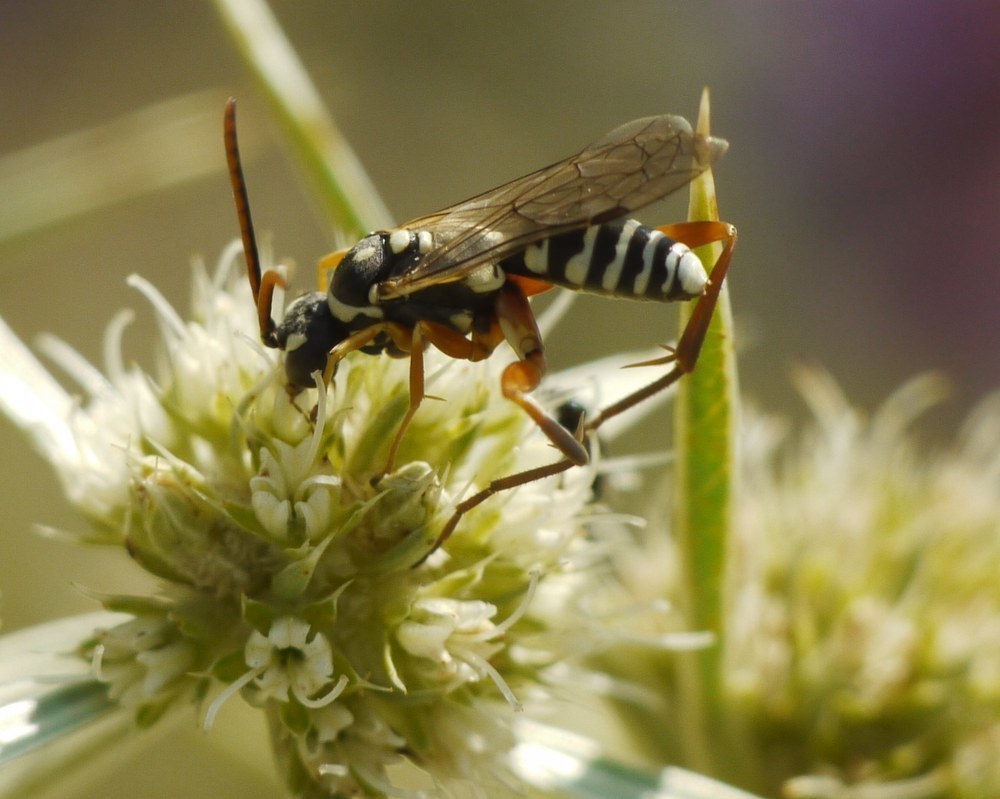
Spider Wasp
Gardens, grasslands, and sandy open areas worldwide
Yellow Jacket
Ground nests, wall voids, parks, and areas near food sources
Sawfly
Gardens, woodlands, and orchards on host foliage
Red Paper Wasp
Eaves, porch ceilings, sheds, open woodland edges, gardens
Trichogramma Wasp
Fields, gardens, and crops worldwide