
Giant Leopard Moth Caterpillar
Hypercompe scribonia
A jet-black, bristly caterpillar that curls into a tight ball to reveal bright red-orange bands between its segments when disturbed.
- Size
- Up to 3 in (75 mm)
- Habitat
- Gardens, woodlands, fields across eastern and southern North America
- Danger
- Harmless
Spotted a bug like this?
Identify any bug or insect from a photo, free.
Overview
The giant leopard moth caterpillar is the larval stage of Hypercompe scribonia, a large tiger moth (family Erebidae, subfamily Arctiinae) named for the bold black spots on the adult's white wings. The caterpillar is a familiar sight across much of the eastern and southern United States, often found wandering across lawns, gardens, and roadsides, especially in fall as mature larvae search for overwintering sites.
Unlike some spiny caterpillars, the giant leopard moth larva relies mainly on its dense, bristly setae and defensive curling behavior rather than urticating chemistry, making it a commonly handled and closely observed caterpillar by naturalists and gardeners alike.
How to Identify
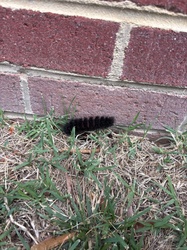
- Body covered in dense, stiff black bristles (setae) arranged in tufts around each segment
- Bright red-orange bands visible between body segments, most noticeable when the caterpillar curls up
- Head capsule and true legs glossy black
- Mature larvae reach up to 3 inches (75 mm), among the larger tiger moth caterpillars in its range
- Often confused with woolly bear caterpillars, but the giant leopard moth larva is uniformly black with red intersegmental bands rather than banded black-and-brown fuzz
Habitat & Range
This species is found in gardens, meadows, woodland edges, and open fields throughout the eastern and southern United States, extending into the Midwest and south into Mexico and Central America. Caterpillars are most often encountered from late summer through fall, when mature larvae leave their feeding sites to search for sheltered overwintering spots, and again in spring as overwintered larvae resume activity briefly before pupating.
Behavior & Diet
The caterpillar feeds on a wide variety of low-growing herbaceous plants, including dandelion, plantain, violets, and many garden and wildflower species, making it a generalist rather than a specialist feeder. When disturbed, it curls tightly into a ball, tucking its head inward and exposing the bright red-orange bands between segments, a startle display that may deter predators. As a broadly polyphagous caterpillar, it plays a role in leaf-litter and low-vegetation food webs, and its bristly, tightly curled defensive posture offers some protection from birds and other predators without relying on stinging spines.
Life Cycle
Eggs are laid in clusters on host plant leaves and hatch into small larvae that begin feeding on a wide range of low vegetation. Larvae grow through the late summer and fall, and in northern parts of the range the nearly full-grown caterpillar overwinters in leaf litter or under bark, becoming one of the more commonly seen "woolly" caterpillars crossing roads and lawns in autumn. In spring the caterpillar resumes brief feeding before spinning a loose cocoon incorporating its own bristles, in which it pupates. Adults emerge as large white moths with black spots, and the species generally completes one generation per year in cooler regions, with possibly more in the warm Deep South.
Frequently asked questions
How is the giant leopard moth caterpillar different from a woolly bear?
It is solid black and bristly rather than banded, and shows bright red-orange bands between its segments when it curls into a defensive ball, unlike the brown-and-black banding of true woolly bear caterpillars.
Do giant leopard moth caterpillars have stinging bristles?
No, their stiff black bristles are not known to sting; the caterpillar relies mainly on curling into a tight ball as a defensive display.
What does the adult giant leopard moth look like?
It is a large white moth with bold black open circles and spots on its wings and a metallic blue-black abdomen with orange markings.
What do giant leopard moth caterpillars eat?
They feed on a wide variety of low-growing plants, including dandelion, plantain, and violets, rather than a single specific host.
Giant Leopard Moth Caterpillar guides
In-depth guides for identifying, understanding, and living alongside Giant Leopard Moth Caterpillar.
Giant Leopard Moth Caterpillar identified by the community
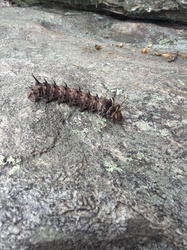
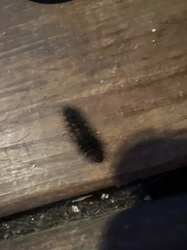
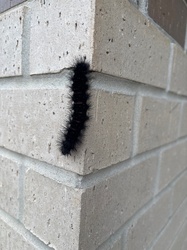
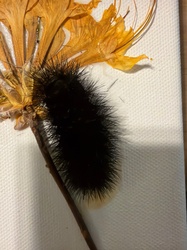
Real finds identified with Bug Identifier.
Other bugs you may enjoy
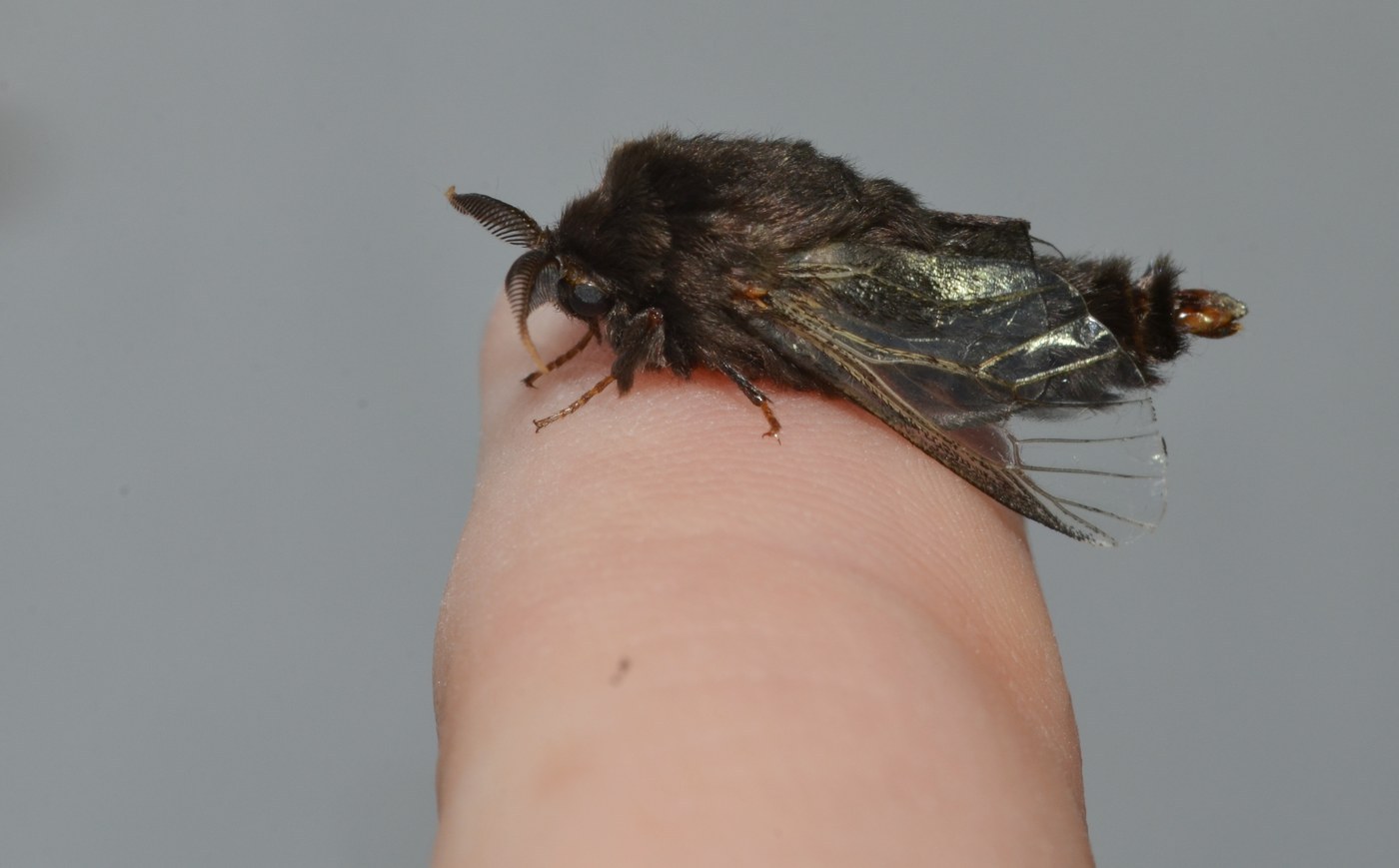
Bagworm
Trees and shrubs, especially conifers and ornamental landscaping
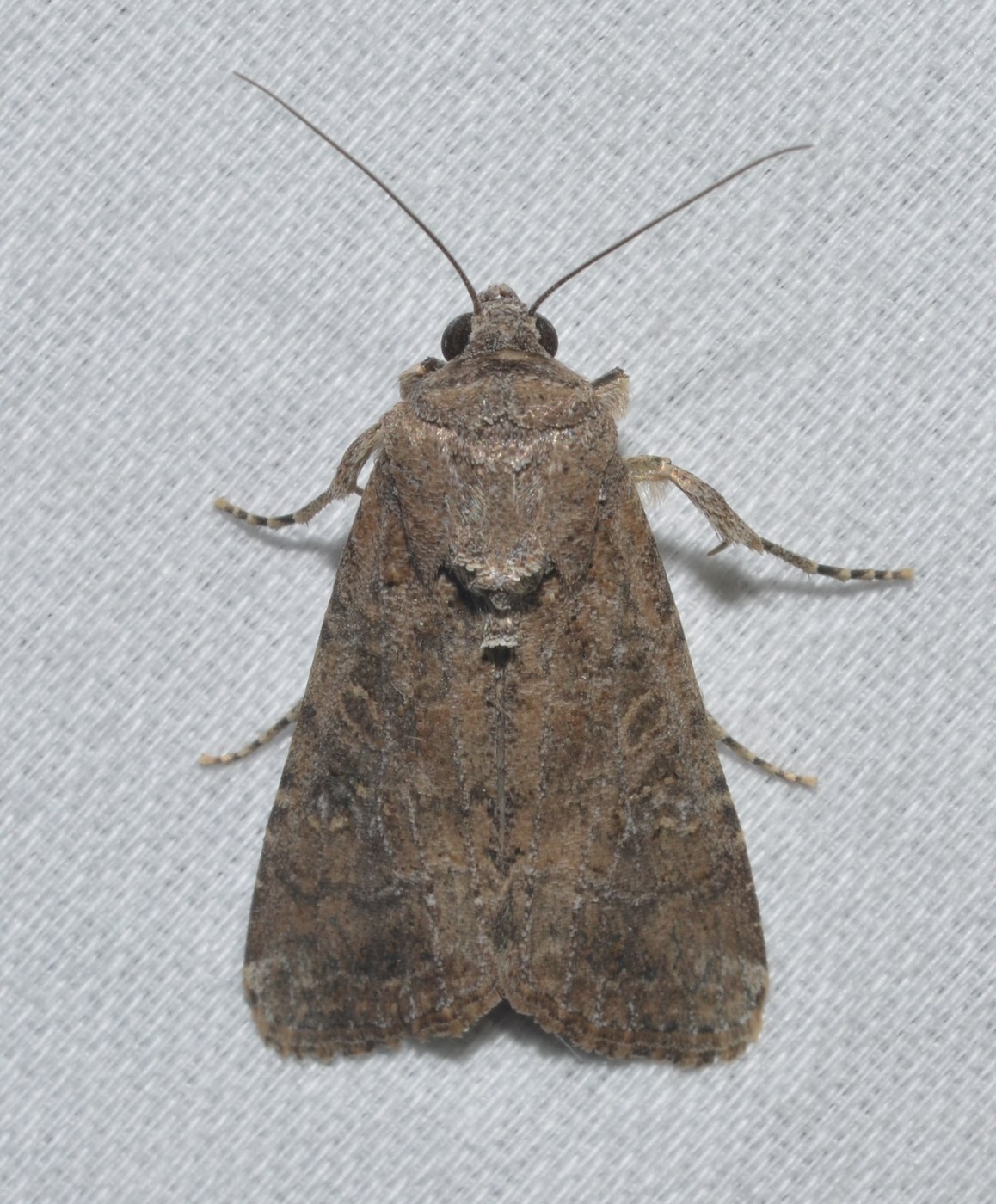
Armyworm
grasslands, pastures, and cereal crop fields
Zebra Longwing Caterpillar
Tropical and subtropical hammocks with passionflower vines
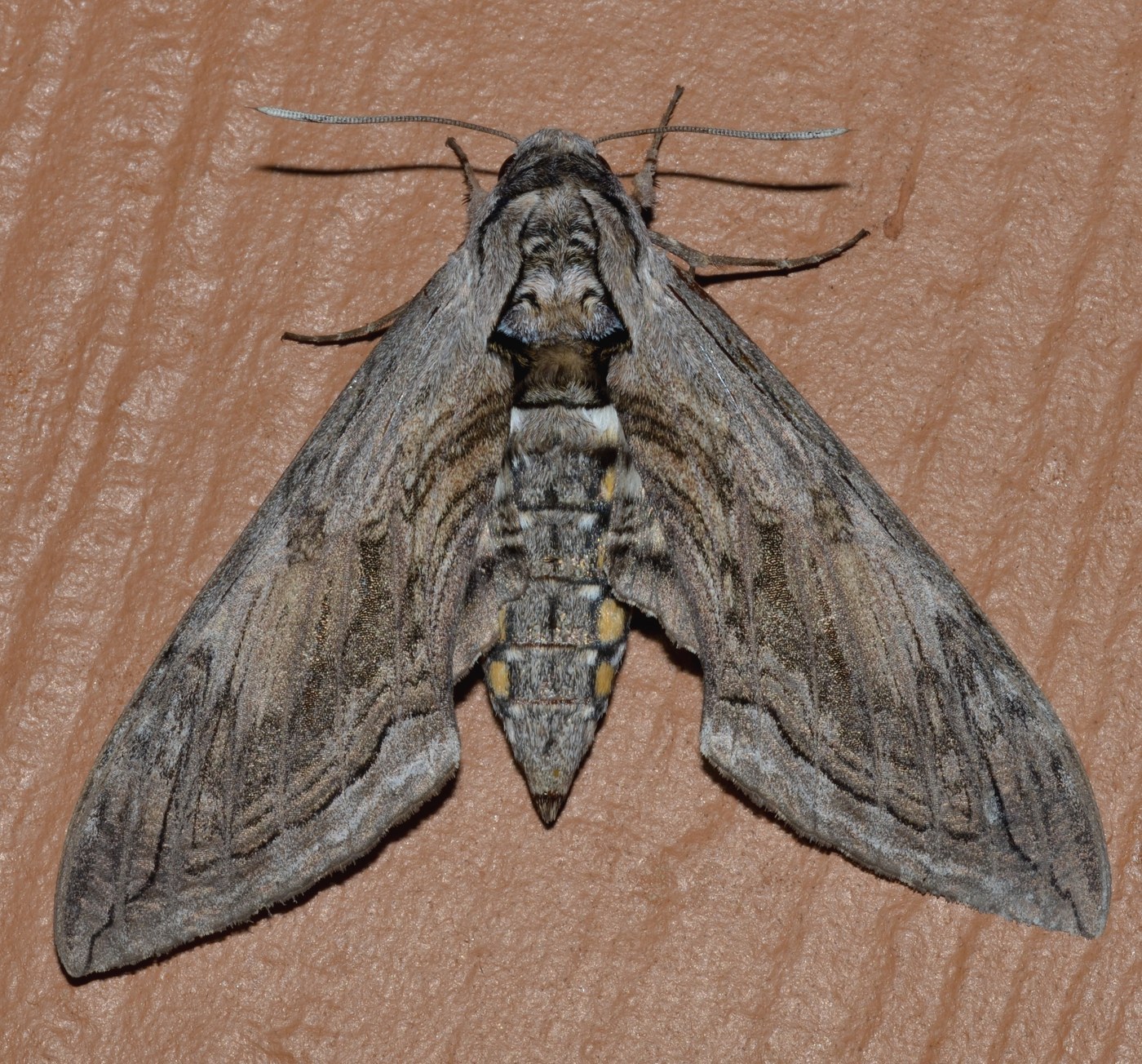
Tomato Hornworm
Gardens and fields with tomato, pepper, and other nightshade plants
Tent Caterpillar
Deciduous trees such as cherry, apple, and other rosaceous species
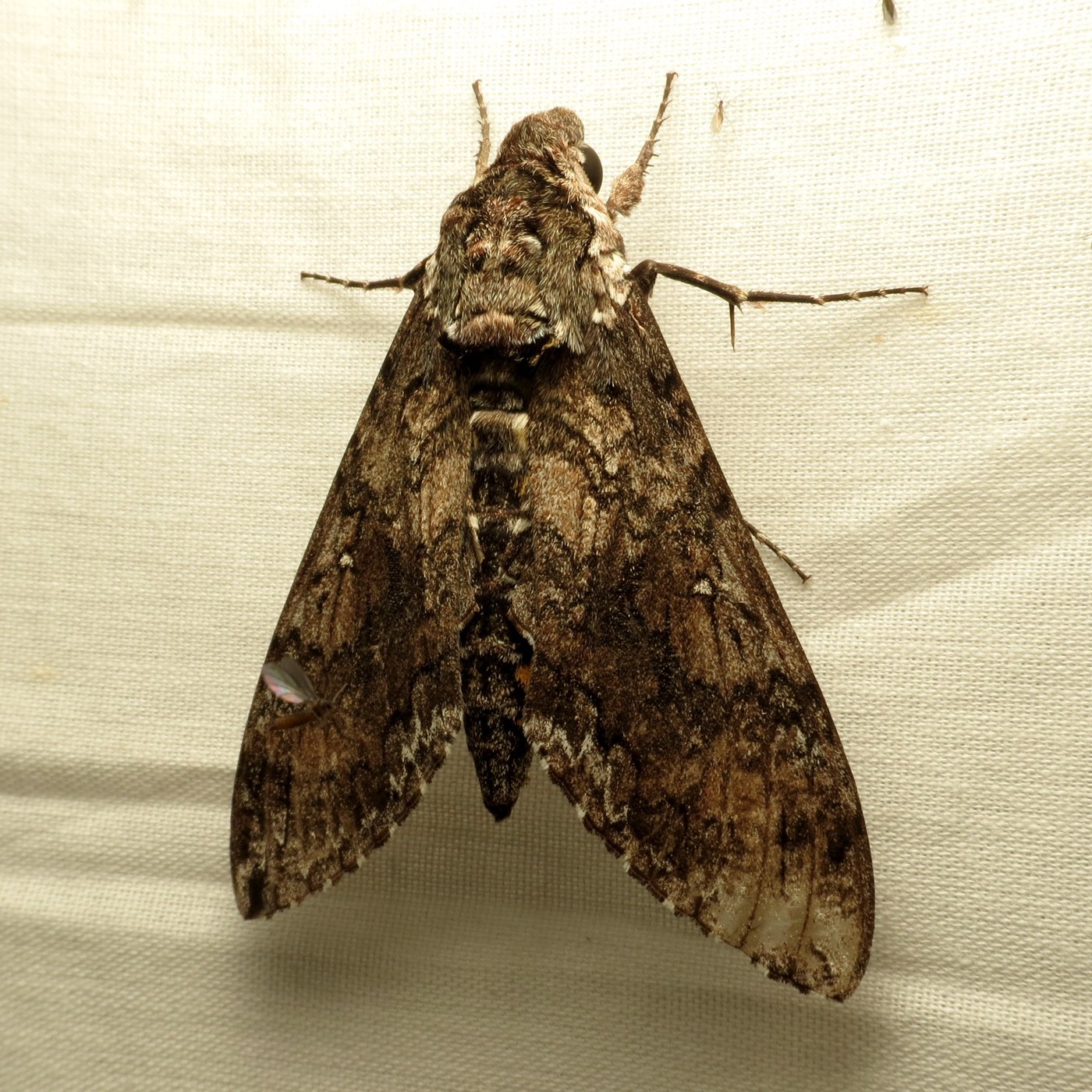
Tobacco Hornworm
tobacco, tomato, and pepper plants in gardens and fields
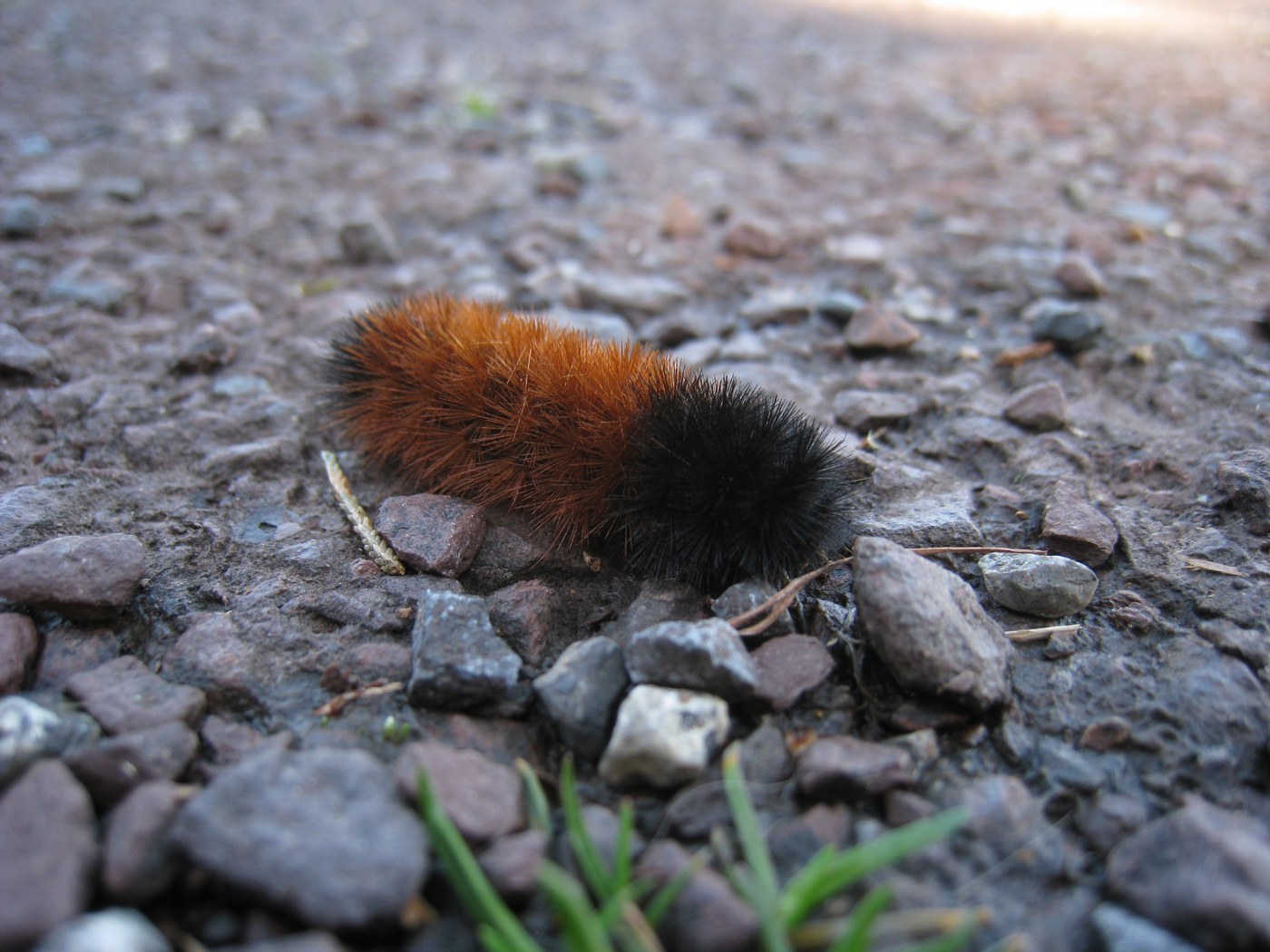
Woolly Bear Caterpillar
Gardens, meadows, roadsides, and woodland edges across North America
Sod Webworm
Turfgrass lawns, golf courses, pastures
Spiny Oak-slug Caterpillar
Deciduous forests and woodland edges with oak and other hardwoods
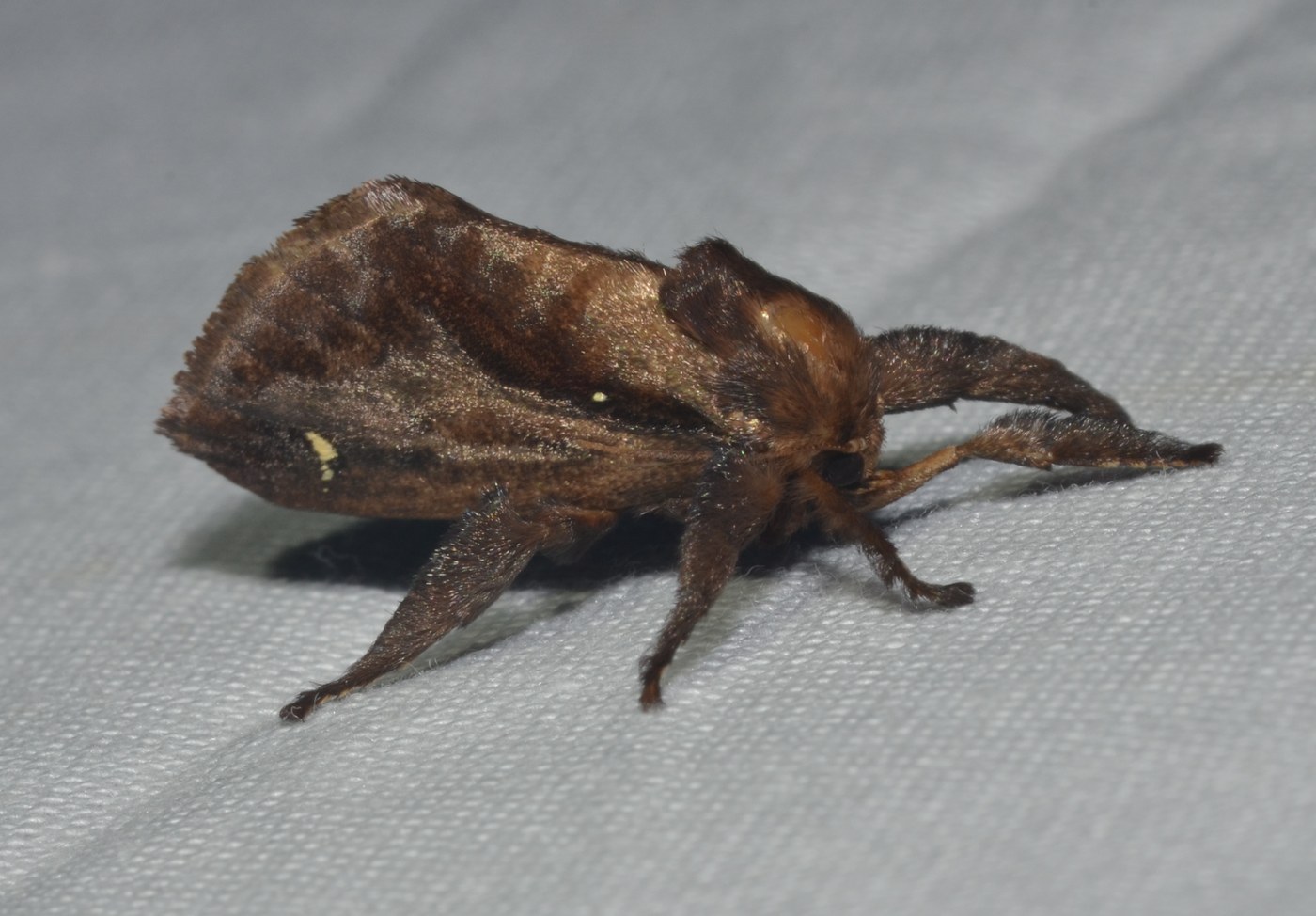
Saddleback Caterpillar
Deciduous trees and shrubs in eastern and southern North America
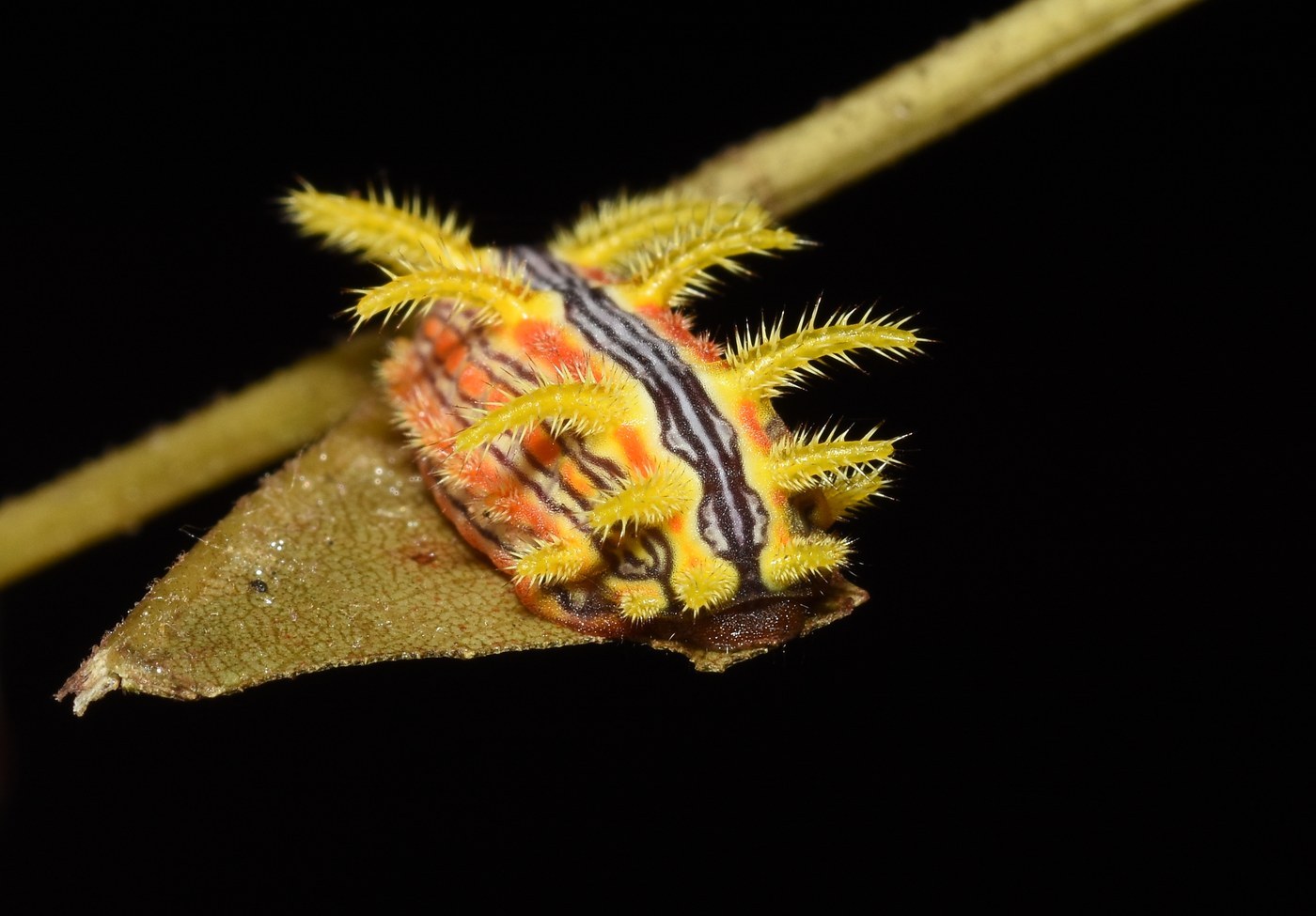
Stinging Rose Caterpillar
Gardens and woodlands with rose, dogwood, or oak
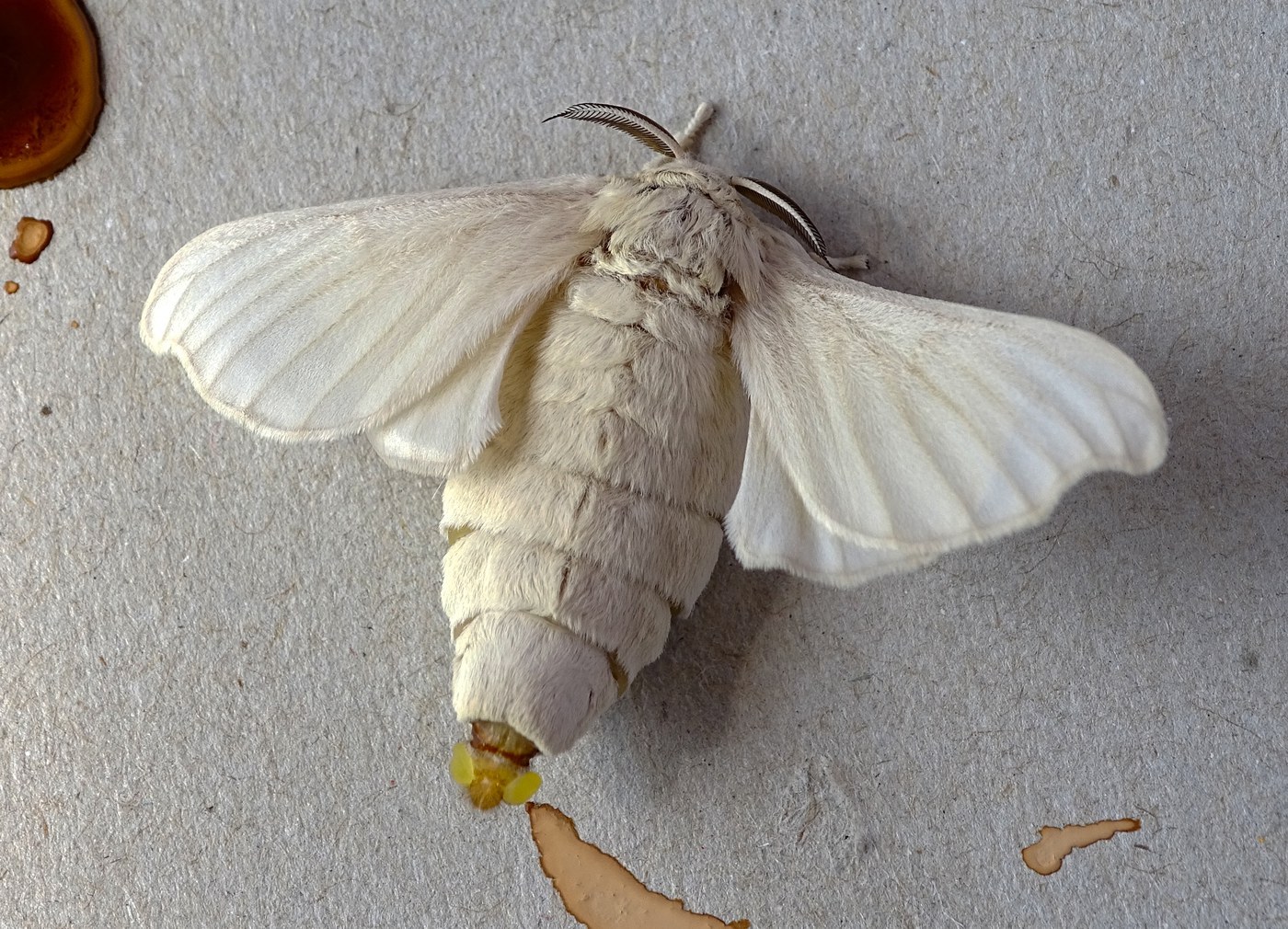
Silkworm
Reared exclusively in captivity on mulberry leaves; no independent wild population