
Mole Cricket
Gryllotalpa spp.
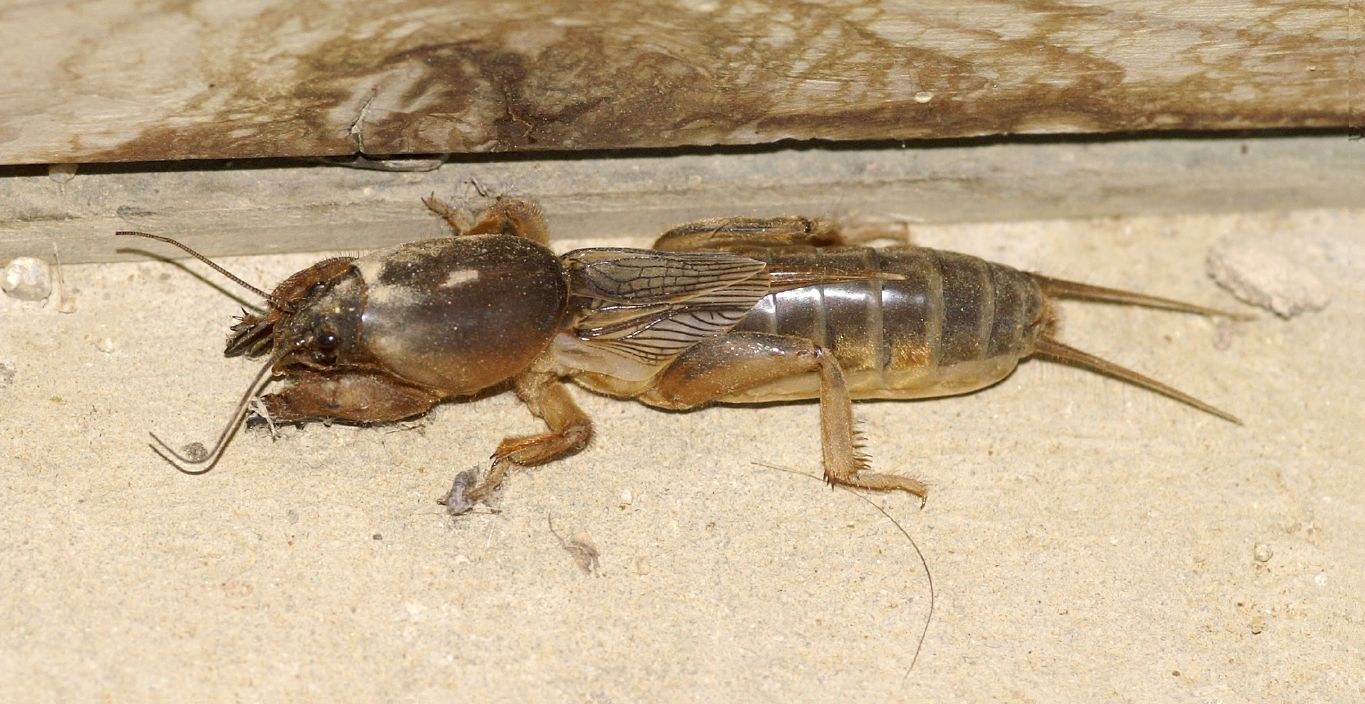
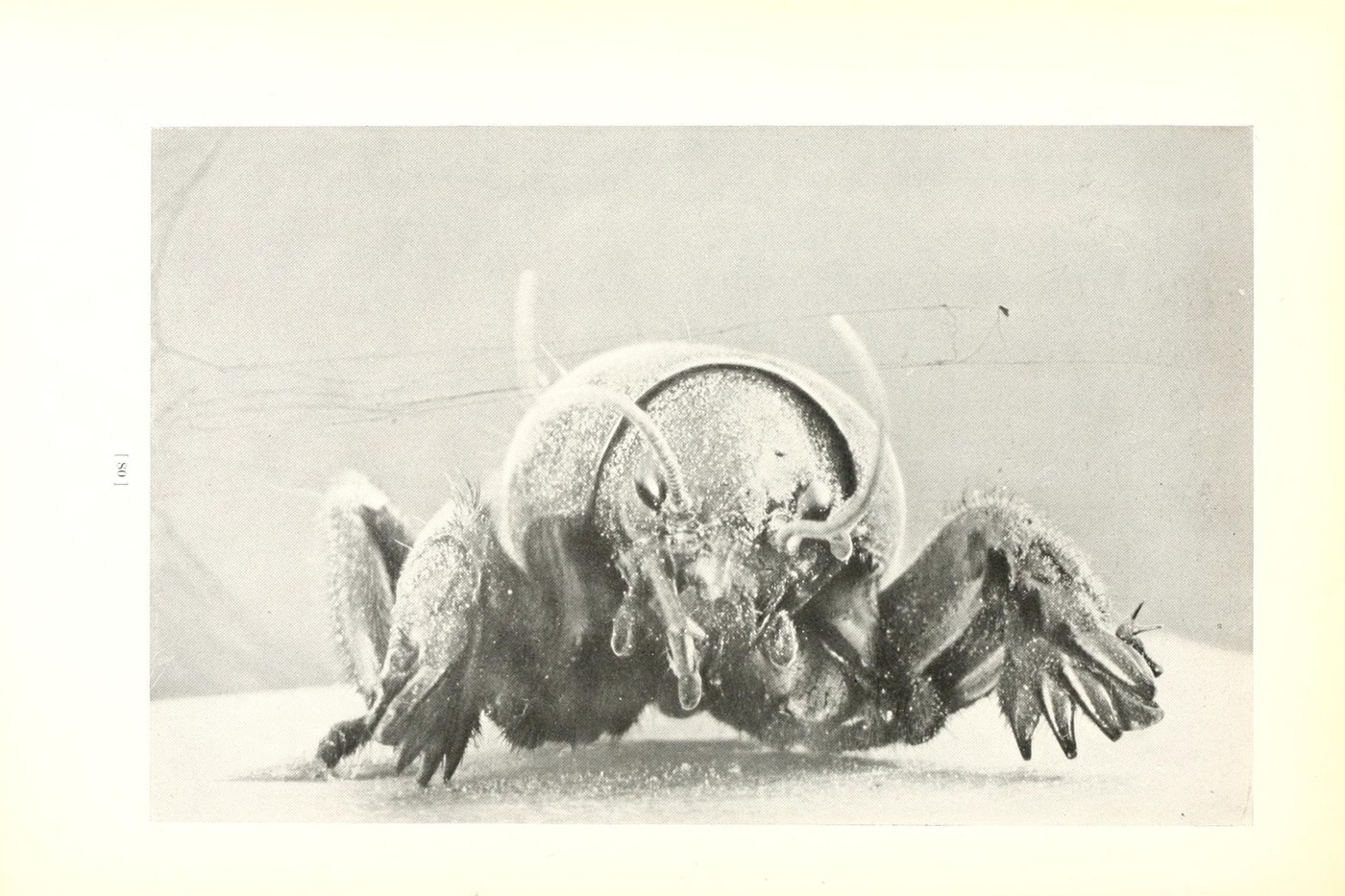
A stout, velvety brown cricket relative with broad, shovel-like front legs adapted for digging, spending most of its life burrowing just beneath the surface of moist soil.
- Size
- 25–50 mm
- Habitat
- Moist soil, lawns, pastures, and riverbanks
- Danger
- Nuisance pest
Spotted a bug like this?
Identify any bug or insect from a photo, free.
Overview
Mole crickets belong to the family Gryllotalpidae, an unusual group of orthopterans that have evolved a body plan strikingly convergent with true moles, right down to broad, paddle-shaped forelegs used for digging through soil. They are related to true crickets but differ dramatically in shape, being stout, cylindrical, and covered in a dense, velvety coating of fine hairs.
The family is found on most continents, with several species established in North America, some native and others introduced from South America. Mole crickets spend the overwhelming majority of their lives underground in extensive tunnel systems just beneath the soil surface, making them far more often heard than seen, particularly through the loud, sustained calling songs males produce from the mouths of their burrows.
Ecologically, mole crickets are notable soil-dwelling omnivores, and because their tunneling activity can disturb the root zones of grasses and turf, several species are recognized as turfgrass and pasture pests in parts of their range.
How to Identify
- Stout, cylindrical body covered with fine, velvety, brown-to-gray hairs, quite unlike the slender shape of true crickets.
- Greatly enlarged, flattened, shovel-like front legs with stout digging claws, used for tunneling through soil.
- Small eyes and short antennae relative to body size; short wings that do not extend past the abdomen in many species.
- Body length roughly 25–50 mm depending on species.
- Lookalikes: true crickets have long, slender hind legs built for jumping and lack the mole cricket's broad digging forelegs, making the mole cricket unmistakable once its front legs are seen.
Habitat & Range
Mole crickets are found on most continents in moist, well-drained soils, including lawns, golf courses, pastures, agricultural fields, and riverbanks. They live almost entirely underground in shallow tunnel systems, with adults occasionally coming to the surface at night, particularly during humid conditions or after rain, and are drawn to lights during dispersal flights.
Behavior & Diet
Mole crickets spend most of their time tunneling just below the soil surface, feeding on plant roots, seeds, and small soil-dwelling invertebrates depending on species and life stage. Males produce a loud, sustained, buzzing calling song from a specially shaped burrow entrance that amplifies the sound, used to attract females over long distances. Their extensive tunneling can loosen and disturb turf and pasture root systems, which is why some species are recognized as turf and pasture pests.
Life Cycle
Mole crickets undergo incomplete metamorphosis, with wingless to short-winged nymphs resembling miniature adults. Females lay eggs in underground chambers; nymphs develop through multiple instars over several months to about a year, feeding and tunneling in soil throughout. Most species complete one generation per year in temperate climates, overwintering as nymphs or adults deep in the soil.
Frequently asked questions
Why does a mole cricket have such odd front legs?
Its broad, paddle-shaped front legs are specialized digging tools, convergently similar to a mole's forepaws, allowing it to tunnel efficiently through soil.
Can mole crickets fly?
Some species have functional wings and make short dispersal flights, particularly at night, though they spend the vast majority of their time underground rather than flying.
What is the loud buzzing sound at night coming from the lawn?
That is typically the calling song of a male mole cricket, produced from the entrance of a specially shaped burrow that amplifies the sound to attract mates.
Is a mole cricket the same as a regular cricket?
No — while related within the same insect order, mole crickets have a completely different, stout, hairy, digging-adapted body shape compared to the slender jumping legs of true crickets.
Mole Cricket guides
In-depth guides for identifying, understanding, and living alongside Mole Cricket.
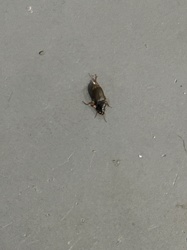
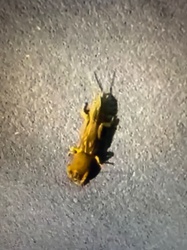
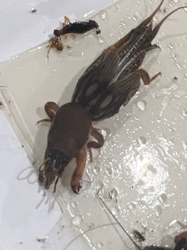
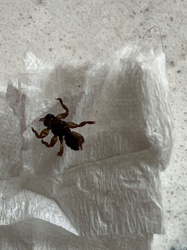
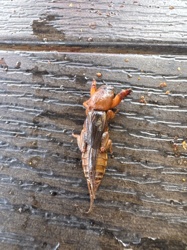
Mole Cricket identified by the community
Real finds identified with Bug Identifier.
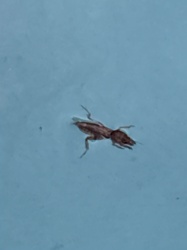
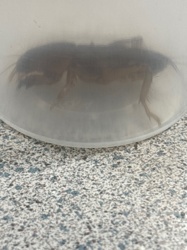
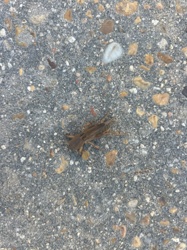

Other bugs you may enjoy
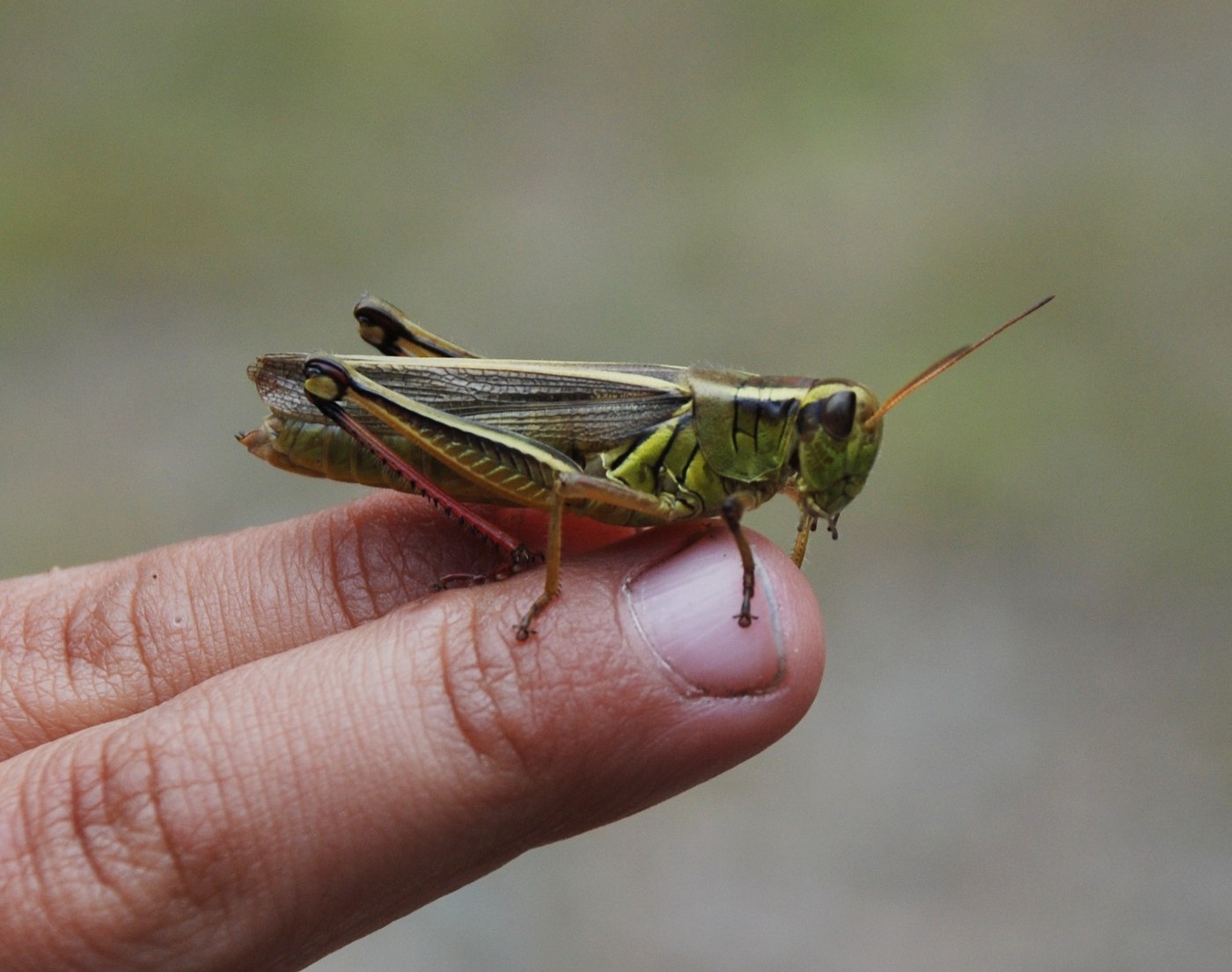
Two-striped Grasshopper
Meadows, pastures, riverbanks, and agricultural fields across North America
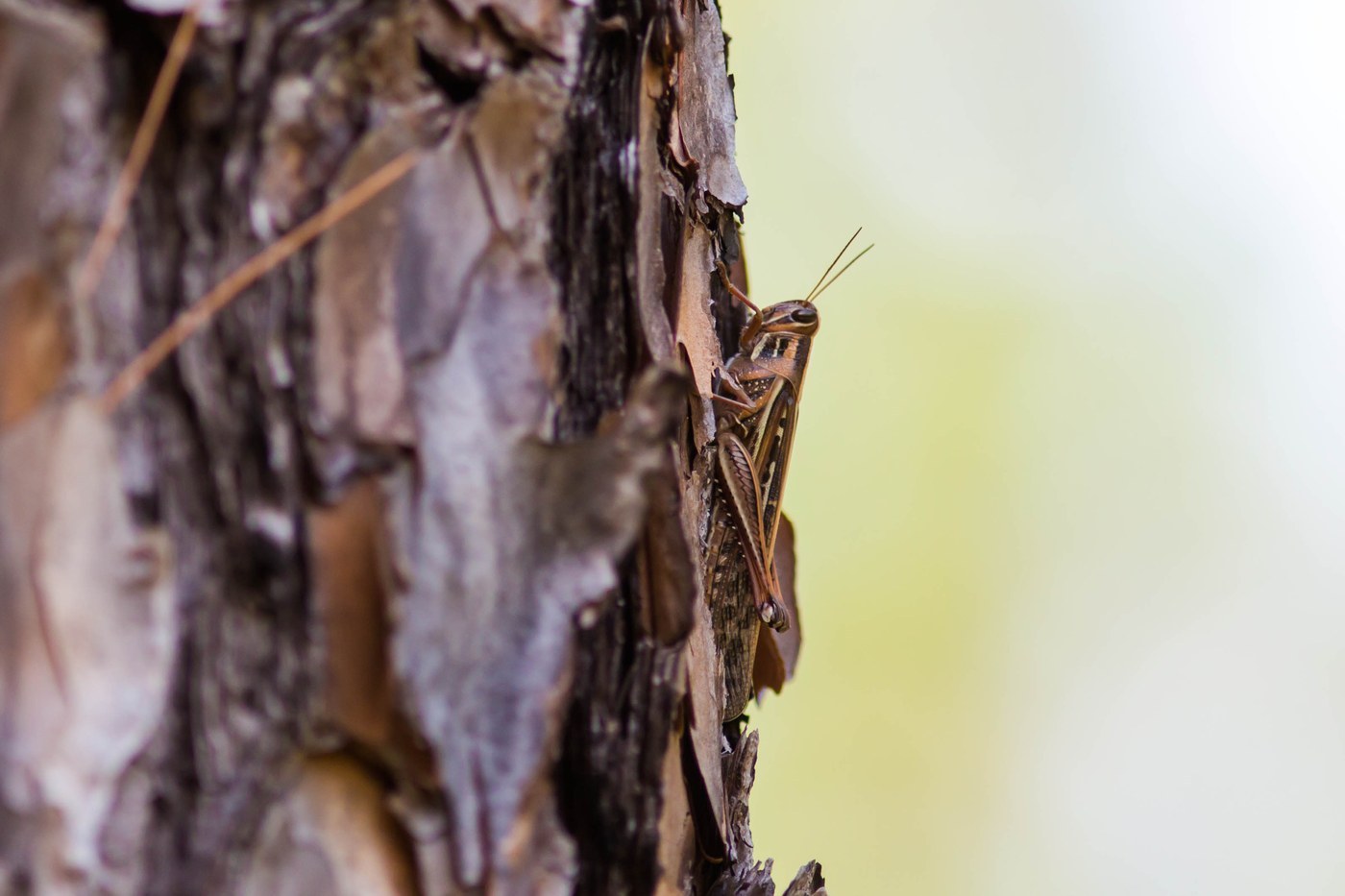
American Grasshopper
Woodland edges, citrus groves, gardens, and open fields across the southern and southeastern United States
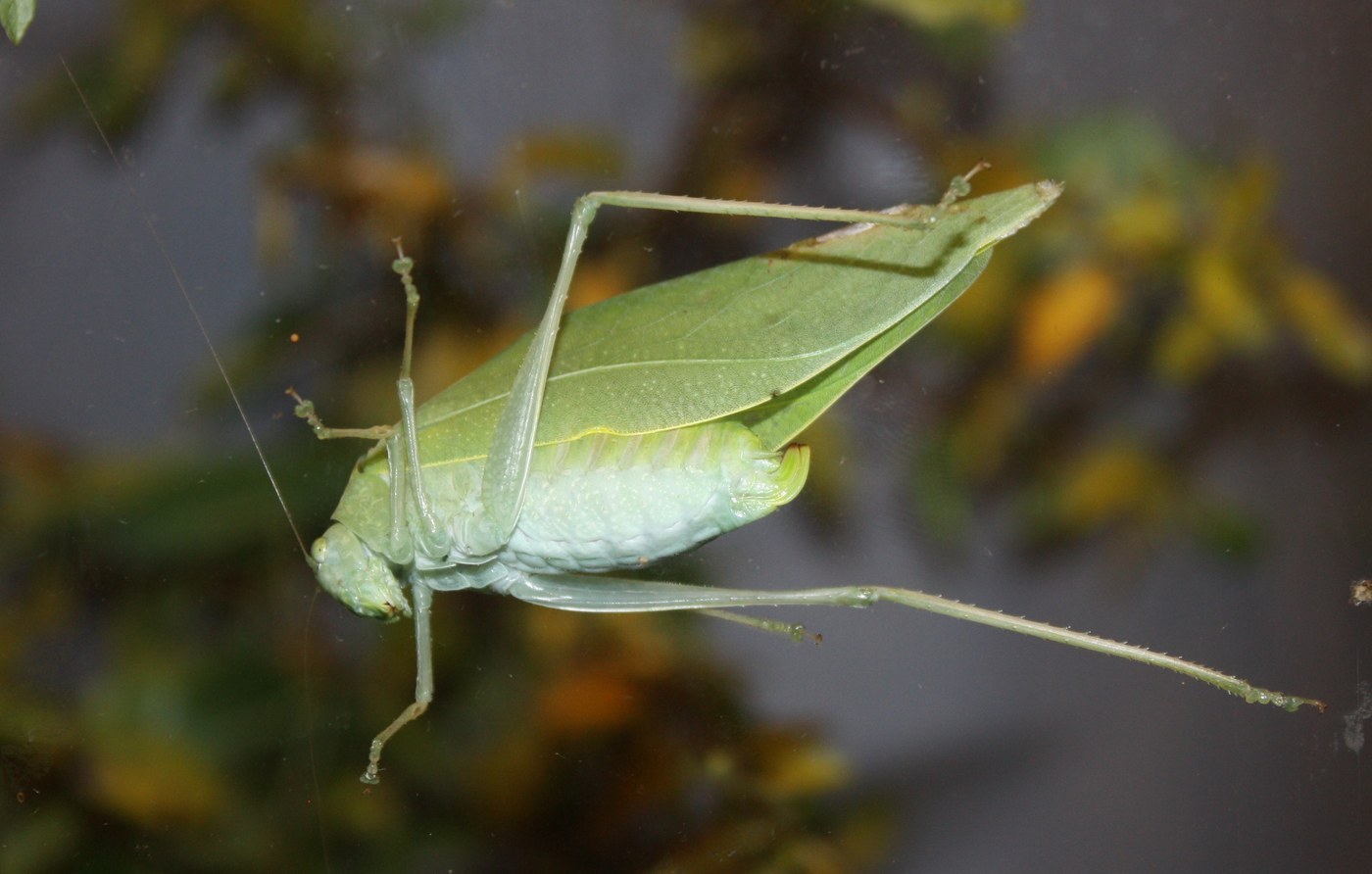
Angular-winged Katydid
deciduous trees, shrubs, and hedgerows across eastern and central North America
Spur-throated Grasshopper
grasslands, meadows, croplands, and roadsides across North America
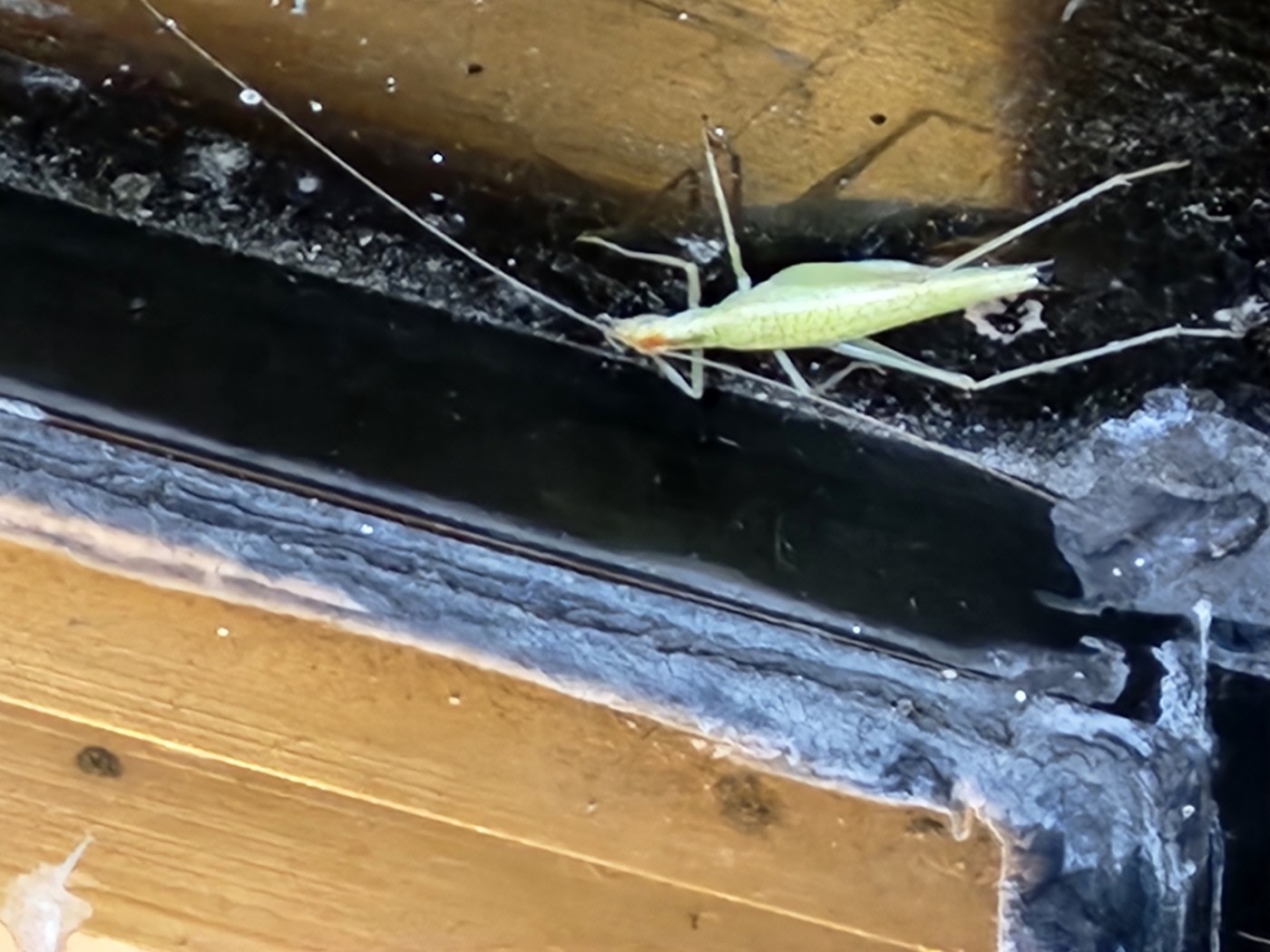
Snowy Tree Cricket
Shrubs, trees, and tall vegetation across North America
Rocky Mountain Locust
historically open grasslands and river valleys of the Rocky Mountains and Great Plains (now believed extinct)
Spotted Camel Cricket
damp caves, crawl spaces, basements, leaf litter, and rotting logs in eastern North America
Pygmy Grasshopper
damp soil, mud, and low vegetation near ponds, streams, and marshes
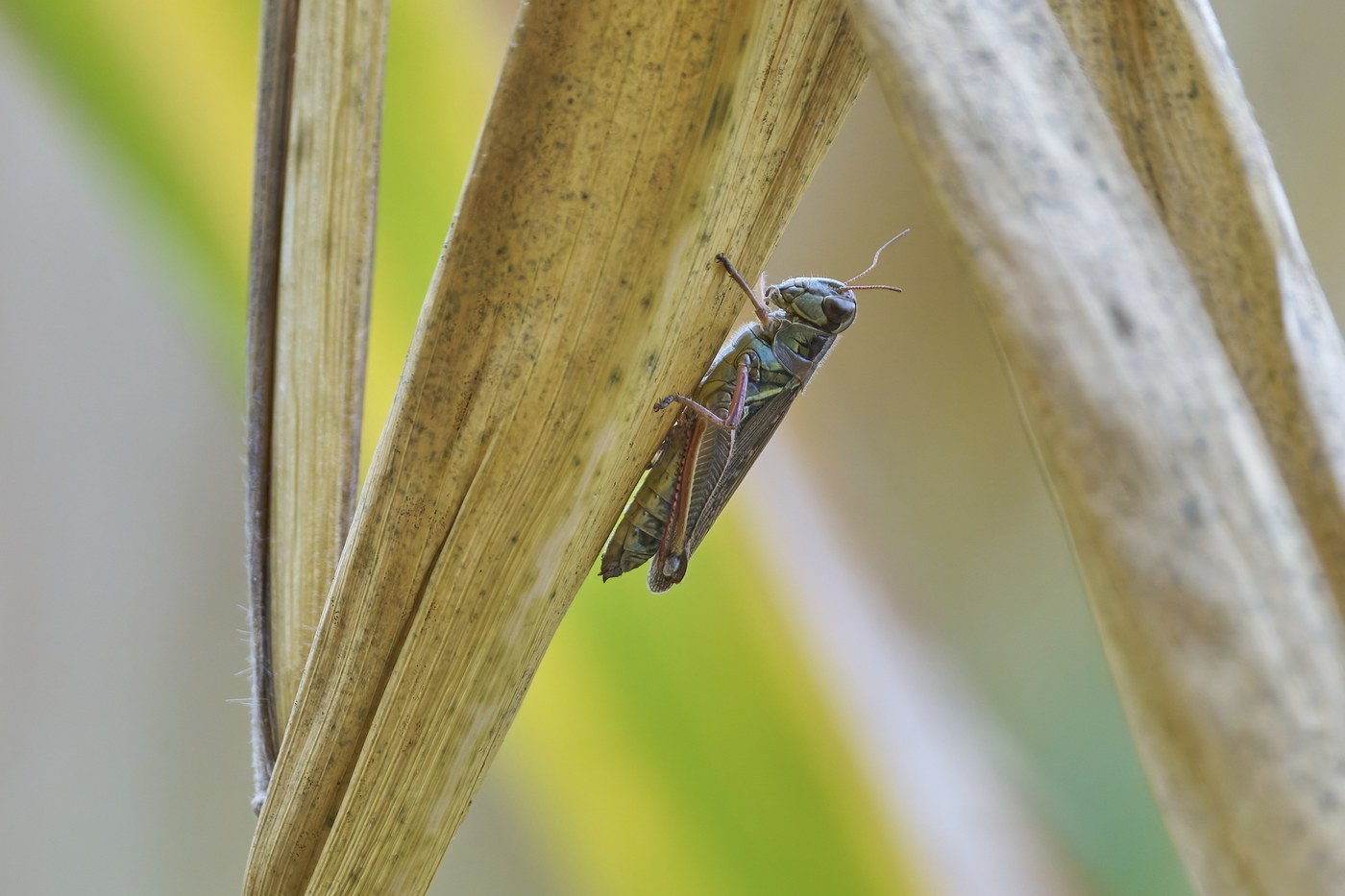
Red-legged Grasshopper
Meadows, pastures, field edges, and gardens across North America
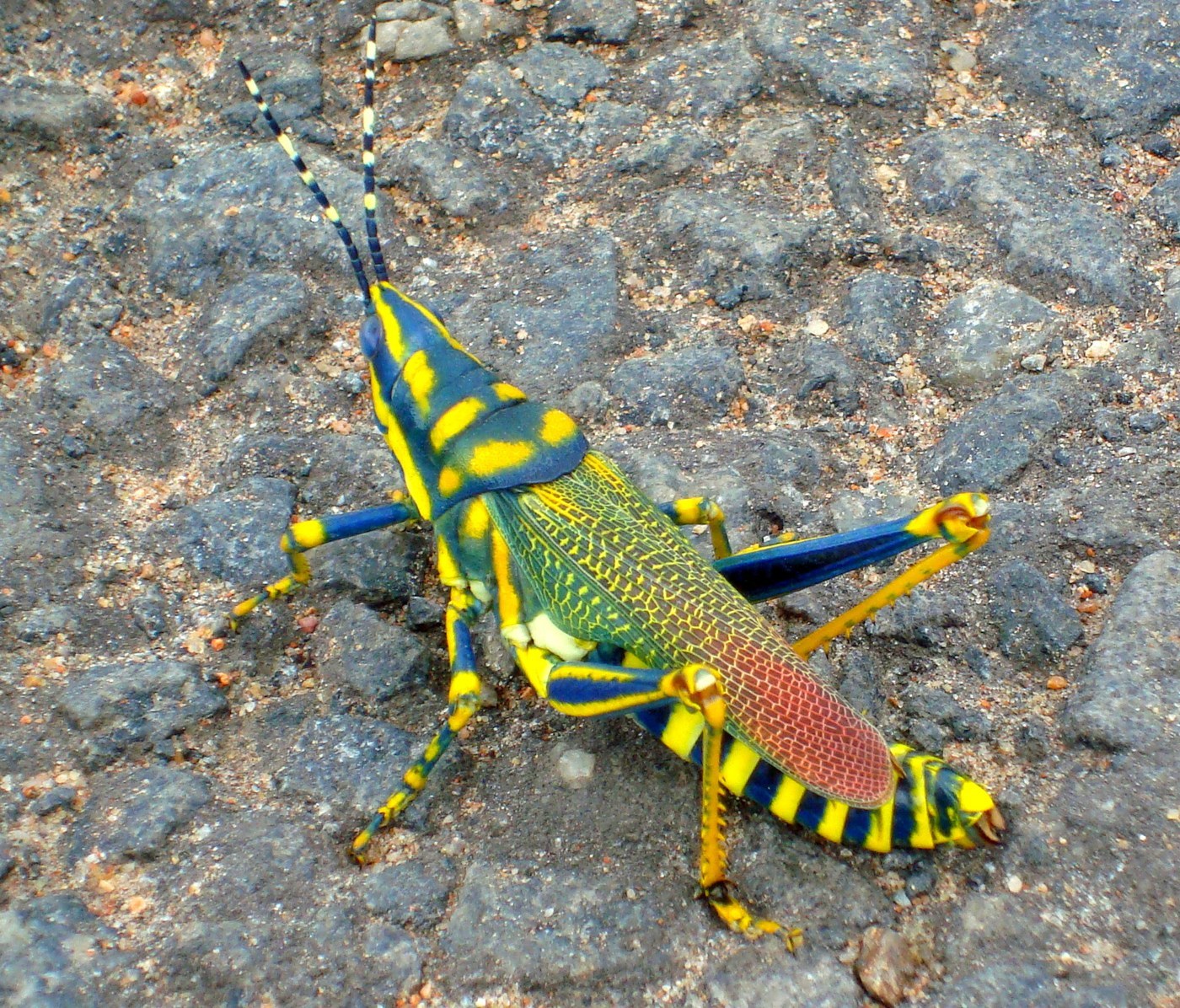
Painted Grasshopper
arid scrub, wastelands, and gardens of the Indian subcontinent, especially near milkweed plants
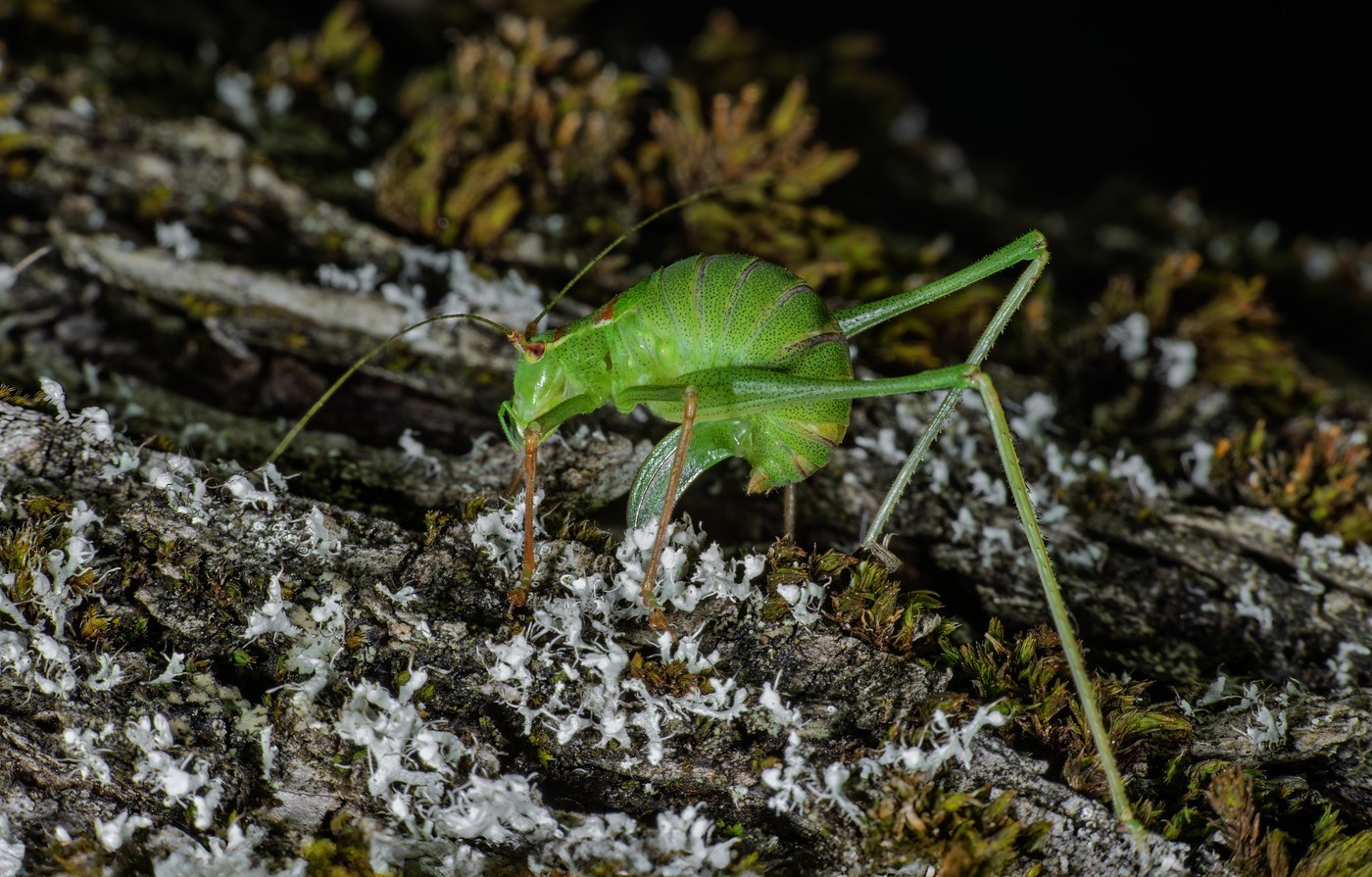
Speckled Bush Cricket
Brambles, hedgerows, nettles, and shrubby vegetation
Northern Mole Cricket
wet soil, pond margins, and marshy ground across eastern and central North America