
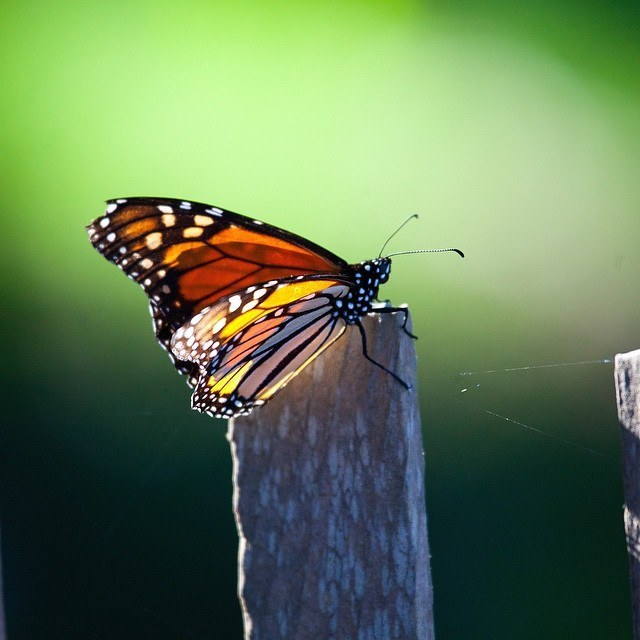
Monarch Butterfly
Danaus plexippus
A large butterfly with bold orange wings crossed by black veins and a black, white-spotted border, famous for its multi-generational migration between North America and central Mexico.
- Size
- 3.5–4 in wingspan
- Habitat
- Meadows, milkweed fields, gardens; migratory across North America
- Danger
- Harmless
Spotted a bug like this?
Identify any bug or insect from a photo, free.
Overview
The monarch butterfly, Danaus plexippus, is a large, brightly colored butterfly in the family Nymphalidae, subfamily Danainae, renowned for its vivid orange-and-black wings and its extraordinary multi-generational migration across North America. It is one of the most recognizable and widely studied butterflies in the world.
Monarchs are closely tied to milkweed plants (genus Asclepias), which serve as the sole food source for their caterpillars and give the species its classification among the 'milkweed butterflies.' Compounds sequestered from milkweed during the larval stage make monarchs distasteful to many predators, and their bold coloration serves as a warning signal.
Monarchs are best known for an annual migration in which populations east of the Rocky Mountains travel thousands of kilometers between breeding grounds in the United States and Canada and overwintering sites in central Mexico, a journey that spans multiple generations of butterflies.
How to Identify
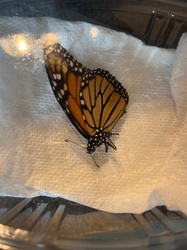
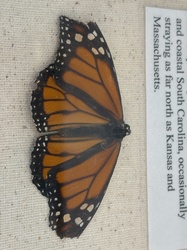
- Wings: bright orange with bold black veining and a black border dotted with white spots; wingspan about 3.5–4 inches (9–10 cm).
- Body: black with small white spots, and males show a small black scent patch on each hindwing not present in females.
- Flight: gliding and soaring flight pattern, alternating with slow, deliberate wingbeats.
- Lookalikes: the viceroy butterfly closely mimics the monarch's pattern but is slightly smaller and has an extra black line crossing the hindwing veins.
Habitat & Range
Monarchs are found throughout North America, from southern Canada to Mexico, wherever milkweed and nectar plants are available—meadows, roadsides, gardens, and open fields. Related populations also occur in parts of Central America, the Caribbean, and have been introduced to some Pacific islands and Australia.
Adults are active during the day in warm months from spring through fall, and the eastern North American population undertakes a long-distance seasonal migration, traveling south in autumn to overwinter in oyamel fir forests in central Mexico before returning north in spring.
Behavior & Diet
Adult monarchs feed on nectar from a wide variety of flowering plants, while their caterpillars feed exclusively on milkweed leaves, from which they sequester compounds that make the adults distasteful to many predators—an example of aposematic (warning) coloration in action. This chemical defense is thought to be mimicked by the unrelated viceroy butterfly.
The species is best known for its remarkable migratory behavior: eastern populations travel thousands of kilometers south each fall to overwintering sites in Mexico, clustering in dense colonies on fir trees, then begin the return journey north in spring, a trip completed over several successive generations.
Life Cycle
Monarchs undergo complete metamorphosis: egg, larva (caterpillar), pupa (chrysalis), and adult. Females lay single eggs on the undersides of milkweed leaves, and the black, white, and yellow-banded caterpillar that hatches feeds exclusively on milkweed through five instars.
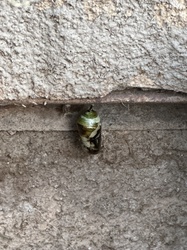
After several weeks of growth, the caterpillar forms a distinctive jade-green chrysalis with gold accents, from which the adult butterfly emerges after one to two weeks. Multiple generations are produced during the breeding season, with the final generation of the year being physiologically distinct—living much longer and undertaking the long migratory flight to overwintering grounds.
Frequently asked questions
How is a monarch different from a viceroy butterfly?
The viceroy is slightly smaller and has an extra black line crossing the veins of the hindwing, a feature the monarch lacks.
Why do monarch caterpillars only eat milkweed?
Milkweed is their sole larval food plant, and compounds absorbed from it also make the resulting butterfly distasteful to many predators.
How far do monarchs migrate?
Eastern North American populations can travel thousands of kilometers between summer breeding grounds and overwintering sites in central Mexico.
How big is a monarch butterfly?
Wingspan is typically about 3.5–4 inches (9–10 cm).
Monarch Butterfly guides
In-depth guides for identifying, understanding, and living alongside Monarch Butterfly.
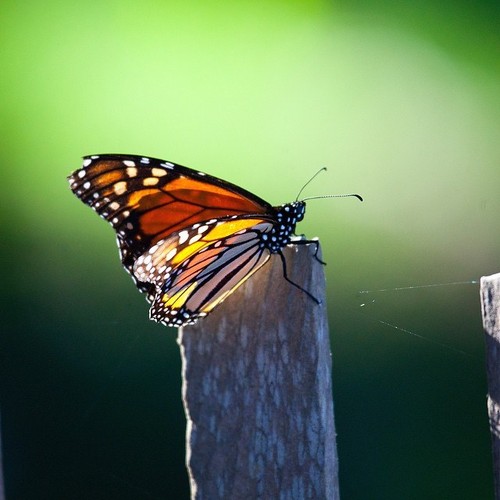
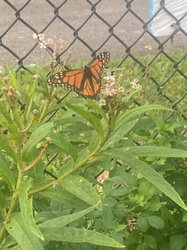
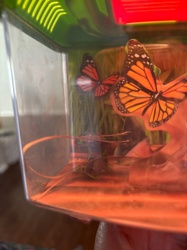
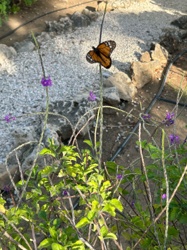
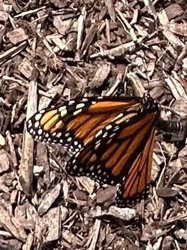
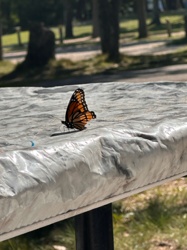
Monarch Butterfly identified by the community
Real finds identified with Bug Identifier.


Other bugs you may enjoy
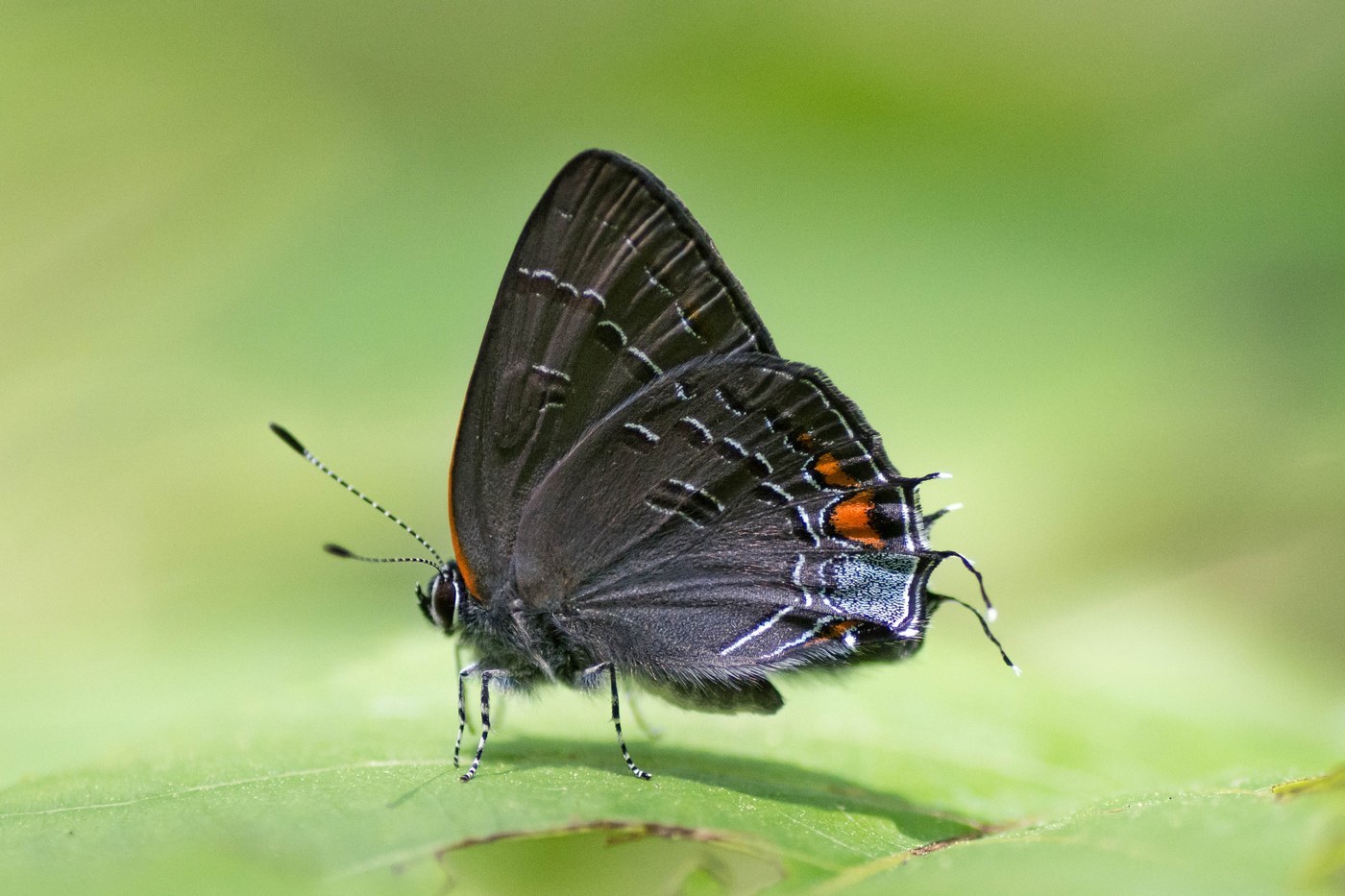
Banded Hairstreak
Deciduous woodlands and edges with oaks and hickories
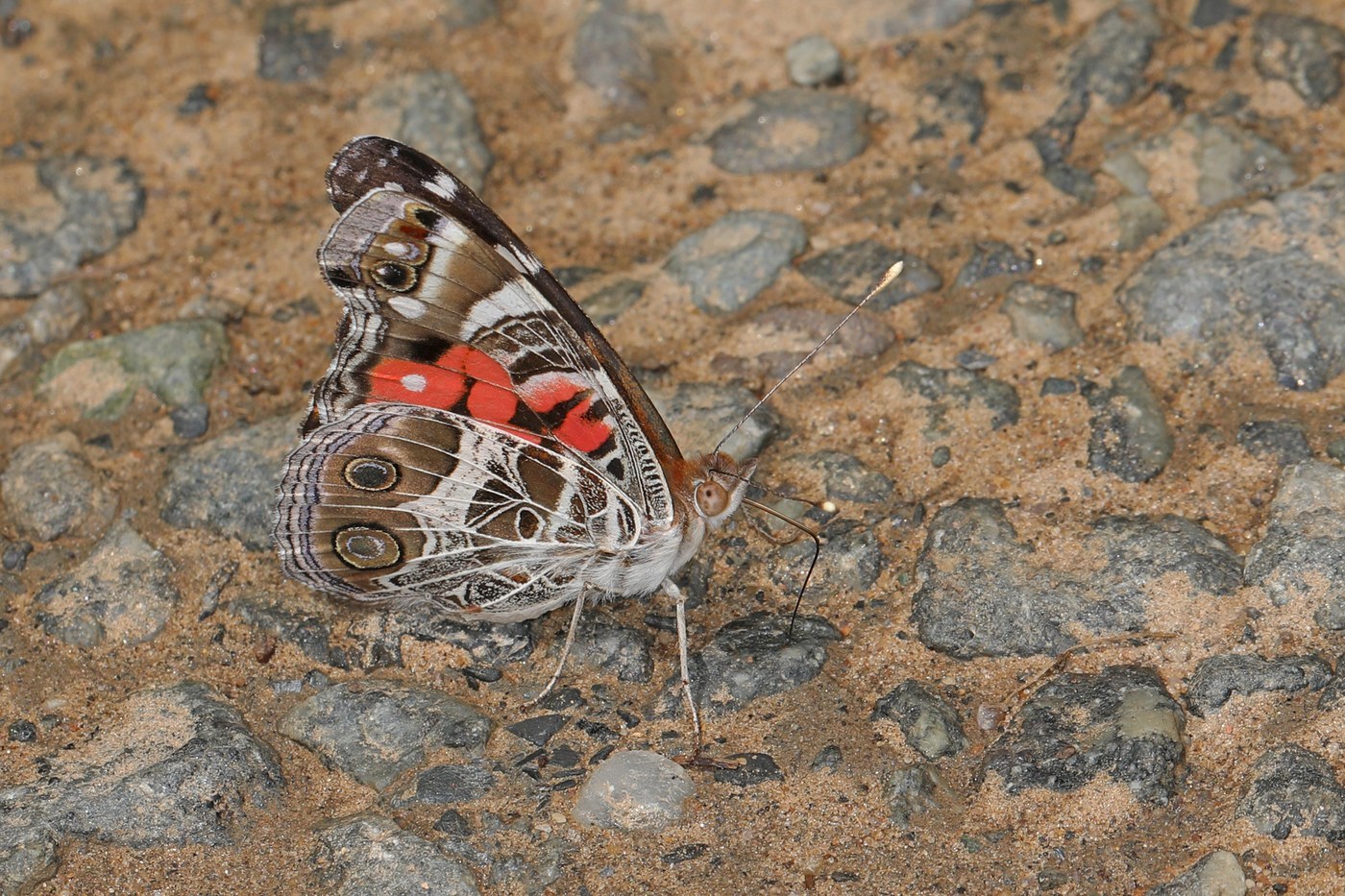
American Lady
Open fields, meadows, gardens, roadsides
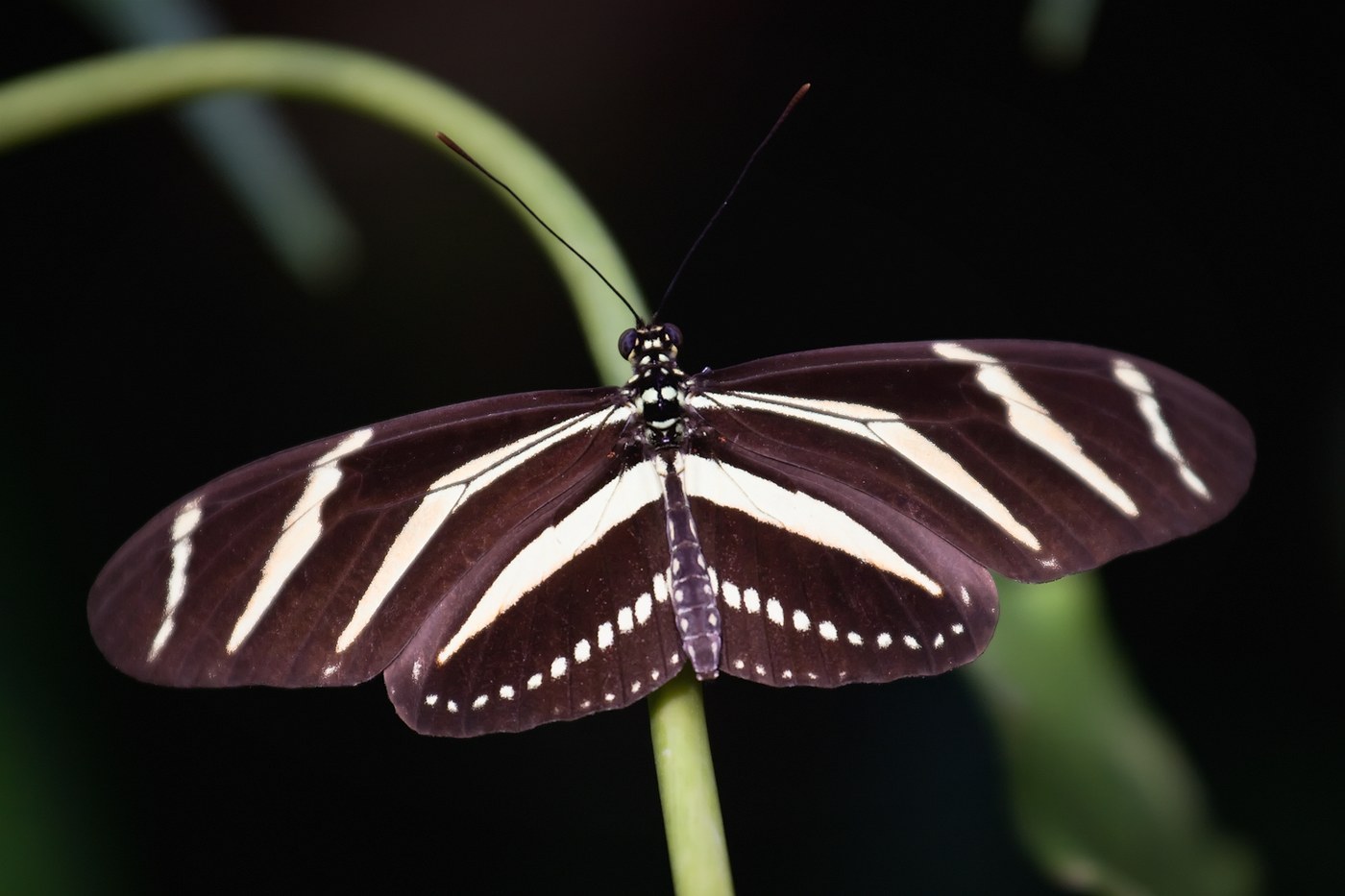
Zebra Longwing
Tropical hammocks, gardens, forest edges
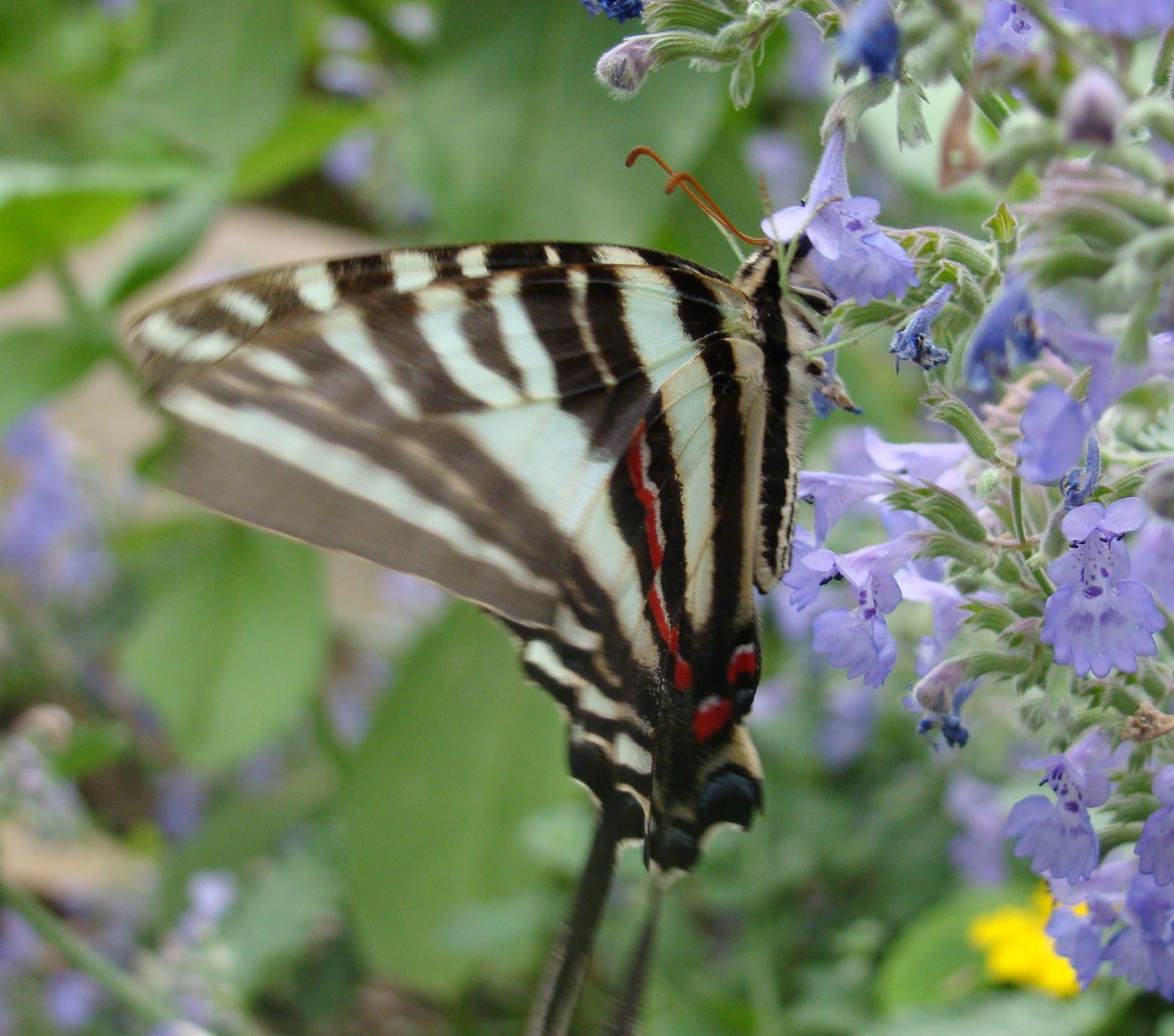
Zebra Swallowtail
Woodlands, floodplains, forest edges near pawpaw
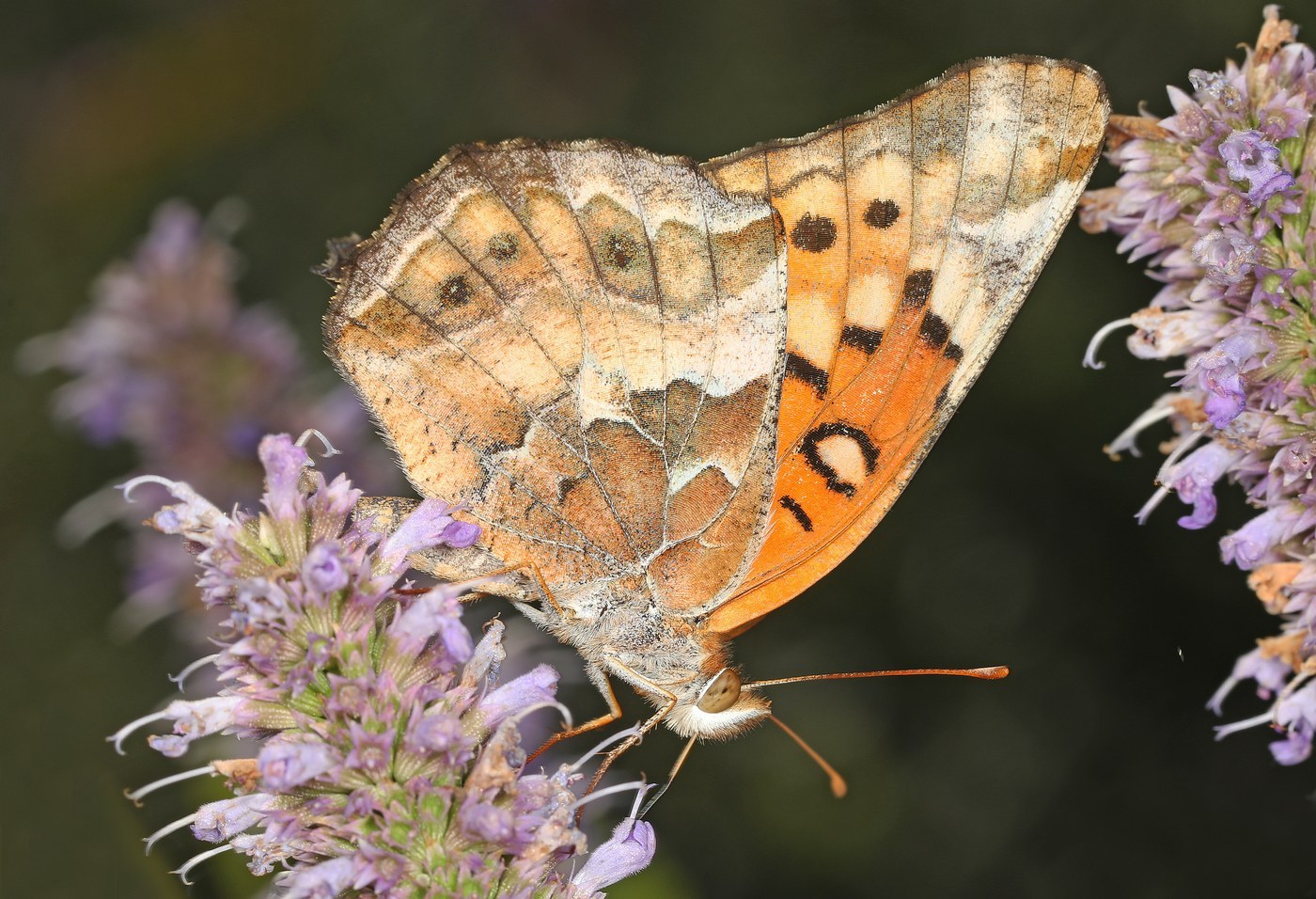
Variegated Fritillary
Open fields, prairies, roadsides, and disturbed ground across most of the United States
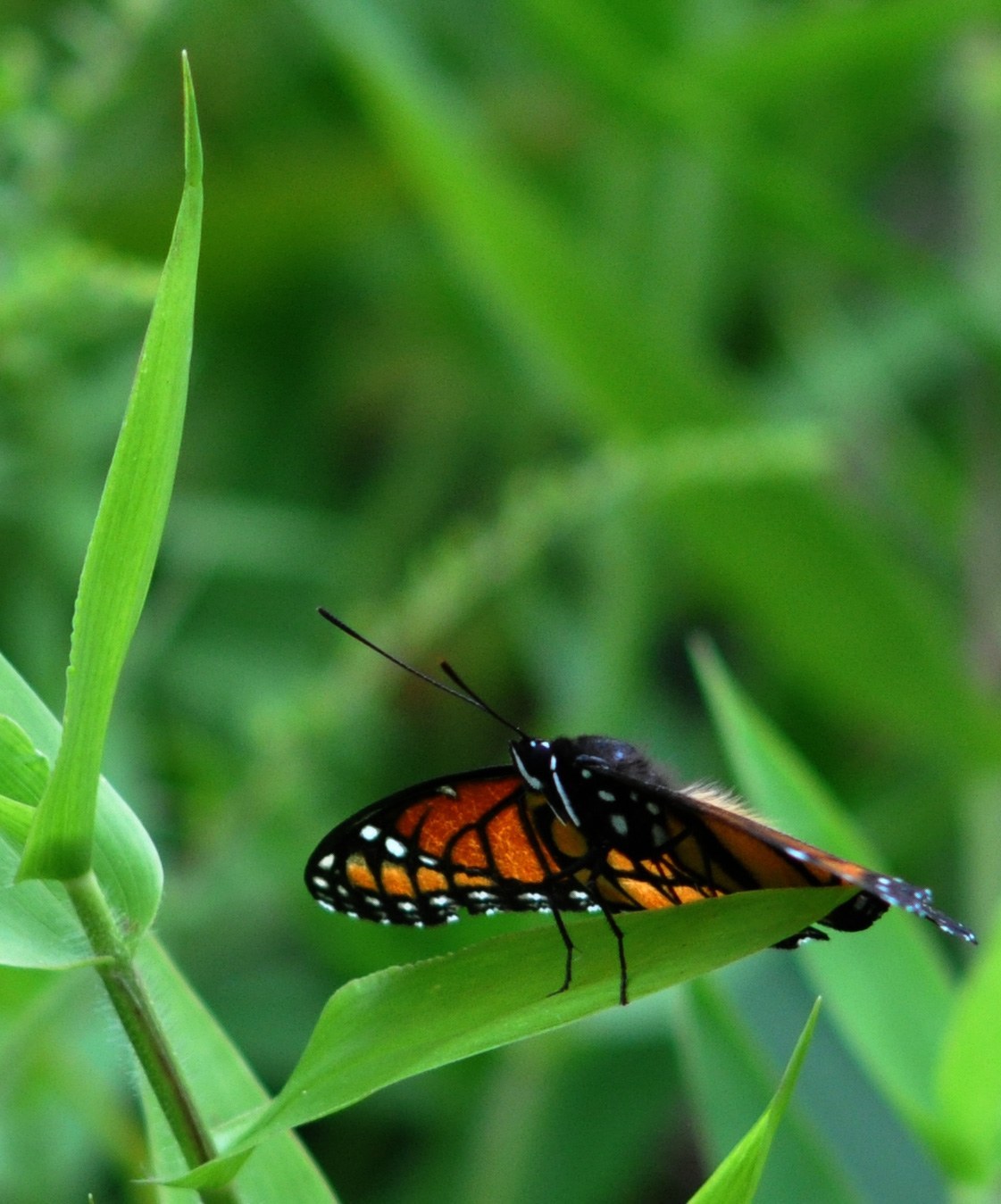
Viceroy Butterfly
Wetlands, meadows, riverbanks, willow thickets (North America)
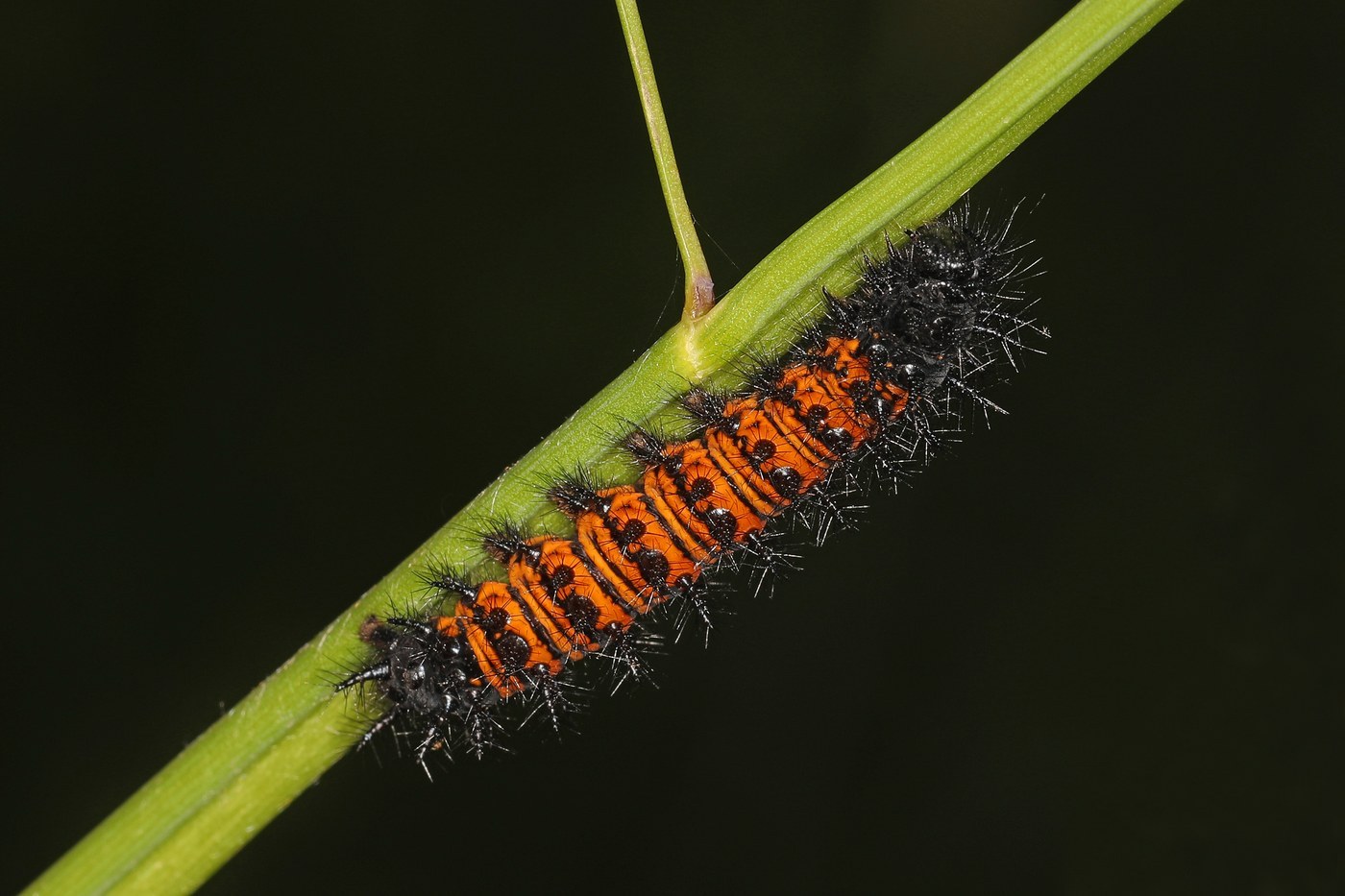
Baltimore Checkerspot
Wet meadows, bogs, and marshy fields in the northeastern and Appalachian US
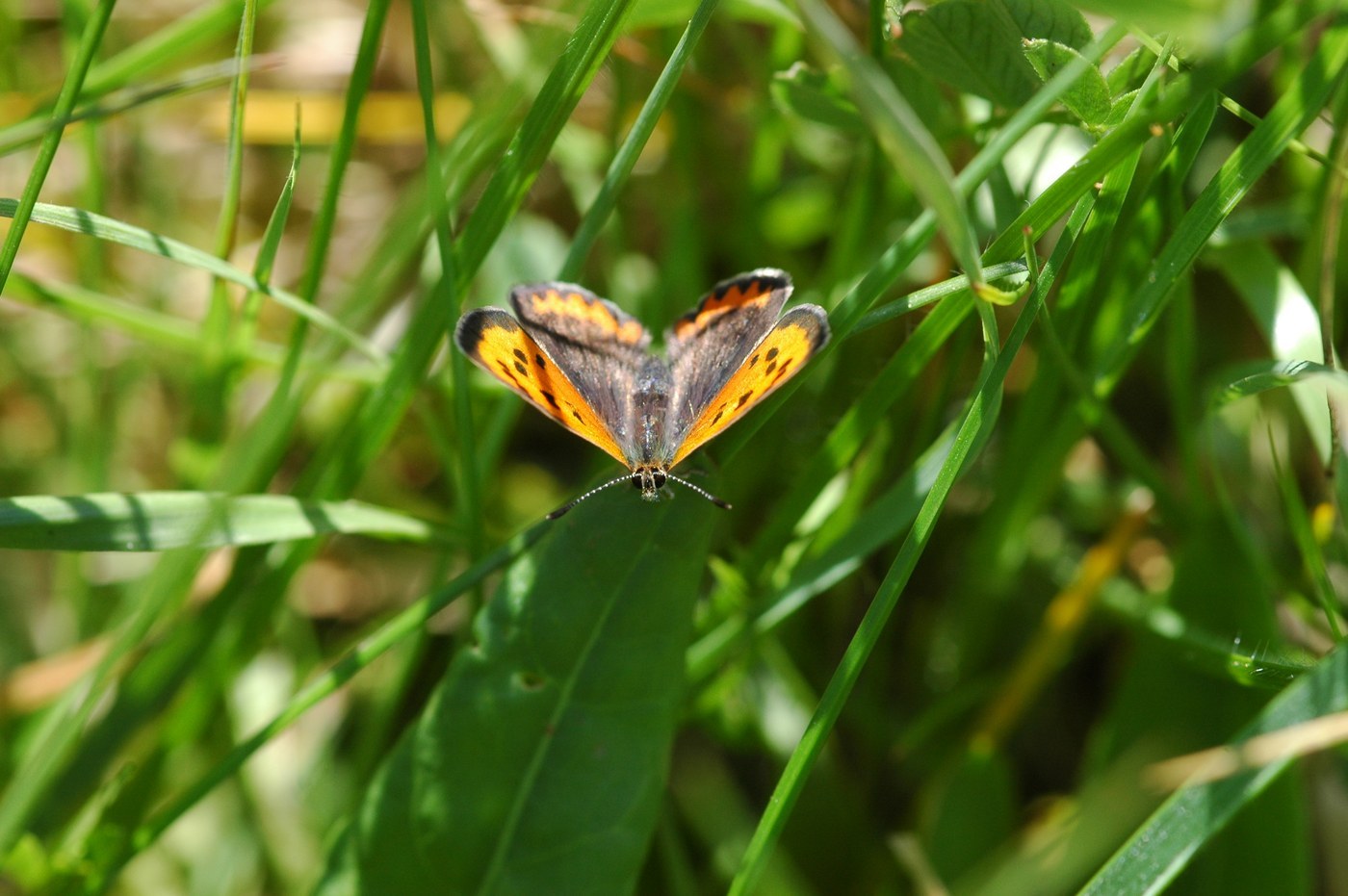
American Copper
Old fields, roadsides, and disturbed open ground with sorrel or dock
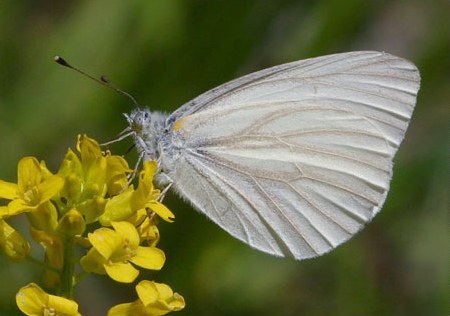
West Virginia White
Rich deciduous forest floors, especially near seeps and streams
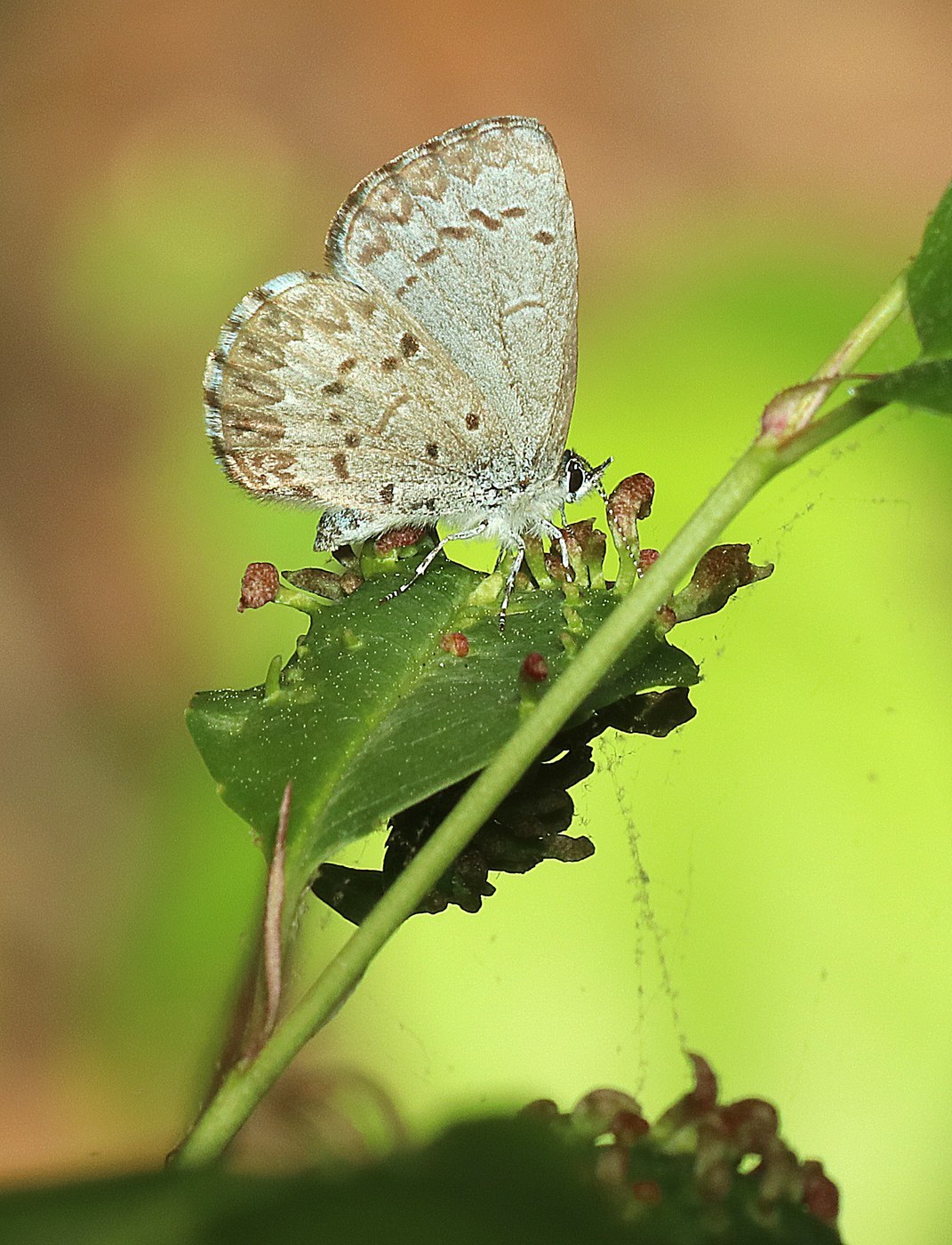
Spring Azure
Woodland edges, gardens, shrubby clearings
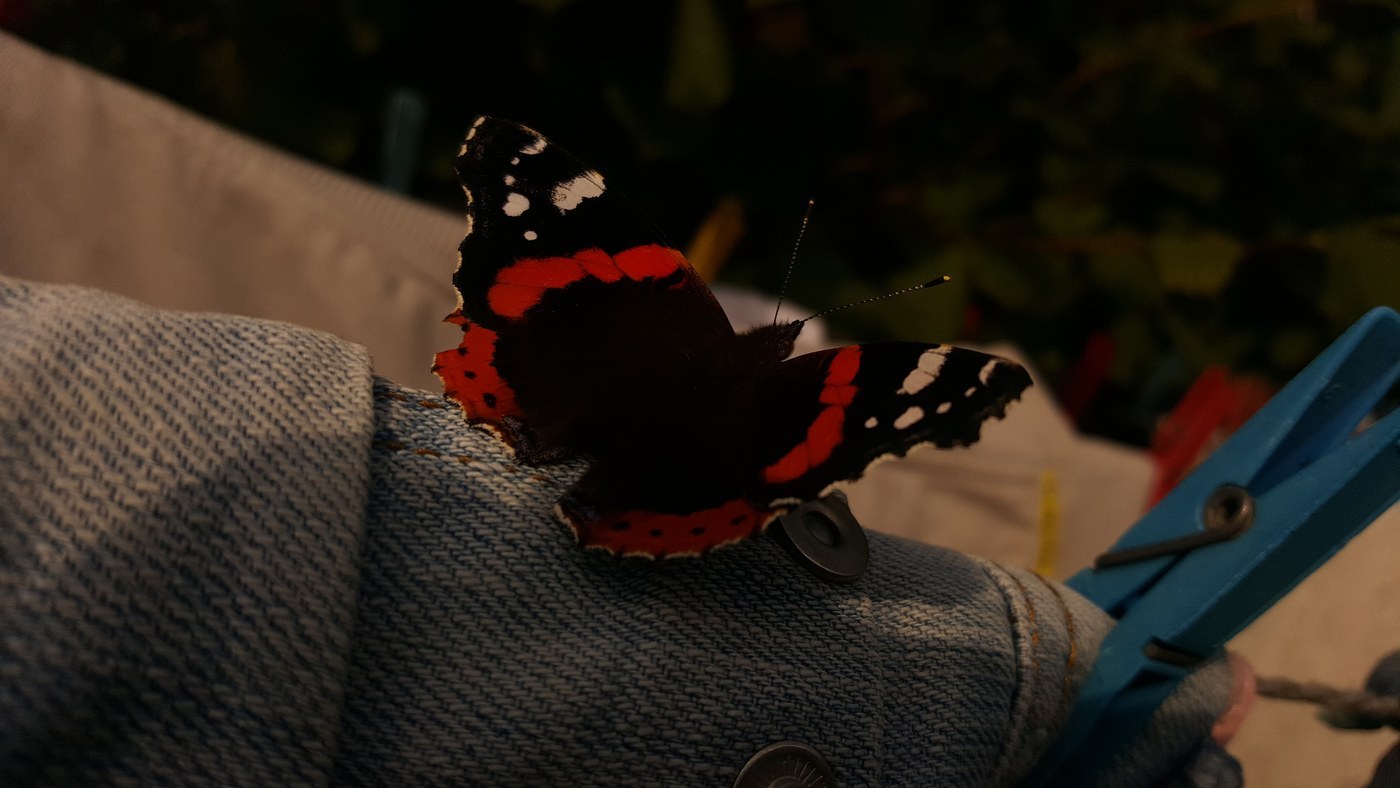
Red Admiral
Gardens, woodland edges, parks, meadows
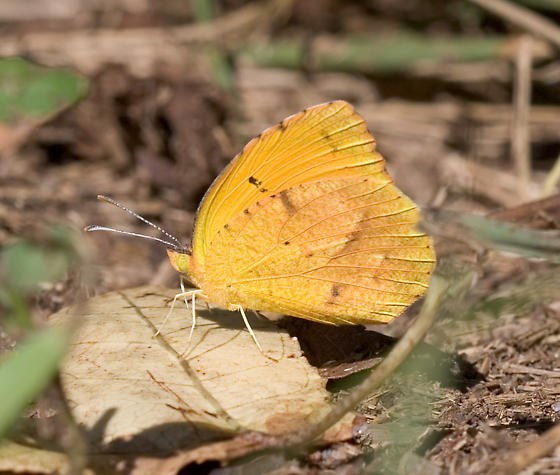
Sleepy Orange
Open woodland, fields, roadsides, and disturbed ground