
Pine Sawyer Beetle
Monochamus spp.
A large, long-antennaed longhorn beetle of pine and spruce forests, mottled gray-brown to black, that produces a rasping sound when handled and whose larvae tunnel deep into dead or dying conifer wood.
- Size
- 13–30 mm (antennae much longer)
- Habitat
- Coniferous and mixed forests, dead or stressed pines and spruces
- Danger
- Bites
Spotted a bug like this?
Identify any bug or insect from a photo, free.
Overview
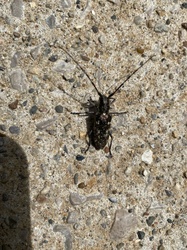
Pine sawyer beetles belong to the genus Monochamus within the longhorn beetle family (Cerambycidae), a group named for their strikingly long, whip-like antennae, which in males can be much longer than the body itself. They are among the largest and most conspicuous beetles found in North American and Eurasian conifer forests, frequently noticed resting on tree trunks, sawn lumber, or firewood piles.
The genus is ecologically important as a primary colonizer of dead and dying conifers, with larvae boring extensive tunnels through the wood as they feed, a process that accelerates the breakdown of fallen or fire-killed trees. Several Monochamus species are also of particular interest because they serve as the primary vector carrying pinewood nematodes between trees, spreading them as the beetles move and feed on twig bark.
The common name "sawyer" references the rasping, sawing sound the beetle produces by rubbing body segments together when it is picked up or disturbed, a defensive sound-making behavior called stridulation that is shared by many longhorn beetles.
How to Identify
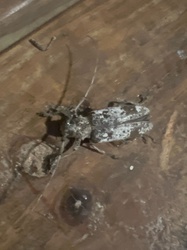
- Body elongated and cylindrical, 13–30 mm long, typically mottled gray, brown, or black, sometimes with a small white or pale patch at the base of the wing covers.
- Antennae extremely long—often 1.5 to 3 times body length in males, shorter but still lengthy in females—segmented and often banded gray and black.
- Wing covers are roughened or granulate near the base and taper toward the rear.
- Legs are long, and the beetle can grip bark tightly.
- Lookalikes: other longhorn beetles share the general body shape, but few match the extreme antenna length of Monochamus; the invasive Asian longhorned beetle has bold white spots on shiny black elytra rather than mottled gray-brown coloring.
Habitat & Range
Found throughout coniferous and mixed forests across North America, Europe, and Asia, wherever pine, spruce, fir, or related conifers are present, especially stands with recently dead, fire-damaged, or storm-felled trees. Adults are active outdoors mainly in the warmer months, from late spring through late summer, and are commonly seen on tree bark, cut logs, and stacked firewood. Larvae live hidden inside the wood of dead or severely weakened conifers for one to several years before adults emerge.
Behavior & Diet
Adults feed lightly on the bark of young twigs and needles of conifers, but most of their biological impact comes from egg-laying and larval tunneling. Females chew small pits in bark to lay eggs, and hatching larvae bore inward, excavating winding galleries through the sapwood and heartwood as they feed on wood fibers, gradually weakening and hollowing out standing dead trees or logs. This tunneling plays a role in forest nutrient cycling by breaking down dead wood over time. When handled, adults produce an audible rasping or squeaking sound as a startle response and can pinch with their mandibles if held.
Life Cycle
Complete metamorphosis, typically taking one to three years depending on climate and wood conditions. Eggs are laid singly in bark crevices of dead, dying, or recently cut conifers; larvae hatch and tunnel into the wood, feeding through multiple molts over one or more years, often overwintering as larvae inside the log. Mature larvae pupate in a chamber near the wood surface, and adults chew round exit holes to emerge, usually in late spring or summer, often near where damaged or dead trees are present.
Frequently asked questions
Why does this beetle make a squeaking or rasping noise when I pick it up?
It's producing a defensive sound called stridulation by rubbing body parts together, a common startle behavior among longhorn beetles, which is also the origin of the "sawyer" name.
Is the pine sawyer the same as the invasive Asian longhorned beetle?
No, pine sawyers are native longhorn beetles with mottled gray-brown coloring, while the Asian longhorned beetle is shiny black with bold white spots and targets hardwoods rather than conifers.
Why are the antennae so much longer than the body?
Extremely long antennae are characteristic of the longhorn beetle family and are used to sense the environment, especially bark surfaces and chemical cues, and tend to be longest in males.
Do pine sawyers attack healthy, living trees?
They primarily target dead, dying, storm-damaged, or freshly cut conifer wood rather than vigorous healthy trees.
Pine Sawyer Beetle guides
In-depth guides for identifying, understanding, and living alongside Pine Sawyer Beetle.
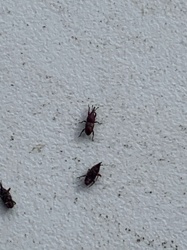
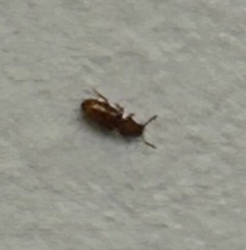
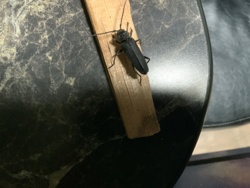
Pine Sawyer Beetle identified by the community
Real finds identified with Bug Identifier.
Other bugs you may enjoy
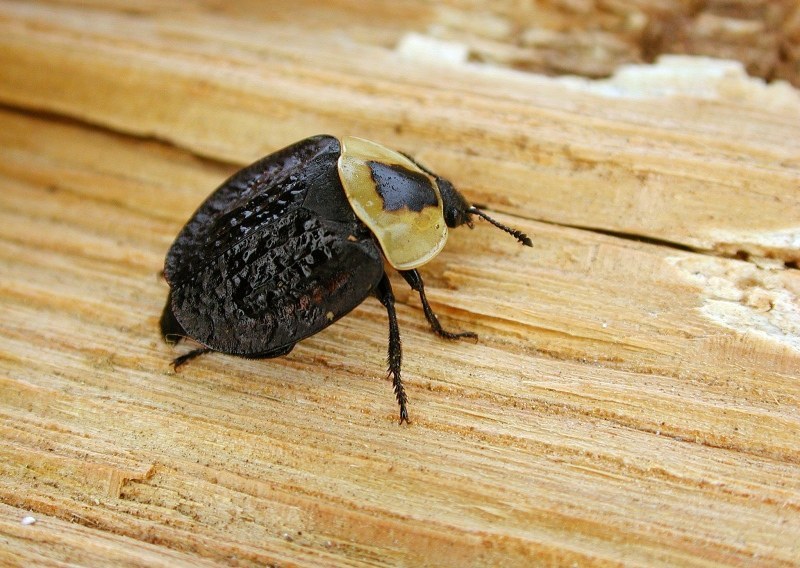
American Carrion Beetle
Forests, fields, and roadsides across North America, near decaying animal carcasses
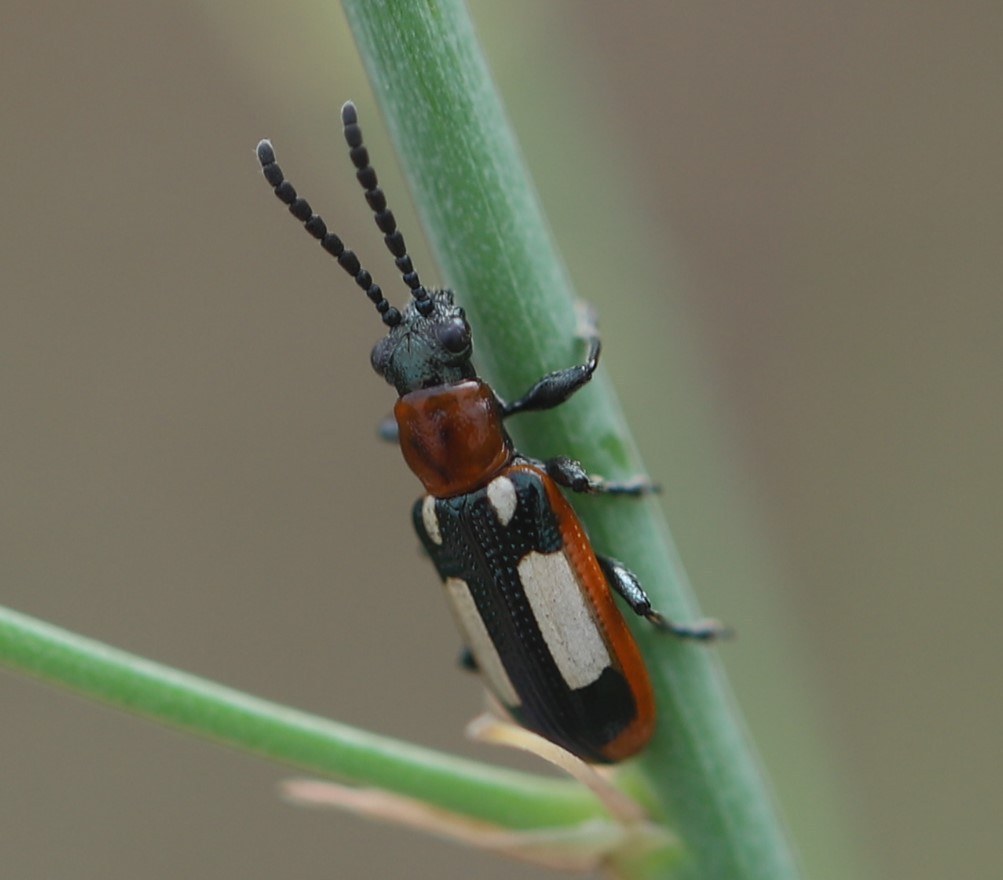
Asparagus Beetle
Asparagus patches, gardens, and farm fields

Asian Lady Beetle
Gardens, crop fields, woodlands, buildings
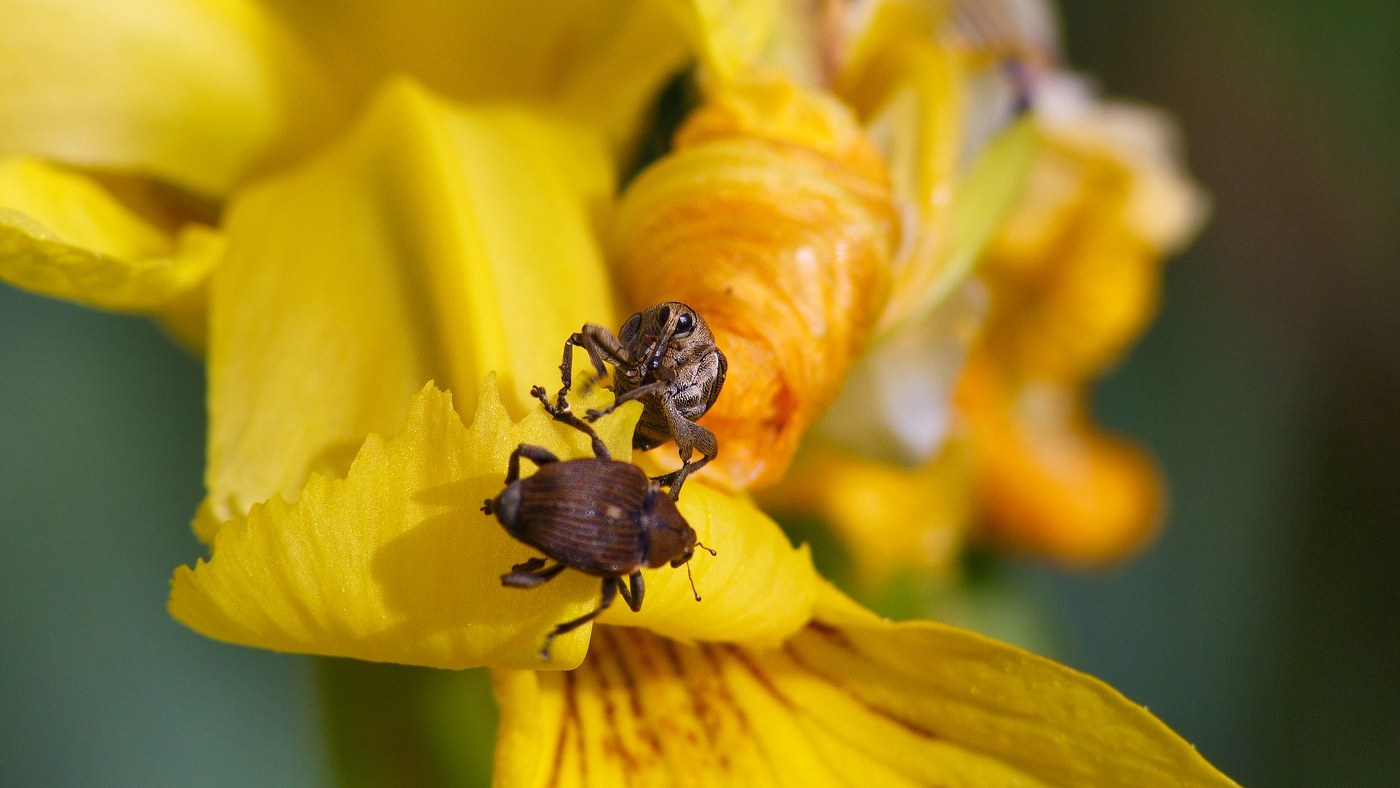
Acorn Weevil
Oak woodlands and forests, on and beneath oak trees
Wireworm
Soil of grasslands, gardens, and cultivated fields worldwide
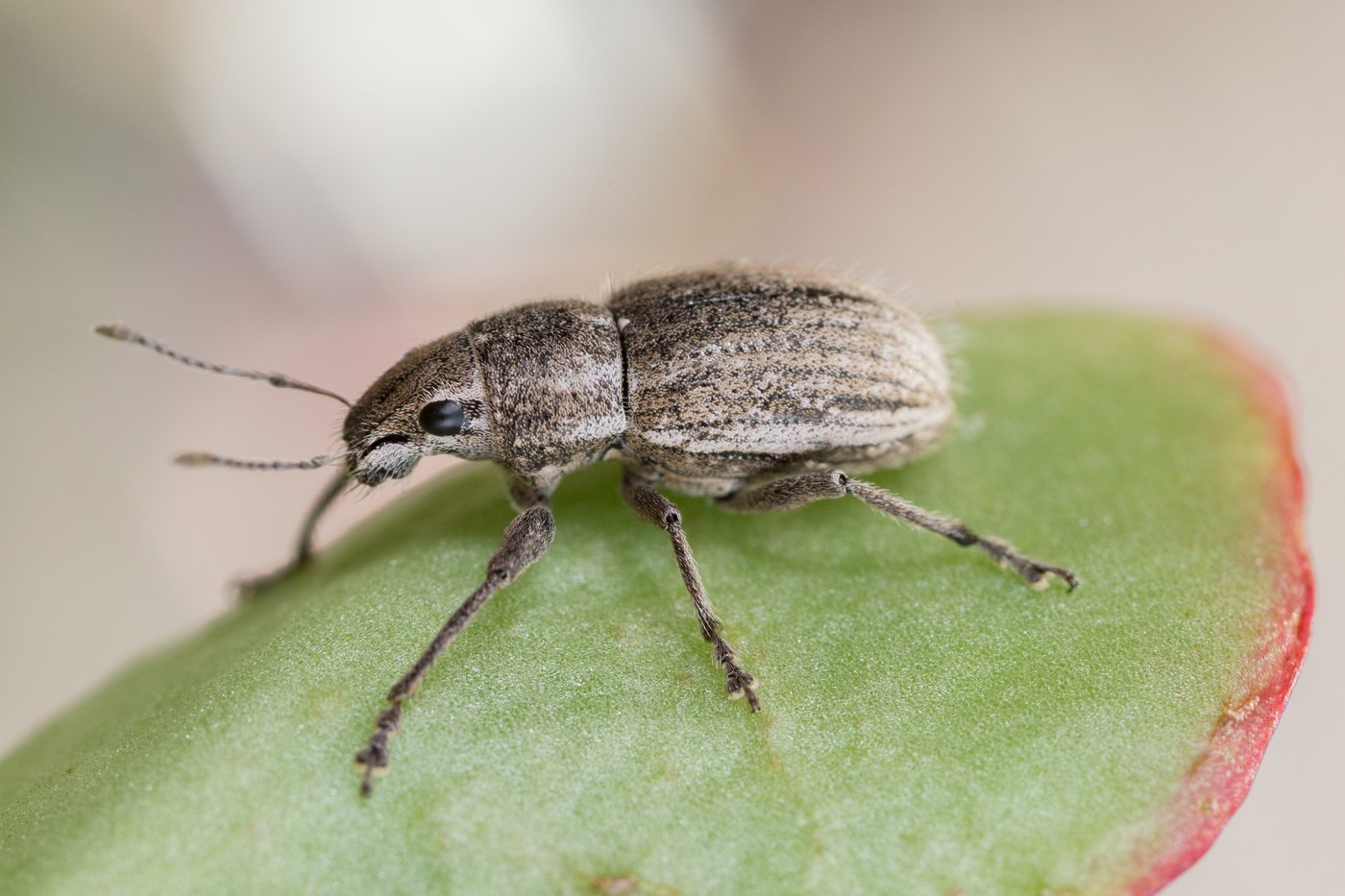
Whitefringed Beetle
Pastures, row crops, lawns, disturbed soils
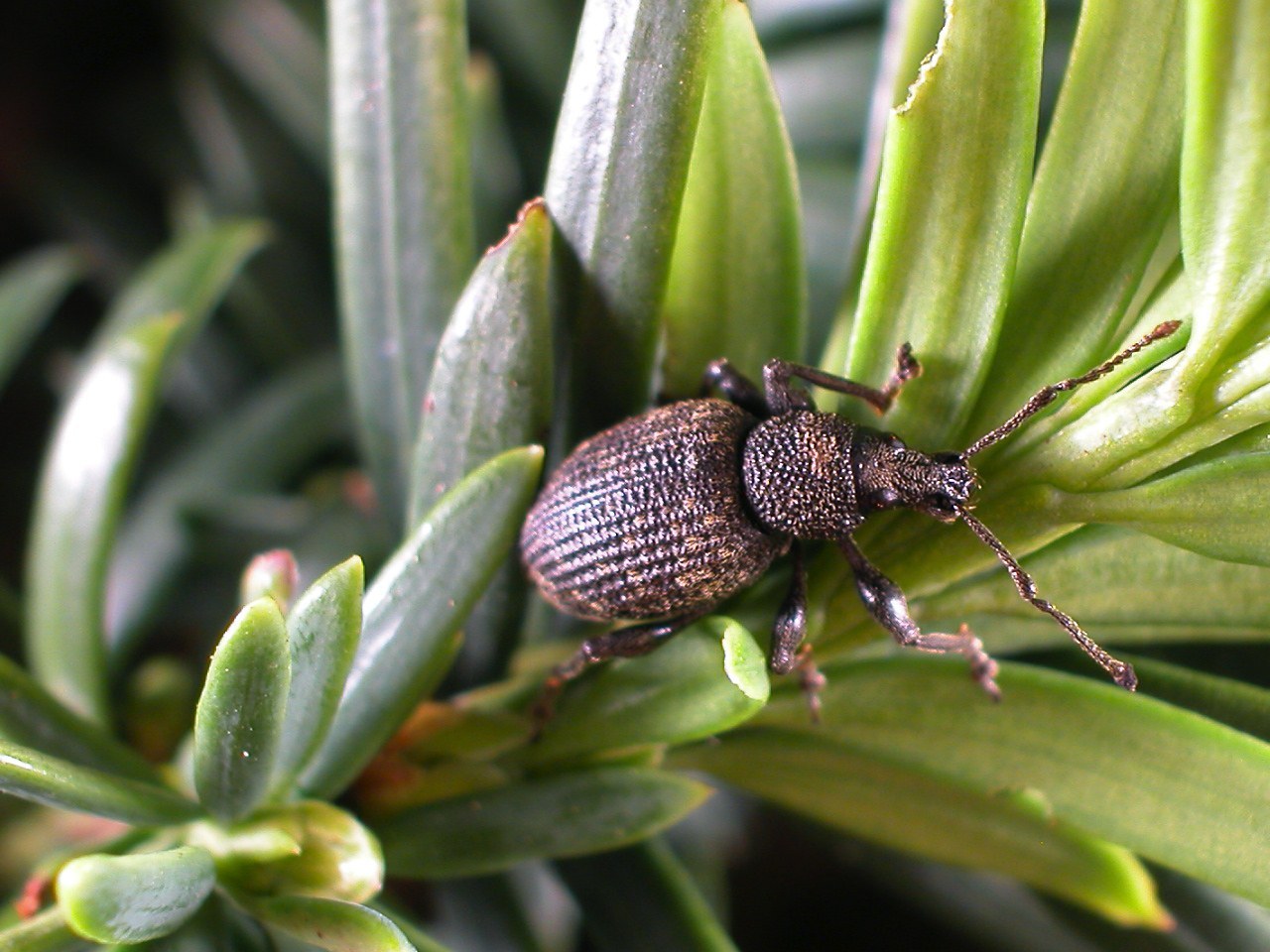
Vine Weevil
Gardens, nurseries, greenhouses, and container plantings
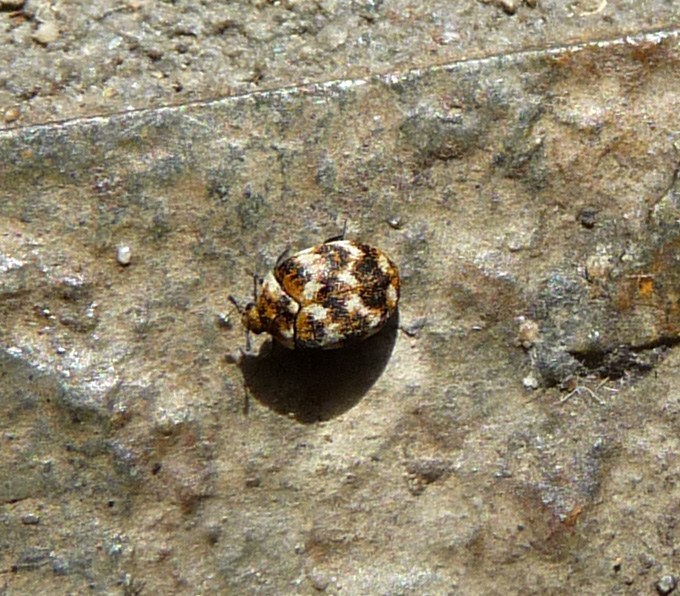
Varied Carpet Beetle
Homes, nests of birds and mammals, and flowers outdoors
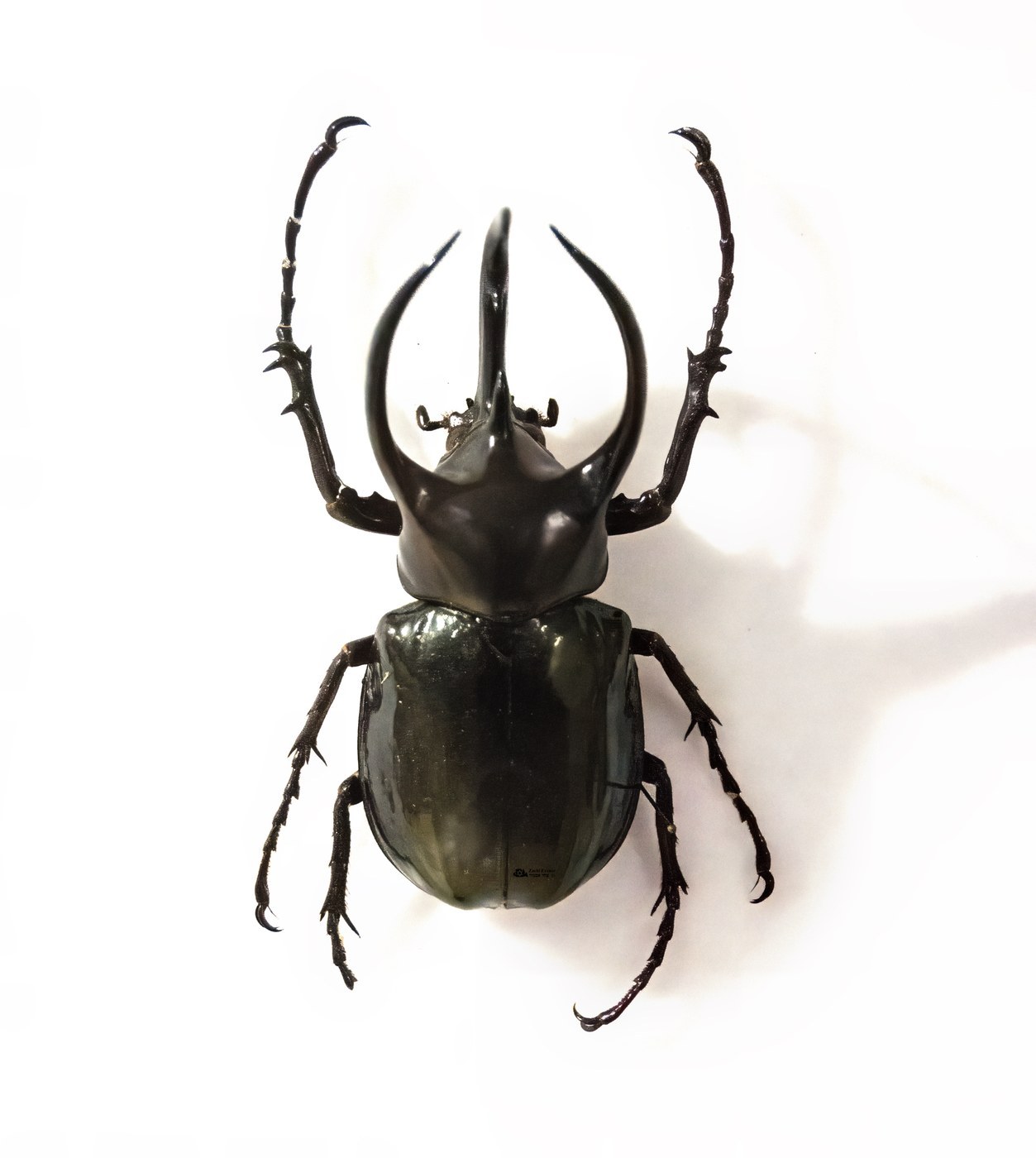
Atlas Beetle
Tropical forests of Southeast Asia
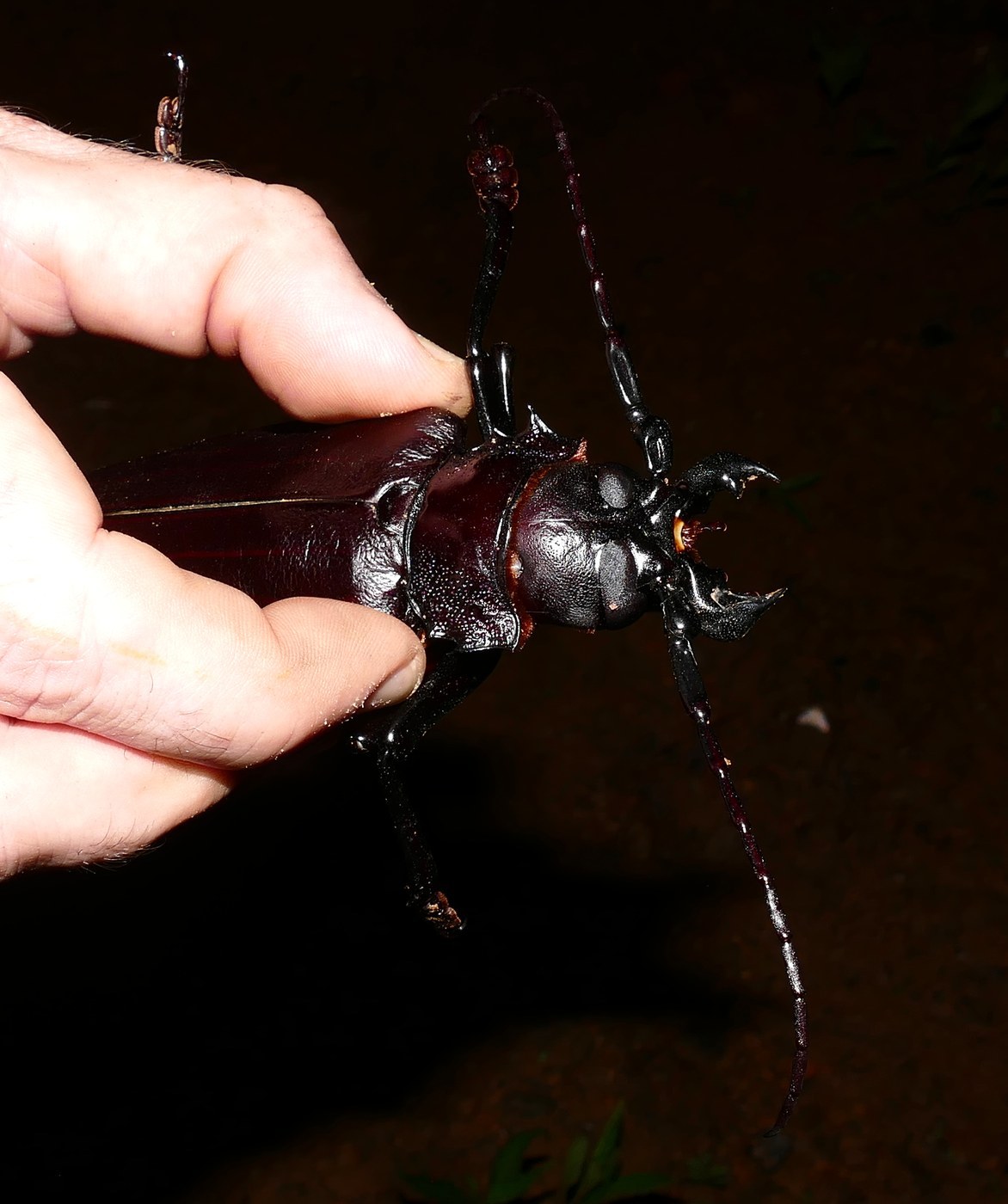
Titan Beetle
Amazon rainforest of South America
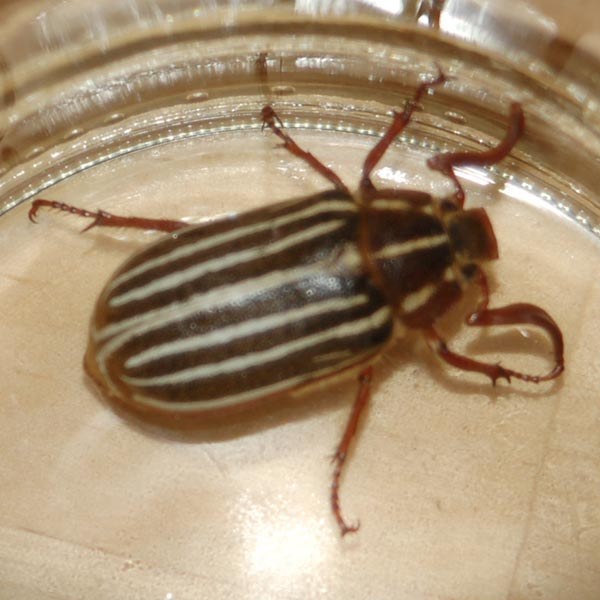
Ten-lined June Beetle
Sandy soils, pine forests, and orchards of western North America
Squash Beetle
Vegetable gardens and fields growing squash, pumpkin, and other cucurbits