
Bug Encyclopedia
Search and identify bugs & insects — beetles, butterflies, moths, ants, bees, spiders and more — with size, habitat, danger, behavior, and how to tell them apart.
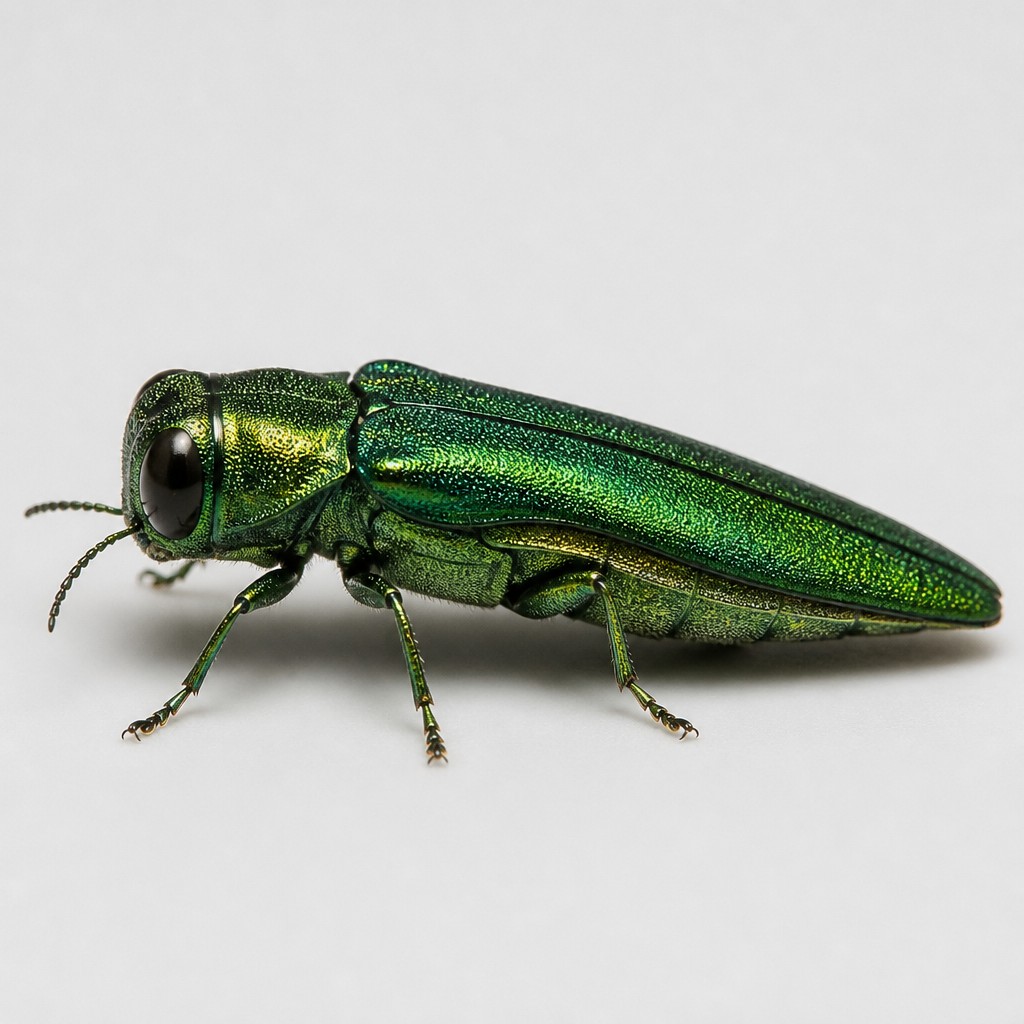
Emerald Ash Borer
A slender, bullet-shaped beetle with brilliant metallic-green coloring, whose bark-tunneling larvae feed almost exclusively within ash trees.
beetle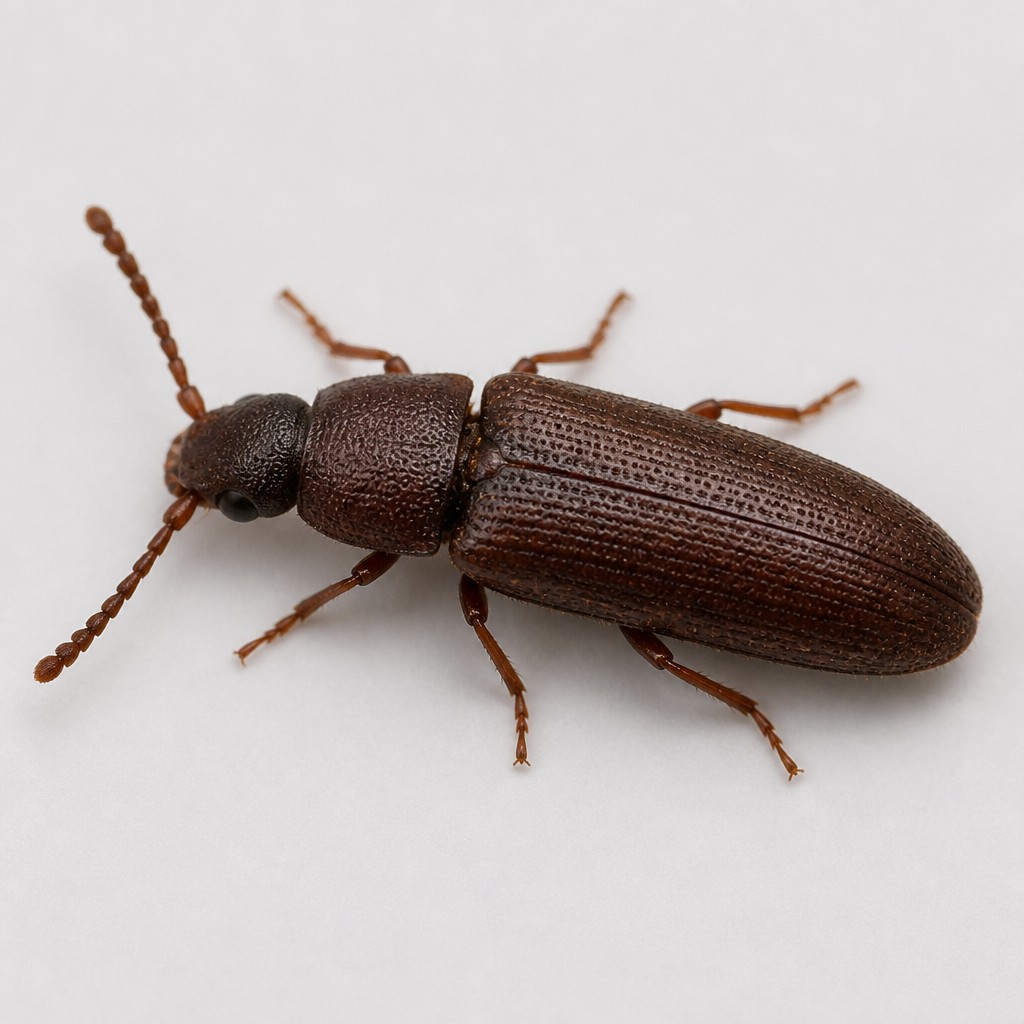
Powderpost Beetle
A small, slender reddish-brown to dark brown beetle whose larvae tunnel through seasoned hardwood, reducing it internally to a fine, powdery frass.
beetle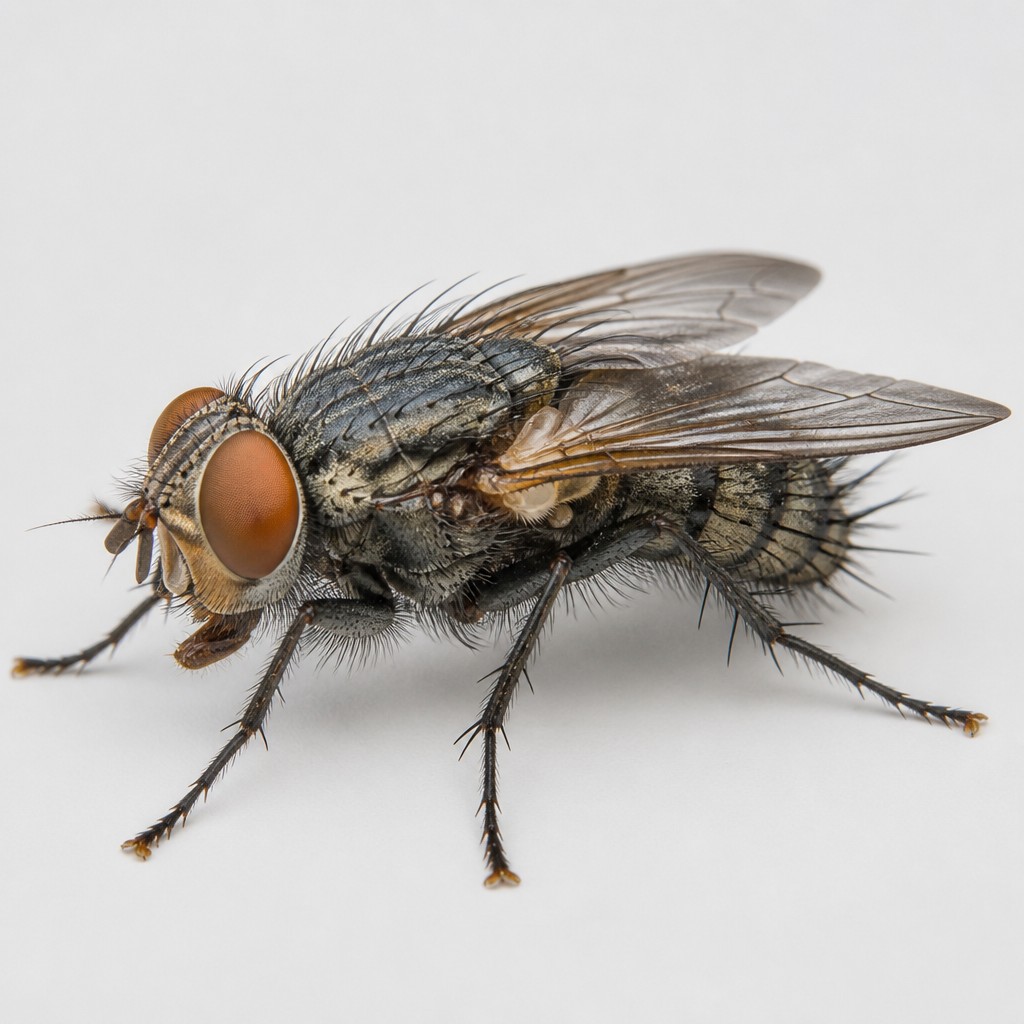
Tachinid Fly
A bristly, house-fly-like insect that looks unremarkable at a glance but hides one of the most important ecological roles among flies: its larvae develop as internal parasites of caterpillars, beetles, and other insects, quietly regulating populations across the landscape. Gardeners often welcome tachinid flies as natural allies against crop-damaging pests.
fly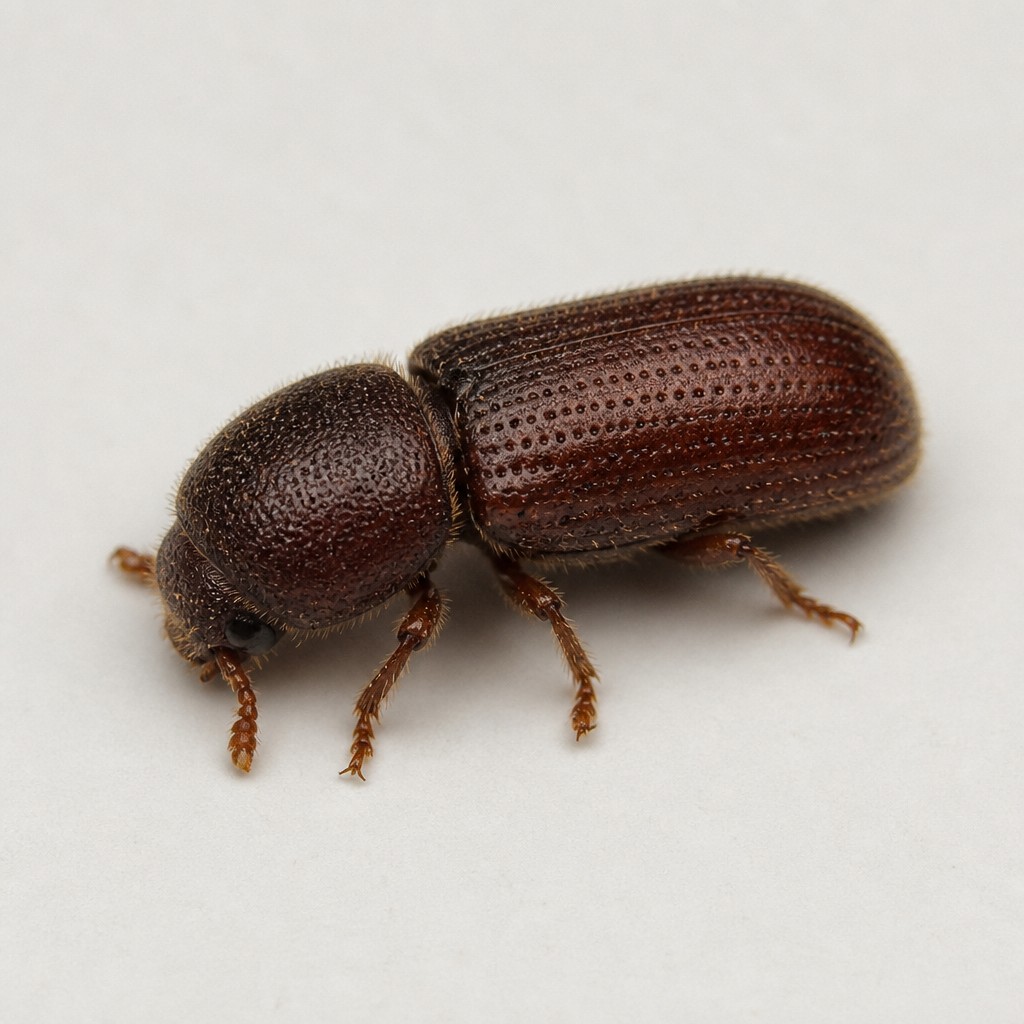
Furniture Beetle
A tiny, reddish-brown to dark brown cylindrical beetle whose larvae, commonly called 'woodworm,' bore small round tunnels through seasoned furniture and timber.
beetle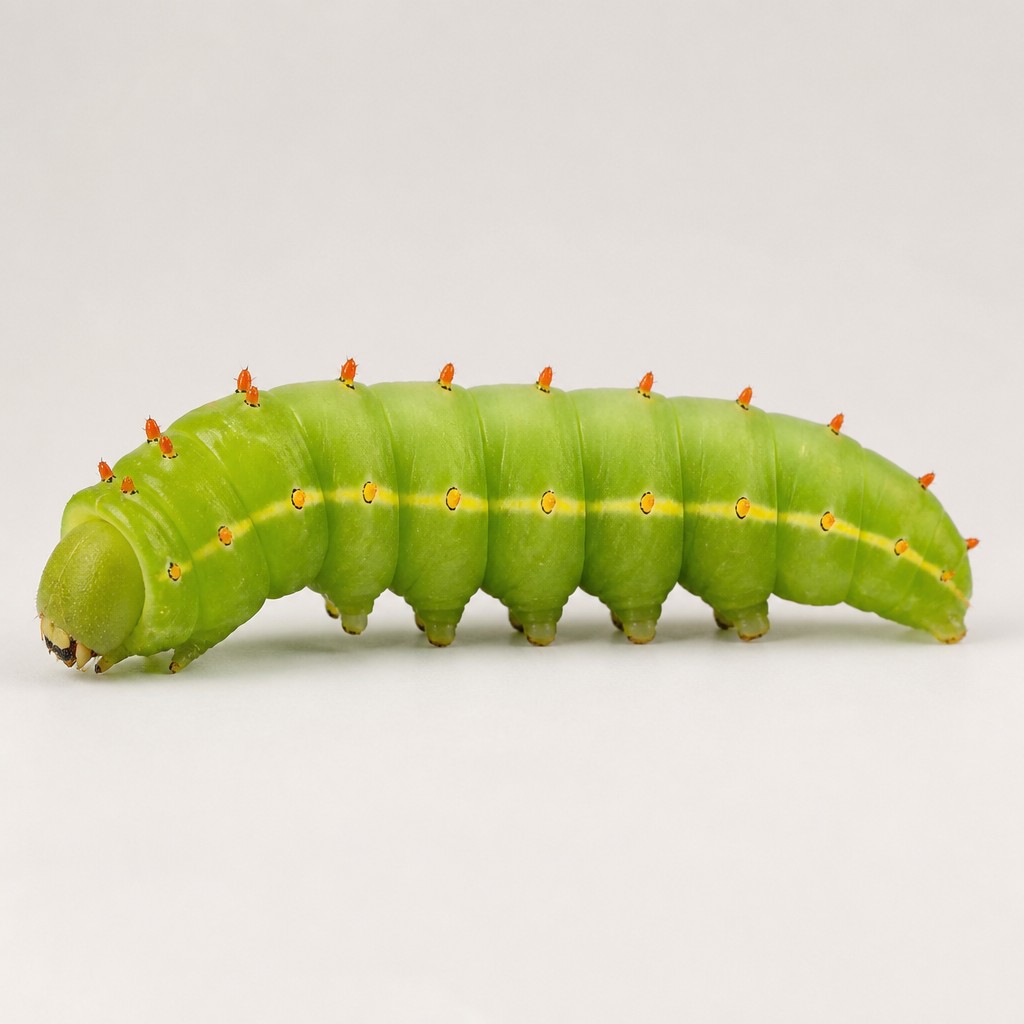
Luna Moth Caterpillar
A large, plump, apple-green caterpillar with faint yellow side stripes and rows of small red-orange tubercles, the larval form of one of North America's most beautiful giant silk moths.
caterpillar-larva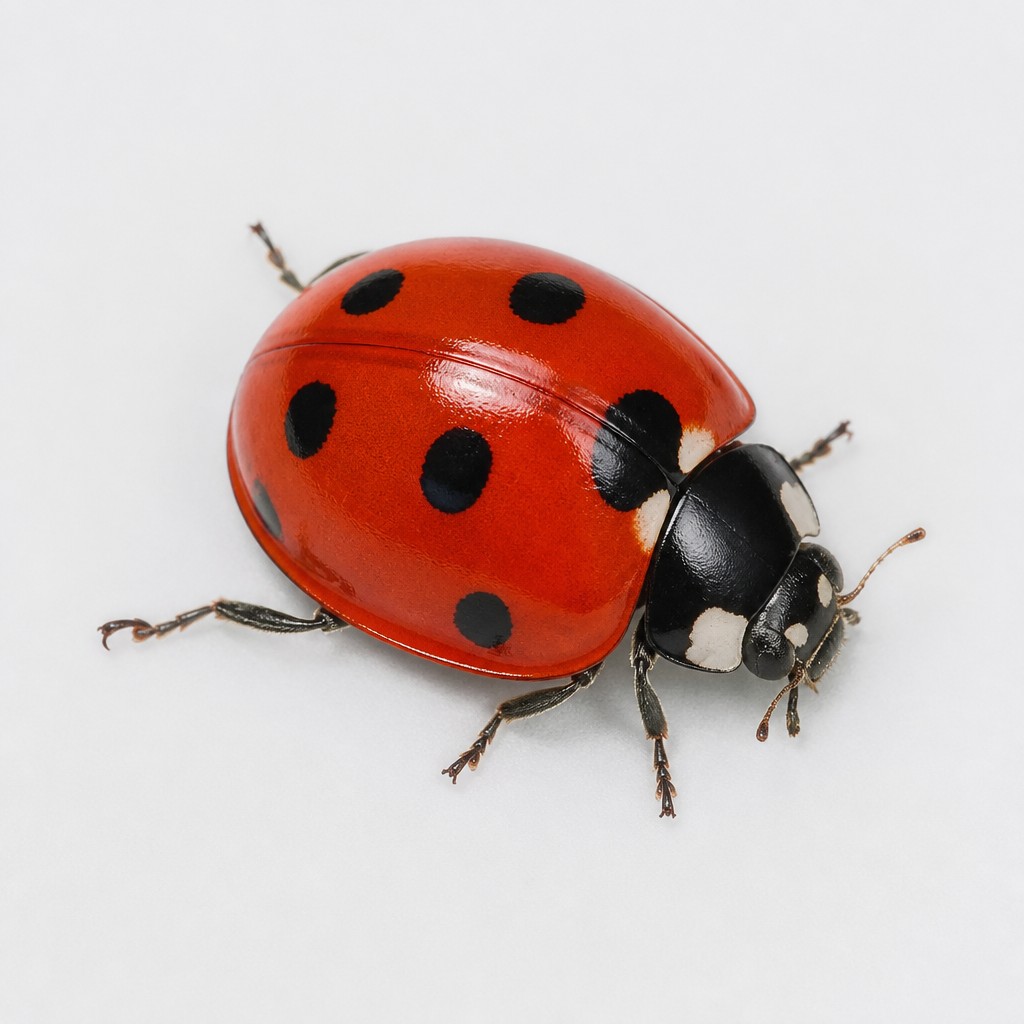
Seven-spotted Ladybird
A classic bright red ladybird with exactly seven black spots, one of the most iconic and widely recognized beetles in the world.
beetle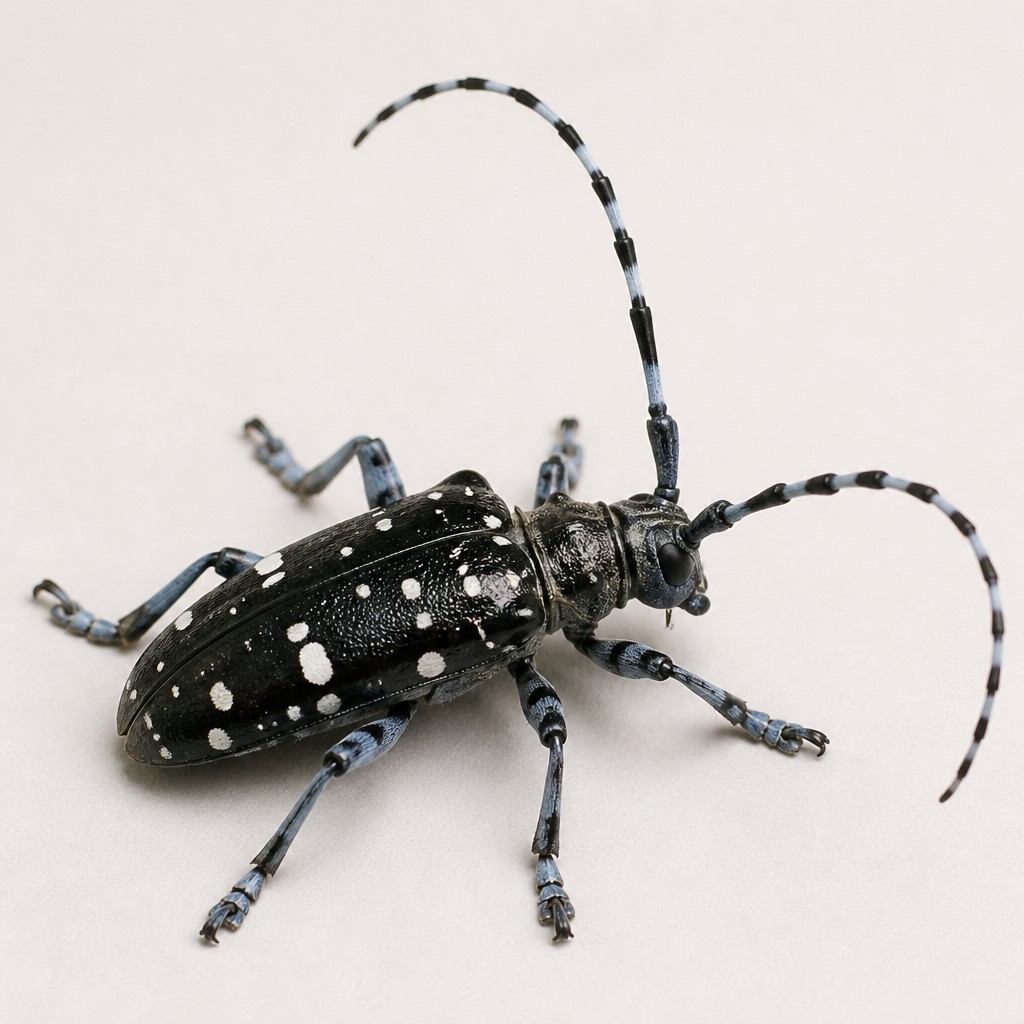
Asian Longhorned Beetle
A large, glossy black longhorn beetle patterned with irregular white spots and boldly banded blue-white antennae, notable as one of the largest and most eye-catching wood-boring beetles seen in temperate hardwood trees.
beetle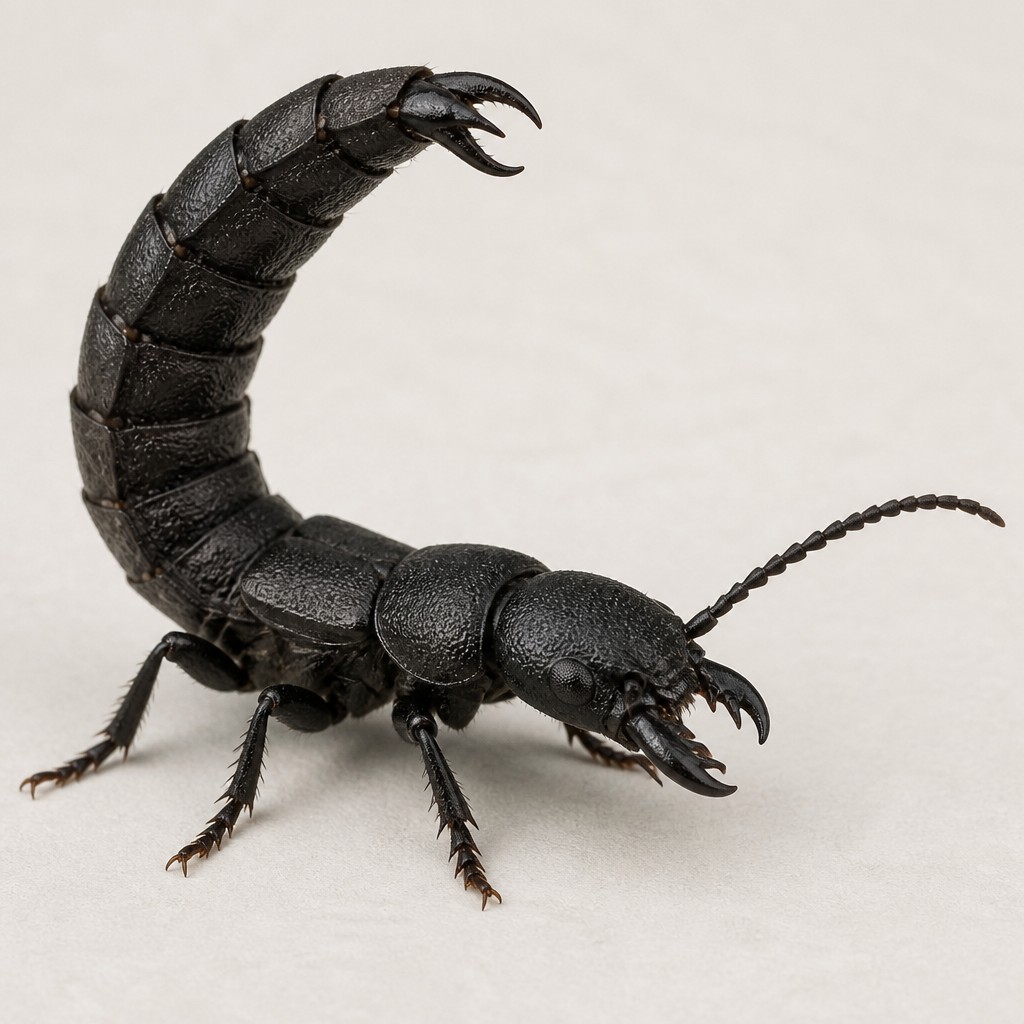
Devil's Coach Horse Beetle
A large, matte-black rove beetle that raises its flexible abdomen up and over its back like a scorpion's tail and gapes its jaws when threatened, one of the biggest and most dramatic rove beetles in Europe.
beetle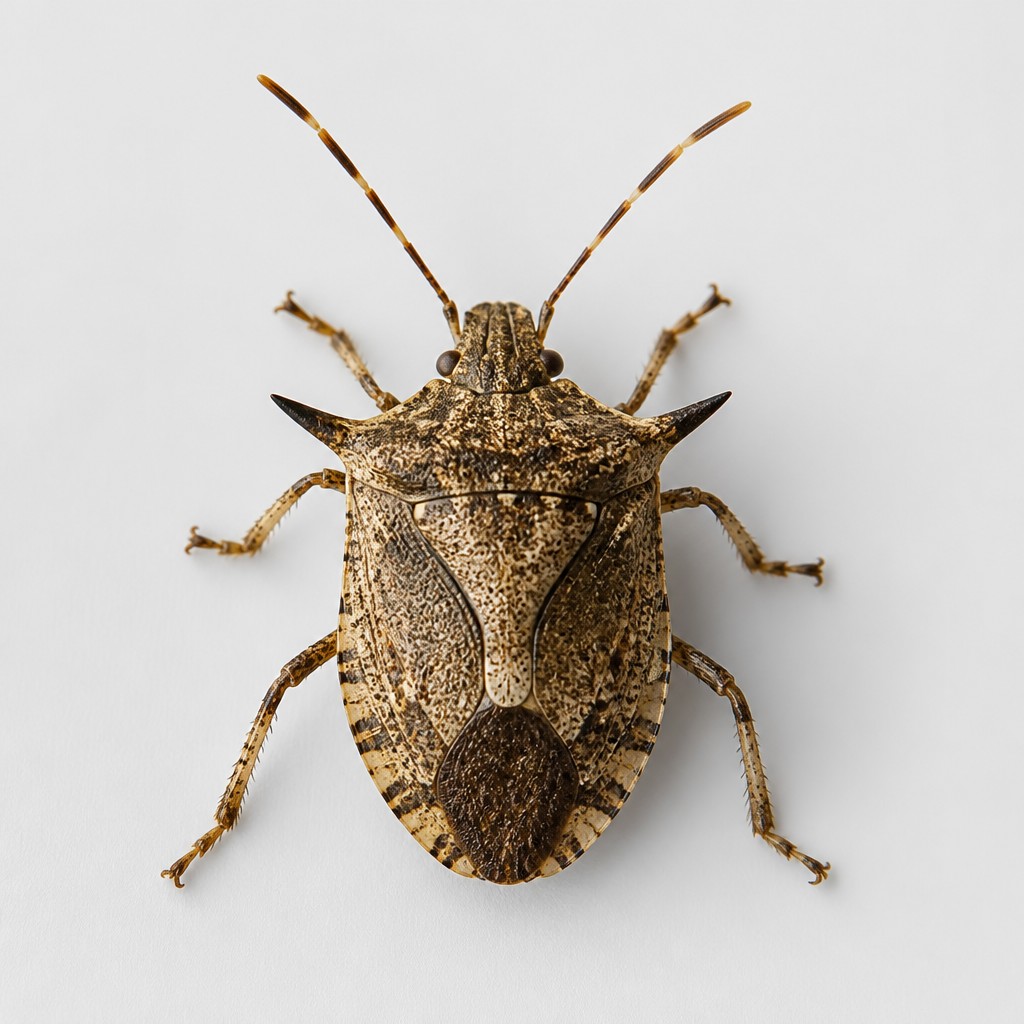
Spined Soldier Bug
A predatory stink bug identified by the sharp, pointed spines projecting from its shoulders, valued in gardens and farm fields for hunting caterpillars, beetle larvae, and other pest insects.
true-bug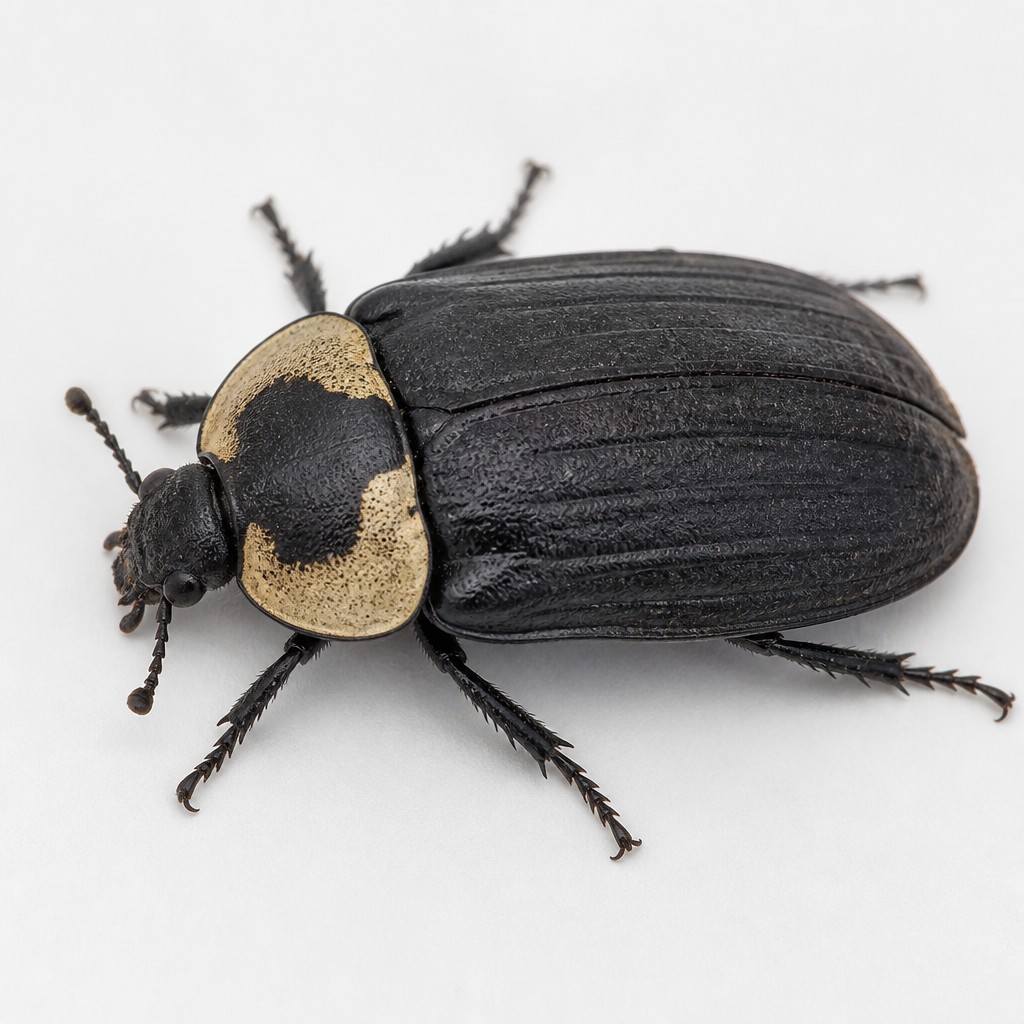
American Carrion Beetle
A broad, flattened black beetle with a striking pale yellow shield behind its head, commonly found on and around small animal carcasses where it feeds alongside fly larvae.
beetle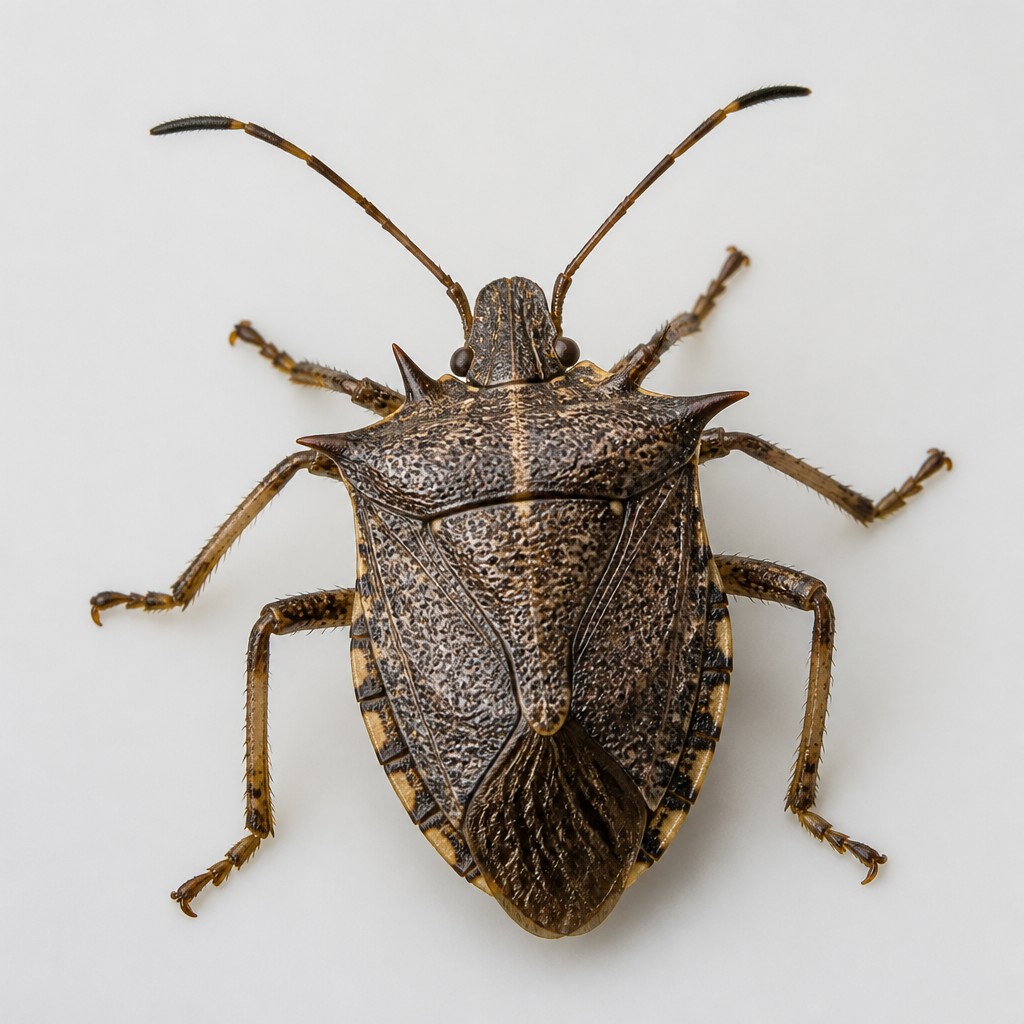
Predatory Stink Bug
Unlike its plant-feeding relatives, the predatory stink bug is a hunter that spears caterpillars and beetle larvae with a stout beak. The spined soldier bug is a familiar shield-shaped garden ally.
true-bug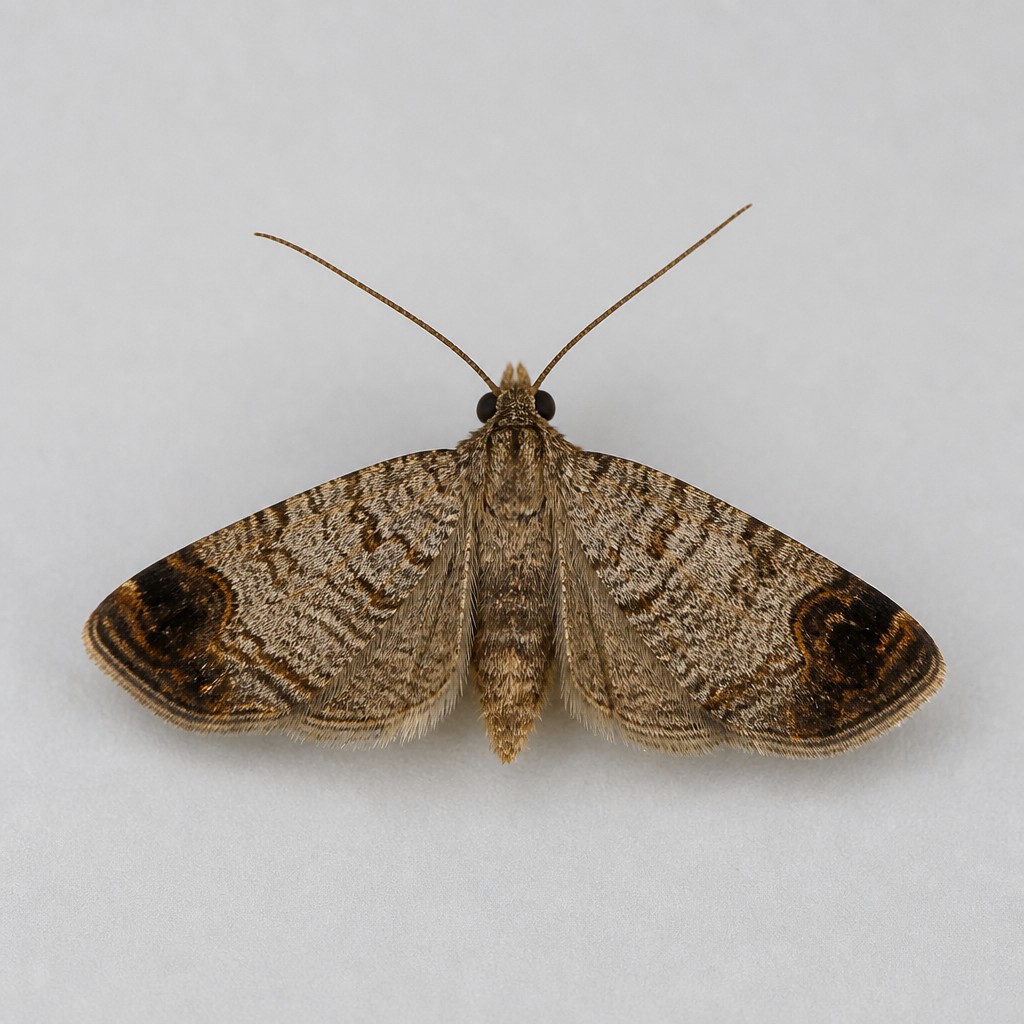
Codling Moth
A small, inconspicuous grey-brown moth best known through the work of its larva, the classic apple 'worm' that tunnels into fruit, making this tiny moth one of the most economically significant insects in orchards worldwide.
moth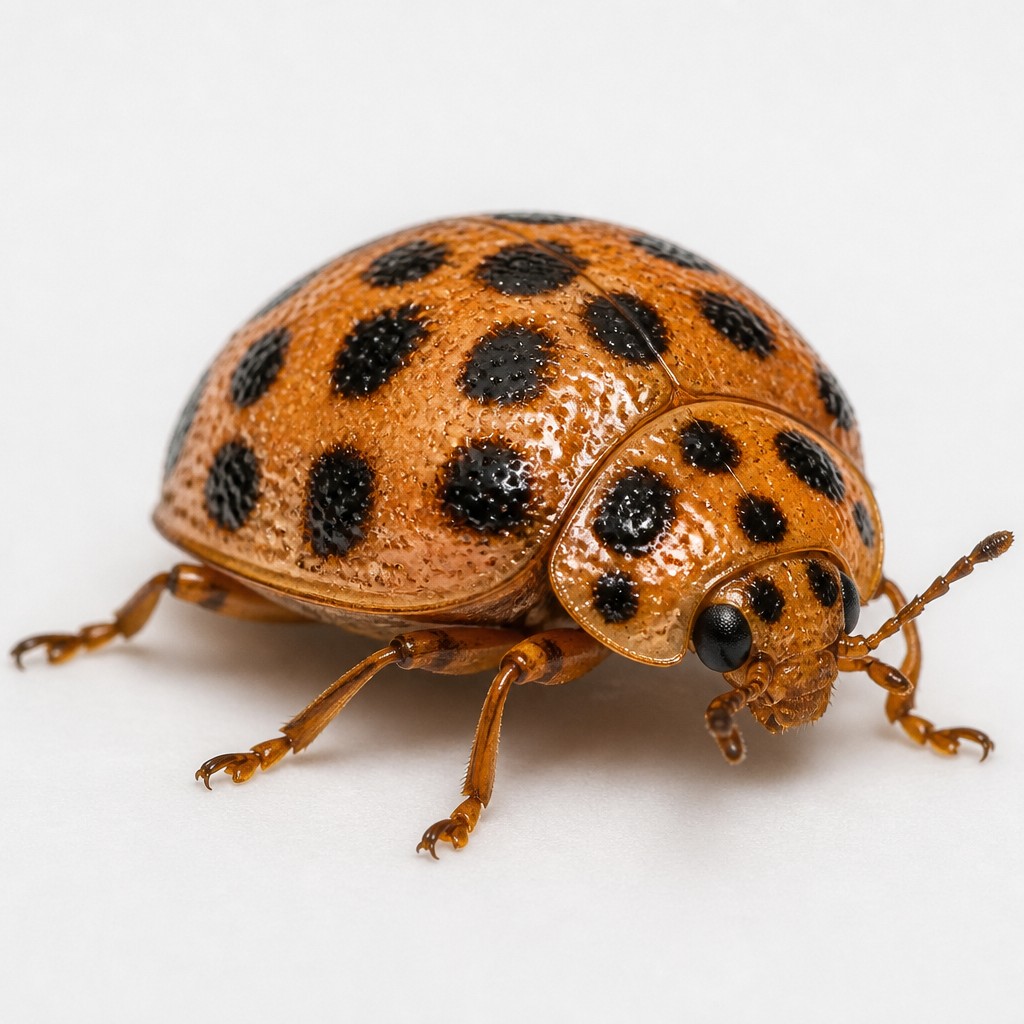
Squash Beetle
A large, coppery-orange, spotted beetle that resembles an oversized ladybird but, unlike most of its relatives, feeds on squash and pumpkin leaves rather than aphids.
beetle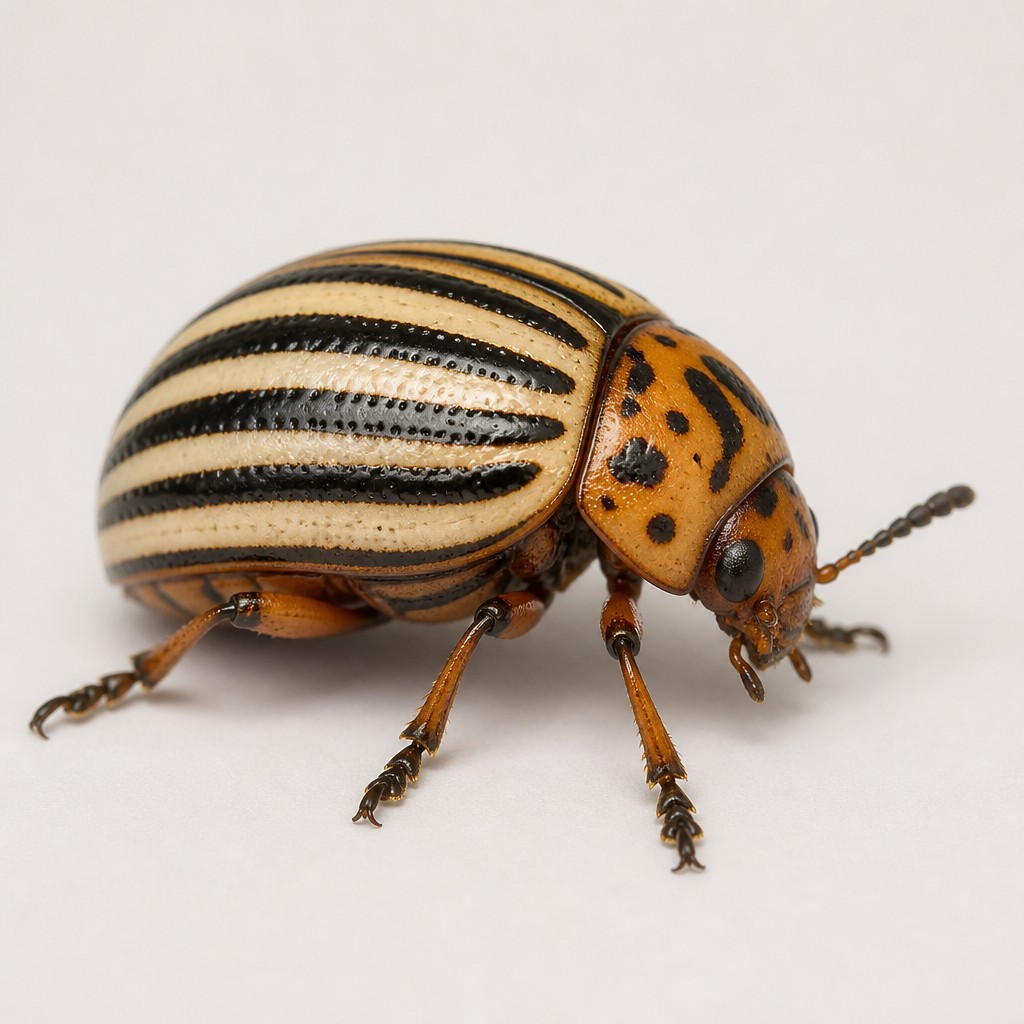
Colorado Potato Beetle
A rounded, boldly striped yellow-and-black beetle that is one of the most notorious defoliators of potato plants, easily spotted marching across leaves in gardens and fields.
beetle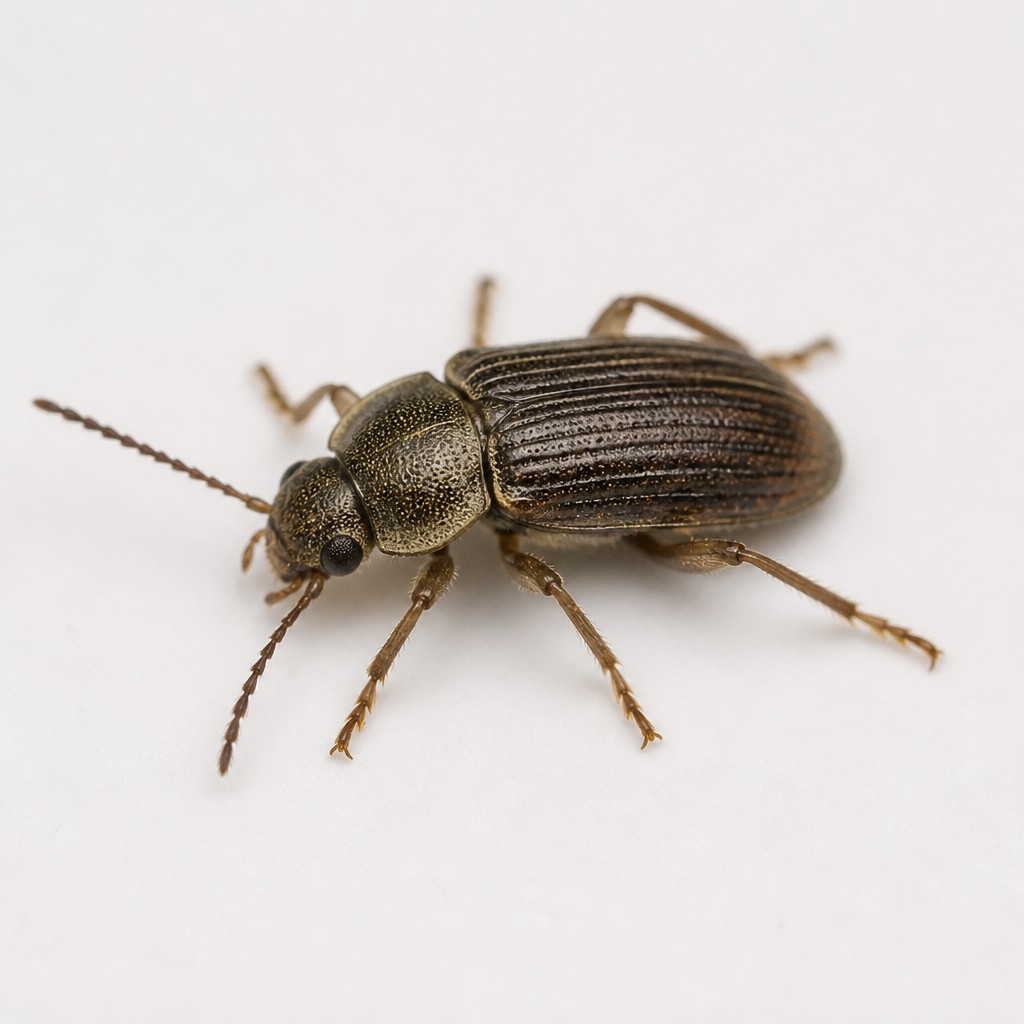
Riffle Beetle
Tiny and unassuming, riffle beetles cling tightly to submerged rocks in swift, clean streams for their entire lives, making them one of the most reliable living indicators of healthy water.
beetle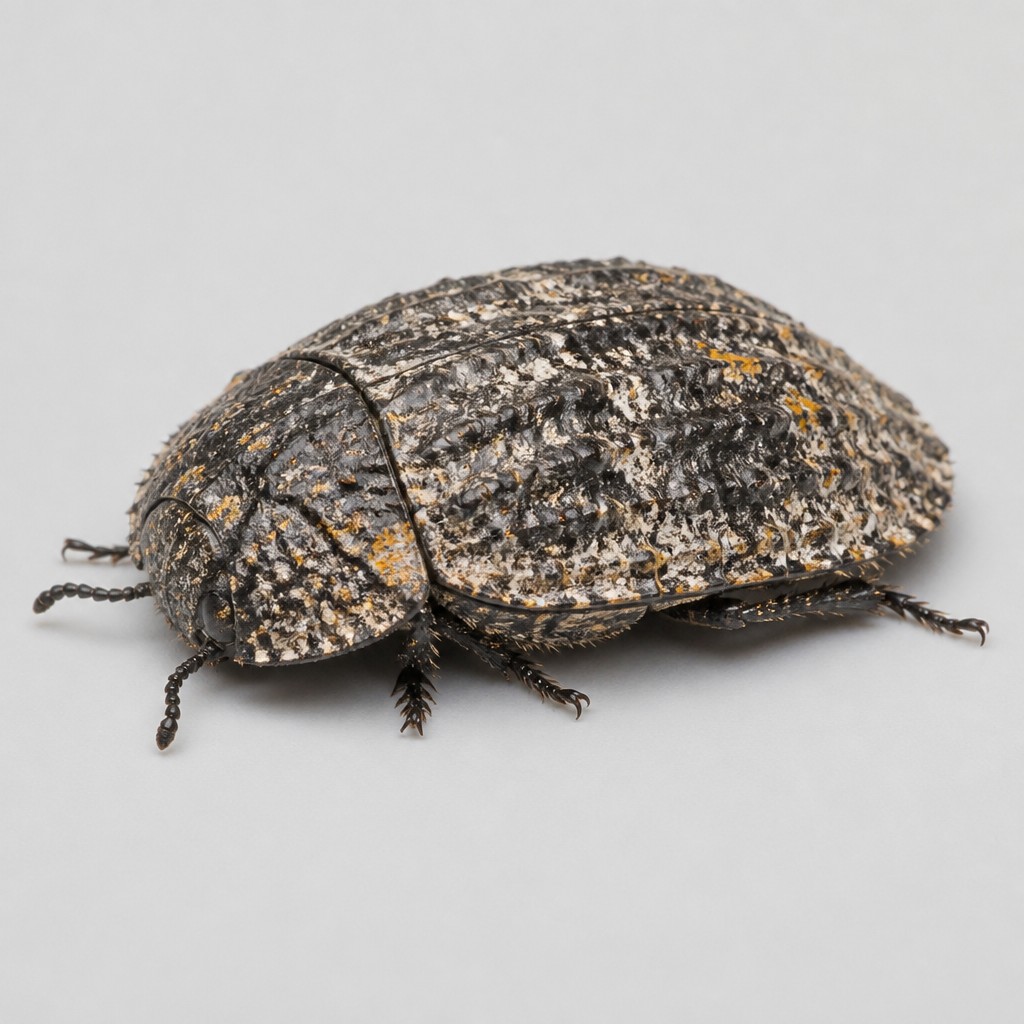
Ironclad Beetle
A slow-moving, mottled gray beetle famed for having one of the hardest, most crush-resistant exoskeletons of any insect, often found clinging motionless to dead wood or tree bark.
beetle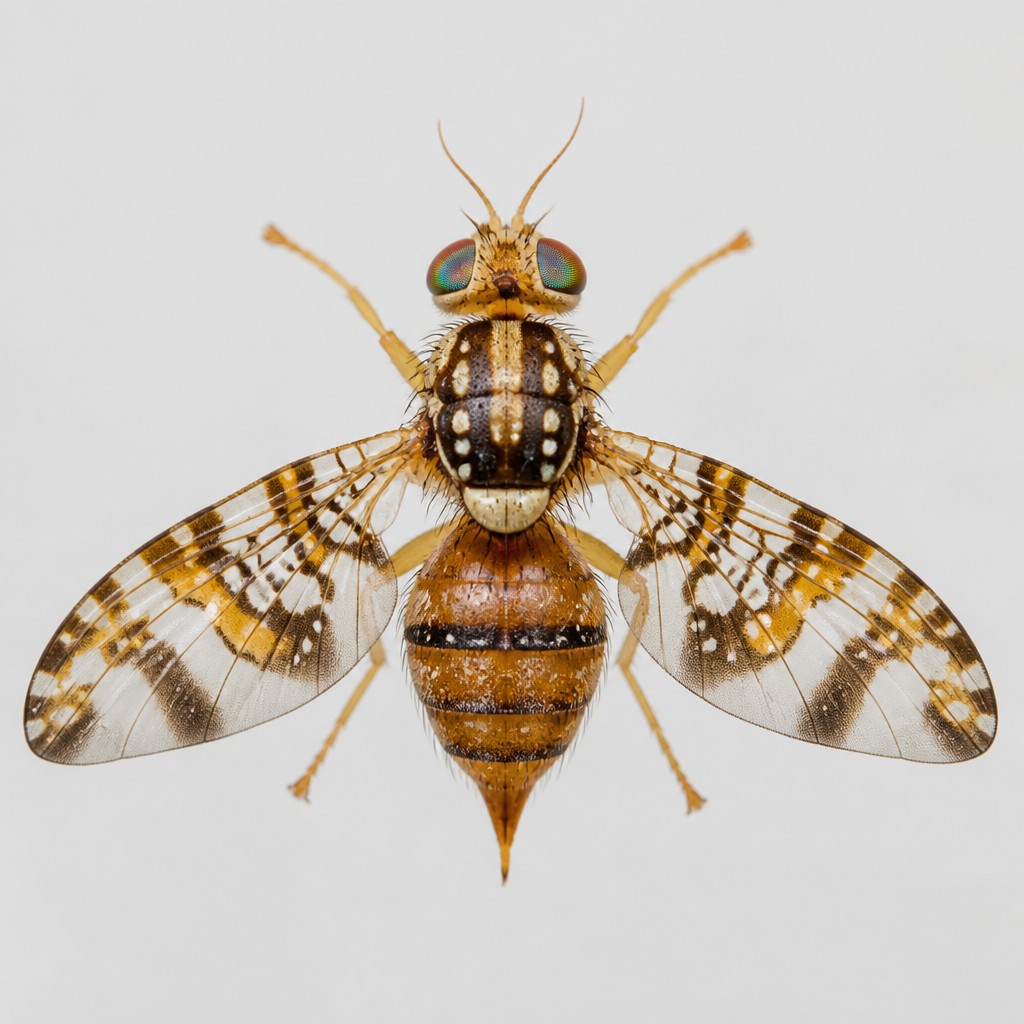
Fruit Fly (Mediterranean)
A small but strikingly patterned fly with mottled, banded wings held out to the sides in a fan and a body dotted with silvery spots, best known for larvae that tunnel through ripening fruit. Native to sub-Saharan Africa, it has spread with human trade to become one of the most widely recognized fruit-infesting insects in the world.
fly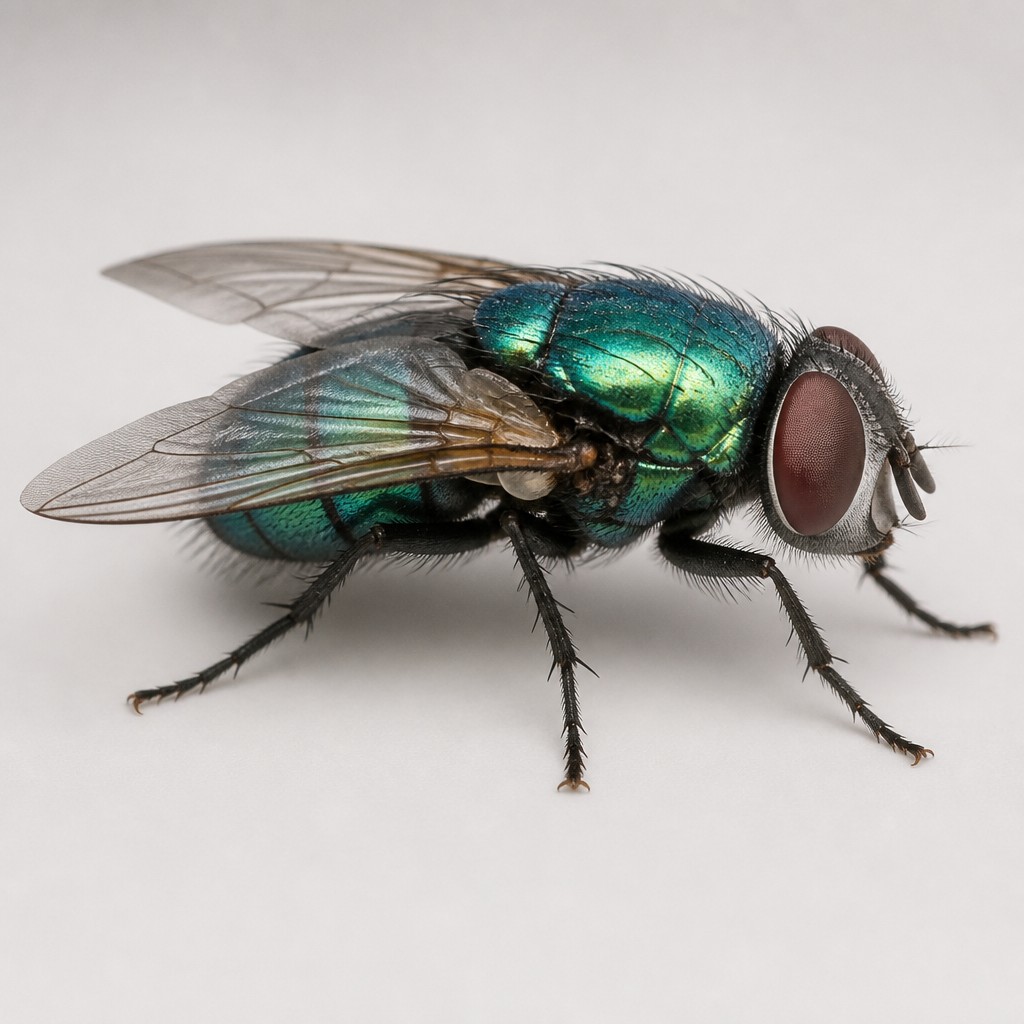
Screwworm Fly
A metallic blue-green blowfly whose larvae are unusual among maggots for feeding on living tissue rather than carrion, drawn to even small open wounds on warm-blooded animals. The species has been the target of one of the most successful large-scale insect eradication campaigns in history across much of North America.
fly