
Bug Encyclopedia
Search and identify bugs & insects — beetles, butterflies, moths, ants, bees, spiders and more — with size, habitat, danger, behavior, and how to tell them apart.
Ant-mimicking Mantis
As a tiny nymph, this mantis moves in quick, jerky bursts to imitate a scurrying ant, a clever disguise it gradually sheds as it grows into a typical-looking adult mantis.
mantis-stick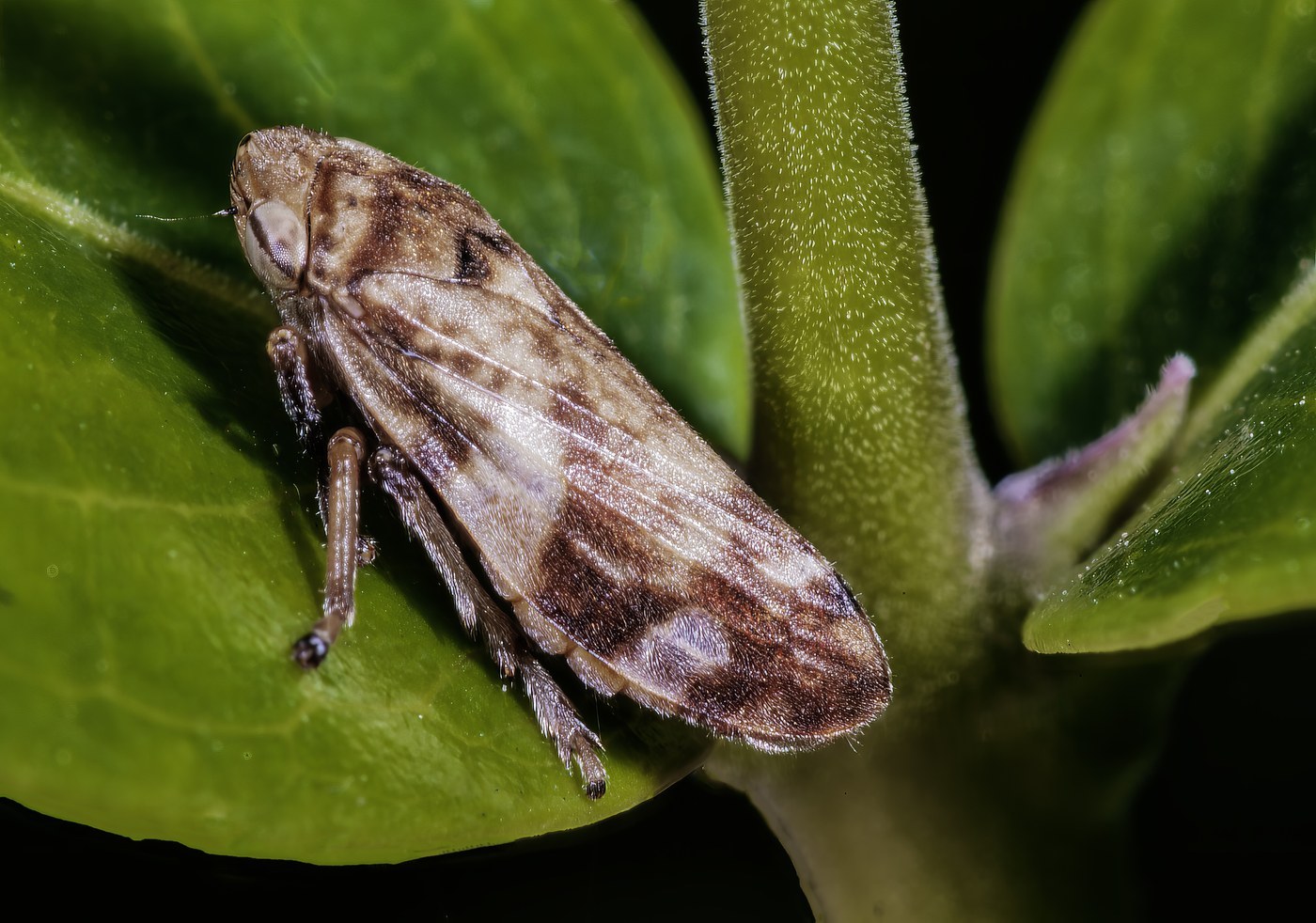
Spittlebug
A small hopping true bug best known in its nymph stage, which surrounds itself in a frothy mass of white foam on plant stems, commonly called cuckoo spit.
true-bug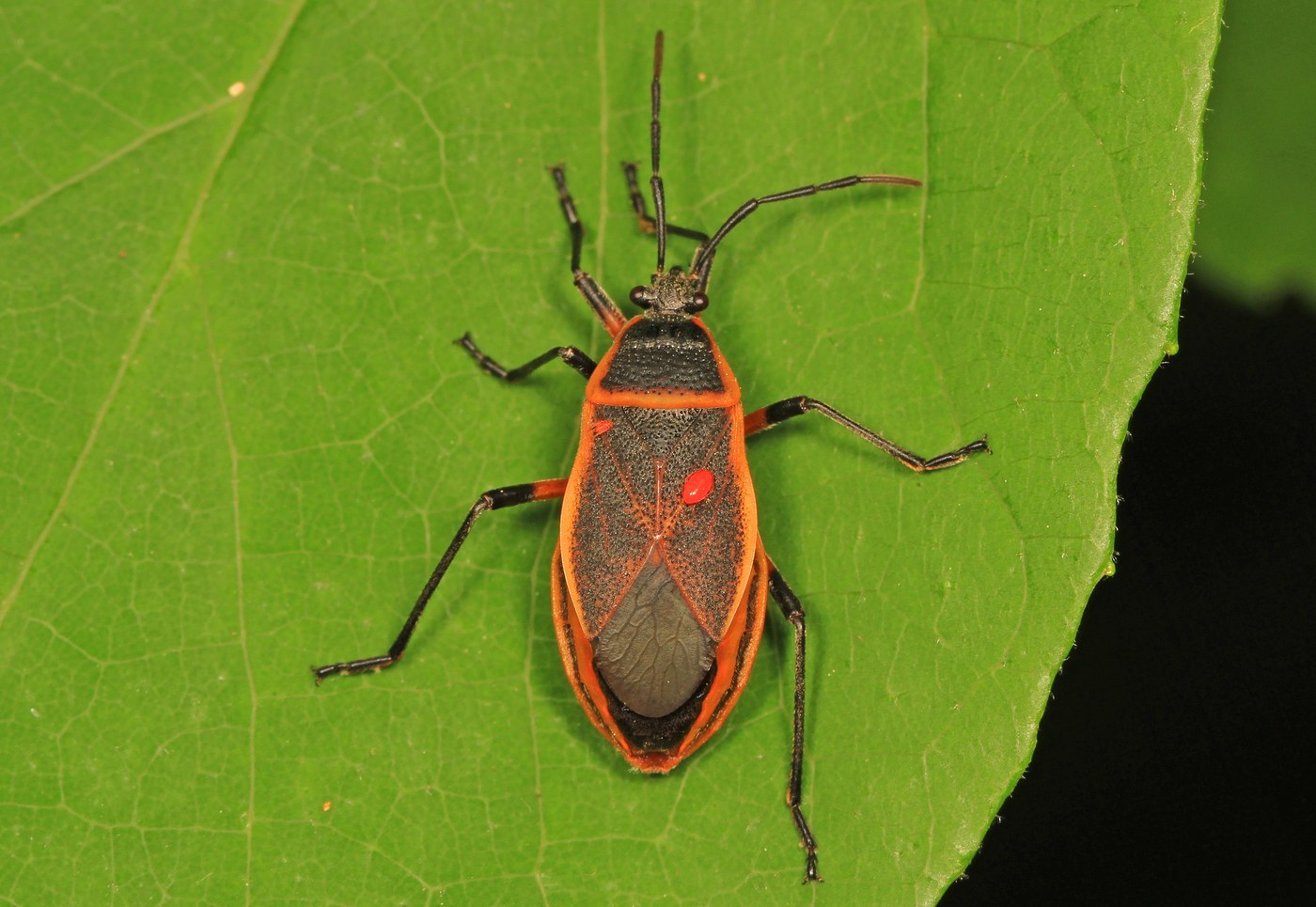
Bordered Plant Bug
A dark, oval-bodied true bug with a distinct pale margin around its wing edges, often mistaken for a large ant or beetle when its nymphs cluster together in tight groups.
true-bug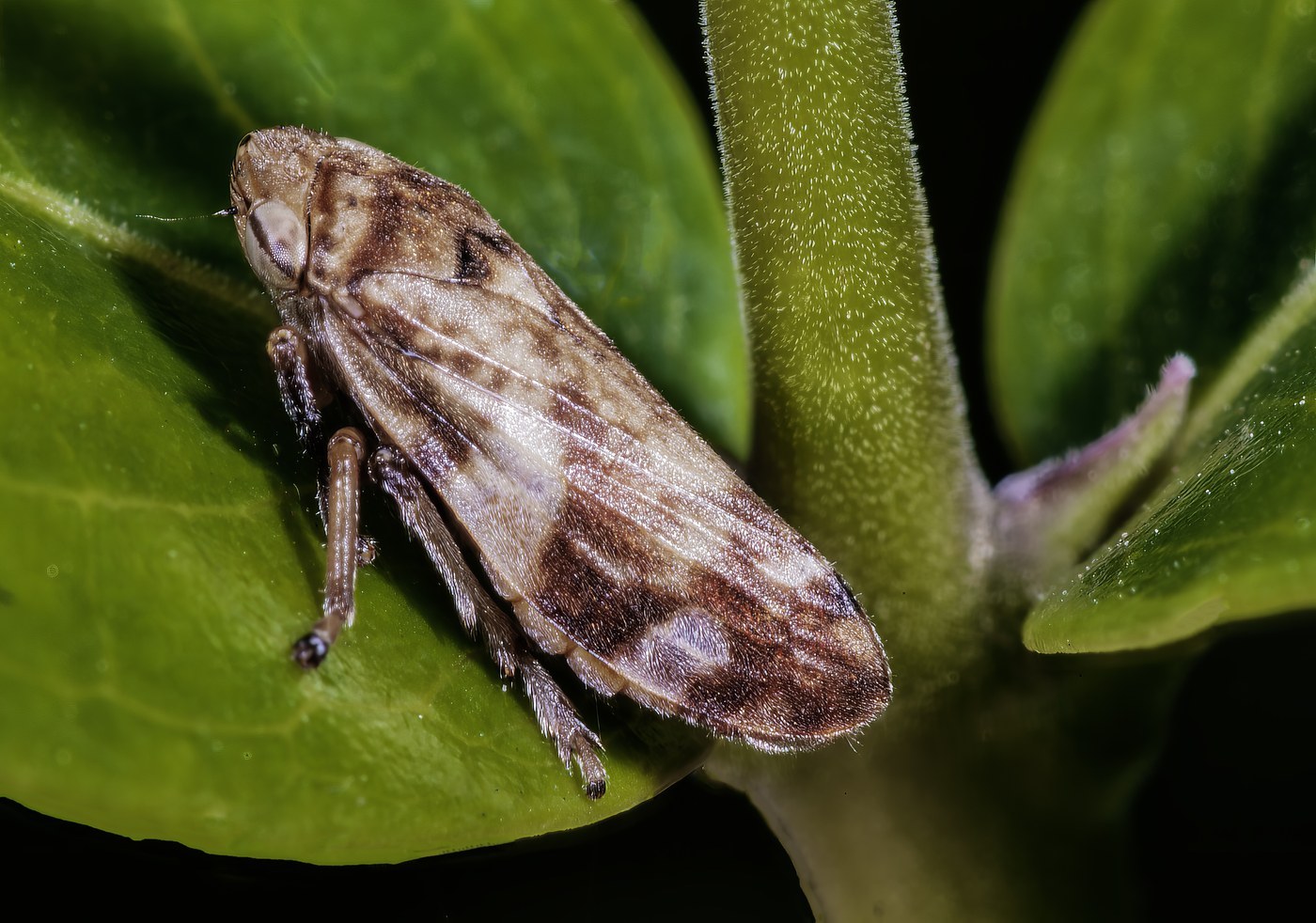
Meadow Spittlebug
A small, mottled hopping true bug whose immature nymphs are far more often noticed than the adults, hidden inside frothy blobs of white foam known as cuckoo spit on plant stems.
true-bug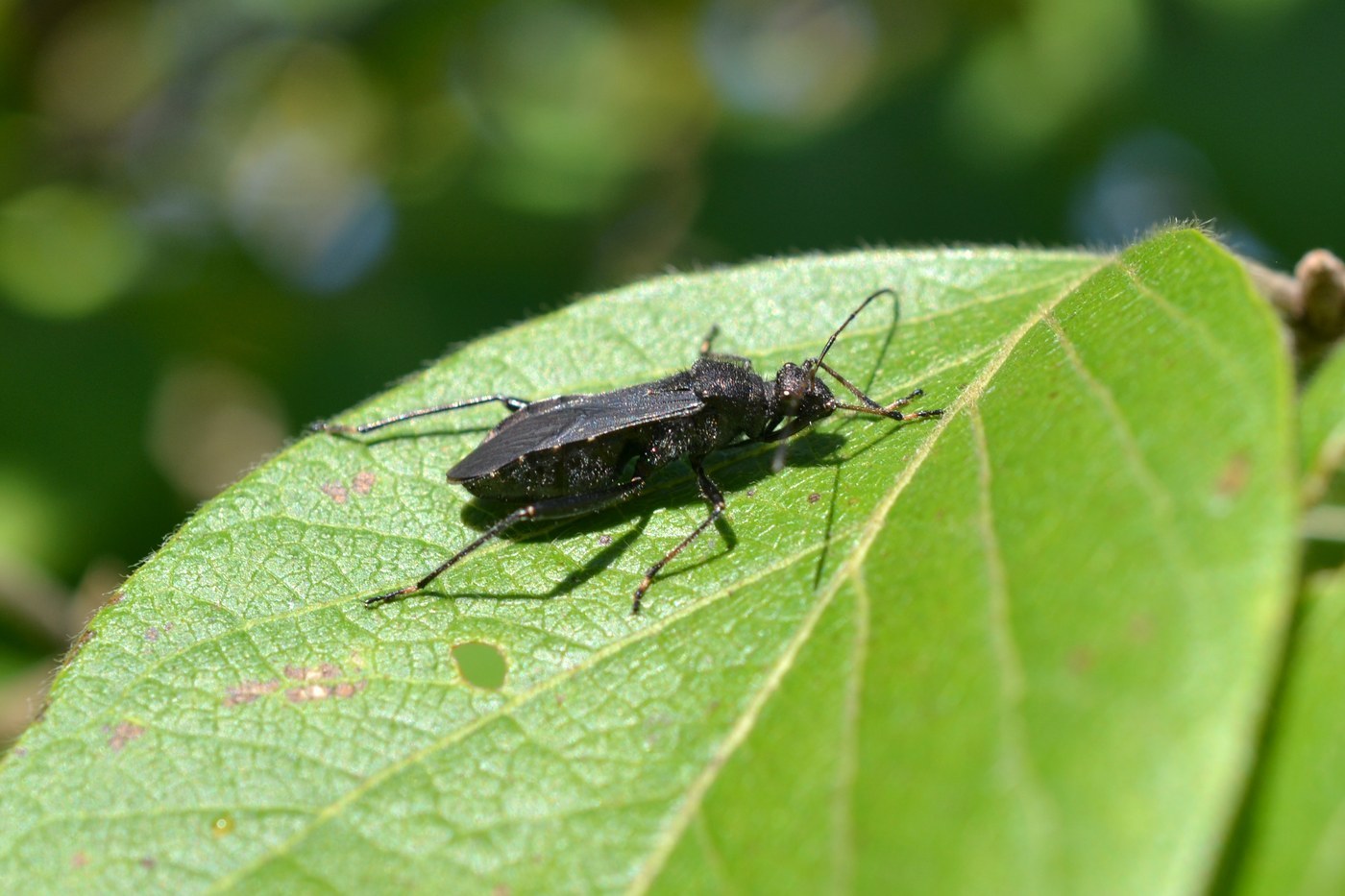
Broad-Headed Bug
A slender, dark true bug with a notably wide head, whose nymphs are remarkable ant mimics that scurry among leaf litter before maturing into fliers that resemble small leaf-footed bugs.
true-bug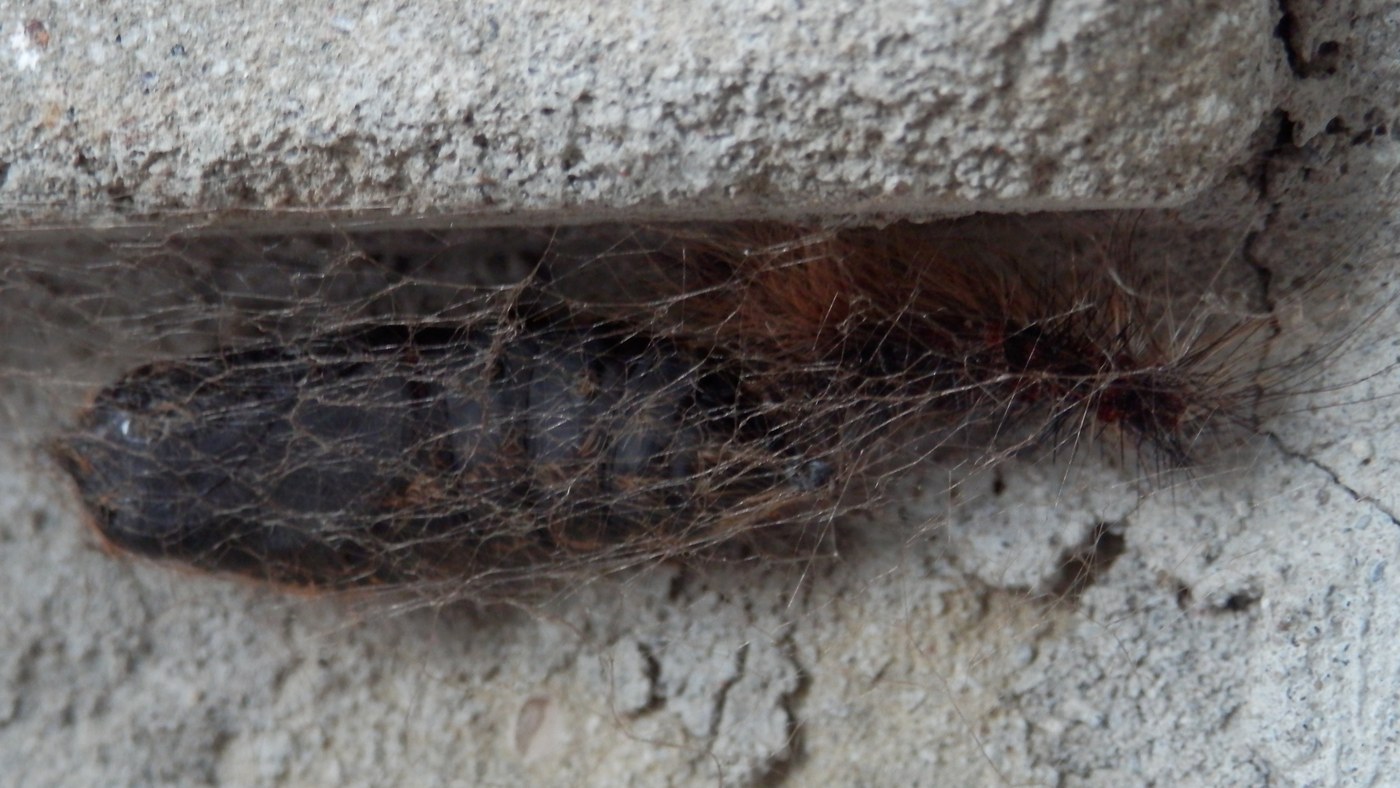
Gypsy Moth Caterpillar (Spongy Moth)
A bristly, blue-and-red-spotted caterpillar that can strip entire hardwood forests bare during major outbreak years.
caterpillar-larva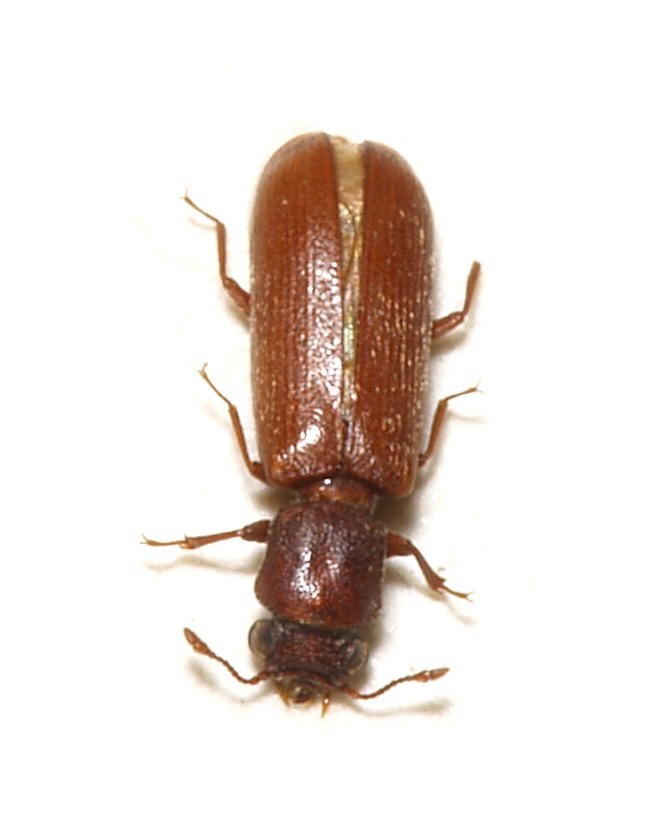
Powderpost Beetle
A small, slender reddish-brown to dark brown beetle whose larvae tunnel through seasoned hardwood, reducing it internally to a fine, powdery frass.
beetle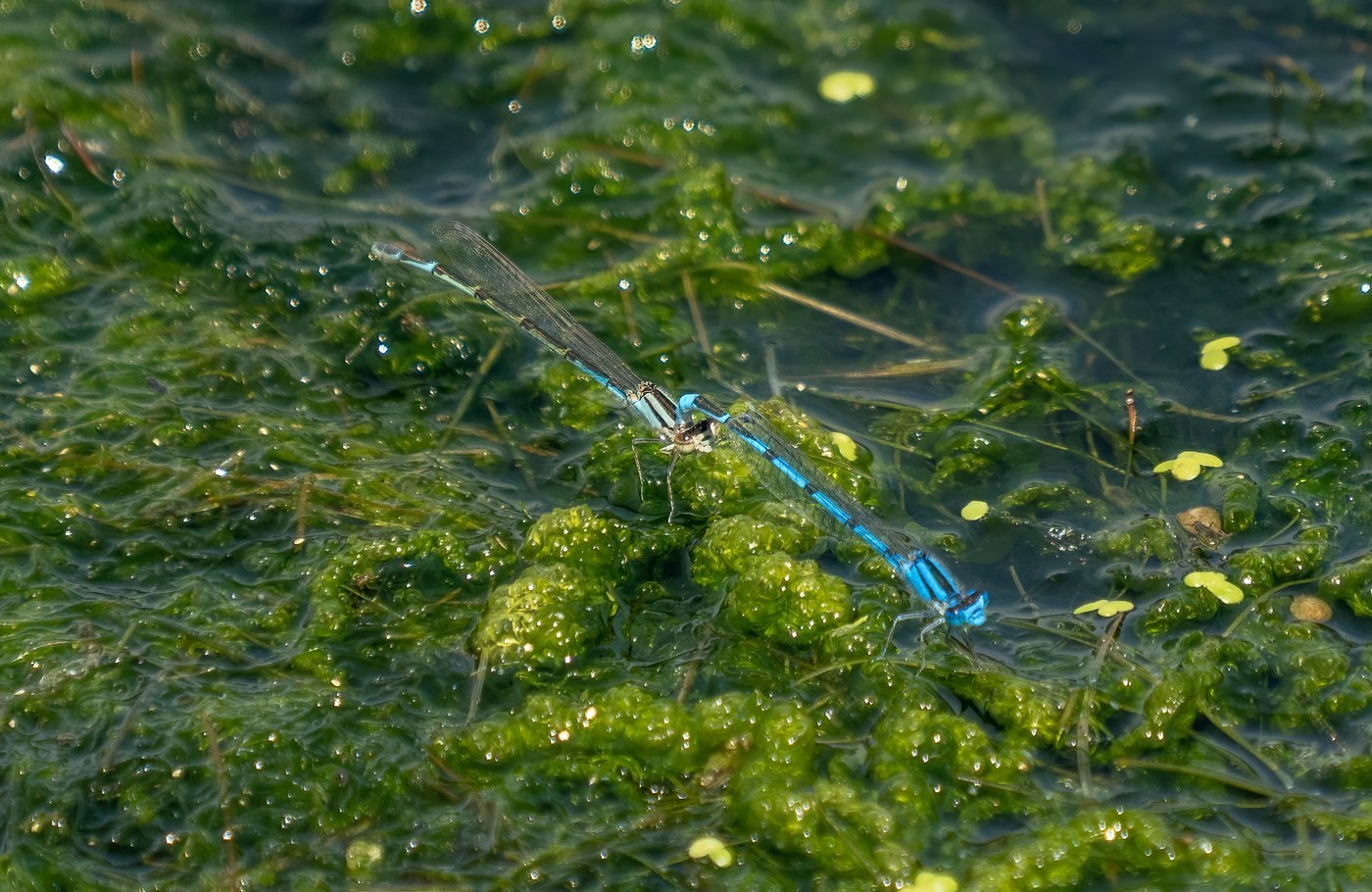
Northern Bluet
A hardy blue damselfly of northern ponds and lakes, the Northern Bluet ranges farther north than most of its relatives and is often the dominant bluet at cooler, higher-latitude waters.
dragonfly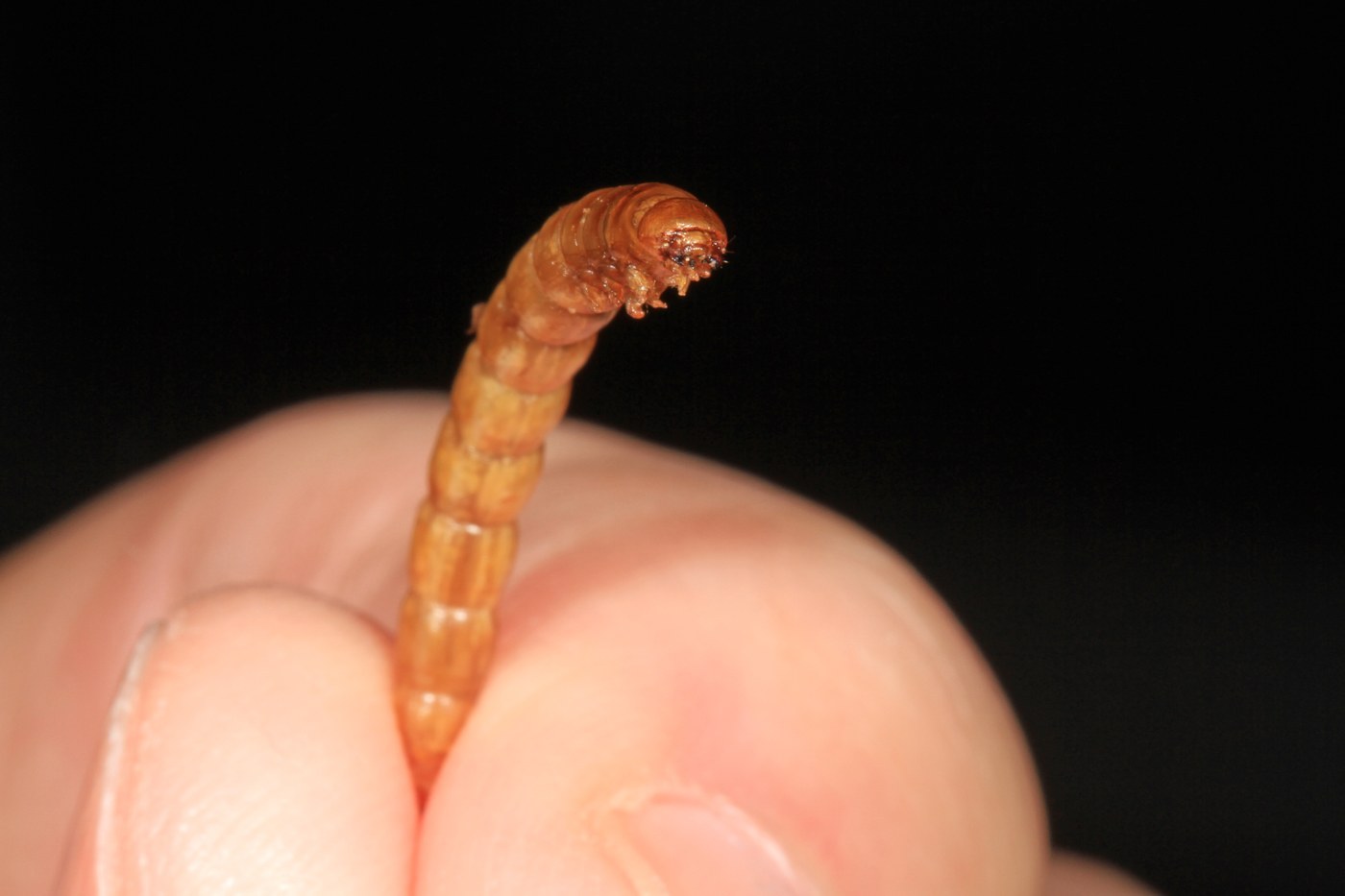
Mealworm
A tan, segmented larva with a shiny hard exoskeleton that tunnels through stored grain and flour before transforming into a darkling beetle.
caterpillar-larvaGiant Centipede
A long, fast-moving, many-legged predator with a hardened segmented body and a pair of venom-injecting claws behind the head that it uses to overpower prey far larger than itself.
myriapodPleasing Fungus Beetle
A shiny, smooth-bodied beetle marked with bold red or orange bands on a glossy black background, commonly found feeding on bracket fungi growing on dead or dying hardwood trees.
beetleIronclad Beetle
A slow-moving, mottled gray beetle famed for having one of the hardest, most crush-resistant exoskeletons of any insect, often found clinging motionless to dead wood or tree bark.
beetleWireworm
Slender, shiny, and armor-hard, the wireworm is the long-lived soil-dwelling larva of a click beetle, spending years underground feeding on seeds, roots, and tubers before ever taking beetle form.
beetle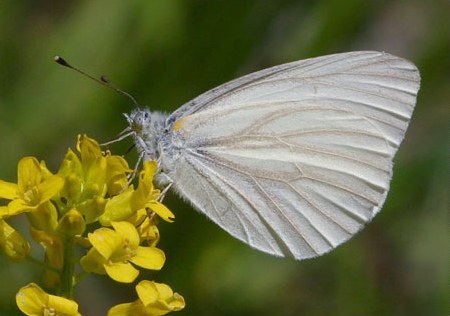
West Virginia White
A delicate, pure-white spring butterfly of eastern hardwood forests with faint gray veining on the underside, flying only for a few weeks each year before its short-lived toothwort host plants fade.
butterflyAsian Longhorned Beetle
A large, glossy black longhorn beetle patterned with irregular white spots and boldly banded blue-white antennae, notable as one of the largest and most eye-catching wood-boring beetles seen in temperate hardwood trees.
beetleAmerican Dagger Moth Caterpillar
A pale, sulfur-yellow to cream fuzzball bristling with dense tufts of hair and long black 'pencils' projecting from both ends, the American dagger moth caterpillar is one of the most recognizable hairy caterpillars on hardwood trees in fall.
caterpillar-larva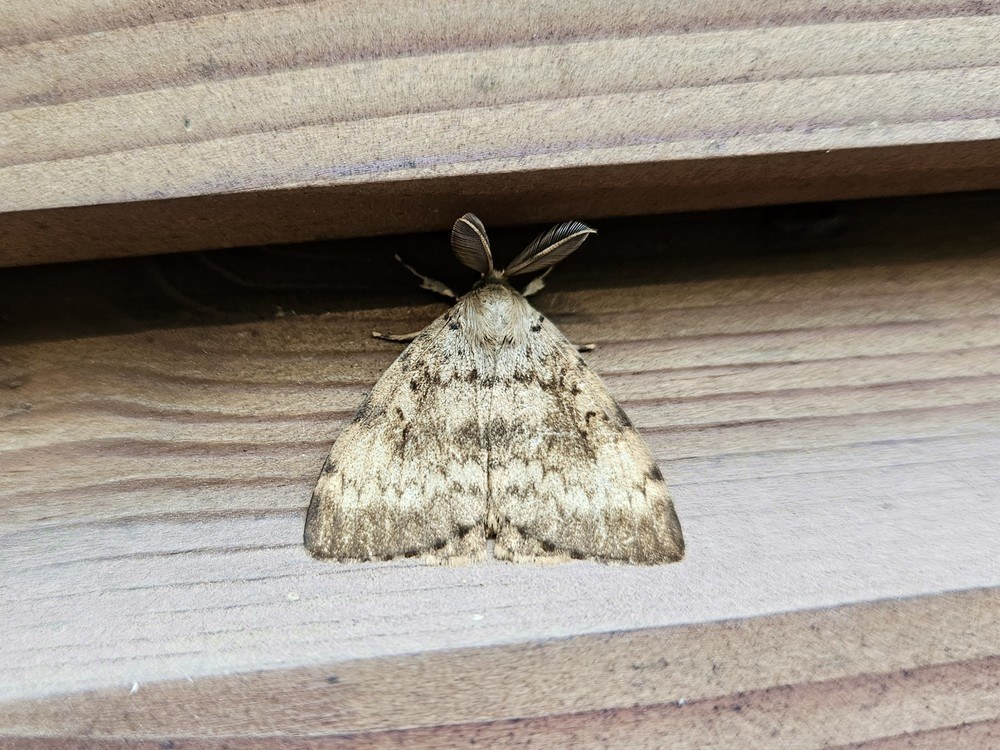
Gypsy Moth (Spongy Moth)
A strongly sexually dimorphic moth, recently renamed the Spongy Moth for its distinctive spongy, tan egg masses, whose caterpillars are known for periodically defoliating oak and other hardwood trees in large outbreak years.
moth