
Bug Encyclopedia
Search and identify bugs & insects — beetles, butterflies, moths, ants, bees, spiders and more — with size, habitat, danger, behavior, and how to tell them apart.
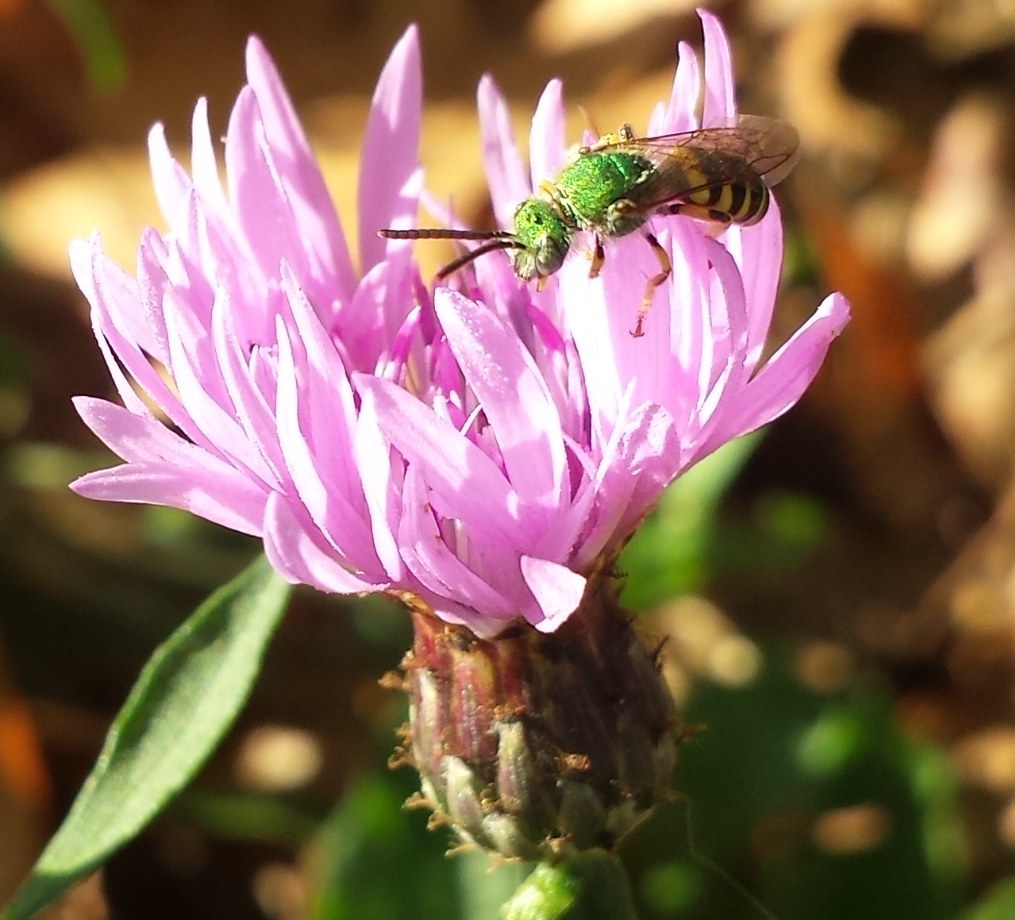
Sweat Bee
A small, often metallic green or bronze bee in the family Halictidae, named for its habit of landing on skin to sip perspiration, and an important generalist pollinator of wildflowers and crops.
bee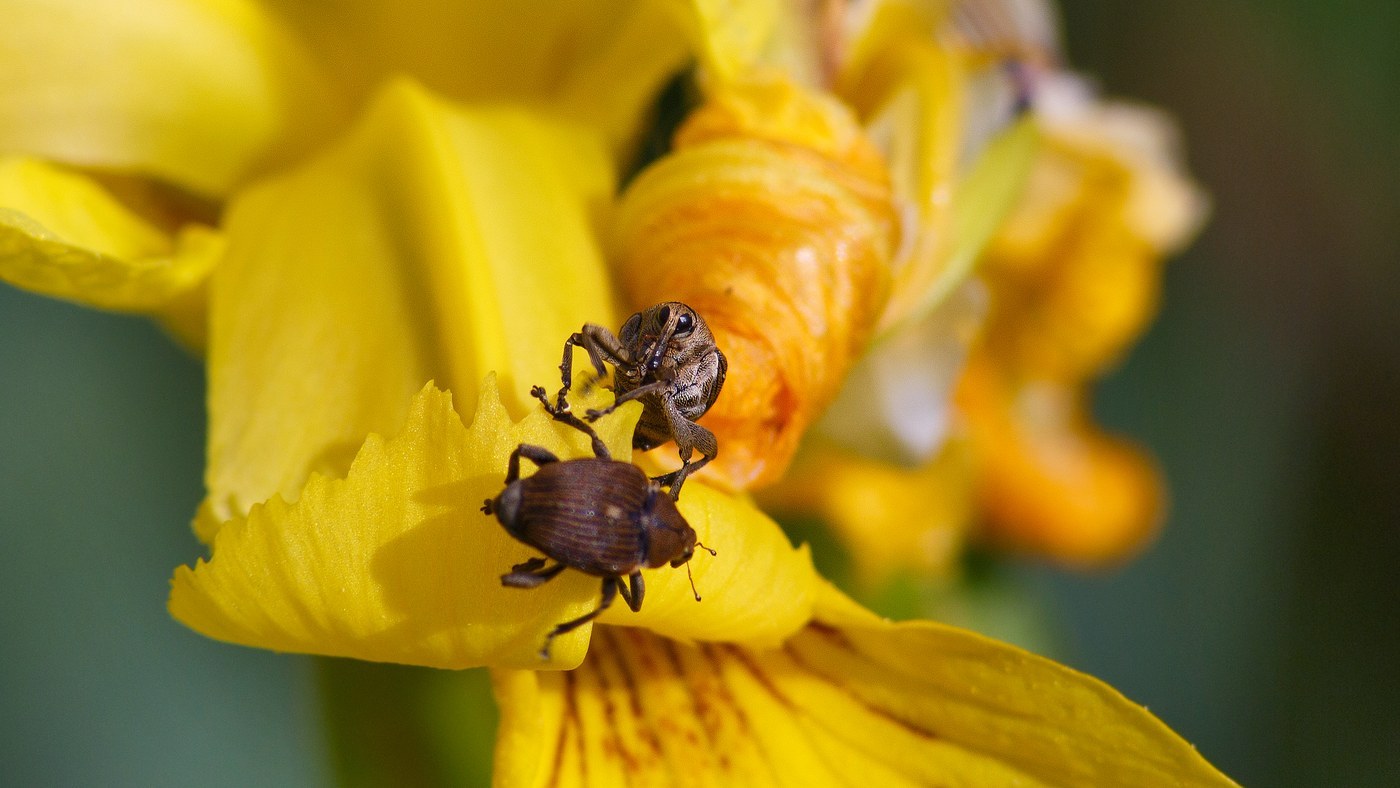
Snout Beetle
A small beetle instantly recognized by its elongated, downward-curving snout, tipped with chewing mouthparts, used to bore into seeds, nuts, stems, or fruit.
beetle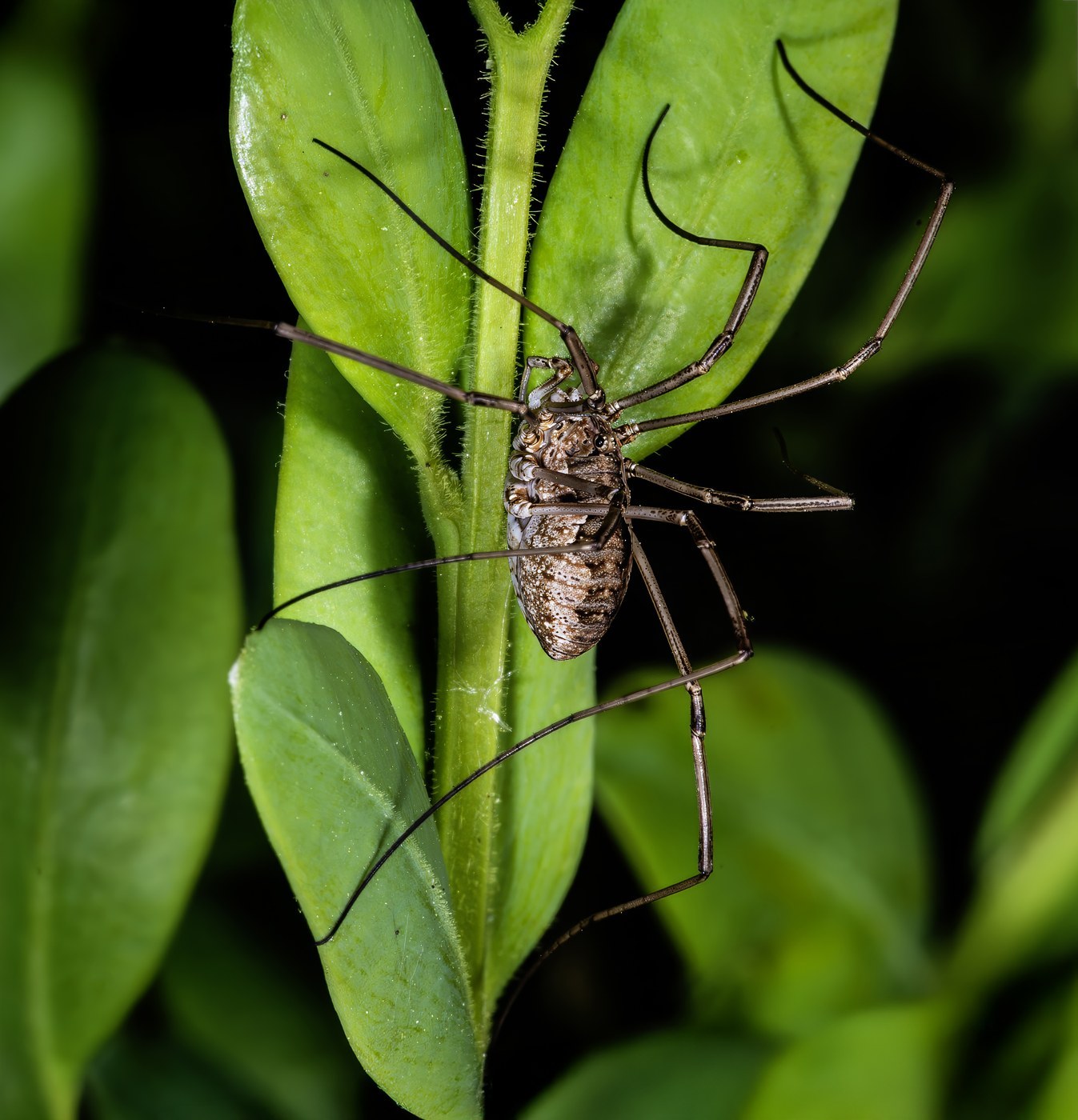
Daddy Longlegs
A small, oval-bodied arachnid carried on extremely long, thread-like legs, distinct from true spiders in having a one-piece fused body and no silk glands or web.
arachnid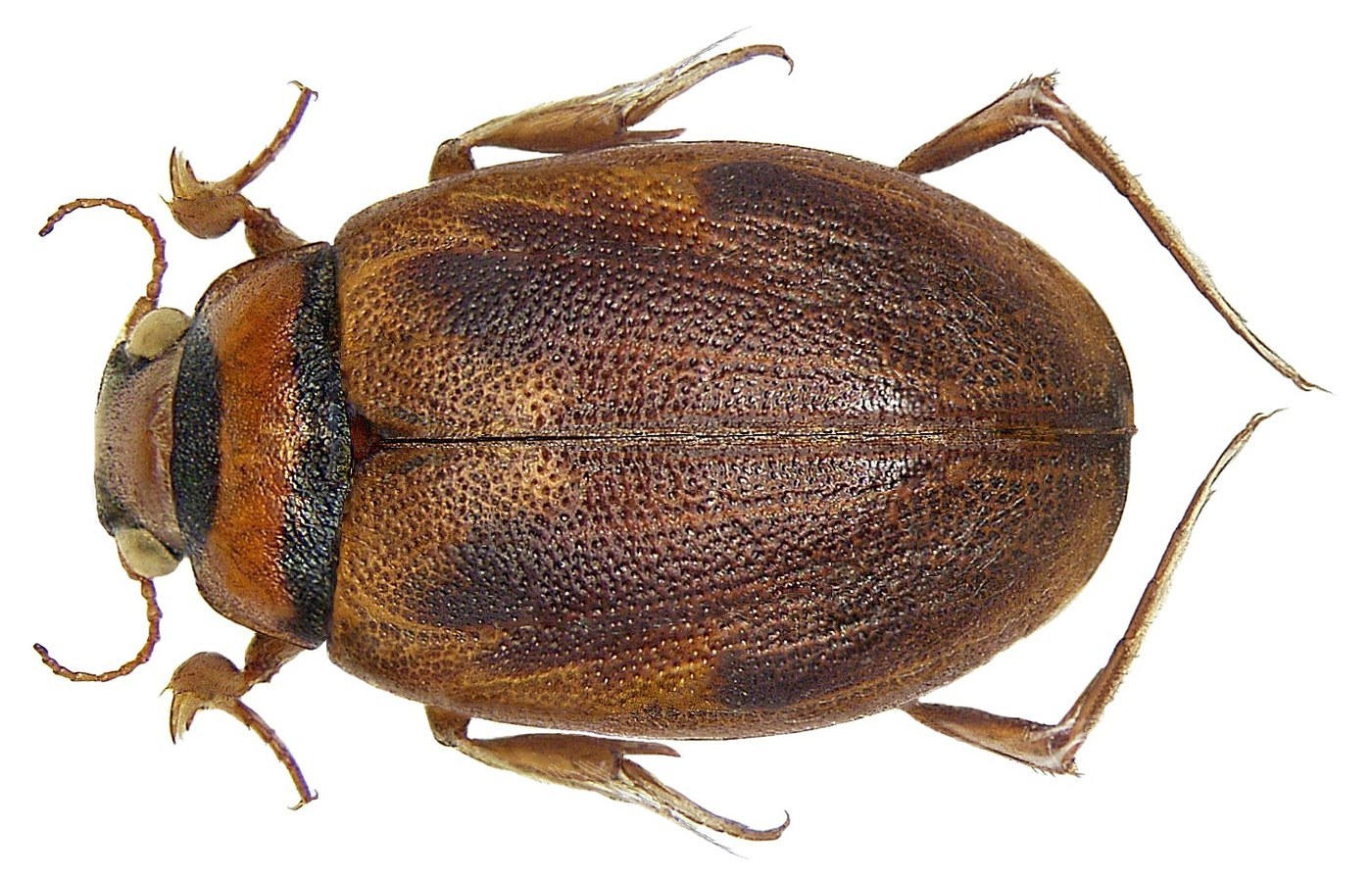
Screech Beetle
This small, oval water beetle earns its name from the loud squeak it produces when picked up, a sound made by rubbing internal body parts together rather than by any vocal organ.
beetleScale Insect
A small, immobile insect that appears as a flat or domed, waxy bump firmly attached to a stem or leaf, easily mistaken for a plant blemish rather than a living creature.
true-bug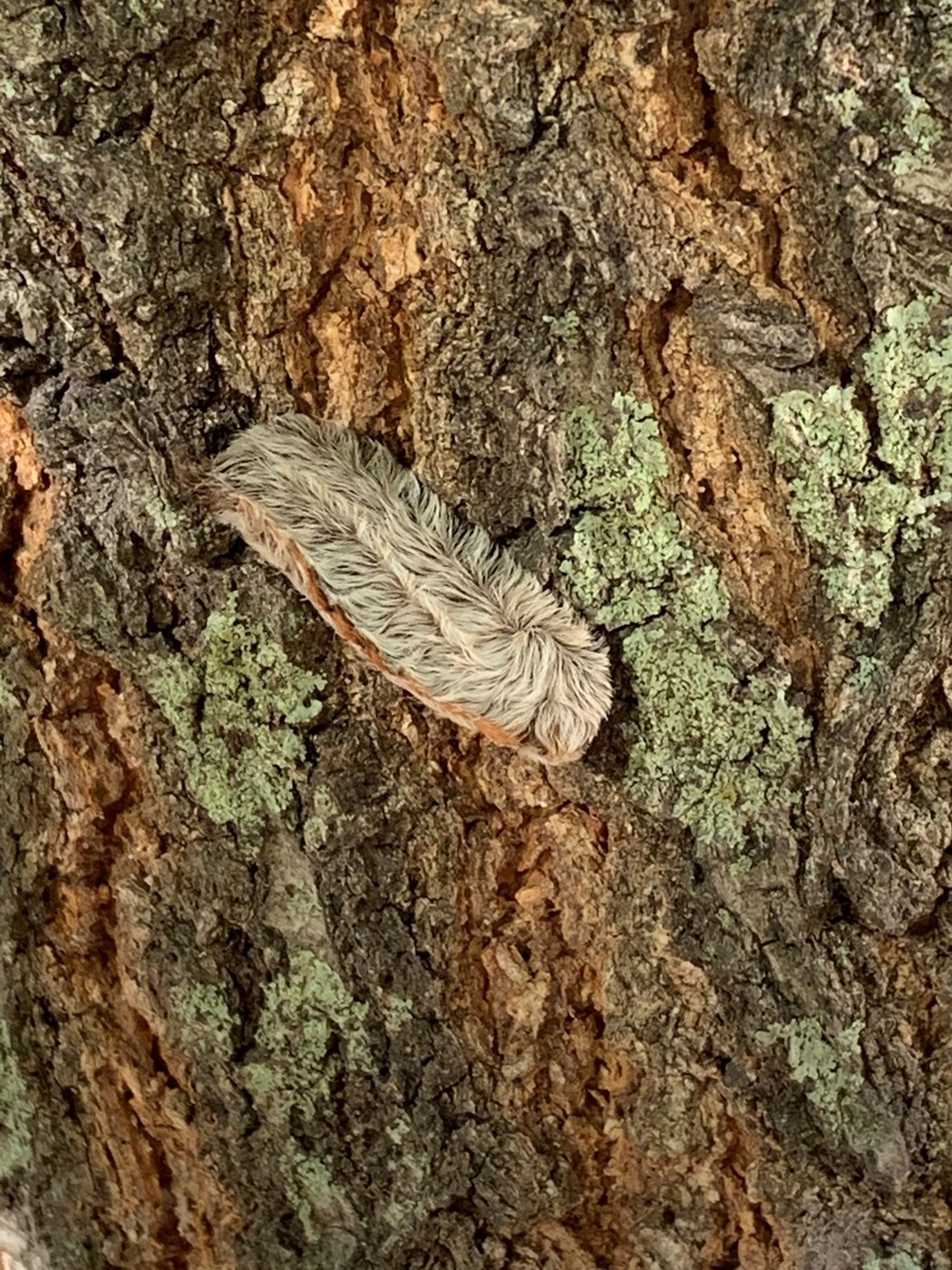
Southern Flannel Moth (Puss Caterpillar Moth)
A small, densely furred tan-to-orange moth best known for its unusual larva, a soft-looking, cat-tailed caterpillar whose fluffy coat hides rows of venomous spines.
moth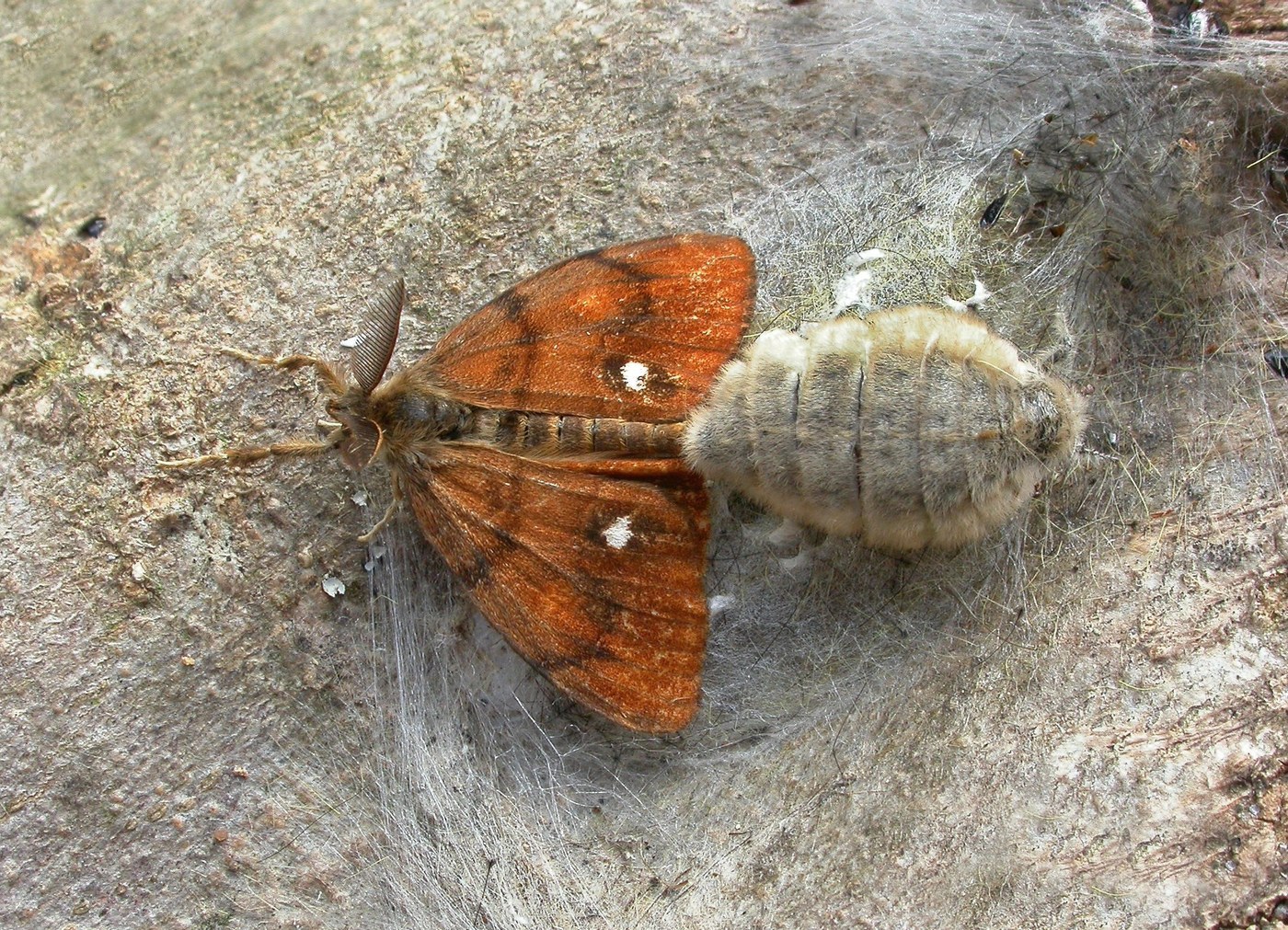
Vapourer Moth
A small tussock moth with striking sexual dimorphism: rusty-orange, day-flying males with feathery antennae contrast with flightless, grub-like grey females that never leave their cocoon to lay eggs.
mothDaddy Longlegs (Harvestman)
A leggy, one-piece-bodied arachnid that scurries through leaf litter and garden beds on impossibly long, spindly legs, easily mistaken for a spider despite belonging to an entirely different arachnid order.
arachnid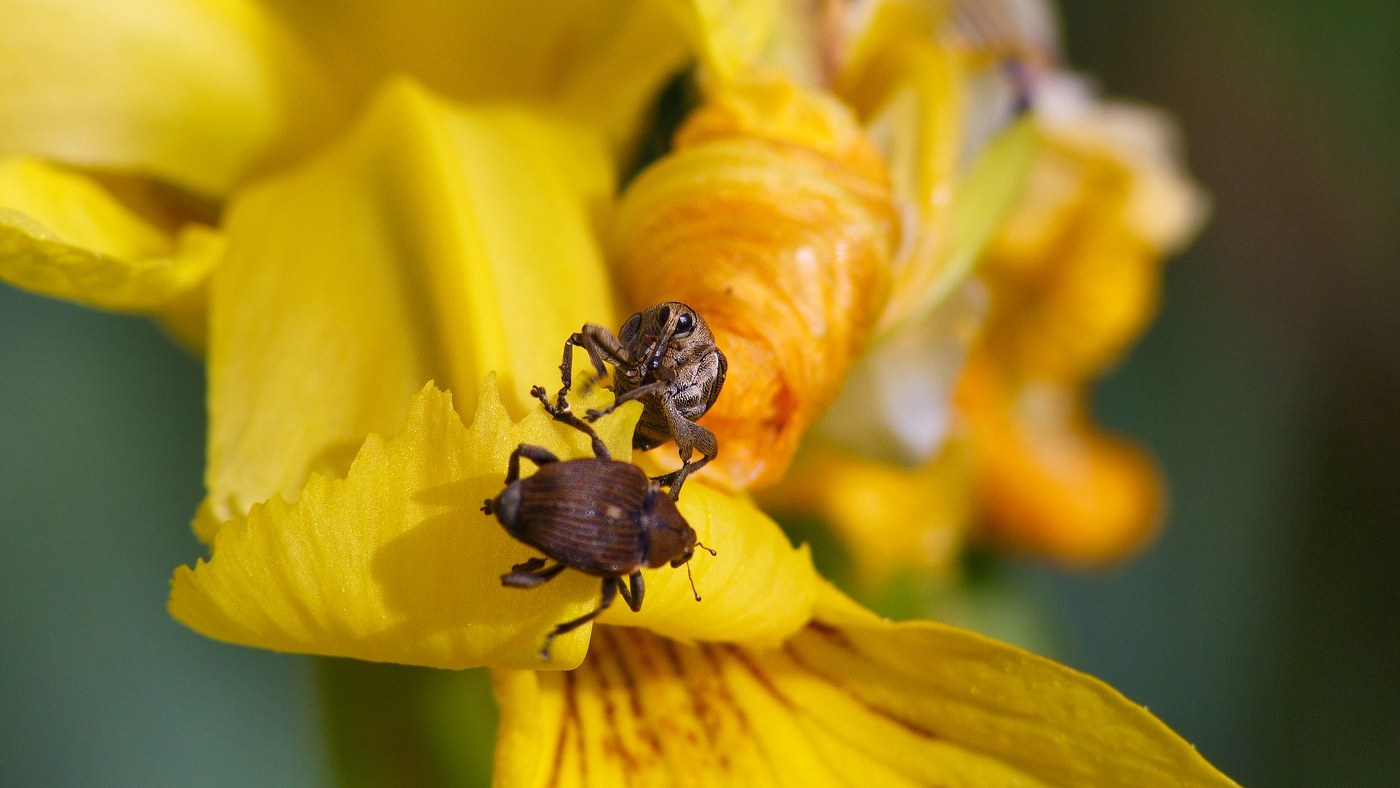
Acorn Weevil
A small brown weevil with an extraordinarily long, thread-thin snout, often longer than its own body, which it uses to drill into developing acorns before laying its eggs inside.
beetleBot Fly
A stocky, bumblebee-mimicking fly whose adults never feed and live only long enough to mate and locate a rodent or rabbit burrow for their eggs. Despite their harmless, buzzing adult stage, bot flies are best known through the larvae that develop as internal parasites of small mammals.
flyTreehopper
A small, oddly shaped sap-feeding bug best known for an enlarged, often bizarre pronotum extending backward over its body, sometimes shaped like a thorn, leaf, or spike.
true-bug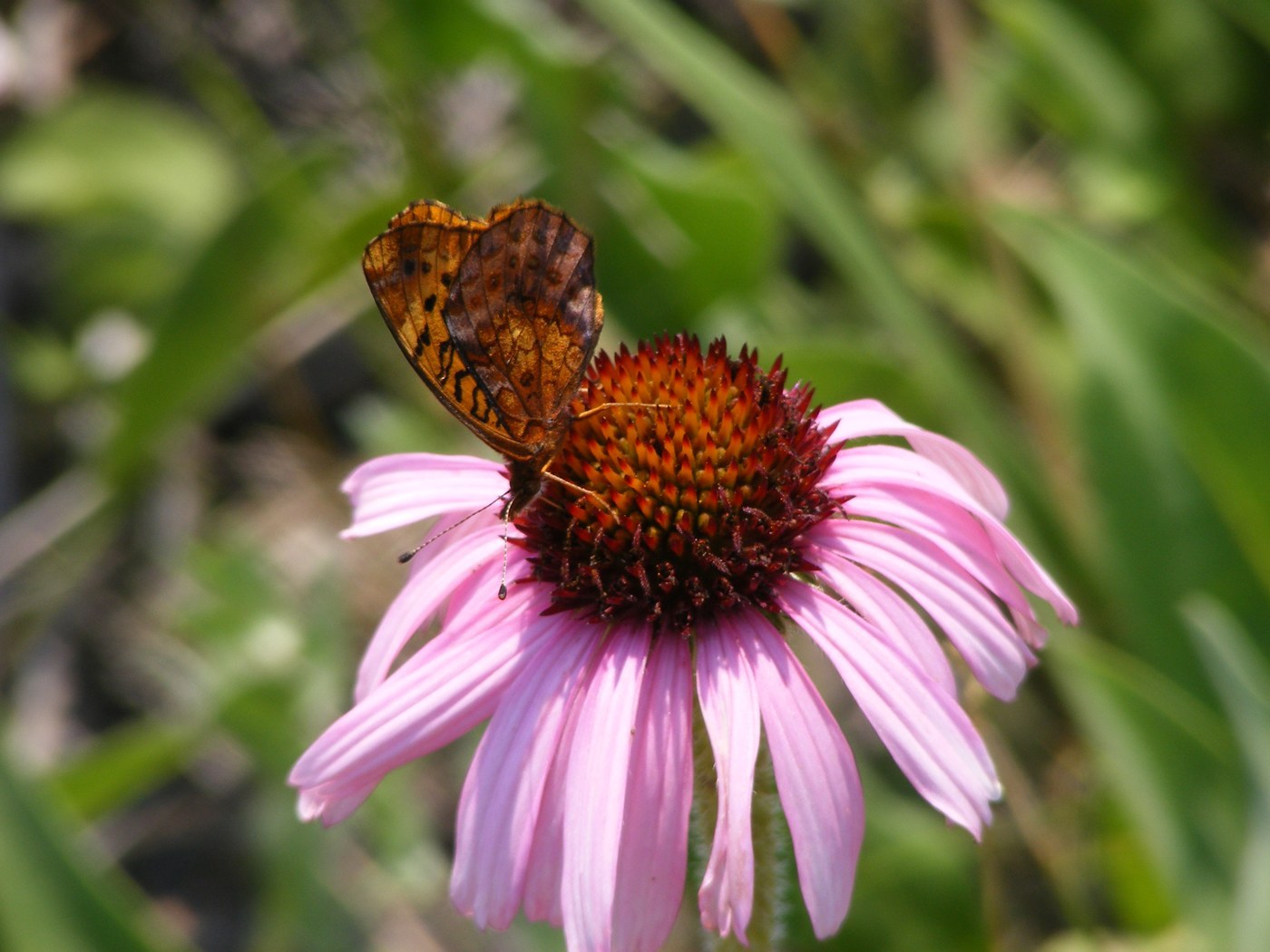
Meadow Fritillary
A small, fast-flying orange-and-black fritillary of open grassy fields, easily told from its larger cousins by its lack of silvery spots on the underside of the hindwing.
butterflyIchneumon Wasp
A slender, long-antennaed parasitoid wasp, often mistaken for a giant mosquito or a stinging insect, that is best known for the extraordinarily long ovipositor some species use to drill into wood and lay eggs on hidden larvae.
waspWarble Fly
A furry, bee-mimicking fly that never lands on flowers or feeds as an adult, spending its brief life darting around grazing cattle to lay eggs on their legs and lower body. Herds sometimes react with sudden panicked runs, known as gadding, whenever a warble fly approaches.
flySpur-throated Grasshopper
One of the most familiar grasshopper groups in North America, named for the small spine on its throat and known for including some of the continent's most abundant rangeland species.
grasshopper-cricketRootworm
Working unseen below ground, rootworm larvae chew tunnels through the root systems of corn and other crops, the underground counterpart to the small, often striped or spotted beetles seen on leaves and flowers above.
beetle