
Snout Beetle
Curculionidae spp.
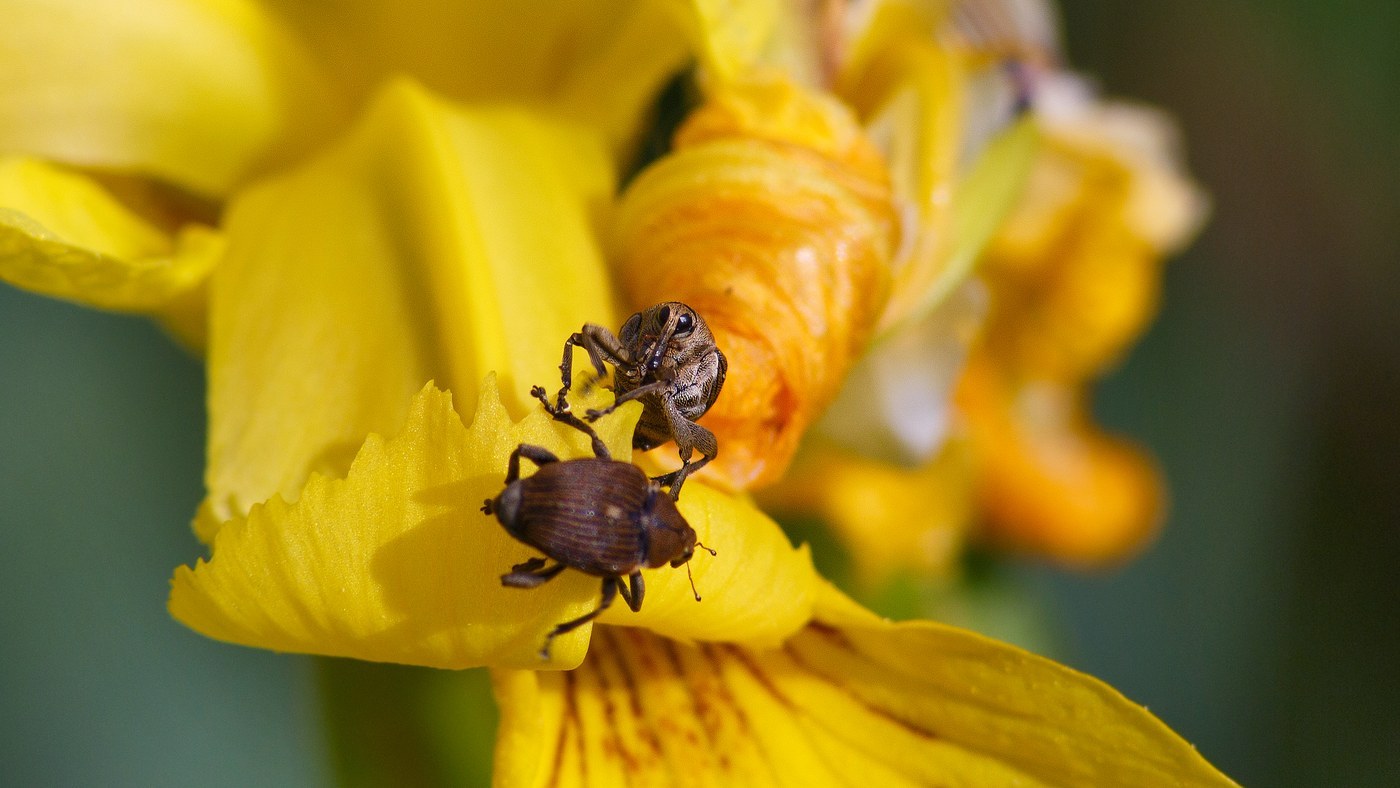
A small beetle instantly recognized by its elongated, downward-curving snout, tipped with chewing mouthparts, used to bore into seeds, nuts, stems, or fruit.
- Size
- 2–15 mm
- Habitat
- Gardens, crop fields, forests, stored grain, and on host plants generally
- Danger
- Nuisance pest
Spotted a bug like this?
Identify any bug or insect from a photo, free.
Overview
Snout beetles, more formally called weevils, belong to the family Curculionidae, one of the largest animal families on Earth with well over 60,000 described species. Their defining feature is a distinctive elongated rostrum, or snout, projecting from the front of the head, with small chewing mandibles at the very tip and elbowed antennae typically arising partway along its length.
The group is enormously diverse in size, shape, and host association, ranging from tiny grain-infesting species to larger, boldly patterned species that bore into acorns, nuts, or plant stems. Many species are highly host-specific, feeding on only one or a few closely related plant species, while the family as a whole exploits nearly every plant part, from roots to seeds.
Because several weevil species feed on stored grain, crop plants, or nuts, some snout beetles are notable agricultural or stored-product pests, though the vast majority of species in this enormous family live inconspicuous lives feeding on wild plants without any pest status at all.
How to Identify
- Compact, oval to elongated body with a hardened shell and a long, curved or straight snout (rostrum) extending forward from the head.
- Small chewing mandibles located at the very tip of the snout, with antennae typically elbowed and attached partway along its length.
- Legs often relatively short; body surface may be smooth, scaled, or pitted depending on species.
- Size typically small, roughly 2–15 mm, with coloring ranging from dull browns and grays to metallic or patterned forms.
- Lookalikes: other beetles lack the elongated snout entirely; bark beetles are similarly small but have a blunt, rounded head without a rostrum.
Habitat & Range
Snout beetles occur virtually worldwide across almost every terrestrial habitat, from forests and grasslands to agricultural fields, gardens, and stored-grain facilities. Adults are typically found on or near their specific host plants, with activity peaking in the growing season, while some species overwinter as adults in leaf litter or soil.
Behavior & Diet
Adults use their snout's terminal mandibles to chew feeding punctures or oviposition holes into plant tissue such as leaves, stems, seeds, nuts, or fruit, and many species show strong fidelity to particular host plants. Larvae are typically legless grubs that develop concealed inside plant tissue, seeds, or roots, feeding internally. This concealed feeding habit makes weevils significant plant-tissue and seed consumers within their ecosystems.
Life Cycle
Snout beetles undergo complete metamorphosis. Females chew a hole with the rostrum to lay an egg inside plant tissue, a seed, or a nut; the larva develops and feeds internally, often pupating within the same food source or after dropping to the soil. Depending on species and climate, weevils may complete one to several generations per year, commonly overwintering as adults or larvae.
Frequently asked questions
What is the difference between a weevil and a snout beetle?
They are the same thing — 'snout beetle' is simply the descriptive common name for weevils, beetles of the family Curculionidae characterized by an elongated rostrum.
Why does it have such a long snout?
The snout carries small chewing mouthparts at its tip, allowing the beetle to bore feeding or egg-laying holes into hard plant material such as seeds, nuts, or stems.
Are all weevils considered pests?
No — while a number of well-known species affect stored grain or crops, the vast majority of the thousands of weevil species feed on wild plants and are not agricultural pests.
How big do snout beetles get?
Most are quite small, typically in the 2–15 mm range, though the family includes some notably larger tropical species.
Snout Beetle guides
In-depth guides for identifying, understanding, and living alongside Snout Beetle.
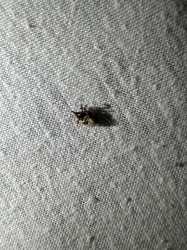
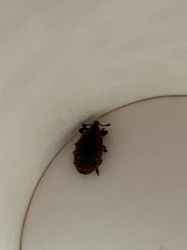
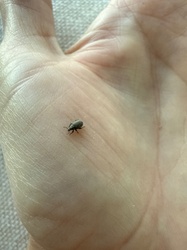
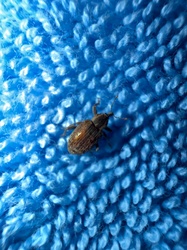
Snout Beetle identified by the community
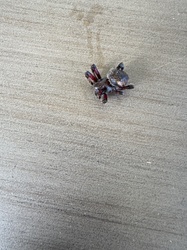
Real finds identified with Bug Identifier.
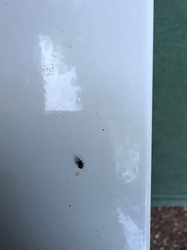
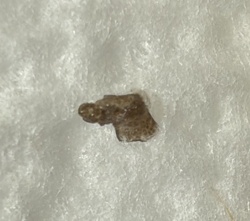
Other bugs you may enjoy
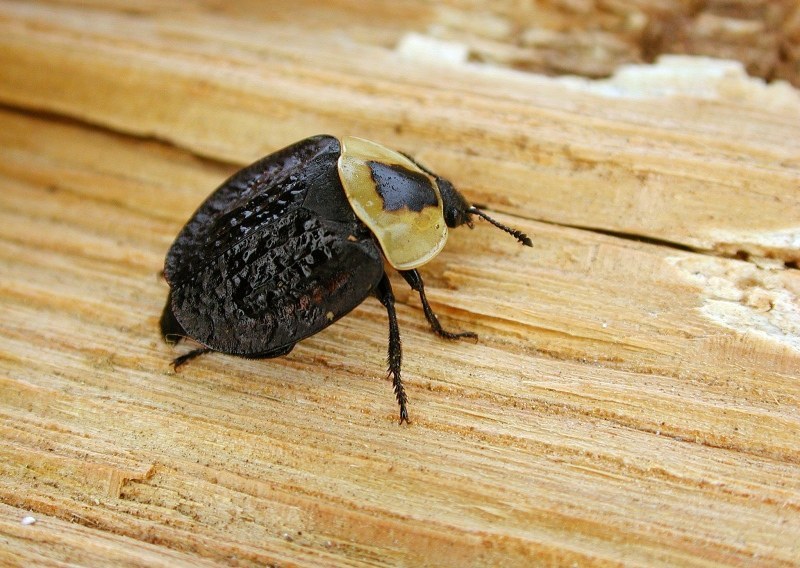
American Carrion Beetle
Forests, fields, and roadsides across North America, near decaying animal carcasses
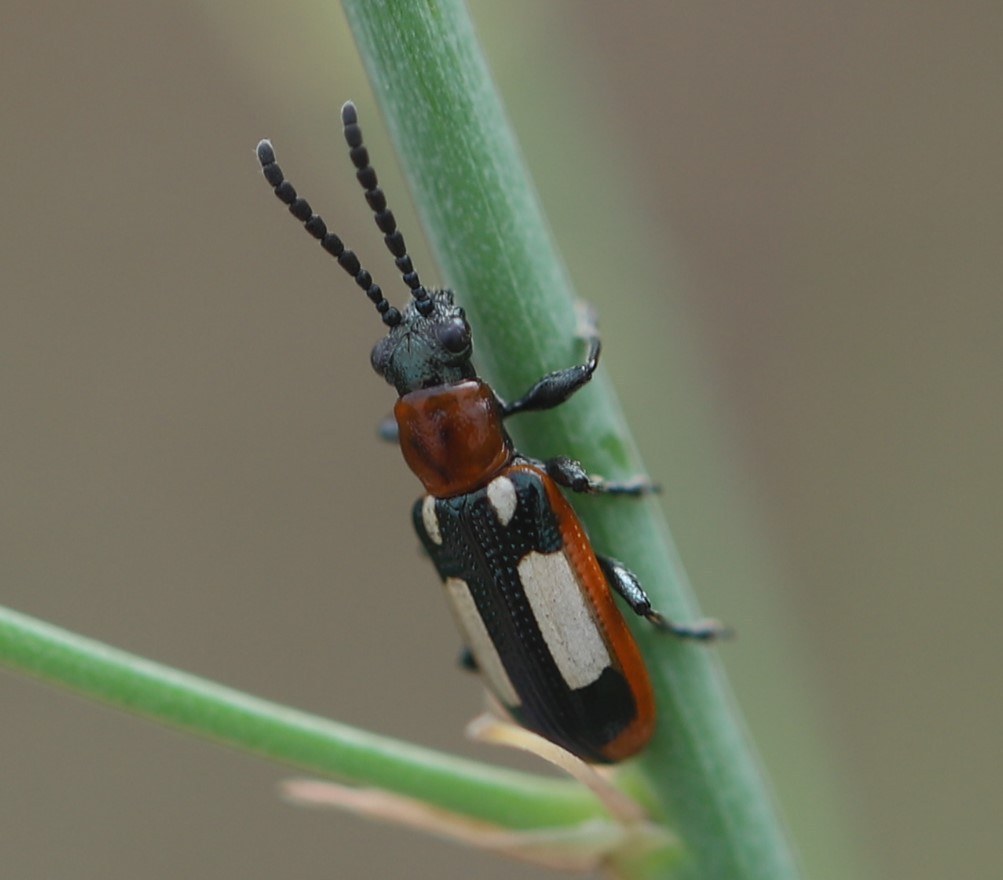
Asparagus Beetle
Asparagus patches, gardens, and farm fields
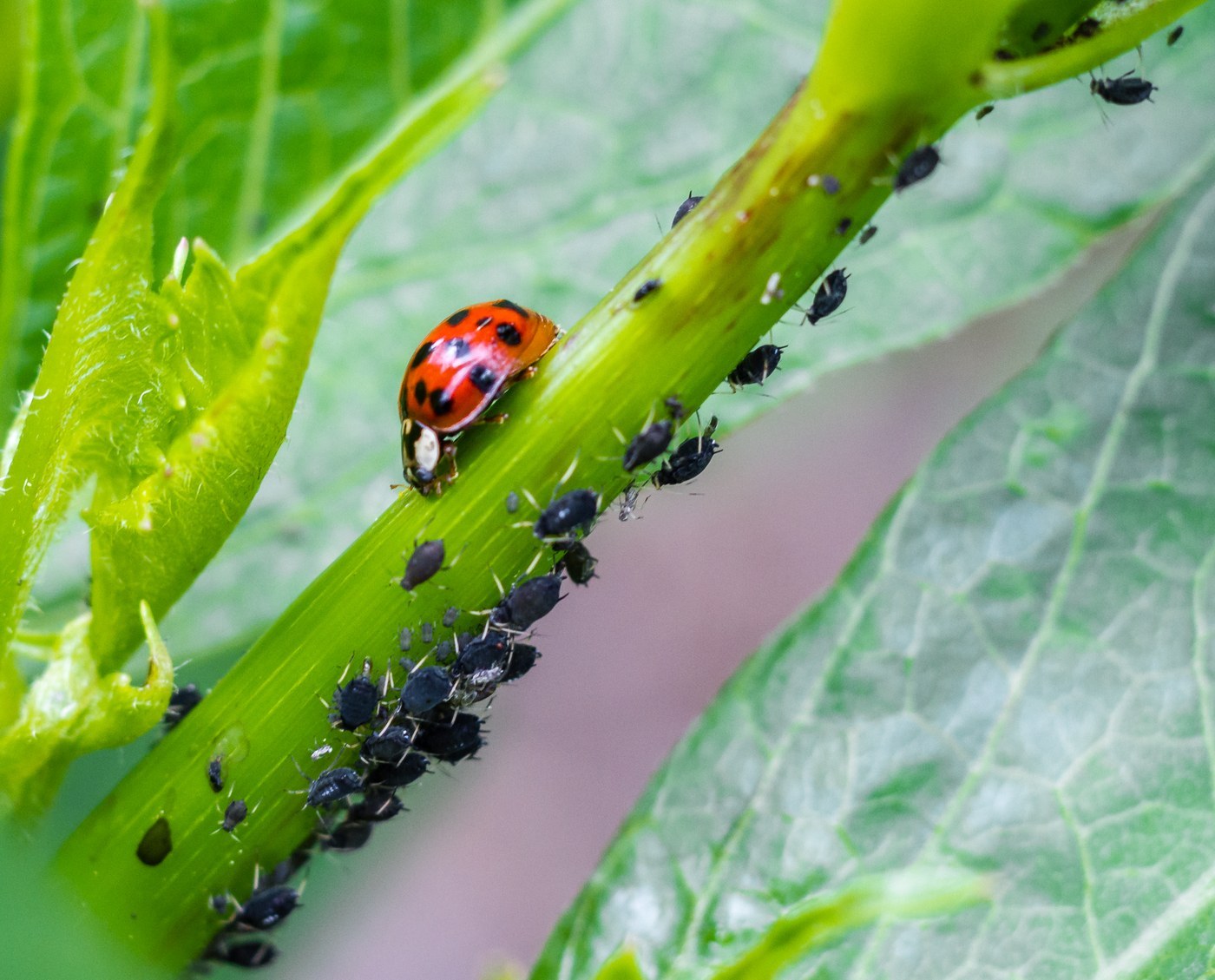
Asian Lady Beetle
Gardens, crop fields, woodlands, buildings
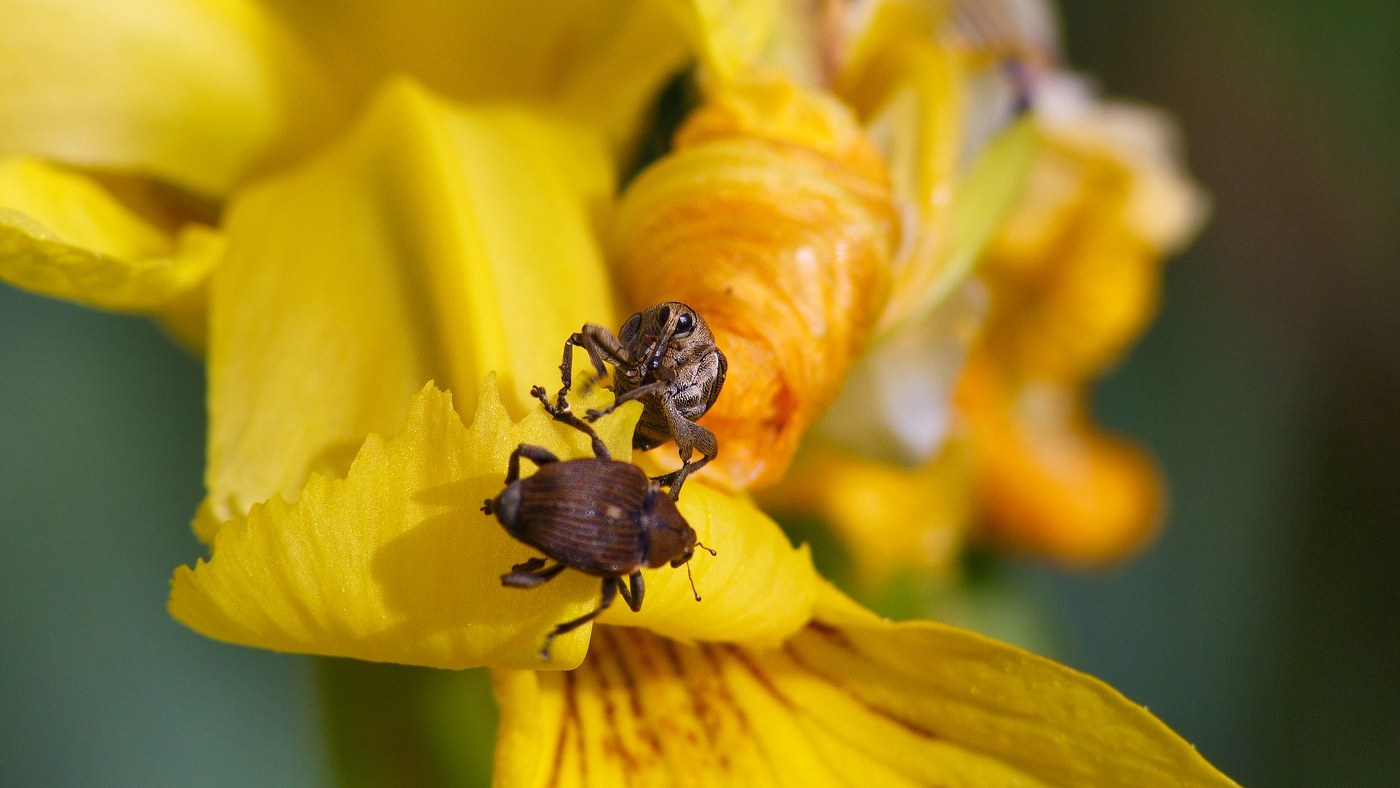
Acorn Weevil
Oak woodlands and forests, on and beneath oak trees
Wireworm
Soil of grasslands, gardens, and cultivated fields worldwide
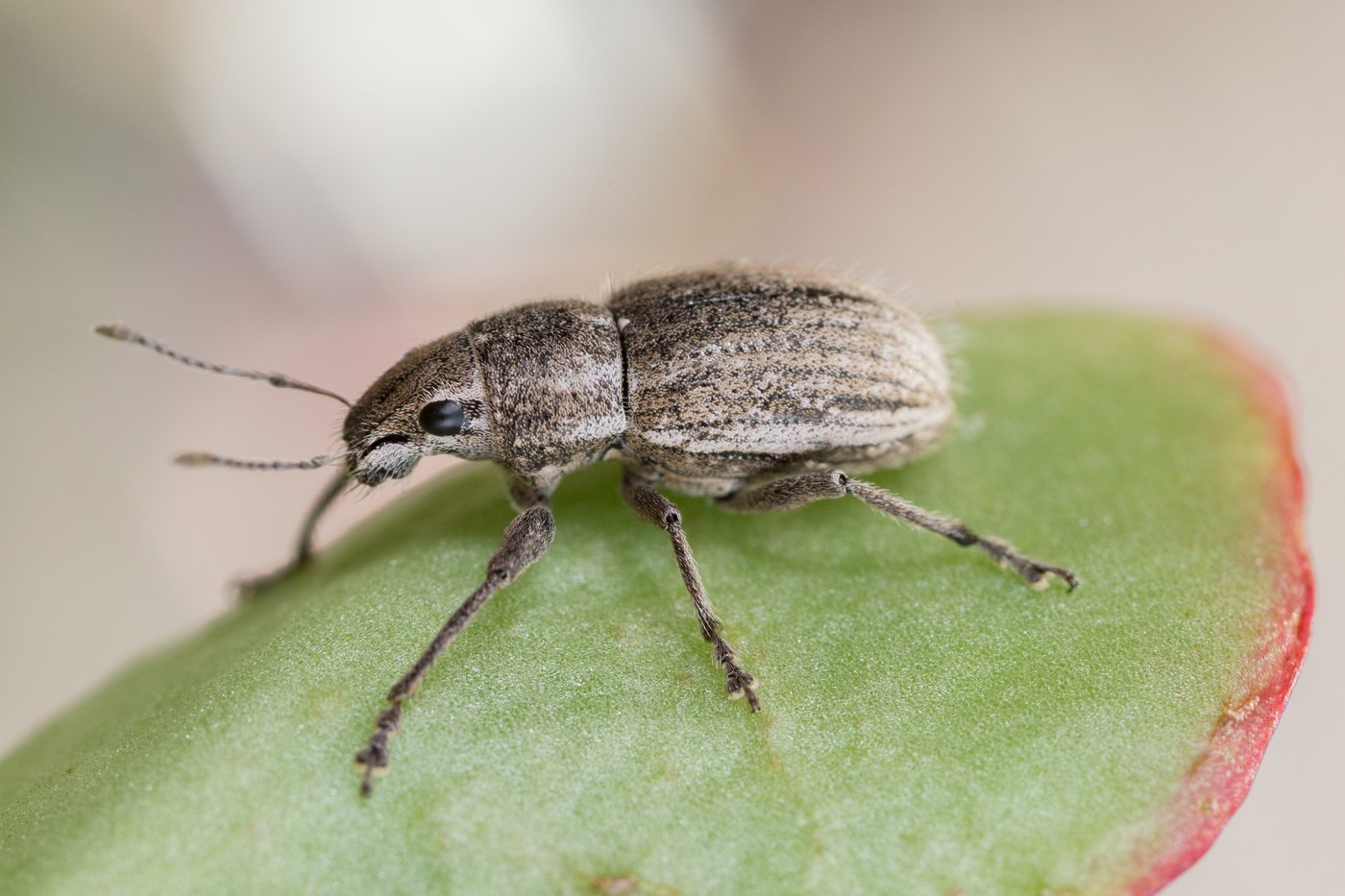
Whitefringed Beetle
Pastures, row crops, lawns, disturbed soils
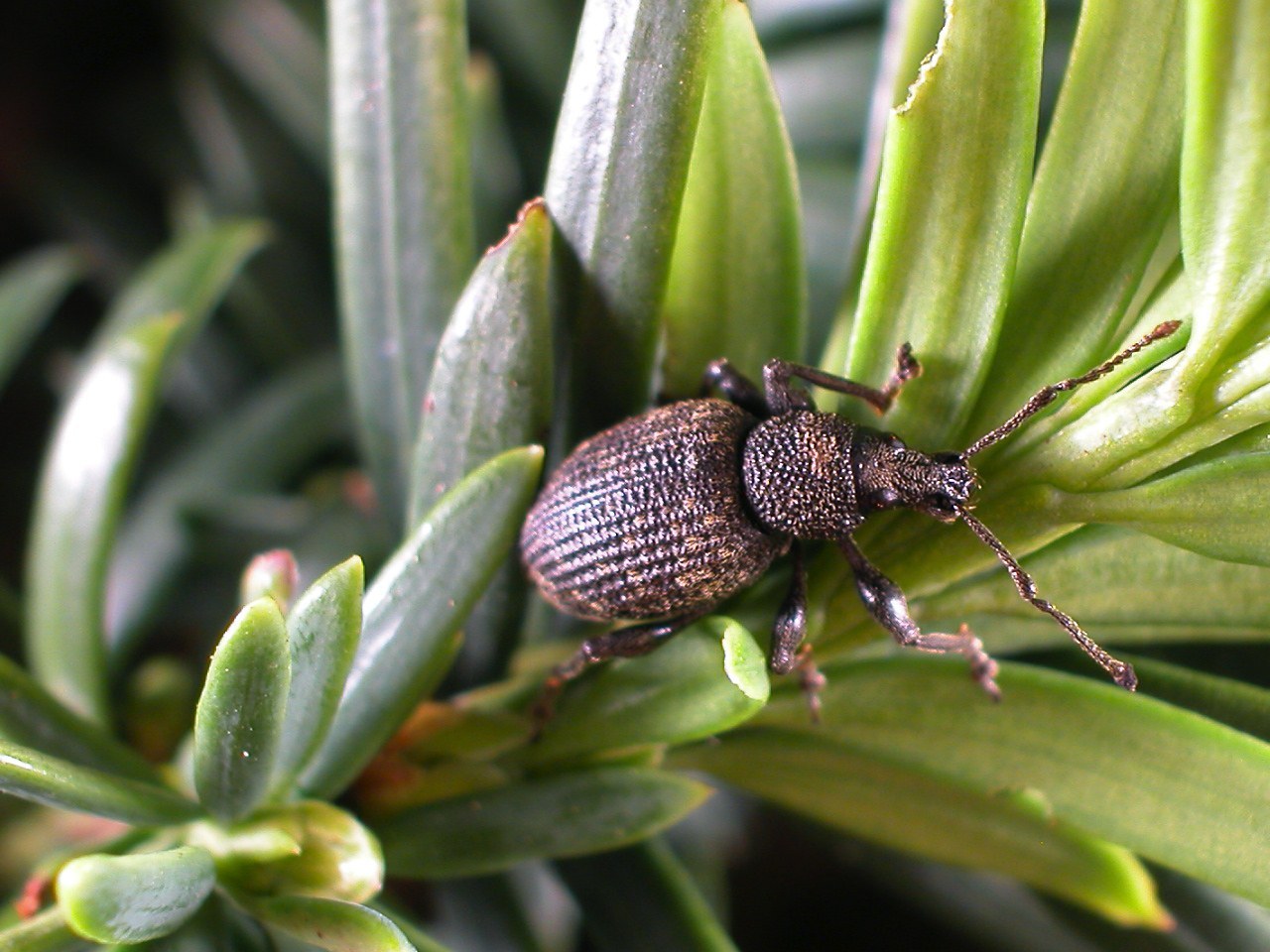
Vine Weevil
Gardens, nurseries, greenhouses, and container plantings
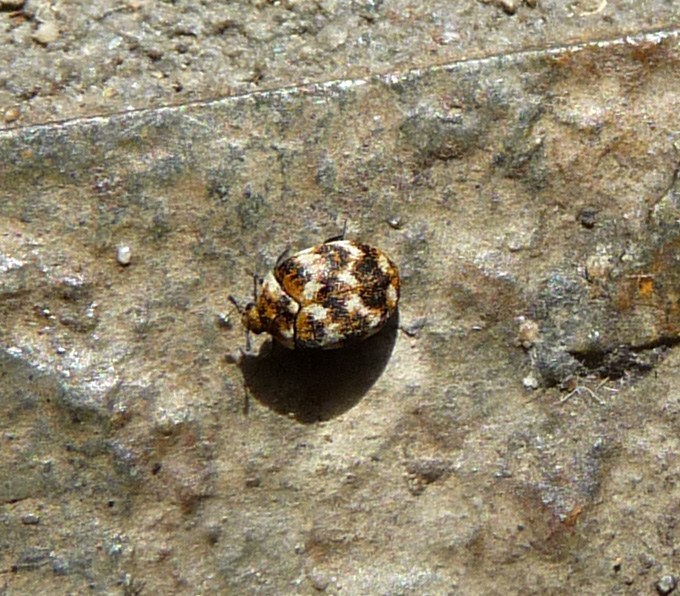
Varied Carpet Beetle
Homes, nests of birds and mammals, and flowers outdoors
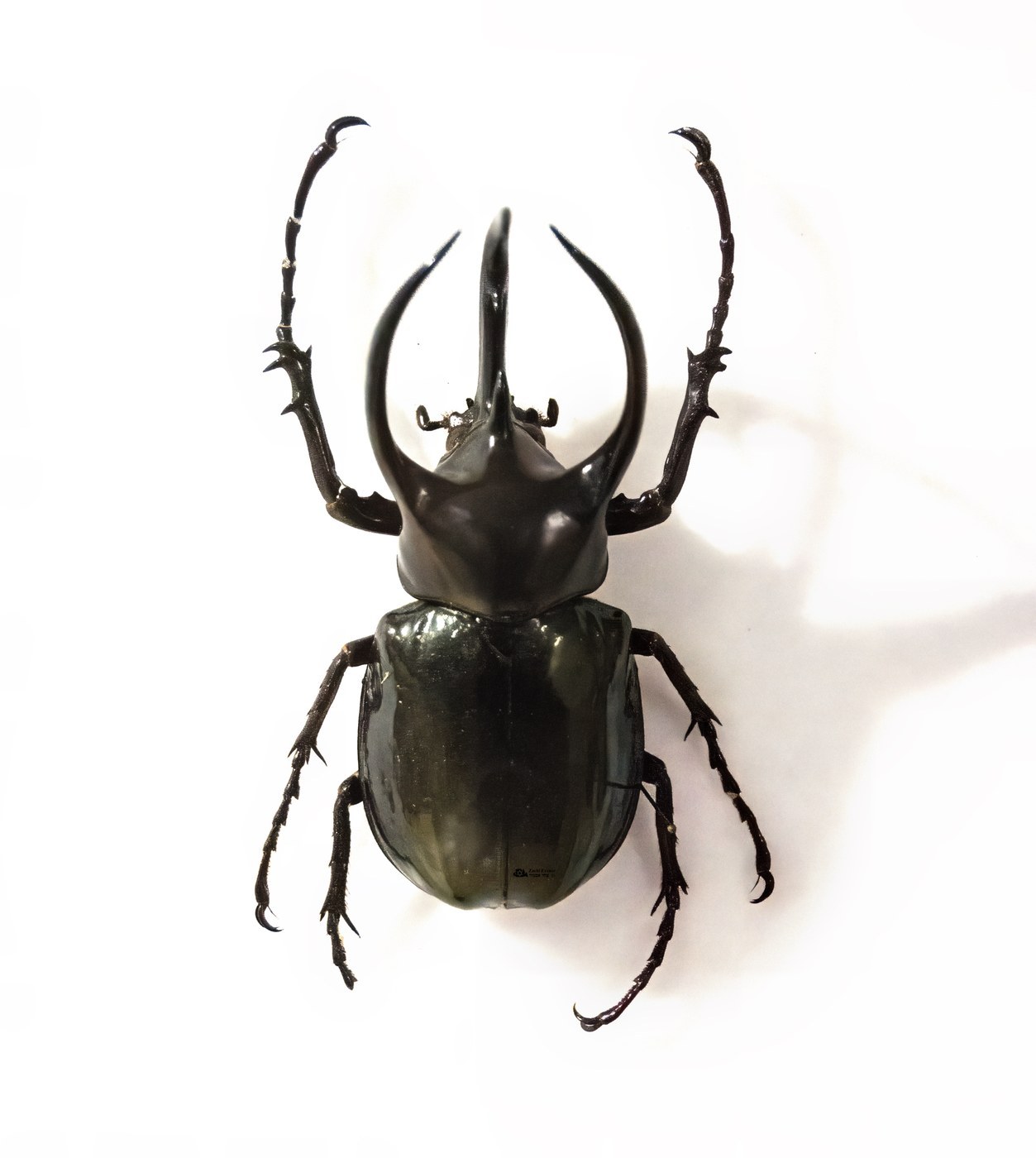
Atlas Beetle
Tropical forests of Southeast Asia
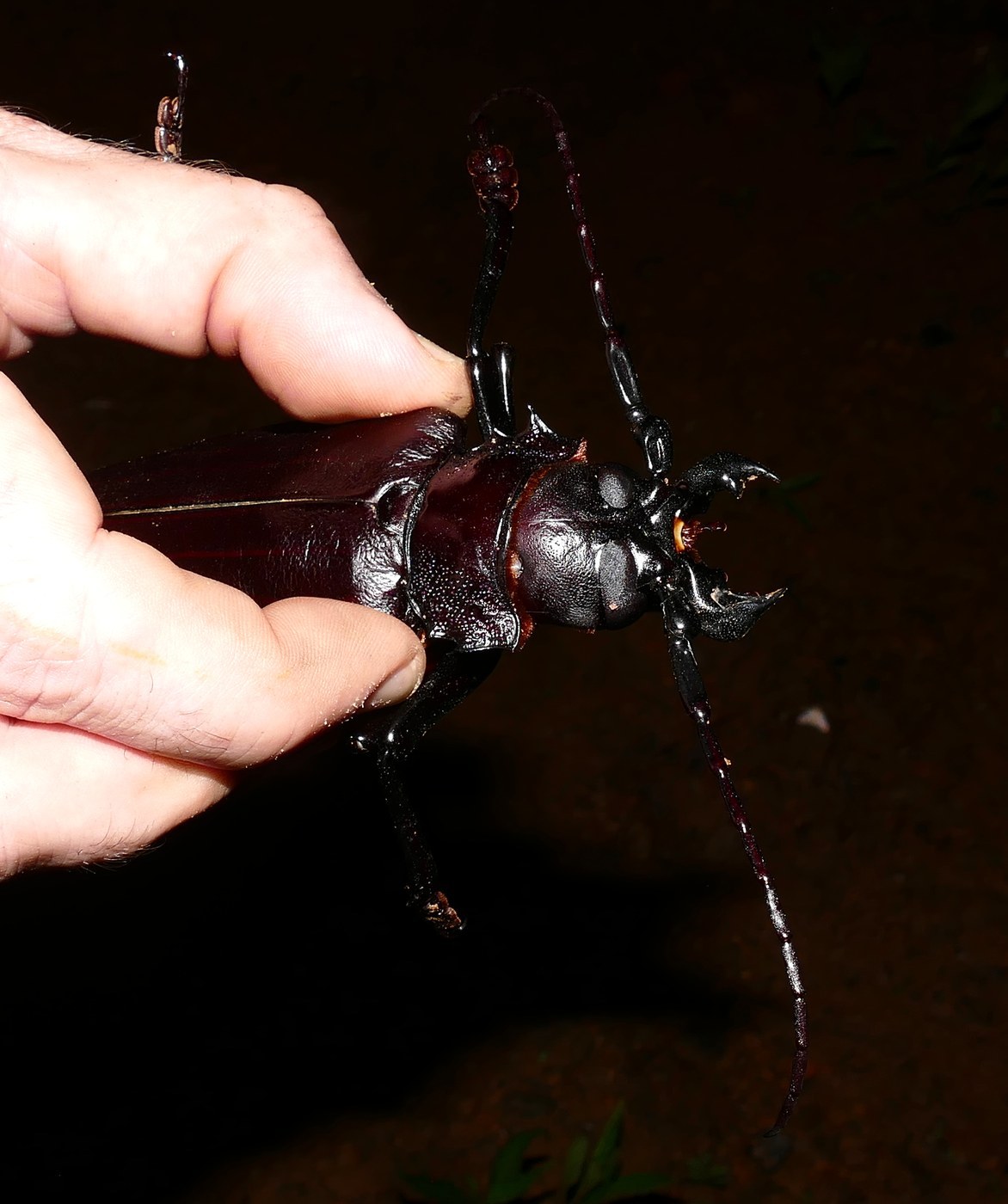
Titan Beetle
Amazon rainforest of South America
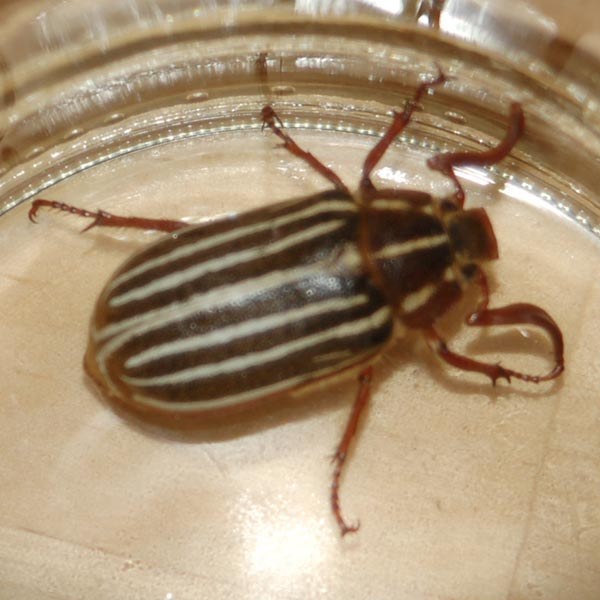
Ten-lined June Beetle
Sandy soils, pine forests, and orchards of western North America
Squash Beetle
Vegetable gardens and fields growing squash, pumpkin, and other cucurbits