
Jerusalem Cricket
Stenopelmatus spp.
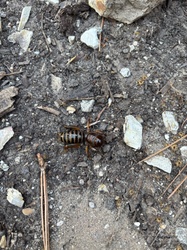
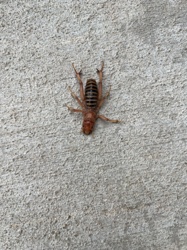
A large, wingless, ground-dwelling insect with a shiny amber body, a strikingly human-like face, and a robust, banded abdomen, most often uncovered while digging in soil.
- Size
- 30–65 mm
- Habitat
- Loose desert and garden soil, under rocks and logs, western North America
- Danger
- Bites
Spotted a bug like this?
Identify any bug or insect from a photo, free.
Overview
Jerusalem crickets belong to the family Stenopelmatidae, a group of large, flightless, ground-dwelling insects in the order Orthoptera, related to true crickets and katydids but placed in their own distinct family. Despite the common name, they are neither true crickets nor connected to Jerusalem; the name's origin is uncertain, and in parts of the western United States they are commonly called "potato bugs" instead, a nickname unrelated to the striped potato beetle of the same name.
Their most striking feature is a disproportionately large, rounded head with widely spaced eyes that gives an oddly human or doll-like appearance, combined with a shiny, hairless, amber-to-tan exoskeleton and a banded abdomen. They spend most of their lives underground or under surface debris, only occasionally encountered when soil is disturbed or after rain.
Ecologically, Jerusalem crickets are omnivorous soil-dwellers that help break down organic matter and prey on other small invertebrates, and they are a notable example of a large, flightless insect adapted entirely to a subterranean and nocturnal lifestyle.
How to Identify
- Large, heavy-bodied, wingless insect with a shiny, amber to tan exoskeleton and a distinctly banded, striped abdomen.
- Oversized, rounded head with large mandibles and widely spaced eyes, giving a human-like facial appearance.
- Strong, spined hind legs adapted for digging and defensive kicking rather than jumping far; body length roughly 30–65 mm.
- Completely lacks wings at all life stages, unlike true crickets.
- Lookalikes: true crickets have wings (even if reduced) and long, slender hind legs built for jumping; Jerusalem crickets are heavier-bodied and entirely wingless.
Habitat & Range
Native to western North America, from the western United States into Mexico, Jerusalem crickets live in loose, sandy, or loamy soil in deserts, chaparral, gardens, and agricultural land. They spend the vast majority of their time underground in burrows or beneath rocks, logs, and other surface debris, becoming visible mainly at night or when soil is disturbed by digging or after rainfall.
Behavior & Diet
Nocturnal and largely subterranean, Jerusalem crickets are omnivorous, feeding on decaying plant matter, roots, tubers, and other soil-dwelling invertebrates. They move by walking rather than jumping, using powerful legs primarily for digging and for a defensive kick or stridulation (a rasping or drumming sound) when threatened. Individuals will also rear up and display their large mandibles as a defensive posture if disturbed.
Life Cycle
Jerusalem crickets undergo incomplete (gradual) metamorphosis, with nymphs resembling smaller, wingless versions of the adult. Eggs are laid in underground chambers in soil; nymphs pass through numerous instars over an extended period, often a year or more, before reaching sexual maturity. Because development is slow and largely hidden underground, individuals may take one to two years to complete their life cycle.
Frequently asked questions
Is a Jerusalem cricket the same as a potato beetle called 'potato bug'?
No — although both are sometimes called 'potato bug' in different regions, the Jerusalem cricket is a large wingless ground-dwelling orthopteran, entirely unrelated to the striped Colorado potato beetle.
Can Jerusalem crickets fly or jump far?
No — they are completely wingless and use their strong legs mainly for digging and short defensive movements rather than long jumps or flight.
Why does its face look so unusual?
Its oversized, rounded head and widely spaced eyes give it a human-like or doll-like facial appearance, one of the most distinctive features used to identify the insect.
Where would someone typically encounter one?
Most encounters happen when digging in loose garden or desert soil, or turning over rocks and logs, since the insect spends most of its life underground and is active mainly at night.
Jerusalem Cricket guides
In-depth guides for identifying, understanding, and living alongside Jerusalem Cricket.
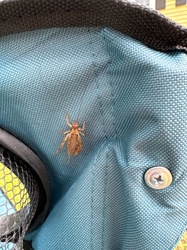
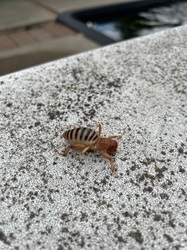
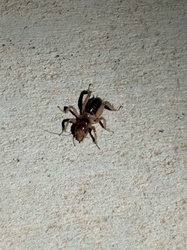
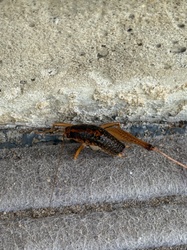
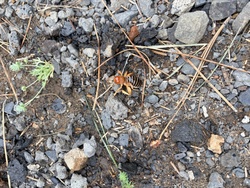
Jerusalem Cricket identified by the community
Real finds identified with Bug Identifier.


Other bugs you may enjoy
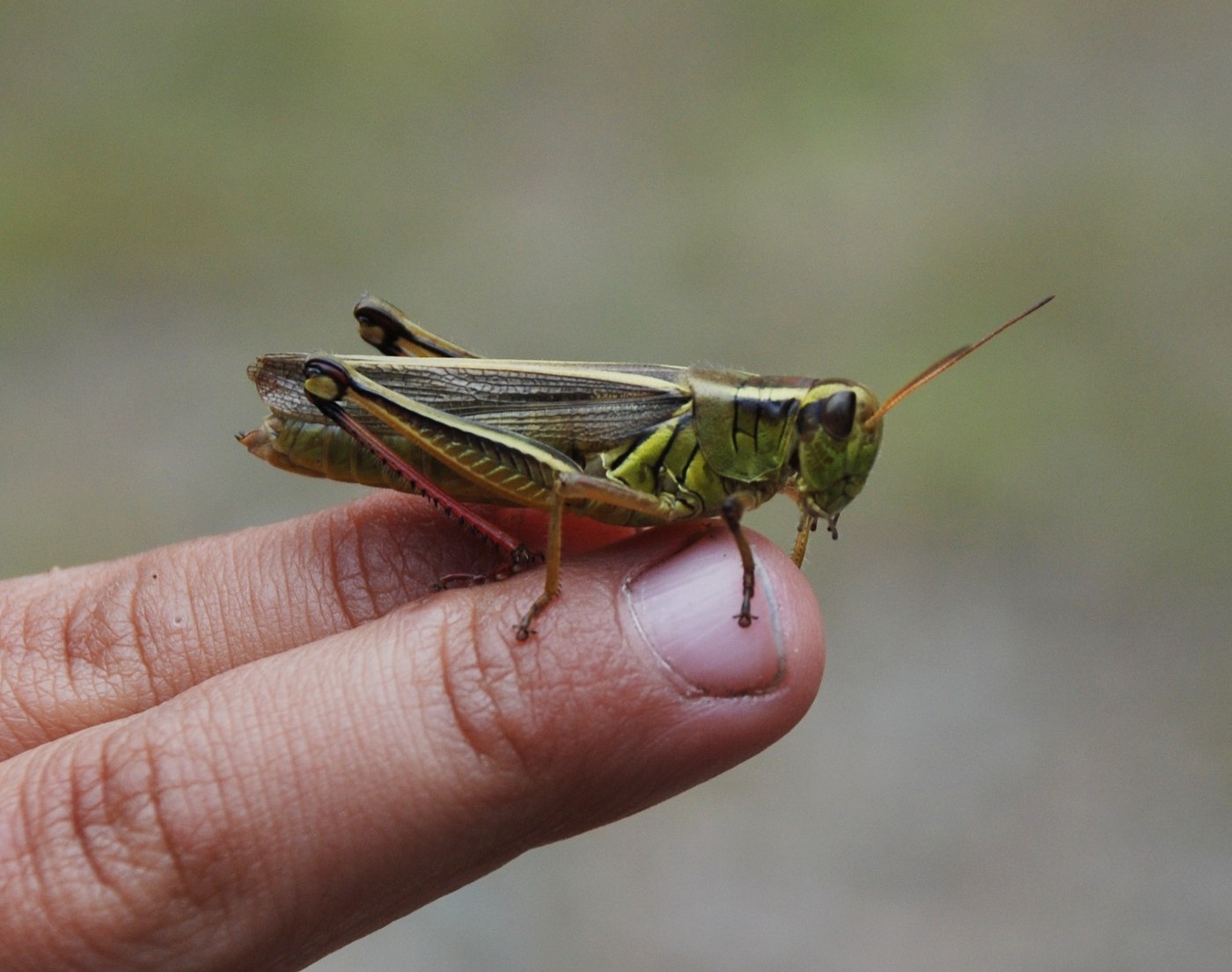
Two-striped Grasshopper
Meadows, pastures, riverbanks, and agricultural fields across North America
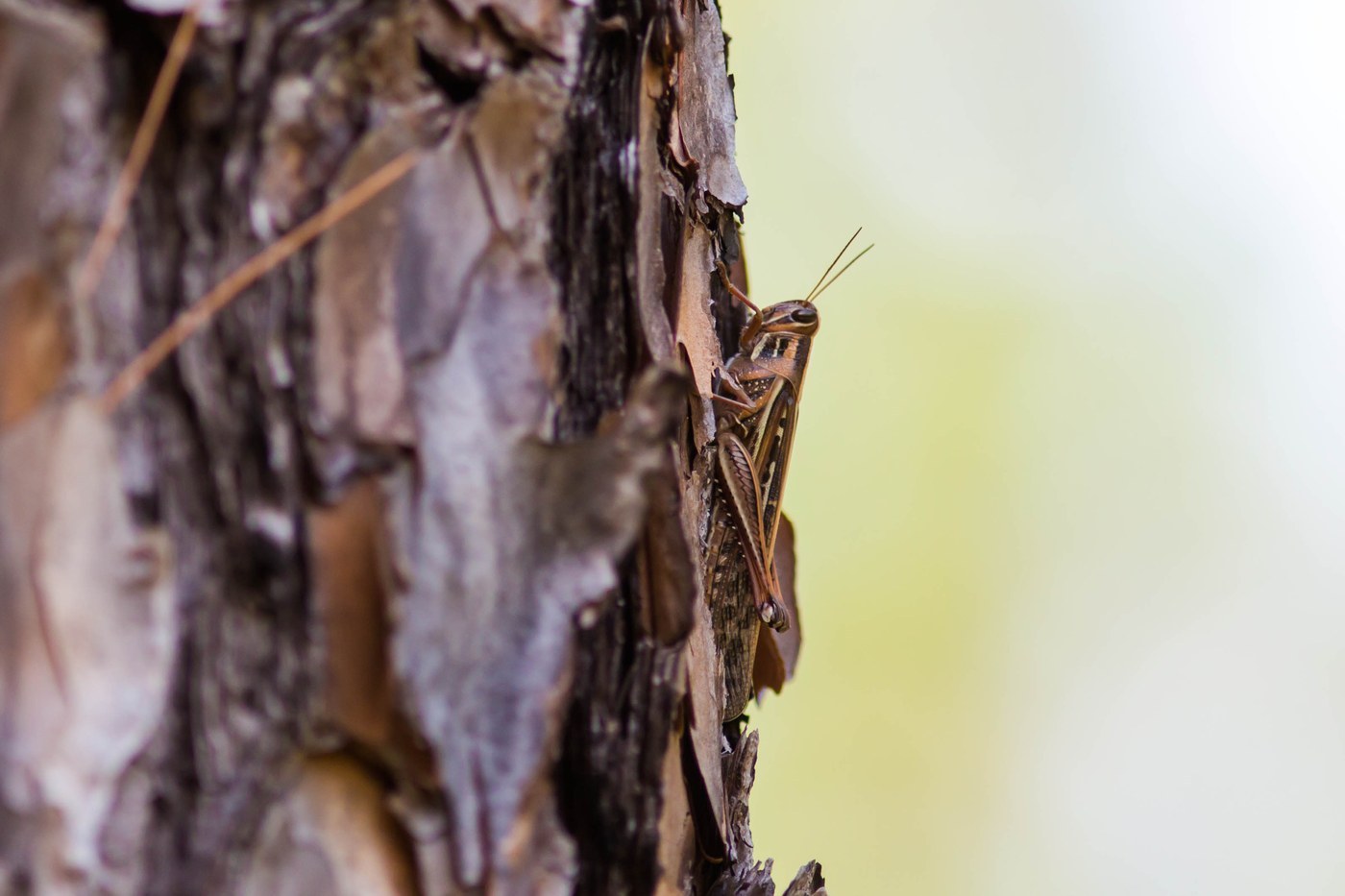
American Grasshopper
Woodland edges, citrus groves, gardens, and open fields across the southern and southeastern United States
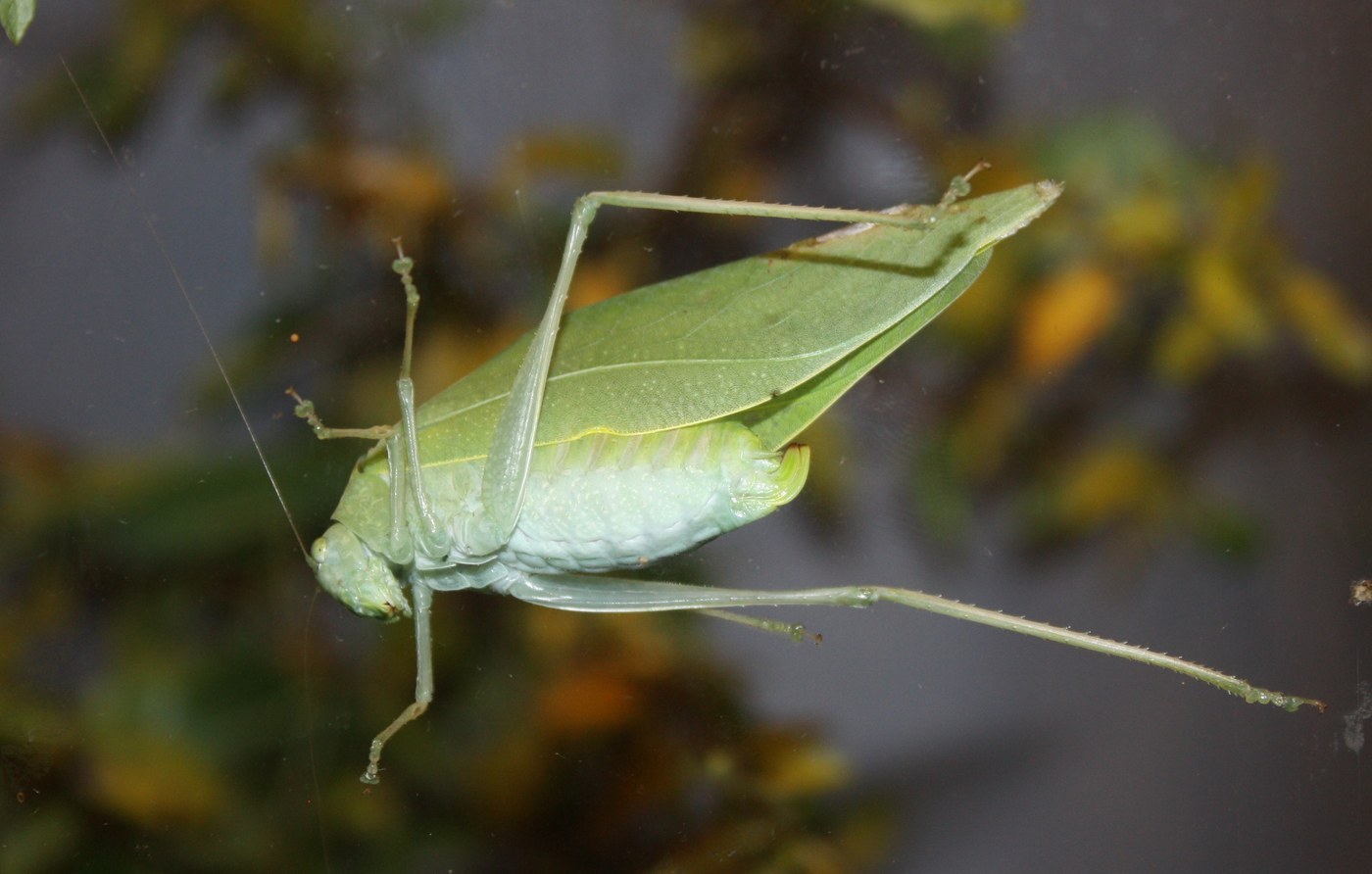
Angular-winged Katydid
deciduous trees, shrubs, and hedgerows across eastern and central North America
Spur-throated Grasshopper
grasslands, meadows, croplands, and roadsides across North America
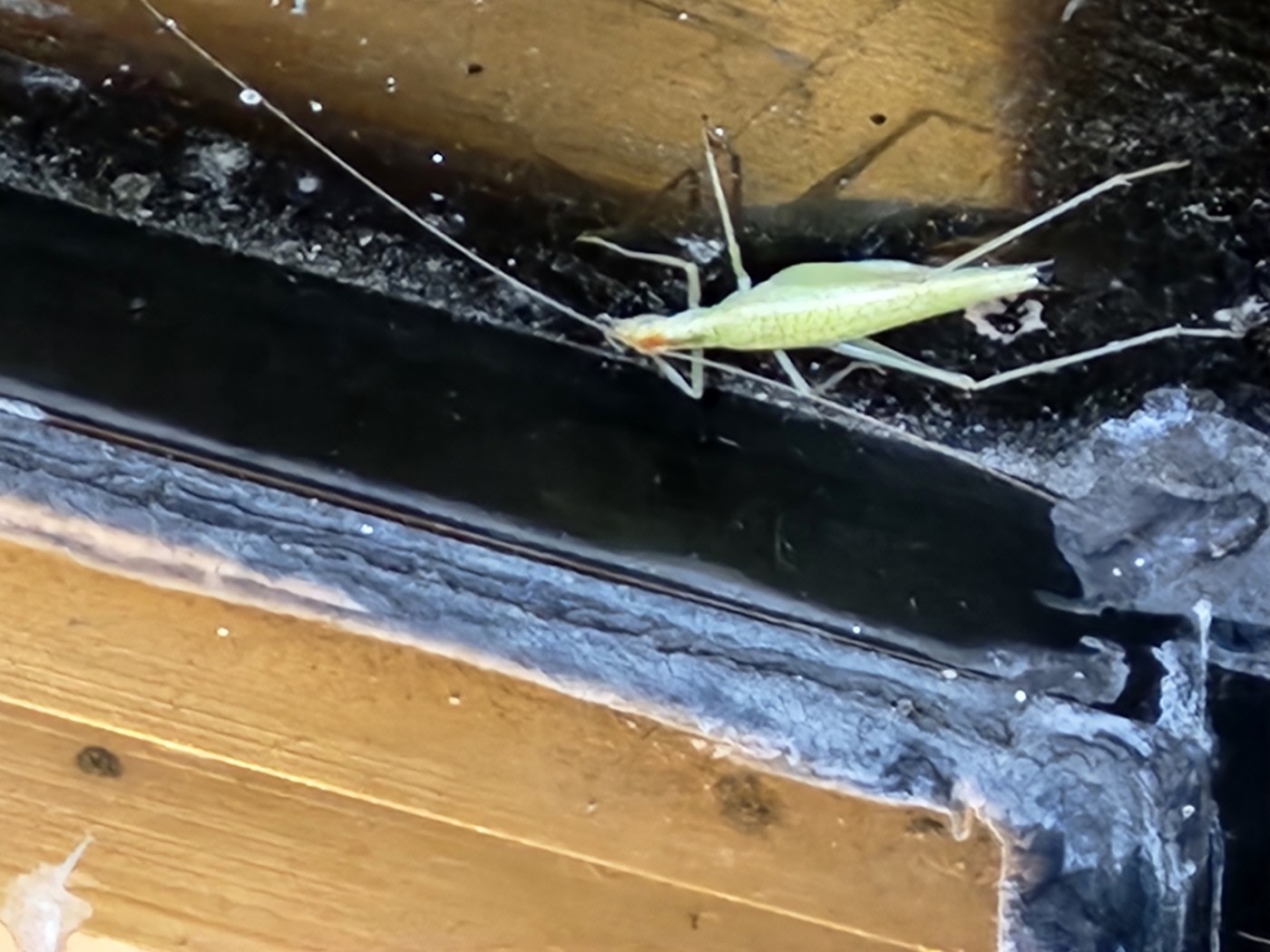
Snowy Tree Cricket
Shrubs, trees, and tall vegetation across North America
Rocky Mountain Locust
historically open grasslands and river valleys of the Rocky Mountains and Great Plains (now believed extinct)
Spotted Camel Cricket
damp caves, crawl spaces, basements, leaf litter, and rotting logs in eastern North America
Pygmy Grasshopper
damp soil, mud, and low vegetation near ponds, streams, and marshes
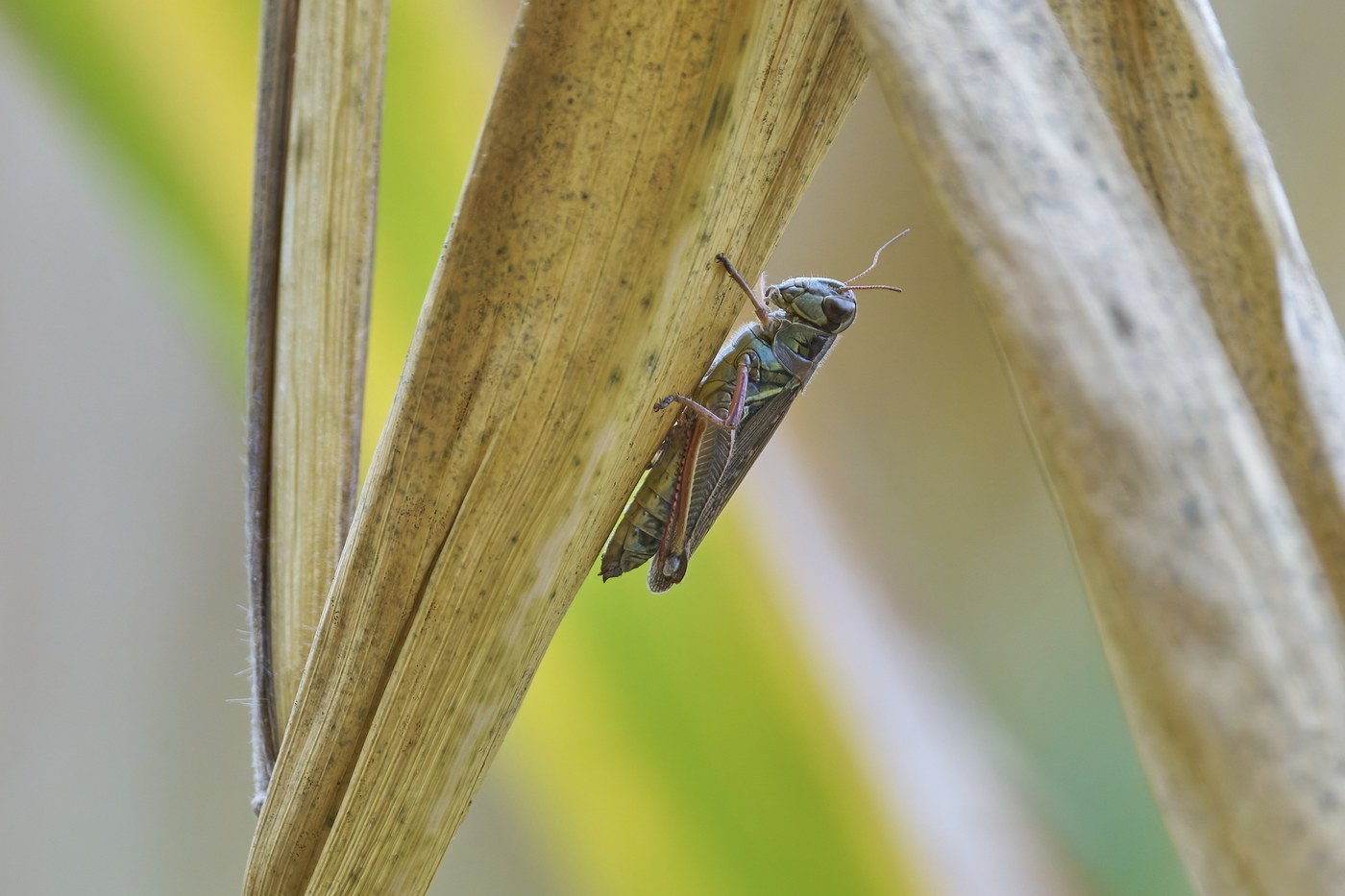
Red-legged Grasshopper
Meadows, pastures, field edges, and gardens across North America
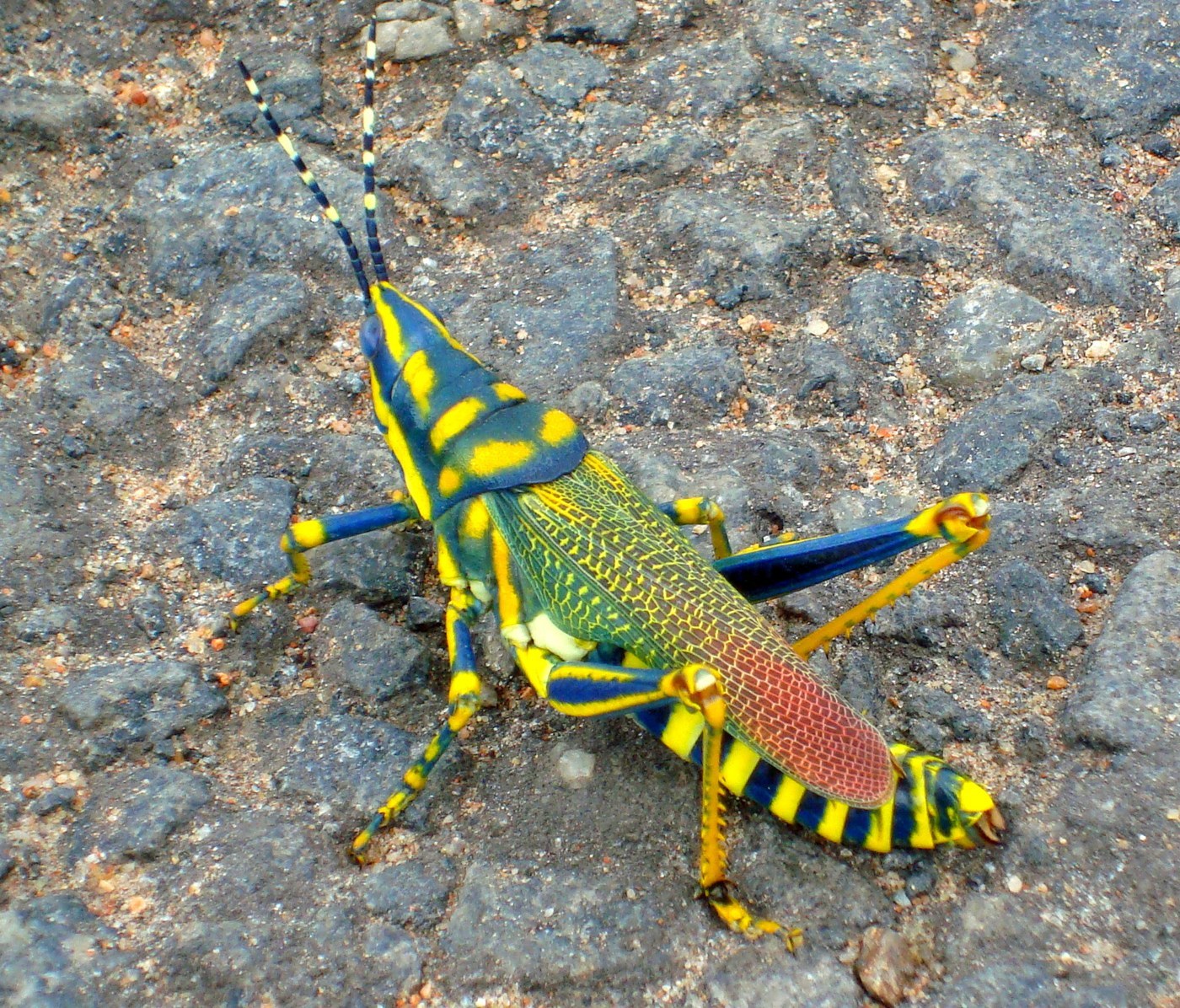
Painted Grasshopper
arid scrub, wastelands, and gardens of the Indian subcontinent, especially near milkweed plants
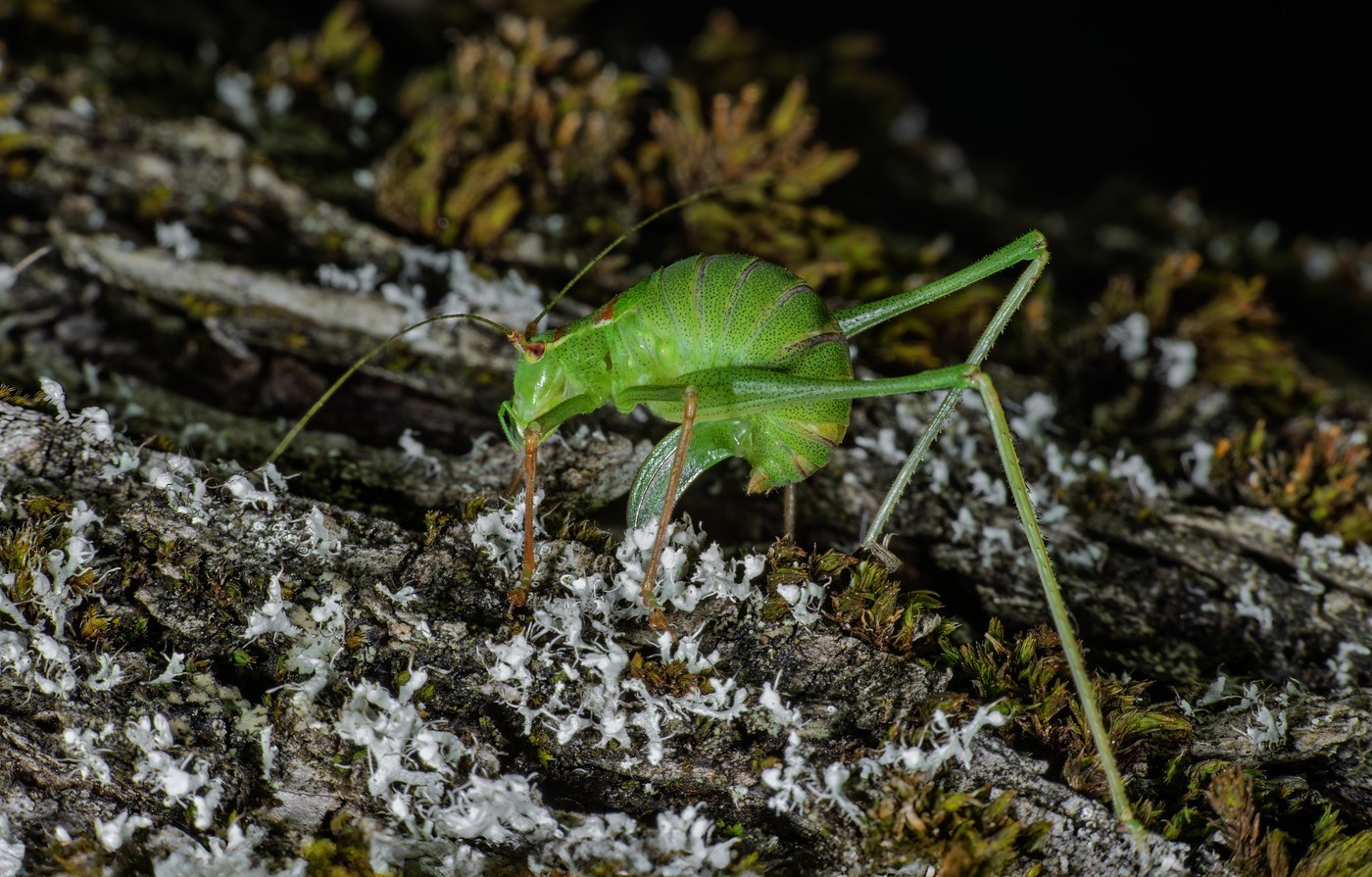
Speckled Bush Cricket
Brambles, hedgerows, nettles, and shrubby vegetation
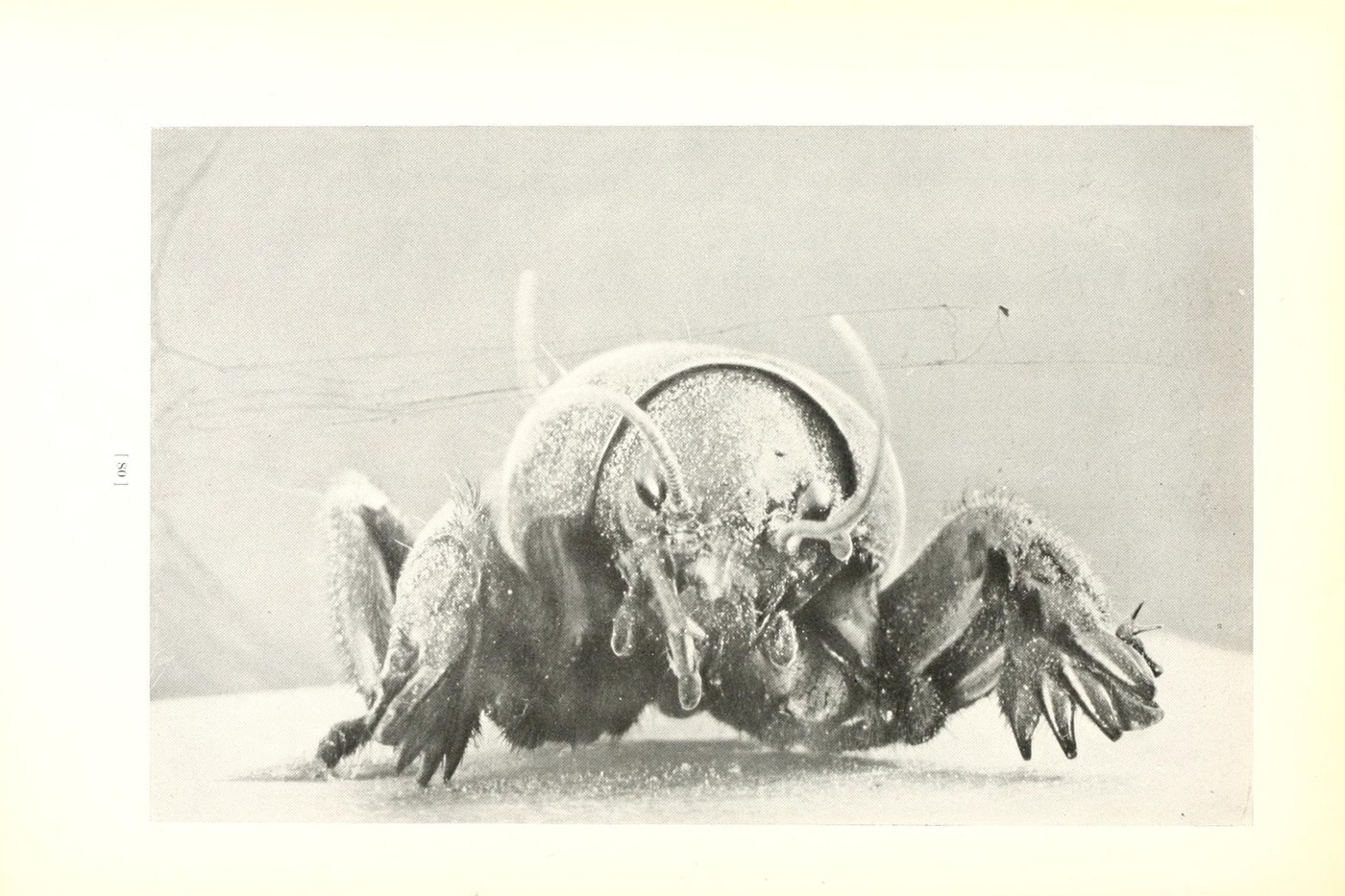
Northern Mole Cricket
wet soil, pond margins, and marshy ground across eastern and central North America