
Bug Encyclopedia
Search and identify bugs & insects — beetles, butterflies, moths, ants, bees, spiders and more — with size, habitat, danger, behavior, and how to tell them apart.
Fire Ant Queen
The reproductive powerhouse of a fire ant colony, noticeably larger than the reddish worker ants and equipped with wings before she sheds them to found a new nest.
ant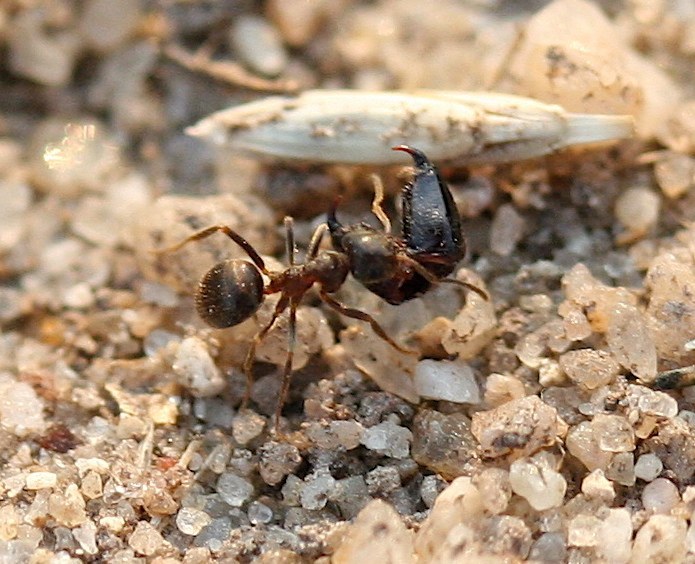
Black Garden Ant
A familiar small, glossy black ant that forms visible foraging trails across patios and garden paths and nests beneath stones, pavers, and lawns.
antAntlion
An insect best known for its larval stage, the doodlebug, which digs a small conical pit trap in loose sand to ambush unwary ants, while the winged adult resembles a slender, delicate damselfly.
other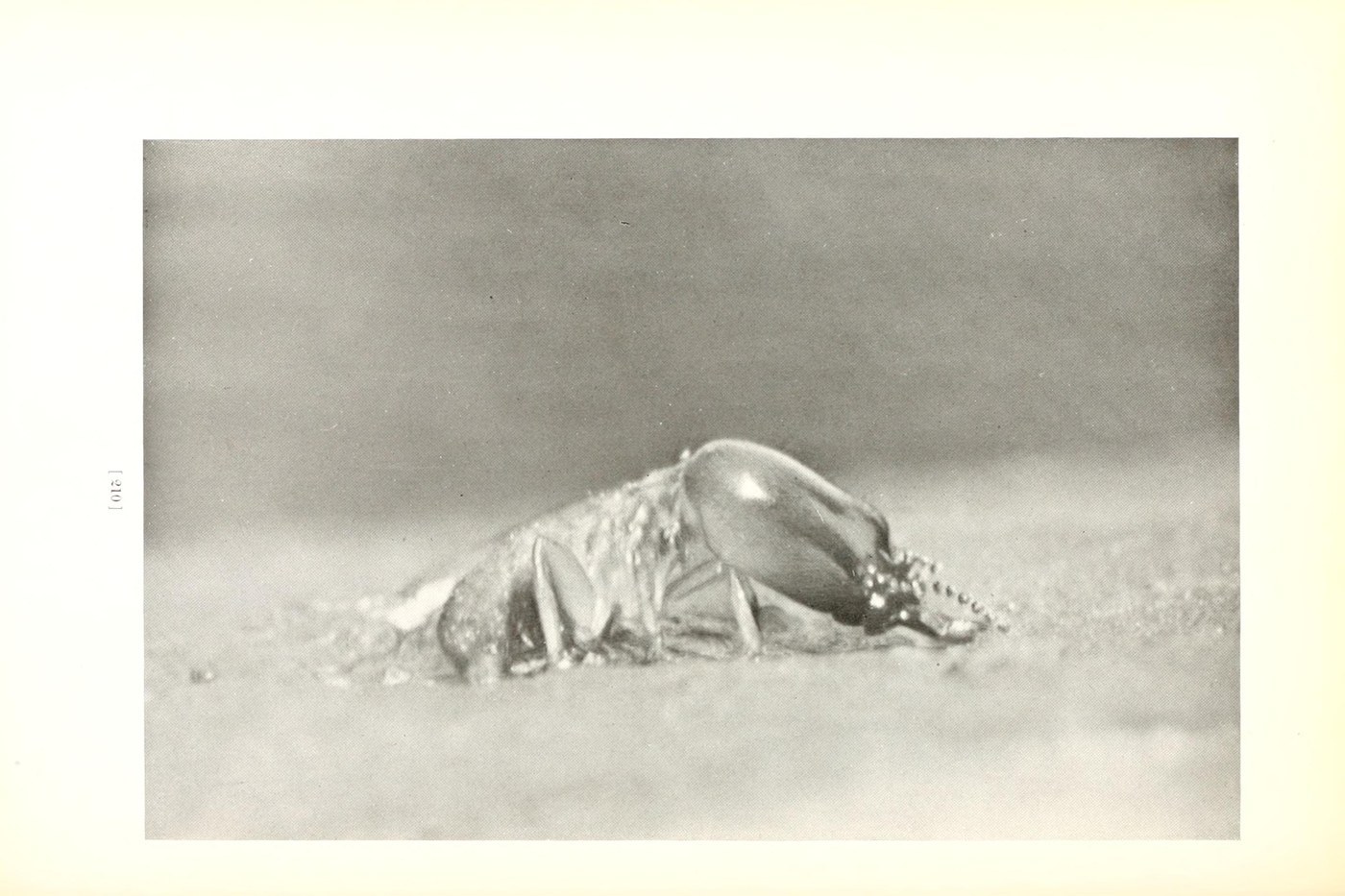
Termite
A pale, soft-bodied social insect that lives in hidden colonies and feeds on cellulose in wood and plant debris, often mistaken for an ant despite belonging to an entirely different insect order.
other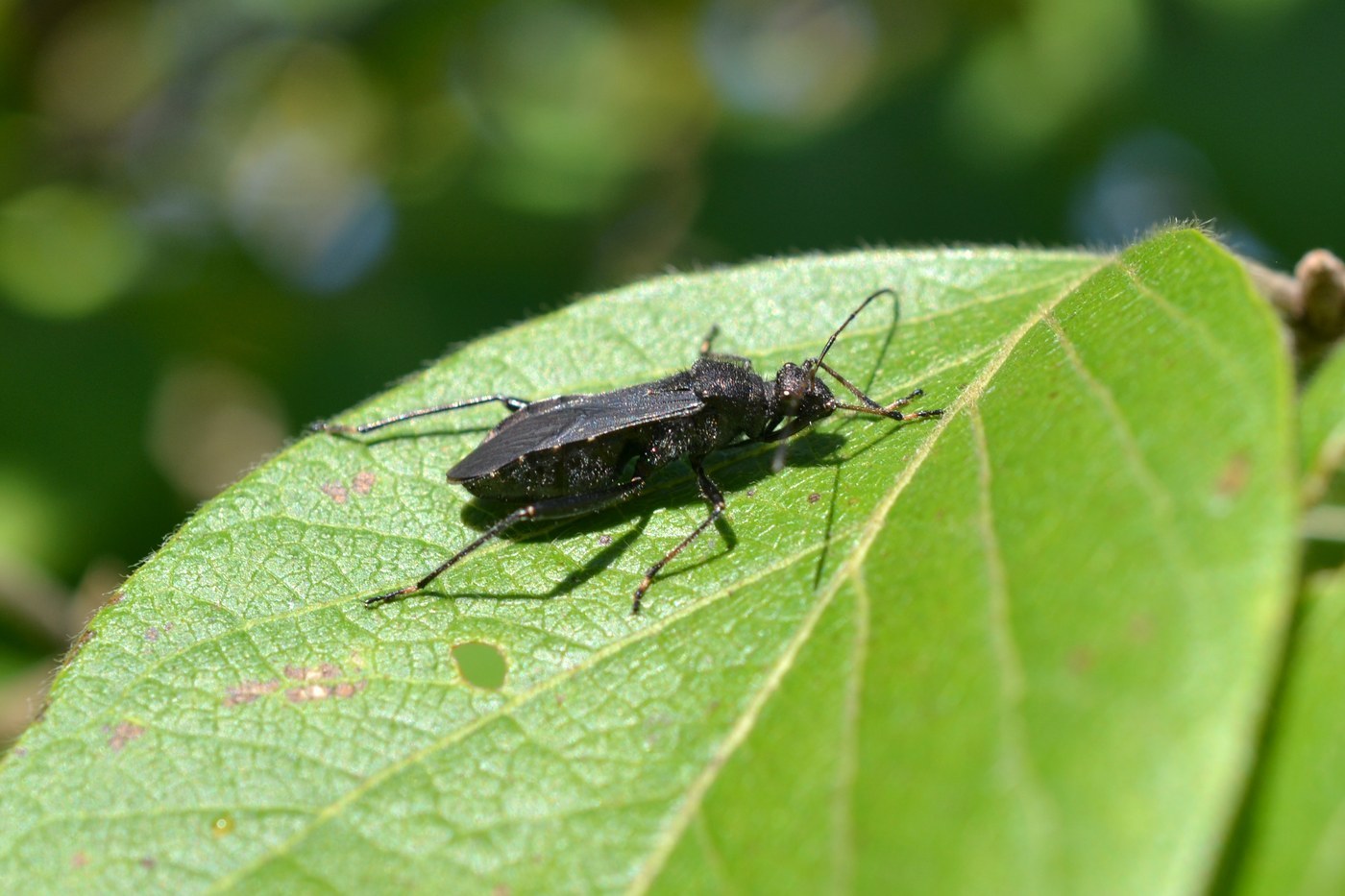
Broad-Headed Bug
A slender, dark true bug with a notably wide head, whose nymphs are remarkable ant mimics that scurry among leaf litter before maturing into fliers that resemble small leaf-footed bugs.
true-bug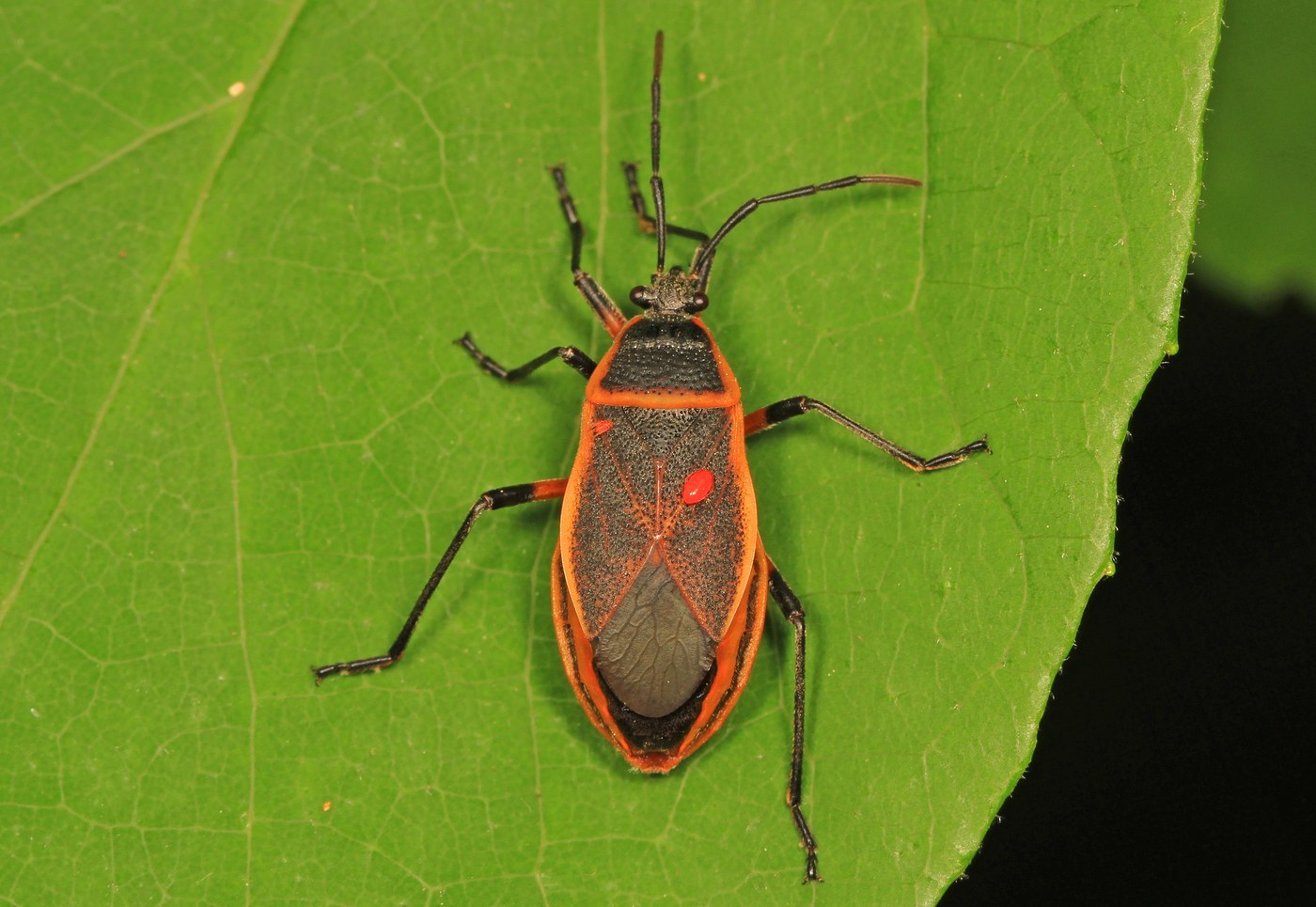
Bordered Plant Bug
A dark, oval-bodied true bug with a distinct pale margin around its wing edges, often mistaken for a large ant or beetle when its nymphs cluster together in tight groups.
true-bugTsetse Fly
A stout grayish-brown fly of African woodlands whose rigid, forward-jutting proboscis and scissor-folded wings set it apart from any ordinary house fly.
fly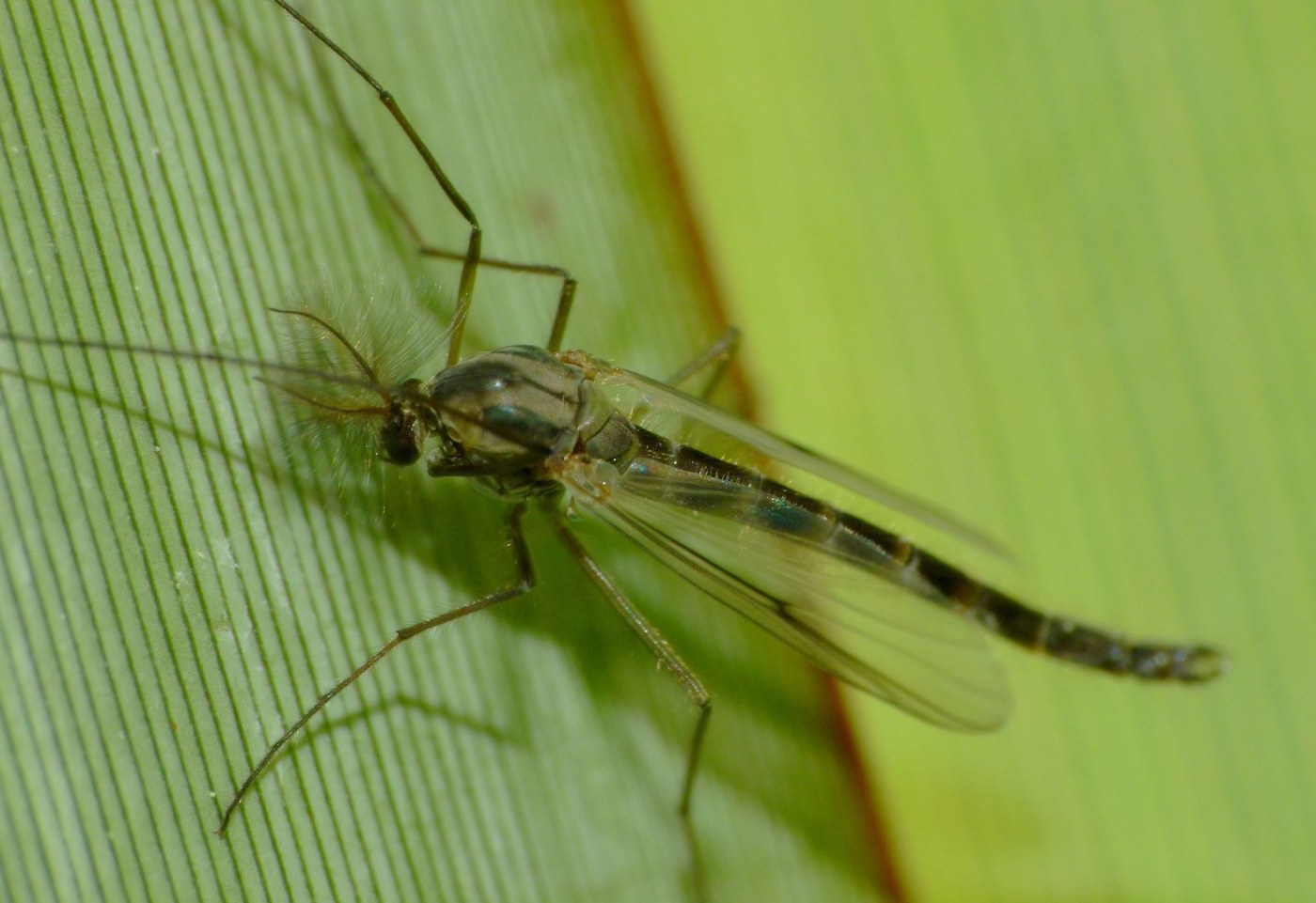
Midge
A slender, mosquito-like fly that forms dense swarms near water at dusk, easily mistaken for a mosquito but lacking any biting mouthparts.
fly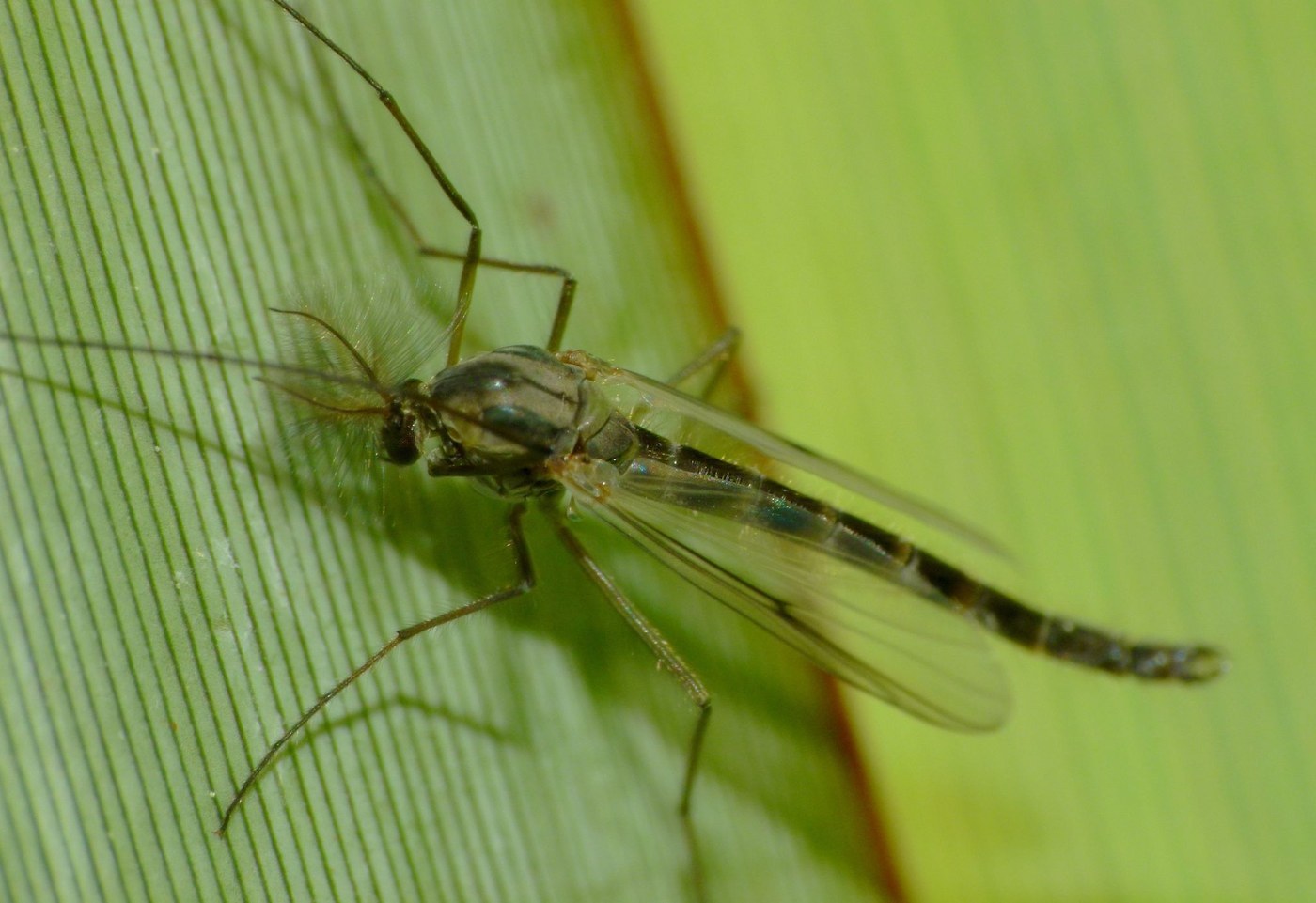
Non-Biting Midge
A mosquito look-alike that gathers by the thousands in swirling mating swarms near lakes and ponds, despite lacking any ability to bite.
fly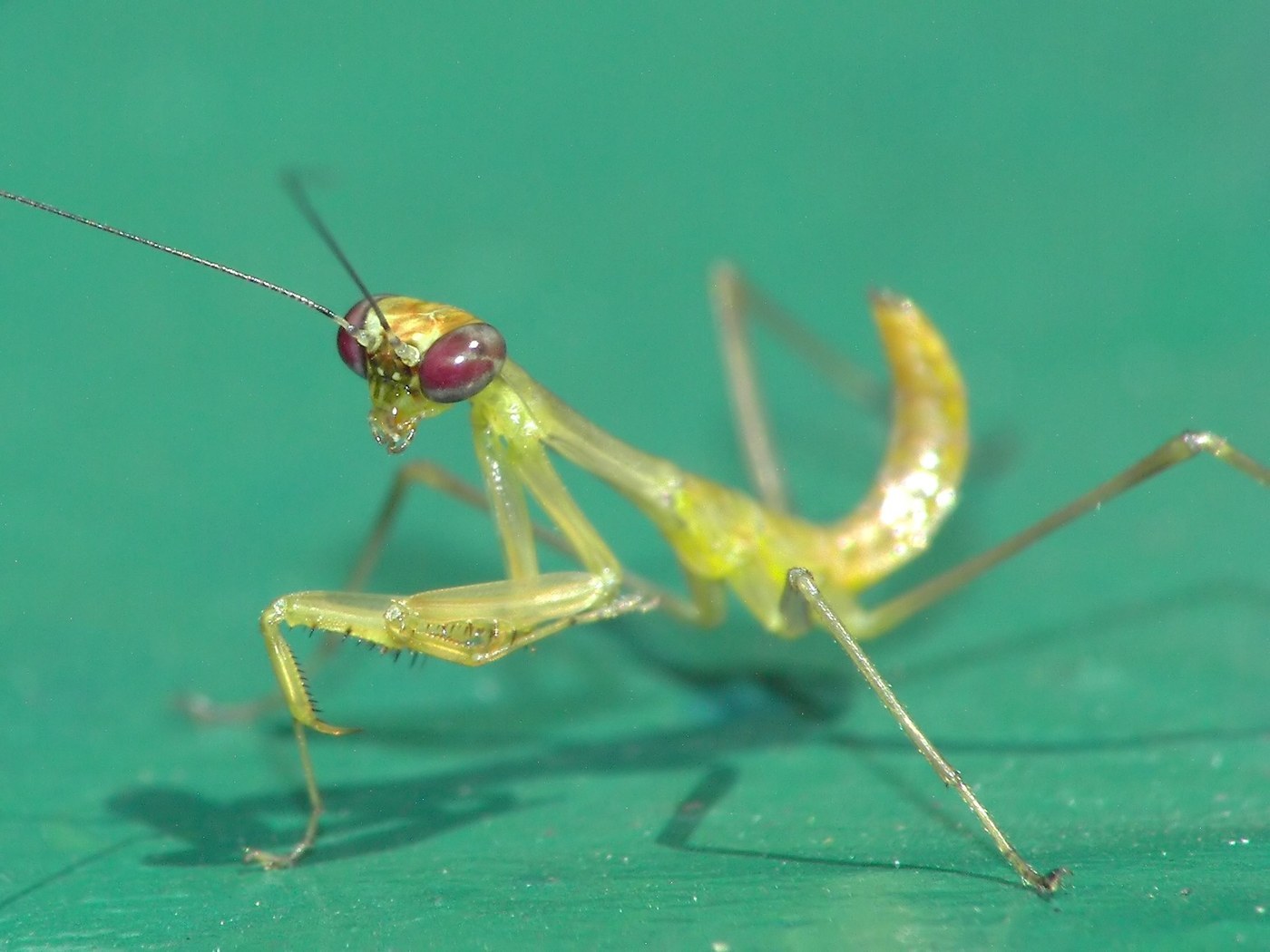
Giant Asian Mantis
A bulky, leaf-green predator that sits patiently among foliage, its powerful spined forelegs poised to snatch any insect that strays too close.
mantis-stick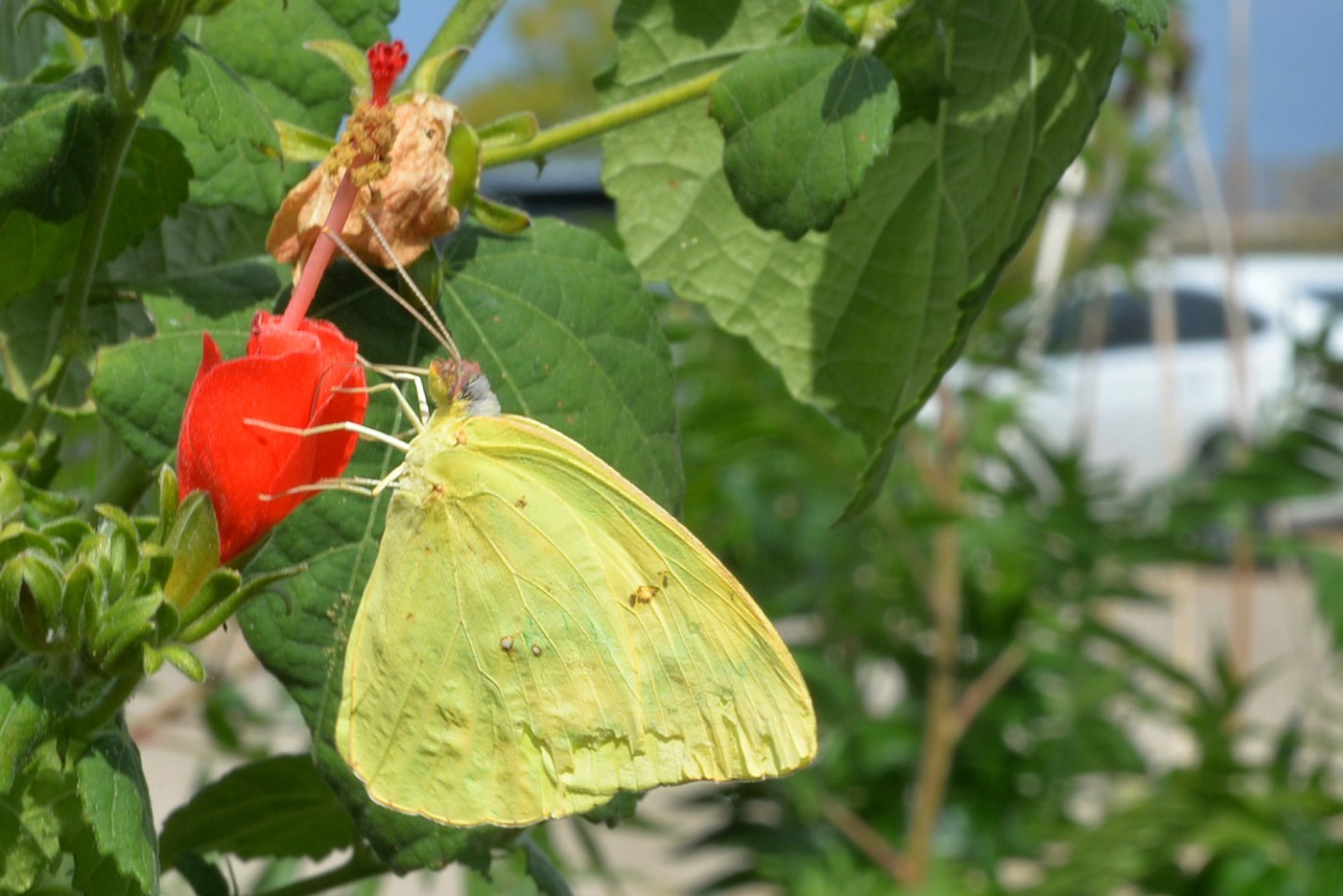
Cloudless Sulphur
A large, bright lemon-yellow butterfly that flies with strong, direct wingbeats and rarely shows any dark markings, giving it an almost uniformly 'cloudless' appearance.
butterflyIchneumon Wasp
A slender, long-antennaed parasitoid wasp, often mistaken for a giant mosquito or a stinging insect, that is best known for the extraordinarily long ovipositor some species use to drill into wood and lay eggs on hidden larvae.
waspIronclad Beetle
A slow-moving, mottled gray beetle famed for having one of the hardest, most crush-resistant exoskeletons of any insect, often found clinging motionless to dead wood or tree bark.
beetle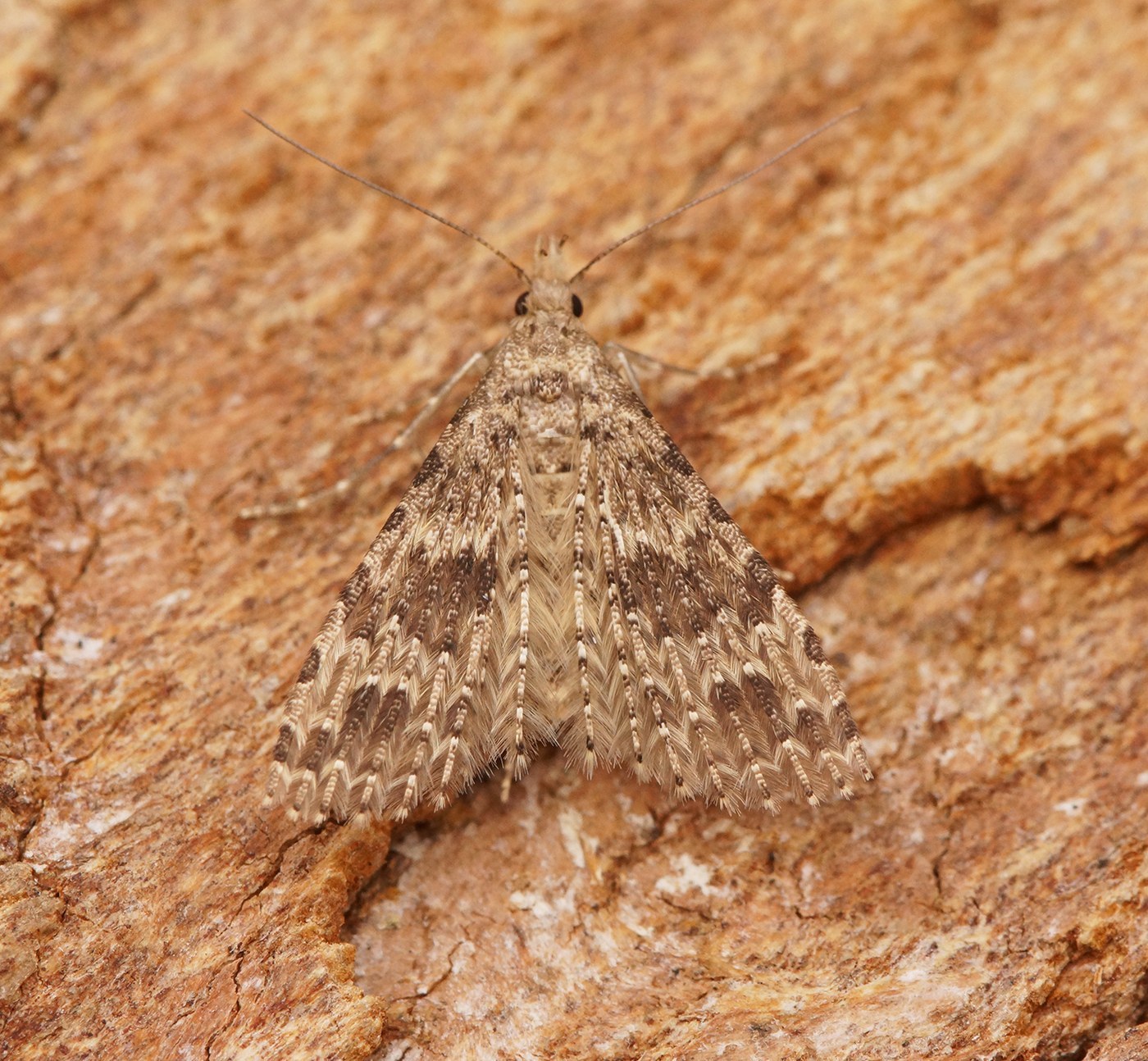
Twenty-plume Moth
A tiny, unusual moth whose wings are each divided into numerous slender, feather-like plumes rather than solid membranes, giving it a delicate, fringed appearance unlike almost any other moth.
moth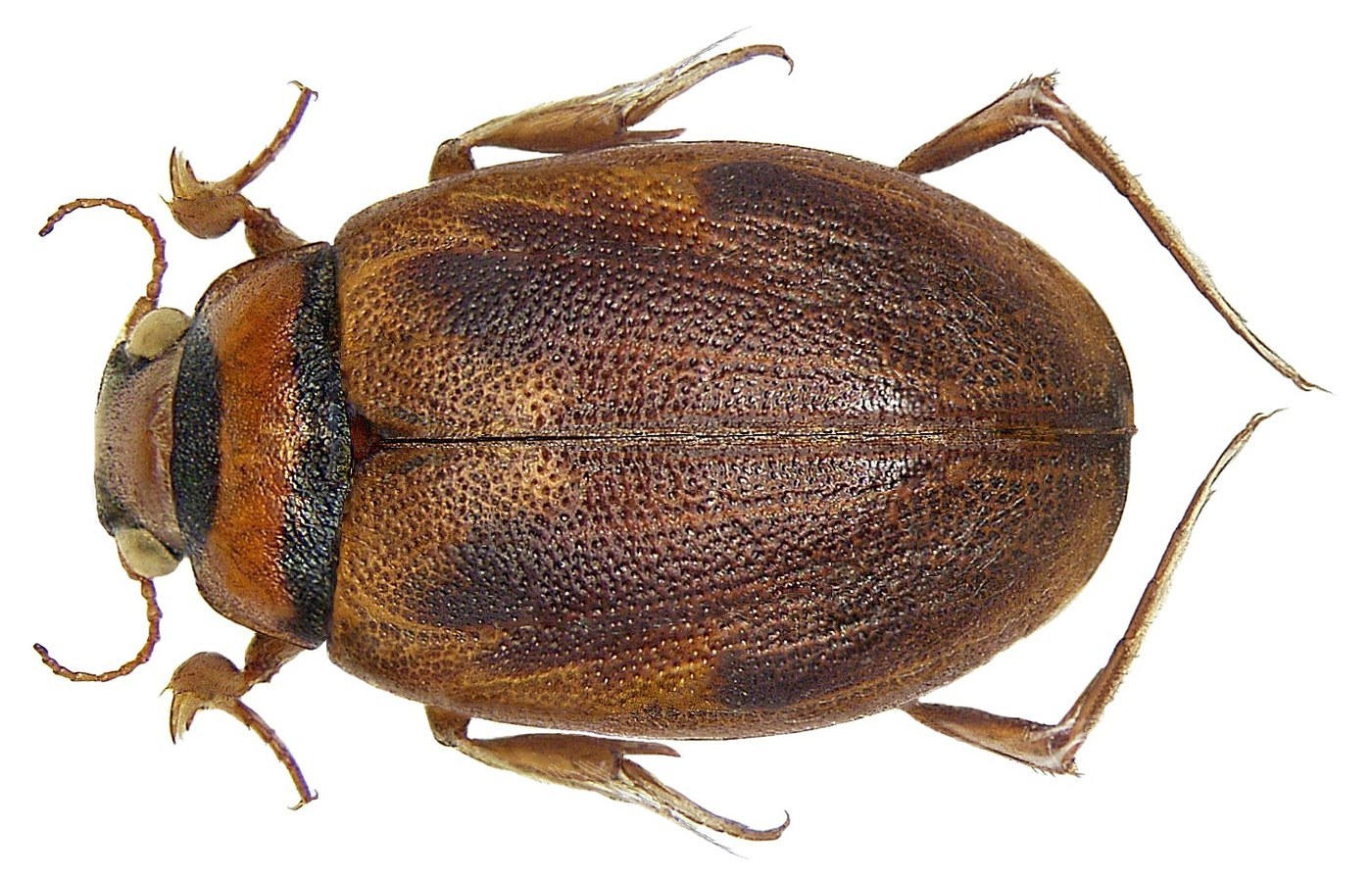
Screech Beetle
This small, oval water beetle earns its name from the loud squeak it produces when picked up, a sound made by rubbing internal body parts together rather than by any vocal organ.
beetleCone-headed Katydid
A large, grass-colored katydid named for its sharply pointed, cone-shaped head, best known for producing some of the loudest, most sustained buzzing calls of any North American insect.
grasshopper-cricket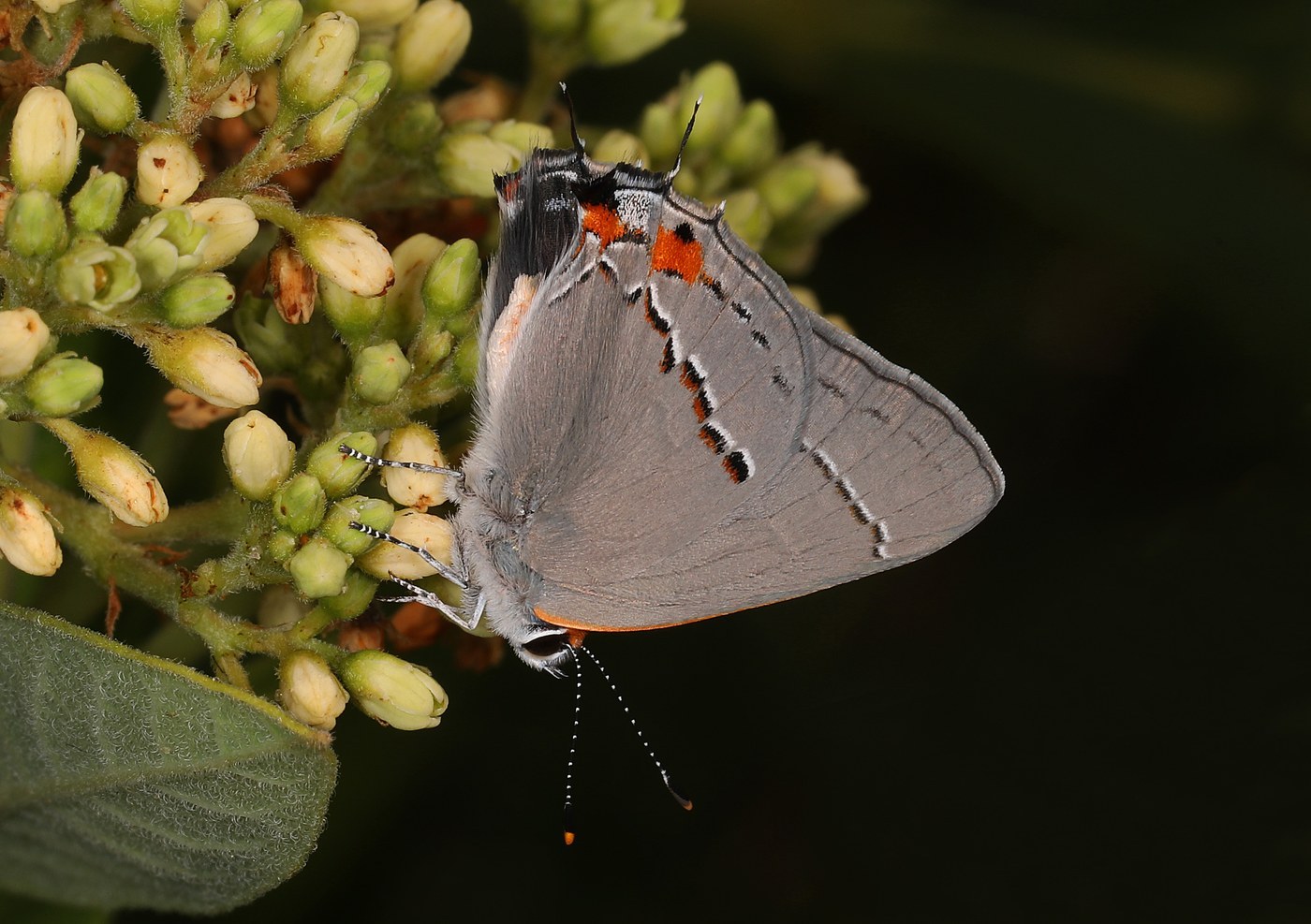
Gray Hairstreak
A small slate-gray butterfly with thin white lines, an orange-capped black spot near the hindwing tail, and one of the broadest host-plant ranges of any North American butterfly, making it a familiar visitor to gardens and fields alike.
butterfly