
Bug Encyclopedia
Search and identify bugs & insects — beetles, butterflies, moths, ants, bees, spiders and more — with size, habitat, danger, behavior, and how to tell them apart.
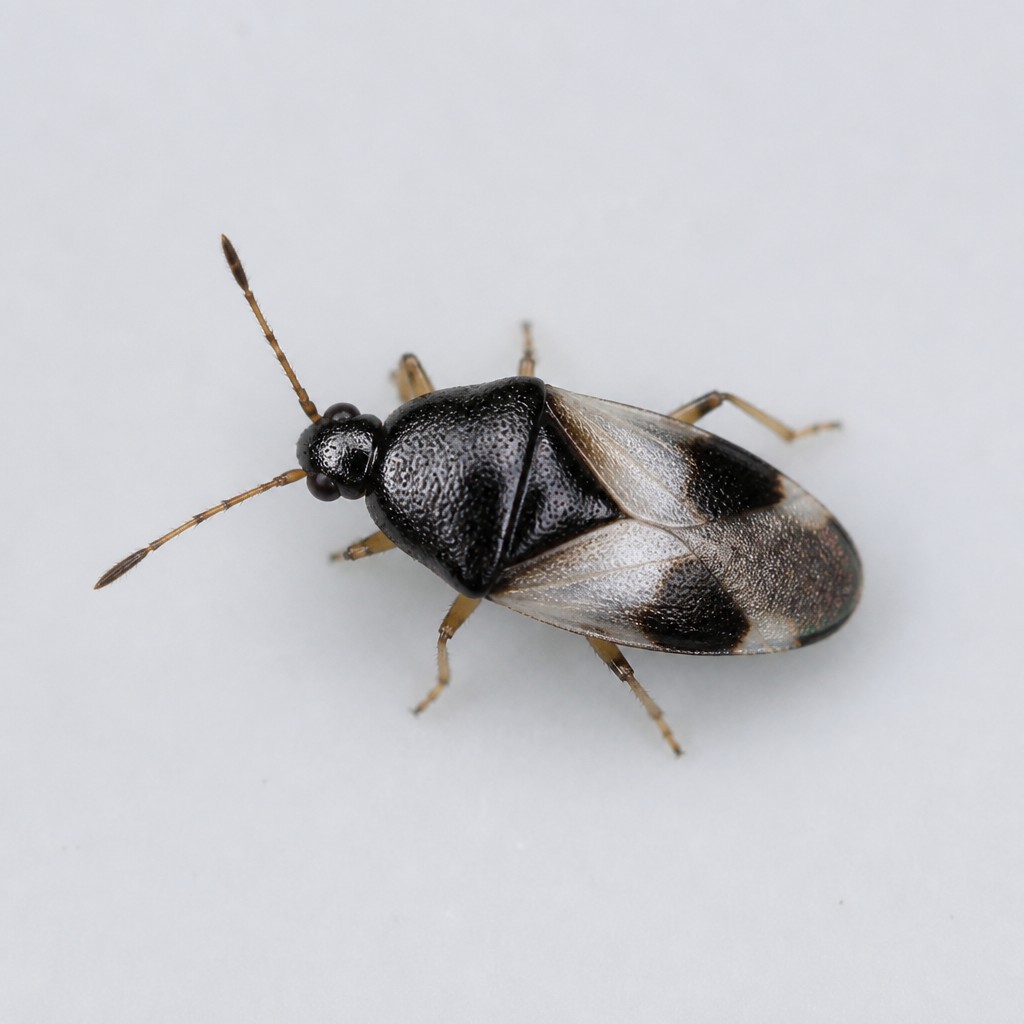
Minute Pirate Bug
A tiny, black-and-white patterned true bug barely visible without close inspection, the minute pirate bug is a voracious predator of thrips, mites, and insect eggs on flowers and foliage.
true-bug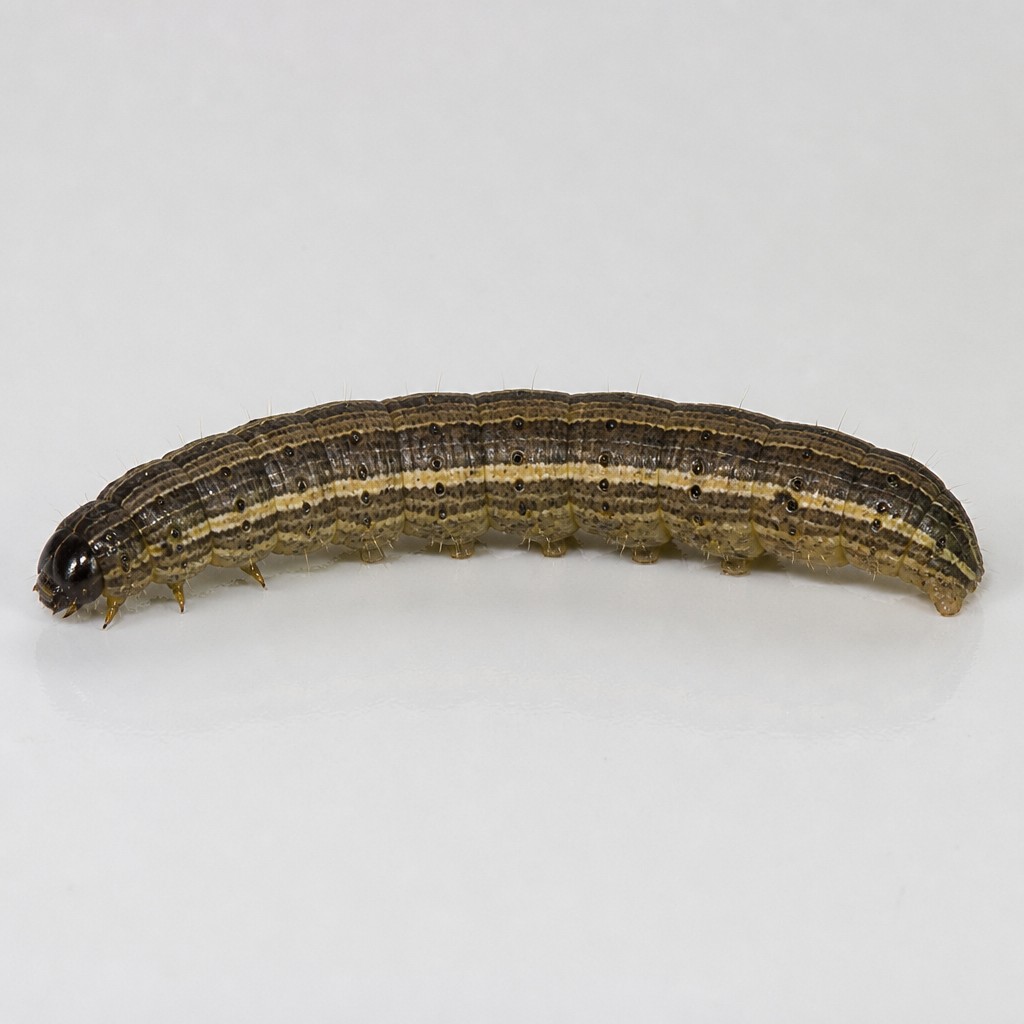
Armyworm
A striped, greenish-brown caterpillar that gets its name from its habit of migrating in dense, destructive groups across grass and grain fields.
caterpillar-larva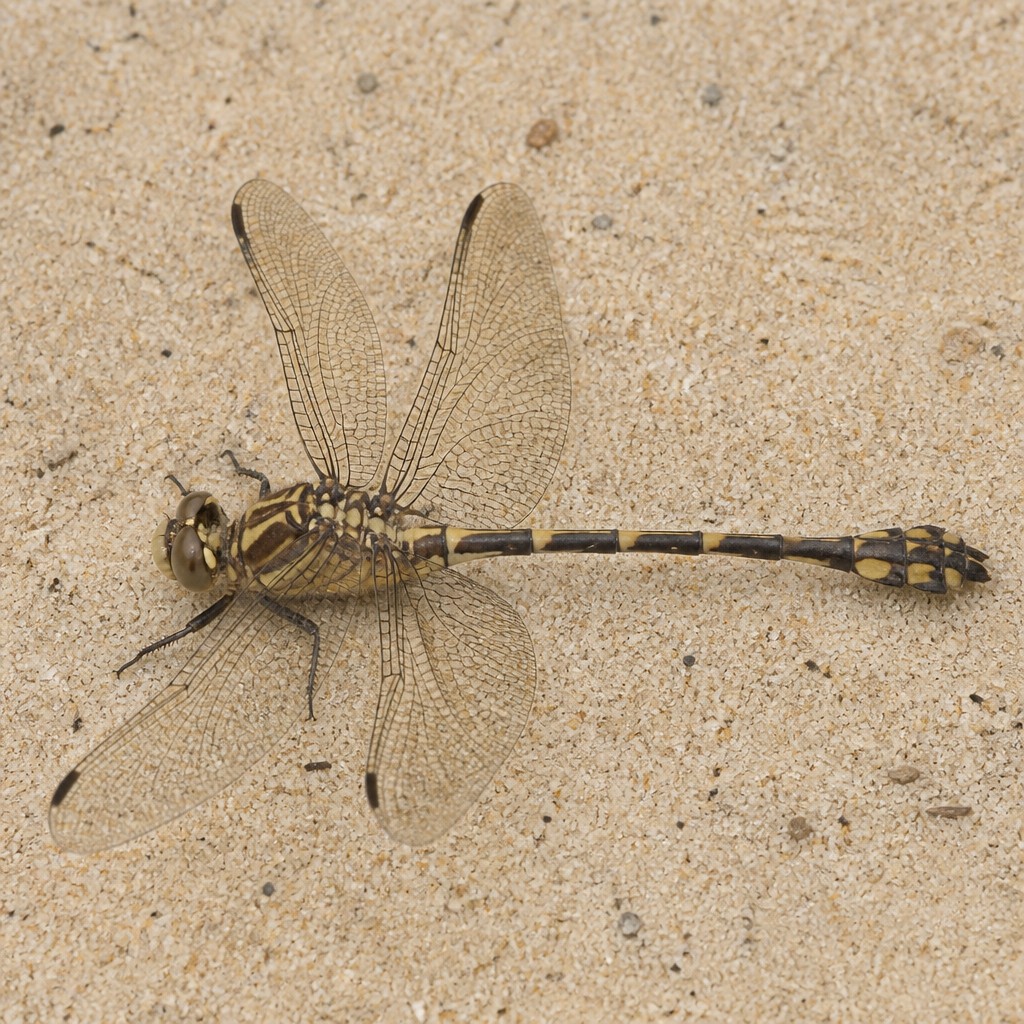
Common Sanddragon
A sand-colored clubtail dragonfly that perches flat on bare, sunlit riverbank sand, nearly vanishing against the grains around it.
dragonfly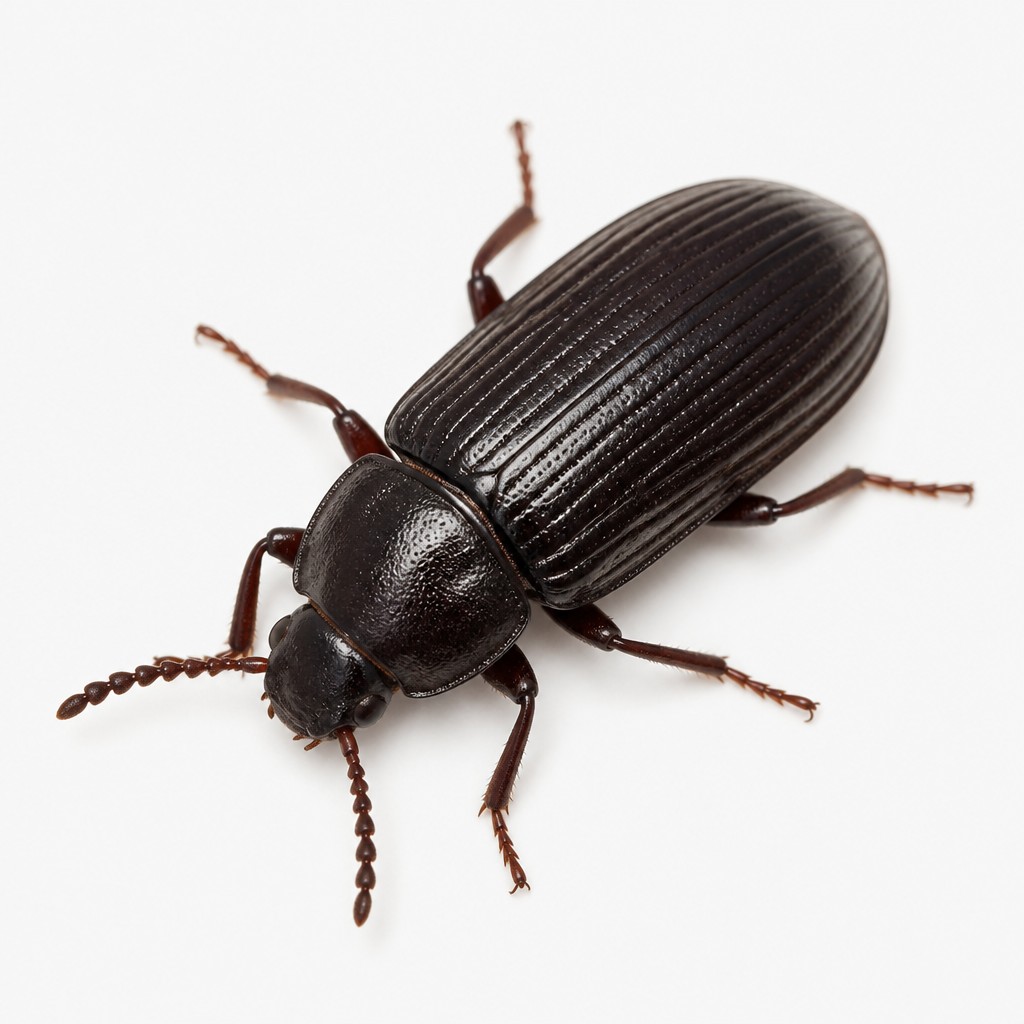
Mealworm Beetle
A shiny, oval, dark reddish-brown to nearly black beetle whose larva, the familiar 'mealworm,' is a common sight in stored grain products.
beetle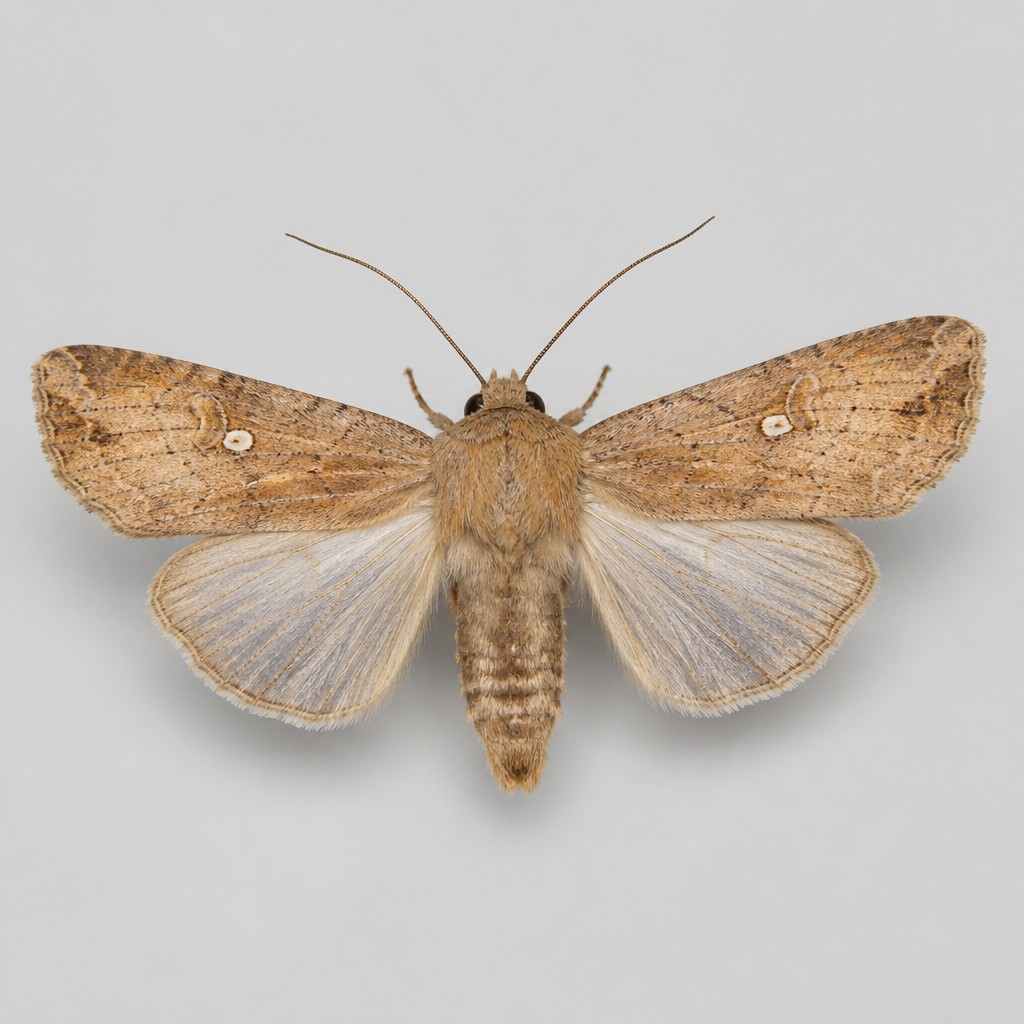
Armyworm Moth
A plain tan to reddish-brown moth whose caterpillars are famous for marching in large groups across fields, stripping grasses and grain crops as they move.
moth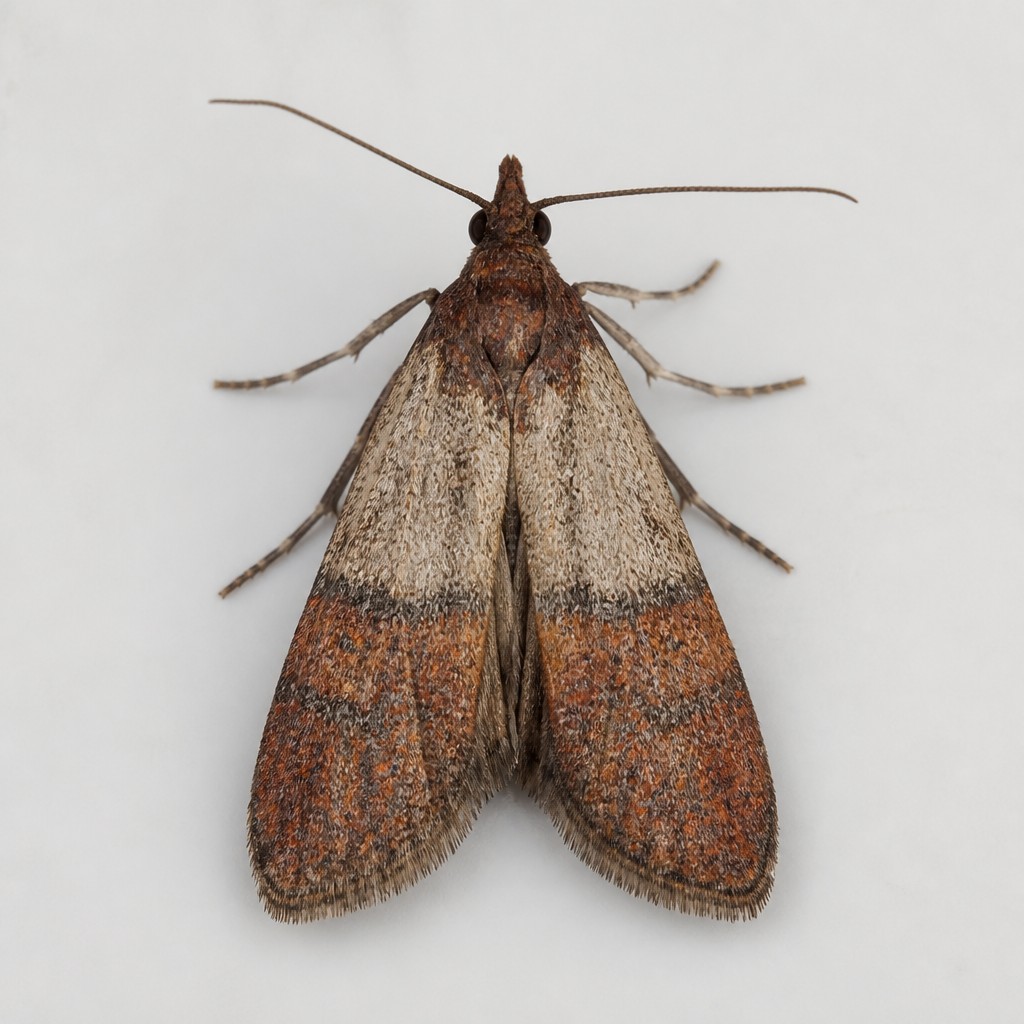
Indianmeal Moth
A small moth with two-toned, coppery-and-gray wings whose caterpillars spin silken webbing through stored grain, cereal, and dried fruit.
moth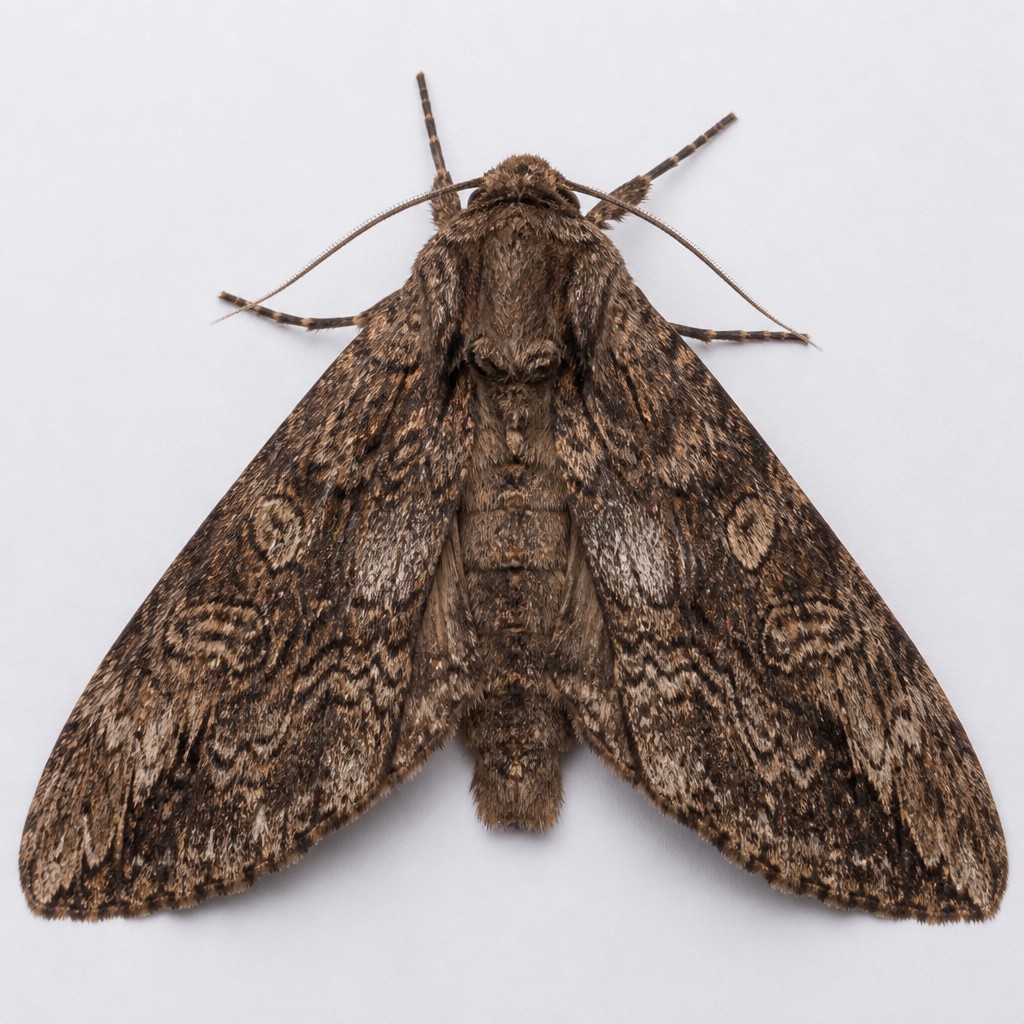
Old Lady Moth
A large, dusky brown noctuid moth with an intricate, wood-grain-like pattern of dark streaks and pale flecks across broad wings, often found resting motionless in sheds and against tree bark by day.
moth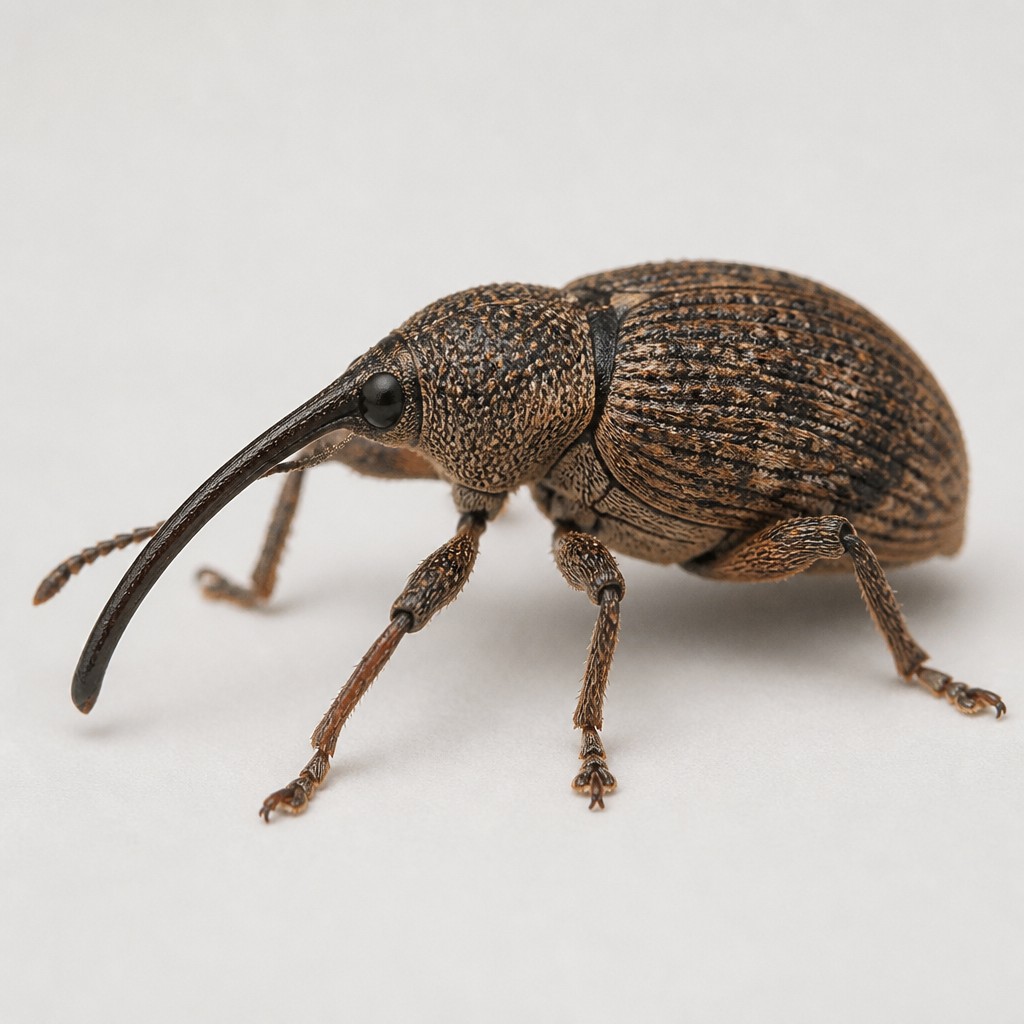
Weevil
A beetle instantly recognizable by its elongated, downward-curving snout tipped with tiny chewing mouthparts, used to bore into seeds, nuts, grain, and plant stems.
beetle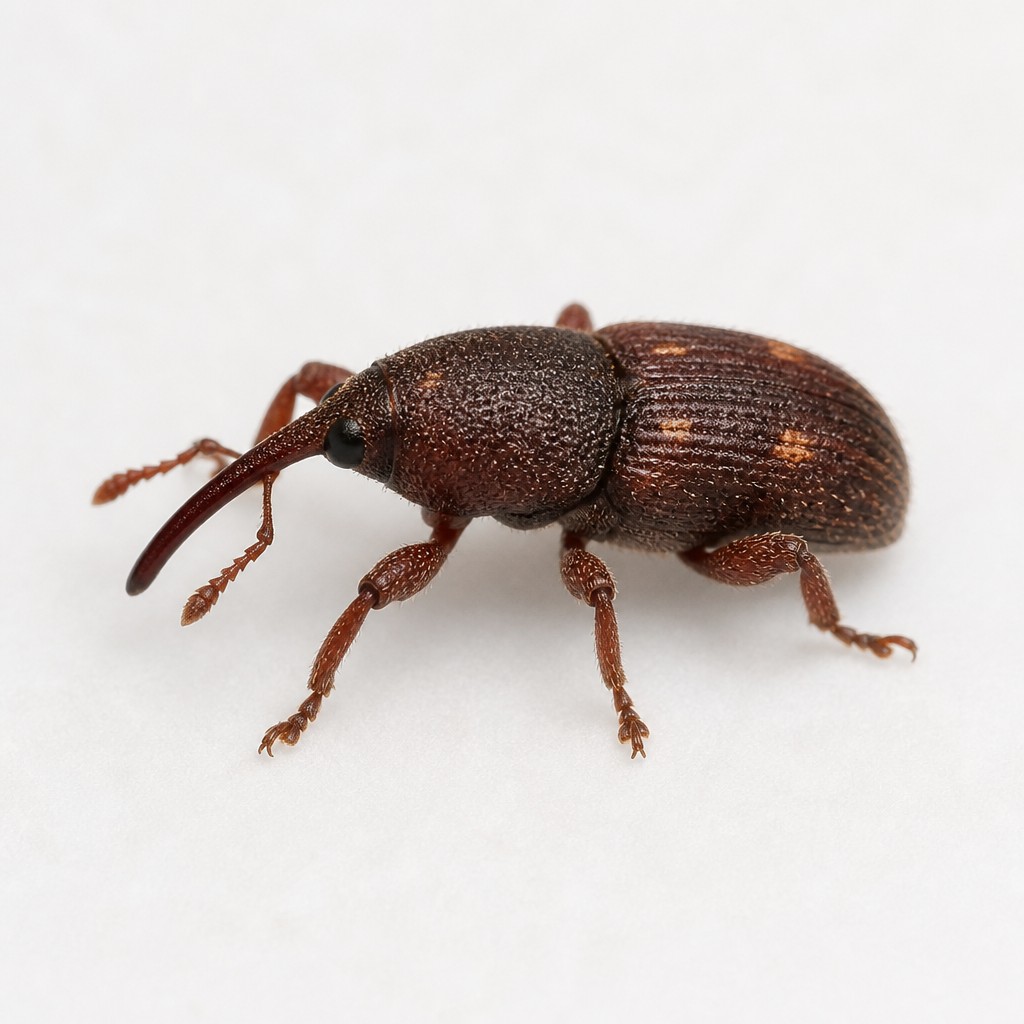
Rice Weevil
A tiny reddish-brown weevil with a long curved snout and four faint pale spots on its wing covers, commonly found infesting stored rice, wheat, and other grain products.
beetle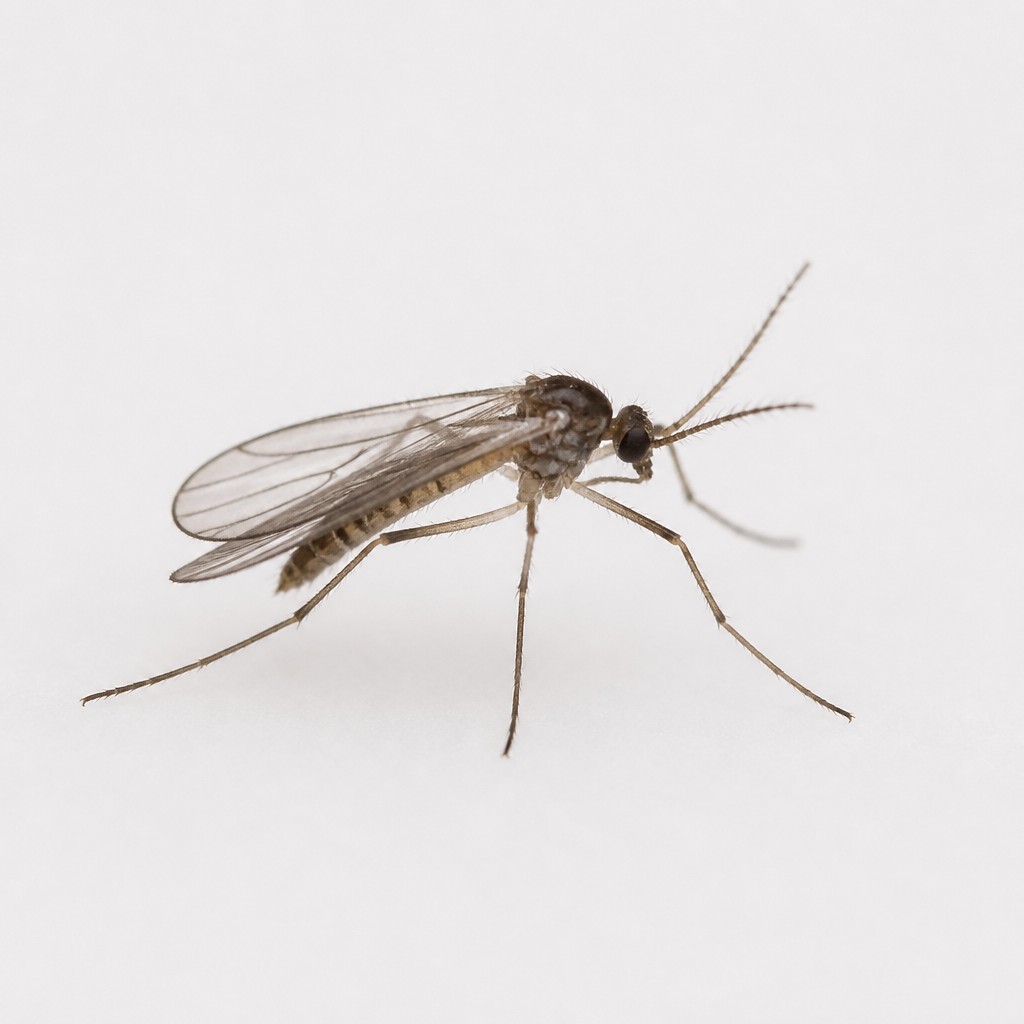
Gnat
A catch-all common name for a wide range of tiny, delicate flies, some no bigger than a grain of pepper, often seen hovering in small clouds near water, moist soil, or overripe produce.
fly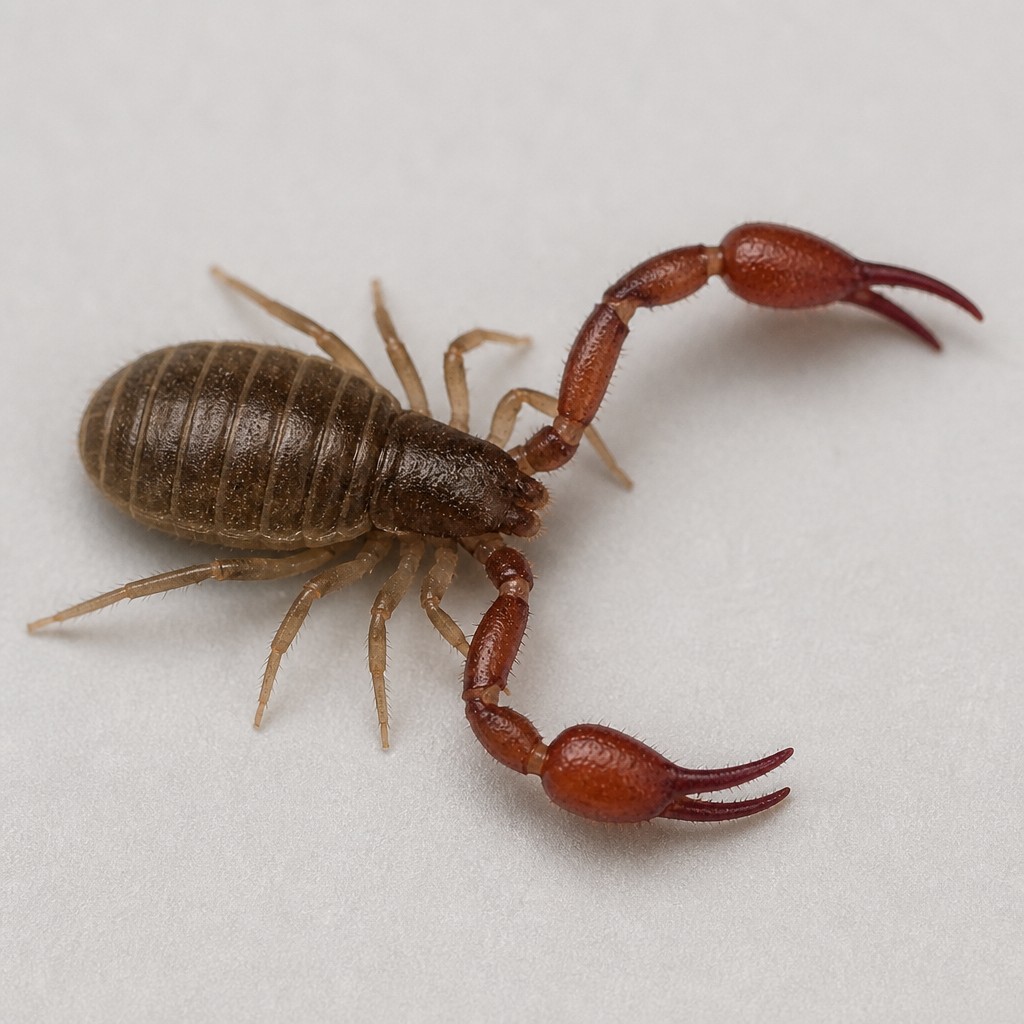
Pseudoscorpion
A tiny, tail-less relative of true scorpions, complete with a pair of oversized pincers on a body barely bigger than a grain of rice. Often overlooked entirely, it spends its life hunting even smaller arthropods in leaf litter, bark, and sometimes old books.
arachnid
Mormon Cricket
A hefty, flightless katydid whose swarms can stretch for miles across western rangelands, marching en masse in search of food and mates.
grasshopper-cricket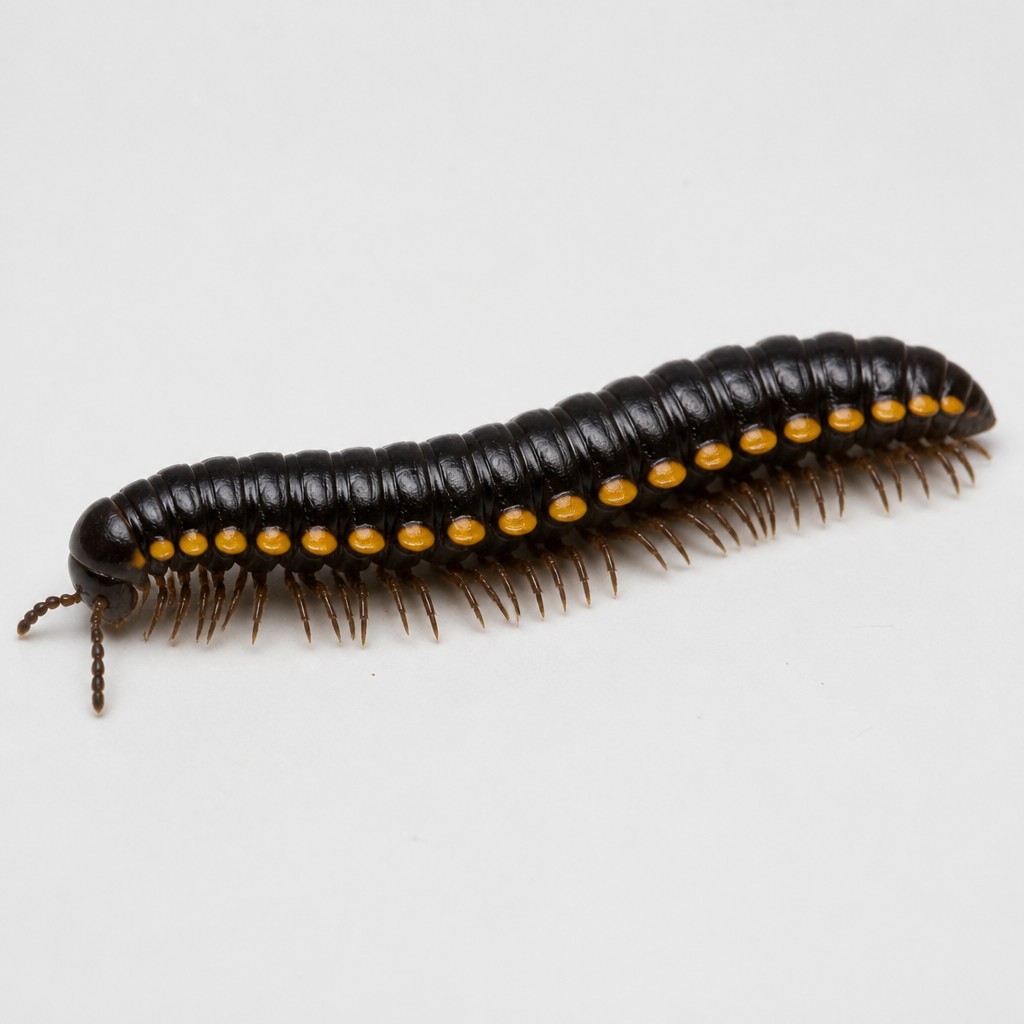
Yellow-spotted Millipede
A striking black millipede lined with bright yellow-orange spots along its flanks, one of the most recognizable invertebrates of the Pacific coast's damp forest floors.
myriapod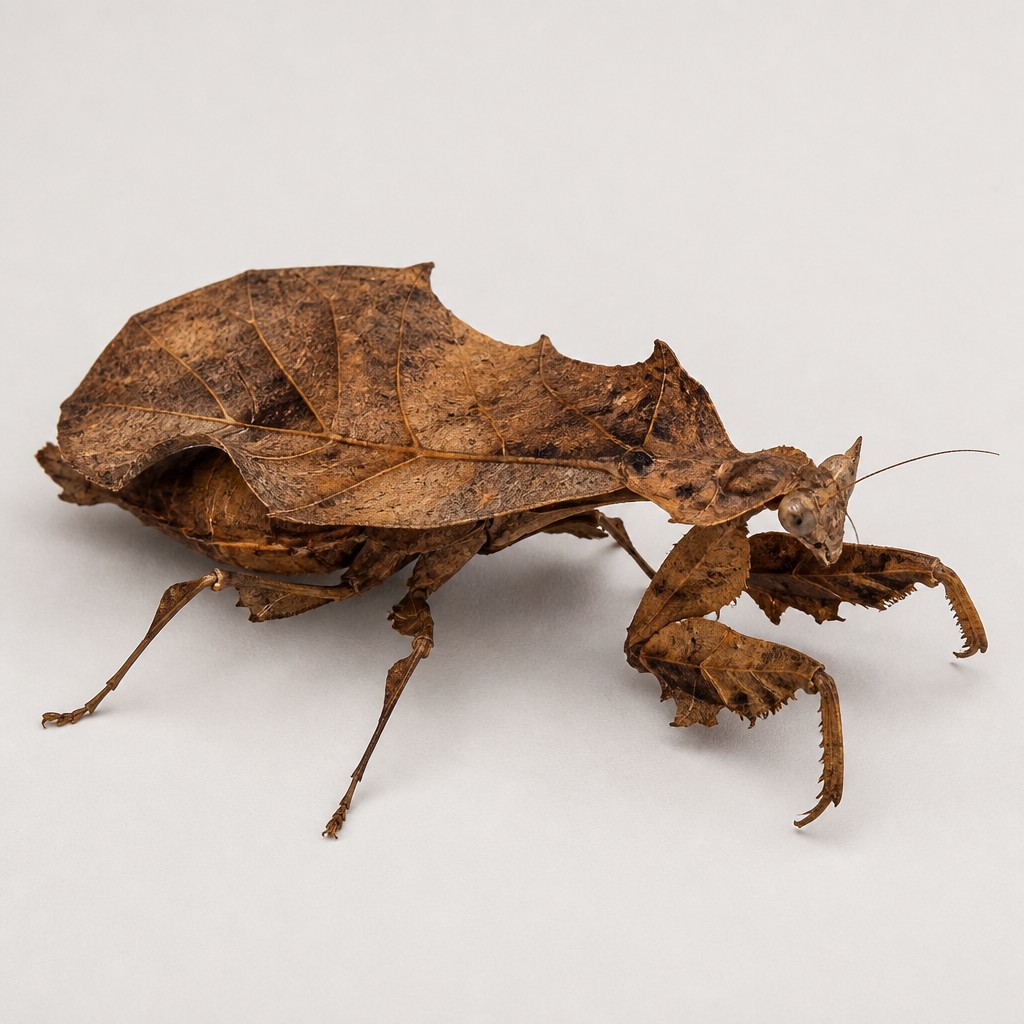
Dead Leaf Mantis
A master of disguise whose broad, curled, vein-textured body is nearly indistinguishable from a curled, decaying leaf lying on the forest floor.
mantis-stick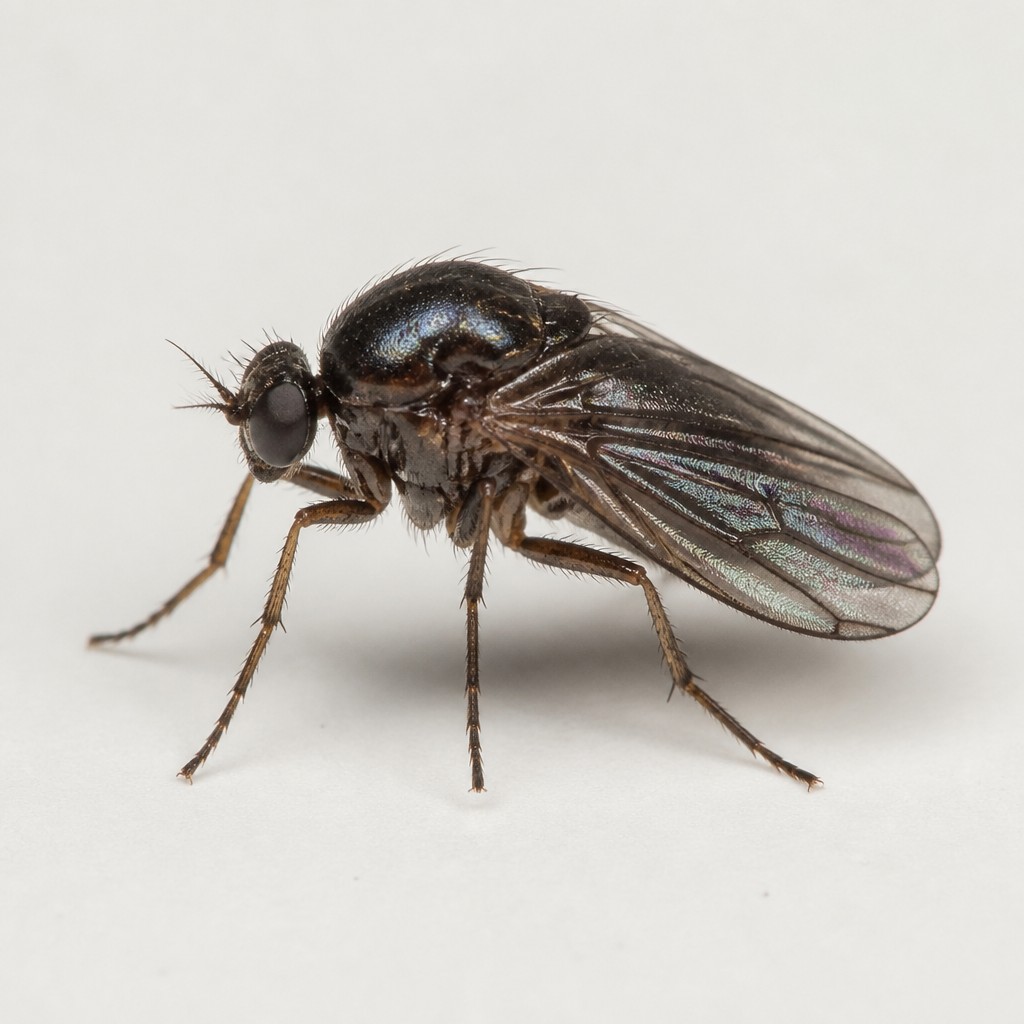
Phorid Fly
A tiny, hump-backed fly best known for scuttling erratically across countertops and floors rather than taking flight, drawn to anything rotting or moist.
fly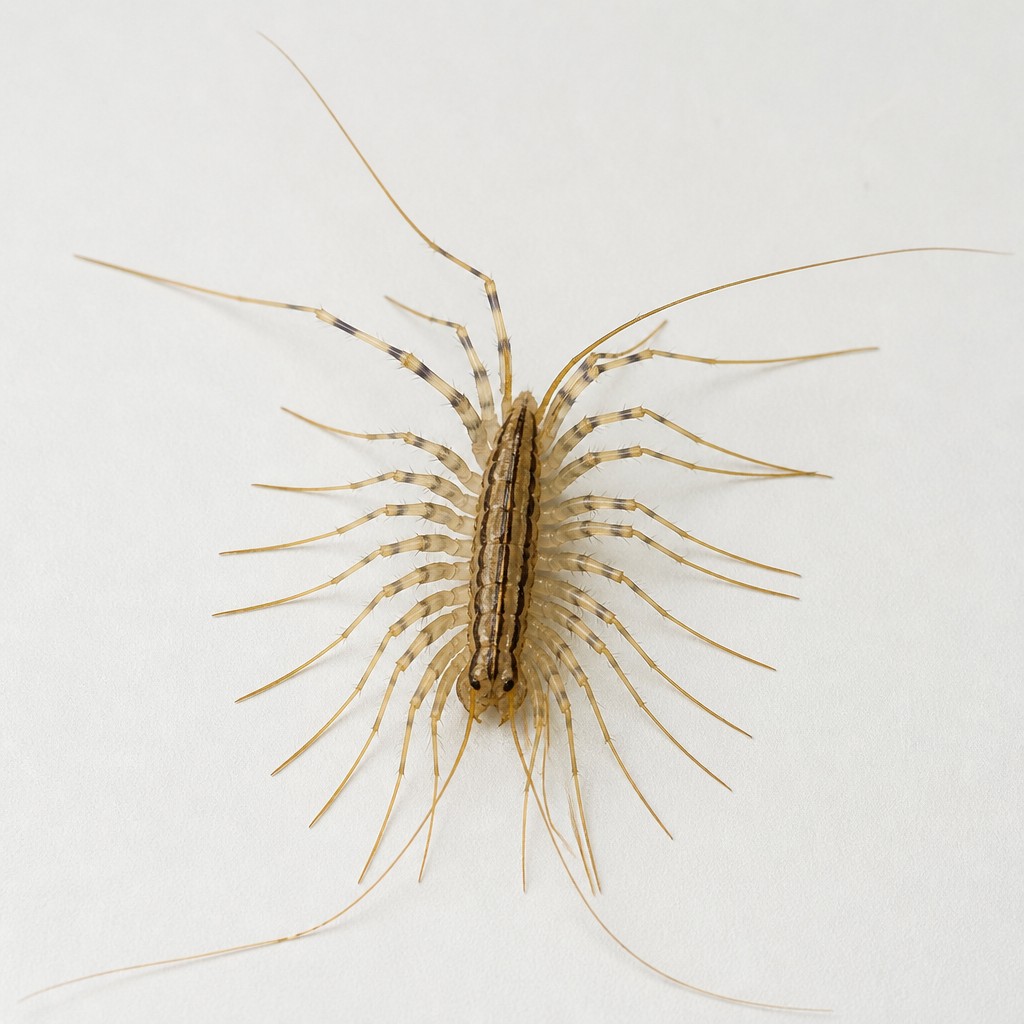
House Centipede
A fast, wiry arthropod with 15 pairs of extremely long, banded legs that make it look far bigger than its actual body size, often seen darting across bathroom or basement floors at night.
myriapod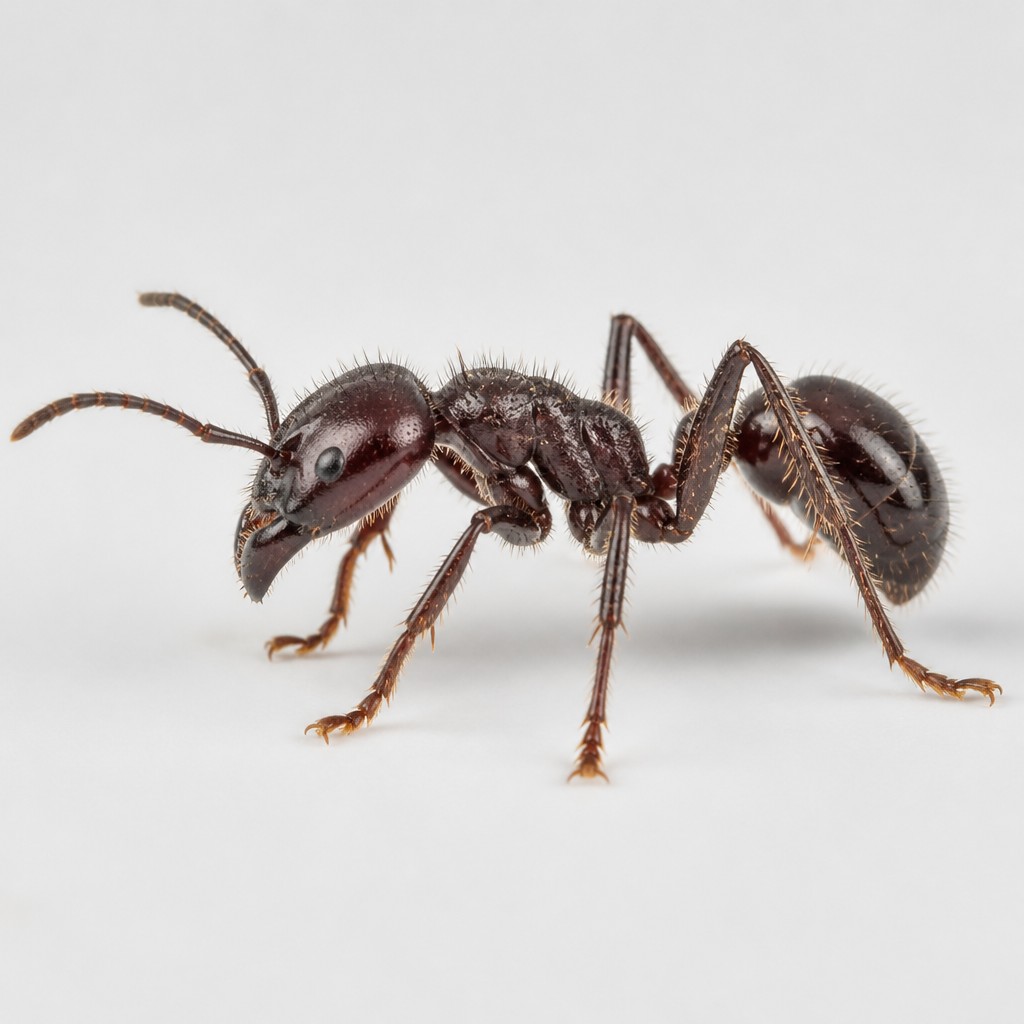
Bullet Ant
A large, glossy reddish-black rainforest ant, among the biggest ants in the world, that nests at the base of trees and forages individually along trunks and branches of the tropical canopy floor.
ant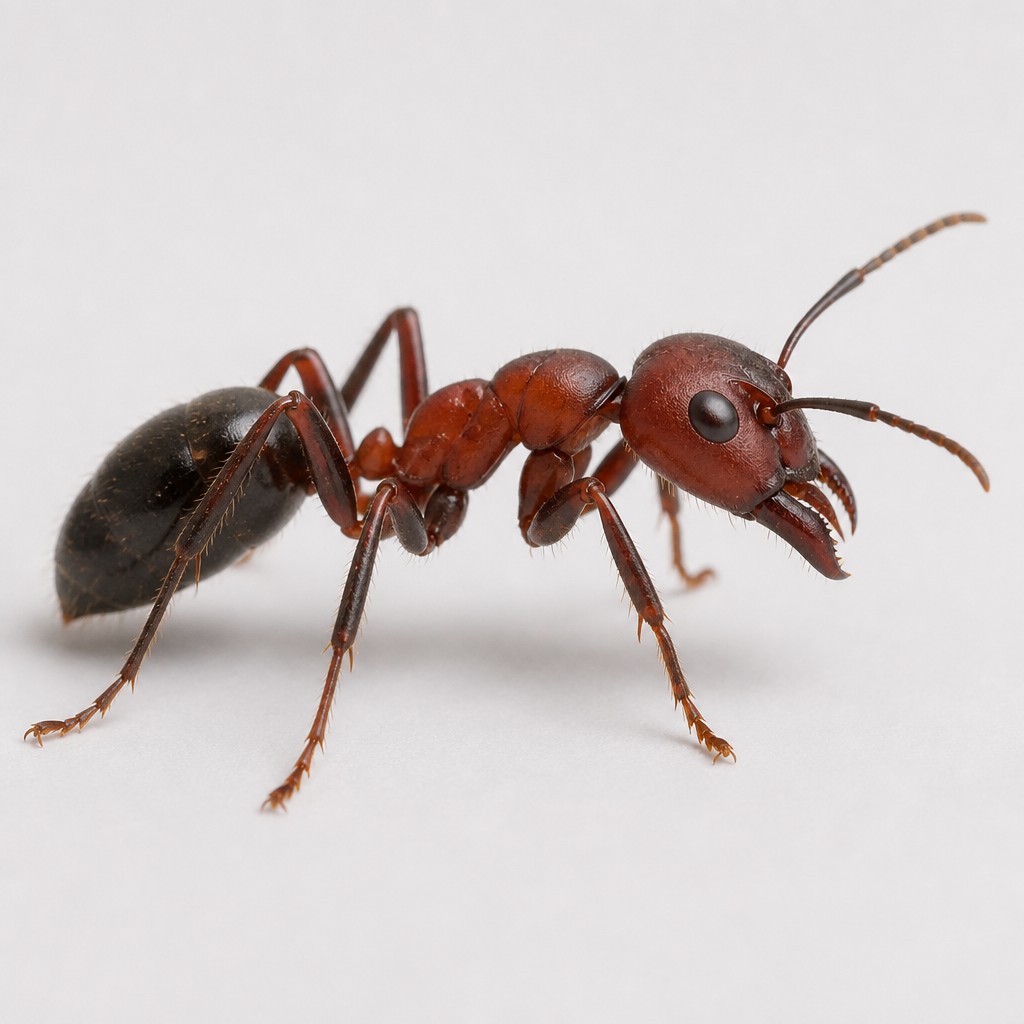
Army Ant
A nomadic predator that never builds a permanent nest, instead forming temporary living bivouacs from its own linked bodies and sweeping through the forest floor in massive predatory raids.
ant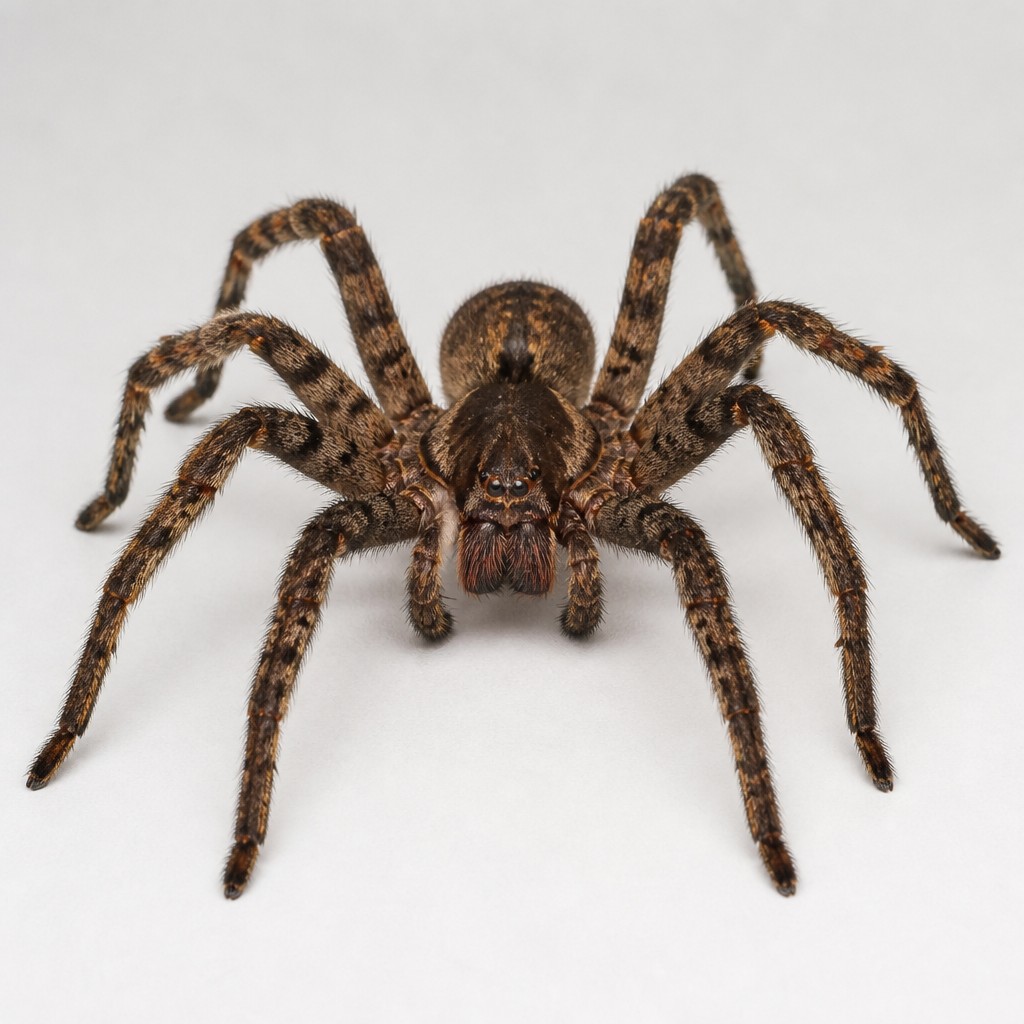
Brazilian Wandering Spider
A fast, ground-dwelling hunter of the South American rainforest floor, the Brazilian wandering spider builds no web at all, instead actively roaming at night in search of prey and occasionally turning up in shipments of bananas, which earned it a widely known nickname.
spider