
Bug Encyclopedia
Search and identify bugs & insects — beetles, butterflies, moths, ants, bees, spiders and more — with size, habitat, danger, behavior, and how to tell them apart.
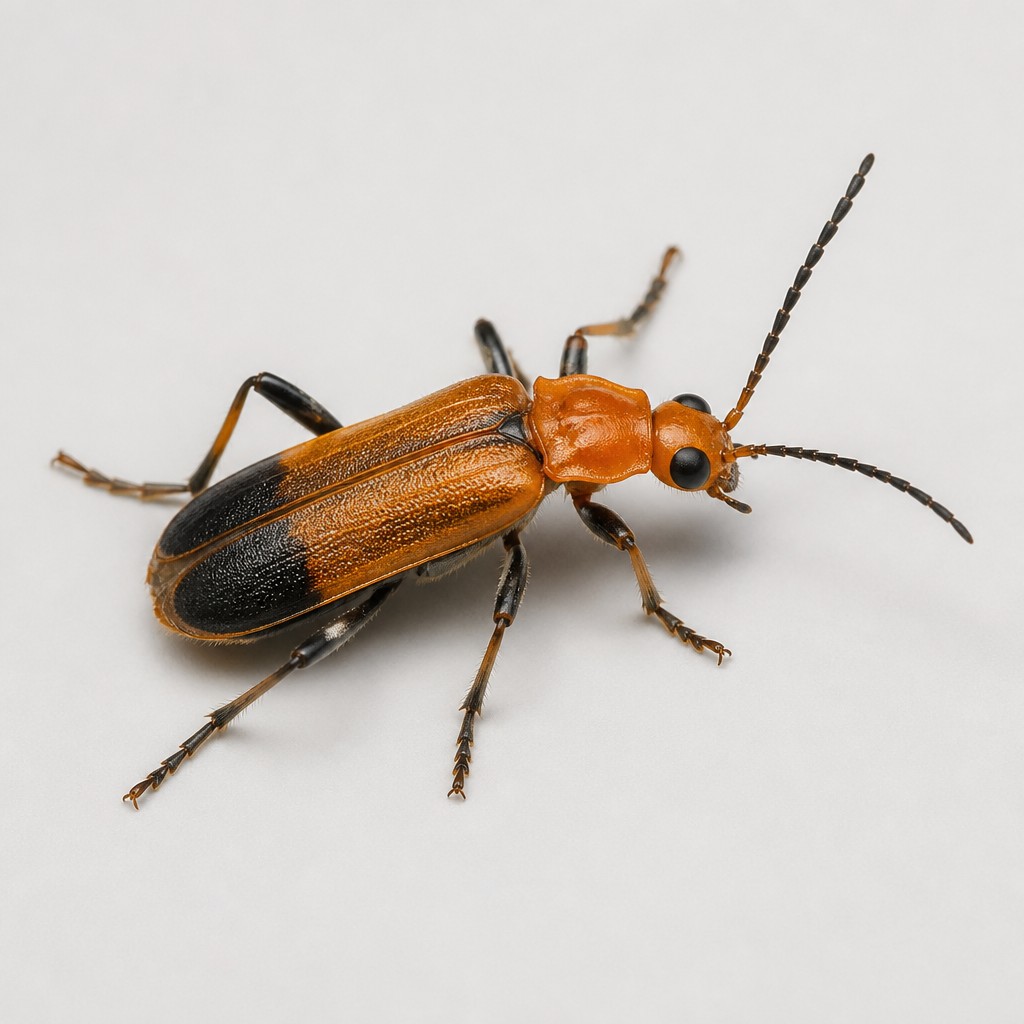
Soldier Beetle
A slender, soft-bodied beetle in orange and black or yellow and brown, often seen clustered on late-summer flowers where it feeds on pollen, nectar, and small insects.
beetle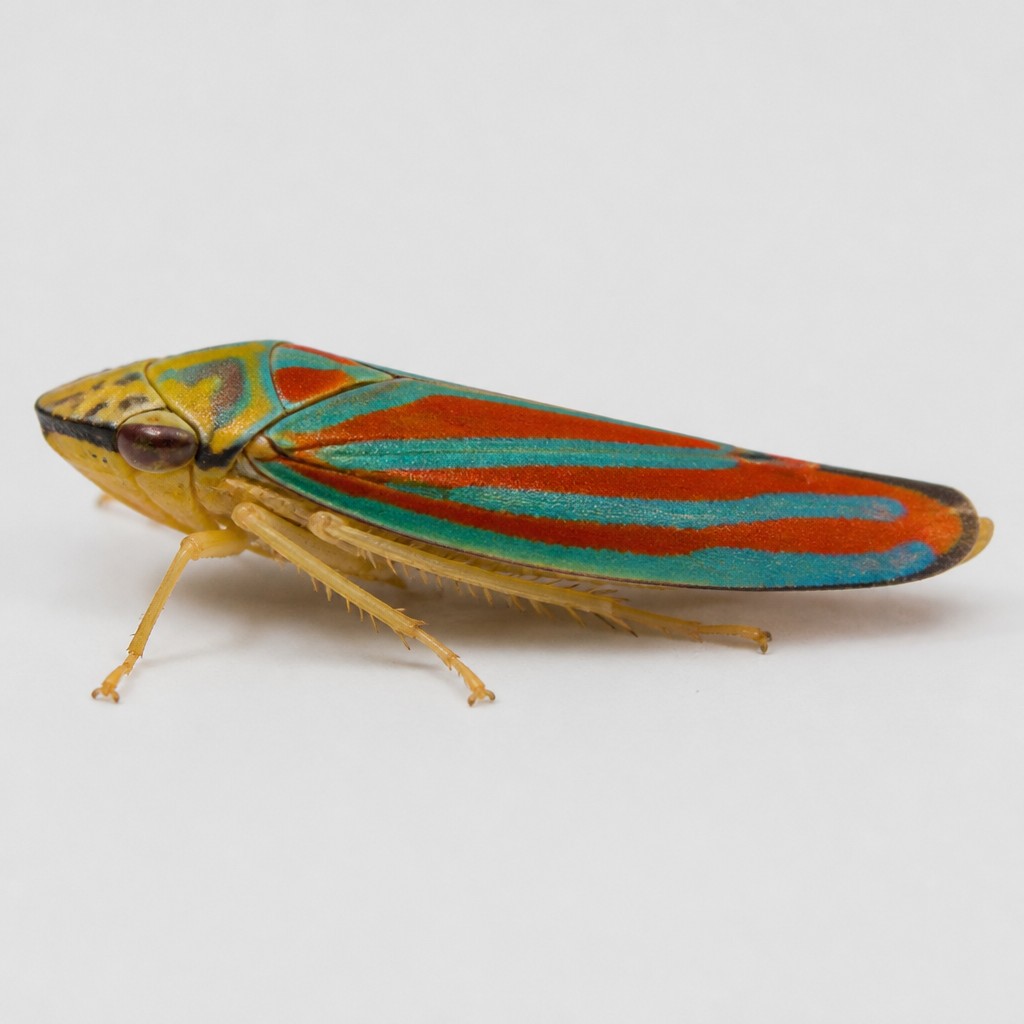
Leafhopper
A small, wedge-shaped insect that darts sideways and springs away in quick hops when disturbed, often brightly striped or patterned and found clinging to the underside of leaves.
true-bug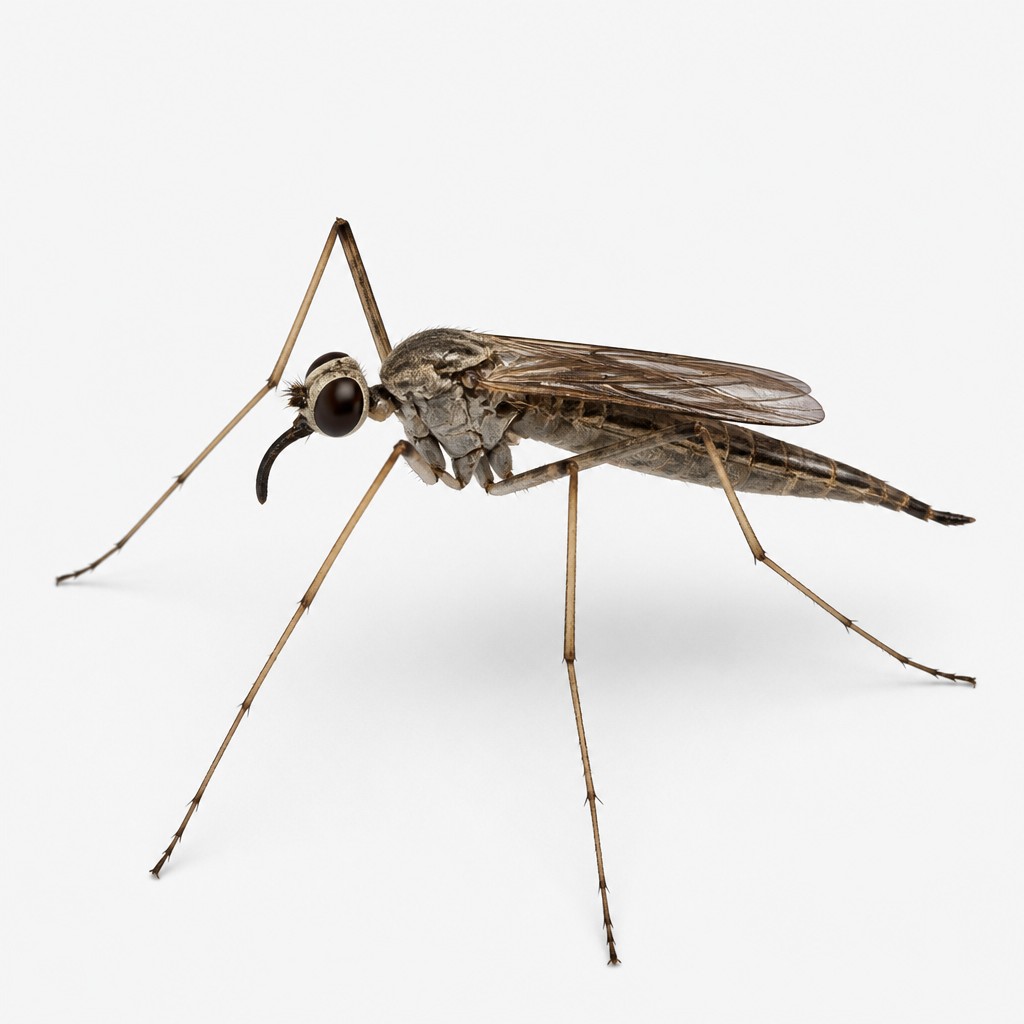
Dance Fly
A slender, long-legged predatory fly named for the swarming courtship dances males perform at dusk, often while carrying a captured insect as an offering.
fly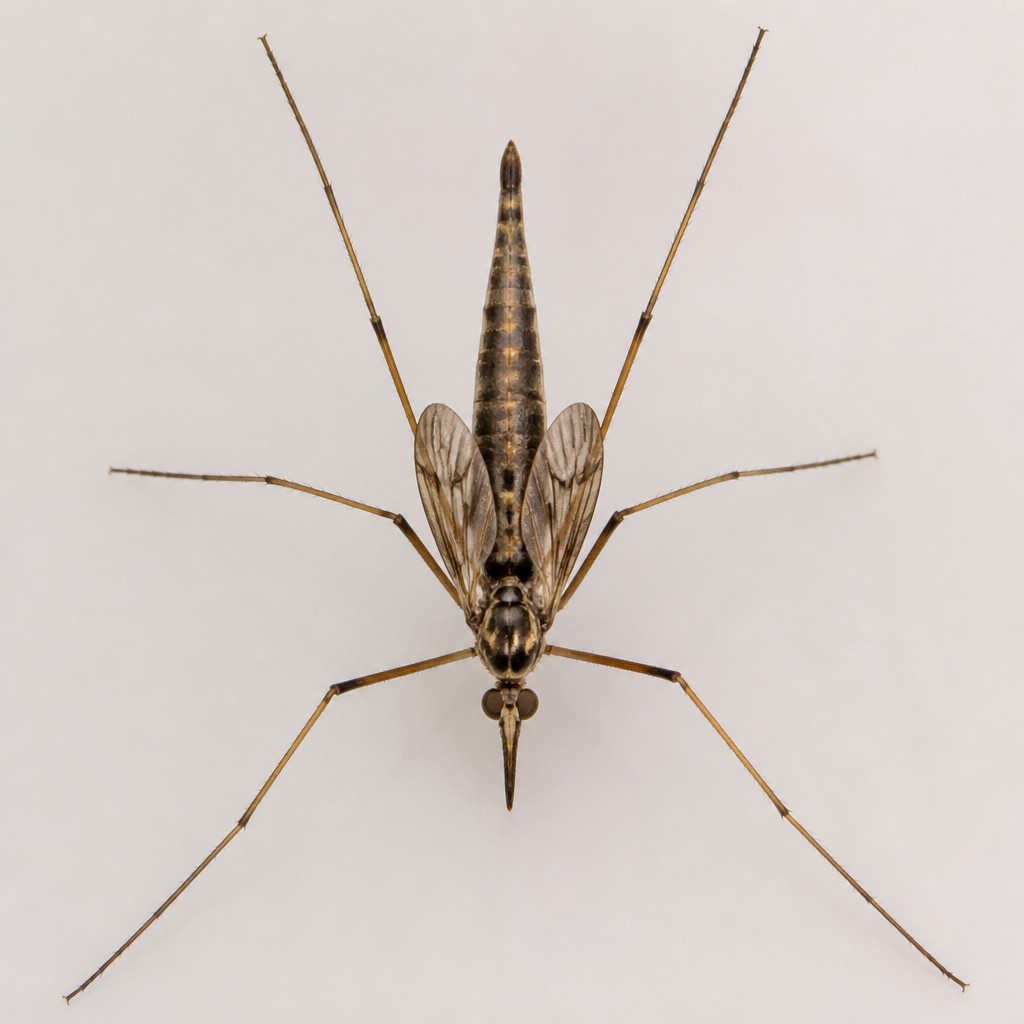
Snipe Fly
A slender, long-legged fly often seen perched head-down on a sunny tree trunk or fence post, patiently watching for smaller insects to ambush. Its tapered, wasp-like abdomen and habit of resting motionless with legs splayed give it a distinctive, almost sentry-like posture in woodland clearings.
fly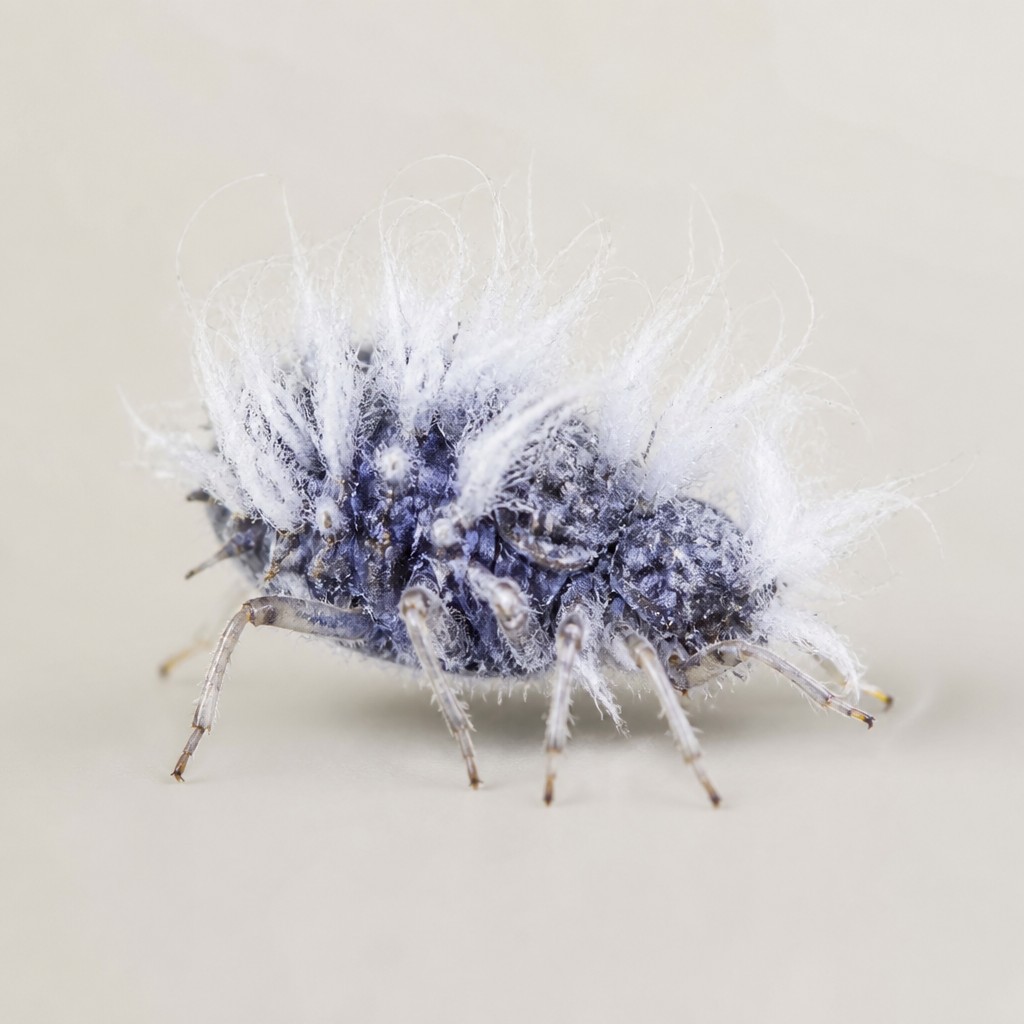
Woolly Aphid
A tiny, soft-bodied aphid that hides beneath a dense coat of white, cottony wax filaments, often appearing as fuzzy white patches clustered on bark or twigs rather than as recognizable insects.
true-bug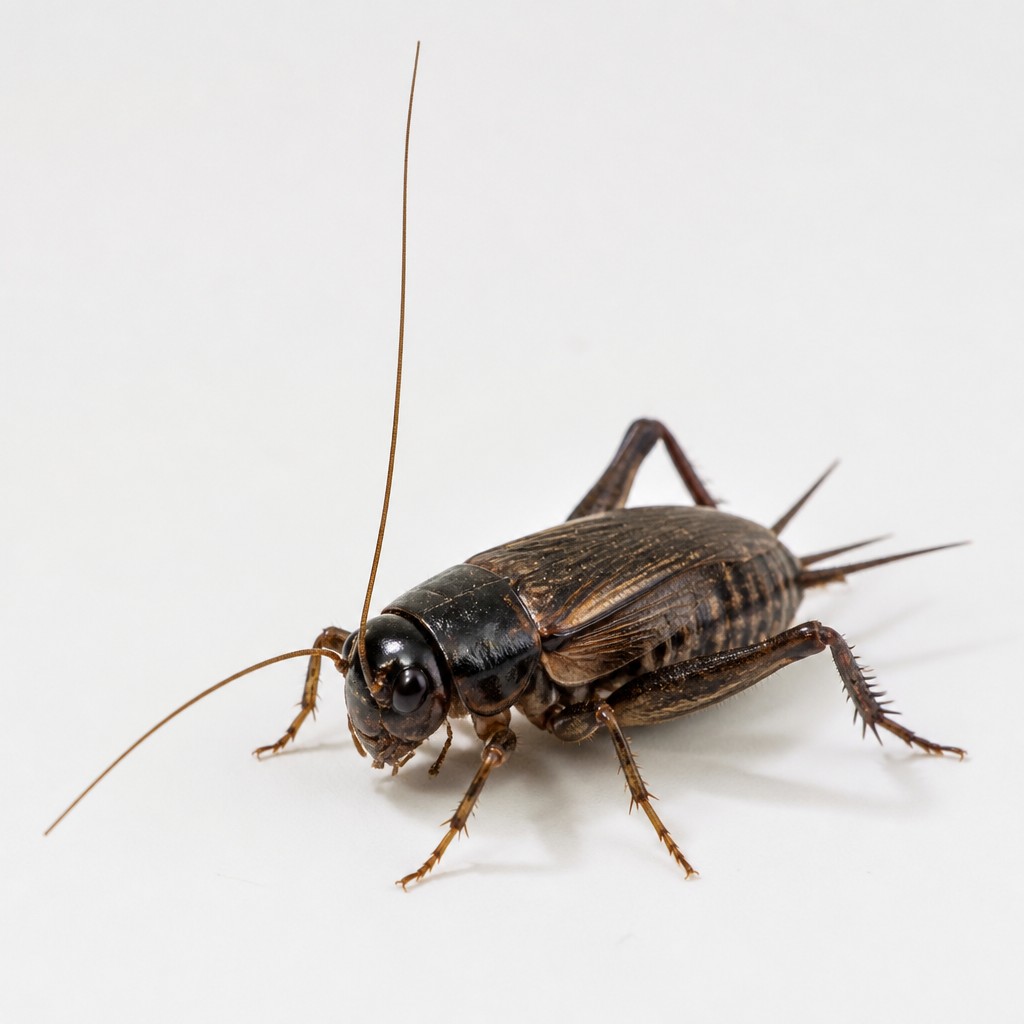
Cricket
A dark, round-headed jumping insect best known for the rhythmic chirping song produced by males rubbing their forewings together, often heard rather than seen after dusk.
grasshopper-cricket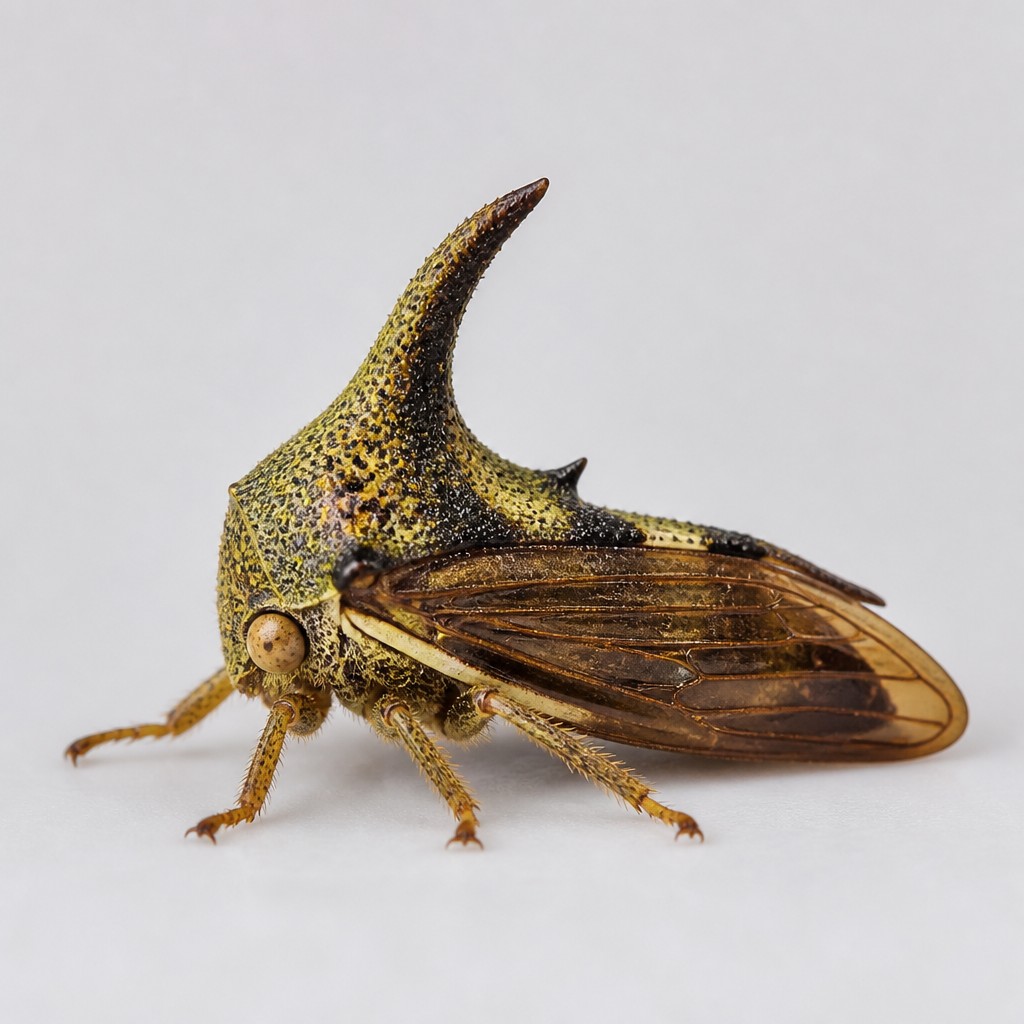
Treehopper
A small, oddly shaped sap-feeding bug best known for an enlarged, often bizarre pronotum extending backward over its body, sometimes shaped like a thorn, leaf, or spike.
true-bug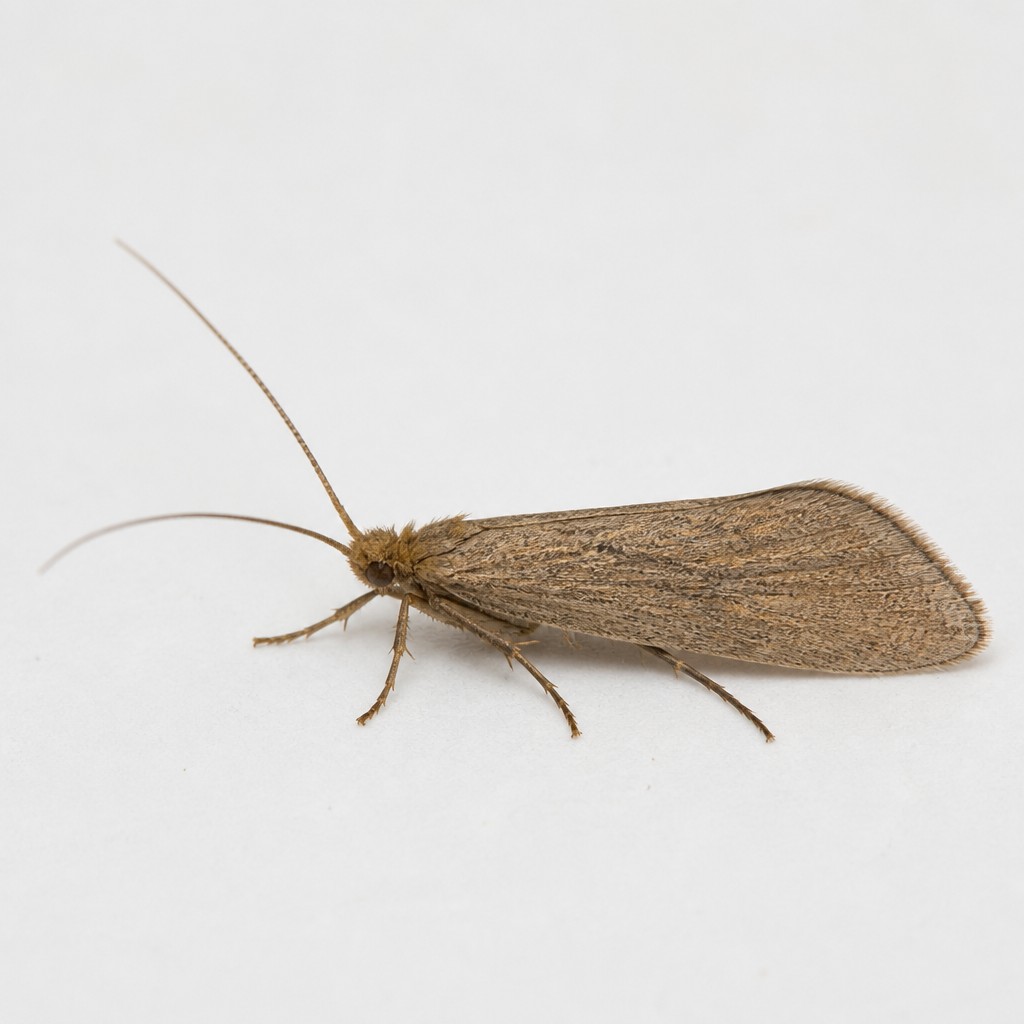
Caddisfly
A moth-like insect whose larvae are famous for constructing portable protective cases out of silk and whatever sand, twigs, or debris they can find.
aquatic-insect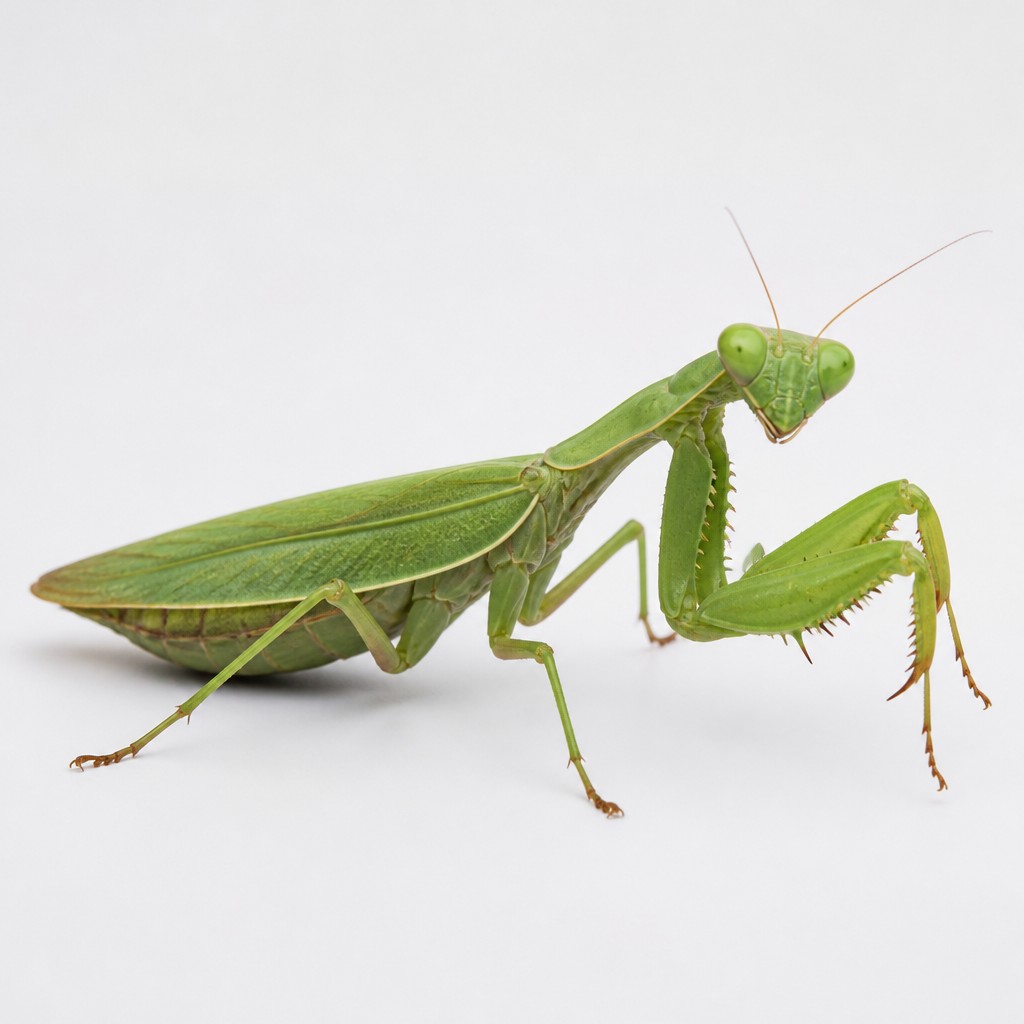
African Mantis
A large, sturdy green or brown mantis frequently found perched on garden shrubs, patiently scanning for insect prey with its sharply angled triangular head.
mantis-stick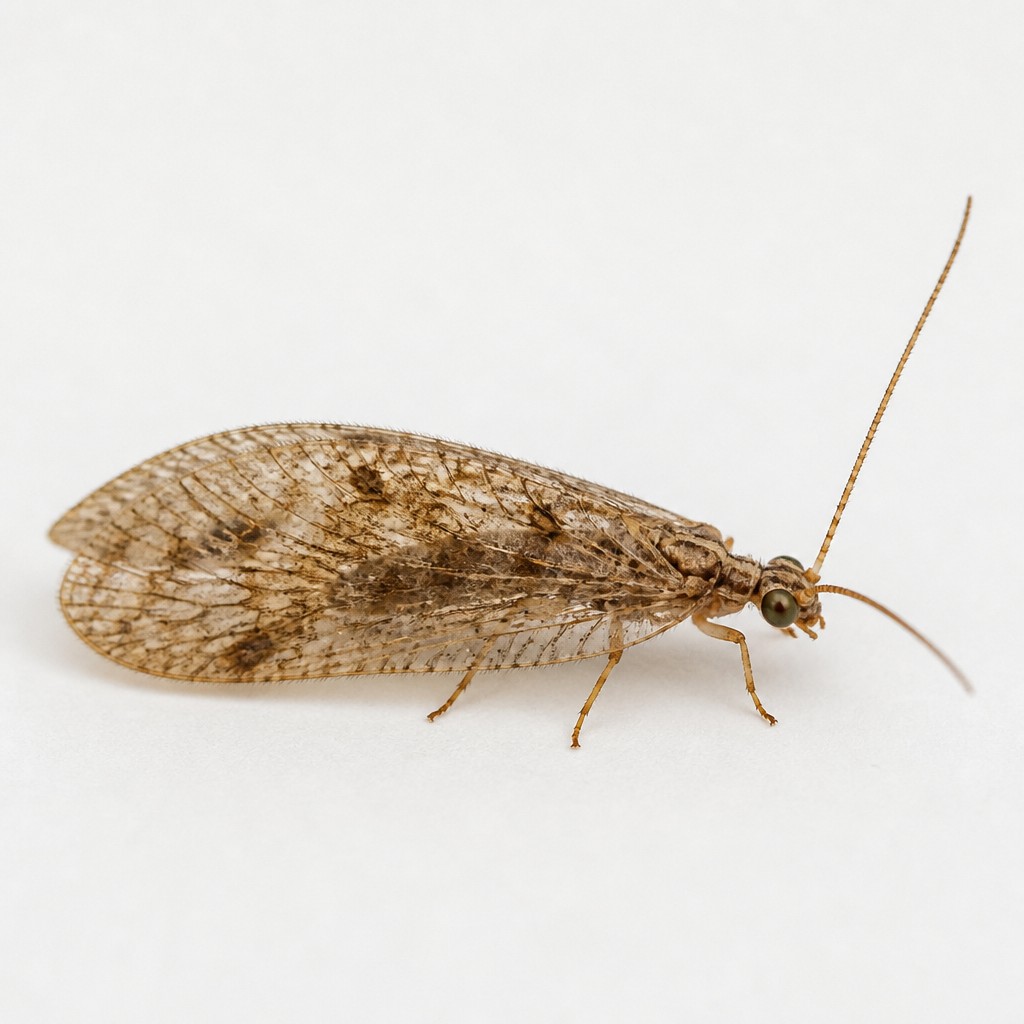
Brown Lacewing
Smaller and less conspicuous than its green relatives, the Brown Lacewing is a subtle but effective predator of aphids and other tiny insects in gardens, forests, and orchards.
other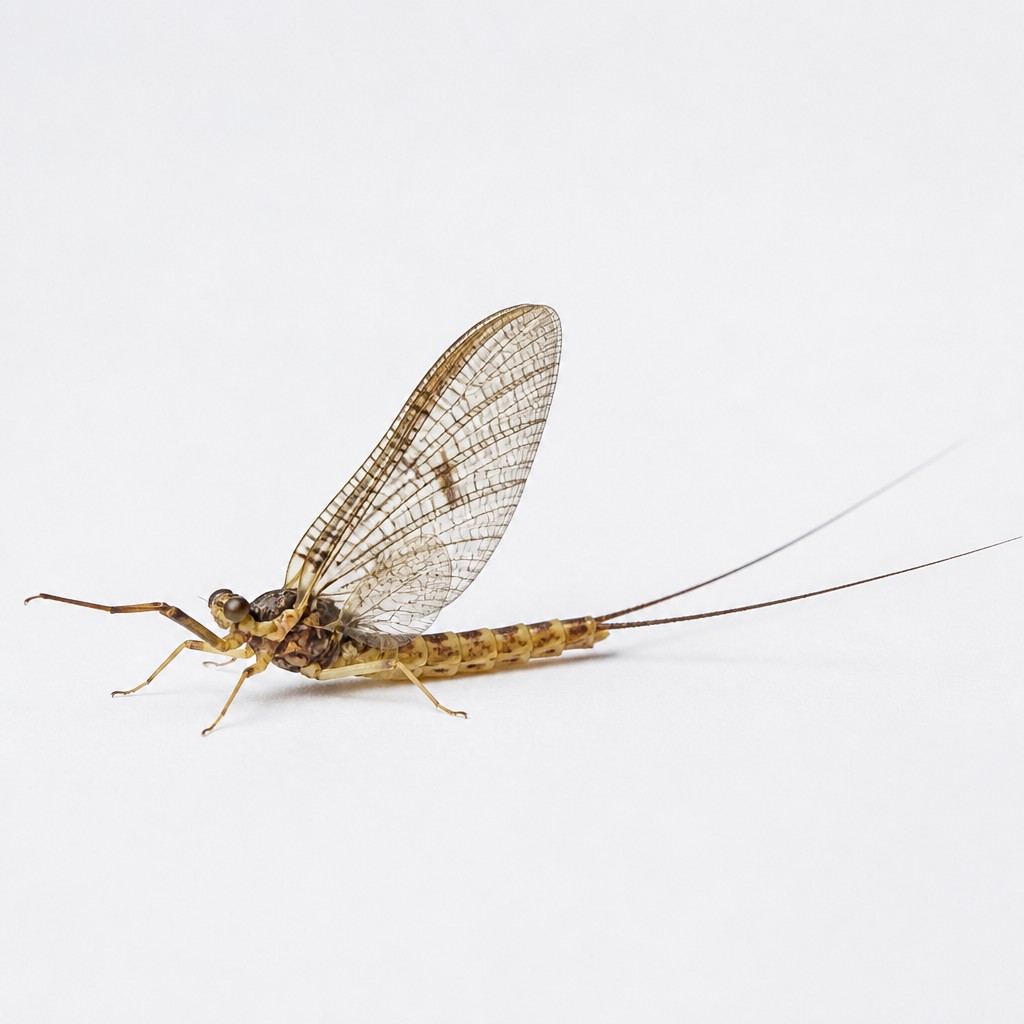
Mayfly
A delicate insect with upright, sail-like wings and long, thread-thin tail filaments, famous for emerging by the millions in brief, synchronized swarms before dying within a day or two.
aquatic-insect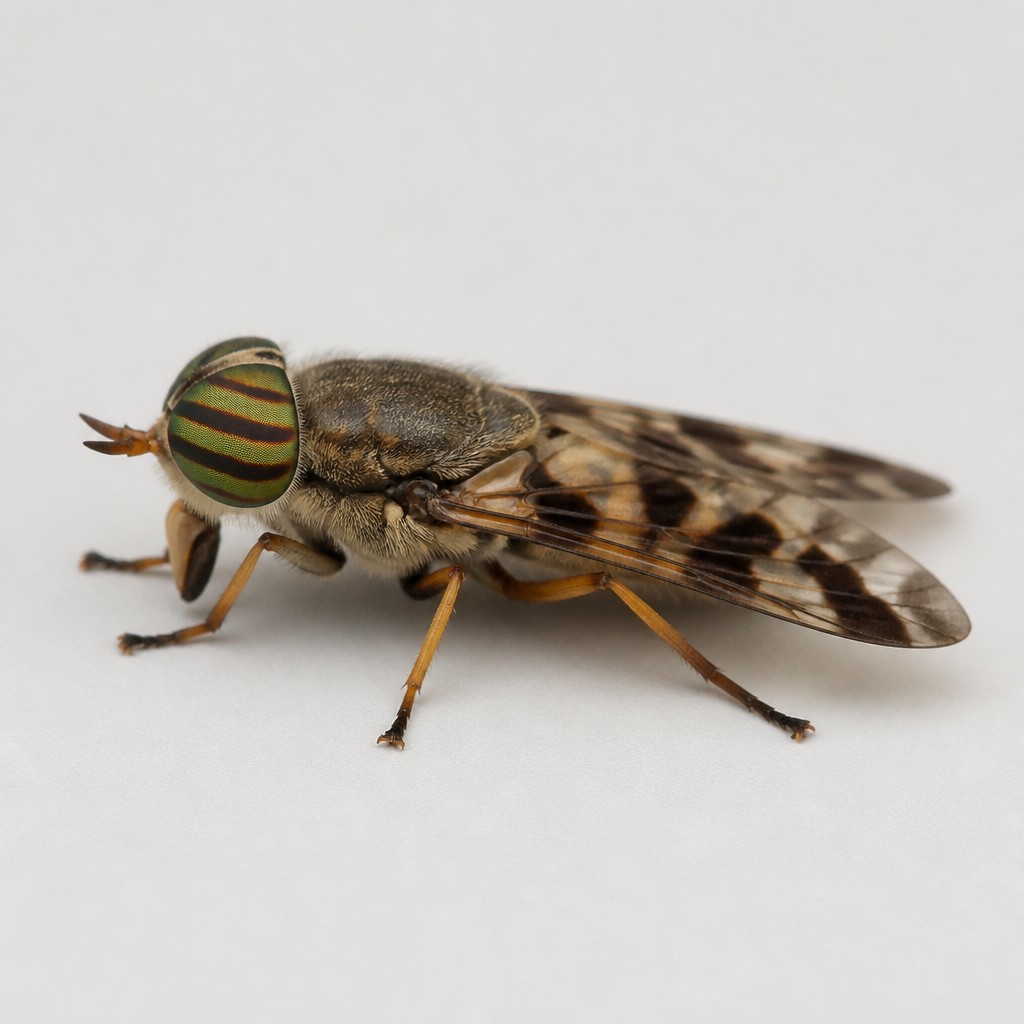
Deer Fly
A small but aggressive fly with strikingly patterned, dark-banded wings and bright green or gold eyes, often circling the head and shoulders while hunting for a blood meal.
fly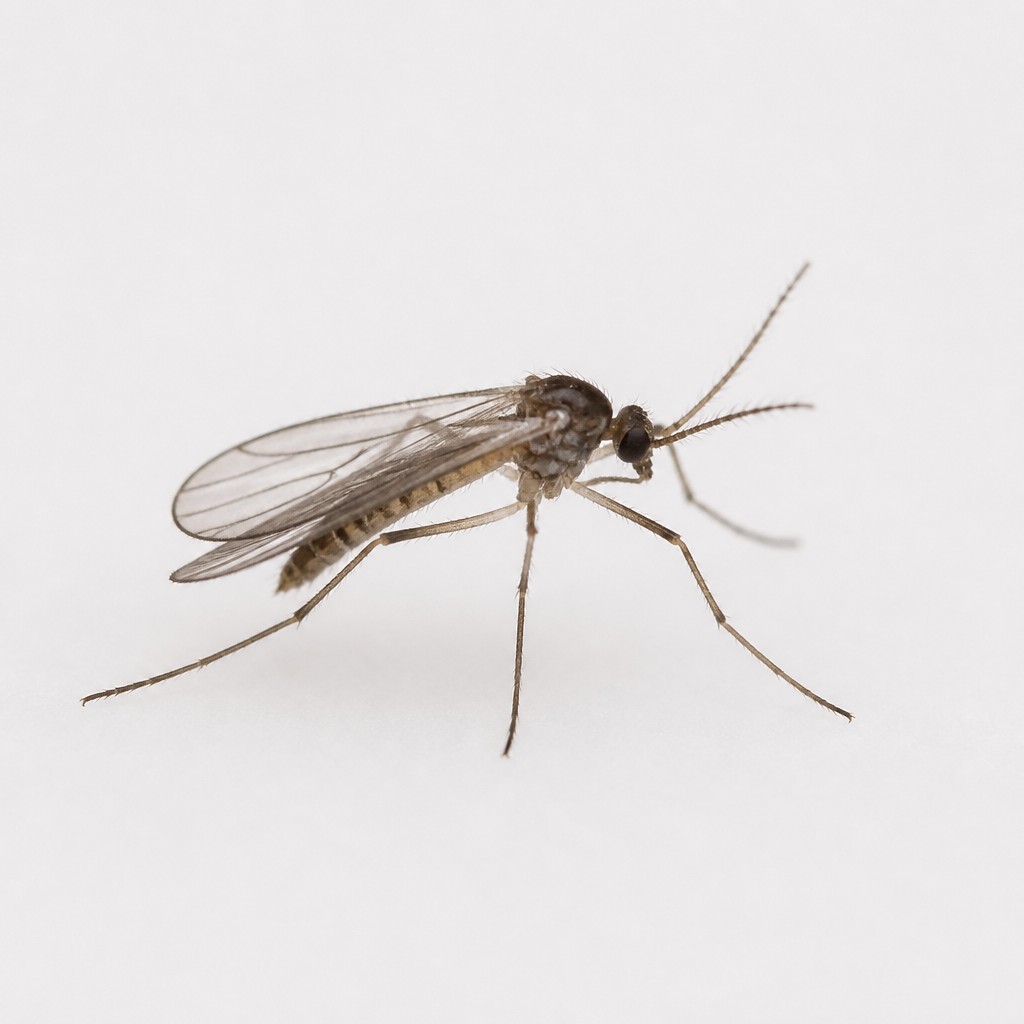
Gnat
A catch-all common name for a wide range of tiny, delicate flies, some no bigger than a grain of pepper, often seen hovering in small clouds near water, moist soil, or overripe produce.
fly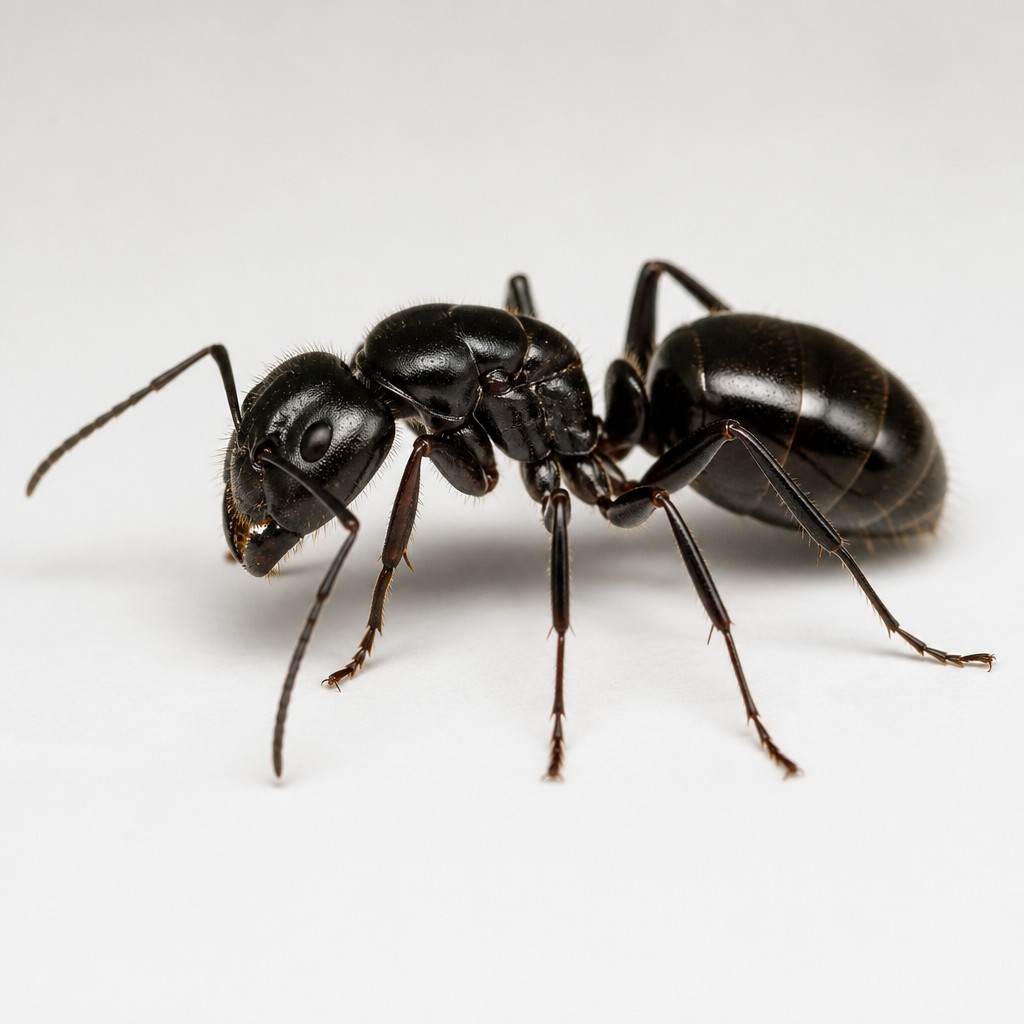
Carpenter Ant
A large, often shiny black ant that excavates smooth tunnels in dead or damp wood for nesting, recognizable by its size, evenly rounded thorax, and elbowed antennae.
ant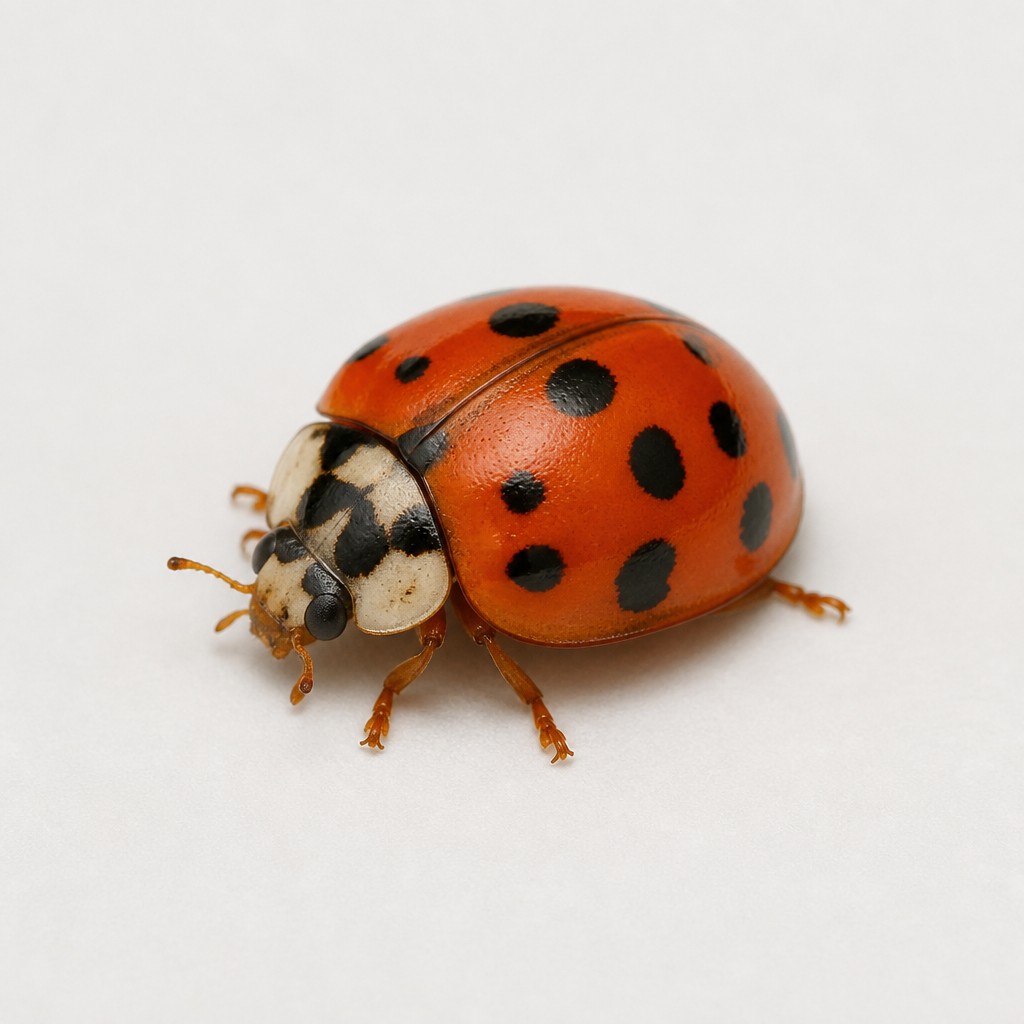
Asian Lady Beetle
A highly variable orange-to-red ladybird beetle, often bearing many black spots or none at all, famous for swarming into homes in large numbers during autumn.
beetle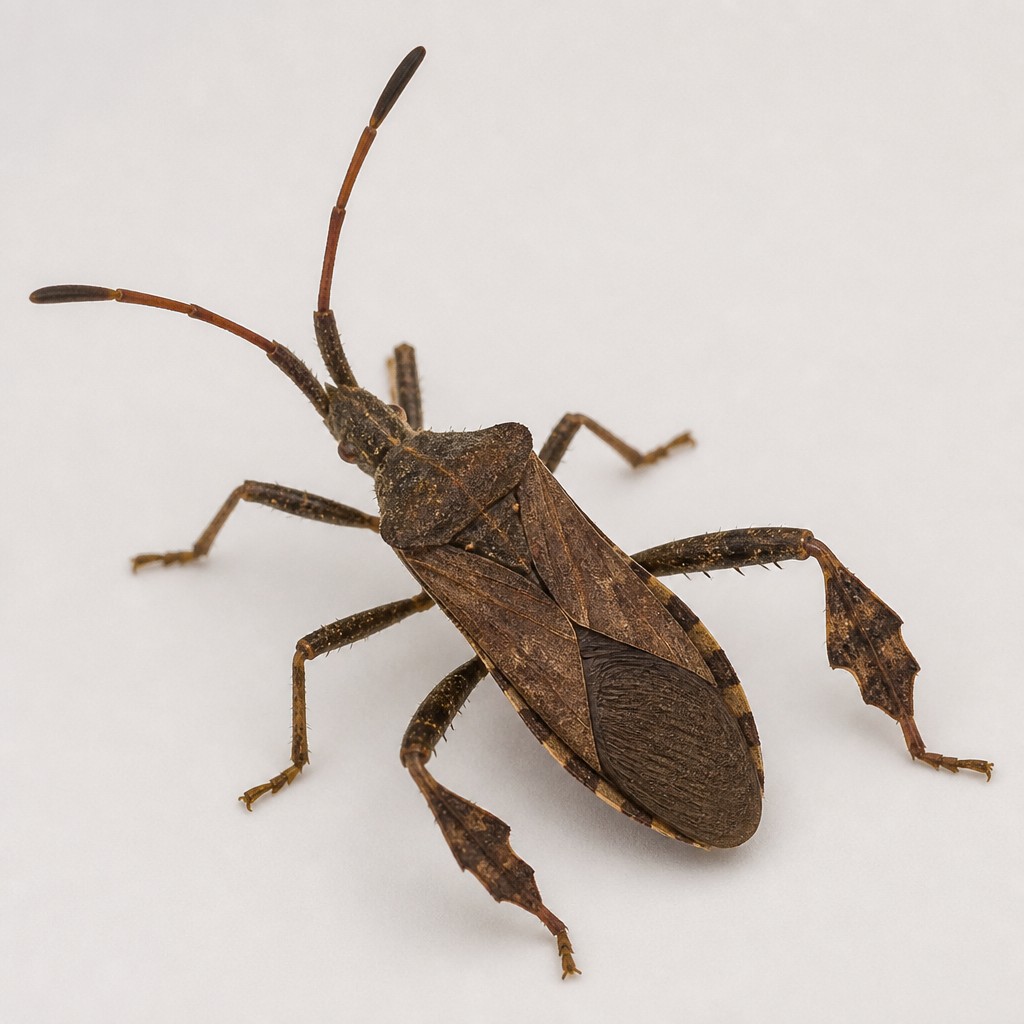
Leaf-Footed Bug
A large, elongated brown true bug named for the flattened, leaf-shaped expansions on its hind legs, often found feeding on fruits, seeds, and vegetables in gardens and orchards.
true-bug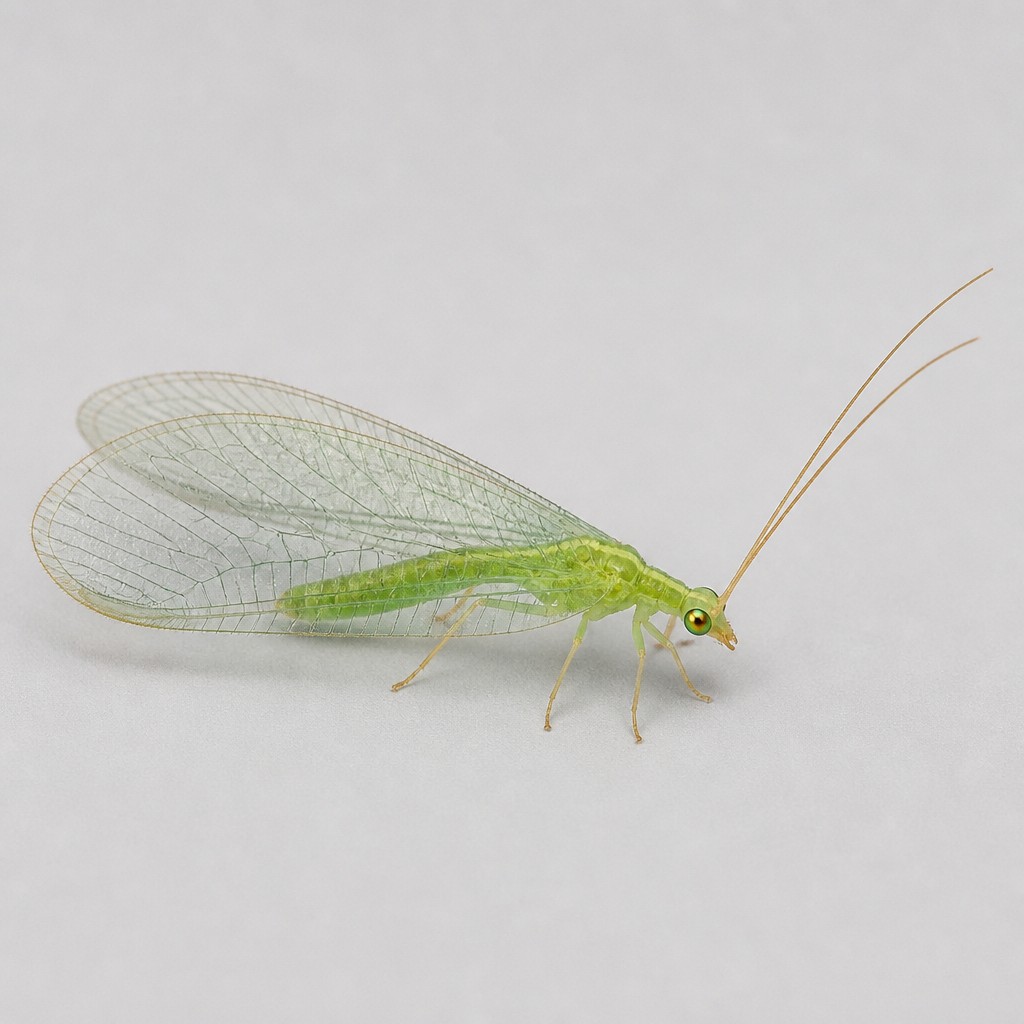
Lacewing
A delicate, pale green insect with large, transparent, intricately veined wings and shining golden or copper-colored eyes, valued as a natural predator of aphids in its larval form.
other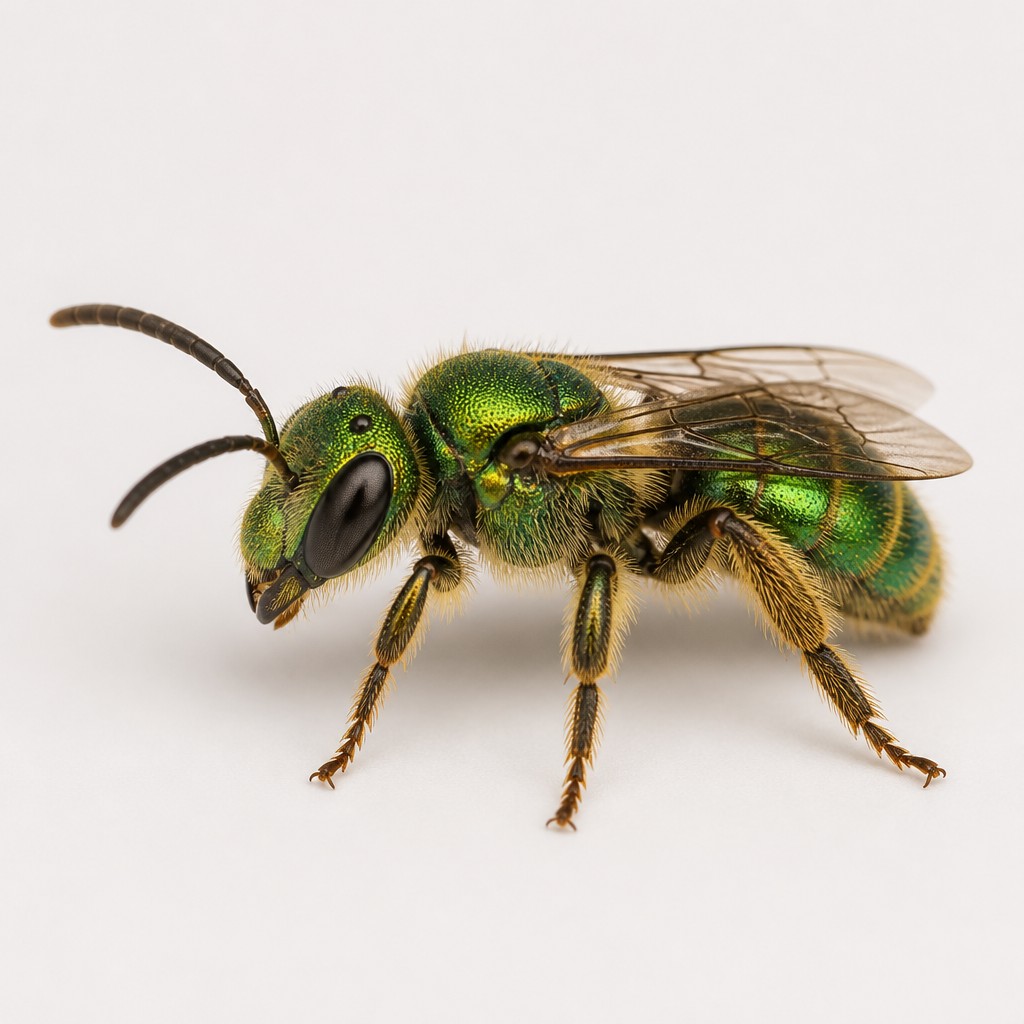
Sweat Bee
A small, often metallic green or bronze bee in the family Halictidae, named for its habit of landing on skin to sip perspiration, and an important generalist pollinator of wildflowers and crops.
bee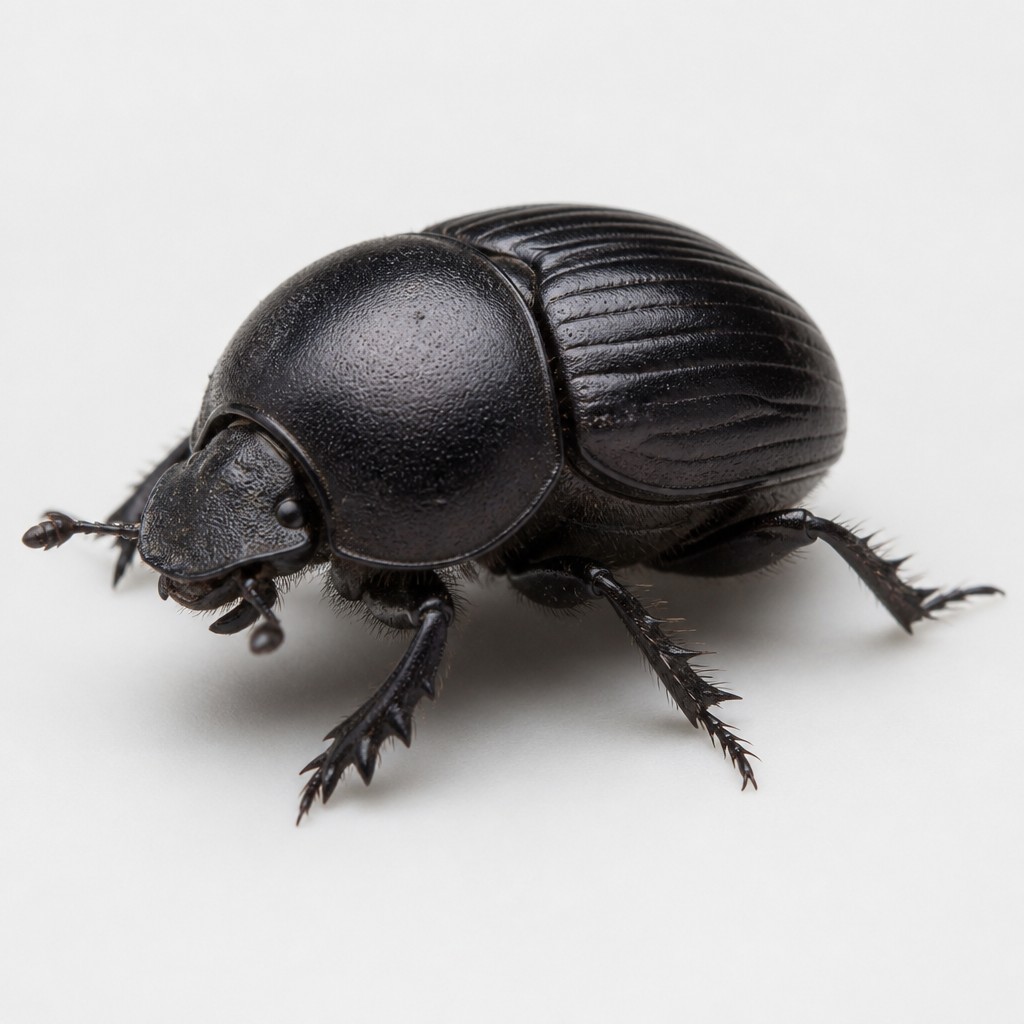
Dung Beetle
A stout, often glossy black or metallic beetle famous for rolling, burying, or tunneling into animal dung, an unglamorous but ecologically vital habit that recycles nutrients back into the soil.
beetle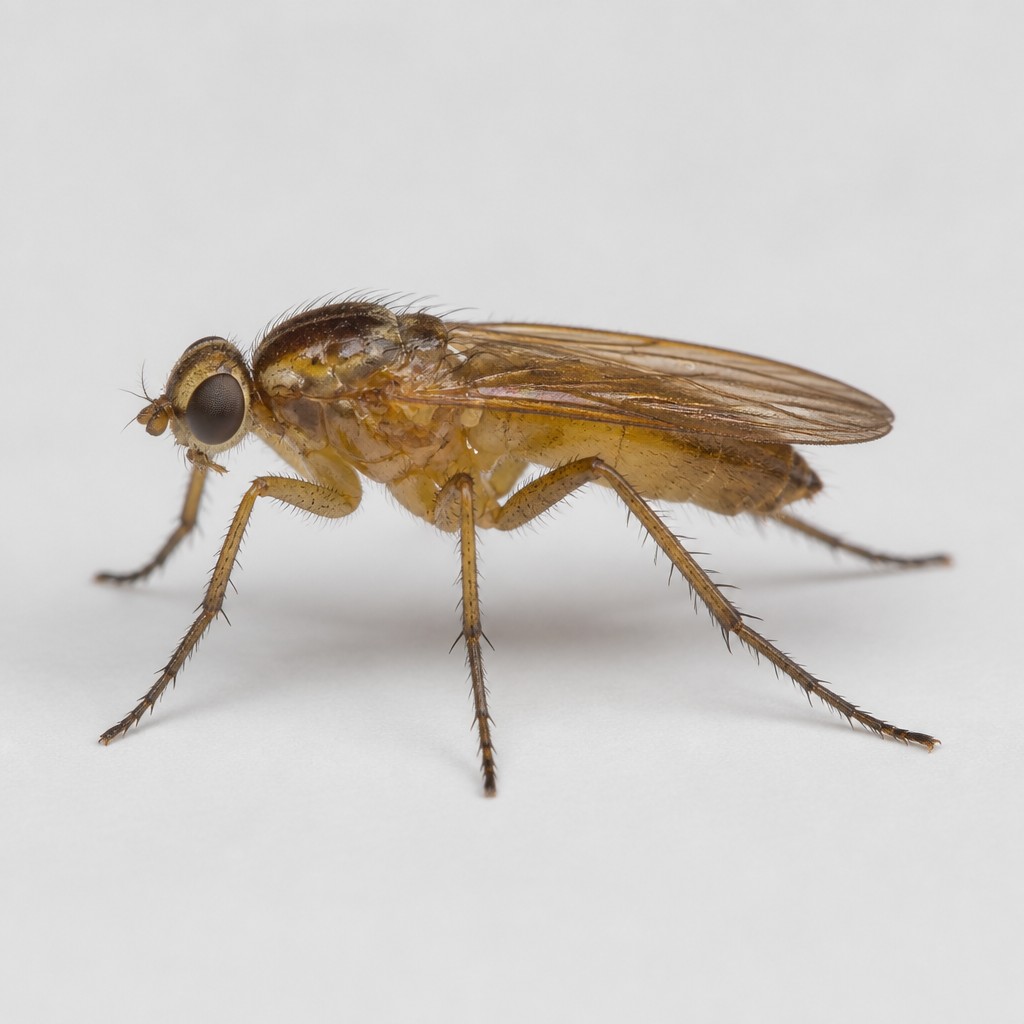
Marsh Fly
A slender, unassuming fly best known for larvae with a remarkable diet: nearly every species in the family feeds on aquatic or terrestrial snails and slugs, making marsh flies natural specialists in wetland food webs. Adults are often found resting quietly on sedges and other marsh vegetation near the water's edge.
fly