
Bug Encyclopedia
Search and identify bugs & insects — beetles, butterflies, moths, ants, bees, spiders and more — with size, habitat, danger, behavior, and how to tell them apart.
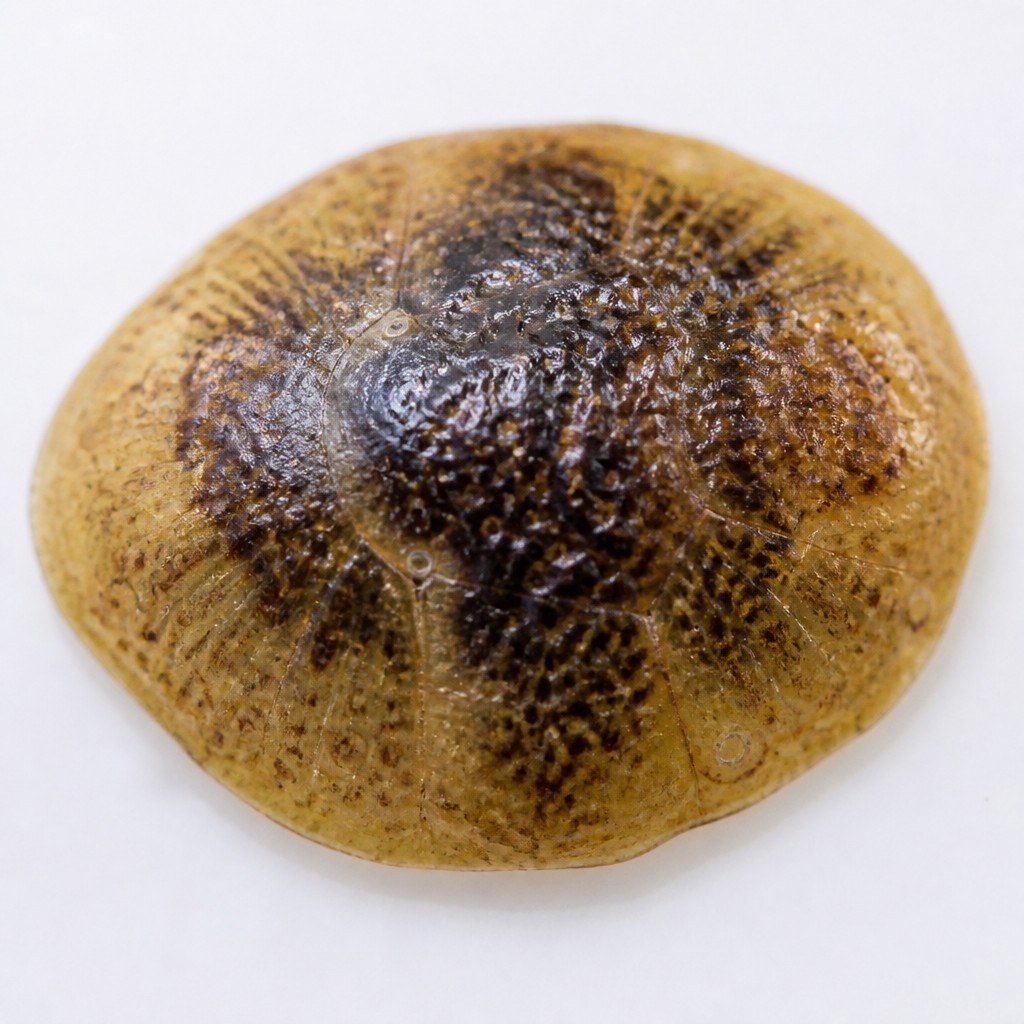
Scale Insect
A small, immobile insect that appears as a flat or domed, waxy bump firmly attached to a stem or leaf, easily mistaken for a plant blemish rather than a living creature.
true-bug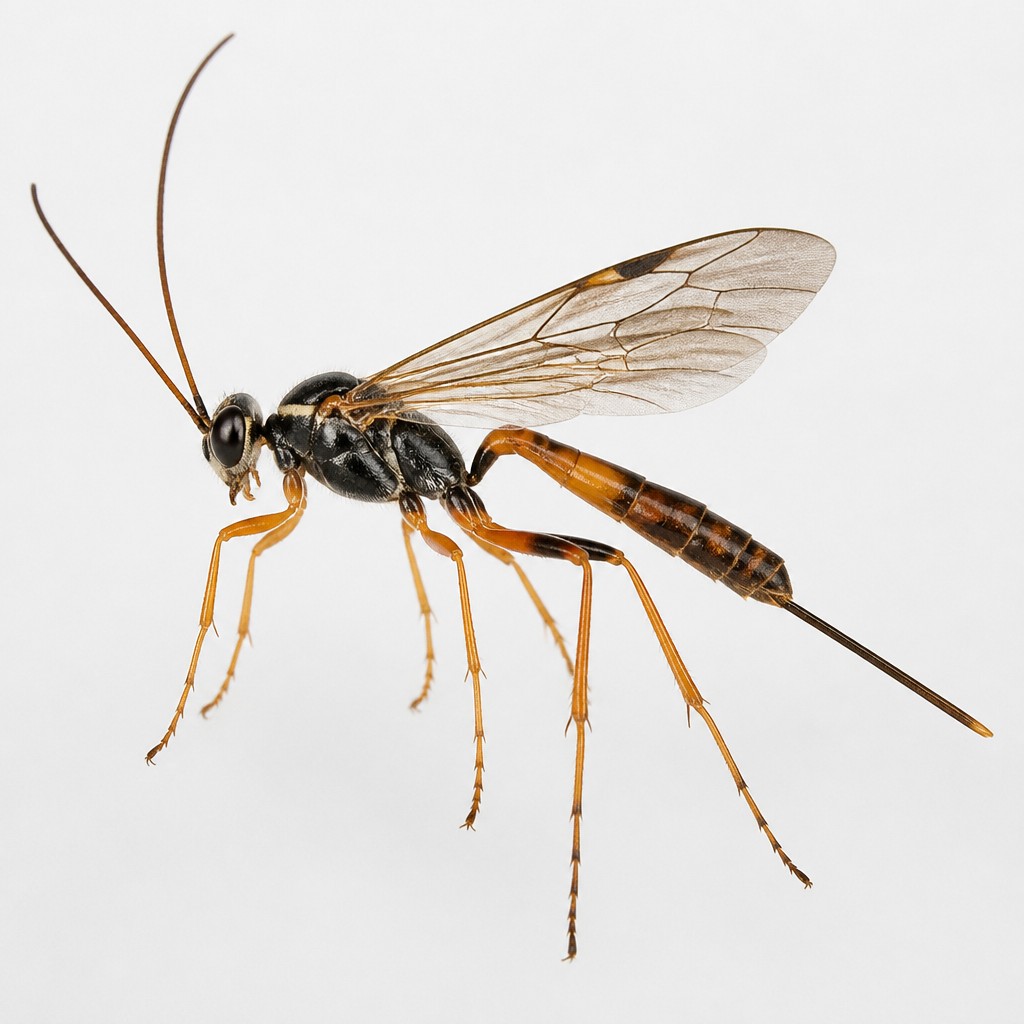
Ichneumon Wasp
A slender, long-antennaed parasitoid wasp, often mistaken for a giant mosquito or a stinging insect, that is best known for the extraordinarily long ovipositor some species use to drill into wood and lay eggs on hidden larvae.
wasp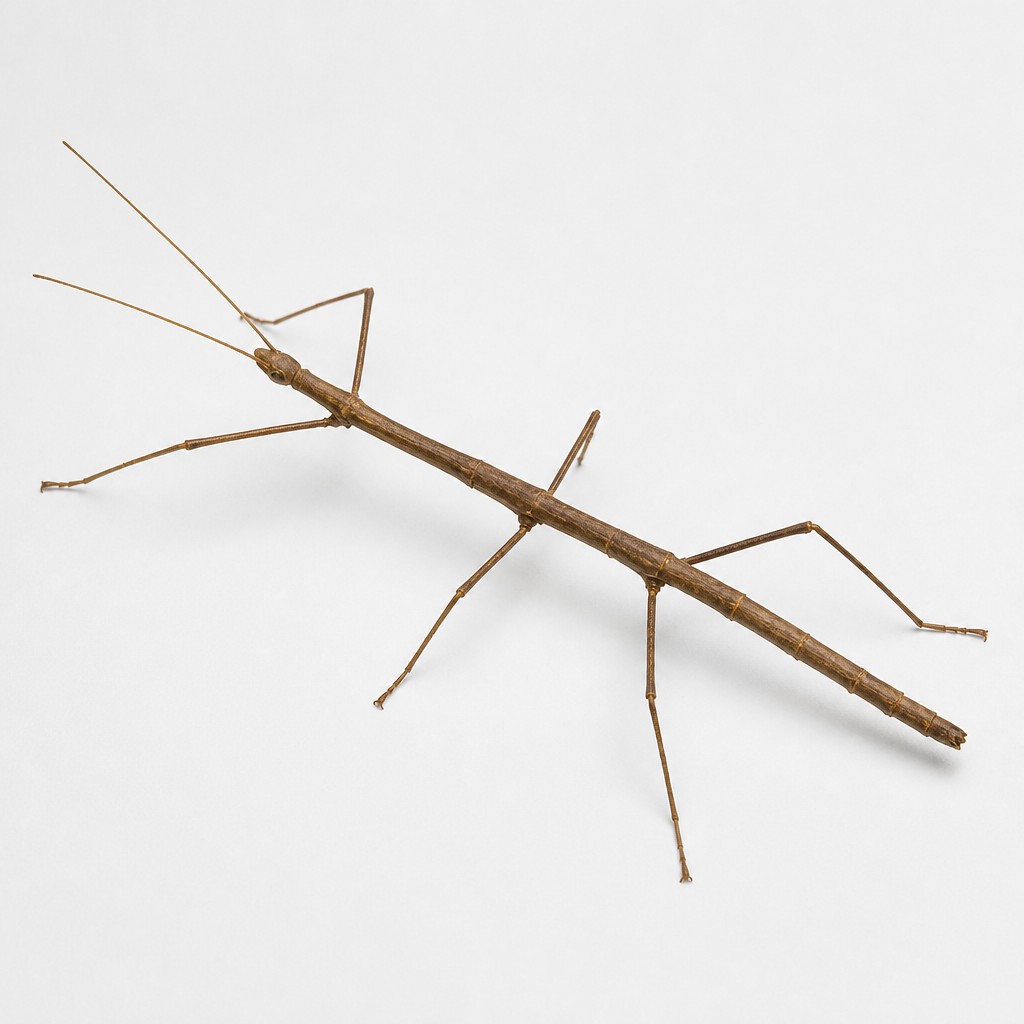
Walking Stick Insect
A master of disguise that has evolved to look almost exactly like a twig, bark or leaf, remaining motionless for hours to avoid the notice of hungry birds and lizards.
mantis-stick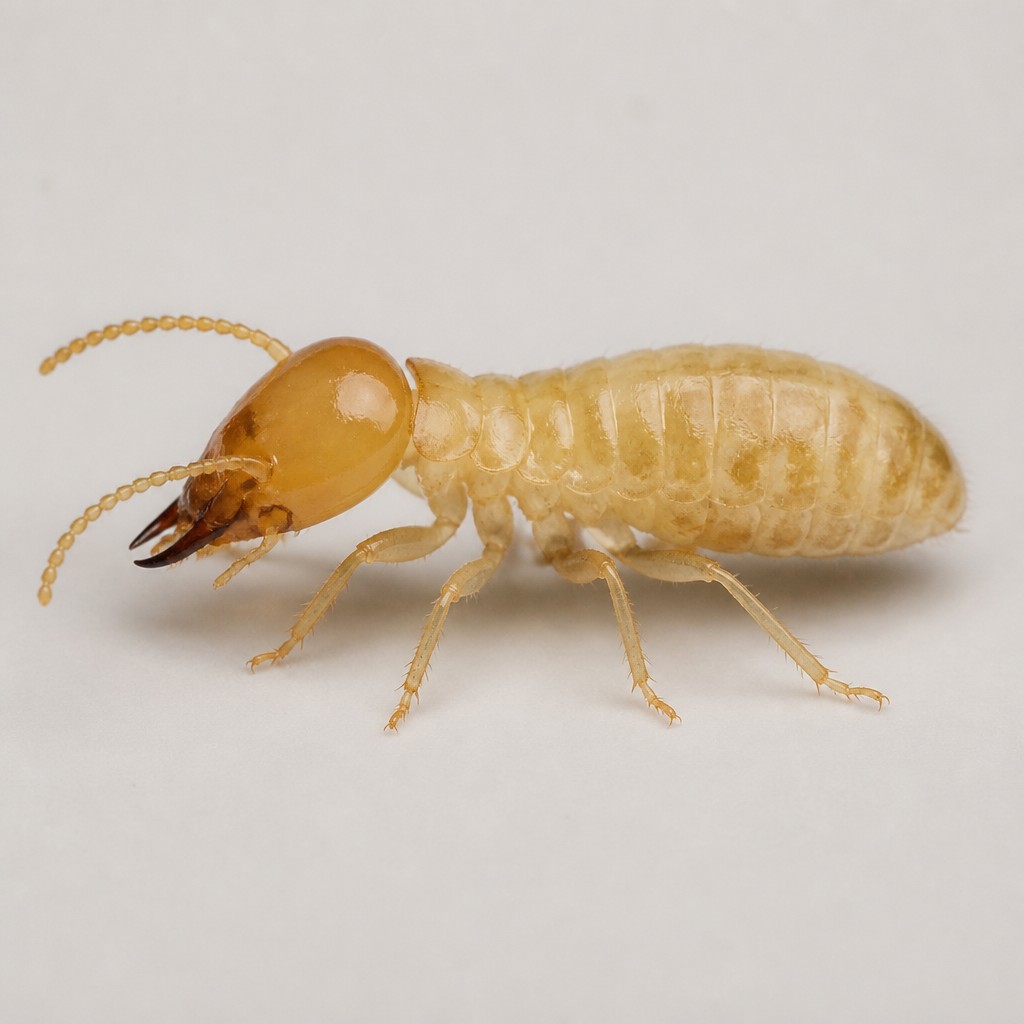
Termite
A pale, soft-bodied social insect that lives in hidden colonies and feeds on cellulose in wood and plant debris, often mistaken for an ant despite belonging to an entirely different insect order.
other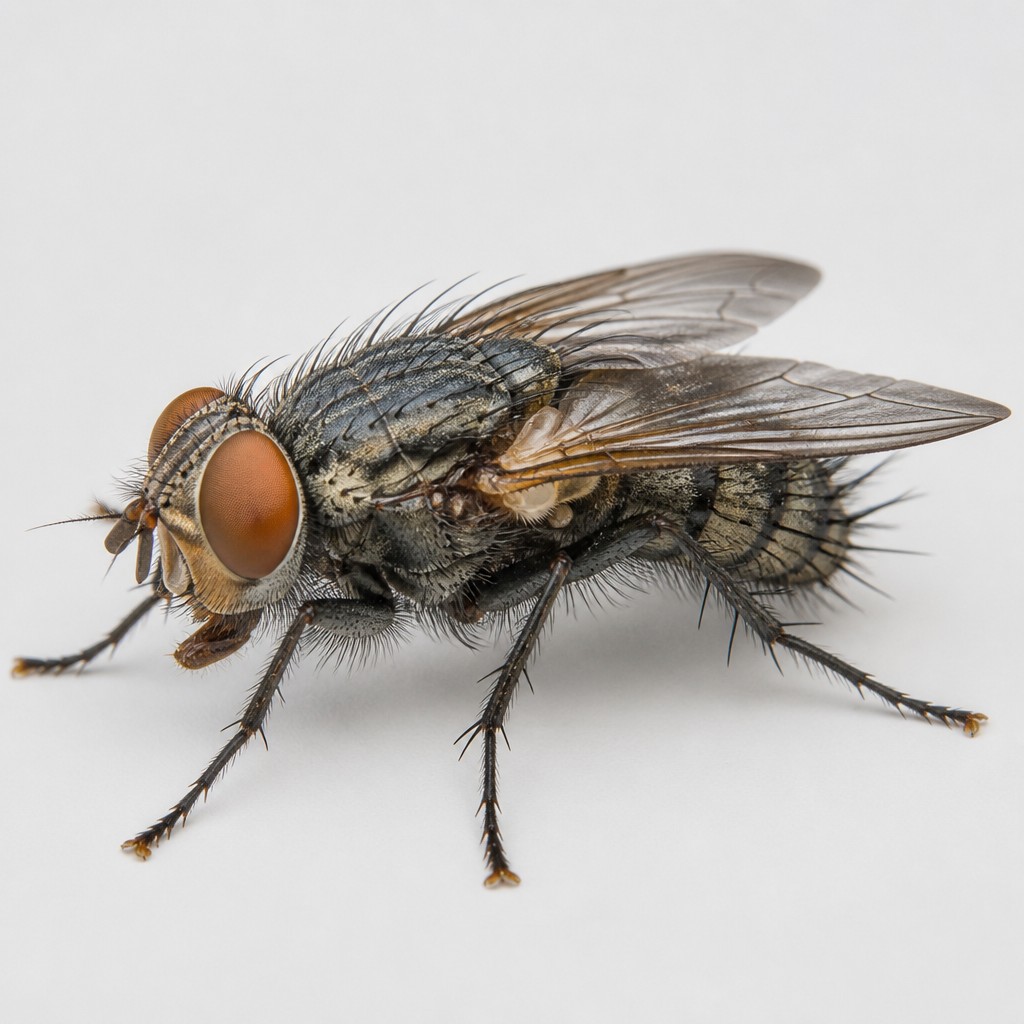
Tachinid Fly
A bristly, house-fly-like insect that looks unremarkable at a glance but hides one of the most important ecological roles among flies: its larvae develop as internal parasites of caterpillars, beetles, and other insects, quietly regulating populations across the landscape. Gardeners often welcome tachinid flies as natural allies against crop-damaging pests.
fly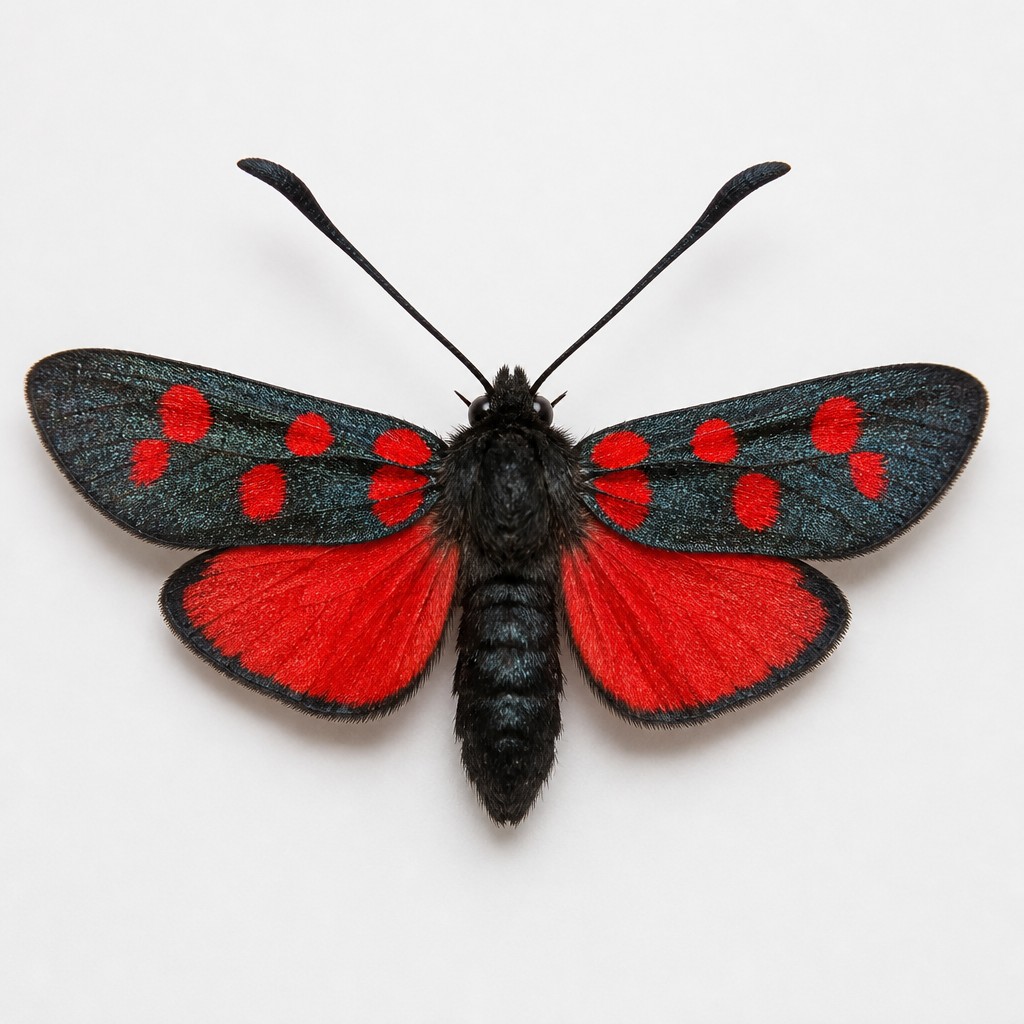
Six-spot Burnet Moth
A day-flying moth with glossy black-green forewings marked by six bold red spots and vivid crimson hindwings, a striking warning-colored insect often mistaken for a butterfly as it visits summer wildflowers.
moth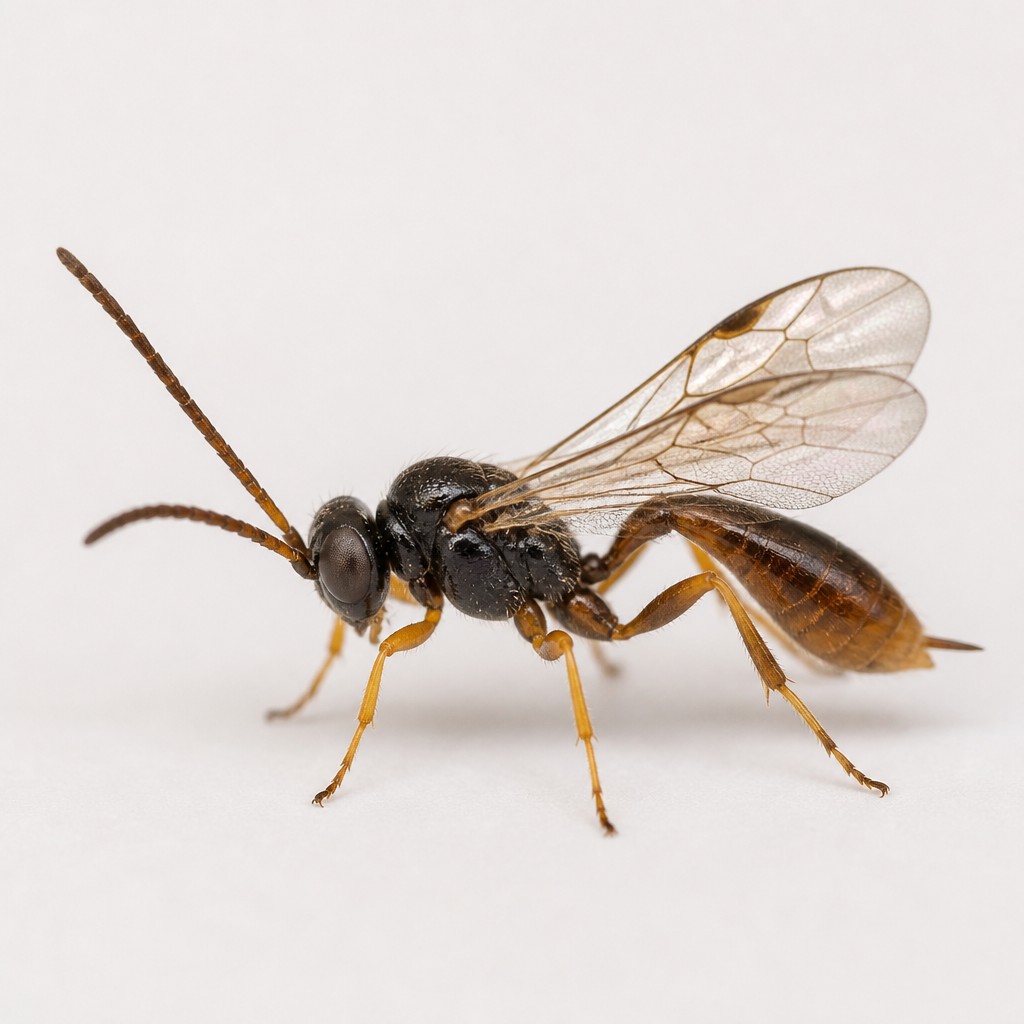
Braconid Wasp
A tiny, often overlooked parasitoid wasp best known for laying eggs inside caterpillars and other insect hosts, sometimes leaving telltale clusters of small white cocoons on a host's back.
wasp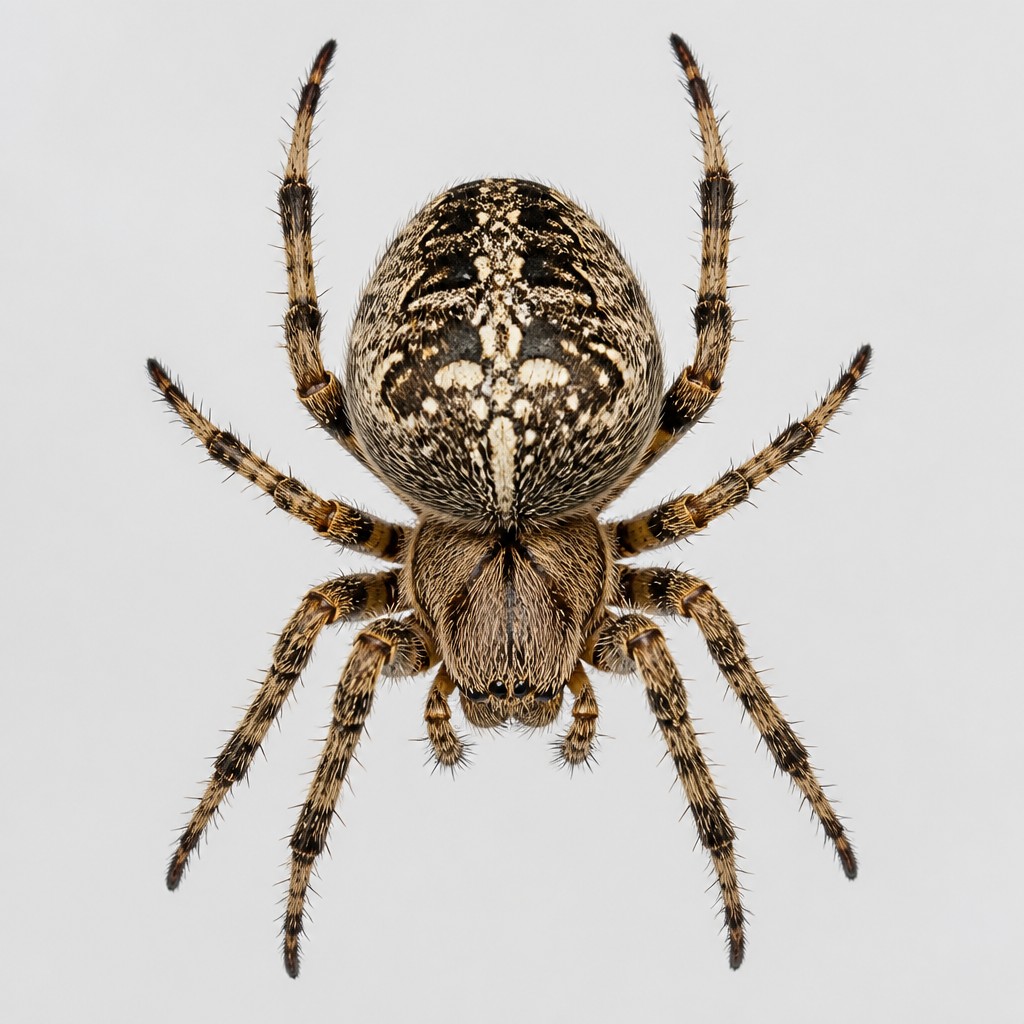
Orb Weaver Spider
A stout-bodied spider best known for spinning the classic, near-perfect circular "orb" web strung between plants, eaves, or fences, often rebuilt fresh each night.
spider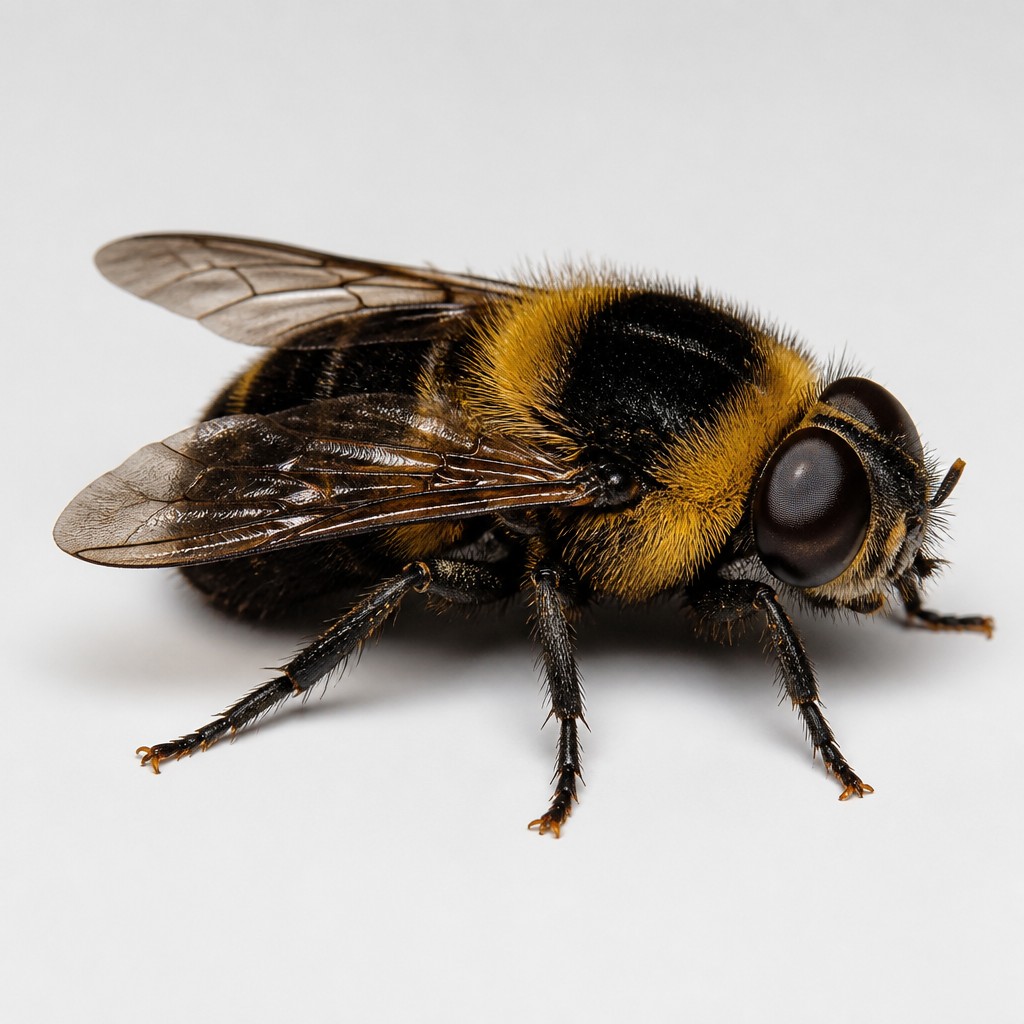
Bot Fly
A stocky, bumblebee-mimicking fly whose adults never feed and live only long enough to mate and locate a rodent or rabbit burrow for their eggs. Despite their harmless, buzzing adult stage, bot flies are best known through the larvae that develop as internal parasites of small mammals.
fly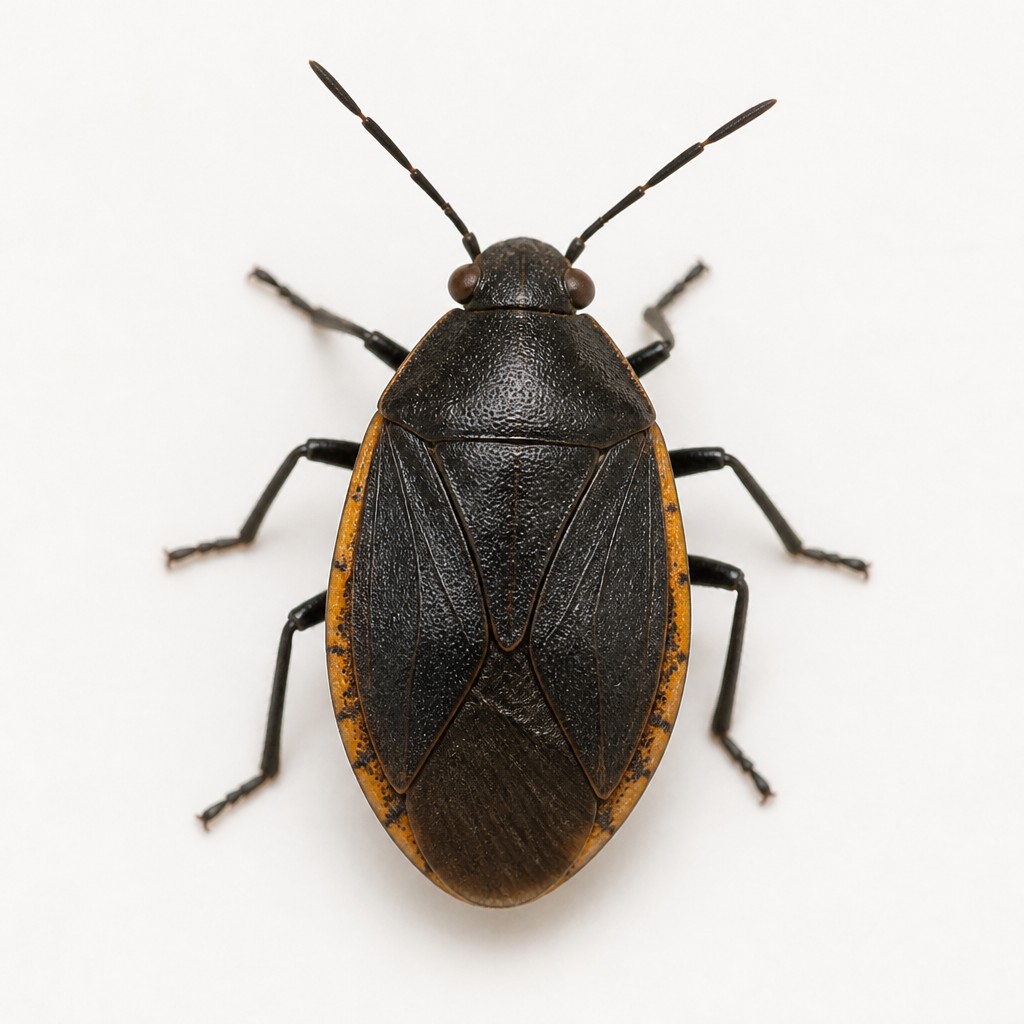
Bordered Plant Bug
A dark, oval-bodied true bug with a distinct pale margin around its wing edges, often mistaken for a large ant or beetle when its nymphs cluster together in tight groups.
true-bug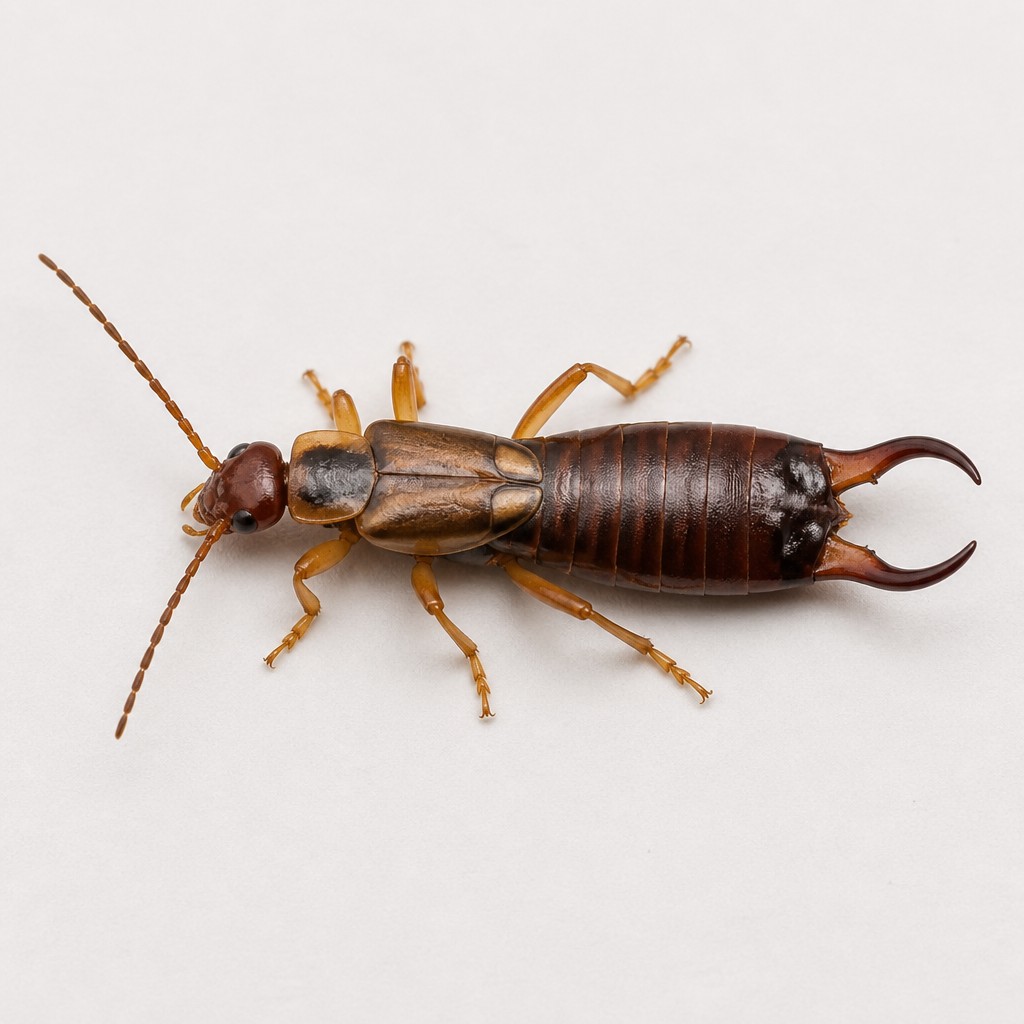
Earwig
A slender, reddish-brown insect easily identified by the pair of curved, forceps-like pincers at the tip of its abdomen, often found hiding under mulch, bark, or garden debris by day.
other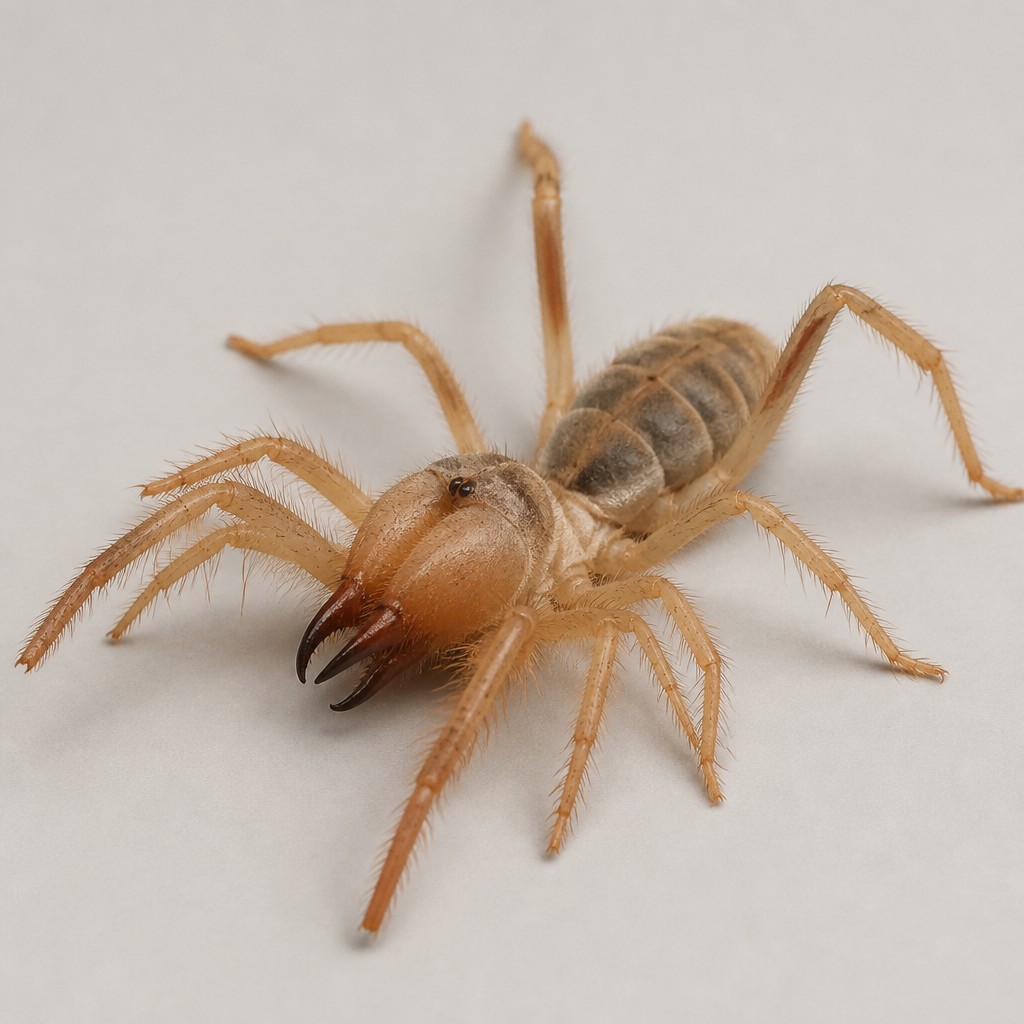
Sun Spider
A fast-running, fiercely built desert arachnid with oversized jaws, often mistaken for a giant spider despite belonging to an entirely different arachnid order.
arachnid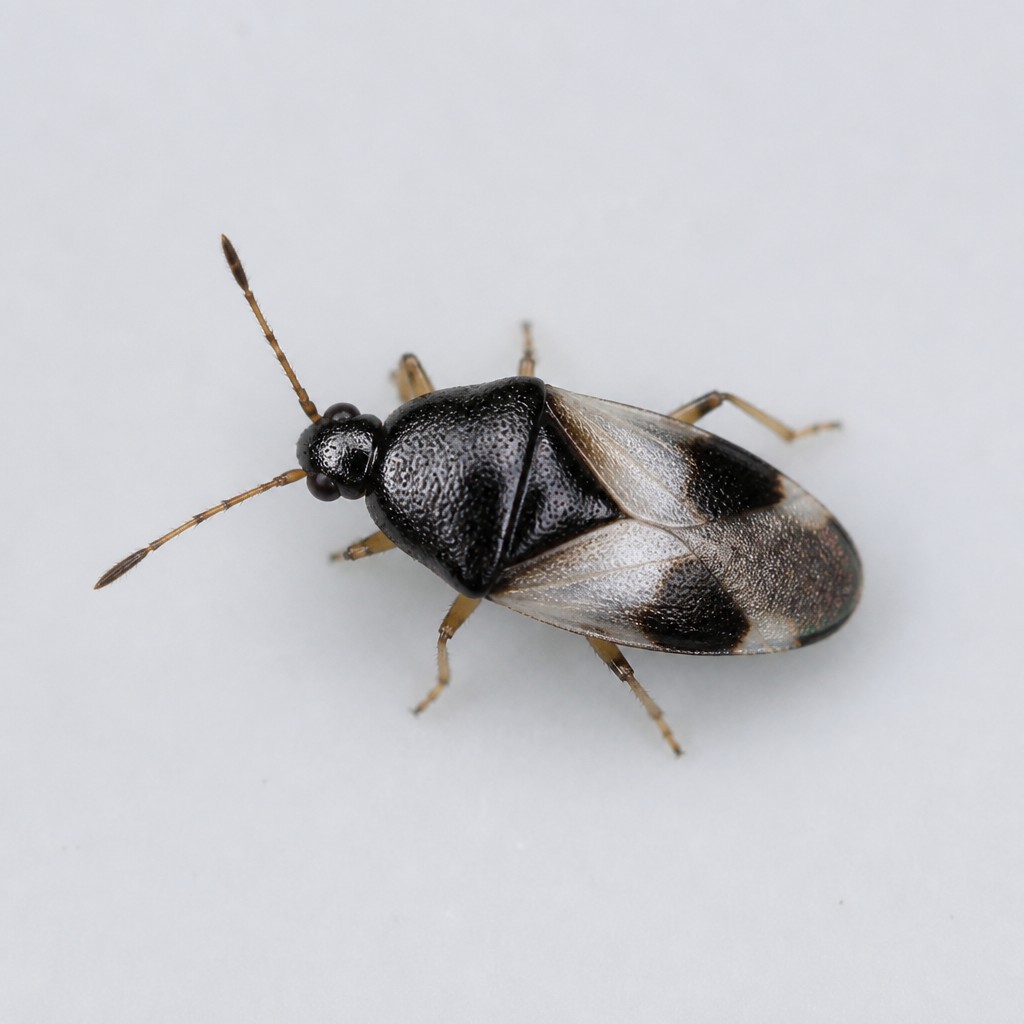
Minute Pirate Bug
A tiny, black-and-white patterned true bug barely visible without close inspection, the minute pirate bug is a voracious predator of thrips, mites, and insect eggs on flowers and foliage.
true-bug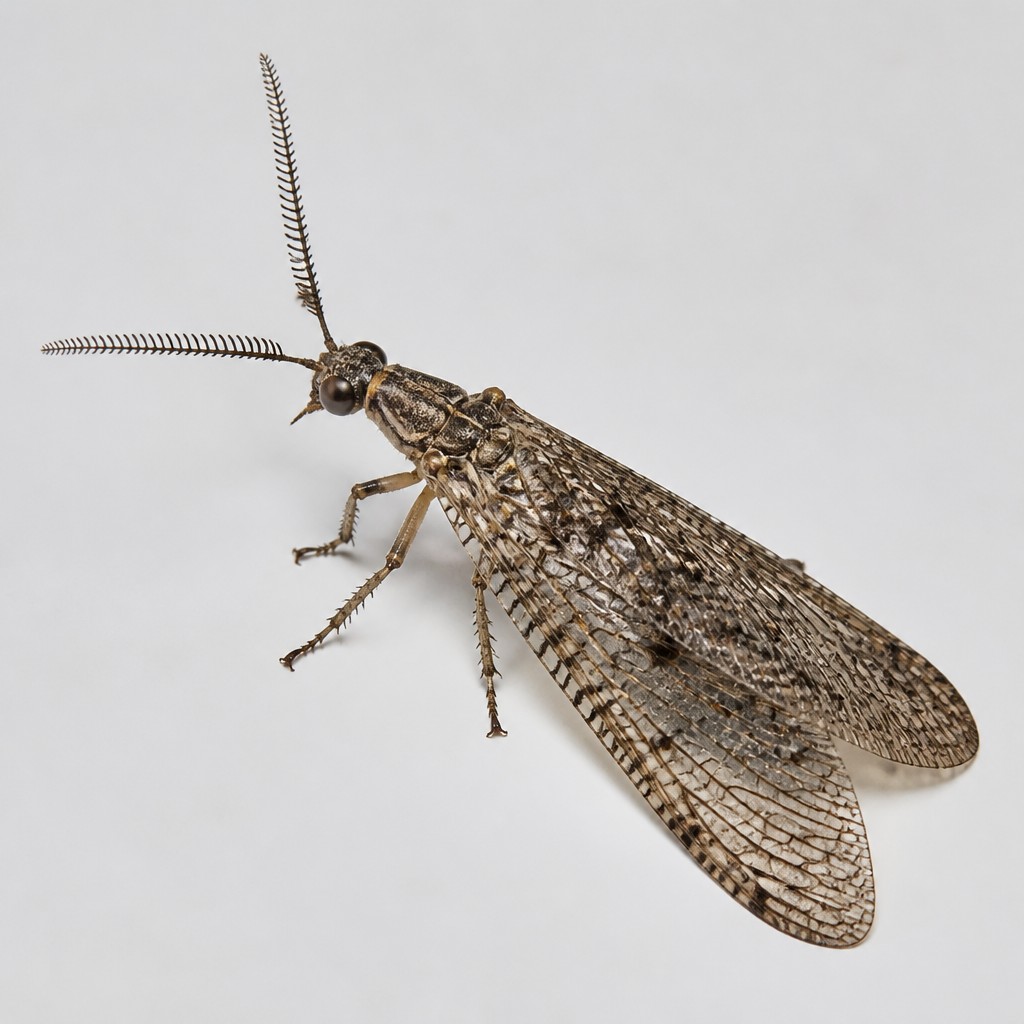
Fishfly
A smaller, more modestly built cousin of the dobsonfly, often mistaken for its larger relative but lacking the dramatic elongated mandibles of male dobsonflies.
aquatic-insect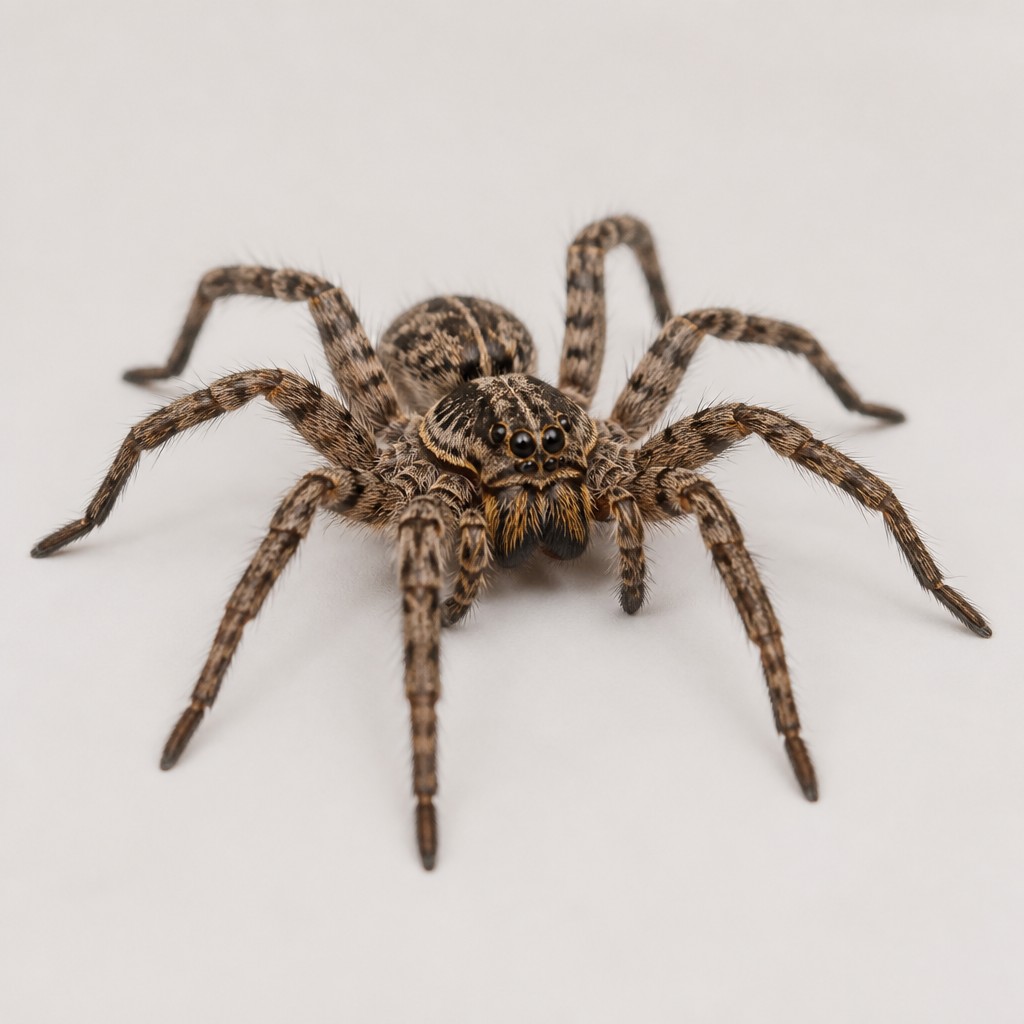
Wolf Spider
A robust, hairy, ground-dwelling spider with excellent night vision and a habit of chasing down prey rather than trapping it in a web; females are often seen carrying an egg sac or a back full of spiderlings.
spider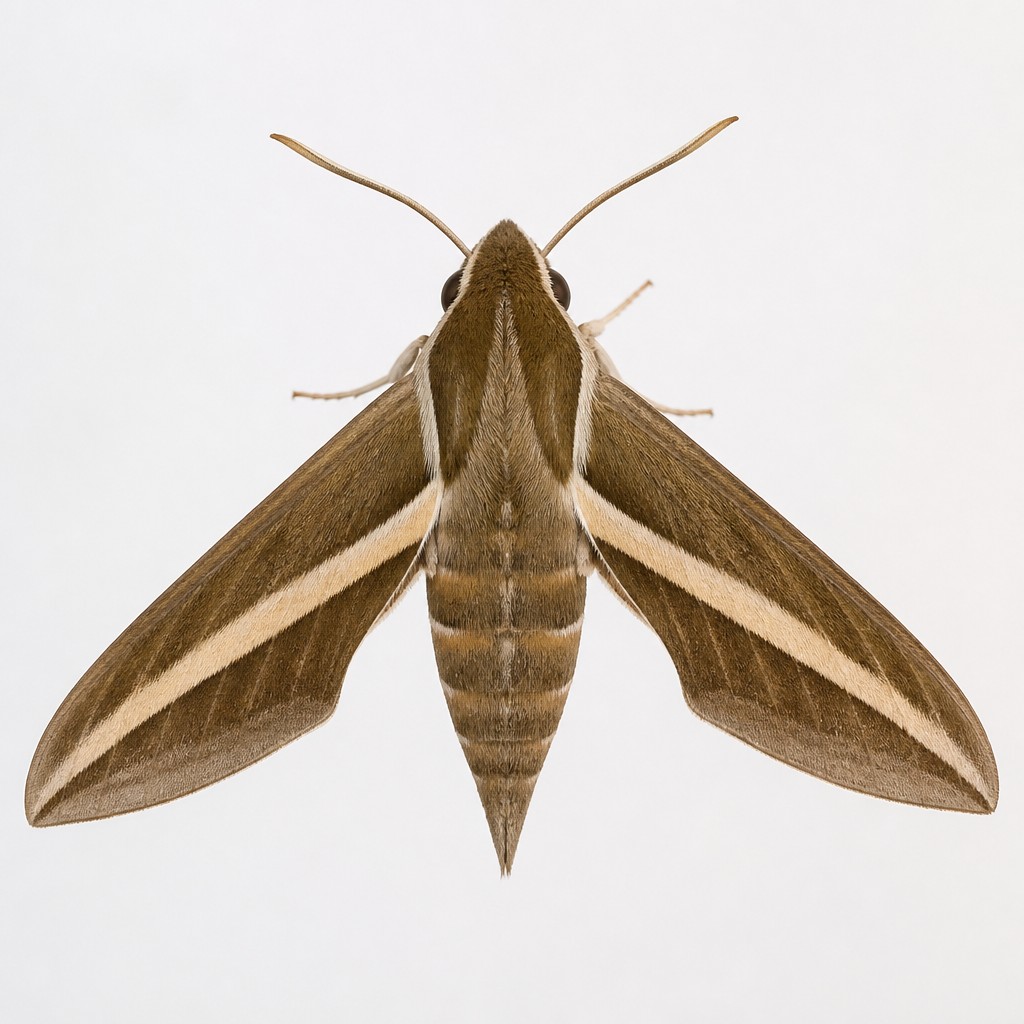
White-lined Sphinx Moth
A fast, hovering moth often mistaken for a hummingbird as it darts between flowers at dusk, identifiable by the bold cream-colored stripe running across each streamlined brown forewing.
moth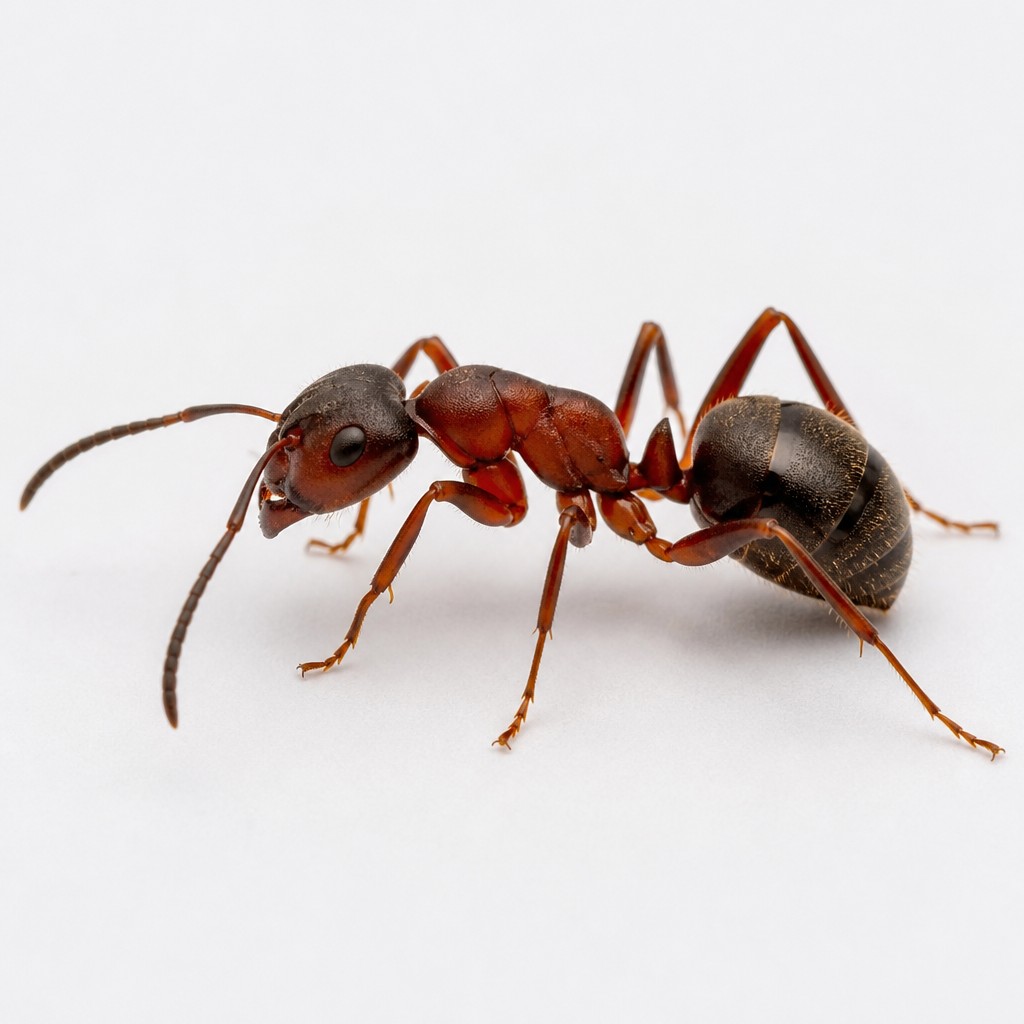
Ant
A small eusocial insect that lives in highly organized colonies, instantly recognizable by its narrow pinched waist, elbowed antennae, and single-file foraging trails.
ant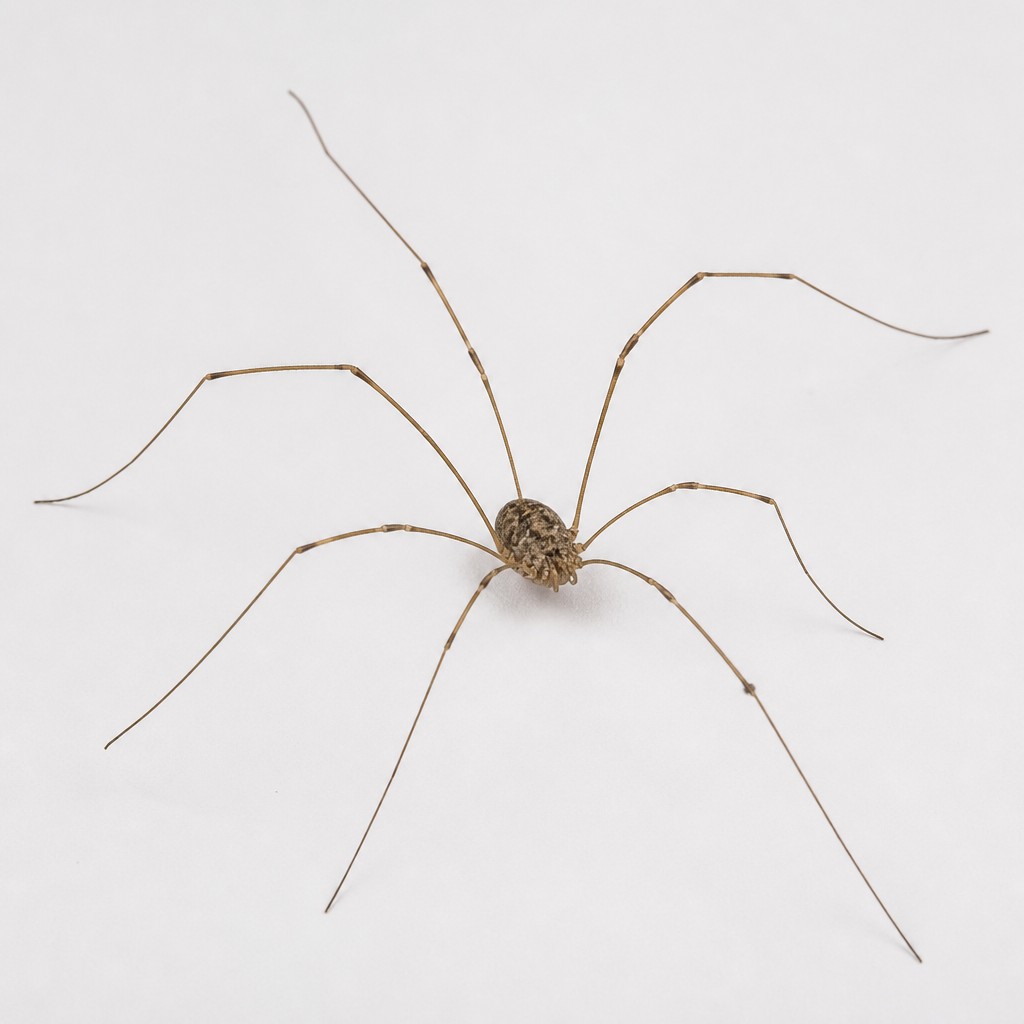
Daddy Longlegs (Harvestman)
A leggy, one-piece-bodied arachnid that scurries through leaf litter and garden beds on impossibly long, spindly legs, easily mistaken for a spider despite belonging to an entirely different arachnid order.
arachnid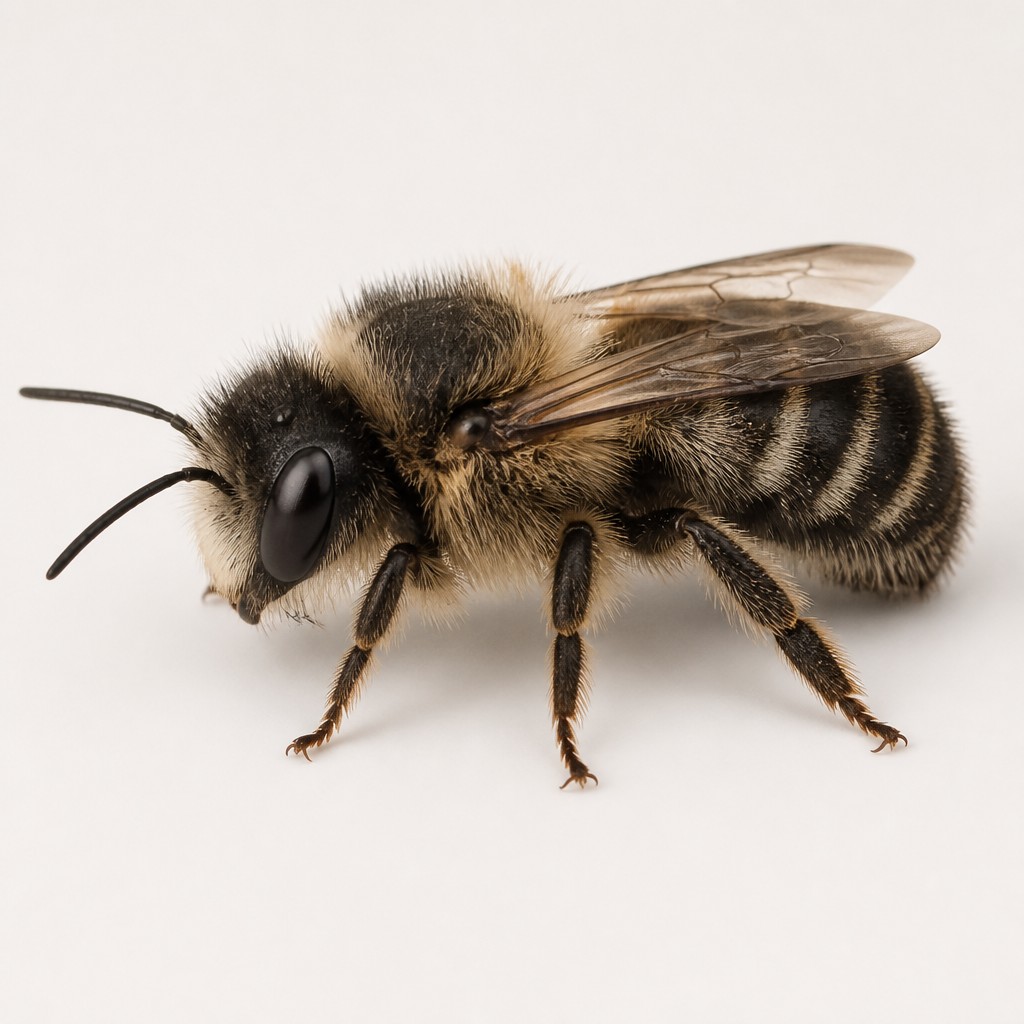
Mining Bee
A furry, solitary ground-nesting bee that emerges in early spring in loose aggregations, often mistaken for a small bumble bee, digging individual burrows marked by small volcano-shaped mounds of soil.
bee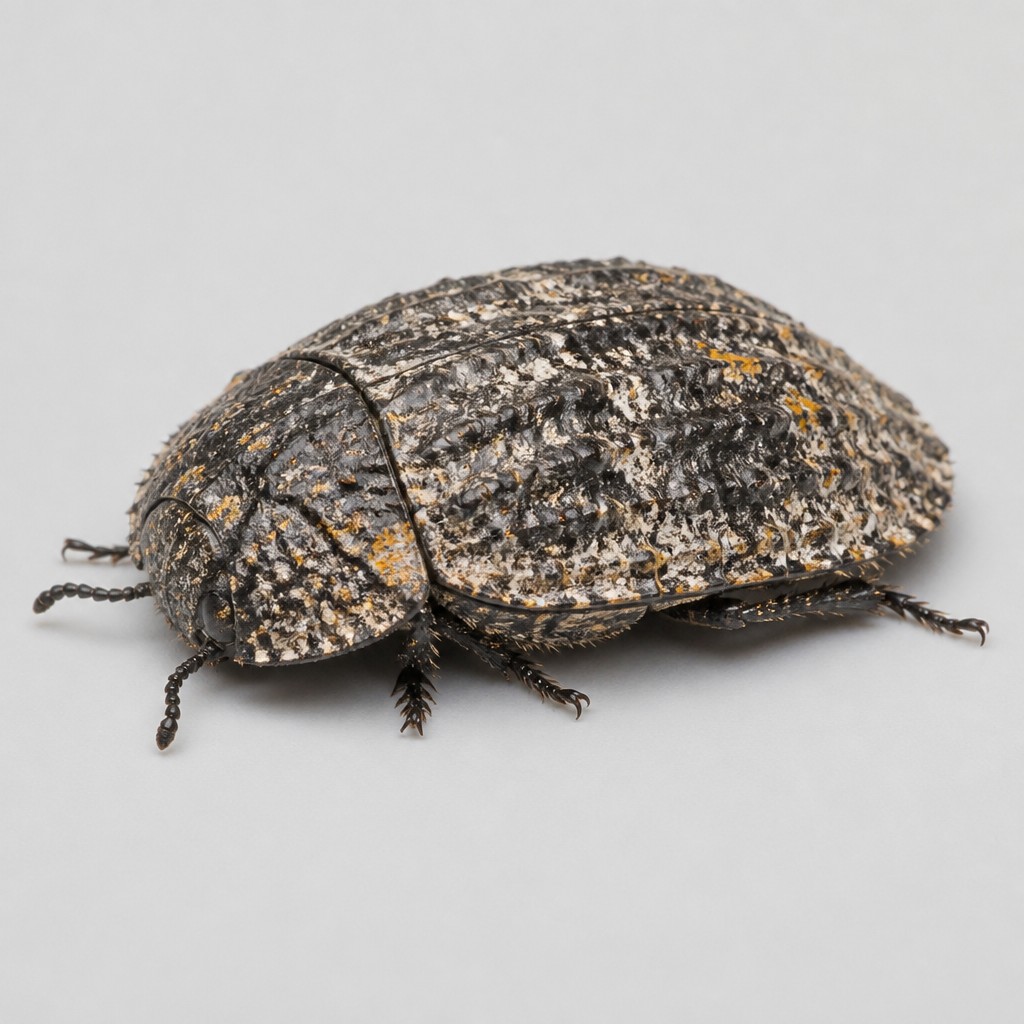
Ironclad Beetle
A slow-moving, mottled gray beetle famed for having one of the hardest, most crush-resistant exoskeletons of any insect, often found clinging motionless to dead wood or tree bark.
beetle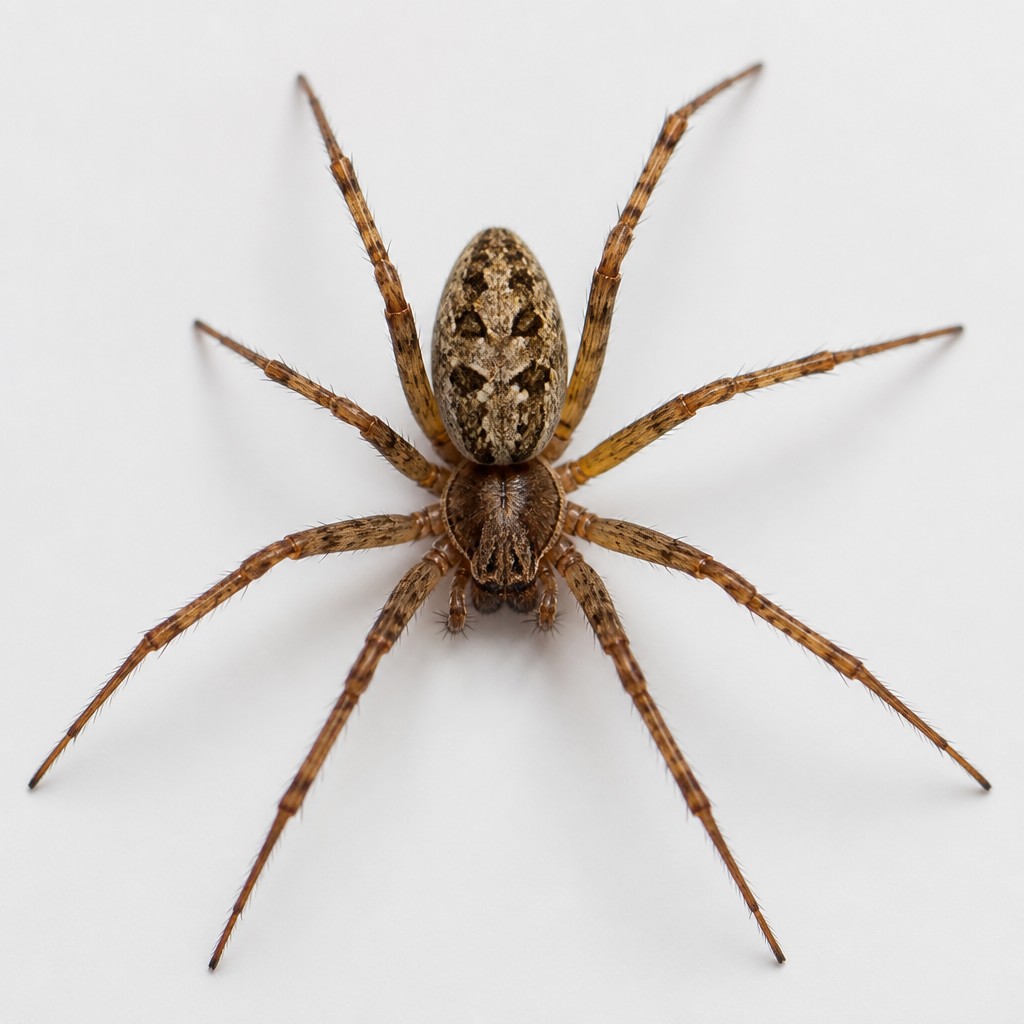
Brown Widow Spider
Named for its mottled tan-and-brown coloring rather than glossy black, the brown widow is easily recognized by its distinctive spiky, off-white egg sacs and an orange hourglass on its underside.
spider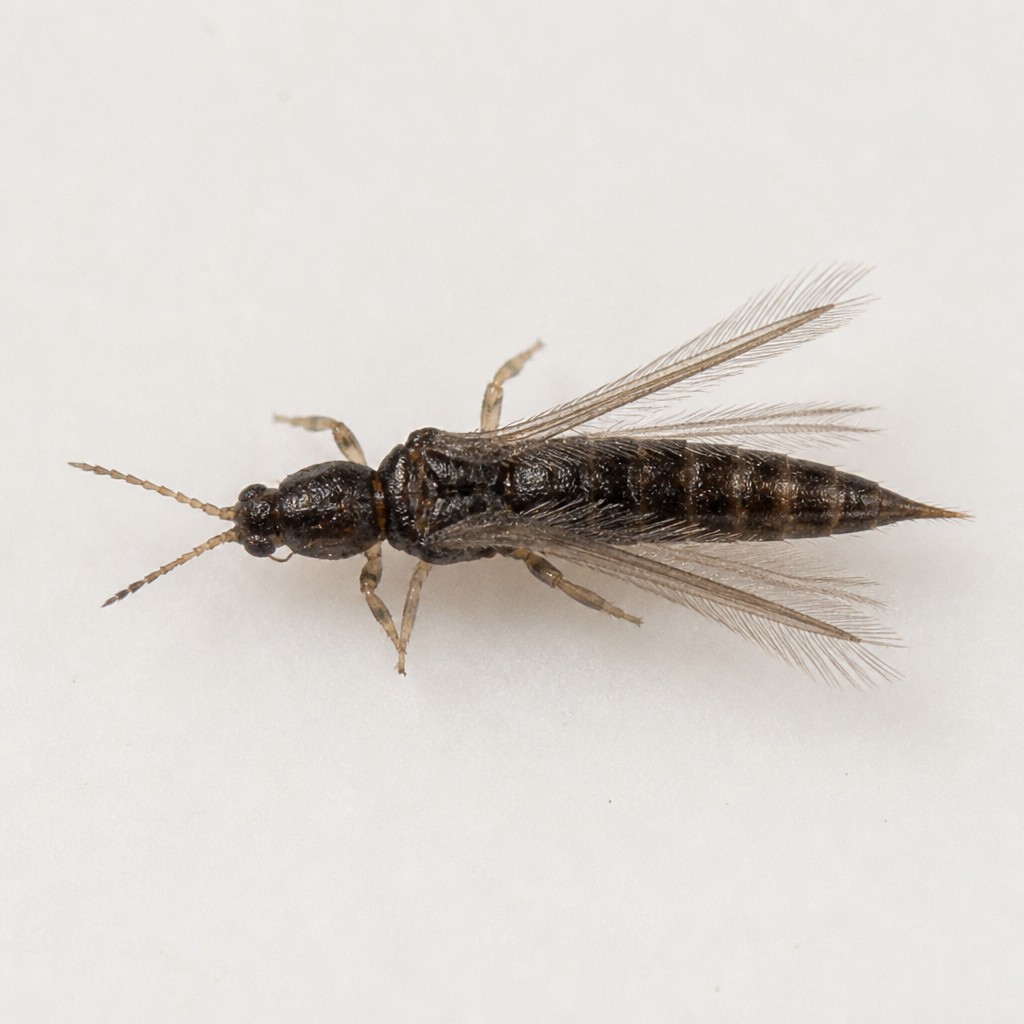
Thrips
A minuscule, slender insect with fringed, feather-like wings, often noticed only as a fast-moving dark speck darting across a flower petal or windowsill.
other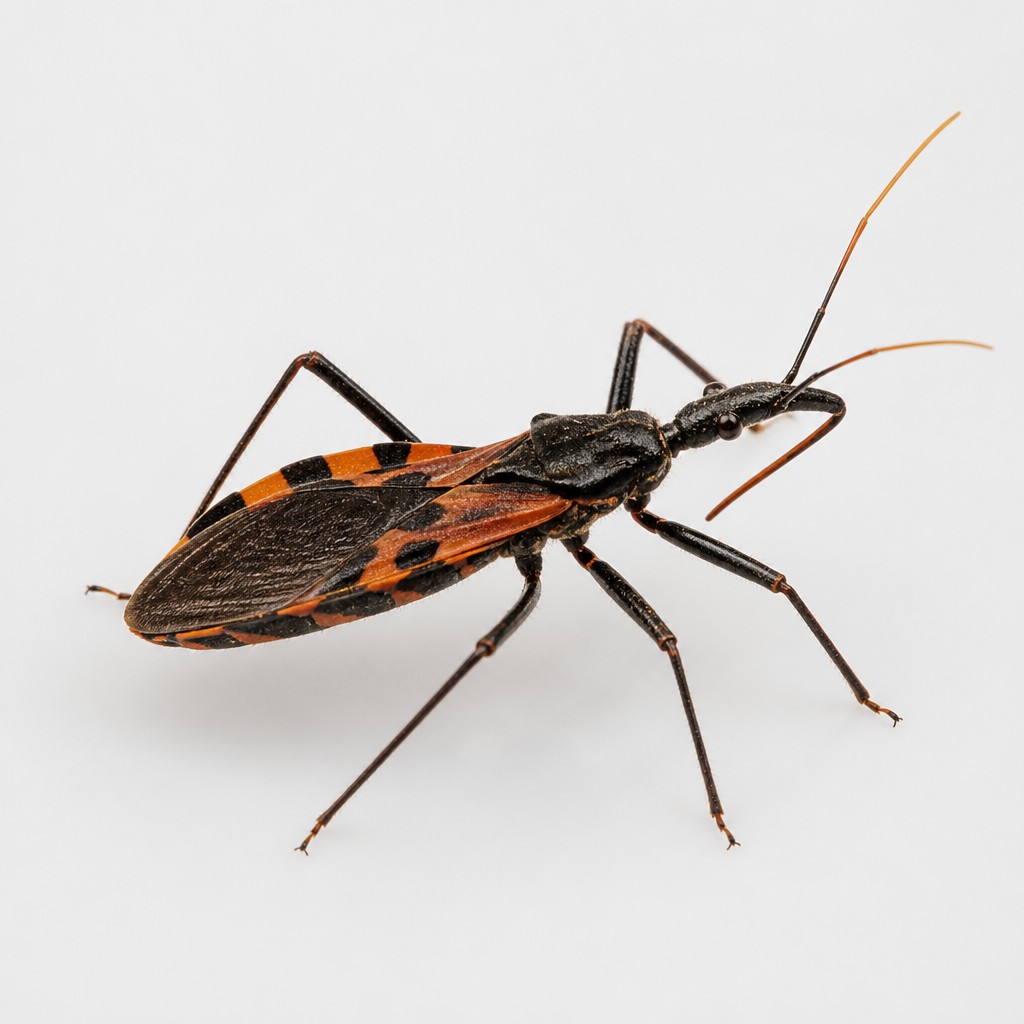
Assassin Bug
A slender, long-legged predatory true bug with a curved, needle-like beak used to ambush and pierce other insects, often patterned in bold orange, black, or red warning colors.
true-bug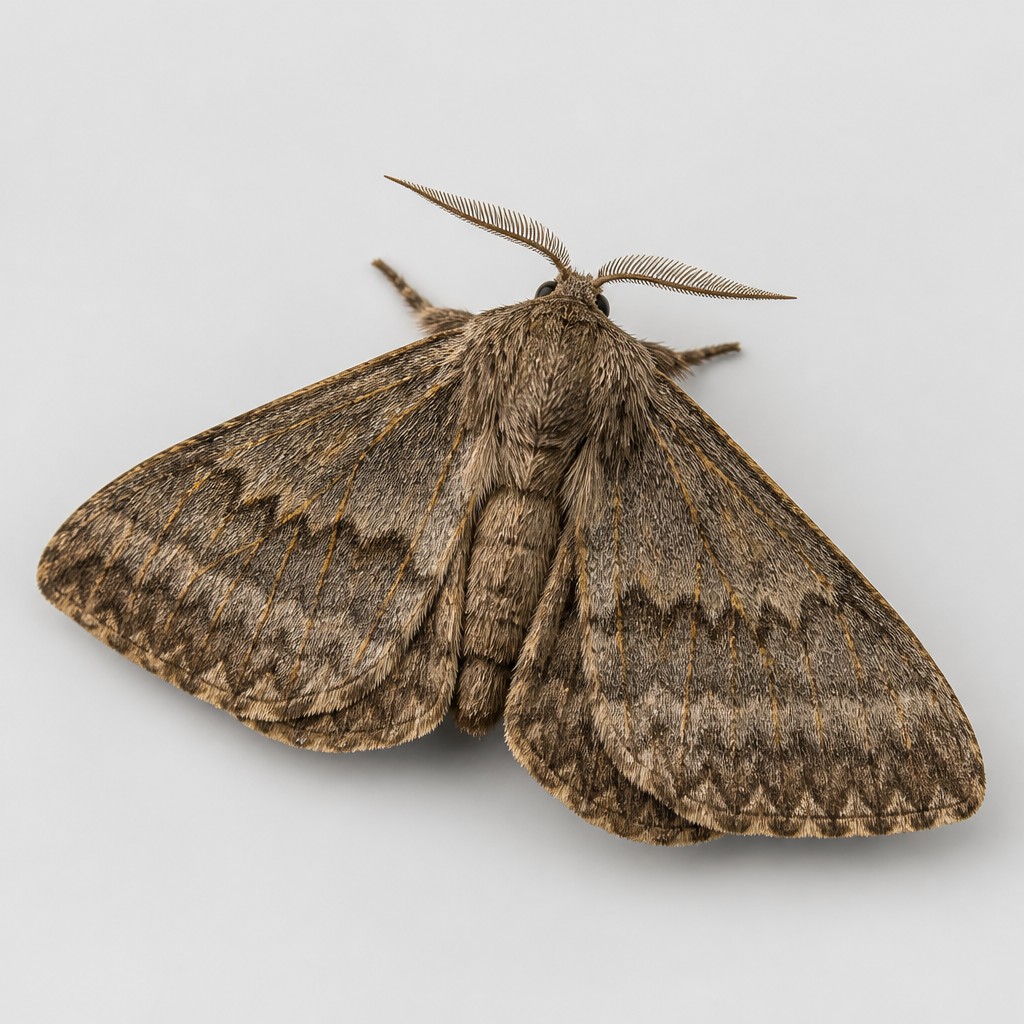
Moth
A broad group of scale-winged insects related to butterflies, typically nocturnal, with stout, often furry bodies and feathery or thread-like antennae.
moth