
Bug Encyclopedia
Search and identify bugs & insects — beetles, butterflies, moths, ants, bees, spiders and more — with size, habitat, danger, behavior, and how to tell them apart.
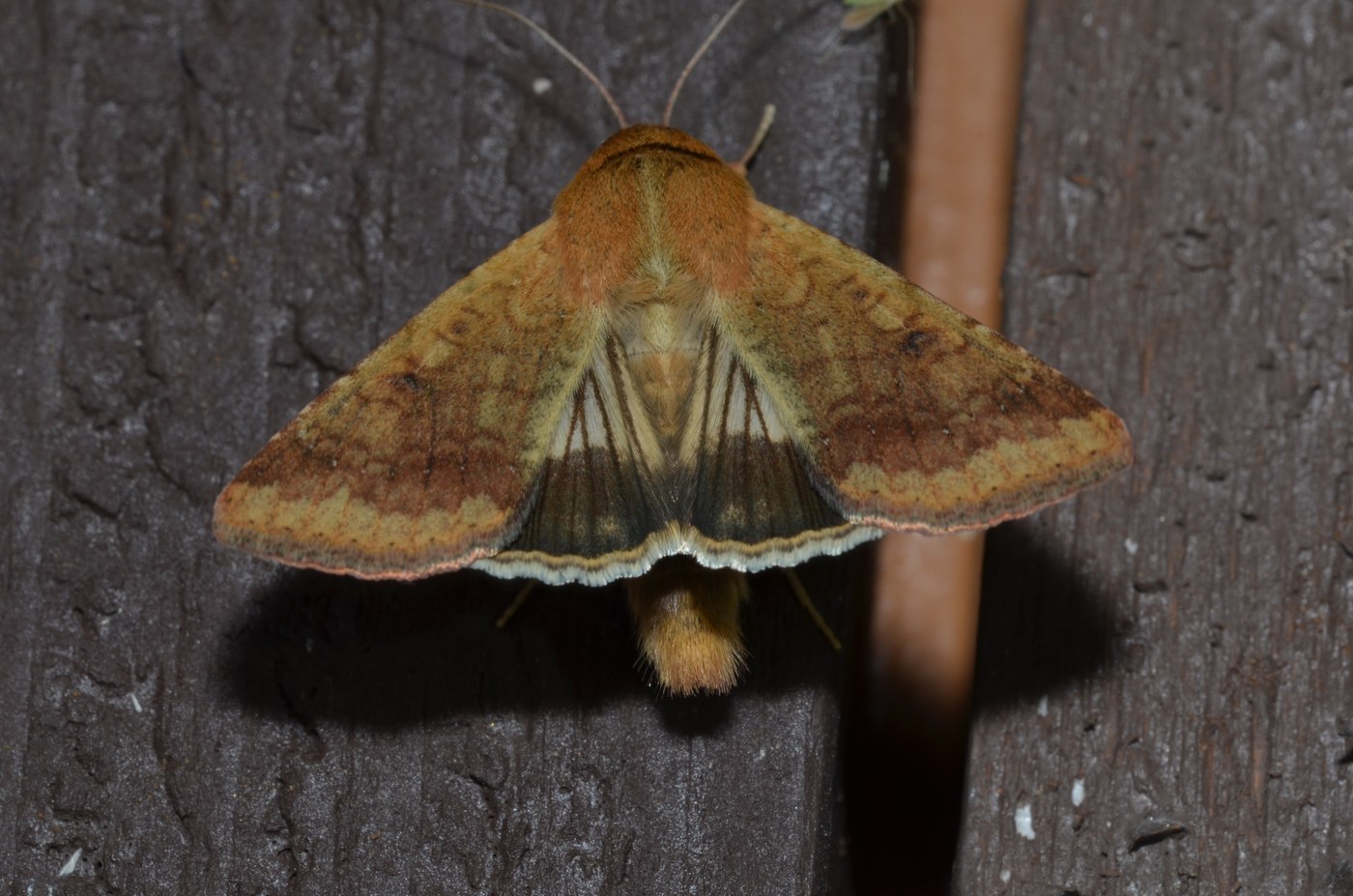
Bollworm
One of the most economically significant caterpillars in North American agriculture, the bollworm changes color from green to brown to pink across its life and bores into cotton bolls, corn ears, and tomato fruit alike.
caterpillar-larvaAsian Longhorned Beetle
A large, glossy black longhorn beetle patterned with irregular white spots and boldly banded blue-white antennae, notable as one of the largest and most eye-catching wood-boring beetles seen in temperate hardwood trees.
beetleWhip Scorpion
A flattened, spider-like arachnid with a pair of extraordinarily long, whip-thin front legs used to feel out its surroundings in the dark, and large spiny pedipalps held out front like a crab's claws. Despite the name and fearsome appearance, it has no stinger and no fangs.
arachnid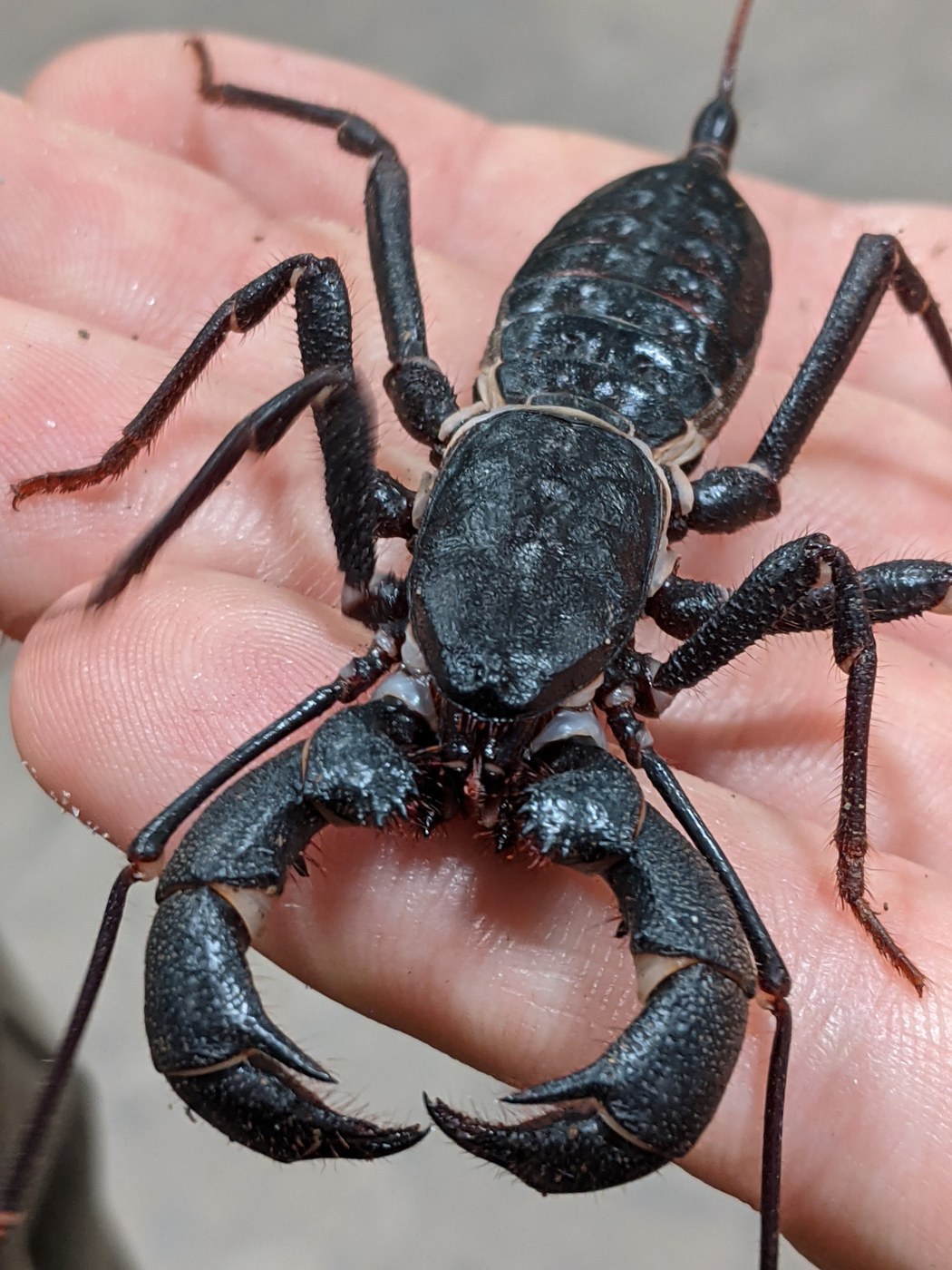
Vinegaroon
A robust, dark, scorpion-like arachnid whose long, thin whip for a tail gives it its name, and whose signature defense is spraying a concentrated mist of vinegar-scented fluid rather than stinging. Despite its intimidating look, it has no venom at all.
arachnid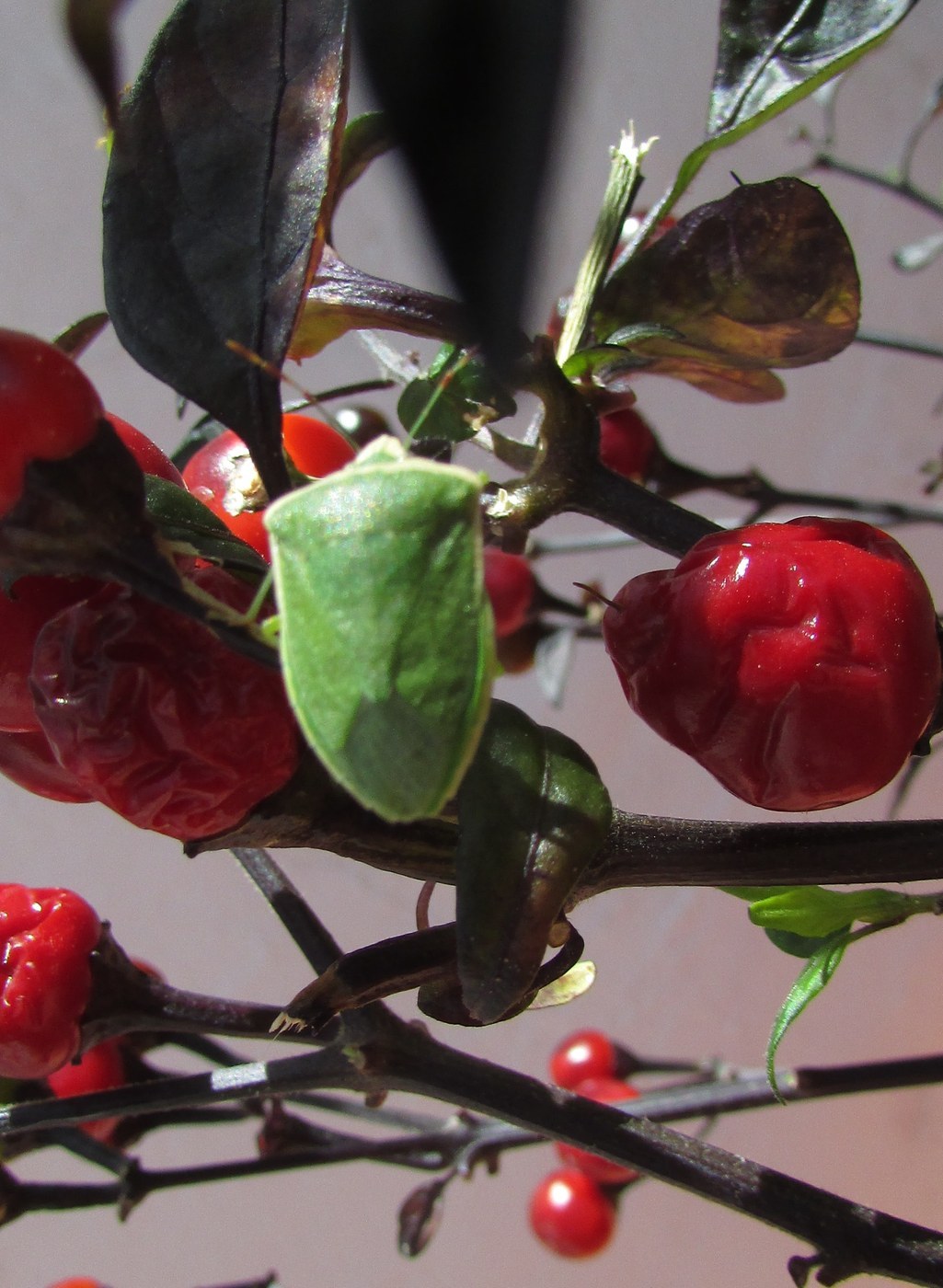
Southern Green Stink Bug
A large, shield-shaped, solid bright green true bug found on a wide variety of garden and crop plants across warm regions worldwide, recognizable by its broad body and, in some individuals, a row of small pale dots along the shoulders.
true-bug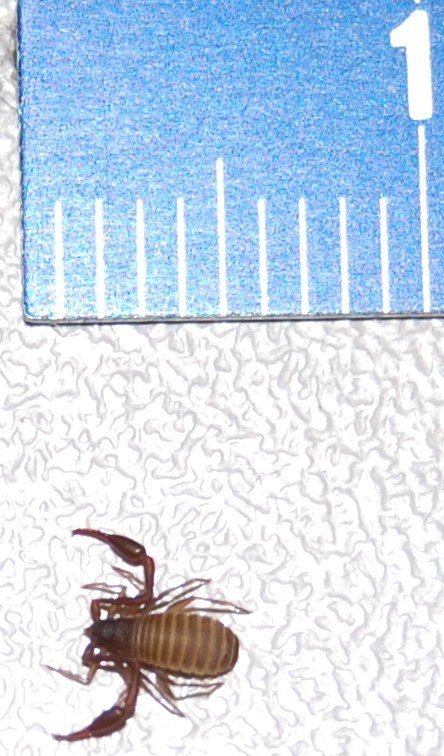
Pseudoscorpion
A tiny, tail-less relative of true scorpions, complete with a pair of oversized pincers on a body barely bigger than a grain of rice. Often overlooked entirely, it spends its life hunting even smaller arthropods in leaf litter, bark, and sometimes old books.
arachnid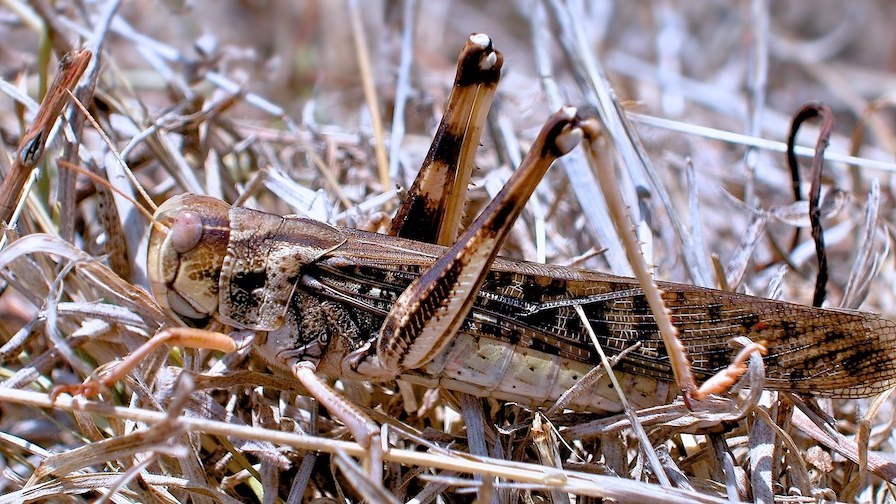
Locust
A large, powerful grasshopper capable of transforming from a solitary, harmless insect into a densely packed, migrating swarm when populations surge, historically famous for devastating crops across huge regions.
grasshopper-cricket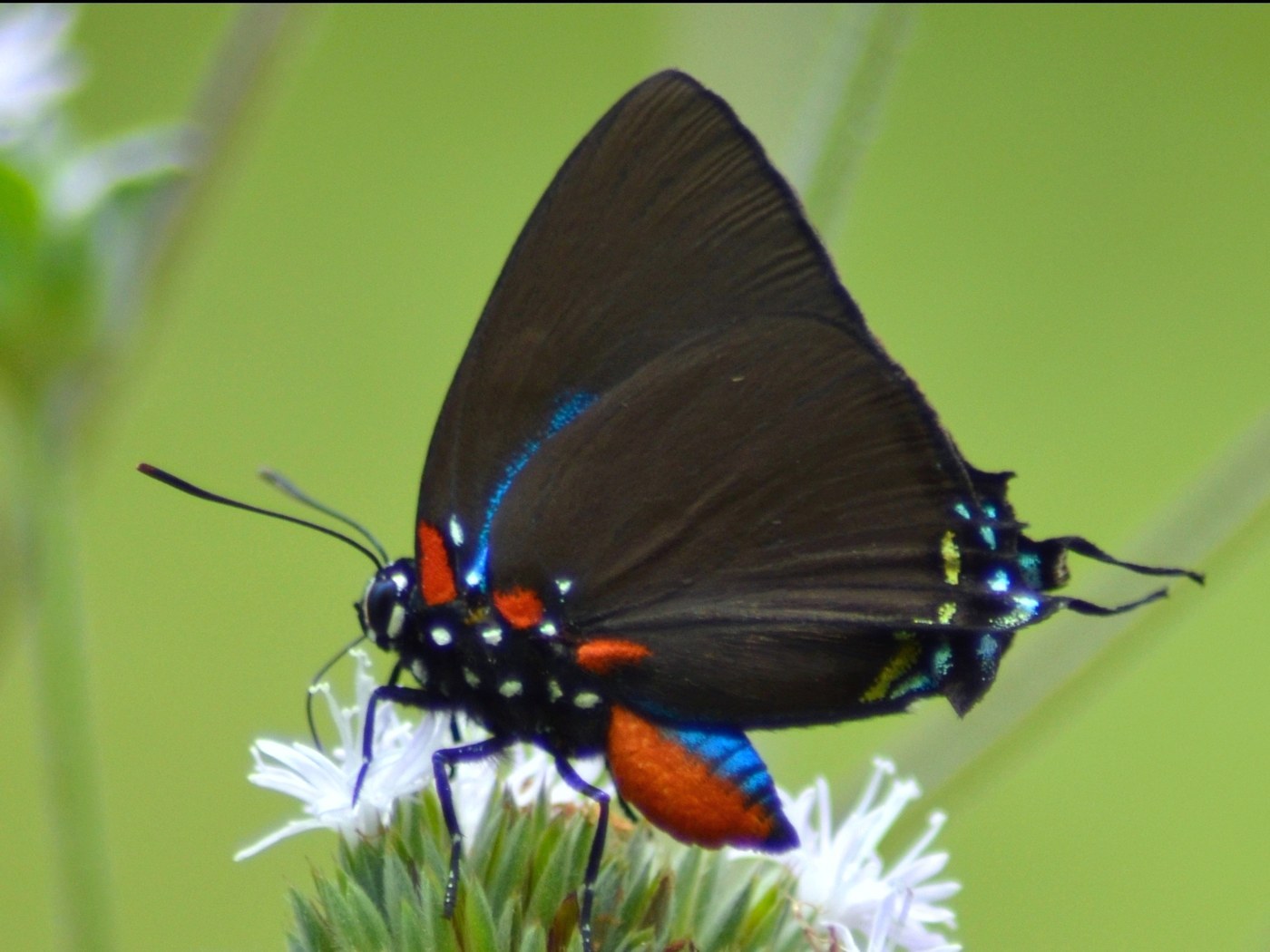
Great Purple Hairstreak
The largest and most iridescent hairstreak in North America, with brilliant blue-green upperwings, red-orange spots on the body and wing base, and long twin tails, its caterpillars feeding on parasitic mistletoe clumps in host trees.
butterflyIchneumon Wasp
A slender, long-antennaed parasitoid wasp, often mistaken for a giant mosquito or a stinging insect, that is best known for the extraordinarily long ovipositor some species use to drill into wood and lay eggs on hidden larvae.
wasp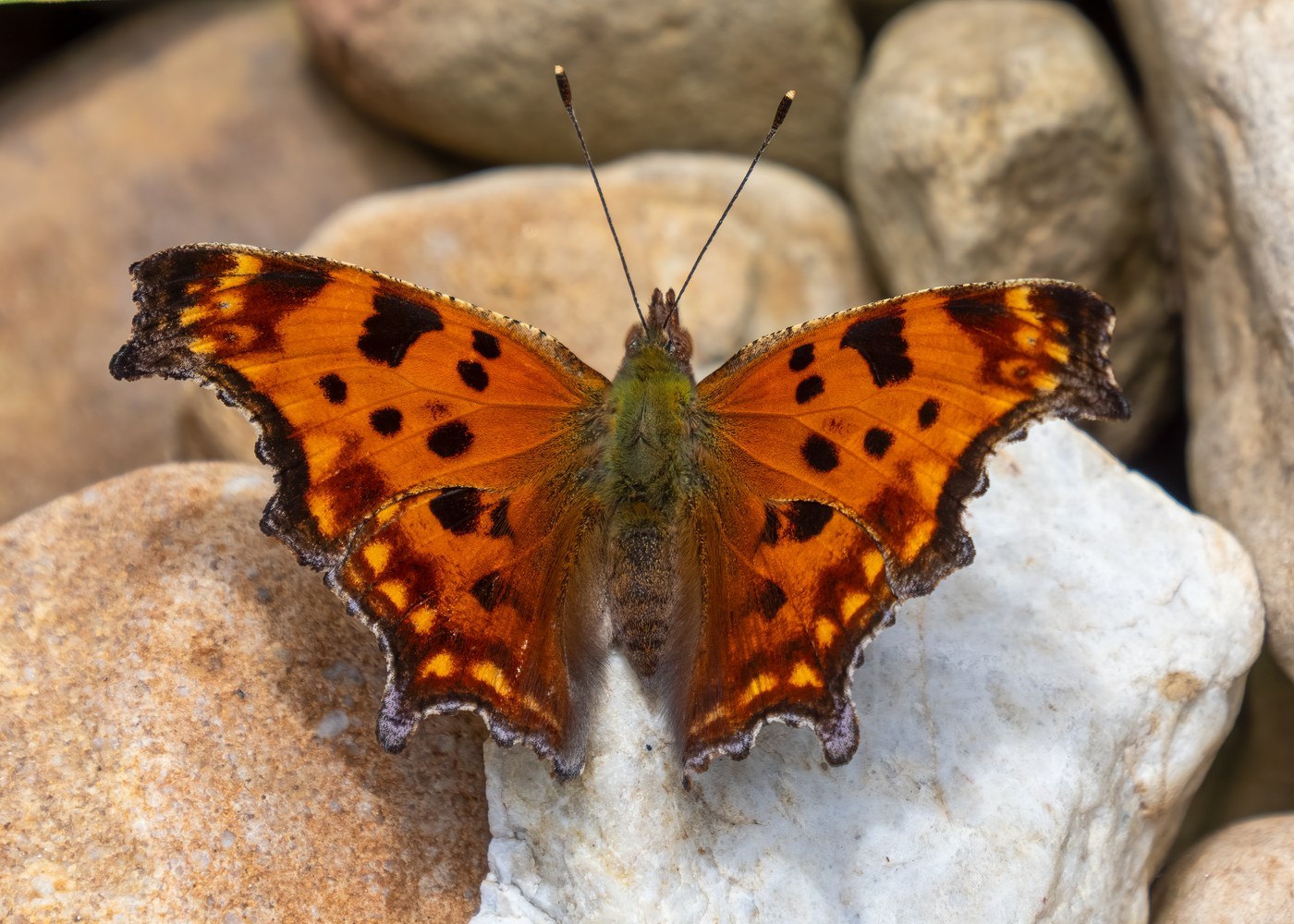
Eastern Comma
A ragged-edged orange-and-brown woodland butterfly named for the small, silvery comma-shaped mark on the underside of its hindwing, with a cryptic dead-leaf pattern that camouflages it perfectly when its wings are closed.
butterfly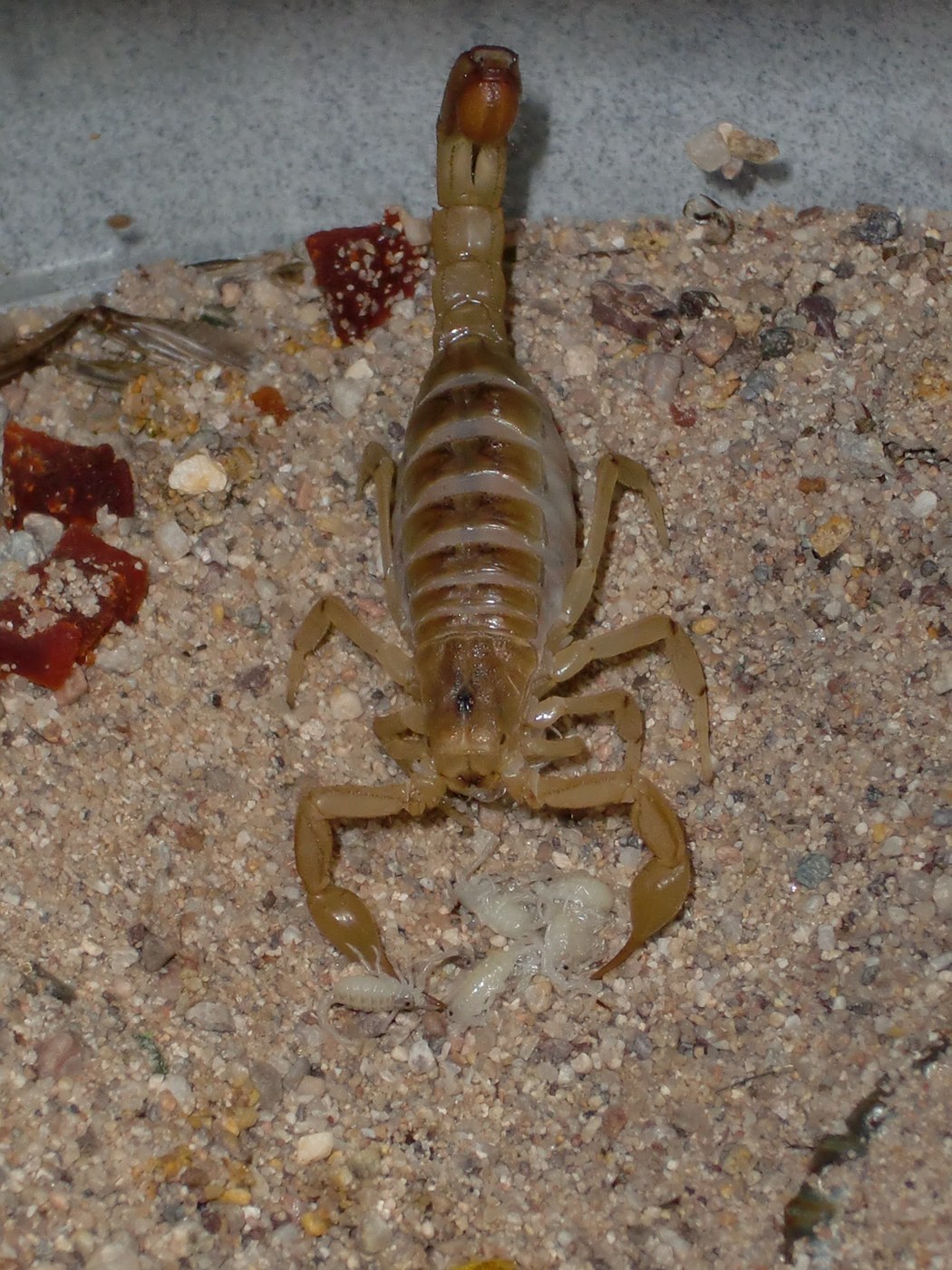
Bark Scorpion
A slender, pale tan scorpion best known for its unusual habit of climbing trees, walls, and rock faces rather than staying on the ground like most scorpions. Its thin build and long, narrow tail set it apart from the stockier, heavy-clawed scorpions found elsewhere.
arachnid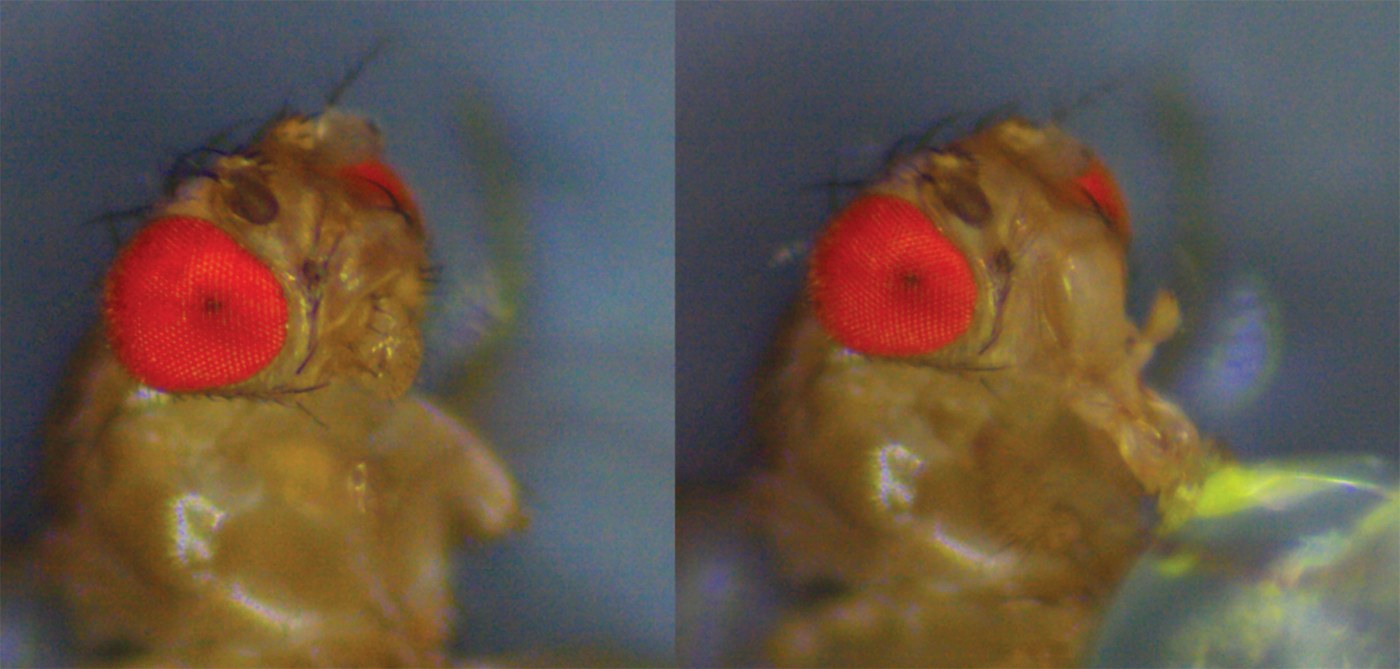
Vinegar Fly
A tiny tan fly with bright red eyes that seems to appear out of nowhere the moment a banana starts to spoil, drawn in by the smell of fermentation rather than the fruit itself. Few insects have contributed more to the science of genetics, making this unassuming kitchen visitor one of the most studied animals on Earth.
flyWarble Fly
A furry, bee-mimicking fly that never lands on flowers or feeds as an adult, spending its brief life darting around grazing cattle to lay eggs on their legs and lower body. Herds sometimes react with sudden panicked runs, known as gadding, whenever a warble fly approaches.
flySnipe Fly
A slender, long-legged fly often seen perched head-down on a sunny tree trunk or fence post, patiently watching for smaller insects to ambush. Its tapered, wasp-like abdomen and habit of resting motionless with legs splayed give it a distinctive, almost sentry-like posture in woodland clearings.
fly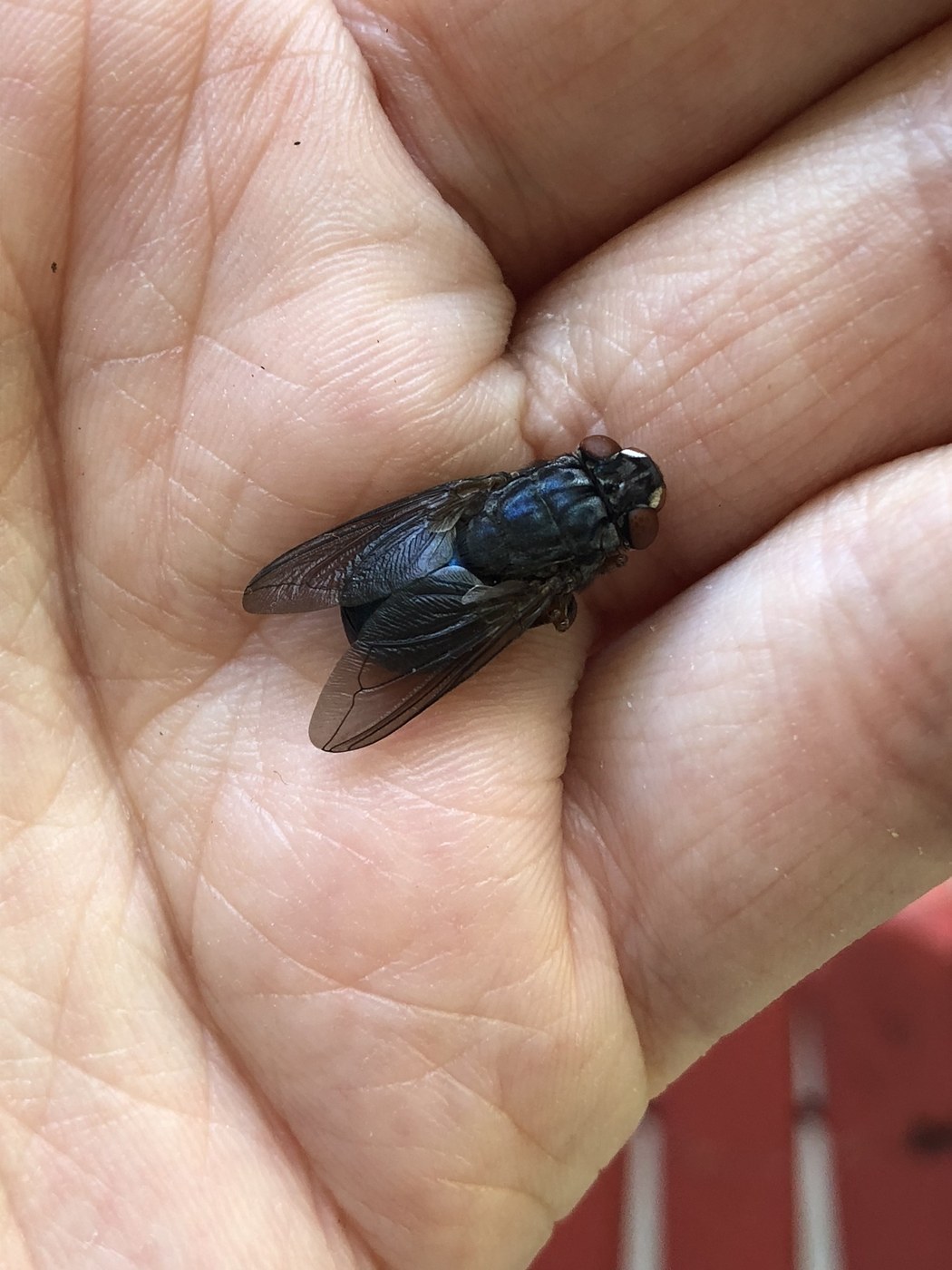
Human Bot Fly
A stout, dark-bodied fly from the American tropics famous for an unusual reproductive trick: it captures a blood-feeding mosquito mid-flight and glues its own eggs to the mosquito's body before releasing it to carry them to a future host. The adult itself is rarely seen, spending most of its short life in shaded forest understory.
fly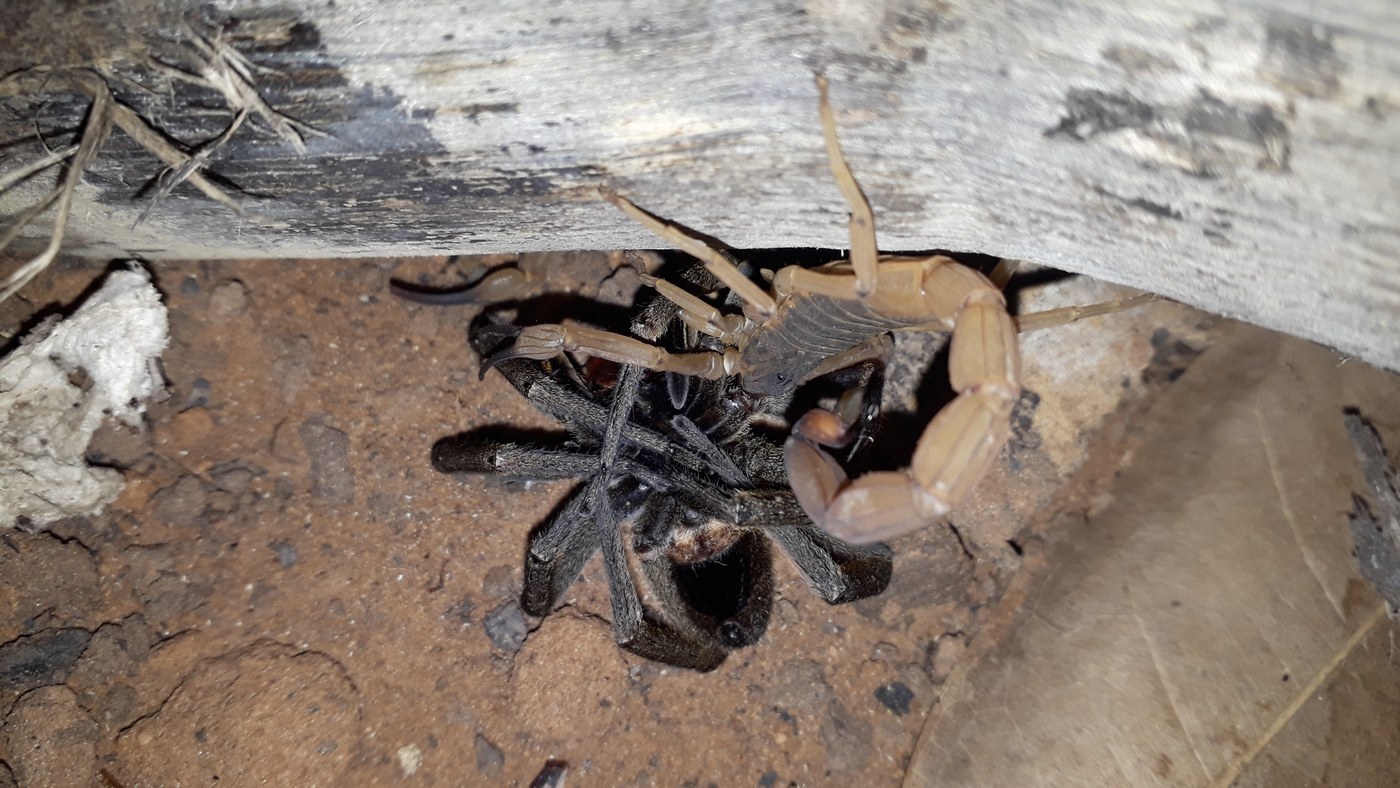
Brazilian Wandering Spider
A fast, ground-dwelling hunter of the South American rainforest floor, the Brazilian wandering spider builds no web at all, instead actively roaming at night in search of prey and occasionally turning up in shipments of bananas, which earned it a widely known nickname.
spider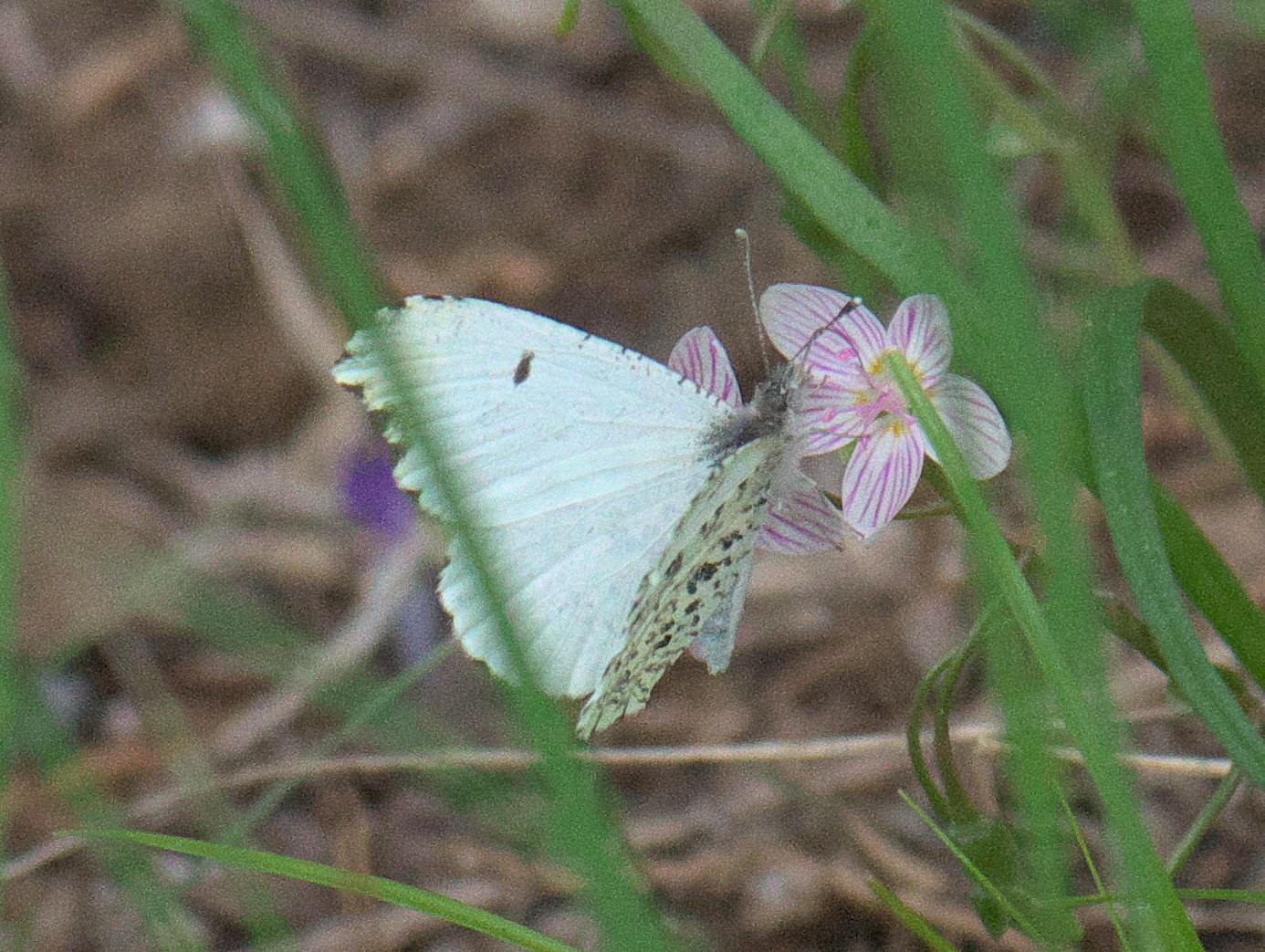
Falcate Orangetip
An early-spring white butterfly whose males flash bright orange wingtips, while both sexes show a distinctive hooked (falcate) forewing shape and marbled green underside pattern.
butterflyPicture-Winged Fly
A small fly whose clear wings are decorated with bold bands, spots, or intricate patterns, often waved and flicked in slow, deliberate displays that give the impression of a tiny fan being opened and closed. Some species even raise their patterned wings above the body and walk sideways in courtship displays reminiscent of a strutting peacock.
fly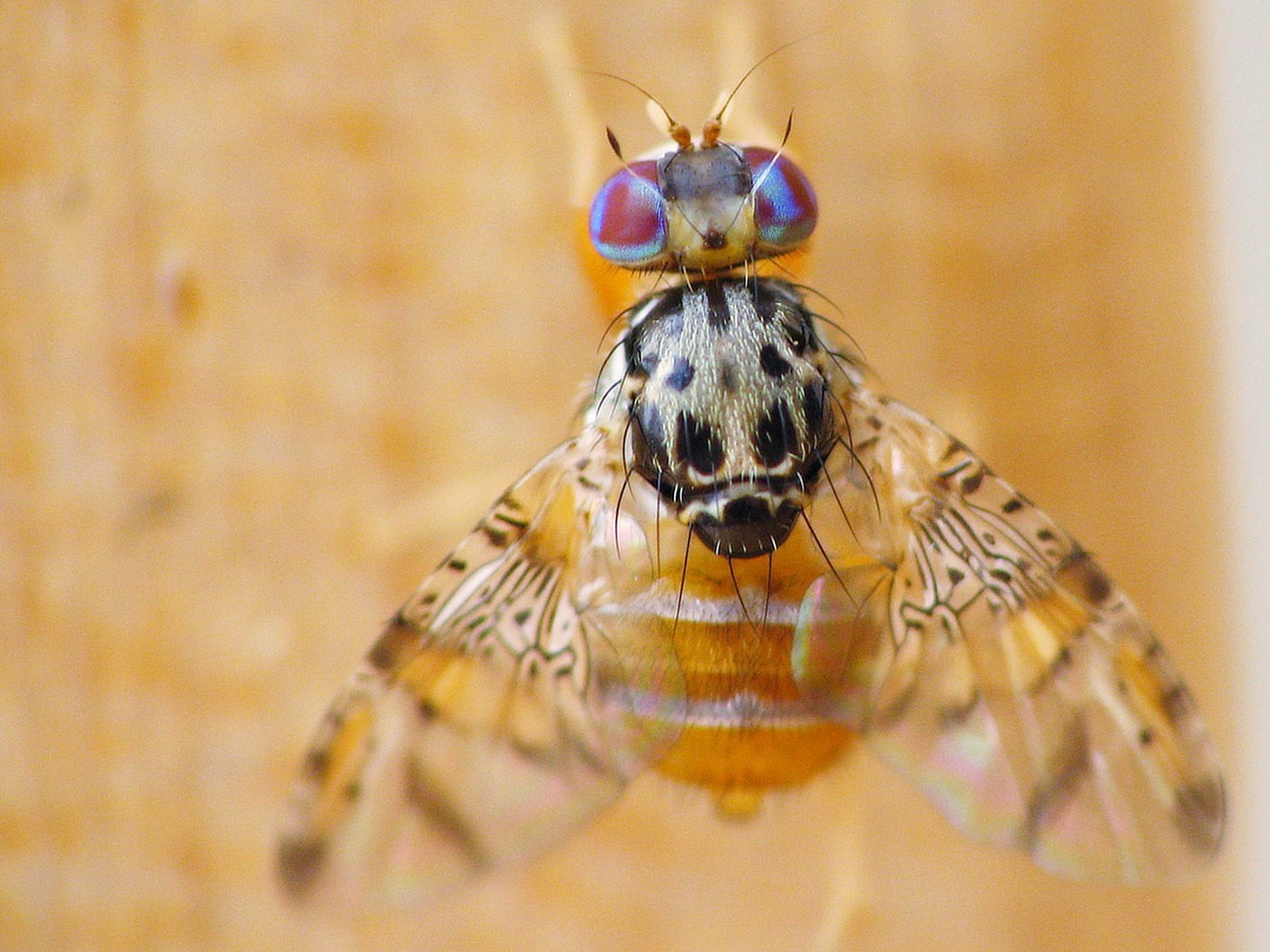
Fruit Fly (Mediterranean)
A small but strikingly patterned fly with mottled, banded wings held out to the sides in a fan and a body dotted with silvery spots, best known for larvae that tunnel through ripening fruit. Native to sub-Saharan Africa, it has spread with human trade to become one of the most widely recognized fruit-infesting insects in the world.
fly