
Bug Encyclopedia
Search and identify bugs & insects — beetles, butterflies, moths, ants, bees, spiders and more — with size, habitat, danger, behavior, and how to tell them apart.
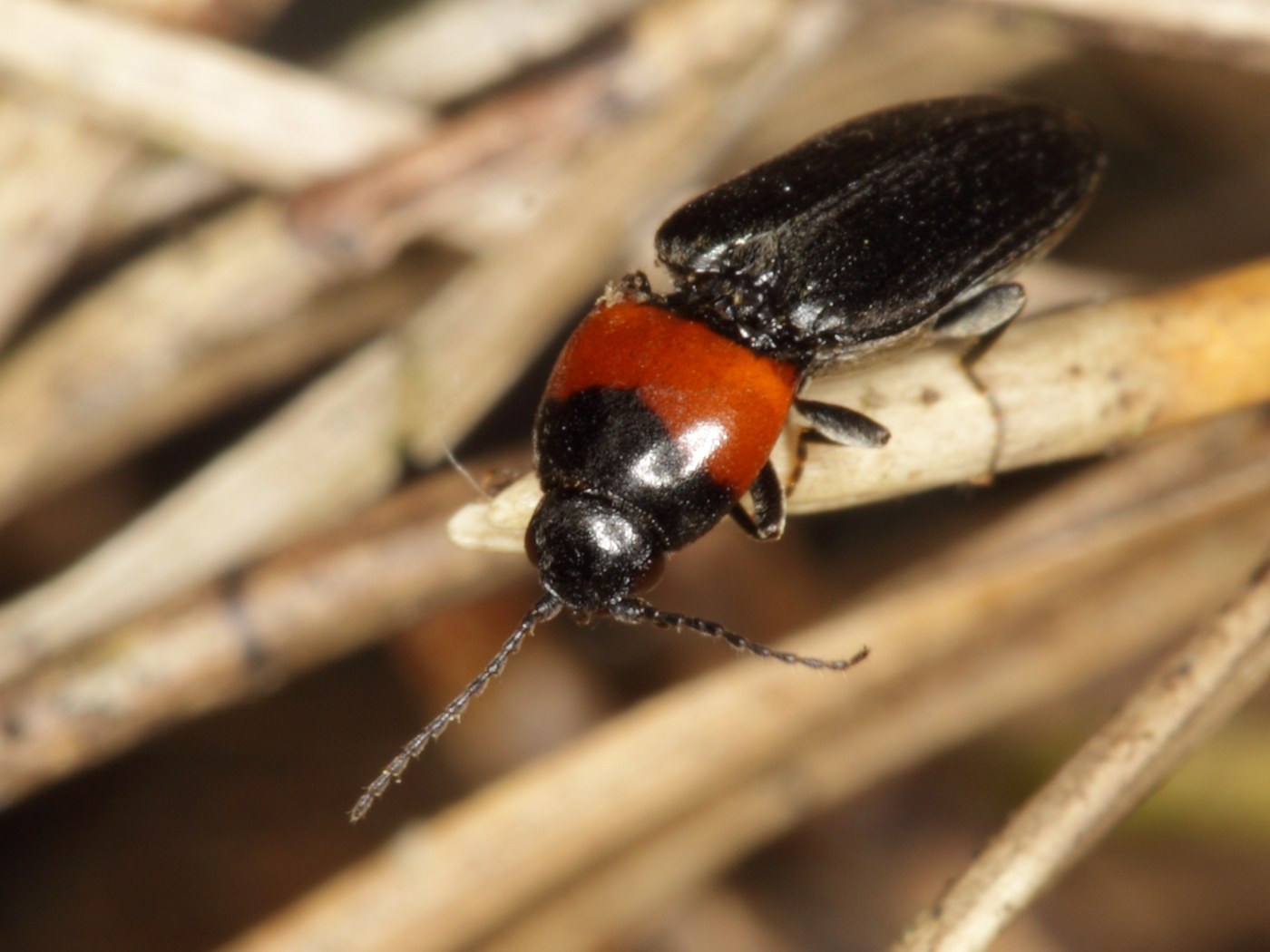
Click Beetle
An elongated, streamlined beetle famous for the audible clicking snap it makes to flip itself upright when placed on its back, a spring-loaded escape mechanism unique to this family.
beetle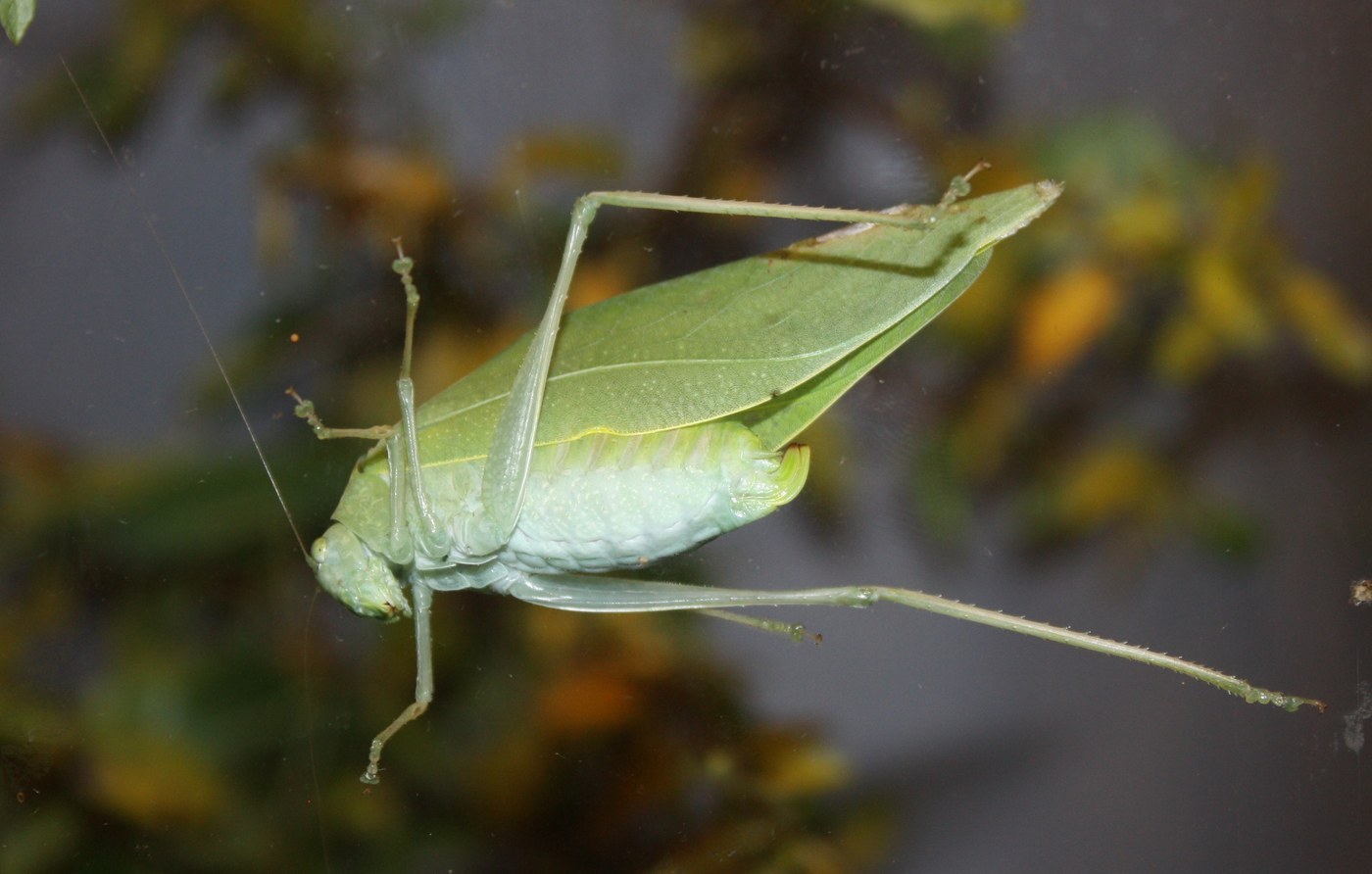
Angular-winged Katydid
A leaf-green katydid whose broad, leaf-shaped wings make it nearly invisible among tree foliage until its soft nighttime calls give it away.
grasshopper-cricket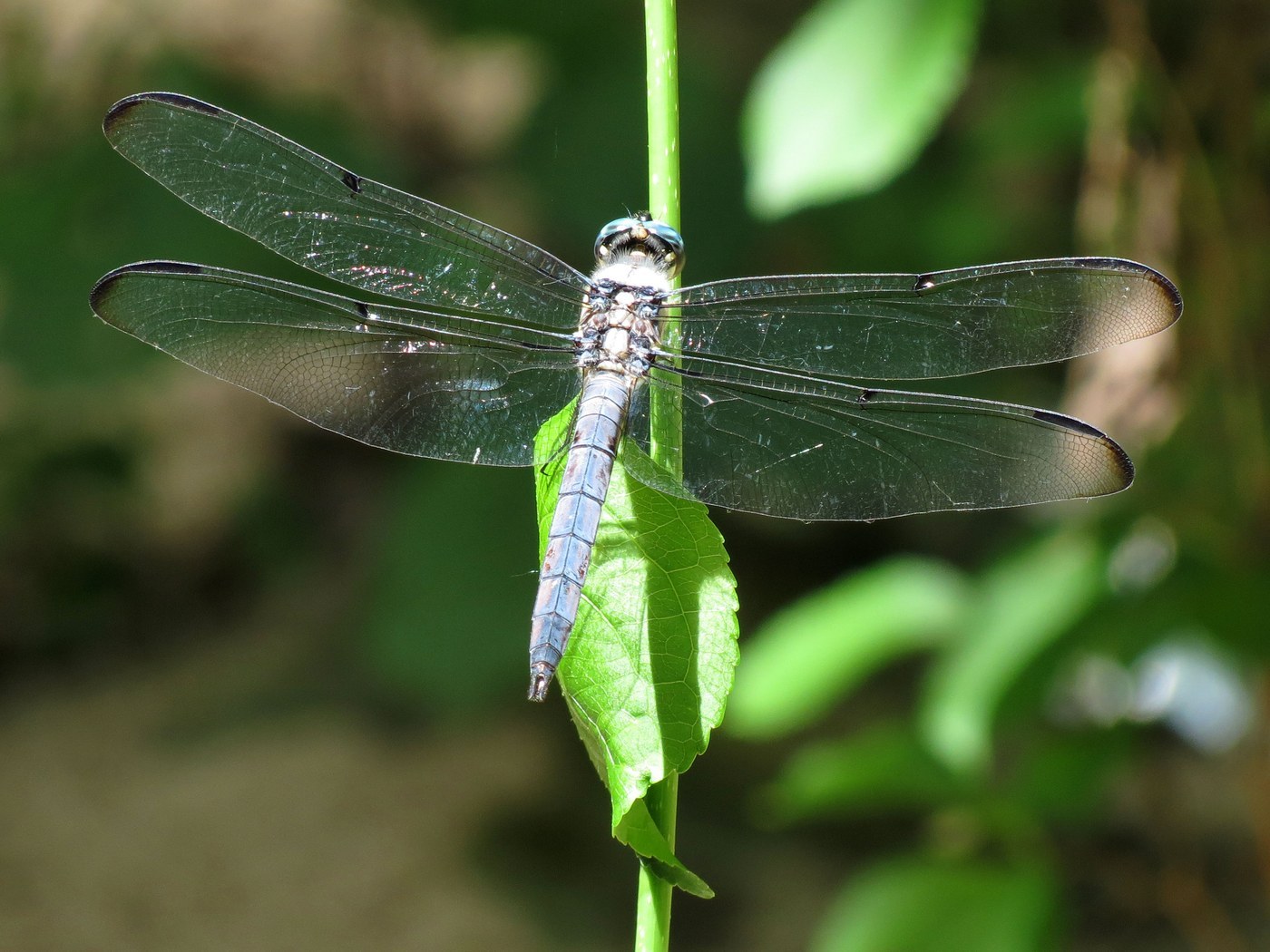
Great Blue Skimmer
One of North America's largest skimmers, the Great Blue Skimmer's powdery sky-blue body and pale green eyes make it stand out as it cruises woodland pond edges.
dragonfly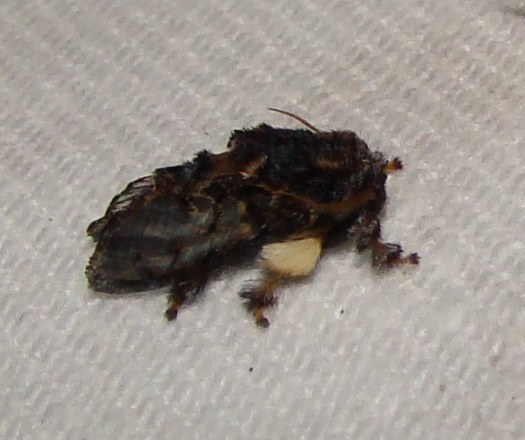
Hag Moth Caterpillar (Monkey Slug)
One of the strangest caterpillars in North America, with curling, hair-covered arm-like projections that make it look uncannily like a tiny tuft of matted fur or a miniature spider monkey.
caterpillar-larva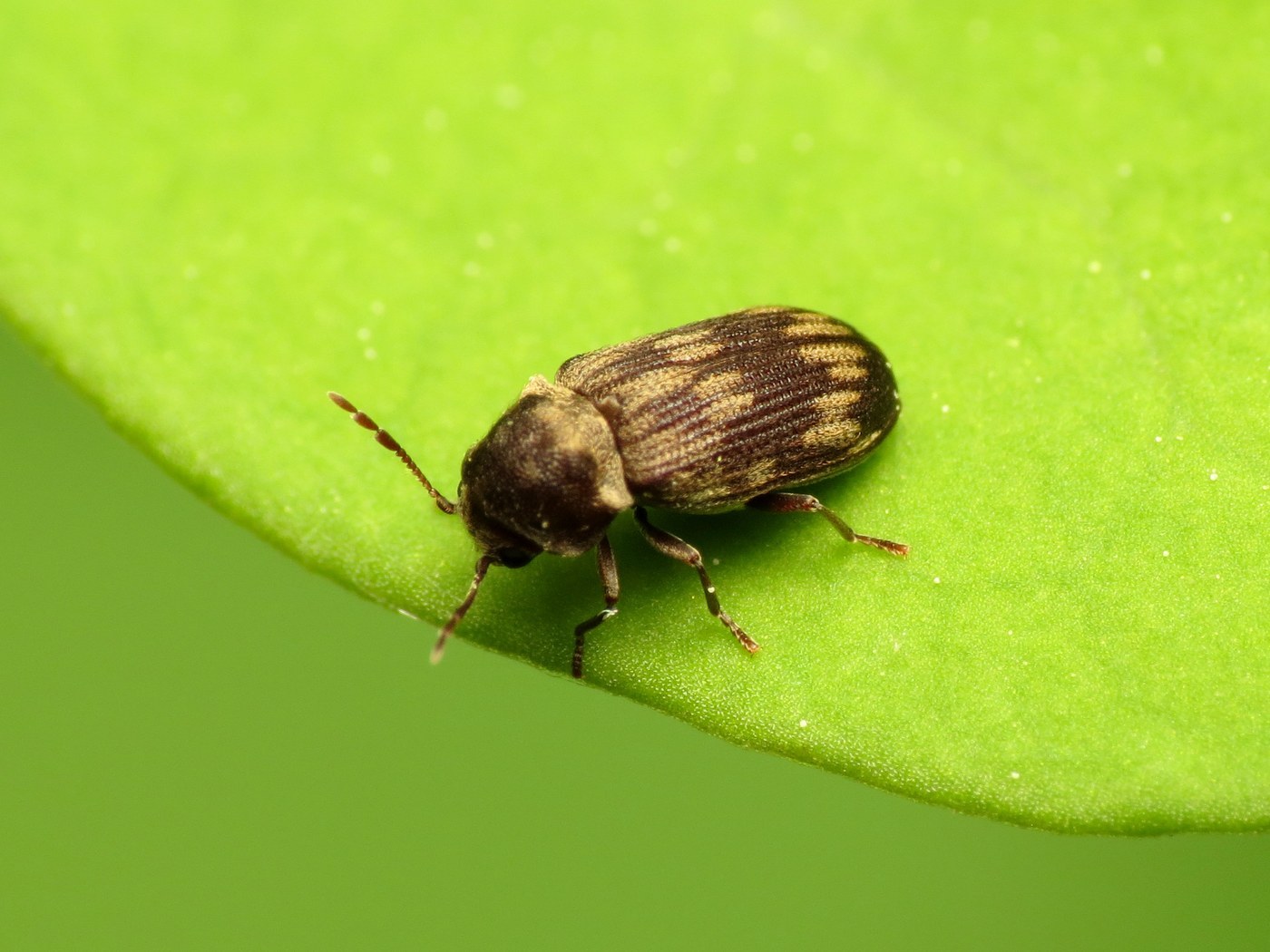
Deathwatch Beetle
A small, mottled brown wood-boring beetle famous for the faint ticking sound it makes by tapping its head against wood, historically associated with old timber-framed buildings.
beetle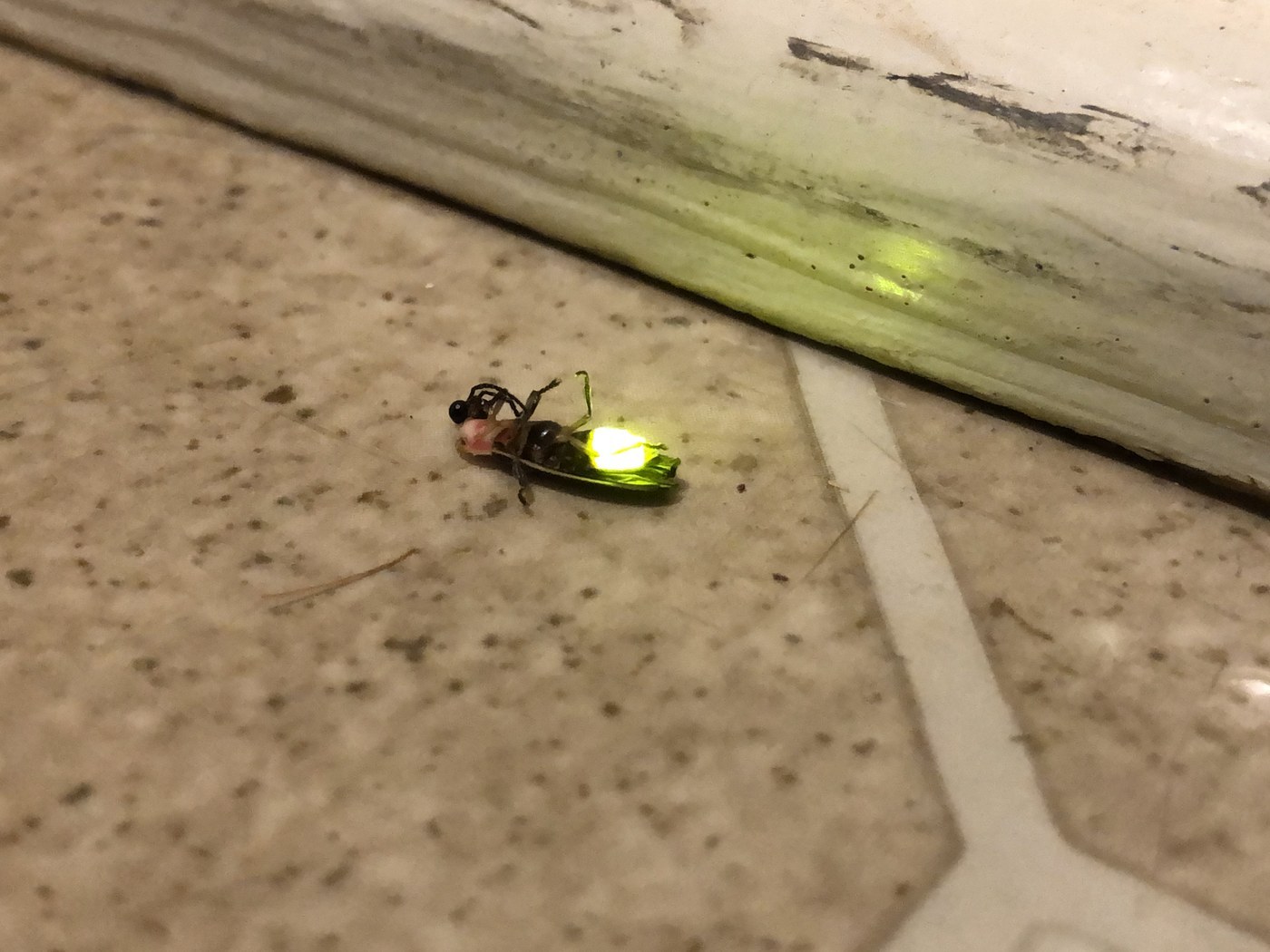
Fireflies
A soft-bodied beetle famous for producing rhythmic, glowing flashes of light from its abdomen at dusk, used to signal and attract mates across meadows and gardens on warm summer evenings.
beetle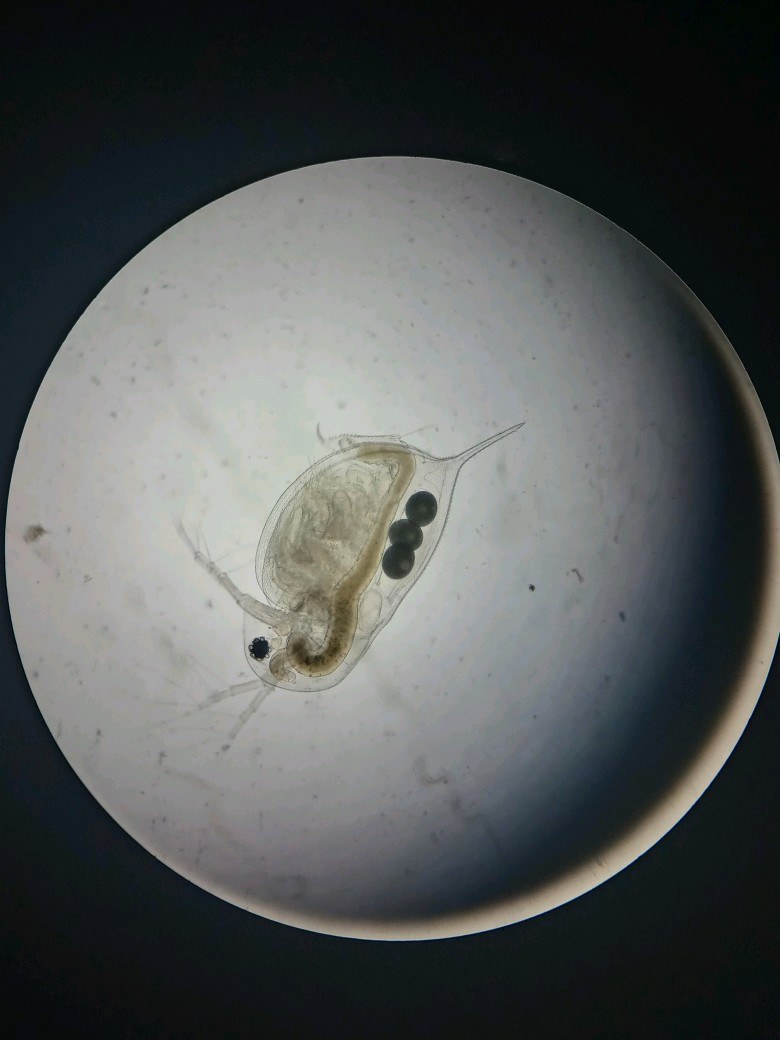
Water Flea
Despite the name, the water flea is not an insect at all but a tiny, jerky-swimming crustacean whose transparent body and single dark eye make it one of the most recognizable members of freshwater plankton.
other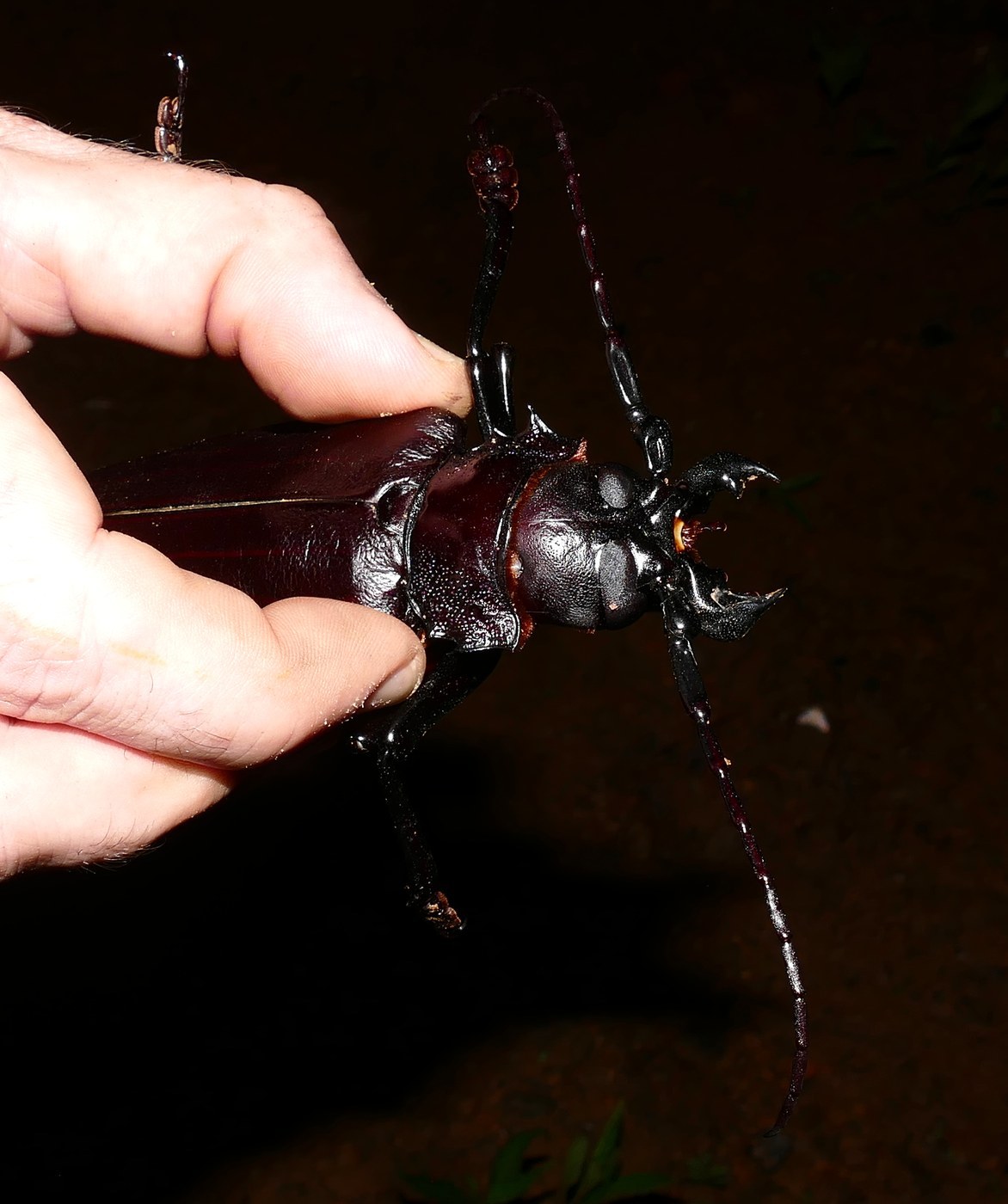
Titan Beetle
One of the largest insects on Earth, the titan beetle is a colossal longhorn from the Amazon whose body can exceed 16 cm. Its powerful jaws and loud hiss make it an imposing rainforest giant.
beetle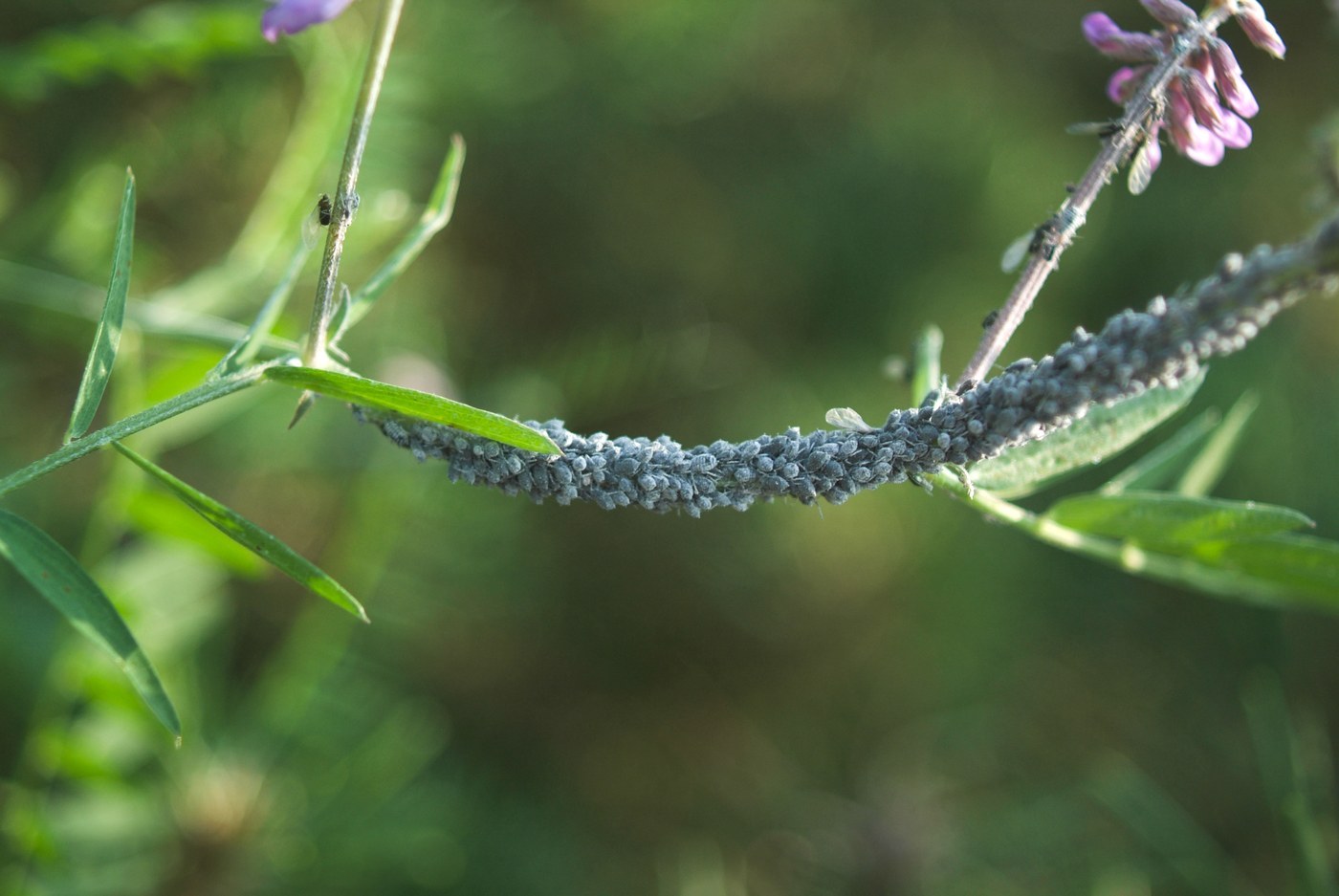
Rosy Apple Aphid
A small, dusty pink to purplish-gray aphid that clusters on apple foliage in spring, causing distinctive curled, reddened leaves that make its presence easy to spot even before the insects themselves are seen.
true-bug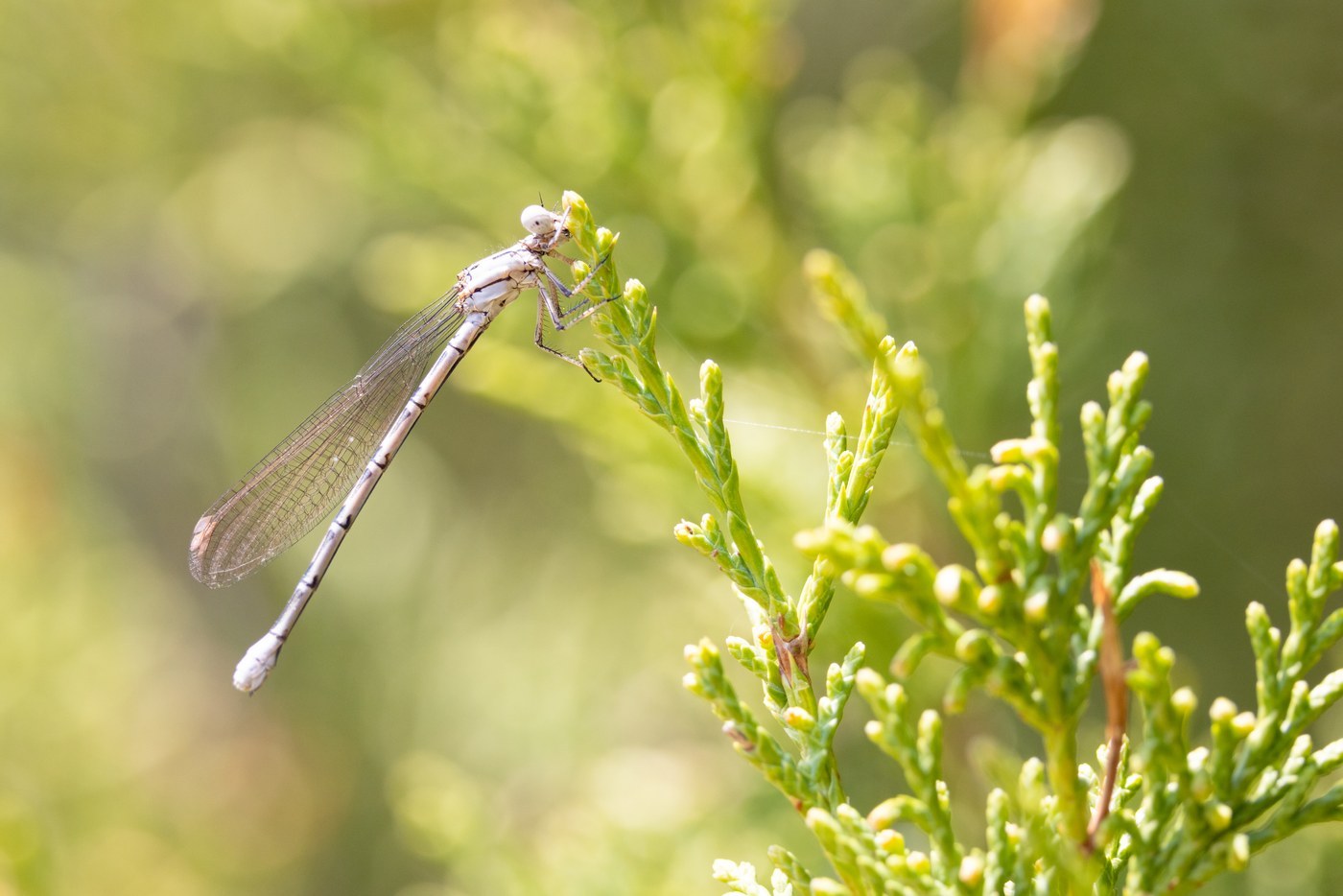
Bluet Damselfly
Small and delicate, bluet damselflies flash brilliant blue and black along the vegetated edges of ponds and lakes, forming mating pairs that fly in tandem while laying eggs directly into plant stems underwater.
dragonfly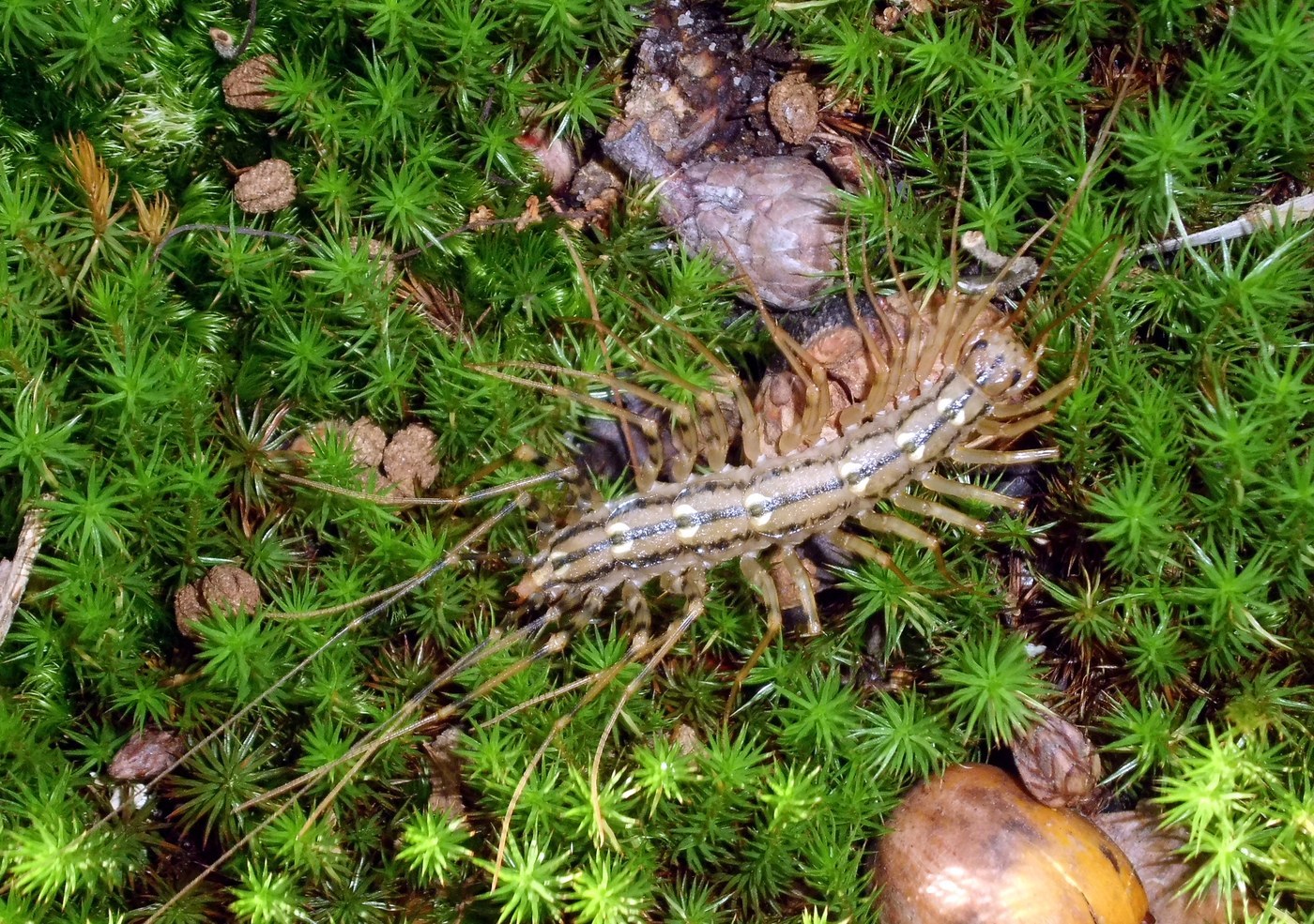
House Centipede
A fast, wiry arthropod with 15 pairs of extremely long, banded legs that make it look far bigger than its actual body size, often seen darting across bathroom or basement floors at night.
myriapod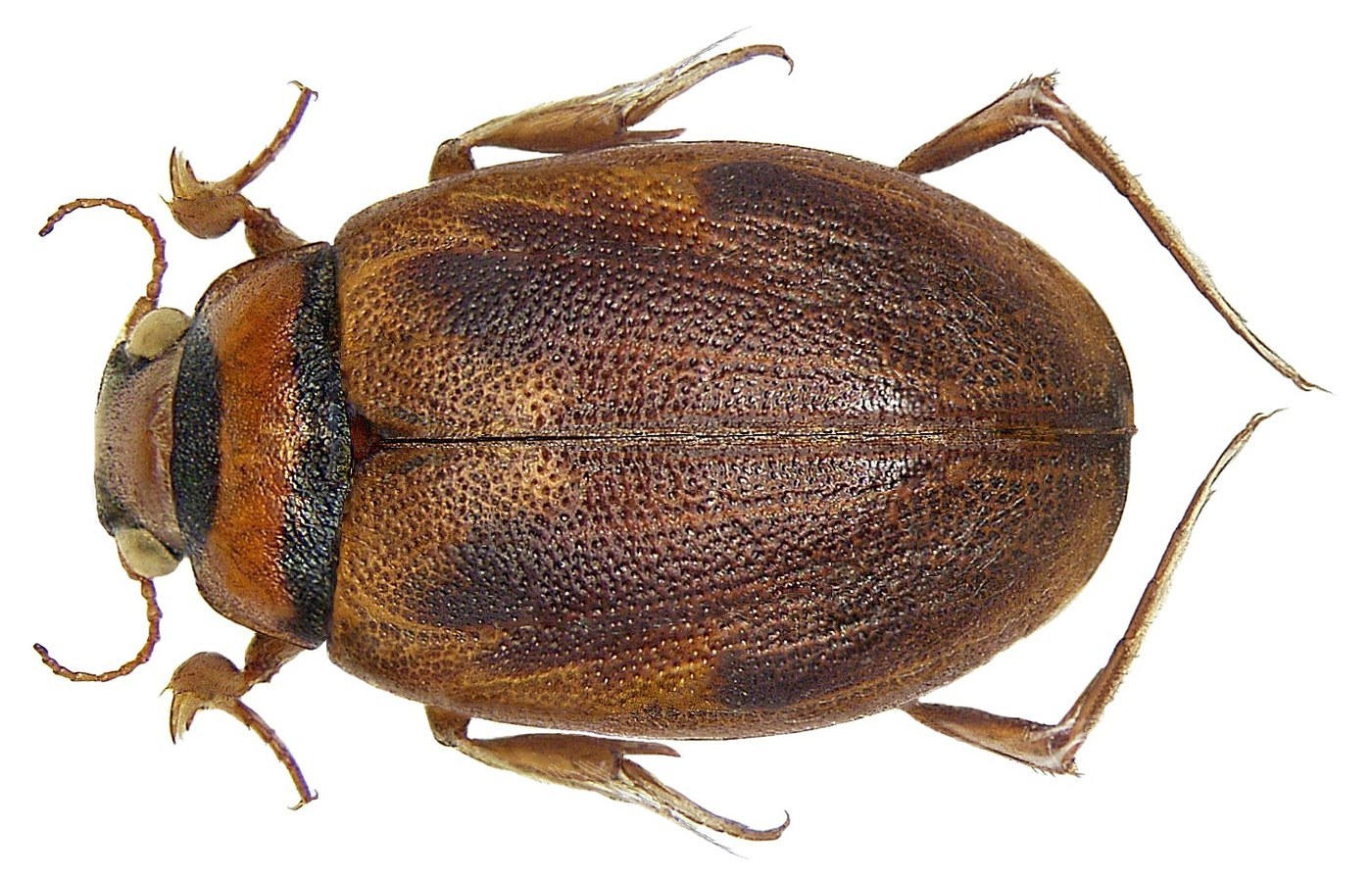
Screech Beetle
This small, oval water beetle earns its name from the loud squeak it produces when picked up, a sound made by rubbing internal body parts together rather than by any vocal organ.
beetle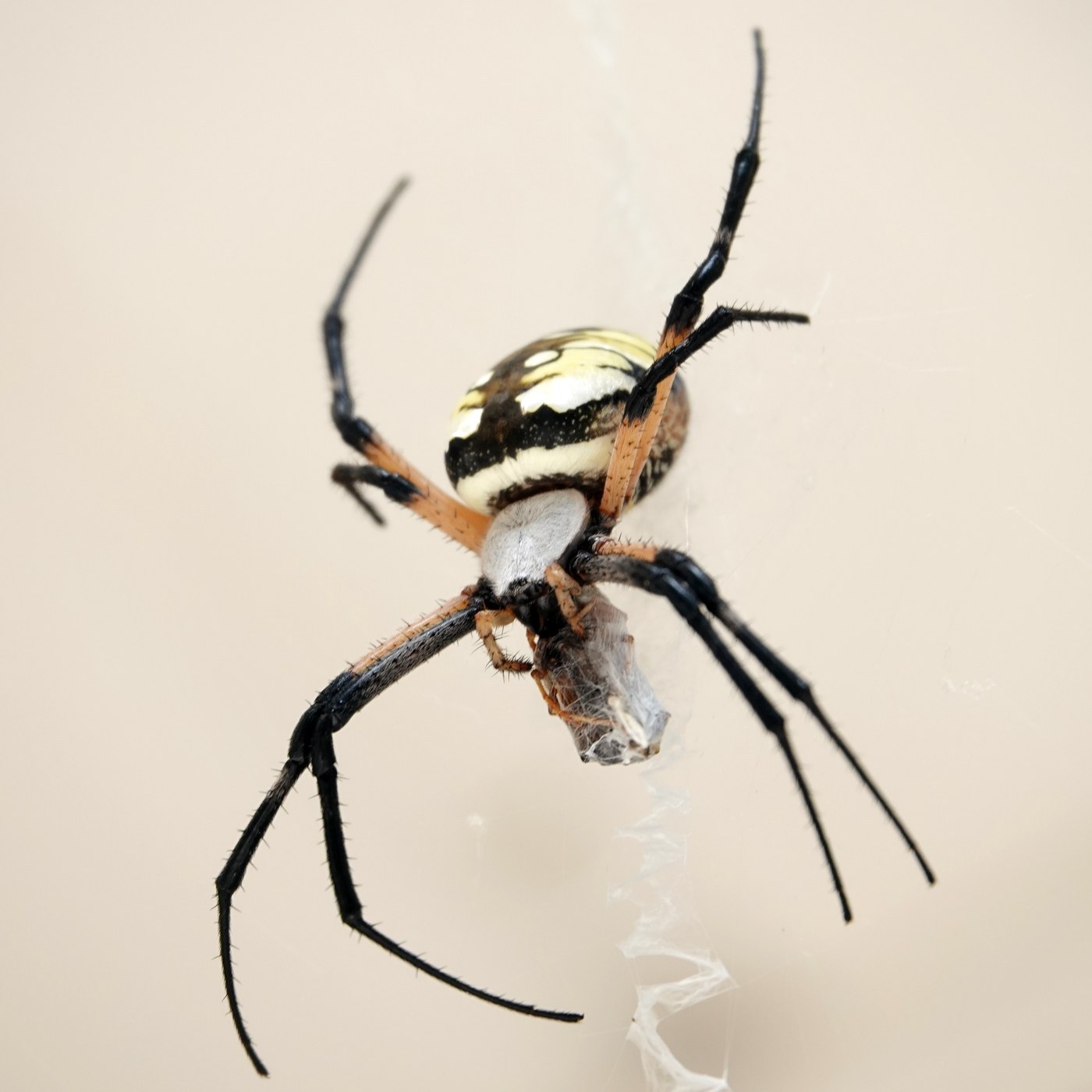
Yellow Garden Spider
Bold black and yellow markings, a large orb web anchored with a bright zigzag of silk, and a habit of sitting in plain view make the yellow garden spider one of the most eye-catching and recognizable spiders in North American backyards.
spider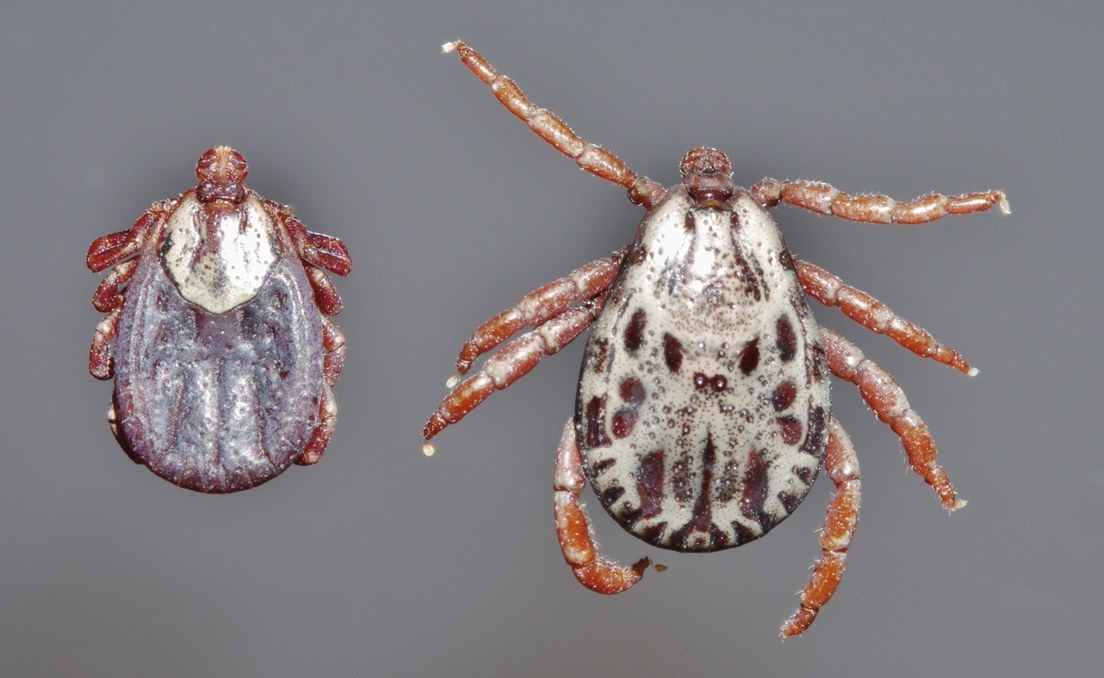
Wood Tick
A flattened, ornately patterned tick that waits on low brush in the Rocky Mountain foothills, ready to grab onto large mammals passing within reach. Its mottled, shield-marked back makes it one of the more distinctive North American ticks to identify.
arachnidBot Fly
A stocky, bumblebee-mimicking fly whose adults never feed and live only long enough to mate and locate a rodent or rabbit burrow for their eggs. Despite their harmless, buzzing adult stage, bot flies are best known through the larvae that develop as internal parasites of small mammals.
fly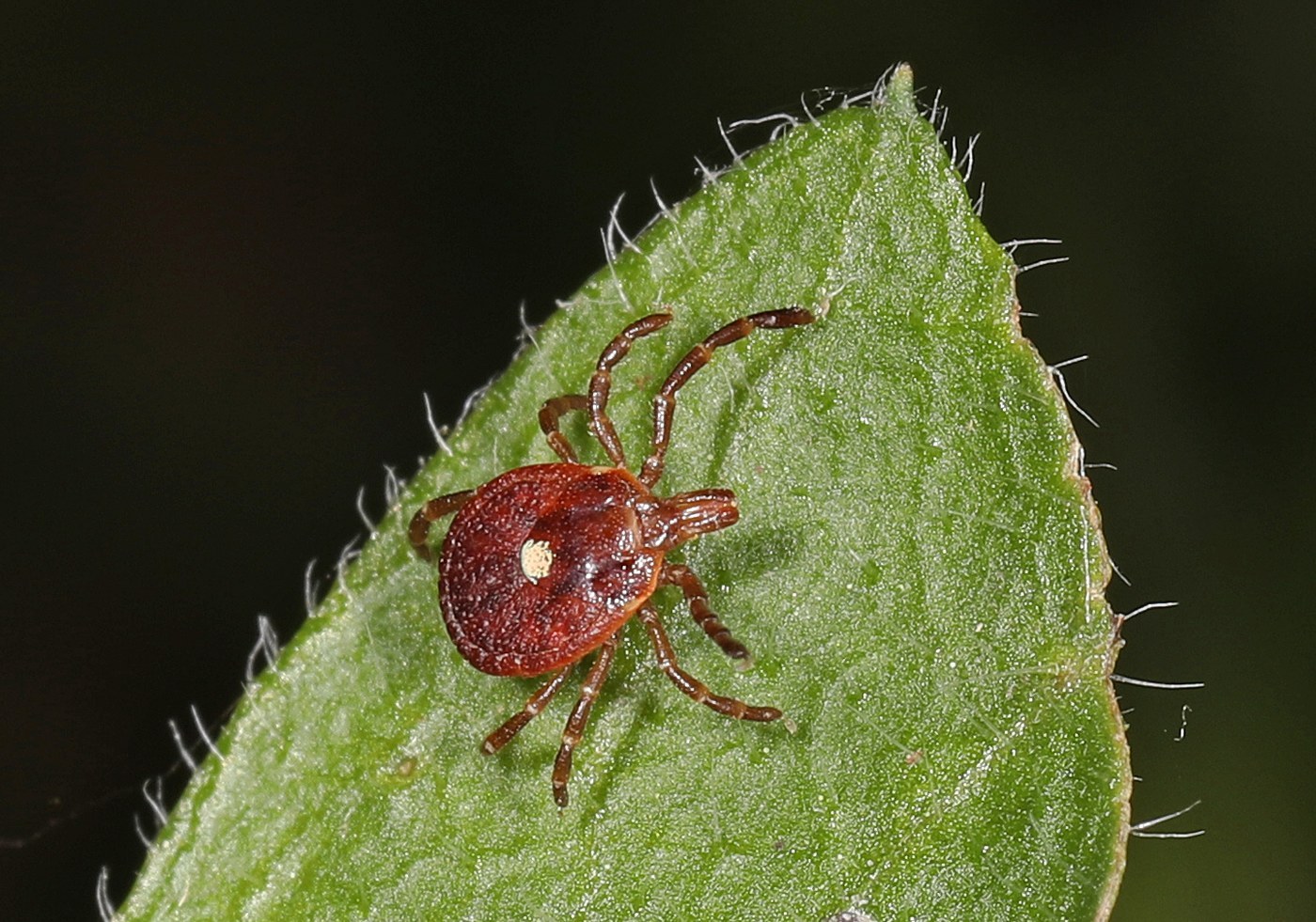
Lone Star Tick
Named for the single silvery-white spot on the back of the adult female, the lone star tick is unusually active for a tick, moving toward hosts rather than simply waiting for them to pass. Its reddish-brown, ornamented body makes it one of the easier North American ticks to identify at a glance.
arachnidRed Velvet Mite
A plump, brilliant red mite covered in a dense coat of short velvety hairs, often seen emerging onto the soil surface in numbers right after a heavy rain. Its vivid color and unusual size for a mite make it one of the more eye-catching arachnids most people will ever encounter.
arachnid