
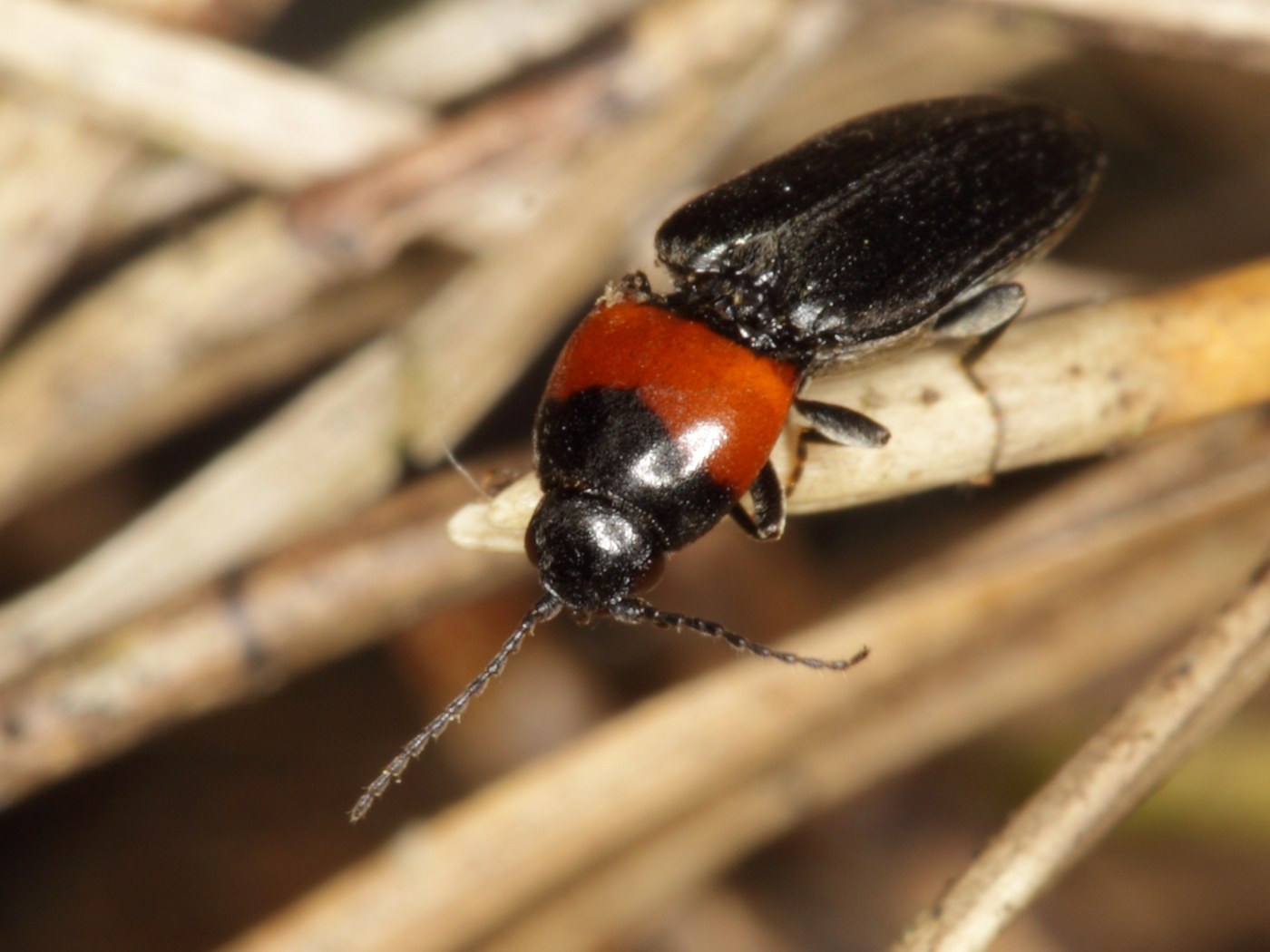
Click Beetle
Elateridae spp.
An elongated, streamlined beetle famous for the audible clicking snap it makes to flip itself upright when placed on its back, a spring-loaded escape mechanism unique to this family.
- Size
- 8–30 mm
- Habitat
- Gardens, meadows, woodland edges, under bark and soil
- Danger
- Harmless
Spotted a bug like this?
Identify any bug or insect from a photo, free.
Overview
Click beetles make up the family Elateridae, a large and widespread group named for their signature defensive trick: when flipped onto their back, they arch and suddenly snap a spine-and-notch mechanism between the thorax and abdomen, launching themselves into the air with an audible click and often landing right-side up. This spring-loaded jump is one of the most distinctive behaviors in the beetle world.
Adult click beetles are elongated and somewhat flattened, typically brown, black, or gray, with a streamlined shape built for slipping under bark and into soil crevices. Their larvae, known as wireworms, are hard, shiny, and worm-like, living underground where they feed on plant roots and organic matter.
The family includes several visually striking members, such as the eyed click beetle with its large false eyespots on the thorax, and glowing click beetles found in tropical regions whose bioluminescent spots make them stand out after dark.
How to Identify
- Elongated, narrow, somewhat flattened body tapering at both ends, usually brown, black, or gray, sometimes with mottled patterning.
- A distinct backward-pointing spine on the underside of the thorax fits into a matching notch, powering the signature clicking-jump escape mechanism.
- Thread-like to slightly serrated (saw-toothed) antennae; legs are short and used mainly for walking rather than jumping.
- Some species, like the eyed click beetle, display large false eyespots on the pronotum to startle predators.
- Lookalikes include other elongated beetles, but the ability to snap and flip when placed on its back is unique to this family and the easiest confirmation in hand.
Habitat & Range
Click beetles are found worldwide, especially in temperate and tropical regions, inhabiting gardens, meadows, agricultural fields, and woodland edges. Adults are most active from late spring through summer, often found on foliage, tree bark, or flying at dusk toward lights. Larvae (wireworms) live underground in soil, decaying wood, or leaf litter, where they remain hidden from view for most of their long developmental period.
Behavior & Diet
Adult click beetles feed lightly on nectar, pollen, or plant tissue, though many adults feed very little and focus mainly on reproduction. Their most notable behavior is the clicking self-righting mechanism, used both to escape predators when flipped onto their back and as a startling defensive snap. Larvae are subterranean and feed on plant roots, decaying wood, or occasionally other small soil invertebrates, playing a role as both plant-tissue consumers and prey within soil food webs.
Life Cycle
Females lay eggs in soil or leaf litter, and the larvae that hatch, known as wireworms, are slender, hard-bodied, and shiny, living underground for an extended period, in some species up to several years, as they feed and grow through complete metamorphosis. When fully developed, the larva forms a pupal chamber in the soil before emerging as a winged adult, typically in spring or summer. Most species produce one generation over one to several years depending on soil temperature and food availability, and larvae overwinter underground below the frost line.
Frequently asked questions
Why does a click beetle make a clicking sound?
It uses a spring-loaded spine-and-notch mechanism between its thorax and abdomen to snap and flip itself upright if it lands on its back, producing an audible click.
What is a wireworm?
Wireworm is the common name for a click beetle larva — a hard, shiny, worm-like grub that lives in soil and feeds on roots and organic matter.
How is a click beetle different from other similar-looking beetles?
Its narrow, streamlined shape and, most distinctively, its ability to snap and jump when flipped on its back set it apart from other elongated beetles.
Where are click beetles usually seen?
On foliage, tree bark, and around porch lights in gardens and woodland edges during warmer months.
Click Beetle guides
In-depth guides for identifying, understanding, and living alongside Click Beetle.
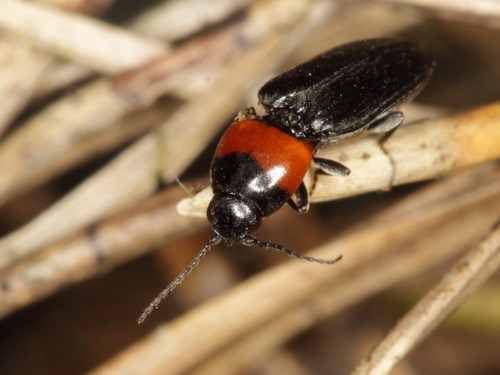
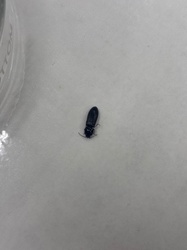
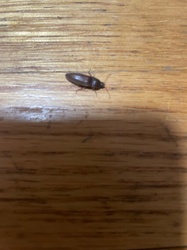
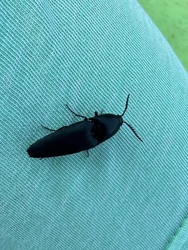
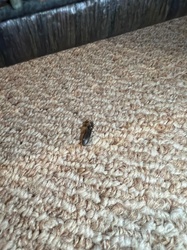
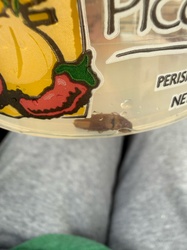
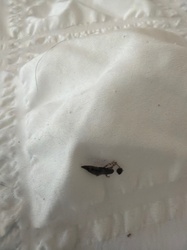
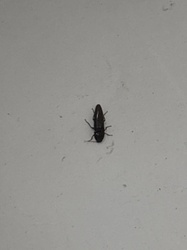
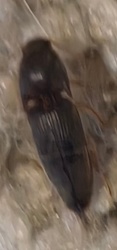
Click Beetle identified by the community
Real finds identified with Bug Identifier.
Other bugs you may enjoy
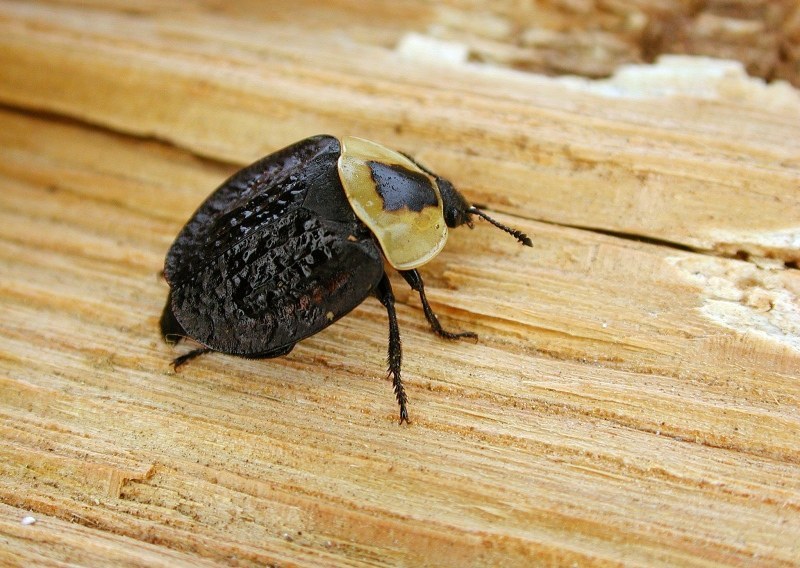
American Carrion Beetle
Forests, fields, and roadsides across North America, near decaying animal carcasses
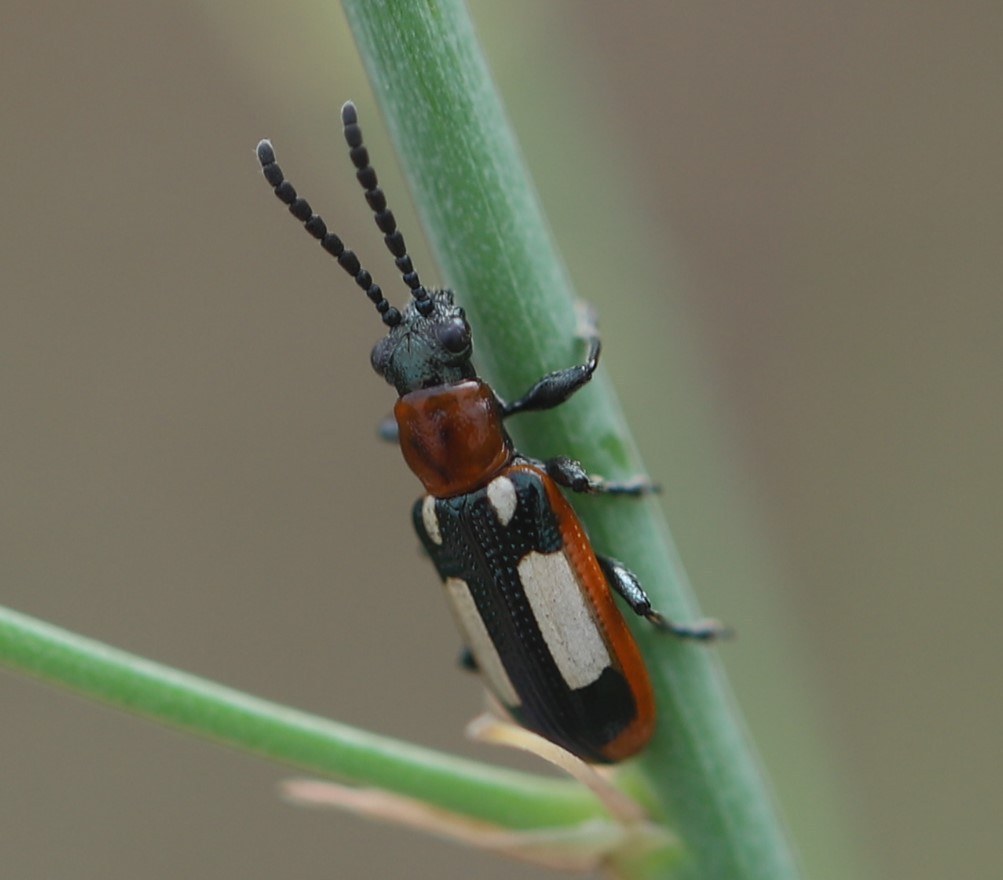
Asparagus Beetle
Asparagus patches, gardens, and farm fields
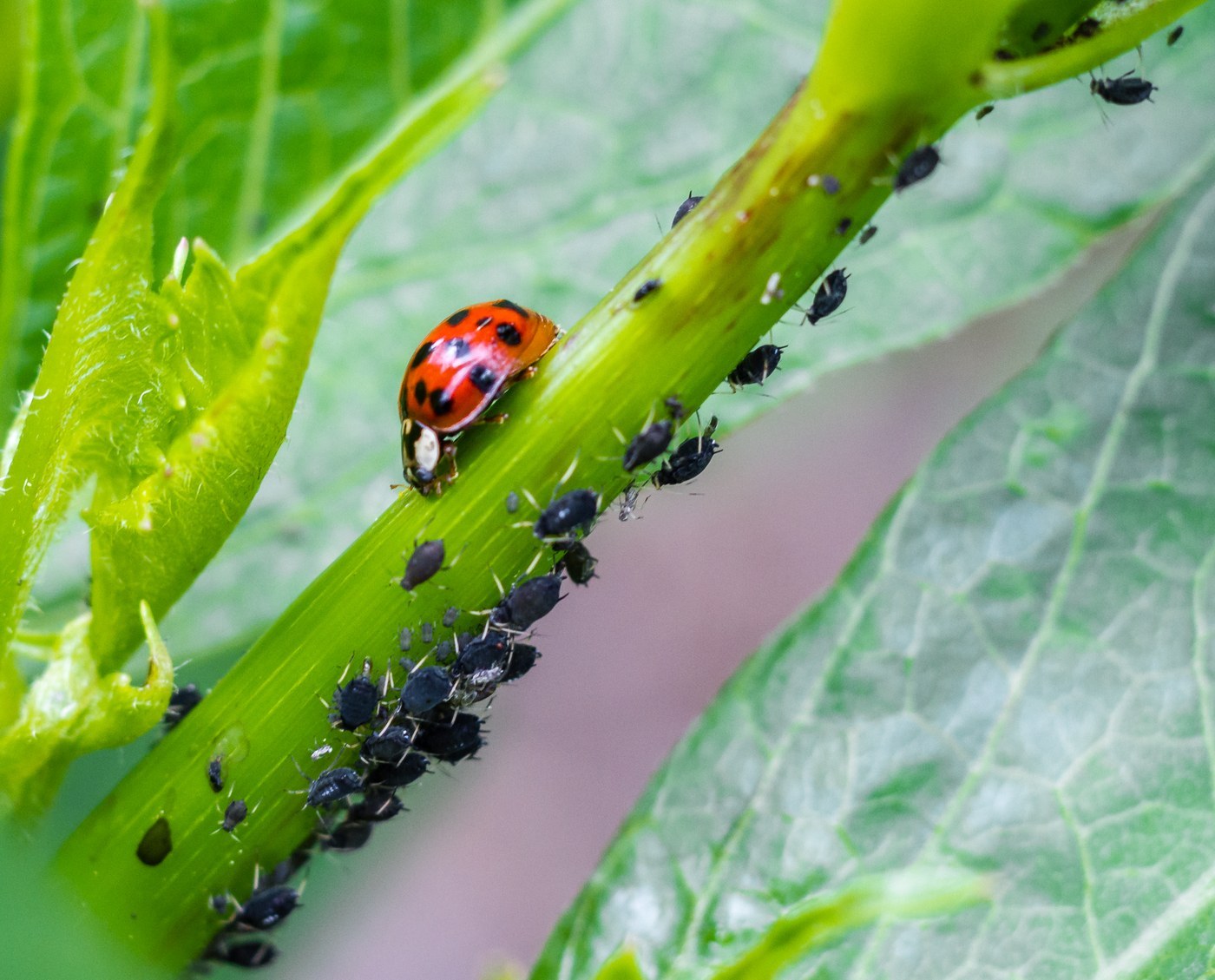
Asian Lady Beetle
Gardens, crop fields, woodlands, buildings
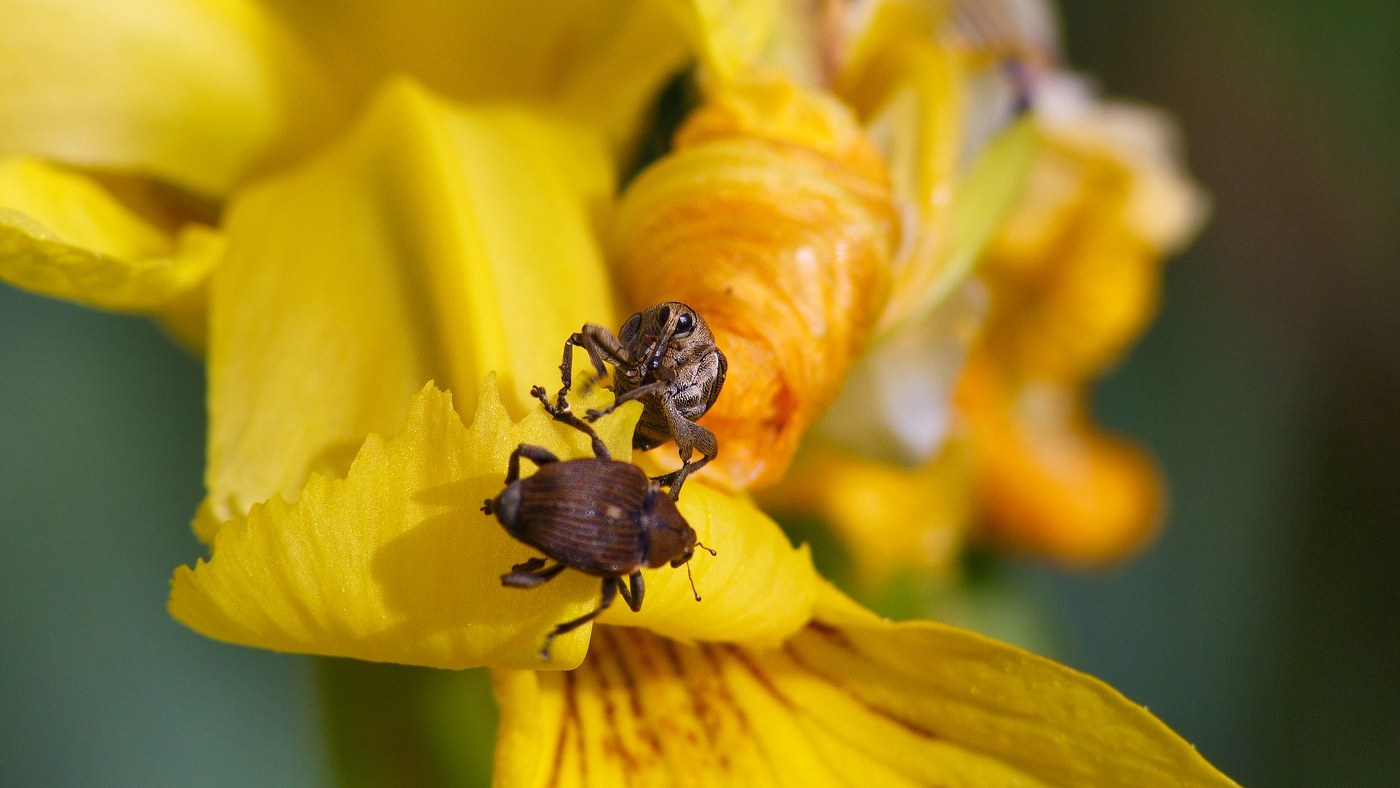
Acorn Weevil
Oak woodlands and forests, on and beneath oak trees
Wireworm
Soil of grasslands, gardens, and cultivated fields worldwide
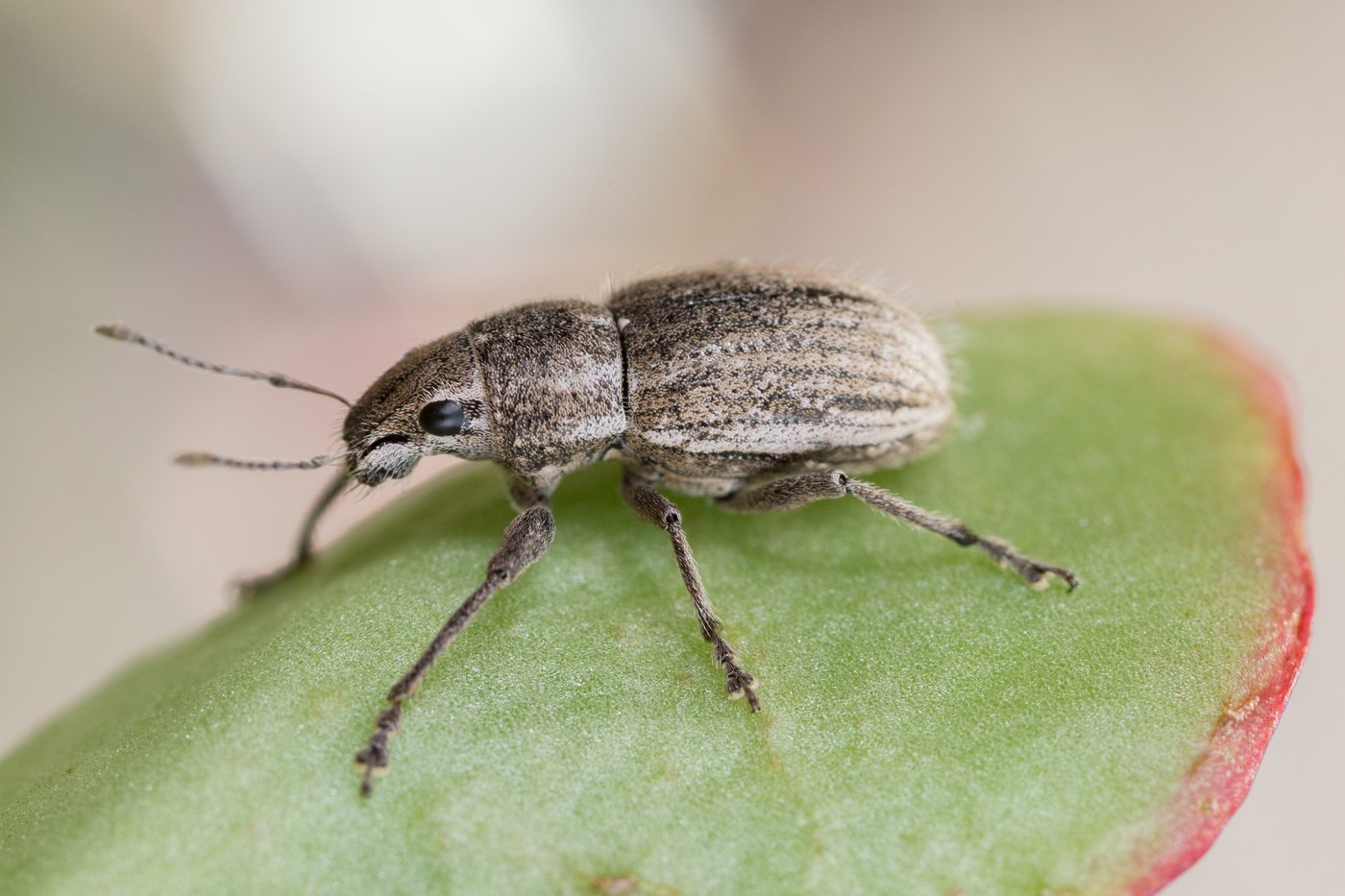
Whitefringed Beetle
Pastures, row crops, lawns, disturbed soils
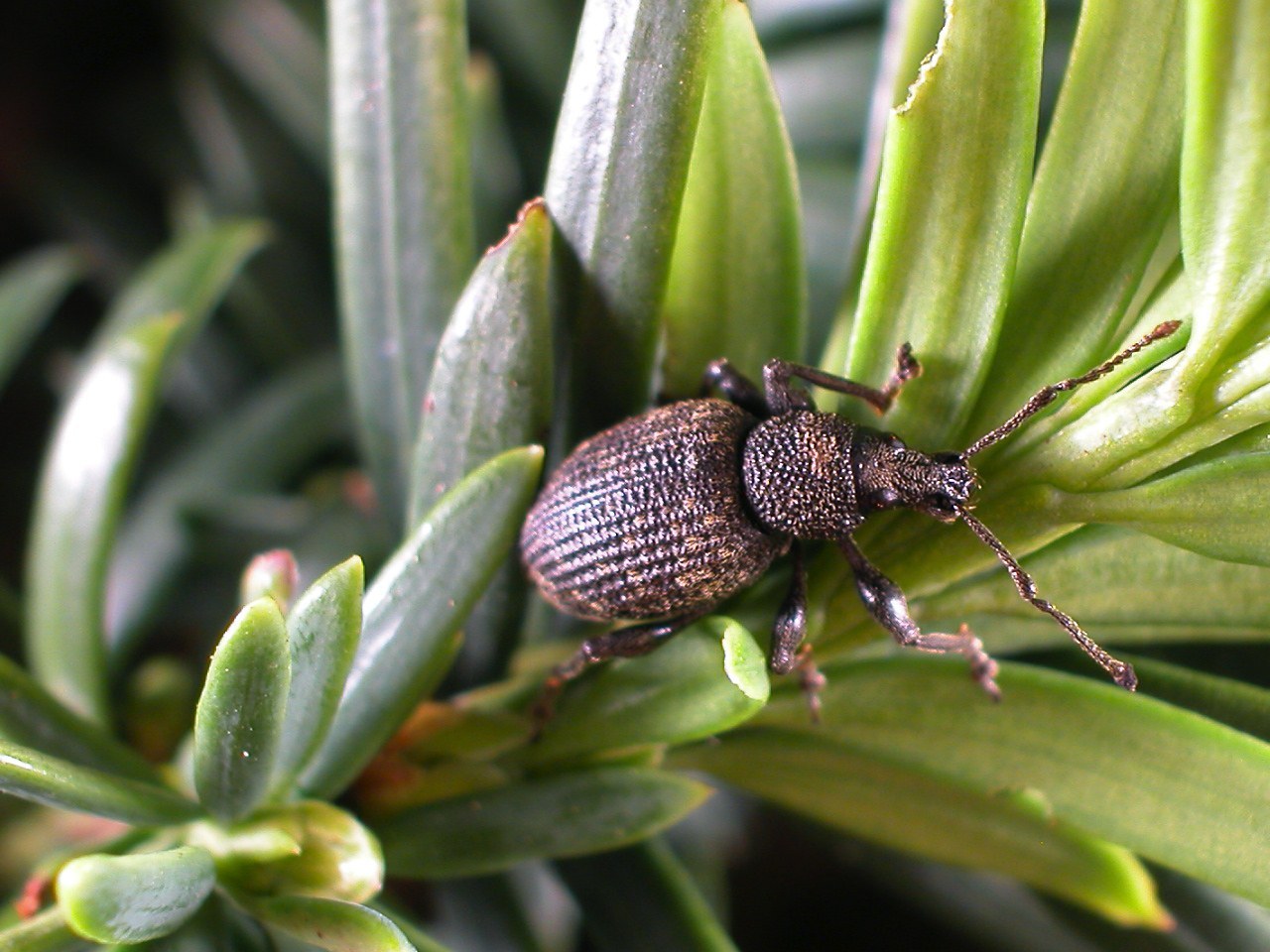
Vine Weevil
Gardens, nurseries, greenhouses, and container plantings
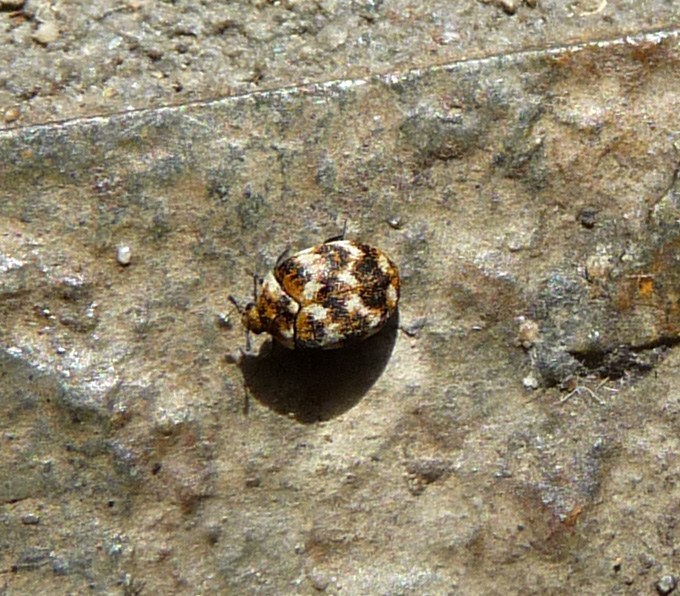
Varied Carpet Beetle
Homes, nests of birds and mammals, and flowers outdoors
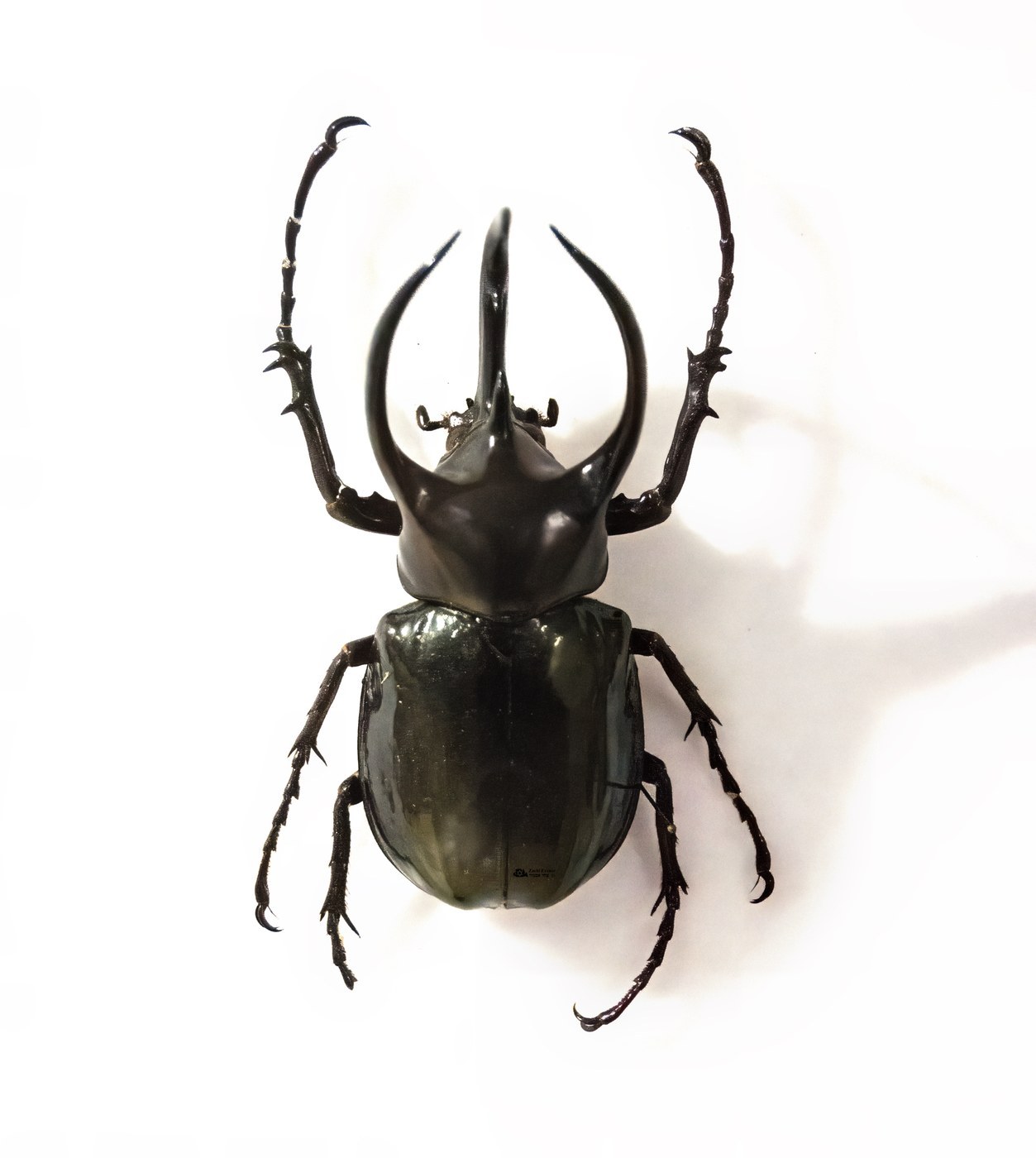
Atlas Beetle
Tropical forests of Southeast Asia
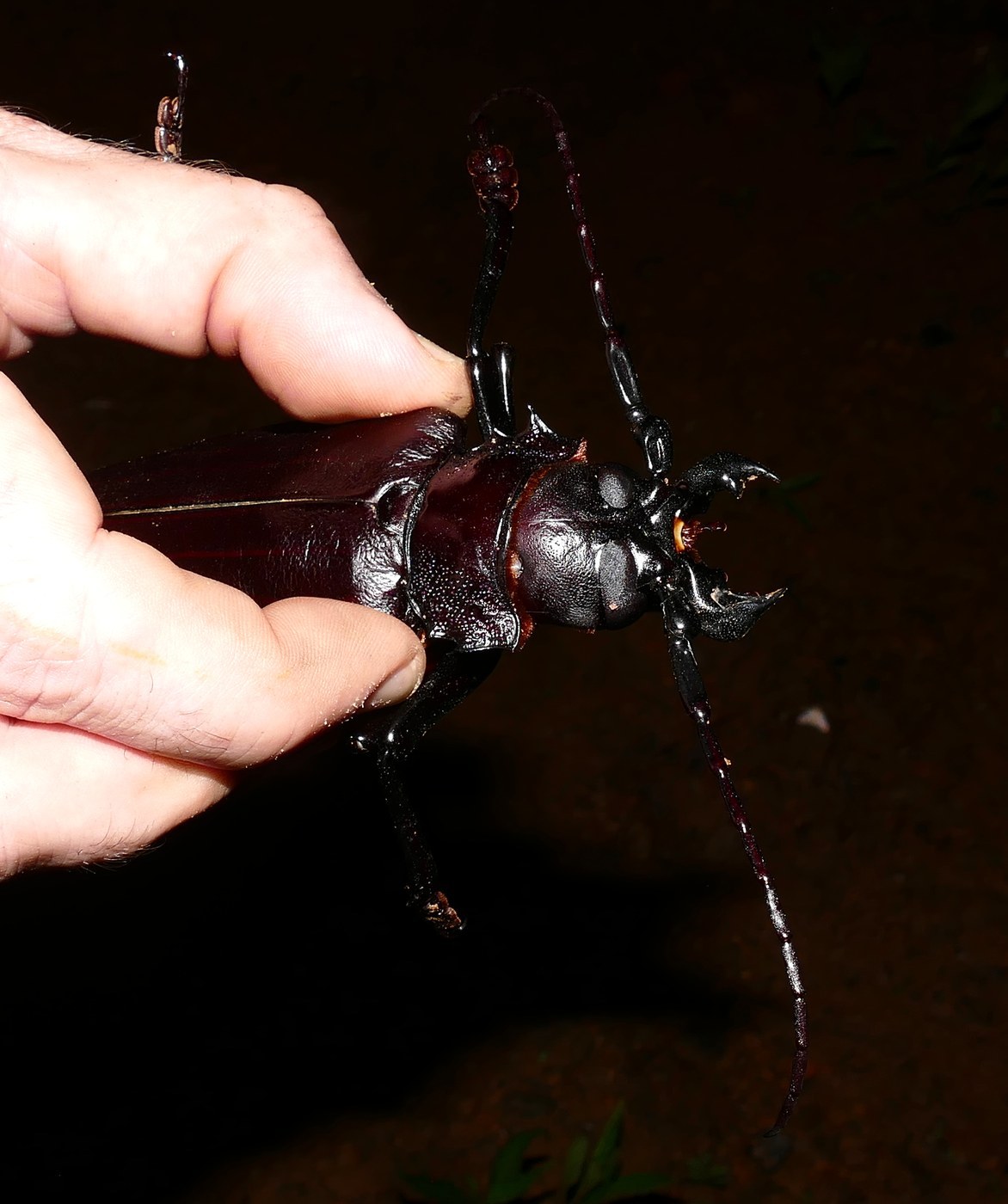
Titan Beetle
Amazon rainforest of South America
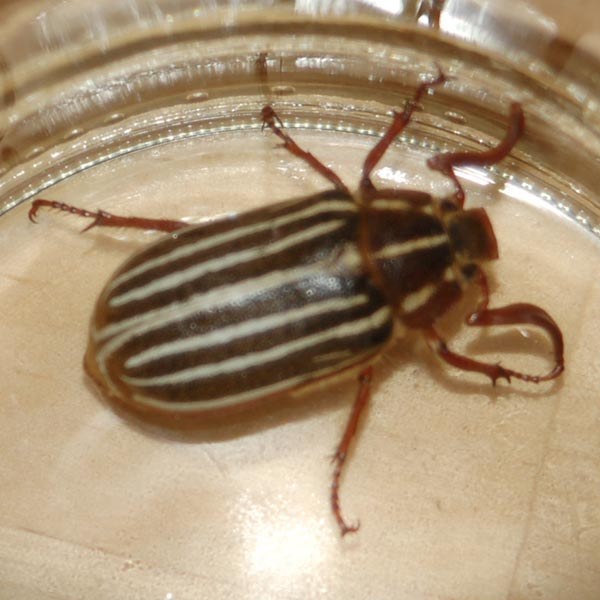
Ten-lined June Beetle
Sandy soils, pine forests, and orchards of western North America
Squash Beetle
Vegetable gardens and fields growing squash, pumpkin, and other cucurbits