
Bug Encyclopedia
Search and identify bugs & insects — beetles, butterflies, moths, ants, bees, spiders and more — with size, habitat, danger, behavior, and how to tell them apart.
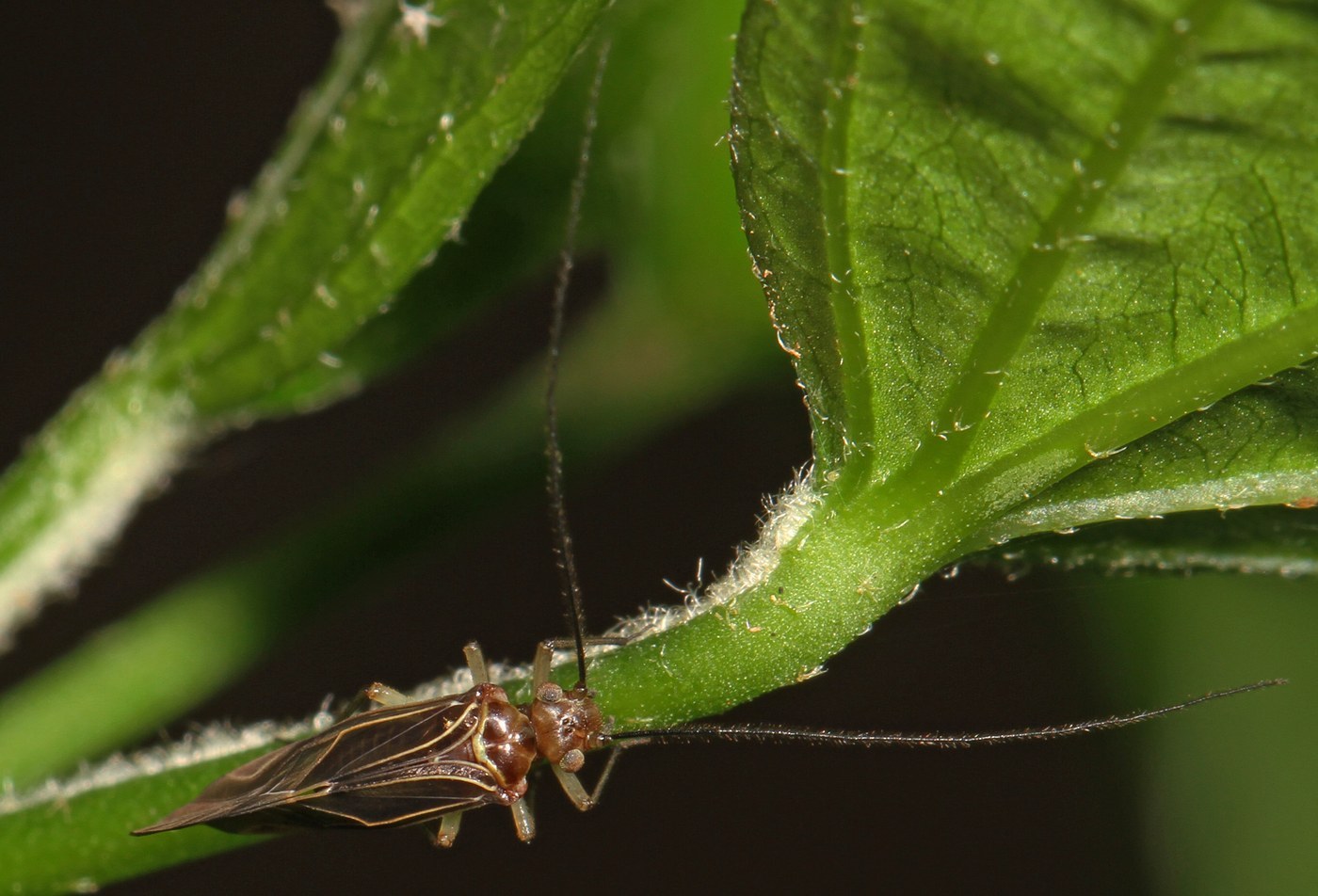
Bark Louse
A small, soft-bodied insect often seen in dense, moving herds on tree trunks, the bark louse grazes on algae, lichen, and fungal residue coating bark surfaces.
otherLouse Fly
A flattened, leathery-bodied fly that clamps onto fur or feathers with stout claws and scuttles sideways like a tiny crab rather than taking flight when disturbed. Several species shed their wings for good once they settle on a permanent host, spending the rest of their lives buried in fleece or plumage.
flyPsyllid
A tiny, sap-sucking hopper that resembles a miniature cicada and springs away in a blur when its host leaf is disturbed.
true-bug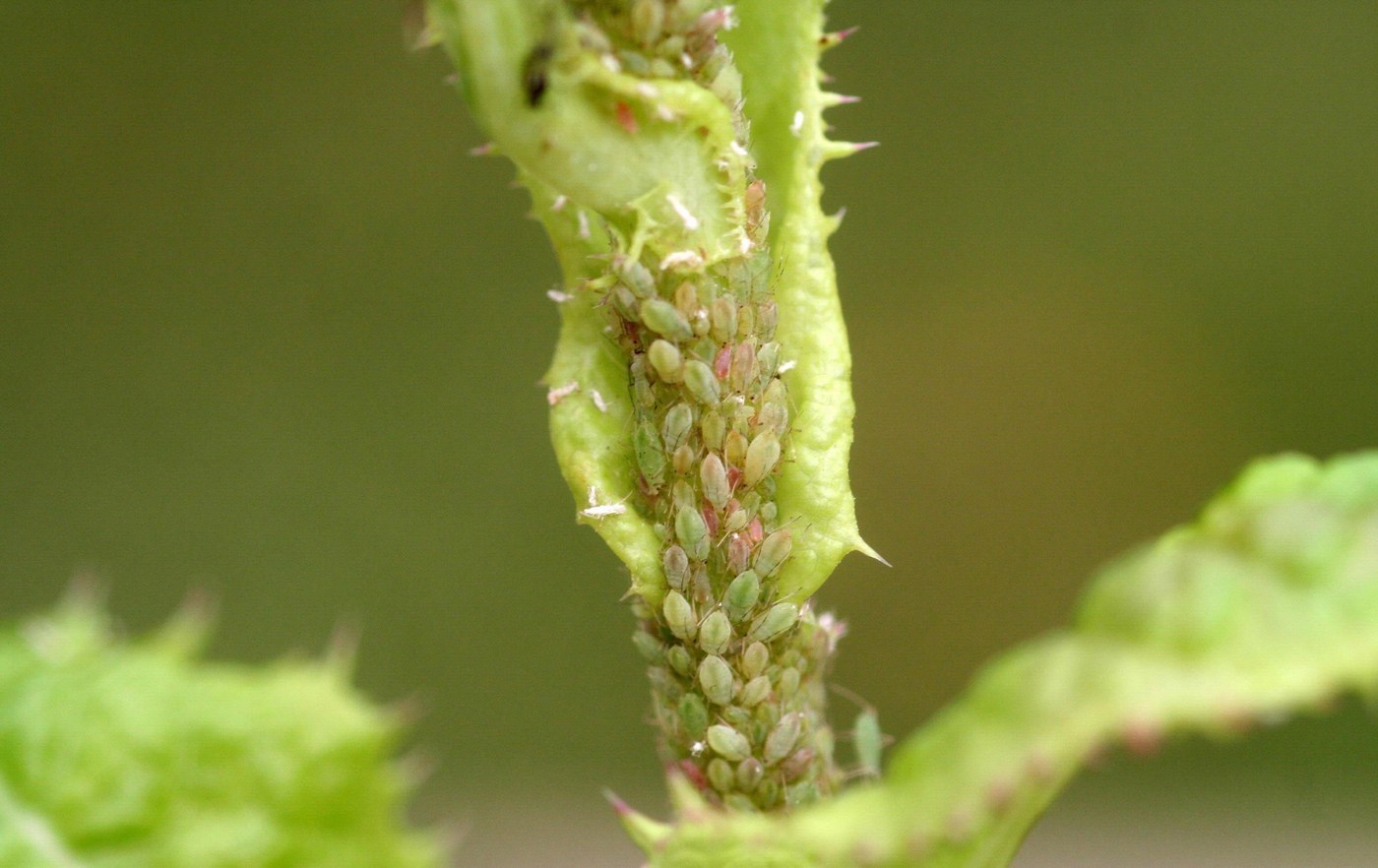
Aphid
A tiny, soft-bodied, pear-shaped insect that clusters in dense colonies on plant stems and leaf undersides, feeding on sap through needle-like mouthparts and often coated in sweet honeydew.
true-bugBooklice (Psocid)
A tiny, soft-bodied, pale insect barely visible to the naked eye that grazes on mold and mildew in damp books, wallpaper, and stored goods.
otherMesh Web Weaver
A tiny, easily overlooked spider that spins a loose, bluish tangle of fuzzy silk over twig tips and seed heads to snare small insects.
spider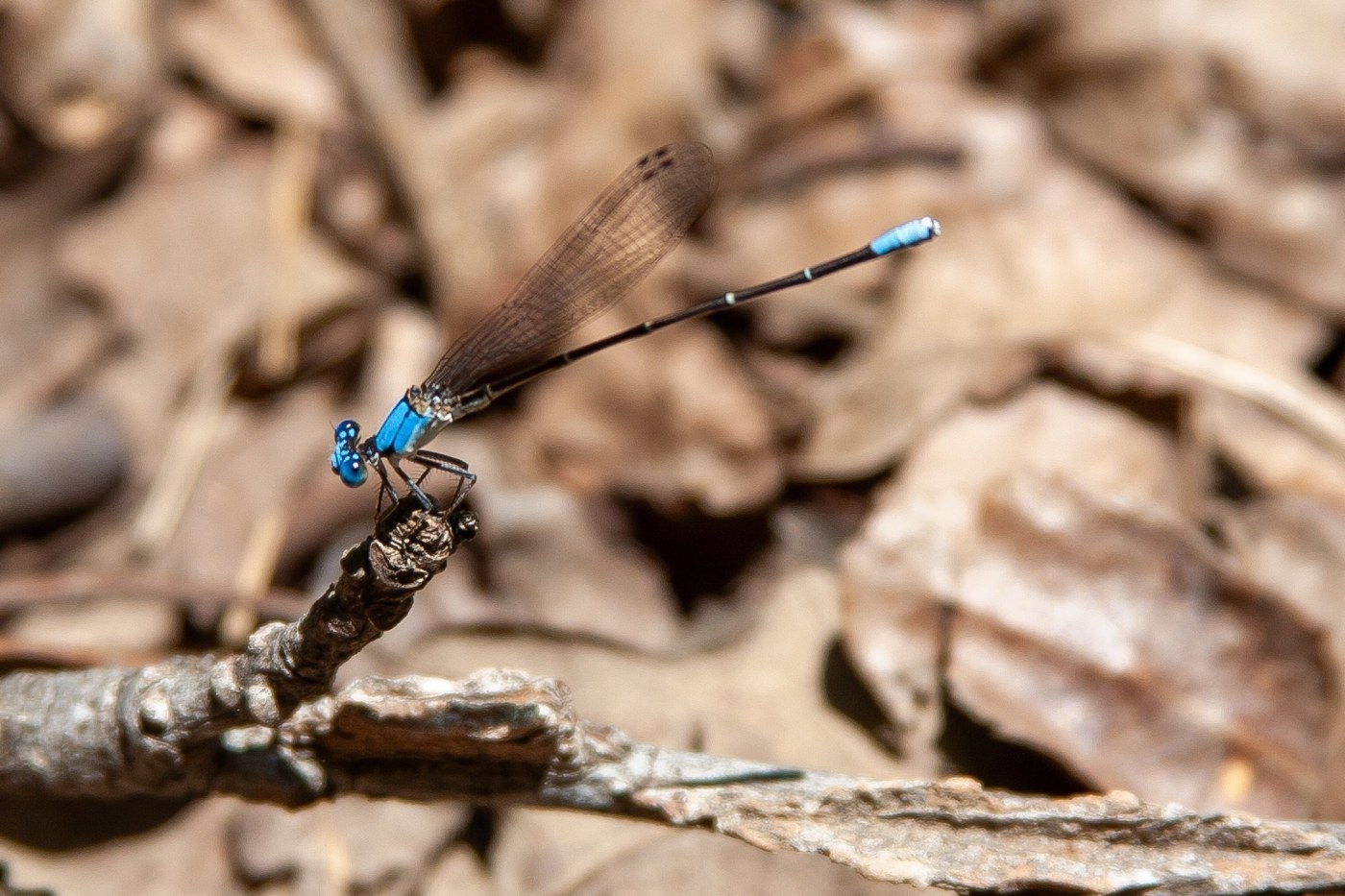
Blue-fronted Dancer
A bright blue head and thorax paired with a dark, blue-tipped abdomen give the Blue-fronted Dancer its name, as it hops and flutters along sunny riverbanks in loose groups.
other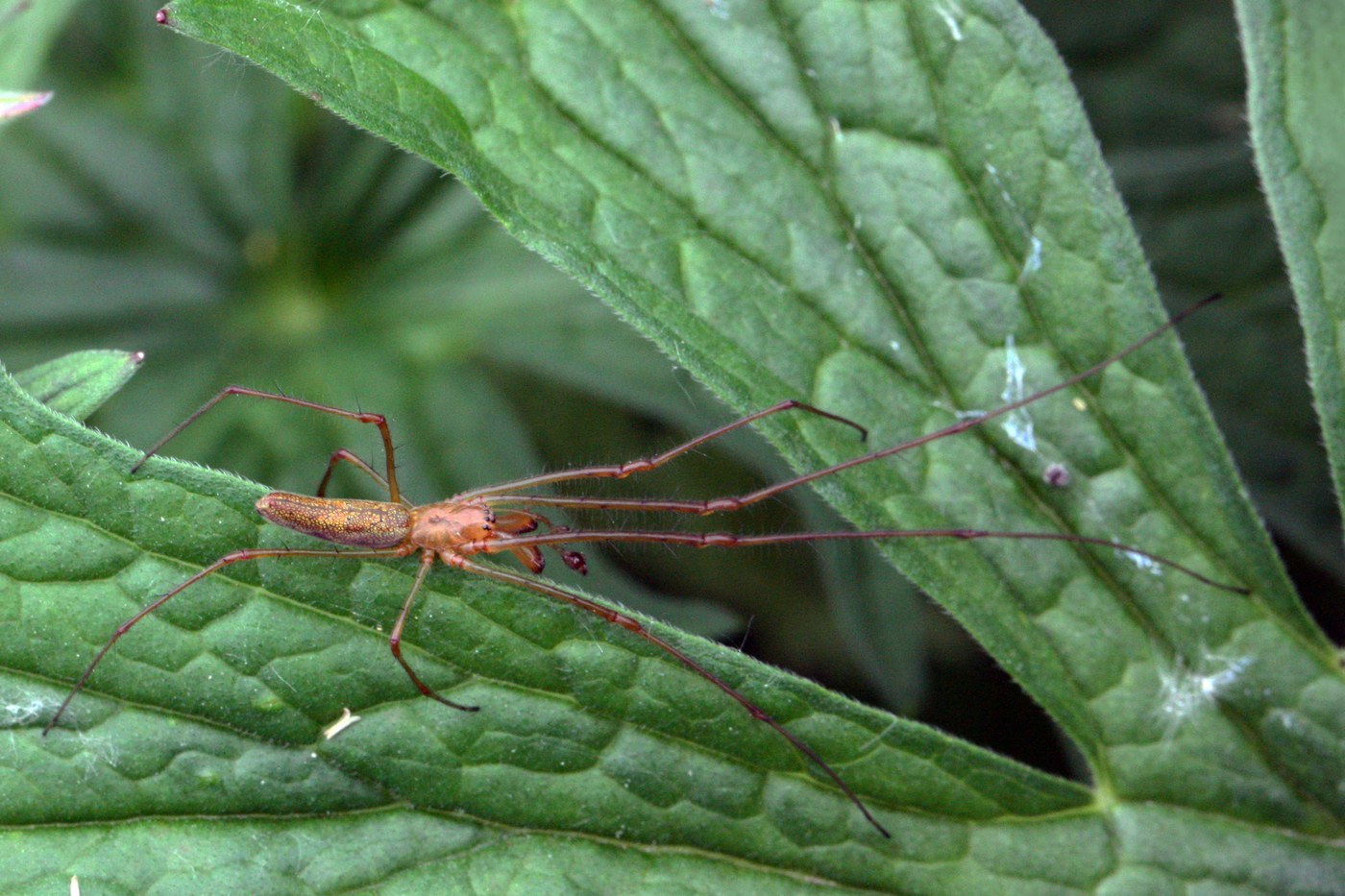
Long-jawed Orb Weaver
A slender, stick-like spider with oversized jaws that stretches its legs flat along a stem or spins a loose orb web low over water.
spiderMouse Spider
A stout, glossy burrowing spider named for its supposed mouse-like agility, with males often sporting a strikingly colored head and jaws.
spiderBush Cricket
Known by its long, thread-like antennae and evening chorus of chirps, this leaf-colored insect spends its life hidden among grass and foliage, often heard far more often than seen.
grasshopper-cricketGarden Orb Weaver Spider
The classic maker of the round, wheel-shaped web, the garden orb weaver hangs head-down at the center of its silken snare. Many sport a cross-like pattern of pale spots on a rounded abdomen.
spiderWhite Grub
A pale, C-shaped larva with a brown head capsule and six stubby legs, spending its entire early life hidden underground feeding on roots before emerging as a stout May or June beetle.
beetleSnipe Fly
A slender, long-legged fly often seen perched head-down on a sunny tree trunk or fence post, patiently watching for smaller insects to ambush. Its tapered, wasp-like abdomen and habit of resting motionless with legs splayed give it a distinctive, almost sentry-like posture in woodland clearings.
fly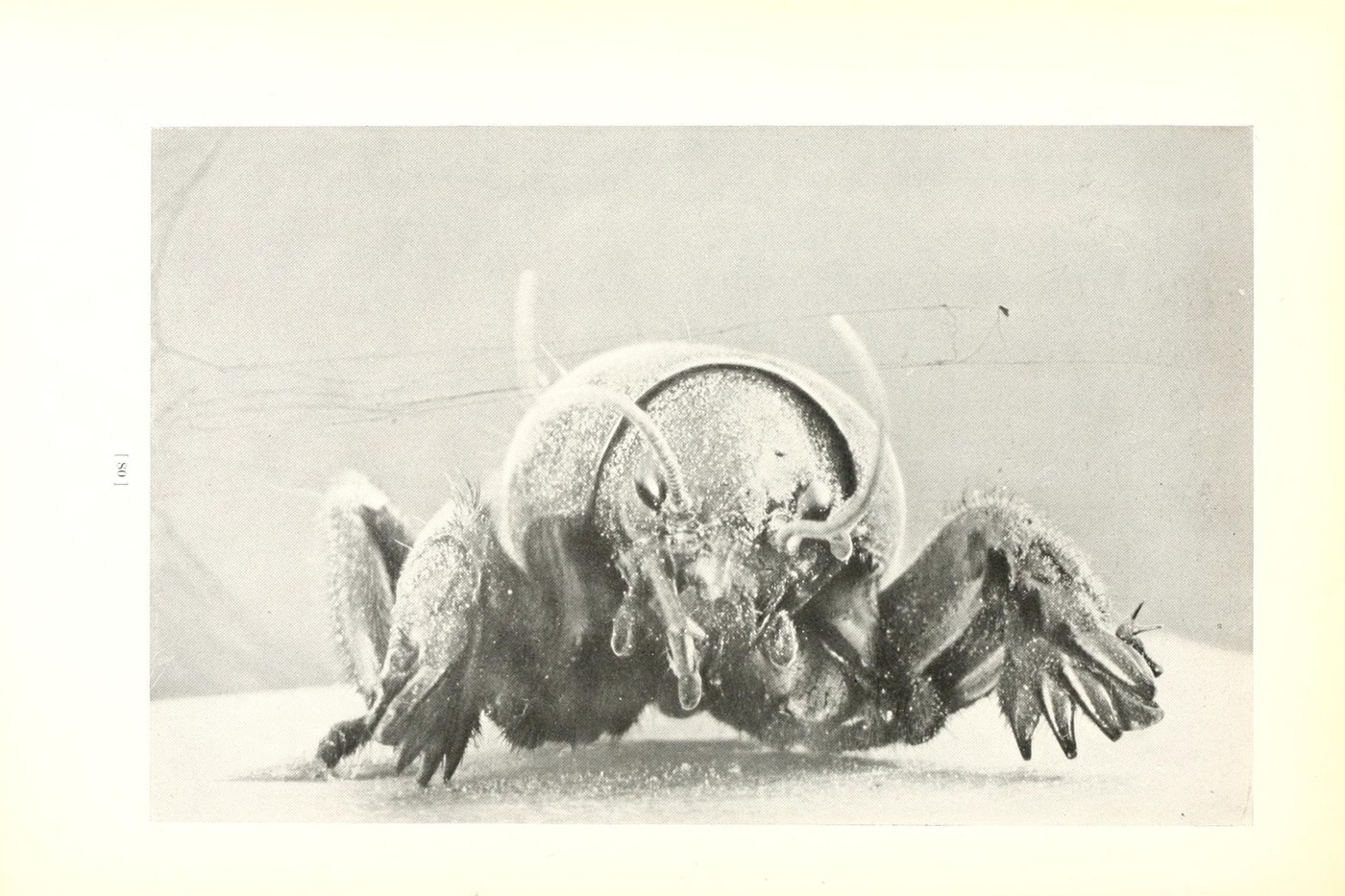
Northern Mole Cricket
A stout, velvety brown cricket with shovel-like front legs built for tunneling through damp soil, more often heard as a low buzzing trill at night than seen above ground.
grasshopper-cricket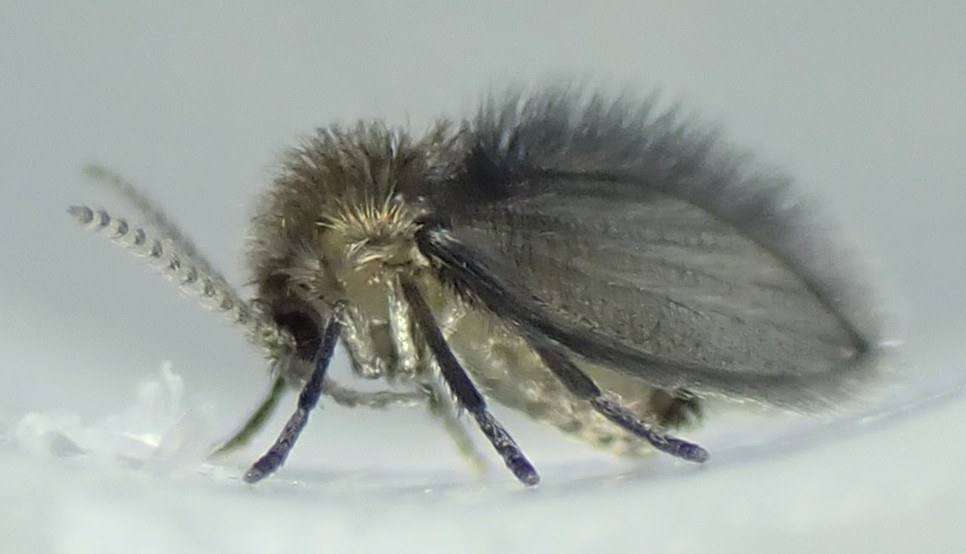
Drain Fly
A tiny, fuzzy gray-tan fly with broad, moth-like wings held tent-fashion over its body, often seen resting motionless on bathroom walls near drains.
flyWhip Scorpion
A flattened, spider-like arachnid with a pair of extraordinarily long, whip-thin front legs used to feel out its surroundings in the dark, and large spiny pedipalps held out front like a crab's claws. Despite the name and fearsome appearance, it has no stinger and no fangs.
arachnid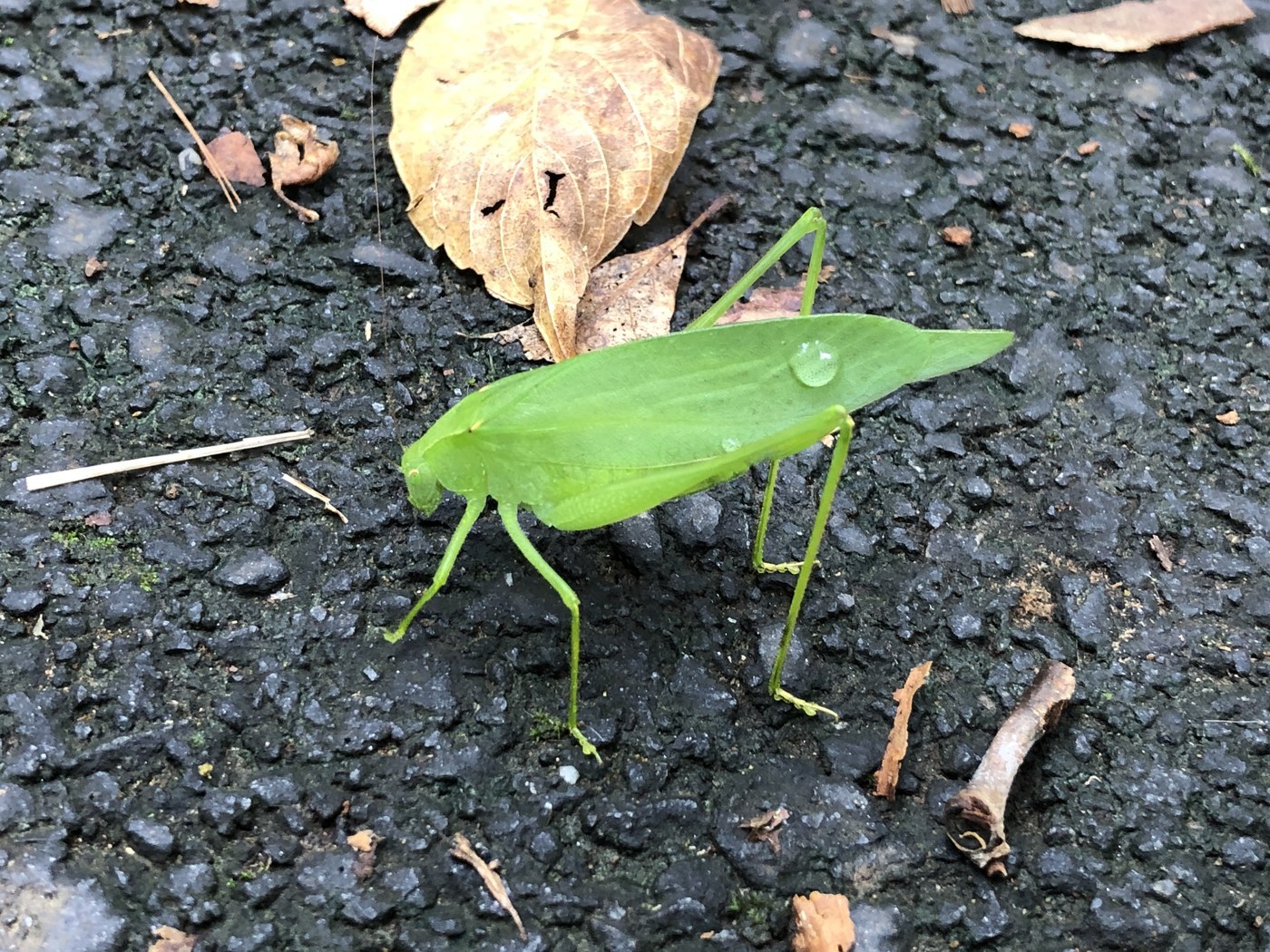
Common True Katydid
A living leaf that spends its life high in the treetops, the common true katydid is far more often heard than seen, producing the loud, rasping "katy-did, katy-didn't" chorus that fills eastern summer nights.
grasshopper-cricket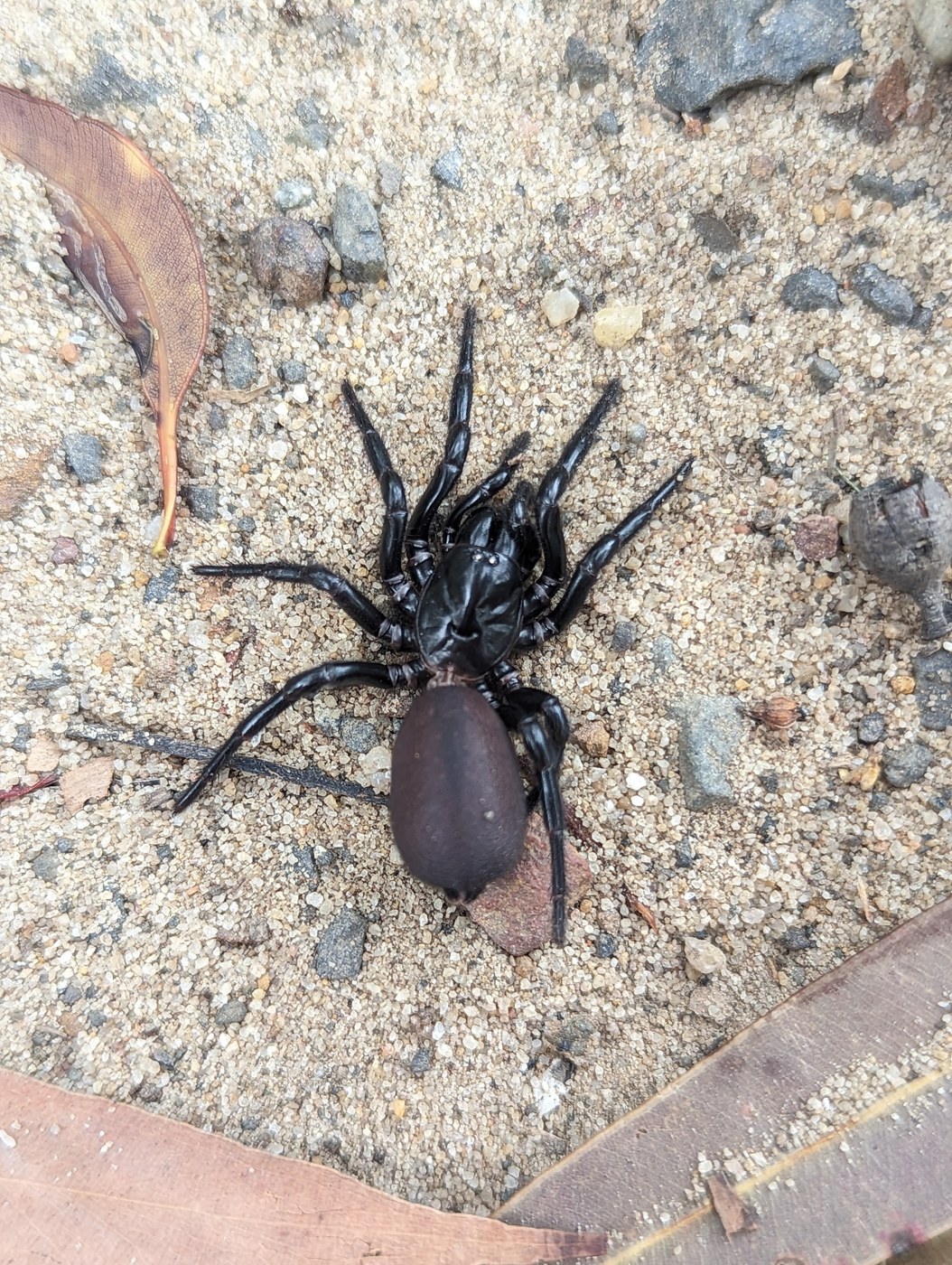
Sydney Funnel-web Spider
Glossy black and heavily built, with large fangs held ready in front of its face, the Sydney funnel-web spider shelters in a silk-lined burrow in moist, shaded ground across the Sydney region, one of Australia's most distinctive ground-dwelling spiders.
spiderWarble Fly
A furry, bee-mimicking fly that never lands on flowers or feeds as an adult, spending its brief life darting around grazing cattle to lay eggs on their legs and lower body. Herds sometimes react with sudden panicked runs, known as gadding, whenever a warble fly approaches.
fly