
Bug Encyclopedia
Search and identify bugs & insects — beetles, butterflies, moths, ants, bees, spiders and more — with size, habitat, danger, behavior, and how to tell them apart.
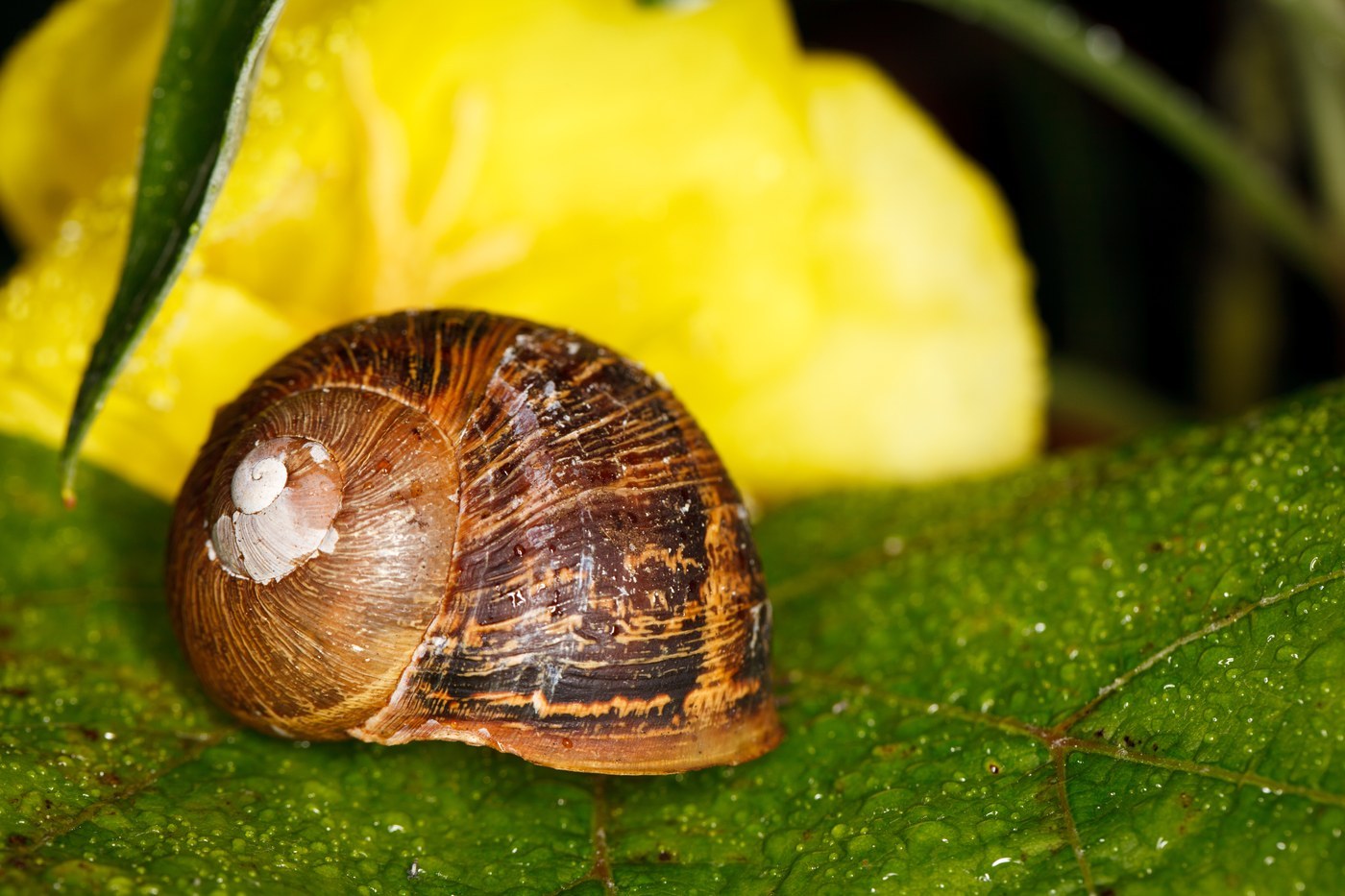
Snail
A shelled land mollusk that carries a coiled, calcium-carbonate shell on its back and glides slowly across damp gardens and vegetation on a slime-lubricated foot.
otherMarsh Fly
A slender, unassuming fly best known for larvae with a remarkable diet: nearly every species in the family feeds on aquatic or terrestrial snails and slugs, making marsh flies natural specialists in wetland food webs. Adults are often found resting quietly on sedges and other marsh vegetation near the water's edge.
flySlug
A soft-bodied, shell-less land mollusk that glides on a muscular foot, leaving a silvery mucus trail as it forages across damp ground and vegetation.
other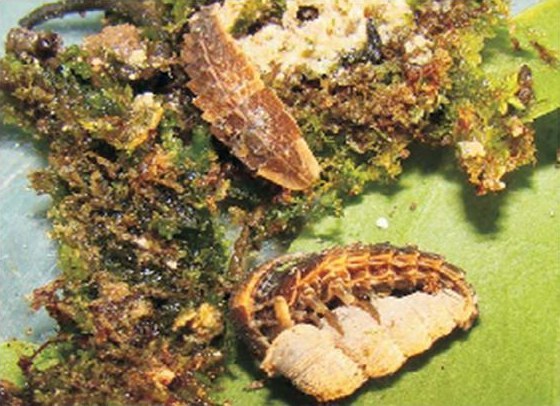
Fireflies Larvae Glowworm
The larval form of fireflies, often called glowworms, are flattened, segmented crawlers that glow with a steady greenish light. These little predators hunt slugs, snails, and worms in damp ground.
beetle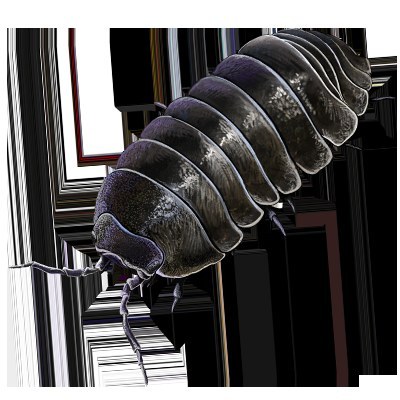
Pillbug
A gray, armor-plated land crustacean that curls into a tight ball at the slightest touch, earning it the playful nickname "roly-poly."
otherAlderfly Larva
Fringed with feathery gill filaments along its sides, the alderfly larva crawls through soft pond and stream sediments hunting smaller invertebrates before eventually leaving the water entirely to pupate on land.
aquatic-insect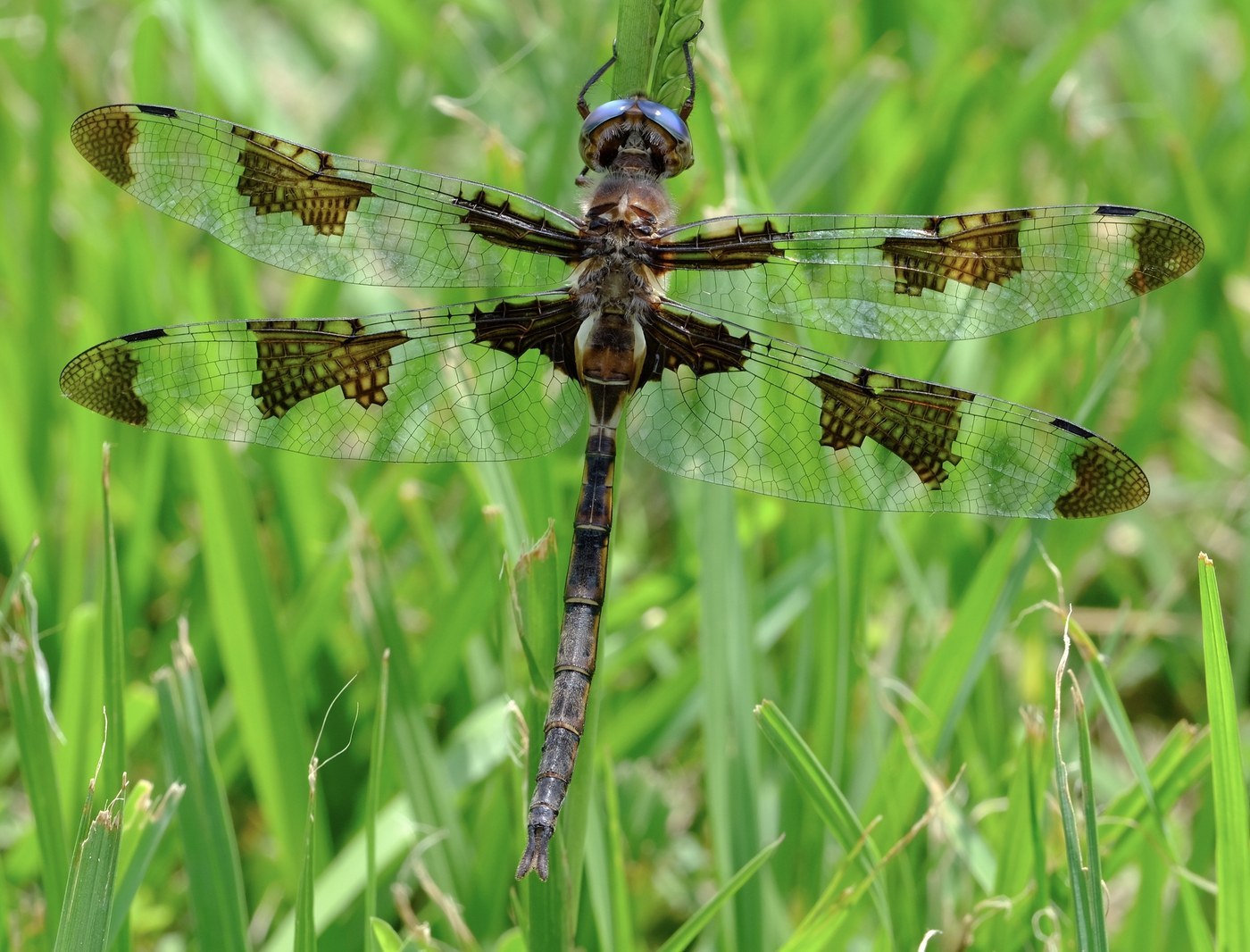
Prince Baskettail
One of the largest baskettail dragonflies, the Prince Baskettail is often seen tirelessly patrolling back and forth over water and open fields, rarely pausing to land.
dragonfly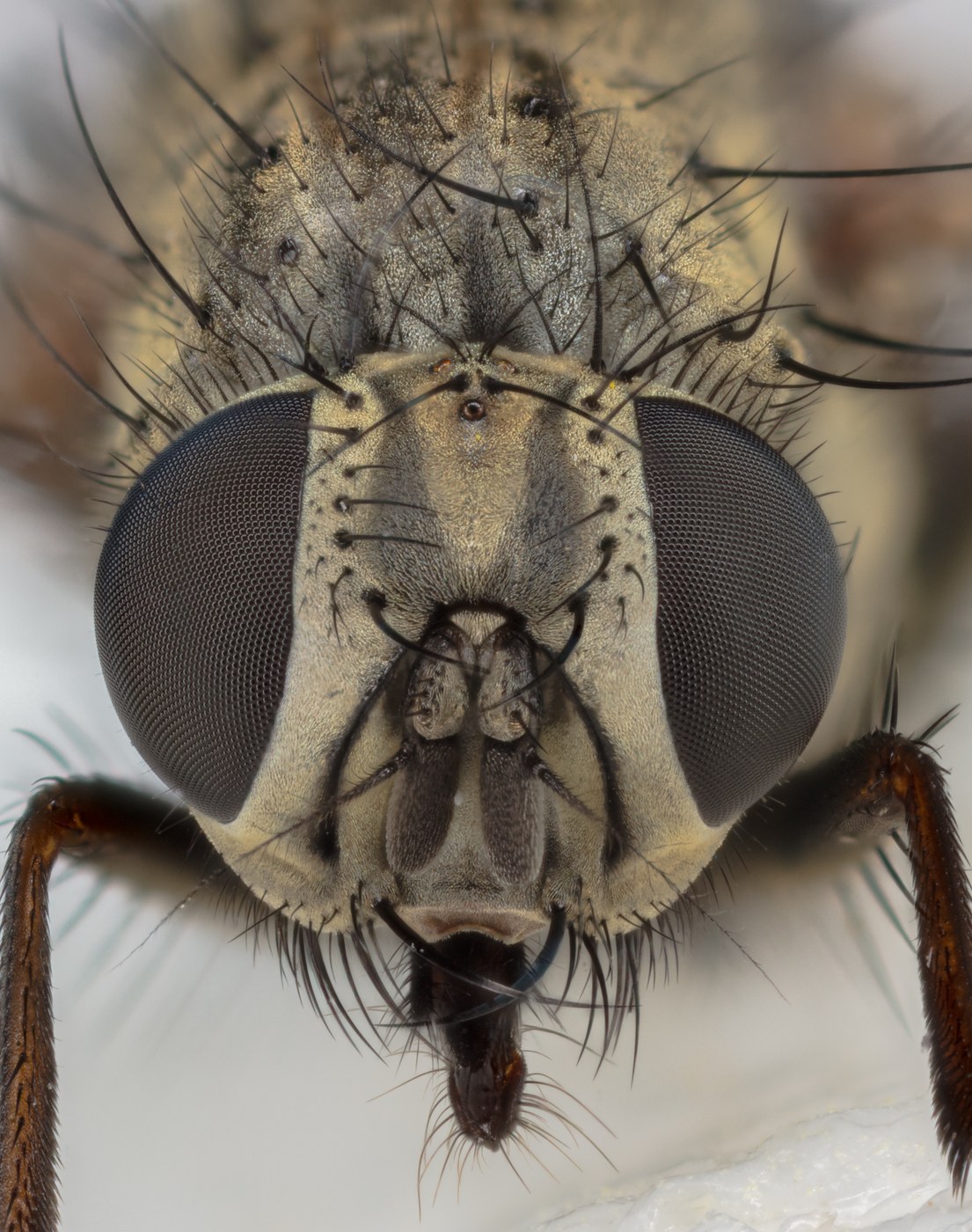
House Fly
A gray, fuzzy-bodied fly with four dark stripes on its thorax and large reddish compound eyes, famous for its erratic buzzing flight and tendency to land repeatedly on food and surfaces.
fly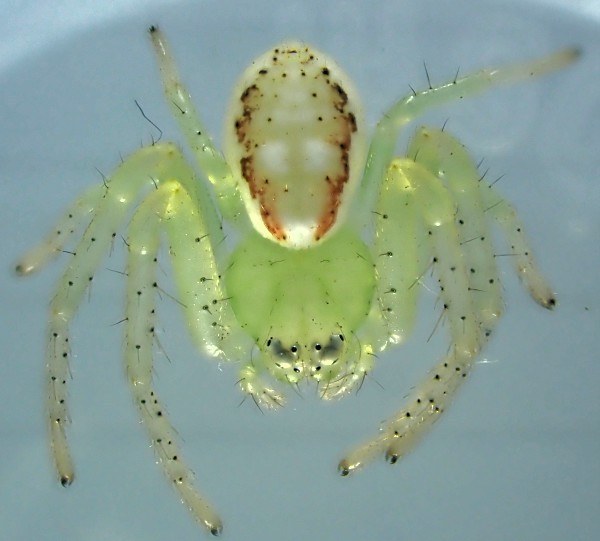
Crab Spider
Perched motionless atop a flower petal, often perfectly matched to its color, the crab spider is a patient ambusher that waits for pollinators to land within reach of its outstretched front legs.
spider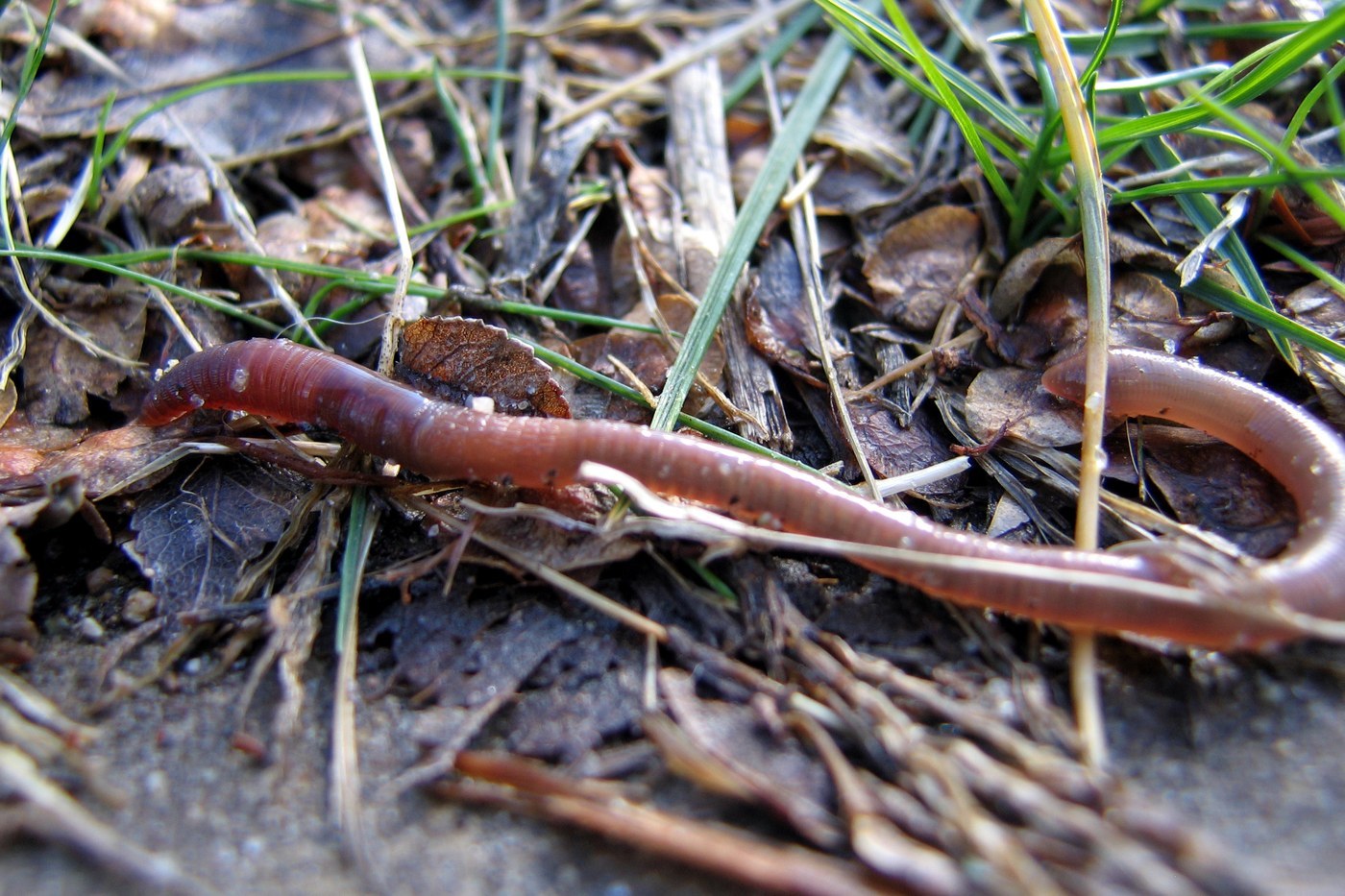
Earthworm
A long, smooth, segmented soil-dweller with no legs, eyes, or shell, best recognized by its ringed body and the pale saddle-like band (clitellum) found on mature individuals.
otherBand-winged Grasshopper
A camouflaged grasshopper that flashes vivid yellow, red, or blue hindwings in flight before vanishing again into the dust the instant it lands.
grasshopper-cricket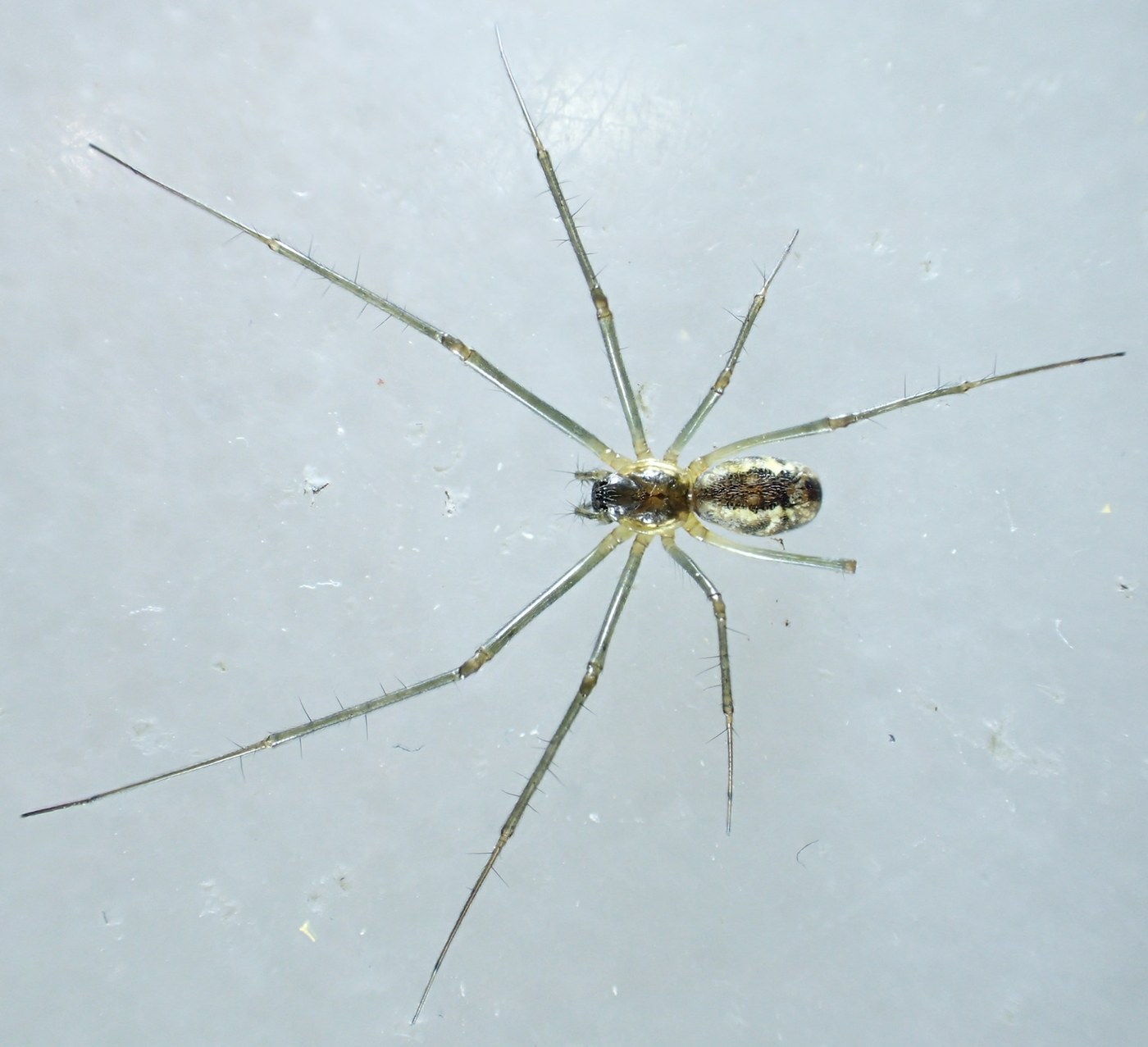
Money Spider
A tiny sheet-weaving spider, often seen drifting through the air on silk threads, traditionally said to bring good luck when it lands on you.
spiderWarble Fly
A furry, bee-mimicking fly that never lands on flowers or feeds as an adult, spending its brief life darting around grazing cattle to lay eggs on their legs and lower body. Herds sometimes react with sudden panicked runs, known as gadding, whenever a warble fly approaches.
fly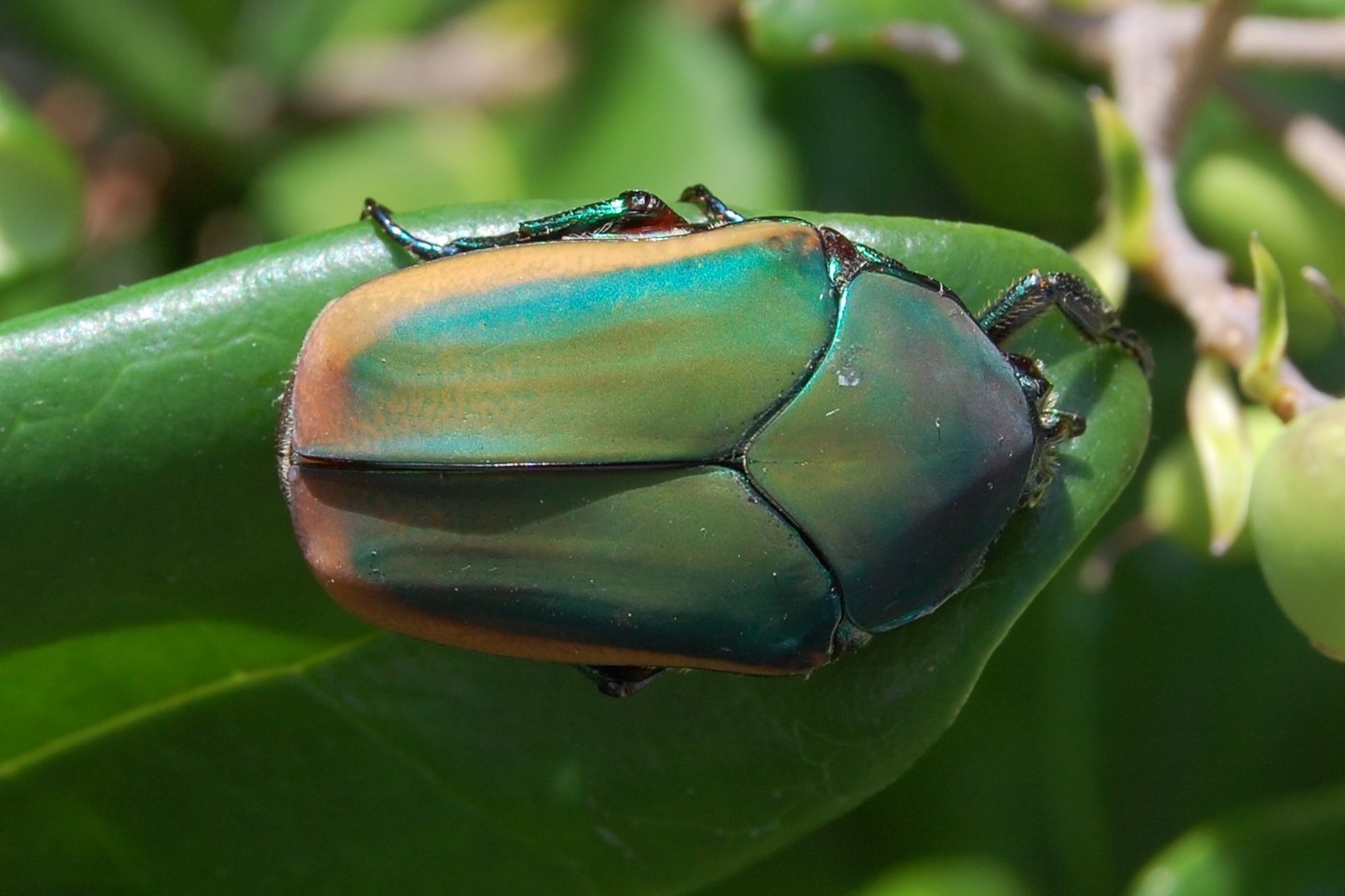
Fig Beetle
A large, dull metallic-green scarab beetle with a loud, buzzing flight, often seen crash-landing near ripe or overripe fruit and compost piles on warm summer days.
beetle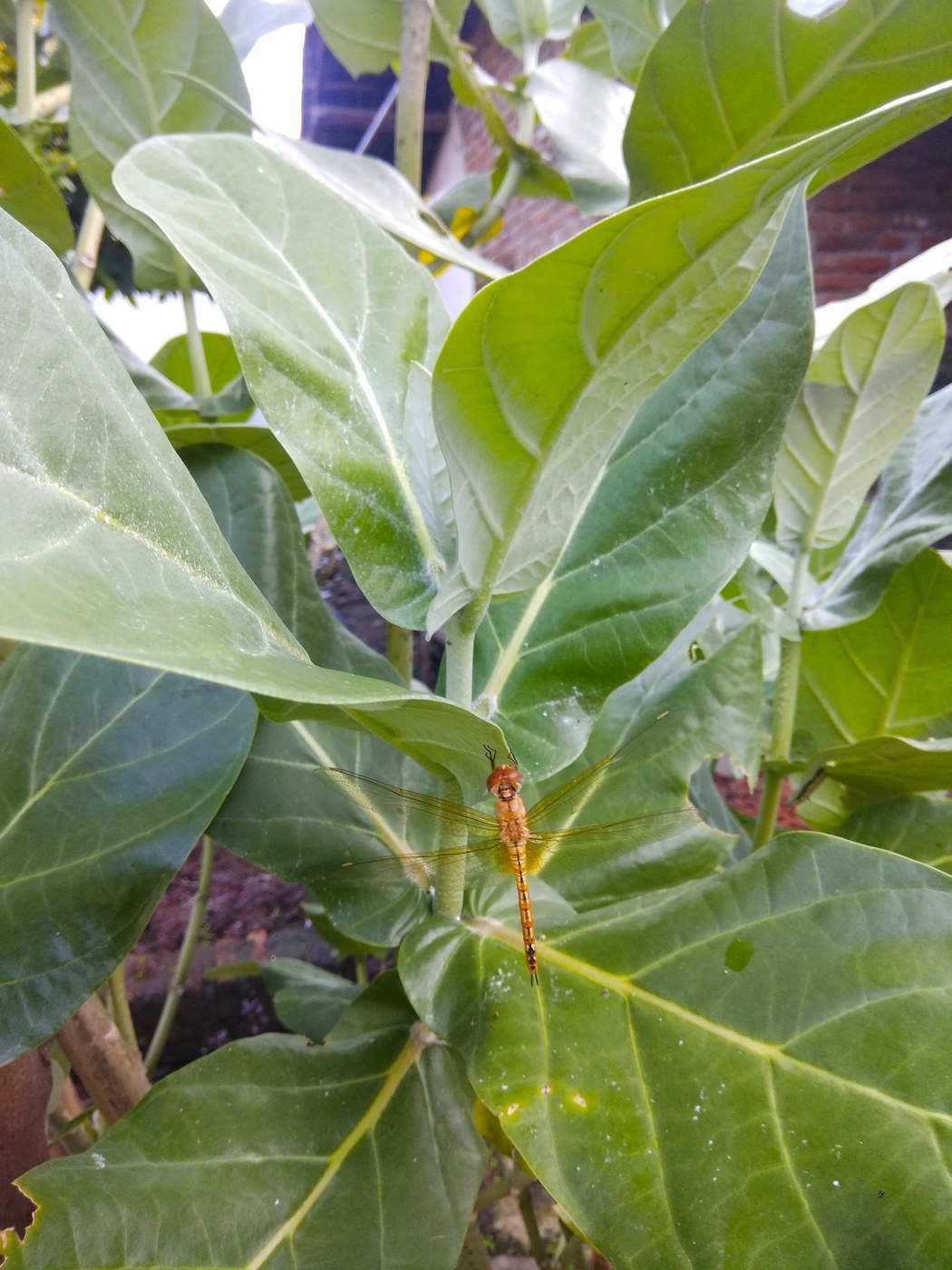
Wandering Glider
One of the most widely traveled insects on Earth, this golden dragonfly rides high-altitude winds across oceans and continents, rarely landing as it forages endlessly on the wing.
dragonfly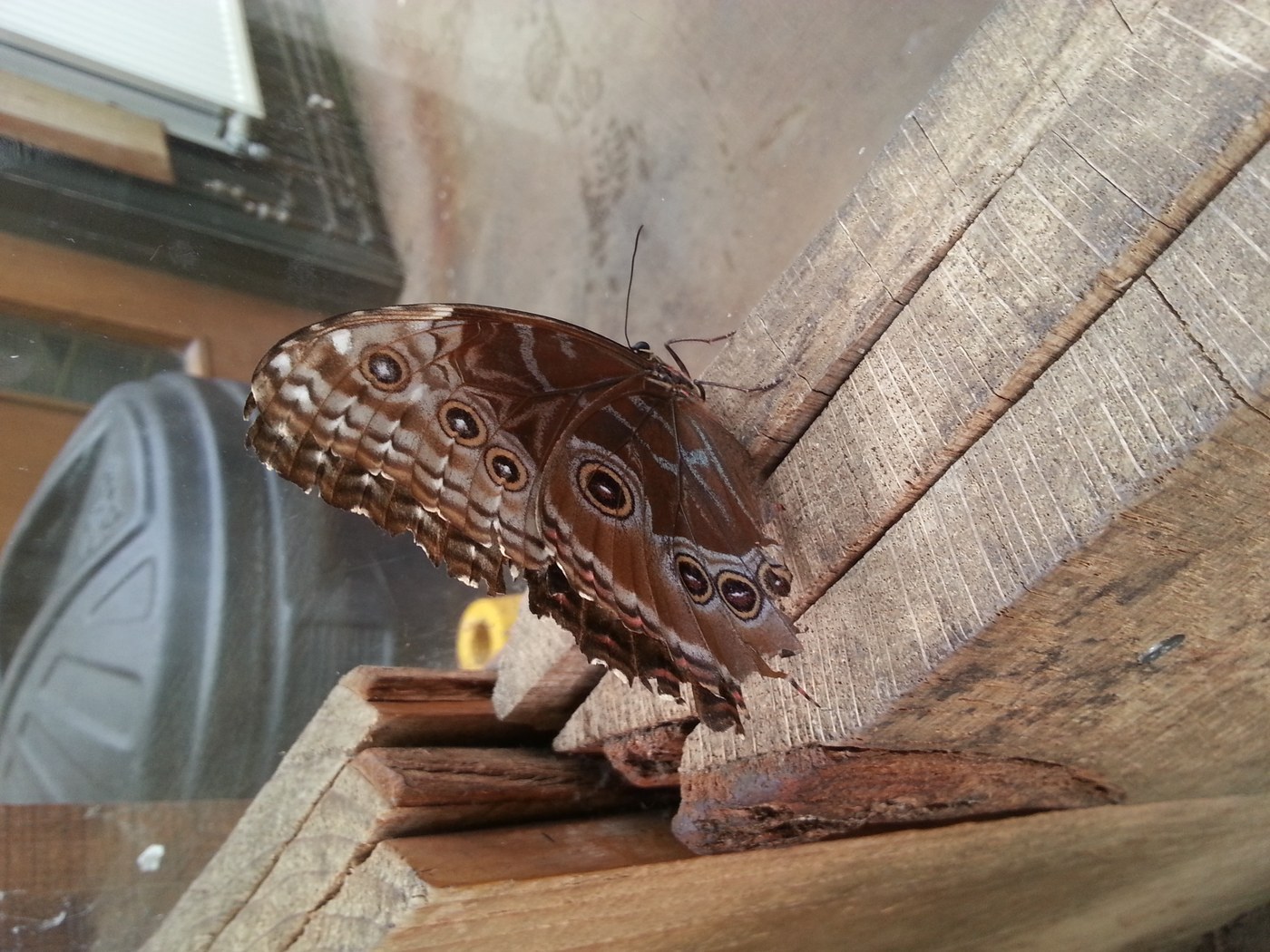
Hackberry Emperor
A brown-and-cream butterfly closely tied to hackberry trees, notable for its bold eyespots and habit of landing on people, cars, and other unusual surfaces rather than flowers.
butterfly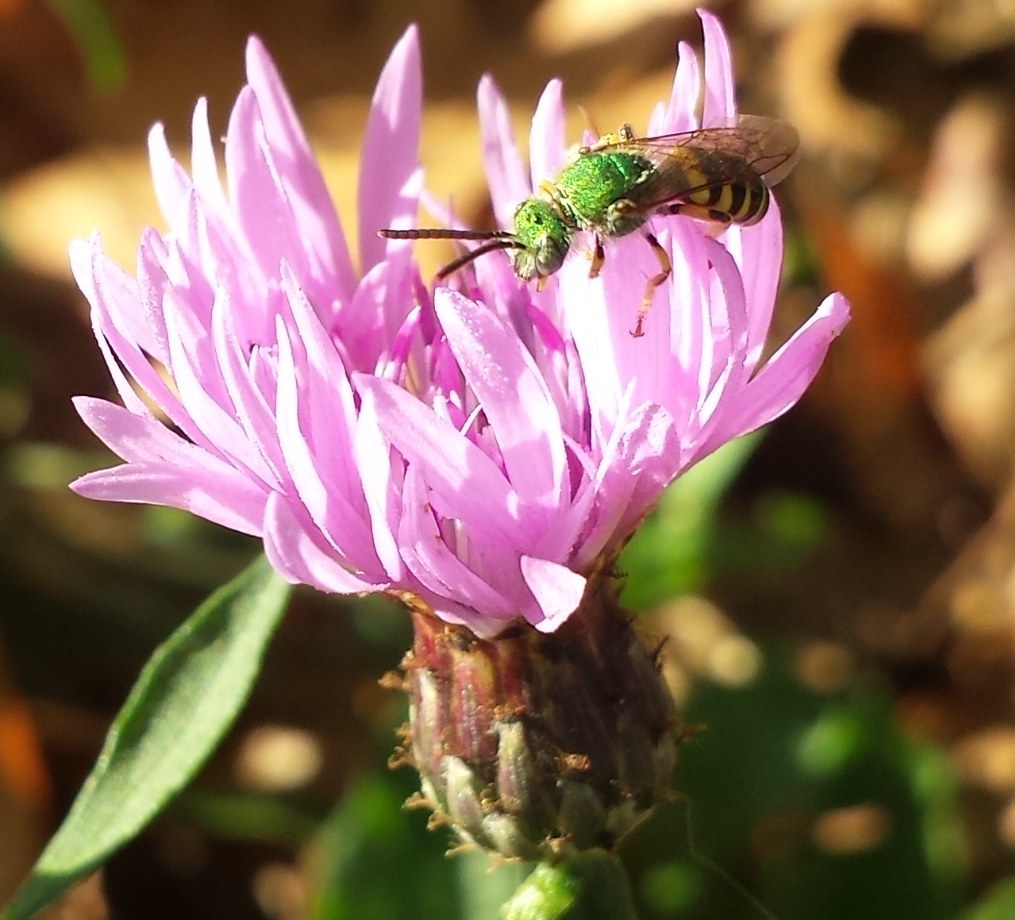
Sweat Bee
A small, often metallic green or bronze bee in the family Halictidae, named for its habit of landing on skin to sip perspiration, and an important generalist pollinator of wildflowers and crops.
bee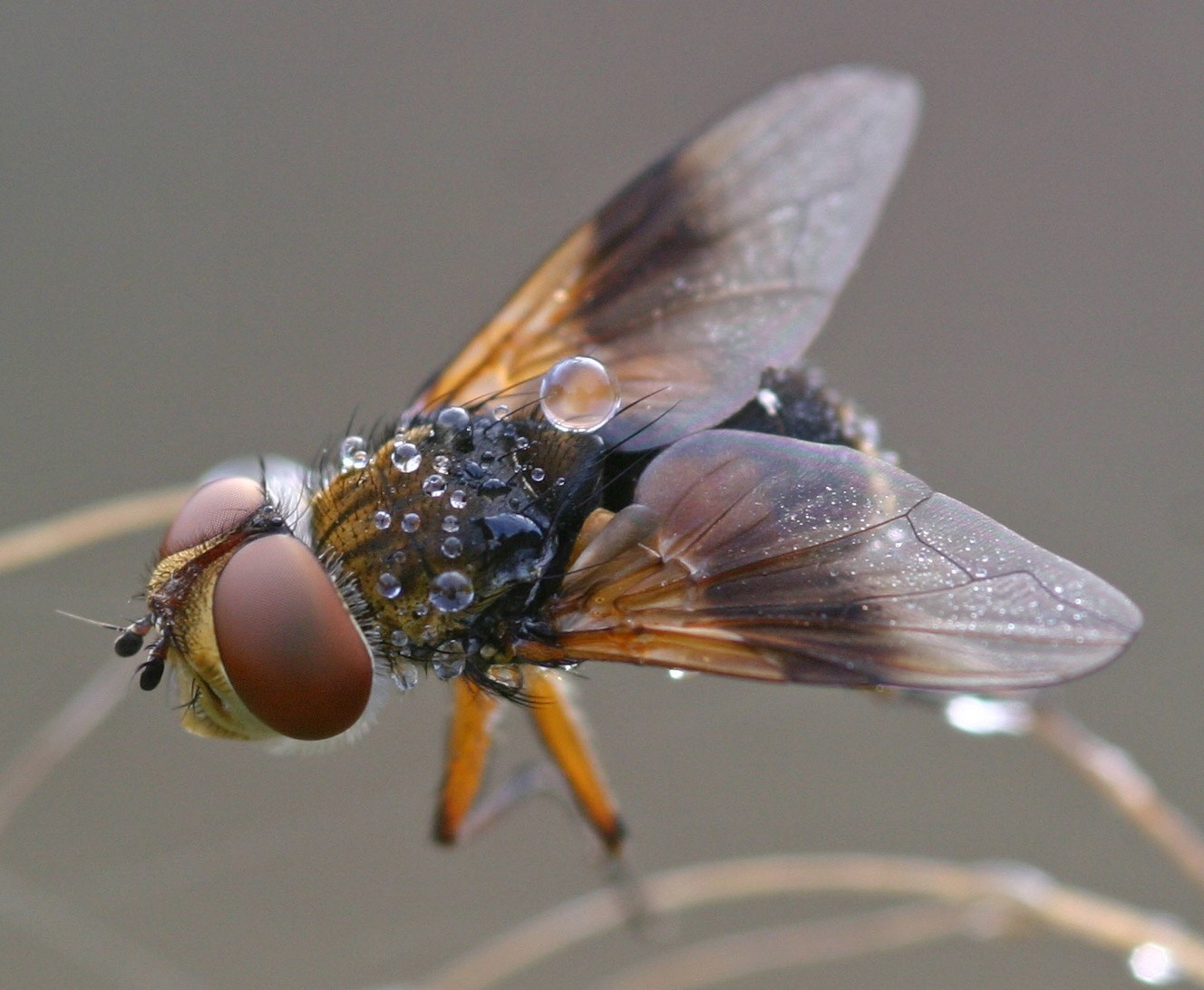
Tachinid Fly
A bristly, house-fly-like insect that looks unremarkable at a glance but hides one of the most important ecological roles among flies: its larvae develop as internal parasites of caterpillars, beetles, and other insects, quietly regulating populations across the landscape. Gardeners often welcome tachinid flies as natural allies against crop-damaging pests.
fly