
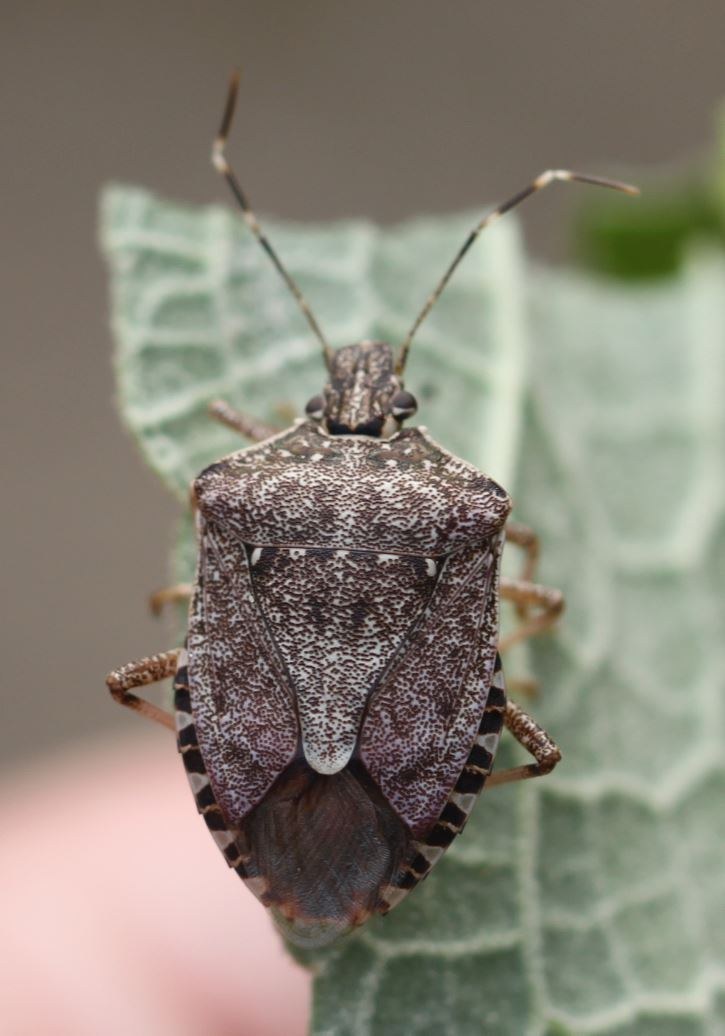
Brown Marmorated Stink Bug
Halyomorpha halys
An invasive, mottled brown stink bug identified by alternating light and dark bands on its antennae and abdomen edges, well known for gathering in large numbers on and inside buildings each fall.
- Size
- 12–17 mm
- Habitat
- Gardens, orchards, and woodlands; often enters buildings in autumn
- Danger
- Nuisance pest
Spotted a bug like this?
Identify any bug or insect from a photo, free.
Overview
The brown marmorated stink bug is a species in the family Pentatomidae, order Hemiptera, native to China, Japan, Korea, and Taiwan. It was accidentally introduced to Pennsylvania in the late 1990s and has since spread across much of North America and parts of Europe.
It is notable as a significant agricultural pest of tree fruit, vegetables, and row crops due to its very broad host range, and it is one of the most familiar invasive true bugs in areas where it has established.
The species is distinguished from native stink bugs by specific banding patterns and is especially conspicuous for its habit of forming large overwintering aggregations in and around structures.
How to Identify
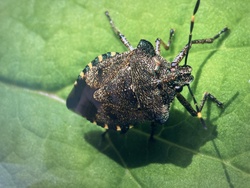
- Mottled ("marmorated") brown, shield-shaped body typical of stink bugs
- Distinctive alternating white and dark bands on the last two antennal segments — a key identifying feature
- Alternating light bands along the exposed edges of the abdomen
- Smooth, rounded shoulders (some native look-alike stink bugs have toothed shoulder margins)
- Body length roughly 12–17 mm; lookalikes are native brown stink bugs (Euschistus spp.), which lack the banded antennae
Habitat & Range
Native to East Asia; now established across much of the United States, parts of Canada, and areas of Europe. Found on trees, shrubs, and crops during the growing season. In fall, large numbers seek shelter in structures such as attics and wall voids, re-emerging the following spring.
Behavior & Diet
Feeds by piercing fruit, seeds, and foliage of an unusually broad range of host plants, including tree fruit and vegetable crops. Forms large aggregations on sunny exterior walls before moving indoors to overwinter. Releases a strong defensive odor when disturbed. Considered a significant agricultural pest as well as a household nuisance due to its overwintering habits.
Life Cycle
Incomplete metamorphosis. Eggs are laid in clusters on the undersides of leaves during warmer months. Nymphs progress through five instars over the growing season. One to two generations occur per year depending on region, and adults overwinter in sheltered locations, including structures.
Frequently asked questions
How is this different from other stink bugs?
Its banded antennae and abdomen edges, along with smooth (untoothed) shoulder margins, distinguish it from native brown stink bug species.
Why do these gather on houses in fall?
They seek sheltered overwintering sites and are drawn to sun-warmed exterior walls before moving indoors.
Is it native to North America?
No, it is native to East Asia and was accidentally introduced in the late 1990s.
What does the odor smell like?
A pungent scent, often described as acrid or cilantro-like, released from glands on the thorax when the insect is disturbed.
Brown Marmorated Stink Bug guides
In-depth guides for identifying, understanding, and living alongside Brown Marmorated Stink Bug.
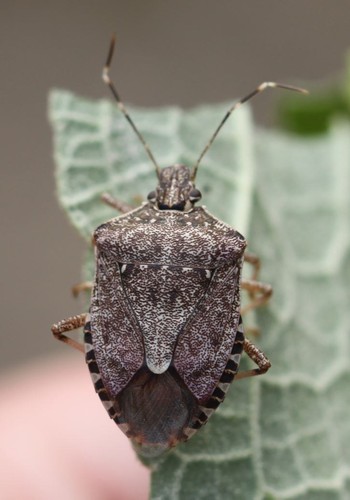
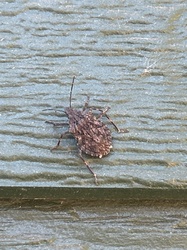
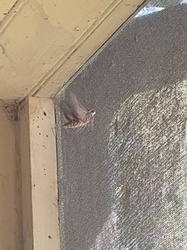
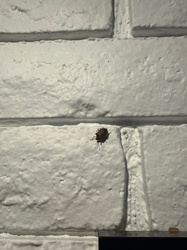
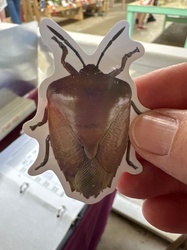
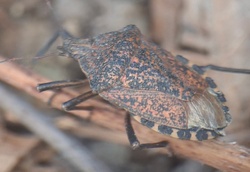
Brown Marmorated Stink Bug identified by the community
Real finds identified with Bug Identifier.
Other bugs you may enjoy
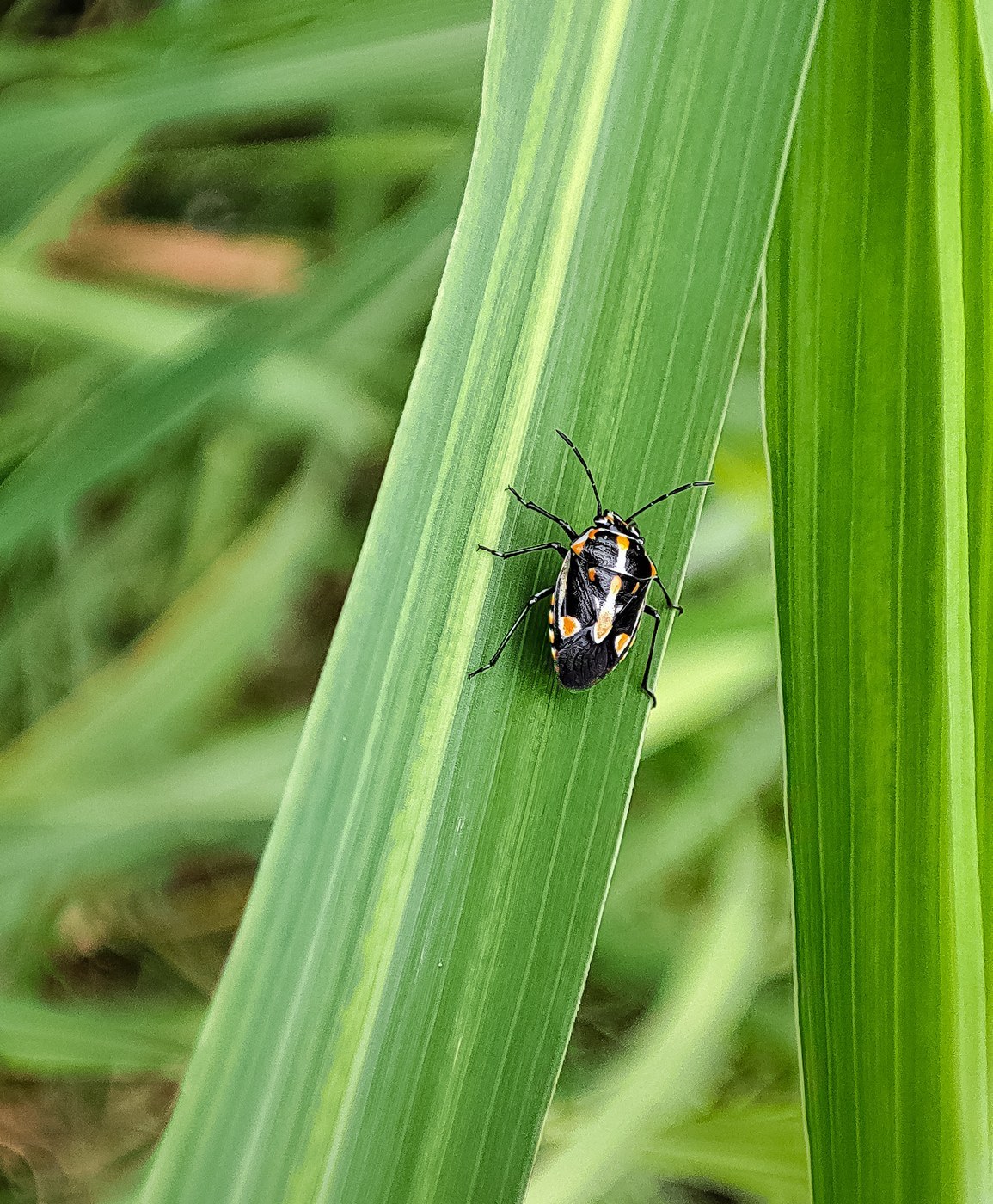
Bagrada Bug
Arid gardens, crucifer fields, desert-adjacent croplands
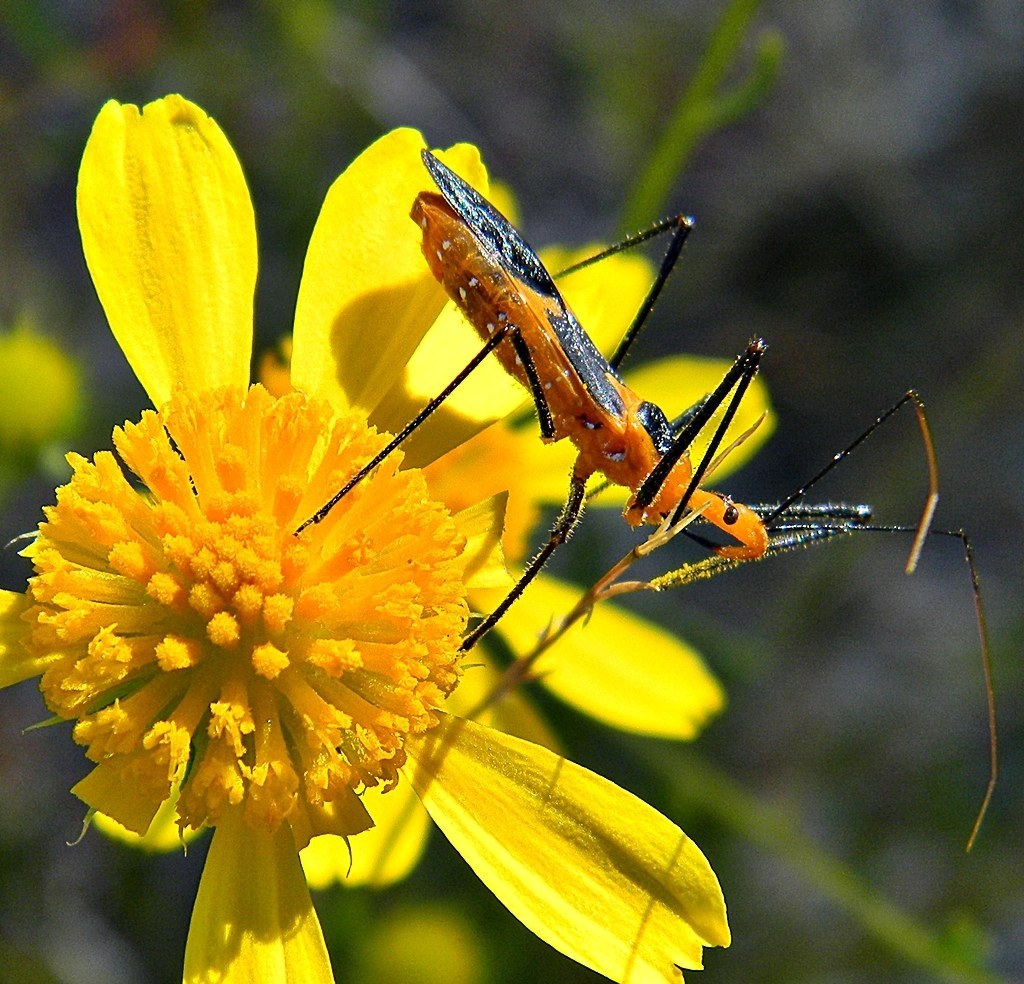
Assassin Bug
Gardens, meadows, and vegetation worldwide
Water Boatman Bug
Ponds, lakes, and slow-moving freshwater
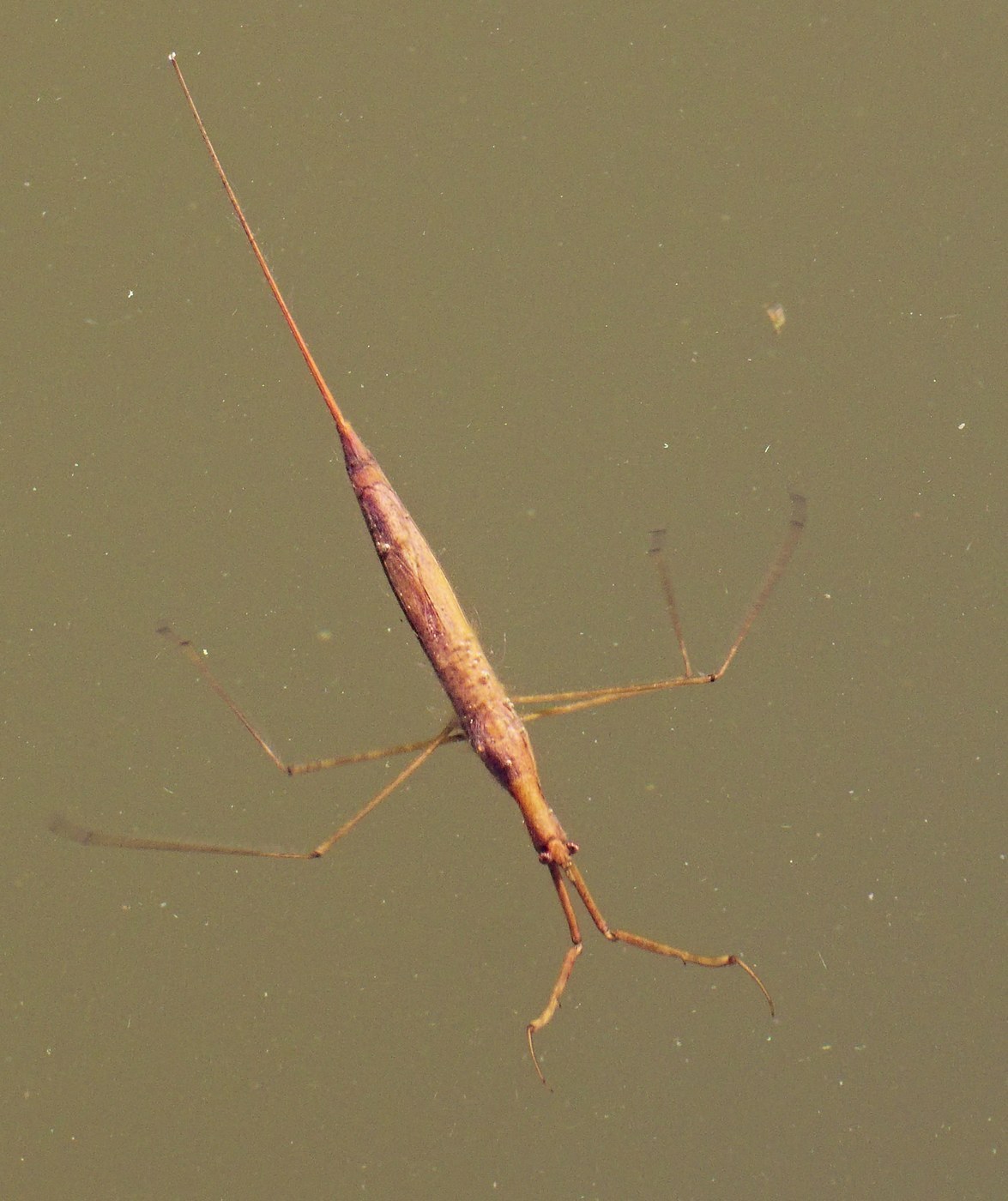
Water Stick Insect
Still and slow-moving water with dense submerged vegetation
Rough Stink Bug
Tree bark, woodlands, orchards, and shrubby vegetation
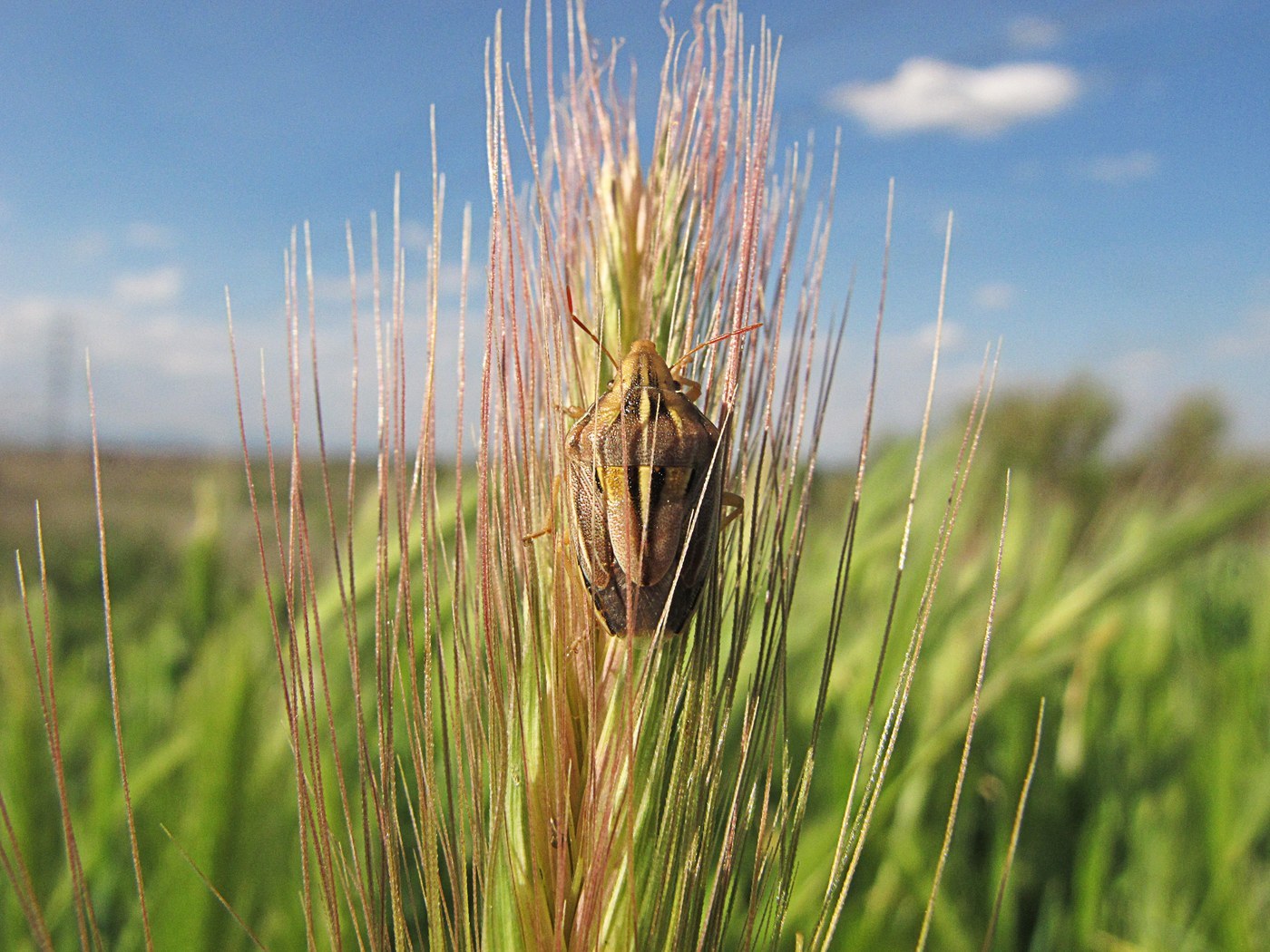
Stink Bug
Gardens, crop fields, and woodlands across temperate and subtropical regions
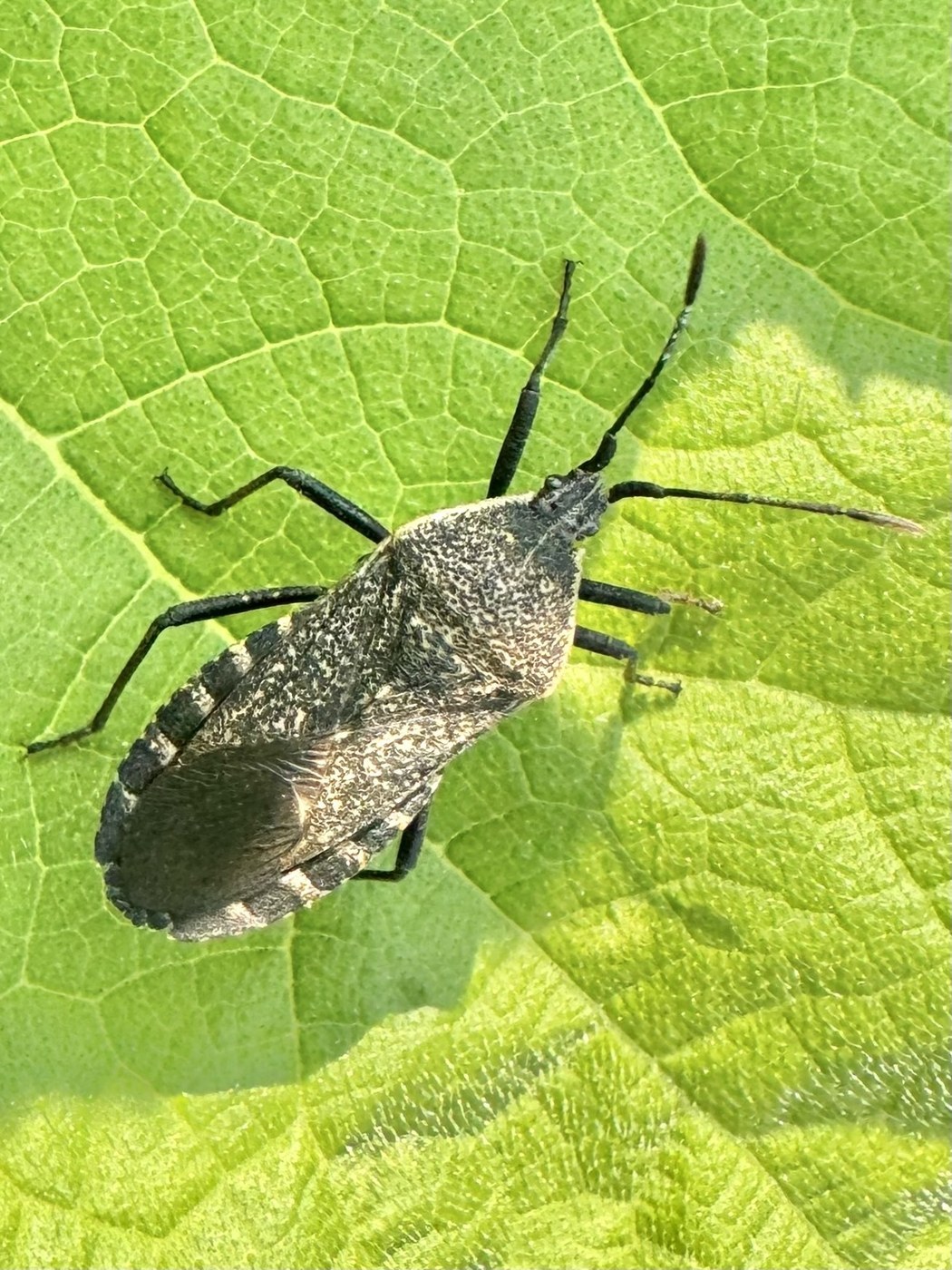
Squash Bug
Vegetable gardens and farm fields growing squash, pumpkin, and other cucurbits
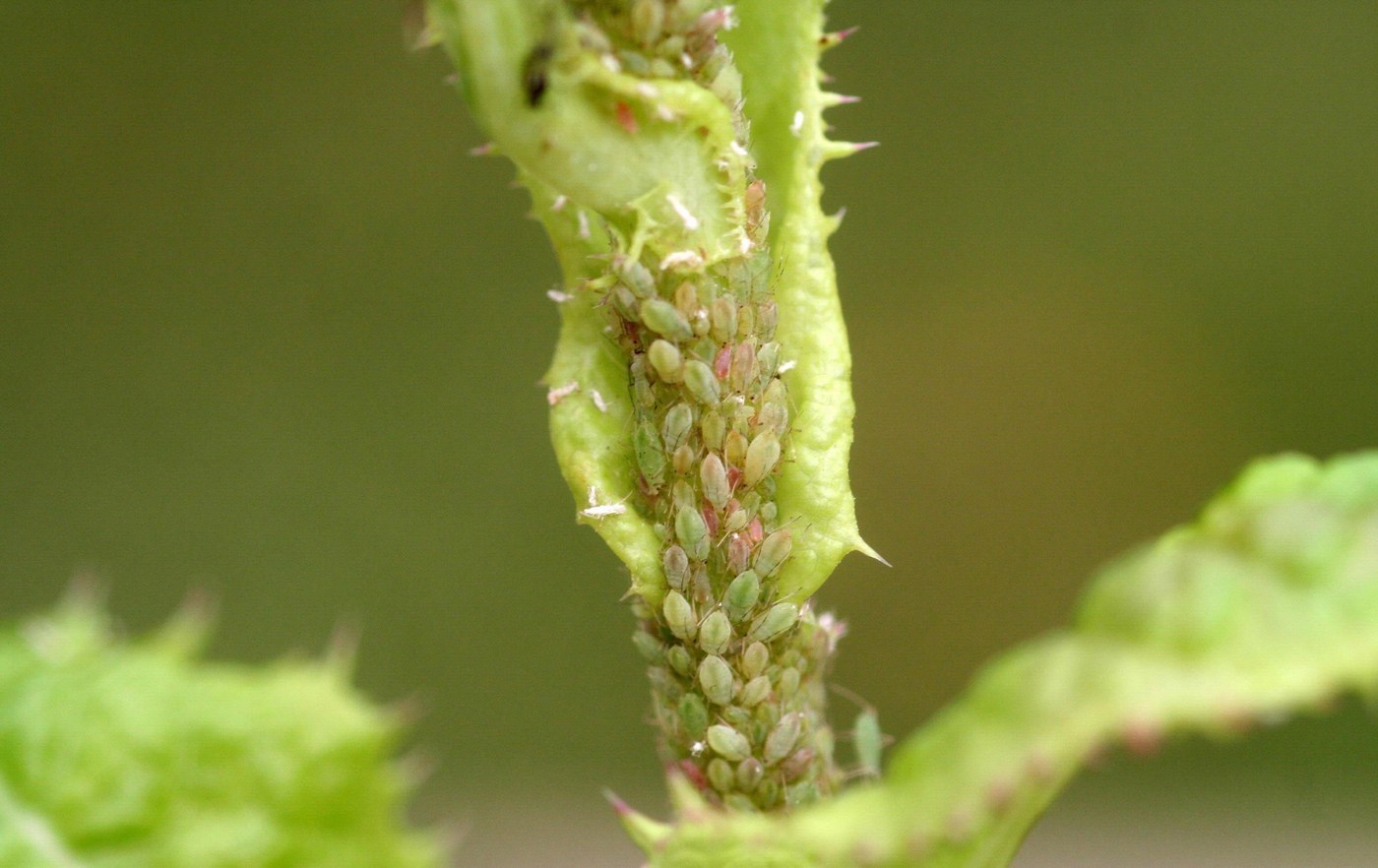
Aphid
On stems, leaves, and buds of a very wide range of host plants
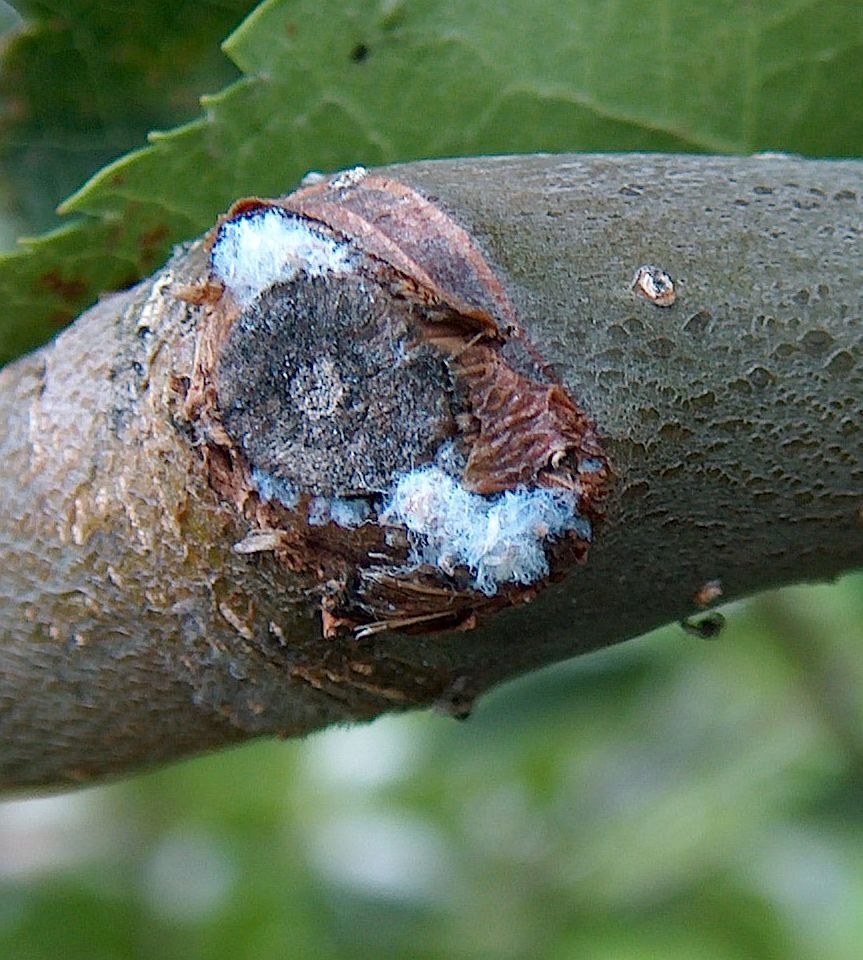
Woolly Aphid
Bark crevices, root collars, and twigs of apple, elm, and alder trees
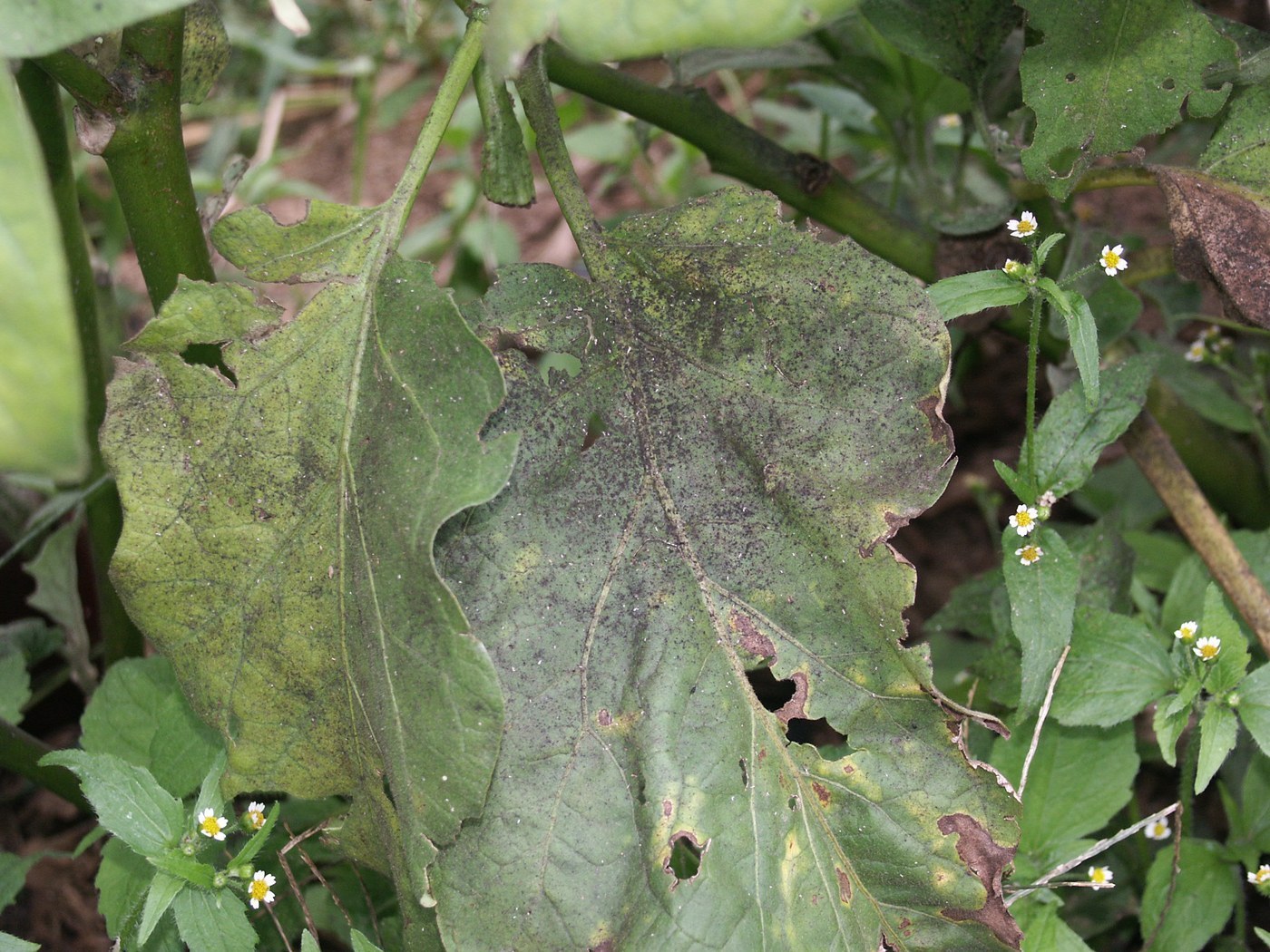
Whitefly
Greenhouses, gardens, and undersides of leaves on host plants
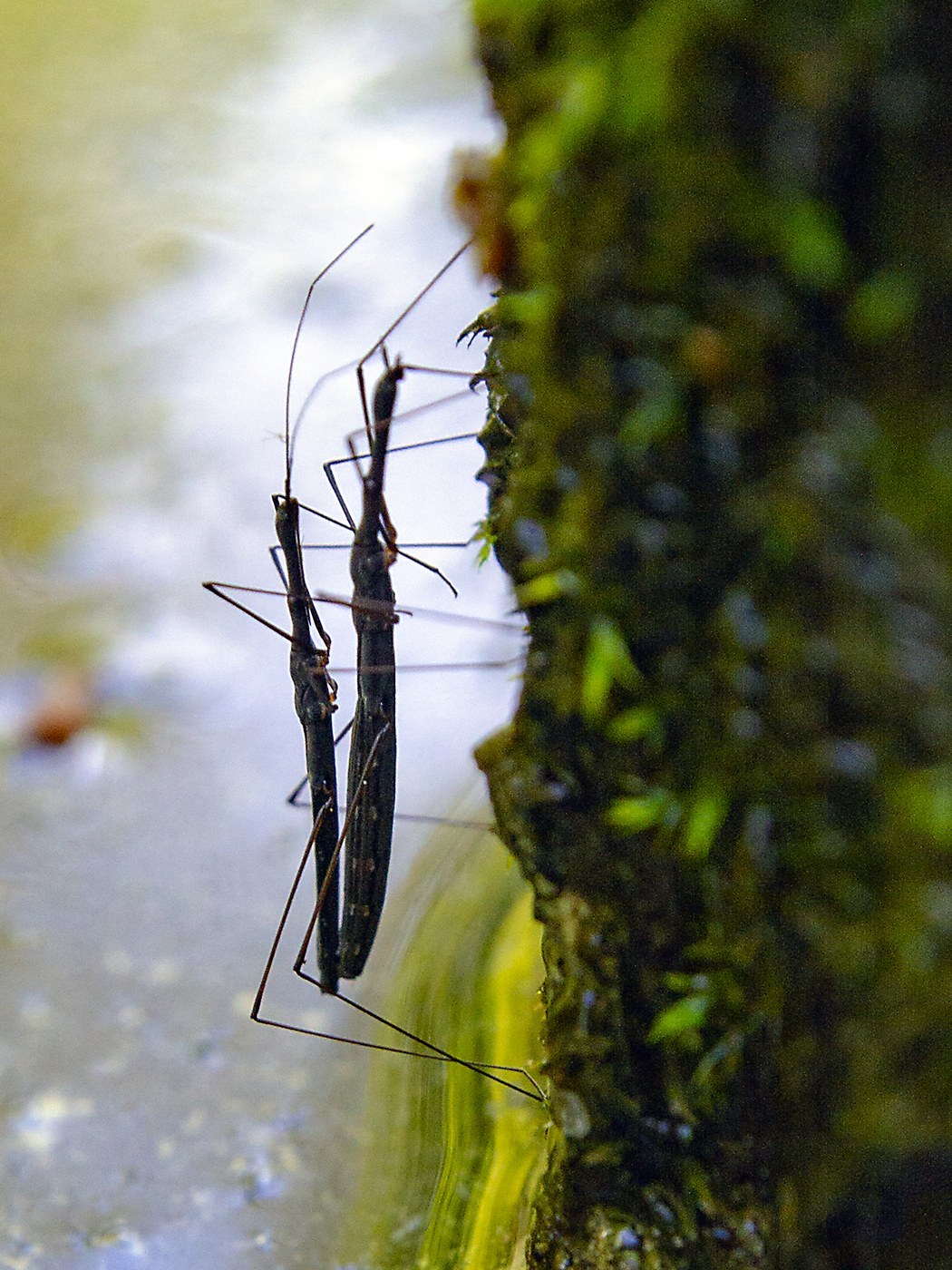
Water Measurer
Quiet edges of ponds, marshes, and slow streams
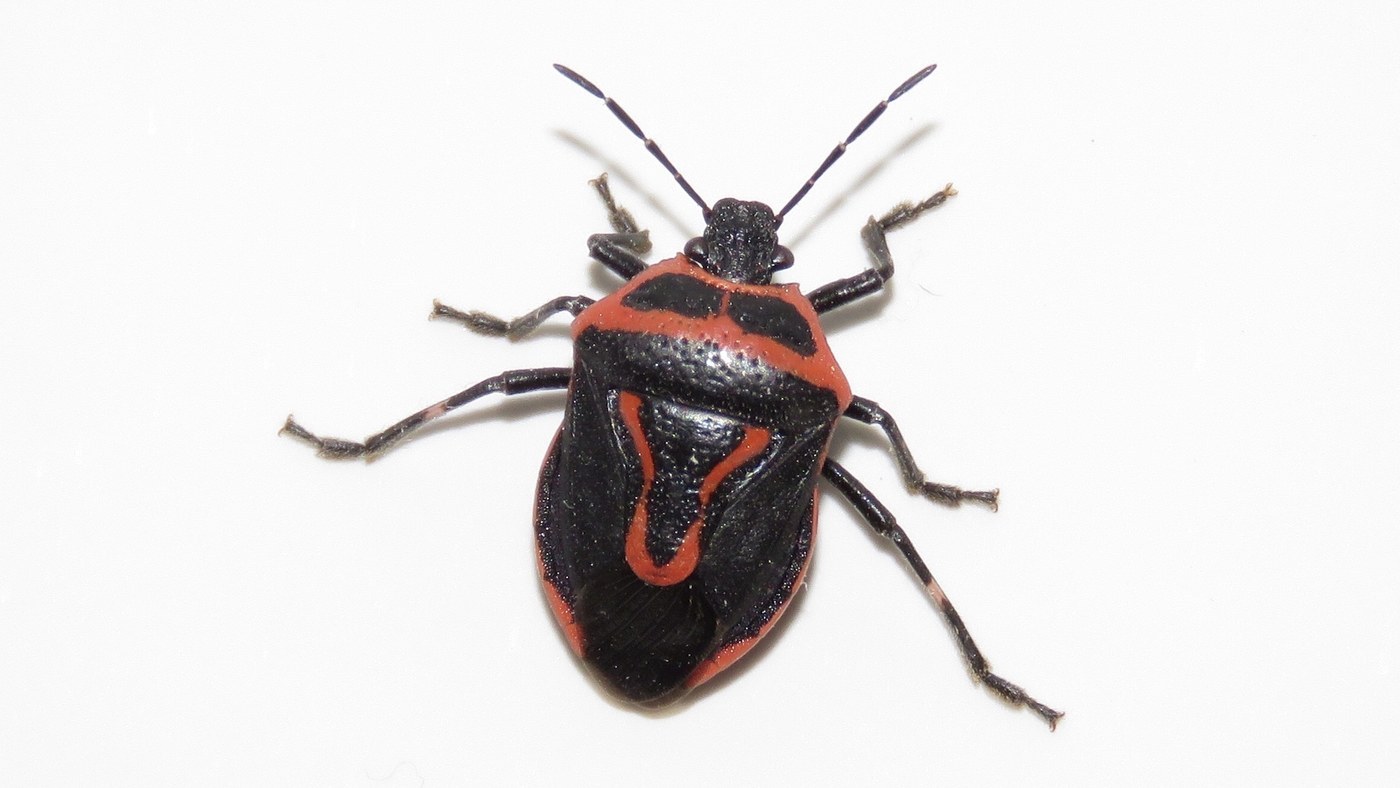
Two-Spotted Stink Bug
Gardens and fields with potato and nightshade-family plants