
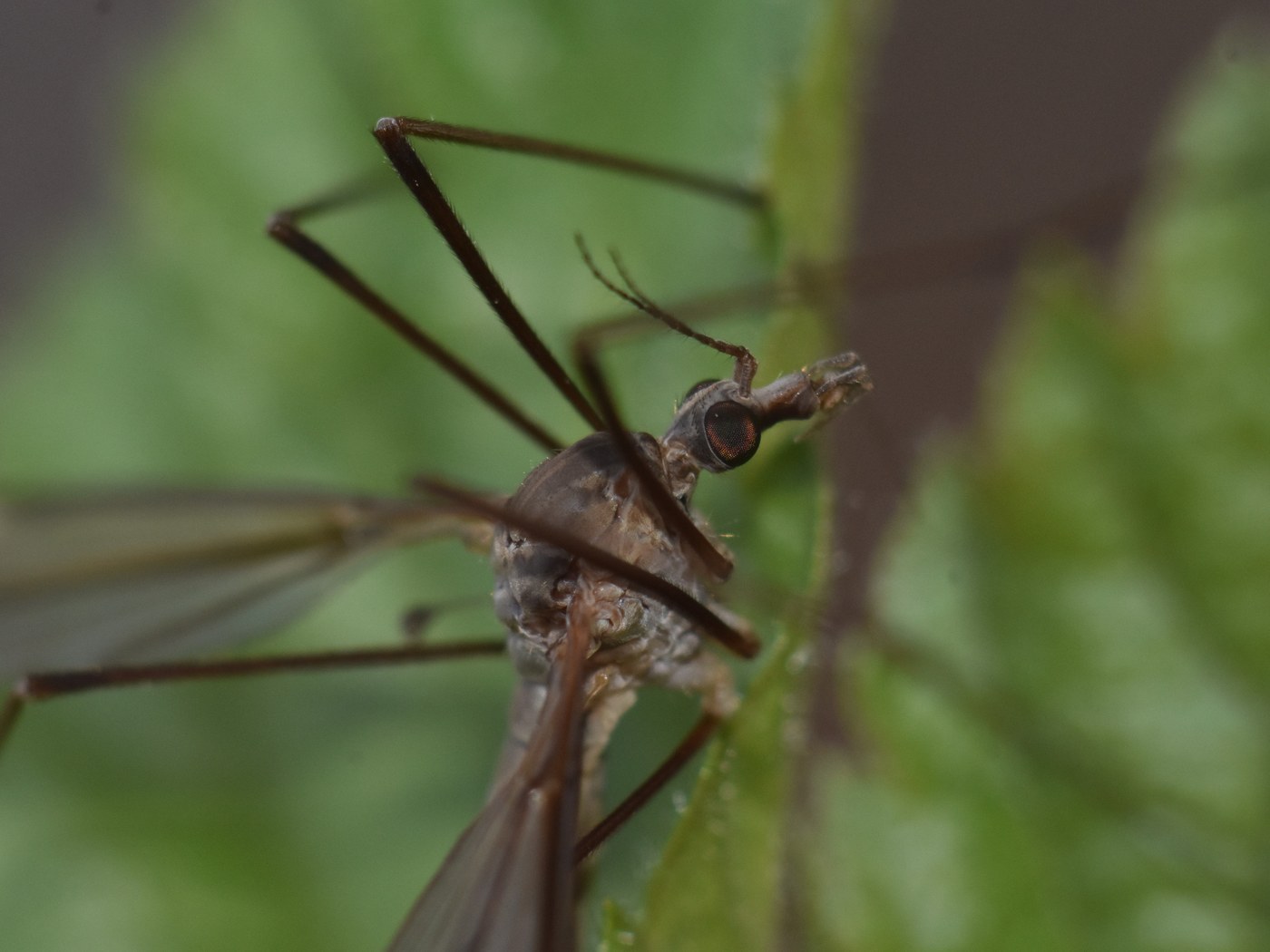
Crane Fly
Tipula spp.
A long-legged, mosquito-like fly with a slender tan or gray body and a single pair of narrow wings, often seen wobbling clumsily around outdoor lights on summer evenings.
- Size
- 12–25 mm body, legs spanning up to 50 mm
- Habitat
- Damp lawns, gardens, near porch lights at night
- Danger
- Harmless
Spotted a bug like this?
Identify any bug or insect from a photo, free.
Overview
The crane fly belongs to the family Tipulidae within the order Diptera (true flies), one of the largest fly families with thousands of described species worldwide. Despite its intimidating, oversized-mosquito appearance, it is an entirely different insect with no piercing mouthparts.
Crane flies are notable for their delicate, gangly build and their brief, often erratic flight, which makes them a familiar late-summer and early-fall sight near windows and lights. They play a quiet ecological role: their aquatic or soil-dwelling larvae, sometimes called "leatherjackets," break down organic matter and serve as food for birds, fish, and other predators.
How to Identify
- Slender, elongated body 12–25 mm long with extremely long, thin, easily detached legs.
- One pair of narrow, smoky-tinted wings held out to the sides at rest; a second pair is reduced to small knob-like halteres used for balance.
- Body color ranges from tan to gray-brown, sometimes with faint dark markings on the thorax.
- Small head with short antennae and no functional biting mouthparts.
- Lookalike: often mistaken for a giant mosquito, but crane flies lack the mosquito's short proboscis and dense wing scales.
Habitat & Range
Found across temperate regions of North America, Europe, and Asia. Adults are most active from late spring through fall, especially on humid evenings, and are strongly drawn to porch and streetlights. Larvae develop in moist soil, leaf litter, lawns, or shallow water such as pond margins and slow streams.
Behavior & Diet
Adult crane flies feed little or not at all, living only a few days to mate and lay eggs; some species sip nectar or water. Their flight is weak and fluttery, and they are easily caught or lose legs when handled, a passive defense that can distract predators. Larvae feed on decaying plant material, roots, and fungi in soil or aquatic sediment, making them important decomposers and a food source for birds, shrews, and fish.
Life Cycle
Crane flies undergo complete metamorphosis: egg, larva, pupa, adult. Eggs are laid in moist soil or water and hatch into tough, worm-like larvae that live underground or submerged for weeks to over a year depending on species. Pupation occurs in soil or leaf litter, and most temperate species produce one or two generations per year, overwintering as larvae.
Frequently asked questions
Do crane flies bite like mosquitoes?
No. Crane flies lack the piercing mouthparts mosquitoes use; adults have reduced, non-biting mouthparts and mainly just fly around lights.
Is a crane fly the same as a mosquito?
No, they only look superficially similar. Crane flies are much larger, have longer legs, and belong to a completely different fly family.
Why are crane flies attracted to my porch light?
Like many night-flying insects, adult crane flies are drawn to artificial light sources during their short mating flights.
What do crane fly larvae look like?
The larvae, called leatherjackets, are grayish-brown, legless, tube-shaped grubs that live in soil or water and are rarely seen above ground.
Crane Fly guides
In-depth guides for identifying, understanding, and living alongside Crane Fly.
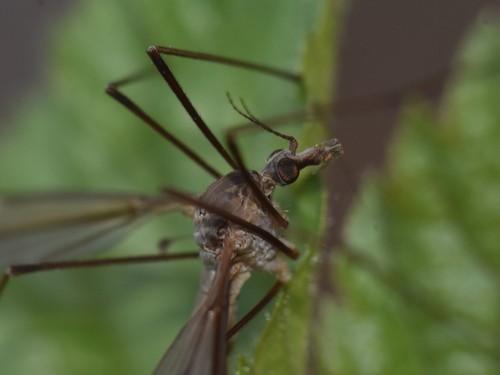
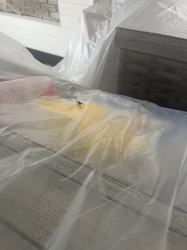
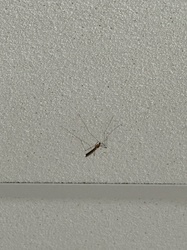
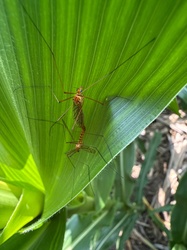
Crane Fly identified by the community
Real finds identified with Bug Identifier.
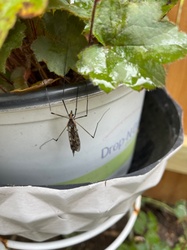
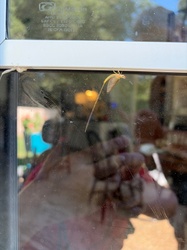

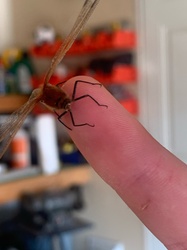
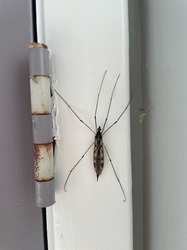
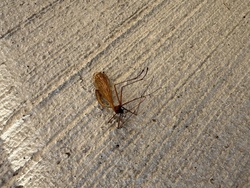
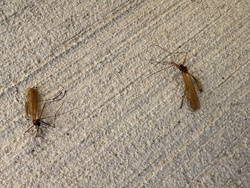
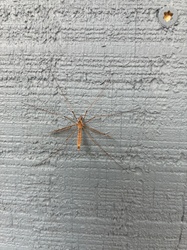
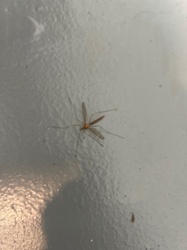
Other bugs you may enjoy
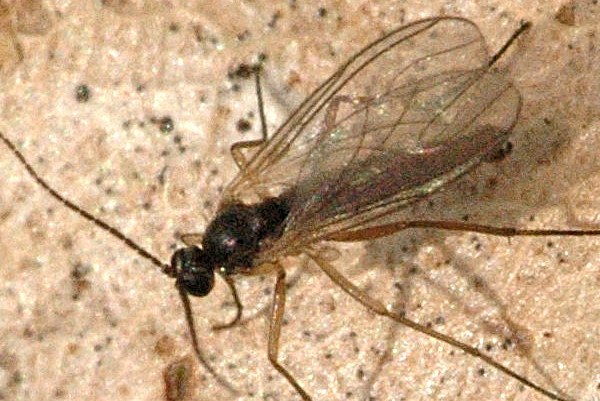
Aphid Midge
Gardens, greenhouses, and crops with aphids
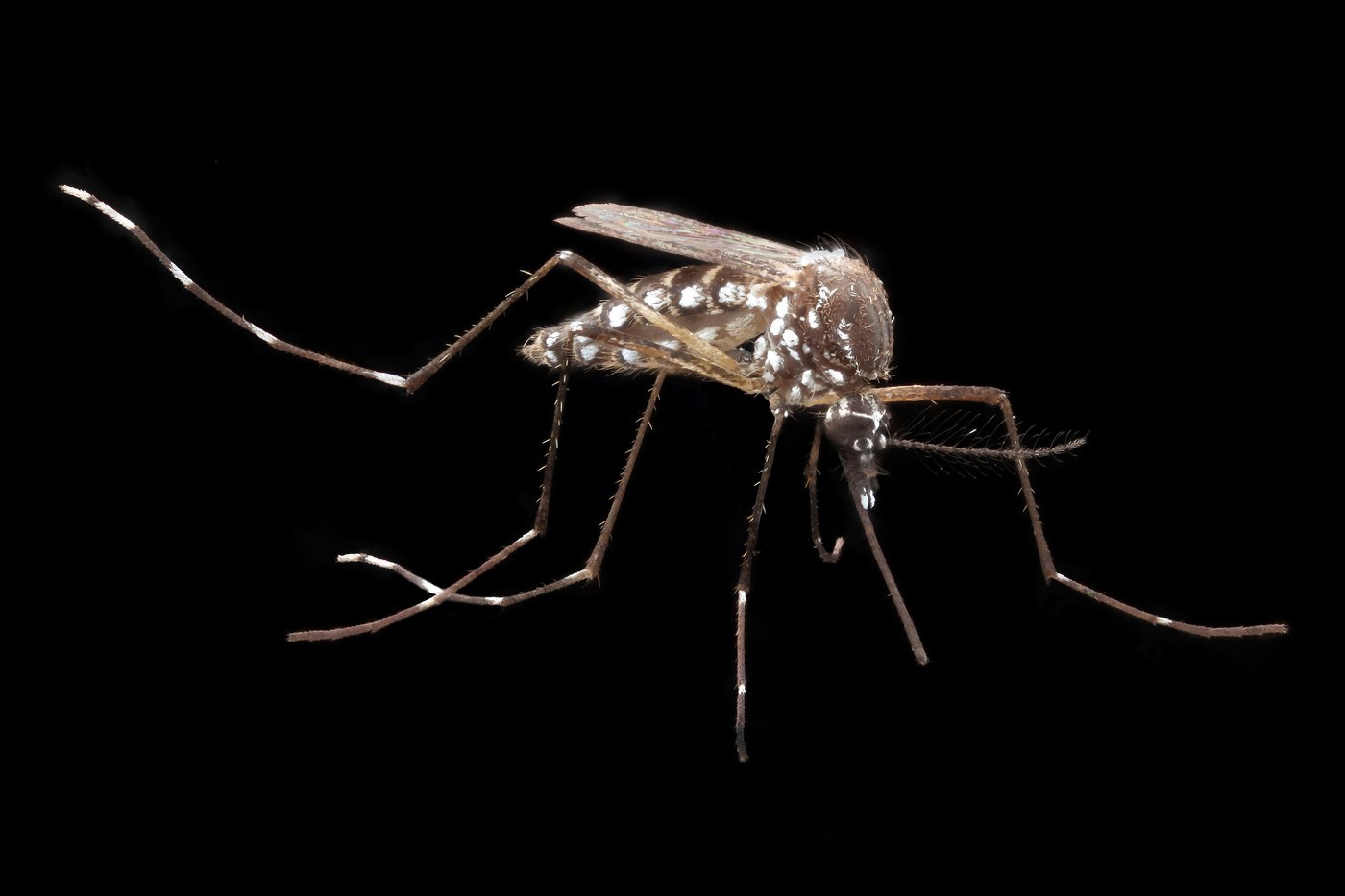
Yellow Fever Mosquito
Urban and peri-urban areas near small artificial water containers in tropical and subtropical regions worldwide
Root Maggot
Garden and field soil around the roots of cole crops and other vegetables
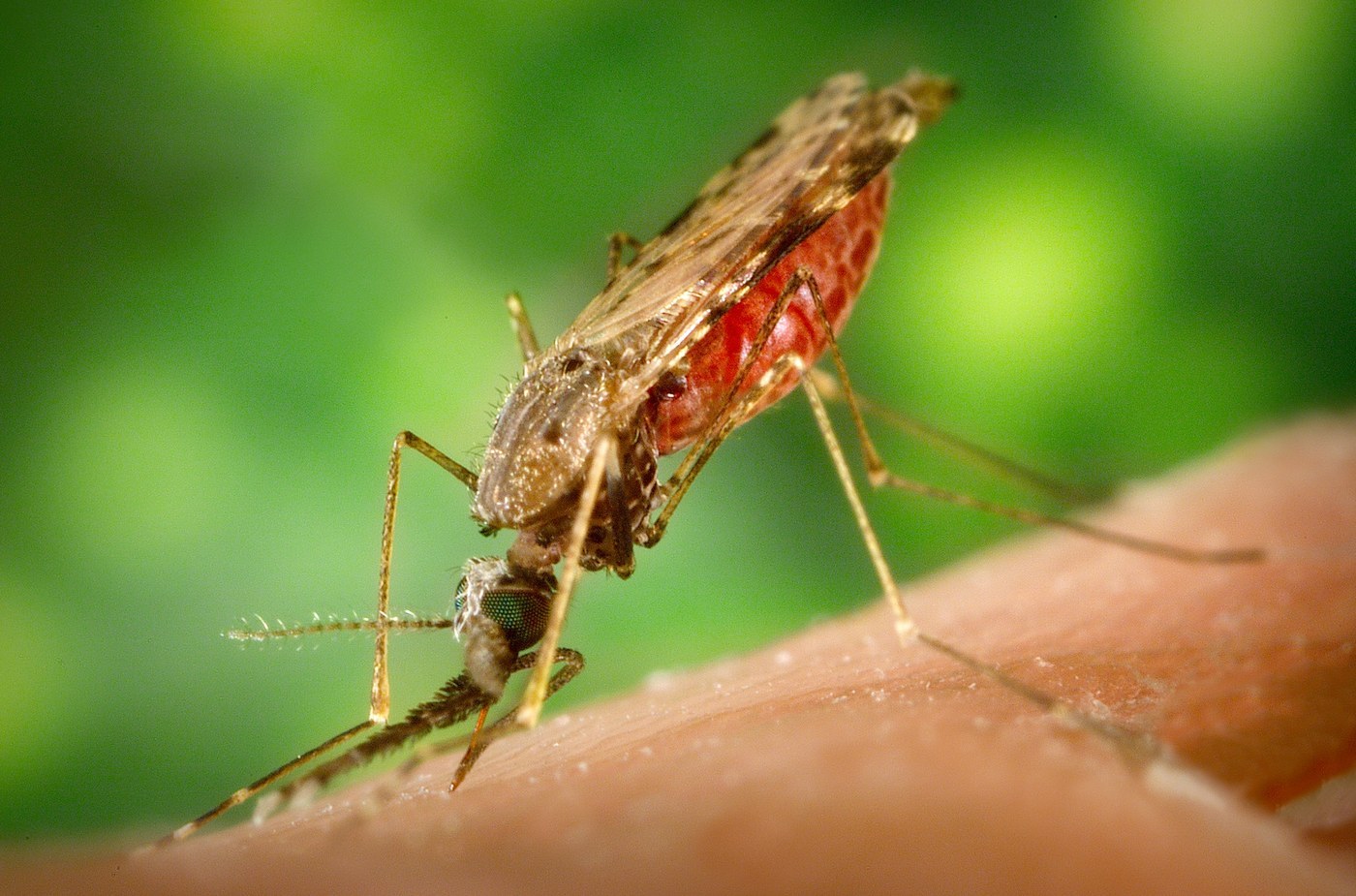
Anopheles Mosquito
Clean, still or slow-moving freshwater habitats such as marshes, ponds, and rice paddies
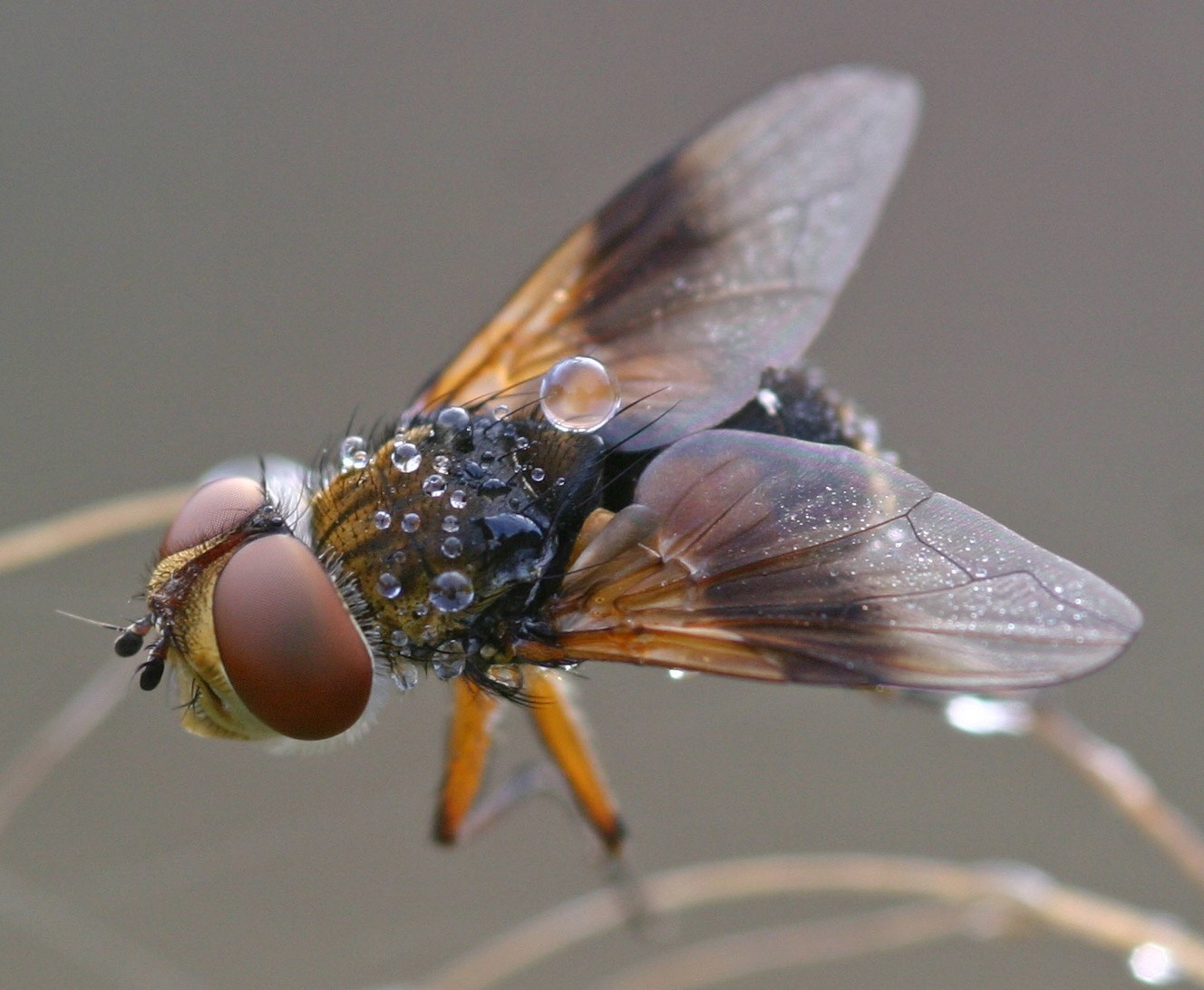
Tachinid Fly
Gardens, meadows, and woodlands wherever host caterpillars and other insects occur
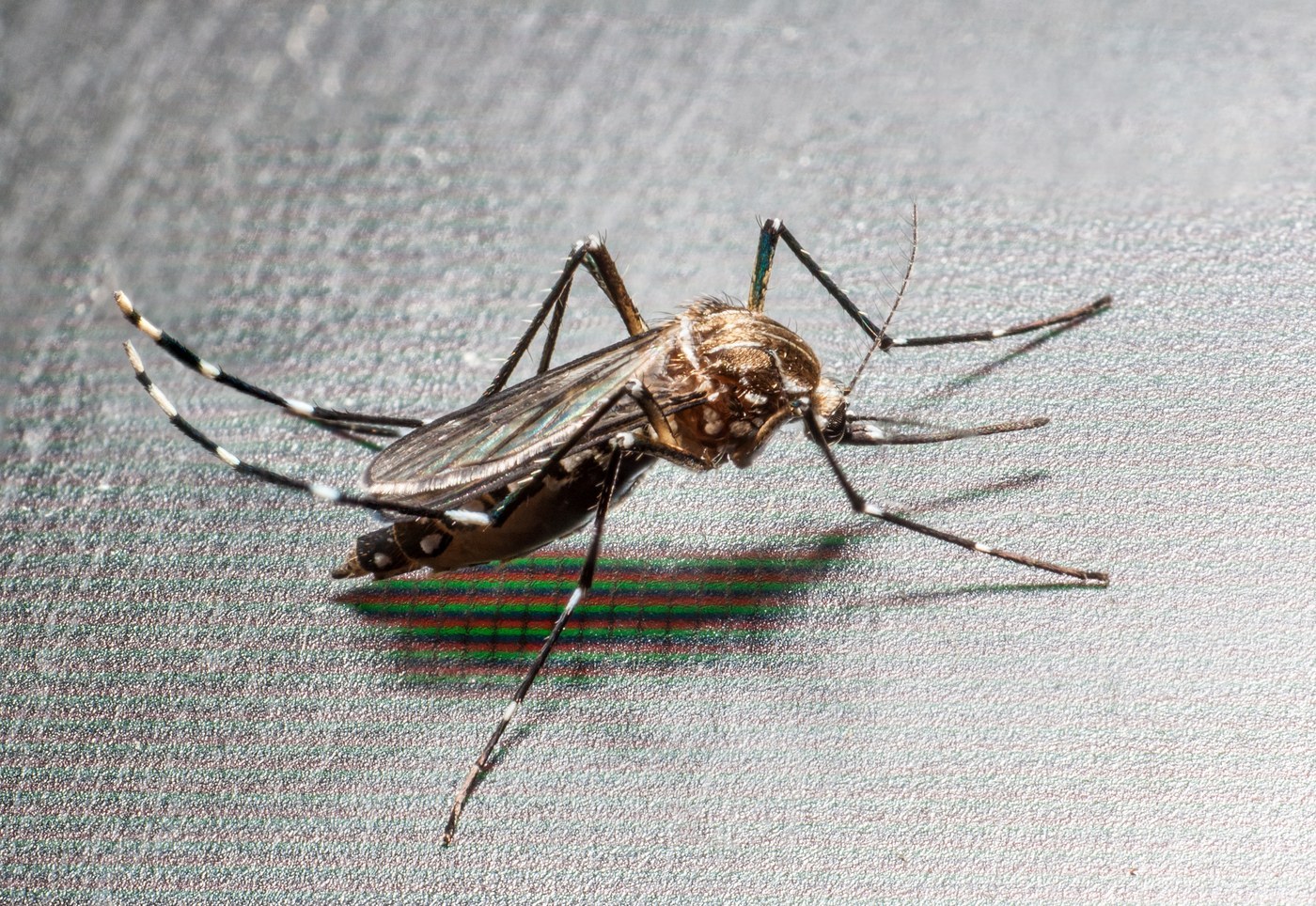
Asian Tiger Mosquito
Shaded urban and suburban areas near small water-holding containers, tires, and tree holes; native to Southeast Asia, now widespread
Tsetse Fly
Wooded savanna, riverine thickets, and forest edges across sub-Saharan Africa
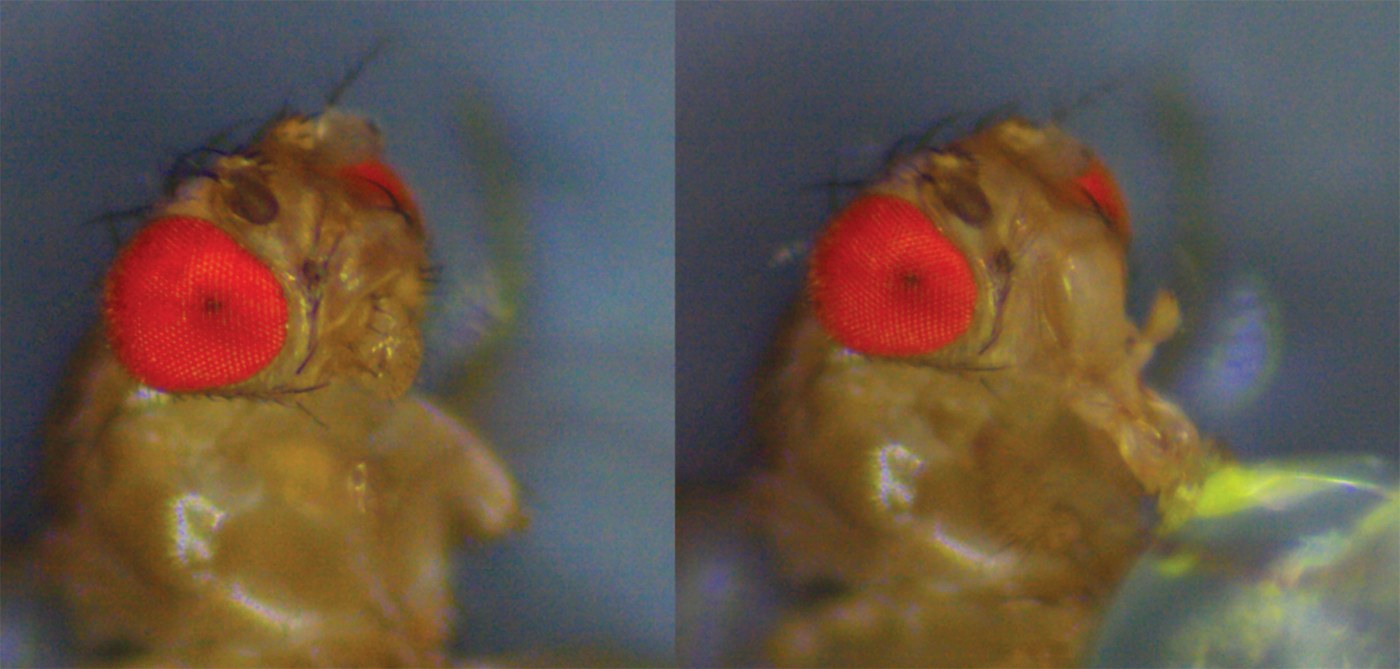
Vinegar Fly
Around overripe fruit, compost, and fermenting materials worldwide
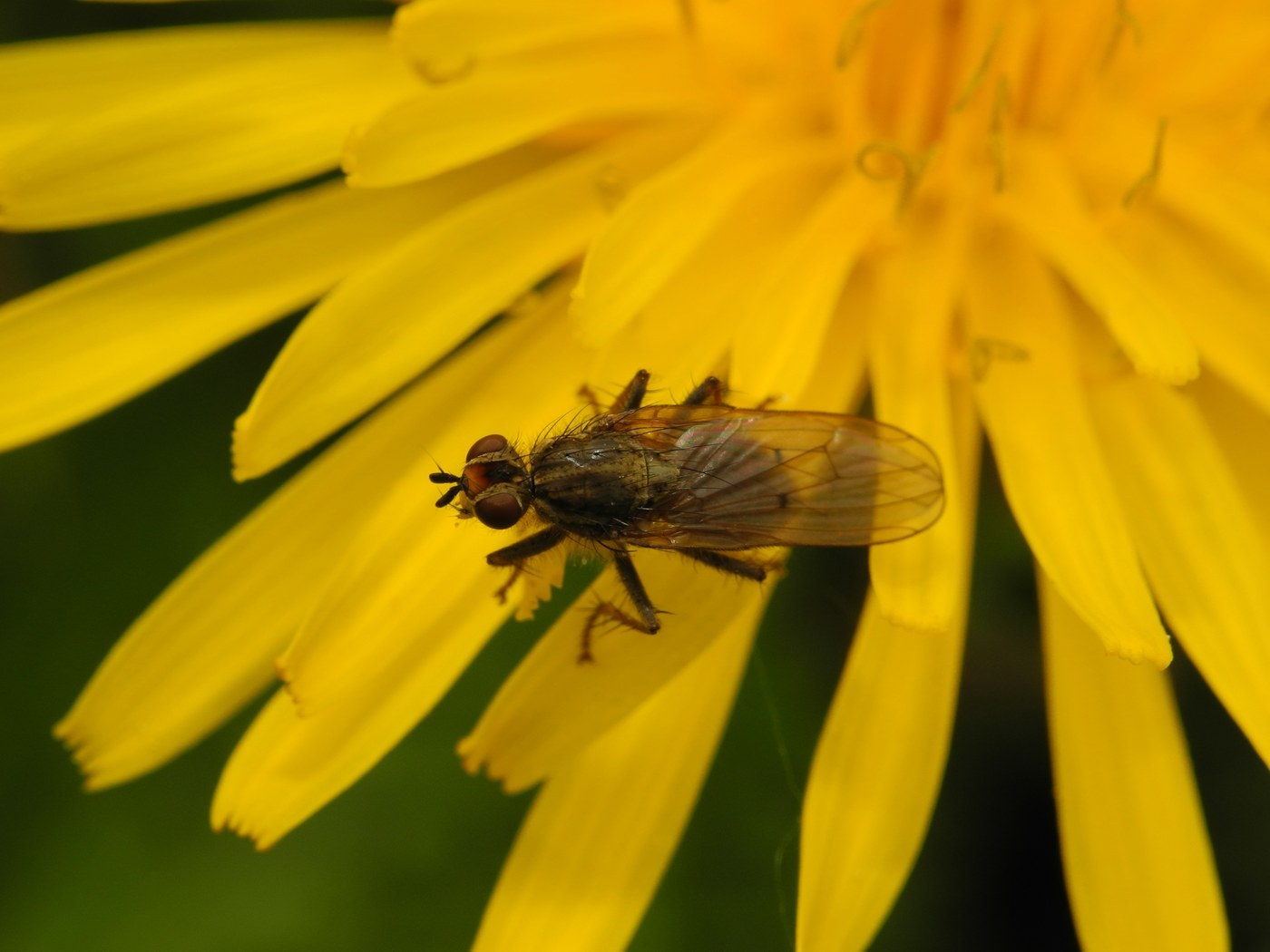
Yellow Dung Fly
Pastures and fields with fresh cattle dung
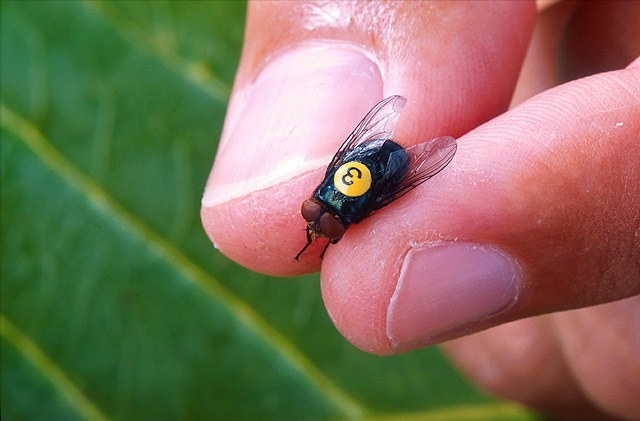
Screwworm Fly
Warm, humid lowlands of the Americas, especially near livestock and wildlife wounds
Soldier Fly
Wetland margins, decaying organic matter, and vegetation near water
Punkie
near marshes, mudflats, ponds, and other standing water