
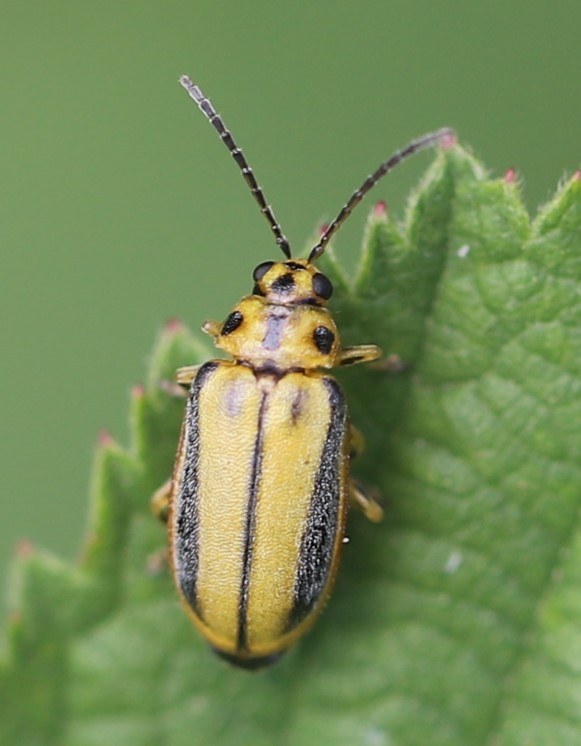
Elm Leaf Beetle
Xanthogaleruca luteola
A yellow-green leaf beetle with dark side stripes that skeletonizes elm foliage and gathers in large numbers to overwinter in buildings.
- Size
- 5–7 mm
- Habitat
- Elm trees in urban parks, streets, and woodlands
- Danger
- Nuisance pest
Spotted a bug like this?
Identify any bug or insect from a photo, free.
Overview
The elm leaf beetle is a member of the leaf beetle family (Chrysomelidae), a large group of plant-feeding beetles whose larvae and adults typically feed externally on foliage. It is native to Europe but has become widely established across North America and other temperate regions wherever elm trees are planted.
This species is notable for its strong association with a single host genus, elm (Ulmus), on which both larvae and adults feed extensively, sometimes causing conspicuous browning of tree canopies in late summer. Its habit of forming dense overwintering aggregations in and around human structures also makes it one of the more commonly noticed nuisance beetles in autumn.
Ecologically, it functions as a specialist herbivore, and heavy feeding pressure can weaken host trees over successive seasons, though the beetle itself plays a minor role as prey for various generalist insect predators and birds.
How to Identify
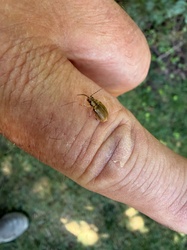
- Elongated-oval body about 5–7 mm long, yellow to olive-green in color.
- A black stripe runs along the outer edge of each wing cover, sometimes with additional dark markings near the center.
- Pronotum (area behind the head) is yellowish with paired dark spots.
- Larvae are dull yellow to black, caterpillar-like grubs with rows of small dark tubercles, found feeding on the undersides of leaves.
- Lookalikes include other small chrysomelid leaf beetles, but the yellow-green base color with dark lateral stripes on an elm leaf is a strong identifying combination.
Habitat & Range
Found wherever elm trees grow, including city streets, parks, yards, and remnant woodlands across temperate North America, Europe, and parts of Asia and Australia where elms have been introduced. Adults are active from spring through fall, feeding and reproducing on elm foliage, then move to sheltered cracks, attics, wall voids, or leaf litter to pass the winter as adults.
Behavior & Diet
Adults chew ragged holes through elm leaves, while the gregarious larvae feed on the lower leaf surface, skeletonizing tissue between the veins and leaving a lace-like or browned appearance visible from a distance. Both stages are diurnal and rely on host-plant chemical cues to locate elm trees. In late summer and fall, large numbers of adults migrate off trees in search of protected overwintering sites, often congregating conspicuously on sunny building walls before squeezing into cracks and crevices. Within the ecosystem it acts as a specialist defoliator, and its population booms can be an indicator of stressed or heavily planted elm monocultures.
Life Cycle
Development is complete metamorphosis: egg, larva, pupa, adult. Females lay clusters of yellow, spindle-shaped eggs on the underside of elm leaves; larvae hatch and feed gregariously before dropping to the base of the tree to pupate in bark crevices or leaf litter. Two to three generations typically occur per year in warmer regions. Adults overwinter in sheltered locations and emerge in spring to begin feeding and laying eggs on newly flushed elm leaves.
Frequently asked questions
Why do these beetles show up inside houses in fall?
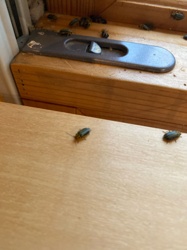
Adults leave elm trees in autumn to search for sheltered overwintering spots, and buildings near elms are a common destination, leading to large indoor aggregations.
Do elm leaf beetles feed on other trees?
They are strongly host-specific to elm species, so their presence is a reliable indicator of nearby elm trees.
How can I tell the larva from the adult?
The larva is a soft, elongated, caterpillar-like grub with rows of dark bumps, quite different from the hard-shelled, striped adult beetle.
What does the leaf damage look like?
Larval feeding creates a papery, skeletonized brown patch where only the leaf veins remain, often turning whole branches or trees brown by late summer.
Elm Leaf Beetle guides
In-depth guides for identifying, understanding, and living alongside Elm Leaf Beetle.
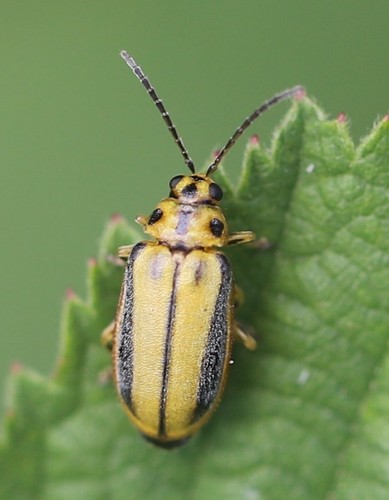
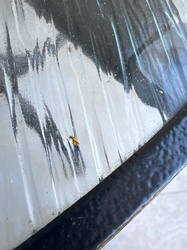
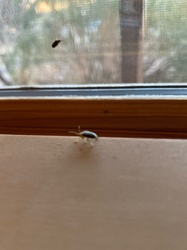
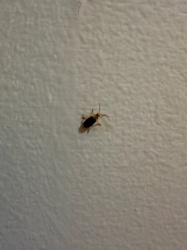
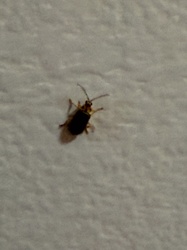
Elm Leaf Beetle identified by the community
Real finds identified with Bug Identifier.
Other bugs you may enjoy
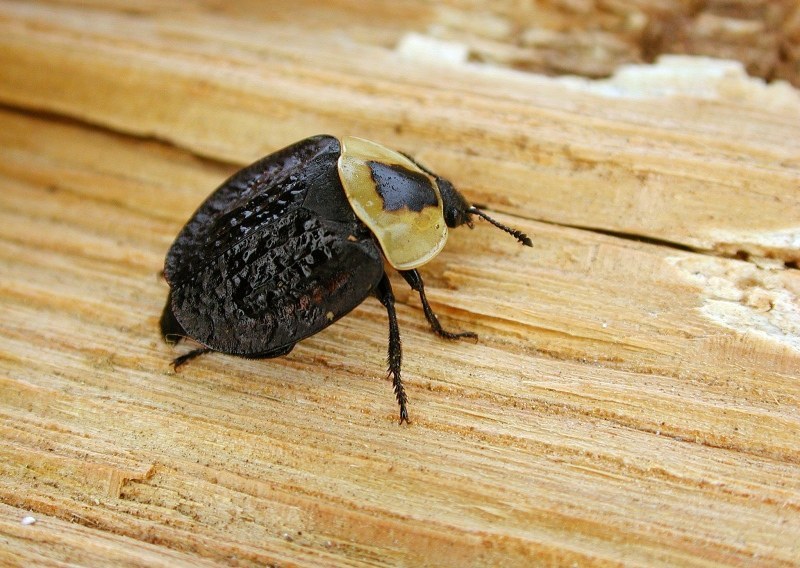
American Carrion Beetle
Forests, fields, and roadsides across North America, near decaying animal carcasses
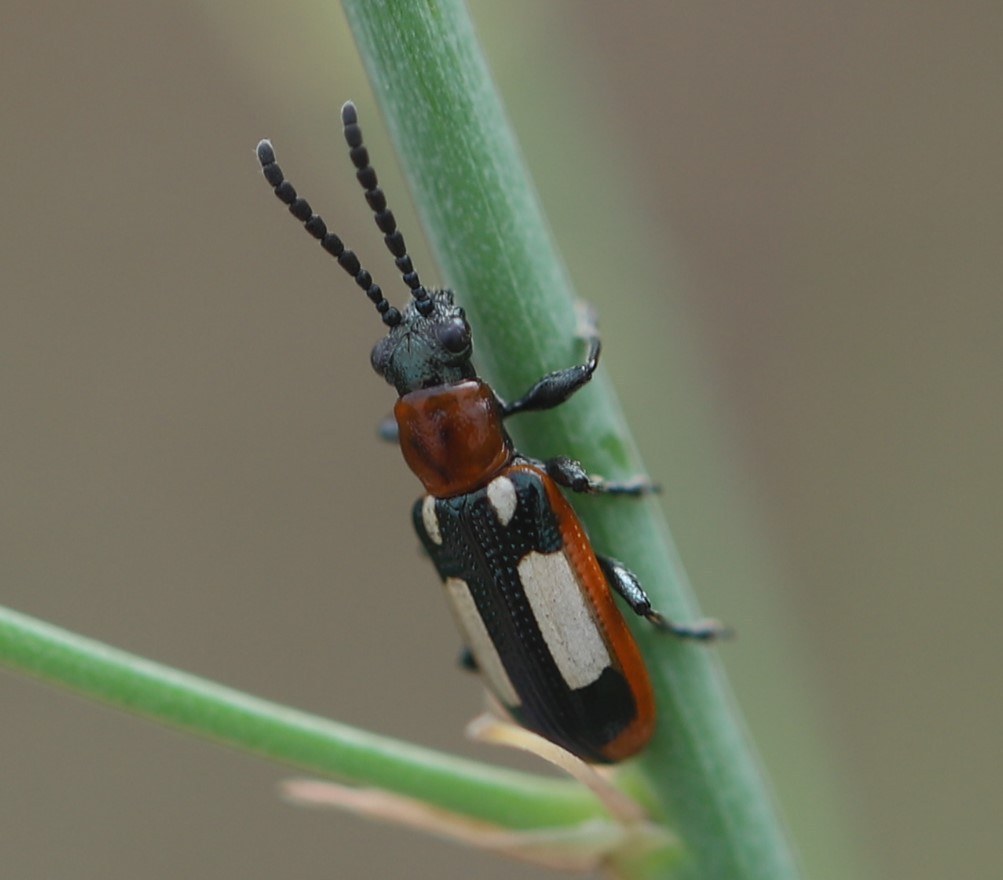
Asparagus Beetle
Asparagus patches, gardens, and farm fields
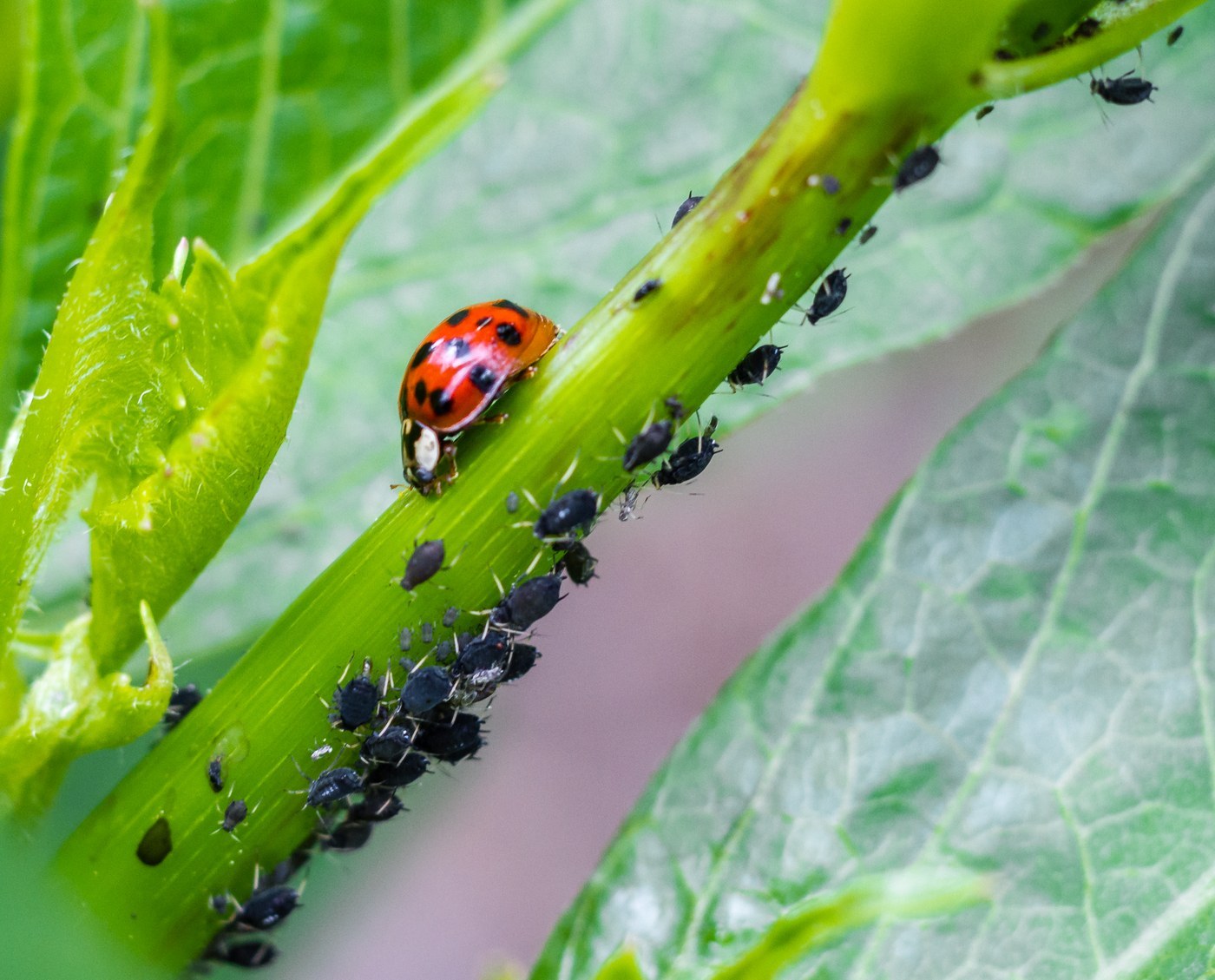
Asian Lady Beetle
Gardens, crop fields, woodlands, buildings
Acorn Weevil
Oak woodlands and forests, on and beneath oak trees
Wireworm
Soil of grasslands, gardens, and cultivated fields worldwide
Whitefringed Beetle
Pastures, row crops, lawns, disturbed soils
Vine Weevil
Gardens, nurseries, greenhouses, and container plantings
Varied Carpet Beetle
Homes, nests of birds and mammals, and flowers outdoors
Atlas Beetle
Tropical forests of Southeast Asia
Titan Beetle
Amazon rainforest of South America
Ten-lined June Beetle
Sandy soils, pine forests, and orchards of western North America
Squash Beetle
Vegetable gardens and fields growing squash, pumpkin, and other cucurbits