
Granary Weevil
Sitophilus granarius
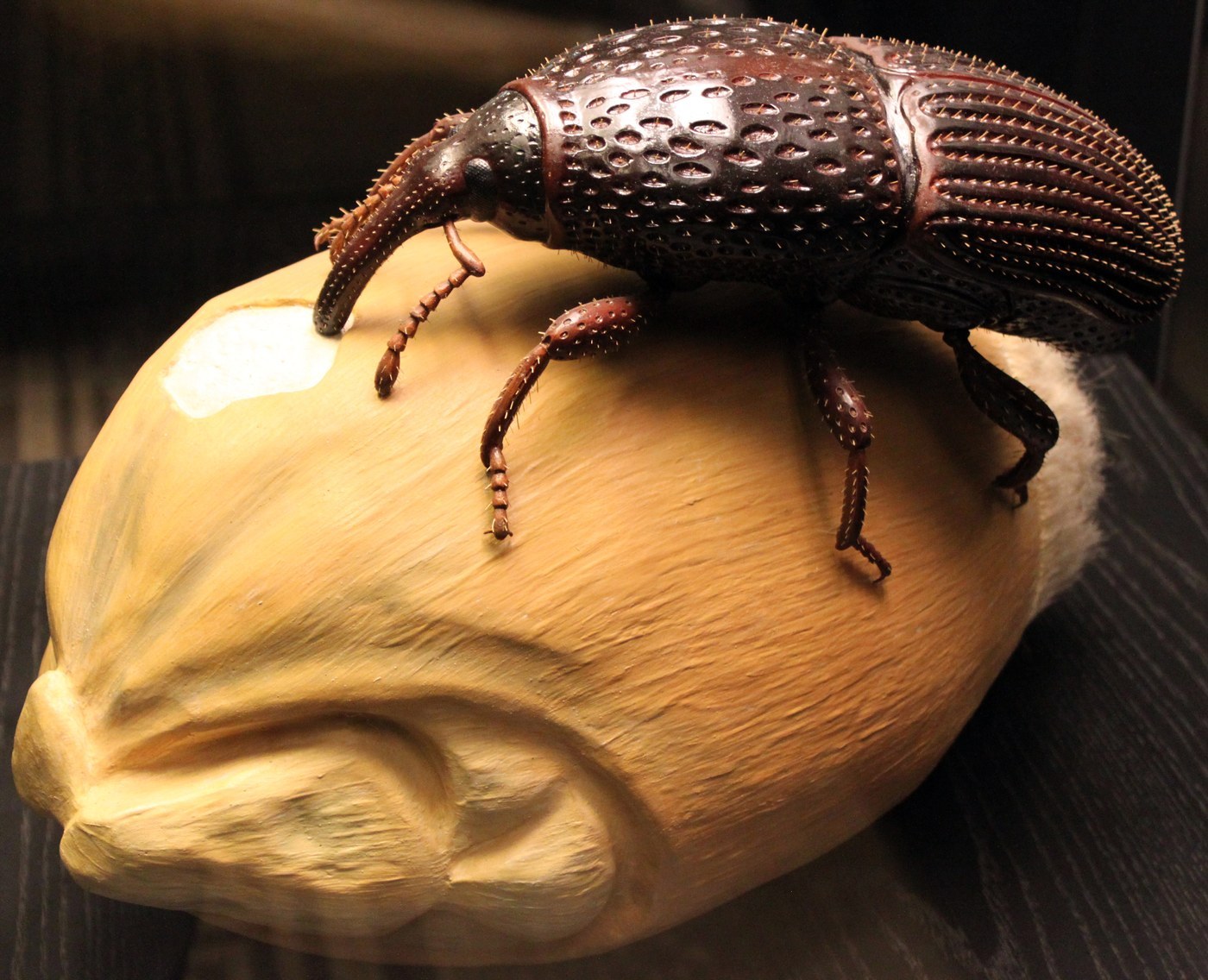
A small, shiny, dark reddish-brown to black weevil with a long curved snout that is unable to fly, spending its entire life cycle within stores of wheat and other cereal grains.
- Size
- 3–5 mm
- Habitat
- Stored wheat, barley, and other cereal grain in silos and pantries
- Danger
- Nuisance pest
Spotted a bug like this?
Identify any bug or insect from a photo, free.
Overview
The granary weevil is a small snout beetle in the family Curculionidae, closely related to the rice weevil, and is one of the oldest and most persistent pests of stored cereal grain, with a history tied closely to human grain storage since ancient times. Its inability to fly has made it especially dependent on human transport of grain for its worldwide spread.
Unlike many beetles, the granary weevil has fused elytra and no functional hind wings, meaning it cannot fly and instead spreads passively through the movement of infested grain shipments. This flightlessness, combined with a long, slender snout used for boring into kernels, gives it a somewhat more elongated and shinier appearance than its close relatives.
As a specialist of stored grain rather than field crops, the granary weevil exemplifies a group of insects that have become highly adapted to human agricultural storage practices, thriving in the stable, food-rich environment of a grain bin or pantry.
How to Identify
- Adult: 3–5 mm, slightly larger than the rice weevil, uniformly dark reddish-brown to black with a glossy sheen and no pale spotting on the elytra.
- Elytra are fused along the midline and cannot open, reflecting the loss of flight ability.
- Possesses a long, narrow, downward-curving snout typical of true weevils, used to bore into grain kernels.
- Lookalikes: very similar to the rice weevil, but the granary weevil lacks pale spots, has a shinier, more elongated body, and cannot fly, while the rice weevil is spotted and capable of flight.
Habitat & Range
Found worldwide in temperate regions wherever cereal grain, particularly wheat and barley, is stored in bulk, including grain silos, warehouses, mills, and household pantries. Because it cannot fly, it tends to remain concentrated within a single grain store once established, spreading further only through the physical movement of infested grain.
Behavior & Diet
Adults feed on the surface of grain kernels and bore entry holes for egg-laying, while larvae develop entirely within individual kernels, consuming the starchy interior as they grow. Its lack of flight means populations build up within a single storage location over time rather than dispersing readily. As a specialized stored-grain feeder, it has a long association with human agriculture and grain storage practices dating back thousands of years.
Life Cycle
Females chew a small cavity into a grain kernel, lay a single egg inside, and seal the opening. The larva feeds and develops entirely within the kernel, passing through several molts before pupating in the same hollowed-out space. Adults emerge by chewing their way out of the kernel. Development from egg to adult can take a few weeks to a few months depending on temperature, and the species can produce several generations per year in warm, stored-grain conditions.
Frequently asked questions
Can the granary weevil fly?
No, its elytra are fused and its hind wings are non-functional, so it cannot fly and spreads only through the movement of infested grain.
How does it differ from the rice weevil?
It lacks the pale spots found on the rice weevil's elytra, is shinier and slightly larger, and cannot fly.
What grains does it infest?
It primarily infests wheat and barley but can also be found in other stored cereal grains.
How long has this insect been a grain pest?
It has a very long history of association with human grain storage, dating back to ancient agricultural civilizations.
Granary Weevil guides
In-depth guides for identifying, understanding, and living alongside Granary Weevil.
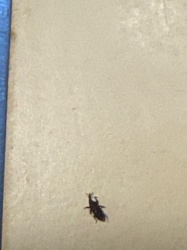
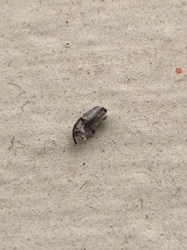
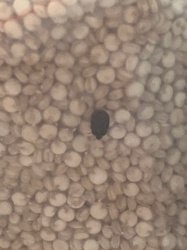
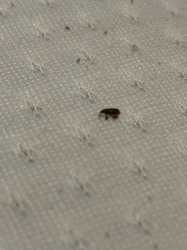
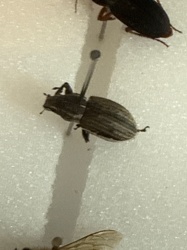
Granary Weevil identified by the community
Real finds identified with Bug Identifier.


Other bugs you may enjoy
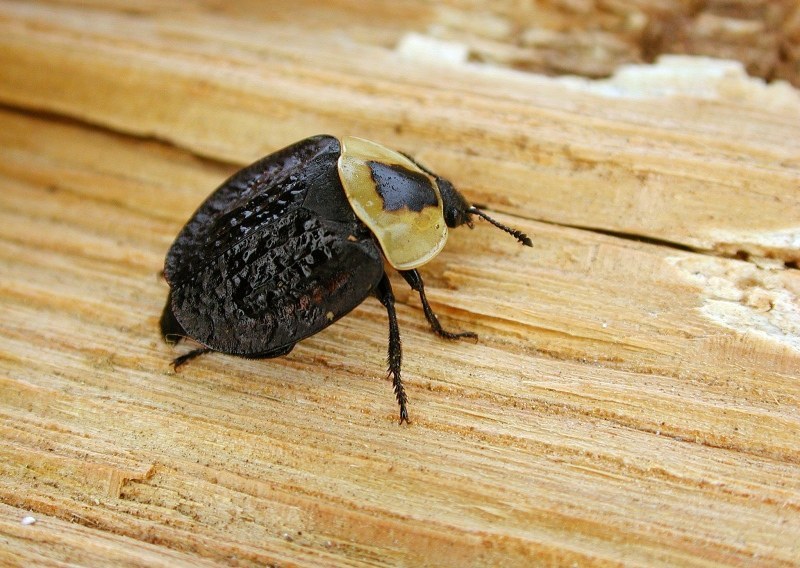
American Carrion Beetle
Forests, fields, and roadsides across North America, near decaying animal carcasses
Asparagus Beetle
Asparagus patches, gardens, and farm fields
Asian Lady Beetle
Gardens, crop fields, woodlands, buildings
Acorn Weevil
Oak woodlands and forests, on and beneath oak trees
Wireworm
Soil of grasslands, gardens, and cultivated fields worldwide
Whitefringed Beetle
Pastures, row crops, lawns, disturbed soils
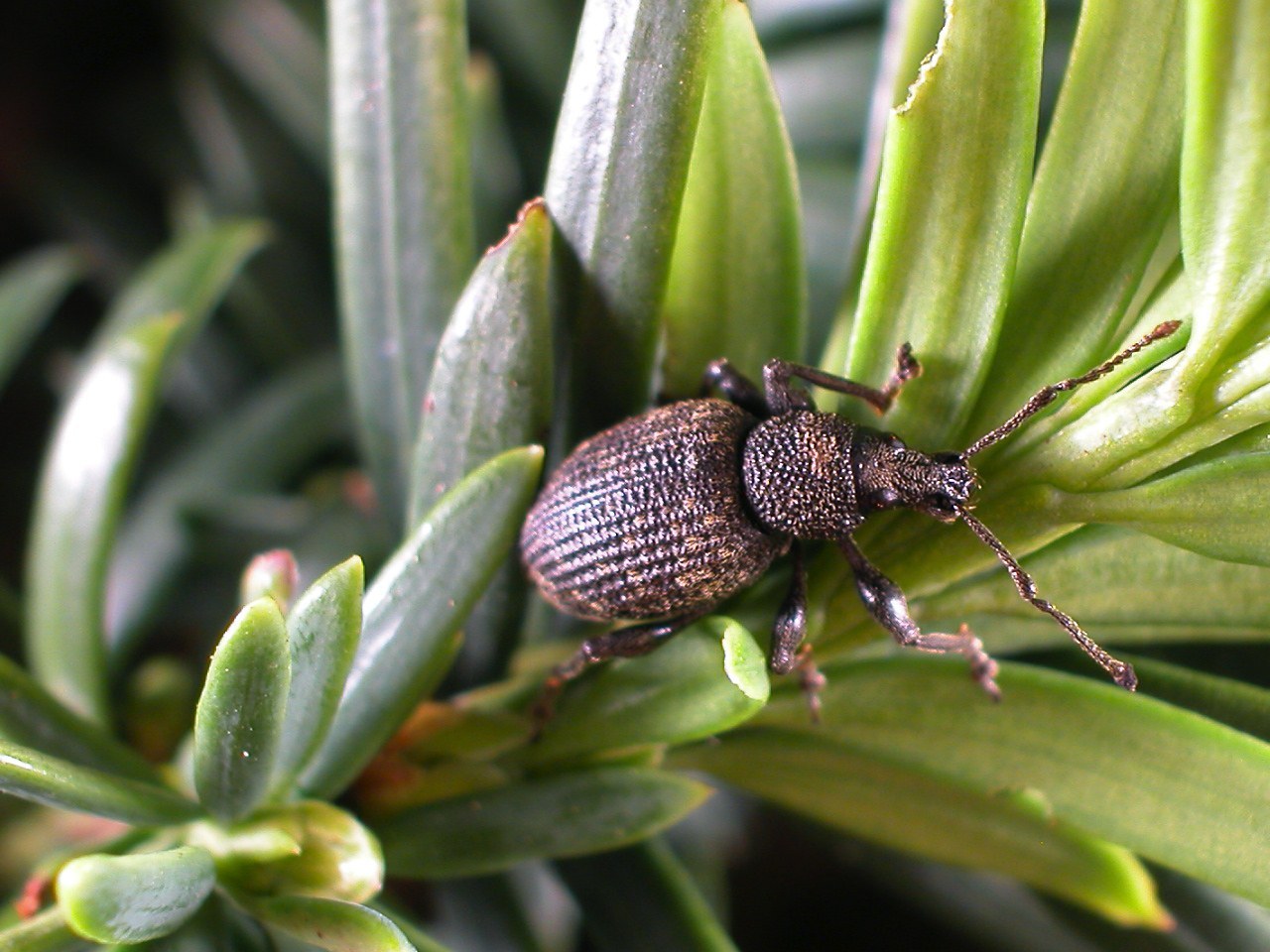
Vine Weevil
Gardens, nurseries, greenhouses, and container plantings
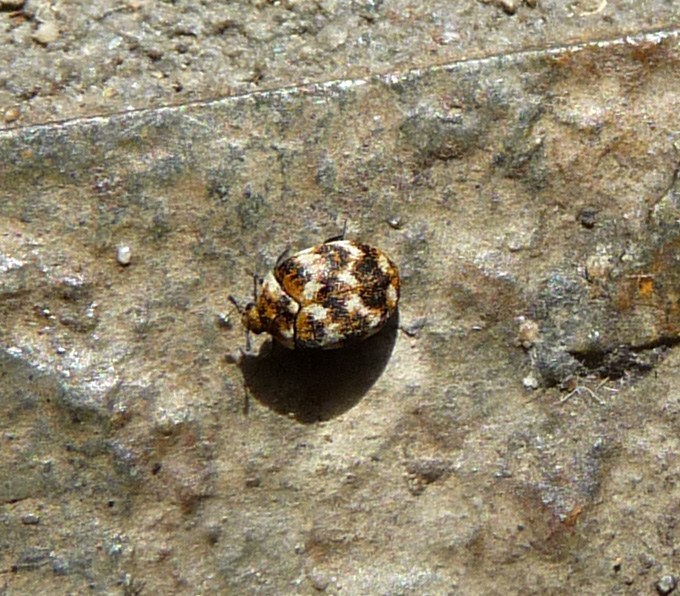
Varied Carpet Beetle
Homes, nests of birds and mammals, and flowers outdoors
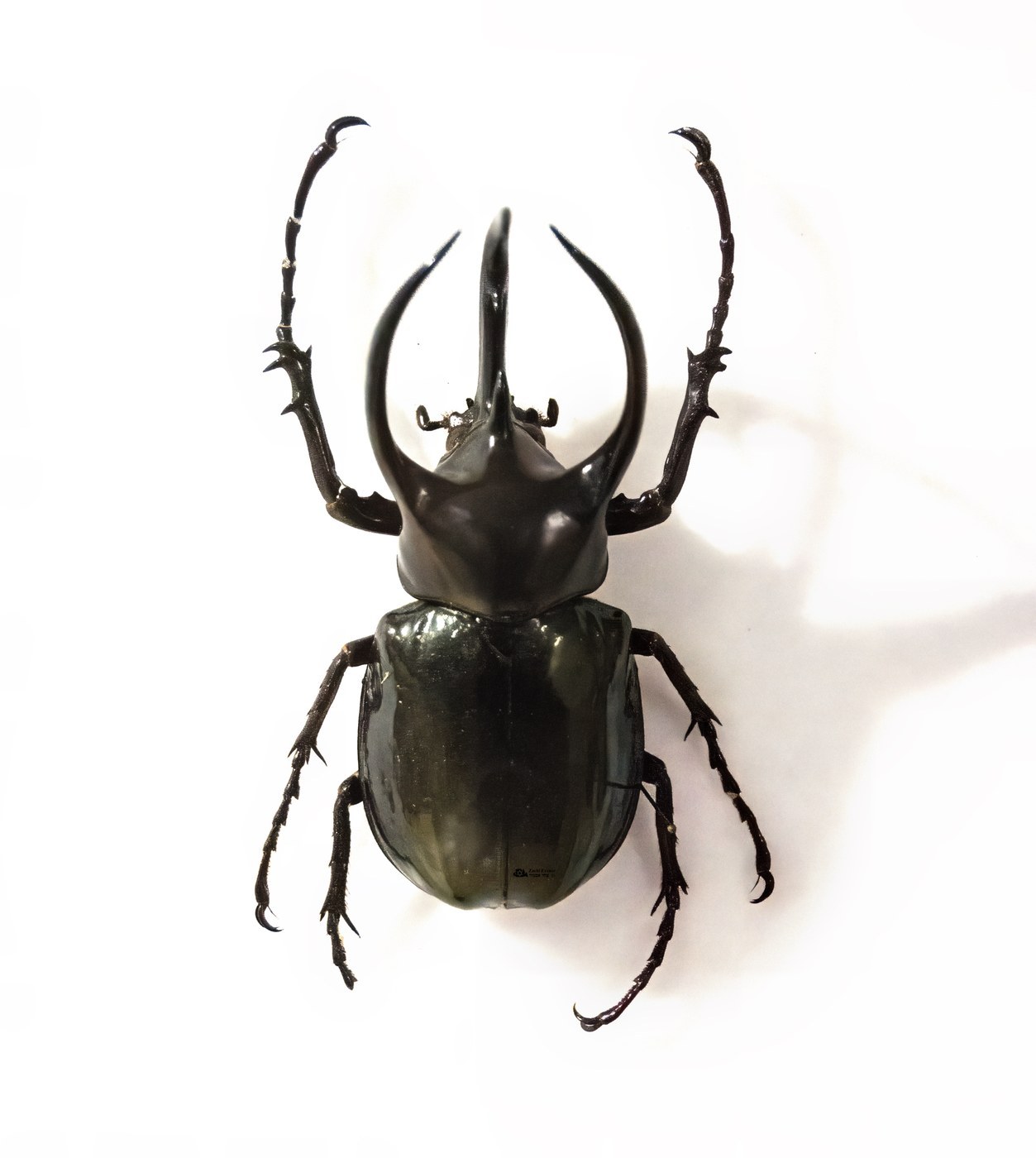
Atlas Beetle
Tropical forests of Southeast Asia
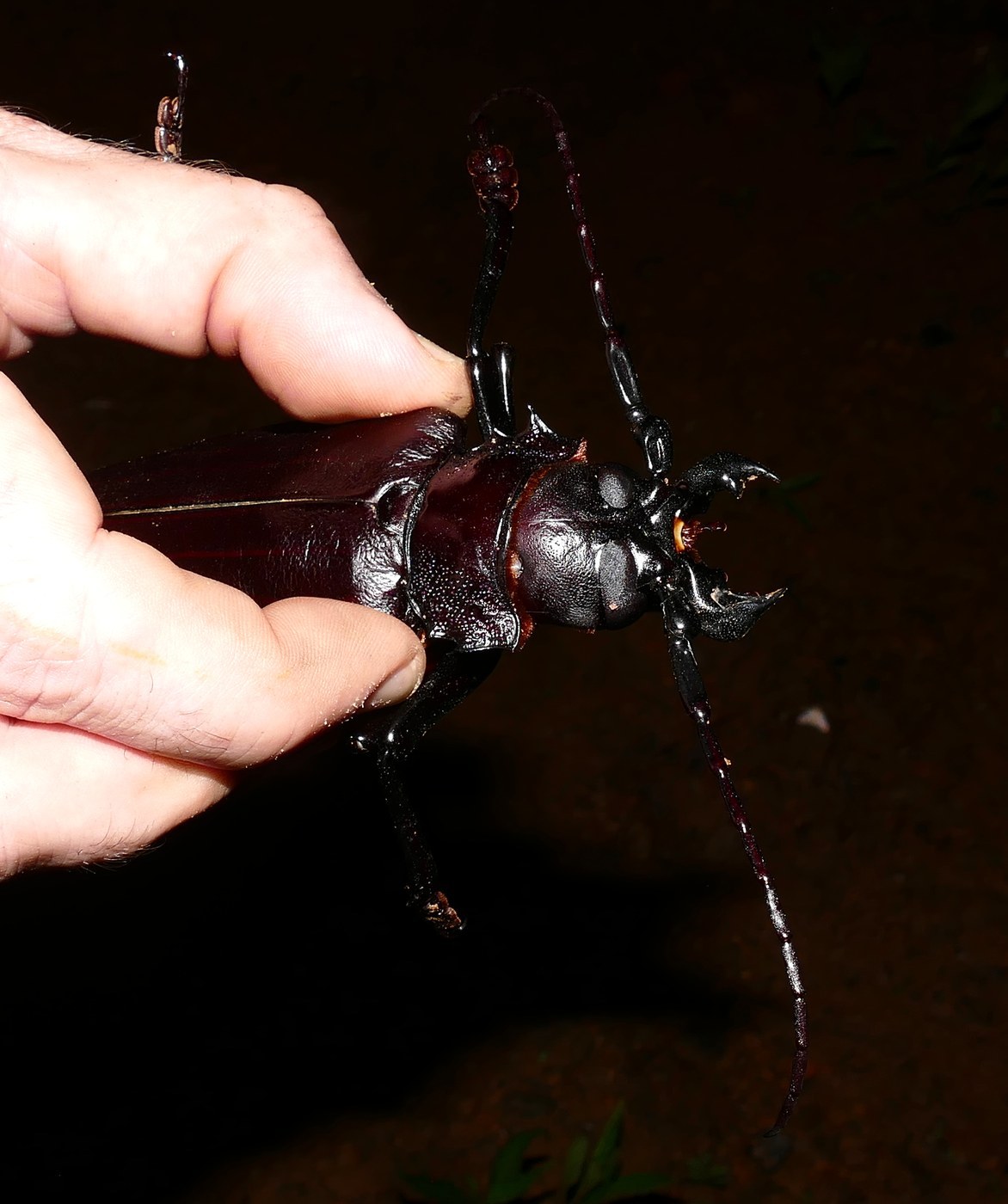
Titan Beetle
Amazon rainforest of South America
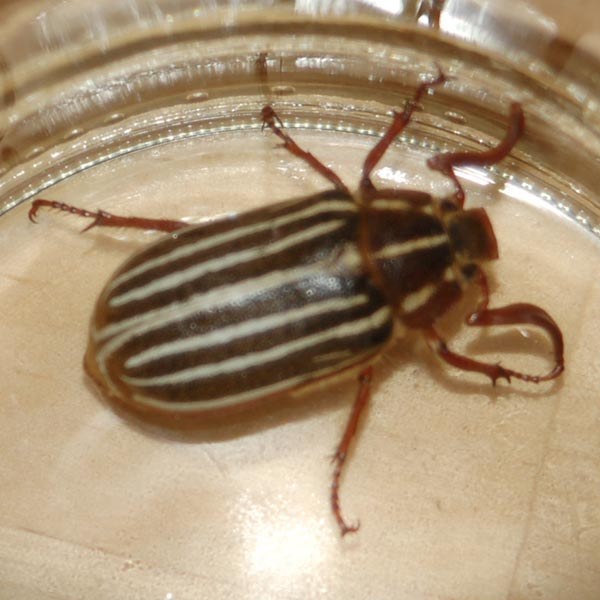
Ten-lined June Beetle
Sandy soils, pine forests, and orchards of western North America
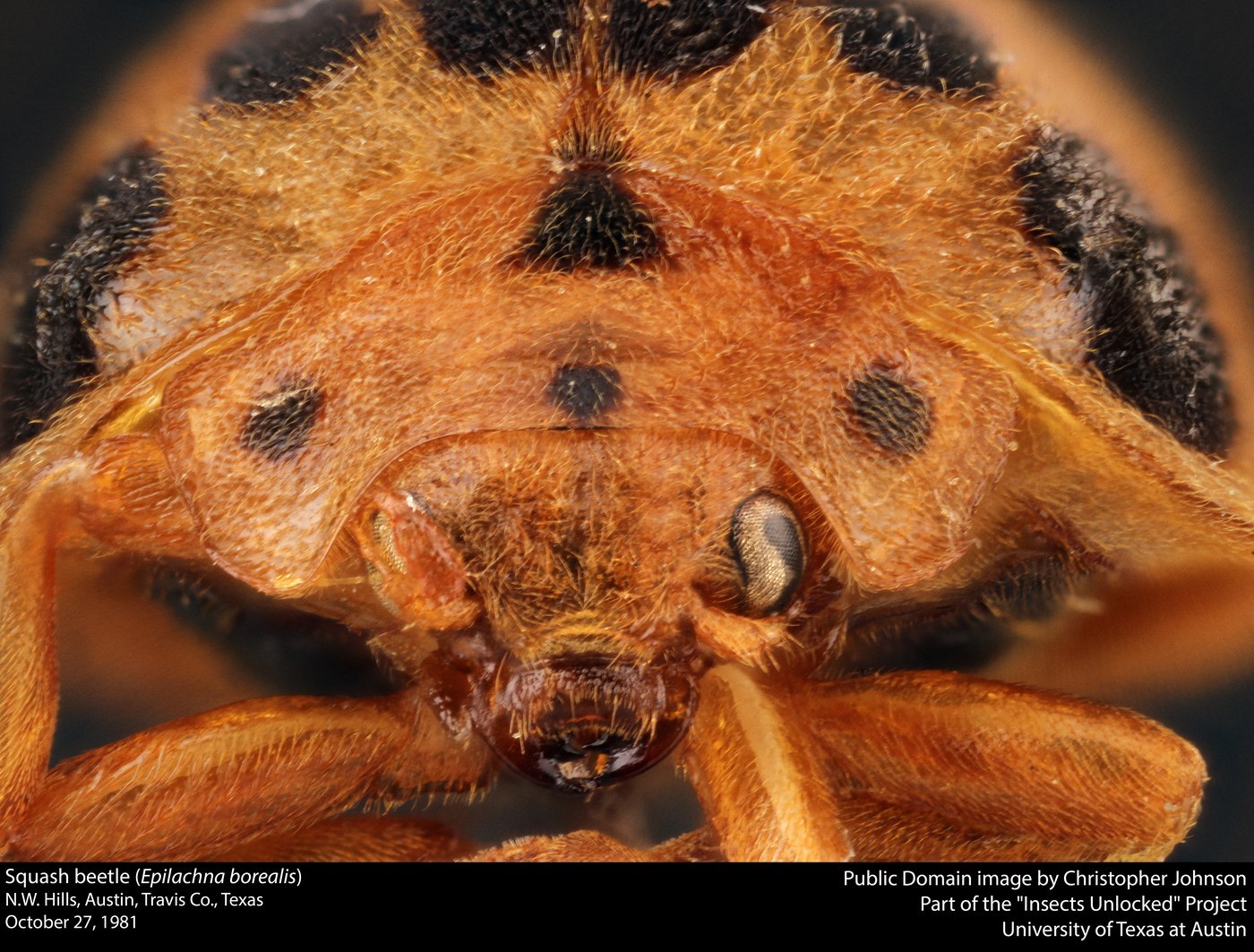
Squash Beetle
Vegetable gardens and fields growing squash, pumpkin, and other cucurbits