
Bug Encyclopedia
Search and identify bugs & insects — beetles, butterflies, moths, ants, bees, spiders and more — with size, habitat, danger, behavior, and how to tell them apart.
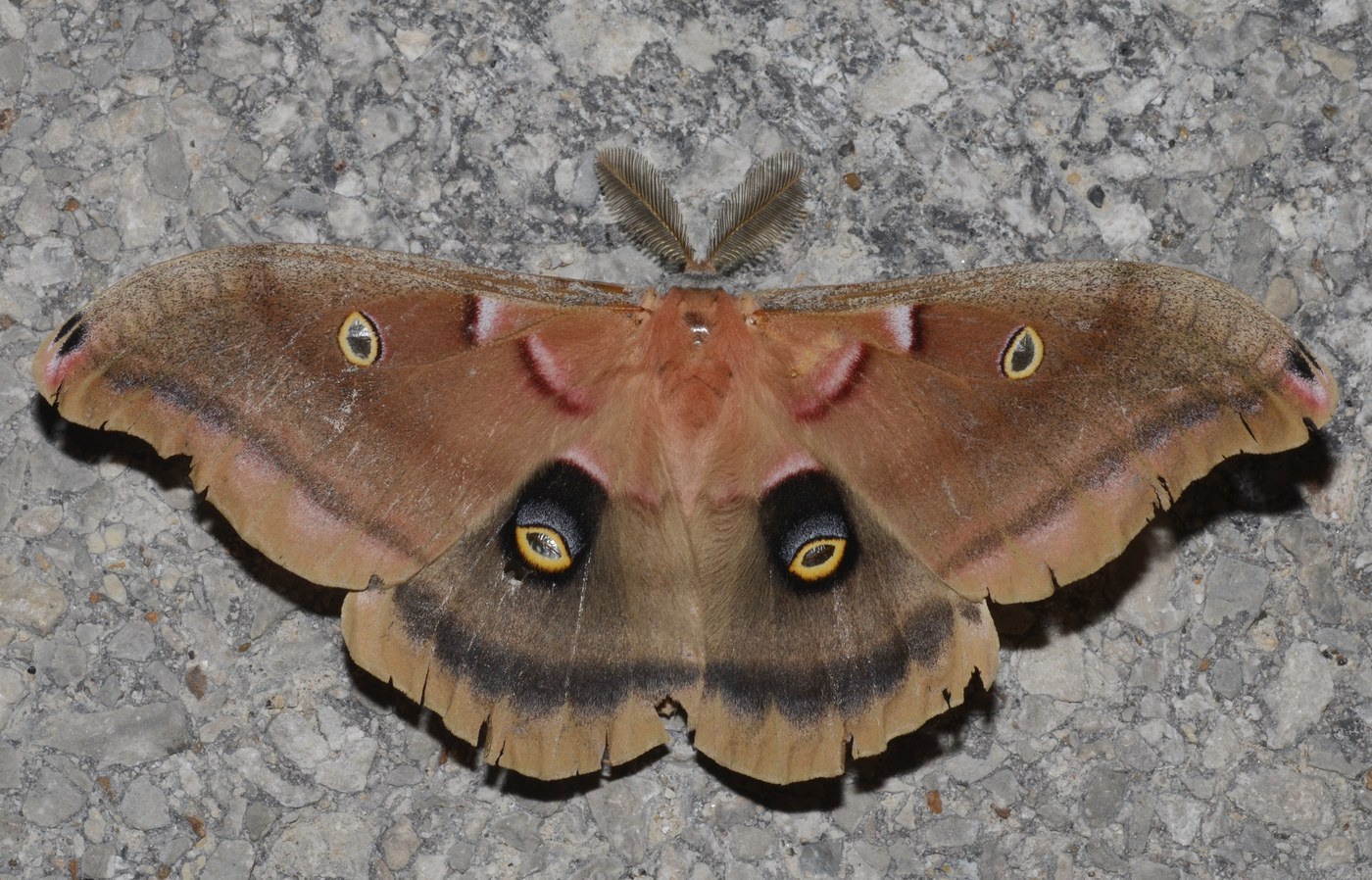
Antheraea Silkmoth
A large, robust silkmoth in the genus Antheraea with broad reddish-brown to tan wings, each marked with a prominent transparent, eye-like spot, representing a group of giant moths long valued for producing wild silk.
moth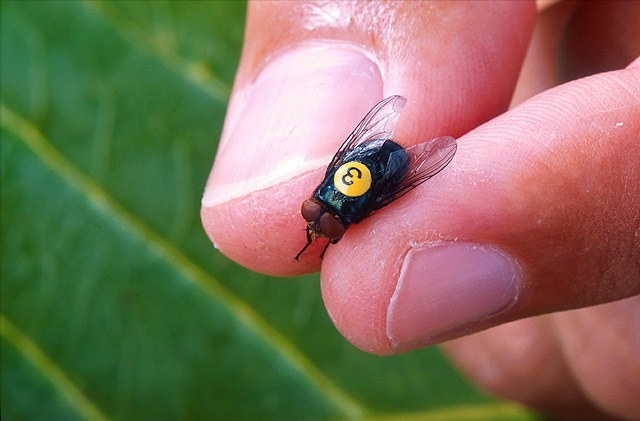
Screwworm Fly
A metallic blue-green blowfly whose larvae are unusual among maggots for feeding on living tissue rather than carrion, drawn to even small open wounds on warm-blooded animals. The species has been the target of one of the most successful large-scale insect eradication campaigns in history across much of North America.
fly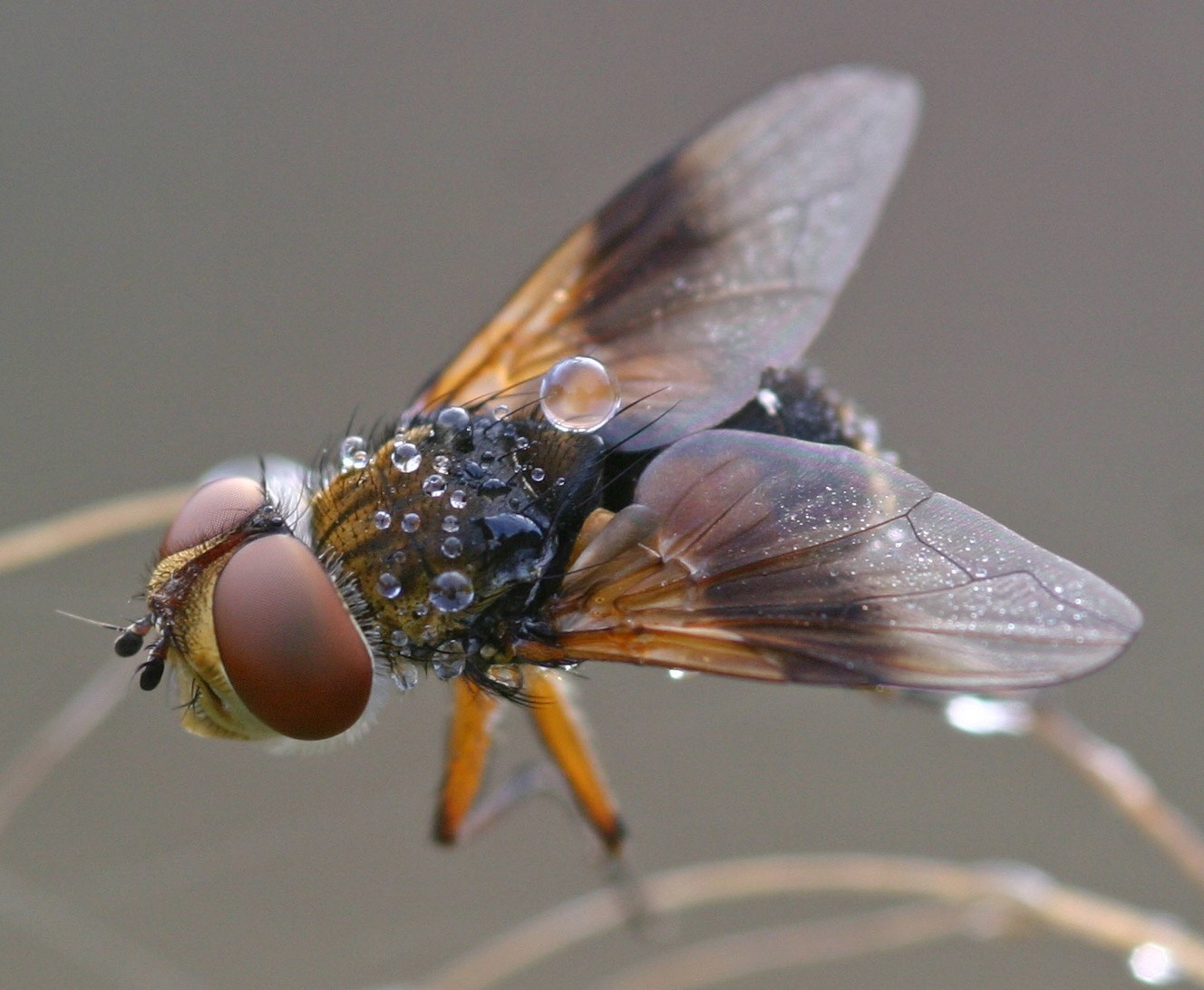
Tachinid Fly
A bristly, house-fly-like insect that looks unremarkable at a glance but hides one of the most important ecological roles among flies: its larvae develop as internal parasites of caterpillars, beetles, and other insects, quietly regulating populations across the landscape. Gardeners often welcome tachinid flies as natural allies against crop-damaging pests.
fly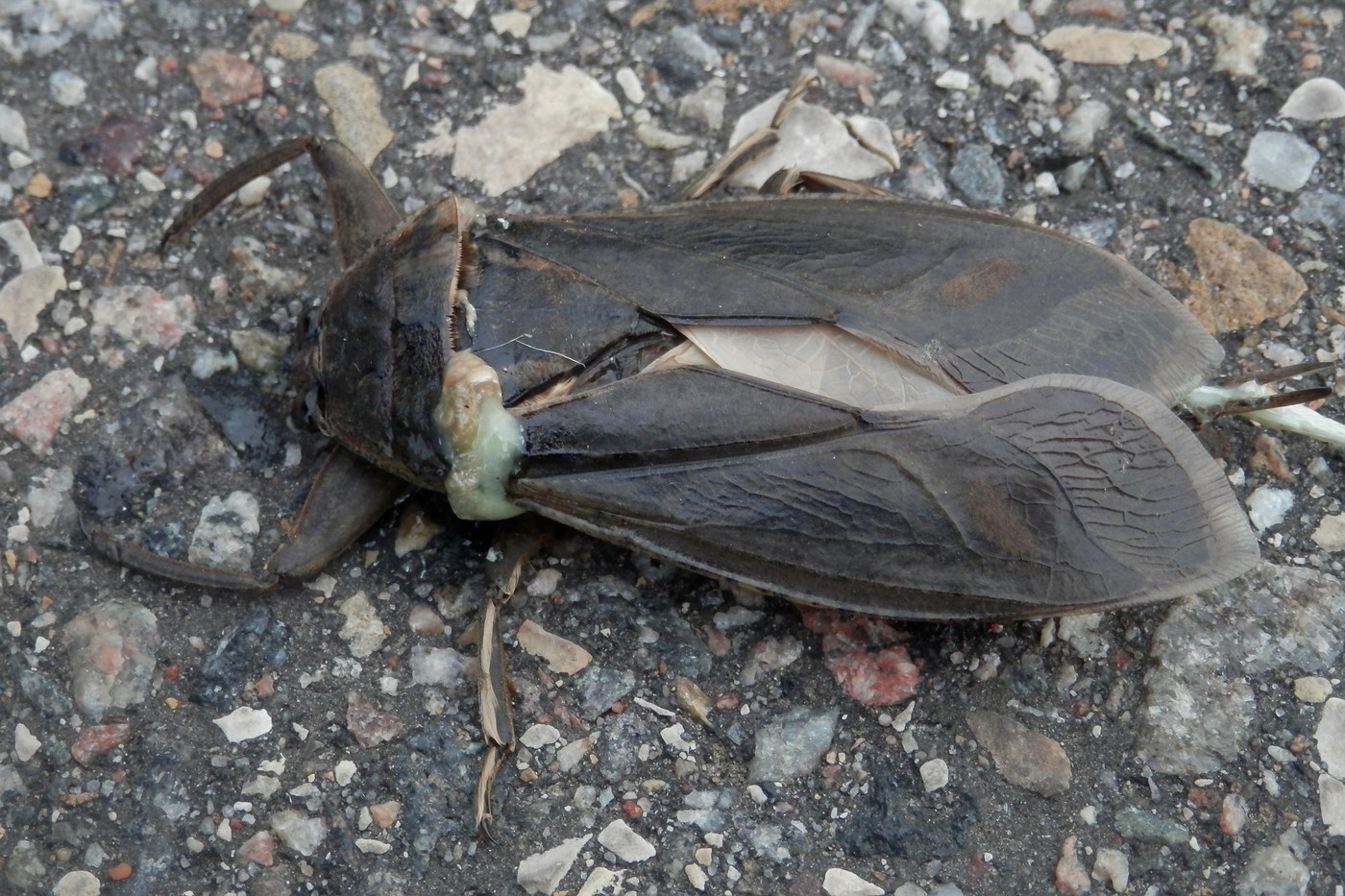
Giant Water Bug
A massive, flattened oval true bug with powerful grasping front legs, the giant water bug is North America's largest aquatic insect and an ambush predator lurking just below the surface of still water.
aquatic-insect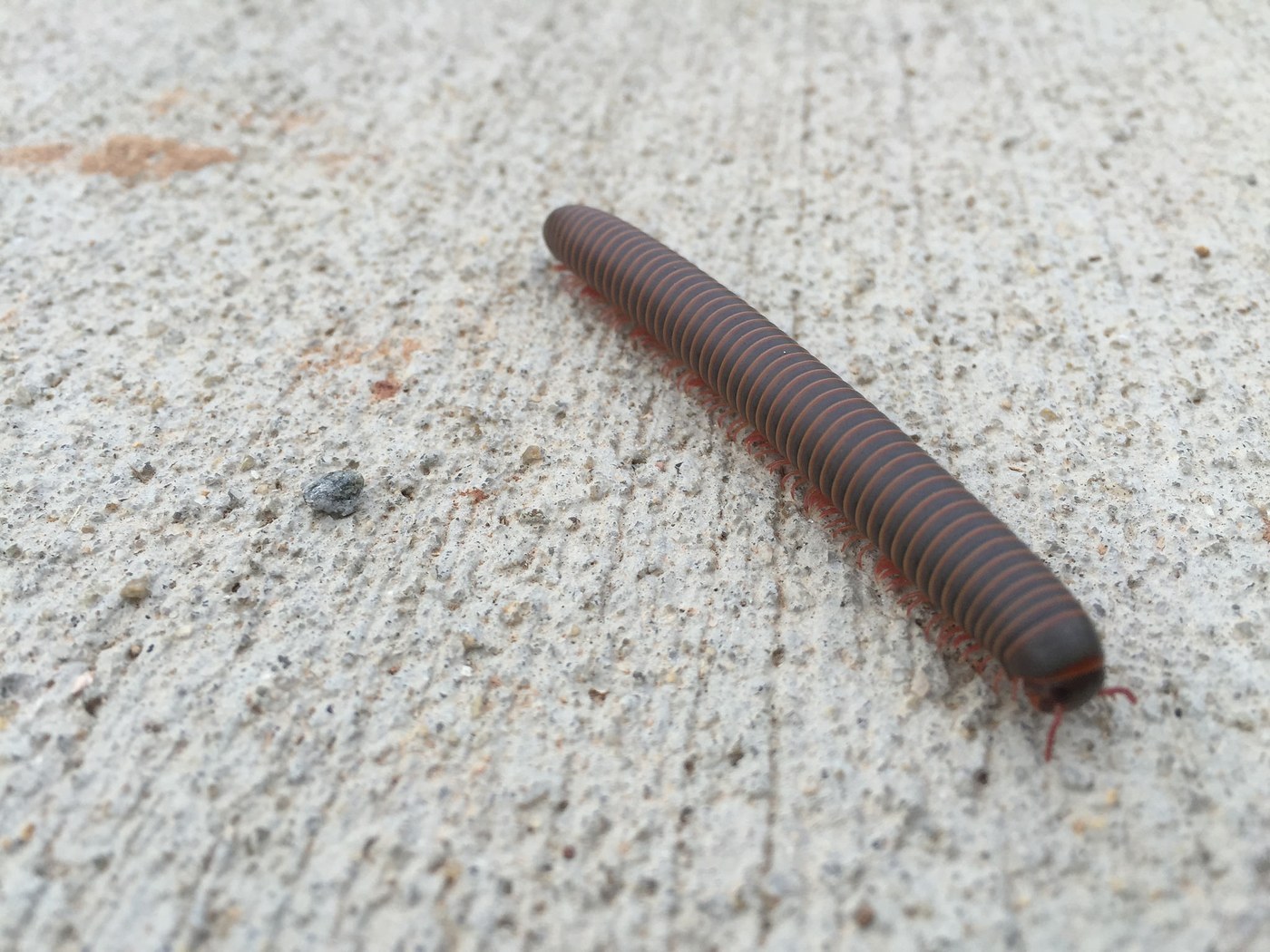
Millipede
A slow-moving, cylindrical, many-legged detritivore with two pairs of legs per body segment, often seen curling into a tight spiral when disturbed.
myriapod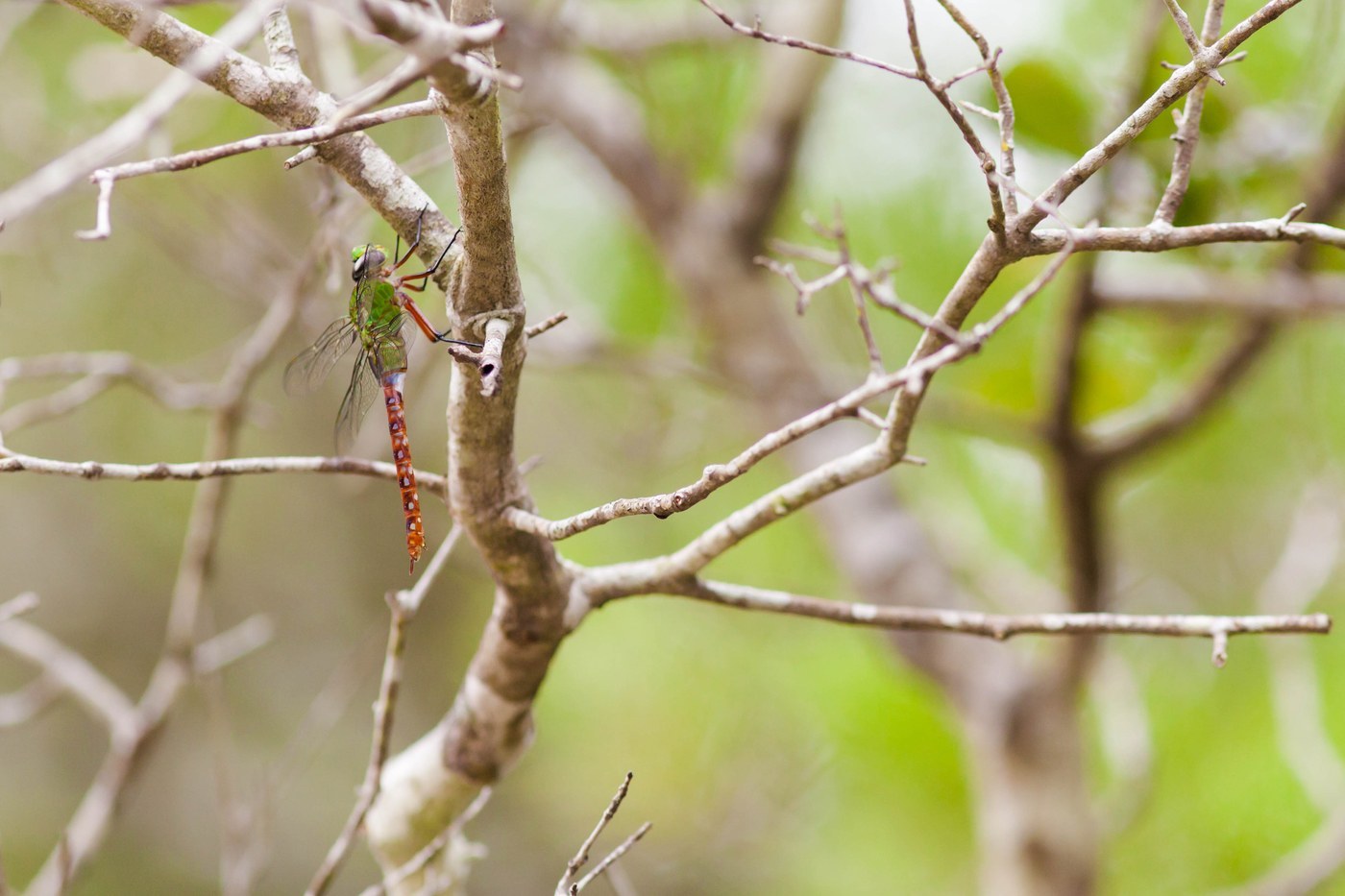
Comet Darner
One of North America's largest and fastest dragonflies, blazing across open water with a fiery red abdomen that gives it its cometary name.
dragonfly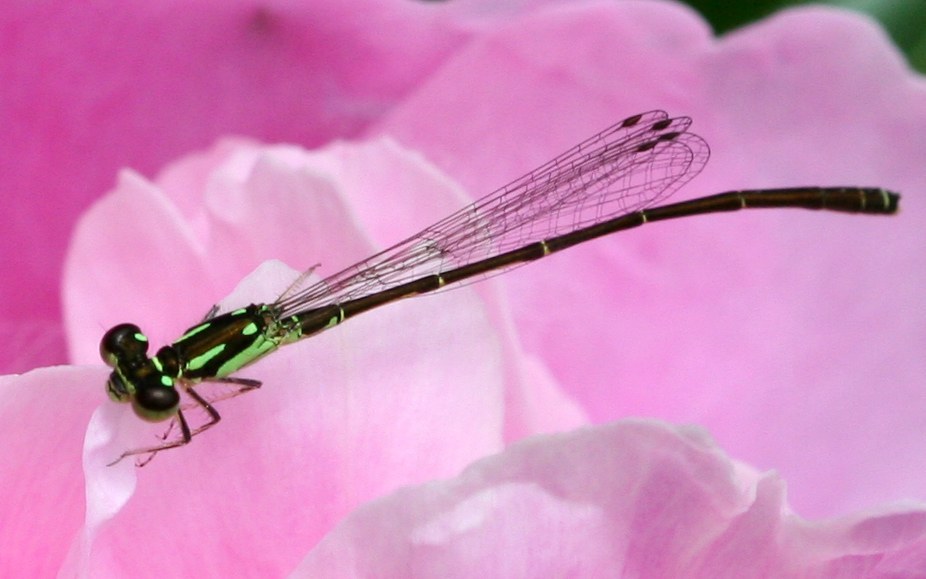
Fragile Forktail
One of North America's smallest and most delicate damselflies, the Fragile Forktail is best known for the pale green exclamation-point mark on top of its thorax.
dragonflyDragonhunter
North America's largest clubtail, the Dragonhunter is a powerful predator that lives up to its name by capturing and eating other dragonflies, including species nearly its own size.
dragonfly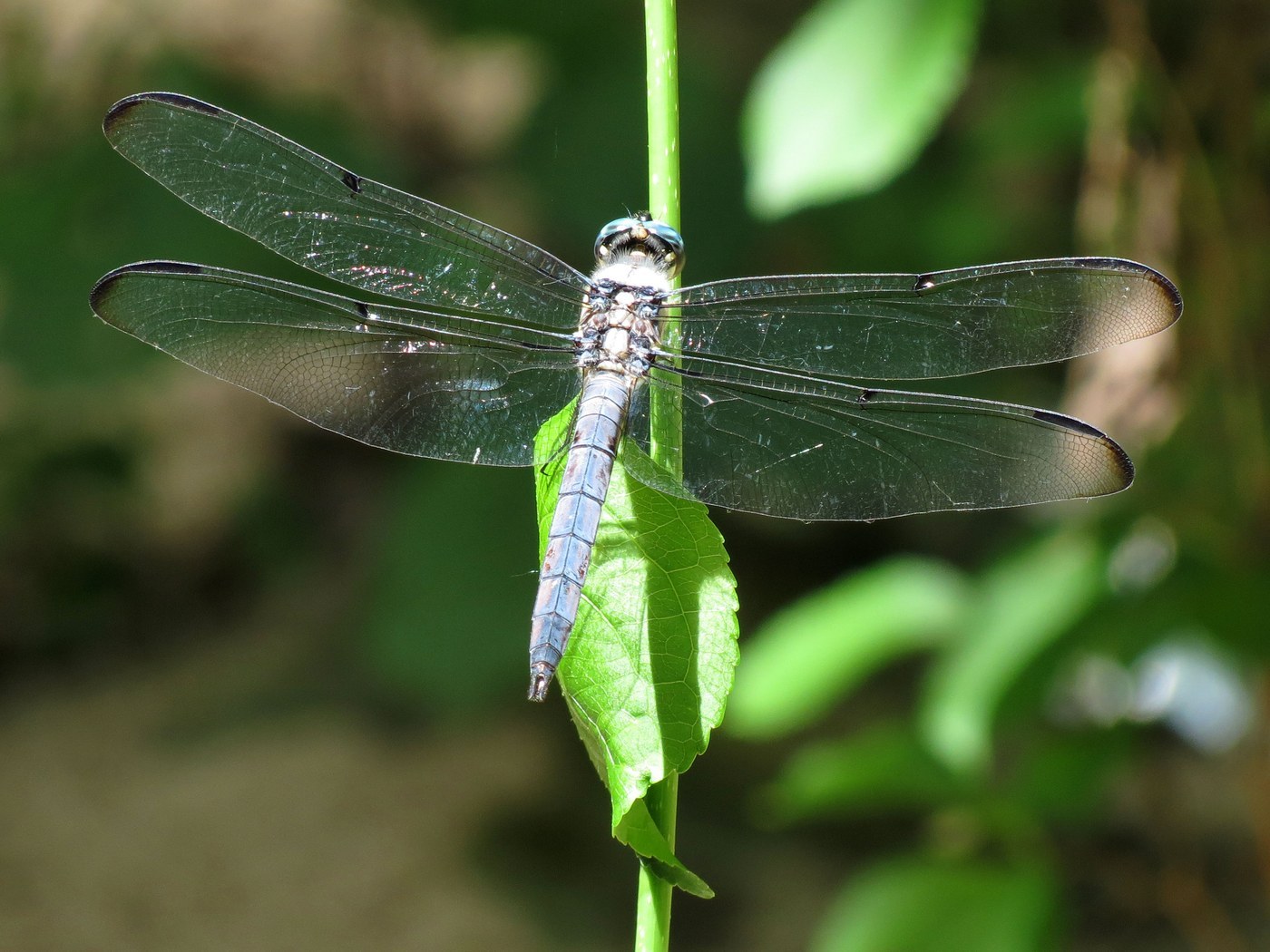
Great Blue Skimmer
One of North America's largest skimmers, the Great Blue Skimmer's powdery sky-blue body and pale green eyes make it stand out as it cruises woodland pond edges.
dragonfly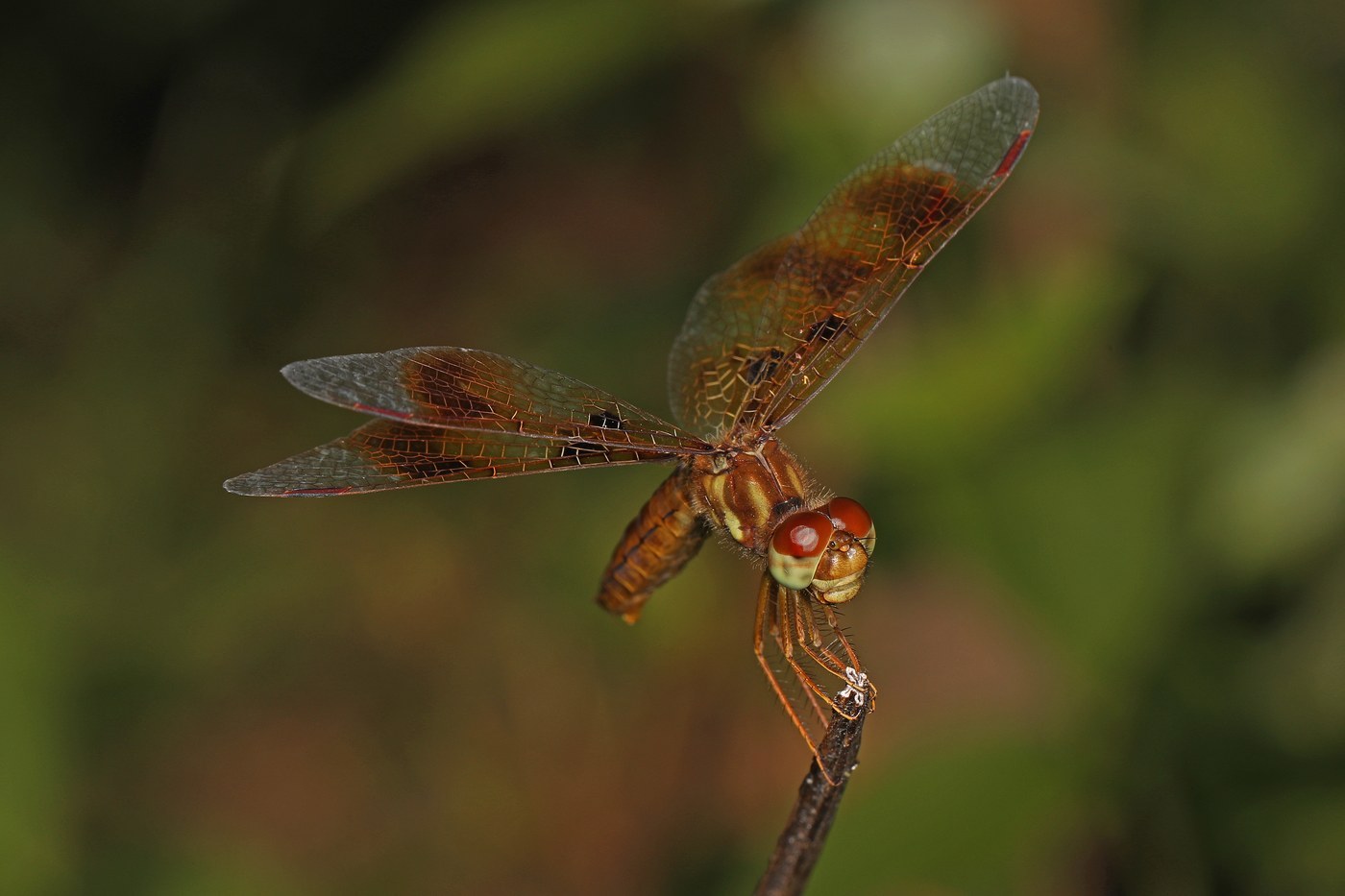
Eastern Amberwing
One of North America's smallest dragonflies, the male Eastern Amberwing glows with solid amber-orange wings and often wags its abdomen in a wasp-like display over floating algae.
dragonfly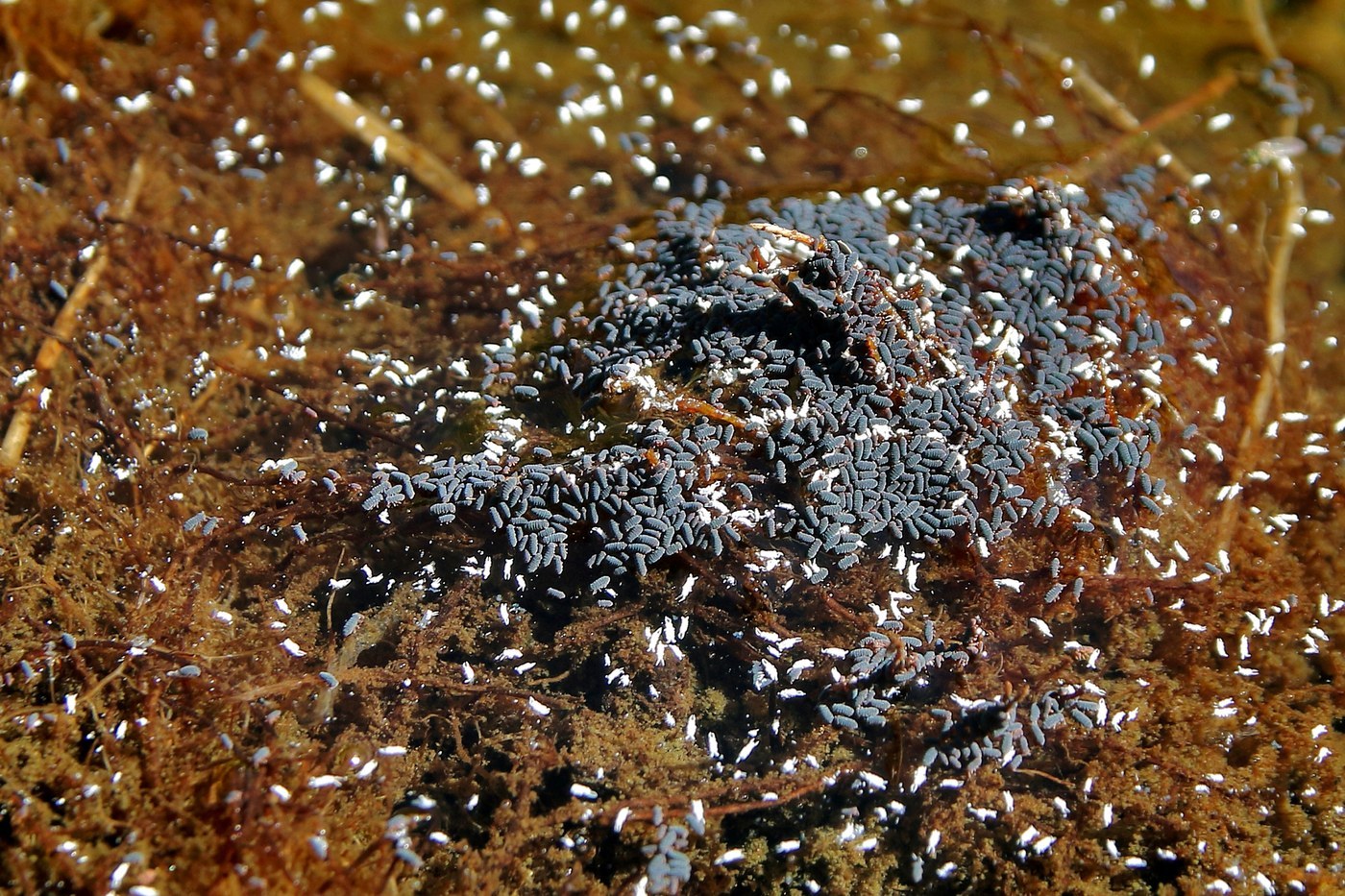
Water Springtail
Barely visible to the naked eye, the water springtail skates across the surface film of still water in dense dark clusters, flicking itself into the air with a spring-loaded tail whenever danger approaches.
otherTrap-Jaw Ant
A large, fast-moving ant with elongated, straight mandibles that snap shut faster than almost any other animal movement, used to strike prey or fling the ant itself out of danger.
ant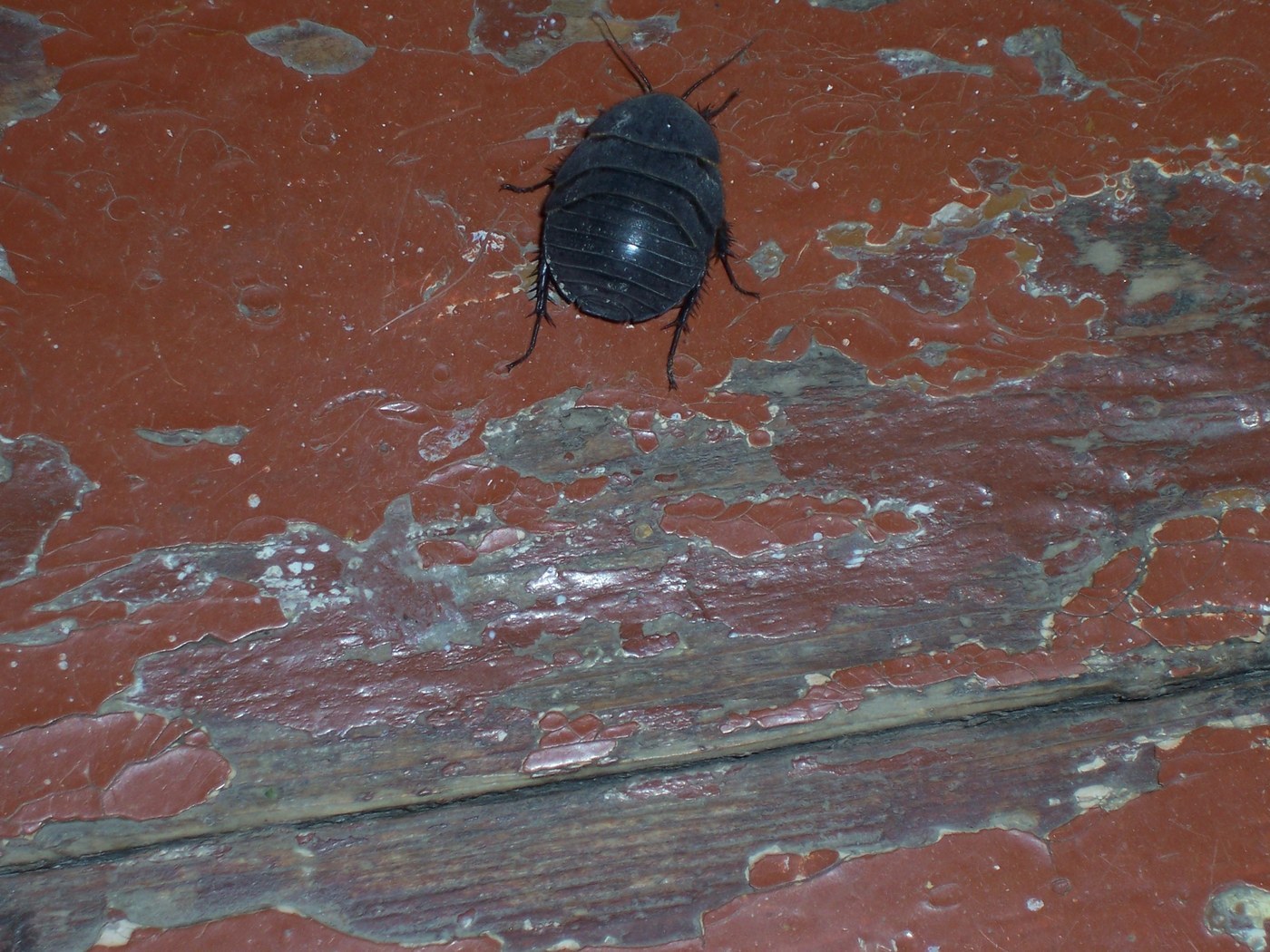
Oriental Cockroach
A dark, matte blackish-brown cockroach with short wings that do not cover the abdomen, especially in females, and a preference for cooler, damper hiding spots than most other common cockroaches.
other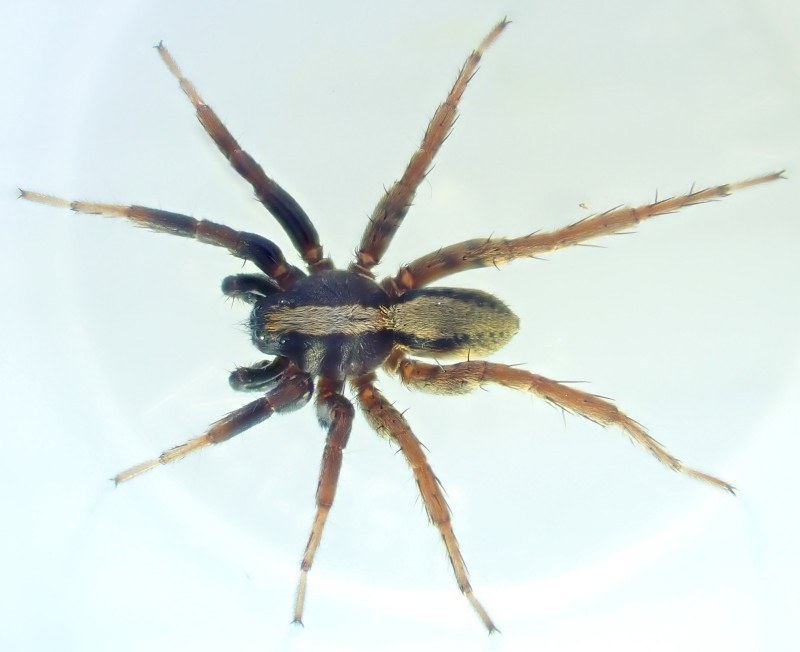
Wolf Spiderling
A tiny, fast-moving juvenile wolf spider, often seen riding in dozens on its mother's back before dispersing to hunt on its own across open ground.
spider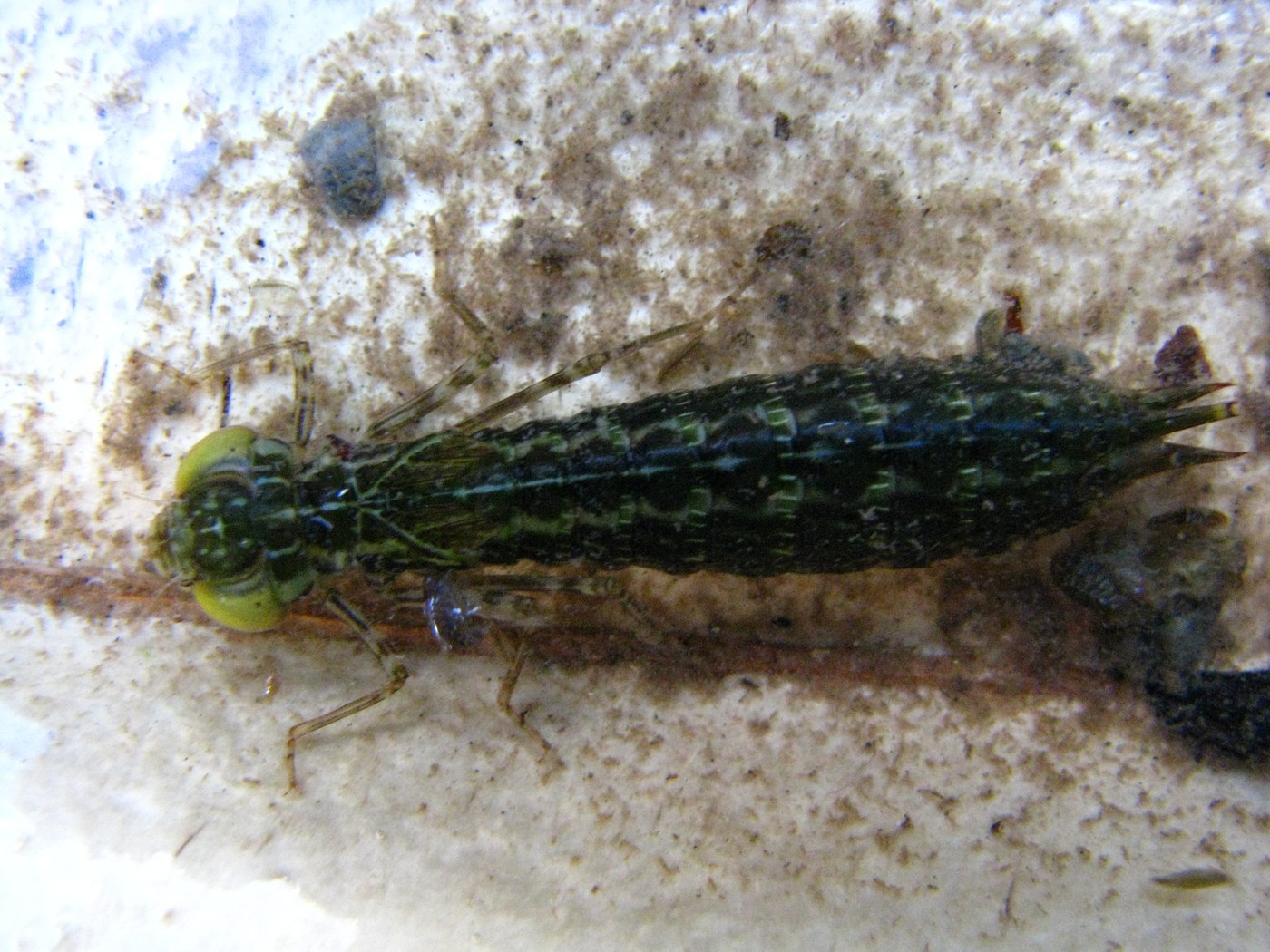
Dragonfly Nymph
A stocky, camouflaged underwater predator that spends months or years stalking prey along the pond bottom before transforming into an aerial dragonfly.
aquatic-insectMayfly Nymph
A short-lived aquatic grazer with feathery gills along its abdomen, living for months underwater before a brief, spectacular mass emergence as a winged adult.
aquatic-insect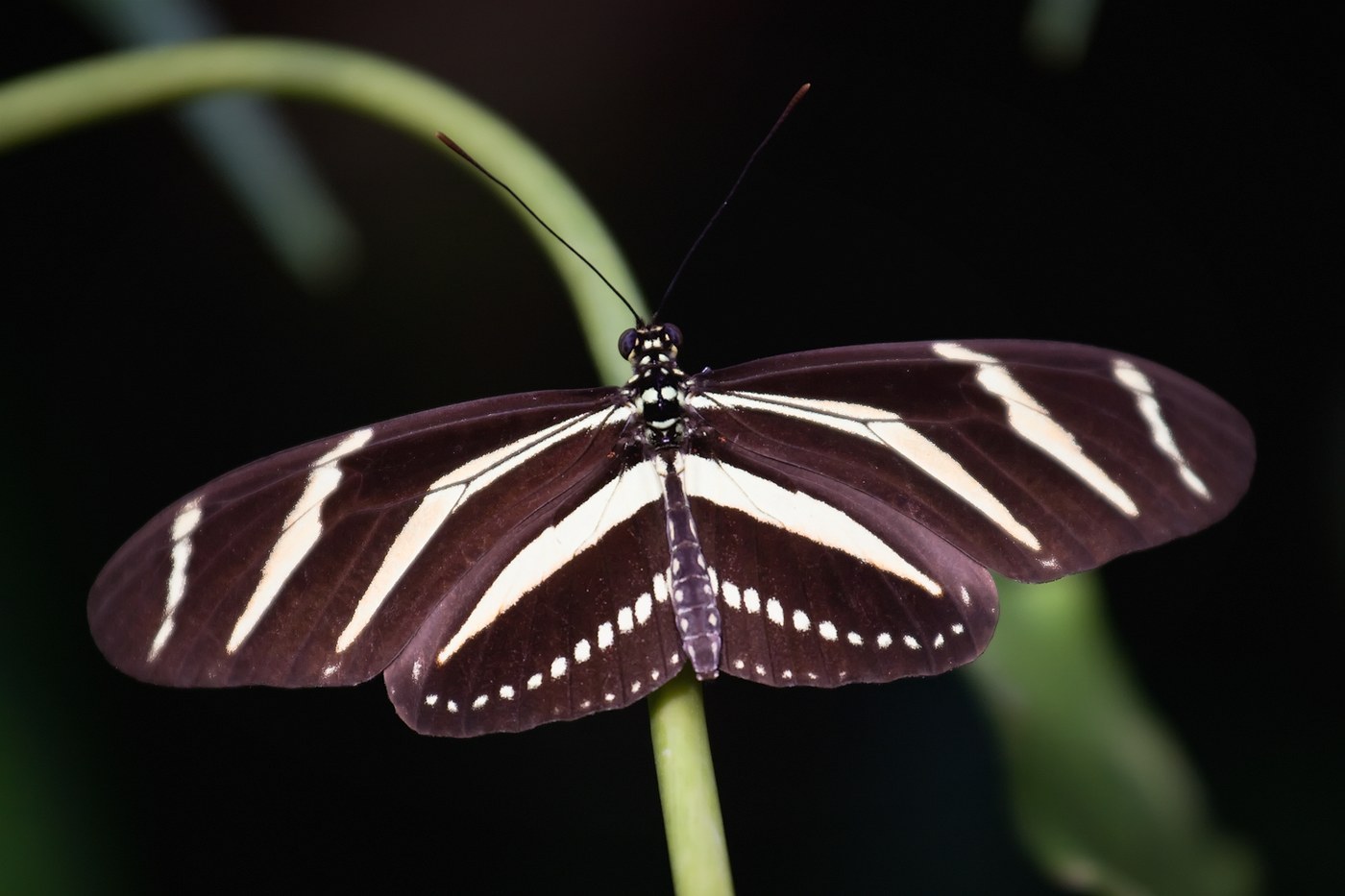
Zebra Longwing
A slow-flying, long-winged black butterfly striped boldly with yellow, unusual among butterflies for feeding on pollen as an adult, which extends its lifespan to several months.
butterflyCave Spider
A long-legged orb weaver adapted to the twilight zone of caves, spinning large webs across cavern mouths and dangling its egg sacs from silk threads deep within the darkness.
spiderMarch Fly
A stout, all-black fly that emerges in sudden, dense swarms during the first warm days of spring, often dangling its long hind legs conspicuously in slow, low flight over grass. Its name comes from its habit of appearing reliably around the start of the month, sometimes on cue near a particular saint's feast day in the traditional European calendar.
fly