
Bug Encyclopedia
Search and identify bugs & insects — beetles, butterflies, moths, ants, bees, spiders and more — with size, habitat, danger, behavior, and how to tell them apart.
Grasshopper
A robust, strong-jumping insect with short antennae and powerful hind legs, commonly seen springing away through grass and low vegetation on warm sunny days.
grasshopper-cricket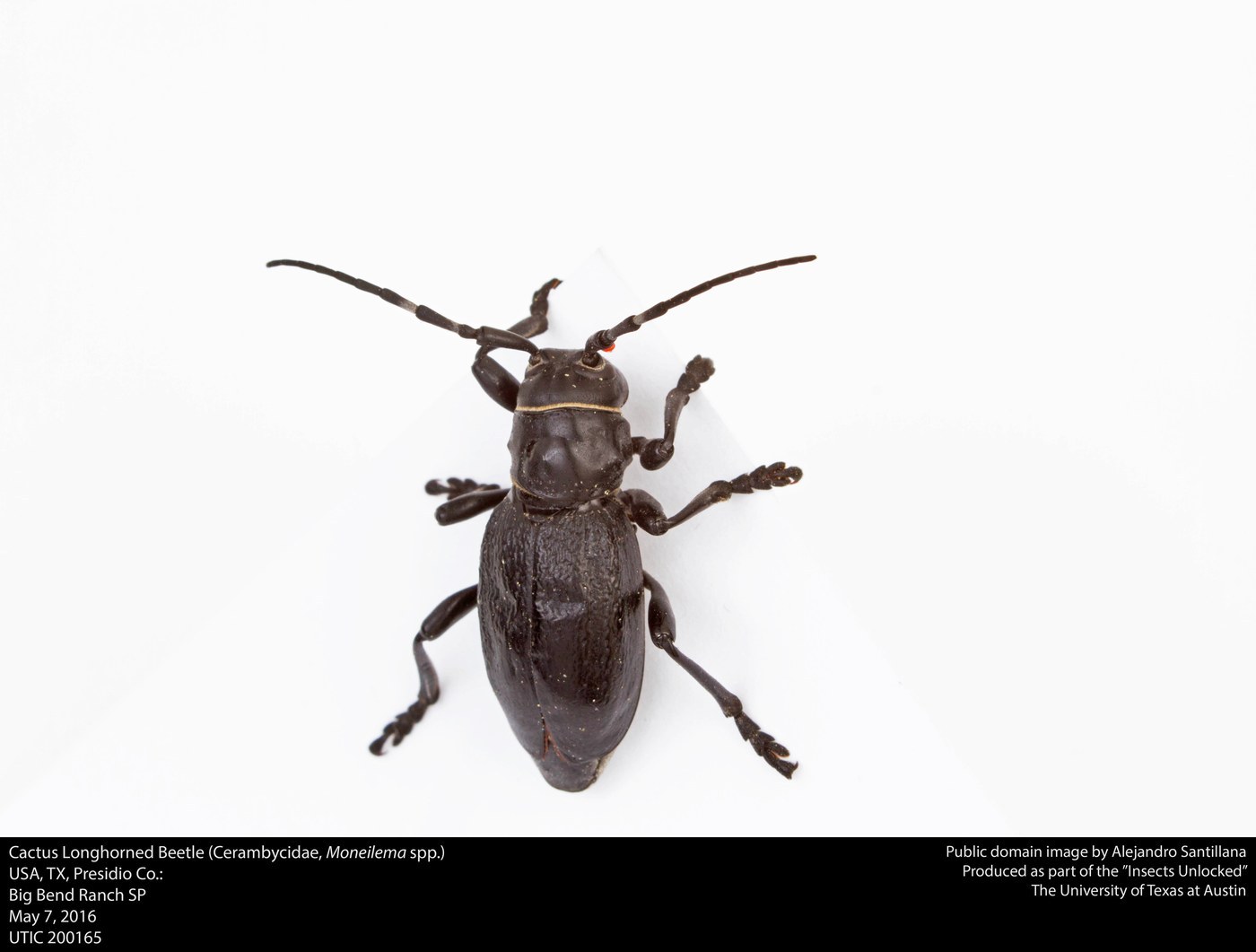
Longhorn Beetle
A beetle instantly recognizable by antennae often longer than its own body, ranging from small woodland species to large, dramatically patterned tropical and temperate forms.
beetleLonghorn Bee
A fuzzy, medium-sized solitary bee named for the males' notably long, curved antennae, commonly seen foraging on sunflowers, asters, and other late-summer composite flowers.
beeKatydid
A leaf-mimicking insect with broad, veined green wings shaped remarkably like foliage, best known for the loud, rhythmic 'katy-did, katy-didn't' chorus males produce on warm summer nights.
grasshopper-cricketLubber Grasshopper
Heavy-bodied and slow-moving, lubber grasshoppers make up for their poor flying ability with large size, bold coloring, and a lumbering, ground-bound lifestyle.
grasshopper-cricket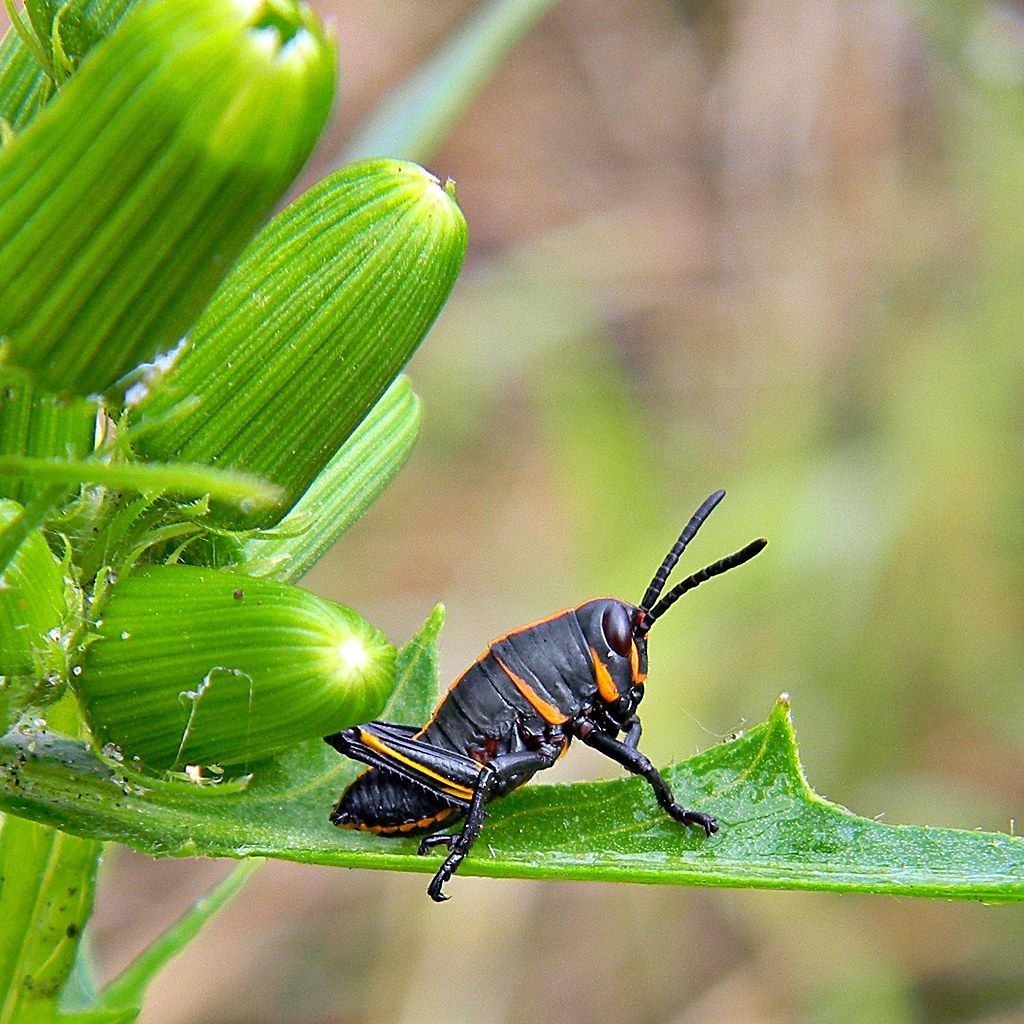
Eastern Lubber Grasshopper
One of the largest grasshoppers in North America, the eastern lubber is a slow, flightless giant clad in bold black, yellow, and red that announces its presence rather than hiding from it.
grasshopper-cricket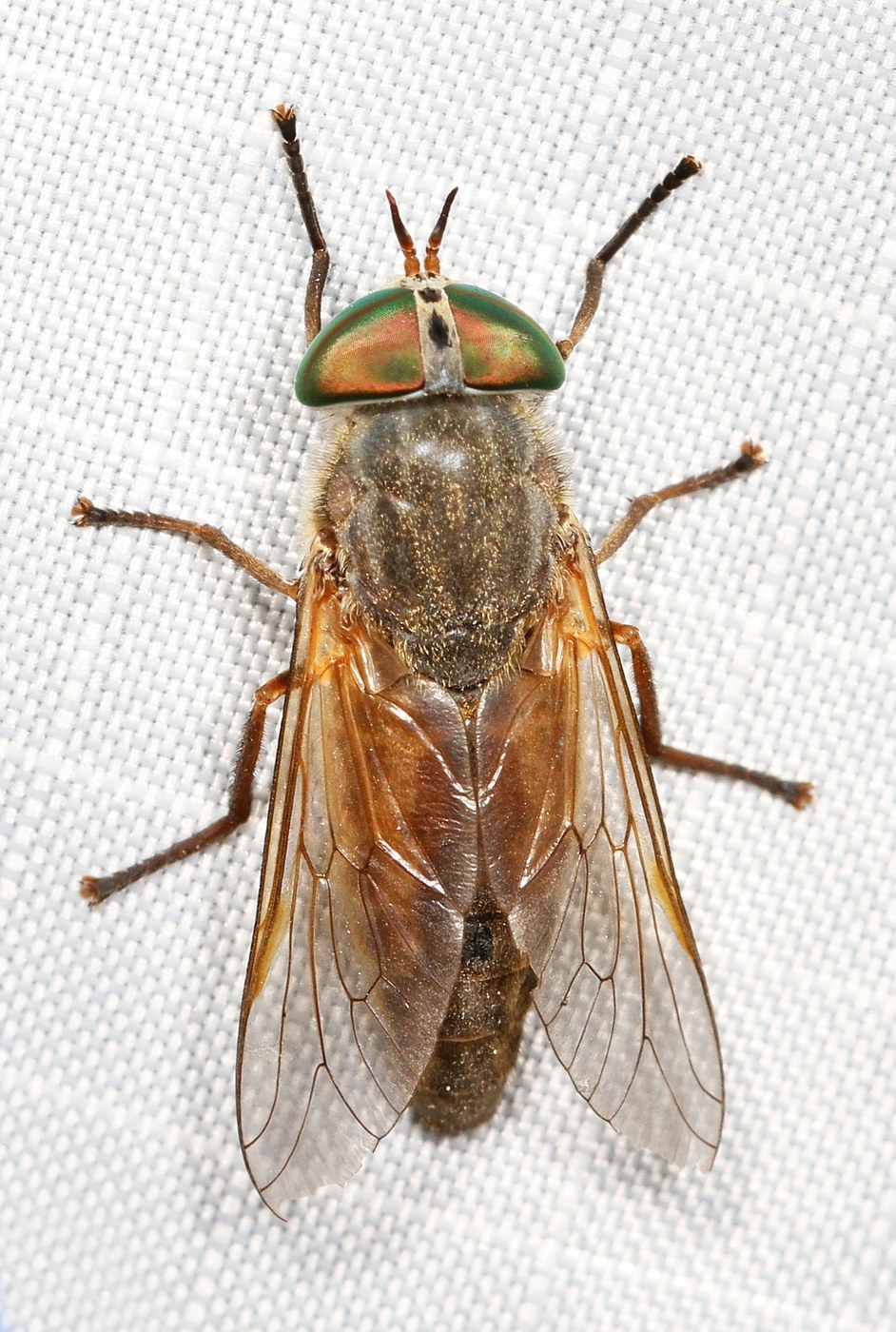
Greenhead Fly
A stout, strikingly green-eyed horse fly that emerges from Atlantic salt marshes in midsummer swarms, where the females bite to feed on blood.
fly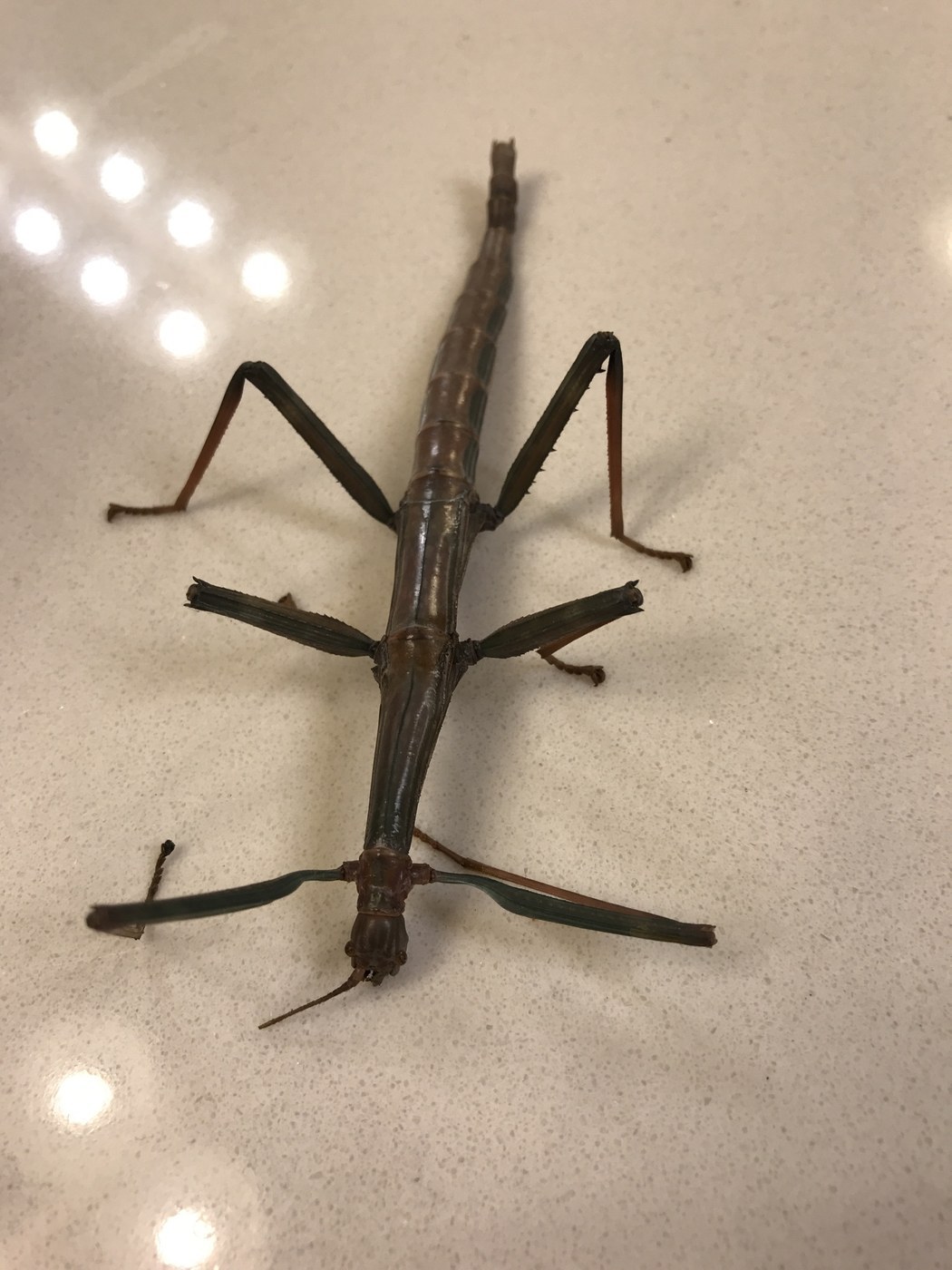
Giant Walking Stick
The longest insect in the United States, this brown, thread-thin giant sways gently on its perch to complete the illusion of a wind-stirred twig.
mantis-stick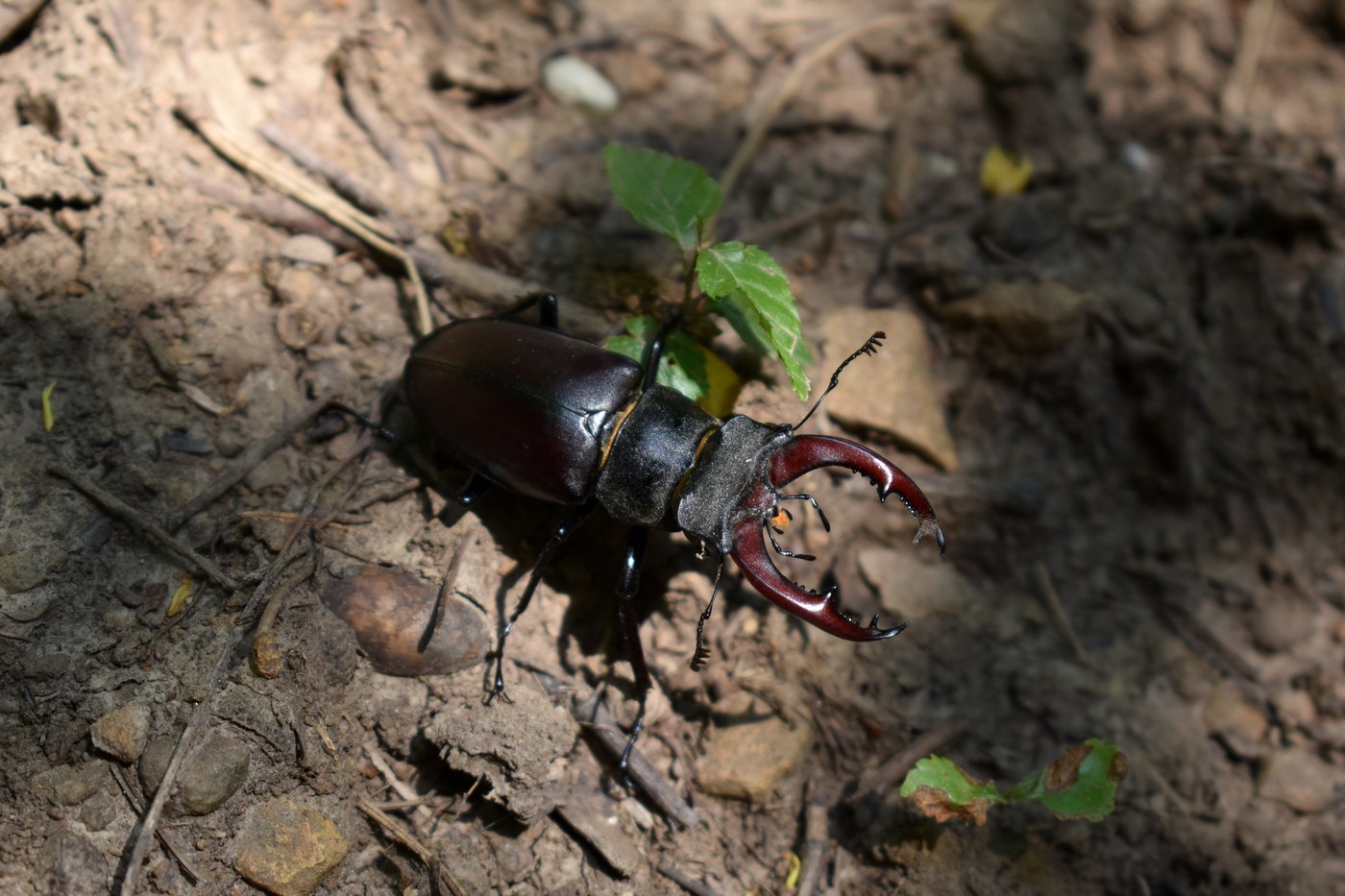
Stag Beetle
A large, glossy beetle whose males wield oversized, antler-like mandibles resembling a stag's rack of horns, used for wrestling rival males rather than for feeding.
beetle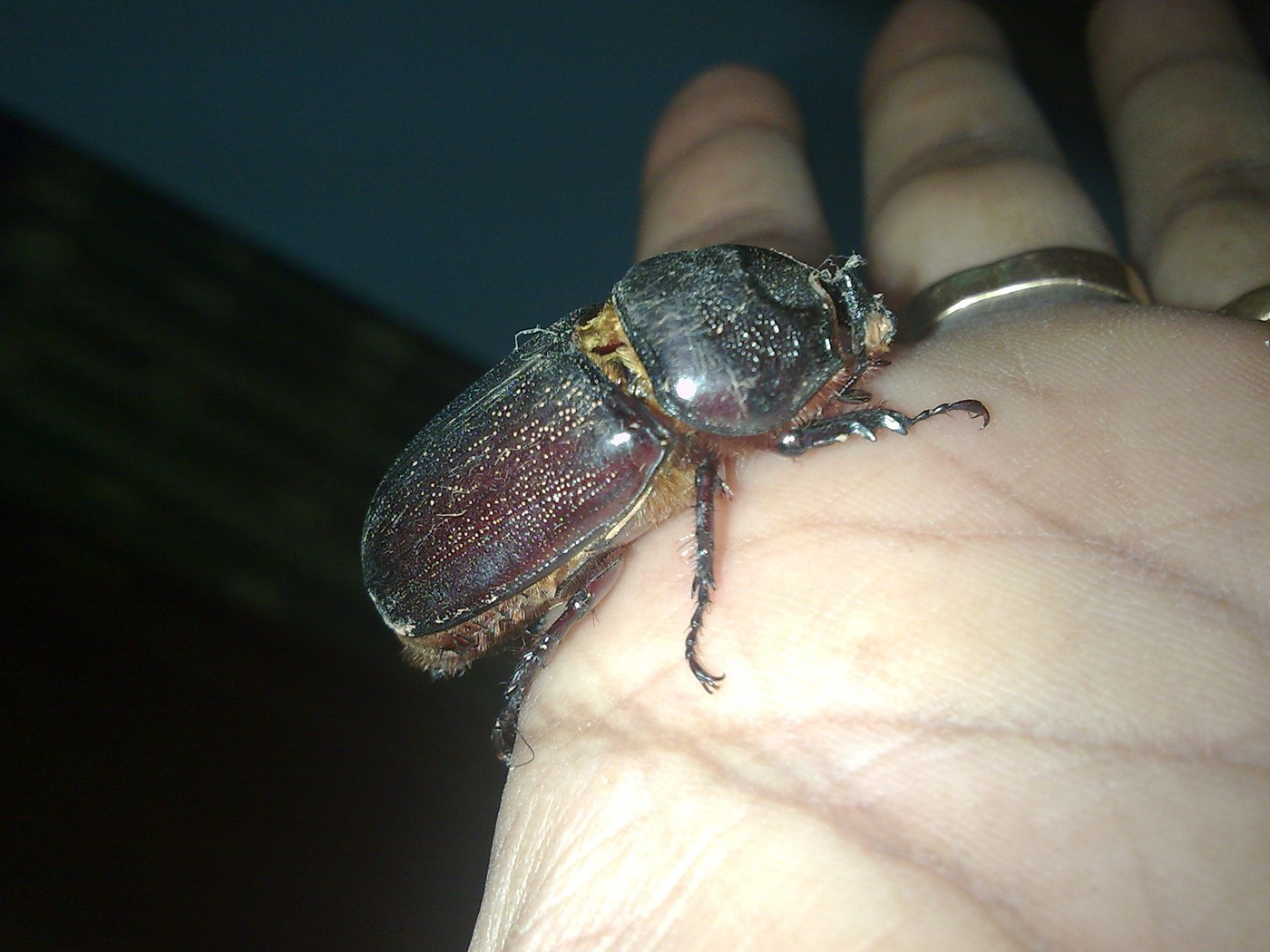
Rhinoceros Beetle
A massive, heavily armored beetle whose males sport a single large, curved horn projecting forward from the head, used to shove and flip rival males in contests of strength.
beetleAfricanized Honeybee (Killer Bee)
A hybrid strain of the western honey bee, nearly identical in appearance to common honey bees but known for more easily triggered, faster, and more numerous defensive responses when a colony is disturbed.
bee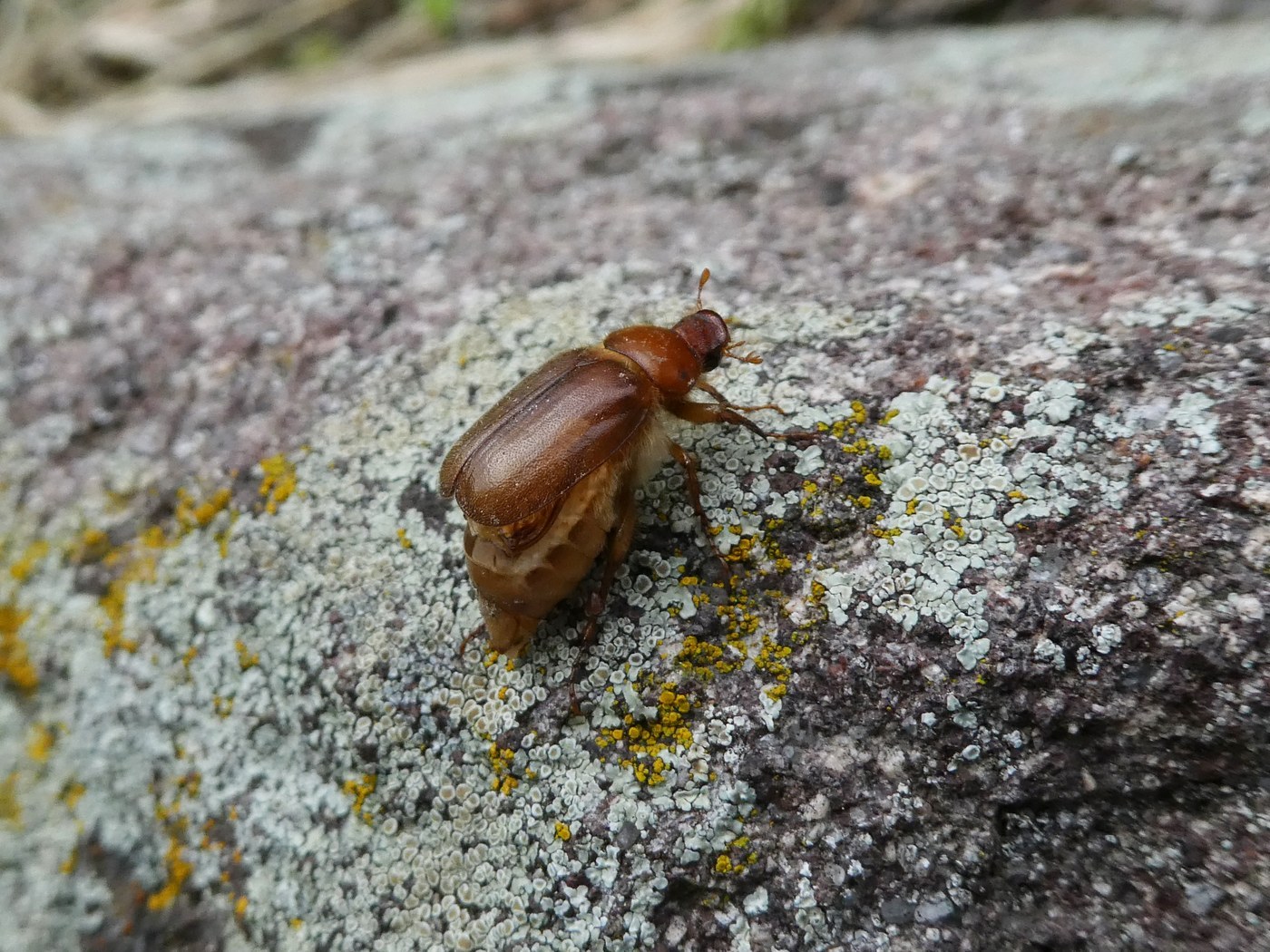
Scarab Beetle
A broad, often glossy beetle family recognized by its distinctive fan-like clubbed antennae, ranging from tiny dung-rollers to massive horned giants, found on every continent except Antarctica.
beetleEastern Black Swallowtail Caterpillar
A striking green-and-black banded caterpillar dotted with yellow spots that flashes a bright orange forked horn when disturbed.
caterpillar-larva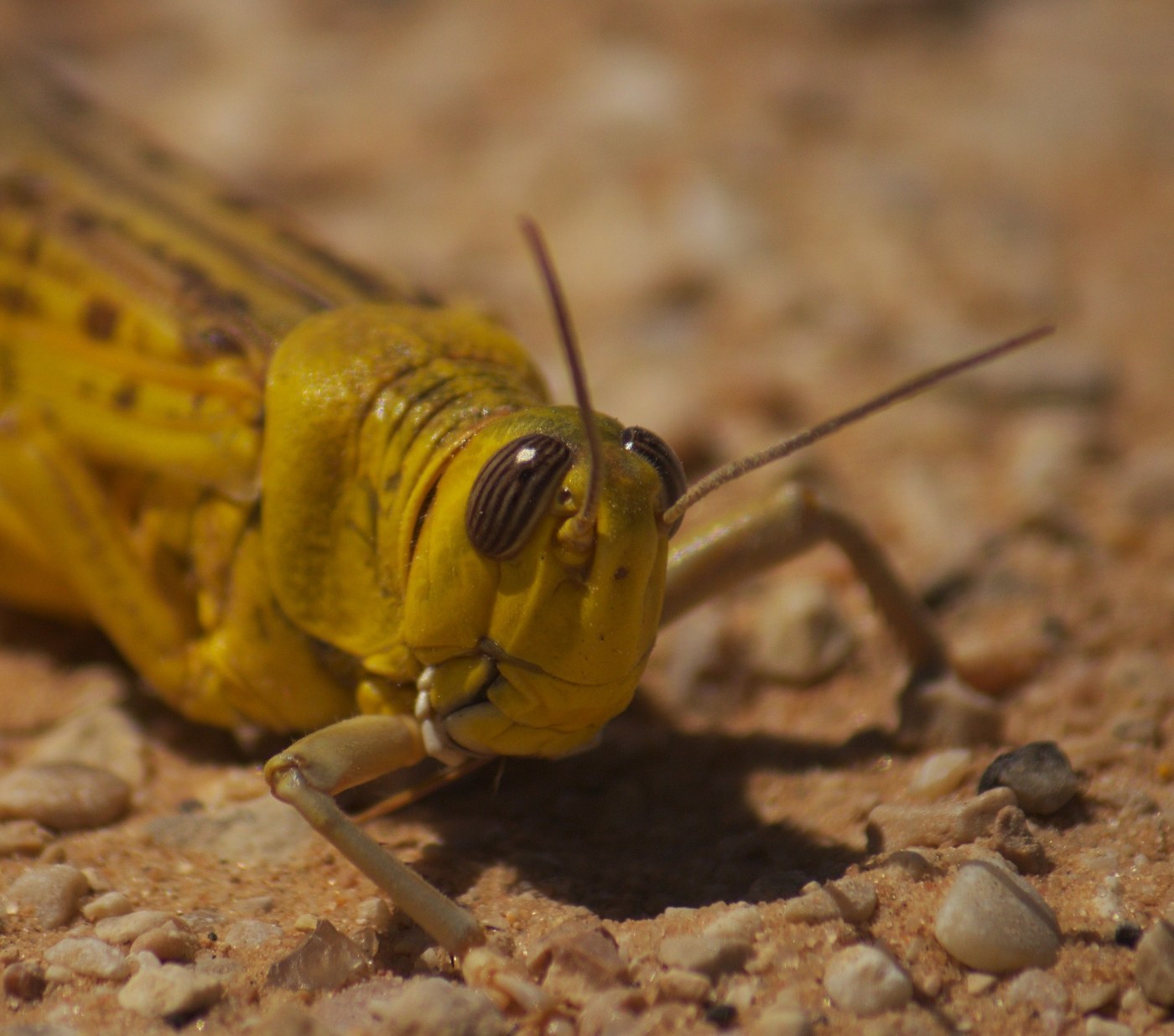
Desert Locust
A large, powerful grasshopper capable of forming some of the most extensive and historically devastating insect swarms on Earth, transforming from a solitary desert dweller into a densely packed migrating horde under the right conditions.
grasshopper-cricket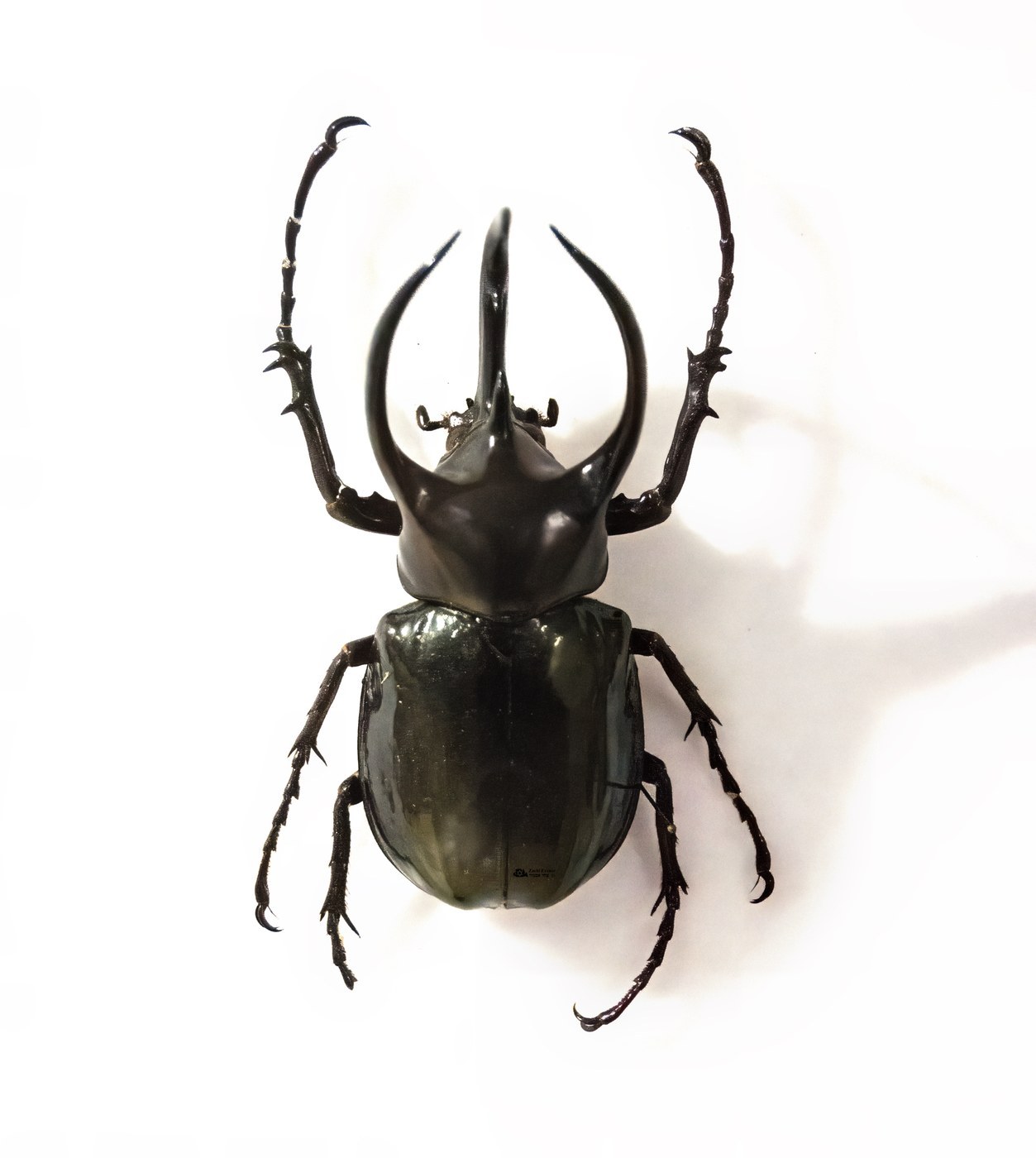
Atlas Beetle
A large, glossy black-to-metallic rhinoceros beetle in which males bear three long curved horns used for combat over food and mates.
beetle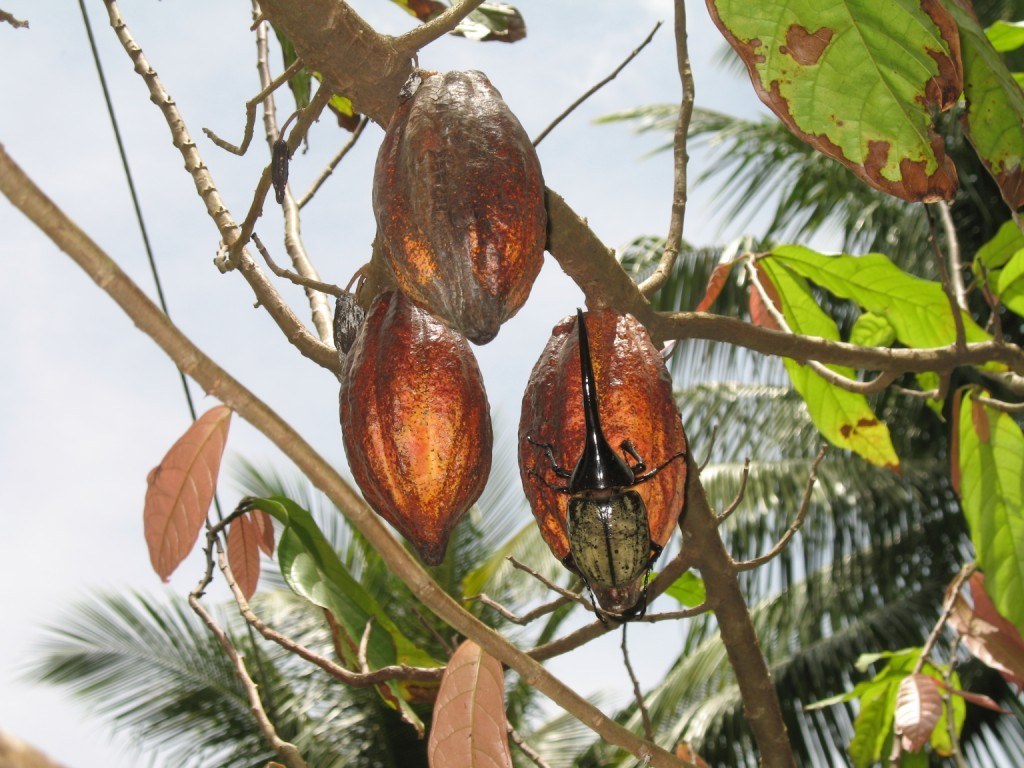
Hercules Beetle
One of the largest beetles in the world, with males bearing dramatic, forceps-like horns nearly as long as the rest of their armored, olive-green body.
beetle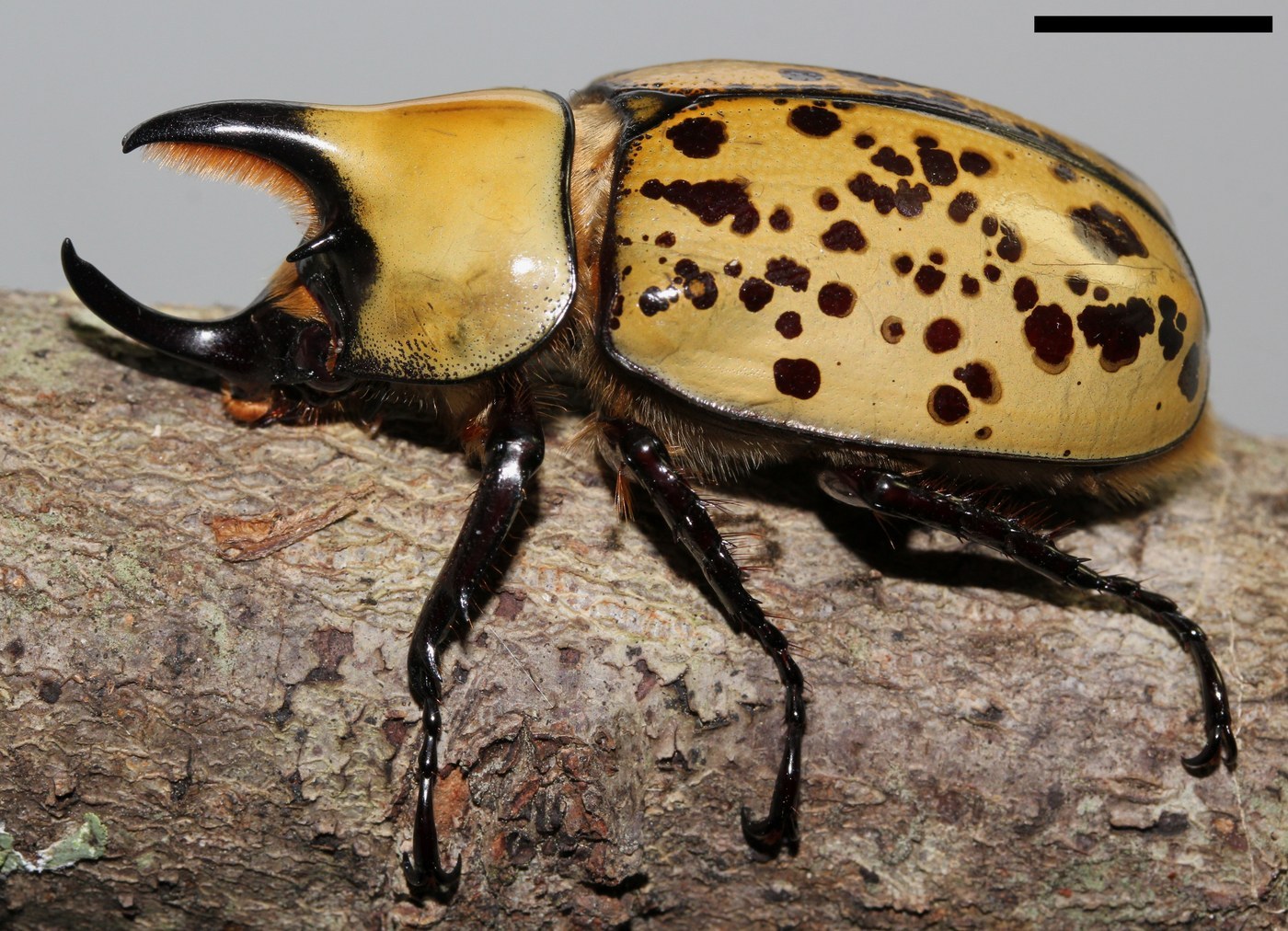
Eastern Hercules Beetle
One of the largest beetles in North America, a massive rhinoceros beetle in which males bear an enormous forked horn used to wrestle rivals off of favored tree sap sites.
beetle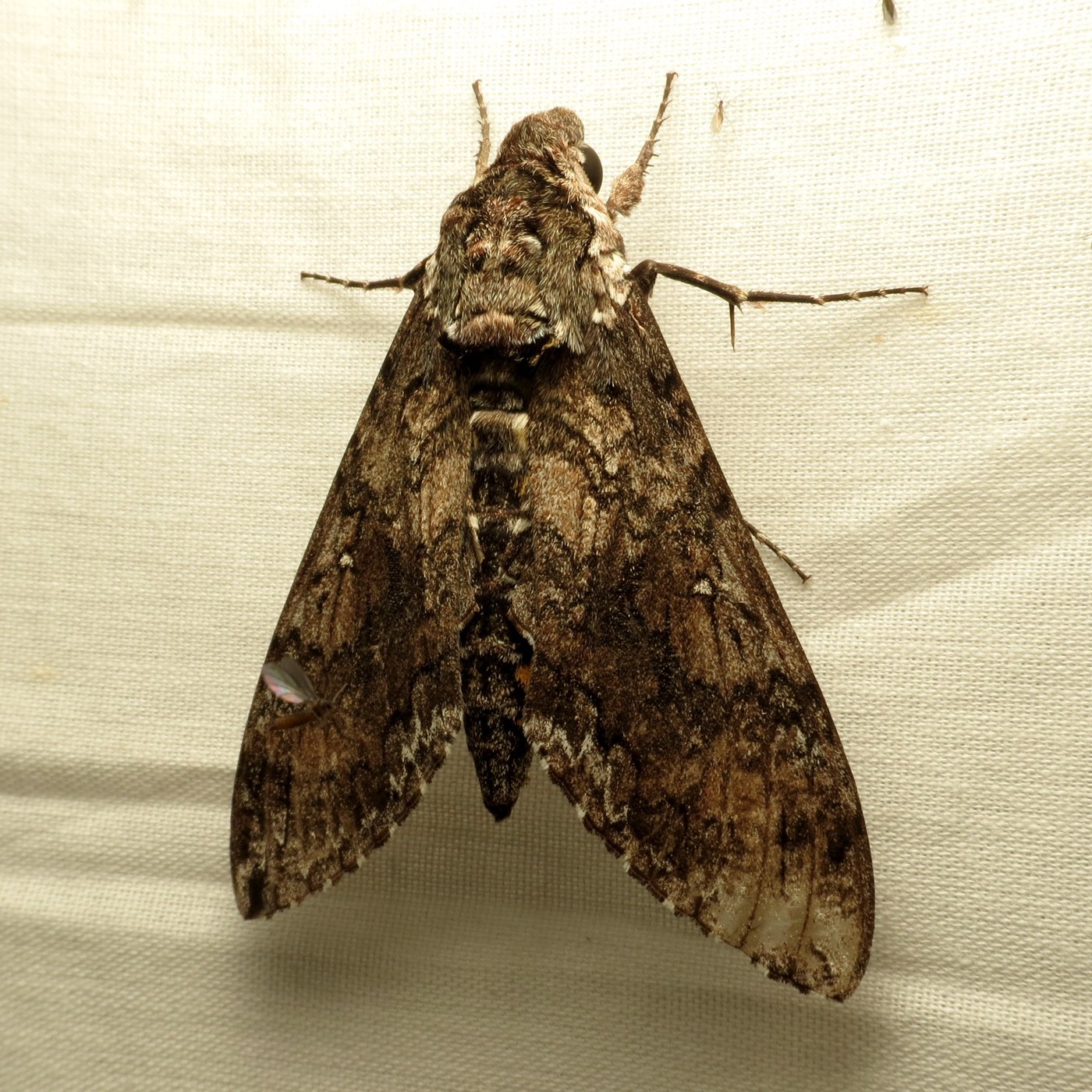
Tobacco Hornworm
A large, chunky green caterpillar with diagonal white stripes and a curved red-orange horn at its tail end, often found stripping tomato and tobacco plants.
caterpillar-larva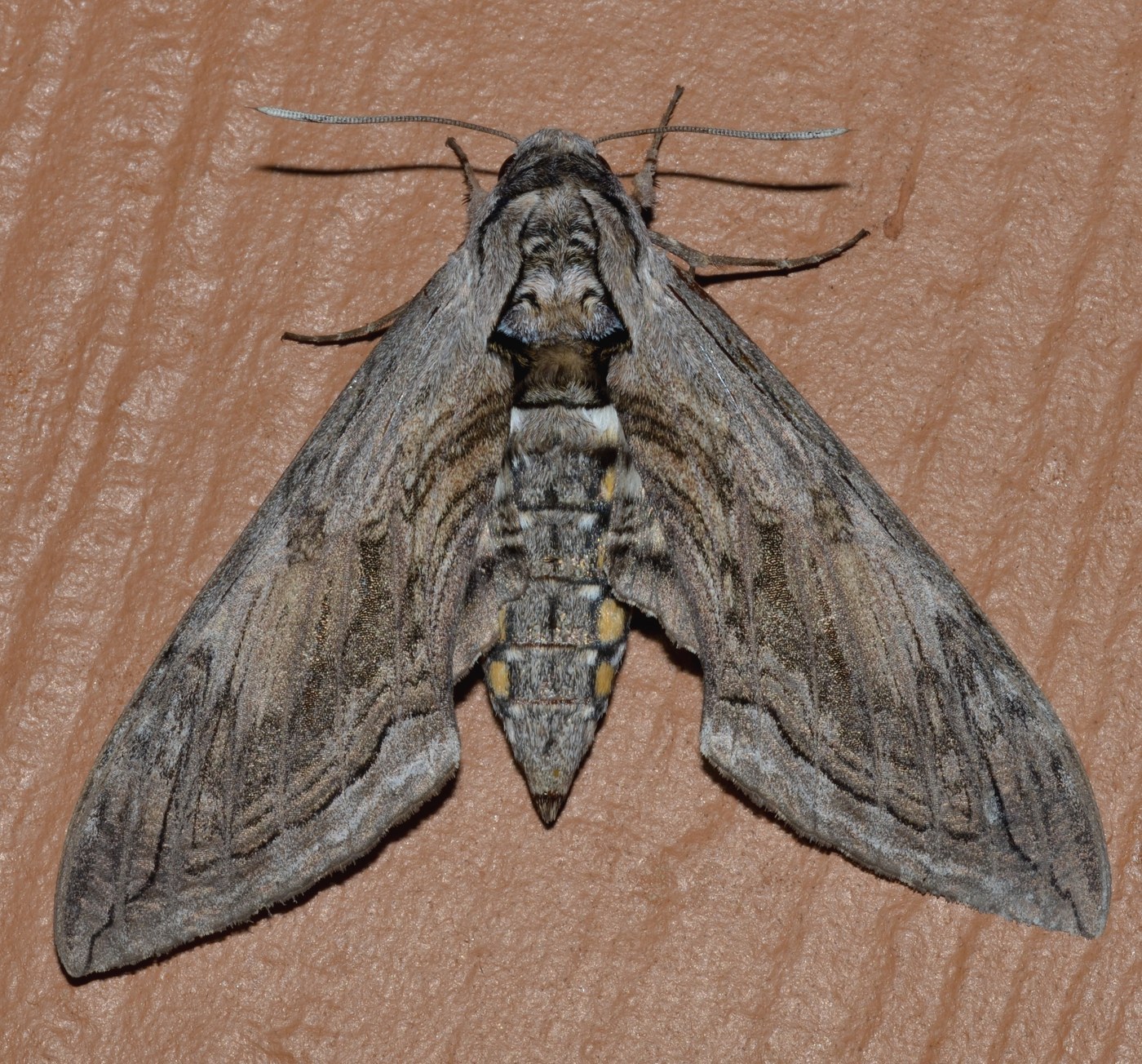
Tomato Hornworm
A large, thick green caterpillar with diagonal white stripes and a distinctive curved horn at its tail end, often found stripping leaves from tomato plants in gardens.
caterpillar-larva