
Bug Encyclopedia
Search and identify bugs & insects — beetles, butterflies, moths, ants, bees, spiders and more — with size, habitat, danger, behavior, and how to tell them apart.
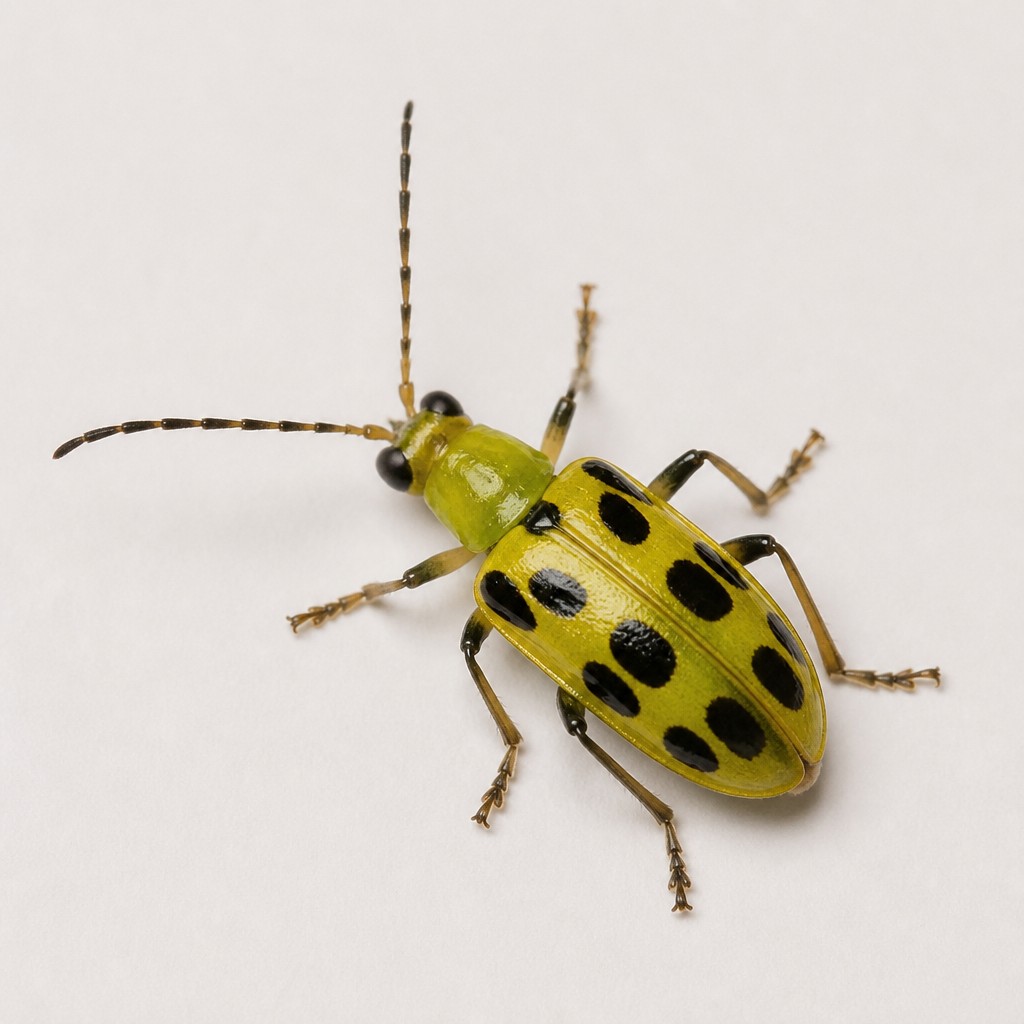
Cucumber Beetle
A small, brightly colored beetle patterned with black spots or stripes on a yellow-green background, commonly seen crawling on the flowers and leaves of cucumber and squash plants.
beetle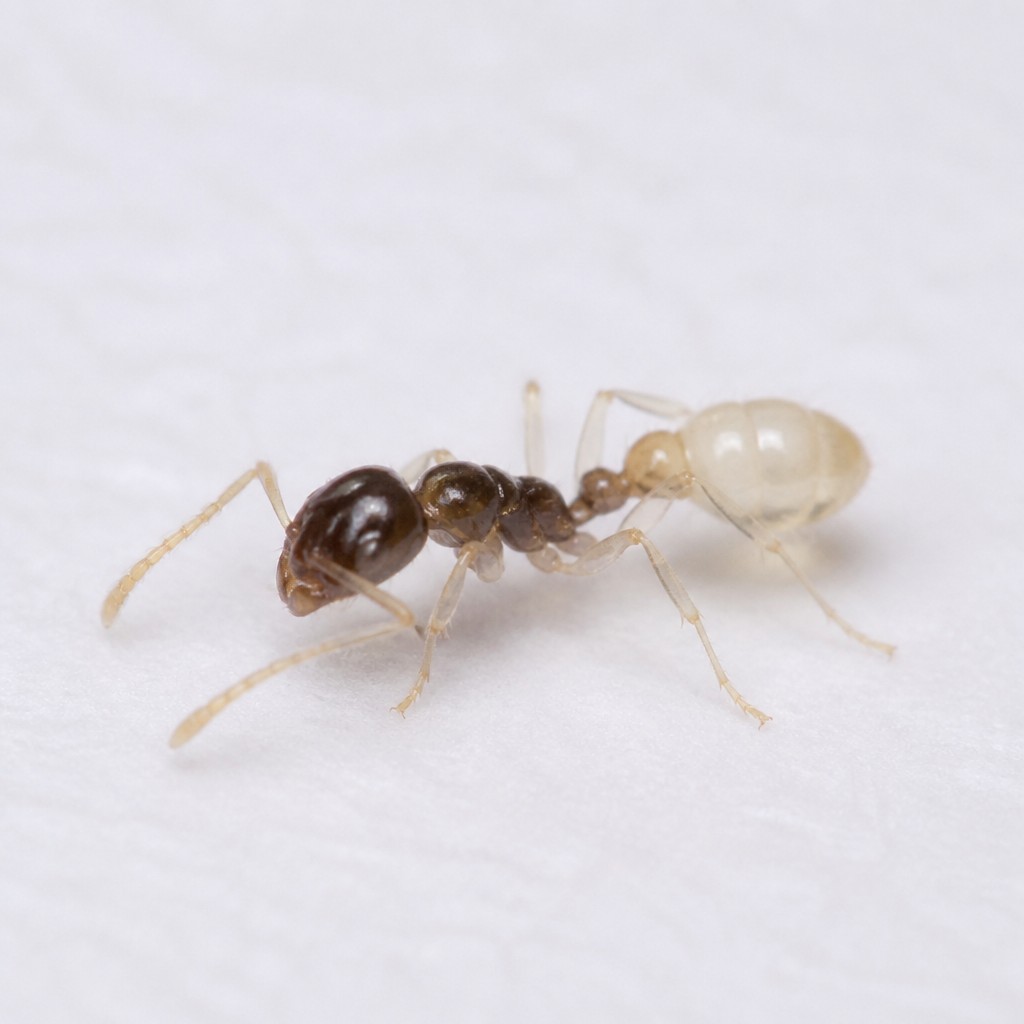
Ghost Ant
A minuscule ant with a dark head and pale, nearly translucent legs and abdomen that seem to vanish against light-colored surfaces, giving the species its ghostly common name.
ant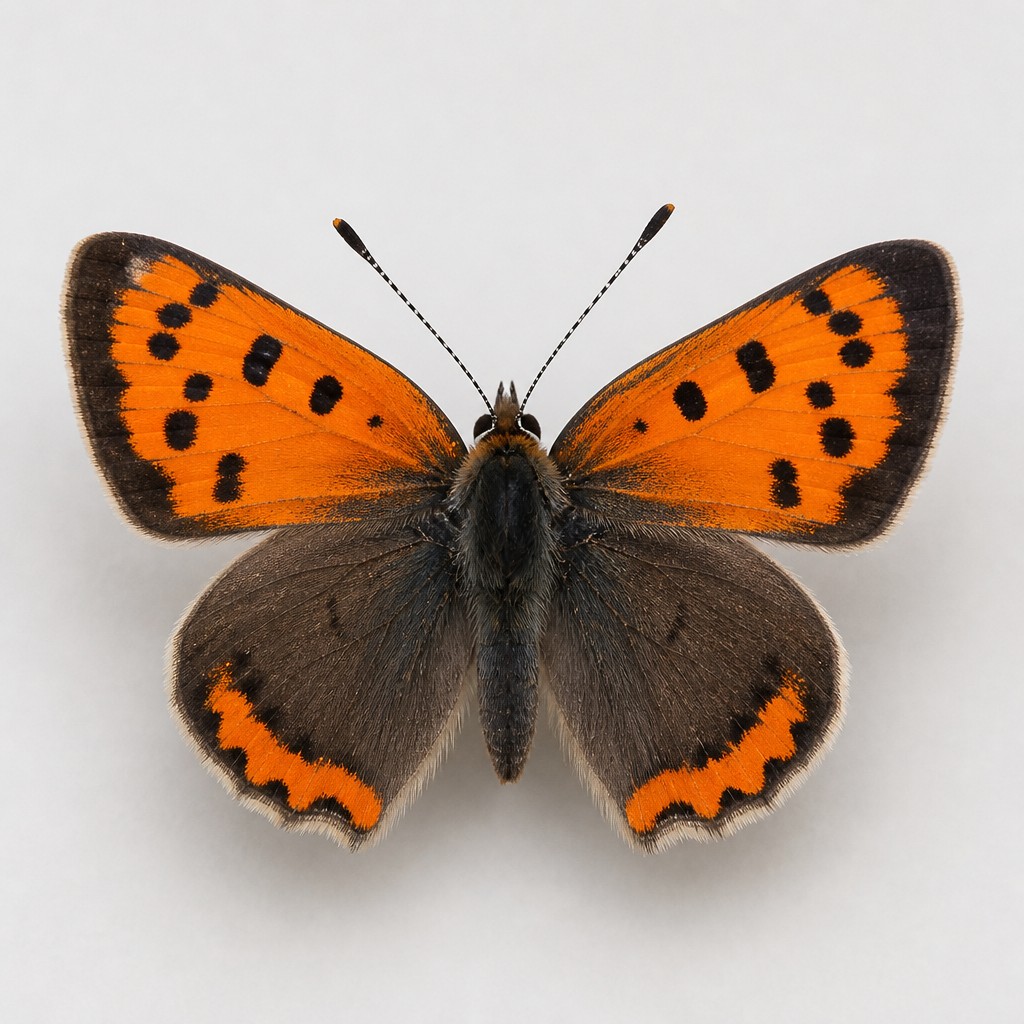
American Copper
A small, bright orange-and-black butterfly with fiery copper-colored forewings and dusky gray hindwings edged in orange, commonly seen darting low over weedy fields and vacant lots.
butterfly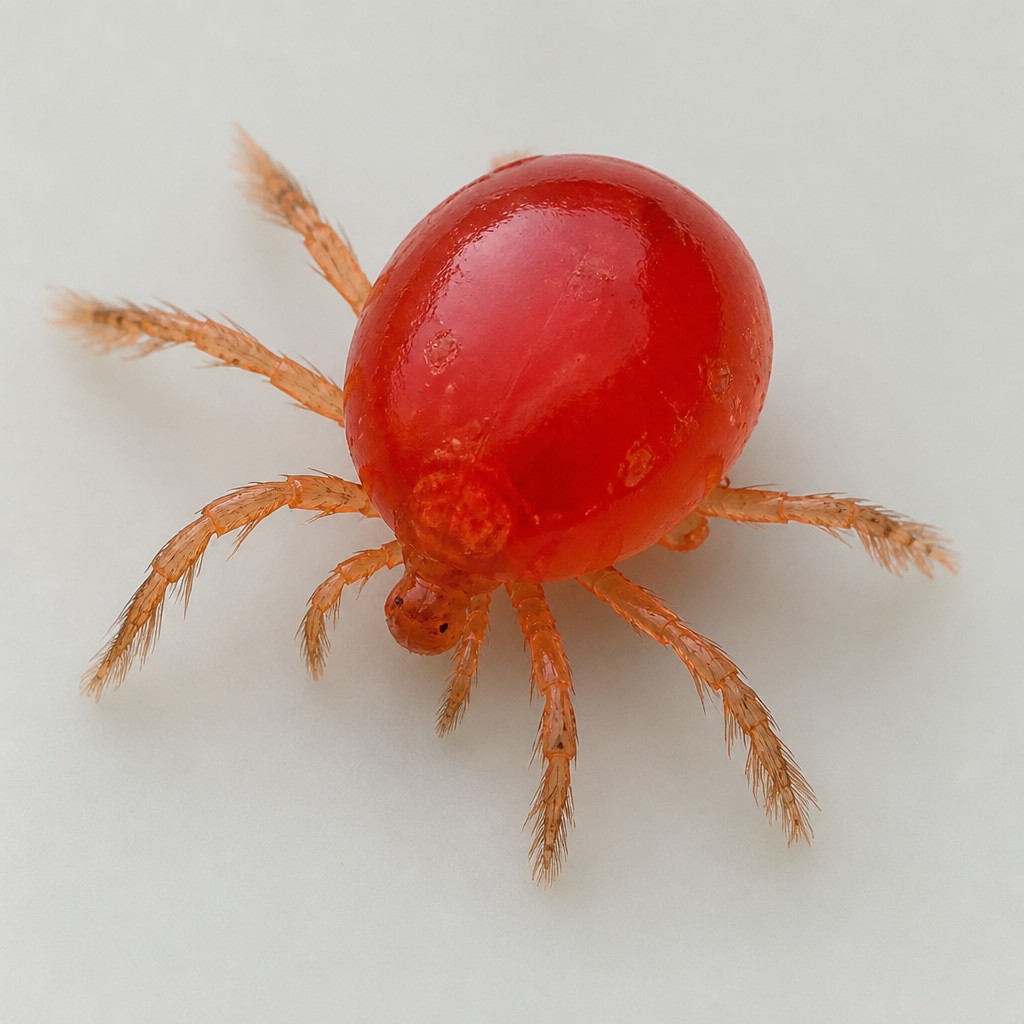
Water Mite
A brilliantly colored, ball-shaped mite that swims through freshwater ponds and streams using fringed, oar-like legs.
arachnid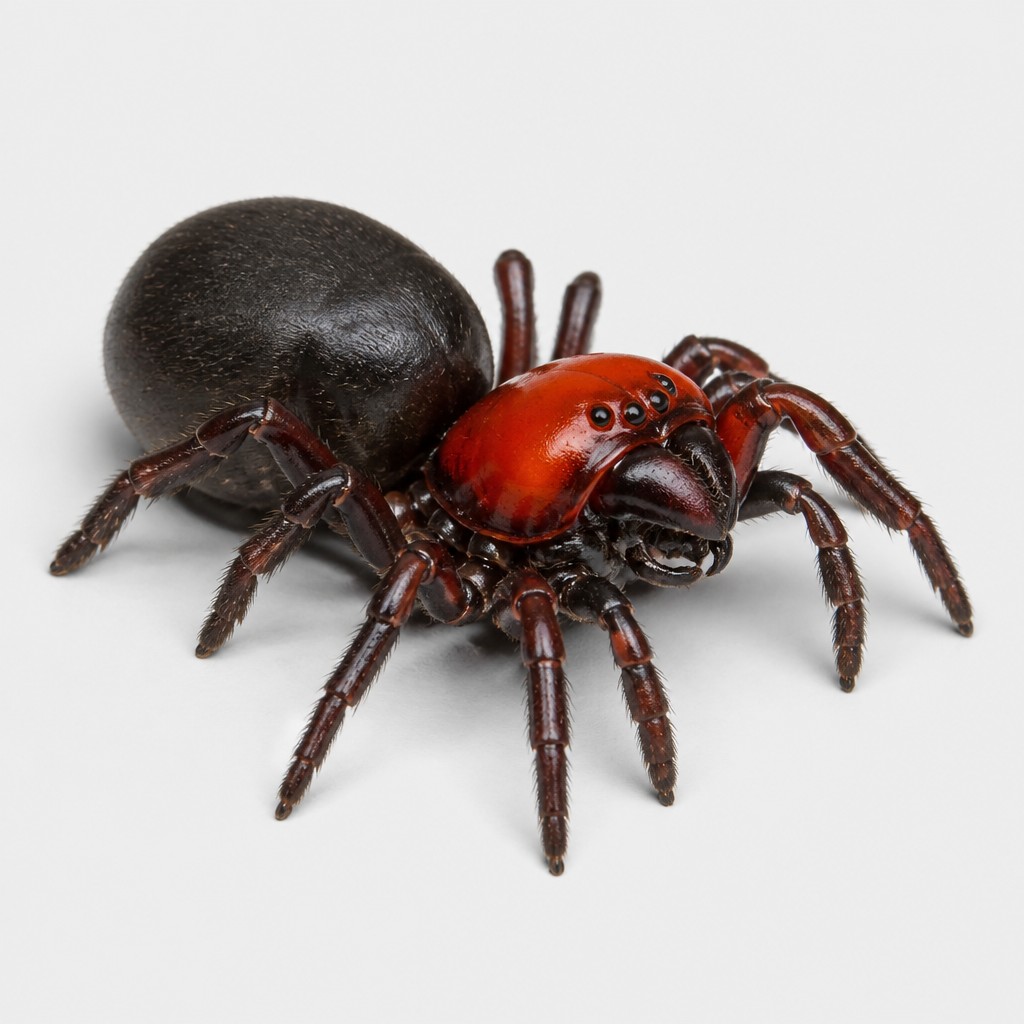
Mouse Spider
A stout, glossy burrowing spider named for its supposed mouse-like agility, with males often sporting a strikingly colored head and jaws.
spider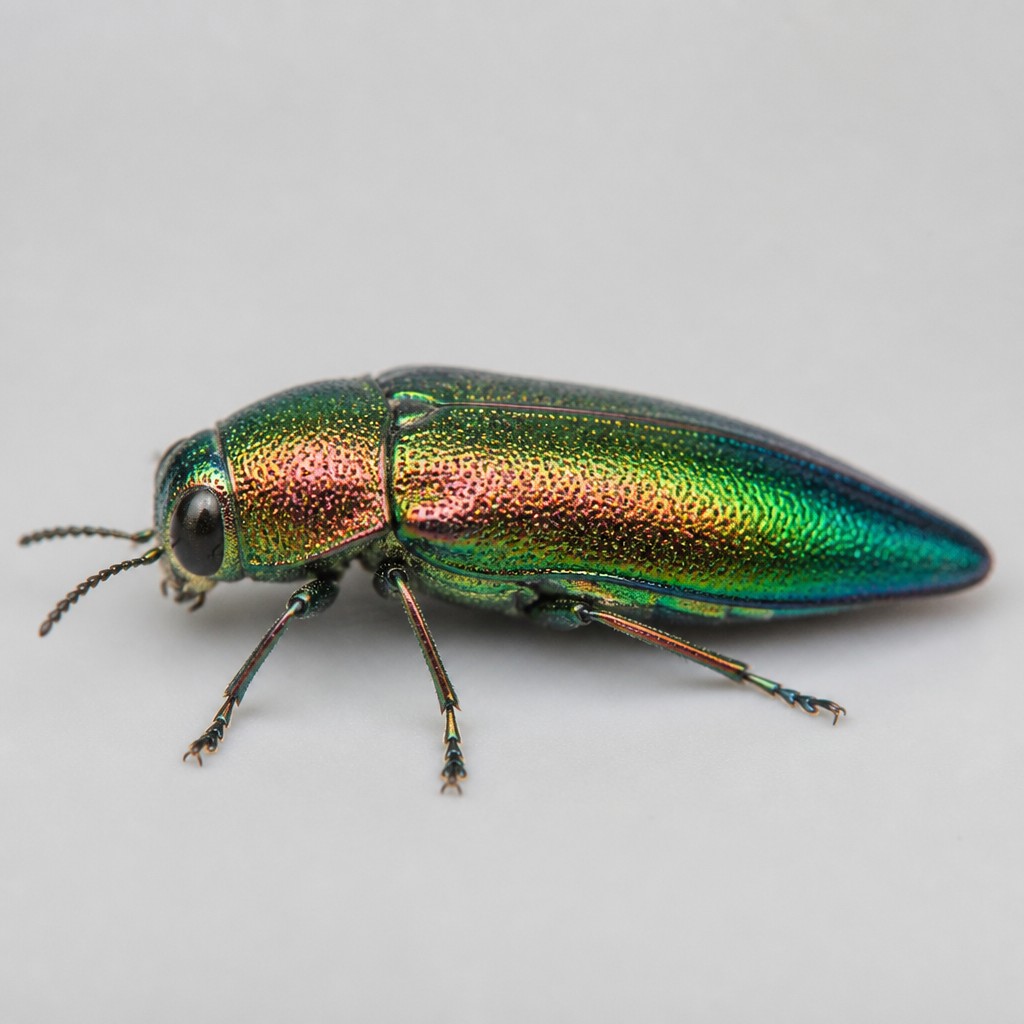
Jewel Beetle
A sleek, bullet-shaped beetle wrapped in brilliant iridescent metallic colors — green, copper, blue, or gold — that seem to shift with the angle of light.
beetle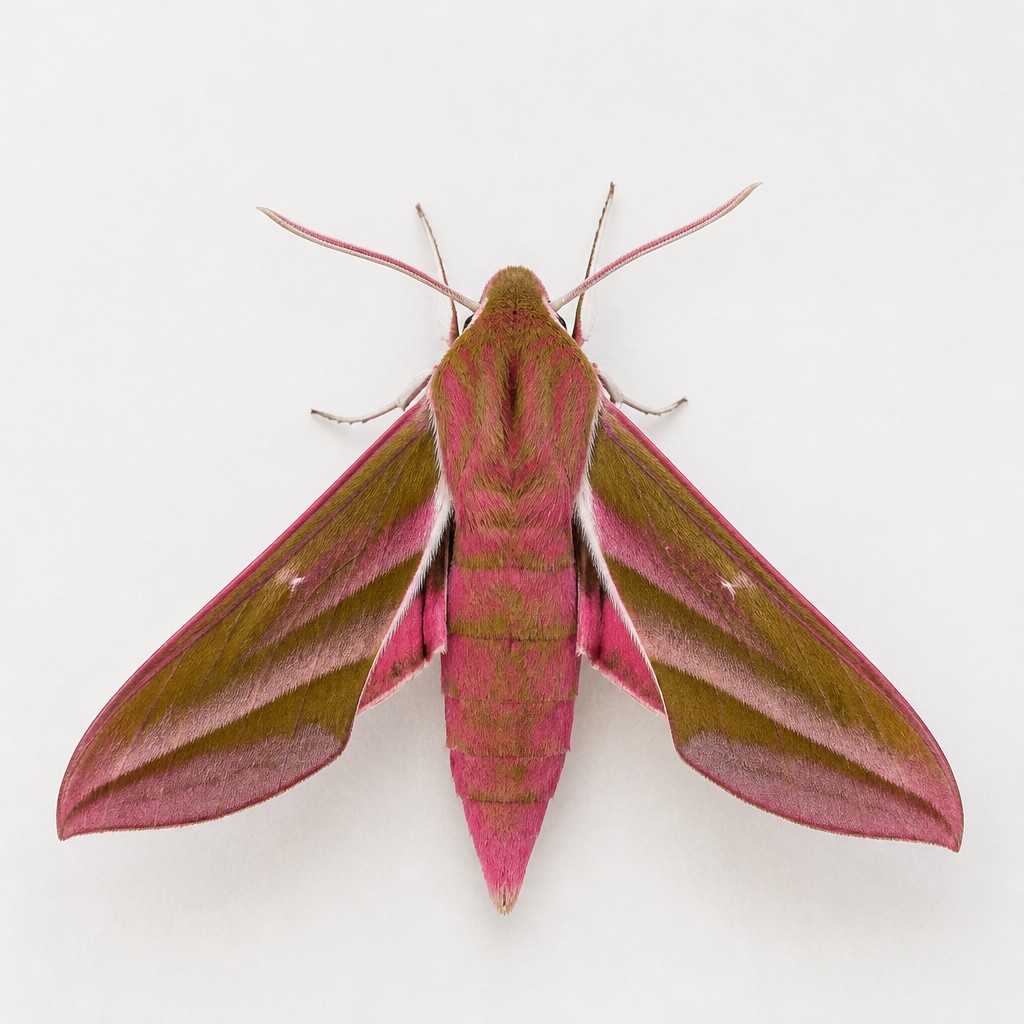
Elephant Hawk-Moth
A strikingly colored olive-green and bright pink hawk moth named for its caterpillar's trunk-like tapered front end and large false eyespots.
moth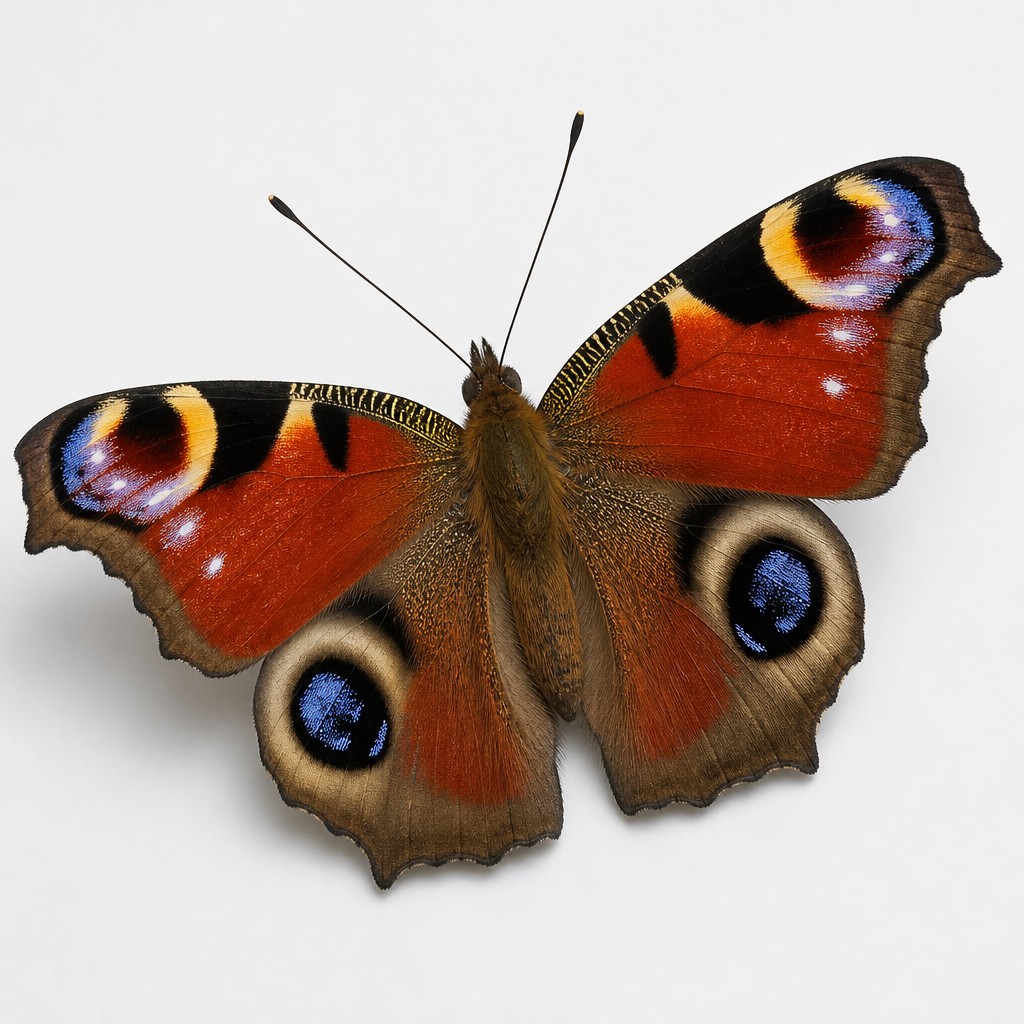
Peacock Butterfly
A richly colored reddish-brown European butterfly named for the four large blue-black eyespots on its wings, which resemble the eye-like markings on a peacock's tail feathers.
butterfly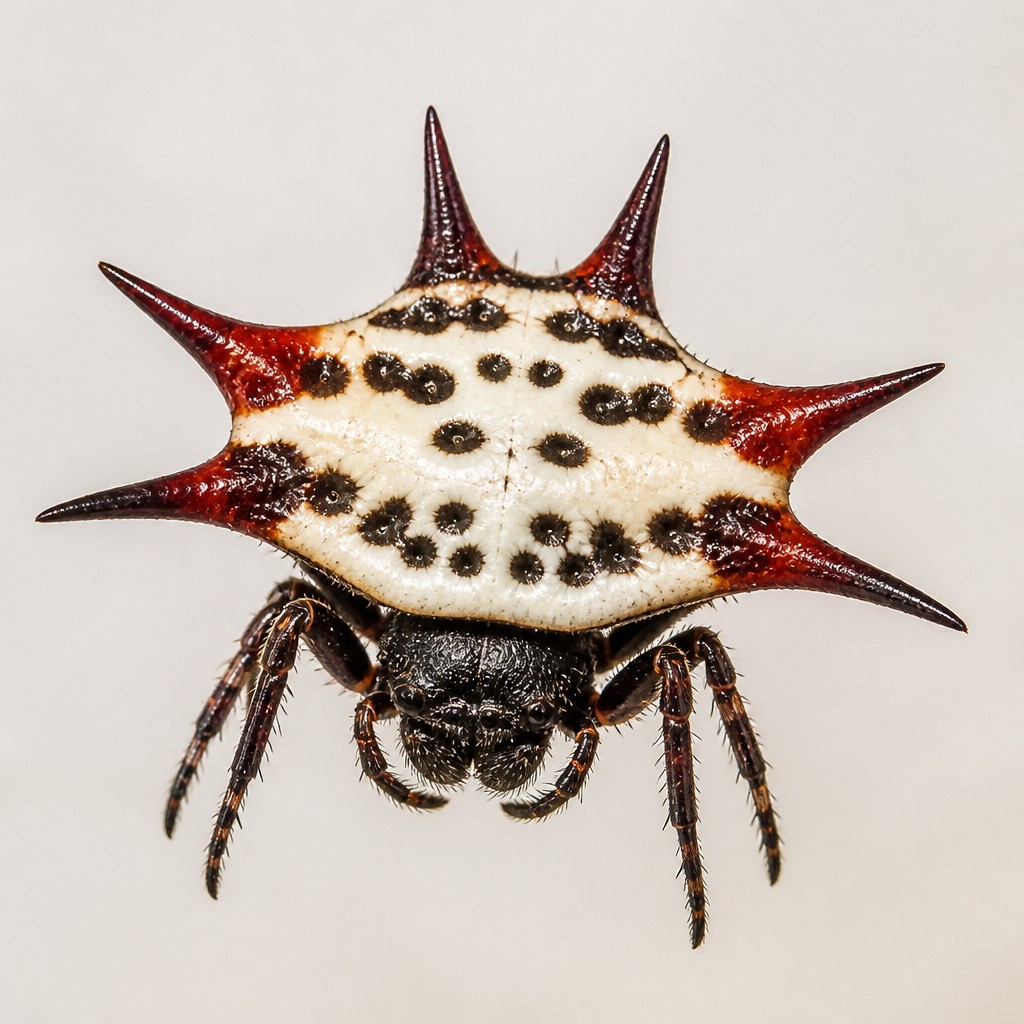
Spiny Orb Weaver
A small, hard-shelled orb weaver shaped like a tiny crab, with six sharp spines projecting from a brightly colored abdomen suspended in a neat wheel-shaped web.
spider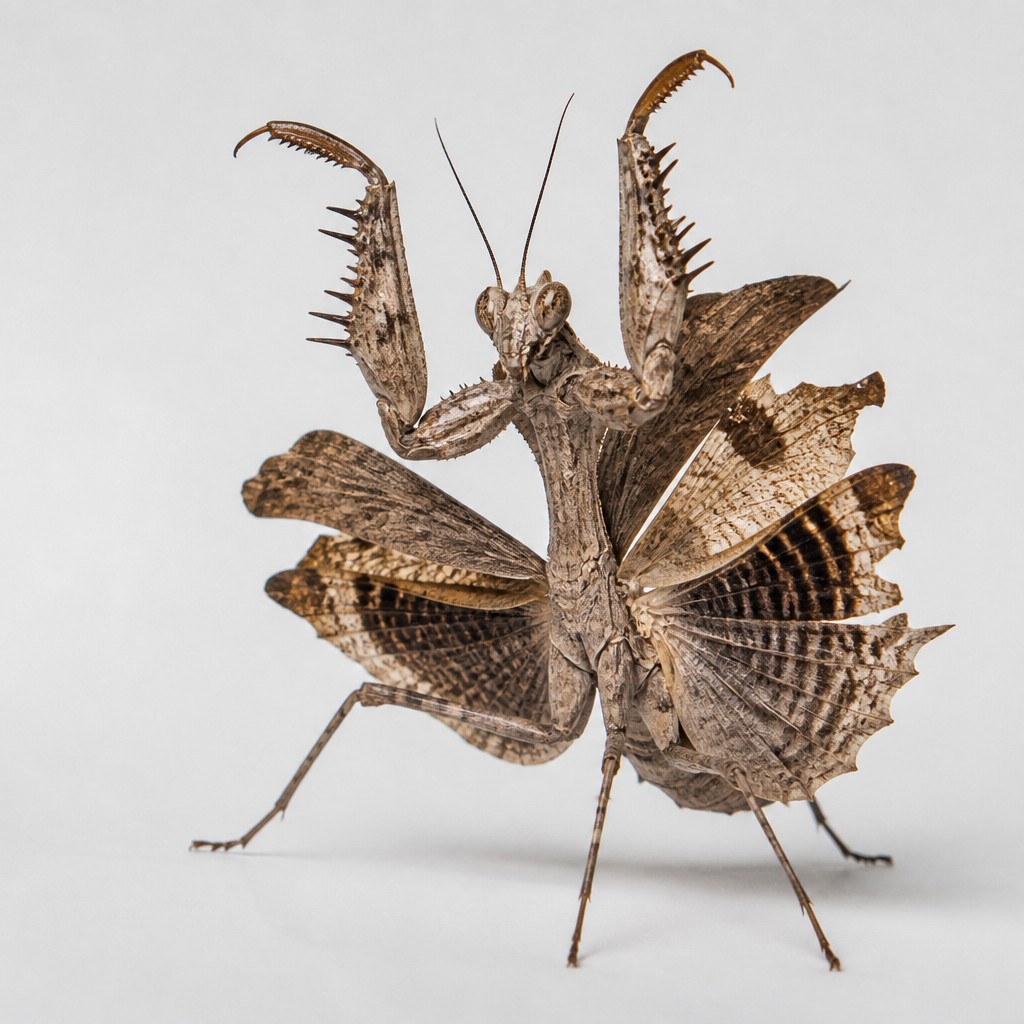
Devil's Flower Mantis
One of the largest mantis species on Earth, this striking insect can suddenly rear up and fan out vividly colored wings and legs into a dramatic, flower-like threat display.
mantis-stick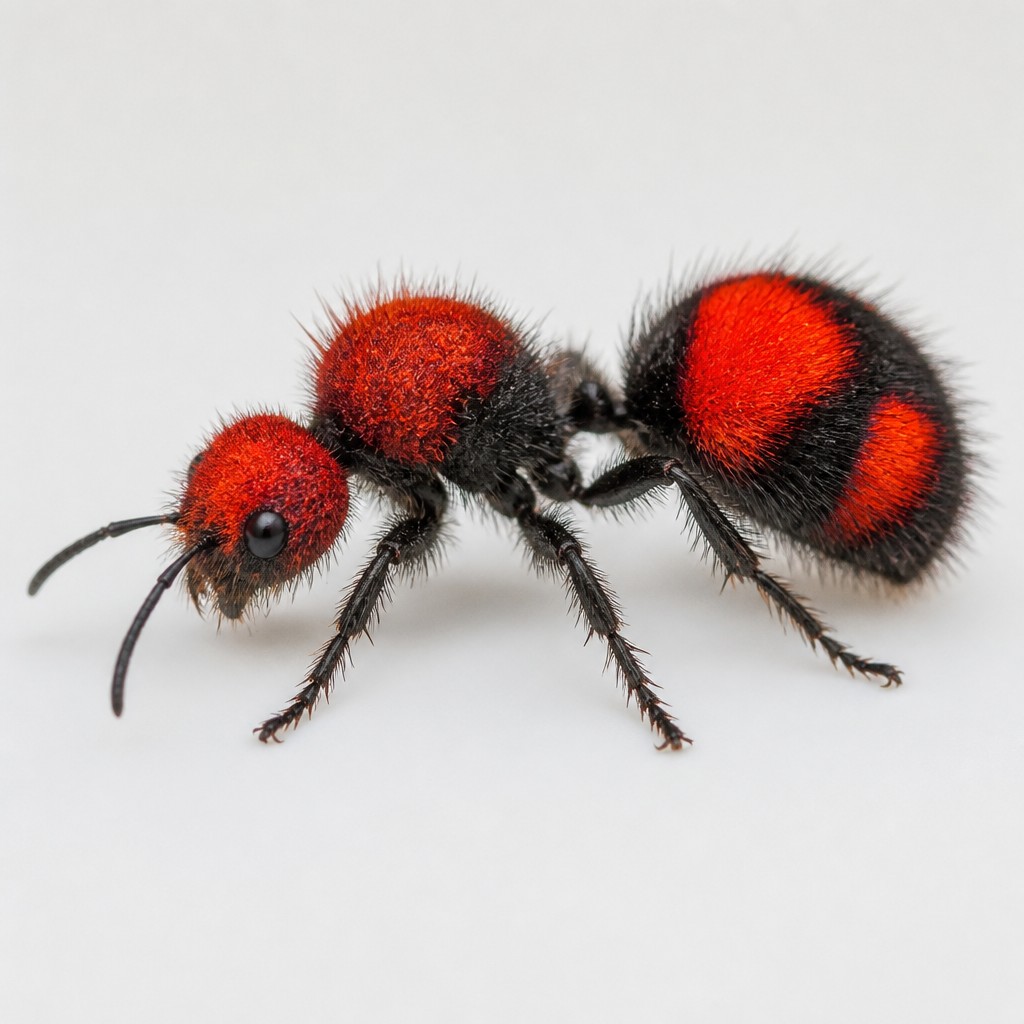
Velvet Ant
A densely fuzzy, brightly colored insect that looks like an oversized ant but is actually a wingless female wasp, instantly recognizable by its thick coat of red, orange, black, or white hair.
wasp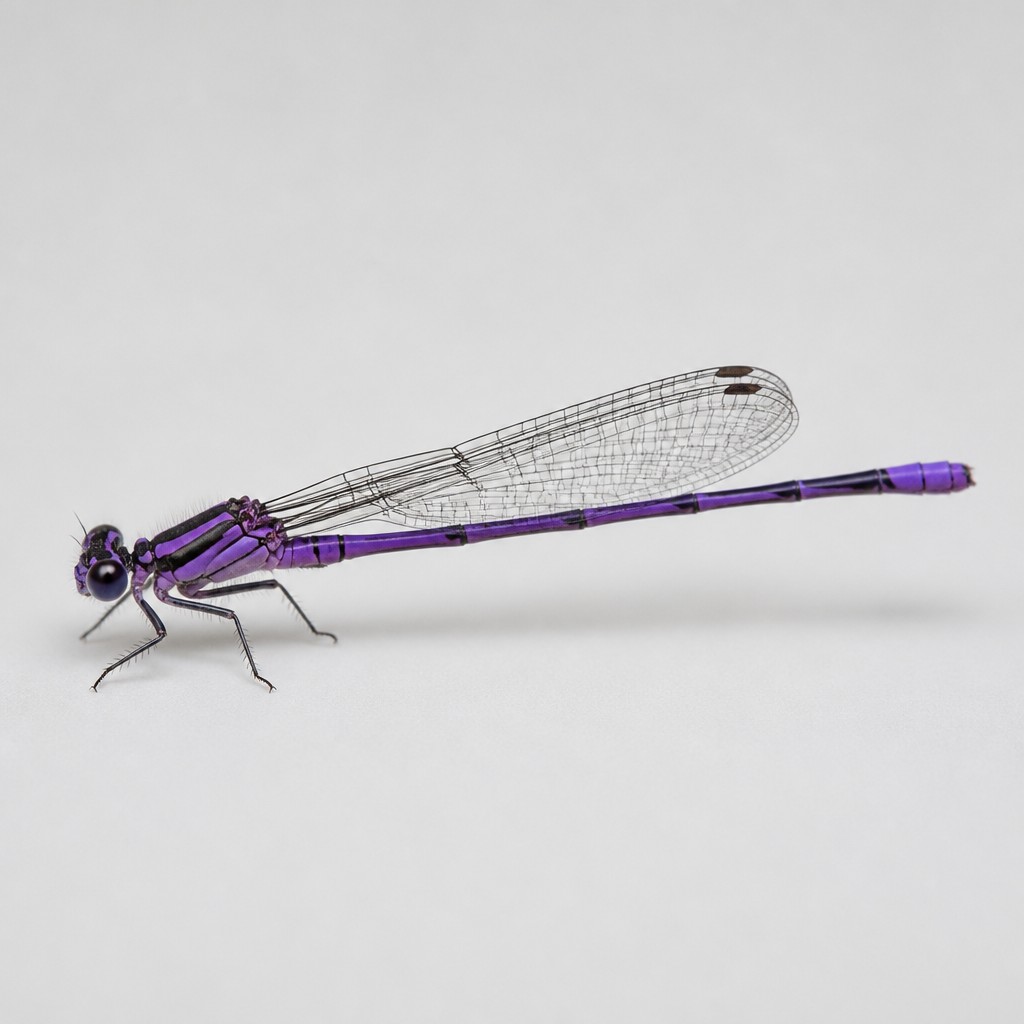
Variable Dancer
True to its name, the Variable Dancer shows striking regional color variation, with eastern males often displaying a rich violet-purple hue rarely seen in other damselflies.
dragonfly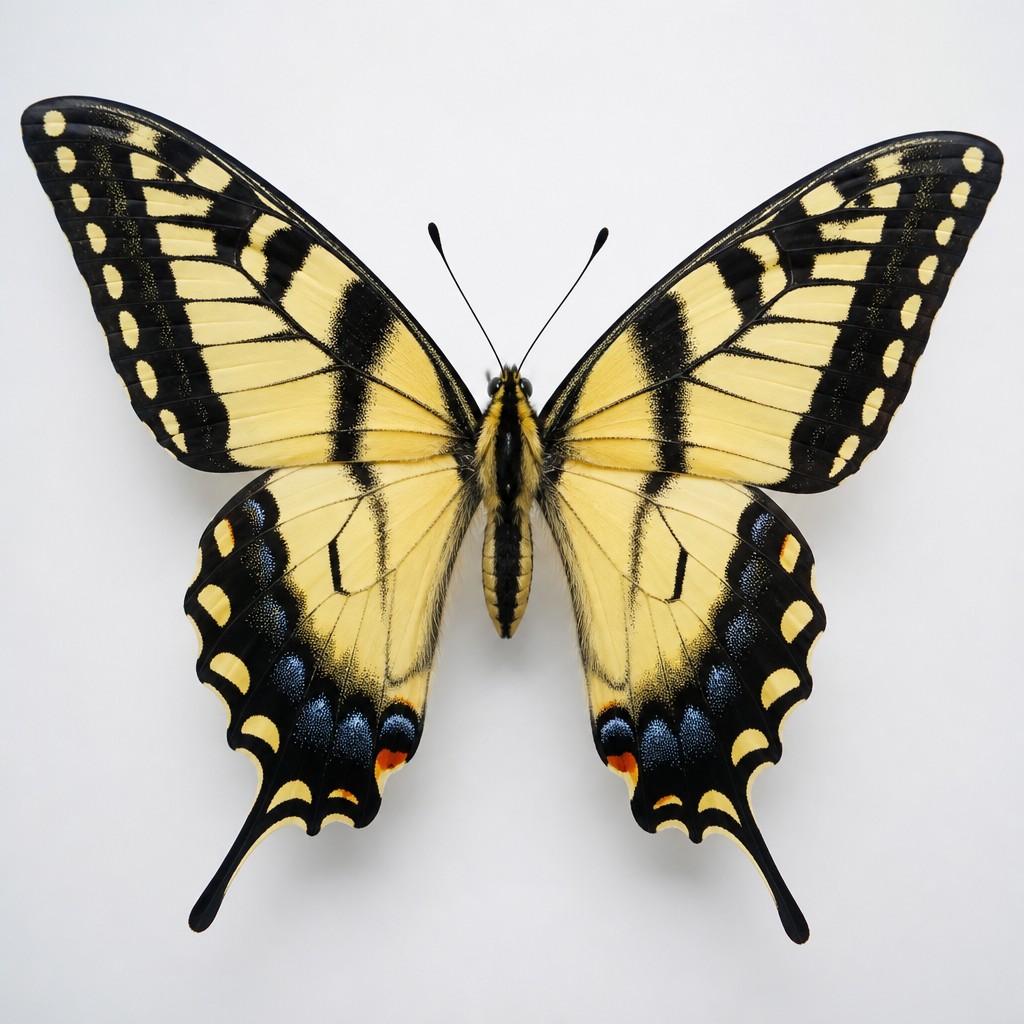
Swallowtail Butterfly
A large, showy butterfly named for the elongated, tail-like extensions on its hindwings, often seen gliding gracefully around gardens and flowering meadows.
butterfly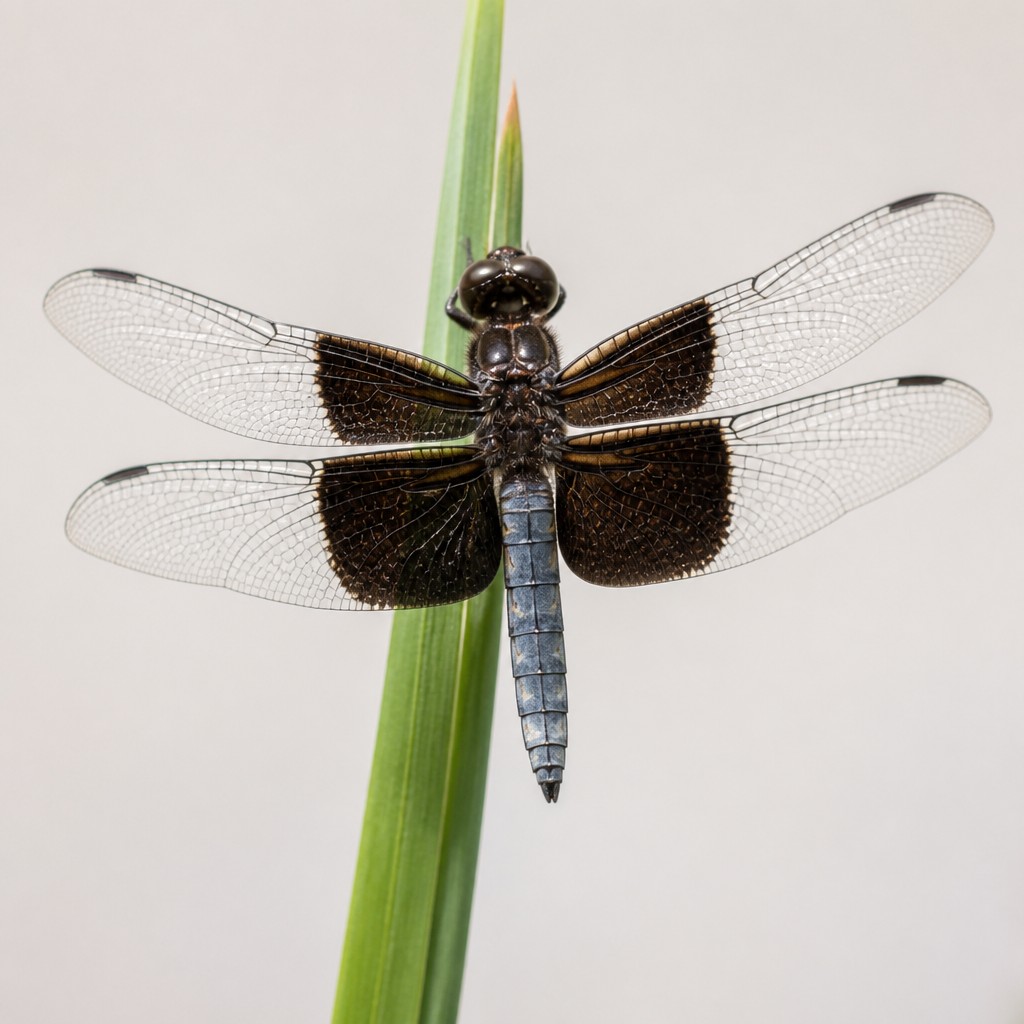
Widow Skimmer
A medium-sized dragonfly named for the broad, dark mourning-veil-like patches at the base of its wings, seen perched on shoreline vegetation across much of North America.
dragonfly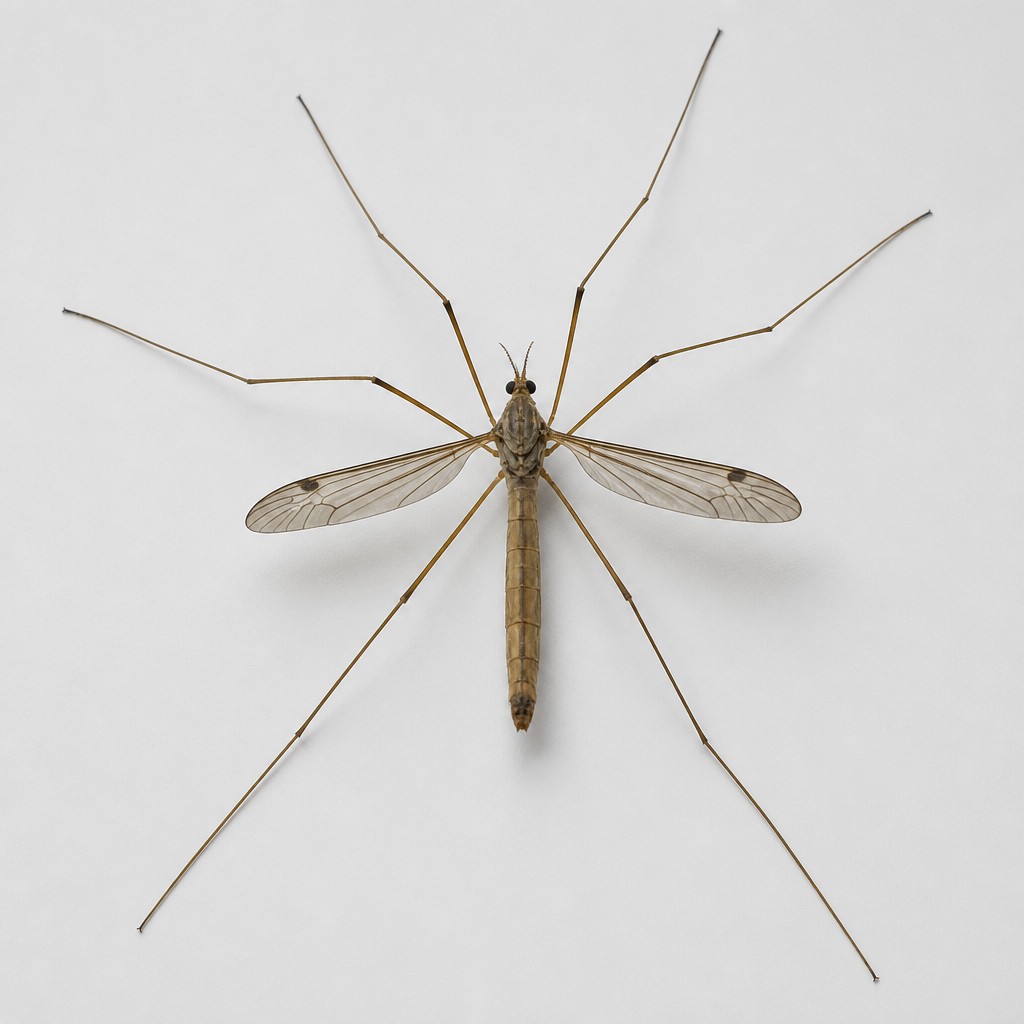
Crane Fly
A long-legged, mosquito-like fly with a slender tan or gray body and a single pair of narrow wings, often seen wobbling clumsily around outdoor lights on summer evenings.
fly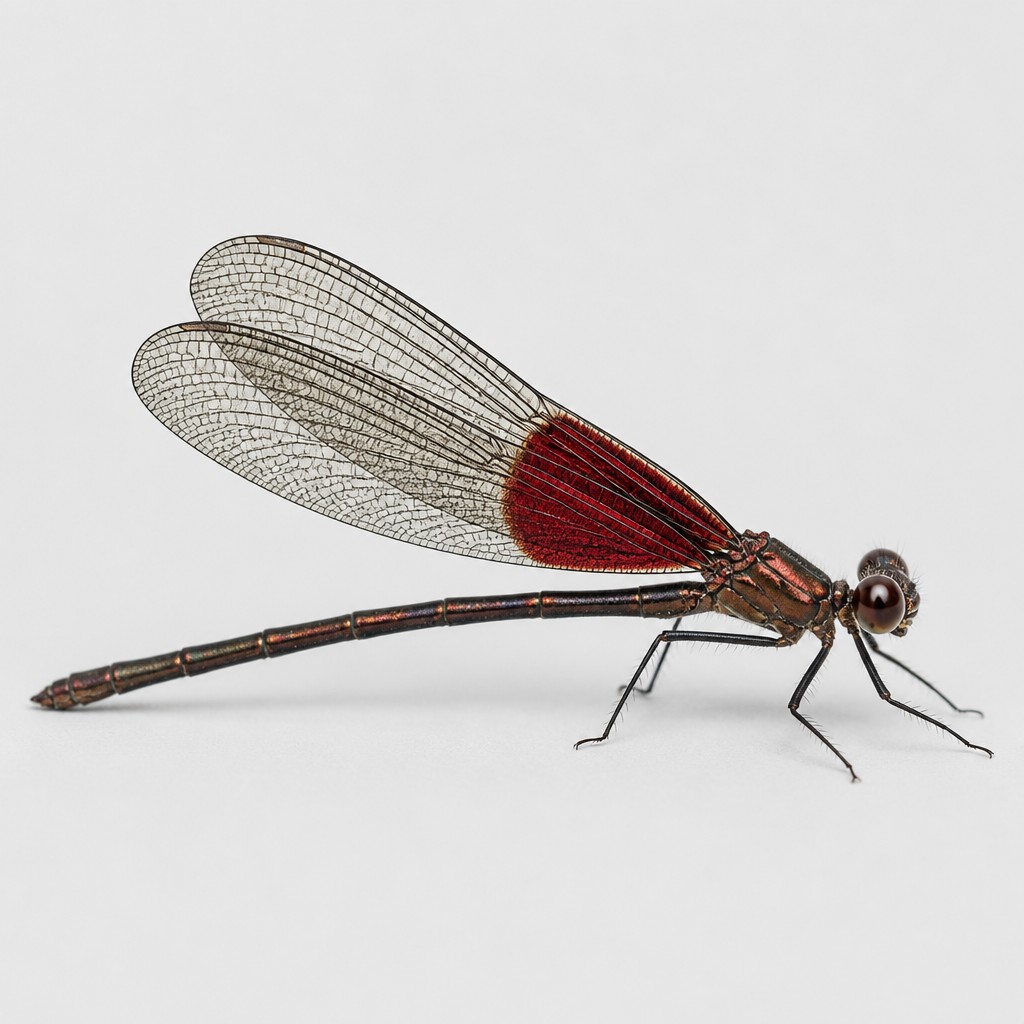
American Rubyspot
A brilliant ruby-red patch at the base of each wing gives this sun-loving damselfly its name, flashing like a spark of color as it perches along fast-flowing rivers.
other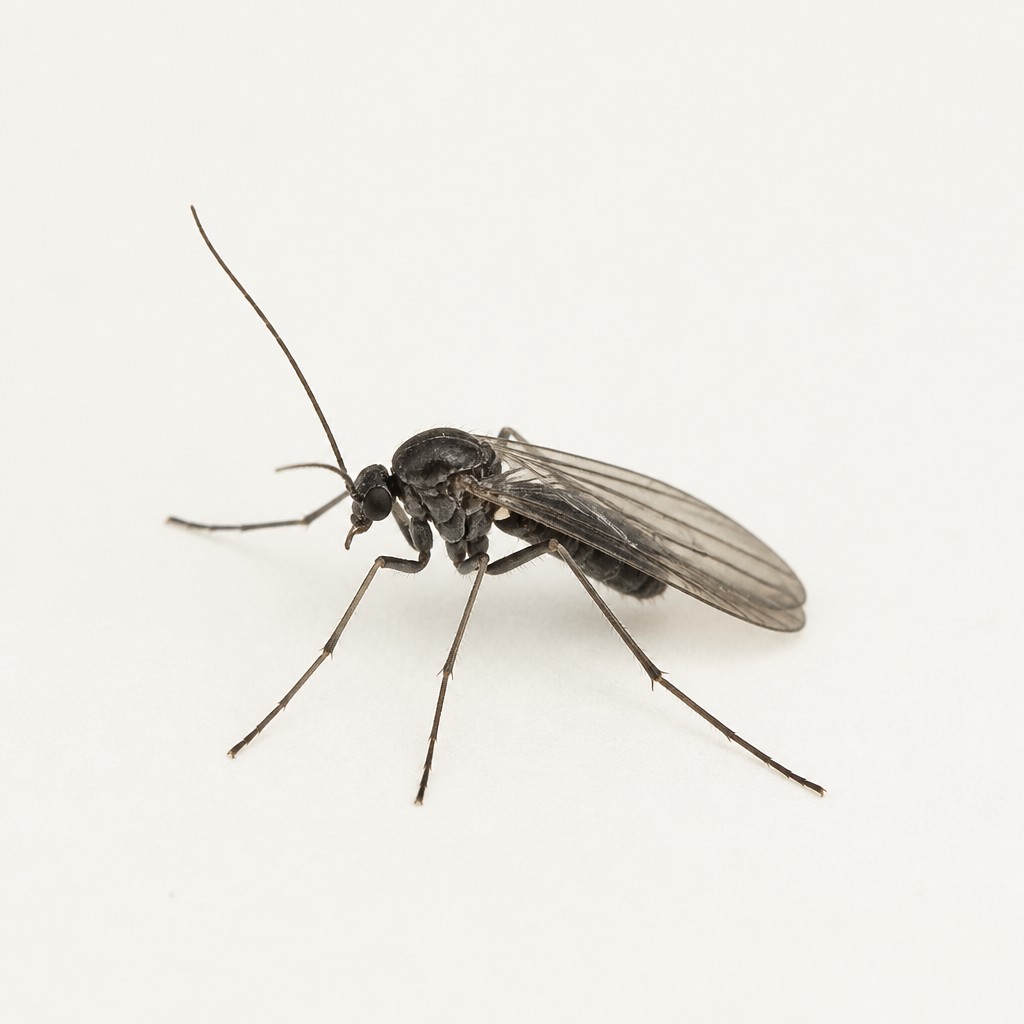
Fungus Gnat
A small, dark, mosquito-like fly with long legs and delicate smoky wings, often seen weakly fluttering around houseplants or crawling across damp potting soil.
fly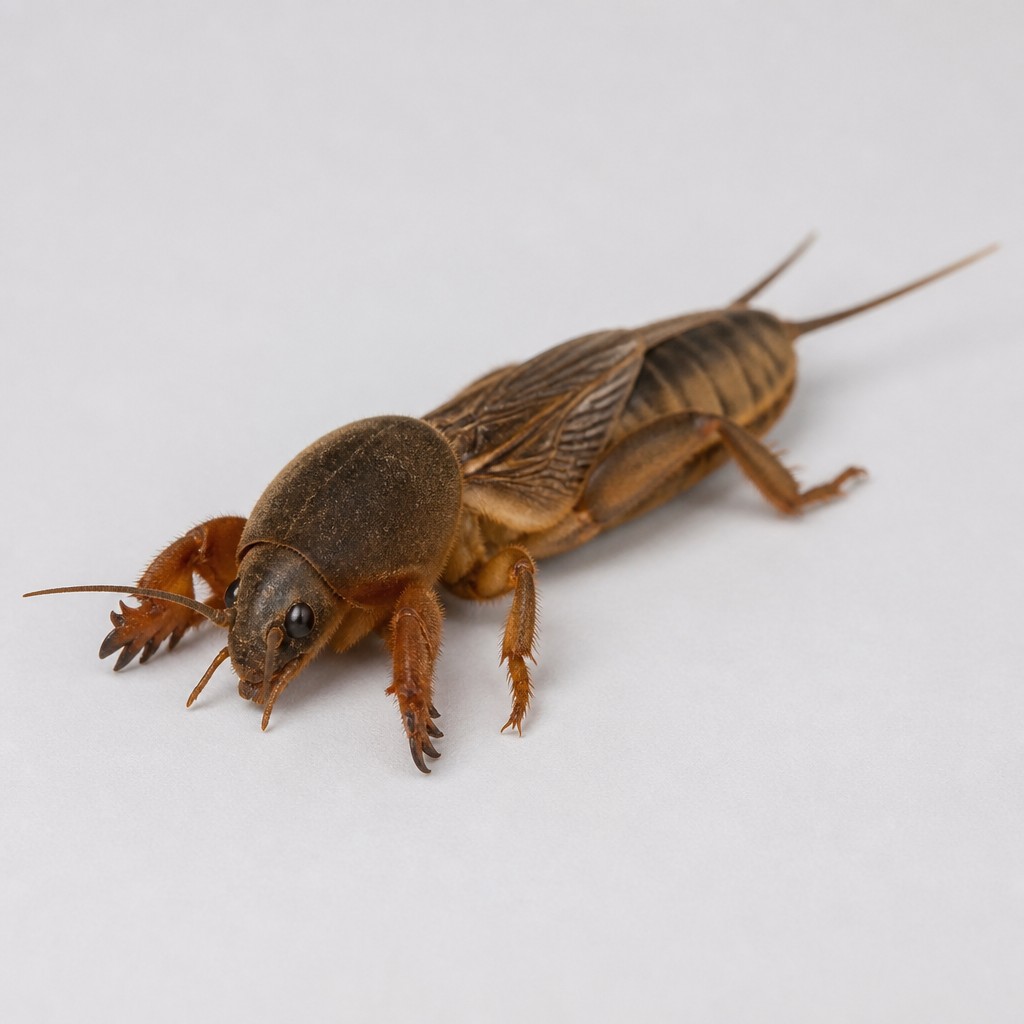
Northern Mole Cricket
A stout, velvety brown cricket with shovel-like front legs built for tunneling through damp soil, more often heard as a low buzzing trill at night than seen above ground.
grasshopper-cricket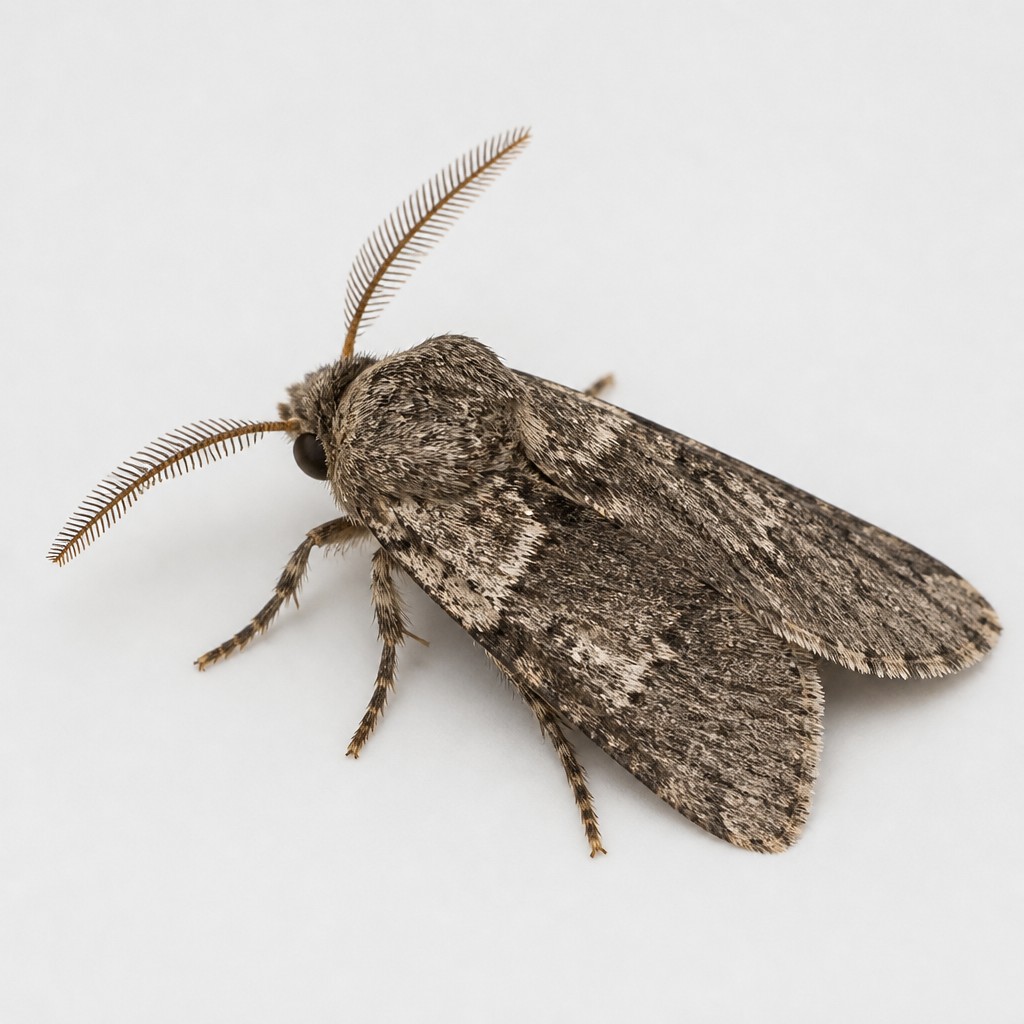
Tussock Moth
A moth with a striking split lifestyle: winged, drab gray-brown males fly to seek out flightless, grub-like females, while the ornate caterpillars sport dense tufts of colorful bristly hair.
moth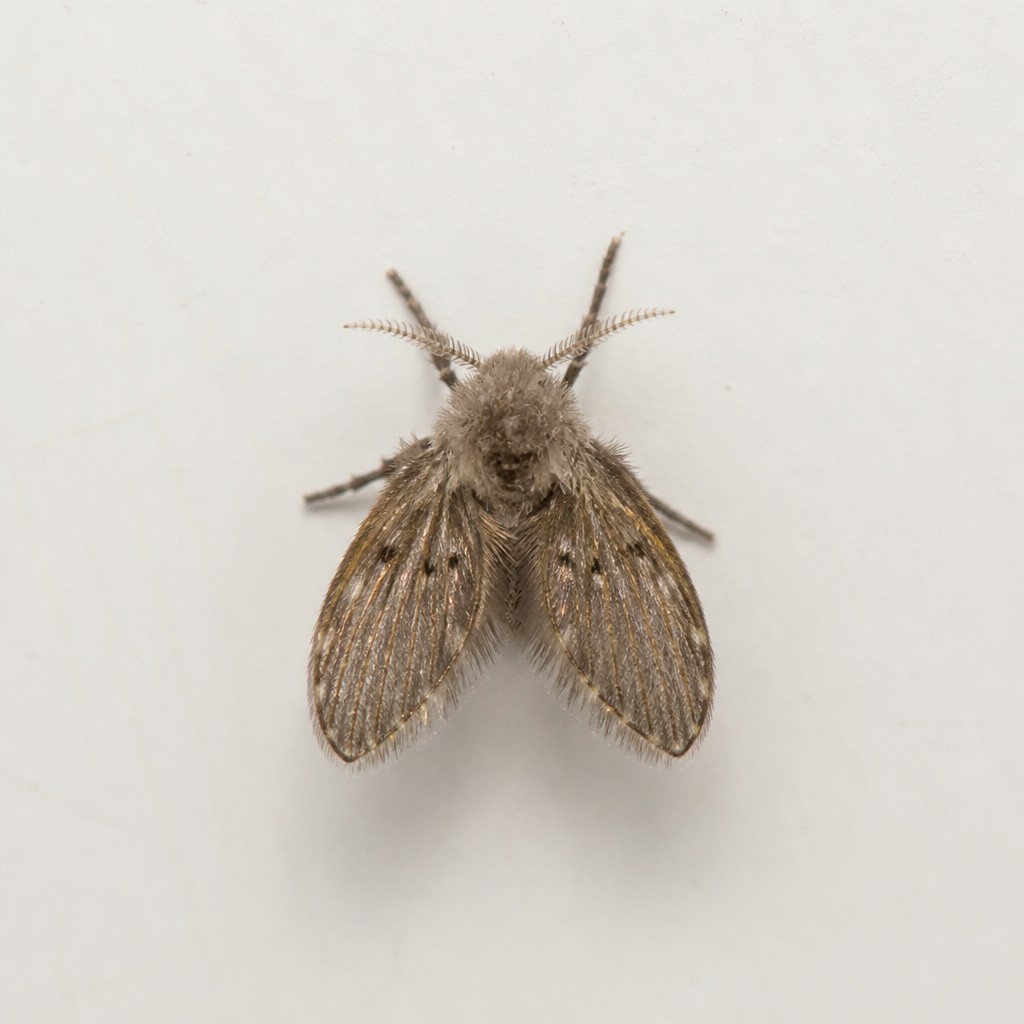
Drain Fly
A tiny, fuzzy gray-tan fly with broad, moth-like wings held tent-fashion over its body, often seen resting motionless on bathroom walls near drains.
fly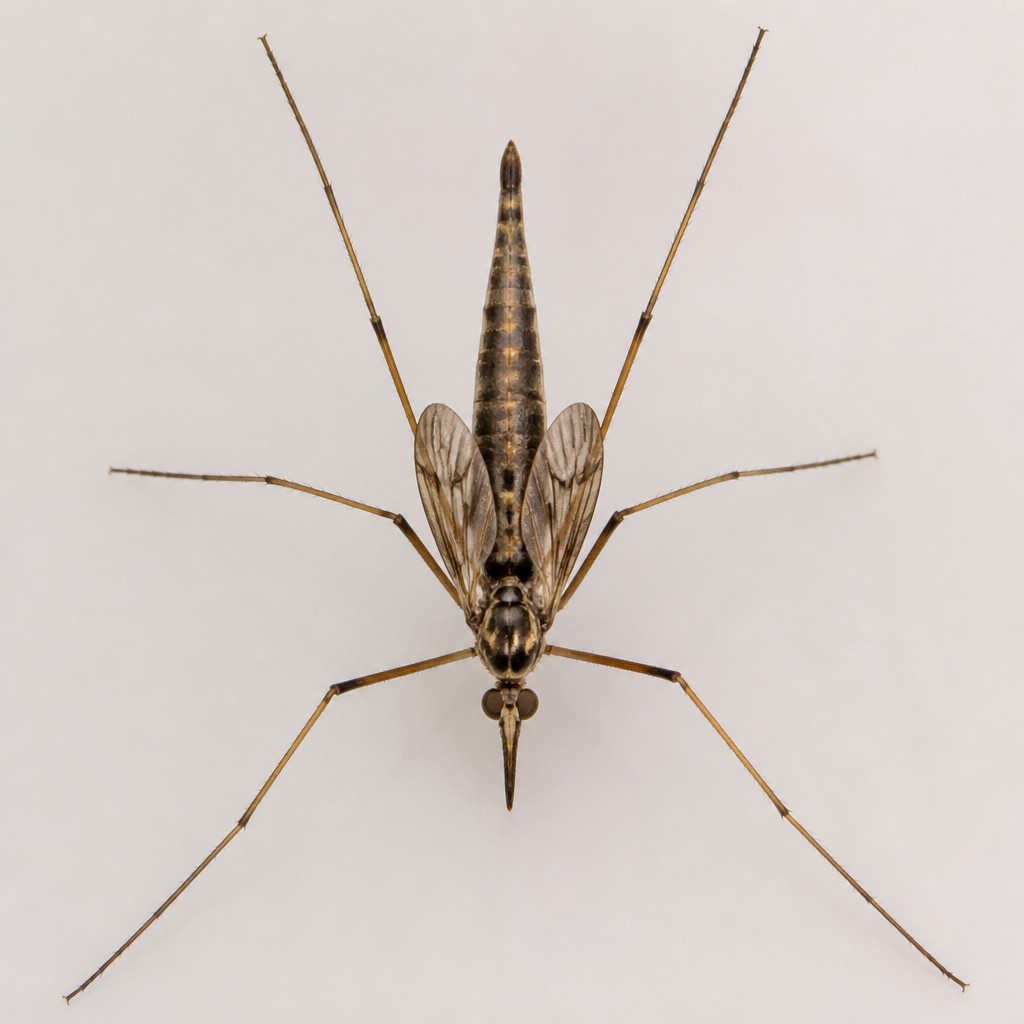
Snipe Fly
A slender, long-legged fly often seen perched head-down on a sunny tree trunk or fence post, patiently watching for smaller insects to ambush. Its tapered, wasp-like abdomen and habit of resting motionless with legs splayed give it a distinctive, almost sentry-like posture in woodland clearings.
fly