
Bug Encyclopedia
Search and identify bugs & insects — beetles, butterflies, moths, ants, bees, spiders and more — with size, habitat, danger, behavior, and how to tell them apart.
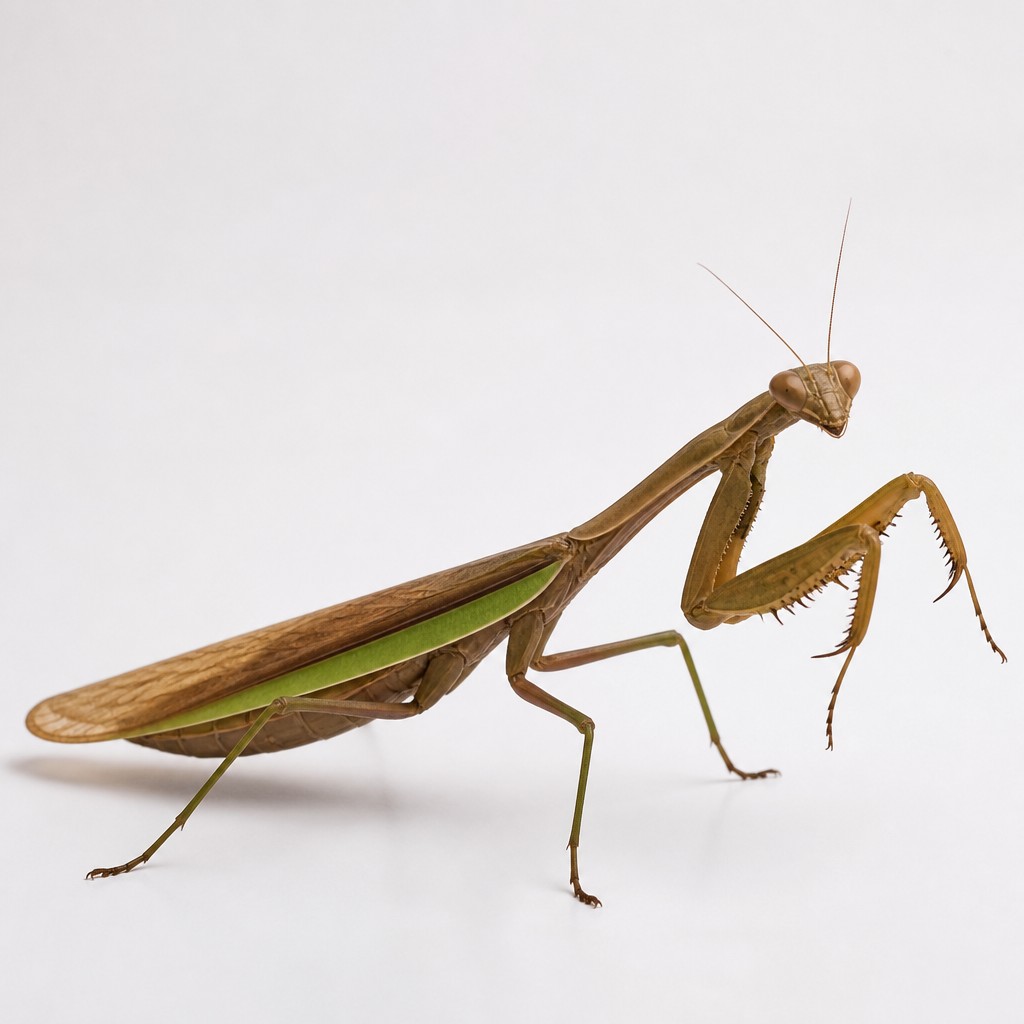
Chinese Mantis
One of the largest praying mantises found in North America, an introduced species with a lean brown-and-green body and grasping spined forelegs built for ambushing insect prey.
mantis-stick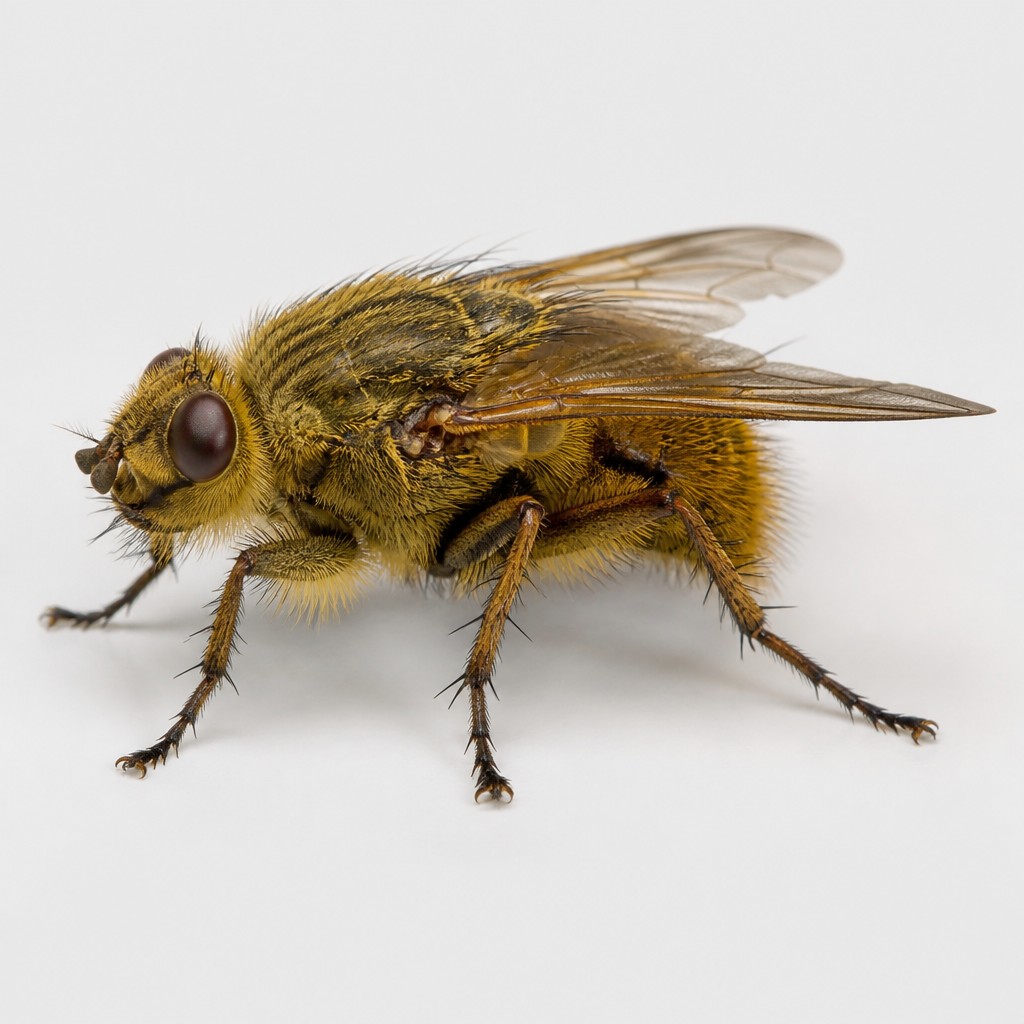
Dung Fly
A hairy, often golden-hued fly commonly seen perched on fresh manure in pastures, where it hunts smaller insects as an adult while its larvae develop within the dung itself.
fly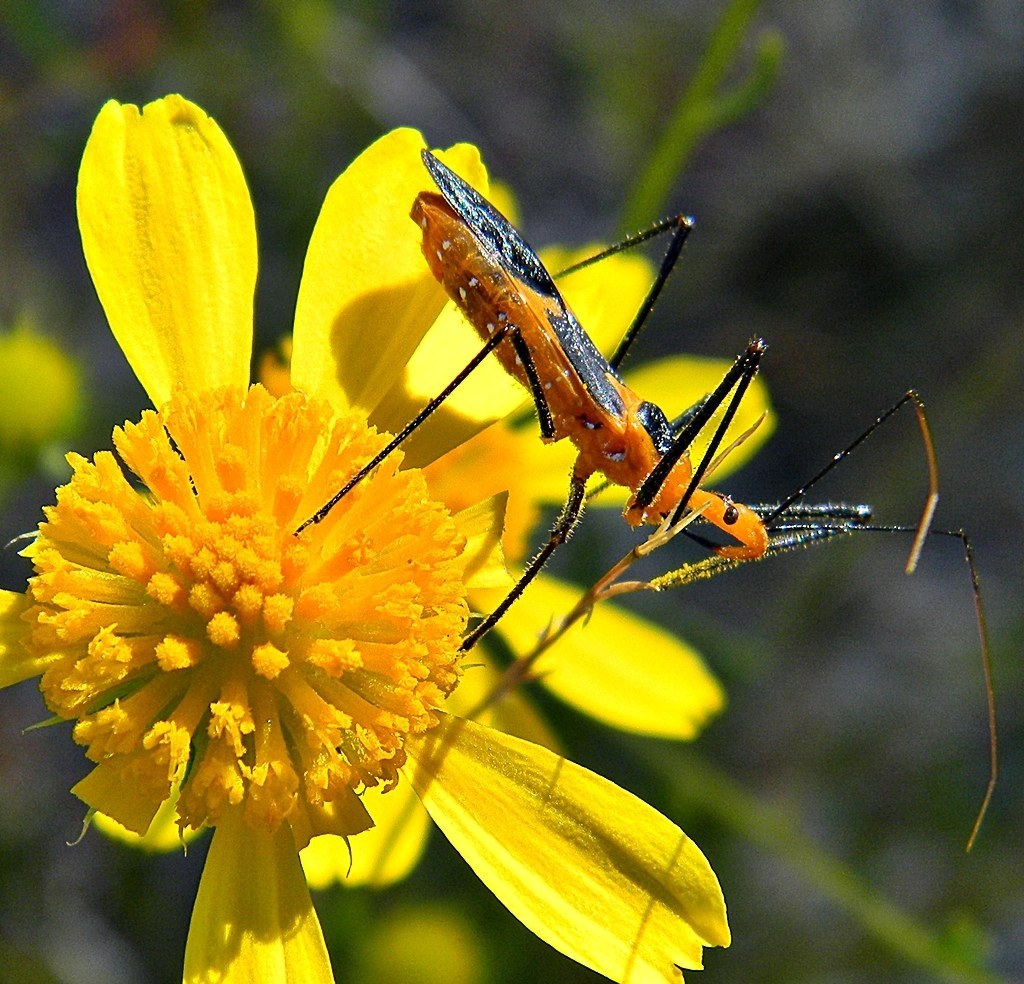
Assassin Bug
A slender, long-legged predatory true bug with a curved, needle-like beak used to ambush and pierce other insects, often patterned in bold orange, black, or red warning colors.
true-bug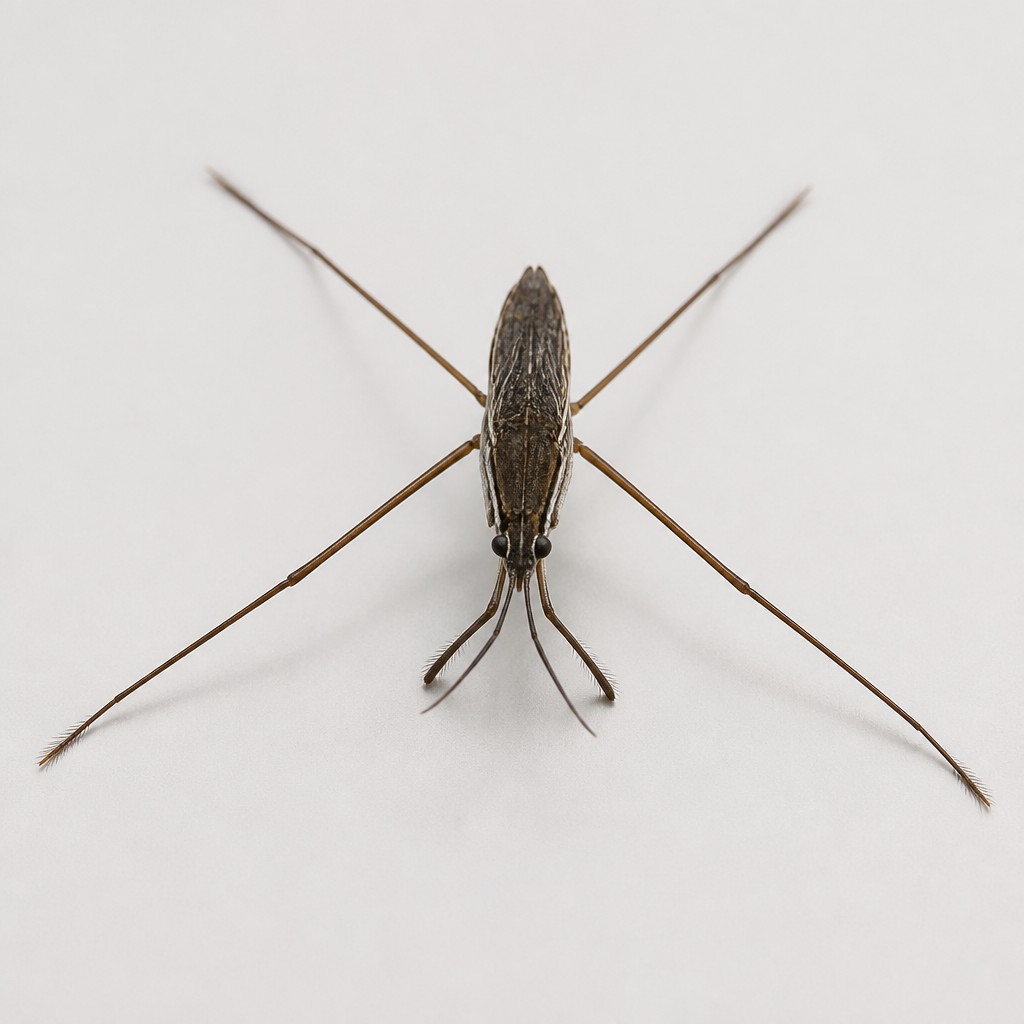
Common Water Strider
Skating effortlessly across the surface film of ponds and slow streams, the common water strider rows itself along on hair-fringed legs to ambush insects trapped in the surface tension.
true-bug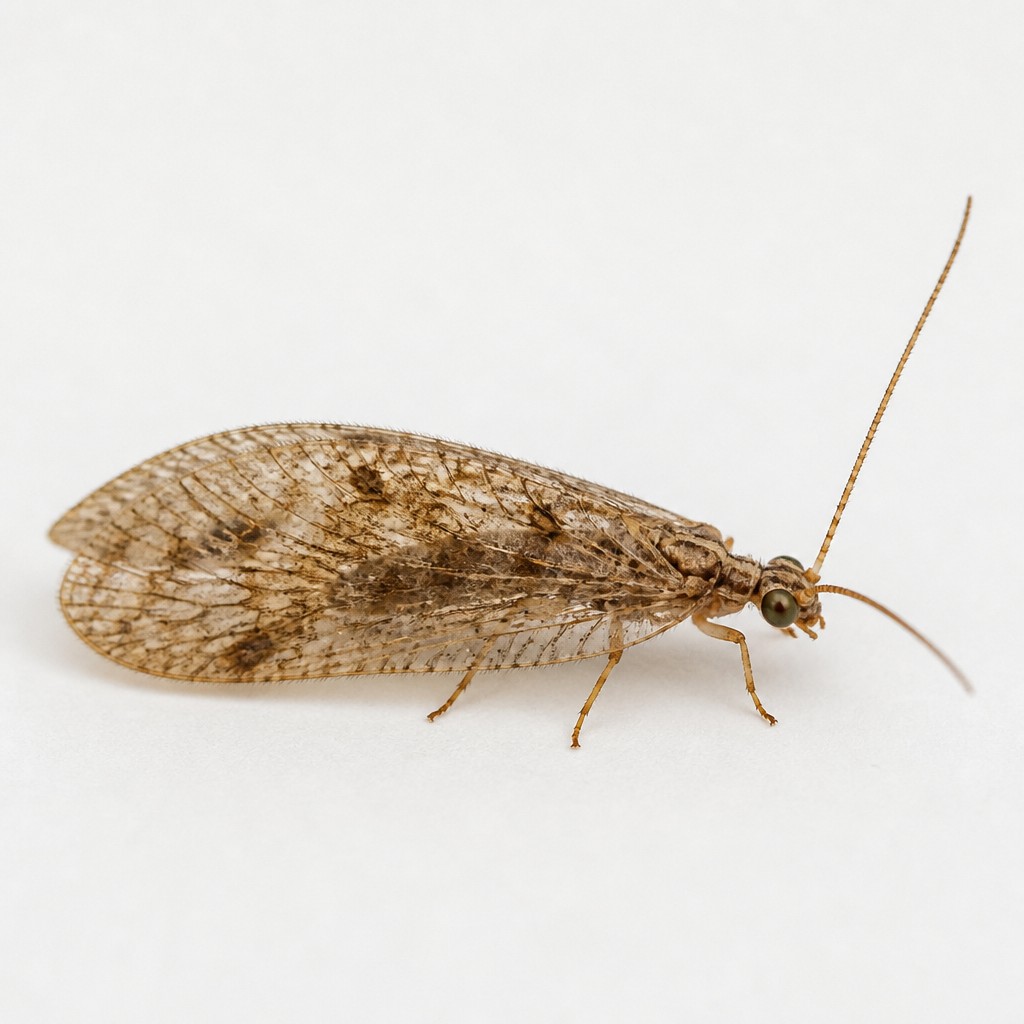
Brown Lacewing
Smaller and less conspicuous than its green relatives, the Brown Lacewing is a subtle but effective predator of aphids and other tiny insects in gardens, forests, and orchards.
other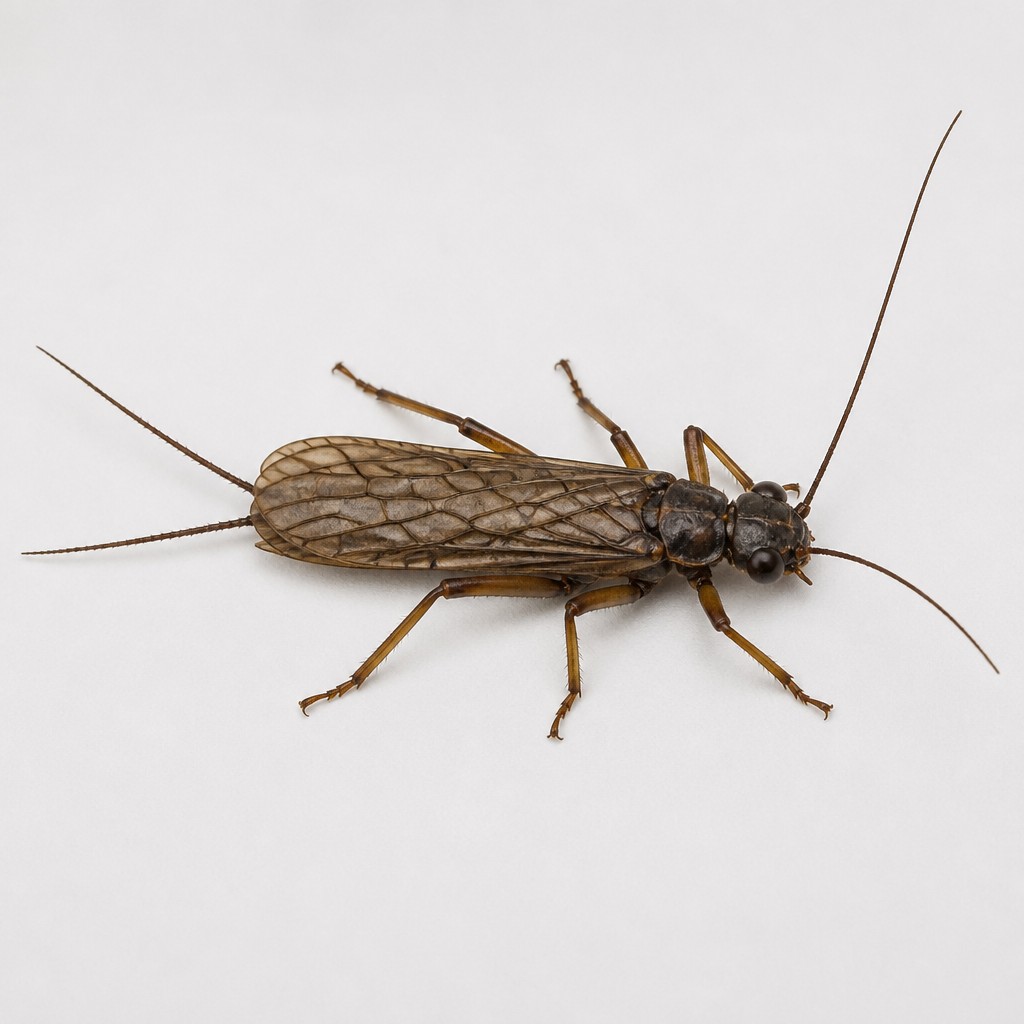
Stonefly
A flattened, drab-winged insect whose nymphs are among the most reliable living indicators of pristine, well-oxygenated stream water.
aquatic-insect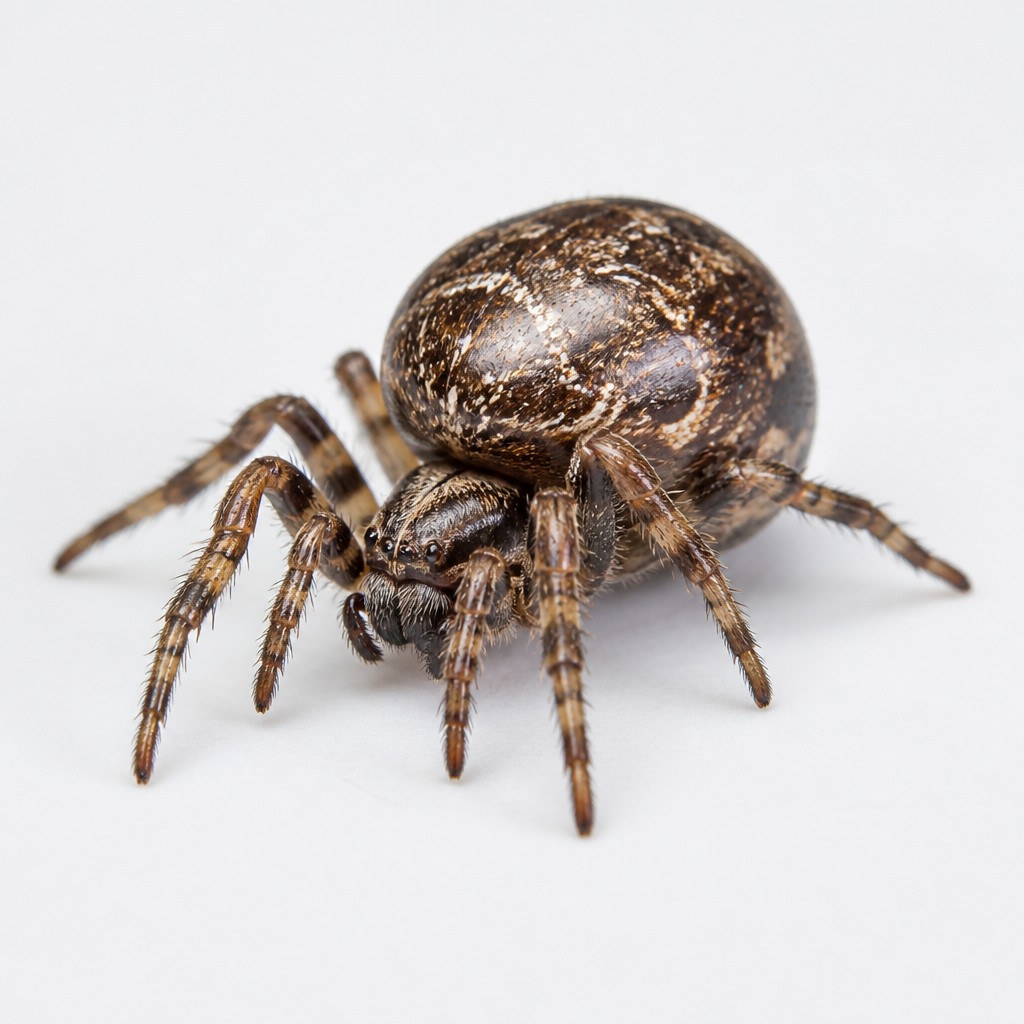
Cobweb Spider
A common household spider that spins a messy, three-dimensional tangle of silk in dark corners and drags entangled insects up into the maze to feed.
spider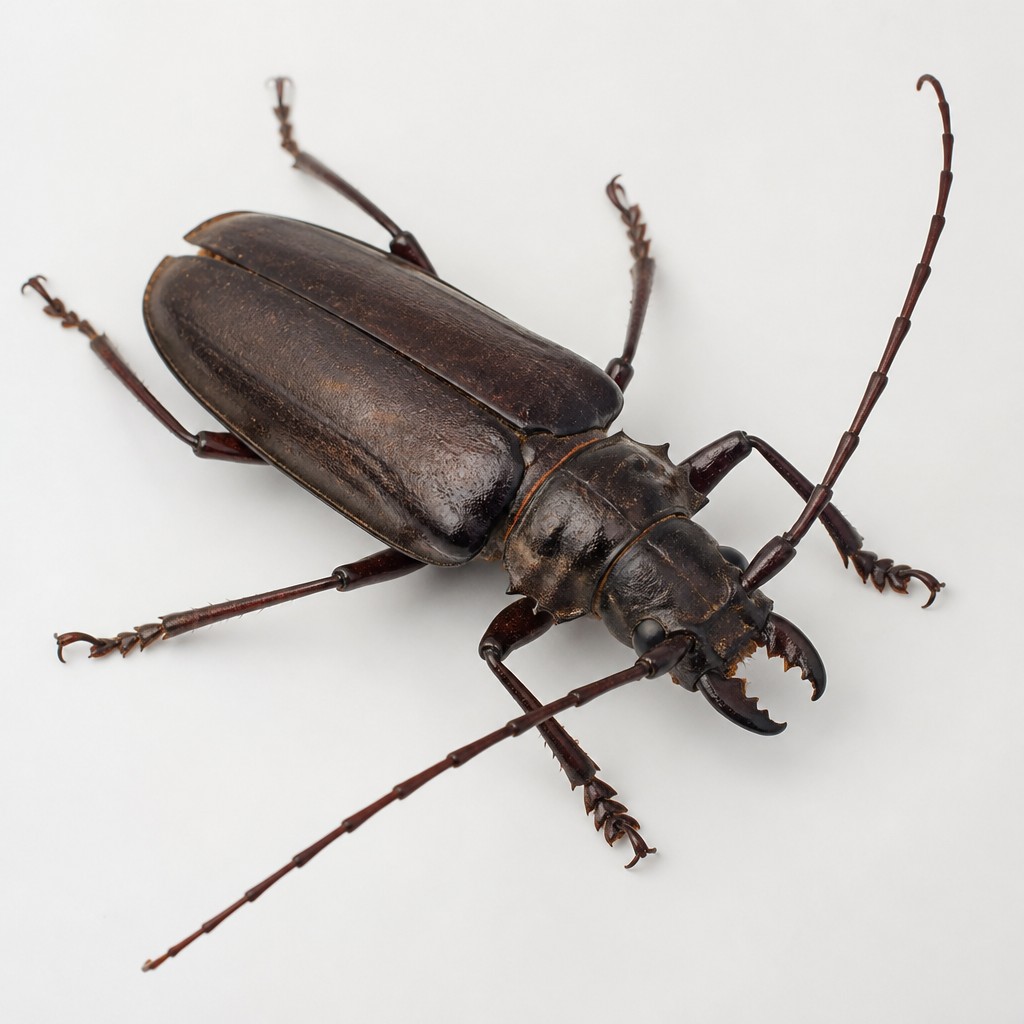
Titan Beetle
One of the largest insects on Earth, the titan beetle is a colossal longhorn from the Amazon whose body can exceed 16 cm. Its powerful jaws and loud hiss make it an imposing rainforest giant.
beetle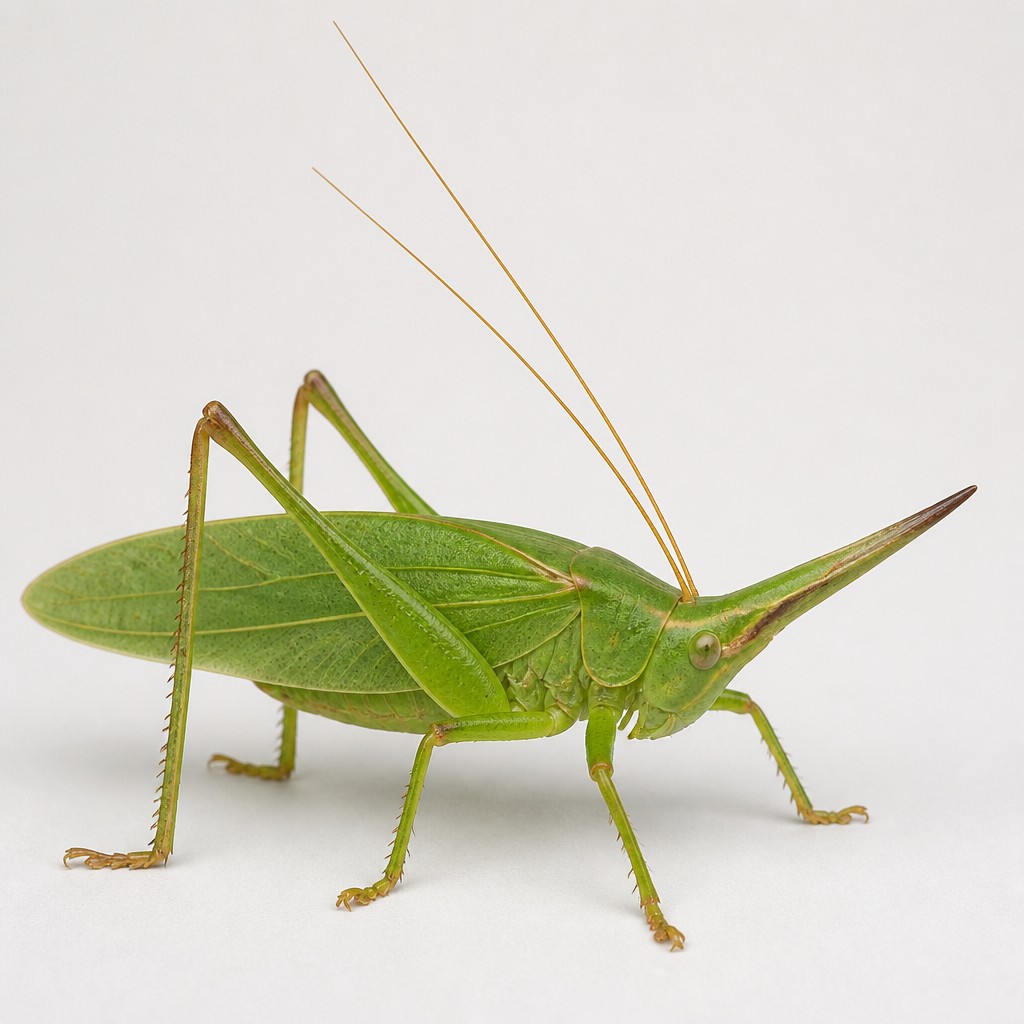
Cone-headed Katydid
A large, grass-colored katydid named for its sharply pointed, cone-shaped head, best known for producing some of the loudest, most sustained buzzing calls of any North American insect.
grasshopper-cricket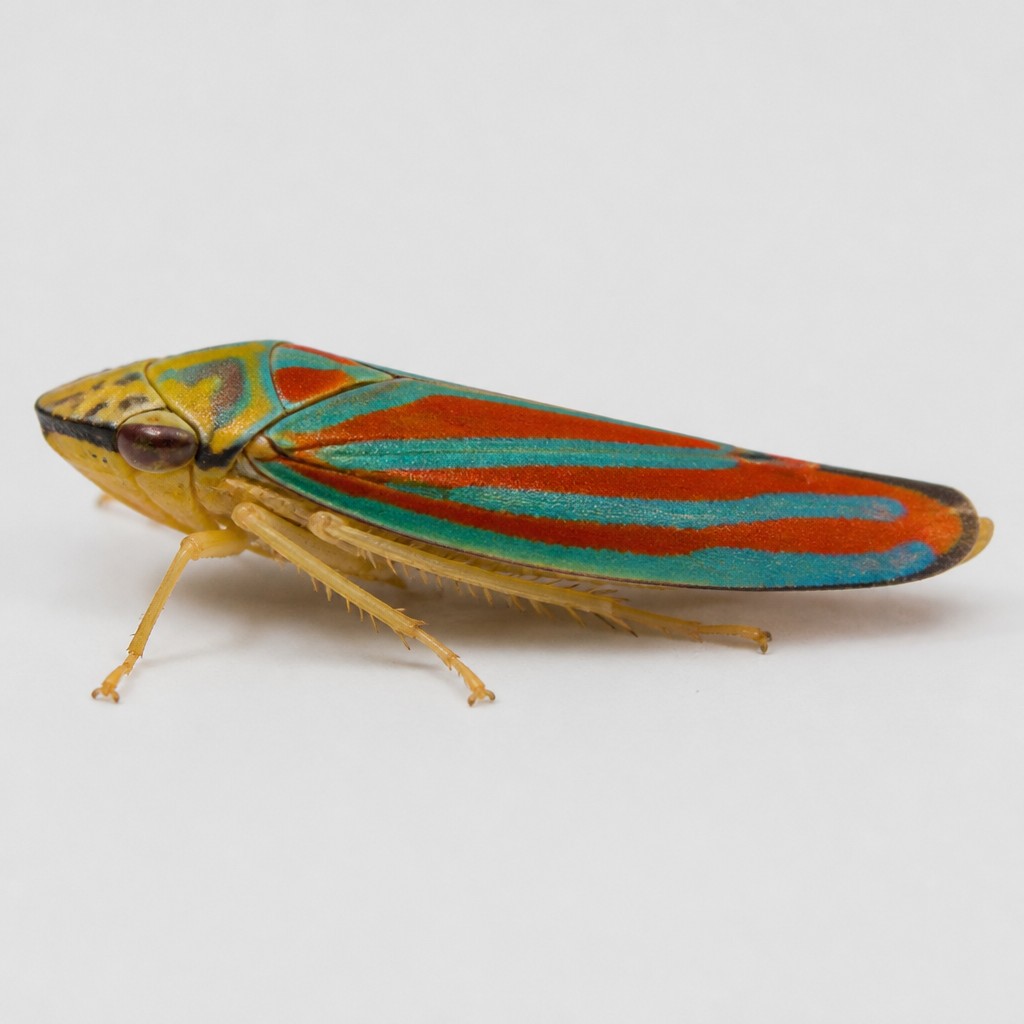
Leafhopper
A small, wedge-shaped insect that darts sideways and springs away in quick hops when disturbed, often brightly striped or patterned and found clinging to the underside of leaves.
true-bug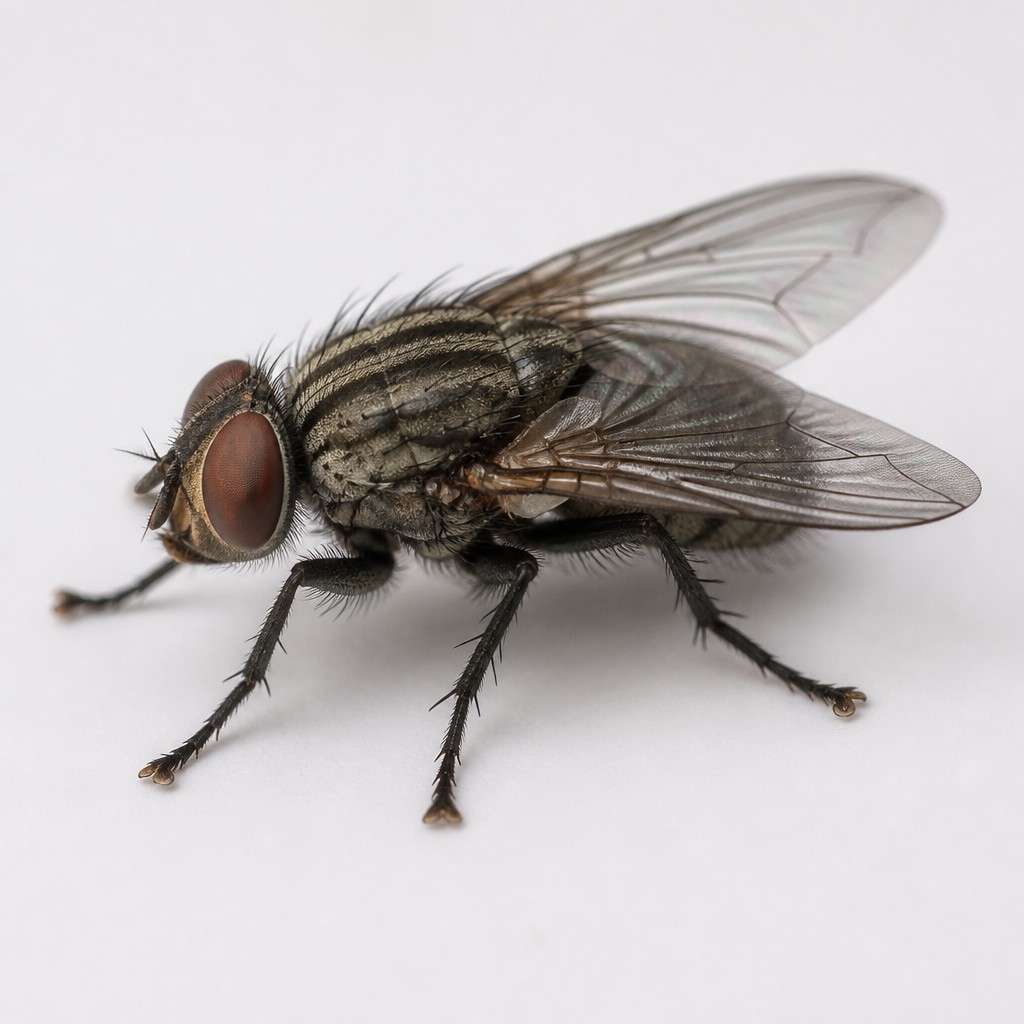
Common House Fly
A dull gray fly with four dark stripes down its back, the house fly is one of the most familiar insects on Earth, following people and their food waste to every continent.
fly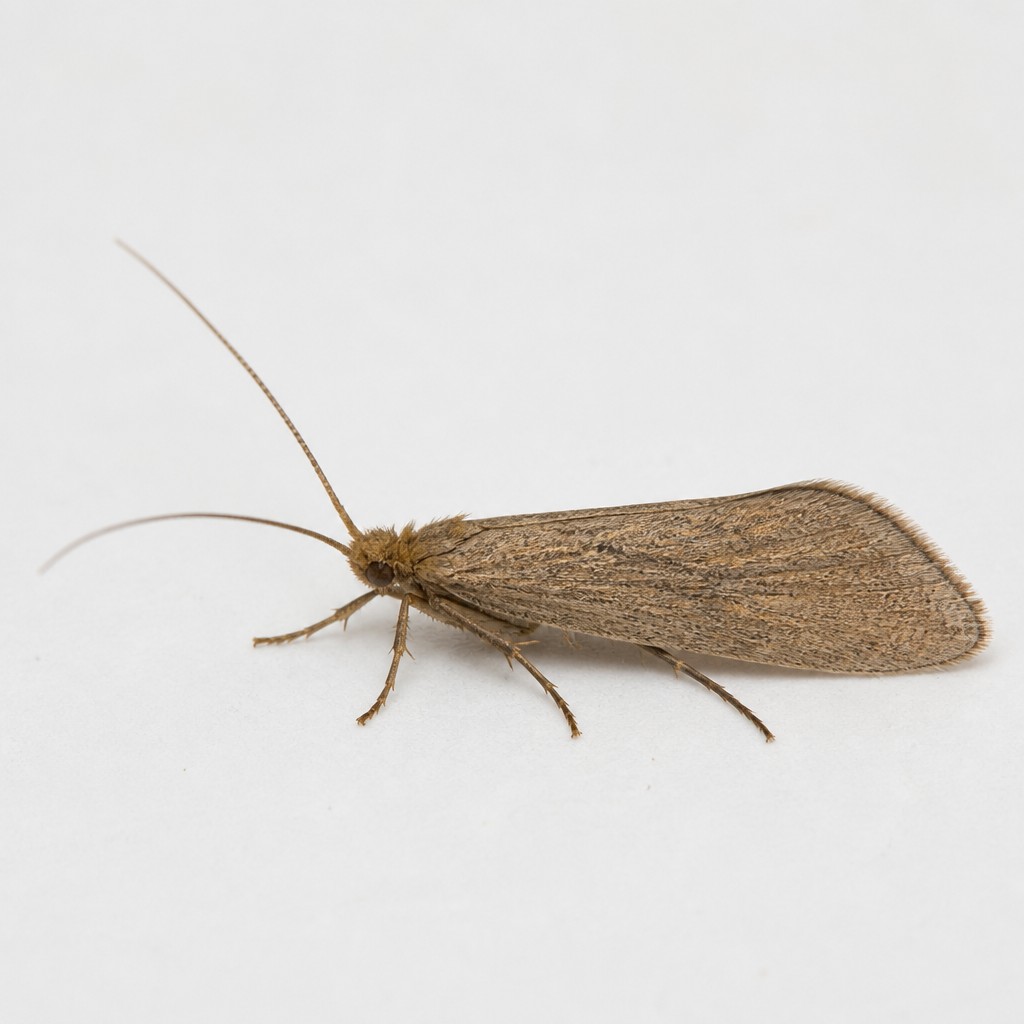
Caddisfly
A moth-like insect whose larvae are famous for constructing portable protective cases out of silk and whatever sand, twigs, or debris they can find.
aquatic-insect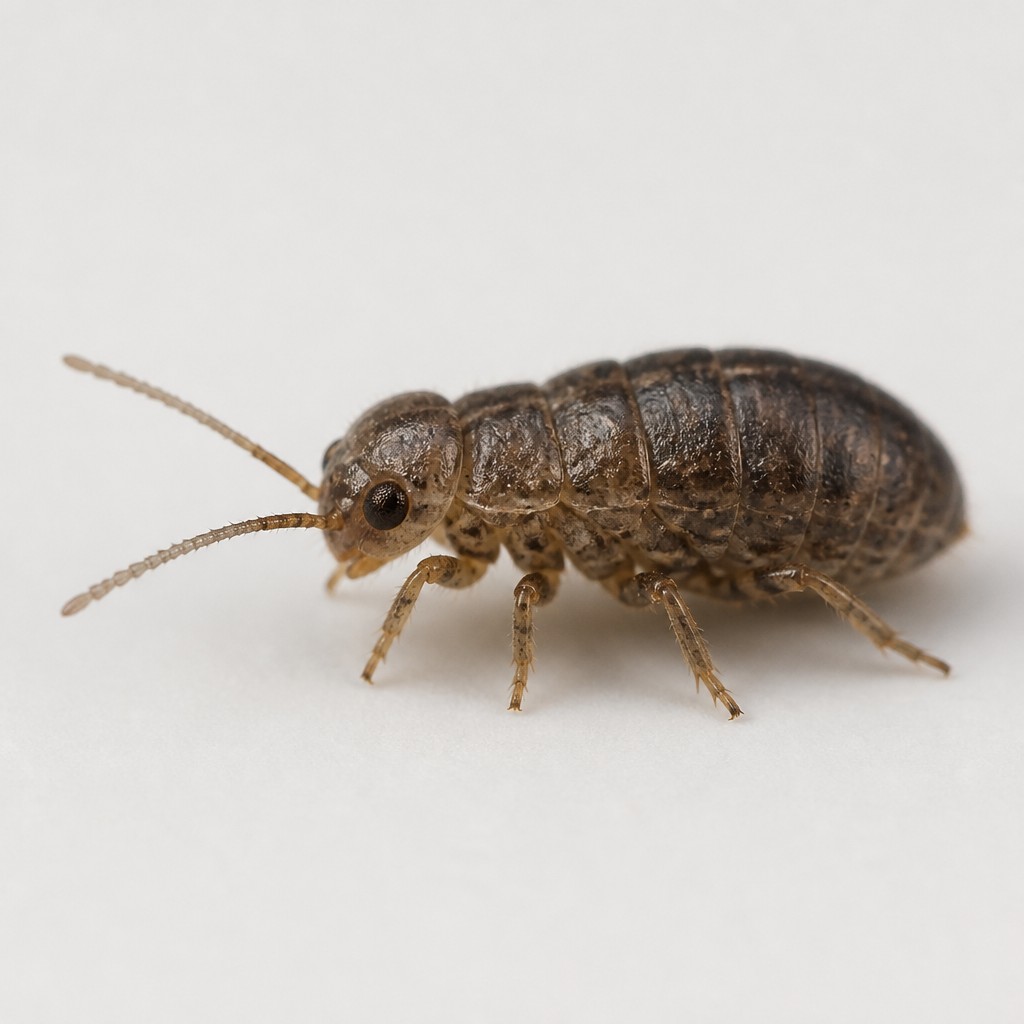
Bark Louse
A small, soft-bodied insect often seen in dense, moving herds on tree trunks, the bark louse grazes on algae, lichen, and fungal residue coating bark surfaces.
other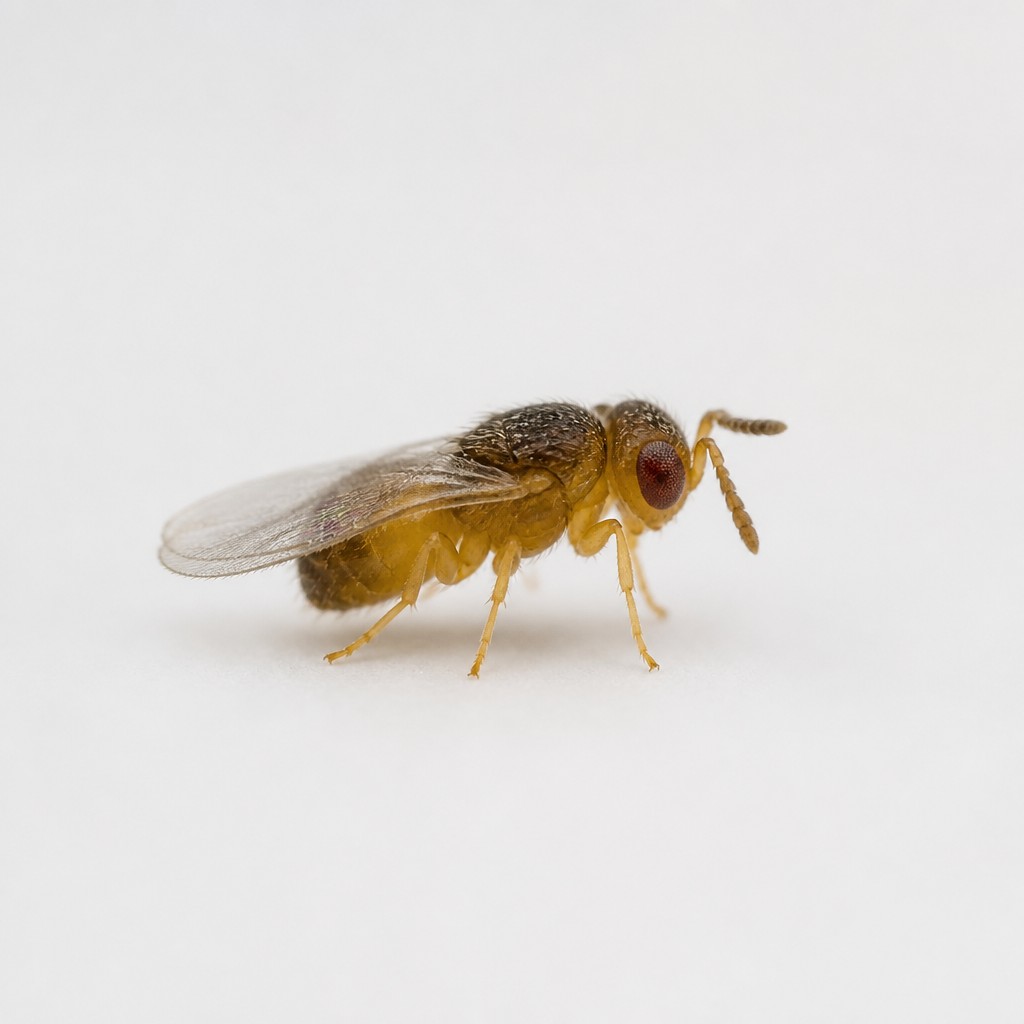
Trichogramma Wasp
Barely larger than a speck of dust, the trichogramma wasp is one of the tiniest insects known. These minute parasitoids lay their eggs inside the eggs of moths and butterflies.
wasp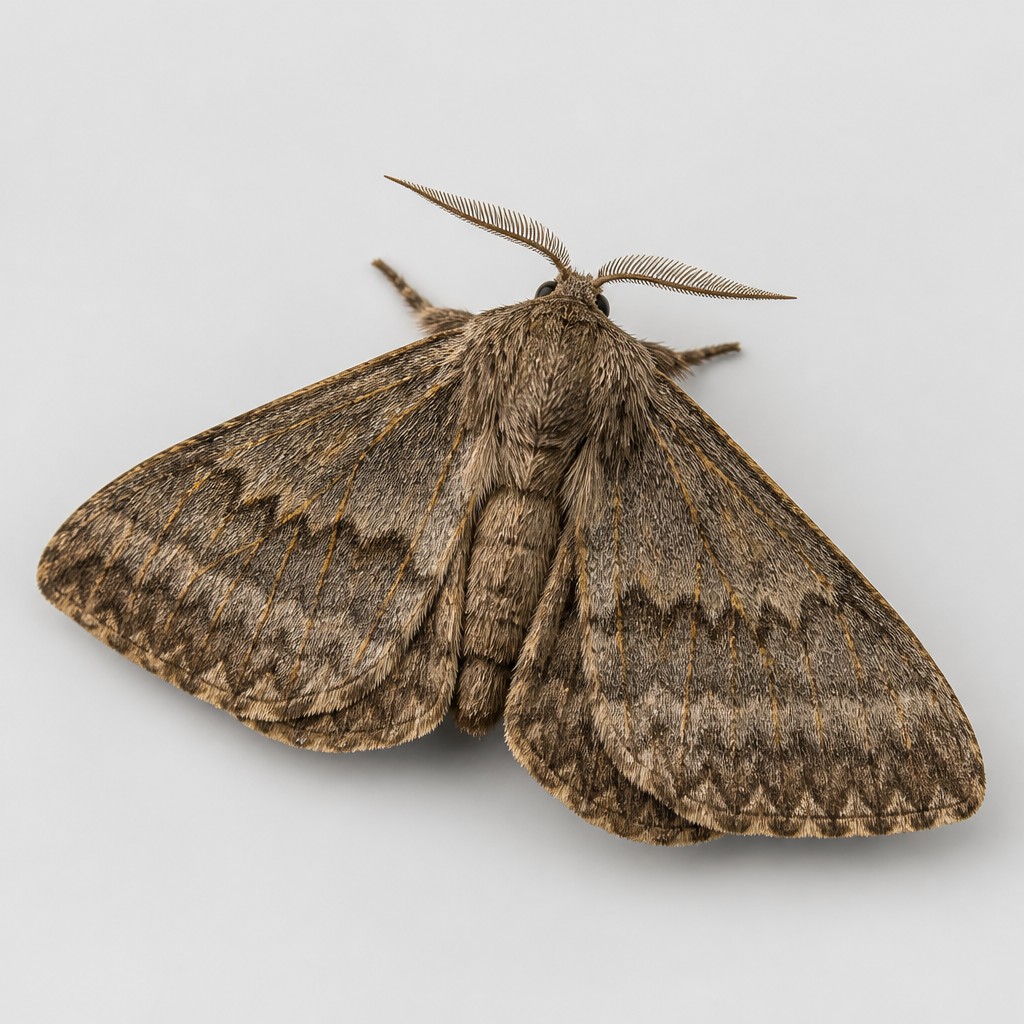
Moth
A broad group of scale-winged insects related to butterflies, typically nocturnal, with stout, often furry bodies and feathery or thread-like antennae.
moth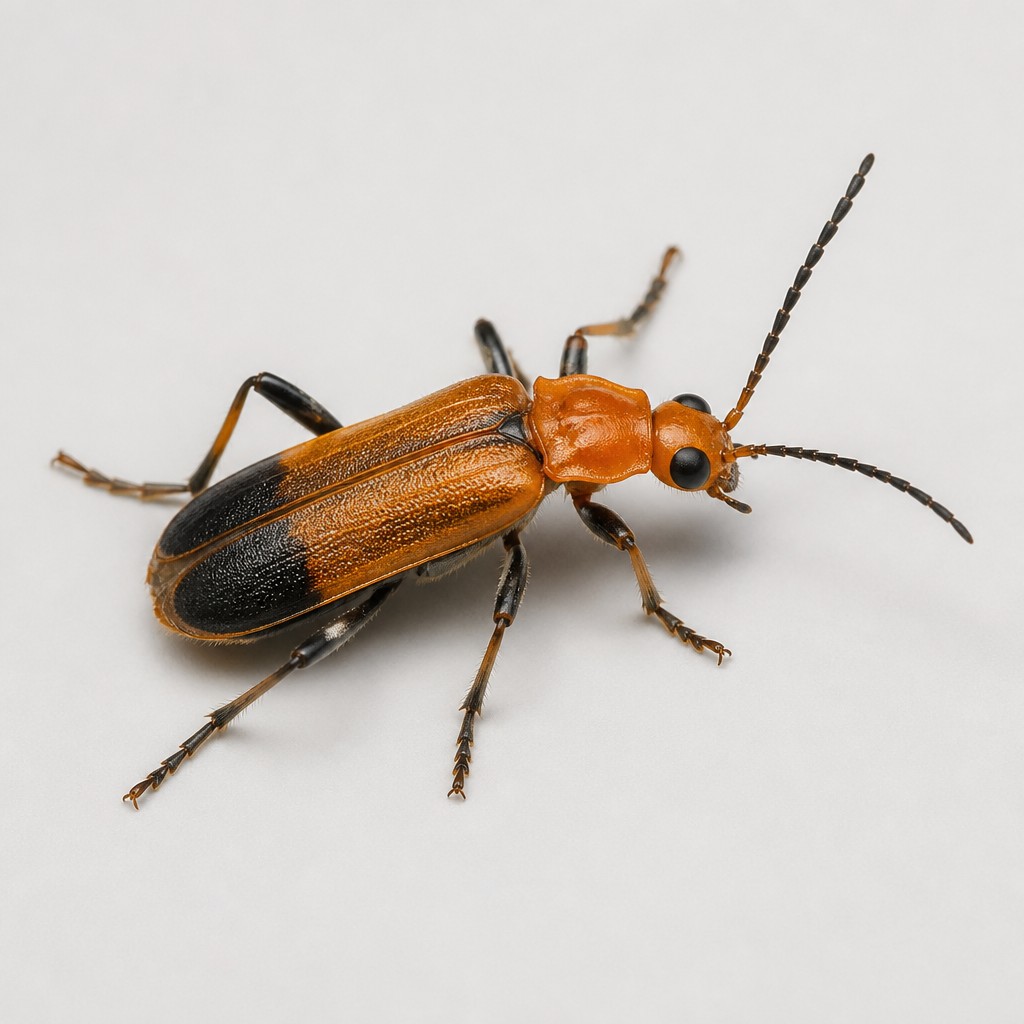
Soldier Beetle
A slender, soft-bodied beetle in orange and black or yellow and brown, often seen clustered on late-summer flowers where it feeds on pollen, nectar, and small insects.
beetle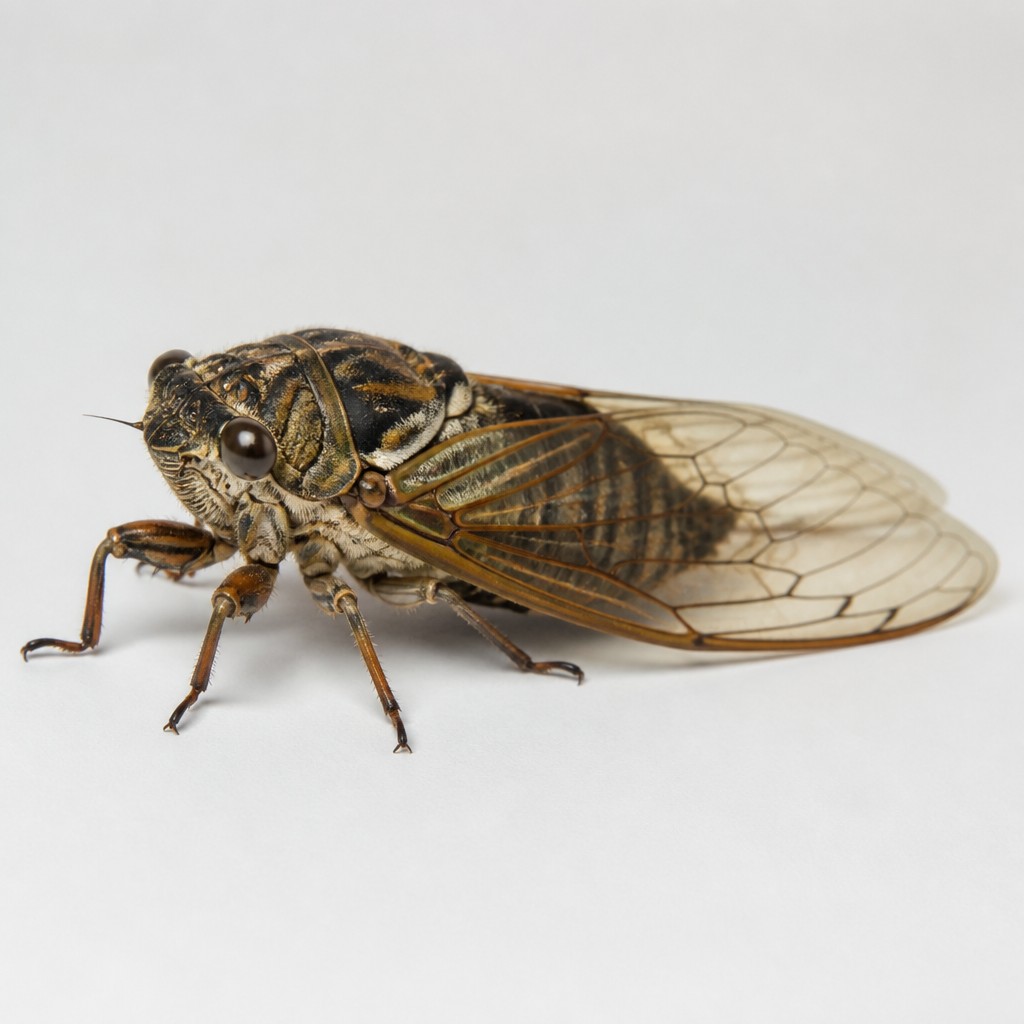
Cicada
A stout, big-eyed insect best known for the loud, buzzing chorus of song produced by males, and for periodical species that emerge from the ground by the millions after living underground for over a decade.
true-bug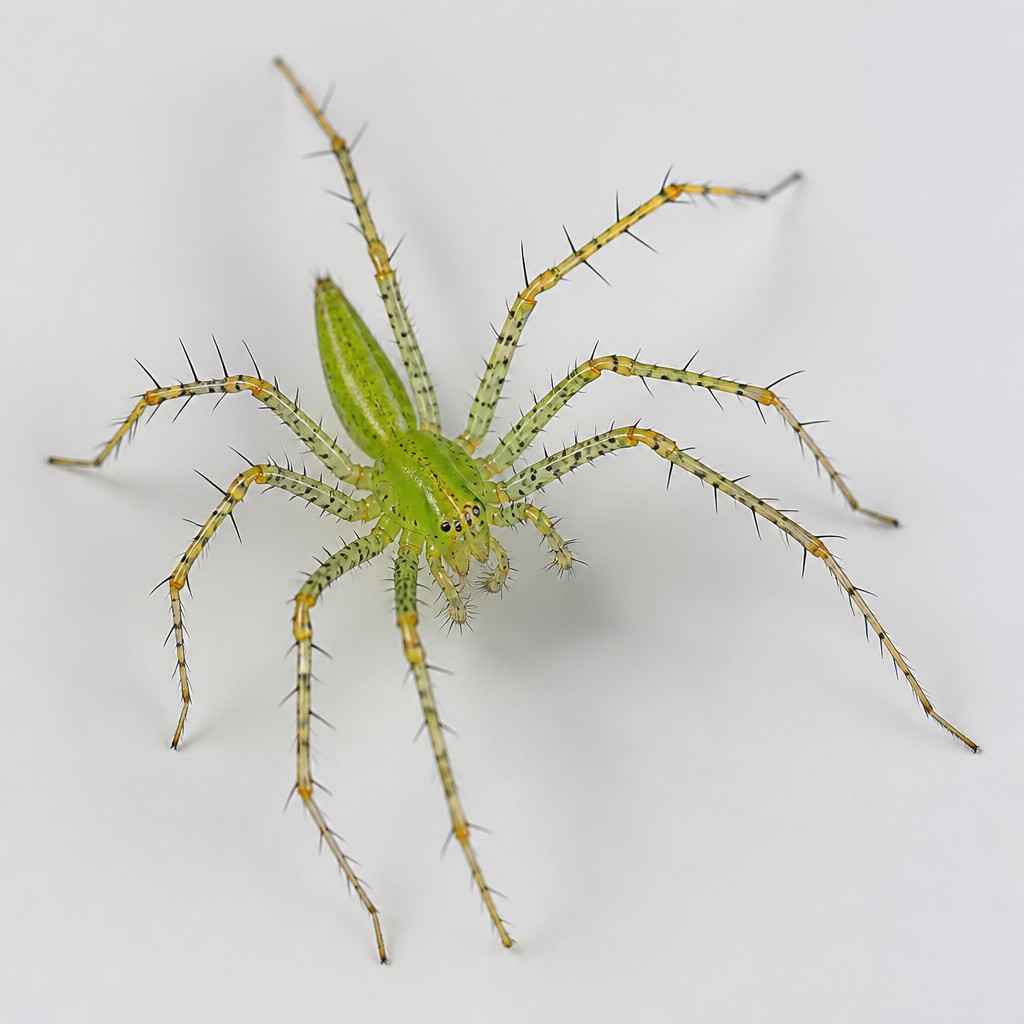
Green Lynx Spider
A slender, bright green spider armed with long spiny legs that ambushes insects from flowers and shrubs without spinning a capture web.
spider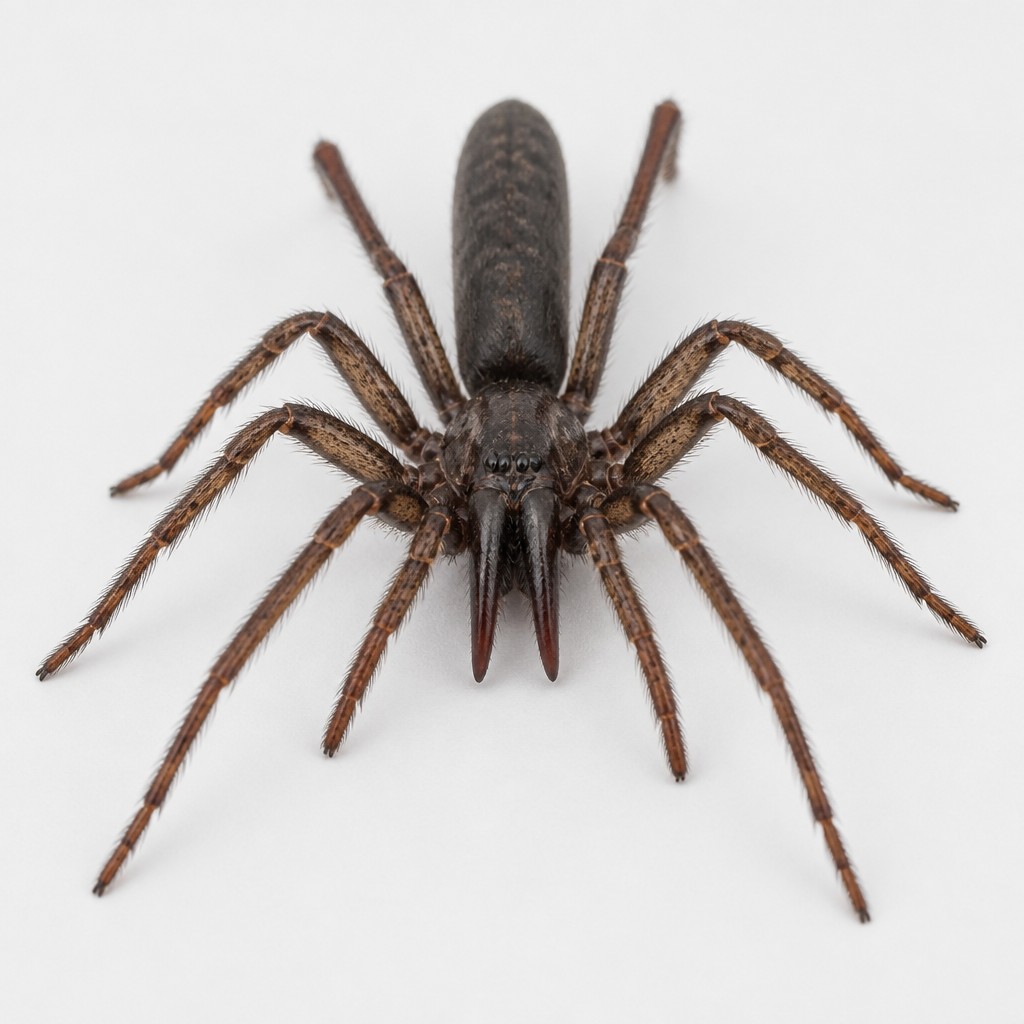
Tube Web Spider
A sleek, cylindrical spider that lives inside a silk-lined tube and dashes out to seize insects that stumble across its radiating trip-lines.
spider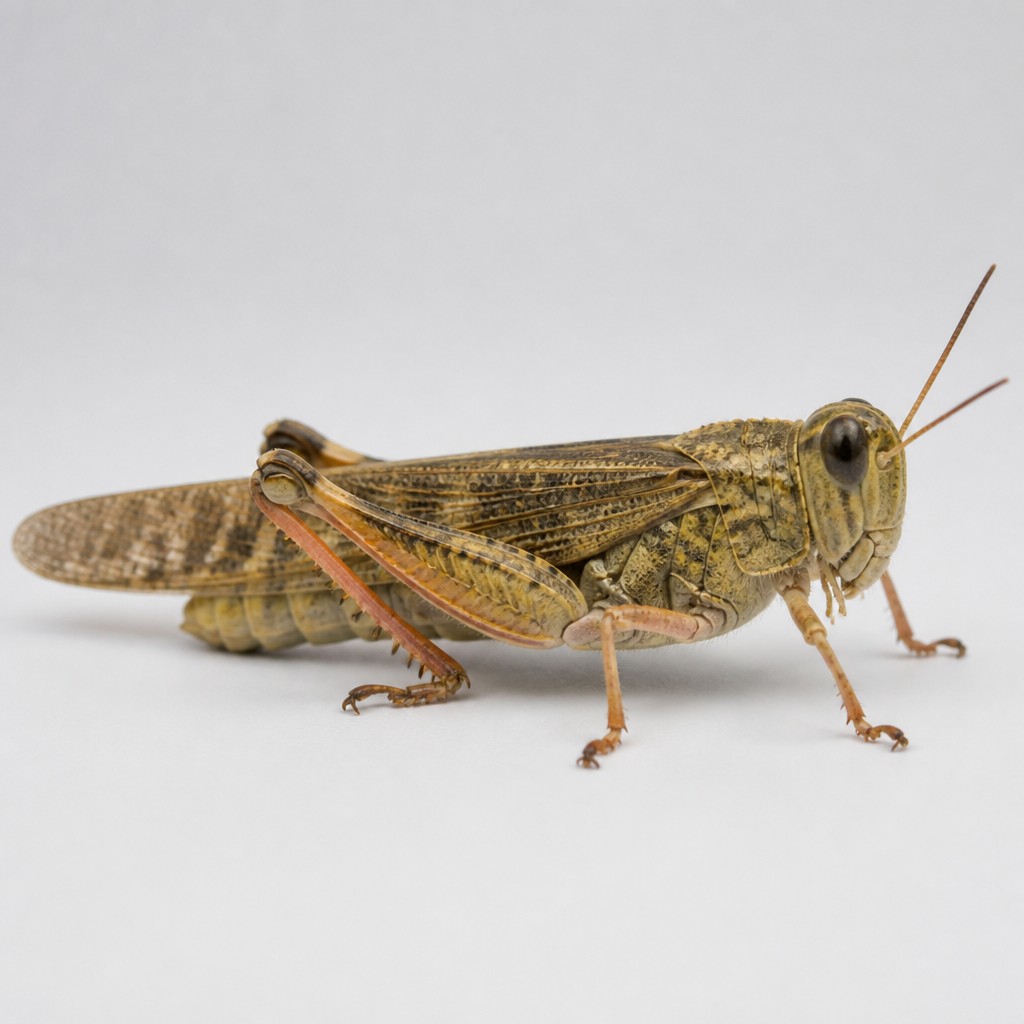
Rocky Mountain Locust
Once the most destructive insect in North American history, this swarming grasshopper vanished within a few decades of forming the largest insect swarm ever recorded.
grasshopper-cricket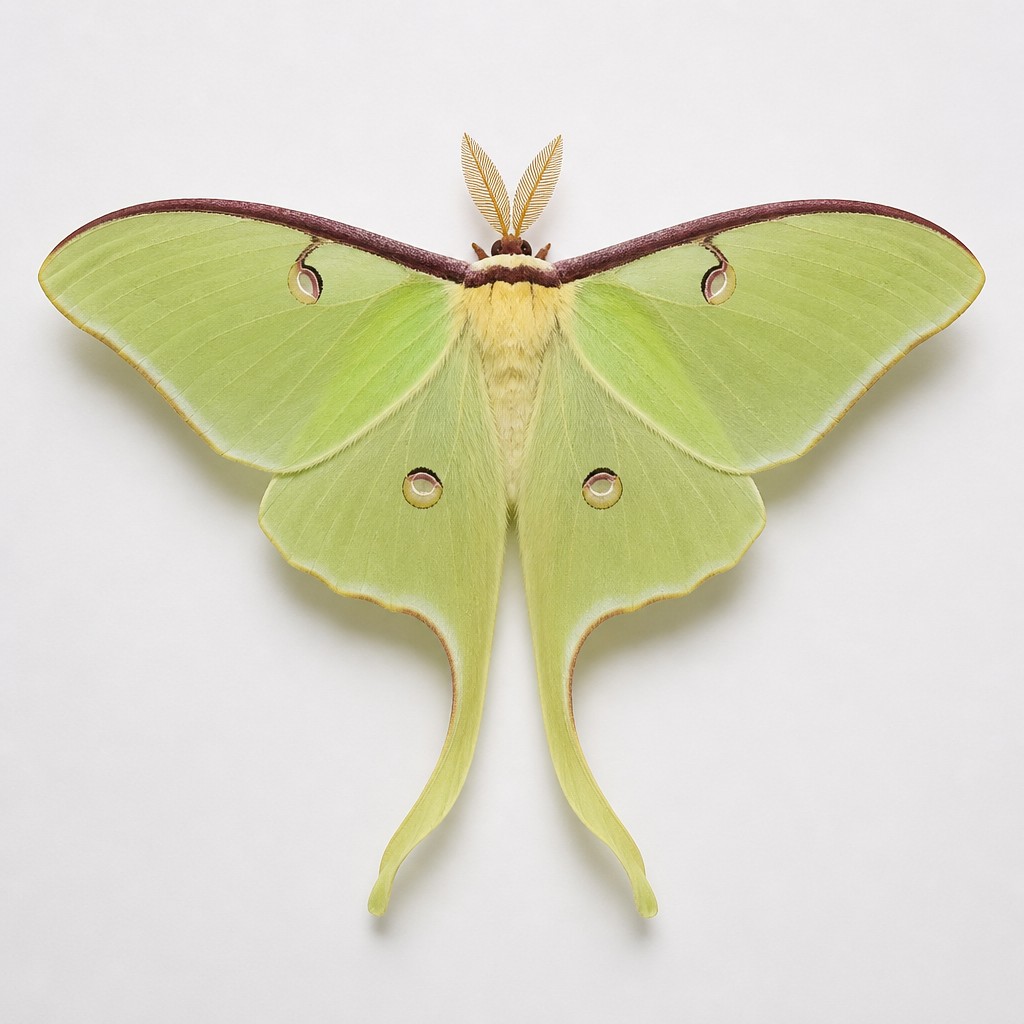
Luna Moth
A large, pale lime-green silk moth with long, elegant tails trailing from its hindwings, considered one of the most striking nocturnal insects in North America.
moth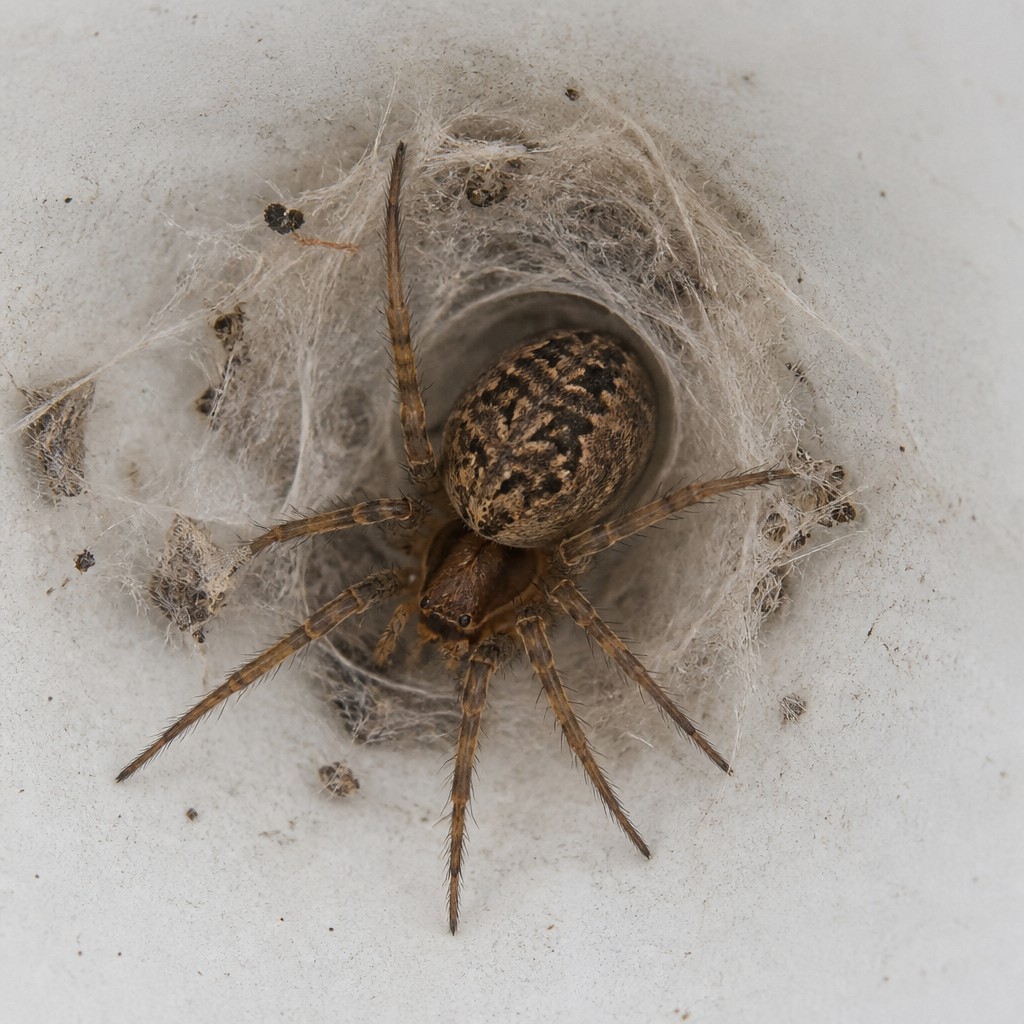
Common House Spider
Tucked into a messy tangle of silk in a quiet corner, the common house spider is one of the most familiar indoor spiders, quietly picking off flies and other small insects that blunder into its web.
spider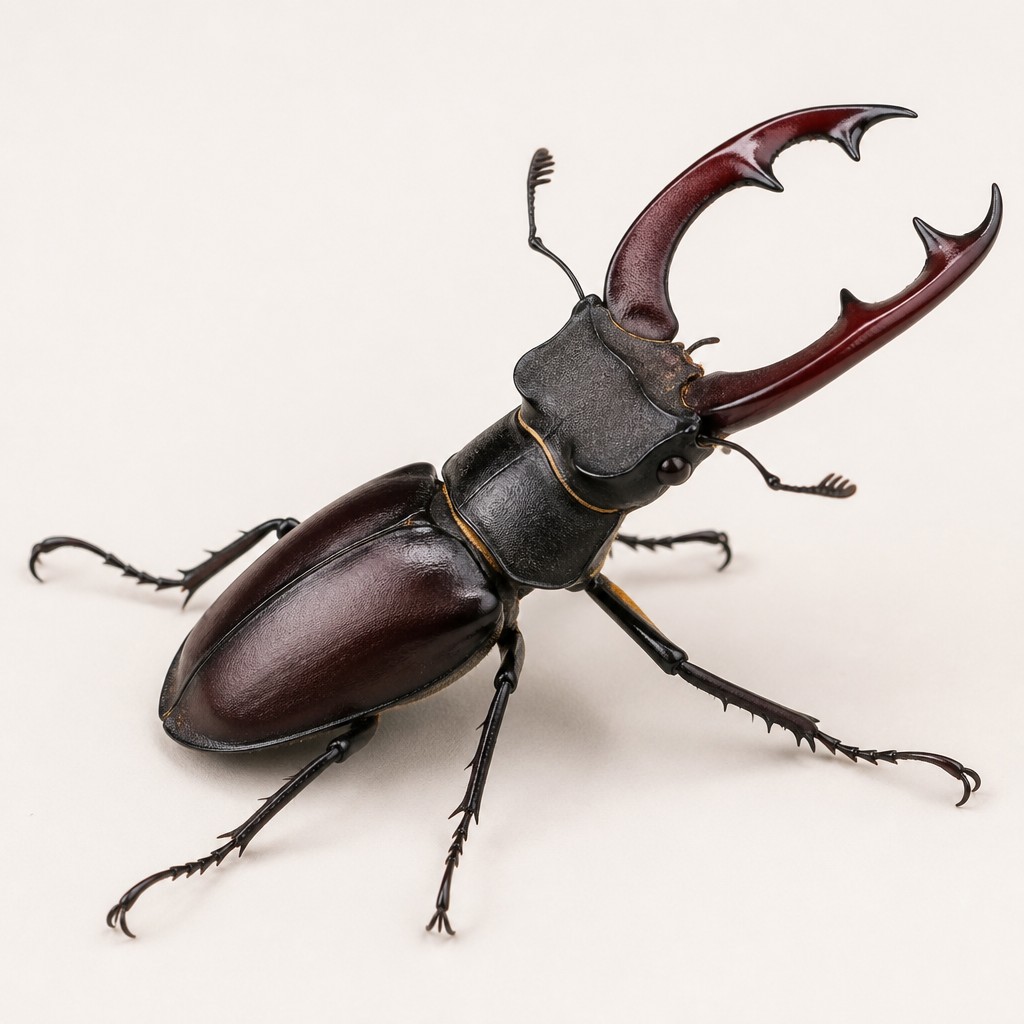
European Stag Beetle
Europe's largest beetle, a glossy dark brown insect in which males carry oversized antler-like mandibles used to wrestle rivals, resembling the antlers of a stag.
beetle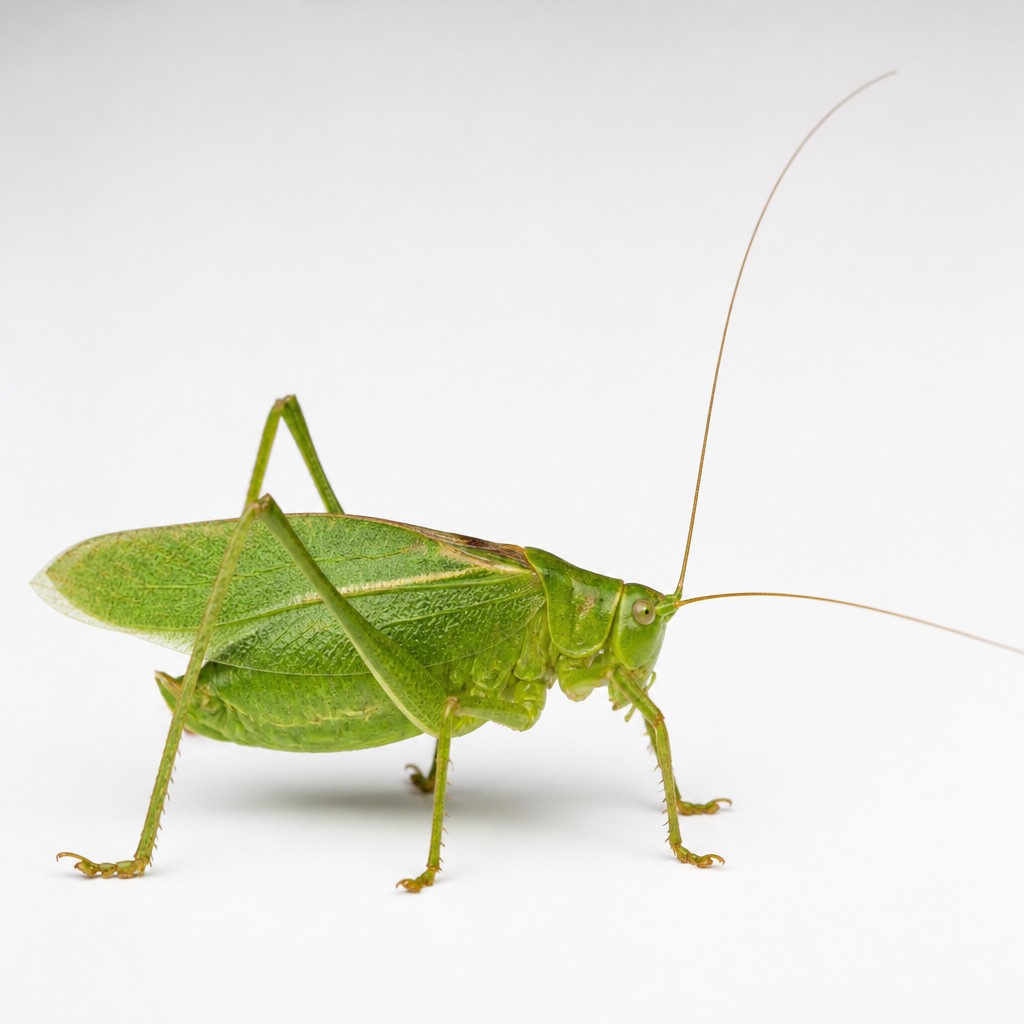
Bush Cricket
Known by its long, thread-like antennae and evening chorus of chirps, this leaf-colored insect spends its life hidden among grass and foliage, often heard far more often than seen.
grasshopper-cricket