
Bug Encyclopedia
Search and identify bugs & insects — beetles, butterflies, moths, ants, bees, spiders and more — with size, habitat, danger, behavior, and how to tell them apart.
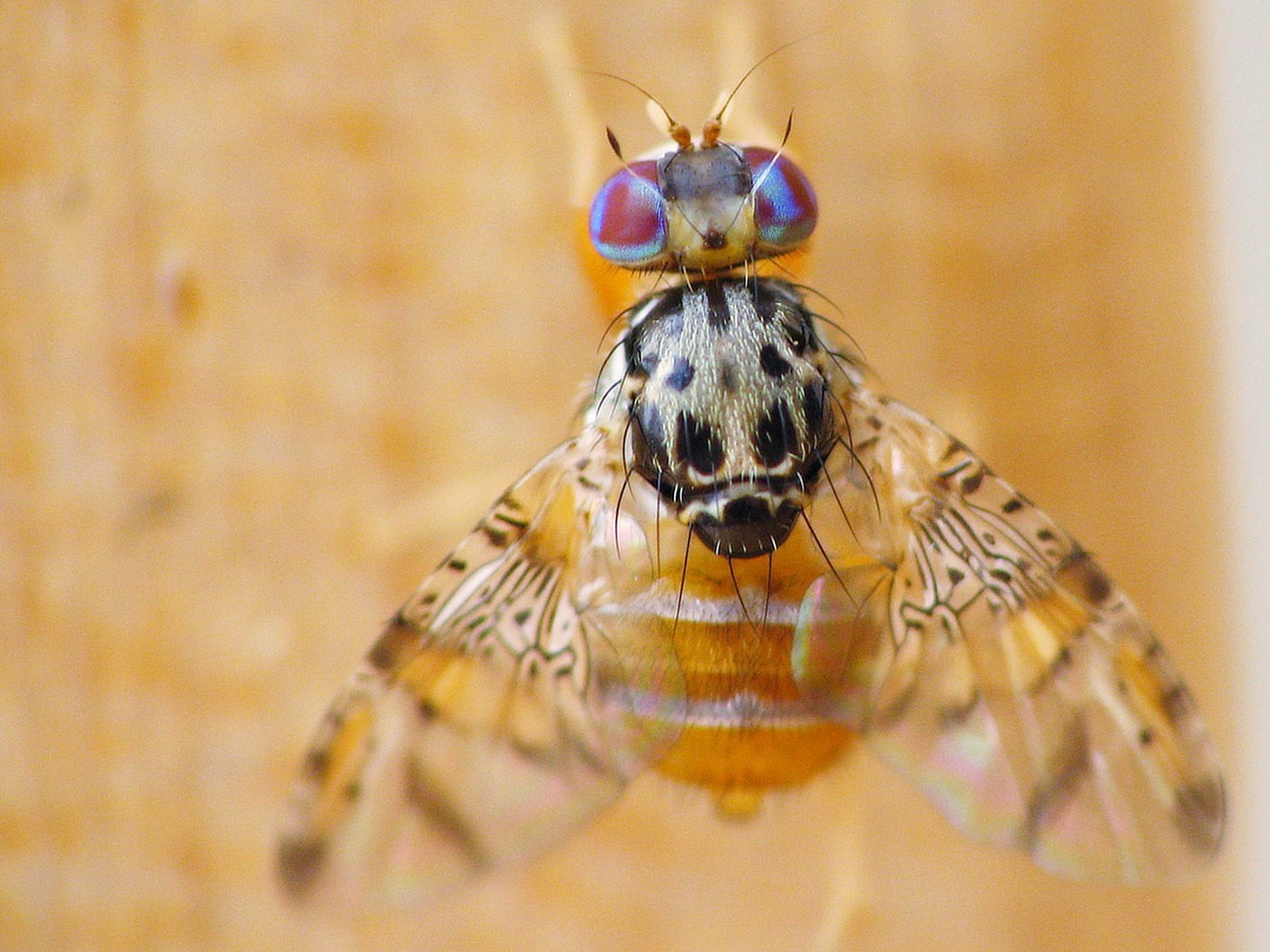
Fruit Fly (Mediterranean)
A small but strikingly patterned fly with mottled, banded wings held out to the sides in a fan and a body dotted with silvery spots, best known for larvae that tunnel through ripening fruit. Native to sub-Saharan Africa, it has spread with human trade to become one of the most widely recognized fruit-infesting insects in the world.
fly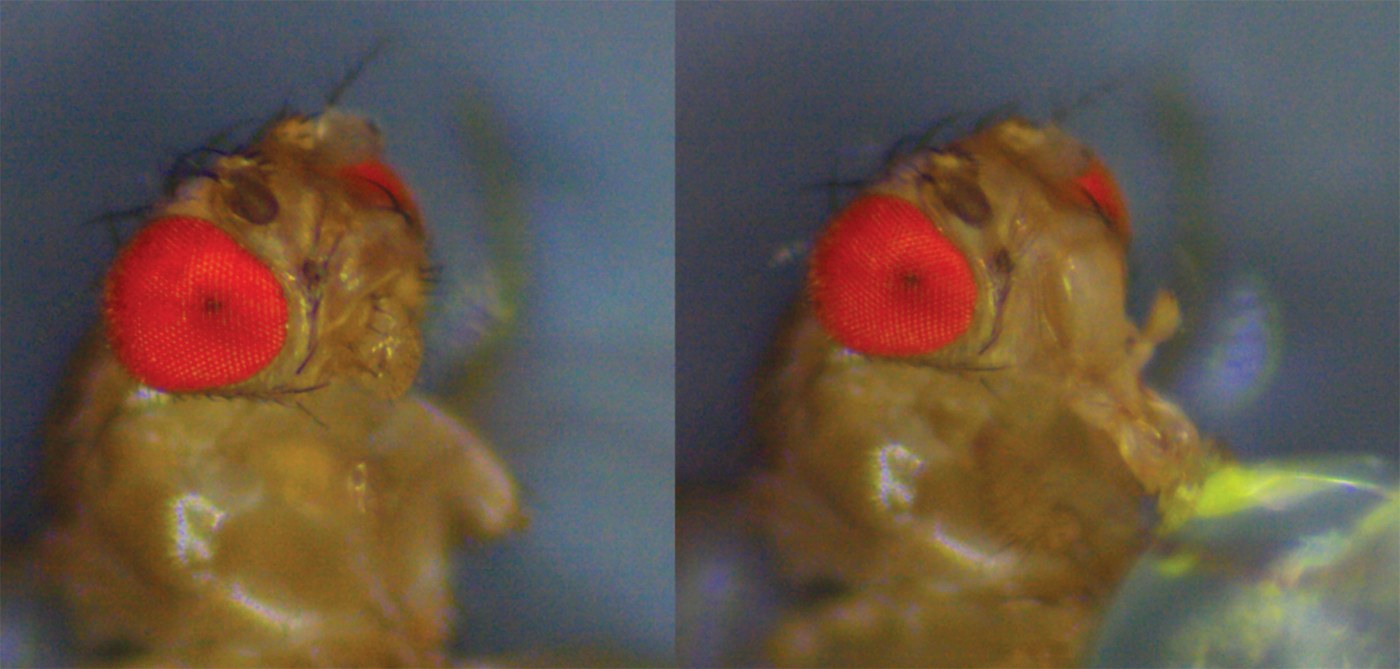
Vinegar Fly
A tiny tan fly with bright red eyes that seems to appear out of nowhere the moment a banana starts to spoil, drawn in by the smell of fermentation rather than the fruit itself. Few insects have contributed more to the science of genetics, making this unassuming kitchen visitor one of the most studied animals on Earth.
flySnipe Fly
A slender, long-legged fly often seen perched head-down on a sunny tree trunk or fence post, patiently watching for smaller insects to ambush. Its tapered, wasp-like abdomen and habit of resting motionless with legs splayed give it a distinctive, almost sentry-like posture in woodland clearings.
flyDarkling Beetle
A uniformly dark, matte-black ground beetle often seen walking deliberately across open soil, known for tilting its rear end skyward in a distinctive defensive posture when disturbed.
beetle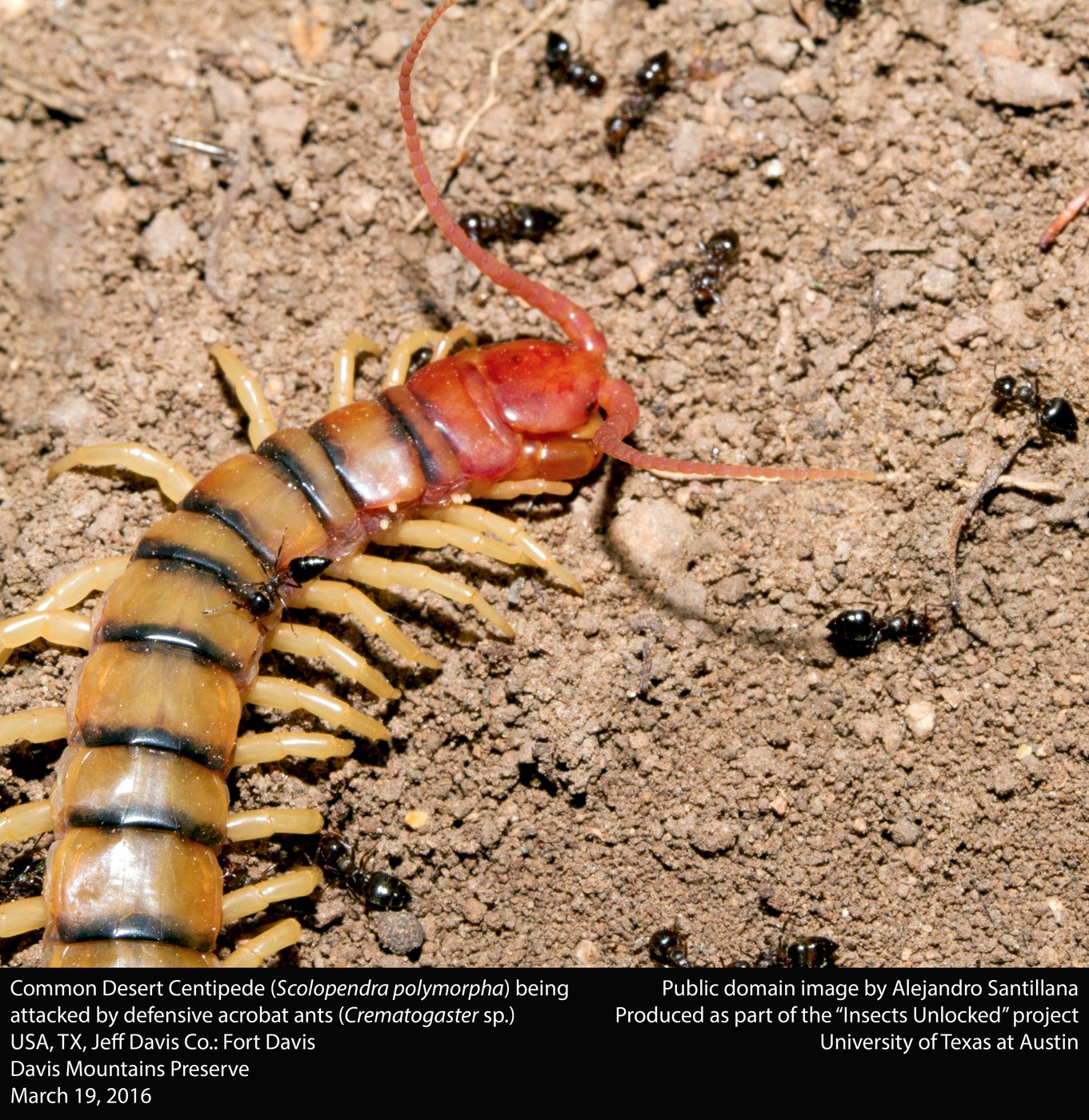
Tiger Centipede
A large, banded desert centipede with alternating dark and pale segments reminiscent of tiger stripes, capable of a fast, muscular scuttle across sand and rock.
myriapod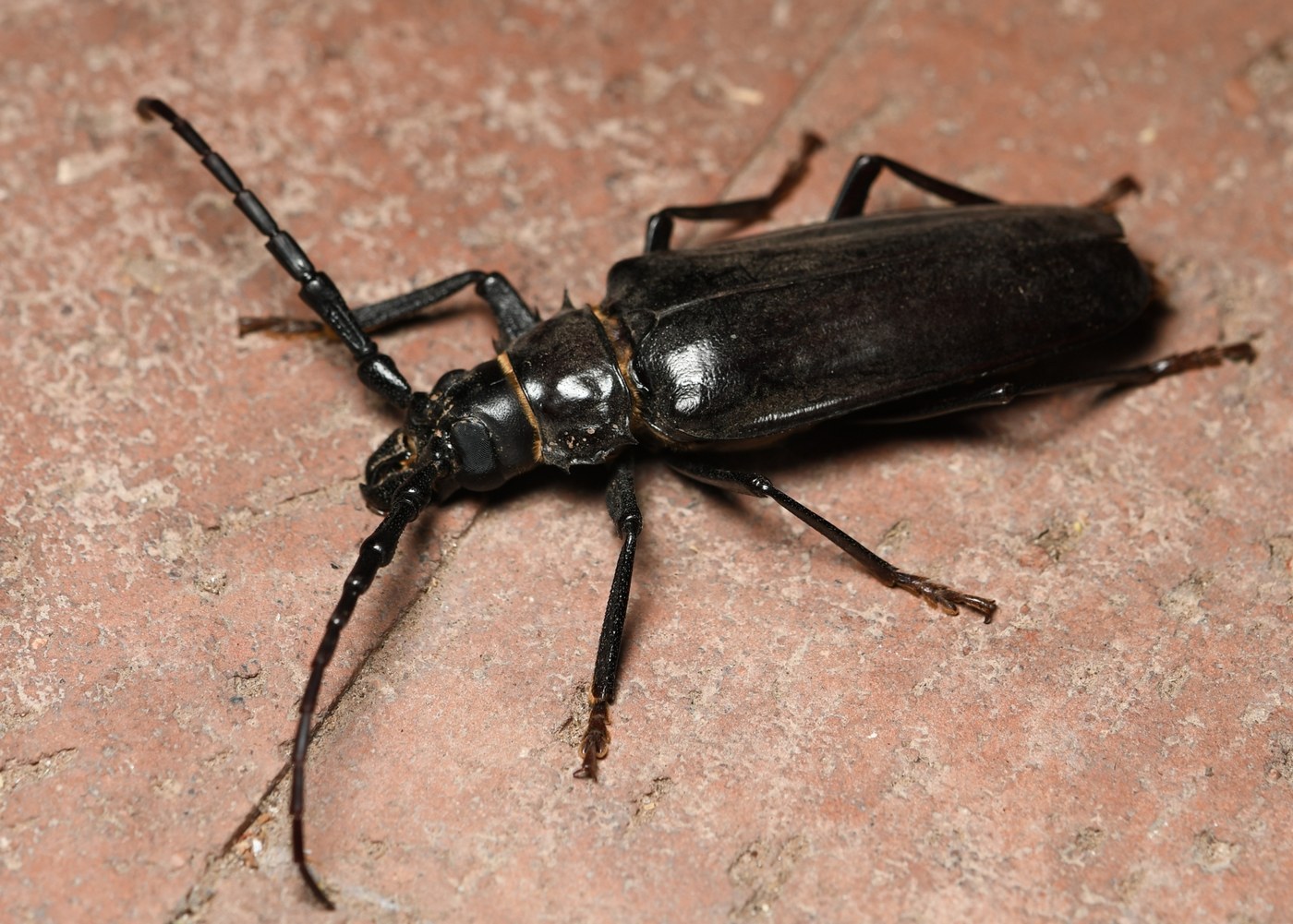
Palo Verde Beetle
One of the largest beetles in North America, a heavy, dark reddish-brown longhorn beetle with long spiny antennae and a loud, buzzing flight that emerges from the desert soil around palo verde and mesquite trees in summer.
beetleSix-eyed Sand Spider
A flattened, sand-colored spider that buries itself just beneath the desert surface, ambushing prey while remaining almost invisible against the dunes.
spiderHarvester Ant
A large, industrious desert ant that clears a bare, sunburned disk of ground around its nest entrance while collecting and storing seeds by the thousands.
ant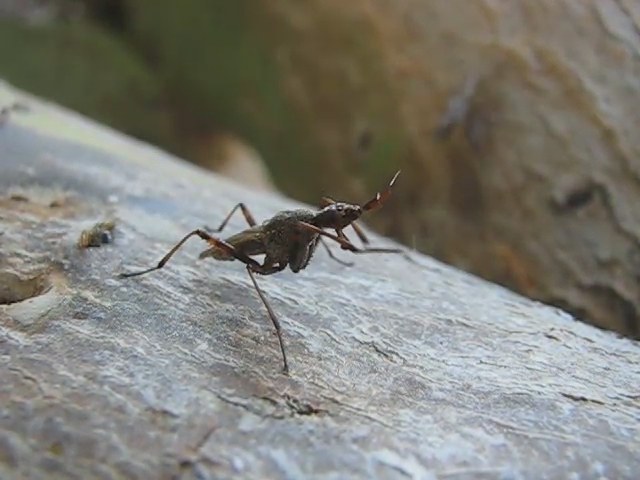
Cactus Fly
A slender, long-legged desert fly that specializes in breeding within the soft, fermenting tissue of decaying cactus, particularly saguaro and other columnar cacti.
flyCamel Spider
A fast-running desert arachnid, neither a true spider nor scorpion, with enormous jaw-like chelicerae and a reputation exaggerated far beyond its actual behavior.
arachnid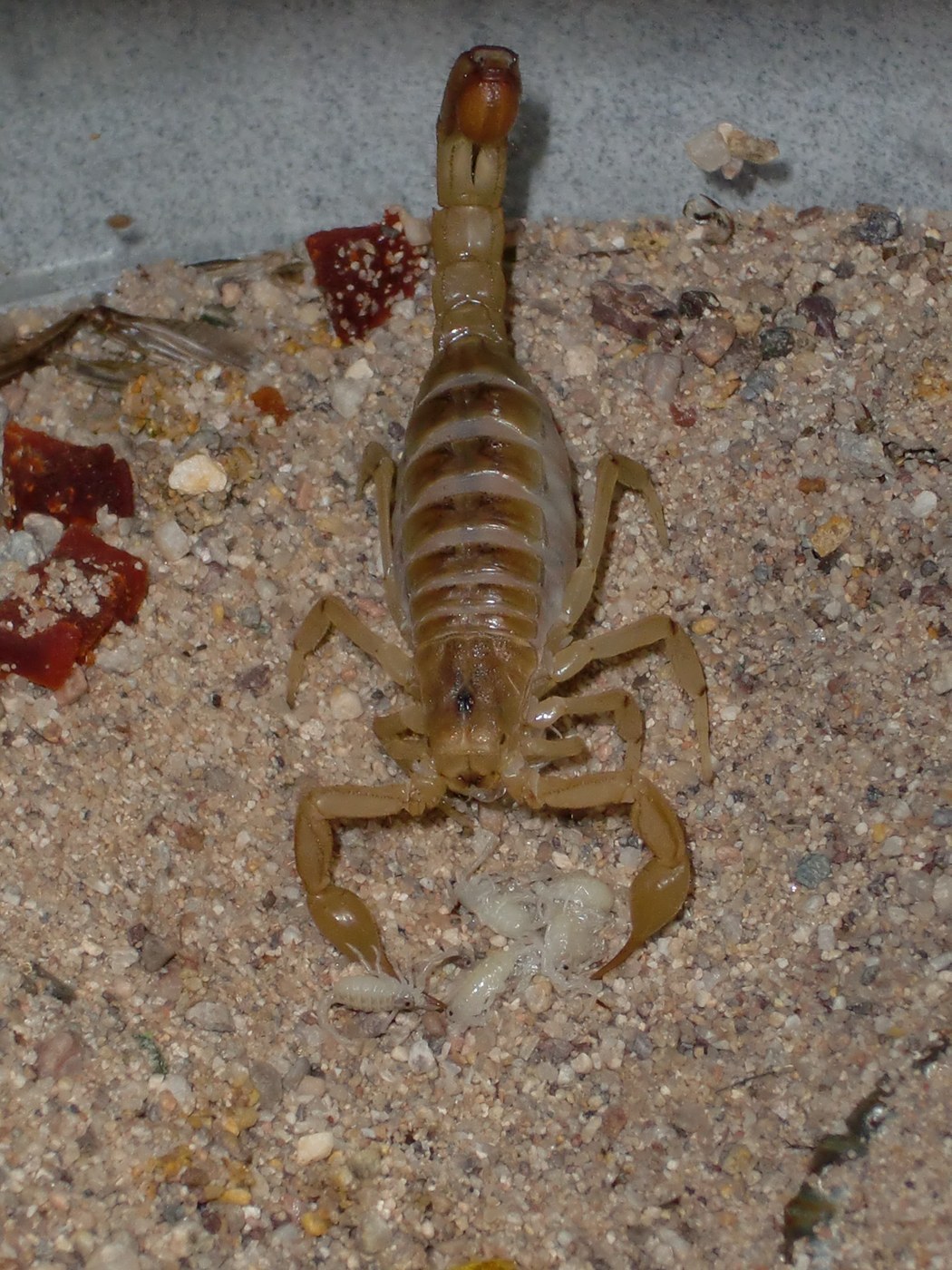
Arizona Bark Scorpion
A slim, pale tan scorpion of the Sonoran Desert that climbs trees, walls, and even ceilings with equal ease thanks to its excellent grip.
arachnid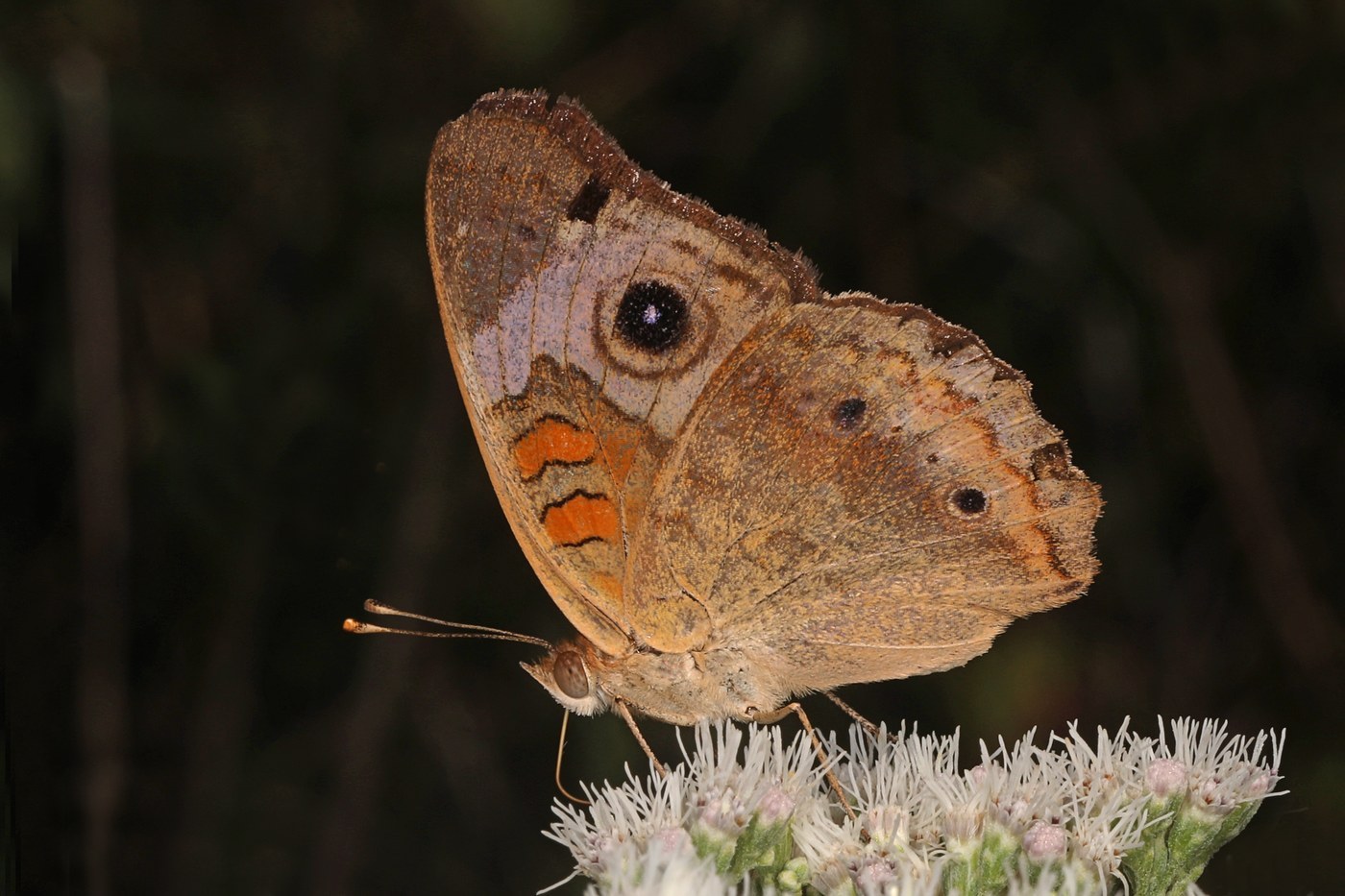
Common Buckeye
A medium-sized brown butterfly instantly recognizable by the large, colorful eyespots ringed in orange and blue on both its forewings and hindwings, thought to startle or deflect the attacks of predators.
butterflySun Spider
A fast-running, fiercely built desert arachnid with oversized jaws, often mistaken for a giant spider despite belonging to an entirely different arachnid order.
arachnidGiant Centipede
A long, fast-moving, many-legged predator with a hardened segmented body and a pair of venom-injecting claws behind the head that it uses to overpower prey far larger than itself.
myriapod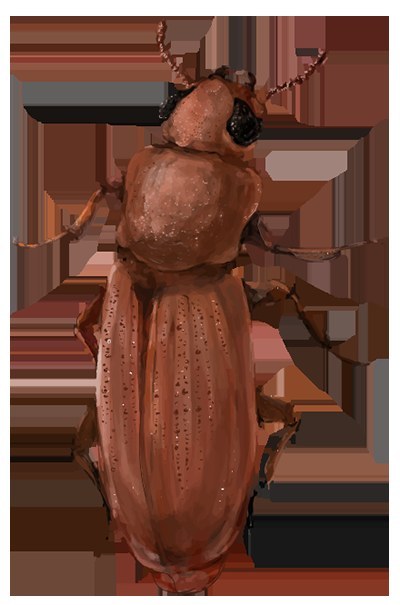
Flour Beetle
A tiny, shiny reddish-brown beetle that infests flour, cereal, and other dry stored foods, often found in dense clustered populations.
beetle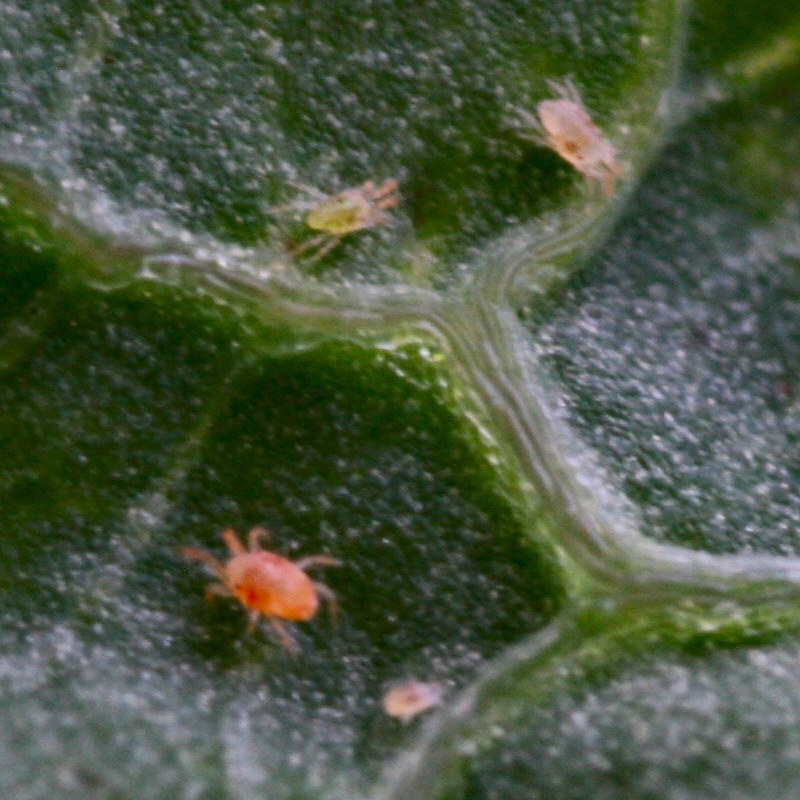
Spider Mite
A speck-sized arachnid that spins fine silk webbing across infested leaves as it pierces plant cells for their contents, leaving behind a telltale stippled, bronzed appearance. Populations can explode rapidly in hot, dry weather, making it a familiar garden and greenhouse pest.
arachnid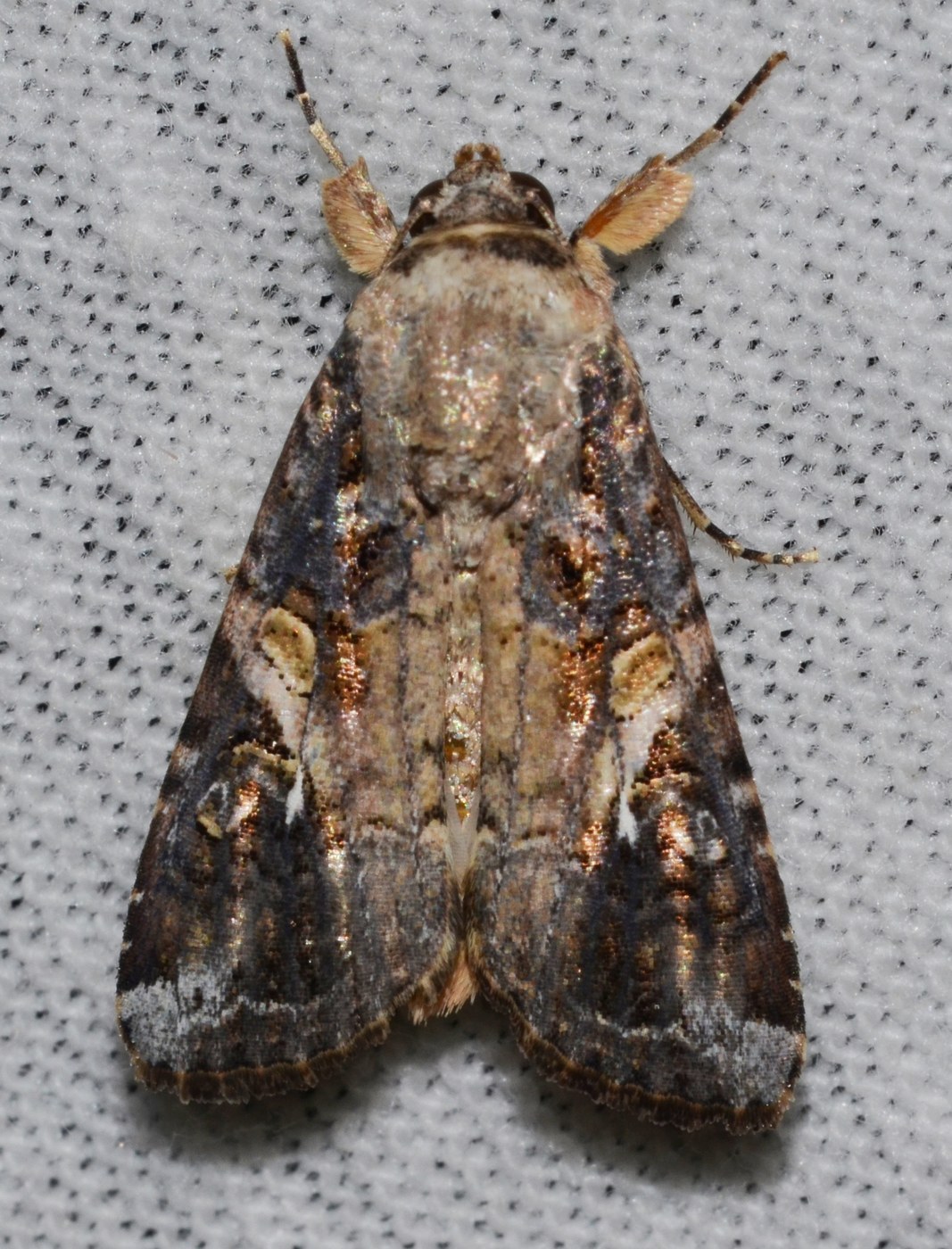
Fall Armyworm
A brownish-green caterpillar marked with a pale inverted "Y" on its head, notorious for rapid, large-scale outbreaks that devastate corn and other grass crops across the globe.
caterpillar-larva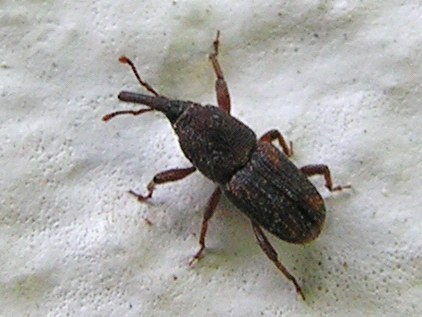
Rice Weevil
A tiny reddish-brown weevil with a long curved snout and four faint pale spots on its wing covers, commonly found infesting stored rice, wheat, and other grain products.
beetle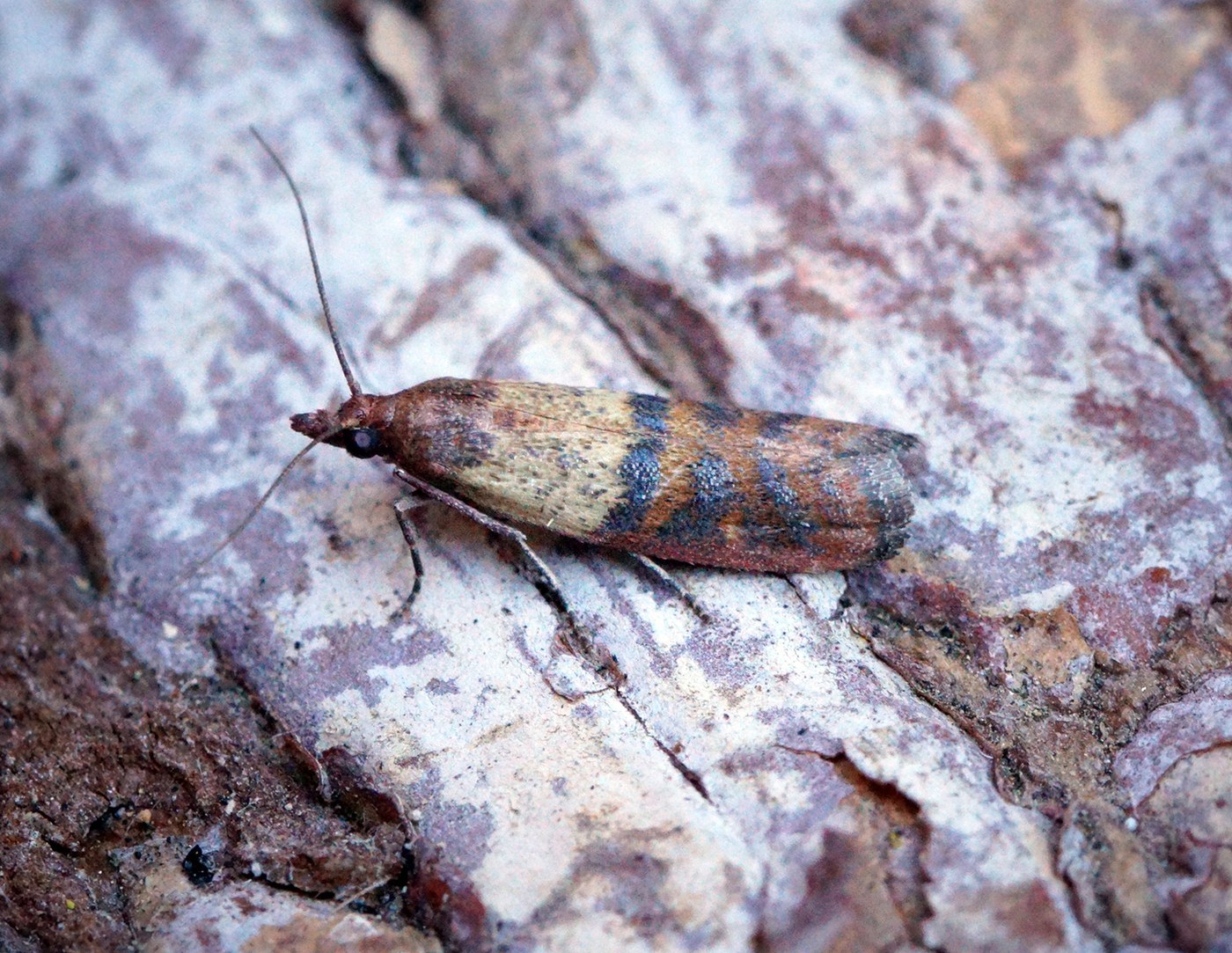
Indian Meal Moth
A small, distinctively two-toned moth with pale grey-tan inner wings and coppery-reddish outer wings, widely recognized as the most common moth found infesting stored dry food products in homes.
moth